Subscribe
Share
Share
Embed
Unfiltered takes on the biggest shifts in marketing technology. We spotlight what matters, who's leading (or lagging), and what's next. In Martech, clarity is power — and we're here to deliver it.
Welcome, where we delve further down the martech rabbit hole and try to make sense of it. Post hog
built a $1.4 billion company on one idea. Stop guessing. Measure everything.
They sell analytics. So here's the question for today. Why is Post Hogg's own brand, the
Hedgehog, the weirdness and the whole thing people fight for online measured by slack bot and
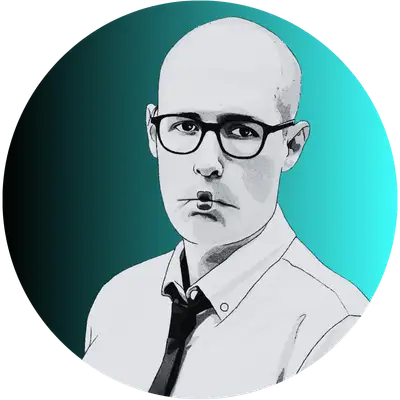
good vibes. So a little bit about my guests today. First we've got Lottie Coxon, who is Post Hogs
lead graphic designer and was the first creative hire. Posted her portfolio on Twitter and was
contacted by Post Hogs founder 24 hours later. Now she spends her days designing the brand and
drawing hedgehogs doing silly things. I wait to know what that message was from the founder.
And we have Joe Martin and in order he has been a clown, a morgue cleaner, a chainsaw salesman, a
tech journalist, a content consultant and a product marketer, that's quite the
multi-hyphenate. He joined Post Hoc as the 10th employee in First marketing hire, back when the
product was analytics only. Now, the marketing lead is responsible for keeping the brand as weird as
it was when the company was worth nothing. Welcome, and thank you both for being here. Thank you.
Pleasure to be here. Thanks. Hi. Good to have you. So let's dive into some quick rapid fire just to,
like, warm up. All right. What is one word? Ghost. Brand voice. But
playful. That's a good one. Unfiltered. Ooh, I like
that a lot. Okay. What is the most post-hoc thing that post-hoc has ever shipped? Whether it's
marketing product. Does it matter? I would say desktop, which was like a little like
microcomputer developer toy we made just because someone in the company had a 3D printer and a
dream. That's a good one. I'm going to go completely the opposite end. The James Hawkins
doll we made or April Fools. It was like a Barbie 3D printed to look exactly like our
founder. Terrifying when I found one in a cupboard at work one time. Ooh, that's a little scary.
Um, what is one thing you'd never do for the brand, no matter how good? Host a webinar. That's a good
one. I thought you were going to say wear a hat. Another hat. I do wear a lot of hats. I was
actually I don't think there isn't anything I wouldn't probably do for the brand, but webinars
pretty good. So can I still chose you? Probably not attend my webinar.
You might design things for it though. Yeah. Would it just be a webinar not called a webinar? Maybe
it would have to be a really good idea for us to get away with that. That's fair. Okay. What is
a favorite piece of internal pushback you ignored? This one is easy for me because I bring it up all
the time. I started like pushing on email marketing, poster building, like nurture campaigns
and things like that. And Raquel from our team told me like, very bluntly, email marketing doesn't
work for developers. And consistently remind her that she was wrong. That is an easy one to prove
wrong. I'm glad you did. What about you, Lottie? I think trying to be an
engineer, I ignored that, and it's actually worked for me. Last but not least, in terms of rapid fire
post hoc, where a person at a party, what would they be doing? Will they be wearing?
You name it. I feel like we like our product does so many things, but if we would probably be some
sort of manic force at the party doing everything all at once, we'd be trying to sit in a corner and
play guitar, while also mixing drinks and hosting and talking to people. I was thinking more like
someone wearing, like a garishly loud Hawaiian shirt and their first, like, be on the
dance floor because they don't really care what people think. But maybe that's just that's that's
just you describing James Ross. These guys are anything but conventional, anything
but typical B2B. And so I'm curious, is there a playbook that you set out to ignore? So you've
already mentioned webinars are a no go. That's boring and very corporately B2B. I don't think
there's anything we like purposefully set out to ignore. The closest thing to that would be
deciding very early on, James. And I think James especially decided that we didn't want to do the
traditional B2B sales motion at all, and we kind of built the sales side of the business very, very
differently and made everything in the product as self-serve as we could. on the mock stage side.
Like, I think Lottie can correct me if she thinks I'm wrong, but for a very long time, the first I
would say like 2 or 3 years at least. I think I was the only marketer at post-hoc who
actually had any experience working in marketing. Everyone else was either, like me, an engineer. They
worked in different parts of the industry. It was kind of we didn't know a lot of the time what to
ignore. We were building things from scratch and not trying to like, throw out a conventional
playbook because we didn't know that those conventional playbooks really existed. So I was
the only person with several years of marketing experience, maybe, and nobody listens to me anyway.
I would also say that, like I think from the get go, the ethos of like the brand was when
everyone goes right, we go left. Like we were trying to be obnoxiously different. Maybe not
obnoxiously, but I don't know when the majority of like corporate SaaS companies were doing white
papers. We were like. We're never going to do that. Or if we are, we're going to print it on toilet
roll or something. Just digging while everyone's zagging. Exactly. And like purposely trying to be
different, to stand out. Otherwise you're just shouting into the void, basically, because there's
just so many strategists that do the same thing. Okay. What's the one? Editorial instinct. Newsroom
culture has that marketing actively tries to beat out of people. I think probably like around
collaboration and keeping things organized. Journalism is often like very
fast moving and chaotic. But at the end of the day, like I worked in magazine publishing and magazine
has a strict deadline. Everything has to be ready for print. There is no room for error. The paper
has already been bought. The art has to be laid out. It's a very late, regimented process, and
marketing specifically at Post Dog has taught me that things can be fine if you just let go of the
wheel a lot more, that you don't need to keep everything as organized. And I think this extends
into collaborations. While collaboration at post org is almost a dirty word. A lot of the time and
we get that makes me sad. Well, I mean, it's not that we don't collaborate, it's more that it's
like not performative collaboration and like trusting everyone around you autonomously do
their best. And it's a step further along the journey of like, ask for forgiveness, not
permission. And like, you shouldn't ask for forgiveness or permission. You just go and do the
thing. But it's definitely a marked change from, you know, trying to get editor, sign off, an art
editor, buy in and things like that in journalism and trying to keep that content calendar. So we've
talked about your journalist background, but Lottie, I want to talk about how a teacher once
told you that you weren't very good at art, and you should try something else. First of all, a nice
you to that teacher. I hope you feel better. How much of what you do today is still, on some level
proving that teacher wrong. I think I'm past it. I think I've let that drive go a
bit. I definitely was like my main driving force when I was younger. It led me down the path
in doing graphic design and art at school, but I think now in a much more healthy post therapy
mindset. Um, I think what drives me now is trying to be the best I can be
in my field. For context, um, I was something like 9 or 10, like very important.
I know, I know, I know, it's so bad, right? Oh my God. Teachers forget how impactful important they are.
I know, I think it's because it went to some kind of, like, silly, pushy private school at that age.
That summer, after I've been told I shouldn't focus on it. I remember every single day
practicing drawing something. And I think after that it got to a point where I was like, okay, you
can put in the time and improve your craft. And I think that's when I caught the bug of, like,
I can read it better at this. I don't think looking back, I'm like, that was the catalyst. But I
don't think that's like my drive. Loved her, hate her. I'm here now because of her. So speaking of
art and doing it over and over and over, there are now 18 versions of a hedgehog.
At what number did you think this is? It. This is the one. But then also talk yourself back out of
it. And what changed between the early attempts and the one that is well known to everyone? I
think it just depends. I know for me it depended upon if it felt right. Um, and
I felt like it wasn't properly representing like, oh, sounds so good. It's just spirit of the brand.
Or like how I wanted the company culture to be encapsulated, channeling the energy of like
certain people at the company. So like the engineers or like how chaotic or like how
passionate they are on because we have quite a lot of people who work for us that are quite
silly. And I felt like going through all the the ranges of the hedgehogs, they weren't expressive
enough or they weren't friendly or approachable enough and like, it just didn't sit right. So I
just kept on iterating until it did. And like, even like recently, I started adding in
eyebrows to some of them. Um, well, all of them from now have eyebrows, so it's constantly evolving. To
be honest, I don't think we're still, I'd love to say that we're like that. Um, but I can imagine it
will have various evolutions going forward. So I might be talking about like aiming for a much
greater sense of humanity, like fairly consistent consistently as well, obviously, because when I
joined like it's we've had 18 versions of the hedgehog, but like we had things before the
Hedgehog as well. When I joined, uh, I remember the, the mascot at that point was like humans, lots of
humans with TVs and computer monitors for heads. Yeah. So we had some experiments with that. And
Lotty was I thought that was cool at the time. And Lottie was very adamant that, no, it felt
aggressive, felt oppressive. It didn't feel very human. You wanted it to be more personable. There's
been a lot of iteration. Humans always called Max. Or where did Max the name come from? Yeah, sure. So
Max is I think it was my first postdoc offsite. We went to Porto and at this point there
was, I think maybe like 20 of us at the company. And it was we were talking just
generally what should the name be for the hedgehog? I think I suggested someone suggested
that we should like name it after Someone in the company in some sense. So like it's a who
was our developer advocate at the time mentioned that his I think his eldest child was called Matt
and I just felt right. So I we just said, Matt, I think Lottie was the one that was like, yes, Matt
is that. And then it just kind of stuck. That's awesome. Yeah, it was a very short conversation
that like the amount of legacy it's had. Yeah, I love that though. And okay,
Lottie, what is the most ridiculous thing you've seen drawn made Max do like and it almost
get vetoed or you kind of have that I'm going to do it and see what happens. One that got
vetoed. Well, technically I don't know if it's vetoed because I probably would draw it anyway,
and then people would be like, we won't use this because it's too long. Recently we've been talking
about AI and how AI can have harnesses on them. Can you tell that I'm not technical when I speak
about this? It's a good thing. Classic shapes and colors over there. Oh, and also in the AI speak,
they talk about sandboxes. So I was like, it would be really funny to do a hedgehog in a sandbox
wearing some kind of semi inappropriate harness. And yeah, that one didn't really get
quite a lot of back up from people being like, yeah, you should do it. They were like, maybe not. I
think it's funny, at a minimum, the sandbox for sure. I can maybe understand the hesitation on the
latter piece, but I think this question is dangerous because of how rare it is for something
to get vetoed as well. Like my favorite one managed data warehouse product that's in beta at
the moment. And it's very the Managed Data Warehouse is a very exciting product that data
engineering and data warehouses are very cool. It's hard to talk about them, at least in a way
that makes them seem cool. So Lizzie, who is the product marketer or back product, came up with the
idea of a campaign around how sexy data is. Data warehouses are sexy. And as a result, Lotti ended
up drawing a version of Max the Hedgehog wearing. Like, is it like six inch transparent crystal
heels and on like a stripper pole platform? A scandalous Max? I like it swinging around the
headline columns in all the right places. That was certainly out there and did that. Is that going to
go live? Went live? It already is. Yeah, I think it went live for the weekend. Yeah. Wait. That's
amazing. Okay. You have a slack channel called Do More Weird. What was the last idea in there that
got rejected? And it should have been. And it better not be this one. I actually feel
like we don't really reject many, if any do more
weird make it to being shipped. And I would say that anyone who has like the
determination or the passion to like get a project over the line and they can do it. It will
happen. So I don't want to say like you've no idea as to where's Joe? Maybe like interject here
if he's too bad. The challenge would do more. Weird is like we try and put the emphasis now more on
the the do part. Like every everyone. We don't want it to just be all wacky ideas kind of
thing. It's more like we try and view the channel, I think, as a place to like, socialize ideas and
get buy in. And then once you have got that buy in, then you just go and do it. You don't need
anyone's permission to do more weird things that don't really kind of no one cottons on to.
They'll end up moving forward because the person who is who's had the idea, who's very passionate
about this. I think Pavel in our bidding team is at the moment trying to look at making a post hoc
mobile or cell phone network just to support our employees when we travel for work. And because he
thought that would be an interesting project. He posted that and I was like, yeah, we'll probably
never really do that. I'm not going to respond to this. And now now he's he's apparently doing it. I
mean, he's one of the weirdest ideas that I know was discussed a lot that did not get moved
forward recently. Whereas in the UK we have a like a children's TV character called Mr.
Blobby, who is like this big inflatable jelly man thing. Um, and the original costume
for Mr. Blobby became available to buy and someone wanted to buy it, because Mr. Blobby is
also the internal codename for part of our blob ingestion system. I love
that connection so much. We did look at buying it, but in the end I don't think we pulled the
trigger. Pretty sure someone's put in a bid. That's. Yeah, I'm I'm thinking
nothing gets vetoed. Yeah. Okay. Shifting gears a little bit towards really the brand identity. And
I assume there's a brand handbook of some sort, because I don't remember where in my research, but
I found it said something along the lines of the rogue sarcastic meme
and unhinged. Has anything actually ever been pulled back? What crossed the line? It sounds like
very little, uh, rogue, sarcastic, me mean unhinged. Certainly sounds like something we would use to
describe it, but I don't know if we actually have a defined statement on what the brand is. The only
thing I can think of that is maybe crossed the line once. So one of the other things that we talk
about a lot is not shaming or like poking fun at competitors. What we try and like in all of those
conversations take the high road. And one thing that I did that I know crossed the line at one
point was I was writing a product page, kind of a book on this now, but, um, and
had a comparison chart of like, this feature is present in this competitor and not present in
this one, and is present in post. And at the very bottom of it. I put a note like a line on the
chart that said like pouring blue typical like a website. And it was a take for everyone else in
the cross for post hoc. And that caused a little bit of a discussion internally where we were like,
we pushed it live. And then and then we looked at it again. We're like, ah, this actually just it
feels mean spirited. I was aiming for like a sarcastic week and it
came off aggressive. So we just it was my third day or two and we just various people that, um,
they don't really begrudge people for making mistakes too much. So one of my, my favorite things
since we're talking about and slack channels and I mean, it goes like one of my favorite things at
work is something that Paul Danbury from our team and I started. We have a slack channel called
Mistakes Were Made, which is like a private slack channel that started with just hit him and me in
it. And now whenever someone makes a mistake and we have to roll something back, we have to do an
apology or something gets messed up. We just add them to the channel quietly. And the idea is like
it's not to try and shame them, but it's so if someone has made a mistake and you see the sad
about it and get added to a channel filled with other people who are like, yeah, I've done that.
Don't worry about it. That's a really nice addition to like a post incident review or post
mortem. It's like, you know what? You're not alone in this. Well, it can feel really isolating at the
time. Yeah, it feels very isolating. But I think the beautiful thing about that channel is that over
time, everyone's going to get added to it. Nobody doesn't make mistakes. It's very true. I think
people forget that. And a lot of boring companies don't realize it's allowed. And it's actually
sometimes a good thing. Okay, so your CEO has put it directly. The direction of travel for a B2B
company is that you get more boring as you get older and scale. I totally agree. You guys have
raised nearly $200 million across seven rounds, and are now a unicorn at $1.4 billion of
valuation. Where do you think you are on that arc, and how would you even know if you've started
backsliding? It's been very privilege and lucky to be able to raise so much money. I don't think
raising money is really like we don't view that as a metric of success for the journey that we're
on at all. Like we raise money because we might want to do something in the future, or we think it
is a good strategic time to do it. But I think it was our series C, which was like a 10 million
raise, was strategically important to the future of the company at one point. But in the marketing
side and the brand side, we just forgot to announce that every other company I've ever
worked at would do. Here's a press release, and we're going to try and get on TechCrunch, and
we'll do a Wall Street Journal thing and it post on until we raised our series D, which later on we
didn't even realize that we had forgotten to announce it. And this guy leads me to my second
point as well, which is the part Lotti is not going to like. Because I think, to be very honest, I
think glossy keeps us honest and a lot of this stuff. It's not just Lottie. I think also Heidi as
well. Um, so obviously the the illustrator and the team, like the graphics team, ends up working on a
lot of these sorts of like announcements and projects. They are often very tied in to what is
important and getting attention at post right now. And as Lottie alluded to earlier, is not an
engineer. She is not a tech investor out there who is really tied into enterprise software trends or
anything. And I think that is actually really valuable because it makes someone who is within
that cycle like a great bellwether for like, I don't understand what this is. I don't understand
why this is important. And when someone starts asking those questions, it's a great prompt
internally to be like, actually, yeah, is this important? This is interesting. What would be the
interesting way to like, communicate the story? And as a product marketer, like working on some of
these announcements from the other end, that helps. Challenge me to the easy way to solve a lot of
problems. If you're announcing a feature or announcing the product, you might need to like do
a standard press release, a list of features, or when you're being challenged in that way, you have
to get creative starts. Yeah, I think that's how we know that we are spoiled into enterprise. We used
to be IBM sort of told no, but it's true. And I think a lot of companies become their own echo
chamber of, well, this person gets it. So it's fine. It's actually know the diversity of thought and
background is what makes this interesting and also approachable. One other thing to add to that
context, chances are if we come up with a fun marketing campaign, he'll be like, speak to someone
outside of post-hoc who doesn't know what post-hoc is. Run it past them, and if they actually
think it's funny, then we're in the money. And if it's not, then you sort of have to take away the
sort of like, oh, just because Post Hoc thinks it's funny. Sort of gut check. Okay, I want to talk a
little bit more nerdy and under the hood. So a lot of you mentioned shapes and colors. Previously, I
want to have you walked me through the actual visual language. Like what are specific choices
that make something unmistakably Max post hoc, you name it. I love this question because we're also
like going through a bit of a a brand refresh at the moment, so I don't even know what makes post
hoc. I mean, I do, but I don't. I guess the first thing first I would say is bright, bold colors.
We've got sort of a, a color scheme of around seven sort of key cards that we've continually
used since Corey Wadlow joined, uh, the head of the website. He's also
the guy behind the sort of amazing OS website that we have at the moment.
So just want to give him a little big fan. That's that was my initial Understanding of what
post-hoc was and don't say. But it's huge. It's amazing. Specifically on the hedgehogs, it's sort
of the line way. It's the colors. It's I even use like a template every time Heidi uses a template
every time. So we've got consistency there. And maybe just the visuals that we choose to
create are specific. They're cheeky, they're out of the box thinking or at least like
that's what we're aiming for. Um, so yeah, I don't know if that's. Oh, and fonts, obviously we've
got like a few fonts that we sort of keep in rotation, one that's a bit more serious for the
website, which at the moment is open round. Um, and then one for marketing, which is a bit more like
punchy and shouty and loud, which is called squeak, which we, I think we got custom made an excellent
name. It is. Yeah. My favorite font was still the first one that we had, which was called Loud
noises and was just Lottie's handwriting. That's kind of awesome, though. Did you actually
create it into a font, or did you handwrite everything? No. It's, um, I think it was because
people wanted. So before when we had hedgehogs, I would write little speech bubbles and they would
have my handwriting writing messages. And when we got big enough, people like, oh, I'd really like to
write my own messages in your speech bubbles. But we didn't want to use the other fonts because
they just didn't feel like they fit into the sort of visual environment that the hedgehogs were in.
So yeah, I went through the process of making a font. It was really informative and very easy to
do. Brought to you by our sponsors. If there's one theme that's followed me at every step of my
martech career, it's trying to get good data into the hands of marketers. That's why I'm so excited
to tell you about our sponsor, High Touch, the leading composable CDP and AI decisioning
platform companies like Domino's, chime, Erica, and PetSmart trust high touch to power there data. And
here's the kicker. 90% of customers have a real use case live in production within their first
week. That means you can implement a world class CDP in months rather than the usual years long
headache. That's why top brands choose high touch to personalize every customer interaction at
scale. See what high touch can do for you at high touch. And now back to the hot seat. I find it
ironic that you're going through a rebrand and you say you don't know what the brand is, and yet
you very much do know what the brand is. When you go through a refresh, like what's going
through your mind? Because I think in most contexts it's how do we change our colors
or how do we change our logo? And for me, that's a very blasé rebrand. And it's not really as a
marketer, it's very boring versus no, it's actually recontextualize or figure out what the next
evolution of existing brand is. How do we mature it or grow it or make it funnier? You name it.
I think for us. And as I can imagine, other companies in this sort of time are going through
as sort of this sort of age of shifting from before to now, where sort of AI
is taking a bit more of like a front seat in how companies are run and how they're seen. And I
don't want to be like every other company where we're like, oh, we're jumping on the AI train and
we're going to add in gradients and do the stuff. But I think there is something to be said in
visuals being a big signifier to how you want to be seen and how you want your company to be seen
progressing in the right direction. So there's a reason why all these companies like Google are
redoing all their icons X, Y, z horribly. Might I add? Yeah, it's interesting to say the
least, but I think for us in the rebrand, similar to I'm going to throwback to what we were talking
about before about hedgehogs and going through what felt right. I think we're basically just
going through the iterations of what could postal look like in 2030, and how does post-hoc look
in a sort of futuristic different way of working? And so yeah, we're just having a lot of
R&D at the moment. It's really fun. It seems very it's a big lift but low urgency
because typically when folks are going through a rebrand, they hire an agency. They're like, all
right, we need to get this done by this date because we're going to launch it and make that a
campaign of itself. How do you see this refresh? Is it
something you consistently do every year, or is it just when everyone feels it's time and do
announce it, or is it just part of the evolution in process? I mean, the announcement we don't
really care about. I think it's just gonna it's just gonna appear until that to every brand
marketing team ever. No one gives a no. Like, realistically,
the the shining front and center product should be the product. Right. Um, the website and the brand
have a good product first, though, not everyone is there. Yeah, exactly. Um, so where we will get to it
when we get to it. But also good things take time. I think it's interesting. Uh, one thing I would add
to that, though, is that you said it's like it's it's low urgency. One of the things that I think
often like, from my experience, I've done a lot of rebrands and stuff at other companies, and they've
always felt like this is the the most time sensitive. Like, we need to really get this out. We
need to come out. This is why eventually you would go to an agency, because you can throw money at
the problem to make it happen faster. I don't think feel that urgency in the same way. Like
this is a I feel and I hope everyone else feels. The rebrand is actually when it's in this R&D
stage. It's very, very low stakes work we should be ready to make as many mistakes as possible. And
like if we spend a year working on this sort of like digital refresh, then we haven't wasted a
year. It's been a great use of time to spend as long as needed on something like this. And
Lotti and Heidi, Corey and Eli as well. We just finished writing and so they find something that
really captures the imagination. That is certainly to me, a unique part of those dogs approach is
like being willing to take the time to do something like that. It's definitely an unusual
privilege. I feel like there's very few companies where you're given not only the autonomy, but the
time and the resources to just marinate. It's a very atypical approach and
the best way. More companies should learn to build on that. Is that just part of the company culture?
Is that how it's always been? Was there a specific influence in that? Except that it is evolving, and
we have a mechanism through which it can evolve every two years of each other. Marketing company
upside. We basically discuss with the company values and the culture as a group. I remember
a good example of this is when I started. One of the values at that time was like, everybody codes
because we wanted everybody to use technical tools. We wanted everyone to be able to ship stuff
to the product. And after two years, I think we had the discussion and realized that, like, not
everybody actually needs to code. It's not valuable for everyone. And I talk about this a lot.
You know, an artist in a company like post shouldn't aim to be the worst engineer. They
should aim to be the best artist. And we changed the value. And so the culture is kind of like
at this point, I think, six years into Christo's lifespan, and I think his fate
made me buy the people at the company because we've iterated on. I think at this point, every
single value you should constantly be asking why not now? Why aren't we doing this now? Why aren't
we shipping this now? And I think gives us like a high sense of urgency to move things quickly when
we think we are able to. But it also gives us an affordance to like hold back when we need to. So
something like why not now? If I ask to be like why not now? Why aren't we launching? This rebrand
now is very valid for Lottie to say, like it's not ready yet. Well, on the
engineering side, like it's often the flip side of the same challenge, it's like, why can't we launch
this now? And the answer might be, well, it's not ready yet. And we would say, well, yeah, but is it
ready for beta. Is it ready for Alpha. Can we test it with someone. And that's that propels us to
like launch things into the product very, very quickly. That makes sense. And I'm surprised the
word weirdo has not come up in any of this. And I mean that in the best possible way. While I'm from
Dallas, I'm sure you guys have heard of that as I keep Austin weird and it's the best part of
Austin. And so when you guys are hiring, you filter specifically for weirdos, aka people who come from
an opinionated position, even if you may think that they might be wrong and with a different
mindset but the same sense of taste. How do you test and curate for taste
without just hiring people who either remind you of themselves or really good at pretending? I
don't think I've ever hired anyone that's reminded me of me. Um, everyone I've hired is is
far, far better. I think basically the hiring process app is basically designed for this, and I
think is very heavily informed by the experience of Lottie. In the first other four hires I went
through where, you know, they started with an initial conversation and interview, and then
that turned into, I think, what was it like a month of contract work. Yeah, it's sort of just like
freelancing, just to, like, test how you worked. That is also that idea that, okay, what we need to test
people actually doing the work is really important. The way we do that at post OP will have
done it since we did a month of contract work, because no one's going to do the contract work as
part of their interview. Um, is we do what we call super days. In a typical company, they would test
this stuff by. They would give you a tax, you go away and you do the task at the weekend. And as a
result, the company gets no insight into how you did the work and like what the process is and how
long you took. And the candidate loses their weekend and it's just a rubbish situation. So
what we do is we give people we run a super day, which is a paid simulated day's work. A postdoc,
you get come in, you get a meeting to meet the team. You get the opportunity to like give you a
task that is indicative of your job. You get the slack group where you might ask for feedback and
chat to us throughout the day. Ask questions if things are unclear, and we can chat to you about
how you're getting on in the process. We get to get to see you do the work. We actually get to
stand to test you out, and taste is something to be screened for there in the final result. It's
not the only thing we screened for, but it's definitely a really important part of it. And I've
been hearing probably one of the things you said as well, it's like people taking possession. What's
wrong with that? So if someone could have a very brave old idea and that's what we want to see.
Doesn't matter if it's like we've tried that once before, we didn't like it or we thought about it,
but we don't want to do that. That's not very post target, and it's looking for people who are going
to try something just a bit new and brave. I feel like it's very brave and also
the wisest decision a company can consider. There's nothing worse, in my experience, being
asked to do one of those assessments unpaid, get either a certain amount of time or too much time
where it's overwhelming, like, oh no, how much time should I dedicate to this? And so, on behalf of
all the candidates in the world, I appreciate that you actually pay for that person to come in and
do an actual simulation, because that's important. I think another part of it is like, personally
important to me as well, is that we're actually we're testing for your ability to actually do the
job. And I don't see a product marketing interviews in the past where
I've had a task that I've spent my weekend doing, and then I had to present it. And I, like, make a
proposal and a pitch that's never going to be part of someone's job. People are often surprised,
but they come in to a super day. They do the task and like create this deliverable. And then there's
just kind of it's like we care much more that you can decide what to do and then do the thing. We
don't care that you can give like a really polished presentation about what your proposal is
and your five step plan. Your sources and your references. No. We just want you to, like, come up
with an idea and then do the idea. Those are the two things we can't ask. No, it makes a lot of
sense, I know. I've never had the privilege of having a, like, a super day where you test someone
out. But any time I interview, I always ask questions. I don't actually care about the answer.
I care about how to get to that answer. And I want to hear them talk out loud and walk me through it.
Um, like, yes, I might have a preferred answer, but I care more about the process. Because to your point,
if you're able to do the work, you'll be able to come create the outcome no matter what. It's more
just very collaborative, very thoughtful. Are you thinking through all the different aspects, or you
just think through a case study and, you know, very point A to point B, which is only getting harder
and harder to combat with AI. So I think to your point, the in-person component, what is the single
smartest brand decision post hoc has made that most companies wouldn't have the nerve to make.
Unless you've got a better answer here. I think probably, like I would say, keeping the website
live, the new version of it. I think there are. So our new website with this kind of OS
design is quite bold. It's quite out there. I think really, really cool and well designed. It is
without a doubt. It has some friction in it when you want it because it is just just it breaks a
lot of patterns for what people expect a website. When we first launched it, we immediately got
pushback from people seeing it. Like nowadays, we get a lot of praise for it and it is very widely
recognized and celebrated. But at the time, people like the first, I would say week really strongly
disliked it. It's that old axiom, you know, if you want to make enemies of people, try and change
something for sure. And we had changed something because we kind of made enemies, and there was a
lot of discussion about conversion rates and how to track them, what to track. And like that was
probably debated, but we've given a lot of credit to Corey and Eli from the website team.
We're very confident to stand by that decision. And like now this is a cool website. Like give it
time. This is going to be good. And we can look at the data and we can discuss it. We can make
changes. But we have very high confidence in this. It's a differentiator for sure. I think yeah, the
differentiator was certainly like Corey. Uh, it can be quite outspoken and direct. That was what
he was channeling. Um, for the better in this situation of holding his ground. So I think he was
very open to the feedback of how can we make this better? Um, and he was right that rightfully close
to the idea of we should discard this entirely. Um, it's something I talk about a lot when the
product marketing team as well, when we hire new people now, it's informed in part, partly by this,
um, this example Corey set, I can't remember who said it. The idea that when someone tells you
something is wrong, they're probably right. And when they tell you how to fix it, they're probably
wrong. And that was kind of what was happening here. Were there problems with the new website?
Yeah, probably. Did we completely revert to the old website? No. Absolutely not. I love that. And so
you've kind of or I've referenced it from a hiring perspective or like reaching out
perspective, but has the brand voice or the brand visuals ever directly driven a business outcome
you can point to whether it's a new client, a new customer, a piece of inbound, you name it. I think a
really good example of this is all of our success within YC as well. Like Y Combinator
as their internal showcase platform where there are deals for other Y Combinator startups and
post-doc has, we have consistently been in the top five. I think now we are the number one deal, um,
available to Y Combinator teams, um, ahead of like much, much bigger businesses,
um, that are competing and try and put offers together. And one of the things the merch that we
offer is part of it. We are constantly refreshing the merch catalog, and Lottie and Heidi do and
Kendall as well do great work keeping that up to date and keeping it interesting and fashionable
and like phrase and and adding quirky items to it. The emergency business type that founders can
keep in their desk for when a shareholder comes by, things like that. And you would be astonished
how many emails I get each week from founders in San Francisco or co-founders of
of other YC teams who have signed up to our YC deal and or because they have seen like,
oh, I saw someone walking around with your t shirt. I'm like, I'd love to get one. Can you tell me
that's awesome? Can you? Recently, uh, one of our sales people went to Japan to try and sort of
close a deal or better, a better, a relationship with Fujifilm. And they brought them a bunch of
like Max plushies. And they said that one of the core reasons why they loved post-hoc so much,
aside from the product, was the fact that they we had such a good mascot because in Japan, they
really like having mascots for companies. Yeah, I think we had made some like custom Godzilla ex
post hoc business cards, uh, for them to like, give business cards to, because that's also a cultural
thing that you do in Japan. And they loved it. So I don't know, it's it's the small spot joy things
for me with. I think that's one of the most important tenets of marketing. And
no one remembers it. Like, yeah, the purpose shouldn't be an outcome. Purpose should be be
memorable. And it's like flipping. Yeah. And as a result, the business comes. But speaking
of how does the business come? There is a product thesis, Joe, that you have that is
instrumental in everything. You don't guess, however, a lot. You've described brand success as
not a formal metric, more qualitative than quantitative. It just works. You guys sell a data
platform? Does this contradiction bother you both at all? And why? Or what would it take to actually
measure any of this? We are a data platform. We track everything internally.
Um, and what data we don't have, it's either because it is impossible to get it or it doesn't
exist. So we track everything from page views and dock views on the website through to like how
often someone is engaged with hedgehog mode, or pressed a particular button, or clicked on
particular pages how they've activated into view your data.
And even when it gets like really difficult, uh, something like, uh, automated advertising have
agents now like going through our. We have a brand mentions channel which is like social listening
to one we mentioned on Twitter and LinkedIn and so on, and we will try and sort that into various
signals too. Does it stress me out or like does it start me to. There's a contradiction. Like I think
the contradiction is really, really healthy and good. I'm personally like a big believer in that
it exists for its own sake. Like regardless of whether it moves the needle. And there are plenty
of places within postdoc and specifically to work with, like Lottie Watson, where we can just rely on
that taste. Maybe this isn't going to result in a better conversion or something, or a bump in
conversion that is really noticeable, but maybe it's worth doing just because it's worth doing.
Like a good example of how we've tested this in the past would be in our emails. So I did a test
maybe like 18 months ago where I substituted all of our email marketing. I took
out all of the Max the Hedgehog graphics that what he had done, and I replaced them with like
product screenshots and like more technical kind of stuff that actually showed the product in
being used and compared, like did click through rates drop, did conversions change, was was the
only noticeable difference. And the response was like I think there was like there was a slight 1%
improvement on lattes versions of it. People like did slightly prefer those
versions. Um, in those emails, um, I remember thinking at the time, even if they didn't actually,
this is a stupid thing to test. I shouldn't have like invested that time in doing that. We should
use Lottie's art because Lottie's art is art, and that is worth like investing in and supporting
and using. Um data tells us one part of the story and we can look at that. But we will also like if
data doesn't tell us what we intuitively know to be true or worthwhile. Um, throwing it
out is completely valid. I also have one little small things to add to Jo's point, which I
do agree with. I also think that brand isn't about doing one thing that's going to
push the needle. It's like as you were talking, Jo, I was imagining like how to describe this, and I
feel like it's sort of a dripping of water into, like, a bucket. And it's not about the one little
drip that's going to, like, push the needle. It's like everything you do will group together to
make what people know and love as a brand. And so it's not about like doing one off things. It's
consistency throughout a long period of time, building trust and rapport with users to then get
into where you are. Normally the approach we take to ideas at Post Focus ideas are very fragile and
you should always like try and support them. But Lottie was suggesting at the time that we should
change the name of Max, and I had a less strong reaction that we should not do
that because I agree with what you just said. It is like it's a dripping like build value through
consistency over time and we need to like, really stick to that consistency over a very long period
for it to to build that value. Like changing the name of Max to me now would be like undoing so
much of what we've built. And it's not to say we would never do it. Maybe we would say we're not
changing the names. All right. Maybe just means you get to introduce another character into the mix.
So. Very few companies think about that bucket. I really think about every
company, every brand as a relationship you wouldn't expect in a long term relationship just
to be like, hi, buy this. Hi. Upgrade this. You would actually want to get to know that brand, actually
identify with their values of some sort and slowly over time because it's top of mind with
positive. I think of it as like a soft touch. Points of positivity, delight, you name it, that
eventually it builds a stronger relationship where when you do finally send something that
might be a little bit more sales forward, getting a little bit more technical, do you particularly,
Joe, think product market fit makes boldness possible, or does boldness help you find PMF
faster? I think both actually. All I can talk about in that regard is like my experience at post-doc.
And I think our postdoc, we knew we were going to be bold no matter what just because of like the
type of company that we we wanted to build that feel and like the type of people we were hiring
and the bets we were wanting to make. I think even James and Tim, the founders like, pivoted through
like five different ideas while they were in YC. But I also think that they inverse can be true
old nurses. Really a reflection to me, not of its nature a reflection of product market fit, nor
directly fueled by product market fit. It's a reflection of the people within the company more
than anything else, and how much you found yourself to make things, these sorts of tools. So I
worked at companies in the past that have said that they are very bold and have had like very
ambitious plans, and then they get into delivering them, and it's really just turned out that they
want to change the logo or change the mission statement that's on the careers page that no one
needs or something. Yeah, that kind of gets lost. Lost in the sauce instead of the magic. Yeah,
that's not boldness. And it's it's not impacted by product marketing at all. So I think there isn't a
hard and fast rule. What do you. And it could be from both of you for see as an
actual transferable lesson for other companies who are considering whether it's
boldness first or boldness later. Is this solely a top down option? It has to come from the top.
Or can there be a groundswell towards, I think, like my transferable lesson? The one thing
that I really wish more companies would do is like, listen more closely to, I
say without meaning to be condescending like the younger people within the company, and listen to
like people who are actually, like on the ground doing the work, have mutual ideals. These are
people who are often like, well, I think the higher up the chain you go and the more entrenched get
into leadership positions, the more incentive you have to, like, play it safe to keep doing what you
know will work, or what you've been informed or work before to delay decision making. You
just generally doubt everybody else around you, and it becomes very easy in that position to also
like look down on, you know, younger people with people who are like more around people than you
are. I think, like those are the people you should just because people are going to challenge you.
Those are brilliant, fresh ideas, new ideas, new influences and references. Uh, and that's going to
enable you to make more interesting decisions. Um, something else you talk about in the marketing
team, and that's like all of us in the product market is like, we're all essentially at Post Oak
because we want to work on interesting problems and interesting challenges. The bad news is we
keep getting them. But the good news is, is that you get to the bottom. We have a lot of faith in
the people around us to help solve them. So that would be my transferable lesson. What about you? I
would say that people, whether they know it or not by people. And
so I think it's worked really well for post-hoc to lean into the personalities
of the people who build the company, and people respond really well to that because we're being
authentic, we're being honest, being unfiltered. And I think that's hinged. Yeah. And I think that's
refreshing. I think a lot of companies are trying to be a certain way or act a certain way, because
they think that's going to get them success or be popular. But actually, I think if they were more
authentic and put people's experience of how they will use your company or
product first, they would get further. I think the through line to both of what you're saying is
like, humanity is the answer to all of it, and it's not something you can. Well, I can help
you, but hey, I can certainly do a lot. And like we use AI workflows, certainly in the marketing
team a lot. Especially now that like, you know, post-hoc essentially what we sell is like
self-driving capabilities and stuff that helps people build self-driving products. And
so we end up dog feeding and using a lot of these tools ourselves. I think the thing that like
having the people focus gives you is it like, gives you a much clearer sense of empathy with
your users and your audience. It gives you a sense of like established sense of taste, and it gives
you authenticity. It's also said like some of those things can argue about the eyes of 8
or 1080% taste and very hard to build an AI with, like a good sense of intuition that you
would trust. It's very difficult. There's no gut instinct there. There's just the average of
everything else. Yeah, it's very difficult to believe that AI is going to have empathy, but say
it's going to have large amounts of data and that can work for certain types of decisions. We can
make informed decisions in certain ways. But um, for certainly like a lot of the caseload work
that we do, that requires authenticity and like an actual human behind it. Um, in some
sense, um, AI might be a tool that they use to get the work done sometimes, but trying to focus on
the human behind it is still the most to me. It's the most interesting part of the challenge,
without a doubt. Joe. Lottie, this is genuinely been an unusual conversation, and I mean, that is
the highest compliment. Um, you've made the case that personality isn't a campaign you can run.
It's a posture you hold every single day under pressure. And I appreciate you for holding that
line in honesty here, too. What is one thing listeners should steal
from post-hoc, I think, elevating and hiring more artists within the company. And I don't just
mean that in terms of plotting ID either, but, um, taking it back on the artistic role.
Uh, the, the role of artistry in everything that you do. Um, as a company, especially in the
marketing side, is really important. Um, literally, steel is like transparency. Like transparency is
so, so important. And it helps us to literally create a better art and better branding by
republish. Unless you've been told, like bullshit for financial or personal information to be
published, everything about it can go onto like a GitHub repo. So I don't see the conversations we
are having about every single launch announcement, every single goal. What's our marketing strategy?
How are we going to build this page? What's the process or like a website request? How is that
different from the video request system? All of the like process pains that we experienced said
everything else. Mine was autonomy for employees. So letting people cook when they
feel like they're on something exciting or important. I love that. And
last but not least, before I let you go. Is there another brand that you have your eye on that is
making maybe similar waves? And from a creative side? I recently
literally last week at config heard about a company called Clay, and they've got a really fun
branding around. Yeah, with like clay figures and stuff like that, which I thought was
really refreshing and a good use of craft in this very slick, uh, techie world.
Agreed. Bruno and the team have done a good job. And from my side, like, the first example that I
always think of here is actually like an independent game developer called Blender Games,
run by Brendan Chung. He's been consistently putting out games, and one thing that's always
struck me about is what I interviewed him back when I was a genius, and one of the things that he
said quite a bit. He says that his brand is that he basically he spent a long time early in his
career working with a very limited set of tools, like very old tools that had been outdated. And he
just happened to have an old computer and he had access to these tools, and he never, like, got up to
date to more modern systems. And so he learned to maximize the use of those tools and the
restriction that he had put on himself and led to him making some very, very creative choices.
And as a result, like now, ten years later, his games were like wildly different to other types
of games. His branding on his website looks completely different to everything that everyone
else is building. Um, and I think about it a lot when you talk about like, how do we stand out? What
does it mean to like to stand out? Does that come from what other challenges we can face, or what
are the challenges we face, and how do we, like, decide whether to overcome them or just cope with
them. I would love an intro. And last but not least, thank you so much. Where can folks find you? Follow
along for the journey. You name it. Post for me. I don't really do social media. Um, beyond like
LinkedIn. Uh, well, I am, because of this generic name. Almost impossible to find. Also, really
quickly I'm going to shamelessly plug myself. So it's Lottie Coxon on Twitter and I'm going to try
put a bunch of. Oh, there's another person. Hello. Amazing. So thank you so much. They
built a $1.4 billion company telling everyone else to stop testing and measure everything. Turns
out the thing that got them there was not measuring it nearly at all. A couple of takeaways
from this. Just fascinating and fun and genuinely unusual conversation in the best way.
So post-hoc did not reject a conventional, conventional playbook. they truly just never knew
it existed. Which means sometimes the most distinctive brands aren't built by rule breakers
at all. Which definitely goes against what I know. And instead they're built by people who never
learned the rules in the first place. It's a very counterintuitive claim in the whole conversation,
but I'm a big fan, and every brand differentiation talk assumes conscious rebellion,
and this conversation inverted it entirely. Looking back, I probably would have asked very
different questions ultimately. But that said, Joe ran a test. He got the data included.
The test itself was the wrong call in the first place, which means data literacy and data worship
are very different things, and coming from a marketing lead of a well-loved unicorn.
This is the sharpest possible version of the data company. Can't measure is its brand. This entire
episode is built around. It's not a contradiction. It's a more sophisticated position than most
operators are willing to articulate. And lastly, brand governance at Post Hog isn't a process, it's
a hiring filter, which means it's only applicable if you're willing to screen out a lot of people.
This one is truly differentiating, because it's the honest answer that every marketer asks after
studying like, how do we do blanket this company? And the answer is probably you can't unless
you're willing to pay the hiring cost. And so if anything, it's freeing to know that all these
things are possible. However, you do have to prioritize them as a top down choice. And with
that, thank you so much for tuning in to the making sense of Marta. See you next time. A special
thank you to Christine Murtaugh, who edited this episode. An extra special thank you to Jenna
Carter for believing this passion project meets business. Stay curious.