Subscribe
Share
Share
Embed
Since 1986, Convene has been delivering award-winning content that helps event professionals plan and execute innovative and successful events. Join the Convene editors as we dive into the latest topics of interest to — and some flying under the radar of — the business events community.
Convene Podcast Transcript
Lene Midtgaard on Nudging Greener Menus: MeetDenmark’s Playbook for Low-Carbon Catering
*Note: the transcript is AI generated, excuse typos and inaccuracies
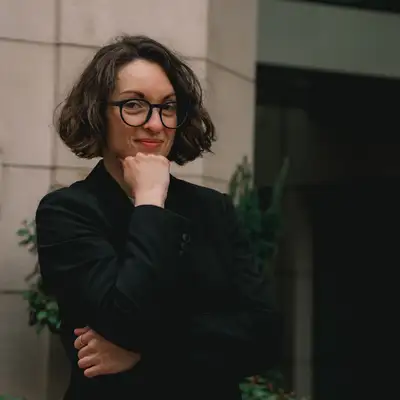
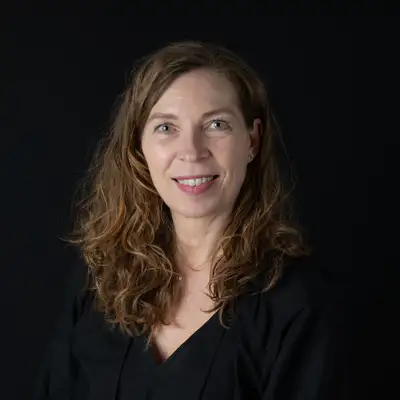
Magdalina Atanassova: This is Season 10 of the Convene Podcast brought to you by Louisville Tourism! Today, we’re taking a closer look at what’s on the menu — and how small shifts in catering can make a big difference for our planet. My guest is Lene Midtgaard, Lead of Sustainability at MeetDenmark.
With more than 25 years of experience in sustainable development, strategic communication, and stakeholder engagement, Lene has helped translate complex sustainability goals into actionable strategies. In this episode, she shares how Denmark’s meeting venues are reducing the carbon footprint of events through simple, science-based nudges — from how menus are written to where food is placed on the buffet — and how these lessons can inspire greener choices worldwide.
We start now.
Welcome to the Convene podcast, Lene. It's a pleasure to have you here.
Lene Midtgaard: Thank you so much.
Magdalina Atanassova: Let's dive in directly in preparation to the podcast. You shared some guides that Meet Denmark has created. And in these guides there is a mention that catering accounts for 20% of tourists climate footprint.
So how did you first recognize the need for these guides?
Lene Midtgaard: Well, we first recognized the need for these guides because we had close dialogue with Danish meeting venues and stakeholders in the tourism sector.
Sustainability is growing and a lot of venues are increasingly getting a handle on resources like electricity and water consumption and they are working a very low a lot with food waste.
But catering is also an area where reducing meat can really make a significant impact.
And many venues, they wanted to offer more sustainable catering options, but they struggled with questions like how do we balance climate concern with guest expectations?
It is also about the long hanging fruit,
so to say just the small changes can make and can have a very big impact.
And we saw some very good examples because we worked with some wind use that were already very, very much into sustainability.
They had been doing the energy renovations like improving walls and windows, and they had control over water and electricity use.
But they also discovered that in the kitchen, in the catering or in the restaurant, they had a very high footprint and then they wanted to work with this footprint and they found out that if they removed especially the red beef from the menu, they could really reduce their carbon footprint.
So we developed the guides to address these challenges and we wanted to offer concrete recommendations and examples and tools to help venues to make informed choices.
And especially the nudging part is very interesting.
Magdalina Atanassova: So the guide shows compelling data about CO2 savings from plant based menus versus other sustainability initiatives. So can you walk us through the aha moment when venues realized that menu changes could have more impact than eliminating single use plastics or achieving 100% recycling.
Lene Midtgaard: Compared to other sustainability efforts like as you said, eliminating single use plastics and Achieving full recycling.
When you switch to plant based menus,
there's a much more impact.
The impact is very,
how do I say that? Very high.
And it's because when you reduce meat,
it's because producing especially beef requires a lot of resources such as land use and water and whereas much less is needed to produce legumes or plant based proteins.
So meat production is in fact one of the biggest climate culprits that we have, especially the red meat.
So if you switch from meat to plant based dishes, then you really have a big reduction of the carbon footprint and even a reduction of the portion size make a big difference.
Magdalina Atanassova: I really like that you're looking at meat as the big picture. So it's not just the cut that you get on the plate, but caring for the animal and all the footprinted animals have.
Lene Midtgaard: So there's a lot, of course there's a lot of side effects if we reduce the production of meat.
As you said yourself as animal.
How do I say that?
Welfare.
Yeah, yeah. And also biodiversity. And we can use small land for nature because we don't need that much land to produce vegetables. So.
Magdalina Atanassova: But I like the fact that the materials emphasize catering for what you call flexitarians rather than forcing a vegetarian or vegan label. Can you tell us a bit more how this shift in thinking has changed the conversation with meeting planners?
Lene Midtgaard: Yes,
this is in fact a very important focus that we focus on, flexitarians as a target group when we are talking to meeting planners because it's very important to avoid strict labels as vegan or vegetarian or even meat lover.
Because our research shows that many people are curious about new flavors and they are open to eat more vegetables, but they don't identify as vegetarians or vegans or even as meat lovers.
So it's very important not to focus on, on the label like that.
But it's more important to use appetizing language like words like climate friendly or words like vegan, organic. It doesn't taste very well,
but words like crispy, spicy, creamy, baked or even Asian style, it tastes much better.
So it's very important to not to focus so much about what's in the dishes. We make good food.
You will have a very nice dinner, they will serve very nice food.
And most importantly is also that the meat is still there,
but it's not the hit.
How do I say that? It's not the biggest ingredients in the menus.
It's by the side.
Magdalina Atanassova: Yeah, I love this approach. Did you face any resistance maybe from venues or from meeting planners when suggesting this flip from traditional menu structure to more plan based.
Lene Midtgaard: In fact, the venues that we are working with are very interested in this agenda.
And even in Denmark, there's a big interest.
A lot of people are interested in eating more sustainable or even more vegetable, more vegetables, more healthy.
And focusing on the flexitarians was a very big change for the meeting planners and for the venues because they can still serve meat,
but they just made the change that they made the plant based menus, the plant based dishes, as the default.
So it's not about not serving meat at all, but it's about serving less of it.
And there's still meat on the buffet, but it's served on the side and placed at the end of the buffet and there's less of it. And I think that's a big change for the venues that they can still serve meat,
but they focus on other things. And what is very important is also to focusing on how you talk about the food, how you talk about the menus,
using appetizing languages, using stories about the food, maybe the vegetables, they are sourced locally and you can find some nice stories to tell about it.
Yeah.
AD: In Louisville, the most powerful moments don’t happen at a podium — they happen around the table. Louisville’s bourbon and culinary culture is built into the destination experience — helping planners create meetings with unforgettable moments guests actually talk about. From immersive tastings to chef-led storytelling, the f&b experience brings the city to life for attendees. Learn more at GoToLouisville.com/meet.
Magdalina Atanassova: And do you work with chefs who may be trained in traditional French cuisine where, you know, meat is very central.
And did you find a way to, you know, show them this new way of preparing menus so that they are more confident and more creative with it?
Lene Midtgaard: Yes,
we made some workshops with chefs at some different hotels and menus and many of them, they were very open to work with more plant based menus.
They are very creative and willing to try new flavor and new vegetables. We work a lot with legumes.
The biggest mindset shift was in fact the shift from moving from meat as the centerpiece to using meat as a flavor layering or texture or as a texture play,
or even to have the meat by side at the end of the buffet.
But I think they're very willing in working with this. And as I told you before, that the venues that we are working with, they are already into sustainability and they are very willing to work with this change.
Magdalina Atanassova: That's wonderful to hear. What other behavioral nudges have proven most effective in guiding guests towards sustainable choices without making them feel, in a sense, manipulated.
Lene Midtgaard: Yeah. I think the most important is that you can use smaller plates,
you can put the meat or the plant dishes on strategic placements on the buffet.
And there's also the storytelling.
It's very important. Dodging is about,
how do I say that? A lovely push in a certain direction that,
that people, they feel that they make their own choice. And they do make their own choice because the plant based menus, this is also what we have been working with, that the food is so nice and so inviting and so appetizing and it looks so good that you want to taste it,
they want to try it.
And we have not had any complaints because the meat is still there. But they are also interested in trying to taste a lot of other dishes and flavors and menus.
So it has been quite interesting. In fact,
it's great to hear that.
Magdalina Atanassova: Attendees have the positive experience. But then your analysis shows that bit more than a half of meeting planners are positive about plant based catering and yet they also still hesitate. And that may be also because of, you know, where they come from, how they have been brought up.
So what's the disconnect between intention and action in your opinion? And how do you coach sales teams to bridge this gap?
Lene Midtgaard: Yes, we can see that they are hesitating and it's due to the fear of guest dissatisfaction.
And this is why that when we're working with them, we are talking with them about the flexitarians as the target group and that meat is still there.
But the focus is much more on the plant based option and to help them to talk about the plant based option, as with using advertising language and telling stories about the main news.
So emphasizing guest satisfaction,
climate impact and competitive advantage help them turn the intention into action.
Magdalina Atanassova: That's great to hear and I think it's very important to highlight that Denmark has a very strong meat eating traditions as well.
How do you balance respecting cultural food preferences while pushing the necessary environmental changes?
Lene Midtgaard: That's right, that Denmark is a meat production country and we have the biggest pork production per capita in the world, in fact.
But what is very interesting is that we are also the first country in the world to have a national action plan for plant based food.
And this plant is initiated by the Danish government and funding has been allocated through the plant fund.
And there are. Well, this year there were around 28 million euros to earmarked to this effort.
So there's a strong meat tradition, but there's also a strong willingness even from the government to try to work more with the plant based agenda.
And we also have the official dietary guidelines which emphasizes a more climate friendly diet with legumes and more plants.
So we are working a bit on both sides with the venues working a lot with sustainability.
It's obviously to work with plant based menus because it's really a way to,
to reduce the carbon footprint of the venue.
Magdalina Atanassova: How can these learnings coming from Denmark be adapted to international venues, you think? What would you tell event professionals in other countries who want to start this journey?
Lene Midtgaard: In fact, it can be small changes. Of course, it's very important to have plant based menus and have the very nice menus and advertising food to have new flavors and try to work with new dishes.
But the nudging part is one of the biggest tools and one of them is using appetizing language,
beautiful presentation and settings on the menu and make the plant based choice, the easy choice and the default by putting it at the top of the menu or on the buffet and offering meat by the side.
And we have the guide which is also available in English and it includes plenty of useful tips for chefs and front of host staff.
And there are some very good tips both on how to cook with legumes,
but also the nudging part and even how to when you are in the telephone with a guest or with a customer, how to present the food, the menus and how to push the customer to make the most green choice and even to be satisfied with that.
So it is a lot of very nice tools and useful tools and we are very, very will be so happy to share them with other countries because it doesn't have to be in a Danish context.
It's really easy in other part of the world as well.
Magdalina Atanassova: Yeah, I'm sure. And I'll make sure that the link is in the show notes so everybody that has further interest can just go there and get the guide. And I'm sure that if they have other questions, they can reach out to you.
Lene Midtgaard: Yes, they will come. Yeah.
Magdalina Atanassova: I just want to mention also that in the preparation of this recording we also discussed that this has been going on for a year. So the guides are based on your work with venues directly for more than a year now.
These are the learnings that you've received so far, but I'm sure you have more because the project is ongoing.
I'm sure one way or another, the convene team will keep everyone informed of the progress because it's very exciting and very needed change in these times.
Lene Midtgaard: Yes.
Magdalina Atanassova: Thank you for your time and being on the podcast and sharing all the learnings from Denmark. And I hope we've inspired more people and more countries to do the same. So thank you, Lena, for being on the podcast.
Lene Midtgaard: Thank you. I'm very happy to be here. You're welcome.
Magdalina Atanassova: Remember to subscribe to the Convene Podcast on your favorite listening platform to stay updated with our latest episodes. We want to thank our sponsor, Louisville Tourism. Learn more at GoToLouisville.com/meet. For further industry insights from the Convene team, head over to PCMA.org/convene. My name is Maggie. Stay inspired. Keep inspiring. And until next time.