Subscribe
Share
Share
Embed

Former U.S. Senator Heidi Heitkamp and her brother, KFGO radio talk show host Joel Heitkamp, engage in animated discussions with newsmakers, elected leaders, and policymakers who are creating new opportunities for rural Americans and finding practical solutions to their challenges. Punctuated with entertaining conversations and a healthy dose of sibling rivalry, The Hot Dish, from the One Country Project, is informative, enlightening, and downright fun.
Heidi (00:04)
Welcome back to The Hot Dish. This is Heidi Heitkamp kind of flying solo because Joel had another commitment, which means I get these two great guests all to myself. you know, ⁓ Joel asks a lot harder questions. So you guys are getting off easy today. So I'm so excited, especially on a day where there's been some significant developments. We're taping this on a Friday right after the Supreme Court basically rolled back the big, beautiful tariffs from
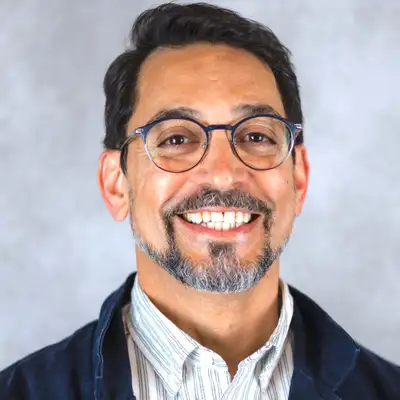
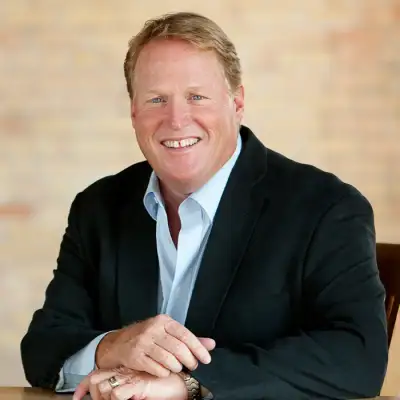
⁓ from Liberation Day, which was anything but. And so joining me is Rachel Prevo. ⁓ And she is the kind of newly minted executive director of the Montana Farmers Union. ⁓ And absolutely a delight to have you on Rachel and Matt Perdue, who I've known for a lot of years, North Dakota Farmers Union, knew him when he was simply a staffer and now he's got the big job, the big job.
Matt Perdue (00:56)
Yeah.
Heidi (00:59)
⁓ And so I'm very excited to have both of you on with me on a very significant day for American agriculture.
Matt Perdue (01:06)
Yeah, thanks a lot for having us.
Rachel Prevost (01:09)
Yeah, excited to be here and excited for the chat.
Heidi (01:11)
Well, you know, I think everybody looks at Montana and North Dakota and thinks their interests and their focus ⁓ in agriculture, rural America are the same. And lot of that is true. But I want to get into country of origin labeling, what that means, get into the USMCA reauthorization that is happening. But Matt, want to I want to start with you. ⁓ Farmers Union has been particularly aggressive.
⁓ in ⁓ staking a claim and criticizing this administration and what's happened with tariffs, both in terms of input costs for farmers, but also what that means in terms of markets. So how relieved do you think your producers are today to ⁓ see the Supreme Court roll back a lot of these tariffs?
Matt Perdue (01:57)
Well, we've been talking for, well, now a year about the uncertainty that exists in our marketplace, right? These tariffs have introduced a lot of volatility in crop prices and they've also increased pressure, upward pressure on input costs, both of which are hurting producers pretty badly right now. And so absolutely we are relieved to see the Supreme Court say, hey, Congress didn't give you the authority to levy tariffs under IEPA.
And so we're going to pull that back. Now, I think it's important to recognize there are other tariff authorities at play here. ⁓ But again, talking about that theme of uncertainty, this is one piece of certainty we now have, right, which is that IEPA, which is the sort of most aggressive posture that the executive branch has taken on tariffs is now out of their hands, right? That's not a strategy, a lever that they can pull.
Heidi (02:48)
Yeah.
Yeah, and just to calibrate that when when you saw the announcement of the Liberation Day tariffs, that's what that this is the authority the president used. And it's really unfettered. And some of the amounts were just crazy to begin with. But Rachel, so what are you hearing in Montana? Are people jumping up and down going, yay?
Rachel Prevost (03:07)
Yeah.
Well, so I think what Matt said, there's a lot of, still uncertainty regardless of ⁓ we have a lot to see how this is going to shake out. in Montana, you know, back in the spring last year, we actually filed a lawsuit on this whole measure that the tariffs like Congress has the power to do tariffs and trade and that does not rest with the executive branch. So that was like the first part of it. And then this other part of the lawsuit that we were engaged in is about the violation of the rights of indigenous people to cross the border without
tariffs of being on goods. And so that's a violation of the Jay Treaty. So Montana Farmers Union probably was right up front on that whole issue. And I think now, you know, the big question is refunds. You know, what does that look like now that we've seen this come through? And so I think that a raises a lot of questions. But also, you know, Farmers Union right now, what we're trying to look at is, you know, if you paid a tariff or you think you're due a refund, we want to know because we want to help you try to get that refund. And I think.
Heidi (03:50)
Yep.
Rachel Prevost (04:06)
when we talk about all of this uncertainty and all of this mess, it's incredibly unnecessary. And the damage that has happened from it is going to be incredibly long lasting. And so I think that's what I'm hearing and that's where we're at in Montana Farmers Union. ⁓ It's just a lot remains to be seen. But while with this creates certainty that yes, Congress is the one that has the power to do trade and tariff. ⁓
where do we go from now with refunds? Where do we go from now? As Matt said, there's other avenues and I've already seen snippets that the administration is gonna work on different avenues for imports. And so that's kind of where we're at in Montana.
Heidi (04:40)
Mm-hmm.
I think the administration after the oral argument, they got some really tough questions. And I've been debating back and forth with a lawyer in Washington, DC who said, no, he thought that the court was going to uphold him. I said, I don't see it. And if the court wouldn't take action on this, I don't know what they would take action on to roll back executive overreach. so here we are. And I think that the important thing is
⁓ Let's talk a little bit about refunds because I am really concerned that implement dealerships or ⁓ importers of fertilizer will apply and that's an easy touch point. those costs have been passed on to the consumer and I think it's really important. I saw Elizabeth Warren today, don't always agree with her, but she definitely said the consumers better get the refunds if there's refunds issued. And to me that...
Setting out a system to do that will make it more likely that the courts will agree to refunds. I think one of the things in the dissenting opinion, Kavanaugh's ⁓ dissenting opinion, was this will be a holy mess trying to figure out how you unravel this. And I want to say, well, the president should have thought of that before he extended his authority. But it is an amazing day and I think a good day, not just for trade, but a good day for expecting that the court's going to...
Matt Perdue (05:56)
Yeah.
Heidi (06:07)
⁓ understand the balance of power and the balance of authority here, the executive authority. But is the damage permanent? That is really the question. think Rachel, you already alluded to this. So when you look at ⁓ Montana markets and you look at tough times right now and moving product and moving what we produce, do you think it's going to snap back? You think China is going to start buying soybeans and
other countries that have been tariffed are going to start looking at American products again.
Rachel Prevost (06:41)
I think the amount of damage has been immense. And I think we've already seen situations where other countries have moved on with infrastructure or trade relationships that have gone on without us. And I think it's a real shame when we look at how hard, you know, we've done a lot of producer work. There's been a ton of checkoff dollars and a lot of trade missions and efforts to build up these markets, to build up these relationships. And with just this terror situation, I mean, the damage is immense. And I think that the real concern, I mean, we hear that.
you know, the damage done to the relationships is going to outweigh any benefit that would have been gained from tariffs. And so I think it's not going to be immediate. It's going to take a lot of time to restore. ⁓ I don't think we're going to see an immediate snapback. mean, markets are still, you know, where they are. And our grain producers are not in a good position. As we've seen, have got farmer bridge assistance payments coming out and we have we're not meeting the challenges of the family farmers and ranchers right now. And I can't.
I just can't see a way that just because this is what we're hearing today, which is great, because it's important to where it reasserts where the separation of powers that we've all known for this whole time. But I just, think the damage is done and it's going to take a long time for us to restore and rebuild.
Heidi (07:53)
Well, Matt, you have anything optimistic to say about this?
Matt Perdue (07:56)
So,
I mean, as we've talked throughout this entire trade dispute, particularly the trade dispute with China, because, you know, North Dakota, our soybeans, a lot of them go to China. And there aren't a lot of other markets that we can send those soybeans to replace that Chinese market. But when we step back, Brazil in the last 10 years has increased their soybean production by 50%. And so, you know, that
That trend has been there, and I think tariffs have exacerbated that. And so I keep talking about this 80 million acre question. Will the United States of America be able to continue to support 80 million acres of soybeans? I think it's a real question. I I think we're going to continue to see sharper competitive pressures in the international market on soybeans and on other commodities. And that's why we've been such big champions for growing domestic demand through renewable fuels policies and ⁓
and different avenues there to use more of that product here in the United States. And then maybe we're exporting byproduct like soybean meal, where we have an opportunity to diversify that market better than we do with whole soybeans.
Heidi (09:04)
Yeah.
You know, the history of ⁓ success for agriculture is always in value added, not just shipping commodities. And so here's a real chance. I want to, before I get to ⁓ what could happen with the USMCA, the United States, New Mexico, or Mexico Trade Agreement, I want to come back to that. want to now pivot because, you know,
Where do we get those new markets? Where do we get the kind of resources that we need for investment in that value added? Well, it's traditionally been the farm bill, right? But we are now operating on the 2018, which was the last farm bill I did when I was in the Senate, farm bill with extensions and a lot of hard feelings over what happened with the big, beautiful bill and nutrition. so this week,
the ⁓ head of the ⁓ Agriculture Committee, G.T. Thompson, announced a farm bill, released the report. It was, I mean, I think it was relief. Does he really think he can get it done? And now we have something we can negotiate from. But the North Dakota and Montana and National Farmers Union had some pretty tough words for this draft. ⁓ So
want you to explain why the National Farmers Union has been so much more aggressive on this than other farm groups.
Matt Perdue (10:34)
Well, I think National Farmers Union's press release that they put out yesterday, the day before, ⁓ really is a reflection of just the challenges that we're facing in farm country. ⁓ You know, the reconciliation package, I've been pretty clear-eyed about this, improvements to the farm safety net and affordability of risk management tools. Those were things that we advocated for. ⁓ But one of the challenges with that bill is it was coupled with significant reductions to nutrition programs.
You know, the Farm Bill has always depended on this coalition where we bring together farmers, we bring together those rural interests, and we bring together those urban interests to really get something done. And, you know, as we look at now this this Farm Bill marker that's been introduced, the big question in my mind is, do you have the support to get this done? ⁓ And, you know, there's one of the controversial provisions is this pesticide provision, which has attracted a lot of opposition from
⁓ the the maha movement. Well, you know, that means that we're peeling off support from both the right and the left in a lot of cases. And I so I think that's where the frustration comes in. We need to get something done. Farmers were sick of relying on ad hoc relief. I think a lot of people feel like, you know, we're just waiting by the mailbox. We are not right. We want stable, consistent ⁓ safety net programs. want stable, consistent programs to support.
our rural communities. And my biggest frustration as we move through the farm bill process is, are we gonna be able to bring the coalition back together to actually get this across the finish line?
Heidi (12:13)
Yep.
What do you think, Rachel?
Rachel Prevost (12:16)
Yeah, so in Montana, we've been calling the, we've been saying the budget busting bill is what happened at the HR one. So we see this as like a pretty, obviously what Matt has indicated, an intense attack on nutrition title and nutrition spending and the programs within it. And we've also seen some real concerns around ⁓ funding for rural healthcare. And so those are just parts of all of this conversation that like Matt said, like, do we have a broad based coalition to make this farm bill happen?
I also think, you know, we are the family farmers and ranchers who depend or utilize the programs within the farm bill. The farm bill isn't necessarily structured in a way that's benefiting family farmers and producers right now. alluded to the ad hoc payments versus coming up with something that allows us to respond to disasters and emergencies in a way that's timely and makes sense for family farmers and ranchers. ⁓ A system right now that currently benefits large corporate agriculture is maybe, is not one that serves family farmers and ranchers.
to meet the challenges of the time that we're facing right now. I think something really exemplified in Montana is I had some producers that were utilizing some of these local food purchasing agreement programs that allowed food banks and schools to buy directly from farmers. And there was a pretty big investment of funds that came out of the previous administration under the Biden White House that those dollars, mean, man, you put money back into the pockets of farmers and ranchers and that money goes right back into rural communities.
And so those programs were axed in this administration. And so it's incredibly frustrating to see working programs that support students, that support people in our communities in having access to local and fresh products. And so we did, in this bill draft, see a return to this local procurement, local purchasing, but no funding. No funding allocated to actually make it happen. And so we just have a lot of work to do to make actionable working programs.
that serve firmly farmers and ranchers and then also serve our consumers in our communities. And so I think that's one example of where we see it fall short. There's some talk about grant funding for meat processing, which Montana has been a major leader on meat processing development. We have two meat processing co-ops that we've gotten started that are rancher owned. But again, there's no mandatory funding authorized. I mean, there's funding authorized in the bill, but nothing appropriated. So I think we just continue to see these short gaps.
Heidi (14:26)
Yeah.
Yeah, I think that the previous administration tried really hard to think about how do you fashion a farm program that stops concentration in agriculture? And I don't mean in the supply chain of agriculture. I'm deeply concerned about consolidation of land. And as we see increases in bankruptcies, and second generation ⁓ landowners who are not from the farm, as we see their ⁓
Rachel Prevost (14:40)
Absolutely.
Heidi (14:57)
They're going to optimize their return for the land that they sell. And how do you compete with billionaires? How do you compete with the Bill Gates? How do you compete with ⁓ even Besset?
I mean, my God, when he told us he was all a soybean farmer, I wanted to gag. ⁓ You Montana has been fighting this for a long time. The kind of billionaire come in and buy up a whole ranch and then take it out of the kind of agriculture. But I see a real trend here, a possibility of a real trend with farm bankruptcies.
of consolidation and land ownership in bigger and bigger units, which means that there will be more and more pressure on the farm bill to take care of those bigger units. mean, basically the farm bill historically has created risk-free farming for a lot of really big operators. so, are you seeing in Montana? What are you seeing in North Dakota in terms of land sales?
Rachel Prevost (15:53)
I mean, I think it's, we've seen obviously there's a lot of pressure coming into Montana, whether it's out of state folks moving here or it's been pressure on ⁓ something that we really want to focus on is how can we keep family farms in production, right? Like how do we make that attractive for the next generation to stay on these farms, to come back and want to have this as a way of life. And that really means we have to take a deep look at these programs and how are they accessible and usable.
for what we would consider beginning farmer and ranchers, whether they're generational or first generation. We've seen a big uptake in our membership of folks who are first generation or generational taking over a family operation who are wanting to get involved and they're wanting to take a look at how do I do this to make this work so that I can raise a family here? And that alludes to this whole bigger thing of like public schools, hospital systems. We have local market access, like how do we create resiliency in a system?
that makes it a possibility for someone to stay and raise a family and make the dollars work. ⁓ We've seen high land values in Montana, especially in the Western part of the state. We're starting to probably see that in the Eastern part of the state as well. They have different but unique challenges in that front. ⁓ I grew up on a ranch in the Northeast part of the state, and so it's a very different environment than what we see in the Western part of the state when it comes to tourism pressure. ⁓
So I really think we have to take a real look at what does that look like for the next generation. We've got an aging farm population. And if we want to keep farms without consolidating, or we want to keep them in families and keep them in production, we have to take a look at the whole picture of how do we do that.
Heidi (17:26)
Yep, I couldn't agree more. So Matt, I mean, I've seen some like eye popping ⁓ per acre sales even in North Dakota. I mean, so how do you compete? How does a small family farmer basically justify hanging on to this asset when you aren't making any money and you're seeing these land sales and saying, man, this might be the best time to cash out?
Matt Perdue (17:34)
Yeah.
Yeah, mean, farm debt, US farm debt is at an all time high, higher than it was in the 1980s. And I think that's really the moment we're in right now where we are facing some of these economic challenges. It's the folks who are carrying a lot of debt, who have a lot of debt servicing costs that are most at risk right now. ⁓ And you look at some of those
Heidi (18:01)
That's frightening.
Matt Perdue (18:18)
those young, small beginning, urging, emerging operations who are trying to grow their operation to get to scale where they can actually be competitive and hopefully over time generate enough returns to get into a new tractor or whatever that is. ⁓ They can't compete with the guy down the road who has 50,000 acres, right? They just can't. when that guy
Heidi (18:40)
especially
when the farm program is geared towards protecting the guy with 50,000 acres.
Matt Perdue (18:45)
Exactly. And when that guy down the road with 50,000 acres is getting all of the same protection from the safety net, all of the same access to risk management tools, it creates a challenge. Now, are we saying that that guy down the road shouldn't be allowed to have 50,000 acres? That's not what we're saying. But what we are saying is at some point, right, you're capturing economies of scale, you're capturing efficiencies. You at some point you can graduate from
those levels of support, right? At some point there should be a ceiling to this. And so one of the questions that we're spending a lot more time talking about right now with our members is, are ad hoc programs, is the structure of the safety net actually doing harm, right? And we think...
Heidi (19:30)
Yeah, not just
providing a safety net that's not as secure, but actually hurting small family farms.
Matt Perdue (19:38)
Well,
and these ad hoc programs, which I mean, it's just been chaos kind of for the last almost 10 years. These ad hoc programs are, ⁓ it's a really, I think it has a really tough effect in the local economy when you start to look at land purchases and stuff, because I do think there are producers who've tightened their belt and then all of a sudden a check shows up for a loss from two years ago. And what do they do? They're going to invest in land and equipment and inputs. And I think it is accelerating in some way.
the rising costs that we're seeing.
Heidi (20:11)
Yeah, I go back you guys to that vast majority of people in this country have no idea. They have no idea that a small family, a small family farmer can literally have a million dollars worth of inputs. They have, I mean, they say, well, why do you have all that debt? You have all that debt because you can't farm without debt. I mean, who can cashflow the kind of input costs, especially when tariffs are driving those input costs up 25%. It's just...
Matt Perdue (20:26)
Mm-hmm.
Mm-hmm.
Heidi (20:39)
You know, at some point there needs to be a moment where we actually come in. And one of the things that has been really beneficial, I think, to small family farms has been the Obamacare subsidies for health insurance. One of the highest cash outlays for a family farmer is what they pay in health insurance. So those are now going away. And so ⁓ how much pressure is there on your producers as it relates to health care and access to health care?
And I think, Rachel, this is something you've brought up about five times since we've been there. Let's not just look at production. It has to be a quality of life issue. You don't want to drive 90 miles to get a gallon of milk.
Rachel Prevost (21:14)
Yeah.
Yes.
Right. Yeah, I mean, think this begs the question, we're looking at consolidation of farmland, but we're looking at the loss in the hollowing out of rural communities. so what does that mean? Rural hospitals are some of our largest employers in these rural communities. And then that's avenues for family farmers and ranchers. If their spouse has an off farm job or maybe they have an off farm job, that's how they're accessing health care. And without that, they're on their own to get that sort of coverage. And so without these sort of programs to make it accessible, I mean, we're putting producers and their families at really high risk.
And I think when we say, you we look at rural hospitals, I mean, those are the programs and funding that keep our hospitals open. And, you know, we all know family farmers and ranchers who've had horrific accidents, and those can be the make or break moments of keeping a family farmer ranch going. And so access to rural healthcare, affordability of quality health insurance coverage are just really big issues, and we're not seeing the solution right now that is making that easier for family farmers and ranchers. And so...
It's we need Congress to step up and make those changes happen so that we can continue to support rural health care. mean, we have an aging EMS population in Montana, and I would assume there's some similarities across the border in North Dakota to the point where we've started a program where we're partnering with county EMS and we're doing farmer trainings to say, here's bridge the gap care of what you should do if you have to call the ambulance. Because we just have seen an immense strain on rural health care.
And so it is really an important issue to my membership. I hear about it all the time, that there's just concern. And even when you talk about nursing homes, I mean, if we need to have places for people to be and to be close to their loved ones and nursing homes and hospitals are just such key players in all of this.
Heidi (23:05)
Yeah, I don't think the situation is any different, Matt, in North Dakota.
Matt Perdue (23:11)
No, and, you know, again, we talk about this year of uncertainty, right? We the the loss of some of those enhanced premium tax credits. I mean, I had a huge impact on farmers and ranchers because a lot of these are small, independent businesses, right? They're relying on the marketplace for themselves. And oftentimes if they have an employer to that employees relying on the marketplace as well. And, you know, when we look at farm policy.
when we look at healthcare policy, you know what I hear from everybody? Can't we just figure this stuff out? And it just seems like so many of these issues now are just stuck because of partisan politics, because people can't just sit down and reason through issues. Meanwhile, everybody out here in the countryside is saying, we need a solution. We don't care to sit back and watch you bicker anymore, solve this problem for us.
Heidi (23:46)
Yeah.
Matt Perdue (24:09)
making progress on that has just proven so difficult in this highly divisive era of politics that we live in.
Heidi (24:17)
Well, I want to talk about something going back to trade. ⁓ The way the USMCA was set up and that's the ⁓ NAFTA replacement is with the termination date, we're looking at renegotiation. How engaged is the National Farmers Union and individual farmers union in putting together a list of must have as we relate to negotiating ⁓ with our Canadian neighbors and with Mexico because
a big part of the challenge before with NAFTA has been the kind of lack of listening to what agriculture needs in that agreement.
Matt Perdue (24:56)
Yeah, I mean, I think engaged, very engaged, right? ⁓ You know, our my family's farm is in Northwest North Dakota, we're 50 miles from the Canadian border. There's there's grain bins, there's implements, there's all sorts of cross border traffic, we need to have a strong relationship with our partners up in Canada. And then you look at a state that produces a lot of corn, what's our number one export market for corn, that's Mexico. And so there's there's really strong connections here between these countries. And we need to have
Heidi (25:19)
Yep.
Matt Perdue (25:25)
⁓ a strong trading relationship with them. In terms of how assertive are we in pushing our priorities, I think one of the things that we talked about ⁓ earlier is country of origin labeling. That was on the list of the Trump won administration's list of priorities way back in 2017. And I don't think it ever went any further than just, hey, this is a priority for us. It ended there. And consumers want to know whether
where their beef is coming from. Producers wanna take credit for producing some of the highest quality beef in the entire world. ⁓ And I think negotiating it into trade agreements is a good way to approach that because the WTO concerns continue to come up every time we talk about this issue in Congress.
Heidi (26:11)
Yeah.
Yeah, I mean, when I was in the Senate, I was the largest proponent of country of origin labeling. We had it at the time. It was enacted. the trade ⁓ relationship ⁓ basically said ⁓ not not something that was was trade compliant. So it got pulled. Then we went to some kind of voluntary system, which hasn't worked. And yet people may say, well, who could argue about this?
Well, guess who argues about it down in our neck of the woods? It's the Packers who don't want to basically tell people where they're buying the beef that you see in the shelf. so, Rachel, you talked earlier about these ⁓ value added co-ops ⁓ more and more. And, know, North Dakota, we produce a lot of ⁓ cattle, but not anywhere near like Montana or Nebraska. Tell us what you're doing to...
Rachel Prevost (26:57)
Yeah.
Heidi (27:09)
give consumers the information that they want, also making sure that our farmers and ranchers get the credit for producing the highest quality beef in the world.
Rachel Prevost (27:20)
Yeah, absolutely. And I like what Matt said, you know, we're a border state as well. We have, you know, a lot of closest suppliers and trade relationships and ⁓ businesses are across the border. And so that relationship is something that is important that we look at closely when it comes to Cole. It's a long, long time priority of our membership. Yes. So mandatory country of origin labeling. And so it's something that when I was a brand new lobbyist at Montana Farmers Union, it was the first bill I worked on in our state legislature. And so ⁓
Heidi (27:38)
to explain. I'm cool. Mandatory. Yeah.
Rachel Prevost (27:50)
we've just, this has been a long, long time issue for us. And so when we, we have done a couple different things. I'll talk about the co-ops a little bit as well, but when we have, we have an opportunity right now with mandatory country of origin labeling for beef, we've seen a bill come out of Majority Leader Thune's office. There's also a bill from Congresswoman Harry Haggaman's office in Wyoming. And you know, a vehicle for this could be the farm bill. And so we would love to see this get into the farm bill. It's something that we've been working on.
in Montana pretty exclusively. have a coalition of ag organizations and we represent the majority of cattle producers in the state saying, let's get M-COOL done for producers and consumers alike. mean, right now we're also hearing in the news about a lot about Argentinian beef imports, right? And so we're hearing ⁓ imports, right? And we're in a position right now where the beef market is great for our producers. We have high prices and then we're hearing on the other side where we're seeing high consumer prices, but this is a demand issue.
You know, we have a high supply of beef in our supply chain right now, and it's a demand-related issue. So when we talk about importing beef, let's label it. Let's let consumers have that choice. And so if we can get a mandatory country of origin label back into law, consumers will know if they're buying Argentinian beef, if they're buying American beef. And if we are able to get that country of origin label back on there, it's likely that these imported products will be cheaper. So if we're truly concerned,
about consumer affordability in the grocery store, this would create a cheaper option in beef. And, you know, I'd leave it to consumers to pick. I think, you know, American beef is the highest quality. I know I'm partial to Montana beef. My parents are beef producers. ⁓ But when we said, what can we do in Montana, right? So we started these rancher-owned meat processing co-ops. And so they're both USDA certified. One took over an existing operation. ⁓ One was built from a mobile harvest unit that is now a brick and mortar facility.
And they are rancher owned. The ranchers, they govern the services and the costs and they run these co-ops. And that is just a value added local food resiliency ⁓ infrastructure solution that we need to see more of because the big packers aren't playing fair. And so M-Cool is one of those avenues.
Heidi (29:56)
Yeah,
I recently met with a tribe in Minnesota that was basically ⁓ working with a whole entrepreneurial group to basically process bison. ⁓ And really, you know, really, I have so much optimism. And so I'm going to close out by saying how exciting it is for me to be talking to two young
Rachel Prevost (30:11)
super exciting.
Heidi (30:26)
farm advocates. I mean, I think that a lot of us with gray hair and who have been in this fight for a long period of time wondered if anyone was going to move into that void. But man, man, you guys give me a lot of hope. So talk about the challenges, finally, of ⁓ young producers and young your generation, kind of looking at ⁓ getting people interested, number one, in staying on the farm. ⁓ So often I hear
people saying, I don't want my kid to farm, it's too hard. ⁓ So how do we overcome that and how do we lower the average age of American agriculture producers? Anyone can answer that.
Matt Perdue (31:06)
So,
yeah, so what I talk about all the time is you need two things. You need economic opportunity, right? It's gotta make sense. A lot of young people now have a lot of talents, a lot of education. They're coming back to the farm. That's a choice between some other alternative where they can make some decent money. And so there has to be an economic opportunity and one of our concerns right now, right? We talk about increased land values. talk about
just the state of the farm economy. That economic opportunity is pretty hazy right now. And so we got to get through this tough spot and really build a better future for family farmers and ranchers. The second ingredient is they have to have a strong community. You know, how many people want to live in a community where they don't have access to a hospital, where they don't have access to a good school system, where they don't have access to a vibrant main street, where they can't buy their groceries?
Heidi (31:51)
Mm-hmm.
Matt Perdue (32:03)
right? A community where there's no child care options. And so that's one thing that we as an organization have been focusing more and more on over the last couple years is how can we ensure that we're supporting the economic opportunities that family farmers and ranchers need while also ensuring that we're building strong communities around them and communities that are resilient and will be vibrant for the next generation.
Heidi (32:29)
Rachel.
Rachel Prevost (32:29)
Yeah, I
totally I totally echo a lot of what Matt said. I think we you know, I've kind of touched on that economic piece of our communities. We've seen that we're you know, hollowing out and we can we can reverse that and we can make rural communities a place to live. We can have rural development programs that invest in those Main Street businesses or we've seen these like value added producer grants that people are doing really creative and exciting things. So when you look at the investment of what we can do through USDA programs or other programs, even at your state level.
You know, if we can take an emphasis and look at investing in local ⁓ projects and issues, it can make a big difference. The rural public schools, our rural healthcare systems, you know, I just can't agree more that we have to have vibrant systems for families to want to come back to. ⁓ I also think that we as Farmers Union states and even as National Farmers Union have a large platform to uplift new and beginning producer voices, whether that's a first generation producer or a generational one.
⁓ you know, we can bring young delegates to convention. We can take young producers to DC and really uplift their visibility and the issues that they're facing, whether that's, you know, lack of a crop production history for, like whatever their struggle may be in accessing these programs, like we have avenues as Farmers Union to bring those voices to the forefront and say, hey, let's address these issues. So I'm really encouraged. I've seen a big trend, especially in Farmers Union, putting a big emphasis on this, on this next generation issue. mean,
Heidi (33:36)
Yep.
Rachel Prevost (33:53)
You know, our family's got a next generation coming back, but I know so many members that don't. So we also have to get creative about how do we get the next generation, whether it's family or not, to keep a family farm in production.
Heidi (34:06)
Yeah, I think it is such a challenge because the economics frequently don't work out. then you've got, I used to say this, ⁓ as we worked on broadband issues, I said,
you got the Netflix problem, which is if you can't stream movies, do you want to live in that community? so making sure that the quality of life is what ⁓ is available to so many people across the country, because there's so much that recommends that rural way of life. And, you know, we all love it, but we can't be we can't be romantic about it to the injury of the economics. We have to understand the economics as well. So.
It's just been big fun. It would have been great if we could have covered maybe some of the things that are happening in autonomous systems, how AI is coming to agriculture. I remember Matt coming to Farmers Union who is really on this very early on ⁓ and seeing, I was so used to going to meetings, farm meetings where everybody was over 70 and I walked into that building in Jamestown.
⁓ And all the producers were 40 and younger. you know, that makes ⁓ the opportunity of farming that much more exciting, but we don't have time for it. And ⁓ I hope you two will both come back, you know, and visit with hopefully Joel and me at some point in the future. But in the meantime, ⁓ final question, what do you want the president to say in the State of the Union about agriculture? Rachel?
Matt Perdue (35:17)
Yeah.
Rachel Prevost (35:46)
man, I want to see an emphasis on actually making family farm agriculture go again. And I want to see a system where he puts the priority on family farm agriculture and not corporate monopoly systems and not big ag business. I think we really, I really want to see that emphasis. And I think that's what I want to see.
Heidi (36:02)
What about you, Matt?
Matt Perdue (36:04)
I really want to see ⁓ the president and the administration focus on ⁓ growing domestic demand. I want to see some of these renewable fuels issues move forward. And I also want to see a commitment to growing local and regional supply chains so producers have more market opportunities than selling into a single large commodity channel.
Heidi (36:26)
Okay, Matt, now give me the percentage odds that that's actually gonna get set in the State of the Union. You're a farmer, you're a betting man.
Rachel Prevost (36:27)
Absolutely.
Matt Perdue (36:32)
I'm not a betting man. I'm not a betting man. yeah, yeah, there's ⁓
look, I mean, the administration has done some positive things on renewable fuels. ⁓ But but the issue is still stuck. Right? Congress has has taken some positive steps and then the issue gets stuck. And I think, you know, we talked about the farm bill, we talked about trade, we talked about renewable fuels, all these issues get stuck. And that's why we're so frustrated because
Farmers and ranchers are out here living lives, trying to pencil this thing out, trying to make it work. And we just can't move the ball forward in DC.
Heidi (37:10)
Great. Rachel, what do you think the odds are that he will talk about ⁓ agriculture the way you described it?
Rachel Prevost (37:18)
it's not high. I'll put it out there. It's not high, unfortunately. And I think that's a concern, right, when we talk about where rural voters are. ⁓ It needs to be a priority, and I just haven't seen it.
Heidi (37:30)
Yeah, I, you know, I, I, I tease a little bit, because I used to just say, I would just take for both political parties, I used to get this question a lot, I would say I would just take them acknowledging there is rural America, just once in this speech. Anyway, thank you both for joining me. And thank you so much for being such great advocates for rural America. And I hope that our listeners walk away from this just absolutely excited about
leadership in rural America and what that can mean for the future of the communities that we love and the places that we love. Thank you so much.
Matt Perdue (38:07)
Thank you for the opportunity. Appreciate it.
Rachel Prevost (38:08)
Thank you.
Heidi (38:12)
you so much for joining us today on The Hot Dish brought to you by One Country. You can learn more about us at OneCountryProject.org. That's OneCountryProject.org. And of course, be sure to follow us on Substack, YouTube, Facebook and Blue Sky. Join us next week when Joel will be back, but we will have more time to talk about things that are important to rural America.
More of the hot dish, comfort food for rural America.