Subscribe
Share
Share
Embed
Welcome to Defining Hospitality, the podcast focused on highlighting the most influential figures in the hospitality industry. In each episode we provide 1 on 1, in depth interviews with experts in the industry to learn what hospitality means to them. We feature expert advice on working in the industry, behind the scenes looks at some of your favorite brands, and in depth explorations of unique hospitality projects.
Defining Hospitality is hosted by Founder and CEO of Agency 967, Dan Ryan. With over 30 years of experience in hospitality, Dan brings his expertise and passion to each episode as he delves into the latest trends and challenges facing the industry.
Episodes are released every week on Wednesday mornings.
To listen to episodes, visit https://www.defininghospitality.live/ or subscribe to Defining Hospitality wherever you get your podcasts.
DH - Paolo Ferrari
===
Paolo Ferrari: [00:00:00] And what I will say is, everything that we've built, none of it's been easy because especially the ambitious work has started with, "Is this even possible?" And I love that uncertainty. I really do, because I'll tell you, it takes a lot more work to get the thing built because again, you've got the constraints, the constructability, the budget, all of it. But man, if you can make it happen, it is unbelievable. And, and you start getting close to wonder, because when something starts as, "Is this even possible?" Then you're probably circling around something really extraordinary.
What I do is inconsequential. Why I do what I do is I get to shorten people's journeys every day. What I love about our hospitality industry is that it's our mission to make people feel cared for while on their journeys. Together, we'll explore what hospitality means in the built environment, in business, and in our daily lives.
I'm Dan Ryan, and this is Defining Hospitality.
This podcast is sponsored by Berman Falk [00:01:00] Hospitality Group, a design-driven furniture manufacturer who specializes in custom case goods and seating for hotel guest rooms
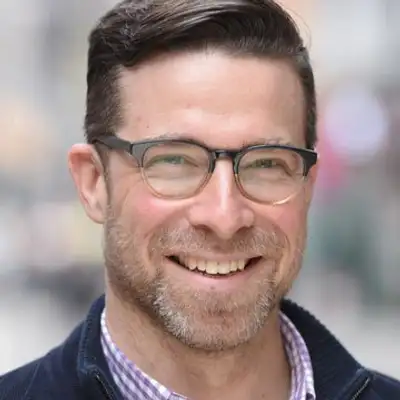
Dan Ryan : Today's guest is a visionary designer whose work has captivated some of the world's most prestigious luxury brands, and I'm so excited to welcome him to the show. He was named Boutique Designs 2025 Designer of the Year. He's built a reputation as one of the most pioneering and globally recognized figures in cutting edge of international luxury design.
He's widely celebrated for his vision forward approach, blending timelessness with courageous invention through a user-centric design philosophy that emphasizes ritual, artistry, and a quality of awe. As the founder and principal designer of Studio Paolo Ferrari, established in 2016, a contemporary handcrafted furniture collection that explo- explores the duality between sculpture and utility.
Ladies and gentlemen, please welcome Paolo Ferrari. Welcome, Paolo.
Paolo Ferrari: [00:02:00] Dan, thank you. I mean, that was a very generous intro. Thanks so much. So, so happy to be here
Dan Ryan : I'm happy for you to be here as well. A- actually completely overjoyed because by luck of circumstance, and sometimes it's better to be lucky than good, but we were gonna host an after party last year after the Gold Key Awards where you won that prestigious award, and I heard through the grapevine that you were gonna do a, a party somewhere or get a...
And, but I don't know how the planets aligned, but I said, "No, don't do that. Just come to ours and we'll give you a toast and everyone will be there." So I love doing that, and to be able to have you there and your team there and be able to celebrate you, and it was so last minute that it was all thrown together, was really a gift to me and all of us in attendance.
So thank you for that.
Paolo Ferrari: It was amazing. Well, thank you, thank you as well. I mean, that was a special moment, uh, for us. And, and I think for me what was most special is we had some key members of our team that we flew down to New [00:03:00] York and so yeah, it was a, it was a, a beautiful, a beautiful night
Dan Ryan : one other thing before I get into asking you about hospitality. I know that throughout the conversations that we've had, and then also seeing you last week at the Stay and Gather event in Chicago, you talk often about optimism and passion. And I personally love that. And my own personal experience of that was in one of the panels that you were not on.
I was sitting there, you were sitting behind me, and you have the most joyous laugh I think I've ever heard. And I feel like I don't laugh enough and express that joy. And to be honest, sometimes my kids say I get this resting dick face. And I just love your, your laughter, and now I want to laugh more after my, after you sitting behind me last week.
So thank you for that as well.
Paolo Ferrari: I'm glad it wasn't, uh, a dis- too much of a distraction, I guess
Dan Ryan : it reminded me to grin and smile
Paolo Ferrari: Good
Dan Ryan : and make those endorphins come. So before we get into our [00:04:00] conversation, I always ask, and I'll ask you, what do you love about hospitality? How does it def- how do you define it?
Paolo Ferrari: I mean, it's a big, broad and I think if you distill it down, it really is about service when we really think about what that means. And for me, in terms of how it relates to our work, service is also tied to generosity, and I feel like generosity is also tied to design. and I think it comes back to trying to kind of express through the world that we build a quality of generosity.
I think that's really-- When we distill hospitality down to it, I think it's really about generosity, and that can be tapped into through both service but also, you know, for us, importantly, design.
Dan Ryan : I can also get in a time machine here and go way back. I don't know when it was, uh, three to five years ago, and it was the first time I think I ever saw you. You were on a panel again, and something resonated with me that you said. You were talking about luxury, and everyone wants to know what luxury is and where it's going and what it means, and...[00:05:00]
But, but you said something that I really agree with, and it, and it has to do with thoughtfulness. But you said luxury oftentimes is not the chair or the room, but more it's the stitch in that chair, right? So I... When I was, I was there, I was like, yeah, because the, that care and that narrative goes through everything, and it's exhibited in that stitch.
But what were you, what did, what were you meaning when you thought that and said that?
Paolo Ferrari: if we step back and kind of look at, again, the work that we're doing, it, it ha- it's like this macro, micro quality. And, and the micro becomes super important. I, I think it goes back to the thoughtfulness of details. And so, you know, the stitch analogy or even like the weight of a fork, know?
Like, the weight of a fork exudes this kind of quality of, of luxury and, and importance. And I would say for us, that stitch reference is really about embedding a lot of, a great deal of thoughtfulness in [00:06:00] every single detail and aspect of kind of what we design. And that goes back to the micro. And I think there's something about that care and that attention to detail that I think w- really separates luxury.
You know, I, I, I was, um... It, it's like, you know, if you look at a, an Hermès the stitching and the leather and the, it just, that attention is palpable. And I think it's, that's the piece that we're kind of chasing from a micro level, and that's one aspect. And then the macro is very important too.
Dan Ryan : Yeah, and on the, on the Hermès reference, it's really that stitching you notice because
Paolo Ferrari: notice
Dan Ryan : that's where you're like, " Oh wow, Hermès started as a saddle company or a horse..." I don't even... A hor- an equestrian supply company or whatever.
Paolo Ferrari: Yeah.
Dan Ryan : Was it saddlery or just
Paolo Ferrari: I think you're right. I think it was, I think it was making saddles.
Dan Ryan : it also reminds me of, I just recently re-watched this interview with some old economist who I don't think is alive anymore, but his name is Milton Friedman, and he was talking about a pencil. And in everything that we do, [00:07:00] in everything that everyone does, it's not like you just push a button, this pencil comes out.
Thousands of people are involved in making this pencil and getting it into my hand right here. And I think so much of that is exhibited in the types of projects you work on, that we all work on in doing these custom pr- projects for hospitality. How do you look at that... How d- how do you feel when you...
That idea that you s- started as a rendering, turns into drawings, but then you're walking through the finished room or the finished form. Do you ever sit back and think, "Wow, there thousands of people touched this and, and came together to make this orchestra happen"?
Paolo Ferrari: Oh, of course. I mean it's still to this day, I think it's the most su- surreal thing you can ex- I mean, for us as, as designers, I think it's one of the most surreal things you can experience because, you know, sometimes it literally starts w- with like a very crude sketch, and [00:08:00] there's almost something impossible about walking into some of these spaces because y- you're right.
I mean, of care and attention and, and hands and minds and the amount of passion, like the amount that took to get a project built is immense. And, and I always say, I mean, building work, whether you're talking about furniture or an entire hotel, hard. It's not an easy thing to do.
It's very complicated and it's so nuanced. And so to me it really is, it is the feeling that we chase and I think it's, um, it's kind of surreal. It really is. And even to this day, I mean, after doing this for over 20 years, walking into a space is kind of a, a surreal thing. It's like absolutely magical.
I mean, it's, it's the most amazing thing.
Dan Ryan : It, it really is. And oftentimes I personally get so caught up in just making sure that we're executing whoever our clients' visions are or whatever the stakeholders are and listening to what's not said to get it there, and then when I walk through that room or that lobby or [00:09:00] anywhere, I'm just...
It doesn't happen all the time, but sometimes I have a moment to reflect and I'm like, "There are tens of thousands of hands that touched this, and all these pieces came from all over to land on a postage stamp of a, of an experience."
Right
and it's just, it's awe-inspiring and it's amazing and it's so fun to work with designers such as yourself and help execute their visions.
And I wish, much in the same way that I wish I laughed more, I do like those moments when I'm shocked into a new way of thinking. In this case it's a thought I have over and over.
Yep.
And I don't like referring to books that I haven't read on the podcast, but last week all of you on the panel talked about Joe Pine, and you said specifically this whole idea of experiential travel and design is really about shocking people into a new way of thinking.
Can you--
of it, yes.
Okay, so tell us more. So that's one aspect, but, like, how does that idea of shock and awe, like,
Weave its way into what [00:10:00] you're working on?
Paolo Ferrari: I think we're in an interesting point in time when it comes to hospitality, resorts, urban hotels, all of it. I think it's really interesting because I would say there's probably more built that has been built than ever before. So there's a lot of volume of things kind of being built and experiences. I think we all have access to much more than we did. And so I think it's quite interesting. And but at the same time, I think there's, there's huge opportunities to kind of lean into invention. I think what Joe talks about is, you know, he wrote "The Experience Economy," which was his f- previous to "The Transformational Economy." And Joe Pine's thinking is interesting because he's talking about that, you know, the future is really moving away from strictly experiences and moving more deeply into the idea of a transformation. And what that talks about is, I think the easiest example to, reference is, you know, you sign up for a membership at Equinox, a fitness club, and, and [00:11:00] the intent is that after a year, you're walking out an improved version of yourself.
And so there's a, a, a, there's a palpable transformation But, you know, one thing that after reading the book I've been thinking about is the transformational quality that could exist in the type of work that we pursue. And there is, in my mind, Joe doesn't talk about this, but this kind of like, um, unexp- the unexpected transformation.
Hmm.
And so when you, when you walk into a space or you experience a resort there is a quality that you can walk out of that experience with a quality that you weren't expecting. And I'll give a really kind of sweet example and, and, uh, it relates back to when we were on Desert Rock the resort that we built in Saudi Arabia. were there photographing this project about a year and a half ago, and, know, we were in a buggy on our way up the mountain to, to photograph one of the cave units, and the, the gentleman that was driving us up said, "Oh, you know, we had a couple here." Because I was curious, you know, how many people [00:12:00] had visited because the resort had just opened.
It's hard to get to. It's quite remote. and so I was curious, you know, h-how many people had visited and, and what the impression was. This is always my favorite thing to ask. And, um, you know, he said that, "Oh, we had a, we had a couple here at the resort a f-a few weeks ago, and we were taking them, you know, on the same road in, in a buggy up to their, up to their room. And it was a husband and wife, and, you know, once we hit this point, the wife started weeping." Like, she literally started crying as we were making our way up, and she was so overcome by the experience of the site. And this has nothing to do with the architecture or with the design. It really is about the context and that this ancient place that she, you know, she's being able, you know, she's experiencing this, this profound, um, landscape in this very remote place, and she was overcome. for me, she was probably changed by that experience. And so there is-- this is deeper than just an experience, and it's, it's transformational. And, and it might [00:13:00] change the-- and, and an experience like that could change your outlook of the world, and that's bigger. And so I think what this transformation idea really touches on is an experience could be quite small. I'm having a cup of coffee at a Starbucks. It's an experience. But a transformation is bigger, and to me, it could change the way that you see the world. And so this idea that I really love, which is this is not for every project, it's not for every ask, but there's something really exciting about of hospitality not through the lens of creating something that is simply beautiful and comfortable and interesting and innovative, um, and layered and residential and all these things that we kind of and come to expect. But what if the sor- starting point was shocking you into a new way of thinking? Can luxury have the ability to [00:14:00] shock you into a new way of thinking? That all of a sudden recontextualizes the entire ask. And what I love about this is the ambition is can an experience expand your perception of what the built environment could be? Could an experience expand your idea of the world? And, and I, I think a really interesting example is, like, think of if you've visited the TW- TWA Airport by Saarinen, and imagine what that was like to see that in, you know, the late '50s or even the '60s, and to walk into that space that today feels super contemporary and really beautiful and inspiring. But imagine that in the late '50s.
Dan Ryan : Yeah
Paolo Ferrari: blow your mind. This would, like, change the way that you see the world. And I think that, in a way, that would've been transformational. I mean, uh, and, and so to me, there is an aspect to, some [00:15:00] projects and, and some of the work that we're pursuing that has the potential to carry that kind of weight.
And to me, that's really exciting
Dan Ryan : So on one side of the coin you have that unintentional transformation. I love the, the awe of, of was it your, the client driving up?
Paolo Ferrari: No, it was, it was a couple from,
Dan Ryan : Oh, just a couple. It was a couple
Paolo Ferrari: fro- from Europe and yeah, right, the awe of driving up and again, it wasn't about the architecture or the design, it was really about the awe of that place
Dan Ryan : Right. And yes, and another thing that was interesting on that panel, and it came towards the end, a guest someone in the audience asked, from an experience something about like a digital detox or some, some wellness or,
And I think it was Marisol, she was talking about her experience at maybe a Miraval spa where
Yep
you have it there, but you're, there's this surprise on one side.
On the other side, there's this intention. Okay, so I want to go and have this experience and these are the things I wanna walk away with. And I think [00:16:00] a lot of that speaks to the programming at many of these properties.
Yep.
As a designer working on these amazing places, do you get into the programming of what might be there, and
yeah,
do you do that, and, and what are your thoughts on when programming is done well versus poorly?
Paolo Ferrari: I think sometimes we do. I mean, we're working on a members club at the moment where we're helping to define the programming. And I think it really comes down to if you step back, what is the kind of abstract aspiration? Like, what is the ambition? and, and so I think, you know, when programming is done well, it, it really exceeds your expectations.
I mean, very simply. It doesn't just meet, you know, your expectations, and I think this, this reference of, of that Miraval, at its best, it's like you're entering in with an expectation or a hope or a desire, and it- it's exceeding all of it. And I think it's about looking for opportunities to surprise.
I think it's looking for opportunities [00:17:00] to bring kind of wonder to an experience and, and not... Like, service does a lot. I mean, it carry-- service does carry a lot of weight because it really, directly influent- influences the way that you kind of receive an experience. And, and that intuitive quality is, is extremely valuable and extremely important when we think of luxury. think where the, where design plays a role is if a, an aspiration has this kind of desire to reach kind of like a transformational level, then I shouldn't be walking into an experience that feels too familiar, too much like the things that I've already experienced. Because I would say in that instance, design can play a role to help the ultimate ambition of, of what, you know, a project is trying to pursue, and it will influence the way that you feel, the way that you respond. And again, it's not doing the entire lift, but it's contributing to, to that [00:18:00] entire, experience and the way that it's perceived.
Dan Ryan : And I think also with something like Desert Rock, where, I mean, you're basically on a moon, right?
Paolo Ferrari: Right, right
Dan Ryan : just the whole arrival or being on safari, you're going out to a tent camp somewhere. Okay, that is a wow. There's... And you also, I love that you use the word wonder so much, right? So there's like this shock and wonder
Yes.
That it unfold or that unfolds from it.
I also think that, that the program, like you could be going to a city or, or a cor- a,
Completely.
City retreat center or just a suburban retreat center where you're trying to transform as yourself or with a team, and I think the programming also and elements of design, but where you're not landing on a moon, let's say,
Right
how do you make up for that in design when you want to...
I- if you're not in such a, a magnificent place, how do you get that wonder into just a city
or,
yeah.
Or s- or somewhere just out of [00:19:00] town?
Paolo Ferrari: it's a trickier ask because I would say, you know, we know this. I mean, being in a very or surprisingly beautiful kind of location is already doing a lot. I mean, in Desert Rock, it m- the location is really the magic. And I think from a design standpoint, it's almost like subservient to that and not over-designing and, and really letting the context shine because that's, that's kind of the spiritual aspect of that place, is really the, the context itself.
And so it does a lot, it does a lot of the lift, we'll say. I think an urban property is trickier I think depending on what that urban property is pursuing, you're looking for... A- again, if it's transformational, if it, if it's about something really distinctive, um, you're kind of entering into, into, you know, a- an experience that kind of carries its own world. And so it could be about connecting to the city, but it also could be about disconnecting and, and really [00:20:00] immersing kind of a guest into a completely new experience. And so the best analogy that I can give is kind of like you're entering into a film, and now you are the protagonist. And, the film reference I really love.
It's something that I, I kind of discovered, um, early on in my practice because I always loved film, but I never really understood film as a reference point beyond the es- the obvious, like the aesthetic. You have a beautiful film. There's, you know, aesthetic references that you can pull. film reference is very interesting, especially when you think of an urban hotel, because now if you're trying to immerse a guest into a transportive world, a film reference becomes very cool and very interesting because when you think of that kind of more deeply than just the aesthetics of what a film looks like, becomes about creating an arc. how do I kind of lead in? Where, where is the apex to this experience? I love the idea of having, like, a cut when we're designing [00:21:00] in some of these contexts where you open a door and th- all of a sudden the world changes. There's a transportive quality where things shift. And things don't have to feel completely connected because, again, if we're using film as a metaphor, you can take some liberties and kind of edit the experience and, and shift things. Um, so I, I, I think urban hotels pose different challenges. I think they can be really exciting, um, and, and they can carry that kind of transportive quality, again, depending on what the ask is. Is it about creating something exciting and social? Is it about creating something that is, uh, restorative? Um, and, and really, I think it is about, in an urban context, um, kind of really amplifying those qualities.
They almost have to be kind of like the Uber version of, of something restorative because you're trying to achieve, um, we'll say a stronger contrast to the experience that you're leaving o- of, of, of, of the city, for instance.
Dan Ryan : I love the metaphor of the arc and the cut, because you can really play with that in an urban environment [00:22:00] as well. But it also, as you were saying that, it made me think of something else. I, I'm pretty sure you said it, my notes were very scribbly. But the projects that you work on have a very long fuse from the time it's just an idea, sometimes 10 years, right?
And I think you said, I hope it was you, if not, we can always cut it out. But I think you said,
Paolo Ferrari: I'll take ownership of
Dan Ryan : " Greg, when you're starting to, when you're starting to work on one of these transformative projects, the guests that might be going through when you-- when the idea is first a spark might be 30 years old,
Bien
by the time it's open they'll be 40."
So there's an arc not just in the project, but also in that guest.
Yeah
do you design for that guest that hasn't really fully formed or is transforming
Right.
That will go into that arc? 'Cause that to me was really a moving goalpost
Paolo Ferrari: No, no, you're right. A- and so this is where I think it's interesting because, you know, I talk a lot about how, like development is tricky. And so when we think of the work that we're doing, it's all, it's all development, right? And development is ultimately [00:23:00] based on precedence. the thing existed and it worked, something exists and it worked, basically repeat it and, you know, develop.
You wanna minimize risk. And I think with the work that we're doing, it is, it's a bit more, it's much more nuanced than following, you know, desires, wants, dreams of a demographic, because as you said, constantly changing and it's evolving. A- a- and, and e- exactly. Uh, and I did say that. The, the, the idea that, you know, you're designing for a demographic that's basically maturing,
Dan Ryan : Yes.
Paolo Ferrari: evolving.
Yeah
And that to me is the most exciting part of what we do because in, in the most abstract sense, we as designers, are really trying to take all this kind of nebulous kind of cultural references we refer to as the zeitgeist, like the
No
right this minute, right this moment. we, we...
And this is why we deeply [00:24:00] believe that, you know, we should be creating work that's rooted in the present. And, and the present can be inspired by the past. I think that's a beautiful thing. But it is constantly evolving. And so how I talk to my team about what we're pursuing is that our work is constantly evolving. And I don't know how it's gonna evolve in the sense that I don't know exactly what our work will be like in the next five years or the next 10 years or the next 20 years. But all I know is it will evolve because we as a practice are not pursuing a signature style, a signature aesthetic. It's more about a process that we're trying to translate this kind of nebulous zeitgeist of this moment and try to kind of project, we'll say, future desires, future wants, and, and, and, and really translate that.
So it is this nebulous thing, and it's very intuitive. I spend a lot of time traveling and, and really trying to kind of feel places. But, but it, it's, it's quite... Again, it's quite intuitive. In some ways it's [00:25:00] kind of universal. In some ways, you know, you're kind of taking a leap and, and, and, and, and, um, you know, a belief into something. I think where it really gets interesting is, you know, we work in some markets that aren't as saturated And that in itself is trickier because again, when we go back to development and the complexity of, of building work we were talking about in the beginning, I mean, it's really hard to build work. you know, it's tricky to work in markets that aren't as developed, that may not have, you know, we'll say any product or property at the level of what you're pursuing as a designer. And now I'm tasked with convincing an owner to invest in an idea, take a risk when there is no precedent locally kind of backing up what we're trying to do. And I think the thing that we really adamantly oppose [00:26:00] is watering down design and ideas for a specific market.
Hmm
I'm, I'm completely against it because I think the exciting aspect of where we are today is that we're all connected. all have Instagram, we all see things, and basically everyone knows what Lake Como looks like. Everyone knows what Amangiri looks like. All you have to do is k- kind of put it into, into Instagram and you see these things. And so I would say the baseline of design is higher than it's ever been. so we are proponents of, of really like always kind of pushing design and never, kind of downplaying anything for any specific market.
And, and, and I, I think it really is, uh, it's a kind of an exciting part of what we do. But again, in that you're having to almost kind of like intuitively project where things are inevitably going. And, and I think that is the magic in what we do. And when [00:27:00] it works, it's really extraordinary because you're right, I mean, in some cases you're projecting five, six, seven or eight years out
Yeah.
Y- I, I, I think really it's about being very much attuned to where things are attuned to where things are moving.
Because if you do this long enough and, and I f- feel that culturally I'm quite connected, I'm, I'm quite good at translating where things are going, you start almost becoming like a, a quasi-futurist in a way because you start seeing these trends and patterns and you start kind of, um, where things are probably going.
And it's not rocket science. I mean, it's, know, things are cyclical. The next thing is usually the opposite of the thing that came before. None of this is, again, it's not rocket science, but it's being very intuitive and aware of, of how things are moving, um, in a very small way because that usually is leading into like bigger trends of how things, how, how bigger shifts kind of might happen.
Dan Ryan : Yeah, and we can save the rocket science for Larry because he's very [00:28:00] in, into all, into all the space stuff. In that there's a constraint in getting like the pencil reference, all the things, the, from construction to power to...
You're basically cr- creating an outpost. It could be a moon base for all, for all we know.
Right
Um, but I also think that, that as, as you were talking about that, it made me think of constraints, and I know I've heard you say this and I've heard other people say this about projects that you've done as authors.
You know, "There's no budget on these," and, "I could do that if I had that." But A, I don't believe those other people, number one, and 'cause there's a budget to everything. I don't care who you're doing, who you are. But there's a, uh, there's a... So that's a constraint, and there's a constraint to location, especially going to those not as saturated places.
So, and plus I think constraints are crucibles for creativity. So tell us about your idea of constraints and, and prove those other people wrong that you only work on projects that [00:29:00] have no constraints.
Paolo Ferrari: Right. Well, listen, I, I think we're fortunate in a sense to have a lot of flexibility. I think we're fortunate in the sense that today we're attracting clients with incredibly big ambitions. You know, like the work in Sally, incredibly big ambition. I mean, looking to shift an entire kind of economy, bring tourism to a place that, you know, really didn't have Um, but again, our practice was built on taking every little opportunity and, and like really kind of amplifying it. I think it really comes down to, yes, we have constraints, yes, we have budgets. I think it comes down to two main points, because I think you feel the constraints the most in that are maybe emerging, where there's maybe a less, less of an appetite to invest because I think there's, know, higher budgets carry higher risk because y- the market hasn't been proven yet
Mm-hmm.
And so think with this kind of the, you know, the, the, the, the budgetary piece, the constraint piece, [00:30:00] I think it really comes down to, how you allocate that budget and what you prioritize.
I think this becomes really important because, you know, we've done projects where the baseline for a restaurant investment might be here, but our feeling on where the aspiration needed to be was, like, disconnected. so for us, it was about, well, how do we ensure that the real value of this investment is understood by the development team? Because again, you know, I, I know as well as anyone that it's not just about a seductive idea that's gonna get a project over the line. It's really about understanding value. And, and, and as designers, ultimately we're, we're on a project to bring value. Now, we're trying to layer in poetics and all this other stuff, but at its core, it's about value. And so what I spend a lot of time doing is, is really thinking about, well, why does this make sense? Why does this investment make sense? And so we, we, you know, we had this really exciting project [00:31:00] in, um, a market, and I won't say too much about it, but basically my argument was that, yes, we are the investment in this one venue, in this entire hotel to limited square footage.
Let's say it's 3,000 square feet. And that disconnect in terms of budget, where they were, you know, positioning their spend to where we felt it needed to be, there was a disconnect. And that difference, I was committed to pulling it out of other aspects of the hotel, other aspects of the public space, non-revenue generating areas. And we would do the work to revise to, to kind of make it all work financially. But we felt that very important to invest a higher level. And, and my argument was, you know, in this market, there was a Chanel store that was the highest grossing in Canada. And so where that clientele going?
Because there, there aren't many kind of experiences at this level. And so that was an argument where it was really about [00:32:00] explaining the kind of, uh, the reasoning behind why this kind of added value, um, was important. Um, and so yeah, constraints are, are ama- an amazing thing, but I would say we're never approaching the work that we do irresponsibly, and it's really about value because I...
You know, we had, we had a, a client once that was trying to explain to his financial partners that, you know, chair A means a plate of pasta is $15. Chair B, I can, I can charge $35 for that plate of pasta because again, it changes your experience. And so it's a very simple analogy, but it, it works and, and it helps People that are very, um, kind of bottom line driven understand the nuance that not just about, you know, apply any price to the experience. That experience needs to hold enough value. And if, if you're carrying enough value in that experience, all of a sudden an entire development uplifts. Like your guest room rate all of a sudden is higher than you expected. [00:33:00] Um, performers are exceeded. And so it's quite nuanced, but I love the constraints, to be honest.
I think, I think it makes for stronger work. Um, you know, I, I, I met Frank Gehry years and years ago. We're doing a project with-- We were doing a project with him in Toronto, and I was very fortunate enough to, to have met him. And he, and he had this story about constraints. And, and he was just saying that, you know, someone approached him years ago to...
He-- This client wanted to commission Frank to design a museum, and the museum was really about celebrating Frank's own body of work. No constraints. it, I will build it. And he
Dan Ryan : Wow.
Paolo Ferrari: project. And, and Frank said something very interesting, and he said, pro... I, and I'm gonna paraphrase, but he said something along the lines of like, "Projects need friction."
Dan Ryan : Yes, they do.
Paolo Ferrari: " Yes, they do. They
At,
it, it results in better work. And so as much as I want
yeah
like, fall in love with our first idea, [00:34:00] that friction excellent, especially when it... But here's the key, Dan, and this is a piece that I've learned. As long as there is an alignment of values that you as an owner, you as a client want to do, want to pursue excellence, values design, because I wanna pursue excellence, I value design. As long as there's an alignment of values, friction is a beautiful thing, and constraints are a beautiful thing. They're essential, a-and they lead to really great work. And what I will say is, everything that we've built, none of it's been easy because especially the ambitious work has started with, "Is this even possible?" And I love that uncertainty. I really do, because I'll tell you, it takes a lot more work to get the thing built because again, you've got the constraints, the constructability, the budget, all of it. But man, if you can make it happen, it is unbelievable. And, and you start getting close to wonder, because when something starts as, "Is this even possible?" Then you're probably circling around something really extraordinary.
Hey everybody. We've been doing this [00:35:00] podcast for over three years now, and one of the themes that consistently comes up is sustainability. And I'm just really proud to announce that our sponsor, BermanFalk Hospitality Group, is the first within our hospitality industry to switch to sustainable and recyclable packaging, eliminating the use of styrofoam.
Please check out their impact page in the show notes for more info.
Dan Ryan : I was just at a, at a gathering of people th- a couple weeks before, and I get this a lot, not just from this gathering, but it came up specifically in the rooms. Like, as a manufacturer of furniture in the rooms, it's so frequent that the budget is not shared with us, right? It's because they wanna, like, bid it out and da-da, and then you're wind up, y- you'll wind up sacrificing and making sh- value engineering choices later.
But I find when we are given a number for the total room, I can guess what our pieces would be, and then I could also say, "We're in budget or we're out of budget." [00:36:00] And we're-- If we're out, then I can ask you, "Hey, Paulo, this is not gonna work. Like, they only have this much money. What's most important to you?"
And oftentimes it has nothing to do with the furniture. It could be the drapery or it could be the floor. And at, at which point then I can say, "Okay, well, that's a great thing to know because maybe we can dilute this or come up with a different idea over here."
Yep
How do you look at that as far as bu- 'cause I also know that if you give something a budget, it might limit the vision.
But I, as I heard you before say with that restaurant example, sometimes e- even when you know what it is, you're like, "No, you're missing it because of all these other bits of information." And you need to go. And how do you, how do you, like, sherpa your client along with that? 'Cause that could be a, that could be a big check and, and it's, and it's a shared belief
Paolo Ferrari: I always say, I mean, the most important thing is that we are-- A- a- and again, I, I think I'm in a fortunate position [00:37:00] today because we are-- I'm, I'm Generally speaking about projects that have a big ambition. So this could be a brand that's looking to reposition, a new brand that's being developed. Like it- these are generally big asks. And so we know as well as anyone that everything will have a budget associated to it. Different parts of the world are, are more expensive to build in than others. Um, and all of that is a reality, but I try not to... I frankly compartmentalize that constraint. And, and oftentimes, I mean, it's at our cost because we're, not starting from the budget, we're starting from the vision. And so to me, I'm, I, I always say, you know, what's most important is pursuing the most appropriate vision, the thing that's right. then I, I, I, I also say that, you know, ultimately the level of finish, this is oftentimes, Dan, the thing that drives up cost, right? And so I always say, you know, internally that... [00:38:00] And, and we take this strategy, we do this all the time, but like the level of finish shouldn't be the thing that holds the vision of the project. And so I always say that we should be able to kind of dilute this down to plaster and paint and should still be quite strong,
Mm-hmm.
Because that means the interior architecture is strong, the idea is strong, the vision is strong. Obviously, it becomes a different thing, but it shouldn't all be reliant on materiality. And so what I always start with is we-- I need you to all feel excited about the idea, because what we're pursuing are ideas. And, and what I often say is, for the work that we do, idea actually more valuable than the thing. And when you think of art, if, if you know Donald Judd, I use this reference a lot. I can build a plywood box for $50, but the plywood box that sits inside that MoMA is worth over a million, and it's Donald Judd. And why? It's because the idea, it's not the thing, it's the idea. And to me, design is like that, and I feel like [00:39:00] design will continue to move into this realm where the idea is really the thing that carries the most value.
And so I think we start with a very strong idea, a strong vision, almost the impossibility, Dan, because I would say when those constraints come in, if you're starting, What, what is the saying? You, you know, you, you shoot for the stars, you land on the moon.
Dan Ryan : Yeah
Paolo Ferrari: you start with this very big idea. When you have to start value engineering that, you sort of end up, you start going down paths that are very creative. And, I often say, I mean, the mettle of a, of a designer is really how well they value engineer things,
Yeah
that's where real creativity comes in. It's like you have this big idea, now we're gonna attach a real kind of monetary constraint to it. Can you make these two things happen? And, and I always like starting with a, a big, strong idea, a big vision. Don't dilute it in the beginning because we're dreaming, and then let's bring it into reality and, and creatively problem solve this. And to me, this is an exciting place to be and, [00:40:00] and an ex- exciting way to kind of approach things
Dan Ryan : And I love the starting not from a budget, but starting from the vision. Because if you have that North Star, yeah, there might be icebergs or rocks or, or sandbars in the way, but you can navigate around them and get to where you wanna go.
one other thing is, as you were talking, I also got... I love baseball, right?
And I really wish that the Blue Jays beat the Dodgers a couple years ago. I, 'cause I don't like the Dodgers. But, um, another baseball reference is, like, if you build it, they will come, from that movie Field of Dreams. And that takes, that's taking an unproven huge swing at something. So I know you mentioned Desert Rock, and you can use that as an example, but when you're brought on so early and there's this if you build it, they will come, and then your start with vision, not budget, when you take all those things together and maybe your client might have a, I don't know, like a [00:41:00] crisis of confidence or be second-guessing something, how do you keep ushering them through to stay on that vision and just let me take this swing because I know we're gonna get there together?
Paolo Ferrari: we combat that less than maybe you, you would think, to be honest. I mean,, I would say, again, I think we're in a fortunate position that clients are generally coming to us for, a new way of looking at something, a new vision. I think where we receive maybe hesitation is around budget. Can we build this? Can we build this within the budget that we have? And me, I mean, the, the assurance that I give is let, like, let's stay the course because we're committed resolving this. A-and generally what I will do is I'll, I'll start kind of, um, providing them with comfort by just looking, showing them kind of where we can pull levers. Um, because usually is, it, it's not about changing the vision, it's not about changing the interior architecture, [00:42:00] but it's u- it's usu- usually materiality. And so I think where there is sometimes hesitation is, is this executable? Can we achieve this within the budget? And th- this is where we very sensitively kind of navigate this aspect and, and, and kind of, um, we'll say show options of, of how we can kind of moderate, or conversely, it's about this-- Again, it's about how do we prioritize? Like,
Mm-hmm.
Do we, where do we hold onto the biggest, strongest that's really doing a lot of the lift and then pull from other aspects? And so again, there's a lot of creativity in, in how to get a vision built, and it really comes down to value engineering. So that, that, that's the only time that I would say sometimes there's a bit of, um, worry. But generally speaking, I think, you know, we, we don't combat that as
Dan Ryan : I think it also has to do with the clients that you're, that you're attracted to and that are attracted to you. Like, there's a mutual shared [00:43:00] vision, right?
Paolo Ferrari: alignment. That's what I said.
Dan Ryan : Basically like there's these transformative projects that become the new benchmark that everyone else can point to and say, "Hey, I never considered that," or, "That's transformative."
You said some of them before, like Amangiri,
uh, Desert Rock, uh, Shavara. Uh, I'm sure there's other ones that you've worked on, some you haven't worked on.
Yep
which of your projects that you worked on think did that for the industry? Or can you name another project that you think is a clear bell ringer for that type of a project?
Paolo Ferrari: I'm gonna quote you. But yeah. I, I mean, Alamgir is a great example. I think a lot of people really, um, admire what was done in Desert Rock, and this is again, partly our work, partly the work of, of Oppenheim and Chad and his team, Shabara. I think if you look at the work of, of Ian Schrager and all of kind of his contemporaries, I think there's a lot of examples of paradigm-shifting projects.
And, and ultimately it's about big vision, [00:44:00] taking a big swing, subverting the precedent. I, I, again, I think development, historically is quite conservative. It's about return on investment, and it's about minimizing risk. And You know, I would say following a precedent on paper kind of minim- minimizes your risk and, and doing the unproven thing can be quite risky, but it also can be quite rewarding. And so I would say this kind of idea of this kind of pursuit of paradigm-shifting work is, is quite exciting. I, I think not-- And not... And, and what I'll clarify is not everything has to do that. I think everything has its place.
Mm-hmm.
Even when we look at work, um, I think I mentioned this earlier, I mean, we're not pursuing a signature style per se. It's more about a process. We have a, a very deep iterative design process that is, typical for all of our work. Big or small, ambitious, less ambitious, it doesn't matter. I mean, the process is the same. This is the thing that's kind of, I would say, more [00:45:00] signature for us. And I think what's really is, I, I think there was a point in time where I came to a realization because I think there's a lot of practices out there that have a signature style, which is-- There's nothing wrong with that.
It's great. But we, we didn't, and, um, for some clients, they didn't really understand that. And what I came to recognize was that our work has kind of two sides to it, one is this quality of timelessness, and the other is this quality of courageous invention. And some projects are more deeply rooted in invention, courageous, and then others are more deeply rooted in timelessness.
But there's always kind of a, a bit of each in every project. And I think the paradigm-shifting projects generally are a bit more They're a bit more inventive. Uh, but not everything has to do that. I, I don't think there's, you know, not everything has to carry that quality. But I think when there is an ask that is really ambitious, I think for me personally, there's something really exciting about this quality of invention because it [00:46:00] is extremely rewarding to, again, create an experience that feels unlike anything that came before it.
Or maybe it's kind of somewhat rooted in what came before, but it's interpreted in a very different way. Um, and so there's something really beautiful about that. And, you know, it also kind of leads me to, um, kind of connect back to like, what the hell is the point of what we're doing? And this is what we talk a lot about.
Like, what the hell is the point of what we're doing, right? And so I, I'm-- And maybe it's because I've mu- many more gray hairs than I did when I started my practice, when I started designing. I, I often think about like, what is it that we're all pursuing? Like, what is our why? And it's not financial or just financial because it's pretty boring. Um, I'm gonna quote Ian Schrager, I mean, "There's nothing more boring than a room full of rich people."
Yeah.
Like we all wanna be pursuing lives, interesting dynamic lives. And so I spent... And it's almost like this existential [00:47:00] philosophical thing, and I spent a lot of time thinking about like, what is the point of what we're doing?
Because it's very easy to take a very pessimistic approach to say, "Oh, you know, you're designing for the 0.1%." It's like all these things, like luxury isn't accessible. But there is something really beautiful because when you're designing, whether it's for, you know, luxury, it's, it doesn't matter. I mean, whatever you're designing, influences the zeitgeist and everything kind of trickles down.
And so
Mm-hmm.
No matter what, you're influencing the broader kind of perception of what things can be, how we can sh- change the world, and shift the way that we see the built environment. I gotta come back to TWA, and I wish, like to be there in the late '50s to see that thing built for the first time. It is like you are seeing infinite potential, and there's something really beautiful about that. And so when I come back to what is the point, I think of design art having a similar ambition. Like, what's the point of art? Why make art? To me, in a very simple [00:48:00] way, I like distilling things down. It's about celebrating life and all aspects, right? Like art celebrates the dark, the light, like all aspects of life. I think, I feel like design in many ways celebrates kind of all aspects of life as well. And at its core, I think you mentioned this in the very beginning, this idea of celebrating life is ultimately an act of optimism.
Yeah
I think that's a beautiful thing. And so this is really what we're pursuing, and I would say coming full circle, this idea of pursuing the challenging, ambitious work that maybe is paradigm shifting, maybe it's not.
But having that, that vision and that ambition is an act of optimism because you're taking a risk and the result could be immense. Like, you could change the way that someone kind of envisions the world. I think film has that ability, and I think the built environment has that ability. I think nature innately has that ability to k- kind of evoke wonder and the sublime. Um, and so I think what I really [00:49:00] like is, is distilling these, these things down to like, what's the core ambition? Because usually it's quite pure and quite beautiful and very big and very abstract. Um, and then that becomes, in a way, your North Star, and we don't get bogged down by all the kind of like harsh realities of how hard it is to build anything.
Dan Ryan : Totally
Paolo Ferrari: you start with this like big ambition, um, and I think you'd be surprised where you land. I mean, I think it's quite amazing.
Dan Ryan : as you're going back to the North Star and the strong vision, sometimes just to make myself feel better, I say when I lose a project is, "Sometimes the best projects you ever get are the ones you don't."
Right.
So is there ever a time, and I know you talk about alignment, but if you were to think back and, and you don't have to name projects or you can, but, um, if you were to say where you had that strong vision, you thought everyone was aligned, but then you lost the project because maybe your v- you couldn't...
You were so clear on your vision, but you couldn't get the client there. Is there... Does that resonate with you? Do you [00:50:00] have any experience on that?
Paolo Ferrari: Listen, I, I think it's an, it's a really great question because I do think in the very beginning, so like when, when a project is in the proposal stage, I would say, um, you know, I generally do intro calls, pitch calls myself,
Mm-hmm.
And I do it because I think it's really important for clients to understand how I think, how I speak about design. And if we're not aligned No hard feelings, it's all good. I don't wanna waste anyone's time, but it-- Like, I'm not gonna change.
Dan Ryan : Yep
Paolo Ferrari: that they feel that. But conversely, I'm also trying to understand what their ambition is to ensure that we're aligned. And so I think I realized in the past, and, and, and again, this is looking back, you know, the, the very early days of the practice, there were some projects on paper that looked great, but they were really, really difficult. And there were other projects that maybe on, on the surface were not, you know, [00:51:00] projects, but they became star projects. And I couldn't understand at the very beginning, like, why this discrepancy? Because, what was it? A-and my, my, you know, beautiful and very smart wife, Courtney,
Dan Ryan : Courtney, shout out
Paolo Ferrari: the
Dan Ryan : Courtney Lauderdale, everybody. She's amazing
Paolo Ferrari: much better half.
The much better half. Um, she, she, she made this realization that it's, like, alignment of values. And so this is where, where it kinda comes back to is, I would say, no matter what, if there's an alignment of values, then you'll get through roadblocks, hiccups, bumps, um, misalign... Like, as long as you're aligned in value, I feel like it works. And I think when there is tension or insurmountable tension, um, it's usually, like, a, a misalignment of values. So what I try to do now is I, I really do interview clients as much as they're interviewing me. I'm trying to understand what's their ambition. Because I would say if the ambition is, "This project is a quick flip. [00:52:00] I bought this asset for next to nothing, and I wanna flip it and sell it," this is not a project for us. I have zero interest. Zero. No matter what it is, no interest. What I'm trying to pursue is I wanna purs- I mean, and they're not always like this, but I would say what I'm trying to uncover in the beginning is, man, if it's a legacy project, if this is, like, legacy that, you know, w- you know, whether wherever it is in the world, if this project is, is like, it has a bigger ambition to it, these are, like, the dreams.
Because you know that there is-- And it's not about budget, it's about care. You know that this group really will value the ideas that you bring to the table, and they are trying to build something that is bigger than the project itself. Like, the ambition is bigger than the project itself. And so again, when I think of optimism, buying an asset and flipping it, it's not the most optimistic thing.
I, I think it's, it's a, it's commercially great, good, good for you. But when we think of, like, [00:53:00] optimism, a legacy project is deeper than the financial gain of that project. It's about leaving a mark
or improving a place. Like, I think that's a beautiful thing. So I think to answer your question, it really is about alignment of values, and as long as that's there, I think, you know,
Dan Ryan : I love how you're interviewing them as much as they're interviewing you, because you also know when those relationships could just be oil and water, and it's like,
Right?
The point? And when I think about...
why I do what I do, yeah, okay, yeah, there's a financial component, but really what, what I love as an entrepreneur, as a, as a parent, as a friend, as a, as a husband, is I wanna impact people.
And I know I say in the beginning, like, I wanna shorten people's journeys. What I mean by that is talking to great people like you so others can learn from these conversations and get to know us better. In a business, the constantly evolving landscape of, of running and operating and evolving a business is awesome, and [00:54:00] to me it's all about impact.
And so when I look to the future, that's what I love. And I'm trying to tie this back to landing the plane here, where you also said that spaces where people gather will matter more and more
Yeah.
Into the future.
Yep,
when you think about the impact that you're having in your business or as you're talking on panels or educating people, what do you want the next generation of designers understand about that?
Paolo Ferrari: I love everything that you said. I wanna add that I think a big part of it is, again, back to a very simple question, what is the point? and for me, it's, it's like the end product is the result and-- but it's like momentary. It's a, it's an instant. And the real project is work, it's the journey.
I mean, it's so cliché, but you really need to love the damn process because the process is your life. It's everything. It's your every day. And ultimately what we're pursuing, I just wanna work with great people. I wanna work [00:55:00] with great fabricators. I wanna work with people that care, that, you know, um, understand that, you know, we're putting in so much into these projects, so much thinking, and we want, you know, like again, we just wanna work with great people because that's what makes it exciting.
So there's that aspect. Going back to your question, Dan,
Dan Ryan : spaces where people gather will matter more and more
Paolo Ferrari: More than everything. So, so I think we're also now entering into this, like, digital saturation realm where, you know, there's a lot of talk about im- immersive technology and all this stuff, which is fine. But for me, there is magic to physicality. I, I was at, um, in, uh, w- w- it was Sunday. Sunday we were at the Toronto Opera, and we watched the La Traviata. And opera is super cool.
Dan Ryan : I love opera
Paolo Ferrari: polarizing, but it's super cool. And my favorite part of opera is it is this like, you know, again, very old tradition. But [00:56:00] it's so cool when you experience an opera that was written, you know, in some cases like, you know, 200 years ago, um, you're seeing a stage set that is really kind of like interesting and abstract. Um, costumes are beautiful and, and, and they're kind of surprising. Like, none of this stuff is literal. I like theater as well, but theater sometimes can be even more literal, like you're trying to represent the thing. Whereas obs- o- opera can be a bit more abstract in how it's represented. And there is something magical about the physicality of things like costume, and it just, it bec- it's, it's like, it becomes this like wondrous thing. And it's almost like unbelievable. Like, there's something so simple about like the analog. Like, and, and to me, opera and stage sets, it's like the analog, right? Digital, it's like anything's possible. Um, and it kind of becomes like not so impressive anymore because it's like, oh, I, I get it. It's sleek and slick, but who cares?
Like, what's the point of it? And there's [00:57:00] something so beautiful about physicality and the analog, and I think when you talk about gathering spaces, it's the same. It's like, again, we spend so much time in our own little worlds, um, whether do- doing God knows what online and, and in this like digital realm. I feel like the future is going to be ever more defined by physical spaces, and those physical, physical spaces are gonna carry so much more weight because I think we are slowly becoming less engaged socially. Like, think of all the mundane, dumb things like going shopping, going into the grocery store, going to the mall.
Like, you see people, you interact. So much of that now is online. So now you've taken that social aspect out. Um, spirituality, all these things. Like when you look at average life 100 years ago to the way it is today, it's, it's like you've, you've kind of pulled out the mundane social interactions, which were kind of like charming and kind of beautiful. And so now it puts way more, much more weight on, you [00:58:00] know, physical gathering and, and those spaces become They're not just indulgent. They're how we connect.
Dan Ryan : I agree, and we need to get back to that, 'cause I just read this horrifying Substack this morning, and I'll put a link to it. But it said since the 1970s, people gathering in their homes is down 70%.
Paolo Ferrari: It's
Dan Ryan : And so I think almost in a way, a- as a duty of yours in the spaces that you're doing, okay, hopefully that trend reverses 'cause we do need to gather in an analog fashion.
Yeah
creating also provide this opportunity, if it's down in the home, at least get out somewhere and have this analog experience.
Paolo Ferrari: I'm with you. And I, I get it. Here's my hope. I'm a, I'm a I'm an optimist at heart. So I feel like things are cyclical, and, and my hope is, and I, I can see it. I mean, I, I still have, like, a 35-millimeter camera. I've got a Pentax from the '70s that I still shoot with, and it's, like, really unpredictable and, like... But I love it. Like, [00:59:00] that quality
Dan Ryan : And for most of you listeners out there, that runs on film. If you don't know what film is,
Paolo Ferrari: thing.
Dan Ryan : we can have a whole separate podcast on that
Paolo Ferrari: but, but I'll, I'll tell you. So we had, um, we just celebrated our 10-year anniversary last week. We had a, a big incredible party. Uh, and one of our designers, he's I think the youngest person in our studio, uh, brought a Polaroid camera to the party.
Oh.
Again, physicality, analog. So the thing that I'm gonna be talking about a lot is like, what is the future? It is super digital, but I think it's super analog as
Dan Ryan : Totally
Paolo Ferrari: magic to that. It's magical. Um, and so again, iPhone, almost like now too polished. And so you get to a point where you're just like, "I don't care if it's more realistic."
You get to a point where you're just like, "I'm less impressed by how sleek something is," and the unpredictability is really beautiful. And this is where the
Yeah.
Comes in. This is about creating spaces where we can gather. Um, I think we all need to dance more. I love dancing, and it's just like
Me too[01:00:00]
be joyful. And, and so my hope is, again, coming full circle, is my hope is that, it's almost like every generation reacts against the previous. And I really genuinely hope that there's going t- that we're not gonna just keep falling into this deep hole of like, solo individual immersion into the digital. And my hope is that, you know, th- there will be a resurgence.
And so I really believe it, and I think we will react against, you know, the thing that came before. And so, um, I think we're aware of, of how kind of terrible, um, technology can be and, and how addictive it can be. And so I think there's something, um, about just being optimistic and trying to design spaces that encourage people to like...
that excite them to like go out. And that's what I'm trying to do.
Love it
in a city that's not, um, uber developed or it's in a big city. Like how can I create something that's like you want to [01:01:00] get out and see it because it's so exciting, and the experience holds up and it's like wonderful. And it kind of, again, at its best and, and we can't always do this, but it kind of changes something in you. And then you seek those types of social experiences more and more
Dan Ryan : I love it. Paulo, I have been looking forward to this conversation since you won that award. I'm so glad that we had it. I'm so glad I got to see you last week. Hopefully I get to see you again really soon, but this has been magnificent and one of my favorite conversations, so thank you, thank you.
Paolo Ferrari: Dan, I appreciate it. Thank you. It's been a
Dan Ryan : if pe- if people wanted to learn more about you or your studio, what's a good way for them to get in touch?
Paolo Ferrari: our website's the best, way to do that. Um, it's very simple, pauloferrei.com,
Dan Ryan : Wonderful.
Out
And I also would be remiss without thanking all of our listeners. Without you tuning in every week, I couldn't have these amazing conversations that can impact you and shorten your journey. So if this did, please like and subscribe. But also, if you know someone who you think would really enjoy this, please pass it along.
Even though we're digital, [01:02:00] most of the growth in our audience is from people sending the links to, "Oh, I think you'd like this." So please pass it along and have a analog conversation about it, and we'll catch you next time.