Subscribe
Share
Share
Embed
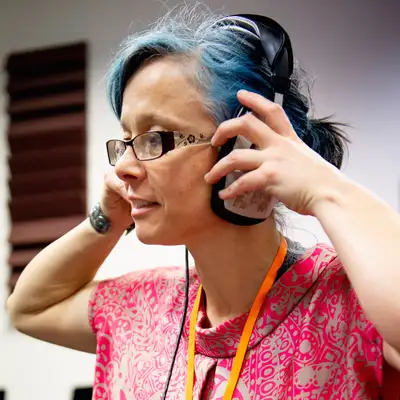
Welcome to the Sound On Sound Electronic Music podcast. On this channel we feature some of the pioneers of the industry, interview musicians and talk about retro and current gear.
More information and content can be found at https://www.soundonsound.com/podcasts | Facebook, Twitter and Instagram - @soundonsoundmag | YouTube - https://www.youtube.com/user/soundonsoundvideo
Hello and welcome to the Sound On Sound podcast about electronic music and all things synth. I'm Caro C and in this episode I'm talking to Richard Norris who's been recording, producing and releasing music for more than four decades. He started out as a young teen in a post punk band. before diving into Acid House as a co producer of Jack the Tap, one of the UK's first Acid House compilations.
He then formed The Grid with Soft Cell's Dave Ball, who went on to have ten UK hit singles, including the million selling Swamp Thing.
Richard's remixed hundreds of well known artists. including Brian Eno, Pet Shop Boys, Warpaint, and has collaborated with the likes of Robert Fripp, Mark Oldman, Joe Strummer, and even Sun Ra. His memoir, Strange Things Are Happening, will be released in 2024. For a taste of Richard's music to get us started, here's an extract from The Grids, Balearic classic called Flotation.
Well, hello, Richard Norris and welcome to the sound on sound podcast. Hi, thank you very much. I'm glad to be here. Yeah. Lovely to meet you the other week when you were supporting Ulrich Schnells and lots of people and timelines in common. So I'm excited to talk to you today and wow, there's so much you've done so much that, um, let's see how much we can cover in 30 to 45 minutes.
I guess I'm going to have to start with the timeline, kind of those defining moments for you that have brought you to where you are now. And, um, yeah, how you feel your kind of musicality, but also kind of your tools and techniques have developed over the years from when you were in a punk band as a young teen.
Yeah, I was I was I started really young. I think I was in a band was about 13 and um, uh, and we it was a good time being sort of post punk was a very good time to be quite young and uh, you know, there was sort of um, There was a bit of a space People were helping out if we were doing fanzines, we'd get people to, you know, we got amazing people in my fanzine that did, you know, like we'd get interviews with like the clash or something, you know, just, but we were like kids.
And it's just amazing that we just thought, because, you know, there was something, it was quite good to be the kids at that point. I think it's always good to be the kids, but it certainly seemed to be then. And, um, so yeah, I made this kind of record sounds a bit like the people. Buzzcocks or The Undertones when I was about 13.
It was by the Innocent Vicars and, um, we just, um, I took the, we could, I kind of saved up the money, borrowed some money off my dad, and then me and my dad went up to Rough Trades. This was about 1979, 1980, and they, like, bought most of them over the counter and gave us money out of the till. And it was just incredible.
It was just this amazing thing. And, um, and then from there, we went on to, to, uh, So the BBC in, in, in the middle of town and, um, just asked for John Peel. And so can we see him? And he came down, took the record and he played it the next night. And so, so this was, it was like 13 or 14. I was pretty much since then I was like, right, this is what I want to do, basically, because it, it just seemed, you know, it just seemed exciting.
And just getting a music on, on national radio was just incredible, really. I mean, there was sort of, even like three or four years before that, the barriers to entry would be so big. Much higher, you know, I mean just having a record out on an indie label was, you know, quite quite rare at the time so, um, that was the start and then uh, Then I started working for a label called bam caruso, which was um, like a psychedelic reissue label and um, we put out loads of yeah loads of kind of uh reissues of people like The Seeds and Left Bank and like the soundtracks of the Prisoner, um, TV series and stuff, which, um, with a massive gatefold sleeve, it was great.
That actually, I think that kind of kept that label going for about a year because we sold loads of that one. Was that all Ron Greiner? Was that, did he just do the theme? Yeah. All right, okay. The Doctor Who composer. Yeah, and loads of little incidental music and, um, we put a map and a book in it and all this stuff.
So, um, yeah, And then yeah, I was also, we also, um, uh, we, uh, we had to do the magazine called strange things are happening. And from that, I kind of started talking to lots of different people and, um, uh, doing interviews with loads of bands. And, um, and one of the people that I interviewed was, um, Genesis Peorage of psychic TV.
And he said, have you heard about this thing called acid house? And I was like, well, yeah. Hadn't there had been house records in the in the charts I mean love can't turn around and jack your body had been been chart records, but I hadn't heard about acid house But I just I love the idea of just like a psychedelic dance music.
I thought this was you know, it sounds great And um, so I went to interview him and he'd like to have amcarusa records and he was kind of Kind of like the sort of psychedelic ethos and he said, right, let's go and make a record next weekend. And so we did. And we went and made a record called Jack the Tab.
And with about 10 of my kind of people from Bamcruiser, all our kind of psychedelic lot and some of his psychic TV people. And the timing was really lucky because, you know, again, you know, two years before that we wouldn't be able to afford. You know, a Sinclavio or, or, um, or a Fairlight, you know, because that was the only, apart from, you know, tape edits, that's probably the only kind of sampling that you could do, but suddenly, you know, we were there just at the time when you could get an S900 and an Atari and, um, it's this little tiny studio in Chiswick and there happened to be an amazing, um, engineer called Richard Evans, who was there, who was just incredibly quick and really excited, excited about this idea of using, you know, uh, Bits of records and tapes and VHS and stuff that we brought in.
We just brought all this stuff together. And he went on to become one of the main, um, engineers at real world at Peter Gabriel's place. And, um, but it was just, you know, he was just so excited. And we were doing these tracks. Like we had this rule where they had to be, uh, you had to finish the track within an hour.
And it was really weird because I kind of, I had, I had some experience in the studios, but being sort of playing guitars and, and I've been to a few studios and we'd made a few records on Bam Caruso, but I hadn't made any records like this because you know, this, this equipment wasn't really there before.
So I kind of thought, well, that's how you make electronic records really, really quickly. Basically, it kind of almost like a, you know, an early Beatles album or something where you just go in and bash it out. And, you know, I've never really worked in that way again. And it's a, it's a real shame because it's sort of, we were kind of jamming.
We kind of using, you know, the S 900 and bits of tape and there was two different rooms and different people. Just putting stuff together and, um, and it was a really exciting experience. And it kind of soured somewhat when I put it out on my label and, and Jen decided to, um, uh, license it all throughout the world and not, and not tell me which kind of situation somewhat, but it, uh, it was a great session and, uh, and you know, the, just the vibe in the air was, it was one of my favorite ever recording sessions, I think, and just, just the amount of people in the studio, including children and a dog.
It was quite a strange thing. And, um, and it's the first time I met Dave Ball from, uh, from SoftSell, who I was quite intimidated by to start with, because he's a big guy. And then from that, well, that the Jack the Tab album did really well in the UK and, um, got on the cover of the NME and it's just sort of kind of started growing from there.
And so God offered a deal, um, with Warner Brothers, with Jen, strangely enough, it was me and Jen were going to be the And then he kind of backed out, but I'd also been working with a ball on the jack the tab thing. And so I got signed as a solo artist to warners, and I was going to record with loads of different people.
I was thinking, right, I'm going to do a kind of house, you know, United Nations of House album and record different territories, different cities, anywhere where there might be a good dance sort of scene. And, uh, But then someone else kind of did a very similar album. I think it was Mark Kamins did a very similar album.
So I know I just, I'm just gonna do it in the UK and, and I'll just have it with a few different producers, um, as collaborators. And then, um, started working with Dave and that kind of went so well that he then became the other half of the grid. And we went on and did just loads of records basically after that.
And we're still making them now. I mean, it's kind of, you know, this many, many years later, we're still, uh, we're still collaborating and still, still doing stuff. So what gear would you say underpinned the sound of The Grid? The Grid was, from Dave's gear, certainly Prophet 5 was his big, big synth. He had a PPG Wave 2.
2, um, some, some Korg stuff. I think the Tainted Love stuff, uh, sound is off, like an early, very small Korg mono synth. Um, but other, other things, we were kind of, we were into sequencing, like kind of pre logic and, and, and pre kind of cubase we were, we were just using these, um, Elise's sequences, which were like, um, there was a drum machine and then a 16 track, um, very basic sequencer that could do loops with an achi.
And so we used to just record like 48 tracks of loops and then just mix it live on the desk by just muting things in and out, which is a ridiculous way of working. But we did that for. all of the first grid album, um, up until the second one. And then, you know, I kind of started, uh, I think we, yeah, we started with Cubase and then moved to Logic.
I got one of the, I got the first Mac, the really small, um, kind of square one, which I've still got in the attic somewhere. And, um, it's still got Cubase on it, I think. But so we went from that and then moved to, moved to Logic. And I think the first, First track I did in Logic was a track called Rollercoaster, which is on I think the second or third, maybe yeah, third grid album Which is just this bizarre kind of acid house track with like washing machine noises on it, but it made the top 20 We both actually really like using the Casio FZ1, which is a sort of keyboard with a very, you know, with an amazing Sample length, I think you could sample like for a You know, a second and a half or something, but it had a real kind of gritty sound and you could go down to kind of eight bit and, and it had, we used that a lot for, and took those on tour for, for ages, but, um, yeah, a few other things, um, GMR CS five, we used, we kind of, yeah, we kind of went through stages, but I think, I think for Dave, I mean, Dave's Dave's sort of favorite seems to be the profit really.
And then beyond the grid, there's just been. So much more that you've done. So it's kind of musically, how would you charter that trajectory? Yeah. I mean, after the sort of acid housing and particularly going to go to Ibiza, I used to, um, DJ there and, and, uh, you know, we, we did lots and lots of remixes. So, um, I mean, grid remixed, uh, Brian, you know, yellow Pet Shop Boys, Happy Mondays, just tons.
I mean, probably between those mixes and up to date, I've probably done four or five hundred remixes, I guess. I mean, it's, it's, it's just hundreds and hundreds. And you do everything from home now, from your home studio, or have you had studios that you've worked with over the years? Yeah, well, over the years I've had, had, had sort of spaces, but I've just now, uh, starting my new studio, which is, um, in the garden for the first time, which is great.
Oh, nice. So it's been, uh, just, just, it's, it's very exciting. And I'm, I'm, becoming very monk like sitting here and then, you know, but then I'm sure in about a few weeks I'll get bored and then ring someone up and want to collaborate really because I quite like working with other people, but, but it's, um, but yeah, I mean, there's, there's been many, many remixes and, um, yeah, just different flavors and I think both.
Dave and myself were very, very open. I mean, he, he, he kind of came from, you know, more than, more than soul background and, and soul music, but also we kind of both really bonded over Kraftwerk and, and Suicide, uh, and Throbbing Gristle. So we kind of had this sort of weird mix, but also we really love pop as well.
We kind of like, um, really like high energy and, and, um, even, you know, things like Divine Records and things, or, you know, Bobby O, you know, that sort of thing. So it was kind of weird mix of, uh, Kind of industrial to, to, uh, to craft work to, to Northern to, and then, and then I kind of brought in the more sort of psychedelic elements too.
So it's quite a wide range, really. And I've always kind of liked that. I've always thought, you know, you don't really need to just stick in one genre or, you know, I mean, which has been very useful, certainly for remixing and producing. It's, you know, you've got to be fairly open minded because, uh, or else you're just going to.
Do the same thing. So I think of, you know, the range of music I've done over the years, including right up to today. I mean, the last few records I put out have been like a droney ambient record. I've got a banging sort of, um, electronic album. I'm writing at the moment, mainly using iPad plugins, strangely enough, which is, which is great.
And it's really quick. I love that. That way of working, uh, to a full on sort of English folk record from that sounds like it was made in 1970. So, so yeah, so there's always a, yeah, it's good to have a bit of variety really, but I mean, you know, I think my main, I think my main thing has always been kind of atmospheric music music.
It's got a kind of kind of landscape to it that you can kind of, you know, immerse yourself in. So there must be something in you that wants to cover those spaces because a lot of us do specialize or. Focus on a certain style, but there must be something in you that wants to touch all those base and cover them.
Yeah, it's partly a kind of desire to collaborate with more, more, you know, different people and because, you know, I always find, you know, when you collaborate, you always learn something new because it's, it's just, you know, whoever comes in has got to have a different outlook and, and, um, different, different techniques and, and, um, You know things that they really like so so I kind of think possibly that that kind of you know And I've just always had a very very broad taste in music I've always kind of liked a lot of different music and I kind of think probably coming from The sort of acid and balleric thing.
I mean that was a real Mishmash of of styles and and you know bringing lots of things together on the dance floor, which Probably didn't, you know, um, didn't always work, you know, some of them were too, too poppy. Yeah, I've always kind of, I don't, I don't think I could just make techno forever. I don't, I think I'd have to have to do other different things, but I kind of, it's quite nice in a way because I kind of get like really focused on one thing.
So like for the last two or three years, I haven't really made any, any kind of beat records. It's always, it's been just ambient and drone and really kind of looking into, um, you know, the world of, um, Uh, Eliane Radigue and, uh, Pauline Oliveros and, and the, the whole kind of deep, deep listening concept. I'm just really immersing myself in that and just, you know, spending a lot of time making ambient records, starting in the morning, listening to like an hour long Eliane Radigue track while meditating, which, um, which is a, which is a strange, uh, phenomenon.
I found that, uh, I'd, I'd been meditating for years and then, started to listen to kind of drone music as I was meditating and then I then I Sort of stopped doing the mantra and realized that the drone just listening to the drone was actually stronger than than the meditation So I kind of that made me really look at what Pauline Oliveros was has been has studied You know that that idea of you know, really deep listening or really kind of quite focused listening um and listening to the You know, from the smallest thing to the furthest away bit of the cosmos.
And, um, I love, I just love that idea. And that, that really took me places. And it's really getting back to the fact that we are frequency and, and, and listening, like Evelyn Glennie talks about how we don't just listen with our ears. Like once you start to really embody your experience, which is what meditation is about, isn't it?
Not just being in rehashing the past or rehearsing the future. And once you really sink into that. That's when music and sound become something else, doesn't it? I mean, I've certainly found that with the, the music for healing stuff that I've been doing. I mean, that, that was kind of, um, I was living on Portmela Road in, in, in Labrador Grove in London, and it was just chaos around us.
It was just like this mad cafe downstairs where there was all kind of threats and drugs and knives and Just horrible stuff going on. And, um, and it was quite scary. And, um, I mean, all that female next door neighbors all moved out and we were kind of left with this kind of mad stuff going on. So I kind of decided to just create a safe space at home and Create some very very very chilled out music just purely to for my own sanity more than anything else and um And he seemed to work I mean it was kind of just around the time I was starting to really listen to things like particularly the Eleonora dig Trilogy Delamore, which is a very long tracks, I think it's like an hour long or something and Very little happens, but when it does when you get focused in on it The small changes become enormous and um, so, uh, I was, yeah, so I just started making that music and it also, it was a bit before lockdown and then as lockdown kind of happened, I thought, well, you know, this, maybe this will help other people.
So I started, In the first lockdown, I put one out every week and just gave all the profit to mind the mental health charity and, um, and it just seemed to work. People just started to write to me saying, you know, this has helped with all kinds of things. I mean, they're just sort of low level anxiety and stress as the kind of main one.
You know, people said it's helped them with bereavement. Um, it's helped with people, uh, who worked as carers for people with Alzheimer's that said it really, really helped and quite a different thing to the usual Alzheimer's thing as well, because a lot of time, um, music can really help with with those, um, Kind of conditions.
Um, it's normally music that, um, sparks memory. It's music that, that the people have heard years ago and, and can remember. And, and that's that, that, that kind of part of the brain seems very active. But I think, um, the ambient, ambient type music seems to work as well. And, and, and there was certainly, um, one friend of mine who said, you know, was playing it to someone in a, in a care home and who hadn't spoken for for a long time.
And, um. And, and, you know, and, and some conversations were starting and, and um, when, uh, he tried to take the headphones away, she wouldn't let him . She was like, no. A bit of a struggle went on. I don't think there's anything particularly special about the music I'm making in terms of. Science or technology.
It's basically it's it's all very slow. Not very much happens. I kind of they're all about 20 minutes long. Um, and I kind of, um, encourage people to sort of sit still and listen to it on have possibly on headphones or with your eyes closed. So it's sort of you kind of you are in a particular state. So it may be just the sitting down for 20 minutes is the thing that's working.
But but even if it is, that's fine as well. You know, I'm not kind of haven't got any great sort of grand, uh, You know, I can't can't sort of say it's because of these particular frequencies or whatever. Like, you know, a lot of it is just anecdotal evidence. But um, but it does seem to work. And it just, you know, for some people, it does seem fairly universal that, you know, the very, very slow music with not much going on, not much sort of very jolting change that that if it's like that, that stuff seemed to help me the sort of definite aspects of the brain kind of recognizing If something's in some kind of looping formation, that the brain will remember that and then kind of guess what's gonna happen next.
And that's, um, that's uh, quite, quite relaxing I think, for the brain as well. So, um, but it's, it's, it's, yeah, it's interesting. We're just kind of, you know, in the Spotify era where people are like skipping tracks after 30 seconds, this is the, the absolute opposite that, you know, it, it kind of doesn't particularly work on Spotify.
'cause you've really gotta. Be with it for a long time and sit with it. But um, but you know, it's it's I think it you know, I think it's I think it is a very viable thing. Once you get into that zone and that world, you just don't want to leave, you know, it's just you just sort of in in that place. And I think if music can do that, if we can actually take you somewhere, you know, that's, that's a, that's a great thing.
And in terms of the tools, then the sounds the that you'll be using for the Let's say the music feeling, the more, the totally ambient stuff that you've been focusing on as that different than the tools, your, your go to tools, if you like, for the more dancey stuff. Um, I've got quite a small setup. I mean, I think I use most things, most, uh, most stuff for most music.
I mean, if it's electronic, so, um, I've got some things like the Eventide space pedal, I'll use a lot. And I've got that kind of plumbed into my, um, into logic. Um, so it just comes out as an in output. Thing, which I really like, I've got that as a, as a plugin, but actually having the hardware and putting the hardware through the system is, is, is greatly preferable.
That's an amazing piece of kit because it's, it's a very musical reverb. I mean, it really changes, you know, you can, if you put different keyboards through it, it's almost like you've got another new keyboard because, because it's got all these harmonies and. Trails and stuff that does on it. I've always liked even tides hardware.
I mean since the the H. What was it? Probably H 3000 upwards. I suppose the multi effects units and just they seem to be um, they seem to be very musician focused It's kind of something you kind of you could it's they encourage you to play I think which is which is great So yeah, she's that but I've got most of the rolling kit really main.
I've got what I'm sitting here with a Juno 60 and a 101 and a 88 and a 909 and, uh, and a mini Moog. And, um, he's a matrix a thousand quite a lot with it. Cause I've got a controller for it and that that's really great. And that's, that's a definite tip for anyone that's looking for a, a very good Oberheim, uh, for cheap.
Um, cause you can buy the matrix 1000. It's just a rack unit with a thousand presets in it, which is all right, but you can get that for a few hundred quid, but if you get the controller that goes with it. Which is called, hold on a sec. Uh, I can't see from here, but there's a controller that works, works with it, which is a few hundred quid.
And then suddenly you've got an amazing Oberheim synth, because the sounds are just really, really good quality. Um, it's only mono, unfortunately, but it's, but it's, um, it's really great. We always used to do the trick in the grid to create pads, um, recording it, recording it twice, and having them just slight, one of them slightly detuned from the other one.
And then you get this lovely, beautiful sound. But the sounds are really lush anyway, so you can kind of get that so it's got a very reminds me of sort of kind of mid 90s Depeche Mode albums. It's got that kind of vibe to it. But yeah, but lately, I've been really getting into the iPad because it's um, there's just so many good noises on it.
I mean, now you can have a quite a broad range. a reasonable size iPad and just using, you know, it doesn't have to be keyboard based. So you've got things where you can really use your fingers in a different way, you know, or even, you know, things like the Roli keyboard on the iPads really nice. And, um, you know, lots of kind of theremin based stuff, lots of sequences based things, but, but, um, they're all, it's, yeah, they're very, um, very immediate.
Yeah, I kind of like things like that. I kind of don't want to be diving through menus or anything. I want it to be just right, you know, so I love, you know, the mini MOOC or mini MOOC as we meant to call it. Um, but yeah, there's just because it's, you know, just. It's, there's not much going on, but you kind of can use it.
Uh, you, you know, very, very quickly. Yeah. I mean the, the Moog stuff, the, the system, uh, system 15 on, on the iPad, which I think was free for a while is, is just incredible. I, it's 'cause it's, I've kind of worked on the, the biggest systems, like the system 55, which is absolutely love. And, um, just to have it as a, as, um.
As an iPad it's, it's, uh, plug in. It's incredible. It's also, when using the bigger, we did a whole Moog record. There was a Moog sound library where they, um, had, um, they transported loads and loads of equipment to, um, Guildford, um, University of Surrey. And, um, and the Grid was the first, um, artist to use that.
Lots and lots of different people used it. And there's just this insane amount of equipment, with this big, big thing. System 55, um, 5U system, and um, about sort of 18 Moogafoogas, and all this kit, and uh, racks and racks of stuff. And um, and uh, so it's very daunting when you've never used one of these big machines that looks like a kind of Telephone kiosk basically kind of like, ah, what do we plug into where stuff?
So it's great having the iPad because you can kind of work out at your leisure. What, what, what goes where it's really, you can just plug virtually plug in everything to everything else. So, uh, I think that's great. I haven't looked and I'm sure there's bound to be some really great, great modular stuff on the iPad as well.
Cause I think that's, again, it's that, that's, that can be a. A massive, kind of, can of worms, um, to, to get into, and, uh, and I, I, I kind of went down that rabbit hole a little bit, but I just didn't, I just didn't end up making tunes. It was always like, I made sort of noises and beats and atmospheres, and that was kind of alright, but, and, I just didn't, I don't know, I kind of like, I like melody, and I like But I kind of, but I kind of want it to end up being something that isn't just something that you could just look sat listening to for an hour and think, and suddenly you haven't made a tune for three weeks.
And also you've got no money in the bank. The thing for, uh, for modular, I probably will kind of dip in a little bit again, but, um, I just, yeah, I mean, cause there are so many amazing, amazing things you can get. Brilliant. So yeah, you've worked with so many different people. I wonder if there's any, any projects or collaborations, remixes that come to mind as kind of, um, yeah, really interesting or amazing learning opportunities for you.
Yeah, I think that we really kind of. With the grid on the second album, which was, uh, four, five, six, we'd be signed to Santa Virgin. And we'd, um, we've got this new manager called David Entoven, who was this incredible guy. It was a real sort of sixties Chelsea guy. A bit. He had a bit of the, there's a bit of the old, uh, Austin powers about him.
And I think, I think he was, there was definite rumor that he was, he was one of the people that they, uh, That was the inspiration for the, um, for the manager in Spinal Tap, but I think, I think a number of, uh, a number of managers have, uh, have claimed that, but, uh, I don't think David claimed it, but I, I did hear that as well, but, but he was, he, he, he managed all these incredible people, he managed T Rex, and King Crimson, and Roxy, and ELP, and he was the E out of EG Records, the Eno's label, and so, he, he, we, he started managing us when we When we'd signed to Virgin and, um, he rang me up one day and said, I've got to manage you.
I've just heard your album and it reminds me of Roxy Music's first album. So I have to manage it was just fantastic guy. And, um, but he, cause of course knew all these people. So we'd, so we, we'd, uh, we were lucky. We kind of got a bit of budget and, um, and so we just started collaborating, you know, every day, pretty much.
And just so we had Robert Fripp in with great, great sessions with Fripp in, uh, in East Coast Studios in, uh, in West London, where he came in, he was loaded up with just two massive racks of, of even, even tied and TC electronic type, type, uh, equipment of, and some of the, some of the delays he had were like, 72 seconds long or something.
He'd have these kind of customized things. They'd play some mad sound and it would come back like a minute and a bit later. And, um, so he just kind of created these, uh, amazing soundscapes and it was very, um, it was quite a nerve wracking thing because he's obviously, you know, uh, It is a very, you know, high quality technician and a bit stern and, and we thought, Oh God, you know, how are we going to work?
Cause we, we would, you know, we come from, you know, pure art school DIY, you know, so it's post post punk. So it wasn't really, you know, we're not kind of soloists. So, um, it was, it was, uh, I think, Oh God, this isn't going to work at all. But, um, but we just got, got into it straight away because he obviously comes from being a crafty guitarist, but, but also comes from, uh, you know, a very spiritual background and also.
And and art school so that that or that that approach so we could just say to him, you know Make a sound that sounds like a nuclear war and he would And we would really enjoy kind of trying to work out what that would be So we did lots of things like that with him And we that's right. We got we all wanted him to play On three or four tracks and he just kept saying oh, have you got any more?
And so, um, so we kept, we kept, we said, okay, right, we've got, we've got a new one for you this one. We just want you to play just your Les Paul. That's beautiful. Like, I don't know what year, probably 1957. Les, Les Paul, absolutely amazing instrument. He said, right, turn off all of the racks. And, um, we just want you to play just your Les Paul.
Just the, just the, the Les Paul and um, and we only want you to play four notes and it was, um, and he was a bit puzzled cause it was, um, cause it was, it was a very, quite a simple song. It was his track, uh, on, on, uh, on four, five, six called aquarium and we just wanted to play something very simple. where there's piano on it and it's quite a slow kind of 98 BPM sort of vibe and so he had a little think and thought right I'm gonna have a little walk around the block so he walked around the block and he came back and he did it and um and he got the four notes and he was like he was really excited because he was like there's only four notes but they're the right four notes he's just an amazing character so we've kind of done a few other things we did a recent record with him as well called leviathan grid grid and grid and frip Last year and um, that was tracks was kind of some of the stuff that we'd, we'd, um, recorded, um, much earlier, some of the, some of the, uh, kind of soundscapes that he'd, he'd, uh, he'd made and, uh, I started kind of work.
I think we found some. Some tracks from that session. Actually, actually, that's right. We found, um, from the fourth, five, six album that we were doing, we found almost another album's worth of material. And I played it to Dave and we were like, can you remember making this? And neither of us could. It's just like, what are all these tracks?
And because I think, you know, at the time, that kind of our idea of a demo was, you know, you just get do a board mix, but then, you know, the boards just go. We're good. It was an old Neve desk or you know, a nice desk and, and, and fillet from, uh, East coat was a great, a great engineer. So, so, um, uh, or Ingo, the other guy we're using there, but both of them really good.
And so we heard found all these old DATs and, and, and they sounded like finished track. So we're like, Ooh, we should do something with it. So one of them came out on a late night tales album that Bill Brewster put together, but we, yeah, we just thought we should do some more stuff with this rip stuff. So we got in touch with him and he, he provided us with Hours and hours of, uh, of, of similar sort of droney material that he'd recorded.
Um, I think mainly around the same time. I think they've got his, uh, him and his, his, uh, his, his label, uh, people have got a very, very good, um, library of pretty much everything he's, he's recorded. I think everything. Gets, uh, gets stored and cataloged and, um, so yeah, so I started working with, with Dave on, on, on that and we just created a whole lot of those new, new, um, new sounds from that one.
It's, it kind of worked really well. It's a good, um, good thing. I'd love, love for us to work with him again at some stage.
Fantastic. And you're also starting to work or have been working more in kind of immersive surround stuff with, um, D& B. Tell us a bit about that. Well, I went up to see, um, I've got a friend, John Best, who was, um, he was one of the big PR people during the pandemic. Britpop era and a manager and uh, he managed Sigur Ros for many many years and um, he's living in Stroud where, which is where, just by where D& B's UK operation is and um, they've put um, In this Isambard, Kingdom, Brunel railway kind of shed there, they've, they've, uh, built this kind of gig room with, with, um, with a DMV, um, surround system soundscape is their immersive thing, uh, with such 20 speakers around the room.
So I did a gig up there at the beginning of the year with playing in the middle and then the audience around the side and then the speakers behind them. And it was a real revelation. It's kind of like, you know, to used other things like Ambio, um, the Sennheiser one. And, you know, um, I haven't, I haven't had much experience with, with, um, with Dolby Atmos, but, but actually using a surround, a surround system.
For live, you know, I had a day, um, rehearsing, just going up there and we put all the stems into the system and then just was kind of trying stuff out and, um, it was very, very exciting. So I'm going to be going back up there every, every couple of months, kind of working on a new, um, surround, um, live show and just kind of.
Seeing what happens because I think for them that they're kind of um, They want they want musicians to get involved because i'm sure we're going to by accident We'll we'll find the new, uh, you know, i'm sure that's how phase was developed or flange or all those kind of things It's like, you know that that there'll be There'll be kind of recording techniques and and live techniques that that will develop out of this because you have you know You haven't got a master bus.
You got haven't got two tracks. You haven't got a stereo You got it. It's going to come from you know All over so you know what would happen if you put 20 things out of phase? Well, what happens, you know, just just the spatial stuff you can do and the dynamics you can you can do and what you know What you can create I mean because it's initially the those those systems were You know for for a flat Stage that you're you know, you're looking at the stage and you're looking at the orchestra, but you want to hear you know The string section over there because that's where they are.
And so that's that's what those systems were for It's you know, it's much more of a kind of you know, just mapping where people were But I mean, but if you take the acid house approach and you take the 303 and make it do something is totally not meant to do if we do the same sort of thing with with with these kind of systems that there's going to be some interesting things coming out.
I mean, it's definitely we for certainly for electronic music. It's just I can hear. Already there's a, you know, a new kind of electronic dub will will emerge that's that's going to be just really exciting if you can get in a room with that kind of system, it just really works. But and also I think that the big change this time compared to quad or, you know, 5.
1 or earlier, um, surround systems is that, um, it's headphones because, you know, everyone's got headphones. Um, You know, logic, uh, you know, seem, seem to be very positive about about the new, um, then you surround that you can do within logic and atmos is, is, is doing great guns as well. So there's, you know, it's a very exciting time.
I mean, just it's, you know, it's always been seen as kind of niche interest, but I think. You know, the combination of headphones, you know, gaming particularly and film. Um, it's just, you know, it's exciting as a, as a, as a, as a musician and a producer, it's, it can be, uh, you know, I'm looking forward to many collaborations, I think with this.
Fantastic. Any other sort of exciting future directions that you're quite hungry to explore? Um, I'm mainly doing, I'm mainly coming back to, back to, back to beats at the moment. I did a, um, I did an album, which is much more like a kind of German kind of cosmic album with a, with a little Korg 55, I think some little tiny little drum machine with that has a few few kind of little drum fills that sound very mechanical a bit like Cabri or something like that.
It's kind of doodle doodle doo. It sounds right And I just did a very kind of hypnotic sort of German influenced With that but now I've now I'm coming back to a very full on dance record, but which is very it's very melodic It's very much in the spirit of the things that I've been doing with the grid, but it's very yeah, just just just the immediacy of using iPads and using iPad sequences and and and just the quality Pretty good.
I mean, I am kind of cheating a bit. I'm adding kind of Minimoog and other bits and pieces and particularly the uh, do you know 60 have always been being fond of kind of love I'd love the kind of very kind of basic arpeggios on it and sequences you can do so The kind of combination of that but so yeah, that's that's really um, i'm really focused on doing that at the moment But but there's yeah, there's various other Other things in the, in the, in the pipeline is there's a couple of, a couple of drone projects, um, loads of remixes and a book.
I'm writing a book as well. So there's, there's lots, lots going on. Yes. On top of everything else, you're a writer. So you just happened to write, um, Paul Oakenfold's authorized biography and you're also writing a memoir yourself. Yeah, the, yeah, the Oakenfold one was, well, that was, that was kind of weird, it was sort of a bit before, I mean, it's a really great time at the moment to do, uh, music books, because, you know, there seems to be a, a, a very, kind of, interested and engaged audience for, for, for, for that kind of writing, and, Paul's one was a little bit early, but um, but it was kind of, I just wanted to see if I could do it.
Because it's, you know, I'd written, I used to write for the NME years ago, and Select and various other magazines. But just the thought of writing a hundred thousand words was, was um, a bit daunting. And I had to do it in about five months as well. Which included about three trips to Brazil. Go to see Paul in America and, uh, just get the whole thing together because they wanted it out before Christmas.
And so it was a real rush job. But, um, so I think we might, I've got slightly longer on my own book, luckily. So I don't have to, I don't have to hand in my homework till next, uh, next March, I think, so. And tell us a bit about what you are writing. Oh, it's just about kind of experiences in music, really. Just about people I've collaborated with and just sort of It's interesting because it's sort of A lot of the anecdotal stuff I've got, I mean, I've got, like, reams of anecdotes that I could go on for days on just, you know, and I frequently do, and people frequently tell me to shut up.
But, um, the, um It's interesting that that bit's kind of easy. It's just, it's kind of Finding just in the in the actual process of writing of kind of uncovering what the books about rather than thinking what it was about to start with and kind of so it's it's becoming more about you know, the value of Community and a value of collaboration and and you know what what it means to express yourself be a musician for life, you know, what, what that's, and you know, what's important, you know, I've just really found that things like, you know, top of the pops five times, but the response to the music for healing records, which is like literally a few hundred people, you know, but they've, but a lot of them be writing in saying how much it's affected them.
That's been, that's meant so much more to me than, you know, Being on top of the pops and it's just like it's kind of it's really interesting to try it. You know I'm, really glad i've waited and haven't really written any any kind of autobiographical things And until a bit a bit older because because it's it's it's it's it's even five years ago I don't think I could have written what i'm gonna write now, but it's it's it's great.
It's it's a really Very cathartic thing to do sort of you didn't think you find find out things about yourself that you just At all. No, we're in there Yeah. And you've got such a variety and sort of, and the timeline as well of your experiences within the music industry that, um, yeah, I'm sure that would be a, so yeah, good luck with completing that and letting it unravel.
And, um, yeah, good luck with all your continued inventions in music. Thanks a lot.
Thank you for listening and be sure to check out the show notes page for this episode where you'll find further information along with web links and details of all the other episodes. And just before you go, let me point you to the sound on sound.com/podcast website page where you can explore what's playing on our other channels.