Subscribe
Share
Share
Embed
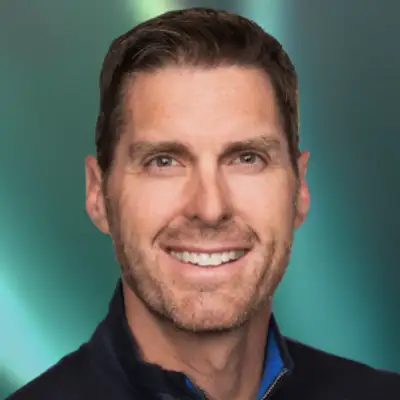
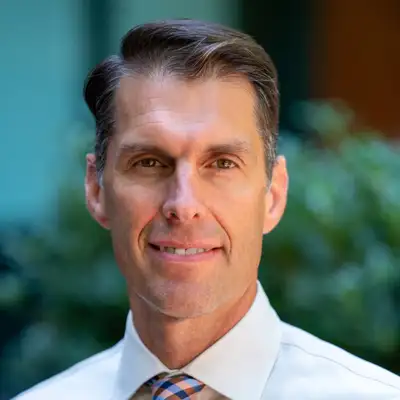
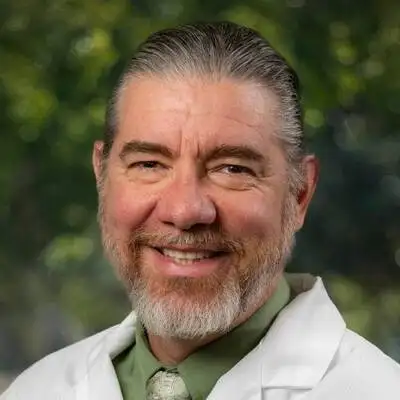
The U.S. healthcare system is at a breaking point—soaring costs, worsening outcomes, and widespread physician burnout. The Root Cause – Business of Medicine podcast, hosted by brothers Dr. Erik Lundquist and Dr. Davin Lundquist, charts a different path: one where healing, fulfillment, and business thrive together.
Each episode shares powerful stories of medical professionals who stepped away from the traditional grind to embrace integrative, functional, and alternative approaches to care. Through candid conversations with practitioners who have redefined success, listeners gain insight into navigating their own transitions, reclaiming a sense of purpose, and reshaping the way they practice medicine.
Erik
Well, Davin, today's guest is a real treat, a good friend of ours back from the Occidental college days, who shares our enthusiasm. for lifestyle medicine and overall optimal performance. And he shares some really interesting insights. What what did you find fascinating about Rob's um interview today?
Davin
Well, I think it was fun to walk down memory lane a little bit uh and how we all majored in kinesiology in college and and how he's actually using that in a very unique way, you know, that that training. you know, dating back to, you know, his uh Eastern, you know, journey and and bringing back some of the Eastern medicine and doing acupuncture, at least having skill in that is really cool to see. And I think What a great application of functional medicine pain management. So I think this will be a real treat for our listeners today.
Erik
Yeah, I love that he touched on the the topics of burnout, uh you having a mentor. and how critical that was for for helping him accomplish. I I think also just really following his passion for educating and teaching. And um I I really, really was inspired by his story today. So I hope you guys uh enjoy it as much as we did and we look forward to you uh you listening to our podcast with Robert Banakdar today. Welcome to the Root Cause Business of Medicine podcast, where we explore what's broken in healthcare And what we can do about it. I'm Dr. Erik Lundquist, and I've been practicing functional medicine for the past 15 to 20 years. I'm excited to co-host this podcast with my brother Dr.
Davin
Davin Lundquist, who's just beginning his journey into functional medicine. We come from different points on the path, but we do share a common goal. We want to rethink how medicine is practiced and help others do the same.
Erik
The US healthcare system is in crisis, rising costs, declining outcomes, and physician burnout at an all-time high. But you know, we found a different way. Another way. A better way.
Davin
On this podcast, we dive into real stories from medical professionals who've stepped away from the traditional model. Kind of like me And have found a new purpose in integrative, functional, and alternative approaches to care.
Erik
These are authentic conversations with practitioners and friends who've redefined success, not just for themselves but for their patients and communities.
Davin
Whether you're a clinician feeling stuck, a student seeking direction, or just curious about what is possible,
Erik
You're in the right place. This is the Root Cause Business of Medicine podcast. Welcome back to another episode of the Root Cause Business of Medicine podcast. And today we have our special friend and occidental alum, Robert Banakdar, who we are super excited. He is uh the director of the Pain Medicine Centered down at Scripps Integrated Medicine Center and is fully capable of putting a acupuncture needle in any place that could benefit you. But we're excited to hear Rob's. Exactly. We're excited to hear Rob's story today. It's a little non-conventional, and I think uh we'll we're all going to really be excited to hear what you have to share with us today. Rob, uh let's start off a little bit by just having you give a little bit of a uh a background kind of you know, how you how you got into integrative medicine, um, and then what kind of led you to the Script Center for Integrative Medicine and and even your time that you spent in China. um you know learning acupuncture and traditional Chinese medicine. I think I think that'd be great to just kind of get that background story.
Robert
Yeah, no, thank you for that uh opportunity. Um Well, first of all, I don't think there's enough occidental podcasts, so I hope you send this to uh the dean to to let them know what you're gett what you're up to. Um But you know, I've I've been asked that question before and I've talked to other integrated providers like my mentors, like Dr. Gorneri. Um so I feel very lucky. Number one, it doesn't come from I'm on the cliff, I'm about to burn out. Although I've I've certainly, you know, like every clinician has felt parts of that. But it didn't come from a place like I gotta save my my career and soul. It comes from, you know, I was very lucky growing up. We had a family doc. Uh this is going way back in childhood, um, back in Tehran, Iran, where where I was born. I just remember these images of somebody coming to our home and being so kind to my family. I remember my brother uh having uh because of the the you know the part of the world we were at it was uh he had like a hep A something he ate or drank and he had to get an IV and this this person was just so like wow this is like a like an angel and uh also you know knew my family as as as friends and I that was sort of this model for me and then when I kind of went into uh you know, college. I I kinda knew I was going to healthcare. Um I had a few other mentors kind of tell me about family medicine. So that was in my back of my mind. That's the kind of doctor that does does that does that kind of work. Then I um got this opportunity in in talking with Dale Wright, one of our great professors at Occidental. Hey, you're you seem really interested in non um you know non-US met medal uh models of care. Why don't you do this Richter Fellowship? So it was a it was a you know 1992-93 opportunity to go uh abroad and used you set your your your course. So I wanted to go to Singapore because they had blends of Eastern Western medicine. They had the English language so it wasn't as much of a barrier, but also jump to Southeast China, uh Malaysia, Bali. It was just an incredible opportunity. I got to learn uh acupuncture, go more in depth with my study of Tai Chi and meditation. And it just felt like, wow, this opportunity is going to change my life and my career. And so when I got home, um, I was still pre-med. And I pretty much realized that was kind of that was not possible. Like you have to apply to do the met MCAT. You can't just go into that. And so reality set in. I still tried to keep up with you know, the meditation and the Tai Chi just for myself. But over time it just all those ideals kinda got kicked out. You know, you go to med school, you have to cram, you have to just put in the work and the sweat and you know, your whole entire life gets turned upside down and if you're married like I was trying to balance with family, it's just ridiculous. Um and at a certain point I remember talking to my mentor I finally, my third year of med school had a mentor, Dr. Millman, um, in Reno. I went to the University of Nevada because I was I'm from from Nevada and He said he was very open with his use of integrative medicine as part of family medicine. At that point, we called it alternative medicine. He was talking about herbs. He was talking about He was talking about my language, which I had not really felt for a number of years, having gotten Western medicine shoved i i in in a good and a bad way. I needed the education, but y we all know it's how stressful it is. And he said it's very doable. You just need to hold on to it until you get to the point where you can exp you know, bring it into the the your exam room. Now this is my you know not your exam room yet. You still I gotta do what other people want. You gotta do surgery and trauma and all that stuff. and deliver babies and all all that and then you'll get there. And so that was an incredible like I get chills thinking about it because if I hadn't had that, like many docs, they want to go in that route, but they feel like there's no doorway here. So I just gotta do what I what I'm told. So that was another um part of the story and I'll fast forward to when I was finishing my residency at Sharp Grossmont across town here in San Diego. I had started on my own acupuncture clinic in my third year. I didn't have any mentors, but we knew we had a lot of low back pain. We'd we helped a lot of the East County construction workers. Um A lot of a lot of folks who are doing manual labor, a lot of low back pain, a lot of folks coming through our clinic, you know, you know, needing Vicodin and needing this and that. And they say, well, if you want to do acupuncture, great. These are all the patients we don't want to see and you can go for it. And I was just uh loving doing that. I was also treating the nurses, they loved it to help their stress. And then residency was about to end and they're like, well we have nowhere to place you. Th There's no place for you. So good luck. And then I remember seeing a flyer um for a labyrinth walk. lecture across town here at Scripps where I'm where I'm sit sitted right seated right now. And I I I told my wife uh I would post call I see this flyer, I was like, I I don't even know these people. I don't know what a labyrinth walk is, but I I gotta go. And she's like, are you sure? I was like, yes. I gotta drive from La Mesa to La Jolla in rush hour traffic. I don't know why. So I showed up there, I met Dr. Granary, who's a luminary in in integrative medicine, interventional cardiologist who also went in integrative medicine after a health crisis occurs. Um would be a great person to have on here. And she said, Hey Rob, you know, what brings you here? And I said, I'm not sure, but you know, I I kind of want to meet you. I want to see what's going on here. I'm looking for a job. after your residency. Get right to the point. What's that? Get right to the point. Get right to the point. I need a job. And she goes, what do you do? And I said, well I'm a family doc, but I I do acupuncture, I do, you know, some of these Eastern things. He goes, that's great. because I'm a cardiologist and I have a whole bunch of heart patients who can't take anti-inflammatories and have heart issues. So do you want to do a fellowship here? I'll make it happen. We don't have an integrative fellowship, but I'll make it happen. And so Within a few months, I graduate from residency. I I land here, and my job was to help her cardiac patients. So I was helping with cardiac rehab, loving that, lifestyle change, stress management, diet. but also setting up what would become the Script Center for Integrative Medicine Paint program, which now I was in one man show doing acupuncture, this and that, and now We have, you know, ac three acupuncturists, we have mind body therapists, we have dietitians and so I feel blessed to be in the right time and the right place. I I'm still not sure what the labyrinth was. I did a labyrinth walk like I know you you you did. Um and somehow it it it brought me here.
Erik
So that's awesome. I I I love that we have you know not just our undergraduate connection, but we have these other points along the way and you know uh uh like your situation I was completely disenchanted with the conventional medicine approach and Had it not been for a family physician whose name I don't even remember, you know, talking about integrated medicine at the the AAFP's med you know, medical student resident retreat or or conference that they had, and he just happened to be speaking on integrated medicine. I go, Oh, okay, there's hope for me, right? Um what what do you think uh the I'm curious to hear um it sound like the the influence of both that initial experience in your hometown in Tehran. as well as your exposure to the the breadth of medicine approaches in the you know Asian eastern areas. Uh it how how did that really kind of shape how you're practicing medicine now?
Robert
Uh great question. I think the the key thing it did for me was demonstrate that blending those things is possible. Like The first example was, you know, you don't as a family doc, you don't need to be stuck in a environment where you're just, you know, seeing a million patients and not really getting to know them as a person. You can. Um so that was one of the things I really liked thinking about as a future doc. And in Asia, uh, you know, I got to go to the Richter Fellowship and I've been back um to Taiwan actually with a contingent from the Cleveland Clinic, or where they have a big uh traditional Chinese uh clinic within their uh integrated medicine, to see that in a hospital outside of America, especially in Asia, um the two blend together. So you you somebody's going in for surgery, they see the surgeon who's often trained in the United States or somewhere very reputable. They're ready to do their their their magic and then somebody else might come in who might be a Tai Chi practitioner, a Qigong practitioner, or a traditional Chinese. just to sort of give the full scope of how we're going to support you. And for me, I always felt like it's either it's, you know, it's one or the other, at least in med school, like, yes, that's alternative medicine. Your patients will go after that. If they do, you know, there's something wrong with them and, you know, just uh don't ask too many questions, you know, and uh try to dissuade them, you know, all those things. And he was a model where Um, it was the best of both worlds, best of high touch, best of high tech, and best outcomes. So bringing that back, I kind of felt like, no. Over time, that's possible. When I landed in at Scripps, I had a mentor who went to bat for me. And I think um we'll talk a little more about you know how how this all works, but having leadership that really says Um I don't quite understand what you're doing, but if it gets good outcomes, I'm gonna back you up. And I had that and I think Blending is something that we unfortunately had with functional medicine, with nutritional therapy, often feel like, no, we gotta do the medications, we've got to do the procedure. And there's no room for the other stuff. There absolutely is room and I saw examples of that and I was supported in that. And I think many folks aren't. And I think that's an unfortunate. Like you started getting support or thinking, wow, um at the AFE retreat, you know You were lucky to get that uh like you saw a model of the future and you were able to kind of go in that direction. And I think we don't have it I mean now we have more, but I think a lot of docs are still don't see that they don't have that vision, unfortunately, and so they're stuck until it becomes too late.
Erik
Yep, I totally agree. And it was interesting when I was in Taiwan uh giving a presentation a couple of years ago, uh and it I I asked the question, I was curious, right? So I I asked the the whole the whole group, there was probably, I don't know, 200, 250. uh practitioners, most of which were uh physicians. I said, How how many of you practice some form of traditional Chinese medicine in your practice? And I got ten hands that were raising. So I think you uh it's interesting because culturally they blend the two of them, but still they compartmentalize very much their approach. Like I'm a Western medicine doctor. I and this is a traditional Chinese medicine doctor, we're and there's a big line bet it you don't have a lot of practitioners. So it was really interesting. They were th it was a functional medicine uh conference that we were teaching, and so they were just they they they couldn't get enough. They were just sponges in just taking this in. It was so interesting
Robert
Philosophically they had some comprehension, but training and education they they hadn't. Yeah, no first of all I remember you going to Taiwan I was very jealous of you because any opportunity I can I can get to get a free trip But I do recall um like in the hospitals in Taiwan, like you would have a floor, a surgery floor, you would have the PT floor, then you would have like the tr the traditional Chinese medicine floor, like So here in the United States, we don't even have that floor with you know traditional Chinese or functional medicine. Rarely we might, but most of the time it's very conventional. If you want to do the other stuff, it's after we're done with you. Um but you're right, even within a realm where they accept it, there are these these silos. And that again, we can try to optimize it to find ways to integrate that. But I think in system it's very hard to know how do you how do you build, how do you chart if you're doing multiple different uh types of medicine. So I think there's there's work to be done everywhere. But I think one of the key things is In the United States and United States, we don't even ha we don't even have a lot of those non-conventional things embedded in our clinic or hospital. So in To us, they don't even it really exist, you know, and that's unfortunate. It's sort of on an outside periphery for the patient to find and it becomes fragmented, right?
Erik
Yep.
Davin
I think um, you know, another thing that kind of jumps out to me is thinking about, you know, like how do these How does it get reimbursed? And did you notice, um, like, you know, in the in the Asian model, you know, how that reimbursement worked? Is it like state funded? Are these people employees of the s you know, of the of the government or something? Or like how do they How do they both show up for a surgery and then like their time is accounted for? I'm kind of curious.
Robert
Well, I think um that's a really good question. Um and I was blown away because Sometime um in the 90s actually, Taiwan was was losing a lot of money to their medical system. And it and we obviously, for many reasons, waste Um paperwork, bureaucracy, you know, the United States has uh a lot of waste and and loss of money. That's not really for care. It's sort of the periphery of care or not not even anything to do with care. But Um in Taiwan they they were seeing that. And what they actually did, because they had a national healthcare system, which again arguably is harder to do in a larger place like the United States, but basically they came to the United States to get medical and financial experts and come look at our system. So they revamped it and they said basically we're gonna give people health cards. So um the and expand preventative care. So within not even a generation, within seven years, uh in in and there was an article I wrote about this, like how amazing that they took the brain trust that we have here, took it over there and said, how do you how do we make this better? So start covering dental, start covering acupuncture, start covering, you know, manual therapy. Um, and conceivably you'd say, well, that's all this cost. People are gonna overuse it and this and that, but really over time patients it it evened out to the point where it increased lifespan, increased quality of life, reduced preventable causes of morbidity and mortality. uh using American knowledge. Um so it when I came back I still when I think about it I was like how how can we not do that here? At the same time I know why we don't because the turf is much more convoluted and and you know uh much more to fee for service, etc. So That's how they did it. They have a health card. So I literally see people go to the hospital, they they swipe their card, they go see the dentist, they go see the surgeon, they go see the traditional Chinese doc. And it's not like a menu that you're gonna overuse it because at a certain point you gotta get to work, you gotta you know go to school. So you use what makes sense for you and helps your health. Yeah.
Davin
No, I love I love that. I mean I In my roles in in a large health system, you know, even as a technology person, you know, one of my initial tasks was to try to find a population health system, right? Like and and so, you know, I became sort of comfortable with understanding the difference between fee for service and value-based care. And You know, this this country has been threatening I say threatening because uh you know, like to move to value-based care for decades, right? And It seemed like the whole time that I was there, you know, we're like, okay, we're we're moving, we're moving, we're moving, and then we never really moved, right? We dabbled, we tip we we tipped our toe into the water. Um and it is a challenge, I think, to go, you know, to to make that shift. So it's just fascinating to hear that, yeah, maybe a smaller country That's a little more, you know, invested uh in terms of like everybody was under one regime or something. But yeah, it's it's fascinating.
Robert
One thing that I would I would say to that also is that um it is very hard to do that in the in the United States as a population, but there are like visionaries like Dean Ornish, for example. He said, uh, as an internist, you know, heart disease is multifactorial. In addition to doing catheterization and surgeries, we should be doing. you know, stress management and exercise and uh and dietary shifting and so he created that in his you know in his clinic and that took uh that was one of the first things we did. We actually got started, uh I say we, but Dr. Granary got a grant from Ed Bachin, um founder of Metronic. who was a big f who is, I mean, I believe he's passed, but he was a big fan of integrative medicine and and preventive care, even though his whole realm was about technology and and pacemakers and all that. He gave uh a starting grant for us to bring the Ornish program into scripts uh as it went to multiple centers as a as a pilot project. And again, just like value-based care kind of was hot for a while, so was um you know doing these pilots of in your setting and he did that pilot and now there's been enough of that that Medicare covers some aspect of the Ornish program. But we don't have enough examples and enough conditions where so it's still sort of these little pods of potential, but uh not enough to help the people that really need it across the
Davin
Well, and the reason I bring it up was because you described a scenario that struck me as, well, how did they pay for that? You know? So um because I and and the other reason I think it's interesting for our audience is that Um to me telemedicine's like a really good use case where before the pandemic, you know, as a technology innovation officer, I was pitching telemedicine to our board of directors, right? And they were sort of interested. Um and they were trying to make it happen, right? But until it became a funded initiative, right, where now you will actually get reimbursed equal to an in-person visit It took off, right? So it it wasn't a bad solution. It just hadn't really been the the the incentives weren't aligned, right? And so I think part of our challenge in this space is understanding, right, those incentives and the financial market and the model, because if we really want to see this take off and we we we all understand the value of what what's happening here Um, you know, the fine there needs to be a bigger financial model aligned with it. So I'd love to hear your thoughts on that, especially since it sounds like you guys figured something out early on.
Robert
Um well I think um I had the same same thought pre-pandemic. I believe, you know, telemedicine and and some of the technology um aspects should should have been uh incorporate way before we had to do them. Um and I had a similar discussion with my folks saying, you know, there there is technology here. which wasn't anywhere near where we have today. Like h why can't we do video visits? Why can't we do group video visits? They're doing 'em he at Cleveland Clinic and they said, no, you know, they're it's too costly. We have to buy this module and and then suddenly a few months later We had to use it. And so I had the same experience so sort of until there's an incentive, financial or otherwise. So I I think the closest thing we have now, um, which wasn't my model. Uh our model was figure it out as you go along. I think I remember Erik in your uh session talked about like in your clinic you used to have massage therapy. We had massage therapy until it didn't get reimbursed anymore. Um, but we still do things that are reimbursable. Like if somebody doesn't get acupuncture coverage, I do a trigger point. I'm you know, it's close enough and it still has benefit until I can figure out how to get acupuncture. They may not get um you know dietary visit so I might you know set them up with my nurse to kind of help along the way. So we try to figure it out along the way. I still do a lot of traditional procedures. in cases where the complementary therapies are not covered. Um but it's getting better each year with things like acupuncture, Medicare covering acupuncture. But the closest thing we have to the Orange Program, which was you know around was the Picori Grants, you do these pilot projects. Uh I wish there was more funding for that. Obviously a lot of funding is up in the air. But if you or I have this yearning to help a population with whatever preventative issue or chronic, we should have the funding to say, let's do a pilot project, and it may show cost savings, it may show uh risk reduction, but unfortunately those are rare to be able to access that. So most folks have to hustle as we all have to say, okay, uh I'm gonna try to this therapy, but I don't know if it's gonna get reimbursed, so I'm gonna do this other therapy, which I know will get reimbursed. And I think that's one of the key things I don't like about our system. It's very, you have to do more to get more. And it should be, how can I get more reimbursement for just being with the patient? getting to know them better as a human. And unfortunately there's not a code for that. Um closest thing we have is group medical visits, which I'm a big fan of. I know you guys are, but not every model ha is yet comfortable with that. or reimbursement model. So I think we we're still trying to figure out how to get to a point where we're not just like, I have to diagnose you. So I have to get the ill the appeal to the ill or the needle to the ill. And uh patients figure that out, you know, like they're getting over-medicalized. And that's why they're going, I think, to uh con you know, other types of care where they feel hurt. Um and that's why medicine I think in many ways is shifting and we're you know losing uh our patients to models that make more sense, honestly.
Erik
Robert, maybe you could speak a little bit to what it's like and and maybe tell us a little bit about what the scripts clinic or the cr scripts environment is like for people who don't aren't familiar with it because it is uh uh you you don't ha this isn't your clinic, right? This is a clinic that you have kind of established within a system. Uh but you're governed by those who make decisions about what's going on. Maybe talk a little bit about how you've navigated that system and is it would it be considered an academic setting? I mean it's not really a university, but I know there's a lot of research and stuff and grants that are being given to scripts. Maybe speak a little bit to that.
Robert
Sure. Yeah, I think for me, um, as I was finishing residency, number one, I was looking for for a job. So, you know, luckily it this worked out better than McDonald's. Um But uh to be fair, I was looking for something that was in, I didn't want to be an employee or an employer. Um and and I know uh Davin had talked about, you know, if you're working for someone There's always like an incentive because they're making a cut. For me it was worth it because I felt like I'm not I don't have a business acumen. You know, I don't want to hire and fire and and figure out the the the lights and the bills. I just wanted to focus on the patient. And and um and unfortunately, I was in a family medicine uh practice um residency, which like many did not have much business um training you know, education. So I I I maybe if I did I would have chosen to chosen differently. So number one, I didn't want to be an employer Number two, I wanted I didn't want to I knew I could hang my shingle and say, you know, I'm the best integrative alternative medicine doc out there. I'm going to charge you know, twelve hundred dollars for a console. Uh that goes back to what Erik you mentioned in your session about if I did that, I would be w I would be only treating the more a you know, ad advantageous, uh entitled, maybe worried well. And I said, you know, integrative medicine should be for everyone. And so I wanted to stay an insurance model. Mm. And there's definitely negatives to that. Um, like, you know, things that aren't covered, but I felt like I wanted to inch you know, I wanted the rheumatologist, I wanted to convince um the you know the specialist uh that number one is safe. Number one, I'm gonna make your job easier. You're gonna send me that that rheumatoid arthritis patient. And I'm going to help their diet, I'm going to help their their mindset, I'm going to help many things within they're going to come back to you, hopefully, best case scenario. you're going to need to prescribe less steroids, less injections, see them less often, and really just be there as needed. which is how specialists should be as opposed to more procedures. So uh for me I wanted to sort of I had that I guess chip on my shoulder to be able to do it in a in a more multi-specialty, maybe academic you could call it, but more marvelous specialty. And I also wanted to help patients who maybe were hesitant to be like, I'm not gonna go to that that acupuncture clinic on the corner because it looks weird. But if it's some place my rheumatologist told me to go and you're an MD, And you're telling me you're guiding me. I I'm gonna help introduce that world to that that population. So that's why I wanted to stay here. And many opportunities have come to jump ship. And I think for me, because I like those two challenges, I like to do research, which also is part of my practice. Um, I think that's a model that works for me. But I have many colleagues who absolutely would never want to be in this setting. They want to be their own boss. They want to do concierge. I totally get it. And that's one of the great things about medicine. There's still, you know, many uh opportunities there. But that's a little background of why you know, I stayed I I I continue to to love being here.
Erik
That's awesome. Maybe maybe speak a little bit then to I I'm sure that they talk to you about the financials and how well the the clinic is doing. Maybe you can speak a little bit to that. And it has it been has it been a challenge? Have you have they been uh have they needed to, you know, kind of Rob Peter to pay Paul by by keeping you guys alive. Are they are they or or are you guys solvent and you're making money and you're you're you're showing that this is a um very v you know, valid way of of i building insurance and and approach to medicine.
Robert
Yeah, uh that's also a great question because as you and I both know, there have been some incredible docs. who are incredible integrative and functional medicine gurus, but their clinic has sh has been shuttered. And uh we know many clinics that had a nice little donation that didn't transition to an actual working model. And I think what uh my mentor, Dr. Granary, uh learned very early on was You need to have a high-tech, high-touch approach, and you need to have something like we have from from very early on. We had an imaging center, which was for early detection of heart disease, cancer, etc. So that while that's churning, we can help offset the cost of that yoga class, which in you know we're in La Jolla, so you can't do enough yoga classes to pay the the the bills. So So it our model was high tech, high touch always to balance each other out, knowing that some of the just like primary care can be a lost leader, you need it. It's beneficial for patient care, but it's not going to keep you in business unless you have something on the other side. And we've luckily had imaging and we continue to thrive in that area. So I'm not saying that's the only model, but there needs to be a balance. And so over time, that gave us time to figure out how do we build acupuncture to at least, you know, pay for it didn't make sense for me as an MD to do all the acupuncture. So over time we hired acupuncturists who were very adept at working in a medical model. We hired biofeedback therapists. It didn't make sense for me to do that versus um consults and procedures. So we need to have a team approach. So we learned that, but we had the backing of the imaging to to to help us not lose money and so when we present it to you know the the the the executive board of of scripts uh they may be a fan of yoga and massage and acupuncture or they may be neutral or they may think it's hogwash, but what they knew was that the center was thriving financially or I at least was break even. So it was paying for the basics and there was enough patients who were going back to their doctors and the board uh to say that This is why Scripps is different than the Kaisers and the UCSDs, etc. And luckily those other centers have also brought on integrative medicine. Some have failed. Some have made it. Um, and that's the problem. You know, the financial model for any grade medicine is you have to kind of start uh fresh with each model based on your leadership. We had good leadership uh to support us. And if you don't have that, it's it's very hard, as you know.
Erik
Yeah, absolutely.
Davin
That's um going you know staying on this theme a little bit, um is there a large capitated population there? Because I can see where that might also help, right, if you have um, you know, a per member, you know, basis pay you know, payment coming in and you're decreasing maybe the cost of specialists and and referrals, etc.
Robert
Yeah, yeah. No, we so we're in uh you know script is in a few ACOs, uh accountable care and models where there is um, you know monthly fees that come in for overall care of the patient. And we had looked at, you know, um Cleveland Clinic as part of the Cleveland Clinic Foundation, they have an integrated functional medicine. model and they actually did a JAMA study. They were they had the health epidemiologists to be able to say those folks who who traveled through their integrative medicine but then ended up needing to go for other care over the next year or two had improvement in their their stress, their heart disease, et cetera. We've never been able to figure out how to do that within our system with the five hospitals and and such. But I think uh those kind of models are the best way to show that if you embed integrative medicine versus send it out, it actually makes the most sense, even though you're paying for it for us to be here. It's with, you know, you keep everything within the system and it makes the job of the surgeon and the the rheumatologist a little bit easier. So we are part of that. And I I do think In general, we don't we even though we don't have like hard reported numbers, uh we've seen that over and over again in patients um reported back to that that you know, help to keep us here. I mean there in some ways arguably uh that you could use this space uh to make more money per square foot. And that has actually been mentioned at our board meetings. However, I think having been here 25 years, they see the overall benefit to the patient population and the community. So Luckily, you know, that's not an easy thing to sell, but they've seen it.
Erik
What what does that look like in terms of uh And the number, right? I mean, because you're still volume based. So what what is it looking like in terms of the number of patients that you have to see? It sounds like you've started to leverage some of your experience and knowledge and bringing in other ancillary s uh providers to to offset your direct involvement with patient care. But what what does that look like on a day-to-day basis?
Robert
Yeah, um so it's important for a lot, you know, if if if there's an integr young integrative medicine doc or a doc that's in practice, whose thing am I going to integrative? Number one, you don't have to necessarily do those therapies. You know, you don't have to be the acupuncturist and the biofeedback therapist and the massage therapist, etc. What we've learned is uh in in a lot of the models, uh PPO models, insurance models You can be the over oversight clinician. So today, as I'm here, you know, we have several acupuncturists who are doing their their their skills, they're doing their bill. I'm doing co-signing and I'm I'm submitting the bill as the MD to you know the health net and the blue cross blue shield.
Erik
Uh so even though I may much like a respiratory ther therapist, you know, would work under a pulmonologist, right? And the pulmonologists don't need to do the the actual therapy themselves, but they can Bill for the services because they're they're supervising and overseeing it and and prescribing it.
Robert
Right. So I'm overseeing the acupuncture, I'm overseeing the biofeedback. Um, and so that allows me to uh do two things at once. So I'm seeing consults. I'm very fortunate. I have up to an hour for a consult. I've up to a half an hour for a follow-up. That's m very generous uh across our clinic. But We arguably that's what you need to get the full picture, but in that 30 minutes or 60 minutes, my staff, my my uh staff is doing other things that are billing and helping my RVU and the clinic RVU. Other clinics, unfortunately, I wouldn't say for unfortunately, but um each of the those clinicians bill on their own. The problem becomes is okay, you have acupunctures A. They're not under Health Net or whatever. Um, and you need to go through that whole process for each of those additional providers. Whereas I've been here 25 years. I'm already in all the insurance and I'm doing the billing. Legitimately I read all the notes. I cosign if there's an issue, I handle it. Um so that's the way that I think we've made it work, as opposed to the one man band, which is a real good formula for burnout. and hating integrative medicine because you just are trying to do five jobs in one and you there's no team. And I think that's that's that's an that's one of the issues uh that I think is unfortunate for our field. when that happened.
Erik
Yeah, absolutely. We we had uh Michelle Leary on. Uh I you may know Michelle from IFM uh a few weeks ago. And she talks about how they've started a membership model in conjunction with their insurance. Is that something that you guys have looked at, explored at all yet?
Robert
No, I think it's a great uh possibility. It has been brought up in the past of like, okay, you know, you have the the typical scripts patient and they find out about the integrative center and we have, you know, we have a uh a fitness gym, we have a cooking uh teaching kitchen, you know, we have all these classes, yoga, Zumba. And so it's almost like you're adding the whole wellness aspect to it. And maybe there should be a membership. Unfortunately, it was too difficult to figure that out over time of like what does that entail? So we do have just clas you pay per class and that helps scripts. Again. I think at the end of the day that became, is it really worth it to create a system where those classes aren't real moneymakers? Um then Scripts does have concierge care. uh which is more like an executive health model. Um we have never been pulled into that. Um that could be a very interesting model. I think some centers with their integrative center is sort of the concierge within the system But because that's a different location and for other factors we weren't. So we don't have a membership model, we don't have concierge. I think part of that is because scripts is still sort of pretty much a fee for service um and the clinicians are still RVU based. I would say except for some primary care. Um I like the model more like Cleveland Clinic where it's a salary. And I think You might have bonuses if you go, you know, outperform that, but at the end of the day you're not still hustling for RVUs to do more. to more patients, which is still you know one of the uh unfortunate parts of the that model where uh there's less incentive for really getting to know the patient and doing less Um so anyway, I I think there's improvements to be made within this model and and similar models, in my opinion.
Davin
Yeah, I um I was part of a large health system and um you know the are literally I left less than two years ago and I was still on a on a completely RVU model, right? Like like no base salary, nothing. You just Um eat what you kill, as they say. Which is a strange term to use in medicine. But um but yeah, so that that uh I can relate to that and and that was also part of what you know, drove me to finally leave was that uh it's it's hard to be in a model where you're actually you know, you want to spend more time and you want to do less. Uh to the patient uh you know in in one of those models. And so um I think it's great that you, you know, found this this niche and that you had the the leadership that you did Um it's it's it's really impressive, honestly.
Robert
Uh I feel blessed. And I think, yeah, like you said, we got we all kind of got lucky in our own way, sometimes a little bit of to burn out some kind of lights the fire to the find something else or lack of a job, you know. So um, you know, I just happened to land in the right place. And I think regionally I was lucky that this was Another city um may have not been as fortunate, you know.
Davin
So um I'm wondering if that labyrinth is sort of like the the red pill, blue pill in the matrix. Maybe I need to go uh
Robert
Yes, it's it's available. It's about a hundred yards. I'm happy to tour you. You can ask your i intentional question like Erik mentioned. He'll actually be your guide because he it's worked for him as well. So Yeah, in one of your podcasts, maybe you'll do you'll film on location here.
Erik
home we're going to be putting a labyrinth in our on our property. So you'll have to come visit us and you can walk the labyrinth and I'll I'll I'll I'll set your intention right so you you walk it appropriately.
Robert
I can already see the the the root cause podcast retreats happening at your place. So watch out what you what you uh intend because it's uh I I think It sounds like you're going to expand this discussion and hopefully be able to get more people to visit their labyrinth, whatever that looks like in their location too.
Erik
Well let let's let's shift gears. Let's shift gears just a little bit, Robert, because I want I wanted to also explore one of the things that you have done as part of your career in integrative medicine. has been through education, right? So uh maybe speak a little bit to, you know, what what kind of got you to write a few books? Um let us know what you know helped you get into you you've hoped you've co-hosted conferences, uh you participated as a speaker in conferences, maybe speak a little bit to that as part of your either career enhancement or just, you know, what what what inspired you to kind of move in that direction and add that to your already busy clinic repertoire?
Robert
Uh, you know, thank you for bringing that up. I I recall I think med education started with um realizing that patients really wanted that, didn't know how to ask. I remember in uh as a resident, there was a patient with some uh prostate issues, was going through surgery, and I was doing a late night rounds on him as, you know, the resident or intern and I just said, Hey, you know, uh, what else are you doing to help you through this? And he like looked at me like, what do you mean? I said, you know, are you taking any supplements and help some patients? you know, take that as they're going through this. And he goes, oh my gosh. I, you know, I was didn't want to tell tell my uh oncologist and you know my other oncologist yelled at me. So he brought out this huge bag and I was like, whoa, what what what is that? And he just showed his wares, sort of like and I was like, wow, you know, there's such a disconnect and there's not a lot of education on A, you know, how to talk to each other, both on the clinician and the patient side, B, what to do when that's on the table. And so it's sort of don't ask, don't tell policy. And I said, uh, I said immediately to myself, like you know, this is something that needs to change. And I think we've all had that thought. Um so that one clinician doesn't, you know, for lack of a better, hold the whole bag of all the supplements or whatever it might be. Um and so my grand rounds, um, you know, we all need to do grand rounds as a senior uh resident, and I was really Nervous about I didn't do a lot of public speaking at all. I said what you know, I'm gonna do it on herbal medicine safety interaction potential for benefit. And I did it for my whole hospital staff and I thought, my gosh, you know, they're gonna throw tomatoes at me and and, you know, pitchforks are gonna come out. And it was like so thoughtful because everyone was like, yeah, I was worried about those interactions. Or wow, I never thought to ask my patients about that. Or And so I think that made me think like more education needs to happen. And even though I don't like public speaking, I'm going to try to do more of it. So I'll let to more uh when I started scripts, I started the integrate uh the Natural Supplements Conference, which you've spoken at, and now we're working with UCI, a bigger entity with more resources, as you've also spoken at that to help get this idea that you know We don't just need education on how to help the kidney or the heart. We need to help education on how to talk to patients, especially on topics that mean a lot to them, like lifestyle, diet, etc. So That's where the lecturing came from. And I still when I go on stage, I'm nervous. Um, I may not look as nervous as that first time, but I'm still nervous. But Hearing back from clinicians makes me want to keep doing that. Um the books just were the next step of that. Like I can do one lecture here, I can do one lecture there, but if I have a book And both of my textbooks have been um editorships, so I just bring in my friends and people who also like to write and educate. Um I n I I can tell you that's not a um a moneymaker at all. So when I get my six dollar royalty check from Lip and Cod or whatever, you know, I show it to my kids and I I tell him this is this is not gonna pay for anything. But, you know, I I enjoyed it. It was fun. Um, and maybe someday I'll try to write a book to the consumer and that I think is a better way to do it from a financial standpoint. But education I think has so it's so powerful the to help level the playing field. And I and actually the introduction to my one of my text was was that scenario with that patient. I was like, if we don't have education, we're gonna get stuck in that late night, you know shame session of like, oh, I didn't want to say anything but here and that's not really helping the patient um long term. And so I think That's where education comes from. And I know part of what you're doing here is educating other clinicians about here's here's opportunities, here's how to overcome challenges. And I and I really applaud that.
Erik
Well, you you have come a long way from those early presentations in front of Stuart Rugg at Occidental. Oh remember? He would make us get up and and uh you know share a paper or something that we had read. Um and I I I remember uh just you would stand up there, I I I was like, Oh, I wish I could just go up there and give him a hug or something because it looked Like you were um having a a a a a stroke or something.
Robert
Yeah, yeah, I I think I was. I have any stroke talking about, you know uh some of the topics that we knew Stuart already knew a lot about and could make us look uh like a complete idiot, which sometimes happened, but he did it in a a kind way and uh I think he prepared us for what we know uh as pimping where we're interns.
Erik
So it was early pimping uh in an undergrad setting I guess. It was awesome. He was such a great great mentor for us for sure. I think You know, he in a lot of ways prepared our minds for functional integrated medicine, right? I mean, we thought about the body and how it performs and its optimal state of performance. as not as something just athletes do, but actually as a goal for every human being. And I know for me personally, it was really inspiring and and Uh it really I struggled when I got to medical school because it wasn't it wasn't what we were gett being taught by Erik Sternlick and and Stuart Rugg and others that were really helping us think about what was happening at the cellular level.
Robert
Yes. I to add to that, you know, in medicine we often have models of clinicians who are do as I say, not as I do. So it's sort of, you know, uh for for you know You know, just a simple example, the the the cardiologist who's overly stressed and eating poorly and you know telling the patient, this is what you need to do, but you know they're not doing it. So Stuart, on the other hand, not only lectured it, but he was actually a living embodiment of this is what this can look like. And then the other thing he did really eloquently, which a lot of professors don't do or can't do, was connect the dots between, you know, physiology and then diet and lifestyle. Go outside the classroom and connect it to your other uh topics and and classes and and so he he I think was an integrative thinker and professor and allowed us to be like, oh okay, so I can go to the philosophy class but also talk about you know, Eastern thought and you know, physiology and and and I think he he allowed that opportunity whereas in in academics sometimes it's very rigid, siloed. uh and makes it difficult to another model to to that has to be broken, I think. So uh make sure you hopefully when this hit hits YouTube Uh you can share it with him and and he can uh you can he can make some snarky comments. He will love it.
Davin
Yeah, you know, I I I think uh about him from a longevity standpoint too, right? I mean, at at his age, you know, he was in such amazing shape and then um then also just organizing those trips to the Yosemite and and other things, right? And I think he did sort of teach us that complete li it was the it was a lifestyle, you know, um, mindset, starting with y you know, mindset. And um I wanted to kind of double click there a little bit with you um because it sounds like you know even teaching for you um comes from just a place of you know, true caring and like wanting to help and wanting to, you know, share important information, which I think, you know, now I sort of view that as a way to You know, that type of intention I think increases our own frequency and and kind of the energy that that we're emitting, which I think is so critical to this type of care that we're generating um an energy that people can just benefit from being in that environment and and I wonder if you if You know, that obviously and maybe the Eastern experience and others, but how does that play into your practice as well? Uh in terms of what you what you do. Yeah.
Robert
Well no, thank you for that. I think uh in medicine, I mean, you know, we we all know The old adage that, you know, doctor comes from educator and teacher. Um, so that being said, I think Being a doctor, it it's hard to be an educator because it's it you know takes time. You kinda have to feel confident in what you're sharing Um, and you it also, you know, the best educators are good learners. They don't stand on a soapbox and say, you know, here's Here's a good diet, your diet sucks. And and so, you know, a lot of times when I see a patient, I I see a lot of migraine. So that that tends to be my my more of my specialty these days. And I can't tell you how many, you know, patients like you've seen who sort of get pigeonholed like this is this is this is the only way to teach or tea uh treat migraine, like this medication, that doesn't work, this medication, that doesn't work. Let's try this injection. And it became creates a passive model. So education is the cure for taking a passive model of care into an active um model of care where the patient is a big part of the solution. So, you know, when I talk to patients about their gut health uh with my brain, like I've never heard that before. How can you As a migrant baby I think I'm thinking this like how have you never heard about the microbiome? And not in a shameful manner, but like I have so much to educate you about. I have so much that we can help you with. And did you know if you increase your fiber by 10 grams a day, that reduces your potential for for migraine by 10 to 20%. you know, on par with drugs, you know. And not not to say that it's it's either or. It's usually like, let's expand your toolbox in a way that makes sense for you. And it might be same with exercise. Here's a way to use exercise to help your migraines. Never heard that. I thought it was a trigger. So when you see that light bulb, I think that's the reason I I do it consistently. You don't get it, you know, in every visit, but you know, even a one out of ten patients says, oh my gosh. I'm motivated to try that. And it could be a new diet, a new neurostimulation model, uh new treatment. It could be Just anything that sort of expands their toolbox to feel like they have ownership and active view of their future. that's that's better than any uh you know any raise. I not that we get any raises in in medicine, but you know it's RVU. But um it usually goes down. But that's better than anything in in my opinion, going home and telling my wife You know, I had this light bulb moment in in my practice. Um, and I think uh you guys, I'm sure, know what I'm talking about.
Erik
Yeah, and maybe you can uh elaborate a little bit more because obviously one of our goals in doing this podcast is to help create a different approach to medicine. so that we're not experiencing the burnout, right? And you you you had mentioned that at the beginning. I I can you just maybe expand a little bit on what do you do? It sounds like this is one aspect of your practice. that helps rejuvenate you and and and stimulate you in a positive way. But maybe you can speak to what are what are some of the things that you're doing. You're still in an insurance-based system-based. um, you know, somewhat academic setting. So what are you doing to combat to keep from burning out?
Robert
Yeah. Um so I think um part of that is like you said, you know, those those highlights in your in your day. But that in of itself is probably not going to help if you're in a really bad environment where you're being told, you know, you see more patients, you're not really doing good work as far as for the system, even though you might be helping the patient. So I think from a burnout setting, um Part of it is remembering internally when I'm seeing the patient at a light bulb moment is savoring that. Like that might happen twice a day. once a day, you know, and sometimes I'm still like, oh, Epic just crashed for the third time today. And, you know, I'm I'm behind and my patient's late and this and that, you're right? All those things, you know, you don't want to savor those. Those happen and you kind of um try to flush them and then go back to that patient that you can savor or that moment that you help somebody. Um so that's part of it. And also teaching others how to s create that those moments of savoring and improving their practice. So as you know, uh through your y your work at UC Irvine and you know teaching uh at the fellowship We're helping other clinicians who have lost, not not not lost their way, but are looking for rejuvenation in their practice. It could come financial rejuvenation, how do I better bill? How do I do group visits? How do I do infusions? Things that really transform care. For me, I go there and I do uh new ways to do patient interviews and Uh Dr. Lodoc, Terona Lodoc, one of our good friends, uh and I work on that together. So instead of saying, what's wrong with you today? You know, oh, you have a migraine and and you've tried everything. It's like, what's what's going on for you that's important to you that we can get back to? What what are you missing that we can get back to? Oh, you you you missed playing with your friends or going to the movies because of the migraine or Other things that are their why. You know, sort of like why are they, you know, coming to the clinic today? It's not just to get rid of the headache, but is to get rid of the headache to be able to do something else. that is n kind of they've missed. And I think trying to help patients find that um and helping other doctors reframe how they've been doing their history and physical for the last 15-20 years because it's based on a pill-to-the-hill model also gives me uh some some prevention in my burnout when I go back and say I helped twelve doctors uh and they told me like that's a whole different way of of doing it the H and P. So That's part of it. And I I'm sure you get a sense of that when you see those fellows and they're like, I never thought about building it that way. I never thought I I didn't know I could do that. And that that's that's the inspiration. Um I think the last thing I would say is I still do I try to do tai chi every morning um in in my backyard, whether it's for three minutes, five minutes, sometimes longer, when I go to conferences, sometimes I teach it. Um I do a little substack. Um, it's called the power of pause, uh, little things I write as a as a ad oxy. I was a Uh, you know, I did a lot of writing. Uh I did Collegium, which was, you know, I had to publish a book of poetry. And again, that's another thing that gets kicked out of us in in med school. Like You know, it's all about reading the abstracts and do that. So what do you miss from your earlier days? For me was writing. So I started writing, I'm on Substack. I probably have 10 subscribers, it doesn't matter. I still publish it. Um and uh I think finding avenues where you help the bigger you, not just the medical you, feel like you have an outlet. Whether it's education, poetry, dancing, tai chi, you know, playing basketball, uh that's what I think is the real key to helping patients, you know, doctors and clinicians. Uh not burn out.
Erik
I love that. Yeah, it's practicing what you're actually teaching, right? And and living the lifestyle that you're trying to get other patients to live. But I I love that. I think that it's key to our success as physicians is that art of medicine and not just cultivating the art of how we approach medicine, but cultivating the artistic, creative aspects of ourselves, our own persona, um, which I I I think is awesome. And you'll be you'll be happy to know that in the past several weeks I have restarted Tai T and I have been practicing a little bit on my own and finding it very helpful. So Uh we might have to have a little video session of us doing some Tai Chi the next time we get together there, Rob.
Robert
Absolutely. Absolutely. I look forward to uh Maybe some of your videos on on YouTube as well, as along with the podcast.
Erik
They got that pickleball paddle up and floating it across. Instead of a moon, instead of instead of cradling the moon, I'm cradling the pickleball, right? So
Robert
I have never uh played pickleball, uh, and it's one of those things I I would love to. I used to play a lot of tennis and I think it's in my future, but it's one of those things like uh Once you once you jump over that that that fence into pickleball it's sort of admitting certain things. But maybe not. Maybe it's a bias I need to get over.
Erik
I will tell you, Rob, it's like going from conventional medicine to integrative and functional medicine. Once you once you cross a over you never go back.
Robert
All right. Well I look forward to to sharing that as well with you guys some pickleball.
Erik
Well we're we're coming up on um our time here and I know Davin has his favorite question to ask, so I'm gonna I'm gonna let him bring us home here and uh get get in his last question.
Davin
Well I'm gonna I'm gonna modify it slightly for you. Um We ask people where we kind of see what is the trend, where do we see functional medicine, integrative medicine going in the into the future? And maybe you could layer in a little bit of AI and technology and how those might come together to to sort of guide the future of functional medicine.
Robert
Yeah, no, thank you for bringing that up. I know it's an area we have mutual interest. Um I, you know, I remember residency, we had practice partner. I don't know if they're still even around. in the clinic and I would go into the hospital and there was no electronic medical record. I remember doing taking out my palm pilot, which makes me feel really old. Connecting it with like a 16 prong to the printer and trying to and I was like there's some there's gonna be a future here and I still think in some ways we're trying to figure it out and I think AI is one of those things we have to rein in in some ways. It's beautiful when we can get a quick answer through ChatGPT or whatever model we use that can you know help us get to the answer that's really our answer. But it's stuck, you know, i in this realm of too many other things in our mind. So I think um the future to to get to your question is You know, functional medicine is so complex. And I think, you know, microbiome testing, heavy metal testing, heavy metal treatment protocols, and like all those things are we're trying as these functional medicine, integrated medicine docs trying to figure out, okay, for this patient and all their complexity and all their data, how does that interrelate? So I think there are models just like we're seeing in other conventional care models, like Using AI for better uh detection of breast cancer and better treat personalized treatment, I think AI, uh although the models I don't think are quite there yet. to i uh interplay with good clinicians who really want to use it for the right reasons can help us create the best uh you know portfolio, personalized portfolio. I think right now There's also issues with as there should be because it's a business, right? What's the best model and what's the cost for that model? And um the free models are there, but they're not always giving you the most accurate answers. So I'm hesitant, but I'm also very hopeful, you know, uh in using this. So I think part of the solution would be easing our brain uh our fuse uh to to keep it for personal interaction, human interaction, because you know an AI model can try to be kind and and patient, but really it has a human trait. So if there's a way to let AI do what it's best at with guardrails and letting the human, the doctor, be the educator, the actual doctor, I think that's the future. Um and that potential is there. Uh, you know, there's a lot of bumps in the road. I know that's a very general answer, but I, you know, I'm still looking for that model as we all are, and I think it's going to be there within the next few years um to help us. So I'd like to hear your thoughts as well, Davin, on that on that on that front. I know you've done a lot of work there.
Davin
Yeah, I I would agree. You know, one of the companies I worked for, you know, we were using AI for scribing and we had a board member and he he shared with me one day uh before we did a little panel uh of how one of the founders of AI, like way back, you know, like in the sixties or something, like when they were just beginning to imagine this, right, had said that um the g the goal was really to create something complementary to the human. It was never to replace the human. And so I love that. uh that idea, right, of um let's allow technology to to give us time to be more human. And that would be the perfect marriage of the two, I think.
Robert
Absolutely. Well said.
Erik
Well this has been an absolutely wonderful interaction with you, Robert. Yes, thank you. And you you you um have become a amazing presenter and educator on stage. So you've come a long ways from those occidental um days where where where we had to stand up on sometimes on the cuff he would just Say all right, Robert, get up here and tell us what you know about what whatever, right? And um i it's uh it's so wonderful that you you are passionate about educating because you do such a great job of it. I've learned so much about the realm of pain management and how the interplay between the nervous system and the gut and the brain and the toxicity that we get exposed to all plays a role in that and I appreciate your insights into that as I as I take that into the the patient physician interaction. But thank you for taking the time to be on our podcast today. And we look forward to how things continue to evolve.
Robert
Absolutely my pleasure. And I feel so fortunate to be here on the ground level, so to speak, as you're getting started I know there's a ton of podcasts out there, but uh your your topic, your your focus, and obviously uh how you two are uh interacting with folks. who, you know, gone through a lot of their own journey to share that. I I you know I love hearing about your journey um that you guys have shared and listening to other journeys. So keep up the good work. I know it's gonna catch on and uh I look forward to the day I can say, you know, I knew them way back uh when they weren't as popular as Smartless or some of the other podcasts. So uh just just let's remember that. All right. So good luck and thank you again for having me.
Erik
You're you're you're so welcome, Robert. We'll yeah, we'll remember you when we have our hundreds Of listeners.
Robert
Absolutely. You guys take care.
Erik
All right, thanks.