Subscribe
Share
Share
Embed
Since 1986, Convene has been delivering award-winning content that helps event professionals plan and execute innovative and successful events. Join the Convene editors as we dive into the latest topics of interest to — and some flying under the radar of — the business events community.
Convene Podcast Transcript
Convene Series: From Waste to Wonder: Chef Andrew Cooper’s Recipe for a Greener Kitchen
*Note: the transcript is AI generated, excuse typos and inaccuracies
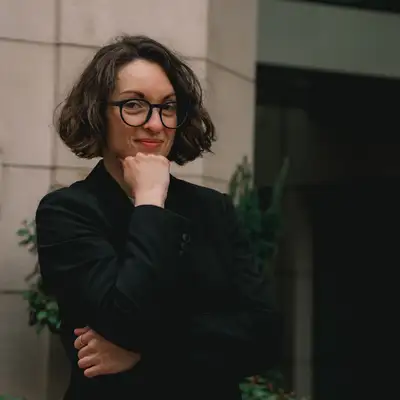
Magdalina Atanassova: This is Season 10 of the Convene Podcast brought to you by Louisville Tourism! Today, we’re exploring how sustainability, storytelling, and creativity come together in a luxury kitchen.
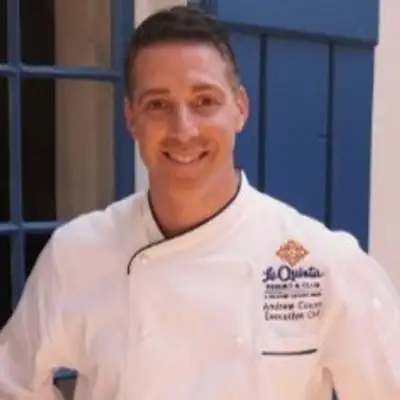
My guest is Andrew Cooper, Executive Chef at La Quinta Resort & Club, where he leads a team of more than a hundred culinary professionals overseeing five restaurants, in-room dining, and large-scale catering.
With a global palate shaped by kitchens from New York to Hawaii, Chef Andrew balances international flair with a passion for local, sustainable ingredients—sourced from the fertile lands of Coachella Valley and Southern California, and showcased across the resort’s forty-five-acre footprint.
We’ll talk about zero-waste systems like the Orca, creative plant-forward menus that still feel indulgent, and how storytelling, farmer partnerships, and team culture turn sustainability from a checkbox into a daily habit.
We start now.
Chef Andrew, welcome to the Convene podcast. It's a pleasure to have you here.
Andrew Cooper: Thank you for having me. It's a pleasure to be here.
Magdalina Atanassova: As well as the 2025 Pyramid Global Hospitality manager of the year. You're recognized for both inspiring people and navigating complexity.
So how do these dual leadership aspects play out when implementing sustainable practices in a luxury resort kitchen that serves both leisure guests and large conferences?
Andrew Cooper: Well, it's a great question and it's exciting because inspiring people is something I really love to do. And building a culture of sustainability, you know, at its core,
sustainability must be more than just policy. It has to be of shared value. Inspiring people. To me, you know, it means empowering my culinary teams.
Everything we do has to have a story and a purpose. I share the why behind everything. So everyone has to understand why we're doing this.
And then, of course, you know, at the end, we always have to celebrate, you know, the achievements that we do, coming up with the menus or conferences or whatever might do.
But in my eyes, chefs are creators. You know, I involve them in sourcing discussions, sustainability audits and menu designs. You know, when they see their input driven, you know, real change, they, they,
you know, whether it's reducing waste or introducing plant forward dishes, it builds ownership. So if they see their dish on a menu, you know, they're able to say, hey, mom, look this, I made this dish and this is on the menu now.
And,
you know, it's inspiring for them.
So another huge thing for me is, you know, understanding where food comes from. You know, it's, it's at the heart of what we do.
You know, anyone can open up a box, you know, and start cooking, you know, going to a supermarket and just did whatever. But when you understand exactly where your food comes from,
you know, you truly connect with the source.
So when, you know, the farmer, the field worker, the land,
the ingredients become much more meaningful and have a lot more love of what you. Of what you're doing.
You know, to me, food is just, isn't about nourishment. It's about the story behind it,
the love and care that goes into growing and harvesting, preparing each ingredient and how,
how we cook it. You know,
when we learn from the farmers and field workers who cultivate our food, we discover new ways to prepare it,
new flavors to explore, and a deeper appreciation for what we put on our plate.
I was taught something from a chef in Hawaii, James Babian, great guy.
And these three simple words have stayed with me and go into every single menu that I do. And it's called regional, seasonal, and artisanal.
You know, we focus in for the region, you know,
what grows around us, reducing our carbon footprint by sourcing locally. Instead of flying ingredients over a seasonal, you know, we. We use ingredients at their peak. Freshness and flavor, you know, celebrating what each season has to offer.
And artisanal. We take those fresh, local ingredients, we turn them into something fun and creative.
So what's exciting about. When I was living in Hawaii, you know, we were about 95% sustainable with everything we did.
Chef Fabian, the first day I was there, I'll never forget this, he.
He said to me, I want you to write me a menu.
I wrote a beautiful menu, and it was exciting.
And he says, okay, let me put his glasses on. Gets a pen, and then he starts checking off things. I said, what are you doing? He says, I'm checking everything that's not from here.
He says, for the next couple of days, I want you to travel around the island and,
and stop by as many local farms as you can and then rewrite the menu. I said, okay.
So a couple days later, I came back and I was so amazed. And I was just blown away by how many local farms there were. They had the largest cattle producing ranch in Hilo.
They had abalone farms, they had tuna farms. I mean,
everything you could possibly imagine was right there on the island.
So after I finished my stint in Hawaii, I moved to New Mexico.
And New Mexico, I was scared because now I'm going from a sustainability place to a landlocked state. And now I'm scared because I'm like, where am I going to get all my produce from?
It turns out when I moved to Santa Fe, New Mexico, I had more farmers than I did when I was in Hawaii. You know, of course, I had to get the seafood from la.
But I had.
Including all the produce and all the farmers, I had local beer, wine and spirits that were produced there as well. So it made it even more exciting.
So everywhere I went, I take this with me.
And then when I moved to Palm Springs in Coachella Valley,
I was scared because it's 120 degrees here in the summer, it's hot.
So I'll never forget this. I went to.
I went to Home Depot in June,
and I was looking to get some seeds to put into a garden. And the guy looks at me and says, you're not from around here, are you?
I said, no.
He says.
I said, well,
where do all these farms do? How do they get their produce? They said, anything you put in the ground right now is going to cook.
And so I said, okay.
So then I started bike riding around the Coachella Valley because I'm a huge bike rider,
and I was amazed at everything that happens here. I was amazed at all the local farms that are here. It's incredible what we have here.
So I was able to source into one of the farms, and it turns out one farmers was a bike rider. So I was able to get onto the farm and he was able to show me all the stuff that he has.
And the majority of food that's sent to la, to these huge farmers markets and to these warehouses are all produced right here in Coachella Valley. So it was absolutely inspiring to see that.
So then I was able to set up farm tours with my cooks. And,
you know, it just,
it was incredible, you know, the bounty that we have here. You know, dates, of course, are the most famous crop here,
but we have lettuce, grapes, corn, tomatoes, mushrooms, cauliflower, pumpkin, squashes. I mean, everything is here. And then during the cooler months,
we have all these apple orchards here.
So it's just incredible what we have here. Being able to pull a carrot out of the ground, shake off the dust and dirt and bite into it.
What an incredible feeling.
You could feel the life in these ingredients, the freshness, the vibrancy, and especially the connection to the land.
But what's more exciting is that we believe in sharing this knowledge with future generations.
I'm a huge believer of cooking with kids.
I have a mentor mentee program with Quinta High School and Nova School and a lot of the Coachella. Coachella schools.
So that's why we work with local high schools to teach students about fresh ingredients and the importance of sustainable foods.
Aziz Farm.
Mark Tadros is the farmer and owner of this farm, and he helps to educate the Schools on regenerative farming and ensuring that the next generation understands how to care for the land.
Canyon Creek Mushrooms is right here. You know, it's,
it's 10 minute drive from us. And they grow 11 different species of mushrooms in a temperature controlled environment.
You know, bringing diversity to our local produce. I mean,
it's incredible, you know,
but beyond the fruits and vegetables, you know, we partner up with Santa Monica seafood because they are, they follow the Monterey Bay Aquarium guidelines as well.
It's sustainable as a priority in every aspect of what we do. Sign up property. We invested in innovative waste management solutions. I talked about my orca earlier to you and it's.
My orca is a giant stomach.
It's digesting food waste and breaking down to water and saves nearly about 200,000 pounds of food waste for landfills each year.
We have a glass crushing machine that takes all the glass bottles on property and turns it into sand.
And then all that sand is put into the golf courses and the landscapers use it for the grass as well.
We press and recycle our cardboard.
You know, at the end of the day, you know, food is more than just ingredients.
It's a connection to the land.
So as far as navigating balance, luxury. With all of that said,
you know, we have high end expectations as well.
So we have to create menus. So our menu engineering is a huge part of this.
So knowing where food comes from as the start of it now, how do we take those stories and the ingredients and the produce and the, and all that richness and turn that into a menu?
So before menus used to be,
you know, whatever you want to do.
But you know, now with allergies and dietary restrictions and regulations, it's so important to understand that, yes, know where your food comes from, to understand all the dietary restrictions, but also to create more plant based ingredients, more plant based menus that don't,
that are not just grilled vegetables. You know, I remember way back when, you know, here's a plate of grilled vegetables or steamed vegetables. I'd be like, this is disgusting. What is this?
I told my chefs and my cooks, if I ever see you guys doing this, I'm going to fire you. You know, I said, let's think of well composed dishes that are plant based,
that are vegetable and plant driven.
The dishes that they come are absolutely incredible.
They're mind blowing. Absolutely. I mean, I was shocked that we even created a class in one of my cooks.
This is one of my cooks was making us tacos and ceviche and he said, chef, what do you think about this?
I said, it tastes like shrimp.
He's like, chef, it's cauliflower. I'm like, what are you talking about?
He made me this Baja taco that I thought I could have swore was cod.
It was made out of hearts of palm.
I'm like, this is incredible. So based on that, those two alone, I said, okay, let's come up with this class.
Yeah. Because this class is going to be called Is this really Vegan?
Because the food is absolutely amazing. It tastes like normal everyday food that you would crave,
but it's not,
you know, and it's not anything with stabilizers. It's nothing with additives and straightforward plants and vegetables and done in a way that is mesmerizing.
Magdalina Atanassova: When you present such menu options to meeting planners, are they excited about them or do you see a little bit of resistance still?
Andrew Cooper: How did they react,
the meeting planners? Well,
this is a huge part of meeting planners now because a lot of corporate groups and all our corporate events, they,
they want plant based menus, they want to know what you're doing as far as sustainability.
So the increased awareness of sustainability is,
is everywhere now. People go to hotels because it fills their requirements of sustainability. It fills their requirements of knowing that they know we take pride in where our food comes from.
They know that we know how to handle and recycle properly, that we know how to have zero waste management when it comes to having all these leftovers.
And as far as reducing,
getting rid of styrofoam, getting rid of plastics, getting rid of all this other stuff that's not good for the environment that just ends up in our oceans and then the fish eat it and then we get it back in our food again.
So anything that we could do to reduce that, they want to know.
So what's exciting about that is that we have a whole fact sheet together as far as, you know, green initiatives. And we, we talk about this a lot with them because,
you know, of course,
anytime there's a meeting plan that comes to a hotel, the first thing I do besides talking about the menus and the property, is showing my orca, you know, my orcas on every,
every site tour,
because I want them to see that we take this seriously and that every chef and every cook in this property, including banquets and all the outlets, you know, we serve thousands of people a day.
So for thousands of people to understand that we recycle our food scraps and food waste goes into this orca bin. It's incredible to See it. And it's incredible for other people outside this industry to see what we do inside and to show them the glass brushing and the cardboard and all this other stuff that we do,
that it's not just something that we just say, okay, we're doing it, but it's something that we live and breathe every day.
Magdalina Atanassova: When you design these creative menus that are largely plant based, which is amazing because we all crave that,
do you have any requirements when it comes to labeling? Because, and this comes from a personal experience,
honestly, because sometimes it's hard to understand what, what's on display, what's on the buffet, what ingredients are there, what allergens are in the food or, you know, how is it made generally.
So how do you address that?
Andrew Cooper: So first we start with,
you know, first we start with the strategic menus.
So when we're meeting with the meeting planners and we're meeting with the contacts and they, they want to understand where the food's coming from or they want to know if it's plant based or whatever it might be.
We also have another policy where we like to have 100 mile radius of the resort where we get our ingredients from, and we like to make that known.
So a lot of our banquet events that we do,
we have guest action stations, live chef interactive stations where the chefs are cooking in front of the guests and doing small plates, and they get to talk about where the food is and what it is.
And so we talk about the farmers and, and even on buffets, when we're doing parties of 500 to a thousand people,
all our buffets are labeled. And if it's plant based, gluten free, dairy free, vegan, vegetarian,
we take all our allergies very seriously and everything is labeled accordingly.
So it's very important that,
you know,
when we're labeling, it's very important, especially for the guest who has an allergy to dietary restriction, that they know that this is safe for them to eat.
Another thing that we do, if we know that the allergies are very severe and they have more than one, I meet with them personally upon check in and I customize special menus for each individual person.
Yes, it's a lot of work, but at the end of the day,
most people don't do that. And what's exciting is that we go above and beyond to make sure that the guest has a memorable experience. Because here at La Quinta Resort, you know, there's so much beauty on this property and so much history that we want you to be able to Take it all in and enjoy without having to worry about the food.
So as far as the strategic menus that we do, the customization,
the personalization,
we even, we even synchronized with other kitchens as well. If we know that you're going to be eating in Adobe or Morgan's or 26, you know, we talk to chefs ahead of time saying, hey, Mrs.
So and so is going to be over here. She's a plant based, you know, she's vegan, she's allergic to this, this and this.
Everything is customized and personalized and we're able to handle it even during banquet events as well.
So it's, it's a fun time. But it's also going back to what I was talking about earlier, the storytelling,
because it's, you're not highlighting you as a person who has an allergy or dietary restriction. We're highlighting you as, you know, this is someone exciting that we're cooking and creating for and coming up with different dishes.
So when we're doing like for example, let's say you're a vegan and we're making all these customized vegan meals for you,
you're telling all your friends and family, you're not going to believe what's happening at La Quinta Resort and what they're doing. For me, I have my own personal chef that's making me all these plant based meals that are right from the farm down the street.
And it's exciting,
that's for sure.
Magdalina Atanassova: And you mentioned you are cooking for so many people and sometimes I'm sure you have overlapping conferences or meetings at the same time.
So, so how do you navigate their menu requests and do you try to maybe combine and you know, how do you balance efficiency in all that little chaos that's happening?
Andrew Cooper: So there's a lot of things that go on. So it comes down to,
it comes down to the menus, it comes down to the meeting planners, and then it comes down to coordinating with our catering managers here.
So if we are having overlapping groups, for example,
we try and utilize same ingredients, we try and cross utilize ingredients, cross utilize menus. So that way we're not over producing and not, you know, making,
you know, a large quantity of such stuff, that's not, that's gonna go to waste.
So being able to take stuff that we use in the morning, for example, if there's extra fruit left over and they had a smoothie break later on, we're gonna use that fruit that was left over from the,
the functions that was in the refrigerator and turn that into smoothies or parfaits or whatever it might be. So that way it's cross utilized in something else or repurposed.
So everything that we do always has an end result.
And everything we're trying to do is trying to collaborate early with the planner. So that way we're able to properly plan for the future,
if that makes sense, you know.
Magdalina Atanassova: Oh, yeah, absolutely.
Andrew Cooper: Also, you know,
as far as that, you know, they also want to know as far as what,
what requirements do you have or what, what's the term looking for? What, what data do you have that shows, you know, what you have?
And we have, for example, my orca has weights and measures on it, so it could tell you exactly how much we went through. So if the person's looking for a carbon footprint of where my food came from or how much waste is in, you know, we have a party of 500 people.
How much waste do we normally have during this? Or what. How do you, what have you done for us for this event that shows that it's sustainable?
You know, so we, we reduce the plastic bottles and we have water jugs, you know, so you have to use your own,
your own, you know,
cup.
So that takes away the plastic bottles and stuff like that.
But as. And the placement on the menus,
where we highlight all the different items on the menus is also key as well.
AD: In Louisville, the most powerful moments don’t happen at a podium — they happen around the table. Louisville’s bourbon and culinary culture is built into the destination experience — helping planners create meetings with unforgettable moments guests actually talk about. From immersive tastings to chef-led storytelling, the f&b experience brings the city to life for attendees. Learn more at GoToLouisville.com/meet.
Magdalina Atanassova: That's amazing. I mean, you're doing so much work, and I hope that planners really appreciate the fact. I'm pretty sure that they are.
And you mentioned that how you're empowering the chefs that cook with you in your team.
How do you spread that message also to the sales team? Because right. Sometimes before groups come to you, they have to go through the normal business development sales channels.
Are they also trained and well aware of everything that you do? And you mentioned already storytelling. So are they able to spread the word?
Andrew Cooper: Absolutely. So when I take my. When I take my cooks and chefs and in front of the house waiters, wait staff, and anyone who wants to join me to the farms, they get to see firsthand what it's like and how the items are grown and produced.
They get to talk to the field workers, the farmers, and they see everything that's going on. So they see firsthand what it's like to.
I'll tell you a funny story. When we were at one of the farms in the Coachella Valley, they saw all these buckets over this lettuce in the field,
and they're like, what is that? You know, what's underneath all those? All Those buckets, because it's a field of buckets and they're growing frise lettuce. So frise has to be covered from the sun.
So that way it stays a white yellow color. But they never saw that before because they always see it in a supermarket. So being firsthand to see what it's like and pull that out of the ground and taste it and enjoy it was incredible.
But that story goes into the whole work day because now they share that with the guests of where the food came from. And it's a whole story on the plate as far as that.
But then as far as the pre shift meetings that we have with all the kitchens, you know, they get to hear these stories. So that way they too want to go on the next tour to the farm to experience it.
But we, we have food classes. You know, like I told you earlier, with my, one of my cooks that came up with all these vegan dishes that tasted so real that we couldn't believe it.
We share that, we celebrate that because that's a huge win for us.
And then when we celebrate that and talk about that in the kitchen,
people get more involved and becomes addicting that, hey, I want to get that celebration too. So they come up with something.
And every time, it's always one person trying to outdo the other person. But it's in a fun way because then,
and just like I mentioned that we, we partner up with local high schools and, and, and children.
And it's important of sharing your knowledge with other people.
So the more we share, the more we educate, the more we get people inspired about it and make it a fun thing versus a work thing, it becomes so much more than know this is just a task that my chef is telling me to do.
It becomes a way of life.
So when they go on vacation and they send pictures from their farmers markets, wherever they're at in different states or countries,
it's exciting to see that it's part of them now. You know, it's not just a task at hand, it's a way of life.
So when the, the meeting planners or whoever's coming in see how excited we are about food and see how we are excited about health and well being as well as sustainability.
It's not just a task that's been handed to us. It's what we do, it's what we believe. It's what we, you know, think is normal.
Another thing is that I send my chefs on task force to other properties.
So what's exciting about that is that they get to experience other properties in different states.
So they get to see good things, bad things, and things that, you know, wish they never saw before. I wish they could bring back to us.
But it's all about storytelling with them as well. But the one thing that's exciting that I am smiling about is that when they go to all these other properties and they're not doing any of the sustainable practices, but yet my chefs and cooks and staff is so well trained of doing it that they're doing it on their own and storing,
they're getting their own food bin waste and keeping that on the side and keeping everything,
you know, separated, you know, because that's something that they believe in,
you know, and it's something that they personally do on, on their own. So as long as you educate them and teach them and celebrate their, their excitement, it becomes a way of life and it's exciting to inspire other people and it's excited to get more people on board.
So when we do our cooking classes,
our cooking classes are hands on. They're fun, they're entertaining,
and the cooks that are involved with the classes get to share their stories.
And then everyone gets a sense of ownership of it. So it becomes more enjoyable.
Magdalina Atanassova: It sounds like you make it so easy to follow sustainable practices when for I believe the majority of people, sustainability sounds like an add on, an extra step, you know,
a box to check, rather than something that's fun, that's natural.
You know,
if we're going to be.
Andrew Cooper: Spending 10 to 12 hours a day together, you better believe I'm going to have fun during the day. Because, you know, I work long days.
All my chefs, everyone here in the hospitality business, you know, works long days,
six, seven days a week sometimes. And the pressure, the stress,
it's crazy. It's overwhelming at times. But if you make it fun and exciting, the day goes by so fast and everyone's learning and everyone just,
you know, not wanting to go home.
So it makes it more enjoyable.
And then the guests see it. So when a guest see it, you know, their stay becomes more memorable because they feel the embrace of all the team members here. And I guess that's why so many team members here been here for 20 to 30 years.
You know, it's amazing that this Hotel Quinta resort has such low turnover and everyone wants to be here. And then when you talk to the guests that come here, they've been coming here for generations.
You know, my grandfather used to take me here, now my kids are here, now this. So it's exciting that it trickles down.
So from us, from our point of view, you know, we have to keep everyone excited and we have to keep up with the local trends of everything that's happening. So,
yes, we're doing, you know, molecular gastronomy in certain places and farm to table all around and knowing where food comes from. But as long as we're making the guests happy, you know, and giving the guests what they need and fulfilling all their dietary needs,
we're doing a good job.
But that's what keeps us on our toes because, you know, every day there's something new coming up, and every day there's a new allergy dietary restriction. So it makes our job more exciting because we got to get more creative with the food.
And it's exciting because when we talk about plant based and talk about meeting planners,
the meeting planners are now looking for, before we used to do a surf and turf, a duo plate. And now they're actually looking for a dual plate of plant based,
which is phenomenal because now we're getting,
you know, more plant based requests. And yes, we're still getting duos of, you know, meat and fish, chicken and shrimp, whatever it might be.
But the amount of people that are asking for plant based is incredible.
And it's exciting because it's not what it used to be. It's not just grilled vegetables on our plate. It's well composed, thought out dishes that make sense. Using grains, using pastas, using,
you know, everything.
And then when we make a vegetable demi glace,
you know, it takes days to make it, but the outcome is unbelievable.
So, yeah, what we're able to do is mind blowing. So if you ever see that class, is it vegan,
take it because you're gonna be blown out of the water.
Magdalina Atanassova: I'm excited that you. I'm sure you're turning a lot of meat eaters into vegans or at least,
you know, vegans for a few days, which is fine. We take it.
Andrew Cooper: Yeah, yeah, absolutely.
Yeah. I'm not vegan. By all means, but, you know, one day, a couple days, if I'm eating it,
you can't tell the difference. And it's enjoyable. You know,
I sometimes trick my kids.
Is this vegan?
Like, all right, dad, what are you doing?
Magdalina Atanassova: There's something else there. You know,
especially with these new technologies and a lot of fake meats out there,
my question always is how much chemistry is in this food?
I hear you saying exactly the opposite, which makes me extremely happy.
Andrew Cooper: I'm. I'm so upset with those plant based substitutes because you're you're paying a lot of money for it. You're paying a ton of money for it. And all you're getting is fillers, you're getting stabilizers.
It's not real product, it's all chemistry stuff that is not good for you.
You're getting cheese that's made out of oil,
you're getting all this stuff that doesn't dissolve and doesn't melt and,
and I don't see the point of eating something that is, that.
You know, we had this one event where they wanted vegan cheese and charcuterie platters. I don't know if you ever saw a vegan charcuterie platter, but it looks like Play Doh and it's disgusting.
So if I was a meat eater, I would not want to eat a vegan prosciutto,
you know, or a vegan salami, because what colors are in there, what extracts are in there, what stabilizers in there, and then all the dyes that make it look like it's a prosciutto with the fat and everything else.
It makes me gross to think about it. I'd rather go talk to the local farmer and say, hey, you know, I have this beautiful rutabaga, you know, what would you do with this?
And then I talk to a field worker and say, what would you do with this?
And it's amazing to hear the cool things that they do.
You know, taking jackfruit, for example, you know, and being able to make tacos out of that, being able to turn that into a full chicken, I mean, it's incredible. But if you think about what the item is and what the outcome could be depending on how you cook it,
you don't need those stabilizers and chemicals and all this toxic stuff in your body, when you could go straight to the source,
get the real,
real ingredient, add real ingredients to that dish and make something incredible out of it. So that way you have. I'm salivating now just thinking about it,
you know, because it's what I do, it's the love of food.
So getting people involved. Yeah,
sharing it, educating it, teaching it,
spreading the word,
you know, that's why it's so important to,
to start with the young kids. That's why we do cooking with kids,
to get them involved, because when they get involved, they're going to tell their parents and the parents are going to want to learn more about what the kids are doing.
So once the kids are excited about it, the parents get excited and then they too start doing plant based dinners and Learning more and get more educated on it. So it's exciting, it's a win, win for everyone.
Magdalina Atanassova: And looking ahead, what sustainable practices or technologies are you most excited about implementing at the resort?
Andrew Cooper: So there's, there's a lot.
We talked about the orca, we talked about glass crushing, cardboard crushing,
we talked about the hundred mile radius of where we get our food from.
Even in our kitchens, you know, we change our lighting out so we have more energy efficient equipment, more energy efficient lighting.
We have special water dispensing systems for our dishwashers and our dishwashers and ice machines, anything that requires water into the equipment.
We have reusable service ware, we have compostable alternatives.
We talked about the staff training.
I mean, there's so many fun things that we're doing.
And then we're also, I talked about how, how we're tracking all this information.
So that way, when my meeting planners come, they have this whole data fact sheet of what's happening and what's going on.
But as far as what am I excited for, for the future?
I mean, the future is so unknown, but it's so exciting to see, you know,
getting more people involved and getting more guests to the hotel that want to learn more about it.
So it's challenging, it's exciting, it's rewarding.
I mean, that's what this industry is all about. So being able to share our knowledge with other people is exciting. So for the future,
when all these meeting planners are looking to come, you know, we're looking forward to creating specialized and personalized and customized menus for them.
And we even set up now farm tours with our guests. That way they too see what's going on and they get to learn about it as well.
AI is everywhere now, and AI is now part of our processes of keeping track of things. I know a lot of companies have AI by their garbage cans to measure weight of waste.
So the way it keeps track of it, but it also helps for reducing overproduction.
We're trying to have zero waste menus.
So as far as our big functions, when we have 500 to a thousand people,
we actually have chefs on location at the site because our property's spread out everywhere.
So it's a huge property. But when we do events on our location, that's outside of our kitchens, we have a chef by the hot boxes or by the refrigerators over there saying, chef, don't produce anymore.
We have X amount of mashed potatoes over here.
Stop with that. We only need one more, you know, tray of fish.
So it's all talking to one another, communicating. So that way, you know, the last person just went through a buffet. We're closing one side of it, you know, no more production on that, so stop producing.
And then we're able to save and repurpose and reuse for other events.
Magdalina Atanassova: That's amazing. Was there anything we didn't mention? We definitely should before we wrap up, you think?
Andrew Cooper: I just love to talk about storytelling because it's so important that when it becomes fun, it's not work. And when it's enjoyable, people want to learn more and people gravitate to people who are excited about something.
So when we talk to the guests on property, when we talk to the meeting planners and we talk about all these special customized menus,
it becomes more excitement for, for not only myself, but the cooks, because the cooks have a sense of ownership. The guests are blown away by how it's not just meat, you know, it's, you know, all these plant based items.
And it's funny because when guests say, you know, is there any plant based items on your menu?
We look at them strange, like,
you're not from here, are you?
So. But we always share our enthusiasm, we share our excitement with them and it becomes such a great reward for not only the front of the house,
but even when you check in at the front desk, the excitement that they have to share and talk about the culinary experiences that you're going to be experiencing,
you know, it's a win, win for everyone,
you know, so that's amazing. Knowing where your food comes from, the regional season, RTS and all that's instilled in everyone here and, and being able to share that excitement with other people is what it's all about.
So with the meeting planners in the future,
it's exciting.
It's exciting because I don't know what's going to happen. I know it's going to be a lot more sustainability practices. I know we have to do a lot more for our oceans and our land and being able to give back to the land.
And that's why I'm very fortunate that I'm surrounded in the Coachella Valley with people who are on the same beliefs of giving back to the land.
In Hawaii,
you know, you. It's the aloha spirit. It's giving back,
you know, so when you take that aloha spirit and you move it outside the land of Hawaii to every other place that you go to,
it's a warm feeling and, you know, it's, it's a great feeling to Know that a lot of people share your beliefs and a lot of people share your thoughts. So it's rewarding, it's exciting, and it's invigorating to know what the future holds.
Magdalina Atanassova: And operating constraints like you are. I feel it just gives birth to even more innovation and creativity and ways to give back. So thank you for sharing all these stories. I have to say we have a video of you showing the orca on our Instagram, and I'm going to link to this in the show notes for people to see your excitement and how you present the orca,
because that's.
That's something.
Andrew Cooper: But another thing about the orca is what's great about that. When you open up the machine, you could see if there's a chef that's not being able to.
If they're not using enough of the carrot or the lettuce that they're not cutting it properly, you could see it in the orca and you know exactly where it came from.
So you go back to that person, redirect and say, listen, a little coaching and counseling for you. You know, next time you do the carrot, you know, you have to use all the way of Funtel gear and same.
The same thing with the lettuce. And that way it's a learning experience. That way they know for the future.
But being that, you know, I take pride and I go into the orca every day. I know the ingredients, I know where it's coming from. So I could go back to that source and say, hey, let's talk about this.
You know, why would you just leave this on versus that and then and find out their reason? Because maybe there was a reason why they. They threw that away.
But if there's not, you know, it's a nice coaching counseling. So they know for the future.
And it's a good check as well. So that way you reduce, again,
the amount of waste going into that orca, because in the end, the orca is great. But if I was able to starve that orca, it would be amazing by putting less in and using more.
Morgan's restaurant. What's exciting about that restaurant is that we use everything. We try and utilize everything possible. So when we're chewing the carrots and we have the carrot tops, we take the tops and we make a salad out of that.
The stems from the parsley and thyme that are not used,
you know, we either put into a stock or we make it into a herb oil,
you know, so everything we try and do is repurpose everything to Something the stems of mushrooms, we dehydrate and then what we do is we grind it up so it has like a nice umami mushroom powder that goes over the top.
Or we burn it and put it into a cheesecloth and shake mushroom powder over a dish to give it this beautiful texture and smokiness to it. So there's so many things that you could do to utilize everything on.
And you know, when I talk about zero waste,
you know, it's not just about what's in the hot box or the cold box, it's about how it starts with the production. So are you utilizing everything on the carrot?
Utilizing everything on a parsley? When we go to the farms and you get broccoli heads, there's a beautiful cover that goes over the broccoli.
Instead of using corn husks for tamales,
try using a broccoli husk and seem efficient.
It's pretty cool. It's something different.
But you're not going to know that unless you talk to a farmer or field worker or someone in the field to say, hey,
you ever try using this?
It's something different. But who knows, it might even be cheaper for you to do that versus if you're looking for a cost effective way to utilize something.
But everything you think about has to become money now because with everything going up, tariffs are going up.
So it puts a huge strain on us. But being able to find ways in which to stay local and utilize everything and maximize everything.
And in the end, making sure that the guest has a great time is a win win for everyone.
Magdalina Atanassova: Yeah. And managing your costs to stay low.
Andrew Cooper: Yeah.
Because in the end, if the tariffs come in and everything goes up, we have to increase menu prices. But if we're able to find ways to keep menu prices down,
you know, by utilizing different cuts of meat or different vegetables.
Absolutely. Let's do that. Let's have fun. And then everyone learns something different. And then, you know, you see a cool menu item and all of a sudden it's like, wow, who would have thought that this goes with this?
And then all of a sudden it's a. It's a staple item on the menu.
Magdalina Atanassova: Amazing.
Well,
thank you so much for sharing all these stories.
I feel we gave a lot of food for thought for planners on how to look at menus and what to ask as well. And I hope many more will come to your resort and see how you're doing things because I feel you have a lot to show.
Thank you.
Andrew Cooper: And for all the meeting planners out there, you know, let them ask the question, where does your food come from? Because it's so important to understand that it's, it's a key component to any successful operation.
Knowing where your food comes from, knowing how it's brought there,
how many miles did it come from? You know, it's, it's a huge factor. Everything is leaving a carbon footprint. So as, as long as you know and you're able to talk about it and share your information,
you know, celebrate it because it's exciting and then they're going to want to celebrate it with their guests that are coming to the hotel or to the establishment. So Lakita Resort, I mean, we're doing an amazing job.
There's still a lot more that we have to do,
but it's a great start for others to follow.
And, you know, I'm glad we're, we're trend setting this and glad that we're being a part of sustainability and being able to give back to the land.
Magdalina Atanassova: Yeah, you're doing a great job. Thank you so much once more for being on the podcast.
Andrew Cooper: Thank you so much.
Magdalina Atanassova: Remember to subscribe to the Convene Podcast on your favorite listening platform to stay updated with our latest episodes. We want to thank our sponsor, Louisville Tourism. Learn more at GoToLouisville.com/meet. For further industry insights from the Convene team, head over to PCMA.org/convene. My name is Maggie. Stay inspired. Keep inspiring. And until next time.