Subscribe
Share
Share
Embed
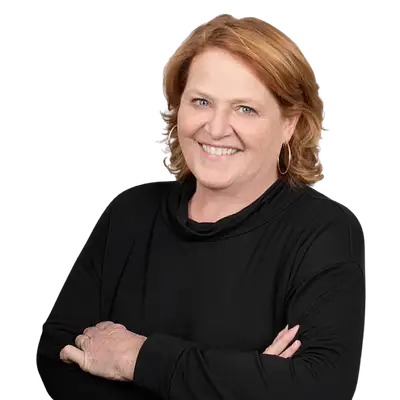
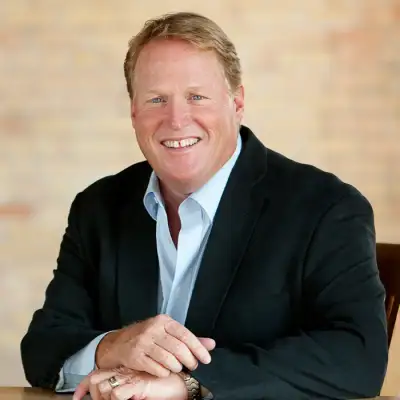
Former U.S. Senator Heidi Heitkamp and her brother, KFGO radio talk show host Joel Heitkamp, engage in animated discussions with newsmakers, elected leaders, and policymakers who are creating new opportunities for rural Americans and finding practical solutions to their challenges. Punctuated with entertaining conversations and a healthy dose of sibling rivalry, The Hot Dish, from the One Country Project, is informative, enlightening, and downright fun.
Heidi Heitkamp (00:05)
Welcome back to the Hot Dish Comfort Food for Rural America. I'm Heidi Heikamp.
Joel (00:09)
And I'm Joel Hycap.
Heidi Heitkamp (00:11)
Guess what, Joel? We were supposed to do this yesterday, but we couldn't do it because Nashville had some ⁓ internet problems, and that's why I always brag about North Dakota because ⁓ Byron Dorgan made it his passion, a former senator from North Dakota, that North Dakota would not be on the other side of the digital divide. And in a lot of places, ⁓ internet in rural North Dakota is better than it is even in the most urban places like Fargo. So we're grateful.
Grateful, grateful.
Joel (00:40)
Yes, you
just described Red River Telephone, my co op. But yeah, go ahead. All amongst yourselves.
Heidi Heitkamp (00:45)
Yeah. Yeah. Anyway,
so this is coming to you a little late ⁓ today, but we hope we're gonna have a great conversation. Joel, you wanna kind of talk a little bit about our guest?
Joel (00:59)
Well, our our guest is about as nationally renowned as what you can possibly get. And i he really seems to strike to ⁓ the rural area and how you connect how you can connect with moderates at a time when we're trying to be painted, you myself and and others like yourself, trying to be painted as though we aren't. the word communism keeps coming up in today's news. And of course, you and I both know in the rural area, Democrats are moderate.
⁓ middle of the road. And so I'm looking forward to that conversation.
Heidi Heitkamp (01:32)
Well, if we can crack this nut and get maybe ten, fifteen percent more rural Americans to ⁓ to vote ⁓ a little differently and hopefully send a message to ⁓ to the dominant political party that you can't take our votes for granted. We could we could ⁓ see a lot of changes, not just in Washington but also in states like North Dakota.
Joel (01:54)
And I don't know too many people that could understand that as well as Isaac Wright. I I really don't. I mean, this is someone who's made it his life's work and ⁓ you know, he's been recognized for doing this for years now. And where he's gone to work, he's won. He's found ways to win Heidi in areas that people ⁓ think you couldn't win.
Heidi Heitkamp (02:17)
So let's get to the discussion.
Joel (02:22)
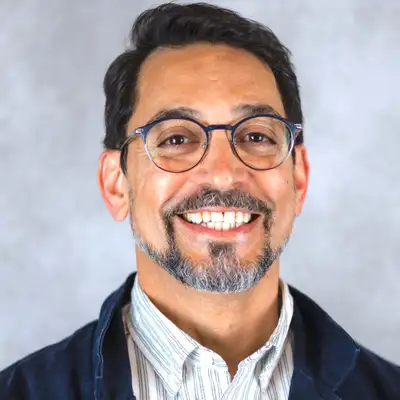
Well, Heidi, the great news is we've got Isaac Wright with us. he is the co-founder. He's a political and public affairs consultant specializing in strategic communications. and he spent Larry two decades, two decades as a communications operist and ⁓ operative and strategist in campaigns and public affairs. And most importantly, to me, actually there's two factors that are pretty important. Number one, he understands the rural area.
And and what we do in the rural area, like we talk to in the hot dish. And secondly, he played on one heck of a football team if you look over his shoulder. It isn't hard to see. So I Isaac, good to have you on the hot dish, man.
Heidi Heitkamp (02:58)
Ha ha.
⁓ Joel, I thought those were participation trophies.
Joel (03:07)
⁓ no, those are winners. You can see that.
Isaac Wright (03:11)
I wish those were for football. They're for making good advertisements. But man, I wish they were for football. It would be a lot more exciting.
Joel (03:16)
Ha ha ha.
Heidi Heitkamp (03:19)
Well, hey but if they were for football, maybe you wouldn't even be able to have a conversation right now. So right. Isaac, welcome to the hot dish. We are excited to talk to you. And if I could just offer the first question, which is how you feel it? You optimistic, you pessimistic, what do you think's gonna happen? ⁓ not j kind of generally, but in rural America in this midterm election.
Isaac Wright (03:25)
That's fair. That's fair.
A little bit of both, sadly. I would love to say I am a hundred percent optimistic this is a a long term realignment and shift in the political tectonic plates of rural America. ⁓ I'm not that optimistic. I am optimistic that I think we are gonna see some gains with rural voters in the midterm elections. Realistically it's gonna be single digit gains, which is important. We can talk about how that matters in electoral math, right?
we're still gonna lose rural voters probably by double digits, but those kind of gains are what swing elections. My pessimism is around the fact I think we're just borrowing voters. I don't think this is a long-term realignment. I think this is folks who are so frustrated with the fail policies of the Trump administration and the current Republicans in Congress that we are gonna.
we are gonna see them voting against some of those things and less about their voting for Democrats. And and it's part of a long term issue that we have to deal with to stay balanced as a country for Democrats to remain competitive.
Joel (05:00)
Well, Isaac, let me throw one at you. A a lot of us Democrats in the middle of this country are looking to two states. I'm looking to Ohio and I'm looking to Iowa. and not a lot of people are talking about Iowa. Of course, Sherrod Brown makes people talk about Ohio as he should. ⁓ but when you look at Iowa, what's our chances there?
Isaac Wright (05:23)
So I think Iowa is the most fascinating thing going on in American politics right now. And full caveat, I've known Rob Sand for a number of years. ⁓ and he always shows me pictures of bigger bucks on his phone than what I've ever seen from my deer stand, much less brought home. ⁓ he's the real deal, right? I mean, if you remember when he first ran for auditor, right, ⁓ statewide as an incredibly ⁓ young candidate, his logo was a picture of
Heidi Heitkamp (05:37)
Ha ha ha.
Joel (05:39)
Ha.
Isaac Wright (05:53)
Of a big trophy Buck Deer in the Crosshairs. And his slogan was, as auditor, I'll find the Bucks. ⁓ he's he's he's a real person. He's a great guy, and he is running a fabulous campaign. ⁓ I mean, I think it's really strong. And I think the Senate race there is something to watch as well. And when we look at Iowa, there were some some really good things we saw happening in the special elections recently.
⁓ last year that suggests some movement, maybe some realignment in addition to picking up voters to borrowing voters, as I mentioned. ⁓ but I think that's really driven by the candidates on the ballot. ⁓ Rob Sand being chief amongst ⁓ great hopefuls right now on the Democratic side. And I would remind you, he's leading in the polls, in pretty much universally in the polls right now, he's he's leading. He has won ⁓ or he has
Heidi Heitkamp (06:37)
Yeah. Yeah.
Isaac Wright (06:51)
Won the race in fundraising, so to speak. He's outraged the Republican field holistically. You know, the Republican primary was somewhat of an upset, right? Trump had endorsed one candidate, but Lon, who's sort of a businessman media figure, ⁓ won that primary ⁓ with the whole Make America Healthy Again, the Maha movement, ⁓ and sort of their frustrations with corporate agriculture, which I think we could go all the way down the road of sort of the pesticide stuff that just happened with FIFRA.
And the Supreme Court. ⁓ But you see a lot of moving pieces there that are all in favor of an open seat race like what we're seeing in Iowa for governor. Like I said, Sand leads, I think, in every public poll right now, New York Times, Siena, he's 48 47. Fox News, he's 53 44. The RCP average is giving him about a five point spread right now. And recently, inside elections moved the race from lean Republican to
Heidi Heitkamp (07:46)
Yeah.
Isaac Wright (07:51)
toss
up. So I think that's really, really good news. I think it can be a template for the long term. And the Senate race, incredibly exciting as well. We see that the numbers on that race are looking really, really close. but we have a great candidate in the Senate race ⁓ who depending on the poll is up to dead even ⁓ and CNN has moved the Iowa Senate race in their ratings as well. ⁓ I think that could be a really
really strong opportunity for pickup for both seeds.
Heidi Heitkamp (08:24)
I you know, I I wanna talk a little bit about an issue that really works in Rob's favor and he's on the border. He's gonna get a lot of publicity from Minnesota on fraud, which is the number one polling issue in the state of Minnesota right now. And Rob has been fighting fraud forever. And so this is a tailor made election for him. And I think it's it also, you know, when you look at negative GDPs, the state
growth in Iowa is anemic, absolutely anemic, thanks to the Trump policies. And so how much do you think these races are gonna depend on depressed mega base? And they they just won't show up. How much how much of that it will be a factor in all of these races across the country?
Isaac Wright (09:14)
I think that's gonna be a twofold factor. One is where the MAGA movement is so ⁓ dissuaded with some of the realities, the outcomes of Trump's broken promises that they stay home, or where it opens up the door maybe for some Democratic pickup. When I talked about those single digit pickups, I think there will be room that will kind of ⁓ will nibble around the edges of that, if you will. but the numbers I've seen tracking Republicans base in rural America, ⁓ there's not been a lot of shift there.
⁓ I think it the the best case scenario is that that some folks are so disillusioned maybe they decide to stay home. and we'll nibble around the edges. We'll we'll pick up a few of those folks in our movement in rural voters.
Joel (09:57)
But Isaac, you say ⁓ rent rather than own, and I get it, I understand it. But in some of these rural states that have leaned so hard to the red, once you finally pull off a race or two like this, you know, doesn't that give us the opportunity that we've needed? Because these individuals then get to lead, they get to legislate, they get to do something rather than just talk about it and get elected or defeated based upon that. And so isn't this the only way?
that the rural area is ever gonna turn wrong.
Isaac Wright (10:30)
That's absolutely right. This is where we start. That's why I say Iowa is such an important case study. If we can pick up a governor's office and a Senate seat there, it is the chance for Democrats to argue the proofs in the pudding, right? Look at Trump's promises, look at the outcomes, look at what we did in leadership. That's why Iowa is so important with Rob Sands leading the ticket. That's why we have such a crucial opportunity.
and I think, you know, this goes back to my comment about you know Rob's slogan when he ran for auditor the first time, right? I think that's why Rob's the only statewide elected Democrat in Iowa and is actually leading the polls now for the top job on the state level. Because he has been there. He has been that servant of the public, the bookkeeper, his auditor, who found the bucks literally responsible with taxpayer money. And people see the proof is in the putting in his leadership and his governor, especially.
Especially if we can pick up governor's office and a Senate seat in Iowa, there's even more opportunity to carve out that that sort of illustration of Democrats deliver and we deliver on real issues. That's a great way to define our
Heidi Heitkamp (11:45)
can we talk about a couple of states that don't get mentioned? One of which is Kansas, where Senator Marshall is running, and an interesting candidate, kind of out of the out of the kind of more Christian talking about human values, talking about you know, kind of from a values-based campaign the Democrat is running. And then we've got Mississippi, where
In both of those cases you have Senate incumbents who are kind of underwater ⁓ in terms of popularity and in fact in many cases in Mississippi a lot of people don't even know that she's a state senator. So what's the opportunity of kind of sneaking up in those two and seeing some competitive races there?
Isaac Wright (12:29)
So I think Texas is a great example, right? ⁓ for one thing, I think Democrats have to come back and sort of heal after the primary. ⁓ and we're seeing great movement in that direction and have the opportunity with a really strong candidate who can ⁓ go after Democrats, people in the middle, ⁓ those who may ⁓ have have felt some regrets with their vote for Trump or for MAGA statewide elected officials. ⁓ we did a study at the
Rural Voter Institute ⁓ what about 18 months ago and saw because we've all seen Trump's ⁓ approval ratings sort of on the the wave going up and down in the last two years. ⁓ and we did some studies with how that affects down ballot races. And what we saw was the effect with down ballot MAGA Republicans, ⁓ it was even ⁓ more sh more shaking of their support with their base than it was for Trump with their base.
and so I think there's a great opportunity there. I think at the same time what we've seen, and you use the example of Mississippi and Kansas where MAGA office holders see their numbers underwater and what kind of an opportunity that presents. And there was a time in American politics when that was a red flag of a big opportunity. It's not so much that way anymore, at least not in the current environment from what we see from our studies, right? You have to be able to not just take
Take
advantage of the opportunity. If people realize they're sick of somebody, you have to offer them a better alternative. And that's, again, the proof point of Rob Sand in Iowa, but also what we Democratic Party have to offer on a national level as well, for it to be more than just a blip on the radar screen if we really want to see a realignment in our politics.
Joel (14:22)
So Isaac, what's the the messaging? Because it's been my experience that ⁓ Democrats have succeeded ⁓ the best in rural areas when they don't go with this common here's the democratic message, when they go with ⁓ the local message, when they see what's going on in their backyard and they focus on that. ⁓ you know, you you mentioned that having a big buck in the background doesn't hurt to, you know, next time we're doing this podcast, we're going out to my hunting check.
I mean, Democrats do hunt and Democrats do own guns. you know, in my case, probably too many. But the the truth of the matter is, you know, our my messaging is is so different than what it might be on the East Coast or the West Coast. And are Democrats that are in these competitive races defining that message rather than letting the opposition define what the party is?
Heidi Heitkamp (14:52)
Ha ha.
Isaac Wright (15:17)
Absolutely. And and I want to answer that in two parts. The first and the most important is speaking of hunting, the last time I was on the program you invited me to a pheasant hunt with you sometime in South Dakota. And I just want to bring that up as a reminder that that's still on the table. ⁓ my frequent flyer miles are ready when the invitation comes. But you're exactly right. It
Heidi Heitkamp (15:24)
Yeah.
Joel (15:31)
Ha ha ha.
don't bring a shotgun. I've
got one for you, Isaac. Just come on up with some good boots.
Isaac Wright (15:40)
That localized ⁓ concept, the ability to localize, to talk about why this matters for us. It's not about what's happening on the East Coast, it's not about what's happening on the West Coast, it's about what's happening at your kitchen table.
That is critical. But I think the even bigger bridge, and I see a lot of great stuff happening ⁓ with investment right now from party committees ⁓ in rural outreach, right? But if you look at that investment, so much of it is around ⁓ purely around legislative issues. ⁓ and there's significant things, right? We're talking about the sort of the tariffs and the tax they've put on farms, we're talking about rural hospital closures, they're incredibly important issues, but when we don't
make the case of why that illustrates our values and what our values are that led us to that conclusion. Why our values defined, we have to protect rural hospitals to make sure our communities are sustainable in the long term.
we've missed the opportunity. And that's where again I think we s we risk seeing ⁓ borrow the voters, renting, not owning, as you said. ⁓ that's where we see a blip on the radar versus a realignment. And we have to connect those things. We have to localize, but we also have to tie it to our values. Because
And let's be realistic, if you're the average American and you have two or three kids at home and you're worried about signing report cards and getting to football practice or band practice, you have church on Sunday, or if you're like me as a kid, church on Sunday and Wednesday. You know, you have this busy schedule. You have a job all day long. You don't have time to sit there and review the twenty votes your member of Congress took that day.
Heidi Heitkamp (17:12)
Yeah.
Isaac Wright (17:21)
But if you know their values, you know you can trust them. You know you can turn your back on them and trust them to do the right thing while you get your kids to softball practice, while you make church choir rehearsal. And that's where we can't miss by just localizing. We have to take it even one step further to say our position on these issues, the kitchen table issues in our households, are not just political, they're not poll driven.
Heidi Heitkamp (17:34)
Yeah.
Isaac Wright (17:49)
These are the illustrations of our values. This is why we believe these things.
Heidi Heitkamp (17:53)
Yeah.
Well, and you know, Bill Clinton used say, Who's on your side? Who's really on your side, right? And and that is what you see. I mean, we we we interviewed ⁓ Scott, who is our candidate in Mississippi. He is all talking about the values. I mean, when he talks about the contrast between himself and and Hyde Smith, he basically says, Look, I I you know, I believe kids should get health care. You know, she doesn't.
Joel (18:10)
Mm-hmm.
Heidi Heitkamp (18:21)
I y you know, and so I think that we're seeing those kind of instinctively because we've we've nominated candidates who are leading with their values but also with good ideas. One issue I want to raise because it has ⁓ basically taken the country by firestorm. New York State now has issued a moratorium on data centers. The the th this is a real bipartisan concern. And when you look about the exploitation and
It's tailor-made for a values argument, which is look, we're supposed to pay higher prices, we're supposed to listen to the noise, we're supposed to see disruption in our infrastructure so billionaires can make more billions. And you know, who's on your side? Who's who's talking about the issues that you need to talk about? What are you seeing in terms of the data center issue as a defining issue along with healthcare and and other you know, grocery prices and
You know, now f food security, all of those things are gonna play out. But what about data centers? Is that a defining issue in some of these races or some of these states?
Isaac Wright (19:28)
Absolutely it can be, especially if it's framed correctly, right? And and you named it right there. It's about corporate exploitation of our communities. And you know, for example, in Nashville, Tennessee, there's a fight over whether or not to put a data center next to the premier zoo in the state. And it's so it's not just our rural communities, it is urban communities as well. This is a time and an issue that is uniting people across
Across
the country, and Democrats have the opportunity to continue to be outspoken about it and to take the lead on the issue by starting to offer some alternatives of how we accomplish these things without throwing up a data center in every neighborhood, beside every zoo, in every heartland place where we may want to be able to enjoy the the land and the water to fish and to hunt. How do we?
Meet that need for technology and innovation without exploiting our communities. And I think that's a an even longer-term opportunity for Democrats.
And you said something I really want to ⁓ to to to second, which was the fact this is about corporations coming in and exploiting our communities. and these aren't ⁓ numbers that are are unique to RBI. In fact, I think I think some of the best data I've seen on it has actually come out of the the pollsters and ⁓ research centers on the right.
But the idea that right now in a country where our politics is very broken, people are very split on how they view the world, how they view public service, how they view our body politic.
There is sort of one issue that has been found that unites everybody. And when I say unites everybody, across partisanship, ideology, gender, ethnicity, income level, education level, there was one issue found in the data that's been done by multiple in data entities that sort of united everybody. And that was a distrust and a mistrust of corporate America, of corporations. People are recognizing.
That those at the top are shielding themselves with corporate legal lack of accountability, and we're all suffering for it. And we need to be more outspoken about that.
Joel (21:45)
Well
Yeah. I Isaac, I look at data centers and believe me on my radio show, I I lean into the microphone and say data centers. And then I back up and the phone lines light up and the text lines light up and it it's hot. It's really hot. And I've spoken to the data centers and said, come on, you know, my only rule is you have to take phone calls, cold phone calls. You don't know who's gonna call in. They won't do it. I mean, they won't do it. And and so that explains a lot about them. But
Aren't the data centers the burden of incumbency? And I mean that question by this. You've got a lot of incumbents out there, most of which are Republican in these rural areas. And the data centers are requiring them to sign non-disclosure agreements, or they don't get all this economic development and they don't get all these jobs. And so ⁓ you know, the incumbents are like, I'm in a box here.
You know, I'm in a box here. I don't know what to do. And as someone who has toured them, and as someone who ⁓ as I pointed out, my hunting shack is just a couple miles from them, it it seems to me that the locals are having no say about them. And it's a real issue i in rural North Dakota, Isaac, as you know.
Isaac Wright (23:04)
Absolutely. I it's reminiscent if you remember the NIMBY fights, not in my backyard of the nineteen nineties, about where a lot of toxic waste went. I I think we see a potential that if some of our political leaders, and this is where there's an opportunity for Democrats, don't step up and offer solutions, like you said, because it's a burden of incumbency. Where where does this happen? How does it work?
then we'll see citizen-led groups stepping into that role. And that's why it's such an important opportunity for us in policy making to put the proof in the pudding.
Heidi Heitkamp (23:39)
But but it
but but it also is one of those issues that if if you look at the long term economic trajectory of this country, the income and wealth disparity along with the debt and deficit are the two looming, you know, giant, you know, gorillas out there, you know, King Kongs really out there of trouble ahead. And the data centers are almost
a metaphor for what's happening, which is look, we're gonna go out there, we're gonna basically ask for the tax breaks, have people sign NDAs and say you're gonna get all this. And guess what? They get a few janitorial jobs and somebody flying in, you know, every once in a while to, you know, turn the switches or whatever at a data center. And and and you don't see economic development, but you do see ⁓ maybe stranded investment. You do see all of this cost.
That's that's going to be borne by the local communities, but that on the back of people looking at this incredible wealth that's being generated in the tech industry right now and saying, that's not helping me at all. In fact, you're telling me, not only is that not helping me, but I no longer have an opportunity to have a meaningful job because AI is going to take it away. And so this whole area has created such a level of uncertainty.
that I think no one is speaking to politically in ways that number one address people's concern but also speak to the incredible wealth disparity in this country.
Isaac Wright (25:16)
Yeah, and and that anxiety over AI and its impact is something we have to do a better job of addressing and talking about. I mentioned to someone the other day I I'd sat through a couple of briefings on AI and potentials for the job market, and I realized sitting there, all of the jobs I had in my early twenties are gonna be taken by AI eventually.
That's where I had the opportunity to to to learn the ropes, ⁓ to to learn from people who knew what they were doing. What happens when we hit a place in the if we hit a place in the job market where we have lots of people who know how to do the task on AI, but they don't really understand what it is they're doing, why they're doing it or what they're trying to accomplish.
And these are things that we have to bring into the dialogue of how this is better regulated. You know, the MAGA movement has resisted ⁓ dramatically, or at least the Trump administration has resisted dramatically compared to some other countries, regulation of AI. You see in international news that China is now stepping up and offering leadership on regulating AI to fill the void that Trump and the MAGA Congress have left in international leadership on safeguarding.
Heidi Heitkamp (26:23)
Yeah.
Isaac Wright (26:33)
all of these things in the world of artificial intelligence. And that again, it this is another opportunity. This is what Democrats need to be able to address, tie it to our values, and then when in office, follow through so we show the example.
Heidi Heitkamp (26:47)
w without without us being identified as Luddites, as you know, we're against technology. It it just needs to work for everybody in a more equitable fashion.
Joel (26:48)
So
But that that was my point, Hyde, w which is what if we're wrong? You know, what if we're sticking up for those local rights and that person that doesn't want to hear the noise or doesn't want to have the road ⁓ beat up or doesn't want to deal with some of the things that goes with all this construction? What if what if we're wrong? ⁓ in Ellendale, North Dakota, they have a new library. they've got more kids in the school, they've got two thousand people working there during construction.
⁓ some of which are are renting homes where people are drawing an income. we've got ⁓ rural electrics that are selling more power. And most importantly, Isaac, with some of these data centers, there's been such a fight to lower property taxes, and these data centers' ⁓ property is worth a lot and they're being taxed a lot. And so, you know, what if Democrats are wrong in the perception that the majority might have.
about these data centers instead of the individuals that are out there saying, Not in my backyard.
Isaac Wright (27:59)
Well, we have to look at the larger impact and long term, including on things like the power grid. How many of the as you know better than I do, the data centers take an in incredible amount of power to to ⁓ of energy to power them. So what happens to the grid? Do we have the technology in the grid? Do have the infrastructure in the grid where these things are being put?
Be able to offer that and who bears the burden of this greater upkeep on the grid, right? These are public utilities for the most part, right? There are taxpayer funds and subsidies that help maintain and keep these things going. And are we helping make data centers so profitable? Because whether it is as public taxpayers for public infrastructure or it is ratepayers, we are subsidizing giveaways into the data centers.
Heidi Heitkamp (28:53)
Yeah. I mean that that really is the it I mean there's gotta be best practices for local folks and and I think the fact that so many I mean you even have data centers where they use ⁓ false names. They don't they don't disclose it, they make people sign NDAs. They're it's kinda like let's sneak it in and get the permitting done before there's even been an opportunity to have a discussion. And Joel, I mean, okay.
I mean, I I I totally agree. Number one, we need this infrastructure if we're gonna be ⁓ nationally competitive. Number two, you know, this can be a benefit to the local folks, but it can't be ram rotted or forced through. You've got to bring people along. And that's why you see like h yeah, now almost in the hundreds of these being protested across the country. ⁓ my big concern is that everybody it's like the gold rush. Everybody's out there.
You're gonna build this, we're gonna make tons of money, and eventually we're gonna overbuild and then we're gonna have stranded investment and who's stuck holding the bag. It's gonna be the local folks and they understand that. And so, I mean, to me, I mean we don't need to just yeah. Go go ahead. Yeah, I know.
Joel (30:01)
Yeah, and you know, Heidi, you know I agree with that. I I I got
the governor, Republican governor, to come on my show and say, ⁓ you know, I said, should people be signing these non disclosure agreements? And he said, absolutely not. Don't sign any non disclosure agreements. The problem is, you know, Isaac, they're feeding off rural areas that aren't as connected. And by connected, I mean this there's no set of zoning.
That they can call on. There's no, hey, here's the blueprint when it comes to the zoning. Their association of counties, in my opinion, in rural states have been incredibly lacking to show the blueprint of if they're coming to your area, here's what you need to do. Here's what you need to make sure that you're ready for. That's not happening. And so these locals who are for the most part conservatives are in over their head.
And to me, that's the burden of incumbency, which is what I was getting at with you.
Heidi Heitkamp (31:03)
Yeah. So so I I don't want to just dominate with with ⁓ AI and data centers, but I think that it's an issue that along with health care, ⁓ rural education, I mean all of those infrastructure pieces that are essential for quality of life, you know, we're seeing we're seeing the Republicans basically say, You're on your own. We don't even have a farm bill. They've got total control and they can't pass a farm bill.
Because they've decided to blow it up by taking a long term coalition between food security and agriculture and say, we don't really need, you know, those urban folks to vote on this. Well, now they're reaping the whirlwind because they can't get a farm bill passed. And we are we are seeing huge and Joel can speak to this better than I can, huge challenges in rural America and agriculture. You know, the big guys are gonna do okay. It's gonna be once again those small farmers.
We're gonna see more and more concentration in agriculture. When this this crisis passes, we're gonna see fewer farmers again in America.
Isaac Wright (32:09)
corporate agriculture.
Joel (32:09)
in all that lies to this,
Isaac. ⁓ if you were consulting and talking to any one of these ⁓ candidates, how often would you mention the word tariff?
Heidi Heitkamp (32:19)
I was
gonna say, Joel, that that one of the one of the lessons here, especially in rural America, as popular as Trump's been, when you say Trump's tariffs, you know, people like, well he's got a plan, you know. But if you say, you know, Kevin Kramer's tariffs or the senators' tariffs has a whole different
⁓ kind of attitude. And so, you know, depending upon how often you say it, say it the right way and realize that you still have a fairly popular president, but if you link those tariffs to the congressional candidate you're running against, that's a strategy that can work.
Isaac Wright (32:56)
And this was again some data that we put together at R VI, Rural Voter Institute, about this ⁓ roughly eighteen months ago. ⁓ sort of that concept of the tariff tax, right? This is a tax you're gonna be paying one way or the other on goods. This is the the tariff tax and tying it specifically, like you said, referring to it by down ballot, by congressmen, by governors, by ⁓ US senators, referring to it to that as a larger MAGA thing.
really stuck with people ⁓ and was a potent potent way to talk about it and a a potent political issue.
Joel (33:35)
So, so here to me ⁓ lies a big part of it. ⁓ soybean, corn, you know, and and when you personalize it in terms of finding a condom enemy, ⁓ and in this case I would argue it's Brazil, and you you look at them and you say, listen, it it goes bigger and broader than what the price of soybeans are today.
It goes to an investment that China is making in a country like Brazil, where they're literally being allowed to own the ports, to build the rail, to have a double crop. I mean, to me, when I speak to farmers, Isaac, and I mentioned that Brazil is going to take over a huge part of what our farmers have invested in, you know, they get animated, they get motivated. And so therein lies the whole word tariff again, Isaac.
Isaac Wright (34:27)
Absolutely, absolutely. When you look at our export markets for agricultural products, it is unreal what the the Trump administration, the MAGA Congress are doing. And that's something we have to raise with people and we have to talk about. And again, tying it back to our values, right? This is not poldriff. This is not simply a political issue. This is because we believe that the very farmers of America who have carved out and through their hard work built these export markets.
for the goods we grow deserve the right to a fair playing field without ⁓ dangerous political meddling by Trump and his colleagues in the Republican leadership of Congress. Absolutely.
Heidi Heitkamp (35:17)
Well, I mean, if if if if if you think about it and and let's assume that I'm sitting in Manhattan and I'm listening to this podcast and I go, you know, there's nothing good. Nothing good has come from this administration and this Congress for rural America, but yet why are we so I mean w why isn't there a political reaction to this that is catastrophic for the Republican Party and for the MAGA movement?
Isaac Wright (35:46)
Well, there can be, and that goes back to what we talked about at the beginning of the conversation about even a single digit realignment with rural voters, ⁓ even if it's temporary for one election, can make the difference in a significant way in swing boats. And and also I don't wanna isolate that this is ⁓ somehow a a uniquely rural problem, right? It is an exaggerated effect in rural America. ⁓ it is the fact that there has been a a a
30-year roughly gap of ⁓ conservatives, Republicans, the corporatocracy, if you will, can communicating to rural voters ⁓ without Democrats doing an equal job of that. We are catching up thanks to the work of groups like One Country. We are seeing a correction there. But
⁓ this is not unique and isolated right now in terms of movement, right? Of those counties that track ⁓ voter registration by party, Democrat or Republican, in states with parties. ⁓
Roughly ninety percent of the losses that have have happened of ⁓ political realignment have been amongst people leaving the Democratic Party since what, twenty twenty, twenty twenty two, right? So there is a movement away. Now, some of that is definitely into Republicans. You can see gains there, but you also see a lot of people moving to independent no party. They are disillusioned with the system. And that is our opportunity to make that's our our first and foremost opportunity to make gains.
⁓ That are long-term are with folks who are so disillusioned, they're sort of throwing the towel at both parties and saying, enough is enough, right? I'm tired of the politics back and forth. And that's where a values-based leadership that makes a difference on real-world issues, on bread and butter kitchen table issues, whether or not we have the markets to sell the very goods we grow.
whether or not we have a data center opening up next to us that is ⁓ destroying not just ecology but as well potentially the economics of our very power grid. These are the things where we have to look at winning and following through on the leadership all the time reminding people this is why we believe those things.
Joel (38:17)
Yeah. Isaac, I know we we only have time for a couple more questions, but i in my particular case, ⁓ what my ⁓ view is is they have to like you. I mean, they really do. They they have to like you. You know, our candidates for the most part are picked. I think the Minnesota primary is far too late, but that's a personal opinion. But we know who our candidates are.
Heidi Heitkamp (38:31)
Mm.
Joel (38:42)
And it appears in the rural area there's more candidates that that people just genuinely like. Heidi Heikamp doesn't win in North Dakota unless they like her. And they like her, in my opinion, because they really didn't know her. But that's a whole nother issue. ⁓ but but they have to like you. And and so it it seems to me.
Heidi Heitkamp (38:56)
No ha
That's why Joel never be
successful.
Joel (39:05)
Well, there's some truth to that because I'm not a chicken shit. But hey, that's a whole nother issue. My my point is this, Isaac. you know, ⁓ I may be the one that knows how to get in a fight in a new Effington bar, ⁓ but it doesn't mean they're gonna like me. you know, and so how big of a factor is that, Isaac?
Heidi Heitkamp (39:09)
Yeah.
Hmm.
Yeah.
Isaac Wright (39:23)
Absolutely. Like ability. And part of that goes back to locality. ⁓ right? What you talked about about localizing the issues you're talking about. ⁓ being somebody who's who's just true to who they are and they represent and come from the values, the community, ⁓ the beliefs of the very people they're talking to that they want to represent. Aga again, I'm using Rob Sand as an example. I think that's if you watch any of the profiles of Rob Sand ⁓ as he walks around coffee shops.
Heidi Heitkamp (39:24)
Yeah.
Isaac Wright (39:53)
Hunting expos in Iowa. ⁓ he's just being Rob. And if I think you've known Rob for a number of years, if you've known him for a number of years, he's the same guy today he was a decade ago. He's the same guy, whether he's in front of a microphone or he's sitting down for a cup of coffee with a buddy. He's the same person all around. And that is a factor of likability. That is exactly what you were talking about, I feel like, of that concept.
of likability of of the fact that you want to sit down, you want to have a beer, you want to have a cup of coffee with this person. They're, you know, who you want sitting on the bank next to you when you're fishing. So you got somebody who's entertaining to talk to when the fish aren't biting.
Joel (40:39)
Mm-hmm. Agreed. ⁓ you know, Isaac, we could do this all day long, ⁓ easily. I do hope you come on up here, ⁓ because even if you can't shoot, we can help you get the limit. ⁓ not sure that's legal. That being said, ⁓ you know, I I really appreciate you coming on the hot dish. I do.
Heidi Heitkamp (40:52)
Ha ha.
Well and and ⁓ you know, we'll we'll have some time when this this midterm's over to do a s post mortem and really look at the numbers. My prediction is you're gonna see a depressed turnout among Republicans because a lot of the MAGA people only vote when they can vote for Trump. ⁓ but but I also think that people are exhausted and so exhausted by the controversy and Democrats have to earn their vote, not just say, We're not Donald Trump.
Isaac Wright (40:57)
Thank you so much. Always a pleasure.
Heidi Heitkamp (41:25)
And if we can earn votes by talking to people, understanding where they are, I think we can this could be the beginning of a change in rural America.
Isaac Wright (41:35)
Absolutely. Amen. Thank you so much. I'm looking forward to both. Coming back on the show and doing that pheasant hunt. I don't claim to be the best shot, but I love to get them and eat them.
Joel (41:42)
All right. Thanks, Isaac.
Appreciate it, man. Thanks for coming on.
Isaac Wright (41:47)
Thank y'all.
Heidi Heitkamp (41:51)
Thank you for joining us on the Hot Dish, Comfort Food for Rural America, and brought to you by One Country Project.
Joel (41:59)
you know, you can learn more about us at one countryproject dot org. That's dot org. and be sure to follow us on Substack, YouTube, Facebook, and Blue Sky.
Heidi Heitkamp (42:09)
Well, let me tell you, ⁓ elections are heating up and we're gonna have a lot of discussions over the next couple of weeks about how things are looking. And so we hope you'll join us in the future on ⁓ the hot dish brought to you by One Country Project.
Joel (42:25)
You bet we'll be back next week with more hot dish comfort food for real America.