Subscribe
Share
Share
Embed
Welcome to Freedom and Glory: Tales of American Spirit—a podcast celebrating the heart of American craftsmanship, resilience, self-reliance, and the power of disruption. Through inspiring stories and authentic storytelling, we shine a spotlight on individuals and communities who embody these values, proving that small, determined efforts can spark meaningful change.
Join us as we share personal tales of triumph, innovation, and hope—moments that define the American spirit and shape our nation’s identity. Whether you’re seeking motivation to pursue your dreams or a reminder of the power of community, Freedom and Glory offers a powerful dose of inspiration rooted in resilience and determination.
Listen, be inspired, and take action.
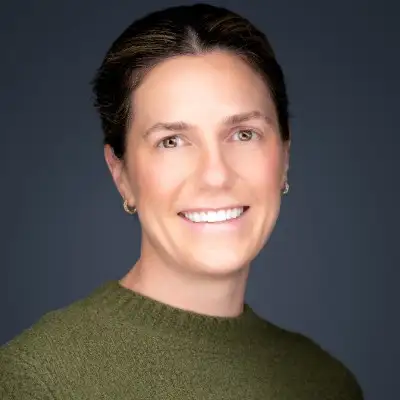
[00:00:00] Bill & Liz: Our guest today is Holly Higgins. Holly is a Gold Star mother. Her son, Daniel, was an Air Force explosive ordnance disposal technician.
He was one of the men who walked towards the bombs so other people didn't have to. Danny was killed in Afghanistan in October 2010. He was 22 years old, and in the years since, Holly has done something remarkable with her grief. She tells Danny's story. She does it on stages, in workshops, alongside Lieutenant Colonel Scott Mann, and in a TED Talk that has reached audiences all over the world.
And she teaches other people, veterans, Gold Star families, and first responders how telling their own stories can begin to heal them. Holly, thank you for being with us.
[00:00:48] Holly Higgins: Thank you so much for having me.
[00:00:51] Bill & Liz: So Holly, you spend a lot of your life now sitting with people who are going through really hard things. What's that like for you?
[00:01:02] Holly Higgins: Um, you know, right now I'd say and in the last eight, nine years, um, it's been, and this might sound weird, but exhilarating almost. It, it, it invigorates me to be there for someone else that I-- is in a place that I've been, and I, and I know what I felt like. And, but I wanna preface it and say that early on I tried before I was ready to do this kind of work, and it was draining and devastating.
And I, um... So one of the things that I-- a lot of people going through traumatic, shattering, crushing loss realize early on, "Whoa, service will bring h- it'll help me if I serve others." And that's so true. That's very true. But not before you're ready to serve, because when you have a crushing loss, you have to mourn, and our culture doesn't talk a lot about mourning.
We, we use the term grieving, and grief never leaves, and grief changes over time. But mourning is just a component. It doesn't change, it's intense, and it's really, really important. And other cultures have words for mourning and, and honor it, and respect it, and give people space for it. Our society lost that, um, in general. But if we find that time and spend it, and I did, I spent years mourning Danny And it was hard, and I felt like... I remember one time going to an event with my husband, and this within five years, and, um, somebody was sharing their foundation and their books and all the stuff they were doing. And we got out in the car, and he said, "I know what you're thinking." And I'm like, "You always tell me you can't read my mind, so you don't know." And he's like, "No, you're thinking you should be doing what she's doing." And I'm like, "Yes. Yes." And he goes, "No, you're doing what you're supposed to do." And then I said, "Well, all I do is cry." And he goes, "Yeah, that's what it-- that's what you're supposed to do right now." And he g- he really gave me this incredible permission and gift of time to, to mourn. And when mourning ends, 'cause it, it, it can when we, when we go through it, then grief can change... Our relationship with grief changes, and it becomes our companion and our teacher, and we start growing, and then we can start giving back.
And that's when doing this work, after I'd gotten through that period, it's, it's just, it's invigorating at this time of my life, which is, is exciting for me to be able to do it.
[00:03:52] Bill & Liz: Well, if I could be forthcoming, you know, I, I recently lost an adult daughter, so I can identify with that mourning. I don't even want, really wanna talk about it 'cause it's at that point where if you talk about it, it is-- it's just hard to do that. How did you realize that you... And it sounds like we're similar in that sense because to get up on stage and do what you do, and then talk about something that is such an immense loss I could not do that.
How did you know you were ready to do that? When was-- when did that moment come?
[00:04:26] Holly Higgins: Um, it, it came over time, of course. Um, it, it... The timing was just, um, coincided with my meeting Scott and, and actually, um, you know, witnessing him doing it, doing what c- using his pain in the service of others and being what he calls generous with his scars. And real- And I, I, and I was so, um, connect... I felt s- I felt so validated and connected to this man who never would've thought, you know?
I mean, Danny wasn't even in the Army. Danny was Air Force. He would-- The Army's different. Green Berets are different than EOD. Not-- I mean, it's silly, but I just didn't have any, you know, other context of, of connection with Scott. But something happened that night- And I would say that, that first night was the turning point.
I, I drove home and, um, and abo- couldn't sleep thinking about all the things I felt ready to do to be generous, to give back, to make a difference so that other mothers sitting in an audience like I was could come away going, "Ah, somebody gets it. Somebody else gets it." And then you... And then I had like a three-hour drive to process what I understood they were getting that I was going through, and what that meant and how healing.
It kind of turned that corner for me, and I, I wrote him a, an email at 5:00 in the morning and, um, and he wrote back like within minutes. So I was like, "This is, this is one of those coincidences, I believe God trying to get my attention."
[00:06:07] Bill & Liz: I just can't stop thinking about you know, that grief g- you know, it's not linear. Um, and I think there's a lot of, I feel like there's a lot of pressure in our society like, "Oh, now is the time when you should go through this," and then at a certain point you kind of move past it.
Um, I mean, I have not found my journey, um, to be like that at all. Um- Yeah ... but I... You're all alone. Mm-hmm. You know, the, you have the, the initial impact of the event, and you are usually surrounded by all, all the people that are, that love you, and you have that support network. But it doesn't take very long that they have to get back to regular life, and you're forced to face that.
And, um, would you mind telling us maybe a little bit about Danny? Because I'm also intrigued by being a parent, it had to be a tough decision to allow him to do what he wanted to do, and then of course the end result was so tragic. So what was Danny all about?
[00:07:14] Holly Higgins: Danny was the third boy of four, and they were all close. They were like a herd. Everybody called them the Johnson herd, you know, and they all, um, were very, you know... Well, the first two, I'd say the- Danny's older brothers, very, very popular, athletic, bright, both honor society. One brings the other one in. One crowned the next one the prom king.
They both played on all the sports teams, you know, foot- the s- the standard football, basketball, that track, that stuff. And then Danny came along, and he didn't like the competition, so he made his own way. And so, um, he was, um, amazing. He was, um- The energy that kid had, that, he always, I always felt there was an urgency in him.
He, and I thought, I just attributed it to him being in the, his brothers' shadows and wanting to just compete with them, but in his own way. Like, he was on swim team, and he was a pole vaulter. He just chose a different route to make his, his way. And he was, like I said, urgent. It was a, there was always this urgency in everything. But now I look back and I think it was 'cause he had a lot to get in in a very short time, and even though it wasn't a conscious thing, I think sometimes our spirits know what we need to do and how we need to... And he was people would call him radical. Like, his, like, everything he did, he had to do it radically, the best, and, um, intense. And I know I'm coming across intense 'cause I'm, like, mimicking Daniel. He was intense about everything. And, um, and, and he was always focused on others along with, you know, e- and that was something I didn't see as much in my other kids. I also have three stepdaughters. We had a large family. Um, Danny was the one that was always taking time out to make sure everybody else was okay around him. Um, in fact, um, this is just a, a, a precious story that I didn't even know about till his, his funeral. As people were walking through, this young man, who I didn't even know, ever, had never heard of or seen, wasn't in Danny's crowd, but he was that age, wasn't part of the s- the high school kids that he knew.
This was in the local area, too, so all these kids from the schools and college that he went to. They... Anyway, he said to me, when he was a freshman in high school, Danny was a senior, and Danny did play on football, too, but he, he, his big thing was pole vaulting and swimming. But he, um, but he was on the team, and this guy was a cheerleader, and he was in the very first squad that that school w- let, had men or boys and boys be on cheerleading.
It was a, it was a time s- changing, you know, in those days. And he said he was up there doing his thing, and all he ever wanted, this other kid, all he ever wanted to do was perform. You know, he wanted, he was a singer, and he was a dancer, and cheerleading was a wonderful opportunity for him. But the kids in the stadium were ripping on him and yelling at him and making fun of him, and he was, he was just dying inside, he said, and he went and sat down on the bleachers.
And during the halftime when the, the players were going into the, um, locker rooms, Danny ran across the field and sat next to him and put his arm on his shoulders, and he said, "I saw what's going on. Don't let them ruin your dream. Don't let them take that from you." And he sat with him the whole time- Um, knowing, and this kid later told me he knew Danny was probably gonna get in trouble from the coach for not following the team, but for s- sitting out there with this kid on the stands. But he stayed with him the whole time, and when they came back out and it was time for Danny to go back on the field, he said, "Now, get up just like me. Let's get up together. You do your thing, I'll do mine." And that kid said he never forgot that. By then he was out of college and, um, he was, um, involved in theater and, and doing all the things. But he, he said, and he never hung out with Danny, never went to any of the same social events, but Danny always s- they always made eye contact that year, and Dan checked in on him. That's the kind of person he was. Um, s- college was fire science, EMT, paramedic. Um, he wanted to, um... He told, well, when he told us he wanted to go into the, um, military, he wanted to do it, he said because he wanted to do something that was important, that would make the world better. And just, this is my confession here, I was a, a social worker, and I didn't know if I believed, and this is just my generosity and my scars. At that time, I didn't know if I believed the military was gonna make the world a better place. I wasn't convinced it was a safe environment, and I didn't like... Nobody likes war, of course, but I didn't trust the military, and there's a long story with that, my family, my dad, military.
But the important thing was that was Danny's perspective. He was, this was his chance to, to do something that was important. And, um, of course, I cried for three months in his prep time, and I prayed that whole summer, 'cause it was May, he came home from college and said, "I'm going into the Air Force." And, and I couldn't stop him.
You said, "How did you," you know, "give him pr-" All I could do was either support him or refuse to support him, 'cause he was already over 18. So I had, didn't have a, an option there. And I spent that whole summer basically asking God to give me the words to change his mind, to talk him out of it. And the weekend before he was being sworn in, he had gotten notified that he was part of a, an exceptional group of recruits that was being sworn in by a general at a very special event in the Chicago Air & Water Show. And so he came to me, I was out in the garden, and he, in this hot August m- afternoon, a week before, and he said, "This is it, Mom." And that's all he said, and then he started weeding with me. "This is it." And I'm like, "I, I know what you're..." I knew what was going on. And so that my last cry out to the universe was, you know, "Give me the words that will change his mind." And the first thing that came out of my mouth was, "This is so hard." Because I love you so much, and I'm afraid. And the minute those words came out of my mouth, I realized those were not to change his mind. They changed my heart because I knew f- love is greater than fear. I knew he knew, I had taught him that love is greater than fear, and those two words came out and it was like, ugh. So, um, so then I knew that, you know, as my, um, I, I talked to myself. I changed my own perspective and was able to support him, and that following weekend we stood, you know, behind that rope and watched what at that point was the most noble and honorable ceremony I had ever witnessed. And I was so humbled.
Right then, that was the beginning. It was so humbling, and I told him how humbled I was. And, um, so you know, and as the time went on and then the graduations from, you know, basic and EOD school and all, you know, the naval school for explosive ordinances, all of that. And, and the Army mountain, some Army... He did some special Army school that he, he, um, graduated with honors, and they wanted, they wanted him to consider transferring to the Army and that, and it was crazy how amazing this kid was.
But each one, um, I realized had I not decided to support him and go to all that and be there for all that, of course he still would've done it, like kids do, or adults, you know. He still would've done it, and I would've been the one to miss all of those moments, that humbling moment, that, that moment of, of such pride in my son, and to be able to tell him how proud I had become of the man he had become. And then he still would've been deployed to Afghanistan, and he still would've died, and the only difference in that is I wouldn't have, he wouldn't have that known that I had told him. I would never have been able to tell him how proud I had become of the man he had become. So it...
[00:16:08] Bill & Liz: I'm sure he was thrilled that you stood there. I'm sure he, he knew, right? That you had trepidation. Who wouldn't? But to have that kind of support must have meant the world to him. Um, when you found out he was going to be doing the job he was going to be doing, h-how did you handle that?
[00:16:30] Holly Higgins: Well, of course you know they use acronyms. EOD And he just told me his story to me. I, I ... Sometimes you don't, when you got a ... Maybe my excuse is I had a lot of kids. I had a lot going on and, you know, okay, I'm gonna be doing EOD. It's, you know, it's very specialized. It's very high, you know, intense. But, you know, it's like, like, like SEALs, which I didn't know what they do either.
They do some pretty dangerous stuff too. But he just kind of threw it in there and just gave me the acronym. And I was so busy at that, for those weeks in the beginning, I was like, "Okay, cool. You're doing something that's really cool, and, and, and elite," and all that. And then of course his brother, who, um, was going into being, actually going, was gonna be an Army Ranger, was going through training for that.
It's a whole nother story. He wanted me to know, "Oh, yeah, no, Mom, you, you don't know what EOD means, do you?" And I said, "What does it mean?" And he goes, "Explosive," and I was like, "Explosive?" And then, you know, ordinance disposal. Oh, bomb squad to us civilians. Yeah. And, you know, but it made sense because, again, Danny wanted to help people, you know?
And he knew how scared I was about him going to war and, and possibly having to shoot someone. I was more fearful of what that would do to his heart and his soul than I was, than I thought consciously, because I just didn't let myself go there, that he could be physically hurt. You just don't. But I grew up with a dad who was very damaged from war. And so, um, he knew that little bit. He didn't know a lot about my dad 'cause it, it was that painful. But, but enough that when he, um, went off to his first deployment and we, after we hugged and he was walking away, he stopped, he looked back and he said, "I'm going to save lives, Mom, not take them." And that's the kind of person he was.
And I mean, he knew service, and I learned it from him in co- I learned it from him, but again, through my own words, I'll tell y- When he was in college and his girlfriend broke up with him, he was devastated. And I didn't know what to do w- for him, and he kept coming home and hanging out and talking to me and calling me when, you know, he was just d- having a hard time. And in my wisdom as a mom, and I didn't have experience, I said, "You know, you need to do something outside of your feelings." You know, and this was around Katrina. "Go to Red Cross. See what you can do." And he did. He got right involved, and he got trained. So that's just always been the kind of person he was.
[00:19:14] Bill & Liz: Yeah. I mean, he definitely sounds special, and he definitely seems like he really saw you. Um, those are awesome little anecdotes. Thank you for sharing those Um, do you, are, are you willing to take us through the day that you lost Danny?
[00:19:34] Holly Higgins: Yeah. Um, it was, it was pretty horrific. Um, and we didn't get, we weren't notified in the traditional way you're supposed to be. Lots of mistakes were made. Um, we happened to be up in northern Minnesota for our first granddaughter's birth, and that was very special because Danny, um he, when he would get the, he, the satellite phone, get use of it, he, you know, because they didn't always, couldn't just call any time they wanted. Um, it just, he had it that Friday night after Maddie had been born, and he called Peter knowing that Maddie was due, you know? He just... And, and so we all, we were in the room with the newborn baby, and Dan was on the phone, and Peter, his brother, got to send him pictures of her, and he got, he heard her crying. And, um, and I think mostly because of the high emotion of having, for my son, Peter, my oldest, having his first child, um, he, when they said goodbye, he said, "I love you, man." which typically, you know, the boys didn't always do on the phone in those days. It's a little different now. But, um, so that was a super gift that Peter got, that his last words to his little brother were, "I love you, man." And then the next morning we had to go home, and well, yeah it was, it was this amazing October, you know, Indian summer weather. Gorgeous. And so we turned our phones off. We had that long 10-hour drive from Ely, Minnesota, down to, at that time we were in, um, you know, a different town, but down this southwest, southeastern Wisconsin. And so we had our phones turned off just to check out and disconnect, and it was a wonderful drive. But when the sun went down, my husband decided he needed to check and see if there were any messages from work and stuff. So I turned my phone on, and there were like 15 calls from my oldest son, Peter. No messages, no texts, which was all very odd.
And so I called him, and the f- first thing he said is, "Where are you?" And I said, "Is Maddie okay?" Because I thought it was the baby. And he said, "Maddie's fine. Where are you?" And I said, "We're driving." And he goes, "Where are you?" I'm like, "Mike, where are we?" And we were on the interstate and, um, so he, and he, we were about three hours still from home.
He wanted to clar- get all that information, and then he said, "Have, ha- Pull over and call Dad." His dad. I was no longer married to M- to- Danny's dad. So he said, "Have Mike pull over and you call Dad." Now, I knew his dad was with him because we had, we were just leaving and he was coming, so I'm like, "Well, just give me the phone, give me his phone or whatever."
I thought this w- you know, it was all just going over my head. And I look back on that night and I think, "This kid was 27 years old." He knew that his little brother had been killed, and he was trying to protect me and get, and get me in a safe place to learn and, um, to learn this. And it was just, um, I don't know how he did it, but he was so calm and he said, "No, Mom, I'm gonna hang up and I want you to call Dad." So I called his dad, and I'm still in la-la land thinking, "Oh, he just wants to appreciate a new granddaughter on the phone with me," 'cause we had a very amicable family relationship. And, um, he, when he answered, he didn't answer, just breathing. I could hear him breathing and I said Jim, are you okay?" And he said, um, all he could get out was, "We lost Danny." And of course I knew what that meant because I knew Danny was deployed in Afghanistan in a very hot spot at the time. Kandahar in 2010 was very dangerous area. And um, but I, you know, your brain does weird things. It's like, "Okay. Okay, he's lost. He's mis..." I- if that's the word you're gonna use, that means he's missing in action.
They can find him. So I started... Well, first I screamed. I, I don't remember what happened. I'll tell you what my husband happened. Um, he didn't pull over 'cause he thought this was silly. Jim just wanted to enjoy the granddaughter on the phone with you. I don't need to pull over, and he's driving. And apparently I screamed, which, you know, he swerved and actually almost hit another car, got off, and I got out of the car and ran into a field and screamed in the dirt.
Now, I have no memory of this, but Mike does and, um, pretty horrible experience for him. But then once I got myself back together, I said, "Okay, he's just missing, and then we gotta call everybody we know on the way, the rest of the way, ride home and have them pray that he's found." And that's exactly what I did.
I, and everybody else already knew. So I don't know what they thought of me later , you know? But it was a, a pretty, um, pretty horrible time, obviously. Um, hard to breathe when... And, and Bill, you probably know what I'm talking about. When your child isn't breathing, it's like, it's not right.
[00:24:57] Bill & Liz: It's not normal. It's not supposed to happen that way, is it? No.
[00:25:01] Holly Higgins: Out of order.
[00:25:04] Bill & Liz: So I'm, I'm selfish in a sense with this interview because, um, what you do, I know is, is focused to veterans and first responders, but I, I, I feel there's people like myself everywhere that can take advantage of the gift that you're giving. Would you be willing to tell us what it is that actually happens at these events?
I know they're large events. There's a lot of people there, so there's a lot of interest. What happens? Is there healing? Is there hope for these people in the audience?
[00:25:40] Holly Higgins: Um, I believe so. I believe, I mean, you know, from, from the response I get, um, that when I share how I found meaning and, and, and, and was able through storytelling for my brain to make sense of a senseless event and eventually find meaning and purpose and then hope. And I've had, you know, people come to me afterwards and, and, you know, thank me for that.
That, that, you know, if I could find hope in a mother's greatest pain, you know, I, I know there's other pains and other re-relationships that I can't, but for a mother, my maternal heart could never be more shattered. And yet over the course of time, and in my TEDx talk, I explain how I found meaning and purpose, um, through this event that I think people realize that we can all, we can all find it. And, and I believe that it's, it's through storytelling, I think that's how our brains are wired. We are story animals and our brain-- And they have, now we have scientific evidence that the department of... It was the Department of, um, Defense at the time, the DoD, now it's the DoW. Um, but DARPA did the research hooking people up to, um, fMRIs and going in MRI machines and s- and giving them da-- one group data and facts, just in- straight information.
No stories tied to it, just this and this and, you know. And then another group, same exact facts, same exact data, all tied to stories And then, and they saw on the machinery their brains lighting up totally different area of the brain. The area that's considered the long-term memory lit up like crazy, whereas the short-term memory was all that was triggering with the facts and the information and, you know, and we know like anyone who travels knows how short-term memory works.
How many times do you look at that boarding pass before you get your seat? It's like, it's gone within se-- Oh, oh, it's gonna be in thir- I'm gonna be in 8A, okay. And then I look again and, you know. But long term, when it's tied to a story... And so then they had the people come back so many weeks later, and sure enough, that first group remembered about ten percent of the facts. The second group, ninety percent. They knew it all because they had it all tied to story. And we know that's how we memorize sometimes phone nu- back in the day, how we used to memorize phone numbers that way or whatever. Um, story is how our brains work, and that's why I think that's a, it's a gift in our wiring that we can heal by making sense of, um, senseless, hurtful, chaotic events.
[00:28:55] Speaker 3: Some flags fade. Some fray, some give up. After one hard summer, the beacon isn't one of them. Made in the US by people who've spent their lives getting this right, embroidered stars, colors that hold. And if it wears out in a year, we replace it free. That's not a promotion. That's just how we do it. See it@freedomandglory.com slash beacon.
[00:29:27] Bill & Liz: thinking about how telling stories can lift that, that weight, you know, that people are carrying. And, um, I think, you know, you've, you've told the story of losing Danny so many times now, and, and when you're telling it, who are you telling that to?
[00:29:49] Holly Higgins: You know,
a, a part of the, my answer to, to that and to the other piece too is that I wanna say it's not just for me anymore about telling Danny's story. It's, that's why what I was saying, it's about helping other people find their voice and tell their story and then they, and then they-- And so I've stayed, by the way, in touch with hundreds of people over these years, um, and watched their story journey, storytelling journey grow, and their lives just blossom. And so, you know, in, at first, when we start telling the story, we're the beneficiary. That's when our brains are doing the work and making sense and finding meaning and purpose, and, but eventually, and I'm at, you know, been at this place for a while now where the beneficiary for me is others who need to find out that they can do the same thing. They can tell their story and, and help others with it. B- We all have stories. Like Bill, you said, it doesn't have to be a veteran, it doesn't have to be, doesn't even have to be major trauma and war. I mean, there are so many things we all go through things that teach us And that this world needs to learn... But one of the greatest gifts, I think, for storytellers that get, storytellers, and I, I'm not just talking about myself, other people that now I can help get there, is that when people listen to their story, they do it and we know. We, we listen to people autobiographically. We connect somewhere in their story.
Could be, like again, doesn't have to be about war. For you and I, it's about a child that we lost. Um, not even the same gender. Doesn't matter, but we connected. There's, there's that... And so we-- And what happens is we listen, and we, we find ourselves s- and safe in their story. So other people hear my story, they maybe haven't lost a child, but the lessons I learned through a time that was not so safe for me, I can now share s- to someone else, and they can be safe and learn the same lessons and take it away.
So those are just some of the gifts.
[00:32:07] Bill & Liz: I think most people do wanna talk about it, but I don't know if it was like this for you, but you know how you, you go about your day and you may be in a store, you may be anywhere, and they'll say, "Well, how's your day going? How are you feeling? How..." It, it just in a-- And you wanna say, "Well, actually," but you can't.
You don't feel that that's the appropriate thing to do, but it's screaming, at least it is for me, screaming to talk about the child like you are doing. I, I can see where that has got to have been, um, a great healing process. I, I would think it would be a healing process. So I, I guess I'm rambling a bit, but do you understand what I'm trying to say?
And do other people express that? And how do you get them past that? I mean, what's the appropriate thing to do?
[00:33:01] Holly Higgins: Oh, in, in the moment, like when you're in a grocery store and somebody says, you run into a friend, "How's it going?" Or, "How's your..." And you're having one of those days?
Is that... Well,
you know, I think once you have done w- you know, some story work, some learn, found your voice, and started experiencing the gift of, of the, what stories do for our brain and the healing, you will come to a point where you can, you know, eh, say, "I'm, I'm really having a, a rough day. Um, I was, you know, hit with another one of those
memories today that threw me."
[00:33:45] Bill & Liz: Holly and I connected, um, like on LinkedIn a year ago, but we finally chatted on the phone and, you know, I ended up telling her a story about something that had happened to someone in my community recently. So I definitely think that, you know, there are probably specific things Holly does in her workshops, but also just modeling, storytelling.
It, to me, created a safe space where I wanted to tell her, you know,
[00:34:16] Holly Higgins: Yeah.
[00:34:17] Bill & Liz: my situation.
[00:34:18] Holly Higgins: Yeah. You know, the more you tell your story too in a more, um, a special environment, a safe environment where you're learning and gr- and developing the, designing the story and, and encountering the lessons and all that, the more you work on that, the easier it is when you're out in the community down the road and somebody says, "How are you doing?"
And you're having a rough day. You have a... You've worked through so much. That's another r- gift of storytelling. My husband calls this work the therapy of the twenty-first century. Even though the funny part about it is like we teach, we are story animals. We've been telling stories for a hundred thousand years, and we haven't even been writing things as long as we've been telling stories.
So this is the original therapy, not the new therapy. But it does help us at... Because, you know, the mo- Y- you've probably experienced it, Belle. You want, like you said, you wanna talk about your... What's your daughter's name? I'm sorry, don't want to just...
[00:35:22] Bill & Liz: Uh, Nicole.
[00:35:24] Holly Higgins: Nicole? Mm.
[00:35:25] Bill & Liz: Nicole, yeah. Yeah, Coley. We call her Coley.
[00:35:28] Holly Higgins: Lee.
[00:35:29] Bill & Liz: So yeah, you could go on and talk about it for a, at length. Mm-hmm. And what I find so fascinating about you is that you do that, and you do it to, in front of so many people who have ha- are, are probably going through the same thing. So let me ask you this.
If w- you initially did it probably more so for yourself. I don't wanna assume that, but I think that's what I heard you say. Are you surprised at the impact you're having with these people that that come and see you and and listen to what you have to say? I mean, and the reaction you get back. Are you surprised at all by it?
[00:36:08] Holly Higgins: Oh, yeah. Every single time there is this innate thing we have inside ourselves, the imposter syndrome. Who wants to listen to me? Why would anybody be interested in a mother talk about her son? You know? It's silly because I, I mean, that's a silly thing. Obviously, I'm talking about a son that I think was Outstanding, honorable, noble. Of course, people would wanna hear that, one part of my brain says. But then, then inside I'm like, "Ugh, but you know, I'm just his mom. I'm biased. Of course, I'm gonna say all that." The, the, the... And then when people say, "Oh, thank you so much," or... It blows my mind. It shocks me every time. But it's, the other thing is every time, I feel a little more healed, a little m- I, it, it, there's, it's reciprocal.
That's one of the gifts of storytelling too. There's a recip- a reciprocity that, you know, I share this. And sometimes it's hard. Sometimes I choke up. But choking up, as you know, is okay. It's, it's, that's how we're wired. And it, and actually, before Danny was killed, I used to, which so many people do, and now I tell everybody not to do this, apologize when you choke or when your tears co- you know, r- our culture has ingrained in us to go, "Sorry." No. Don't be sorry. That's how we're wired and created and, and when it was such a crushing, shattering loss, I couldn't control the, the, the emotion. And I remember realizing consciously, and I'd been a social worker, I was a counselor . You'd think I'd know those things, but it's so different when it's your own body. But I remember being just stunned at how right, and that's the only word I could find for it, how right it felt to cry. It just feels right when you're hurt that bad. It's just like a little kid crying when they're injured. It, it's a right. It's how we... It feels good for them to cry. We, we don't wanna tell them, "Don't cry" when they break some bones or something.
That hurts. And when we acknowledge it to our children and to others, that frees up space for, for, oh, thank you, the in the heart.
[00:38:35] Bill & Liz: Yeah. Yeah. I think, well, that can apply to other emotions too. I know that I say name it, name it to tame it. Um um, I mean, I just- Well- ... really wanna thank you for your strength, Holly. I mean, it's incredible and, um How can people see you? And I, I know-- I mean, is it online? Do you, do you travel around the country?
I guess you're international, right? I mean, so if someone's watching this podcast today, how would they get ahold of you and have an opportunity to, to hear what you have to say?
[00:39:18] Holly Higgins: Um, yeah, we should put it in the... If there's a li- some links I can put in. I am, you know, completely open with my email and phone number. Um, I actually co-authored a book too called Wounds to Wisdom, which is an anthology of stories from people who've gone through emo- Some veterans, first responders, and then two of us were Gold Star family members. And I-- there's ways to reach me there. But I, I, I mean, I wanna put all that out there and, and the TEDx talk is obviously out there. Um, we do travel. We're kind of on a, a transition, in a transitional period. We've just, um, worked... Scott has worked hard on, um, what's the word? A new and improved curriculum for our workshops and, um, I've been retraining to, you know, prepare this, this new one. So, um, but, yeah, I'm on LinkedIn and Facebook i- and it's only about this stuff. It's all, only reason I do it now. Um, and I'd be happy to, for anybody to contact me. I have a woman this week that I'm gonna be working with who's doing presentations for first r- for, for police departments, um, helping them develop packets on what to have handy for the families of those killed in the line of duty. And, um, they don't and she's a, a daughter of someone who was killed in the line of duty. Unless you've been on that side, I, the, you know, the, the police stations, the departments don't always know what those families need. But she wanted to know how to tell the story and not, as she called it, trauma dump, which a lot of people talk about fearing that they, they're just gonna hurt other people with their story.
And, you know, I suppose that's possible because there are people who are just full of themselves and wanna hear themselves talk and wanna... That happens. But if you're worried about that, it's not likely that's gonna be what you'll end up doing. And, at our, our, our workshops, we, we have a whole framework to, for developing the story at, for it to be impactful and in- meaningful and, um, and we have, we talk about how to handle when emotions come and how they're okay, and they're valuable. And when they're real and genuine, people don't go, "Oh, her eyes are watering now. I'm not interested anymore." You know? It's the opposite, you know, when it's real and authentic. And it only lasts, emotions, by the way, only last about 90 seconds. And if you take a couple of deep breaths, it, they're usually gone, and then you can go on.
But don't ever I said, "Don't ever say I'm sorry." Just let it be. Take a few de- breaths. They'll know what's going on, and then they'll be ready for whatever comes after. Those are
[00:42:24] Bill & Liz: 90 seconds? I didn't know that. Uh-huh. The other thing I took away from this is I may not have dementia, that it's okay to check your boarding pass- ... many times before you get on the plane. So that's good news too.
[00:42:36] Holly Higgins: short-term memory.
[00:42:38] Bill & Liz: Yeah, amazing. Just amazing. I'm so glad we had an opportunity to speak with you. I, I just, one, I wanna circle back and, and end with Danny.
What, um, after all of it, what, what did Danny give you?
[00:42:54] Holly Higgins: That is, um, wow. Let me just, oh. Before he died, as you know from hearing my TEDx, you know of one of the... He gave me two special gifts before he died. One of them I talk about in the TEDx, and that's a special cup that he brought back from Europe. Um, and then the other gift was his last Christmas gift to me, and it was, at the time, just like the cup, when I got the cup, they both seemed kind of random. Like, "Okay, nice cup. That's beautiful. Cool." And then I got this, this plaque with a Bible verse on it. Now, Danny is, d- did believe in God and have a strong faith, but he wasn't... He was 22 by this time, you know? He wasn't, you know, preachy or, you know, you might not have known it. You just would see it in his life. So it just seemed a little random. And the, and the verse wasn't a Christmas, typical Christmas verse on it. It was, um, John 14:27. I have it memorized, of course, now after all this. But, um, it's the verse that everybody's all familiar with where Jesus says, "Do not let your hearts be troubled. Do not be afraid." And those t- that, that cup, and you have to watch my TEDx talk to understand the gift from that. But I'll tell you with this, this, um, plaque, after Danny was killed, that I r- I, I, that verse was one of the things that helped me breathe w- and, and settle and, and because it's also, um, Jesus is talking in it, and he says, um, um, "Peace I leave with you.
My peace I give you." And everybody's familiar with that part and the end, "Do not let your hearts be troubled. Do not be afraid." Everybody knows that. But in between, there's a sentence that over the years, and I believe this was a gift really from God through Danny- That has really carried me through. Um, it-- he s- Jesus says, "I do not give to you as the world gives." And man, did that click for me because according to the world, your son being blown up seven thousand miles from home at twenty-two years old, a newlywed with his whole life in front of him, how do you get peace in, around that? But I, I did, and I know it's because of my faith in, in the living God. Only a living God could do that. The world peace, that's a roof over your head, a job, food, clothing, vacations, healthy children, happy life. That's the world peace. But we're told... And so that was a, some-something that Danny gave me. And through that cup, I will say, um, because of the lessons I learned from that gift, I received from Danny a calling for this later season in my life. Um, and if, and, and, you know what I call a sacred mission and a destiny for this time of my life that I never would've dreamed of. My kids are all grown. My grand... My oldest grandkid just got his driver's license, so I mean, they're growing up, you know? That part's over. I'm no longer a social worker or an RN like I was before. Now this, and, and I'm, I'm, I have more energy, more enthusiasm, more peace, more joy at what I'm doing out of that. But, but it was a gift from, through Danny, I would say, through Danny. My torch.
[00:46:51] Bill & Liz: Yeah. Thank you so much for sharing and, um, I don't know. Um, I'm just appreciate, you know, strong people in this world like you, and I think, um- Danny wasn't the only giver. Yeah. I think he got a lot of that from mom, because what you're doing, I, I know is giving to a lot of people. You'll probably never know their names, but the impact you're having is, is as great as, as probably greater than you can imagine.
And so Danny would be proud of his mom, just as you're proud of him, and it was amazing having you on the, the podcast. I really enjoyed it. Thank you so much.
[00:47:36] Holly Higgins: Thank you for giving me the opportunity to talk about him again and my passion about the work that, of how storytelling can bring healing in lives.
[00:47:54] Bill & Liz: Okay. All right. Holly's gonna stick around for our ch- Flags of Change segment, where we explore how powerful symbols are often born from the bold vision of just one individual. So Holly, do you mind holding up your flag that you're gonna talk about? Yeah, so this is, um, a, a three by five flag, I think, just a American flag,
[00:48:18] Holly Higgins: five foot. Yep.
[00:48:20] Bill & Liz: just like the ones we sell that you might, um, hang on your house or have in your garage.
Um, and yet this flag is one of the most extraordinary flags I've personally heard about. Um, Holly, will you tell us its story?
[00:48:36] Holly Higgins: I would love to. Um, it was a, a sunny September afternoon, and I had everything prepared for when my twenty-two-year-old son, Danny, would walk through the door. And when he did, I almost didn't recognize him, but it's, it's not because he looked different, but something had changed. He carried himself differently. It was like the way he glided when he walked. He stood taller, calmer, quieter. Danny was an EOD tech, which is explosive ordnance disposal or bomb squad to us civilians, with the United States Air Force. That means that in his job, he would walk toward bombs that everyone else needed to run from. And that work changed him in a good way. Danny knew he was saving countless lives disarming IEDs, and I knew saving lives was really important to him. So as he walked toward me, he discreetly pulled out this f-flag and very quietly said, "This is for you, Mom." I didn't-- He didn't tell me anything about it, and I didn't ask because at that moment, all I was thinking about was the joy that my son was home, safe, whole, alive. I thanked him for the flag, and I set it on the buffet right next to his picture. And then- Through tears of joy, wrapped my arms around him, and we celebrated his homecoming from Iraq, his first deployment. The next, about a year later, he was deployed to Afghanistan. That time, he did not come home safe, whole, or alive. There were no tears of joy, no celebration, no relief, just tears of profound grief and pain, and that flurry of, um, booking flights to get the whole family to California to the Vandenberg Air Force Base for a military funeral. I don't remember much of that. I didn't do the booking. I had trouble breathing. And as we were rushing out the door, I stopped and I went-- to catch our flight. I went back in my house and I, I grabbed the, the flag that Danny had given me the year before, still on the buffet, still next to his picture, and I put it on my chest and I could breathe. Deep, slow breaths. I held this flag the entire way across the country.
I don't know what anybody thought. Didn't matter. I needed it. In the chapel at Vandenberg, I sat in the front row and a handsome airman in crisp dress blues kneeled in front of me, handed me the customary folded American flag from a grateful nation. And then he handed me another one of these size flags, like, just like the one Danny had given me. And it was during the service that I found out the significance of these flags. When Danny was in Iraq and assigned to disarm a bomb, it was discovered that when he was putting on the bomb suit, he was strapping this flag to his chest. His good buddy, Technical Sergeant John Homer, pulled him aside. "Dude, for... One ounce equals one pound." That was John's way of reminding Danny what all EOD bomb techs learn early in training, that for every extra ounce of gear they wear inside a bomb suit, their bodies will feel an additional pound worth of stress and weight that could cause pain. This is because those bomb suits are already extremely heavy.
They weigh between a hundred, well, eighty to a hundred pounds. And they're very hot because they're lined with armor and software. They can get up to 120 degrees inside. So John did... Uh, oh, and they can be smelly. I found that out because Danny had me try one on once so that I would get a sense of the day in, a day in the life of a bomb tech. So John did his research, and he discovered that this, this three-foot by five-foot flag weighs 14 and a half ounces. And so he talked to Daniel about adding 14 and a half pounds of weight to his uniform and said, "Get a ta- get a, you know, a patch or a tattoo like so many have." And he r- pulled his shirt up and showed him. And Danny respectfully declined and said, "I plan to continue to strap this over my heart on every mission I'm assigned, and when I return home, I'm gonna give it to my mom." By the time Danny was deployed to Afghanistan, he was newly married and strapping two three-foot by five-foot flags to, on. One in front of his heart and one behind. One for his mom and one for his wife. Not because he had to, because he chose to because of the weight of the love he carried in his heart for his family and his country. It seems ironic that Danny wasn't killed disarming a bomb. He was not wearing the bomb suit. In fact, he was wearing shorts and a T-shirt on, um, in a s- in an area that had already been cleared when he stepped on a pressure plate for an IED that the combat engineers had missed. In his book, First to Fall, retired Air Force Captain Wayne G. Sales discusses how we name buildings, parks, highways, and bridges after heroes. But it's odd that most of us aren't familiar with those names and don't know what they did for them to become heroes, so therefore we don't think of those heroes as having been real people who lived real lives and left behind real families like mine. Danny would be mortified if he knew how many things are named after him today. Um, my, the one that resonates deepest in my heart Is the main entrance and road leading into Vandenberg Air Force Base, now also known as Vandenberg Space Force Station. It was California Boulevard. It's now Senior Airman Daniel Johnson Boulevard. Just outside of Vandenberg in Santa Maria, where Danny lived, there's Dan Johnson Avenue. In Cottage Grove, Wisconsin, there's a park where Danny played as a 10-year-old boy that's now named Senior Airman Daniel J. Johnson Park. And just outside of Milwaukee, Wisconsin, there's a state-of-the-art indoor rock climbing facility that's named Senior Airman Daniel James Johnson Climbing Center. Danny was an avid rock climber, so much so that when he, when he was in Iraq, he built a climbing wall, and he trained to stay in shape, climbing in that heavy, hot bomb suit I described to you. You've probably heard the old saying, "Every man dies twice. First, the last time they take their breath, and then again the last time their name is spoken out loud." But my dear friend and mentor, author and playwright, Lieutenant Colonel Scott Mann, a retired Green Beret, says he thinks there's a third death, and that's the last time we tell their stories. Names can fade, but stories stick in our hearts and our brains. Stories help our brains make sense of s- seemingly senseless events and eventually find meaning, and can eventually find meaning and purpose. In his book, The Things They Carried, Tim O'Brien says, "Stories are for joining the past to the future. Stories are for those late hours in the night when you can't remember how you got to where you are from where you were. Stories are for eternity when memory is erased, and there's nothing left but the story." And that's why I keep telling Danny's stories.
[00:58:35] Speaker 2: Thanks for listening to Freedom and Glory, tales of American Spirit. If today's story moved, you share it with someone who'd appreciate it. Subscribe and leave a review. It helps others find us. And when you're ready for American made flags and products Built to Last visit, freedom and glory.com. One flag a million stories.
Yours included.