Subscribe
Share
Share
Embed
We are a husband/wife team and we have run our own company since 2009 helping auto accident victims, attorneys, body shops and insurance professionals with auto damage claims and property damage values. We dive deep into diminished value, total losses, the appraisal clause and loss of use but we do so much more than that. We answer your questions, talk about how to make the most of your auto claim and try to get free information out there so claims can be settled quickly and fairly. We also might goof around a bit....depends on the day :).
Justin (00:02.543)
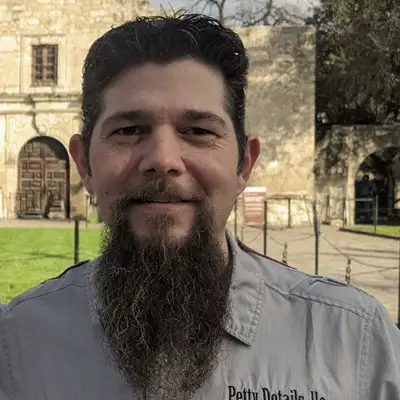
Well, welcome to the Petty Details. This is Justin and Gerald Jones is with me. One of our former customers and we're gonna talk about salvage value and retaining the salvage. Gerald had a total loss on his Ford Edge, right? That right? Yeah, yeah. And he was dealing with Progressive on his claim. And man, I tell you Gerald, first of all,
Thanks for joining me and good morning. I'll tell you, his claim was, it took a lot longer than we wanted it to and it wasn't for lack of trying. We did everything we could do to try to get his insurance company to play nice with us and it was just one of those cases that it's not common.
Gerald Jones (00:33.622)
Yeah, absolutely. Good morning.
Justin (01:00.789)
this to happen, but it's something that happens pretty regular with regard to when you retain salvage. And so one of our other podcasts recently is about salvage retention and the pros and cons of retaining salvage. So Gerald, let's talk about, so what, tell me sort of like, let's start like with how the damage occurred to your vehicle. Remember, of course you remember.
Gerald Jones (01:28.076)
Yeah. First off, we, you know, going back, you mentioned when you introduced me, you said former customer, I think I'll always be a current customer. So who knows what's going to happen in the future, but you got me, I'm sticking with you forever. but basically this whole thing, you know, a tree fell on my car and the wicked thunderstorm. I watched it hit my wife's car next to that and, no damage to hers, but damage to the hood of my car.
busted up the sunroof really bad. But it wasn't, you know, one of those claims that you're like, well, this is going to be, you know, a complete and total loss by any stretch of the imagination. So when we started this whole process, we thought, well, we've got good insurance, we're good customers. And, know, I'm 54 years old, I've got really good, you know, history in the insurance business. So surely they'll kind of keep my claim really simple and easy. Well,
That wasn't the case. And so as you know, I'm kind of getting ahead of us a little bit, but I'll just drop this in. When I took the car to the body shop, you know, they were just doing a real thorough look and examination of what was needed to be replaced. And during that time, you know, I've got all the confidence in the world with this particular body shop. They're outstanding and we can get into that later. But I found out that insurance company had just decided that they wanted to deem my car a total loss.
out of nowhere and it had you know 139,000 miles on it. It's paid off and I've been driving. I had no problems whatsoever and then I turned to petty details because I had nowhere to go and that was a referral through two friends of friends and my brother as well. So you guys took great care of me and we can get into the rest now.
Justin (03:18.733)
Yeah, I mean, I was curious, know, a lot of times whenever the insurance company comes out and looks at the vehicle initially, they don't, they don't write up all of the damages. And the shop is telling them that it's a much more than what they think it is. Was that the case in years? I don't recall if that was the case. Did they take a little while to determine it?
to be totaled or did they just say it was totaled pretty quickly right after looking at it?
Gerald Jones (03:53.006)
pretty quickly right after that. was shocked. In fact, you know, there were a couple of things I hadn't seen an estimate from the body shop just yet, but they said, you know, we have to go through and do a thorough determination because we're going to fix the car properly, which I appreciate. Totally respect what they're doing. They didn't want me having salvage parts, you know, and they wanted me to have original parts. And that's that. And so I'm thinking maybe it's a maybe $4,000 if that or $3,000 or two, who knows.
Justin (03:55.822)
Yeah.
Gerald Jones (04:21.728)
And then that's when it got out of hand. what happened was it wasn't that they detailed a long laundry list of items that needed to be replaced. It was just the fact that they thought that this was an old junkie car and somebody needed to just, the insurance company wanted to either take it from me or basically say that it's not worth us fixing this vehicle for you.
Justin (04:44.347)
Yeah, yours was a little strange to me when I first looked at it because the estimate that I saw for the repair cost was only like $2,000, like $2,031 or something initially. And so I thought it was strange that they were totaling it when I first looked at it, but it's not uncommon to have a lot of damage that they don't write up. so clearly either they thought the vehicle's value was way lower than I did.
or the damages were more than they had written up on it, but all that being said, when they made the offer for the total loss, do you recall how much they offered you and how low you thought it was? You know, that mainly the reason you called us? Because the offer was low?
Gerald Jones (05:39.758)
Yeah, well, it took forever for them to even respond to me about anything. And so therein lies the problem. You know, they tell me that I'm total loss and I don't even know what a salvage claim is. I don't even know what an appraisal clause is at this point. And so I'm sitting there wondering like, what in the world am I going to do without a car? And they're only going to give me X number of dollars. I think it was like 10,911, no, 10,084.31.
for a 2015 Ford Edge that was 139,000 miles or whatever. So to me, that felt like that was extremely low and the market value was showing something like 17, 18,000, possibly more. The problem that I had with it though, is that the car's paid off and I'll drive that thing until the wheels fall off. And so they're not, no one considers that, you know, and so.
Justin (06:31.618)
Yeah, drive it into the ground.
Gerald Jones (06:34.862)
At that point is when I started getting really angry because I'm like, just took, you're taking my vehicle from me and you're literally telling me that you're going to give me the X number of dollars, which doesn't measure up to anything what the market's bringing. And then as I'm saying this right now, I'm boiling. I mean, I've got goosebumps right now because I was so pissed. So, you know, you think as a consumer, where do you turn? You have no options. Literally you'd think, what, what am I going to do? I'm just going to have to take this, know, and you can't fight back. So.
That's how I ended up knocking on the door.
Justin (07:06.721)
Yeah, and yours was the titanium edition too of that vehicle, which was the one of the higher trim levels. Well, you know, let's talk about why you, well, first of all, let me just say this, you know, when you have a total loss like that and this one, you know, was not a collision, this was the, you know, of storm damage with the tree. And so it lends to, that's one of the reasons why
Gerald Jones (07:12.238)
Correct.
Justin (07:36.687)
You might want to keep a vehicle like hail damage or tree damage because it's not actually collision damage That's that's jolting the entire mechanics of the vehicle But it's just it's almost just cosmetic unless it hits right on a pillar or something like that And so I think was that part of the reason why you were going to keep it because it's still you can still drive it and everything correct
Gerald Jones (07:58.998)
Yeah, absolutely. I don't care what it looks like and it's, you know, it's going to drive forever. And so that's a good point. You know, there's no reason to, to really, I guess, affect the consumer's wellbeing and you know, their pocketbook like that. Now let us keep driving the vehicle no matter what it looks like cosmetically. I would even so, with the damage on the, on the hood and any hail damage and any cosmetic stuff, I'd keep driving it the way it is, but
Justin (08:01.605)
Yeah, yeah. So.
Gerald Jones (08:27.938)
I want to it fixed so that if I were to trade it in the future, then it's not going to be considered a low ball offer.
Justin (08:35.383)
Yeah, you won't at least you won't have to get popped for the damage again if you trade it. One thing that's interesting for anybody that's going through this and listening to it, if you're considering to to keep your vehicle, what a lot of people don't know is that the insurance company doesn't have to let you keep the vehicle. That's, I haven't had that happen except for once or twice where the insurance company's like, no, if you file a claim we're keeping it.
Gerald Jones (08:40.931)
Yeah.
Gerald Jones (08:55.47)
Correct.
Justin (09:04.955)
you know, they normally will let the person keep it. But if you look in your payment of loss section, typically is where that's found in your policy. It's like, we may retain all or part of the damaged property at, you know, at an agreed or appraised value is typically how it reads there. And so a lot of people just assume they can keep their vehicle. But if you're following a claim, the terms of the contract, you know, are governing what, how that claim.
You know is is managed and so they they have the right to keep it But in this case they said fine. They'd let you keep the vehicle and so quick summary sort of it was like the 10-9 or something right around that amount that they offered and then Once you guys agreed that you were going to keep the vehicle then they took out they said the salvage value
was $4633, a little over $4600. And so that wasn't too terrible of a salvage value in my mind. It seemed like it might be a little bit high, but it wasn't too bad. But that's sort of where all the fun began for us. It's because I've dealt with these claims a lot. And when people are keeping their vehicle, especially with this particular company, Progressive,
Gerald Jones (10:06.382)
Correct.
Justin (10:32.783)
they are pretty consistent about changing the salvage value if you invoke appraisal clause and force them to pay a higher cash value on the vehicle. so Gerald and I talked about that and we wanted to address that first before he spent any money or anything on the appraisal clause because, for example, if they're offering, let's just say 11 to make it a round number there,
if they're offering 11 and they're taking out 4,500, then we get the value up to, let's say 13. And so we've added $2,000 to it. They can just change the salvage value by $2,000 and negate the entire process. And I've had them do that. I mean, I've had them do exactly that on other claims, two other ones.
Gerald Jones (11:23.543)
Yeah.
Justin (11:30.239)
And that's when I learned that lesson and it's like, no, let's address this. And I even pulled up some of the, so what we did is we tried to get progressive to just acknowledge that if Gerald were to invoke his appraisal clause, would, is it agreed upon that both the salvage value and the cash value are part of the appraisal clause? Which if we look at the language of the appraisal clause,
Did you have that language?
Gerald Jones (12:01.974)
Yeah, I do have it here.
Justin (12:04.443)
I think I've got it too and I'm not sure I can't share it from my side because I've got two different computers, but basically it it reads that if we cannot agree with you on the amount of a loss then we or you may demand an appraisal of the loss and then it
It gives a little bit of, says within 30 days of any demand for an appraisal, each party shall appoint a competent appraiser and shall notify the other party of that appraiser's identity. The appraisers will determine the amount of loss. If they fail to agree, the disagreement will be submitted to a qualified umpire chosen by the appraisers. If the two appraisers are unable to agree upon an umpire within 15 days, we or you may request that a judge of a court of record in the county where you reside select an umpire.
then it goes on to say the appraisers and the umpire will determine the amount of loss, the amount of loss agreed to by both appraisers or by one appraiser and the umpire will be binding. You will pay your appraiser's fees and expenses. We will pay our appraiser's fees and expenses and all other expenses of the appraisal including payment of the umpire if one is selected will be shared equally between you and us. Neither we nor you waive any rights under this policy by agreeing to an appraisal. I know that sort of
wrote for me to read that whole thing. But it's the language is interesting on these because it's not all the same language in each policy. This particular appraisal clause has more in it than a lot of them, frankly. So this is a little bit better of an appraisal clause than a lot of the ones that I see which are vague, you know. But it's pretty clear there that they don't talk about
actual cash value or salvage value or any of that kind of stuff in the appraisal clause. It's just the amount of loss, you know, that's what it's talking about. So we called and talked to them or actually emailed back and forth, I should say, with the adjuster. And I think your initial inquiry was something to the effect of
Gerald Jones (14:06.498)
Right. Yeah.
Justin (14:25.881)
you know, hey, progressive in reference to the subject claim. We disagree as to the amount of my loss and I intend to use the appraisal provision of my policy to resolve the amount. Since I'm retaining the salvage, I expect the salvage value will be included in the appraisal process. Please confirm this. So that was the initial sort of inquiry to try to get them to agree that, yeah, yeah, you know. And then.
Do you have some of those correspondences as well?
Gerald Jones (14:57.176)
Yeah, it's about a mile long because we went back and forth because they would never answer the question. And the key word in your initial outreach, my intent, it was my intent to pull my appraisal clause. It never said that I'm doing it. It never said that I'm just considering it. And I never once acknowledged any of that all the way through for months. so not to name any names on these emails at all, that's not important.
But the fact of the matter was that they never addressed any of my questions with regards to how we wanted to actually consider invoking the appraisal clause. They just kind of skip over it. And they're saying, well, you already have your offer. You have your salvage amount. You have whatever, this, that, and the other. And we could never get them to really commit to anything. So that just went back and forth and back and forth. And it was just, it got to be comical, if you recall.
Justin (15:51.097)
Yeah, and we ended up, I suggested filing a complaint with the Department of Insurance on it and you did. and that didn't, and how did that work out?
Gerald Jones (15:57.59)
And we did. Yeah, did just that. And the Department of Insurance, I think that experience was probably even worse. Only because everything was kicking the can. Everybody's kicking the can and no one wanted to weigh in on either side. as a consumer, I go to the Texas Department of Insurance thinking that they're going to come and help me solve the problem or maybe weigh in or maybe just mediate.
Well, none of that happened. They just kept saying, well, know, Progressive has made their offer. You have the right to take the offer or not. Like, wait a minute. No, we're needing some more information here as to how are we going to retain these numbers if we go into this mediation or this negotiation? And so they never would answer our questions with the TDI. And quite frankly, there was one lady that had not.
been working there and she's sending me emails from her email account and I had found along the way that she wasn't working there anymore. So all these emails were coming to me from an account that some lady had already been either terminated or moved on from from it. So that we could get into a whole other podcast, you know, another episode.
Justin (17:12.269)
Yeah, man, the Department of Insurance, gosh, believe me, it definitely could be numerous different podcasts for just the issues that you deal with the Department of Insurance on. They just don't, they're not satisfying to get involved. There are some situations where they could help you, but when you're trying to get clarification on a policy,
Gerald Jones (17:25.378)
Yeah, well...
Justin (17:41.975)
language or anything like that or trying to get the carrier to you know do the right thing they just don't they there's the the basic response is well that's a legal issue that has to be taken up with the courts or just not addressing it and that was sort of what happened is they wouldn't address the issue and we were clear about the issue you know it's like look specifically this is what we're asking about no
Gerald Jones (18:06.2)
Yeah.
Justin (18:10.627)
would not respond to it. I had some examples of that, you know, from the responses.
Gerald Jones (18:14.862)
Yeah, and to add to that, you know, there's some really nice people within that organization and some that absolutely want to be as helpful as possible. They also are very protective of, you know, how much information that they're willing to share. But within that process, there were some older ladies and younger ladies and some gentlemen in between that were offering me some really good sound advice during that process. And as I would ask the question to the top level management,
Not to the president or whatever at the very top, but very close. And neither he nor anybody else in his department would ever weigh in on this situation at all. And so it was basically like best of luck to you in your endeavors. And if you seek legal advice or legal counsel, we can offer you some suggestions as to what attorneys that we recommend through the state. I'm like, no way, I'm done. So then where do you go? Back to Justin Petty.
Justin (19:13.337)
Well, I mean, we ended up taking a risk on this one, frankly. I was, you know, we never did get that issue nailed down. Although we made it very clear that our concern was that, are we including the salvage amount in the appraisal process because the owner's retaining it? We never could get that,
Gerald Jones (19:18.926)
Yeah.
Justin (19:41.283)
addressed by progressive or the state or anybody else for that matter and none of the adjusters or anybody and they did things like You know when we asked about that, please confirm that'll be the case That the salvage value will be included in the appraisal process. They responded back In response to your inquiry. Yes, the salvage amount will still be deducted from the agreed value. It's like that's
Gerald Jones (20:04.886)
It's like cut and paste, cut and paste, cut and paste.
Justin (20:07.907)
Yeah, that's not our question. That wasn't our question. We know the salvage amount's gonna be deducted. What we wanna know is, are you gonna try to change the salvage at the end? Or are you gonna leave it like it is? And again, know, your response back, you know, he says, you know, look, thanks, but in response to this salvage amount, maybe my question wasn't clear. You know, I understand.
Gerald Jones (20:33.166)
you
Justin (20:34.553)
that a salvage amount is agreed to during the process, but it's agreed to during the process within the appraisal clause process. And then afterwards, then that amount is gonna be, you know, taken out. Am I understanding that correctly? And then the next response, do you have that next response?
Gerald Jones (20:55.128)
Yeah.
Gerald Jones (20:59.234)
Well, this one was the salvage value we currently have will be used once the appraisal clause info comes back to the independent appraiser that is hired. And then he says, once you confirm that I understand the properly, that's me, sorry. Once you confirm that I understand the scope properly, then yes, we can move forward with the appraisal clause. The scope of the appraisal clause will include determining the salvage value of the vehicle.
We're kind of going back a step there. But in these responses, it's just literally cut and paste, cut and paste.
Justin (21:32.697)
No, that's even further down from where I was at. We had to reiterate the question again and again and again. Yeah, I mean, and they would just say.
Gerald Jones (21:40.308)
yeah, there's pages and pages of this. Yeah.
Justin (21:45.365)
Yeah, I mean, and it's like, yeah, they responded like, look, I've attached your valuation report and the settlement summaries, you know, in response to is the salvage part of the appraisal clause. The answer is I've attached your valuation report and after the fees, you know, we'll take out the salvage amount and, know, it's a have your settlement payment of 10, nine away, you know, letting progressive. However, if you keep the vehicle, then there is
Gerald Jones (22:00.419)
Yeah.
Justin (22:14.683)
46 33 deduction, you know, and then they go on in another one and say, you know, then the new salvage amount is determined after, you know, so it's just, it was just a whole incompetency or just lack of experience with this process or no one ever pressing on that issue before they just get away with it. And I learned that lesson. Like I said, I had one, you know, not too long before years where we got it resolved.
under appraisal clause for the value of the vehicle. And we didn't really address the salvage amount because that was already agreed to. And that's another thing. You had already, I explained that too, when you send in your invoke, you should nail down that you've agreed to the salvage amount in writing. Yeah, and I think that saved us at the end because without...
Gerald Jones (23:02.912)
And we did. Yep. Yep.
Justin (23:13.839)
going too deep into it, we documented that they had made this salvage amount offer for the salvage retention. And so he was able to document that when he invoked it. So, all right, let's move on to the actual results on it and talk about that, because we don't want to be on here for hours. We both, know you've been burning both ends of the candle.
Gerald Jones (23:35.926)
Yeah, I get it. It's all good. You back to just real quick, the confidence, you know, to me, it was you mentioned it in confidence, maybe, you know, lack of either training or having been in that situation or whatever. But as a consumer, as a customer, as progressive client, you know, I'm sitting there thinking you're supposed to be looking out for your customer. And that's the number one thing that they weren't doing. But second to that is that, you know,
We just had to keep staying on them with the whole back and forth. And so I don't mean to beat a dead horse, but what I felt like was happening is they would take this stuff to the top and the top was probably looking down and saying, okay, just kick the can as far as you can. They'll go away. They'll go away. They'll go away. And I think that's really what helped us more in the long run too. It's just that we stuck to our guns and we weren't going to let them say no and just, and we weren't going to go away.
So that persistence was really key and I think in the whole thing.
Justin (24:31.278)
Yeah.
Justin (24:34.841)
Yeah, that's a really good point because I tell that to a lot of people is like, look, you know, it's a lot of it's the principle of the matter. You're not going to just get, you know, get me to go away by making the process hard, which is what it seems like happens. You know, it's like they, I don't know that they purposely do that, you know, but the best practices that they teach you, you know, I was in a, I was an adjuster for years and we had rigid.
sort of best practices that we went by. And they were tailored to get claims settled quickly and not get too much in depth on it. And if you had a problem claim, there is no best practice for a problem claim. So it just sat. And like you said, you would go up to somebody above you, supervisor, manager, VP of claims, until...
you get somebody that can tell you what to do on that claim. And that's the reason I started this company is because I realized that way back, you know, that nobody knows what they're doing here. You know, it's like there's only a few people that have a lot of experience and can guide these adjusters the right way. it's really, I feel really bad about it for adjusters, a little bit bad, I should say, because it's like, it wasn't like that 30 years ago, you know, when I started.
And so it's like they trained us differently and we had more leverage. We could settle a claim when there was a dispute. This claim could have been settled a long, long time before it was just with a few thousand dollars of authority. And they wouldn't have had to look at this claim again. I mean, they went in the hole working this claim because we were persistent. you know, that going back to your point,
is you can't give up. You've got to keep the ball in their court. You've got to throw it back to them, make them have to work that claim and respond to it. And so it's, you know, that's what we ended up doing. And we ended up at this happened. What was this? This happened in May, right of 2024.
Gerald Jones (26:39.488)
It was actually March, 2024. I think the last, the last, was the settlement that we ended up with. That had to be December because I remember my daughter was having twins in the hospital when you called me with the good news. So that was December 5th when she had the twins. So right around there. That's a long time, y'all long time to go through that.
Justin (26:56.772)
yeah, yeah, I remember that. Yes.
Justin (27:07.415)
Yeah, I mean, it was, it was December the 5th. That's correct, yeah. So let's talk about quickly. So we invoked, you invoked the appraisal clause on it. And let's see, when did you invoke it? On November, it was in November, like November the 26th. I kept that note.
Gerald Jones (27:33.708)
Yep, I got that here too.
Justin (27:37.133)
So from the time the accident occurred all the way up to November, you know, before you actually just were like, and we invoked, you know, and it's like, all right, let's do it. And we had conversation after conversation about it. And it's like, okay, let's just invoke it. I know who they normally name as their appraisers. And hopefully,
I can, you we'll get somebody that's reasonable and we can just, you know, make it happen. So let's just, let's just bite the bullet and go ahead and see what, what can happen.
Gerald Jones (28:11.758)
And to add that real quick, Justin, one of the reasons that I was ready to do it is I had just not thrown in the towel at all. I was just like, I'm tired of messing with these guys and I don't want to deal with this. I was prepared to lose the whole thing. mean, take the car, take whatever, because, you know, I was done with it. But I knew that, you know, if we didn't stand behind our guns and stand behind what we were doing and the principles that we had to fighting back, then what was it all for? Right.
Justin (28:39.247)
Right? Yeah, I mean, after you got, you know, after you invoked on this, then they did name a company that I knew and had worked with before. They're not supposed to name a company. They're supposed to name a person, but they never do that. They just name a company that typically writes damage estimates, you know, and not, doesn't negotiate settlements like this. But this particular company,
There's a few guys there that they use for these. And the guy that they named was a guy that hasn't done a huge amount of these. And I've only dealt with him a couple of times and he's not fun to deal with. He's one of those matter of fact guys that just wants to put a number and not do anything else and just say, you know, this is my number, take it or leave it. Well, I mean, that's not the spirit of the...
to begin with were supposed to discuss it and of course he was using low values compared to the values that I had on this vehicle. You know, when I ran my initial numbers on it, I was at about 15 or 16 thousand whenever I looked at it. And so I wasn't at the top end. I try to be realistic on those when I'm looking at it to make sure that, you know, I'm not inflating
the value of a vehicle, because that doesn't help anybody. So I was real careful about looking at that. So I had it at right around 15,000. And that would have been, you know, look, that's what $4,000 different than what they were offering. So there was enough there for you to pay my appraisal fee and still potentially get this resolved, even if we have to concede some and come down off of that 15.
5,000 and especially because we were considering the fact that you had an idea of how much it would take to repair the vehicle and at the and with the current salvage value and a better settlement offer Then you would be able to you know not have to come out of pocket very much to fix the vehicle because the difference between the two would have been real close or
Justin (31:07.224)
maybe a little bit, you know, it would have been really close, but not at the 10.9 minus the 46. But, you know, you know, it couldn't, it was, I think the real repair cost was like eight or something like that, eight or nine. Yeah.
Gerald Jones (31:14.318)
Right.
Gerald Jones (31:22.006)
Yeah, yeah, close. Yeah, right in between.
Justin (31:25.368)
Yep, and so we went through the process and of course the other appraiser would not agree to include the salvage in the discussions and just flat out told me that Progressive didn't allow them to do that, you know, and it's like that's not how that works. You're supposed to be an independent appraiser, you know.
Gerald Jones (31:43.694)
Yeah.
Justin (31:50.363)
But if you notice in your clause, I think that was something I meant to say before that in that appraisal clause language, it doesn't say disinterested in progressive language. That's the language that's approved by the Insurance Services Office, ISO, but in progressives and in other...
carriers, they've removed that term disinterested or unbiased. They just say competent. Each party shall appoint a competent appraiser and not a disinterested and competent appraiser. unfortunately, that's purposeful. There's case law about it that says, well, if the policy doesn't say disinterested, then you can hire somebody that is going to fight for you.
and advocate and all of that. And so it's like, they can actually use somebody that's not disinterested. all of that happened, this claim, everything happened on this claim. Ultimately, we were able to get an award that did have the salvage value on it. I had to sort of persuade the other appraisers that, look, this has already been agreed to. Here it is where it was agreed to.
We had enough to show that I said, look, just call, you know, and find out. And he just yielded, I produced an award that included the salvage amount that was initially agreed to. And so when we wrote the award up, we wrote the value of the vehicle and the salvage amount. And so it worked out to where they couldn't change that salvage.
did not like that one bit. was just not their typical thing to do is to change that salvage value at the end, because they're just using a percentage of the value is what they're doing. They're not actually getting a salvage bid. They're just using an agreed upon percentage that they have with IA or co-part that will give them a salvage bid. You got, yeah, go ahead.
Gerald Jones (34:07.374)
Yeah. And so I was going to ask you, was that meeting in person? I can't remember because it was all running together during that time. But, or is that something that you do on the phone? I guess.
Justin (34:15.086)
No,
All this was over the phone or via email. So we didn't have to actually meet up with anybody. But that's not, I have done that plenty of times, but it's just, this one didn't have to do that. And the guy was, they make a living not getting fired from the company that they work at. They're just following rules. And I understand it, but it's, man, it's frustrating when it's somebody's property and their money and
Gerald Jones (34:28.236)
Yeah.
Justin (34:47.234)
All of that stuff is like, they just don't seem to care very much. know, it's just, they're just going along to get along. And that just irritates me when people are like that. I'm just not like that, you know? And we sort of got along because of that same fact is that, you're not getting, you know, no, I'm not a chump. I'm not going away, you know? And so.
Gerald Jones (34:58.798)
Yeah.
Gerald Jones (35:02.862)
Yeah.
Gerald Jones (35:08.696)
Yeah, I'm too old to be messed with like this. But at the same time, I was very pleased with not only the process of it all, start to finish and how you guys, Jen and your whole team, you just kind of walk us through everything and made me feel like I'm doing the right thing all the way through to the very end. For me, I was...
I was a lucky one, you know, and I'm thankful for all your hard work and determination and that fight and that persistence that we talked about. But most importantly, that, you know, hopefully people will listen to this podcast and be able to hear that there is hope. There are people like Justin and Jen and petty details and everything that will go to bat for you like that. And to me, if it happens again, or I have referrals, you know, that's just the way that, you know, we all make a living. By all means, you know, I think that you're
top notch people and by far what we experience from this whole process is just never give up. That's the thing. I've given up on other deals because I had nowhere to go. So now we do.
Justin (36:05.242)
Well, thanks,
Justin (36:16.762)
I mean, that's exactly right. And it's sort of the trick, you know? That's how insurance companies get people, is you just get sick of them. You just get sick of dealing with them. You spend 20 minutes every time you try to get somebody on the phone, gotta leave a message, then they don't answer, they don't call you back. And it's so, wears you down so much. you know, let me say this really quickly, because we'll wrap it up here.
First of all, thank you for the big plugs and stuff. It's gratifying when you can't help somebody. I wanna not leave people hanging and tell them the result, okay, the numbers. I mean, yeah, wasn't like we won, but we won. You know what I mean? It wasn't like we won a huge amount or anything like that, but we persisted.
Gerald Jones (36:50.379)
yeah.
Gerald Jones (36:59.106)
Yeah, no, I know. That's the big reveal.
Gerald Jones (37:08.61)
Yeah.
Justin (37:13.466)
We were able to get everything done and at the end of it, was, you got right at about $15,000, 14,975 is what the final number was. And then your deductible and then the salvage amount that was originally agreed upon, which wasn't too bad we thought, but I couldn't get the other appraiser to even discuss it.
Gerald Jones (37:26.67)
correct.
Justin (37:41.357)
I wanted to discuss that and get it lower, but I couldn't, they wouldn't do that. And so our best bet was to just leave it at what it was. And so we were able to do that. And yeah, got an award for, you know, the 14 cash value plus taxes and then minus the deductible and salvage, which gave you just enough, I think, to repair done.
Gerald Jones (37:47.022)
Yeah.
Gerald Jones (38:07.97)
Yeah, able to do my repair and not have to have my car taken away from me and have to buy another damn car. You know, that was the bottom line. Amazing.
Justin (38:17.026)
Yeah, and another another thing too is your vehicle doesn't have a salvage title
Gerald Jones (38:22.454)
Yeah, correct. That's another thing we didn't add to that.
Justin (38:25.242)
Yeah, my other podcast talks about that a little bit, but that's one of the pros and cons of salvage retention is is it going to have a salvage title when you retain it? Yours didn't qualify for that. No, it was it's because they the Department of Motor Vehicles manages the definitions. It's a statute. So the definition of a salvage vehicle
Gerald Jones (38:39.042)
because it was paid off, right? So that was the only thing that...
Justin (38:55.558)
is in Texas is really quickly is that the value of the vehicle has to the damages not counting the paint labor and materials okay so the damages have to exceed 100 percent of the value of the vehicle so when you increase the value and the damages are below that amount you know whatever the value of the vehicle is if the damages are less than that
or even sometimes if they're more, if you take out the paint labor and paint materials, if those damages are less than the value of the car, it does not meet the definition of a salvage vehicle and the insurance company cannot force you to get a salvage title. But they will try it. A lot of times they'll ask you to sign a salvage retention agreement and send it to the state, when in reality it doesn't qualify as a salvage vehicle. They can call it a total anytime they want to, but those are different terms. Total.
and salvage are not the same thing. So the insurance company can total it when it's not a salvage vehicle. And that was another good reason that you could get out of this by keeping your vehicle and it came out, you know, to your advantage. No salvage title, anything like that. You got enough to keep it and repair it. And so all of that worked out real good on your case. so we try to look at that upfront. But yeah, I mean, that's the story of Gerald's claim
I really appreciate you showing up and coordinating with us to be on the podcast. You were awesome guest. You're better than I am. I'm still learning how to do stuff on the podcast. Jen just roped me into doing it. So I'm like, okay, we'll do it. Nobody talks about this stuff on the internet.
Gerald Jones (40:25.322)
thanks.
Gerald Jones (40:37.642)
I was going to say you guys make sense of it. It really does. The way that you describe it and the way that you walk people through it, that's the key right there because there's a lot of information here to progress the process. I'm sure people on some of these podcasts are going to be like, that's over my head. But folks, do your homework. Dive in. Get with Jen. Get with Justin. Get with Petty. They'll take good care of you. It's awesome. Thanks for having me. It's a day.
Justin (41:04.811)
Appreciate it man. Thank you so much. All right, man Don't call me. Yeah, don't call me but don't forget me. Yeah Yeah Sounds good. All right, sir. Thank you, man. Thank you. Yeah
Gerald Jones (41:07.084)
I look forward to working with you all soon. How about I refer you, that's all.