Subscribe
Share
Share
Embed
Growing Little Humans: the podcast dedicated to nurturing the minds, bodies, and hearts of children from 0 to 8 years. Join us as we explore the holistic journey of childhood development — covering topics like prenatal wellness, early education, emotional intelligence, nutrition, play, and more. Whether you’re a parent, educator, or caregiver, our expert insights, practical tips, and inspiring stories will help you empower the little humans in your life to thrive. Together, let’s grow the next generation with love, intention, and curiosity!
🎙 Transcript
ENGLISH AND ARABIC
Financial Literacy
Guest: Matt OBryan and Ben Bolger
00:00
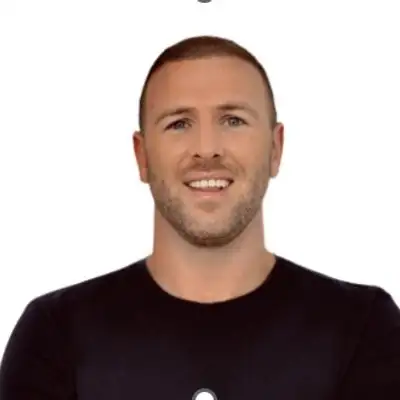
I'm Melissa. And I'm Lea and we are busy mums, company founders and all round early learning nerds. Welcome to our podcast, Growing Little Humans. Kids aren't born with a user manual, so each week we'll try and cover many topics that you guys encounter and worry about each and every day while you're raising your little humans. Today we are thrilled to be joined by Matt O'Brien and Ben Bolger who are the co-founders of Squirrel Education.
00:28
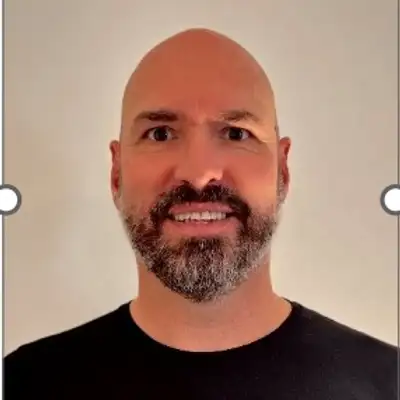
Matt O'Brien has 22 years of experience in education, working in three countries and in a diverse range of curricula. His leadership roles have included Head of Subject and Assistant Principal and he has successfully launched three businesses, one in Australia and two in the UAE. Ben is a Certified Financial Planner, Chartered Wealth Manager and holds an Executive MBA with over a decade of experience in wealth management.
00:58
He has seen firsthand the impact that financial literacy can have on people's lives, which has fueled his passion for transforming early financial education and helping children build healthy money habits for life. Hi Ben and Matt, thank you so much for joining us today. Thank you so much for having us. It's a real pleasure to be here. So today we're here to talk about financial literacy and I think
01:25
i've heard that Matt, you came up with the idea initially. How did you come up with the idea of Squirrel Education? So I've been a teacher for quite a while and when you first move into a classroom or into a school, behavior management is one of the biggest things. So we're trying to look for those ways of engaging students in the classroom, but also something a little bit different. My first placement in the UAE was in
01:53
the Emirate of Fujeirah. And I had another colleague, year five colleague with me from New Zealand that wanted to run a manual banking program. And we got together, we discussed it all and we started to set it up. A little bit of work at the start, setting it up, getting all the money printed and kids were bringing in wallets and we had fake credit cards and things like that. We set up a banking day where kids would bank their money. So
02:23
The way it worked was we rewarded them with money for positive behavior, good work, and we sanctioned them as well for not completing homework or not following school rules. Worked really, really well. I think by the end of the term, the first term that we did it, students had banked a fair bit of money. Some students were in the negative, but the good thing was those students that were in the negative,
02:52
when we came to the day where they got to spend their money. So we got a whole heap of stuff in from the $2 shop or sorry, the five dirham shop and they could buy this kind of stuff. They were disappointed that they really didn't have any money, which showed that it actually worked and towards the end of the term, they were really trying hard to get back on track. I had three kids, two boys and a girl that were our top money earners. And just flippantly, I said that we're winding it down and I said to them,
03:22
I'm offering my guitar up for sale and it's going to cost you, I think I put a price tag of $10,000 on it. The highest money earners had $11,000, $12,000. Now this guitar, I said flippantly, this guitar was a decent guitar that I liked. They absolutely loved it. Took a lot of deliberation in the class, the kids yelling at them, buy it, buy it, buy it. But not one of these kids actually bought the guitar.
03:51
And as you do as a teacher, you want to find out why. So I brought them together at the end and asked them why. And they all said, I want to be the highest money earner at the end of this. So they could have got a guitar for absolute free, but they didn't go for it, which showed me that the idea of instilling financial literacy in them did show importance. And they had a ball as well. I saw an increase in homework delivery. I saw an increase in behavior within the classroom as well.
04:20
So all in all it was a well worth program. Amazing. Thank you so much. That's such an inspiration. I was just sitting here thinking, I wish you would be my teacher. I didn't have any of those amazing experiences when I was at school. So we've talked a bit about financial literacy and why it's important for children to be exposed to financial literacy. You've given a really, really good example. Is there anything else you'd like to add
04:45
about that then about financial literacy? Ben can you just define for us what is financial literacy? Well I think that's a really important point, great question, because financial literacy and financial education are very different, so financial education is about knowledge consumption, about understanding the concepts and the terms around financial management.
05:05
Financial literacy is how do we apply that, right? And how do we take that into real life. How do we make informed decisions when we need to? And that was one of the biggest reasons when I first heard this story, me and Matt were sat in a coffee shop in Abu Dhabi and he's telling me this story and sort of blew my mind a little bit because I come from a completely different background. I'm a chart financial planner, chart wealth manager and been working with clients for the last decade. And what I have noticed is that what separates people good with money and essentially separates people that struggle with it is so much
05:35
more to do with habits and behaviors than it necessarily is to do with just knowing what to do. I can't tell anyone what to do, but whether they're going to then apply that is completely up to them. And then to stick with it.
05:47
What attracted me to what Matt was doing in the classroom was that initial sort of understanding that he's creating an environment where children are actually practicing what they need to do. But then also those children showed in a small space of time that sort of delaying of instant gratification. was like, cool, we're onto this. There's something here. And so then we had a look and we said, where else is available out there in the market? And there's not enough financial
06:17
education out there full stop but the stuff that was out there always seemed to revolve around just that knowledge consumption like banks going in and delivering half a day's worth of teaching or lesson plans or videos or blog articles that's not then going to translate into those good financial habits so everything that we're doing at Squirrel Education. I encourage and talk to parents about giving children the opportunity to practice what they need to do so that so that when they're out on their own they instinctively
06:47
have got that experience so they can make those decisions at the critical times because I know what to do. And it really blows my mind Matt, you know as a teacher why do you think there isn't more financial literacy being taught in schools like in general? I mean my children were never exposed to anything to do with financial literacy and considering that you know every day of your life you're going to be reading and writing, every day of
07:17
your life, you're going to have to deal with your personal finances. As an adult you're going to have to know about mortgages and interest rates and saving habits like we're talking about. So why is there such a gap and no financial literacy being taught in school as a life skill?
07:43
I personally, think our education system is quite archaic. It dates back to that idea of we're teaching kids on in regards to that manufacturing, that production line kind of teaching where we just fill them up with information and send them on their way. Now, financial literacy is a life skill. And even though it's starting to change now, life skills, as you know, weren't really taught in the school.
08:13
It just wasn't seen, it didn't have that value on it that something like English and Maths did. And you made a perfect point just before. And this is something that I say to kids often when we're talking about money. Every morning you wake up, money is involved. Everything that happens in your life, money is involved. You step out of bed onto the floor, you're either paying rent or you're paying mortgage for that house. You put clothes on, you've paid for them, you're brushing your teeth.
08:41
that toothpaste costs something. It is the biggest part life skill that we just don't teach. Now, the reason why I don't think it's in the classroom at the moment, and we are getting there, the good thing is, it might be just that Ben and I are in this space, so we're seeing change starting to happen. The fact of the matter is, and that's why Squirrel Education was quite important, we had two things to solve. The first one was,
09:08
to not encroach on an already full curriculum because there's not a Principal out there. And I've been an Assistant Principal before, and I know people have come to me saying, you put this program in and even if I thought it was a good idea, the fact of the matter is we don't have time or space in the curriculum to actually teach it. So.
09:30
space or time in the curriculum is one thing, but then you've got to have people that teach it. So you either have to upskill your teachers. And you girls might have noticed this, but in the staff rooms that I've been in, a lot of the conversation is either around diet or money. So that shows me that people don't have a
09:55
a skill set in that side of things. They're talking about money, they're asking questions about what do I do? So all of a sudden, if you're trying to put that subject on the teacher and ask them to teach it, it's not going to work out well. They're going to be stressed, they're not going to know what to do. So we had to make sure one, we didn't encroach on the curriculum, and two, it didn't need to be something that a teacher had to teach. What we want to do in this space is make it asynchronous
10:23
but also start delivering those skills to the teacher to let them understand that a lot of this is just guided by conversation. Get the conversation happening. And it's quite easy to have a conversation in the class with kids, even if you don't know about the topic. You've got the world at your hands on the computer, on your phone. questions come up, the kids ask, you can always refer to the internet and get that information from them.
10:51
Thank you so much. And Ben, can you tell us about the app that School Education has developed and how it works? Yes, I mean look, we really took Matt's concept and put that into digital environment. We needed to find a way that it was going to be less labour intensive for staff but also be able to impact more children. essentially we've created a rewards-based system for the school that also acts as a virtual classroom economy for the children. So
11:20
The teachers become sort of central banks of their classrooms. They give out Squirrel points. The Squirrel points are injected into our virtual classroom economy as currency. Children then sort of earn a virtual salary. They've got regular utility bills that they've got to pay. They've got to move money between current accounts, savings accounts, emergency funds. They've got to deal with different types of expenses that get thrown at them, budget for things in the marketplace. And we want to build it out so that it really does cater for anything that children are to face out in the real world;
11:47
investing on investment platforms, buying property, borrowing from the bank, transacting different currencies. I mean, our Google Drive is just stacked with all like really cool ideas and how we're to gamify this and bring this to life for students. but yes, essentially is that, it's that concept that Matt had of a reward system for the school and it ties into things like the house point system. So there is that pastoral element of it. And then we've got the virtual economy that's asynchronous for the children to learn.
12:16
And again, I think one of the important things that is about Squirrel is that it really is 10 to 15 minutes once, twice a week. You don't need that hour, two hours a week. intensive. Yes, but it's those small touch points. It's that 10 to 15 minutes twice a week, compounded over a 38 week academic year. And hopefully multiple academic years is where we will get that behavioral
12:36
change. So small like impact photos and chunks rather than taking over None of us spend two hours on online banking each week. We go on become very efficient at what we've got to do and then move on with life and that's the ethos that we're trying to build into it as well. I just love that it's connected to the classroom behaviour management and you know teachers coming out of their training are always looking for something that's really going to support that behaviour management and then like you're saying tied into the school house points.
13:03
I think it's going to make a real impact because kids are seeing, you know, they're seeing stuff that's happening in their classroom, it impacts on them personally, but then it's a greater good. They're helping their house, they're helping support the school values, build those school values, so that's, yes very incentivized. What do you think is the kind of younger stage that we can start teaching basic financial literacy skills to children? Well
13:32
there's enough academic evidence that say we start to understand sort of concepts around sort of trade, like from as young as three years old. By about seven, Cambridge University have come out with a study that shows that we've started off a relationship with money and our perception of money is starting to formalize, right? So there really isn't a too early of a time, right? I think that the earlier that we can open this
14:01
the door for children to learn about personal finance, the better. Because I know that in my house rule number one was we don't talk about money, right? So the more that we can change that from a young age, I think the better. Yes. So are there some practical ways that parents can support developing financial literacy in the home? Yes, I think like Matt said, I think the first starting point is just to allow your home to have open
14:27
conversation and encourage that conversation. And it doesn't have to be like sitting there having a conversation as like I said, an exam question, I've got a hundred dollars and it's going to compound over X amount of years. How about just asking, I mean, if time was a currency, how would you spend it? Right? Things like that. So they start to understand the role that money plays in our lives. it's just like concepts that are going to
14:55
be open-ended questions where they can just sort of take it and there's no sort of judgment on it. So that would be my starting point. But then also giving them opportunities to be involved in budgeting or giving them responsibility. You're going on a holiday, right? Okay, well, we need to book a hotel. We need to get an airfare, right? These are activities that we want to do, right? This is the sort of money that we've got. Let's make it happen. Let's put an itinerary together. Things like that that gives them actual real life exposure
15:24
and they can start to think to see what the cost of things are. How much is it to buy milk? How much is it to travel? Do we have the money to travel? My daughter has left home a couple of years ago and I found the biggest thing with her was she actually didn't really understand the cost of living. You know, the basic costs of living. And because you know, we pay for everything so they haven't been exposed to that on a daily basis and having to manage their own salary.
15:54
Gosh, mum, it's so expensive, everything's so expensive. So, you know, and they always had an allowance growing up and what have you and had to pay for certain things. But Matt, what's your thoughts on allowances and, you know, how can parents start to institute some learnings in the home? Do you have some tips and tricks that you think are good learning tools in the home? I'm certainly not an expert in this area, but I absolutely
16:24
do a lot of this stuff with my kids. Now, Ben was just talking about this before. When I lived in Abu Dhabi, at a young age of eight and six, my girls were, we used to send them downstairs to the shop to pick up milk, bread, whatever we needed. It was, I mean, you can do that in Abu Dhabi, it's nice and safe. They go down there, we make sure they check the change, they come back, just little jobs like that get them started.
16:52
We have set up, we've got accounts for the girls here and those accounts, if they want something, then we refer to their account. Have you got the money in your account? Because they've got to understand we don't actually pay money. I don't pay money for chores. They are part of the household. Therefore they need to contribute to the household. And
17:18
we don't get paid for doing washing and dishes and cooking dinner. So they're not going to get paid either. But I do understand that they're getting to that mature stage. They want to have a little bit of money. But it's also about that. The whole idea of what we're doing with Squirrel is savings. If you want something, I don't want you coming knocking on my door every two seconds saying, well, I want this, I want this, I want this. Go to your bank account. Do you have the money? If you do, you can spend it. It's completely up to you.
17:47
One of the things that I did, my youngest daughter, saved and saved and saved and she actually had enough money to buy an electric scooter. Now, I saw all the savings in her account. I think one of the things that parents can get a little bit too involved in is the spending of that money. We can't actually be too involved in that spending of the money. I don't think they've got to be able to make those mistakes themselves or
18:15
if we even might think it's a mistake, but it doesn't end up being a mistake. So my daughter saved up enough money to buy an electric scooter. And we were trying to push her off saying, well, go and research it, show us what you've got. So she went and researched all the scooters and we thought time would pull her away from it, but no, she wanted to buy it. She spent all her money and it's been a great investment for her. She uses it all the time and we can see the joy that comes with that.
18:45
And again, even though it was our thought of saying, you know, you've got all this money, just keep saving. Maybe we can invest it for you can make a little bit more. That's not up to us. It's their money. They need to make those choices because later on in life, as you're saying with your own kids, when they leave the home, they've got to start making those choices themselves and they've got to pick those against other things. So do I have enough money to buy this or do I have to pay for my
19:14
car insurance or registration or whatever it is. So I think that the most important thing is, is making sure that your kids are able to make those decisions themselves. Even though you don't agree with it, my oldest daughter, I look at her transaction and it's supermarkets here and bath and beyond here. And it's like little bits and pieces. And as much as I'd like to say, to her you're just wasting your money
19:43
spending on these tiny little things, that's the choice she makes because when she wants something big and she can't pay for it, that's when she reflects back and says, okay, maybe I should start. It's a lesson. Yes, absolutely. And Ben, is there any other common mistakes that you find that parents make when they're teaching their kids about money? No, I think we've covered most of it. think that
20:13
for me, like I said, that only reflects my experience is just that, that completely, and I was sort of shut down on the subject of money and that, like we, we didn't talk about, we didn't discuss it, we didn't go through it. Like I said, if parents can just open their house up to those conversations and give those children that real life experience, then I think they're doing a great job. Yes. And I think, like you said its making them more aware
20:39
on a daily kind of basis of daily life expenses and like you were talking about planning the holiday and how much those kind of things cost and you were right, Matt, when you were talking about, you put your feet on the floor and that's rent or that's a mortgage and you brush your teeth and your clothes you wear and when you turn the lights on. I mean, everything costs money so it's so great for them to understand
21:07
and just have an awareness of life's expenses. And it sounds like Squirrel mimics life. And I think that sounds really great. Yes, I mean, that's our intention. Our intention is to build an environment where children can go out into the real world and think, how did it play out for us in Squirrel? I know what to do. So I always talk about like Michael Jordan and how he practiced so hard that when he was out on the court, he didn't have to think. And my hope is that children continue to practice quite a lot as much as possible in Squirrel
21:37
so when we're out in the real world, they're not having to think, it's just instinctive. I know that I don't borrow money that I don't have, because I've got experience, be confident to have that money, know that they're going to be able to get what they need. Correct, yes. And Matt, is Squirrel Education available? I know we're talking about it in a school environment, but is that available for parents to use in the home, or is it something that's only available through schools?
22:04
At the moment, it's only available through schools. We are moving into connecting with the home because the way Ben was describing this before, we really want the kids love a bit of a challenge. They love a bit of a competition. So we want to keep that together. And if you're in a home with just one or two kids, then there's plenty of apps out there that teach kids to save. I'm using apps with my kids at the moment that teaches kids to save money. But
22:33
there's no incentive there. They're not helping their fellow classmates. They're not working towards something. And that's what we want to introduce. So we are connecting. We're going to be connecting the home with the school. So it's that little community. So the parents can help out by rewarding the kids every now and then. And hopefully grandparents can be involved in that or uncles and aunties can be involved in that. So they're seeing the journey that their child is making and they can
23:02
help reward that child along the way as well, whether it's with money or points or opening certain products within the marketplace for them. it is vitally important that we do connect the home with the platform at school. We just need that conversation going.
23:26
I think you guys are doing an amazing job. It's revolutionary in bringing this into schools and teaching our children and giving them those such important skills for their whole lives that they're going to use. So congratulations on an amazing app that you've brought out. Thank you so much. Just lastly, are there any other resources, like if parents are wanting to find out a little bit more about financial literacy for children, is there anything you guys can suggest?
23:54
I mean there's three books that I always recommend to like I mean as a person sorry as a person that as a parent to read just to upskill themselves and it's the first one is Morgan Household Psychology of Money yeah then we've got The Simple Path to Wealth by J.L. Collins and the third one is escaping me at the minute. It always happens.
24:21
I have to come back. I'll let Matt answer that. We'll make sure we include them in the show notes anyway so that parents can refer back to them. And Matt, any last words from you? No, look, I don't know if you've heard of the Barefoot Investor in Australia? 100%. Yes, read all his books. Amazing. Absolutely amazing. And he's bought out a few books for kids as well, for kids to start reading if they're interested. I could, I definitely recommend
24:50
The Barefoot Investor in terms of getting parents in the know but also those older students if they need something to read about then it's a really good book. Great age-appropriate resource for them to be involved in the process as well so amazing. Absolutely. Thank you for joining us today it's been great and hopefully we've given some parents some ideas on how to bring financial literacy into the home. Brilliant, thank you so much for having us. Thank you very much.
25:20
And here come the legals. Our podcast is purely brought to you for educational and entertainment purposes. We are just two hectic mums and we are certainly not licensed therapists. This podcast is not intended as a substitute for the advice of licensed or qualified professionals. And if you do need some help, please seek out some professional advice.
بودكاست "نمو البشر الصغار" - الوعي المالي - النص الإنجليزي
00:00
مرحباً، أنا ميليسا. وأنا ليا، ونحن أمهات مشغولات، مؤسِسات شركات، ومهووسات بالتعليم المبكر. مرحباً بكم في بودكاستنا "نمو البشر الصغار". الأطفال لا يولدون مع دليل استخدام، لذلك في كل حلقة، سنحاول تغطية العديد من المواضيع التي تواجهونها وتقلقون بشأنها يومياً أثناء تربية أطفالكم. اليوم، نحن متحمسون للانضمام إلى مات أوبراين وبن بولجر، المؤسِسان المشاركان لشركة سكويرل إيديوكيشن.
00:28
مات أوبراين لديه 22 سنة من الخبرة في التعليم، حيث عمل في ثلاثة دول وفي مجموعة متنوعة من المناهج الدراسية. وقد شملت أدواره القيادية منصب رئيس مادة دراسية ونائب مدير، وقد أطلق بنجاح ثلاث شركات، واحدة في أستراليا واثنتان في الإمارات العربية المتحدة. بن هو مخطط مالي معتمد ومدير ثروات معتمد، ويحمل ماجستير في إدارة الأعمال التنفيذية ولديه أكثر من عقد من الخبرة في إدارة الثروات.
00:58
لقد شهد بشكل مباشر التأثير الذي يمكن أن يحدثه الوعي المالي على حياة الأشخاص، مما دفعه إلى الشغف بتحويل التعليم المالي المبكر ومساعدة الأطفال على بناء عادات مالية صحية مدى الحياة. مرحباً بن ومات، شكراً جزيلاً لانضمامكما إلينا اليوم. شكراً جزيلاً لاستضافتنا. إنه لمن دواعي سرورنا أن نكون هنا. اليوم، نحن هنا للحديث عن الوعي المالي وأعتقد...
01:25
سمعت أن مات، أنت من ابتكر الفكرة في البداية. كيف جئت بفكرة "سكويرل إيديوكيشن"؟ كنت أعمل كمعلم لفترة طويلة وعندما تبدأ في التدريس في فصل دراسي أو مدرسة، يكون إدارة السلوك من أكبر التحديات. لذلك كنا نحاول البحث عن طرق لجذب الطلاب في الفصل، ولكن بطريقة مختلفة قليلاً. كانت أول مهمة لي في الإمارات في...
01:53
إمارة الفجيرة. وكان لدي زميل آخر في الصف الخامس من نيوزيلندا كان يرغب في تنفيذ برنامج مصرفي تعليمي. التقينا معاً، ناقشنا الفكرة وبدأنا في إعدادها. كانت هناك بعض الأعمال في البداية، مثل طباعة الأموال، وكان الأطفال يحضرون محافظهم، وكان لدينا بطاقات ائتمان مزيفة وما إلى ذلك. نظمنا يومًا مصرفيًا حيث يقوم الأطفال بإيداع أموالهم.
02:23
كانت الفكرة كالتالي: كنا نكافئهم بالأموال مقابل السلوك الإيجابي والأعمال الجيدة، كما كنا نخصم منهم إذا لم يكملوا واجباتهم المنزلية أو لم يتبعوا القواعد المدرسية. لقد نجحنا بشكل كبير. أعتقد أنه بحلول نهاية الفصل الدراسي الأول، كان الطلاب قد جمعوا مبلغًا جيدًا من المال. بعض الطلاب كانوا في السالب، ولكن الشيء الجيد هو أن هؤلاء الطلاب الذين كانوا في السالب...
02:52
عندما جاء اليوم الذي يمكنهم فيه إنفاق أموالهم، جلبنا الكثير من الأشياء من متجر بـ 2 دولار أو عفواً من متجر الخمسة دراهم، وكان بإمكانهم شراء هذه الأشياء. كانوا محبطين لأنهم لم يكن لديهم أي أموال، وهذا أظهر أنه كانت الفكرة فعلاً تعمل، وفي نهاية الفصل كانوا يبذلون جهدًا كبيرًا للعودة إلى المسار الصحيح. كان لدي ثلاثة أطفال، اثنان من الأولاد وفتاة، كانوا أعلى كسبًا للمال.
03:22
وببساطة، قلت لهم أننا نقترب من نهاية البرنامج وأخبرتهم أنني سأبيع غيتاري، وحددت ثمنًا قدره 10,000 دولار. كان أعلى الكسبين لديهم 11,000 و12,000. الآن، قلت لهم بشكل عابر أن هذا الغيتار كان غيتارًا جيدًا أعجبني. هم أحبوه تمامًا. استغرق الأمر الكثير من المناقشات في الفصل، وكان الأطفال يصرخون عليهم "اشترِه، اشترِه!" ولكن لم يشتريه أي منهم.
03:51
كما يفعل المعلم، أردت أن أعرف السبب. جمعتهم في النهاية وسألتهم لماذا. وقالوا جميعهم: "أريد أن أكون أعلى كسبًا للمال في النهاية". لذا، كان بإمكانهم الحصول على الغيتار مجانًا، لكنهم لم يذهبوا لذلك، وهذا أظهر لي أن فكرة غرس الوعي المالي كانت ذات أهمية. كما استمتعوا أيضًا. لاحظت زيادة في تسليم الواجبات المدرسية وتحسن في السلوك داخل الفصل.
04:20
بالمجمل، كان برنامجًا ذا قيمة كبيرة. رائع، شكراً جزيلاً. إنه حقًا مصدر إلهام. كنت جالسة هنا أفكر، أتمنى لو كنت معلمتك. لم أتمتع بأي من هذه التجارب الرائعة عندما كنت في المدرسة. تحدثنا قليلاً عن الوعي المالي ولماذا من المهم أن يتعرض الأطفال له. لقد قدمت مثالًا رائعًا جدًا. هل هناك شيء آخر ترغب في إضافته حول ذلك، بن؟ حول الوعي المالي؟
04:45
بن، هل يمكنك أن تعرفنا ما هو الوعي المالي؟ حسنًا، أعتقد أن هذه نقطة مهمة، سؤال رائع، لأن الوعي المالي والتعليم المالي هما أمران مختلفان تمامًا. التعليم المالي يتعلق باستهلاك المعرفة وفهم المفاهيم والمصطلحات المتعلقة بإدارة المال.
05:05
أما الوعي المالي فهو كيفية تطبيق هذه المعرفة في الحياة الواقعية. كيف نتخذ قرارات مستنيرة عندما نحتاج إليها؟ وكان ذلك أحد أكبر الأسباب التي جعلتني عندما سمعت هذه القصة للمرة الأولى، كنت أنا ومات جالسين في مقهى في أبوظبي وهو يخبرني بهذه القصة، وأثار دهشتي قليلاً لأنني أتيت من خلفية مختلفة تمامًا. أنا مخطط مالي معتمد ومدير ثروات معتمد، وكنت أعمل مع العملاء لمدة عقد.
05:35
ما لاحظته هو أن ما يميز الأشخاص الذين يتقنون التعامل مع المال عن أولئك الذين يواجهون صعوبة في ذلك هو إلى حد بعيد العادات والسلوكيات أكثر من مجرد معرفة ما يجب القيام به. لا أستطيع أن أخبر أي شخص بما يجب عليه فعله، لكن ما إذا كانوا سيطبقون ذلك أم لا، فهذا يعتمد عليهم تمامًا. ثم الاستمرار في ذلك.
05:47
ما جذبني إلى ما كان يفعله مات في الفصل الدراسي هو الفهم الأولي أنه كان ينشئ بيئة حيث كان الأطفال يمارسون بالفعل ما يحتاجون إلى تعلمه. ولكن أيضًا، أظهر هؤلاء الأطفال في فترة زمنية قصيرة قدرتهم على تأجيل الإشباع الفوري. كان الأمر كأنه "رائع، نحن على المسار الصحيح، هناك شيء هنا". وبعد ذلك نظرنا وقالنا، ماذا يوجد في السوق؟ وبصراحة، لا يوجد ما يكفي من التعليم المالي هناك، ولكن الأشياء الموجودة دائمًا كانت تدور حول استهلاك المعرفة فقط، مثل قيام البنوك بتقديم تعليم لمدة نصف يوم أو خطط دروس أو مقاطع فيديو أو مقالات مدونة. هذا لا يترجم بعد ذلك إلى تلك العادات المالية الجيدة، لذلك كل ما نفعله في "سكويرل إيديوكيشن" هو أنني أشجع وأتحدث مع الآباء حول إعطاء الأطفال الفرصة لممارسة ما يحتاجون إلى فعله، حتى عندما يكونون بمفردهم يمكنهم بشكل غريزي أن يكون لديهم تلك التجربة ليتمكنوا من اتخاذ تلك القرارات في الأوقات الحاسمة لأنهم يعرفون ما يجب القيام به.
06:47
وذلك حقًا يفاجئني. مات، كمعلم، لماذا تعتقد أنه لا يتم تدريس الوعي المالي أكثر في المدارس بشكل عام؟ أعني، لم يتعرض أطفالي لأي شيء يتعلق بالوعي المالي، ومع العلم أنه في كل يوم من حياتك ستقوم بالقراءة والكتابة، وفي كل يوم من حياتك سيتعين عليك التعامل مع أمورك المالية الشخصية. كراشدين، سيتعين علينا معرفة كيفية التعامل مع الرهون العقارية وأسعار الفائدة وعادات الادخار كما نتحدث الآن. إذن، لماذا يوجد هذا الفجوة ولا يُدرس الوعي المالي في المدارس كمهارة حياتية؟
07:43
أنا شخصيًا أعتقد أن نظام التعليم لدينا قديم للغاية. يعود إلى فكرة أننا نعلم الأطفال وفقًا لذلك النموذج الصناعي، حيث نقوم فقط بملء عقولهم بالمعلومات ثم نرسلهم في طريقهم. الآن، الوعي المالي هو مهارة حياتية. وعلى الرغم من أن الوضع بدأ في التغيير الآن، إلا أن مهارات الحياة، كما تعلم، لم تكن تُدرس فعلاً في المدارس. ببساطة، لم يكن يُنظر إليها بنفس القيمة التي تُعطى للمواد مثل اللغة الإنجليزية والرياضيات. وقد قدمت نقطة مثالية قبل قليل. وهذا شيء أقوله للأطفال كثيرًا عندما نتحدث عن المال: كل صباح تستيقظ، المال جزء من حياتك. كل شيء يحدث في حياتك يتضمن المال. عندما تخرج من السرير على الأرض، إما أنك تدفع إيجارًا أو تسدد رهنًا عقاريًا لمنزلك. عندما ترتدي ملابسك، قد دفعت ثمنها، وعند تنظيف أسنانك، معجون الأسنان له تكلفة. إنها المهارة الحياتية الأكبر التي لا نعلمها. الآن، السبب في عدم وجود الوعي المالي في الفصول الدراسية في الوقت الحالي، ونحن نصل إلى هناك، هو أن الشيء الجيد هو أنه ربما لأن بن وأنا في هذا المجال، نحن نشهد التغيير يبدأ في الحدوث. الحقيقة هي، ولهذا كانت "سكويرل إيديوكيشن" مهمة للغاية، كان لدينا أمران يجب حلهما. الأول كان...
09:08
هو عدم التداخل مع المنهج الدراسي المكتمل بالفعل، لأنه لا يوجد مدير مدرسة هناك، وقد كنت مساعد مدير من قبل، وأعرف أن أشخاصًا جاءوا إلي وقالوا: "ضع هذا البرنامج"، وحتى لو كنت أعتقد أنه فكرة جيدة، الحقيقة هي أنه لا يوجد لدينا وقت أو مساحة في المنهج الدراسي لتدريسه فعلاً. إذًا...
09:30
المساحة أو الوقت في المنهج الدراسي هو أمر، ولكن بعد ذلك يجب أن يكون لديك أشخاص يعلمونه. لذا إما أن تحتاج إلى تدريب معلمي المدارس. وقد تلاحظون هذا أنتم أيضًا، ولكن في غرف المعلمين التي كنت فيها، كانت الكثير من الأحاديث تدور حول الطعام أو المال. فهذا يُظهر لي أن الناس لا يمتلكون المهارات اللازمة في هذا المجال. إنهم يتحدثون عن المال، ويسألون أسئلة مثل "ماذا أفعل؟" إذًا، إذا كنت تحاول إدخال هذا الموضوع للمعلم وطلبت منه تدريسه، فلن ينجح الأمر. سيكونون في حالة من الضغط، ولن يعرفوا ماذا يفعلون. لذلك كان علينا التأكد من أننا أولاً، لا نتداخل مع المنهج الدراسي، وثانيًا، أن لا يكون شيء يجب أن يعلمه المعلم. ما نريد فعله في هذا المجال هو أن نجعلها غير متزامنة.
10:23
ولكن أيضًا نبدأ بتقديم هذه المهارات للمعلمين لكي يفهموا أن الكثير من هذا يتم توجيهه من خلال المحادثة. دع المحادثة تحدث. ومن السهل جدًا إجراء محادثة في الفصل مع الأطفال حتى لو لم تكن تعرف عن الموضوع. لديك العالم بين يديك عبر الكمبيوتر أو الهاتف. إذا ظهرت أسئلة، يمكن للأطفال أن يسألوا، ويمكنك دائمًا الرجوع إلى الإنترنت للحصول على المعلومات منهم.
10:51
شكرًا جزيلاً. وبن، هل يمكنك أن تخبرنا عن التطبيق الذي طوّرته "سكويرل إيديوكيشن" وكيف يعمل؟ نعم، كما تعلمون، أخذنا حقًا فكرة مات ووضعناها في بيئة رقمية. كنا بحاجة لإيجاد طريقة لجعلها أقل عبئًا على المعلمين، ولكن أيضًا لكي يكون لها تأثير أكبر على المزيد من الأطفال. بشكل أساسي، أنشأنا نظامًا قائمًا على المكافآت للمدارس يعمل أيضًا كاقتصاد افتراضي داخل الفصول الدراسية للأطفال.
11:20
يصبح المعلمون بمثابة البنوك المركزية في فصولهم الدراسية. يقومون بمنح نقاط "سكويرل". تُدرج نقاط "سكويرل" هذه في اقتصاد الفصول الدراسية الافتراضي كعملة. يكسب الأطفال بعد ذلك راتبًا افتراضيًا. لديهم فواتير خدمات منتظمة يجب عليهم دفعها. يتعين عليهم نقل الأموال بين الحسابات الجارية، وحسابات التوفير، وصناديق الطوارئ. يجب عليهم التعامل مع أنواع مختلفة من النفقات التي يتم طرحها عليهم، ووضع ميزانية لأشياء في السوق. ونريد أن نبنيها بحيث تلبي جميع الاحتياجات التي قد يواجهها الأطفال في العالم الحقيقي.
11:47
الاستثمار في منصات الاستثمار، شراء العقارات، الاقتراض من البنك، التعامل مع العملات المختلفة. أعني، محرك جوجل درايف لدينا مليء بكل الأفكار الرائعة حول كيفية تحويل هذا إلى لعبة وجعلها حياة للطلاب. لكن نعم، في الأساس، هذا هو المفهوم الذي كان لدى مات حول نظام المكافآت للمدرسة، ويتماشى مع أشياء مثل نظام نقاط المنزل. لذا هناك عنصر رعائي في ذلك. ثم لدينا الاقتصاد الافتراضي غير المتزامن للأطفال للتعلم.
12:16
ومرة أخرى، أعتقد أن أحد الأشياء المهمة في "سكويرل" هو أنه في الواقع يستغرق 10 إلى 15 دقيقة مرة أو مرتين في الأسبوع. لا تحتاج إلى ساعة أو ساعتين في الأسبوع من التدريس المكثف. نعم، ولكنها تلك النقاط الصغيرة. إنها 10 إلى 15 دقيقة مرتين في الأسبوع، تتراكم على مدار عام دراسي مكون من 38 أسبوعًا. ونأمل في عدة سنوات أكاديمية، هنا سنحقق هذا التغيير السلوكي. لذلك التأثيرات الصغيرة والمتفرقة، بدلاً من أن نأخذ كل وقتكم. لا أحد منا يقضي ساعتين في أسبوع على الإنترنت البنكي. نحن نذهب، نصبح فعالين جدًا في ما علينا فعله، ثم نكمل حياتنا، وهذه هي الفلسفة التي نحاول بناءها أيضًا. أنا فقط أحب أنه مرتبط بإدارة سلوك الفصل الدراسي، وكما تعلمون، المعلمون الذين يخرجون من تدريبهم دائمًا ما يبحثون عن شيء سيدعم إدارة سلوكهم، ثم كما تقولون، يرتبط بنظام نقاط المنزل في المدرسة.
13:03
أعتقد أنه سيحقق تأثيرًا حقيقيًا لأن الأطفال يرون، كما تعلمون، أنهم يرون الأشياء التي تحدث في فصولهم الدراسية، وتؤثر عليهم شخصيًا، ولكنها بعد ذلك تعود بالنفع على الجميع. هم يساعدون في دعم القيم المدرسية، بناء تلك القيم المدرسية، لذا نعم، إنها محفزة جدًا. ما رأيك في المرحلة العمرية الأصغر التي يمكننا بدء تعليم الأطفال المهارات الأساسية للوعي المالي؟ حسنًا.
13:32
هناك ما يكفي من الأدلة الأكاديمية التي تقول إنه يمكننا أن نفهم المفاهيم المتعلقة بالتجارة، بدءًا من سن ثلاث سنوات. بحلول سن السابعة، أظهرت دراسة من جامعة كامبريدج أن علاقتنا بالمال وتصورنا للمال بدأ في التشكّل رسميًا، صحيح؟ لذا، لا يوجد وقت مبكر جدًا لبدء ذلك. أعتقد أن كلما فتحنا هذا الباب للأطفال للتعلم عن المال الشخصي، كان ذلك أفضل. لأنني أعلم أنه في منزلي، كانت القاعدة الأولى هي أننا لا نتحدث عن المال، صحيح؟ لذا، كلما غيرنا ذلك منذ الصغر، أعتقد أن ذلك سيكون أفضل. نعم. فهل هناك بعض الطرق العملية التي يمكن أن يدعم بها الآباء تطوير الوعي المالي في المنزل؟ نعم، أعتقد كما قال مات، أعتقد أن أول نقطة للبدء هي السماح لمنزلك بأن يكون مكانًا مفتوحًا للمحادثات وتشجيع تلك المحادثات. ولا يجب أن تكون مثل الجلوس هناك وإجراء محادثة مثل سؤال في امتحان: "لدي مئة دولار وسوف تتراكم على مدار عدد من السنوات." كيف عن مجرد السؤال: "إذا كان الوقت عملة، كيف ستنفقه؟" أشياء من هذا القبيل. بحيث يبدأون في فهم دور المال في حياتنا. إنها مجرد مفاهيم تكون أسئلة مفتوحة حيث يمكنهم فقط أخذها ولا يوجد حكم عليها.
14:55
لذلك ستكون تلك نقطة انطلاقي. ولكن أيضًا إعطاؤهم الفرص ليكونوا جزءًا من الميزانية أو إعطائهم المسؤولية. أنت ذاهب في عطلة، صحيح؟ حسنًا، نحتاج إلى حجز فندق، نحتاج إلى الحصول على تذكرة طيران، صحيح؟ هذه هي الأنشطة التي نريد القيام بها، صحيح؟ هذه هي الأموال التي لدينا، دعنا نحقق ذلك. دعنا نضع خطة سفر. أشياء مثل هذه التي تعطيهم تعرضًا حقيقيًا للحياة ويمكنهم البدء في التفكير لرؤية ما هي تكلفة الأشياء. كم تكلفة شراء الحليب؟ كم تكلفة السفر؟ هل لدينا المال للسفر؟ ابنتي غادرت المنزل قبل بضع سنوات ووجدت أن أكبر شيء مع ابنتي هو أنها في الواقع لم تفهم حقًا تكلفة المعيشة. كما تعلمون، التكاليف الأساسية للمعيشة. ولأننا نغطي كل شيء، لم يتعرضوا لذلك بشكل يومي ولم يضطروا إلى إدارة رواتبهم بأنفسهم.
15:54
يا إلهي، أمي، كل شيء مكلف جدًا، كل شيء غالٍ. كما تعلمون، وكانوا دائمًا يحصلون على مصروف جيب عندما كانوا صغارًا وكانوا مضطرين لدفع ثمن بعض الأشياء. لكن مات، ما رأيك في المصروفات؟ كما تعلم، كيف يمكن للآباء البدء في تطبيق بعض التعلم في المنزل؟ هل لديك بعض النصائح والحيل التي تعتقد أنها أدوات تعلم جيدة في المنزل؟
16:24
أنا بالتأكيد لست خبيرًا في هذا المجال، لكنني أقوم بالكثير من هذه الأشياء مع أطفالي. الآن، كان بن يتحدث عن هذا قبل قليل. عندما كنت أعيش في أبوظبي، كان عمري 8 و6 سنوات، كنت أرسل بناتي إلى المتجر لشراء الحليب، والخبز، وأي شيء نحتاجه. كان ذلك، أعني، يمكنك فعل ذلك في أبوظبي لأنه مكان آمن. كانوا يذهبون إلى هناك، نتأكد أنهم تحققوا من الفكة، ثم يعودون، وظائف صغيرة مثل هذه تجعلهم يبدأون.
16:52
لقد أنشأنا حسابات للفتيات هنا، وإذا أرادوا شيئًا، نرجع إلى حسابهم. هل لديك المال في حسابك؟ لأنهم يجب أن يفهموا أننا لا ندفع المال مقابل الأعمال المنزلية. هم جزء من المنزل، وبالتالي يجب أن يساهموا في المنزل. ولا نتقاضى أجرًا مقابل غسل الصحون أو الطبخ. لذا، هم أيضًا لن يتقاضوا أجرًا. لكنني أفهم أنهم يصلون إلى مرحلة ناضجة ويريدون الحصول على بعض المال. ولكنها أيضًا تتعلق بذلك. الفكرة الكاملة لما نفعله في "سكويرل" هي التوفير. إذا أردت شيئًا، لا أريدك أن تأتي وتطرق بابي.
17:47
واحدة من الأشياء التي فعلتها، ابنتي الصغرى، ادخرت وادخرت وادخرت، ولديها في الواقع ما يكفي من المال لشراء سكوتر كهربائي. الآن، رأيت كل المدخرات في حسابها. أعتقد أن إحدى الأشياء التي قد يبالغ الآباء في التدخل فيها هي إنفاق ذلك المال. لا يمكننا أن نكون متورطين كثيرًا في إنفاق المال. لا أعتقد أنه يجب عليهم أن يكونوا قادرين على ارتكاب تلك الأخطاء بأنفسهم.
18:15
إذا اعتقدنا أن هذا خطأ، ولكن لا ينتهي به الأمر ليكون خطأ. لذا، ابنتي ادخرت ما يكفي من المال لشراء سكوتر كهربائي. وكنّا نحاول دفعها للبحث عنه، قائلين لها، "ابحثي عنه، أظهري لنا ما وجدته." ذهبت وبحثت عن جميع السكوترات، وكنا نعتقد أن الوقت سيبعدها عن ذلك، لكن لا، أرادت شرائه. أنفقت كل مالها، وكان استثمارًا رائعًا بالنسبة لها. هي تستخدمه طوال الوقت، ويمكننا رؤية الفرح الذي ينبع من ذلك.
18:45
ومرة أخرى، رغم أننا فكرنا في قول "لديك كل هذا المال، فقط استمري في الادخار. ربما يمكننا استثماره لك لزيادة المبلغ"، لكن هذا ليس من شأننا. إنه مالهم. يجب عليهم اتخاذ تلك القرارات بأنفسهم لأنه لاحقًا في الحياة، كما تقول مع أطفالك، عندما يغادرون المنزل، يجب عليهم اتخاذ تلك القرارات بأنفسهم ويجب عليهم الاختيار بينها وبين أشياء أخرى. هل لديّ ما يكفي من المال لشراء هذا أم يجب أن أدفع تأمين السيارة أو التسجيل أو أي شيء آخر.
19:14
لذا، أعتقد أن أهم شيء هو التأكد من أن أطفالك قادرون على اتخاذ تلك القرارات بأنفسهم. حتى وإن لم تتفق معها، ابنتي الكبرى، أنظر إلى معاملاتها وهي في السوبر ماركت هنا وفي "باث آند بيوند" هنا، وهي أشياء صغيرة. وعلى الرغم من أنني أحب أن أقول لها "أنت فقط تضيعين مالك على هذه الأشياء الصغيرة"، فهذا هو الاختيار الذي تتخذه، لأنه عندما تريد شيئًا كبيرًا ولا تستطيع دفع ثمنه، هنا تعود للتفكير وتقول: "حسنًا، ربما يجب أن أبدأ." إنها درس.
19:43
نعم، بالتأكيد. وبن، هل هناك أخطاء شائعة أخرى تجد أن الآباء يرتكبونها عند تعليم أطفالهم عن المال؟ لا، أعتقد أننا تناولنا معظمها. بالنسبة لي، كما قلت، هذا يعكس تجربتي فقط، وهو أنني كنت مغلقًا تمامًا حول موضوع المال. لم نتحدث عنه، لم نناقشه، لم نمرّ به. كما قلت، إذا كان بإمكان الآباء أن يفتحوا منازلهم لتلك المحادثات ويمنحوا الأطفال تلك التجربة الواقعية، أعتقد أنهم يقومون بعمل رائع.
20:13
نعم. وأعتقد، كما قلت، أن ذلك يجعلهم أكثر وعيًا بحياة المصاريف اليومية، وكما كنت تتحدث عن تخطيط العطلة وكم تكلف هذه الأشياء، وأنت كنت على حق، مات، عندما تحدثت عن وضع قدمك على الأرض، هذا إيجار أو هذا رهن عقاري، وتفرش أسنانك، والملابس التي ترتديها، وعندما تشغل الأضواء. أعني، كل شيء يكلف المال، لذلك من الرائع جدًا لهم أن يفهموا.
21:07
وأن يكون لديهم فقط وعي بتكاليف الحياة. ويبدو أن "سكويرل" يحاكي الحياة. وأعتقد أن ذلك يبدو رائعًا جدًا. نعم، هذا هو هدفنا. هدفنا هو بناء بيئة حيث يمكن للأطفال الخروج إلى العالم الحقيقي والتفكير: "كيف حدث ذلك معنا في سكويرل؟ أعرف ماذا أفعل." لذا، دائمًا ما أتحدث عن مثل مايكل جوردان وكيف تدرب بشدة حتى عندما كان في الملعب، لم يكن مضطرًا للتفكير. وأملي هو أن يواصل الأطفال التدرب كثيرًا قدر الإمكان في سكويرل.
21:37
حتى عندما نكون في العالم الحقيقي، لن يحتاجوا للتفكير، سيكون الأمر غريزيًا. أعلم أنه لا يجب أن أستعير مالًا لا أملكه، لأن لدي تجربة، وأن أكون واثقًا في أنني سأتمكن من الحصول على ما أحتاجه. صحيح، نعم.
22:04
ومات، هل "سكويرل إديوكيشن" متاح؟ أعلم أننا نتحدث عنه في بيئة مدرسية، ولكن هل هو متاح للآباء لاستخدامه في المنزل، أم أنه شيء متاح فقط من خلال المدارس؟
22:04
في الوقت الحالي، هو متاح فقط من خلال المدارس. نحن نتجه إلى ربطه مع المنزل لأن الطريقة التي وصف بها بن هذا الأمر من قبل، نحن حقًا نريد أن يحب الأطفال التحدي قليلاً. يحبون المنافسة قليلاً. لذا نريد أن نبقي ذلك معًا. وإذا كنت في منزل مع طفلين أو ثلاثة، هناك العديد من التطبيقات التي تعلم الأطفال كيفية الادخار.
22:33
أنا أستخدم تطبيقات مع أطفالي حاليًا تعلمهم كيفية الادخار. لكن لا يوجد هناك تحفيز. هم لا يساعدون زملاءهم في الصف. هم لا يعملون من أجل شيء ما. وهذا ما نريد تقديمه. لذا نحن نربط الآن المنزل بالمدرسة.
23:02
لذلك ستكون تلك المجتمع الصغير. يمكن للآباء المساعدة في مكافأة الأطفال بين الحين والآخر. ونأمل أن يشارك الأجداد في ذلك أو الأعمام والعمات. لذا هم يرون الرحلة التي يقطعها طفلهم ويمكنهم مساعدتهم في مكافأة الطفل طوال الطريق سواء كان ذلك بالمال أو النقاط أو فتح بعض المنتجات داخل السوق لهم.
23:26
من المهم جدًا أن نربط المنزل بالمنصة في المدرسة. فقط نحتاج إلى أن نبدأ تلك المحادثة.
23:54
أعني، هناك ثلاثة كتب أوصي بها دائمًا مثل... عذرًا كوالد لقراءة الكتب لتطوير المهارات: الأول هو Psychology of Money لـ مورغان هاوسهول، ثم لدينا The Simple Path to Wealth لـ J.L. Collins. والكتاب الثالث... أعتقد أنه الآن لم يعد في بالي. يحدث هذا دائمًا.
24:21
سأعود لذلك. سأترك مات يجيب على هذا. سنتأكد من تضمينهم في ملاحظات الحلقة على أي حال حتى يتمكن الآباء من العودة إليها.
24:50
هل سمعت عن "Barefoot Investor" في أستراليا؟
25:20
بالطبع، نعم، قرأت كل كتبه. مذهل. وأصدر بعض الكتب للأطفال أيضًا، للأطفال ليبدأوا في القراءة إذا كانوا مهتمين. أنا بالتأكيد أوصي بـ "Barefoot Investor" من حيث معرفة الآباء ولكن أيضًا للطلاب الأكبر سنًا إذا كانوا بحاجة إلى شيء يقرؤونه. إنه كتاب مناسب جدًا لهم ليكونوا جزءًا من العملية أيضًا.