Subscribe
Share
Share
Embed
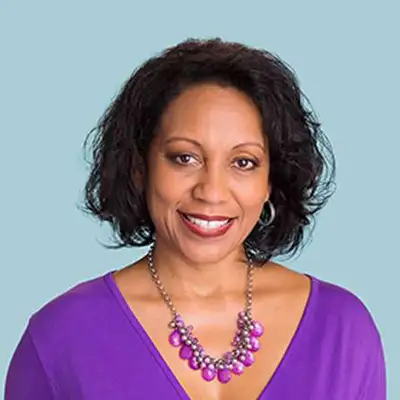
Teona Ducre screens seven to ten physicians a day, and most of them can't say whether they want to be paid on RVUs, an income guarantee, or a straight salary. She's also a ten-year survivor of stage 3 pancreatic cancer — which is exactly how she ended up in physician recruiting.
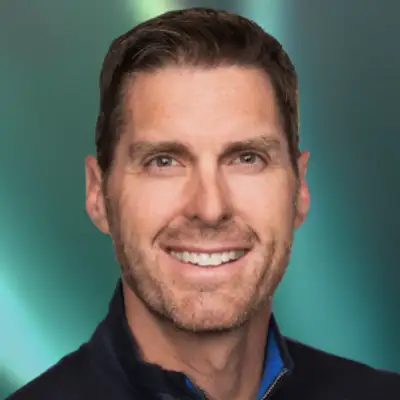
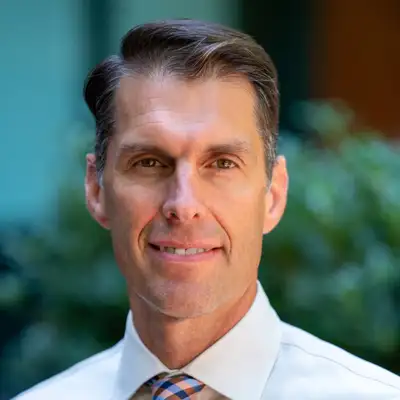
The U.S. healthcare system is at a breaking point—soaring costs, worsening outcomes, and widespread physician burnout. The Root Cause – Business of Medicine podcast, hosted by brothers Dr. Erik Lundquist and Dr. Davin Lundquist, charts a different path: one where healing, fulfillment, and business thrive together.
Each episode shares powerful stories of medical professionals who stepped away from the traditional grind to embrace integrative, functional, and alternative approaches to care. Through candid conversations with practitioners who have redefined success, listeners gain insight into navigating their own transitions, reclaiming a sense of purpose, and reshaping the way they practice medicine.
Erik: Welcome again to another episode of the Root Cause Business of Medicine podcast, where we talk all things business and medicine and where we continue to remind our listeners that the first step can be the hardest.
Erik: uh but it's the most rewarding as well.
Erik: So today's podcast um really does kind of hone into that aspect.
Erik: The this opportunity
Erik: of really understanding what you're getting yourself into when you make that step towards your own back your own practice.
Erik: And Davin, what what were you some of the things that you learned from our amazing guest, Teona Ducre, um uh who is a
Erik: physician recruiter, but also has her her nose and and her pulse in the the whole business of medicine aspect.
Davin: I think there's so many different models out there to practice medicine.
Davin: And I think
Davin: Talking or meeting with someone like Teona at some point as you're contemplating what you want to do could be so valuable.
Davin: Just so that you know what you don't know, or just so that you make sure that you have a good broad understanding of the landscape and the different types of business models and practices that you could function in.
Erik: Yeah, I totally agree.
Erik: And so if you if you are a physician or a practitioner who is trying to transition from a conventional setting into a membership uh small practice
Erik: micro practice setting.
Erik: I I think you're really going to enjoy our podcast today.
Erik: And one of the other things that I really got out of it
Erik: is thinking about your practice right from the beginning, uh when you're thinking of transitioning out, right?
Erik: Wh most of us get into the the the practice and we're saying we're just so excited to have our own space and do our own thing
Erik: that we're not really thinking about retirement or how would I prepare my practice to be acquired or to be sold and
Erik: What does that look like?
Erik: And so we talk a little bit about that in today's podcast.
Erik: So tune in.
Erik: I think you're really going to enjoy Tiona.
Erik: She has some really wise and wonderful things to share.
Erik: And we look forward to having you join us.
Erik: Welcome to the Root Cause Business of Medicine podcast, where we explore what's broken in healthcare and what we can do about it.
Erik: I'm Dr.
Erik: Erik Lundquist and I've been practicing functional medicine for the past 15 to 20 years.
Erik: I'm excited to co-host this podcast with my brother, Dr.
Davin: Davenlundquist, who's just beginning his journey into functional medicine.
Davin: We come from different points on the path, but we do share a common goal.
Davin: We want to rethink our
Davin: Of medicine is practiced and help others do the same.
Erik: The US healthcare system is in crisis, rising costs, declining outcomes
Erik: And physician burnout at an all-time high.
Erik: Do you know we found a different way?
Erik: Another way.
Erik: A better way
Davin: On this podcast, we dive into real stories from medical professionals who've stepped away from the traditional model, kind of like me, and have found a new purpose in integrative, functional, and alternative approaches to care.
Erik: These are authentic conversations with practitioners and friends who redefine success, not just for themselves
Erik: but for their patients and communities.
Davin: Whether you're a clinician feeling stuck, a student seeking direction, or just curious about what is possible,
Erik: You're in the right place.
Erik: This is the Root Cause Business of Medicine Podcast.
Erik: Hello again to the Root Cause Business and Medicine Podcast.
Erik: And today we have a special guest for you.
Erik: A little different twist on what we normally have when we
Erik: have providers on to share their experience and their um their journey to where they are currently.
Erik: Today we have a little different perspective.
Erik: We have Teona Ducre.
Erik: Did I say your last name right?
Teona: Close enough, it's Ducrae.
Erik: Ducre.
Erik: All right.
Erik: I didn't know if it was Ducre, Ducre, but all right.
Teona: We probably answered all of them.
Teona: I've heard all of them.
Erik: Excellent.
Erik: Excellent.
Erik: Well, the Teona is a uh physician recruiter for concierge and direct primary care practices and has her
Erik: pulse on the business of medicine much better than we do in some aspects.
Erik: She's also had a chance to work with uh different private equity
Erik: and venture capitalists in in terms of what they're looking for in the market of healthcare.
Erik: And we just thought that getting your perspective, Tiona, today would be really interesting for our viewers, our listeners.
Erik: uh to help them as they kind of carve out their niche.
Erik: And I I know we have some listeners who are of the mindset of, hey, I just want to practice medicine.
Erik: I don't have to deal with all of the business side of it.
Erik: I don't have to run a clinic.
Erik: I just want to see patients, but I want to make a good living out of it and I don't want to be overworked and overstressed.
Erik: So we'll kind of talk about some of those
Erik: things today.
Erik: But Tiana, why don't you give us a little background on how you got into this space?
Erik: I know when you and I have talked in the past, it started off uh as being a journalist.
Erik: Um in looking at things from a uh journalistic perspective.
Erik: How did that transition into where you are today?
Teona: Yeah, so that's a great question.
Teona: So um Davin and Erik, thank you so much for having me on today.
Teona: This is a great opportunity to talk to you guys
Teona: Um and to talk to your audience a little bit about a little bit different side of um practicing medicine.
Teona: So to answer your question, I actually kind of went around the world and back.
Teona: I started off as a journalist
Teona: um many, many, many years ago.
Teona: Um and then uh you know when I had a family I transitioned out of that.
Teona: I actually went into education
Teona: Um, and I was working in the education field for a little over a decade, about eleven, twelve years, and then the pandemic hit.
Teona: And like a lot of people, life changed very rapidly.
Teona: Um, and one of the changes that I made was actually one of the things they said, don't do, you know, don't make a lot of major changes during the pandemic, but I decided to change careers.
Teona: Um and some of that was happenstance and some of it was actually ended up being quite intentional.
Teona: Um as you and I talked about, I am a now 10-year pancreatic cancer survivor
Teona: And part of yeah, and that's thanks to the medical field.
Teona: So that's kind of part of my story um is that uh when the pandemic hit, I was already kind of burnt out on teaching.
Teona: I really wanted to do something different.
Teona: And one of the things that I had been
Teona: doing was doing a lot of advocacy and awareness and education around pancreatic cancer.
Teona: So I was out in the community doing lots of public speaking, getting exposed to lots of different organizations.
Teona: um, either researchers or um organizations that were working to better patient outcomes and I was in touch with a lot of doctors.
Teona: Um and as a result of that, one of the people I met owned a recruiting firm in Atlanta, Georgia, uh Pinnacle Health Group.
Teona: And uh he said, Hey, listen, I've seen you kind of out there, you know a lot of doctors.
Teona: I think you'd be great at this.
Teona: Do you want to make a change and come work for us?
Teona: And this was right during the pandemic, and I thought, well
Teona: Okay.
Teona: And I kind of just did it to try it out and then ended up actually falling in love with it.
Teona: I love working with the medical community.
Teona: Um, I love that our company, uh part of our mission, um, and it's actually like part of our tax, so to speak, is bringing health care to communities who need it.
Teona: Um, and that really resonated with me because again, as a cancer patient,
Teona: so much of my exposure to doctors, I found out how much doctors advocate for their patients, how the entire medical field uh
Teona: just really works based on the passion and the commitment of physicians.
Teona: So that became very important to me and I wanted to find a way to be part of it.
Teona: Um, and at that time, 40 something years old, I was not gonna go to medical school and plus I don't do great around blood and I'm terrible at science.
Teona: So this was a way that I could actually be involved in health care
Teona: um in a meaningful way to me is by recruiting physicians and really understanding the impact that physicians have on bettering patient outcomes and just in communities in general
Teona: So that's how I became a physician recruiter.
Erik: Wow, that's that's really interesting.
Erik: And I I want to just highlight a little bit because I I'm sure most of our listeners are providers and understand
Erik: the miracle that it is that you have overcome pancreatic cancer, but I mean roughly 80 to 90 percent of all pancreatic cancers are late-stage diagnoses
Erik: And the survival rate is, you know, anywhere around twenty percent of five year survival rate.
Erik: So your ten years
Erik: surviving pancreatic cancer is nothing short of miraculous.
Erik: Tell me how that's influencing and driving your
Erik: passion for what you're doing now.
Teona: Yeah.
Teona: Um absolutely.
Teona: And you know, going back to that statistic, when I was diagnosed stage three, 10 years ago, the statistic, the survival rate of five years was seven percent.
Teona: A lot of work has been done in the last decade that I'm so proud of and grateful for that even recently so much of the research has led to bettering those outcomes.
Teona: I think we're like
Teona: Finally, in double digits, we know that's nowhere near enough.
Teona: There's a lot of work to be done.
Teona: Um, but in my work as a recruiter, I think having been on the patient side, when I'm screening a doctor,
Teona: I'm really not just looking at, you know, how strong are they diagnostically or from their skill set.
Teona: I'm also looking at
Teona: For lack of a better phrase, their bedside manner, how well are they going to be able to connect with the patient?
Teona: How compassionate are they going to be?
Teona: It's great to have a doctor that has a lot of knowledge, but
Teona: From the patient side, we're also looking for a doctor that we can connect with, right?
Teona: Um so I take that into my screening and it does make me very passionate about it because again, I know how important that physician is
Teona: to the individual patient they're seeing, but just to the medical system in general.
Teona: We've gotta have great doctors out there who are skilled, compassionate, passionate about what they do in order for our healthcare system to be better.
Erik: I love that.
Davin: Yeah.
Davin: Um that's an interesting observation around like um kind of those two skill sets, right?
Davin: It's like the clinical scientific hat that we wear.
Davin: um and then that communicator relationship hat.
Davin: And um I think that's an important point.
Davin: And maybe um
Davin: uh you know it it could be a little easier to learn the science, you know, out of a textbook or, you know, through content acquisition uh and application.
Davin: But
Davin: Wha what do you think about doctors' abilities to get better at the other side of it, the relationship, the the communication side?
Teona: Yeah.
Teona: I I think that's actually a great segue kind of into some of our discussion that we had earlier around concierge medicine and direct primary care
Teona: What I hear every single day from doctors, I mean, like I'll screen anywhere from, you know, seven to ten doctors a day sometimes, right?
Teona: It's busy, busy, busy with calls from doctors that are responding to ads or just that I'm reaching out to
Teona: And it doesn't matter what specialty they're in.
Teona: This is across the board because I don't just do primary care.
Teona: It's my it's my major focus, but I also do urology, rheumatology, gastroenterology, right?
Teona: Um so I'm talking to doctors in a lot of different specialties and they all say the same thing.
Teona: I don't want to be burnt out.
Teona: That's one thing they say.
Teona: Um and I want to connect.
Teona: I want to have a relationship.
Teona: They're they're
Teona: So many physicians are very interested in those longitudinal relationships.
Teona: So even though you don't go to medical school to learn that piece of it, I I think just intuitively every doctor
Teona: When they decide they want to be a doctor, they're doing it because they want to help.
Teona: You know, that's at the heart of I think what most doctors want.
Teona: And you guys are physicians, so you know that better than anybody.
Teona: Um
Teona: But I do think that so much of the learning comes from the experience of just being around their patients.
Teona: And if you're shuttling patients in and out every 15 minutes,
Teona: So you can't meet these 20-30 patient a day, get your RVUs, you know, that kind of situation.
Teona: There's not a lot of time to build that relationship and you just have enough time to get the diagnosis in most of the time.
Teona: and then try to get them off to, at least on the primary care side, whatever specialist they need to see, um, you know, to, you know, to to solve whatever their health concern is.
Teona: So I don't know if it's as much in school that it can be taught, but I think the system in and of itself is gonna have to have a big paradigm shift for some of those things to happen.
Davin: I think um
Davin: probably there is this intuitive sense that to solve the kinds of problems like your case, for example, or others like it
Davin: You can't do that in eight minutes or you know, like, right?
Davin: And it and it kind of goes both ways, right?
Davin: Like you as the patient or or other people who who come in as patients
Davin: are trying to tell their story, right?
Davin: Like they're trying to convey information.
Davin: And then us on the other end are trying to gather all that information and then synthesize it and come up with a plan.
Davin: in such a short amount of time, it doesn't lend itself.
Davin: And maybe that's what you're you know, the why these doctors are feeling burned out and stressed because
Davin: They know this isn't the best way to practice medicine, right?
Davin: Like th there's a better way to kind of just intuitively, if you're trying to solve these kinds of complex problems for somebody that are so impactful
Davin: It it should take a little more time, maybe.
Teona: Right.
Teona: Absolutely.
Teona: Um you know, traditional care will always be there.
Teona: I mean, just you know, the number of patients that have to be seen, it's it's never going to be completely phased out.
Teona: Um but interestingly enough
Teona: Um, I think it was Harvard.
Teona: They had posted some uh research from some doctors that kind of got together and said, Okay, we want to know more about this concierge direct primary care market.
Teona: And I think it was between 2018 and 2023
Teona: um the direct primary care in concierge practices grew by like over eighty percent in that short period of time.
Teona: More importantly
Teona: the the model increased the number of physicians going into it by almost eighty percent.
Teona: I think it was like seventy eight percent.
Teona: So that's telling us that this
Teona: Transition is coming, and I think it's coming from the physician side and the patient demand side.
Teona: Patients are saying we're willing to pay for the access to have
Teona: better care to have a sixty, ninety-minute appointment versus eight to fifteen minutes.
Teona: Uh and that's changing the market a lot.
Teona: So I'm seeing that.
Teona: So the business or the economic side of this, the implications are
Teona: pretty huge when we talk about those kinds of numbers.
Teona: This isn't a niche market anymore.
Teona: Before it was concierge medicine was just people who could afford it, right?
Teona: I think direct primary care came in and kind of was the bridge for your everyday patient that, you know, can't afford a thousand dollars.
Teona: you know, $10,000 a month just to pay for primary care services.
Teona: Now they can get those 60-90 minute uh appointments
Teona: by seeking out direct primary care, either through their company, if their company offers it, or if they're just, you know, going in on the side of I I'm I'm looking for something different.
Teona: And a lot of that's dictating the landscape of our market for physicians.
Teona: Especially in how they're gonna choose employment.
Erik: Yes, you mentioned something I think that's interesting and that is companies
Erik: Right.
Erik: So y it as you said before, it used to be concierge, doctors, okay, they had been in practice for a while.
Erik: They wanted to scale back.
Erik: I'll just I'll just take a membership fee or a concierge fee and like I'll just treat a small number of patients and that way I can kinda ease into retirement without completely having to get out, but I'm kinda burned out of the other.
Erik: Now what we're seeing is it's not just patients and doctors, but actually companies are saying, look
Erik: We don't uh insurance is not moving in the right direction.
Erik: This is this is raising the costs of doing business
Erik: And now they're starting to invest into their employees doing direct primary care.
Erik: Wha how much of that are you seeing and why do you think that is?
Teona: Yeah, I I'm seeing a lot of that right now.
Teona: Um, I I think employers are catching on to the fact that the healthier our employees are, our bottom line actually gets better as a company.
Teona: That doesn't matter if it's, you know, Delta Airlines, Home Depot, Taco Bell.
Teona: Toyota, car dealership, employers are starting to see the benefit in having um better access to health care for their employees.
Teona: So I think that is driving a lot of the direction of direct primary care.
Teona: It's a benefit for the employer and for the employee.
Teona: It's very cost effective, right?
Teona: Um and then I think where we're really seeing this at, you know, there's there's markets, you know, I I work in Texas, uh Wisconsin, Kansas, you know, um, the Chicago area, um, California even
Teona: We are seeing these direct primary care companies pop up all over the place.
Teona: Now some of that is from the standpoint of is as you kind of mentioned that you know we have venture capitalists, you know, um
Teona: We have these large corporations, you know, kind of behind the scenes that are funding these.
Teona: Um private equity groups are huge right now.
Teona: Um lots of our practices are being purchased by private equity.
Teona: I I don't have a statistic on that necessarily, but I am seeing it become more common.
Teona: There's some really big ones out there.
Teona: Um I think a lot of people probably know the names of them, but as doctors are kind of shopping around for their next
Teona: career opportunity or they're getting out of residency or fellowship.
Teona: These things are coming into play because they're more common now than they have been in the past.
Teona: So it's definitely making an impact.
Davin: Do you think that um there will come a time when you know we won't have to call it concierge medicine, we'll just call it medicine and then because it just really is the way that we're supposed to practice.
Teona: Yeah, that's a great question.
Teona: I I I think I
Teona: Personally, I hope for that for a lot of different reasons.
Teona: I don't know that we'll get there because again, I think that um while the landscape of medicine is absolutely changing in a lot of different areas
Teona: We've talked mostly about primary care, but you know, we even see it, you know, I see it in cancer care even.
Teona: Um there's lots of different opportunities out there and lots of different models, but
Teona: Again, just because of the volume, the number of patients that have to be seen, that we still have a large number of patients that don't have access to health insurance.
Teona: And
Teona: You know, they're going in, you know, um, FQHCs, right?
Teona: Um, federally qualified health centers to get their health care.
Teona: So with that in mind
Teona: I think as much as doctors would love to all have the opportunity to practice medicine the way it was meant to be, or the way that they envisioned they'd practice it when they
Teona: wrote their essays to get into medical school.
Teona: I don't know that we're we're there yet.
Teona: And that's actually a question that I I ask when I'm screening somebody.
Teona: I say, okay, so why did you go into medicine?
Teona: Tell me, tell me if you remember, what did you write in your essay?
Teona: to get into medical school.
Teona: And sometimes and and I asked Erik this question, you know, over lunch.
Teona: And he says, gosh, I have to think about it.
Teona: It was a long time ago, right?
Teona: Um
Teona: When we get doctors thinking that way, I I do think that goes back to one of your original questions.
Teona: You said, you know, how do they learn this patient relationship side?
Teona: I think if we can kind of get them thinking about that, again, they may intuitively start thinking, oh, this is why I do this.
Teona: I get everybody has to make a living, right?
Teona: It is expensive to go to medical school.
Teona: You need to get pain.
Teona: you know, well from what you're doing.
Teona: You're highly qualified.
Teona: You're skilled.
Teona: All these different things.
Teona: There's student loans on the back end, but also marrying that with
Teona: quality care and patient care is something that I'm seeing come more to the forefront, even over compensation when a doctor's choosing a job.
Erik: So if a a physician
Erik: wants to get into direct primary care or into concierge medicine or membership medicine
Erik: and they don't have much of a business sense.
Erik: What what's your recommendation in terms of how to go about doing that?
Erik: Is it best to kind of reach out to a r a physician recruiter like yourself or is it
Erik: Should they like just start researching these different companies?
Erik: And and I guess the other caveat to this is, you know, there
Erik: Are you seeing uh some specialty direct care clinics, right?
Erik: So instead of it being direct primary care, it's direct OBGYN care or direct
Erik: cardiology care or you know where it's not a concierge high dollar amount but it's a more affordable uh accessibility um
Erik: uh membership clinic that allows patients to have better access, but they're they're paying they're willing to pay a little extra for that
Teona: Um, that's a great question.
Teona: Um so to answer your question, I do see it for some specialties.
Teona: They're on the rise.
Teona: Um I I do have a
Teona: uh concierge um management company that i represent and work with and they look at cardiologists uh pediatrics
Teona: Um I was actually working with the cardiologist in the Chicago area.
Teona: Or excuse me, not a cardiologist.
Teona: Um an endocrinologist in the Chicago area.
Teona: It was kind of just happenstance.
Teona: He was an endocrinologist, flipped his
Teona: traditional endocrinology practice to a concierge model charging a membership fee and brought something like, you know, 70 some odd percent of his original patient panel with him.
Teona: So he was primarily seeing
Teona: um, you know, uh type one diabetes uh in his endocrinology patients, and then he kind of like filled that, you know, the rest of the percentage with just plain primary care, right?
Teona: So that was not necessarily the norm, but it worked.
Teona: He was incredibly successful doing that, and there was very high demand.
Teona: So I see it for endocrinology, uh, cardiology, and then again, pediatrics um on the direct primary care side.
Teona: So I am seeing that be more of a model
Teona: As far as physicians that are currently in training, they're in residency, medical school, or even in fellowship.
Teona: I always say work with the recruiter.
Teona: I think it makes the process easier.
Teona: Um, and you guys know this
Teona: You're trying to learn how to be a doctor, right?
Teona: Um that is your full-time job every day, all day.
Teona: Having to look for a job
Teona: is a full-time job sometimes, right?
Teona: So a recruiter, regardless of, you know, use a reputable recruiter, you know, you can use an in-house recruiter if you're
Teona: you know, s you know, specifically interested in going to work, you know what I mean, for some of the big healthcare systems, they all have in-house recruiters, but agency or firm recruiters are very helpful too because what we have access to
Teona: is not just any one hospital that we're working with.
Teona: We have vast opportunities.
Teona: I work here in the States and I actually have an international client as well.
Teona: Um so when a physician reaches out to me or calls me, I, you know, start the process just by, you know, what are your goals?
Teona: What are you looking for?
Teona: Where do you want to be?
Teona: And then I do the legwork for them and I send them
Teona: you know, opportunities that align with what they've said.
Teona: The process can be long.
Teona: I usually tell people that are still in training, you probably want to start about a year ahead.
Teona: In particular for candidates that are going to need some kind of visa support, right?
Teona: You want to start that process as soon as possible.
Teona: So I think it is helpful.
Teona: Um the other thing I'll say on that note is a lot of times, especially when I'm talking to physicians who are still in training.
Teona: I I get the sense that one of the things that's not talked about in medical school is how you're gonna get paid or compensated.
Teona: And most of my physicians, when I ask them, well, you know, what do you want to make?
Teona: They they're like, uh as much money as possible, right?
Teona: I get it.
Teona: Um but I ask them, you know, do you want to be RVU based?
Teona: Do you want to have an income guarantee?
Teona: You know, do you want just a straight salary?
Teona: And they all stop and they go, I have no idea what you're talking about.
Teona: Like just I just want to get paid, right?
Teona: And I'm like, okay, I get that.
Teona: So there's some education a good recruiter can help a physician in as they're trying to find that right job.
Teona: They can help with not just the process, but kind of educating them along the way like
Teona: tell me what's important to you.
Teona: How do you see your lifestyle?
Teona: Do you have a family?
Teona: You know?
Teona: How how are you gonna feel about, you know, working these longer hours to get this higher compensation, but you have tons of calls, right?
Teona: So all of those things are ways that recruiters help.
Teona: And I think that's we're an important part of the process, not just from the physician side, but from the clinic or practice side as well
Davin: I think that's great.
Davin: You know, um I had the opportunity to serve in a few different roles, you know, in a health system as a CMIO and as a CMO.
Davin: And yeah, I think like all of those, you know, RVU models, salary base with incentive, you know, f um
Davin: capitated, you know, plans.
Davin: Um and you know, all of these things are are are very it's like foreign language, you know, when you're first kind of getting exposed to it and kind of understanding it.
Davin: You know, Medicare shared savings and um
Davin: And so, yeah, I think um for physicians to say, you know, like if you have an interest in like that, great, but if not, um
Davin: You know, like having someone like you to sort of translate in a way, right, how these different models will impact
Davin: Kind of the way that they are incentivized, the way that they practice, the way that they might, you know, have to structure their schedule
Davin: uh etc.
Davin: So um I like what you're saying in terms of you know having that that guidance for people that really really don't know and I think there's probably
Davin: you know, a health system or a clinic or a group that does a little, you know, i in all those different models, right?
Teona: Absolutely.
Teona: And, you know, the other part of that is um
Teona: You know, now what's kind of getting back to the concierge medicine and the direct primary care, that's a whole different model in terms of payment
Teona: Um, you know, most doctors who have been around for any period of time, they are very tired of dealing with insurance.
Teona: They're tired of dealing with the referrals from insurance, billing, collections, all of that.
Teona: zaps energy creates more burnout.
Teona: So for a doctor that's um, you know, maybe later in their career
Teona: or is thinking how do I want to do this in the next chapter of my of my life?
Teona: You know, how do I how do I want to practice medicine?
Teona: Um I'm finding that there's less um there's there's less
Teona: interest in owning a practice, but now there's practices out there that uh are private practice that have survived these big kind of, you know, corporate takeovers and ever
Teona: E in even, you know, um they've survived, you know, kind of going through the mom and pop phase and now they've grown and they're doing really well.
Teona: They're now in a place where they can sell their practice and a new physician can come in and acquire it.
Teona: But when I'm talking to doctors that are earlier in career, they're going, Oh, no, why would I want to do that?
Teona: No, that's a headache, right?
Teona: But there are ways to mitigate
Teona: you know, through management companies and things like that, how to grow your practice and and and how to make practice that's
Teona: th what you want, to practice the way you want, but also make it a lucrative practice or, you know, at least stable enough practice that you're not starving, post residency and fellowship, all those things.
Teona: So those are ways that recruiters can help by
Teona: you know, talking to physicians about these are other ways that you can practice medicine.
Teona: If I know what it is that you want to do, I can really kind of guide you along that that path.
Teona: Whether you're a new physician, an established physician, or somebody that's ready to transition out of their career into retirement.
Davin: Yeah, I think um along those lines
Davin: You know, for people, uh, you talked about kind of like different stages in people's careers may impact, you know, kind of the type of model that they might want to practice in.
Davin: I could see somebody maybe
Davin: Coming out of residency where it might make sense to practice inside of some, you know, something that's already set up and structured and they don't have to figure out how to run a practice.
Davin: And, you know, maybe later on when you have a following or you kind of have a a way of practicing, you know, would be a better time to maybe transition to
Davin: your own model if that was something that you you know aspire to do or or what do you think?
Davin: Like is it is it possible for somebody to just start from scratch with their own practice and
Davin: you know, maybe a micro practice or what what are you seeing out there?
Teona: So rule of thumb is typically if you're gonna start your own practice, like if you're gonna convert it.
Teona: to a concierge or even direct primary care, but more so concierge.
Teona: Rule of thumb is you want to have a patient panel of anywhere of eighteen hundred to two thousand if you're practicing in a
Teona: you know, outpatient setting.
Teona: Um, even inpatient sometimes you can you can make that transition.
Teona: You can say, hey, I'm gonna open my own practice, it's down the street from here, whatever.
Teona: But
Teona: I have seen people do it with less.
Teona: It's hard.
Teona: I think what really dictates that is the the grit
Teona: of that physician to withstand the the all the things that come in, say that first five years that you're trying to build your practice, right?
Teona: Are you financially able to do that?
Teona: Do you just have the mindset and the
Teona: the overall stomach to handle, you know, all of those things that come from, oh my gosh, I, you know, got bills and and things that are due and I've got a family now.
Teona: That's what makes it hard.
Teona: But if it's a doctor that says, Okay, I really, really want this and I'm able to withstand all of those things, I
Teona: I think they can successfully get there even if they don't have a patient panel.
Teona: I wouldn't recommend doing on your own.
Teona: I would definitely say, you know.
Teona: There's there's a number of management companies out there that can help with marketing and stuff like that.
Teona: You know, you're gonna pay a fee for it.
Teona: Um it's probably money well spent.
Teona: That's probably what I would advise.
Erik: So I'm curious, Davin, you you I'm I'm curious how many of your patients uh when you left dignity kind of followed you?
Erik: You you were still kind of figuring out.
Erik: There's kind of a gap between almost a year.
Erik: uh where you were trying to actually land and you know in a clinic to where you had created and got moving.
Erik: How m one, how many of your patients followed you to where you're at?
Erik: And two, um
Erik: W what are you f what are you seeing in terms of growing your practice kind of from scratch?
Davin: Yeah, I think um so I I I don't know what my actual panel size was.
Davin: I know at one point
Davin: Um when we, you know, would look in the in the registration system, practice management system, there were as many as three thousand people assigned to me, you know, I think there's
Davin: Sometimes those aren't up to date, right?
Davin: You know, people have moved out of the area or s you know, you you you don't necessarily always have great uh attribution, you know, data from a primary care standpoint.
Davin: Um but um
Davin: The issue for me was, you know, when I left, um, I didn't um like stand up an a an office, right?
Davin: So um, you know, I was I was working part-time as a chief medical officer for a tech company
Davin: And so I was I was kind of part-time doing that.
Davin: And so that first year was almost more of a sabbatical and more of an exploratory uh to your point, right?
Davin: I had the means and the resources to kind of take my time.
Davin: I didn't need
Davin: to hit the ground, you know, running uh like maybe some people would in in different situations.
Davin: So that was kind of a blessing that I had to I had some time to kind of figure out and and I wasn't even sure, you know, what I wanted to do or what model.
Davin: I definitely wanted to
Davin: uh get some runway behind me in terms of more the functional medicine integrative way of practicing.
Davin: So that was a big change for me as well.
Davin: Um but even despite all that, right, without really doing any marketing
Davin: you know, literally just word of mouth, not even having an office, just working like from home, doing like virtual plus home visits.
Davin: Um, you know, I had a a
Davin: a s a small percentage of those patients that, you know, followed me.
Davin: Um and um and then once I was, you know, kind of more established in an office setting
Davin: then it's amazing how big of a difference that made, you know, like trying to go kind of virtual uh was was my goal, but it it I realized it that probably wasn't gonna work.
Davin: um for for me and what I wanted to do.
Davin: And so like getting an office, having a place where people can come, even though ironically a lot of people still like to take advantage of virtual visits and and asynchronous care
Davin: Um, I think having that office that people can sort of orient to wa was a big um factor in kind of having my practice take off.
Davin: Um and so then in, you know, in the second year the growth was, you know
Davin: you know, a lot more than than that that initial initial uh year.
Davin: So um but I again I didn't want to pay you know I had talked to companies maybe like yours
Davin: Um and they wanted a pretty big percentage of my revenue or something, right, to to sort of make that transition happen for me.
Davin: They would have like
Davin: Found a way to like contact my prior patients and encourage them.
Davin: You know, like there was a whole transition process and
Davin: Um in hindsight, you know, maybe it would have been worth it.
Davin: I I don't know.
Davin: But um I I think for people that really wanna
Davin: um you know, transition and and really have as full a practice as possible as soon as possible, I do think that would work better than trying to just figure it out on your own.
Teona: Yeah, I I I I completely understand that.
Teona: And the fees are large.
Teona: You know it I think it just depends on you know
Teona: You're doing well now.
Teona: So kind of at this point it, you know what I mean, it worked out.
Teona: There's a lot of different ways to get there.
Teona: And I think that's probably what I would say is there are a number of ways to get there.
Teona: It can work if you have a patient panel, it can work if you don't, it can work with the management company, it can work without one.
Teona: There's a lot of different opportunities to grow a practice.
Teona: I think it really comes back to the commitment level of the physician, how much they want to put towards it.
Teona: And I think now because so many things are changing, I mean you guys do functional medicine, and that's kind of
Teona: Like it's a it's a it's a relatively new advent in the sense of what people think about when they think in terms of primary care.
Teona: So that's a whole new market that's opened up.
Teona: And it's different than some things that we've seen in the past.
Teona: But it took guys like you, it took physicians like you to say, hey, this is something we're passionate about.
Teona: This is what we want to bring to the community, and we're going to find a way to make it work.
Teona: And again, it's been successful.
Teona: So
Teona: You know, there's there's lots of ways to get there.
Teona: There's not just one path.
Erik: Yeah.
Erik: And I and I want to get back to what you're seeing in terms of integrative and functional medicine.
Erik: But before we get there
Erik: I I want to follow up on a on s something that you said and that Dav was kind of asking about, and that is what what should a physician
Erik: ask or look for in a management company?
Erik: What is reasonable in terms of percentage of, you know
Erik: overhead or revenue that's generated that that's reasonable.
Erik: Um I I I mean I've heard
Erik: from some different practitioners who actually went through a few different companies to help them get started.
Erik: And they had some really bad experiences with with some of those companies.
Erik: So what what advice would you give?
Erik: What questions should a practitioner ask when evaluating
Erik: one of these management they don't have a lot of business sense, right?
Erik: They like you say, I I just want to I just want to make some good money, right?
Erik: I just want to be able to pay off my loans, to to have have a good living and to care for my patients.
Erik: So
Erik: What would you what would you advise them?
Teona: I I think the first thing is you want to know the company that you're dealing with.
Teona: What's their success rate?
Teona: If they're charging you
Teona: 15, 20%.
Teona: I see most of them are somewhere around 10 to 12.
Teona: I've seen a few that are less than that.
Teona: Um they they are charging per membership.
Teona: So if your membership is a thousand dollars a month and they
Teona: taking whatever percentage of that, 10, 15, 20 percent, right?
Teona: What are you getting in exchange for that?
Teona: And what's their what's their what's their history?
Teona: What's their track record?
Teona: You know
Teona: Sh you can ask them, how did you how long did it take you to grow a patient panel for for these positions that you have, right?
Teona: They should be able to forecast that or show you their forecast that they did.
Teona: Um, I would definitely be asking them for a specific marketing plan, especially if you're a new doctor without a patient pet.
Teona: Now I will say
Teona: A vast majority of these companies require a certain number of patient panel before they'll even engage with you because they want it to be successful.
Teona: You know what I mean?
Teona: They're putting money into this too, right?
Teona: So I would I would definitely inquire with them in terms of what is your marketing plan.
Teona: I would get some analytics on the market itself.
Teona: What's the success rate?
Teona: How many other
Teona: Concierge or direct medicine uh practices are in the area that you're competing with.
Teona: Do they have other practitioners in the area or do are you your own territory?
Teona: So if you're
Teona: you know, based by a Chicago land area or whatever the case is, who is your competition and how is that going to impact you and your ability to grow your practice?
Teona: So I would start there.
Teona: Um aside from that,
Teona: Uh you have to be able to get along with them.
Teona: I mean, like they all have some kind of liaison or somebody that you know what I mean that you're working with.
Teona: Um, and I think you have to make sure that your goals align with how they do this
Teona: And if that's not happening, they may not even if their numbers are great, they may not be the right company for you to work with.
Teona: I will say some of the the the one company that I work with, um, they have an outstanding reputation in the community.
Teona: Um, and I think doctors like working with them because they have a fair fee and they have a great track.
Teona: So I I do think that that speaks volumes.
Teona: And you can tell, just go online.
Teona: I I would tell doctors, go online.
Teona: They're not hard to research, right?
Teona: There's all the big names out there.
Teona: Um, but if you go online or talk to your colleagues, find out has anybody worked with them before, most of them get their
Teona: their business through referrals.
Teona: So if somebody you know, one of your colleagues is referring you, more than likely they've had a good experience or they wouldn't refer you, right?
Erik: Yeah, and maybe I I mean we're not trying to promote any particular company here, but I for for
Erik: the usefulness of actually having some specifics.
Erik: Um you um I had mentioned you do some work with special docs, which is a membership
Erik: And I and I've I've met with them and I agree with you, I think that they are a high quality company.
Erik: But again, we're not trying to promote any company, but
Erik: Why don't you just give us some specifics in terms of what they if I if I was coming and and saying, all right, now I want to um go ahead and and start a membership
Erik: uh program and I'm I'm looking to them to help me get started.
Erik: Um what would be some of the specifics that they would be kind of offering me in terms of getting started?
Teona: Absolutely.
Teona: So I think that the way and and and because I work with them, I I I kind of know their program how it's set up, they are one that I will say they kind of have a checklist.
Teona: They say, okay, if you're coming to us, you need to have X number of patients
Teona: Um, we're gonna mark it for you.
Teona: We are going to help you transition out of whatever model you're in, say if you're in a traditional care setting, to transition that to concierge.
Teona: They do have a direct primary care site as well through Cyrix Health.
Teona: Um so both of those are um uh owned and operated under the same umbrella.
Teona: Um I think what you can expect from them is they do all of the back office stuff
Teona: So um for all of their concierge practices that they have throughout the United States, they are managing um subscriptions, renewals, billing.
Teona: um if they have a physician that is accepting insurance, which in many cases some concierge practices are accepting their patients' insurance, in particular for like medic
Teona: uh Medicare patients, right?
Teona: They are absolutely billing for Medicare a lot of times.
Teona: So they're managing all the buildings.
Teona: So the focus of the physician
Teona: And when I recruit for them, I say, I always tell the physician, your focus is going to be patient care.
Teona: That's what they want you focused on.
Teona: Every single aspect outside of that, about how your practice operates
Teona: They are going to manage that and make it really easy for you to focus on patient care.
Teona: Even though you're the practice owner, if you're not thinking about how am I going to market my business, how am I going to grow my practice?
Teona: How am I going to deal with
Teona: Patient renewals and things like that.
Teona: What about attrition?
Teona: All of those things are being handled by Special Boss
Teona: Um their fees do range.
Teona: Um they they vary.
Teona: Um and that's a you know pretty quick call or you know what I mean?
Teona: You can look even online and get a consult with them if that's the case.
Teona: But ultimately, I think that you're getting the management piece from it, which is what a good management company is going to do.
Teona: They're gonna run your office so that you can run your patient care.
Erik: Yeah, and I think that's important because again, a lot of a lot of us, we we come out of medical school.
Erik: We don't have any business um acumen.
Erik: We may have some entrepreneurial
Erik: uh aspirations, but that doesn't always translate into the operations of a medical practice.
Erik: And then you having somebody who can help you out with that, either
Erik: finding a really good office manager or finding a management company that can support you uh can be really good.
Erik: And and and I've looked at some of these different models and some of them are, you know, you sign on for five years.
Erik: And they take a direct uh percentage and it it stays, it's flat, and you it's the same amount as your practice grows.
Erik: Um and then there's there's others, and I think this is how special docs um operates, if I remember correctly, that the percentage shrinks over time.
Erik: as you, you know, because a lot of the work is at the front of the practice.
Erik: Once once you kind of get to your cap of the numbers of uh patients you want
Erik: Um the work that they have to do is a lot less.
Erik: And so they they then transition to not taking as high a percentage, which is also a
Erik: um I think an something that practitioners should look at because you you want to be able to have the ability to
Erik: Manage your practice and and and be able to generate the revenue, but also get a uh a larger percentage of that revenue when you're doing most of the work
Erik: Initially on, it's the work sh load is is is equal and um because there's a lot of work in getting a practice up and going.
Erik: Um any other thoughts about that, Tiona?
Teona: Yeah, I I think that as practices are growing, some of that pressure does come off on both sides, right?
Teona: So whatever management company you're using, so in this case we're talking about special docs.
Teona: So yeah, that
Teona: that fee is definitely going to be structured towards how much work they're doing and not just the work.
Teona: He figured they're putting in resources, either staff.
Teona: or actual, you know what I mean, money and stuff like that to help you grow your practice.
Teona: So I understand that
Teona: that piece of it is really about, you know, how much are you getting for what they're giving you, right?
Teona: Right.
Teona: And of course you want to be able to maintain more of that over time.
Teona: That's how you grow your business.
Teona: That's how it becomes more lucrative for you
Teona: And then also after a while it's your reputation that starts building the practice more so than any amount of advertising.
Teona: You're getting referrals
Teona: Word of mouth, all of those things are happening inside of this marketing piece that's not as much, you know, advertising your business out there in more traditional platforms.
Teona: Um, I will say one of the things though that I I do see, and this isn't necessarily a a special box docs thing, but it's something that I've learned over time.
Teona: Just
Teona: As I'm seeing physicians that go into concierge medicine, one of the pieces that is missing from that entrepreneurial side is
Teona: Two things.
Teona: How am I either going to grow and expand this?
Teona: Do I need to add a partner to this to have more of a patient panel?
Teona: And then the succession planning.
Teona: How am I going to exit out of this when it's time for me to stop practicing medicine
Teona: Um and I and it sounds crazy but like you actually need to think about that on the front end.
Teona: That needs to be part of your plan when you decide that you're going to do this because if you're three years out of
Teona: retirement and now you're going, I'm ready to leave.
Teona: Do you really want to take your, you know, six hundred patient panel that you've worked so hard for over the last twenty five, thirty years to build and just
Teona: Throw it away or you know, what do you do?
Teona: Right?
Teona: Um, so those are some of the pieces where I see a little bit of a gap to
Teona: Um and I see this past the boar.
Teona: I see it when Dr.
Teona: Zoop saying, gosh, I'm a solo practice.
Teona: I work all the time
Teona: You know, my wife wants to go on a three-week vacation to Europe, we have the money to do it, but guess what?
Teona: I cannot close the office, right?
Teona: I still have to be here
Teona: And I and I would love a partner.
Teona: Well, you can't start thinking about that six months before you and your wife want to take this trip, right?
Teona: We need to be thinking about that before you get to that point.
Teona: And the same thing with retirement.
Teona: So I I think that from that standpoint, a management company can help you
Teona: make some of those determinations and map it out over the course of your career so you're not then trying to find somebody, be it a recruiter or a management company to help you in the
Teona: you know, eleventh hour right before you need to make this big transition, whichever it is.
Davin: You know, I um um one of my mentors
Davin: that I like, Peter Sage had a business course and he he said something that really stuck with me, which was um every small business owner should be positioning their business to be sold.
Davin: And he said, the way that you think about it, if you love what you're doing and you can't imagine yourself ever selling and I think physicians fall into this a lot, right?
Davin: Because we think, well, we're just gonna practice forever.
Davin: We love what we do.
Davin: And so we don't really think about why would I ever want to sell my practice, right?
Davin: Um, but if you think of it like this, is would you buy your own practice today?
Davin: Right?
Davin: And and I think that frame is the kind of expertise that what you're talking about could
Davin: you know, help somebody, right?
Davin: Is is if you structure your practice in a way that like it you're teeing it up to be sold and and you create incredible value
Davin: But you want to keep working, great.
Davin: Then you've just bought yourself a a very successful model, right?
Davin: So anyway, what I'm curious what you think about that.
Teona: I love that concept because um what I think we all know, regardless of which side the recruiter side or you're the actual physician, there's uh uh emotional attachment to your practice.
Teona: Um, I've heard doctors say, this is like my baby, you know what I mean?
Teona: Like I raised it and I'm so proud of it and all these things.
Teona: And it's like, yes, I understand that, but you also want
Teona: You also have to be a little bit objective about it.
Teona: Especially when you're thinking about who to sell it to.
Teona: And this is something that I see a lot of.
Teona: When it's time to sell
Teona: there becomes a lot of thought around, okay, is this position gonna carry on my legacy?
Teona: Are they gonna represent what I built and all these things?
Teona: And that can be a hard space because the person coming in isn't gonna do things exactly the way you did it.
Teona: Right?
Teona: They're gonna do it differently.
Teona: They may even do it better than you.
Teona: All goes well.
Teona: Right.
Teona: They're gonna grow it beyond you, or maybe they're gonna offer a different service than you, service line than you offered.
Teona: But
Teona: I think the physician really has to understand that piece of you're not gonna do this fore, right?
Teona: And you do want this
Teona: to I I kind of think of it like energy.
Teona: You know what I mean?
Teona: You've built this wonderful thing.
Teona: Now let's pass the baton so it can keep doing what it was meant to do, which is serve the patient population.
Teona: That's the ultimate thing that you're doing, right?
Teona: And that can be hard for a for a physician to see it that way.
Teona: And I absolutely think that
Teona: At that point, bringing somebody an objective professional, a management company, a recruitment team, there's co there's consultants out there, right, that that work just like any other consultant that can say, this is how you sell this.
Teona: You know, this is how you move on to the next phase of your life.
Teona: And part of that is a financial thing, right?
Teona: You have to have the finances to move on to retirement.
Teona: Um, so a lot of that is gonna come from selling through a practice and you want to do that well.
Teona: You know, you want that to all of your hard work that you put in.
Teona: you want to bear the fruit of that on the other side when it's time to move on to the next chapter of your life that isn't medicine full time
Erik: In fact, let's talk a little bit about that, because you and I had a little bit of a discussion in terms of what then uh physicians think their practice is actually worth.
Erik: Um what what actually are you selling?
Erik: You know, when you when you when you're trying to get your practice ready for acquisition or to be sold.
Erik: What what is it exactly that you're selling?
Erik: What what determines the value of a practice?
Teona: So that is a great point.
Teona: And I'm glad we're talking about this because I I think there's a lot of misconception around this
Teona: Really what you're selling is your patient panel.
Teona: So the the the patient panel is what somebody acquiring the practice is getting because they basically want a ready-made practice.
Teona: They don't want to do all the work to build practice and get a patient panel.
Teona: Now of course there's some attrition.
Teona: Um I think sometimes it can be anywhere from seven to ten percent is kind of like average what we see when a doctor leaves.
Teona: The the the people are going there for the physician, but the idea is that, okay, if you sold this to somebody, they're gonna kind of align with your philosophies, your value, the way that you practice medicine.
Teona: I'm still going to the same practice
Teona: So we expect some attrition, but we actually expect a large number of the patient population to stay.
Teona: So when they come in and do evaluation for you, an independent uh person will come in and do these valuations.
Teona: They have companies that do them, they're really looking at
Teona: What's the what's the subscription rate that you have, right?
Teona: Times how many patients.
Teona: Um, and then uh they kind of factor in the attrition there, and then they say, okay, this is what the patient panel is worth
Teona: So really what you're charging for your subscriptions actually combined with the patient panel is what's gonna determine how much it's worth.
Teona: Now there's also, do you own the space, right?
Teona: If you actually own the real estate, then that becomes a whole different ballgame because that does get factored into there.
Teona: People think things like, oh, my furniture, my
Teona: Equipment.
Teona: No, that's not part of it really.
Teona: It's a small piece of it.
Teona: Very small piece of it.
Teona: Now I will say in plastic surgery, I did see a little bit different situation when I was working with the plastic surgeon.
Teona: um where uh he had some pretty advanced equipment.
Teona: But the only thing was is that, you know, they kinda came in and they said, Well your equipment was bought a few years ago and there's new equipment now, so that's really not worth anything either.
Teona: But it it you know, it played a role in there.
Teona: Ultimately, it comes down to your patient panel, and I can't express that enough.
Teona: So the more you build a patient panel, the higher, you know, your your uh subscription fees are
Teona: um all of those things are going to give you uh a better acquisition price.
Erik: Yeah, and I think that's a that's important um for
Erik: practice owners to understand and physicians who are wanting to create a new practice is that it really is the the bulk of the value of your clinic
Erik: is what generates the revenue and that is your patience.
Erik: Um and and then, you know, looking at it from a profit standpoint, right, there's a term called IBITA
Erik: Which stands for earnings before interest, taxes, depreciation, and amateurization.
Erik: And so typically a a business, you know, will be sold for two to three times that.
Erik: So if
Erik: If my practice has an EBIT say, let's just make it easy, a million dollars at the end of the year, then my practice worth
Erik: would be somewhere around two to three million dollars in terms of what I could sell.
Erik: And the reason, you know, it it
Erik: people are willing to pay that much for it is because they know they'll make that much profit.
Erik: And if they can improve upon that, that they know that they'll get that money back that they just spent on the clinic.
Erik: And the next
Erik: Two to three years is typically kind of how they're looking at it.
Erik: Um so I think that's really important to kind of understand.
Erik: I appreciate you kind of sharing some of that insight.
Erik: Um, Davin, did you have any other questions to follow up on that?
Erik: If not, I have another topic to go over.
Erik: No, I think that was that was important for people to think about.
Erik: I like that.
Erik: Yeah, so I want to kind of shift gears now, kind of in our last little segment here, um since you know our primary purpose in putting together the podcast was really geared towards the the the fellows who are
Erik: in the University of California Irvine Integrative and Functional Medicine Fellowship, right?
Erik: And they're kind of coming through this.
Erik: What are you seeing in terms of job opportunities?
Erik: uh in in regards to integrative and functional medicine.
Erik: W what are you hearing from private equity and investment opportunities?
Erik: Give us kind of the the pulse from your perspective
Erik: on what's happening in the integrative and functional medicine world.
Teona: Yeah.
Teona: So I think as I kind of talked about a little bit earlier, this
Teona: While I get it's not new, you know, this is medicine that's been around much longer than all the other types of medicine, right?
Teona: But it's newer in the sense that there's new interest in it.
Teona: So I think from the
Teona: Private equity standpoint.
Teona: So what I know about private equity is that they are always looking for opportunities.
Teona: Really, that is just about money.
Teona: Um and
Teona: I hear a lot of doctors that say, I don't want to sell to private equity.
Teona: I don't want to deal with private equity.
Teona: I do get a lot of doctors that leave.
Teona: uh practices that have been purchased by private equity because they don't like kind of the corporate, you're not doctors, you're just people trying to make money side of it.
Teona: So I hear that a lot.
Teona: Um there's a number of recruits that I get who are
Teona: fleeing a private equity-owned practice and either they wanna, you know, they said, okay, I'll try hospital employed again.
Teona: And I am starting to see more that are saying, okay, what if I wanted to do my own thing?
Teona: So that's kind of the private equity side.
Teona: They are absolutely interested in it because I think they're seeing, especially based on geography.
Teona: So the location of these practices do better in some parts of the country than in others, right?
Teona: um west coast this northwest seaboard, absolutely see much more of it there, um which is very appealing for a private equity group.
Teona: Now from the side of
Teona: whether or not fellows are going into it or who's going into it, I do see many, many more fellows in residents that have an interest in functionalness.
Teona: Um they are, you know, seeking uh board certification and they're really looking at the market saying, this is not for me necessarily about how much money I'm gonna make.
Teona: This is more about my
Teona: personal philosophy in medicine.
Teona: And I think Erik, you and I, we talked about that.
Teona: That was certainly your case.
Teona: Um but I see less and less opportunities
Teona: um from a standpoint of people that are actually recruiting for this.
Teona: I see more people that are having to go into private practice if this is the direction that they want to take.
Teona: And then finding the funding for that can look a lot of different ways.
Teona: Um it's it's not always just private equity.
Teona: Um but I think ultimately the market is strong for that.
Teona: I think people are just it's a transition.
Teona: It's a different way to think about medicine.
Teona: And I think
Teona: uh collectively people haven't caught on to it yet.
Teona: It's almost like the best kept secret out there that this is a great way to obtain your health care and this is a great way to um just have better health overall.
Teona: And the market is catching on to that from the patient side.
Teona: I think the doctors already know it, right?
Teona: But the patient panels that are available, that is something that I think we're really gonna that's like another one of those paradigm shifts.
Teona: Like people are gonna have to be convinced of this.
Teona: And until they are, I think funding for it, if you're going to go into private practice, at least from a private equity perspective, that's going to take some time to get that interest built up
Teona: So I hope that kind of answers the question for you.
Erik: Yeah, absolutely.
Davin: Yeah, I think um, you know, I've been personally interested in more the
Davin: aging, longevity, you know, area of functional medicine.
Davin: I think, you know, there's the the similarities are that when you sort of look at a whole person, right, you have to sort of understand the whole person
Davin: if you want to, you know, disrupt the trajectory of of their health, right?
Davin: And and get them sort of back on track or help them optimize or even reverse hopefully a little bit their aging process.
Davin: It's it's not really a different
Davin: set of principles than than functional medicine, right?
Davin: There's this idea of like um some functional medicine practitioners I think are good at taking people who are
Davin: very d in a in a deep disease state and kind of getting them back into balance.
Davin: Um and then there's from balance you can go to optimize and sort of slow the aging.
Davin: And so but it's really the same built on the same set of principles, which is fun and exciting.
Davin: But I think that longevity space, right, with you know that a lot of these emerging, you know, technologies and and interventions that are that are happening.
Davin: Um, is also an area, I'm curious what your thoughts are in that space.
Teona: Absolutely.
Teona: So here's the thing that's interesting.
Teona: I think
Teona: United States is the last one to catch on to this.
Teona: I I uh you know, I I was in Europe and uh specifically in Portugal and they were
Teona: it it was right after I had cancer and I was thinking, why didn't I just come here for treatment?
Teona: Right?
Teona: I mean I was very fortunate I had great healthcare here and stuff, but it was a more
Teona: um functional medicine um foundation.
Teona: It wasn't just Western medicine.
Teona: And I'm seeing even I I have a international client that's in the UAE and that is
Teona: huge there.
Teona: You know, um they are doing everything around integrated functional medicine, longevity medicine.
Teona: They've obtained kind of like the first official
Teona: in the world longevity medicine um uh kind of uh uh accolade um for the work that they're doing, not just in clinical trials, but
Teona: just in the future of how they want to see medicine practice that the government has gotten behind because they see so much value in this.
Teona: I think we're slower to adopt that dear state side.
Teona: But I do think it is something that um
Teona: It's a discussion that's starting and I'm excited to see it starting and I do want to see it more I I want to see it build some momentum.
Teona: Um, because I think we have um so many different ways that we can improve our healthcare outcomes.
Teona: Um, and this is definitely at the core part of it.
Teona: So
Teona: I'm, you know, when I when I do talk to physicians, um, I I think encouraging physicians to say, okay, you know, there's a lot of different ways you can practice this.
Teona: Um, this is this is one of many ways, right?
Teona: But this is I think where healthcare is going um globally, um, if not here, you know, in the States.
Teona: And that's an exciting time.
Erik: That's a great.
Erik: That's a great answer.
Erik: And you you you've kind of answered our typical last question, but we'll we'll ask it anyways and see if there's anything you want to add to that.
Erik: But
Erik: You know, we usually end our podcast by just saying, you know, where where do you see the future of medicine going, particularly functional and integrated medicine?
Erik: But maybe maybe you can speak to
Erik: you know, the the membership part of medicine, you know, and how you know how much more you think this is gonna grow?
Erik: Do you think this is going to level off at some point?
Erik: Or do you think this is really the future of medicine?
Teona: I do think this is the future of medicine.
Teona: I think this is a solution that has been a long time coming.
Teona: Um, I think from both the physician side
Teona: Um, I think from the side of patients, patients have always been looking for ways to access healthcare.
Teona: Um, in particular, there there's two different groups of people I think that we talk about.
Teona: You know, there's there's people that
Teona: have, you know, the resources and things like that to afford a concierge model.
Teona: And then there are people that are employed that can access health care through a direct primary care model.
Teona: And I'm seeing that
Teona: Truly, when I say this, I'm I'm not in any way, you know, being flippant about it, but I really do think that we are going to see a demand.
Teona: for healthcare needs to be addressed and changed in a way that is going to not just be advantageous to the individual, but to employers as well.
Teona: And that is where direct primary care bridges that gap.
Teona: And I really think we're gonna see much more of that from a concierge space.
Teona: I even see hospitals, university uh hospital settings
Teona: They are going to a concierge model as well.
Teona: So you can access traditional primary care or you can pay the membership-based fee.
Teona: It is a great solution.
Teona: um for both ends of that.
Teona: You know, regardless.
Teona: I I've even personally I've looked into direct primary care, not just for myself, but for my young adult kids that are like in their twenties.
Teona: They don't have to go to the doctor all the time.
Teona: But
Teona: You know, if they can stay on top of their health, I am hoping that will prevent us from having to spend big dollars later in the future for major health issues.
Teona: And I think more people are starting to think that way.
Teona: And it's gonna catch on.
Teona: Sooner rather than later.
Erik: Yeah, I totally agree.
Erik: Well thank you, Tiona.
Erik: It has been so much fun kind of talking about a different aspect of mess and looking at from a
Erik: different lens and through a different lens and we really appreciate you um spending the time with us today.
Erik: If people wanted to connect with you, what's the best way to do that?
Teona: Absolutely.
Teona: They can find me on LinkedIn.
Teona: Um I'm under Teona Ducre.
Teona: Um my email address is tducre, T D U C R E at H D dot com.
Teona: Um those are the best ways to find me.
Teona: I'm actually doing a really great series right now on concierge medicine and direct primary care.
Teona: So if you connect with me on LinkedIn, you can see those articles.
Teona: And I would love to engage in more conversation through LinkedIn or any way somebody wants to reach me.
Teona: This has been a great topic and I appreciate you guys for taking time to talk to me and all the work you guys do.
Erik: Awesome.
Erik: Thanks.
Teona: Absolutely.