Subscribe
Share
Share
Embed
ECFA's blue seal has been a symbol of trust and accountability for over four decades, but what does that mean? Is it the seal alone that inspires confidence, or is it the nonprofits and churches behind the seal?
Tune in to conversations between ECFA's President and CEO, Michael Martin, and prominent leaders. Together, we'll share stories from behind the scenes of various Christ-centered ministries and churches, highlighting how trust serves as the foundation of it all.
BTS - Peter Greer Full Episode Mix
===
[00:00:00] Peter Greer: Perhaps only one out of three biblical leaders finished well without abusing their power, harming themselves and others. And I think that is too few. There is a clear parallel between what causes organizations to drift and what causes people to drift small compromises compounded by time. What can we do today to make sure that we are constantly recalibrating, refocusing, and living in light of what we believe uh, matters most?
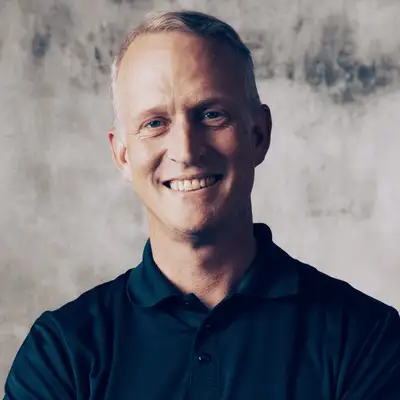
[00:00:29] Ryan Gordon: Why do so few leaders finish well, and how do competent mission-driven people end up drifting so far from the values that they started with? In today's episode, Peter Greer, author and president of HOPE International, gets painfully honest about what takes leaders off course and what it takes to stay faithful.
One moment that really hit me hard was this reminder that ambition can quietly push us to prize outcomes over people. And how that can hurt. The very teams we're called to lead. That's when we stop asking, how are my people really doing? This isn't a conversation about systems or leadership cliches. It's about being known.
It's about being honest and staying grounded in the mission that matters. Let's dive in.
[00:01:17] Michael Martin: Hey Peter. It's good to see you, my friend. Thanks for stopping by the ECFA podcast.
[00:01:21] Peter Greer: Well, I've been looking forward to it.
[00:01:23] Michael Martin: Yeah. Well, hey, we really appreciate it. We were just talking before we hit record. You're just off the heels of a major donor event.
We know you've always got lots on your schedule and things happening. So yeah, thanks so much for taking the time to stop by and visit with us.
[00:01:36] Peter Greer: No, have the huge amount of appreciation for you and the, uh, the team at ECFA. So been looking forward to the conversation.
[00:01:44] Michael Martin: Yeah. Well, great. Well, you are a, a kindred spirit to us in, in many ways and just appreciated, uh, the way that God has worked through you and your leadership and through, uh, your writing as well.
Just a series of books over the years, uh, could name many of them that have just been influential for me, and I know many in the ECFA community, but we're especially excited because we get, talk about something that's just coming around the corner, which is your new book, how Leaders Lose Their Way.
[00:02:14] Peter Greer: Well, you know, that I write not out of, uh, believing that I have figured it out, but I write on topics that I'm trying to figure out and so, so grateful Yeah.
For the opportunity to learn from a bunch of others. So anything that we talk about today, uh, is gonna be something that I have learned from others who are further along on the journey and so generously shared. Yeah, I do. I love the writing process. I love the opportunity to grow and learn. And uh, this book, um, has absolutely opened my eyes about just how easy it is to lose our way in some practical ways that hopefully our lives can be marked by that long term, uh, faithfulness.
Um, yeah, measured in decades, not just in, in a couple years.
[00:02:55] Michael Martin: Amen. Well, it is a ministry and we're right there with you, by the way, in the learning piece. [00:03:00] And so that's where we're excited for this conversation. And just to kind of get us started too, this is the Behind the SEAL podcast. So we're going behind the scenes, if you will, you know, here at ECFA and also with our guest.
And, um, you know, just kind of turning to this new book, you talk about actually how it was. Your grandfather's funeral was just this very pivotal time for you in your life, and so just talk about that and how did that influence you in terms of the writing of this new book? Yeah,
[00:03:30] Peter Greer: so maybe just taking one step, uh, back from that is, it was, uh, 10 years ago that we wrote the book Mission Drift and ECFA was so helpful, uh, in that, but that was looking at how organizations lose their way and how easy it is to drift over time.
And there was a pivotal moment, uh, in writing that book where there was a donor that came and asked us to do some things, uh, and it was a significant check, but they asked us to tone down our faith. And that was really the moment that we recognized, oh, drift is real and it's slow and it's subtle. And that started us on a journey to understand how organizations drift from the founding purpose.
And as we started 10 years later, we were asked to say, would it make sense to do kind of a revised and expanded version of Mission Drift? And the piece for me that was so. Interesting was not looking at more case studies of organizations that drifted. I think we all know that happens. I think we all know what we can do to prevent that.
But for me it was over the last 10 years since Mission Drift was launched, it was really looking at the number of leaders who drifted, not just organizations, and I know we've been on a similar journey with ECFA recognizing and creating standards about that, but it was kind of tragic for all of us to see.
Leaders that we know love, respected, lose their way over time. And so this was really a case study to say, let's not look for more organizations that have drifted. Let's try, try to understand what causes us to drift and what can we do to prevent it. In that moment, uh, when I was with my grandfather, it was one of the very few times that I was with someone when they left this life and went to the next.
And in that moment, uh, watching my grandmother's reaction and then watching the family reaction, and then watching in the days to come, what happened is we celebrate his, celebrated his life, and. His life. It was not marked by some amazing, uh, things. He was, his life was marked by faithfulness. He loved God with all that he was.
He loved his wife. Uh, he loved his family. He loved those that he was entrusted to care for. And I looked at his life and it was. It was so clear to me that that is a well done, good and faithful servant type of life. Um, not a lot of fanfare, but great faithfulness. And then at that time, [00:06:00] looking at my own life.
And um, you know, even though I had been talking and writing about mission drift, I think in my own heart I. I was starting to lose my way. I was starting to lose what was lose sight of what is most important. And, uh, that was a recalibration moment. So that moment and then the writing process, I think this has been a really significant time of my life to remember what matters most and to make some changes as a result of that.
But, uh, incredibly grateful for the example of a grandfather that really did live well, really did love well, and really did finish well. And isn't that what we want? For ourselves, for those that we care about, uh, that long-term faithfulness.
[00:06:41] Michael Martin: Yeah, that's exactly right. Um, just the way that, that, uh, those words were able to inspire you.
I know those, the, those are the words that were all, uh. Yearning and longing to hear. And at the same time, just as you point out, you know, in, in, in the writing of this new book, how easy it is for us, uh, you actually talk about how Drift is really the default setting, right? So, uh, maybe talk to us about that.
You know, what exactly, uh, does. Drift look like, uh, like you said, interesting too to compare between organizations and us as individuals, how Drift can kind of be that default. Uh, talk to us about that.
[00:07:22] Peter Greer: Yeah, we are exactly right. There is a clear parallel between what causes organizations to drift and what causes people to drift.
And I think at its score, the definition that we are using of drift is small compromises compounded by time. That's it. And, and the great thing about, uh, drift, if you will, is you don't have to work at it. Drift comes naturally. Uh, you just go along and you will arrive at a different destination. It takes work to avoid drift.
It takes work to stay on, uh, task and on mission for a lifetime. And so initially with. The book Mission Drift, we use the analogy of anchors. We gotta throw some more anchors overboard and make sure that they keep us tethered to our mission and what matters most. And then we started to unpack that a little bit more.
And I think that's actually the wrong analogy. It's not just staying still, it's, it's, the better analogy is this is about, uh, ORs not anchors. This is about are we doing the work, uh, to go against the current. Um, and again, the current will take you to a place of, uh, apathy. Uh, the current will take you to a place, uh, not of, of, uh, of, of where, where I'm sure we wanna end up.
And so the question is what are we doing, uh, to go against that? And, uh, it starts by knowing what is our definition of, of success? What is our definition of a life well lived? And again, that's probably why that moment with my grandfather stood out so clearly because it was a living, it was an example. Of a life well lived.
And, uh, yeah, that motivation to say, let's grab our oars, let's do the work, let's continue to [00:09:00] do the work, uh, to live a life on mission.
[00:09:03] Michael Martin: Yeah. Were there some things in your grand grandfather's life that you looked to as some of those oars that kept, uh, him from drifting? Were there things that you saw as you looked at his life?
[00:09:13] Peter Greer: Yeah. You know, I wish that I could have had a interview with him as part of this process, uh, but we didn't. Um, and so it wasn't necessarily from him the things that we took, although all of the things that we found, I would say were in alignment with his life. Um, but some of the things that we found as we started to look at individuals.
That drifted and then use it as a comparison point and those that really did have that long-term faithfulness. And what's the difference? And again, it's not major things, it comes down to small, but missionally, critical, small ha. Habits, attitudes, behaviors, and, uh, you know, one really simple one, uh, there was a study that was done of individuals that didn't finish well.
And one of the things that they all had in common is every single one had long before lost any sense of a personal prayer life. They would still perhaps pray on stage or they would still pray at events, but any sort of a personal prayer life, it matters. And, and maybe it doesn't matter if, if you miss a day or two.
But you have year after year of a neglected soul and it will have real implications in the way that we live. And so that was one very concrete, practical piece that we had. Another one was about friendships. And I know maybe we're gonna dive into some of these a little bit more, but, but, uh, isolation is not a good place to be if you want to live well and finish well.
And, um. And so anyway, we could, uh, talk a lot, uh, more, but I, but I did see these lived out in the way that my grandfather lived. And, um, again, in that moment watching my grandmother's reaction was probably what impacted me the most. She felt loved and cherished, and it was so clear that this was, this was the sweetest goodbye I had ever, ever witnessed.
It felt like a true, sacred and holy moment watching her say goodbye. Uh, to that end. Again, that's, that is because there had been almost 60 years of small actions on the daily and weekly small, tangible ways of loving. And uh, and that had really brought, the two really had become one, um, to see that, um, in that moment.
[00:11:26] Michael Martin: Yeah. Well it sounds like even though you didn't have a chance to get to interview him, that his life was one that, uh, spoke for itself in some ways. And like you mentioned, just the impact that he was able to leave on others. Uh, that's, that's really sweet to get to see. Um, you know, just as you were sharing too, and, and I do want to get into some of these, what are the, the practicals of what it looks like to have some of these oars in place?
But, you know, another question too would be. Uh, I guess in the spirit of, if we all know better, right? Like we, we, we all sort of know, like we shouldn't be [00:12:00] neglecting our, you know, prayer life. We shouldn't be neglecting our friendships and just kind of on down the line, why is it so easy? Do you think, Peter, for us to fall into that place of, um, yeah, maybe we miss a day or two, but how does that turn into, uh, some of the examples you talked about of people who did end up drifting?
How do we get to that place?
[00:12:19] Peter Greer: Yeah, I, I, I'm really curious of what the reaction is when you hear the next story of a Christian leader that loses their way. And my guess is, well, not stated perhaps as explicitly at this, some version of, I can't believe they did that. That would never happen to me. And that is not my posture or approach.
You start looking at these stories and I think. Prone to wander. Lord, I feel it prone to leave the God. I love that hymn by Robert Robinson. Um, and I think with all of us, it is easy to do. It is far easier to lose our way than it is to have that long term. And a similar study that found that, you know, perhaps only one out of three biblical leaders finished well, they finished without abusing their power, harming themselves and others.
Did you say one outta three? One outta three? Mm-hmm. Yeah. And that's huge. Maybe that is true today. Maybe it is a similar statistic today, and I think that is too few. That is the wrong percentage. And again, it's not just us that are impacted. When we lose our way, our families are impacted, our organizations are impacted.
Those that we care about, um, are impacted. And the credibility of the global church is impacted when a leader loses their way. And so when I hear those stories and when I see all the implications, the question is not. Um, you know, or, or the, the, the posture is not, I can't believe they did that, but Lord, help that not to be our story.
Help our story to be a different story, uh, of long-term faithfulness. And so I think that's actually one of the starting points is to recognize that you're vulnerable, to recognize that you. As it doesn't matter your story. It doesn't matter what brought you to this point. There is no immunity. There is no guarantee that you are going to finish.
Well, it is like right now, what are we going to do today in the small recalibrations that are gonna be necessary for us not to lose our way? And that's the summary. It's not these big things. It's not. Grand moments. It's the small habits, actions, thoughts, behaviors that we do today that are going to over time, shape where we end up.
And I just really, 'cause I care about this organization of Hope International because I care about the people that we serve, uh, because I care about my family. Um, I want to make sure that what I am doing today is in alignment with that long-term, uh, faithfulness.
[00:14:43] Michael Martin: Amen. Amen, brother. So, okay, so we go into it with humility.
We recognize that we are all at risk. So that's the starting point. I'd love to get into some of these other, um, uh, attributes, if you will. Uh, characteristics or, you know, trends maybe that you saw [00:15:00] in, uh, the contrast between leaders who have finished well versus those who haven't. So you mentioned Yeah.
Neglecting personal prayer, life, friendship, uh, just keep going, going down that list, uh, help, help us out. What are some other things that we need to be mindful of? What are some of the top ones?
[00:15:18] Peter Greer: Oh, you know, I mean there's, uh, many books that have been written on. On, uh, on, on a lot of topics. Uh, and, and there's a reason, there's a lot of books that are written, uh, because everyone's path is a little bit different, but some of the core elements, um, I really appreciate how Jim Collins, he wasn't writing, uh, to Christian leaders, but I think he absolutely nailed something that step number one in his book, how The Mighty Fall talks about hubris, born of Success.
And I think that is so true. Uh, I believe that if you are given accolades and if you are successful, that is actually spiritually a far more dangerous place to be than in the midst of feeling like, I don't know how I'm gonna make it, Lord, unless you show up. And again, this is why we kind of parallel the book, um, the, the story of King Solomon, because King Solomon started so well.
He's asked by God, you know, what would you like? And he says, grant me wisdom for who can lead a people like this. He knows that he doesn't have what it takes. He doesn't have the wisdom or intelligence or he. He has so many questions as a young man as he steps into this leadership role. And yet over time what happened?
His confidence in his abilities, his confidence in his military, his confidence in his wisdom slowly turned him away from a hard posture of dependence on God and led to a dependence on self. And that's where, again, there was one study that was done and it found in latter years of ministry. The tendency is to rely on one's own ability rather than to rely on God.
And so I think that's one of the foundational pieces is do we think that we can do this on our own? Do we think that we've got the intelligence? Do we think that we have the experiences to know how to lead well? And I would say if we think we have that, that actually is a dangerous first step. Uh, might be a version of that hubris porn of success.
And those stories tend to over time just accelerate, um, in relying on self, not on God. And uh, again, those, those stories did not end well, the ones that we researched.
[00:17:21] Michael Martin: Yeah. I'm glad that you mentioned over time, uh, just in that last comment, 'cause I was thinking as you were sharing. That's where the drift aspect comes in too, is that if over time we sort of buy into our own good news or you know, whatever it is, uh, how slowly but surely that can definitely have that impact.
Um, you were also just talking about Solomon and I think you talk about how he created. Uh, what you called an exception clause for himself. So as a attorney by background, it's like, you know, you're always taught, right? There's an exception to every rule, but maybe this is an example where there's not an exception, uh, to every rule, [00:18:00] right?
When, when it comes to the life of Solomon.
[00:18:01] Peter Greer: Hmm. Yeah, no, you're exactly right. Uh, because of his position. Um, and again, you can, the fascinating thing about King Solomon is we can read. The book of Proverbs and the book of Proverbs has so much timeless wisdom, and then you can hold that up and compare it with the decisions that Solomon made.
And you can realize those two are not the same. So even it's possible to write down the proverbs and yet to have a life that is not living them out. It's possible to know what to do, but not to do it. And I think that is one of the other key pieces for all of us, right? Is, is there alignment between our knowing and our doing?
And the more that that gap grows over time, I think the more dangerous, uh, place we find ourself in. And, uh, so yeah, one, one key thing with a King of Solomon is it appears that he believed this was for other people. This was the wisdom for other people, but me. I'm, I'm not gonna fall into that same trap.
I've, I've got it on that. And what he knew he didn't do, uh, causing disastrous, uh, impact on himself, on his family, and on his nation. Then there's the book of Ecclesiastes, right? I think this is one of the most fascinating books. And again, that's part of the reason why we chose Solomon is, is you can look at a lot of leaders and it's a similar pattern.
Um, so interesting, Michael, as we've been reading through scripture, it's, you see this pattern again and again and again of a leader that is pointed and, and given such a wonderful, uh, place of influence. And yet. Again, time is oftentimes, uh, you know. One, one paragraph in scripture can be many years, but then the next paragraph, and it's like they completely lost their way.
They turned their back on the God who had rescued them, who had delivered them. And uh, it's not oftentimes as quick in real life as it looks. In reading the pages of scripture, but it is over and over again. But no one, is there more information about a story of Drift than King Solomon? No one. Do we have more about kind of where he came from?
No one, do we have more of, of the writings that he was involved with and, and Ecclesiastes, whether it was written by him or written by someone writing as if they were him. Uh, it is this incredible story of him looking back at all the accomplishments, all the accolades, and saying, I missed it. I completely.
Missed what is most important, and I don't think that's an ancient story. I think that is a common story today, even for those followers of Jesus trying to be involved in leadership. You get to a point in life and you say, I just missed out on what was most important. And so the book, it's trying to bring clarity right now to today, if that is true, at a point in the future.
What can you do today to live a different life in alignment with what you believe, what you say, and what you do to [00:21:00] not have that growing gap over time? That pulls us away from what we, at this point, I think all of us would have clarity around this is what the ultimate end would be. This, this is what a faithful life would look like, and I want that.
[00:21:14] Michael Martin: Yeah. And what a gift that God gives us as examples in scripture, uh, to be able to see. It's so plain there right in front of us. Uh, but what a gift of grace that we're able to look and to learn, you know, from others. Um, I was thinking too, Peter, it feels like a major theme. Underlying a lot of our conversation already is the importance of humility.
I think you've already touched on that in a lot of your comments, but you know, you also talk about, uh, Tim Keller and this whole idea of thinking of myself less, right. When it comes to humility. So how do you see that connection between. Humility and then leaders being able to stay on course. No, and
[00:21:54] Peter Greer: that's that great quote.
Uh, Tim Keller is a small book, the Freedom of Self Forgetfulness, and he says The essence of gospel humility is not thinking too highly of herself. It's not thinking too lowly of herself, it's just thinking of ourself less. And to me that just captures it, uh, in a beautiful way. And so if we're not thinking about ourself, then the question is what are we thinking about?
And we are given such beautiful clarity. What is occupying our thoughts? Um, for me, the more that it is not about how does this make me look or how does this make me feel? And I am way more animated and excited for, uh, how do I love God? Because God loves me within unbelievably grace filled, lavish, the ultimate example of what love looks like, the more I understand that, then how can I love God and how can I love others well?
And so it's just not. Thinking about how does this make me look or me feel, because the primary focus is on God and others. And I think that just leads to a wonderful, wonderful way. And, and it has some very real, practical ways of, of living out. You know, one of the things that we found is, as it relates to this issue of humility is that.
The leaders that finished well, were not afraid of doing the mundane tasks, even though their title in position, uh, might go up overtime, they were still the ones who were caught. Shining shoes. Uh, when shoes were left out at an event, they are still the ones emptying the trash cans. They are still the ones that say, there's no job that is beneath me.
And isn't this the example of Jesus? He went and he washed feet and he said, go and do likewise. And I don't think in our culture that is necessarily. Go and wash people's feet. But I think the principle is absolutely the same. What are those tasks that we would say? Those are the ones that maybe are not high on the food chain, and how can we lead by example that does something to our heart in keeping us grounded?
Um, and I think in alignment, uh, with the way of Jesus.
[00:23:54] Michael Martin: Yeah. No, absolutely. And you know what else too is, um, so. [00:24:00] You know, I feel like as leaders there's an element of we can all sort of do our part to know that this is true, to be able to help kind of keep ourselves on that path. But what I also appreciate is you talk about the role of accountability as well, and like, we need help because we're kind of blind to our own blindness at times.
We need that accountability, uh, to be able to stay on course, uh, even in this value of humility. Like you talk about, um, you know, you say that unchecked power. Is the fast lane to a life that's off mission. So talk about that too, the importance of accountability and also for those who are helping keep leaders accountable, what are some of those warning signs, uh, that the leaders may be drifting a bit off the humility course?
Hmm.
[00:24:48] Peter Greer: Yeah. And again, we, we, as part of the working on this book, we looked at within. The last decade, some of the instances that we have seen of how leaders have, have lost their way. And one in particular, it was, it was, uh, one of the most, uh, it's certainly is well known. Um. But the thing that we expected to find was, well, there was no friendship there, there, there wasn't that accountability system.
And, and the person was kind of above, and you kind of then go the next layer. And, and it kind of looks like that because the board is made up of, you know, a very tight-knit group of, of people that, uh, might have questionable, uh, ability to truly hold someone accountable. But then when you dig down a level further, the individual had the things in place.
They had the accountability group. They had the ability to gather with others. But the issue was, uh, and we did have the opportunity to, to do some research here, and, and it was not that the structures were not in place, the issue was there was not truthfulness in it. So it's not about having friends or an accountability group.
The question is, is there honesty in that? And that, uh, kind of talk about the Johari window at one point and, and, and those things that you know in your heart. Is there anyone else that knows 'em too? And the more things that you push into that category of, well, I could never tell this because if I did, the reputation of the ministry might be harmed.
So what do we do? We stuff down, we pretend it's not there. I could never tell others. Or this might be an impact. And so there's, even if we have the form. Do we have the ability to know others well? Um, and and I think that's the piece. It's not just about well have a group of people that you meet with once a week or once a month.
That's, that is not gonna do it. Are there those individuals that are thoroughly unimpressed with your title because they love you so much that they're gonna call you on it? Um, and I think about, uh, going on a walk with one of my [00:27:00] friends. That I would put in that, uh, core four we talk about, um, those, those, uh, those, those closest friendships who, where you are known you are, you are, you are known, and there's very little in that Johari window that you are not willing to share with others.
And, and he just looked at me and, uh, he said, Hey, Pete, and anyone who's like known me for many years, I'm not Peter, I'm, I'm Pete. In that, in that group, he said, Hey, Pete, uh, you're being an idiot. And I thought, what a gift. And he was totally right. I was totally not thinking clearly, uh, on that. And, and so I think the question is who do we have?
Who do we have in our life that knows and is willing to say? Hey, Pete, you're being an idiot, uh, in those moments. And, and, uh, even if that stings a little bit in the moment, the alternative of not having that person or those people in your life, uh, that, that, uh, there's a lot at stake whether or not we are truly known.
Um, and it's not about these, you know, systems or buzzwords that we might talk about that is insufficient. Um, are we, are we fully known and are we invited, uh, to speak the truth in love in those conversations?
[00:28:11] Michael Martin: Yeah, I'd love to just follow up on that. 'cause I think that is so key. I mean, first of all, we do have to have the structures in place.
Um, we do have to have those forms. I think in some of the work that even ECFA has done, we've seen that, you know, that's not been there. Um, and there's even an opportunity, a role perhaps for boards to be able to play in that department. But I also appreciate everything that you just said about the importance of not just having the forum, not just having the structures, but making sure that they are.
They're working, that they're effective. Is there any advice beyond, yeah, just making sure that we are fully known in those settings. Is there anything else that you can, um, I don't know. This probably feels like a million dollar question, um, but making sure that those things that we're putting in place that they really are effective.
[00:28:55] Peter Greer: Hmm. It's so funny you say that. I was literally about to turn the question on you, Michael, and say you've studied this. What have you found? How do you get. Important structures. I love how you said that. Absolutely not in any way to minimize, but the structures are only as strong as the level of truthfulness, um, that goes along with 'em.
So how do you have both of those? You know, I think about, uh, uh, uh, a friend, um, his name is Mike. And, um, he leads a, a ministry called C 12. And, uh, one of the things that they have now implemented is having some candid conversations, not just with the individual but with the family. And it is more difficult.
Um, it is more difficult. I can tell you a lot of things. But you talk to, uh, my, my wife or my kids. And, uh, that is interesting that that might not be for every, uh, organization, that might not be for every type of approach, but there is a element that I loved his boldness in saying this matters. And so I'm gonna invite, [00:30:00] I'm gonna invite you to ask, uh, some other people, um, how well am I doing, uh, showing that above any other relationship.
Um. Uh, you, you, you, you feel fully loved, um, as, as a, as a son, as a daughter, as a, as a spouse. Um, and that's an interesting way to go beyond just the one individual. Another thing that we found is, uh, to actually outside of, you know, what's the right environment? Maybe it's not at a board meeting, but who are those individuals that are walking alongside?
And, um, yeah, having an invitation, almost like stated upfront. I have asked you to ask the dis difficult questions, um, and almost to set the system and structure and relationships up long before you need them. I think that goes a long way in, uh, in making it. But Michael, for real, what have you found? How, how do you balance that importance of structure, but then also ensuring that the structures are accomplishing the ultimate good and goal?
[00:30:58] Michael Martin: Yeah. No, I appreciate that. I mean, I would come back to something we already talked about too, which is humility. I think it's key to, to even have those structures in place. It requires a level of humility. And then like you said, beyond that, if we're gonna be initiating conversations with. Family members or perhaps, uh, staff of leaders, it takes another level of humility for a leader to invite that.
Um, and also by the way too, to be able to receive help, uh, care that's being offered. I think that would be another key ingredient that we've seen is not just focusing on, hey, are the behaviors of this person in line, but also, you know, what is the state of their soul? Um, how are. Both the leader and the people who are in the community around them, um, taking opportunities to really invest in the wellbeing.
It's sort of like that scripture, you know, what does it profit a person to gain the whole world but lose their soul? Um, so those are just a couple of things we've seen. I mean, there's, there's a lot of real practicals. Um, but I think at a high level, that's good. Humility and care for the leader would be key.
Yeah. That's so good. Yeah. Well maybe just, uh, one other point here, just kind of around this topic of, uh, what we might call misguided pursuits, I think as you talk about in your book. Um, how about the tension here too, Peter, between, um, ambition. Uh, making sure that, you know, we, we definitely do want our leaders to have a sense of drive and, you know, moving the mission forward, but, you know, not at the expense of people and purpose, like you say.
So how do we manage that tension between, uh. Ambition as a leader in pursuing those things, but also not some of the damage to, uh, those around us that can happen when ambition isn't in its proper place. Hmm. And
[00:32:49] Peter Greer: this is the challenge, right? The people that are working in the organizations that, that you work with so closely, they believe in the work that they're doing.
There's an urgency about [00:33:00] that. There. There is. And, and I think that is. Great. You don't want people working with organizations where they're not all in and they don't believe that it's making an impact, but what's the shadow side of that? And I think the shadow side is sometimes we can have a means justify the ends type thinking.
And because of the nobility of our mission, we sometimes run over the people that are involved in making that mission happen. Uh, in that, uh, again, people are being impacted. Uh. We gotta keep going without ever pausing or asking. How are you doing? Um, and what's the toll on them? And so I think one of the, again, this is where the belief then has to lead to action.
Knowing has to be connected to doing so. If that is true, I would ask a simple question. Uh, what are you doing to listen to the staff? Um, what are you doing to listen to those that are involved? And do you have a systematic way of answering the question? Not how is the organization impacting others, but how is the organization impacting those that are working?
And uh, again, if anyone, uh, is interested, we have a couple tools that have just been, uh. Great. We have a spiritual integration, um, a staff impact and engagement strategy that looks at a bunch of issues. And, and then also we have a system that we do every week of knowing how people are doing in every layer of the organization.
And those systems have helped us identify, man, that country program right now, there's a lot going on. Let's, let's understand that, let's figure out what we can do to support. Do we need to change timelines or projects or add more support and. And, and it just gives us a way of systematically listening to those that we are serving.
And that has been enormously helpful. So I think recognizing it and then creating ways of, of, uh, structured listening so you can know the answer to that question of what is the impact on the people that we are working alongside.
[00:34:54] Michael Martin: Structured listening. That's good. How long have you guys been using those tools?
I'm curious.
[00:35:00] Peter Greer: Oh, I would say that there has been, I mean, initially it was best Christian workplace and then it was recognizing once a year, that's not enough for us. We got to have some other ways of doing it. So I would say every year it's been, uh, a few more ways, uh, to do that. Uh, but it's been probably a decade, uh, on the journey, uh, to develop some of these tools.
[00:35:21] Michael Martin: Okay. And those are tools that you don't mind us sharing with the podcast community. We'd love to do that. Michael, we had a
[00:35:27] Peter Greer: conversation about rooting for rivals and how we actually believe we're all on the same team ultimately. So yes. Uh, open source. We are open source, everything at Hope International.
[00:35:36] Michael Martin: Yeah. Awesome. Well, we appreciate that. We will, we'll link to that. And you know, I was just thinking too, as you were sharing, uh, about the importance of. Managing sort of those tensions of ambition, yet care, genuine care for the people around us. Not to give sort of the Sunday school response or answer, but it's like you think about how Jesus modeled that so well.
I mean, he was [00:36:00] literally on a mission to save the world and yet. He wasn't bothered by children, which, you know, for a lot of people as you're looking at, okay, what is the utility of this relationship? Or what can this person do for me? I mean, when you look at it, uh, what, what could kids do, right? That would be valuable in that sense for Jesus.
But he was always willing to stop and to listen.
[00:36:22] Peter Greer: So good listening and loving pretty close together. Uh, what's that one quote? You oftentimes can't tell the difference between the two. Uh, and so yeah, that is our, uh, one of the things we say at Hope is prayer helps us listen to God. And we wanna be a listening.
We want to be a prayerful organization. And data and systems help us listen to staff and those that we serve, and we wanna listen well, uh, to staff and those that we serve on that. So yeah, listening is, uh, uh, if, if I could choose a small number of words, that would be the goal to define the culture of hope.
Listening will be on that list. I, I do hope that we're a listening organization.
[00:37:01] Michael Martin: Listening. That's good. I don't know how many times I've heard that held up as a core value of an organization, but I really like it. Well, how about kind of along the same, um, sort of theme here and, and what Jesus modeled for us.
So well, um, talk to us too about the significance of things like Sabbath rest, uh, and worship in the life of a leader. How are those critical, uh, to helping us continue to stay on course?
[00:37:28] Peter Greer: Oh yeah. So one of the, one of the major pieces that as we started doing these interviews, and I'm so grateful, uh, working with Jill, but then also having people that were willing to share their story with us.
It was, it was truly humbling for me that here they have these stories and they're saying. I'm willing, I'm willing to share where I went off track so that it might help others. Like that takes incredible courage and I am so grateful for the people, uh, that, that trusted us, um, in sharing the story and the journey that they're on.
But so many of them used the line, which was some version of, all of a sudden I discovered that I was, and then fill in the blank. And the moment of realization comes suddenly. But the moment of getting to that, if, if they would have, uh, had eyes to see, there were probably a lot of warning signs along the way.
A lot of small decisions, and I think that one of the ways that God has wired us is that the Sabbath allows us. To pause, to stop, to take a breath and to look around. And most of the people that we researched and, and most of the people who shared their stories, it was, they were going at a pace that never allowed them to see where they were.
Never allowed them to take a look around and say, wow, I am. I am not where I thought I would be. I am not where I started and I'm not heading in a good direction. [00:39:00] When you pause, when you pray, when you worship, when you sabbath, those are opportunities to recognize areas where you are slowly going off track and um, so I think Sabbath.
You know, there's a lot that's been written about the benefit to our health and it is absolutely true. Uh, but one of the pieces that we discovered is Sabbath is actually one of the ways that we can take stock of where we are and to course correct and to recognize if we are drifting. And I think it is a critical component of actually living a life on mission.
You have to pause long enough to say, where am I? Where's this path going? And what changes might I need to make? Sabbath. Yeah. That'll
[00:39:42] Michael Martin: combat the, all of a sudden, the sudden lease. Yeah. Taking, uh, long enough to take stock of what's going on in our lives. And yeah, like you said, maybe noticing are those areas of drift that are happening.
And also of course, yeah. Where's God leading us? I mean, that's, that's key as well. Uh, I'm curious about that, uh, for you, if you don't mind sharing even just kind of personally, um, you know, was. Sabbath, something that as you're kind of studying and getting into this book or in other maybe projects in recent years that you've been kind of leaning into more, uh, what is it that you're learning through even kind of taking some of these things that you're learning about from others and incorporating them into your own life?
[00:40:27] Peter Greer: So
[00:40:27] Michael Martin: I
[00:40:28] Peter Greer: have to return to what I said at the beginning of our conversation, Michael. I write about things that I am interested in, not things that I have mastered or figured out. I am an enthusiast, not an expert. Sure. And that is true in so many of the different things, uh, that we've already talked about. Uh, yeah.
And, and so when it comes to Sabbath, absolutely. Still working, what this looks like, uh, in my own life. You know, one of the things that was so helpful. Is at the end of every chapter, we tried to pause and say, what does this look like in practice? And so end of every chapter, there's two things that you find.
One is a prayer written by Ryan Scoog. We wrote a book together called Lead with Prayer, and I just, oh his, his ability. To use language to bring us closer to Christ is, is a really special gift that he has. So at the end of every chapter, uh, Ryan, uh, very generously provided a prayer related to that topic, uh, that I'm so, uh, yeah, just honored to include.
And then the second piece right after that is, and how do we actually put this idea into practice? So every chapter, if we were talking previously about friendship, it's look at the constellation of friendships that you have in your life and, and who are the individuals in these four different categories and actually do it, write it in, in that.
And when it comes to Sabbath, uh, there is a, uh, path about here's what we're going to stop doing. What are those things that you know? Are actually not, uh, not, not allowing you to enter into the Sabbath, [00:42:00] uh, fully. So one for me on my list as I went through that exercise, uh, even Saturday night and Sunday evening, uh, bill paying is not, uh, restful for me.
That is not a way where I get great. Joy and delight. So that's not something I do on Sabbath. And then not only the stop, but then what do we do, uh, in that? And then inviting into the habits and practices, uh, that truly are restorative. And so that process, uh, there's a form and I can just tell you personally, anything that we write about are things that we've been doing in our own lives.
And for me that has been enormously helpful. Again, no surprise on that, but. Uh, I, I find, uh, being, uh, outside off screens and in this incredible world that God has made incredibly restorative. And so being in nature is one of the pieces for me. Uh, what am I gonna do today, uh, to get, uh, outside. Um, and, uh, our family, we live in central Pennsylvania.
There are so many amazing places to go explore and hike. And, and that is part of Sabbath thing, uh, in one of our. Yeah, habits of our family, uh, that we enjoy together. So again, that might not be, that might not be restorative to you, but I think the process of going through, identify what do we need to stop, uh, what do we need to start and what does it look like, uh, to worship fully, um, uh, as, as part of that practice.
So yeah, hopefully that tool will be helpful to others as well.
[00:43:24] Michael Martin: Yeah, be in nature, not in your checkbook on the Sabbath. I can think about sometimes that, that's probably ruined some Sabbath for me too. Um, what other safeguards or practices, you know, what else have you found helpful in addition to Sabbath?
[00:43:42] Peter Greer: Oh, I mean, we talked about the isolation, uh, that oftentimes comes. Um, that was a big one. Um, yeah, maybe just it related to what we were just, uh, talking about, but it's understanding the limits that we've been given. Um, not as something to be fighting against, but actually to embrace in that. And what do limits do?
Like what, what does our understanding that we, we can't do at all? I think at an organizational level that builds a healthy organization, when you no longer are under the false, uh, pretense that you can do everything, you are forced to start delegating. And we tell the story of one of my colleagues, uh, who works at Hope International and he had, uh, uh, a health crisis that that ended the illusion that he could do it all.
And guess what happened? Other people picked up the pieces, other people started stepping up into new ways and it didn't limit the organization. It unlocked all kinds of possibilities. And so I think understanding and embracing some of the limits that we have is a really healthy thing for our soul, for our organizations, uh, and for the work that we do.
Think that's a really, really important one. Uh, slowing down. We talked about taking stock of where we are, uh, worship and awe, and how that is connected, [00:45:00] uh, to getting our eyes off of ourself and onto the one who is, uh, we, we would do well to spend a little more time not looking at just our issues, but remembering the one who is in control.
Um. Anyway, lots of practical ones, Michael, but uh, yeah, and again, that's where the biggest conclusion is. It's not this one keystone habit. It's not this one issue. It's the accumulation of seemingly small decisions that we make today that will shape, uh, where it is that we end up.
[00:45:32] Michael Martin: Yeah, no, these have all been so good.
I appreciate the comment too about what it looks like to just integrate these, the compounding effects of them over time. And, um, yeah, thinking about our time, and I know it's coming to a close here, maybe just kind of want to end with this one too. Um, I feel like we'd be remiss if we didn't take advantage of the opportunity to ask because.
You have done so much research, you know, so many interviews, uh, a lot that has really gone into your life experience that has gone into, uh, this latest work. Uh, I'd be curious too, Peter, if there's anything that, as those who are listening, you think maybe they would be surprised. Maybe they would be surprised to learn.
You know, from something, you know, as we had the opportunity to do research for this book, is there anything that you feel like people might be surprised actually to learn from what you found? Yeah. The or not? Maybe it is all the things that are common. Yeah. That we would typically think.
[00:46:34] Peter Greer: I, I think the biggest surprise was how many people.
Even those who knew the story of King Solomon really, really well. Even those who could point to examples of other leaders that have lost their way, individuals that, that had had these incredible careers and successes. And I think the biggest surprise Michael is, is just hearing how they didn't think it would ever happen to them, hearing how they thought.
I mean the King Solomon, right? It's, well, I know enough, it's not gonna happen to me. And then you realize that it actually did happen to him and it's happening today in real time. And so I think that was the biggest surprise is, and, and I would say maybe one of the blinking red lights is even if you're hearing to this conversation and your thought is.
Well, that's for someone else. I just don't think so. I think it takes work effort, intentionality, and an abundance of God's grace to live faithfully. But it is the exception, not the rule that. You and I, that, those that are listening, it is the exception, not the rule that we will finish well. And so I would just say eyes and heart wide open.
Again, going back to what Robert Robinson prone to wander. Lord, I feel it. If you don't [00:48:00] feel that, if you don't feel like in your soul, I could make a mess of things, uh, you might be in a fairly in, in a more dangerous spot. Then you might realize. And so I would just say there is no immunity. Um, no one, no one, no one has a free pass.
And I would say, uh, the abuses of, uh, money, sex, and power have taken down, uh, more godly people than you. Um, and to be on guard, be aware, be on watch, and then what can we do today to make sure that we are constantly recalibrating, refocusing, and living in light. Of what we believe, uh, matters most. So that's maybe the biggest thing is, uh, no immunity.
Do the work. Please, please, please, there's too much at stake for those that you love, the organizations that we're part of, there's too much at stake for our collective credibility, uh, to have more leaders lose their way. So, uh, recognize that. And then let's roll up our sleeves and let's, uh, let's do everything we can, uh, to love God, love others, uh, with all of our heart, mind, soul, and strength.
[00:49:02] Michael Martin: Yeah. Such wise words, what a good challenge. I feel like we definitely can, that's the place to land it. I think as soon as we hit stop at the end of this podcast, like all take. Even if it's just five minutes to do that reflection, to get quiet and just say, how am I doing? Where am I at, Lord? Um, search my heart.
Right? Uh, tell us those things. So Peter, thank you so much. Uh, thanks for your time today, all your wisdom. Uh, thanks for the ministry of putting so many of these lessons in print form. We really appreciate you. Oh, that's both ways. Thanks so much, Michael.
[00:49:41] Ryan Gordon: Thanks for joining us for the Behind the Seal Podcast. If today's episode challenged you, share it with someone and start a conversation. We'll see you next time.