Subscribe
Share
Share
Embed
In this episode of the Maffeo Drinks Podcast, I sit down with Billy Abbott, Ambassador for The Whiskey Exchange.
We discuss the importance of internal and external education in the drinks industry, the journey from programming to whiskey, and the dynamics between liquid-first and brand-first approaches in spirits marketing.
Billy also shares insights on gauging consumer preferences and touches on the diverse pathways individuals can take within the spirits industry.
Tune in to learn about navigating brand storytelling, consumer communication, and the vital role of education in building successful drinks brands.
00:00 Welcome and Introduction
00:28 Guest Introduction: Billy's Journey
02:03 Diving into the Drinks Industry
03:40 The Role of Education in the Drinks World
05:39 Balancing Brand and Liquid in Marketing
10:00 Understanding Consumer Preferences
12:25 Navigating the Whiskey World
17:38 Exploring Cross-Category Connections
22:02 Balancing Budget and Spirit Selection
23:09 Understanding Consumer Preferences
24:34 The Complexity of Target Consumers
26:07 Marketing Strategies in the Spirits Industry
30:03 Training and Knowledge Sharing
37:01 Career Growth and Personal Development
42:18 Conclusion and Final Thoughts
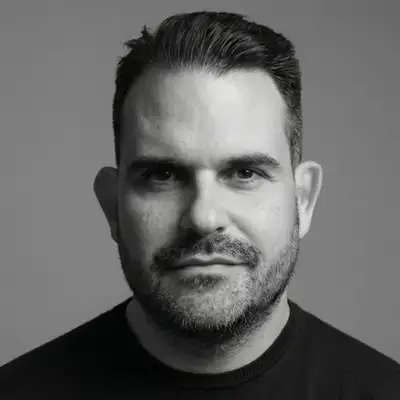
About The Host: Chris Maffeo
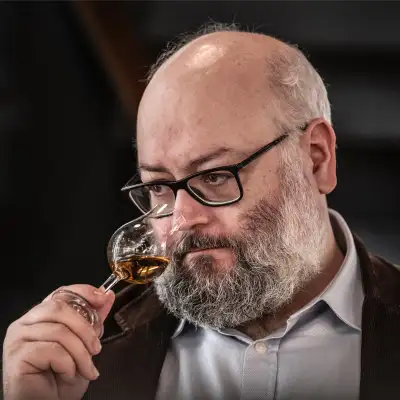
About The Guest: Billy Abbott
In this episode of the Maffeo Drinks Podcast, I sit down with Billy Abbott, Ambassador for The Whiskey Exchange.
We discuss the importance of internal and external education in the drinks industry, the journey from programming to whiskey, and the dynamics between liquid-first and brand-first approaches in spirits marketing.
Billy also shares insights on gauging consumer preferences and touches on the diverse pathways individuals can take within the spirits industry.
Tune in to learn about navigating brand storytelling, consumer communication, and the vital role of education in building successful drinks brands.
00:00 Welcome and Introduction
00:28 Guest Introduction: Billy's Journey
02:03 Diving into the Drinks Industry
03:40 The Role of Education in the Drinks World
05:39 Balancing Brand and Liquid in Marketing
10:00 Understanding Consumer Preferences
12:25 Navigating the Whiskey World
17:38 Exploring Cross-Category Connections
22:02 Balancing Budget and Spirit Selection
23:09 Understanding Consumer Preferences
24:34 The Complexity of Target Consumers
26:07 Marketing Strategies in the Spirits Industry
30:03 Training and Knowledge Sharing
37:01 Career Growth and Personal Development
42:18 Conclusion and Final Thoughts
About The Host: Chris Maffeo
About The Guest: Billy Abbott
The MAFFEO DRINKS Podcast is a leading drinks business podcast delivering actionable insights for drinks leadership.
For founders, directors, distributor MDs, and hospitality leaders navigating the tension between bottom-up reality and top-down expectations.
20+ years building brands across 30+ markets. Each episode features drinks builders: founders, distributors, commercial directors, sharing how the drinks industry actually works. Not the conference version. Honest conversations.
Insights come from sitting at the bar.
Beyond episodes: advisory for leadership teams, subscription with episode deep dives and principles to navigate your own reality.
Beer, wine, spirits, Low and non-alcoholic.
Bottom-up Insights & Episode Deep Dives at https://maffeodrinks.com
Welcome to the Maffei drinks podcast. I'm Chris Maffeiro, your host and fellow drinks builder. I'm really honored to have you as one of our listeners from 111 countries. A small ask, if you enjoy the show, please leave a review and share it with others in the industry. Visit mafelldrinks.com for free resources, premium content and episode transcripts.
Chris Maffeo:Now, let's dive into today's episode. Hey, Binet. Welcome to the MufferGynx podcast. How are you?
Billy Abbott:I'm alright. Thanks very, very much for having me. Good day here. Nice and sunny outside. I can see it through the window, so all is good.
Chris Maffeo:Okay. That's, it's actually the other way around here in Prague, because there's a, there's a weather alert. They're putting barriers on the rivers and they're expecting some floods. So the world is reversed. Britain is sunny, sunny.
Billy Abbott:It is always beautiful weather in Britain, no matter how nasty it is. It's always lovely.
Chris Maffeo:I love that. I love that. No. Fantastic. So it's a great honor to have you.
Chris Maffeo:You know, I remembered I discovered your clubhouse back in the days in 2000 and what where was it? Like 2021?
Billy Abbott:2020, 2021. Yeah. The year.
Chris Maffeo:2021, I think it was.
Billy Abbott:Yeah. The lockdown. Yeah. And that's where
Chris Maffeo:I discovered all these crazy people talking about whiskeys and you were one of them. And then they got me into this smooth transition from beer to spirits, I must say. So it's really, really great to have you here.
Billy Abbott:Cool. Thank you. I'll say it's it's great to be here as well. I've been sort of I don't I don't remember you popping up during those interesting days of me talking particularly late night on Clubhouse to groups of Americans who didn't quite understand my accent. I've sort of seen you pop up all over the place in sort of more recent times.
Billy Abbott:And so, yeah, really looking forward to having a chat.
Chris Maffeo:Fantastic. Fantastic. You are a well known figure, but like there's probably like five people from our listeners that probably don't know who you are. So let's have a very brief intro what, you know, like different hats you have on, the various things you do in the wonderful world of the drinks industry.
Billy Abbott:Yeah. So I come from a bit of a strange background, although many people in the drinks industry come from weird backgrounds. So by training and by previous profession, I'm a computer programmer specializing in large scale database systems on mainframes. Absolutely classic sort of inroad into the drinks industry. But I was a blogger and I started writing about food and drinks, then first up on my drinks, and then left the wonderful world of finance to come and work at the whiskey exchange, who am I still my current employer.
Billy Abbott:That was back thirteen and a half years ago, 2011. So for the whiskey exchange, I've grown through that too, from being a content writer, content creator into now being the company's ambassador to main sides to it, which is internal education and external education. So I teach the wider people in the world, all about the wonders of drinks. And then occasionally mentioned the fact that Whiskey whiskey exchange sells them. Also, I train our people internally to have more knowledge about drinks across the entire spectrum of the spirits world, mostly.
Billy Abbott:What we call the whiskey exchange, we currently have, I think last time I checked was 12,000 skews, online covering every form of spirit you might think under the sun, including liqueurs and sort of cocktail ingredients from these, fortified wines, that sort of thing, as well as a range of beer, sake, soft drinks, and also, a lot of wine. Our head buyer Dawn Davis, MW, as the MW suggests, she knows a bit about wine. And so since she's arrived, we've actually become an award winning wine seller as well as being award winning spirit seller. So that's the whiskey exchange bit. I'm sure we'll talk about that later on as well.
Billy Abbott:Outside of that, I do load of other bits and pieces. I do a bit of freelance work. I work with new scientists magazine to host a boat trip, which I've got only a couple of weeks time. I have to work very much in inverted commas as I sit on a boat and go around Mull and Isla. You know, it counts as work allegedly, that's good by me.
Billy Abbott:I am a committee member of the circle of wine writers looking after their website and technical things, as well as representing spirits writers within the group. And I am a liveryman of the worship company of distillers, which if you look up, it's a ridiculous organization, which has been around for hundreds of years looking after spirits from within the city of London, which has now become an industry group which supports various different things around the industry. And I worked with the educational committee, the vocational training and education committee to be exact, as their communications guy, telling people about the various different programs we do to support education in the drinks industry. So I do a lot of stuff around education and then educational support, just in general, trying to make sure that people out in the world know more about the tasty things they are drinking. For a while, we just sort of said, what's your job title?
Billy Abbott:And my job title was the official Billy at the Whiskey Exchange. I've been very fortunate to grow with the company. And when I started, I sort of joke around saying, you know, there were 15 of us in the office, maybe ten, fifteen in the warehouse, maybe another 10 people in the shop. So maybe looking at 40 people, 50 people in the whole company. I think our last count where depending on seasonal staff, somewhere between two fifty and three hundred, I sort of like grown through the company doing a little bit of everything everywhere.
Billy Abbott:And finally, we're now settling down and we've grown to such an extent that we can actually have jobs, which we do rather than doing a bit of everything. So I'm no longer just the official billy. I now actually have a proper, proper job title of brand ambassador. Although I have specific dispensation to only use the word ambassador, because I hate the word brand when used in a consumer context. And so just calling myself the brand ambassador makes me twitch slightly.
Billy Abbott:So I'm allowed to call myself the ambassador or the whiskey ambassador for the whiskey exchange.
Chris Maffeo:That's a great bridge actually to my first question because I come from marketing and marketing is my big passion. But then at some point, I I I reached a tipping point in that I felt a little bit too floppy in the brand world, which is a pity because brand marketing and brand stuff, you know, doesn't have to be floppy. And then I wanted to merge it with commercial because I wanted to be more hands on and more into the things. So I really, really hear what you say is off. Let's start with the first question that I often ask about spirits brand.
Chris Maffeo:Do they start from the liquid or from the brand?
Billy Abbott:It's a difficult one because it varies across every single spirit, especially if you just dive into the whiskey world, that's the bit where I have most sort of like solid knowledge of this on day to day basis. It's two very different approaches and different companies, different brands jump into it in different ways. Even within the same company, different brands might approach it different ways. Now some people dig into that liquid. Generally people either have manufacture a history will dive into that and they'll lead with that and it'll be drink the thing rather than drink the liquid.
Billy Abbott:And that can be really great. Current example pops up the other day, Beyonce, Sir Davis. That is a thing which is all about the brand. It's all about the person. It's all about the story around it.
Billy Abbott:Nobody's talking about the liquid. They probably should be because it's really interesting liquid, and the liquid does support that story, but you need that that's starting from that story. Then you get other whiskey brands, which will really come up through the liquid side of things. And often I find that appeals a lot more, especially in the whiskey world, to the geeky people, to the people who are more sort of invested in the spirit and the understanding of the spirit. You can talk about some of the stuff that Loch Lomond distillery do and say, so this is entirely malt base for the raw materials, which is heated.
Billy Abbott:And then it's got a long fermentation, which has then been run through a coffee still before being put into a bunch of STR casks and finished in the Chardonnay cask. That is of no interest to the average consumer. But to the people who are interested in any part of that, that is immediately a product they want to jump on. I did make up that one. I have no idea if it exists.
Billy Abbott:It's the sort of thing they might do though. And today, even in some of the WhatsApp groups I'm in in the whiskey world, people have noticed their sixth edition of their distillery editions pops out of Loch Lomond. Everybody's immediately going, oh, what's distillation process? What's this, that, and the other? Nobody's talking about the fact that Loch Lomond is a distillery that doesn't really have a story behind it.
Billy Abbott:It was made sometime, I think, in the nineteen sixties to make industrial whiskey to go into supermarket blends. So if that's your story, you can't lean on it. So those two sides of it. And I think to jump back onto the Sir Davis thing for a moment, that's a whiskey which, despite the many criticisms of it out there, which are in the market at the moment, as you would expect from something that's put out by one of the famous sort of singers in the world, It has very good liquid to back it up. It has very good pedigree, behind it.
Billy Abbott:And if you don't, most people aren't talking about that liquid, but when you do dip into that, you do have that support. And if you just have all story and no liquid quality and no story about the liquid, I don't think you can do so well. You can't push so far and you can't attract consumers quite so much because every now and again, one of them is going to say, so what is it I'm drinking? You know, it's that that transition of I'm drinking Beyonce's whiskey too. I'm drinking the 51%, 49% rye to malted barley mash bill, which Bill Lumsden has done something strange to.
Billy Abbott:You need that extra little bit, I think, not for always, but just to pull in a wider sort of market of people.
Chris Maffeo:You know, I tend to think that brands should start from the liquid, especially in categories where the liquid is really playing a big role, like whiskey to this extent, no? I remember in my old days in S. V. Miller, we used to do it in, you know, brands that were focusing on intrinsics and more extrinsics. Like I remember I used to sell Peroni and of course, like there was the whole story about Italian maze and so on, but nobody really cares about that.
Chris Maffeo:It was about, you know, like drinking Italian style little bottle. But then when I was selling Pilsner and Orquel, it wasn't anything fancy. It was all about the first pilsner in the world. And then we were talking about, you know, like the mold and the triple decoction and all these kinds of things. So there's different ways and different scenarios.
Chris Maffeo:I mean, you mentioned before, like, you know, you are focusing on internal and external education. So I guess that also, let's say, no, one size doesn't fit all of them. You know, some people just want to have something to drink and some other people are more interested into the, oh, but actually the, you know, the difference between whatever, like a 42 and a 44% whiskey and they go and dive into that. And I think that what what I see often is that there's no balance very often in the communication of brands. Yeah.
Chris Maffeo:They just go super superficial or they go super technical. They don't listen to the person in front of them.
Billy Abbott:And this is one of the things I'm getting into a lot more these days. I I don't work very many shows previously. I went to a lot of shows just for fun. I had my job because I was a computer programmer who liked whiskey. One of the things I'm doing a lot more now is doing days down at our shops cause whiskey exchange may be online.
Billy Abbott:We also have three shops in London. And so getting out to go and work with the teams there to see what they're doing, but also just to get a bit more customer facing stuff. Cause I do a lot of it online. I occasionally do shows and that's very different to the interaction you get with someone who just wanders into a shop. And so I'm trying to build up my knowledge of basically the non geeks, the people I deal with most of the time are people like me who are really interested in the spirit and all that side of things.
Billy Abbott:And so one of the things I'm seeing a lot more is and learning from our guys in our shops who have been doing this for years, who are fantastic. They understand how to do this perfectly. My first couple of trips down to the shop, it was quite embarrassing of me trying to help someone. And eventually, somebody from the shop would just step in and say, oh, Billy, someone wants to talk to you over there. Let me look after this person.
Billy Abbott:Which point in time the person leaves with a big bag of stuff they really wanted rather than me trying to find them an obscure Khalilah in the corner or something. It's understanding that level to hit. And it's one of these things that the brands often don't hit that. They just go to a certain level and it's often quite superficial. Often I find some of the brands will go too deep.
Billy Abbott:They'll dive in immediately into talking about the whiskey maker and the things they put in the whiskey and people don't care about that necessarily. You know, you getting that level is difficult, but working one of the things I'm noticing now is as I'm when I help our marketing team out, I I can see a little bit more now how to help them find that right level. Because when I'm standing in the shop and someone walks up to me and I have to gauge, are you somebody who knows about whiskey? Are you somebody who just likes things which taste nice? And then be able to find the approach which appeals to them.
Billy Abbott:A great example we have at the moment is we're releasing a series of 12 whiskeys over the year, four seasonal releases of three whiskeys. And each of them is themed around the season and it's got the flavors of the season. So we start with summer and it's got like fresh fruit, bit of barbecue sort of notes in there as well. There's one of them is bit like roasted pineapple and things. So it's all these sort of things that have a bit of a sort of fresh, fruity, but a little bit of barbecue smoked sort of summery feel to them.
Billy Abbott:And on the labels, they've got pictures of the flavors. So we have, like, paintings of bananas and pineapples and things like that. People wander in and they look at the bottle and I then start talking about it and you go two ways. You can say, yeah, it's all about the flavors of summer. Or you can go down the, well, is an old Ardmore.
Billy Abbott:Ardmore's a smoky whiskey and this is Ardmore where the smoke's being rolled off over time and this is the cask it's been matured in. And you sort of like sit there between those two extremes. When you're talking to people in person, you have that luxury. But, yeah, it's a thing which is very, very difficult. And I really sort of feel for brands because I've had to do it on occasion and I've definitely not got it right most of the time of choosing that level of pitching when you don't have that feedback of trying to find out where the person's sitting.
Chris Maffeo:I really like this. Like, how, how do you try to navigate which route to to go, which way to go?
Billy Abbott:It's, again, this is one of the things I'm trying to learn from our shop guys at the moment because they do it pretty much instinctively. So trying to get the information out of these guys, you know, who've been doing this for so long. And it is just, it's talking to people. And as ever with these things, it's when you're trying to bring out information out of folks, it's all about chatting on a more sort of higher level, you know, just talking a little bit about whiskey in general and seeing what bits seem to interest them, seeing what questions they ask. And worst comes to the worst, just saying, what's your whiskey experience?
Billy Abbott:Have you tried these before? What do you normally drink? And that sort of thing. And those sort of like markers will often give you a better idea. And this is not being rude to the brands I'm going to mention at all.
Billy Abbott:But if you have somebody you're talking to somebody and you say, what sort of whiskey do you normally drink? And they said, oh yeah, yeah, you know, I get Glenphilic from the supermarket. That's a good whiskey. It's absolutely solid, but it's definitely not somebody I'm going to lead into drinking a 21 year old Ardmore at £200 a bottle. You know, it's very much a, okay, so that's the sort thing you like.
Billy Abbott:Well, let's bring you up to try this one. You'll like this one. This is sort of bringing you up to the next level from where you are. This is going down those right sort of flavor things. And isn't going to shock you on the price.
Billy Abbott:So it's getting those sort of indicators. And I've seen the guys in the shop, one of the standard things we do, just one of the biggest choice points when it comes to people coming into the shop is they have a budget. And it's one of the things I always talk to people about because a lot of whiskey geeks sort of like complain, oh, this whiskey is cheap. It can't be good. This whiskey is too expensive.
Billy Abbott:Nobody will ever open it. It's just for collectors. And the thing I point out to people is that no matter what two price points they've just chosen, somebody else out there thinks that their lower price point is too expensive, and somebody out there thinks their upper price point is too cheap. World is so wide with this whole thing. And so getting that idea as well, that will help you understand where the person sits in the spectrum.
Billy Abbott:So there's all these different bits you can pull out, and the guys in the shops are just very honest about it. They say, oh, what's your budget? When somebody asks them for something. When they get a budget, they can then dive into those different areas. I'm not quite so good at being forthright yet.
Billy Abbott:I do a little bit more talking around the point, but one day I'll be almost as good as them.
Chris Maffeo:It's very interesting what you're saying because one of the things that I'm developing right now, and I wrote one of my guides on Substack that I call it the bottom up selling ring road. Like the consumer is that it's at the center of the city and you have many different routes to get to that consumer, but that consumer is actually moving. You know where they are today. You don't know where they want to get to. So if you set up the position on reach that person, that person may be moving.
Chris Maffeo:So traffic may be moving. The route may be moving because to your previous example, you know, it could be, okay, I'm drinking Glenphilic 12 from the supermarket, but I will tell you that I want to upgrade my experience. Then you may ask me, okay, do you want to stay on Glenfiddich and you know, try the higher range? They have beautiful eighteen, twenty one, 23. Or do you want to get something else like an Ale or an American whiskey or an Irish whiskey, you know, and then they can give you hints.
Chris Maffeo:And then on the story that you have pre made into your head, like it could be that they are not into, you know, are they into smoky flavors and peats? And then you use the peats as the vehicle, you know, like the hop and smoke kind of approach. So it's always interesting to be silent with this thing and honestly, you never finish learning. I still go to the bars. I go to the trade.
Chris Maffeo:I've been on off the sales guy for, you know, twenty plus years. And I still sometimes like, I like to listen to the sales guy or sales girl next to me, like what they are using as a bridge, you know, and I'm like, shit, this is cruel. I never thought about it that way, you know, And it's, it's so fascinating because you can bring in different customers. And especially I like to do these kind of like transitions between cross categories, you know, a rum drinker, bringing them into whiskey, whiskey drinker into, or, you know, a scotch drinker into Irish or, you know, it's so fascinating for me.
Billy Abbott:That cross brown thing is something which I really enjoy as well. It's one of the things we've done quite a lot at the Whiskey Exchange is if you like this, you'll like this. I work mostly online. And one of the things I said since the pretty much the first day I started was is that I would like our website to be as close an experience to you walking into one of our shops. We're really fortunate that we do have shops of incredible teams who can do all this stuff.
Billy Abbott:And, you know, as I say, almost do it instinctively now. Makes it more difficult to ask them to tell you what they're doing because they go, well, I just do the things I do. So it's more of to break it down. But trying to bring in the idea of moving people between categories. Are you like that?
Billy Abbott:Would you like that? And understanding flavor profiles people like. But the other big thing for me is within categories, there's totally different ways of talking about them. So I do, I deal a lot with whiskey from around the world. I also dive into, Japanese spirits is one of my sort of like favorite sort of specialist categories I'm getting more and more into since some trips over to Japan Baijao, which I've been doing bits and pieces of with over time as well.
Billy Abbott:But also things into cognac and tequila and mezcal, fruit spirits, especially at the moment. I've had that beaten into me by a friend of mine. But trying to work out those, those questions you make in that, like you're saying about the hub and spoke approach and you start here and you go, oh, no, we get to here. Now we go to here. Now we go to here.
Billy Abbott:Whiskey is a thing which I've developed quite a lot. I know the questions to ask, oh, do you like smokiness? Oh, you don't like smoke. Do you like this sort thing? Do you like sweeter things?
Billy Abbott:Like richer things and yeah, tequila and mezcal, you know, agave spirits trying to guide someone down that path. It's a very different path. Rum is the most ridiculous thing ever because rum is barely a category. It's 97 categories jammed underneath one word. One of the things I quite like is the WSET, WSET, WSETs Educational Trust.
Billy Abbott:When they re released their level two recently, they changed the name of the rum chapter to be called, Sugarcane Spirits. And the reason they gave was is because Kesha sells more than anything else called rum. So maybe everything should, we should just call it the kachaca chapter and all rum is a type of kachaca, you know? So rum is just such a ridiculously large category with so many different styles and flavors. The challenge of that and understanding and learning how to talk about that and diving deep into it, we had to pull out those things.
Billy Abbott:It's something I'm fascinated in. And it's something that, you know, there is loads of work to be done, but also it's something that a lot of people who work in shops, you work with your frontline day to day in bars, talking to people to try and find out preference. Just do it often even without thinking about it because they just build up these sort of like networks over time.
Chris Maffeo:I remember like when I read the tube map from Blair, Bowman, I really recommend it to anybody listening. Like you have this tube map with all the whiskey, all the distilleries, and then you can go, you know, left and right and take another underground line. Yeah. Because it's really interesting. And what's so fascinating for me and is I'm a big geography fan.
Chris Maffeo:We used the world map as, you know, European focused world map. No? But then, you know, depending where you live, your center is different. When I went to school from you know, in Italy, it was always like the Italian map and then you see kind of like half of Germany and a little bit of France and then Spain and like a Roman world, you know, Mediterranean focus kind of map of Europe, you know. When I then lived in Finland and Sweden, then well, it's all a different map.
Chris Maffeo:It's always depending on where you are. You know, you could focus on whatever, like Speaside or Ale or Tennessee Whiskey or Bourbon or, you know, reference, your center of gravity is totally different from you and from another consumer. Italians, for example, it's very kind of like wine forward. No? You know, like that's what we're used to, you know?
Chris Maffeo:So from wine, then you get into, I don't know, Vermouth and then that's how you discover the botanicals and then you can bridge to gin because of the botanicals and, you know, you can build this kind of like maps that are moving, you know, side by side with with people or like, I don't know, you take coffee and the bitterness of coffee and then amaro as a category. It's so fascinating when you're talking to different kinds of people from different nationalities and what they used to and what they used to eat and drink. And to your previous point, like, which is super important is budgets. I may not be interested into, you know, spending a lot of time, you know, a lot of money on on certain wines and certain spirits. So then you need to get me what I want within that kind of like budget that I allowed myself.
Billy Abbott:It's it's the thing though that when we talk about all the other bits, there's sort like the more romantic things, the things we should about our knowledge and us understanding the category, understanding consumers. Is a sort of slightly cheaper feel to it when you suddenly go, yeah, but how much money can you spend? Because that's not a thing which dives into our knowledge. That's just literally a, how do we segment what we have out there? Reason why I never used to jump into it because it's it's not a thing which I wanna talk about.
Billy Abbott:You know, money is not interesting when it comes to talking about spirits, which is the thing I love talking about. But it's one of those things that when you speak to folks like the, you know, say frontline people, that's the first thing you ask because otherwise you might lead them down entirely the wrong path because of the way that spirits has this huge price range. You need to make sure you hit the right sort of areas so you can find the right sort of flavors for them, the right sort of ideas, the stories, the products. But yeah, it's the thing which are weirdly, it's the most boring thing. And the most useful thing I've learned by, you know, chatting to our guys in our shops is sometimes you have to dive down that boring path first because then you can focus on telling the really interesting stories.
Chris Maffeo:When talking about this, talking about different kind of consumers, you know, like every listener knows by now that, you know, my strong stand against target consumers that I really hate as a, as a term. I'm a big fan of, I'm a person that likes this kind of flavors and this kind of taste. And then I would probably be interested into this kind of things. But when you have someone in front of you for training purposes or, you know, an educational or you're at the counter, you don't know what that person is there for. They may buy a spirit for themselves or for their wives or for their husband or what's your take?
Chris Maffeo:And, and feel free to shoot me on iGUNSUMER. What's your take on, is there different kind of consumers? How do you navigate that, that consumer thing?
Billy Abbott:It feels to me like too much of a simplification. You need to do some simplification because everybody's entirely different and if you know, take a group of people, they're all a whirling pile of contradiction. They'll like some things and not other things. You know, if I give someone something and they like it, and there's another thing that I really like with it, they go, yeah. And half the time they won't like it.
Billy Abbott:Even when you sit there and, you know, I I do a lot of judging and competitions. And so I'm quite good at having a fairly objective palette. I can try things and say, that is good. That isn't good. I may not like it myself, but I can see a consumer who would like it.
Billy Abbott:I do that. And then I sort of go along and say, well, objectively, this is better than this. At the Whiskey Show last weekend, we had a red spot and a yellow spot Irish whiskey on my stand. The red spot is, in my opinion, and the opinion of most people I've spoken to, a better whiskey than the yellow. The rest of that are both fantastic things, but the red spot is also double the price, but has much more complexity.
Billy Abbott:It's a thing which I shouldn't like based on what it says on paper, but it is gone beyond what's on the paper. There's a bunch of friends of mine over from Cyprus and they say, oh, you tried them. They're like, yeah, try both of them. Brilliant. So what do you think?
Billy Abbott:We all prefer the yellow spot. So what's it? Yeah. All of us, every single person here thinks this one's better than that one. It's that thing.
Billy Abbott:When you start doing a target consumer thing, and so for those guys, I know them quite well. I know the sorts of things they like. They like bigger, richer whiskeys. They don't like smoke. They live in Cyprus where it seems to be hot all the time.
Billy Abbott:So they don't like things we should too heavy because that wasn't quite work. But at the same time, this group have stepped away from that a little bit and like those bigger, richer things. A lot of them are Macallan fans, loads of them big Sherry whiskey fans. So it's like, oh, of these two. Will they like the light rich, but fruity thing or the really rich, dark sort of complex thing?
Billy Abbott:They'll like the second one. And then they all told me they didn't. So if you start digging too much for me into this whole idea of we're trying to work out what the consumer looks like, the person we're going to go for this, if you'd be too specific on that, you're not going to get anybody. You're going to go too far. If you create sort of wider swaths of information.
Billy Abbott:So you say, right, this is the characteristics we've got. This is the liquid story. This is the brand story. They are. I've worked with our marketing team all the time and deal with marketing teams all the time.
Billy Abbott:I think at one point in time I was on marketing team. We didn't have one. So I think it was just me doing stuff that would be marketing. On my walk home from my first day of my new job, I called up my mom to say I survived my my whole first day and I now have now have to get staff discounts. So you're you're sorted for now on.
Billy Abbott:She answered the phone and said, oh, so how was your first day in marketing? And she then laughed at me for the rest of the ten minutes walk home. So it's very much that thing of understanding your brand story, understanding your liquid story, understanding the sorts of people they might appeal to, not as particular target consumer, but the traits of your liquid and of your brand, which might appeal to people. And then trying to tie those into the stories you tell. And for me, it's all about stories you tell and trying to work out how to make attractive stories and just working out just general large groups of people who might be interested in those things.
Billy Abbott:And again, you're talking about, you know, liquid first, very much for me. I somebody goes liquid first, but at the same time, if you have a good story that will attract people in so they can then actually try the liquid as well. So it's trying to make sure you have that focus on both of them and target wider groups, I would say, than focusing on those tiny bits. Because I remember working in the finance world and seeing every now and again, of demographic sort of like things popping up and it's very specifically pops up. So here's an individual person.
Billy Abbott:That's the person we're looking at. It's like, is that useful? And in the finance world, it was. But in our world, less so.
Chris Maffeo:You know, it's another of my kinda, like, topics that I talk about with the the fact that there's been a migration of people from other industries into the spirits world, into the spirits industry, and they brought in many good thing, but also many weird things. There's two kind of worlds colliding within spirits brands companies. There's the hardcore drinks builders, like the people that love entree, people that love the categories, you know, people that have always been there, like they've been twenty, thirty years within the industry, they will never leave the industry. They just go to a competitor, but they will never go to sell something else. And then there's the other people that are maybe coming from off trade categories, the Procter and Gamble, the Unilever type of people.
Chris Maffeo:And then they enter the world. But you know, when you buy tampons or biscuits, it's a different kind of story versus drinks that you're sipping at the bar, a cocktail you're drinking, something that reminds you of a special occasion that you celebrated or anything like that, you know, like, so it's like there is this kind of tendency to put stuff into clusters like there's a Joe and it's a 45 year old, two kids, one dog. It doesn't work like that. And especially on an off trade kind of perspective when you go into a bottle shop. You, you see that person, but you don't know who that person is buying it for because it's a shopper.
Chris Maffeo:It's not necessarily consumer. It could be my wife buying it for me for my birthday or it could be for her friends or for herself. It really depends on who you are targeting, but I totally agree with you on the fact that if you overdo it and if you overanalyze it, then it becomes kind of like unscalable. Yeah. And I think that the circuit is like the vicious circle, so to say, that brands want to scale.
Chris Maffeo:So that's why they recruit kind of like modern trade trained people. And then the modern trade trained people are like used to bulk marketing and then it becomes a bit of a a circle now because you've got the geeks, you've got the mainstream consumers and some brands we also have to acknowledge the fact that they will never be mainstream. As much as you can scale a certain brand, it will always be kind of niche.
Billy Abbott:I think I would say is is is something which I have changed my mind on a lot as I've worked with more people who've come in from outside of pure drinks industry. Know? When I first started the Whiskey Exchange, I was the new boy coming in from the finance world. I knew about drinks and was learning, but was and I knew about websites. I've been building websites since it was possible to do so.
Billy Abbott:And I understood a lot about the e commerce side of things, but not rock face. I was never done it professionally. I worked on startups when I was at university and all that sort of thing. And all of us there were to some extent drinks people who were doing our job roles within the company. But as a company grows, you can't bring in, a bunch of drinks people who know how to do an international company's accounts.
Billy Abbott:You can't bring in necessarily marketing people who know how to know all about drinks. They know about how to do marketing. And one of the things we've always considered the whiskey exchange, one of things I always felt is that the drinks bit, we can teach people if people want to learn about it. And so one of the things I do quite a lot of is I do internal briefings to our various teams who are not sort of like necessarily entirely made up with drinks people to give that more knowledge, give more context to allow them to then use those skills, which, you know, learning about marketing, learning about PR, learning about all the weird e commerce bits and pieces that are out there, which we do a lot of focus on the e commerce side of things, but analysis, you know, data analysis. And I thought you can do it as a pure data analysis thing, just looking at numbers and reporting numbers, but having that little bit of extra context gives you the little bit more that you need to turn that into truly great analysis.
Billy Abbott:And that seems to be, for me, the thing across lots of parts of the industry, I very much looked down on people who weren't drinks people when they came in originally. It's like another person who hasn't got a clue what we're talking about. We know better than them. And then they go, here's a pile of numbers which demonstrate that we should be probably be doing this. And thanks a lot for you telling me about this the other day.
Billy Abbott:This now makes sense. Here's a bit more analysis. You look at it and go, we need that skill. We can teach the drinks bit, but that those skills very much, you know, as we grow, if those people are supported, if those people are given the extra information they need to be able to provide those skills, the context to give useful information as as a little bit of a, oh, no. It's drinks people all the way thing I see in a lot of smaller companies, especially.
Billy Abbott:But it's something like, you know, I Whiskey Exchange is now part of the Pernod Ricard group. And that's a big company that and so they very much got over that because you can't fill all the gaps with passionate drinks people. What we can do is turn as many of those people into passionate drinks people as we can.
Chris Maffeo:Especially training, you know, internally and externally, you have to set certain modules now that that you've got that, it's like, okay, to these people, imagine like this, like the finance department or, or people working in banks, you know, like then they may do an event on a tasting or whatever. It's different to have it for those people and to have it for salespeople or for marketing people, you know, like it's kind of like different kind of world now. So how, how do you set up the level of expectation that you want to give? Because if we take the WSET as an example, now there's level one, level two, level three, You're talking about the same topic, but you don't go into the nitty gritty of distillation in in the one. No?
Billy Abbott:No. So one of the things that I'm quite passionate about is that I want everybody who works for us to know a bit about what we do. And our former head of HR said this absolutely excellent to me one day. She said, I I need to come and do some of your training because I was at dinner party the other day. And someone said, oh, who do you work for?
Billy Abbott:So I'm HR manager for the whiskey exchange. Oh, brilliant. So what's your favorite whiskey? And she went, I can do that. There we go.
Billy Abbott:Yes. So this is my favorite whiskey. He said, do you know how they make that? So I've always wondered. She was like, no, it's nice though.
Billy Abbott:And so she's like, I need to know a bit more because I want to be able to talk. I want to know a bit more about what it is I do. And we want everybody in the company to be as confident as they feel they want to be. We don't want to push people into learning more than they potentially need to. If you're a frontline salesperson, we're going to give you a load of training because you need to know that.
Billy Abbott:If you're in our finance team, we're not going to basically give you WSET level three because, pretty much nobody in our company needs WSET level three, especially not somebody you don't need it. But if you're somebody who's interested, they can potentially offer this and you're the same about finance team. So the moment, my most recent WSET class I did, I trained up the last of the people who've been at the company longer than I, who I've not already trained, who is a colleague of mine who's worked in the finance team since pretty much the company started. And she's just went, I'd like to do it. I'd like to see if I have learned all this stuff over the last twenty years.
Billy Abbott:You know? Our head of operations joined in and came out with a good result. And it's like, I I did soak up more information than I thought over all these years and also in your training. Within our company, I'm very, very, very keen on getting everybody to have some. But the setting expectations is very important because I have a lot of people now who have done WSET level two, who go right, when's level three.
Billy Abbott:It's like level three, level two is a two and a half day course with an hour long exam, which is all multiple choice. Level three, we're probably going to run it as a six day course rather than a five day course. You have a book which you're going to have to spend probably a couple of hours a night reading for at least a month beforehand. And then there is a two hour exam with a half hour tasting exam beforehand. There's an escalation there, which I tell people that and very quickly a lot of them go, oh, yeah.
Billy Abbott:So actually one, oh, it's not the time I'm busy. Oh, off we go. But other people are then really interested, but trying to manage the expectations of how much we can actually offer that because it's a lot of work, but also how much they might need and how much they might enjoy it because these things are often more in-depth than people might think, as you say, you know, how in-depth you go. But it's very much something that I'm keen on doing is trying to ensure that people understand what training is there and also filling in gaps. So I do these weekly briefings at the moment where we just dive onto a topic that's relevant for our teams, brings people together, but I'm also developing more of that at the moment, trying to speak to our HR team about what we can do that's more to try and provide more because people are interested.
Billy Abbott:And one of the things about I'd be very lucky with when it comes to work, strangely onto my third job ever in how old am I? 24 28 years. I'm onto my third job. And that's including it by being a bartender at university. So I'm not included in my work placement.
Billy Abbott:So I worked in finance for ten years and in one company I've now been working in the whiskey world for whiskey exchange for thirteen years. I've been very fortunate to find jobs where I'm interested in what I'm doing. Not everybody has that. I understand that, but I want to try and make sure that anybody who is doing a job, they're not doing for pure love of the job. That we try and give them some more stuff to allow them to have interest and learn why the wider thing that we do is really interesting, and they
Chris Maffeo:can learn to love that. The fact of, you know, managing expectation, which is an opinion, whatever, in life in general, no? It's the same for me, like ADW, SAT level two on wines and level two on spirits. And then I deliberately decided not to do three, you know, because for me it's not the right time, you know, maybe in the future I'll do it. And it's also like a little bit like doing a, I don't know, a bachelor university degree and a master.
Chris Maffeo:And then I could do an MBA now after having worked for many, many years, but I wouldn't do an MBA after university, you know, because if you haven't worked, why do you do an MBA? You know, so it's also like depending on what you do, no? And it's the same thing with career, to be honest, because I speak to a lot of people like bartenders that want to become a brand ambassador, brand ambassadors that want to become marketing managers, marketing manager want to become marketing director or sales director. And it's like, yeah, but do you know what it takes? You know, do you know?
Chris Maffeo:And it doesn't mean that it's more difficult. It's just like it's a different set of skills, but you may not even like it. So be careful what you wish for because are you sure you want that promotion or is it just about the money? What if I told you that you get the salary of a marketing manager as a brand ambassador? What if I tell you that you get the salary of the marketing director as a marketing manager without those responsibilities?
Chris Maffeo:Would you still want to do it? Is it about the money, the pain? Or do you actually believe that that's gonna be a good thing for you?
Billy Abbott:I still remember I was mentoring somebody from my old university, second year student, want to go into the finance world. And I said, so what do you wanna do? What what job do you wanna go into? She's mathematician. And I said, I want to be a quant, a quantitative analyst, which is a thing which often PhD physicists end up going into gets like super scary.
Billy Abbott:So like mathematical analysis of financial markets. I said, that's really awesome. So what is it about being a quant that you really like the idea of? She said, oh, I don't know actually know what they do. Okay.
Billy Abbott:So why do you want to do it? Okay. It's meant to be really cool. She knew nothing about what the job was, but she'd been told that it was the thing she should go for. And this is a thing.
Billy Abbott:Yeah. This matches up with that. You know, you're working at a level and you say, well, I'll get the promotion to the next level. It's like, do you really? Do you do you just want to jump up?
Billy Abbott:Cause that's what you do. And as I said, I'm really fortunate in that I've only had a couple of jobs, but within those jobs is I've been very, again, I'm horrifically lucky when it comes to work because I haven't been just promoted to the next level. It's always been a, what do you want to do in the company? What is it you want to focus on? In my previous life, I was a computer programmer and my job was to write code that grabbed data and shoved it in a database.
Billy Abbott:That was that was my life. I could do it in cool ways. That's the bit I made things fun for myself to do it in cool ways, which I still remember the phone call when they called me up specifically to say, we have removed the last piece of your code from our system. We're having a party, which I thought was nicer. Thanks, Dave.
Billy Abbott:Yeah. He's my landlord now, so I can't really complain. I was then asked, what do you want to do? And I said, well, I like training and I like talking to students and telling people why we're great. I like talking to people.
Billy Abbott:So I said, right. Okay. You're not head of training and recruitment as well. And so I ran our training programs and I ran our graduate recruitment programs along with the HR team in my previous company for about a decade, almost a decade before I handed over the training to somebody else who could dedicate more time to it. So I'd taken on my engineering responsibilities, but I still did, you know, ten, fifteen careers fairs every autumn.
Billy Abbott:I would get out there and help with recruitment. I ran, interviews and everything like that. Cause it was something I was interested in. I was very lucky to have a company who said, what do you want to do? And we did that to everybody.
Billy Abbott:What are your interests? How can we tailor your role so you can do your main role, but also use your interests and your skills to do something else? And that's something I had at the Whiskey Exchange as well. I was the guy who wrote product descriptions on the website. Now I'm the guy who goes out and talks about booze.
Billy Abbott:But with that, I also support other teams with my technical knowledge, help out a little bit on that. I do bits of writing here and there. So all these things as you go through, I've shifted around my role and sometimes the company's not necessarily got it right and offered me something and I've gone, I don't want to be our head of social media. I really didn't want to be. They said, what about training?
Billy Abbott:It's like, yes, yes. That's what I want to do. And so I've been really fortunate to work for companies. And it's one of those things that when I have advised my previous company, there's always been a see what people were good at, see what they want to do and see if you can channel that because that's the way to ensure you're going to get people who are passionate about what they do and can do their jobs well, and probably might stick around as well, which is a very useful thing when you start training people, Make sure they stick around and use the training for you rather than for other people.
Chris Maffeo:Absolutely. Absolutely. And I have to say it's people go into places that they didn't even expect it or they didn't know what they they want to do, you know, like, so to have that view I mean, you mentioned many times you were lucky, but I, from an outsider perspective, it's also like you had the drive and the passion to sell it in yourself, know, like, because that is also the thing that sometimes we tend to think of job descriptions as pretty made roles, but I've done similar things in the past, you know, invented job descriptions for myself because I had a vision of what I wanted to do, you know, which then I eventually ended up doing on my own anyway. It's interesting like when, when you have a clarity on what you want to do now and I that's all for today's My Fair Drinks podcast. If you found value in this episode, please leave a review and share it with others.
Chris Maffeo:Don't forget to check myfairdrinks.com for all our resources, including episode transcripts. This is Chris Mafare, and remember that brands are built bottom up.