Subscribe
Share
Share
Embed
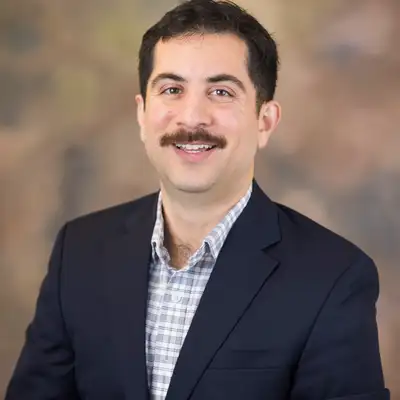
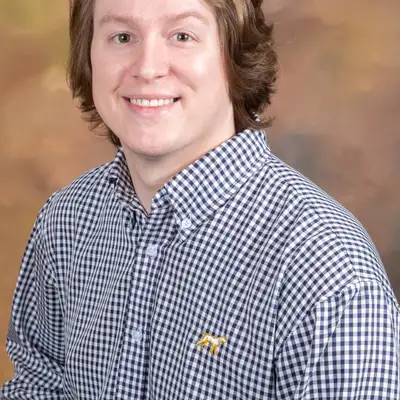
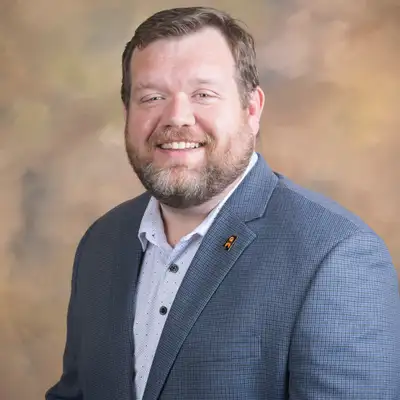
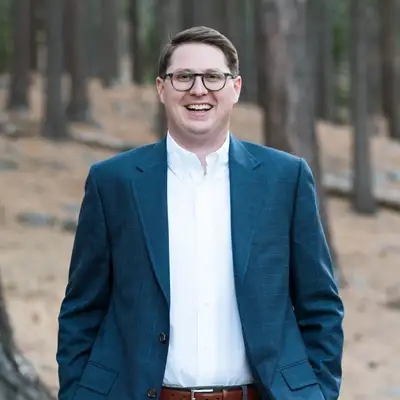
Tune in to The Extra Mile presented by the Mississippi Department of Transportation. Co-hosts Paul Katool and Will Craft take listeners inside the world of transportation infrastructure in Mississippi.
MDOT presents The Extra Mile Podcast.
Speaker 2:Welcome in to another edition of the Extra Mile Podcast presented by the Mississippi Department of Transportation. I'm Paul Katool, and as always,
Speaker 3:joined
Speaker 2:by my cohost, Will Craft. And, Will, it's been a little while since you've heard from us out there. We had a very busy end of the summer, early fall, launching the Big Fix and a lot of other projects, but we are back. We are better than ever. We got a really great guest today.
Speaker 2:Oh, yeah. We've got Nick Lewis, Government Affairs Director. He's on the show around six months ago for the first time. Nick, you're a busy man yourself. Thank you for joining us today.
Speaker 3:Yeah. Glad to be here again.
Speaker 1:Fall break, ensued. We've accomplished a little Halloween activities. We got a time change. Thanksgiving around the corner. All of the little things are happening at the same time.
Speaker 1:Y'all have a big Halloween?
Speaker 3:Yeah. Huge Halloween. Shout out Rollingwood, great neighborhood in Northeast Jackson, but
Speaker 2:it was it was
Speaker 3:a great weekend. Had a great turnout at the Halloween party.
Speaker 1:Time change coming through the clutch too. I don't know if it was beneficial for everybody, but man, I needed that extra hour on Sunday morning. Yeah. So all good things there. Thanksgiving ahead, rolling from one thing to another.
Speaker 1:Thanksgiving, my favorite holiday. Gonna put that out there for the record. It's the best one for me because, it just revolves around the food and getting to eat, and, I don't get to eat quite, you know, 12 course meals like that anymore. So looking forward to getting some of mama's good cooking, in the couple of weeks ahead too.
Speaker 3:Go ahead. Time change, just a disaster, I mean, great for that one night not to get weighed into that debate, but I don't like going home in the pitch black. You know, a little unsafe to... We walked through the neighborhood every night after work about 05:30 Pitch black now for for the evening walks. Luckily, live in a small neighborhood, but but for those that don't, without sidewalks, you know, vehicle pedestrian safety tie into transportation right there.
Speaker 3:No doubt. But, yeah, not not a huge fan of, getting dark so early, but, it is what it is.
Speaker 1:Yeah. I know one day, I think that's kicked around quite often about changing it or or or not changing it. I don't have a dog in that race. I'm like, y'all, we won't get into all that. Well, all those things just quickly mentioned there, but to say the least, October was slammed.
Speaker 1:It was so busy from one thing to the other, office, personal life, a little bit of everything under the sun. Not the least of which, a big achievement, we got the, Federal Highways administrator to come down, MTI at our our giant conference. Nick here had a no small part in dealing with all that. He was in the weeds as you could possibly be, scheduling and coordinating. By all accounts, it was a very successful trip, but let's hear it from you.
Speaker 3:Yeah. It was great. You know, we've been talking about this since maybe April, when Brad and I and a few others went to Washington DC. Me and Brad met with Sean McMaster, the Federal Highway administrator, when we were there and and, you know, kicked around the suggestion for him to come to Mississippi, which, you know, I think a lot of people usually that... That's kind of the polite thing to do when you're when you're with the top highway official in America is, hey, you should come down and visit.
Speaker 3:And they were serious. So, they... We had talked about, you know, what what some good ideas were kicked around. You know, originally, we wanted to to visit all all the different parts of the state, but couldn't make it work logistically. So we had the administrator come in the day before the Mississippi Transportation Institute, opening day, which is MTI that Will mentioned.
Speaker 3:When they flew in, we took them to visit three, active construction sites, which was really exciting to to showcase all the work we're doing on the Gulf Coast. We started with the I 10 widening project in Diamond Head. That project is is almost finished. I think from a driver's perspective, it seems finished. There's just some small touch up things that we're doing.
Speaker 3:And we also did some work outside of the widening project at the interchanges in Diamond Head, two two big roundabouts, there that are beautiful, big, beautiful roundabouts. So we were able to show the administrator that. Then we took, went to, Highway 67 and Lickskillet Road, which is in Harrison County. And, we actually had some some ongoing work and, traffic control measures in place at that project. I think while we were there, they were doing work on the median, putting some, cast in place drainage, devices in.
Speaker 3:That's a that's a big project that was funded with a federal grant, a super street project. It's 26 miles, I think, don't quote me on that. But 26 miles of improvements along a four lane divided highway, adding r cuts and j turns in, and and those ball bouts for trucks who are using those r cuts and j turns, to make that safer, and and having a little bit more controlled access without being full controlled access. And then we went from there to, Highway 57, which is the Van Cleef Bypass, which was a huge $220,000,000 project, maybe. Don't quote me on that either.
Speaker 3:Maybe plus or minus 10%, which which they're also working to to finish, in the near future. But that was a great project to look at too. Shout out Paul Katool. He, he came to help us out with that. But, yeah, I mean, that was great.
Speaker 3:There were still some dirt work going on, some interchange work, but we had some fresh asphalt down that the administrator got to see. Lot of contractors, present stakeholders. We got to meet some some workers from the industry. You know, you know, we we obviously worked during the planning phase for that, but, you know, being in Jackson, you work to plan this meticulous day. But I...
Speaker 3:I'm not a district engineer. I'm not an engineer at all. So, took the plan we put together and gave it to Billy Owen, our district engineer in District 6, and, he did a phenomenal job executing what we put together. So just wanna take a chance, to thank him for all the work that he did too. But, then we had dinner with the administrator that night, and the next day he opened the conference for the Mississippi Transportation Institute, which is a conference we have, I think every two years now, which brings together our engineering and technical staff, members of the industry and Federal Highway Administration, you know, their state staff, regional staff and obviously the administrator joined this time.
Speaker 3:The administrator came to the opening session, delivered some great remarks, about what they're doing in D. C, trying to improve efficiencies for for those of us in The States and then participated in a fireside chat with our executive director Brad White, and then went on his way to to one of a variety of states. But it was it was a, you know, tremendously productive visit. And it's, you know, no small no small feat to get the top highway official in America, to come down to Mississippi. You know, 55% of our budget is federal funds.
Speaker 3:All of those dollars flow through the Federal Highway Administration. So they're coming from him and, he's been great to work with, has helped us out, you know, cut some bureaucracy, where we could. And it's really nice to have a partner like Sean McMaster on our team in DC.
Speaker 1:Yeah. Just add to that. Always a huge deal. I mean, anytime you can get these folks that are that are in charge of these huge agencies, these huge funding mechanisms, we will be glad to show you around. You know, we've got plenty of projects that are ready, that are being worked on, that are moving forward.
Speaker 1:We've got exciting things like all the projects you just mentioned that he got to see on the coast. Some more of those projects, we're gonna dive right into. I'll let Paul take away here.
Speaker 2:Yeah. Yeah. And, again, thanks, Nick, all you did on on that visit. Big deal. Could not do it without, our federal partners.
Speaker 2:And speaking of that, some big projects. I know we've got some capacity projects on the docket. 55 in Madison County and and, 25 Lakeland Drive getting some some work done. Can you talk a little bit about that?
Speaker 3:Yeah. So, you know, it's a it's a good point to to switch to that. I did forget, sender Cindy Hyde Smith also joined us on the coast for that that trip with, Sean McMaster. So just wanna highlight, you know, a lot of those projects on the coast, you know, we use some type of federal dollars or received a federal discretionary grant. So it was great to have her join us.
Speaker 3:But, you know, switching from the federal side to the state side, which is the capacity projects, The, you know, the legislature over the last five years has invested over a billion dollars into capacity projects around the state, which as we know, but the the listeners may not know is is widening or adding capacity to our existing system juxtaposed to maintenance, which is fixing the roads that are already built. We've we've got a lot, happening from previous years, you know, 15 and Tippa Highway 7 in Lafayette County. We've got some new ones, and we finished some like, I 10 on on the coast, that I 10 widening that I mentioned that the administrator visited. But we've got some some big ones coming up right now. We awarded, in October, the busy month, the Highway 25 project.
Speaker 3:That that project was won by Hemphill Construction. That project came in under the state estimate, and that will add lanes from, Grants Ferry to 471, and also make some interchange improvements, out there, which is much needed from what I hear from my ranking County friends. Then we're excited. We just opened the bids last week for our I-fifty 5 Madison capacity project, which will add lanes from 463 to Gluckstadt Road, including the Reunion Interchange, which which those folks that live up in Madison County care a lot about. Happy to announce that the bids came in within 10% of the state estimate, which means if the commission chooses to do so, they will, award based on the recommendation of staff.
Speaker 3:TL Wallace was the lowest bidder on that one, but the commission on November 10 will decide whether or not to to accept staff's recommendation and award that contract. If the if the commission does, award that contract on November 10, I think we'd be looking at barrels starting to go up and dirt being moved in March of, this upcoming year in both projects, you know, slated to finish sometime in the spring or summer of two thousand thirty. So, you know, right there between those two projects, it's it's a several $100,000,000 investment. On top of that, you know, we're excited to to have recently got an infra grant from from from DC, USDOT. The infra grant we got is for the 55 DeSoto capacity project.
Speaker 3:That was a $44,000,000 grant to shore up some, funding shortages that we had on that project. But the bulk of that project was also funded by the state legislature, everything but the InfraGrant essentially. You know, I think right now, you know, assuming everything goes according to plan, you know, we'd be looking at advertising, at the start of the new year, and then, you know, having a notice to proceed, you know, sometime in the late spring. So within a couple months of each other, you know, we could potentially have almost a $1,000,000,000 in new projects just amongst three projects. You know, two of those are obviously along a really important freight corridor.
Speaker 3:You know, the DeSoto County being in the Memphis Metro Area and all the growth that we've seen, all the economic development, thanks to MDA and Governor Reeves over the last several years, you know, freight is really important up there. So it's not just the movement of people, but the movement of goods. And I know that the people are concerned about all the congestion, but but, so is industry. And that's what we hear from Truckers Association. So it's really exciting.
Speaker 3:I mean, who we don't know a lot about what that DeSoto County project will cost yet. You know, but if you figure it's in the same ballpark as 55 Madison, you know, maybe a 500,000,000 or a little more than that, for those three projects. So it's it's really exciting. That's outside of all the other stuff we do on a on a daily basis. You know, I know we've still got a lot of work on the coast, obviously finishing up stuff that we've done before, which is what I mentioned.
Speaker 3:The projects we took the administrator on are all three major projects, that are ongoing currently or or almost complete. So all across the state and all three, you know, of all three of our commission districts, there's huge investment going on. Thanks to the legislature for some of this and, certainly our federal partners for some too.
Speaker 1:Yeah. Teamwork. I'll throw out there. I mean, just quickly, just running through, we're taking a look at just how much work, is going on. And I won't wade too far into this, but just looking some of these Highway 7 as as you mentioned, there's so many bridges.
Speaker 1:Seems like there's so many bridges being worked on all across the state, especially in the North, but seven fifty one, one seventy eight, 55, 61, 22, seven zero four, nine, three zero two, two seventy eight, 32. All those roadways currently have a pretty significant project, one or the other type, going on across the North South. Let's see. Already alluded to 10, 57, 59, 67, 49, 84, 98, 513, 514, six thirteen, five twenty eight, 18, 15, and six zero five. I mean, there is, there's work going on everywhere, right now.
Speaker 1:We're all about the orange. Expect to
Speaker 2:see those orange barrels for sure.
Speaker 3:Yeah. And, obviously not counting the big fix, which is another huge maintenance project, ongoing, you know, for for those listeners in the metro area or anybody that travels through, Orange barrels are up. Striping has been, changed to to, you know, there's a few... There's one less lane, I think, headed into the stack going southbound to head west onto I 20. If you look under some of the bridges out there, the contractors are building massive parking lots for mobilization, so they can park their equipment there.
Speaker 3:My understanding is maybe there's some pilings going in under some of these bridges to support the cranes. You have to basically build a mini bridge to put a crane on to fix the bridge, other traffic control measures in place. You know, so it's really exciting, not just the capacity, but all the maintenance stuff that you just mentioned. You know, MDOT's in a real good spot right now.
Speaker 1:Got a wide open.
Speaker 2:Absolutely. And, hey, we've we've done a lot of work in public affairs to to, you know, get the word out. And if you want to know anything about it, got a shout out the website, gomdot.com/thebigfix. And really, it's a hub of information. Anything you want to know about that project is going be there.
Speaker 2:Of course, want to give everyone a heads up about this, in summer of twenty twenty seven, the first
Speaker 3:full closure of 2020. Yeah. Yeah. We will have two two full, forty five day, lane closures on that project, one in each direction. You know, know we've probably talked about it ad nauseam to certain groups.
Speaker 3:I don't know if you all have have mentioned it on the or to the extent you've mentioned it on the podcast, but obviously some drivers may be feeling a little heartburn already over traffic. You know, we we've tried to do as much as we can to mitigate the traffic impact, which is why we're only having two forty five day full lane closures. You know, there will be some other lane closures at night, and on the weekends during the day. But, you know, our folks who delivered this project worked to make sure that in the contract during the day, during the week, there will be no lane closures, for for this traffic. You know, the lane closures will take place at night and they will take place on the weekend during the day on the weekend.
Speaker 3:But you know that it's the highest traveled route in the state that concurrent section of 55 and I 20, which means that section between the two fifty five for for the listeners that don't know. So, yeah, I mean, it's it's a huge project, but we're really excited about that. I think... Is it the largest project, from a financial standpoint?
Speaker 1:If not, the certainly one off.
Speaker 3:No doubt. Yeah. I mean, $4,450,000,000 all said and done, you know, so it's really exciting, you know, to have all this going on with all the other stuff that we just mentioned.
Speaker 2:No doubt. And honestly, though, the reaction's been really, really positive. Think everyone understands that it has to be done. It's going to make everything... You know, it has to be done for the safety for, you know, yourself, your husband, your wife, grandparents, whoever, your kids, school buses, everything.
Speaker 2:It's it's just gotta be done. And, you know, we're all in this together.
Speaker 3:Yeah. And, you know, even though we aren't adding lanes, you know, there's a safety and kind of a a capacity component, you know, to this. You know, on some of those bridges, you know, we don't have a shoulder on those bridges. Mhmm. So even though we aren't adding lanes, on on, I think, about half a dozen of these bridges, we're we're taking the bridges that have no shoulder and putting a 10 or 12 foot shoulder on them.
Speaker 3:And you know, the importance, from a capacity and safety standpoint there is, as all of us know who drive through that area, if a car runs out of gas or gets a flat tire or if a truck gets a flat tire, if you can't pull over and you need to, you're stopped in the middle of the interstate. And what does that do for traffic? What does that do No. For freight So so even though we aren't adding lanes in a true sense, by adding these shoulders, it will allow vehicles to move off move off the road and keep traffic flowing, keep goods flowing. So I think you'll see when the project is done, aside from the necessary repair that needs done for the for the road to stay, you know, or for the bridges to stay up and not collapse, You know, hopefully, will see some congestion relief, and there's obviously an ITS component to this, the smart driving technology so that folks can see what their commute times look like.
Speaker 3:Just, you know, can't say enough about how tremendous this project is too.
Speaker 1:We appreciate it. Continue. You mean keep going, man.
Speaker 3:You know? Yeah. Yeah.
Speaker 1:No. Absolutely. We're excited. As Paul mentioned, the folks in public affairs done a lot of work. Shout out to the IT folks, IS department too, and, Daniel with with, all of our information going on the boards across the highways and everything.
Speaker 1:No. It's been a big team effort, Nick. I've just heard him rattle off all this information. He has been studying it and learned it up, at this point, having to regurgitate it multiple times. Yep.
Speaker 1:Yeah. No. Big project for sure.
Speaker 2:We're very excited about that one. Absolutely. And, else, we're just jumping all over it. All around today, the SMIFF Oh, yeah. Pretty cool, acronym there, the Strategic Modal Investment Fund.
Speaker 2:So is there some kind of deadline coming up with that? Yeah. Tell us what what it is, too.
Speaker 3:Yeah. So the Strategic Multi Modal Investment Fund was started by the legislature a couple of years ago, and they've chosen to fund it with an annual appropriation every year separate from our budget to the tune of about $10,000,000 In addition to that, there is some recurring funding that comes from the fuel tax, although that that runs maybe 2,500,000, 3,000,000 on a good year, maybe up to 5. But with the legislature putting 10,000,000 in last year in the years prior since the program started, what what it allows us to do in in our executive director's words, you know, we used to be the highway department. Well, you know, we we have more than highways. We have ports, rails, airports.
Speaker 3:And, you know, we don't regulate those industries, but we serve as a pass through for not just state funds, but federal funds. So this this program that when we talk about multimodal, we talk about every other mode of transportation other than roads. So that would be those airports, water ports, rail. This fund was set up to to help give money to those from a state standpoint because, of course, they get federal funding. So that application period opened on October 1.
Speaker 3:It closes on November 13. So I think we're... What's that? About eleven days the application period's open. I checked this morning.
Speaker 3:We only have one application in so far, which is not unusual. You know, most folks wait till wait till the end, but, you know, get those applications in. You know, that that money is split between the three main modes of alternative transportation, which is those water port... Those water ports, railroads, and airports. So, you know, when you take 10,000,000 and split it three ways, it's it's not a ton of money, but it it really impacts these small communities that have these ports or airports and rail.
Speaker 3:You know, I know that there's there's a lot of small communities all over the state that have airports, just just to pick on them for a minute. You know, so helping helping give funds, through a discretionary grant process, can be huge. You know, I know that some some of them have built new hangars, which attracts economic development. You know, that's one of the things that they look for in the application process. All of this is on our website too on the application portal.
Speaker 3:I don't know the URL, if you just Google MDOT, SNIF, s m I f, application, the... It should show up. And there's a list of criteria on how you're scored, you know, ability to leverage federal funds, you know, economic development impact, job creation. Some of those were set in statute by the legislature that are outside of our control. And then we took, what the legislature said and added, you know, added to to that to try to help make it more competitive.
Speaker 3:So, you know, as Brad likes to say, you know, we used to be the highway department. Now we're the Department of Transportation. This is one of those key programs that that makes us the Department of Transportation as a whole and not just limiting us to to roads and bridges.
Speaker 1:Slipping on into our next little topic here. We won't get too terribly much in the weeds. It's not quite upon us yet, but, man, it's just around the corner. The legislative session Yeah. Once again coming up on us.
Speaker 3:Yeah. I, you know, they may have a special session. I'd anticipate here, in November that, unless something crazy happens, we'll have absolutely, you know, nothing to do with us. I think that'll be redistricting focused, which is a conversation not for here or at least, at least not on air. But no, the legislative session is coming up again.
Speaker 3:You know, we we don't have a huge list of priorities this year, just kind of outside getting our budget right. You know, I came on the podcast a while back and talked about our budget issues, you know, very, very constrained financially, on our on our ability to pay our people. You know, just as a reminder, of course, you know, some of our, hardest working, lowest paid employees make, you know, dollars 29,000 a year to start. Now, I did some math, I think a week week or so ago. It was maybe $808,150 bucks a paycheck because we get paid twice a month is what that comes out to after taxes and PERS and all that.
Speaker 3:And that's rough, you know, I just I just took a percentage off the top. But, know, those are the folks that fill our potholes every day and are out busting their butts, out on the road. So, anyway, you know, we had some issues last year with our budget, but but ended up getting it to a good place thanks to some big allies in the legislature. This year, though, we're gonna go back and try to focus on, you know, getting getting the salary authority fixed so we can try to pay our folks some more money. You know, the legislature doesn't give us money for salaries.
Speaker 3:You know, we get the money directly from our fuel tax revenue and our other revenue sources. We're a special fund agency. So, you know, they just have to give us the authority to spend the money that's already collected in another statute. So, you know, we're obviously looking forward to working with them on that. Another huge issue that we've talked about now for a year that, representative Steve Massengill, our house transportation chairman is leading his work zone safety.
Speaker 3:You know, we we met last year about it and tried to get something rolling. Just just never happened. You know, this year, we're talking about it again. We had, a contractor get killed, when when Sean McMaster was here. So I don't remember the day, maybe the eleventh or twelfth or thirteenth.
Speaker 3:A contractor up in Grenada County, I think near Duck Hill got killed on the interstate from a work zone intrusion. I was talking to another contractor, who was doing some night work here in the metro area for a couple weeks. They had a work zone intrusion every single night of their night work. You know, I won't speculate as to what it is or why, but, you know, we have too many distracted drivers on the road and not just our employees getting killed, but our contractors. You know, so it's work zone safety is a huge priority.
Speaker 3:You know, we we don't have the ability to run blue lights. We don't have a law enforcement division. All of our law enforcement partners across the state are stretched thin as it is. You know, if if MDOT wants to pay, you know, for law enforcement, you know, through the contractor, that cost is just passed through on the project. So, you know, you're technically...
Speaker 3:Even though it's not a lot of money, you know, you're paving less roads to end up having another cost paying for law enforcement, which, you know, you can't put a price on someone's life. But there's all these different factors that go into work zone safety. But, you know, the legislature, especially representative Massengill has taken a real hard look at this. We've been involved talking with industry, Colton Robinson with Asphalt Pavement Association, Mike Pepper with Mississippi Road Builders. You know, they have seats at the table because they represent the, you know, a lot of the guys that are out working Right.
Speaker 3:On the roads. Because, you know, we we do maintain our roads and we have crews out there, but, you know, we do have some paving crews, but they do a lot of the paving work, the road building work. So, you know, that... That's a big priority too. You know, something else that maybe we'll try to look at, I don't know if it'll go anywhere, you know, for the for the listeners to understand, you know, we had that big winter storm this past year.
Speaker 3:Mhmm. And, you know, that was a that was a big impact on us financially. And, you know, when we're paying to respond to a disaster, whether it's a hurricane, a winter storm or a tornado that damages roads and bridges or has debris on the right of way, we... That that comes out of our normal budget.
Speaker 1:Right.
Speaker 3:So if we had, you know, for example, $30,000,000 in costs, that's $30,000,000 less being invested into roads and bridges until we get reimbursed by the federal government. That reimbursement process, if it goes perfectly, you know, from the time we submit, which is about a year after the storm, it's eighteen months from the time we submit. So, you know, right off the bat, if everything goes perfect, you're looking at, what's that, a thirty month turnaround if everything is perfect.
Speaker 2:Wow.
Speaker 3:And in a in a worst case scenario, four, five, six years. So, you know, when you have an expensive emergency, it consumes a lot of money, and that's just one. If we'd had a hurricane this year that cost us $50,000,000 we'd had to cut projects, you know? You know, obviously the fuel tax, you know, was increased a couple of years ago to give us additional revenue. Well, it's not helpful when we're having to put revenue on the streets to deal with disasters.
Speaker 3:So anyway, it's something that we'd like to take a look at and work with our partners to see if there's a solution that, you know, if we could have have some of the money fronted so it can go right to our roads and bridges because, you know, the federal government does reimburse us at the end of the day, but we have to carry that that cost on our books until they do. So I think we're gonna maybe try to look at that, you know, see if there's a fix we can get. But, yeah, mean, other than that and getting our budget straight and work zone safety, I think, you know, it'll be a low lying session. You know, this is the last year for for, some of our statewide elected officials in their offices. Some have declared to run for others.
Speaker 3:The legislature will be up for reelection possibly under, you know, likely under new districts in 2027. So, you know, politics are at play across the street. So, you know, that usually doesn't really impact our business, but, it can certainly impact other business and impact the timing of how things get done. So we'll, we'll just take a back seat, you know, go over there with what we need. But, they've been very good to us over the last, several years.
Speaker 3:You know, thanks to Brad, our Executive Director. So yeah, we'll, we'll hope that continues and hope for a strong session.
Speaker 2:Those are some very important items, Nick. Thank you for all your all your work on that. Let's reiterate the work zone safety element. Put the phone down, y'all. It's it's really not worth it this morning.
Speaker 2:Almost every morning I see someone kind of like staring at their phone, even on FaceTime sometimes or something like that. It's just not worth it. These are real people out there working on the road. So, yeah, let's be safe. And, yeah, thank you for all that information.
Speaker 2:Yep.
Speaker 3:Yeah. Put the phone down for a variety of reasons. You know, obviously, a sideswipe isn't that bad, but a work zone intrusion, you know, killing a contractor or a state employee, I mean, nobody wants that anyway. And it's not worth it with all the technology we have nowadays.
Speaker 1:Yeah. Please slow down. Watch out for
Speaker 3:our folks. And, again, with all the work we have coming up on on interstates, right? I mean, that's aside from our maintenance work. Well, the 55 capacity project, the big fix, you know, because we're doing this project, you know, expedited in 2.5. You know, my understanding is at some point we will have, you know, 180 contractors on the highway at one time across that project.
Speaker 3:I mean, that's a lot of people out there. And you'll see if you drive through, that's why some of the traffic control measures are concrete barricades, instead of just traffic barrels, but there are traffic barrels in some areas. You know, we we have a lot of work, obviously, 25 in Lakeland, like we talked about, you know, if 55 DeSoto at some point coming up, you know, these are high speed areas. We've got a lot of work coming up, you know, slow down and put your phone down, you know, especially even if you don't think there's a worker present, that doesn't matter. You never know, you know, and it's just worth getting into the habit of slowing down through the work zone.
Speaker 3:I mean, we're we all have AI. Someone could do the math. If we've got a three mile work zone, the speed limit's 70, and you go 55 for three miles, the the impact on your drive time wherever you're going is minimal Yeah. For the risk. I mean, it...
Speaker 3:It's all it's all a risk based decision. It's it's just... It it... Ridiculous.
Speaker 1:We we do appreciate all attentiveness, to our folks, your folks, everybody's folks. We all wanna get home safe out there. No doubt about it. Quickly transition over or, transition over quickly to, the federal reauth. I know it's something that haven't really spent a whole lot of time talking about or weighing in on anything you're hearing out there.
Speaker 3:Yeah. You know, obviously politics in DC are, are are difficult right now. We have an election tomorrow. Well, you know, depending on when this airs, we may have just had an election. Maybe I should make some predictions and then by the time this airs, let's see if I'm right.
Speaker 3:But, no, the, you know, we have a, the federal highways, reauthorization service transportation reauthorization happens every five years. That funding lapsed at the end of September. Congress passed a continuing resolution until December 11. You know, so so we're operating on the same funding levels we have for the last five years. Short story, that's not a terrible thing.
Speaker 3:When the IJ was passed, that was historic levels of infrastructure funding. So if we have to be stuck on a CR from one bill, not a bad one to be stuck on. There were some discretionary programs that were not funded, because that that you couldn't do them under a CR, but nothing that's gonna impact us in any major way. So, you know, the politics of DC will be interesting. I mean, obviously, we have one party rule in DC right now.
Speaker 3:I'd think that if, that changes, which looks like it will in at least one chamber, I'm just not sure how they get together to agree on transportation priorities for a new five year bill. You know, if I was a betting man, you know, I would probably bet that we'd be on a CR for for, you know, the foreseeable future. You know, with maintaining funding levels, outside of that, not hearing much, you know, all the members of congress are home campaigning right now. And if they're not campaigning for themselves, they're campaigning for their colleagues, on both sides of the aisle. So, I know congress is gonna come back into session after the election.
Speaker 3:I... But I I doubt we get much movement on on the bill. The the bill that's been, you know, being considered in the house right now, I I doubt we get much movement past that, especially in a lame duck session. So, we'll see. I mean, I guess my only hope would be that if if, you know, Republicans do lose control of one of the chambers, that maybe that's an incentive for them to try to get something rammed through during a lame duck session.
Speaker 3:But, you know, the the reality of that is, you know, that's probably not gonna happen. So it is what it is. You know, we'll probably be living on a CR for now, but that... That's alright. I mean, it's better than having no funding bill, which means we get $0 from the feds.
Speaker 3:And like I said, that's 55% of our budget.
Speaker 1:So That would be a little bit of a problem. Yep. You heard it here first. Take the over.
Speaker 2:Folks. Get on polymarket.
Speaker 3:Take the over. Yeah. Yeah. Very good. Just like everything else brought to you by Cal sheet.
Speaker 3:Right? You can't turn on the TV anymore without seeing a sports betting or prediction market out.
Speaker 2:Game of fly everything, baby. Yep. Everywhere.
Speaker 1:Thank you, Nick. Appreciate that. The the quick rundown on all the legislative stuff. I know it's a lot. Keeping it all under tabs, man.
Speaker 1:We appreciate you. We'll kinda get out of the serious part here. Just roll into the the couple fun questions. A quick football shout outs real quick. We can't go too much further.
Speaker 1:I gotta give the Golden Eagles two wins in a row.
Speaker 2:Let's go.
Speaker 1:Alright. We're turning things around down there. Coach Anderson, appreciate you. You guys are going Georgia or they're... I guess Got Georgia.
Speaker 1:Got Georgia.
Speaker 3:Yeah.
Speaker 1:Coming to Oxford this weekend. Big game.
Speaker 2:Big, big game. But, you know, basically, if we win, pretty good path to the playoffs for a second year in the row.
Speaker 3:Yep. No. Really excited to have Georgia coming. You know, we have the best home record, in... Of the power four schools right now.
Speaker 3:I think the only team that has a better home record than us over the last three years is Ohio University at Ohio State. Oh, you the Bobcats, and they're not a power four school. So when you take them out, I think, twenty five and one is is what twenty six and one, I guess, after this past weekend, is our home record. So so it's the longest active, home winning record. I think maybe, Indiana had had a record better than us until Ohio State beat them a couple weeks ago, which, you know, my my...
Speaker 3:Obviously, my family's from Ohio. Shout out. Ohio State losing big for Ole Miss. So happy about that. Not gonna be not gonna be liked amongst my family and friends if they see this, but I was happy to see the Buckeyes go down, on Saturday, just for Ole Miss' sake.
Speaker 3:So must win at Georgia this weekend. And I'm repping the Rebs today. Yeah. Doubt.
Speaker 2:I will be there. Not taking a limo this time, but, I will I'll be there.
Speaker 3:I need to make some pocket tool money. You go. Limos to the whole list
Speaker 1:games. Oh
Speaker 2:my goodness. And
Speaker 1:We'll give a quick shout out to the Starville, Mississippi State folks as well. Unfortunately, Camaro down, it looks like for the year. But, you know, hey. I'm I'm not an avid fan, but I saw good things this year. I've I've heard some disappointments.
Speaker 1:But
Speaker 3:Yeah. Mean, and while we're on football, of course, most listeners are probably Saints fans. I'm a Cleveland Browns fan. The Cleveland Browns five and three, just phenomenal record. You know, we're we're leading the division until we lost to the Steelers this past weekend, but we're we're coming down to New Orleans this weekend to play the Saints at the Superdome.
Speaker 3:At noon on Sunday, I will be there with, my wife and my 13 old, who has been to football games before, but never a browns game. So very excited to to hopefully see the browns whoop on the saints this weekend.
Speaker 1:Very good. Very good on the football shout outs there. We're... We just had to throw it out there. If you're in Mississippi or if you're in the South, you gotta talk about football at least for a half second here.
Speaker 3:Well, and, yeah. I mean, you know, the Broncos beating the Chiefs last night. Love to see that. Not a Chiefs fan. Exciting game.
Speaker 1:Kansas City just catching strays in
Speaker 3:here. Yeah. That's right. So, yeah, love to see Denver. You know, it was nice to see, Boonex complete a pass further than five yards last night.
Speaker 3:So, yeah, big big for the big for the Broncos. Always happy to see the Chiefs go down.
Speaker 1:I won't I won't complain. I didn't hate it.
Speaker 3:I didn't hate it.
Speaker 2:Absolutely. I guess we got one more thing for you. Rapid fire, favorite Halloween candy real quick?
Speaker 3:Yeah. There we go. Reese's pumpkins. Alright. What you got, Will?
Speaker 1:Hershey's. Anything Hershey's cookies and cream.
Speaker 2:Cool. Anything dark chocolate. And then we got one more thing for you. So Oh, yeah. Favorite Thanksgiving dish.
Speaker 2:Let's start with Nick. What you got?
Speaker 3:Stuffing. Extra stuffing that is cooked inside the turkey.
Speaker 2:Amazing. What you got, Will?
Speaker 1:I want the deep fried turkey that his stuffing is in.
Speaker 3:Yep. Wow. Mind blown.
Speaker 2:I'll go dressing, but we, Lebanese, and we have, like, Lebanese food at every holiday, including Thanksgiving. So I'll go some kibbe out there if anyone knows what that is.
Speaker 3:No. But now you have to bring some to try.
Speaker 1:Well, you
Speaker 3:can't do it. Mention it.
Speaker 2:I will do
Speaker 3:it. Featured on the next episode. I will say a number of years ago, me and my uncle who's a chef, we made a turducken. Oh wow. And smoked it.
Speaker 3:You know, turkey or I guess I should say the duck wrapped around with a chicken and then you wrap the chicken with a turkey. And, we put that on the smoker, and I've never had a better thanksgiving meat dish than a smoked turducken. But, you know, it took, six people to, like, stuff and try to twine, and it was a huge pain. We've never done it again. But shout out if you have the patience and the willpower to to make a smoked stuffed turducken, you go ahead and do that.
Speaker 1:Drop us a drop us a picture of your smoked turduckens.
Speaker 3:I've... I actually probably have a picture if I can find it in my smoked turducken. Yeah. That can be the, the the image for the
Speaker 2:podcast. Yeah. Drop it on the Facebook post. Thank you Yeah. For, coming on the show.
Speaker 2:We'll we'll have you on again soon. Yeah. Thank you. Awesome. We'll go ahead and wrap things there.
Speaker 2:Thank you to our listeners, our viewers for tuning in to Extra Mile Podcast. You can watch and listen to episodes by visiting gomdot.com/theextramile. Follow us on social media at Mississippi DOT is the handle. We wanna thank our editor producer Drew Hall for holding things down behind the scenes as always. Remember, drive smart out there on Mississippi highways.