Subscribe
Share
Share
Embed
The Hydrocarbon Engineering podcast: a podcast series for professionals in the downstream refining, petrochemical and gas processing industries.
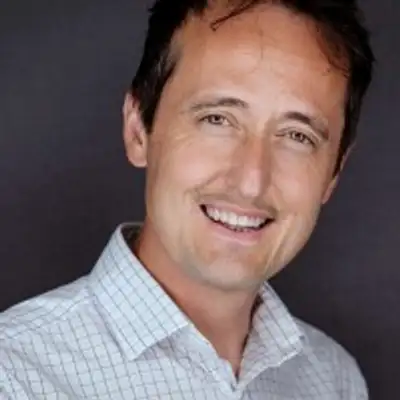
Welcome back to another episode of the Hydrocarbon Engineering Podcast. I'm your host, Callum O'Reilly, and today we'll be exploring the evolving digital landscape in the energy sector with the help of Graham Faiz, Head of Digital Energy at DNV. We'll dive into the current state of digitalization, the key drivers behind transformation, and how companies can move from pilot projects to full scale deployment of AI and digital tools. From the role of digital twins to building trust in AI and navigating new workforce demands, this conversation is packed with insights. So let's get into it.
Advert:The hydrocarbon engineering podcast is brought to you by Owens Corning Foam Glass Insulation. From managing vapor drive and mitigating corrosion risk to maintaining thermal performance and supporting safety on the jobsite, the insulating system plays a critical role in high performing hydrocarbon processing facilities. Learn more about how foam glass insulation contributes to the design of high performing insulating systems at cryogenic facilities at ww.owenscorning.com/foamglasslngstudy. That's www.owenscorning.com/f0amglaflngstudy.
Callum O'Reilly:Hi, Graham. Thanks so much for joining us today. How are things with you?
Graham Faiz:Yeah. Really good. Thanks very much, Callum, and thank you for inviting me to this podcast today.
Callum O'Reilly:No. It's a pleasure, Graham. Really pleased that you could join us. So before we get diving into the questions regarding digitalization, I was wondering if you could introduce yourself to our listeners and tell us a little bit about your role at DMV.
Graham Faiz:Of course. No problem at all, Callum. So, yeah, by way of introduction, my name is Graham Faiz. So I head up the digital energy team here in DNV's UK and Ireland region, which is a team of around 20 people comprised of engineers, consultants, and data scientists. So personally speaking, I'm a chartered engineer.
Graham Faiz:I've been with D and B for for around eleven years, working across a number of our business units, but always at the intersection of energy and digital and technology.
Callum O'Reilly:Right. Thank you for that, Graham. So to get us started today, I was wondering if you could describe for us the current state of digitalization in the energy sector, and where do you think the industry currently stands in terms of digital maturity?
Graham Faiz:Yeah. That's a really good question to kick us off, Callum. From my perspective and certainly from the perspective of DMV, our work with the energy industry more broadly really tells us that the sector is starting to invest significant amounts of money into digital technologies, and, of course, that's inclusive of artificial intelligence based technologies. But I think according to the the detail in our latest D and V research, few can really demonstrate the trustworthiness of these technologies to stakeholders to support critical decision making. To bring that to life a little bit, what seems to be a struggle for most companies is to get from piloting through innovation projects or in a lab to actual project and and business as usual implementation.
Graham Faiz:So for example, only 12% of the industry's c level execs that sort of we interact with and we speak with on a regular basis say that they are in an advanced stage of digital technology or AI development. So trust is key. I think trust in digital technologies to support safety critical decision making is is generally lacking. And certainly in general terms, we see that some of the underlying barriers to establishing trust in digital technologies to really allow the value of those technologies to be realized in the sector is cost of the technologies themselves, culture, so typically resistance to change. We see a general lack of digital skills and capability.
Graham Faiz:We see a lack of investment in in next generation digital technologies. And I think last but by no means least, we still hear many, many concerns about cybersecurity.
Callum O'Reilly:Really interesting, Graham. Thank you for that. I I want to come back to a couple of the points that you mentioned there, in particular trust surrounding digitalization and AI later on in our conversation. But before then, what do you see as the biggest drivers behind digital transformation in the sector?
Graham Faiz:Yeah. That's another great question, Callum. I mean, we firmly believe transformation is really key to safeguarding energy supply and energy systems in their current form, whilst at the same time allowing our society and the sector to decarbonize and and electrify. So we really expect that we're moving towards an energy system in a sector more broadly that consists or will consist of connected digital systems such as digital twins, very much with artificial intelligence baked into the heart of smart cyber physical infrastructure. So in a way, I summarize that by saying it's a case of the three d, so decarbonization and decentralization enabled by digitalization.
Graham Faiz:From DMV's perspective, a a timely and effective energy transition is gonna be really difficult with automation, without data driven decision making, and digital innovations more generally. And and we really believe that a complete transformation of the sector really requires data that is gonna be available and usable. It can ultimately be trusted to allow those future systems and those future technologies to be built and deployed. So, well, what does that mean? That's gonna require data across the sector to first be identified and made accessible.
Graham Faiz:It's gonna need to be transformed, and, ultimately, it's gonna need to be well governed and well managed. So what we'll see is a sector that's gonna move from an area where data is gathered, managed, and used for a very specific purpose to one where data is truly treated and and realized as a as a new type of asset. And and and for us, that's gonna be needed to enable the management of things like future system complexity, which is really gonna fundamentally change the approach to the management of data, both historic and new across the sector and more generally.
Callum O'Reilly:So are you seeing a shift from pilot projects to full scale deployment of digital tools and AI across energy facilities?
Graham Faiz:Yeah. I'm gonna generalize a little bit, Callan, by saying I was by saying no, actually, we're not. I mean, certainly not yet anyway. And the risk has sounded negative, I'll try to put a positive spin on that response. You know, I mentioned digital trust earlier.
Graham Faiz:So so for us, establishing trust in digital systems is gonna be really vital for the energy industry, which manages high risk assets and critical infrastructure that are essential for all of society. You know, whilst digital technologies offer significant value opportunities or opportunities to create value for the sector, they also introduce complexity and risk. So some examples that we see, an efficient energy transition. So as the sector transitions towards cleaner and smarter technologies, trust in the underlying systems is gonna be required to ensure the seamless integration or of these digital innovations in in into the energy sector more broadly, and trustworthy systems will enable efficient energy production, efficient energy distribution, and, of course, ultimately, efficient energy consumption. So trust in systems will enable an efficient and addressed energy transition.
Graham Faiz:And that leads me to my second point, is around smart energy adoption. So what do we mean by that? Well, you know, with the proliferation of smart energy technologies such as smart grids and sensors and Internet of Things devices, you know, maintaining the the trust, if you like, be between those connected systems is gonna become paranels. So trustworthy data and trustworthy connected systems are gonna be fundamental for reliable decision making. And then the third point, and I've already touched on it, data.
Graham Faiz:So data management, you know, we need to see effective data handling. We're gonna see data that can be very much be trusted because, actually, the provenance of the data sources themselves, are deemed to be reliable. They're deemed to be safe. They're deemed to be secure, and they're deemed to be trustworthy. And that's gonna be needed for the seamless exchange of information to happen, which will support, which is gonna be critical to support the optimization of the operation of the future system.
Graham Faiz:Security, again, we've touched upon it, cybersecurity. So trustworthy operational technology will really help us safeguard against the ever increasing threat of cyber attacks and cyber activities, so robust security measures are gonna be needed to protect critical infrastructure from from breaches to ensure that we have an uninterrupted energy supply. And then my final point, regulatory compliance. So trustworthy systems are really needed to adhere to future industry regulation and standards that these techno that will be introduced to effectively safeguard both against the technology and to ensure the safe operation of of these technologies. And I think compliance with such regulation will be confidence among stakeholders and investors to ensure that the system of the future can operate safely, securely, and reliably.
Graham Faiz:So for us, ultimately, in summary, the trust in digital technologies enabled through digital trust already underpin a reliable and resilient energy system, and they'll support a sustainable, just energy transition.
Callum O'Reilly:So, Graham, how do you recommend that companies prioritize their digital investments? What delivers the fastest or most meaningful return on investment?
Graham Faiz:Yeah. Good question, Callum. I'll briefly and perhaps very specifically highlight three of the DNV's learnings from working with customers in the energy sector on projects across all of the vectors that we are we're supporting. I mean, firstly, there needs to be a better understanding of how technology will provide value in a very specific context. Now, for example, AI technology in particular needs to be integrated into work processes to be sustainable.
Graham Faiz:So process change and really managing the change processes associated with the introduction of digital tech, including AI is gonna be gonna be really, really important. And I think that absolutely needs to be very high on the agenda for many organizations looking to actually implement a digital transformation. So not so much, you know, test what those transformative technologies might be in in a lab, but absolutely think very carefully about the process changes required to to embed and deploy them. Secondly, you know, and I've touched upon change management, being digital assets themselves, they're they're ultimately required and and put into to business as usual. They're gonna require structured change management approaches.
Graham Faiz:So throughout any digitalization process, we'd really like to see that very much at the forefront too. So how is one gonna manage, support, sustain, upgrade, and continue to operate the assets that are embedded at the heart of our system? And again, I've touched on it a lot, it is a recurring theme, data management, data quality. So we're gonna need to see more comprehensive approaches to how data is managed, that's gonna be needed to leverage new technologies such as digital twins, because those digital assets ultimately have different assurance and compliance requirements compared to physical assets, certainly, mainly because they are always changing. So for many organizations in the sector, all three of those items remain key challenges today, and that's gonna need to be resolved to ensure a more meaningful return on investment moving forward.
Callum O'Reilly:And how is D and V helping energy operators use digital technologies to improve areas such as safety and reduce unplanned downtime?
Graham Faiz:Yeah. I'm gonna continue to build upon the digital trust thing because I think it's really important. So from our perspective, that's established and sustained through a series of rigorous assessments. So in our case, that's aligned with our recommended practices, and these are assessments typically identify potential gaps that need to be addressed to meet regulatory or general trust requirements within the organization or the sector more broadly across the entire digital value chain. So that could span from sensor data collection to supporting decision making ultimately through to to digital twinning or full blown digital twinning more broadly.
Graham Faiz:So digital thrust, I think, hinges on three critical factors. Some reliable results. So firstly, you know, ensuring the underlying digital technology consistently produces accurate and dependable outcomes in the sector needs that to ensure a safe and sustainable operating environment. Secondly, user confidence. So really building confidence of engineers and operators and asset management teams, for example, by demonstrating transparency, security, and reliable reliability in the processes and systems that are managed by these future digital systems.
Graham Faiz:And then finally, we talked about our ROI earlier, but business value, of course, a real headline here. So validating that the solution not only meets technical requirements, but also delivers tangible business value or often financial value, you know, that's clearly a key aspect. And we think that by addressing those aspects, organizations can start to build this culture and foster that culture of digital trust, ultimately enabling, you know, successful adoption and utilization of that tech.
Callum O'Reilly:So, Graham, you mentioned digital twins, and I I was wondering what role these play in energy facilities and how widely they're being adopted.
Graham Faiz:I think it's time to cite an example, Callum, in my in my response, and I'm gonna refer to the Nyhammer processing facility in Norway. And I'm I'm certainly aware that in October 2019, I think it was, the Nyhammer Shell initiated a project to operationalize what they call an asset of the future, and that was through a partnership development of what was ultimately called the Nihelm, the Dynamic Digital Twin, I believe. And that twin was developed in less than a 100 days. And, certainly, since January 2020, they claimed that the Nihelm, the Digital Twin has been in operation and evolving continuously through things like monthly product releases, which focus on the safe, effective, integrated work processes to support the optimization of of energy production and energy use. And, certainly, Norsca Shell claim that the digital twin is really transforming their ways of working to unlock value and increase resilience in a changing business landscape ever changing landscape.
Graham Faiz:Certainly, the digitalized version of that asset potentially provides the capability to simulate scenarios, example, to help them uncover new options for the optimization of the real life counterparts at a real plant, ultimately, with the aim of reducing overall operating costs. And I think that's a really great example, caveated by the fact that I wouldn't necessarily say that digital twin adoption is widespread. So there are positive use cases. I've cited one that's emerging across the sector and within our industry, and no doubt I'll get the opportunity to cite a few more later in the interview.
Callum O'Reilly:Great. Thanks, Graham. So I wanted to turn now to AI, and you mentioned that digital twins aren't widely adopted in the sector at the moment. But I noticed in DNV's recent energy industry insights 2025 report that 60% of respondents suggest that they will use AI driven applications in their operations. So are you able to share any examples of how AI is being used to enhance operations and maybe talk us through the potential that AI has within the sector.
Graham Faiz:Yeah. Certainly, Kalamana. That's a number that continues to increase each and every year that we conduct that energy industry insights survey. If I look at the adoption or the application, perhaps more specifically, of AI across the energy sector, if I take offshore oil and gas, so AI can be and is being imply applied to oil and gas production. It's not the exclusive preserve of clean technologies and renewables as is sometimes suggested.
Graham Faiz:Renewables, of course, tends to be technology led and data learning and algorithms from, say, one production site, one energy production site tends to be more applicable to another. And that's certainly, that example does apply more weekly across extractive oil and gas production sites, for example, where you tend to have more unique geological formations. But I think it is important to summarize that AI is not new to the sector. I think it's just that we're now an inflection point for the large scale adoption of AI into the operating environments and the operating ecosystems of energy systems, so networks, facilities, and producers. One of the challenges and, I think, one admission from our side is that it can be really difficult for us to tease apart the impact of investment by energy companies in more general digitalization versus more specific investment in AI.
Graham Faiz:Certainly, for us, the hype surrounding AI at present relates mainly to generative AI and, more specifically, large language models. Certainly, the applicability of GenAI to energy is typically limited to low risk applications like productivity enhancing tools for staff through copilots and certainly some really fantastic experimental work that we're seeing, for example. But I think in reality, much of the AI that is applicable to energy systems is not so much generative or won't be generative, but certainly the more familiar and perhaps more established discriminative AI as it's called. But this is a fast moving area, and we're certainly keeping a really close eye on developments in this space.
Callum O'Reilly:Thanks, Graham. So AI, obviously, enormous potential, but I wanted to come back to something that you mentioned earlier where you keep referring to trust and the vital importance of it within the sector. And trust in AI systems will obviously be key, especially in safety critical industries such as ours. So how do you build confidence in AI driven decisions?
Graham Faiz:AI is really at the forefront of most of the work that DMV is doing in the digital trust space, and and there are significant opportunities for the energy sector to really adopt a digital mindset to really ensure that these, you know, these AI developments ultimately become successful deployments successful AI deployments. Certainly, artificial intelligence and other digital tools can really accelerate the energy transition. We've touched upon that already. From our side, the headline is absolutely about gaining trust in of the sector as you've already stated. So for DMV, creating a smarter energy sector that's very much embracing and utilizing technologies such as AI is gonna be reliant on achieving digital trust.
Graham Faiz:I mentioned recommended practices earlier, but I think robust governance frameworks that can provide guidance for the procurement, the development and operation of AI in our digital tech are gonna be key. So our RPs, for example, are used by us as a basis for the delivery of our digital trust services. So that includes guidance on how to successfully build, deploy, and operate a digital twin, how to bake in and embed best, best practice approach to the management of data through good data quality, and how ultimately to ensure that AI enabled systems can be trusted. On that last point, we're super proud, in fact, actually, that the UK government recognizes the value of our work in this space and has specifically highlighted DMV's latest recommended practice, DMV RP zero six seven one, is a real headline use case in this space. Safe, sustainable, trustworthy AI that's assured, that can be trusted, super key for the the sector moving forward.
Graham Faiz:And we're starting to see some really exciting activities happen in this space, but, of course, it is a long game.
Callum O'Reilly:So are standards and regulations keeping pace with the rapid evolution of AI and digital tools in the energy sector, Graham?
Graham Faiz:Yeah. Hard to comment on because, of course, it's so different and fragmented across the globe. We are starting to see some some direction towards future legislation with, for example, the EU AI act and the need to achieve compliance, for example. But that's still at a relatively early stage. As I've mentioned, approaches are certainly not consistent globally.
Graham Faiz:And we're keeping a very close eye on what happens in some of our key operating locations. And as I sit in The UK, certainly what happens here in The UK, where we've seen various consultations and updates on potential approaches issued by the UK government's responsible technology adoption unit. And, again, to labor a point almost, there is a trust gap that's gonna be created by technology outpacing regulation and therefore general acceptance. Although, I think it is fantastic we are seeing a willingness by the sector to try to experiment with these technologies, mostly through innovation projects, I think it's fair to say. But that's great, but that's obviously significantly different from actually having a solution that's baked into a safety critical system.
Graham Faiz:So plenty of activity, no doubt, will happen in the regulatory space over the coming years, and it'll be really interesting, I think, to observe how the sector approaches and responds to that.
Callum O'Reilly:So what does all this mean for the workforce, Graham? Are are new skills in demand?
Graham Faiz:Yeah. This is something that's quite close to my heart, really, to be honest, Callum, as we ourselves at DMV are building new capability in in this in this very specific area here within The UK and, of course, more more broadly and and globally. I think the inherent complexity of both the energy system and AI is really forcing organizations to focus on building a foundation of cross domain knowledge before sacking some of the key challenges that we've spoken about today. That's not necessarily a difficult task, but it really requires time commitment and also great communications, and I'll unpack what I mean by that. So we see many businesses across the sector trying to build a talent pipeline that can feed digital know how into the energy industry.
Graham Faiz:We know that there's a technical knowledge gap. We know there's a skills gap. But the sector does have a lot of experts, domain experts as we call them, but we don't necessarily have a huge amount of people who are going into energy specifically to take data science and AI jobs. So there's bit of a gap there. The attractiveness, if you like, of the sector needs to continue to evolve.
Graham Faiz:It is evolving. I think there's some really fantastic stuff happening in that space, and we are seeing folks move into the sector from other industries, but there's still work to do. There's also the related cultural and educational barriers. So, certainly, as a senior leadership level, actual decision makers, I think, need to continue to enforce and build and enforce their understanding or have enough awareness and gain sufficient technical knowledge to visualize how AI and digital tech should be and can be used within their business or on their facility. There's a risk that a potential lack of awareness and understanding can lead to a general lack of understanding of what AI and digital tech can actually do in the sector and for those organizations more more broadly.
Graham Faiz:So that will ultimately mean the benefits won't be realized and financial synergies will not materialize, and that could also potentially lead to to a lack of investment in the sector and and certainly that return on investment piece that I mentioned earlier. So I think skills are an all operational level, but also at a leadership level. I'll finish maybe by citing a really positive example. It is fantastic to see certain communities such as Digital Twin Hub in The UK run a Digital Twins for Senior Leaders course in in collaboration with the leading university. And we certainly need many more initiatives like that to really continue to stimulate and attract new talent into the sector.
Callum O'Reilly:So, Graham, perhaps a final thought today. And I was wondering if you could offer one piece of advice to leaders in the energy sector that are looking to accelerate their digital journey, what would it be?
Graham Faiz:I would say be inspired by use cases that are emerging from across the entire sector. So, you know, there is some really great stuff happening out there. And, again, I sit in The UK, so the examples I'm about to cite from here. But certainly here alone, there are some really high profile projects emerging, including the National Energy System Operators Virtual Energy System of connected digital twins and data sharing infrastructure. At our own Spade Adams test summit, we have National Gas' Future Grid Digital Twin, really a flagship activity that is inspiring so many.
Graham Faiz:And we have SGN's intelligent gas grid project that's using machine learning to automate some seasonably affected elements of the gas distribution network. So, you know, that's not downstream. That's not a specific sector. That's from a different part of our system more more broadly. And I think that's important.
Graham Faiz:Right? So look outside of your sector. Look outside of your vector. Be inspired by other activities and other projects that are starting to take flight. There is some good stuff happening.
Graham Faiz:I think it's looking at those activities and looking for the applicability of some of the the key learning outcomes from that projects and looking at how that they can be applied in your area of the sector that that that you work in. And I think they can be used ultimately to inspire and and motivate.
Callum O'Reilly:Great. Thanks, Graham. Really appreciate your time and expertise on this fast changing and really fascinating area of the industry. Lots lots to take away and lots to think about, so thank you again.
Graham Faiz:Thanks so much, Callum.
Callum O'Reilly:That brings us to the end of today's conversation with DNV. We've explored how digitalization is reshaping operations in energy from improving safety and reducing downtime to unlocking new value through AI and digital twin. As the sector moves towards greater digital maturity, it's clear that success will depend not only on smart investment, but on trust, standards, and a skilled workforce. Thanks for listening, and be sure to subscribe for more conversations on the future of energy.
Advert:The Hydrocarbon Engineering Podcast is brought to you by Owens Corning Foam Glass Insulation. From managing vapor drive and mitigating corrosion risk to maintaining thermal performance and supporting safety on the jobsite, the insulating system plays a critical role in high performing hydrocarbon processing facilities. Learn more about how foam glass insulation contributes to the design of high performing insulating systems at cryogenic facilities at ww.owenscorning.com/foamglasslngstudy. That's www.owenscorning.comfoamglaflngstudy.