Subscribe
Share
Share
Embed
Retailgentic, presented by the ReFiBuy Media Network and hosted by Scot Wingo, is where Agentic Commerce meets retail innovation. We help retailers and brands prepare for the future of agent-driven shopping with actionable news, expert insights, dxis, forward-looking predictions, and practical guidance on Agentic Commerce Optimization (ACO).
I think there's that that whole interest in, like, AEO, GEO, and the... Like, what this new SEO landscape looks like. So, like, how do I become the Answer, which is the AEO part. How do I become credible and, like, sourced and cited, which is the GEO part? And then I know the area that you guys focus on, which is the Agentic commerce optimization, getting that right.
Speaker 1:So I think the organic side is really where it fired at first. Obviously, didn't have ads. We didn't have the paid options to begin with. So I think a lot of brands are thinking about that. Starts with tracking, starts with understanding kind of what your situation is.
Speaker 1:And then they're getting into that space where, yeah, okay, how do we optimize this? Who do we need to work with? Like, what tools do we need to make sure that's happening?
Speaker 2:Welcome to the Retailgentic podcast, where we explore the intersection of retail, ecommerce, and AI agents, which we call Retailgentic. Our mission is simple. We are shining a bright light on the new Agentic AI shopping megatrend which will disrupt the trillion dollar digital retail market. The stakes are high. Google, OpenAI, Microsoft, Perplexity, Amazon, Apple, Meta, and Anthropic are all fighting to be the Consumer AI Shopping Agent winner.
Speaker 2:There are gonna be some tough decisions for online brands and retailers to make. What happens to checkout? How should payments work? Could you continue to invest in retail media networks? What does the world look like when over half of your traffic is not from humans but from AI agents?
Speaker 2:These existential questions are the tip of the iceberg. On this podcast, we're talking to industry experts, analysts, and influencers to get answers to these questions, identify trends, and best practices. This is Retailgentic, your podcast partner in navigating our AI shopping agent future. And now here's your host, Wingo.
Speaker 3:Welcome to this episode of Retailgentic. If you're active on LinkedIn as I am, and you're moderately interested in ecommerce, agentic commerce, or or anything that happens in the digital ad world and, the name Roger Dunn will sound at least vaguely familiar to you, or you probably follow him on LinkedIn. Roger is a Brit who lives in Australia, which is a kind of interesting, tour of events. He's in Sydney. He's worked at, everywhere in the the digital ad landscape.
Speaker 3:So he's worked at a bunch of agencies, including WPP and GroupM. He's worked at some really big brands, most recently Diageo. They are the family of brands in the alcohol beverage category, including Johnnie Walker and many of the top brands in that category. He also publishes the AI Commerce Brief, which you'll see very popular on LinkedIn. I strongly recommend it.
Speaker 3:It's a LinkedIn newsletter, so I always recommend that to folks. Finally, he has worked previously, he worked at Criteo. I call it Criteo. Most people call it Criteo. I don't know the right way to say that, but one of those things or one I didn't say.
Speaker 3:And he recently just joined a Bay Area startup called Thrad, t h r a d dot a I, as their Chief Commercial Officer. Thrad is a Silicon Valley headquartered startup that focuses on optimizing and managing ads across elements, so that's near and dear to our heart as well. My understanding we'll go into in the episode. I won't be more about what they're doing. What is interesting, it was founded by the ex Perplexity ad leader, Tortella.
Speaker 3:So Perplexity hired Andrea to come run their ad group and then decided that wasn't a focus and he left to start Thrad. So you've got someone that knows what they're doing and they have a really great pedigree in this space, and now that they've added Roger, I think that really elevates what they're going to be looking at. In this conversation, we go through Roger's background in detail. We learn more about what Thrad's up to and the opportunity they see there at the intersection of AI and ads. And then he answers a bunch of my beginner questions about ads.
Speaker 3:So if you've been following the podcast, I love to talk to Carrie about this topic. We had Deb on the show, Debbie on, and she really understands this. And then now we're adding Roger in here. This, I think our future is very clear by what OpenAI is doing and what we're seeing coming out of Google and Meta is we're going to see a lot of different ad formats, and having folks on the pod to help us understand and navigate that is important. You'll see more content like that here and then coming up.
Speaker 3:He asked a bunch of my beginner questions, so I always like to kind of come at this because I'm such a e commerce marketplace person, I have a lot of questions about how a lot of this is asking how people how it works and how people think about it at that level. And then finally he shares the top questions and advice and answers that he gets from brands, because he is a big expert in consulting around this across the globe. I learned a ton about this opportunity from Roger, and I hope you do too. Here is my conversation with Roger Dunn. Welcome to this episode of Retailgentic.
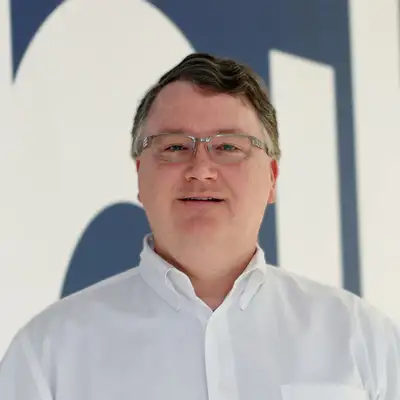
Speaker 3:I'm your host, Wingo, and today our guest is Roger Dunn. If that name sounds familiar to you, Roger is one of the, top voices, in all things branding, and the intersection of ads and AI, and he's been at this for quite a while. So you've probably seen him cross your news feed at some point. Today, he is the chief commercial officer for Thrad. Roger, welcome to the show.
Speaker 1:Yeah. Great to be here, Scot. Thanks for having me.
Speaker 3:Yeah. Excited to have you. I think you win. You're you're live from Australia, so that's great. Where where in Australia are you?
Speaker 1:So down in Sydney, a little, beach suburb called Maroubra. So, yeah, down by the beach.
Speaker 3:Oh, on the Golden Coast, as they say?
Speaker 1:Gold Coast is up in Queensland, actually. But, yeah, we're down
Speaker 3:That's above you. Okay.
Speaker 1:Yeah. That's north, but a bit more tropical up there.
Speaker 3:Yeah. At ChannelAdvisor, we had a... An office in Melbourne, and I got down there. I think it was twice. It may have been once, and it was long.
Speaker 3:But I went to a, I went to a show up on the Gold Coast and then hung out in our Melbourne office for a while. So... And you can't go to Australia without going to Sydney, so I went to Sydney for a brief moment. So definitely wanna get back and see more of it. The the flight is killer.
Speaker 3:I'm sure you you... I don't have to tell you about the flight from there to here. You've... You probably have done it many more times than I have. That took a bit of, took a lot out of me.
Speaker 3:But... So I'm excited to chat with you. It took us a while to get this coordinated because you were going through some, you know, life job changes and stuff. Let... Let's go back in the past.
Speaker 3:Tell us how did you get to where you are today? And, I should also mention you you write a newsletter that I recommend everyone subscribe to, called AI Commerce Brief. If you go to Roger's LinkedIn, we'll link to all this in the show notes. But if go to his LinkedIn, it's his LinkedIn newsletter. That's how I read it, at least.
Speaker 3:I'm sure there may be other ways to get into it. But tell us a little bit about the Roger Dunn backstory.
Speaker 1:Yeah. Thanks for the plug on the newsletter as well. That's that's maybe something that's been around six months now, so there's a few additions to look at. But... Yeah.
Speaker 1:No. My story, I guess, from The UK originally, so I grew up there, worked in London for a few years, and then I've been out in Australia maybe seventeen, eighteen now. So I guess I would divide it up into kind of the first ten years were agency side, so Medicom, Group M, WPP, ended up launching the Group M Commerce function, which was like our e comm consultancy and the interface for retail media as it was starting out there. Then we were on the edge of our seat waiting for Amazon to arrive in 2017, 2018 when the ads business launched, so we were getting clients ready for that. And then post that agency experience, I moved over into a bit more of the tech world, so I launched the Criteo retail media business over here for a couple of years, and I've been consulting, I guess, in my own world for a few different places like ubiquity and worked for a time at Epsilon, which is another player in the retail media space.
Speaker 1:And then the last couple of years have been brand sites, so Diageo, which was obviously a great business with great brands, so big Johnny Walker, Guinness, Baileys, some of those big liquor brands, and that was a global role heading up the retail media programme and function, which was great. Obviously, had a good view into a few different markets, seeing how things work. Liquor itself is quite varied by markets based on regulations, so it gives you a few things to look at from a retail media perspective as well. And then obviously more recently, as you know and mentioned earlier, moved over into the sort of AI world proper, having been writing about it a little bit with the newsletter. Definitely obviously see it as a space for the future and a lot of interesting things happening quite quickly in in the AI world.
Speaker 1:And Thrad is a business that basically enables ads in in LLMs. So it's... Think ChatGPT ads, but for everyone else. So it's the the infrastructure to enable that. As we know, those tokens do cost a a few a few dollars.
Speaker 1:So I think many of the companies are gonna be looking to monetize, and and subscriptions will be part of it. But I think advertising as as a key revenue stream for them is an important one as well. So that's the space we're in and and looking to build out.
Speaker 3:What really drew you into this retail media world? You've got a lot of my e commerce buddies hang out in this part of the world. We've had Carrie on the pod several times, and I'm sure you know her and Andrew. Andrew was b two b for a while, if I remember, like, when he was at Forrester. And then so he, like, kinda took a hard turn into retail media networks.
Speaker 3:What is it about that space that, like, really gets you guys going?
Speaker 1:Yeah. So I I think retail media, if you think about it from a brand or brand's perspective, it is kind of this nirvana of marketing. Right? So you you can reach people right at the point of purchase. You can serve them up an ad, you know, just about, you know, directing where they're gonna buy that that product or maybe introducing a new product to them in certain scenarios.
Speaker 1:And then you can close the loop. So you can actually track that impression or that exposure in a marketing sense, all the way through to a purchase and know that it worked or it didn't. And I guess the other thing is just the flexibility of it as well. It's probably started out a little bit more as a performance angle, but it's gradually moved up the funnel, and we can apply that that retailer data and that retailer targeting across pretty much any digital channel now. So it becomes quite a compelling offer whole.
Speaker 1:So, yeah, it's just been... It's obviously been like a huge growth driver as well for maybe for the past decade or more even. So it's been a good space to be in terms of, like, where the attention of the industry has been, where the growth has been, and I guess quite a lot of the innovation as well as retailers now make this transition to becoming publishers or media owners, let's say.
Speaker 3:Tell us a little bit more about Thrad. So is it like an agency? Is it a technology platform? And you must believe that the Answer Engines are going to be a big player in the ad space. So what led you to kind of get in, get, you know, start, you know, feels like you're, you're kind of jumping out of the retail media or like maybe I believe that, what I call Agentic Commerce, we can talk about our definitions there.
Speaker 3:We should do that in a minute. But, I think it's basically the next generation of marketplaces. So that was what was appealing to me. It was kinda like we kinda reached a peak in marketplaces, and then now I think we can really level up with Agentic Commerce. What...
Speaker 3:What's what's going on, you know, with your view there?
Speaker 1:Well, yeah, I guess, firstly, with Thrad, it's definitely a tech startup. So it's the ad infrastructure, if you think, like the SSP, the DSP, the supply side tool, and the demand side tool for enabling ads in in AI. And if we get more specific, what, you know, what does that mean? So AI is obviously those general conversational chatbots like ChatGPT, but there are many others of them where you can have any conversation pretty much about any topic. So shopping could be one of them, but it could be any any topic that is interesting to an advertiser, and we can insert and work with that publisher to put ads that are contextually relevant to the conversation happening above.
Speaker 1:They're obviously clearly separate from the organic conversation, but they'll they'll target that and be relevant to that conversation. But then there are vertical agents and vertical kind of AI use cases as well. So that might be a medical site, it might be a legal site, but retailers obviously are another vertical that is really important as well. And we see a huge opportunity there. We've...
Speaker 1:We know we've seen ads in Rufus, now Alexa, in Sparky, I guess every other retailer has the opportunity to, you know, create that as a monetizable space and surface. And as you know, like, having followed a lot of your your work as well, we know that the experience of people shopping on retailer sites is changing. Like, people are gonna... People are en masse being trained to use LLMs to query things and find products and and and compare prices and and do all of that good stuff around shopping. So if they get to a retailer site and all they've got is a drop down taxonomy and, you know, maybe, you know, certain filters that you can use, that's not gonna be enough anymore.
Speaker 1:They're gonna need to have a a conversational interface for people to find products. And therefore, that's important entry point. It's like where the retail media business of these retailers is now going to sit as key surface. So I think that's really exciting for retailers because actually it means that they've got a new surface to own. It's literally net new and, you know, high high efficacy in terms of advertising and, you know, the ability for shoppers to find products.
Speaker 1:So a great spot to to put those brand ads in.
Speaker 3:And will Thrad be on the supply side, demand side, or you'll you'll have solutions for both?
Speaker 1:Both. So we've got the supply side. We've got the infrastructure to help create those ads and create the the monetization for for retailer along quite any other interfaces or chat chatbots. But we also have a self serve platform, so you can go on our website. There's a button at the middle of the homepage.
Speaker 1:You can click through, set up an account, and and actually buy advertising across the existing inventory as it stands today. And the good thing about that actually is, obviously, ChatGPT is launching. That's that's building a lot of momentum in this space. So brands are looking at that. They're allocating budgets.
Speaker 1:They're thinking this is an important platform, which it is. And actually, today, it's only available in those four countries. Right? So we've got The US, Canada, Australia, New Zealand. So we're lucky we're we're in the mix down in Australia.
Speaker 1:But with Thrad, we've got availability and inventory across the globe. So already today, there's there's lots of opportunity for brands.
Speaker 3:Yeah. Does Thrad's inventory include the the old retail, the one point o retail media network, and the the new stuff, or you're just focused on kind of the the the Answer and Jenny type things?
Speaker 1:So it would have to be into, a conversational experience. So, obviously, not all retailers and maybe not many retailers have got that experience, you know, as we... As it stands today. But, we know a lot of them are working in this space, and perhaps it's not quite monetized yet. But we've...
Speaker 1:Mean, I in Australia, we've got Woolworths have launched Olive, which is their conversational assistant, and we we see others across the globe of people, like, testing this space and and getting the the organic experience right first, which is absolutely the right thing to do. And then then it becomes a question around monetization.
Speaker 3:Yeah. And then they could come to you and say, hey, we've got the organic... Our agent's cooking right now. We're ready to, you know, throw some sponsored prompts in there.
Speaker 1:Yeah. We've got we've got volume here. Like, we've got people using it, and we know what they want. We know how they're finding products now, and and now's the opportunity to kind of, you know, introduce new products and and give them a a different experience underneath the the organic.
Speaker 3:Yeah. One of the things, that that was really interesting at Google Marketing Live, and this isn't my my my bailiwick as it were, but, they're just, like, slinging out new ad formats like candy right now. And I... And they don't they don't ever name them, so I have to give them my own names. And it's interesting.
Speaker 3:They don't have a sponsored prompt. Everyone everyone else has one, but but Gemini doesn't. And so they have, like, I think they call it direct offer. That one actually has a name. It's, like, the only one that has a name.
Speaker 3:Then they have different flavors of sponsored stuff inside of there. There's, there's a sponsored merchant looking thing where where you see some listings that are separate and they're sponsored merchants and then the organic are below. That one I've documented pretty well. But at this, they actually started, there was like three or four more sponsored kind of things in there. What, what do you, what is the, have you guys cataloged the spectrum of all these things out there?
Speaker 3:Like what, what are the various ad types that, that are going through these engines that you've seen out there?
Speaker 1:Yeah. It's a good question. It's it's a fast moving space as much of AI is as as you know. But the ad formats themselves, I think, are definitely being worked through. I think there's the classic sponsored message, which is, you know, maybe a little logo, but essentially just a title and and text.
Speaker 1:We've got the sponsored prompts, which should be the conversation starter, but would be brand led. So, you know, if we're talking Nike, it might be which Nike is the best for marathon running, and then that starts the the next conversation. The other ones we're looking at are polling ads. So, again, a bit more around engagement rather than, you know, directing it out to a product. And then product carousels.
Speaker 1:I think in in your world as well, that that that ability to show a natural image of products, have stock, have a price that... That's pulled through via feed, That'll be really important for... Especially for retailers.
Speaker 3:Yeah. Another one... This just reminded me. Another one Google did was a sponsored attribute, which I thought was like... Some of the stuff they're doing is, like, super high level, and then this one was, like, super...
Speaker 3:And I was just sitting there thinking, if I'm a merchant, how do I, like, think about... Like, how do I, you know, how do I say what product and which one am I gonna do? The example they give is local availability as an attribute. Like, if you're a store, it's like your one trump card if someone wants something quickly. And then the other thing that's really fascinating to me before is, like, in the Google world, you know, we started with, all right, I'm gonna buy these keywords, and I'm gonna pay this one.
Speaker 3:And then you had, like, groups of keywords, and then you had, like, you know, it could... Then you would give it a little bit more control. And now they have the Pmax thing where you just kind of like basically tell it, here's my stuff and what I wanted to pay. Go crazy. And it seems like in this world there...
Speaker 3:It's gonna be a lot of that where you're just gonna kind of tell it, here's... And, you know, for our audience, it is mostly retailers that have physical products in a catalog. You're going to kind of give it your catalog and say, for this family of SKUs or for this SKU, I'm willing to pay this. And it may be expressed as a ROAS or a percentage of sales. I think the I think there's that's going be interesting, too.
Speaker 3:In my world of marketplaces, we always look at it as a percent of sales. But in your world, it's all ROAS. So it'll be interesting. I have a feeling it will end up at ROAS, but you can kind of convert between the two easily, obviously. And, yeah, do you do you have a point of view of, like, is this all gonna be, like, a...
Speaker 3:Just a bidding engine and a ROAS target and the... These these these these sites will just kind of go to town and figure it out for you?
Speaker 1:It's interesting, isn't it? Because there's different ways to come at this from... Depending on, like, what type of business you are. But I think from our perspective, we're trying to be AI native in the sense that the the inputs that we would put into a campaign would be we put the URL that you're driving to, and, actually, what we do is we go visit that URL and grab keywords, grab information from there that then inform the targeting. You can upload a brief, and, obviously, we use AI to sort of analyze that full brief and take out the key elements.
Speaker 1:And then you can actually just prompt it as well. So you can actually direct it as a, you know, this type of campaign is gonna achieve this, and this is what we're aiming for. And then that all pulls through to have some classic keyword targeting, some prompt targeting, and then some persona targeting, and it's building all of those from those inputs. So we're definitely, like, applying AI in the sense to kinda create that targeting and and build build the bridge to to what we're we're we're then targeting in the conversation. So it's...
Speaker 1:Yeah. I mean, we're trying to turn the tool on itself and, like, make sure that that that's doing the hard work for us here because there is a lot to pass and process in all of that. And the complexity of the conversation is obviously, you know, where the machine learning comes in and and creates the matching.
Speaker 3:And then, personas are interesting to me because, you know, we did a lot of work at ChannelAdvisor with Best Buy, and their personas were, like, super old school. And they were like, Sally, the soccer mom, and they had, like, a profile for them. I think you're talking about... Like, when you say personas, what are some examples? Is this, a demographic persona or, like, where they are in the funnel?
Speaker 3:Or, like, how... Or does the customer just define their personas and you can you can you can work through that?
Speaker 1:All of the above would be inputs, but it would be a lot more specific around that particular product and campaign. So it would be... Yes. It would start maybe with some age if you have that in your brief. It might start with some product and category related things like tech in...
Speaker 1:You know, tech forward and, you know, shopping in a particular area, or it might be a beauty category where you're talking particular, you know, needs for dry skin and certain serum that you need. So it's creating those personas that sit, like, really close to what the product is actually delivering for that customer. So, yeah, they can be they can be quite diverse. They can be quite kind of different depending on what your objective is as well. So, yeah, that...
Speaker 1:That's that's the gist of it, but they are created dynamically. So they... They'll they'll just pull through from the kind of source material.
Speaker 3:Is it... Have you guys, are you running enough ads on ChatGPT? Are there any interesting learnings you're... You can share or or too early and... Or a...
Speaker 3:Or also it's fair it's fair to say don't want to. But, because I read a lot about it online, and there's a camp of people that say, oh my god, it's a total failure. It's a hot mess. It's too expensive, and I'm getting no traffic. Then I see SimilarWeb just did a thing, and they're like, it actually is better than paid search because it's comparable in price, but it's converting a lot higher.
Speaker 3:They had some data that said it's actually steering the direction. Like, it'll actually steer a conversation to your product. And it's like a, it's more, it's got a demand gen bent to it. So it's weird to kind of like, they said it kind of bifurcates into a super bottom of the funnel, but you can also start steering demand pretty interestingly on it. So I can't figure out...
Speaker 3:The bookends and everything in the AI world are just insanely like... It's like a flat surface from like, it's a disaster to like, it's the best thing since sliced bread. So what are what are you guys seeing?
Speaker 1:We've definitely... We're pretty transparent on it. I actually did a a a demo of our OpenAI account on LinkedIn, we walked through, like, how to set up a campaign and and had a look at the numbers. So we're seeing... Yeah.
Speaker 1:In terms of our campaign, at least, I think the the CPC was... We're seeing is between 1 and $5. Maybe one and three is, like, the core range. So, you know, relatively competitive depending on which which category you're in. I think, obviously, with us, we're we're testing out a few creative aspects, and I think creative is actually a point where you make a bit of differentiation because the machine's so good at doing the matching in the context and kind of targeting, if you like.
Speaker 1:Where this human skill comes in is actually creating the different ad groups and thinking about what creative you're gonna go after. So we found human faces, like, you know, our team being on the on the ads and the little little logo works better than having just the logo, say, So that human aspect of the actual creative itself kinda worked quite well. But, yeah, I mean, I see this space. It's it's a tricky one because it is... I mean, that's my definition of Gentic Commerce is, like, it's not just the robot doing everything at the end to deliver conversion.
Speaker 1:It's actually how does AI influence every stage of that journey. So from discovery to comparison to price comparison to kind of synthesizing reviews, All of those key stages where it can help a shopper is... Becomes part of the definition in in in my head, at least. And so it's like saying in 2005, like, how did... How was Google influencing the shopper journey?
Speaker 1:Well, well, we had that final click, and that was a good good rise on that particular last click attribution. But, you know, people are doing product discovery way further up the funnel through Google, and, like, do you count that as search? Yeah. Of course you do. So it's that influence all the way through the journey.
Speaker 1:And it's like, where do you draw the the Venn diagram to kind of measure success? Really, it does have to be quite a broader one, I think.
Speaker 3:Thanks for that little journey into the the ad world. I I think that's that's not our core focus, but I find that it's gonna be really fascinating because these worlds are gonna squish together, and they'll be inseparable. Just kind of like how retail media networks has as well from marketplaces. They're peanut butter and jelly and, you know, if that's a... Or what is it?
Speaker 3:Vegemite and honey? Like what's Vegemite eaten with? Just Vegemite by itself. I'll eat it with
Speaker 1:honeymoon. Maybe.
Speaker 3:That it... You're you're from The UK, so you probably understand that.
Speaker 1:I think it's important as well. I think products... Like, if you think about how ChatGPT is going down the route with apps now rather than the instant checkout, that can only be a success if it's paired with advertising. Because to get people into those stores and the apps that retailers are creating, I think that there's gonna be a moment where you wanna invest in ads to drive it. So I think there's moments where these these things really do come together to your point.
Speaker 1:Like, it's gonna become, you know, a crucial partnership.
Speaker 3:Is there a conspiracy theory, where they realize that maybe the ad... The checkout hurts the ads, and they they... That that could be part of their their motive for putting the checkout to the side. Actually, I haven't thought about that until you said it, though.
Speaker 1:I... I'm sure they're looking at running the numbers. Right? So they... They're they're they're they're on this scaling journey for their ad business.
Speaker 1:They've made some big big calls in terms of where it's gonna be in, you know, two, three, five years. So I think they do need to look at what's what's gonna scale, you know, the most rapidly for them. So it'd be interesting one to watch.
Speaker 3:Yeah. I think the number that they... That I've seen from the information is a 100,000,000,000 by... I can't remember if it's 2029 or twenty third. It's a big number, especially if we consider Amazon has been at it for, you know, a good ten years and they're at 70.
Speaker 3:So we'll see how it goes.
Speaker 1:That's right. And it would be good to see a bit more visibility on the numbers of their users as well and seeing when... I'm sure they'll announce when they hit hit the, you know, the the the round numbers, but we'll we'll wait for... To see that come through.
Speaker 3:So you you kinda gave us your definition of agenda commerce. Thanks for that. I agree with you. I think there's there's, there's gonna be some things that you have a machine go do for you, but in the early days, you'll always be involved. And then even in five years, there's gonna be a lot of things you wanna be involved in, and and you are an active participant in the process.
Speaker 3:It's not just this hands off the wheel kind of a thing that a lot of people mistakenly assume. Where are Answer Engines in Australia? So we had a guest on from Europe, and they're just starting to show product cards in ChatGPT over in Europe, but there's no Gemini checkout at that moment wasn't live and that type of thing. So where are you? Are you seeing product cards across these surfaces in Australia?
Speaker 3:And are you seeing things like the UCP checkout?
Speaker 1:Yes. I don't think the commerce, the instant checkout was ever available, so I don't think that ever made its way down here. I think that was a US to begin... Well, certainly to begin with. I've definitely seen some ads out there in the wild, but they're tend...
Speaker 1:The ones I've seen at least tend to be just more classic text based ads as opposed to the product hubs. So I think although we have the ad products fairly early, which is good, and, yeah, I think Australia does do quite well off off the back of... I describe it as, you know, like, the the sort of just right model in terms of it's not too big. It's not too small. It has the language similarity with The US.
Speaker 1:So we often get some of those pilots and tests coming through. So it's, yeah, a good market to to test some of those things, and we've seen the ads come over, but, yeah, not the checkout.
Speaker 3:What do you think... You write a lot about this. Where... What's what's your state of kind of the arena and the players in the arena when it comes to Agentic commerce? So so we've got, we've got we've got kind of the Answer Engine side.
Speaker 3:So we've got, obviously, ChatGPT and Gemini we've talked about, but you've got meta kind of up and coming, Perplexity. Those are those are kind of the the big active ones in Copilot, which is kind of just in there. The... You know, Apple hasn't done anything but could at any moment wake up and do something. Once we see if this series is any good or not, I think that'll be a defining moment for are they gonna ever do anything or not?
Speaker 3:What... What's your view of the state of the field?
Speaker 1:Yeah. So I think... I mean, I I do like your framework. And and having seen all the recent Google announcements, obviously, that feels like they're going for the, you know, full court press in terms of, like, Agentic, Universal Car, and the ad products to support it. So that's pretty exciting to see kind of how that's...
Speaker 1:How quickly that's moving, which is interesting. I think you mentioned a few others. Obviously, Perplexity, you know, tested ads and have sort of retracted from that. They have their Comet browser, which I've used for agentic shopping. So that was...
Speaker 1:That worked quite well. I did a Sunday roast and, like, ran it on the two local supermarkets and had it pull together a good good basket of products. So that's a demo I've been using, which which worked quite nicely. Like you mentioned, Metas seems to be doing shopping research, and you've got to reimagine with all the surfaces they have and the actual social commerce that's running through those that this has to be a space where there's something happening soon. And I I know you've kind of made a few calls around when that might come ahead of this kind of holiday season, but that's an interesting one to see.
Speaker 3:Have you seen their ad format that... It's weird they don't call it Agentic, but they've put the UCP checkout into an Instagram ad. So, many people many people that that have an Instagram ad, they have to use Shopify. Like, they use the one page Shopify checkout. But in this one, they're using the UCP checkout, which, a lot of the Wall Street people I talk to...
Speaker 3:And I'm at a hotel now because tomorrow I'm at a conference here in Wall Street, and I'm sure this will be the number one question that I get. A lot of people are really worried about Shopify because Shopify... Like an unusually large amount of Shopify's revenue comes from that chain that I just described. You know, some ad running on either a TikTok or usually a reel of some kind or an Instagram static ad. And, you know, they're the checkout.
Speaker 3:And then they collect their their little, you know, their little percentage there that's, you know, relatively high margin for them at scale. So I think a lot of people are starting to think, well, it never made sense to me that Facebook wouldn't want that. But I think now that there... There's there's a play there, UCP has basically given it to them on a silver platter, which is kind of interesting. You may not have even seen that.
Speaker 3:So... Yeah.
Speaker 1:It's interesting to see Shopify. I mean, they are all in on... And Agentic as well from internal tools to, like, internal business processes. Even to the... I think the last earnings call, they were releasing some really impressive numbers around conversion rates and the number of the the actual sales running through coming from an LLM and through the sort AI channels, if you like, through to their stores.
Speaker 1:So, yeah, definitely one to watch, and they're in a position where they do have so many merchants, like, across their network that that they always have a play, and it's always gonna be at scale if they if they they go quickly because they can sort of marshal all of those into into one platform.
Speaker 3:That's some of the Answer engines. Any other ones you wanna throw in the mix? Any any Answer engines in Australia? Like, Australia is interesting because your local retailers are usually... You know, this is back in ten years ago, so this may have changed.
Speaker 3:So fact check me on this. They were, like, really slow to do stuff. And, you know, like, they were, like, years behind marketplaces. But at the same time, Australians get Amazon, which is wild because it's, like, out there ahead. And then you have all the the, mostly, but I'll I'll call them the APAC, you know, marketplaces.
Speaker 3:But, of course, the Chinese market places like the Alibaba family is, like, crazy, popular there as well. So you have this, like, really weird mix of kinda like weird... You know, The US stuff's in the middle, the local stuff's kinda slower, and then the the the the Asian... Mainland Asian are just, like, insanely going... Pushing the limits.
Speaker 3:So so you have, like, this really wide boundaries of experience as a as a buyer of things in Australia. Is that is that kinda how it is now? And does does that mean, like, you're getting, like, the the Quinn models and the deep seeks being used pretty heavily there and, even, like, Alibaba's? Can't remember the name of... Well, they have an agent.
Speaker 3:They have, like, a thousand things at Alibaba. Are those...
Speaker 1:Yeah. So I I guess... Yeah. I think your your kinda take isn't too far off the truth in terms of, like, where it stands today, but I describe Australia as a bit of a duopoly market. So, usually, in every vertical, there's a couple of big players.
Speaker 1:We've got Coles and Woollies or Harvey Norman and JB Hi Fi. And at the top end of town there, they usually usually are pushing ahead in terms of, like, if we think about where retail media is. They're they're big businesses, and they're the ones that led that. I think it's when you get down to the second or third tier size retailers where it's a bit bigger bigger lift, and I think they've been a little bit slower in terms of things like retail media, and I I would probably transfer that over to some of the Agentic and AI opportunities. But, yeah, we're seeing a few retailers having their own sort of chat interfaces on-site, so that's that's there.
Speaker 1:And you're right. We do have that APAC influence. I would say more like Timu and Xi'in, they're they're kind of the ones that are talking about more in in the sort of industry as, you threats to the local landscape in terms of their scale and pricing, obviously very sharp. I would say in terms of what consumers are using and what the businesses are working with in terms of LLMs, is probably more The US ones. I would say, having looked at reports, I know Australia index quite highly in the Claude and Anthropic report in terms of usage.
Speaker 1:Our GBT is pretty high, and Australians are always, like, very tech forward, like, it's high Apple dominated market in terms of mobile and, you know, always on the front foot in terms of tech... Technology. So I think that, you know, following along in terms of, like, the the platforms that are available in in the in The US. There's a few conversations around sovereign AI as there are in some of the European markets as well. Still fairly nascent there.
Speaker 3:Do you think AnthropicClawd gets involved in this at all? I I know they they explicitly made fun of ChatGPT doing ads. How did... Did you see those? How did did those make you feel being an ad guy?
Speaker 3:Yeah.
Speaker 1:Yeah. I I think I thought you shared one, actually. I think that's where it came from when when the Super Bowl ads came out. And,
Speaker 3:look,
Speaker 1:they were... I thought they were pretty funny and, like, a good good good dig at at ChatGPT. I think it'd be a real backstep if they started doing advertising, but that doesn't preclude them from doing, say, affiliate type commission if that was their business model. You could argue that's that's not advertised. Well, it's not straightforward advertising the same way.
Speaker 1:So I think there's a route to ecommerce for Anthropic, but it does feel like they're going after that enterprise sort of angle a lot harder than the consumer angle. So I guess maybe that does lend itself to a slightly different model.
Speaker 3:Yeah. I know they've been at shows. They were at NRF and Shop Talk in these super hard to get into meetings. I I tried and was not allowed. And I know they're meeting with retailers about something.
Speaker 3:Now it could be... To your point, it could be more what I would call back end kind of stuff versus our front end world. And that's my suspicion is maybe they have a really cool pricing optimization engine, or maybe they're just pitching them on building it. Or... You know?
Speaker 3:And then they also have this for... Or having them come in and build it for you. That could be what it is, but but it's unusual that they're at meeting with so many retailers. I I just... Makes my spidey sense tingle.
Speaker 3:We'll see.
Speaker 1:Yeah. I haven't heard any retail specific sort of insights, but I know that both Anthropic and OpenAI have offices in Sydney. So they're employing and, like, hiring people locally. So there is a commitment to the market, so we'll see.
Speaker 3:It's interesting that that they're already in Australia. Yeah. Okay. And then, you mentioned some of the vertical shopping engines. Does...
Speaker 3:They've raised... They've had, traction here in The US raising capital, and the biggest ones are like in Daydream. There is there is one that has a China connection called Jinsbo. They're... They tend to be in the apparel vertical for whatever Have those gotten traction in Australia, or is there another set of vertical...
Speaker 3:Any local verticals that that you kinda run across?
Speaker 1:You know what? I haven't seen verticalized AI solutions. I... I've seen the same ones as you, basically. So it'd be the one in The US or the global ones I've I've seen as well.
Speaker 1:So I haven't heard of any local kind of setups there. But, yeah, Bunnings has... Is another one which is just local. Like, it's the Home Depot equivalent over here.
Speaker 3:So then, like, the third the third category is retailer hosted agents. So so you... I imagine your Amazon has the artist previously known as Rufus, which we'll now call the real mouthful shopping with Alexa. So did they rebrand it there?
Speaker 1:No. We haven't. We haven't. I can go on The US site and play around with it there, and I have an account in The US. But in Australia, it hasn't actually launched yet, so I know that...
Speaker 1:I'm sure it's coming possibly even this year, but no no news yet in terms of when that's coming. I guess they're maybe waiting for that Alexa rebrand, and then they can go all out with the the new look, but we'll see.
Speaker 3:Yeah. Do y'all have Alexa Plus there, the upgraded Alexa?
Speaker 1:Well, I guess it's available on the on the website just because it's available anywhere on that on that site. I mean, my Alexa
Speaker 3:does All the new devices in The US have it shipped. You have to kinda get a new Alexa. I don't think it's... There's some... If it has a screen, I think it's backwards compatible, but an old speaker doesn't have it.
Speaker 1:Yeah. Yeah. So I mean, I haven't bought a new one for a little while, so mine's still, unfortunately, the the b class of Alexa.
Speaker 3:Good news. This is an exciting opportunity for you to get a new one.
Speaker 1:Yeah. That's right.
Speaker 3:It's weird how that works.
Speaker 1:Well, Prime Day is maybe maybe. I give myself a Yeah.
Speaker 3:Yeah. There you go. And, and then... So you mentioned that... Was it Woolworths that has one?
Speaker 3:What, tell us about their agent. What's, is it... How would... You know, what's the Roger score on it? Is it pretty good?
Speaker 1:Woolworths has Olive, which is their their kind of customer assistant and and and chatbot. We've got Bunnings. I think it's called Buddy now, which is another one. I think it's ASOS, so clothing one. But, yeah, the Buddy one, for example, is...
Speaker 1:Because it's Bunnings, which is Home Depot, like DIY and home of home kind of products. That one's more around... They're trying to obviously address projects. So you go in, you can chat to it about projects, and then it'll start giving you recommendations around the different products that would be relevant for that project. So I guess it makes sense for that that category.
Speaker 1:I know have sort of aligned themselves with ChatGPT and OpenAI, but we haven't seen the sort of chat interface come through yet. But you... You've got to imagine they'll be working on one. And then, yeah. Like, Olive, I I think it's...
Speaker 1:I I would say it's very early days. I don't think they're, like, a key part of the, the shopping journey at this point. I think there's a lot of experimentation and and playing around with them at this stage.
Speaker 3:Yeah. Do you know what, Olive is based on? Because because what we're finding is they're typically based on either Gemini or OpenAI or Anthropic, here in The US. So so those are the three models. There's more models out there, but those three seem to be the ones that retailers are building their internal agents on top of.
Speaker 3:And then they'll then they latch on their own system prompt so it has their personality. And then they also will obviously have to put in their product database, which is the... That's the hard part. And that's where, you know, I think Walmart is a bit behind. Amazon seems to have gotten their first on having a pretty good ability to get their product catalog in there.
Speaker 3:But they started with such a good product catalog that that I think it helped a lot.
Speaker 1:Yeah. And I guess they're fully integrated, right, through the AWS and everything. Yeah. I think Woolworths is built on the Google stack, I'd imagine, because that's kind of where they're more like.
Speaker 3:And how about, Bunnings?
Speaker 1:Bunnings, not sure, actually. I haven't checked that one.
Speaker 3:Oh, we'll have to ask it.
Speaker 1:So, yeah, we can
Speaker 3:Sometimes you can just ask them. You can kinda say, hey. What's your underlying model? And it'll tell you. Other times, you can tell it, they all will answer, when does your training data end?
Speaker 3:And you can kinda use that from that point in time to kinda, like, figure out what model they're using. A little pro tip for you. That's how we reverse engineers these things. Yeah.
Speaker 1:Got it. Right. Yeah. That's smart.
Speaker 3:So you you spend, you also spend a fair amount of time helping brands think through all these things. What are what are the top questions you're getting these days from from brands? Obviously, lot around advertising because that's your... Like, where your your jam is. But even then, what are what are the top five things people ask, Roger?
Speaker 1:I think there's that that whole interest in, like, AEO, GEO, and the... Like, what this new SEO landscape looks like. So, like, how do I become the Answer, which is the AEO part. How do I become credible and, like, sourced and cited, which is the GEO part? And then I know the the area that you guys focus on, which is the Agentic commerce optimization, getting that right.
Speaker 1:So I think the organic start is really where it fired at first. Obviously, we didn't have ads. We didn't have the paid paid options to begin with. So I think a lot of brands are thinking about that. Starts with tracking, starts with, like, understanding kind of what what your situation is, and then they're getting into that space where, yeah, okay.
Speaker 1:How do we optimize this? Who do we need to work with? Like, what tools do we need to make sure that's happening? I think ads are definitely becoming now... Again, like we mentioned earlier, because OpenAI is doing it, that creates this new category.
Speaker 1:It's like a new big tech player that's moving into advertising. So that creates a need for, like, agencies to look at it, for big brands to think about it, to allocate budgets towards it. So that becomes now a very meaningful space where a lot of brands are trying to upscale. And the decision is around, like, where does this sit as well? Is this...
Speaker 1:In my conversation, it feels like it sits more with performance teams and, like, maybe even search teams. Like, let's just test a sliver of this budget and see how it works. But as we sort of talked about earlier, it's like this is probably bigger than that. Like, it's further up the funnel. It's like having a different influence in many different areas.
Speaker 1:But if you're gonna buy it on a CPC, cost per click, then I guess, typically, it will sit alongside those other biddable budgets like Meta, like Google, you know, and and others that are sort of comparable skill sets, if nothing else, that that the people looking after it will will need to do. So I think that's interesting. And then, yeah, depending, I guess, of who... Where you are in the market as well. So if you're a retailer, I think you are looking at, like, how do I how do I give customers what they used to now in terms of these interfaces to have a conversational moment.
Speaker 1:Like, we want to come in and, a, spearfish something very quickly, so we want to define exactly what we want and find that product. Or b, we want to have a quite lengthy conversation, but really work out the nuts and bolts of, like, what is this... What is the best product for this need? Like, how does it compare against these three other things that I was looking at? Is it compatible with x?
Speaker 1:Like, all of these great questions that you would normally talk to a store associate about if you're in the shop. Now you can have, like, what is reasonable and meaningful conversation around this through the chat interface. So I think retailers are definitely taking that seriously because, yeah, like I said, I don't think people want a massive drop down menu and, like, a taxonomy to navigate anymore. They actually wanna just get in there and and find the product they want. So, yeah, I think they're they're probably the key areas for now.
Speaker 1:And then I guess the other thing is just like, how does AI get integrated internally, a lot of these businesses? Because that's where perhaps there are things that rightfully should slow things down a little bit because you want to get that right. You want to work with the right partner. And and there is some setup and, like, process to get your information into this owned brain of yours in terms of a company, like assets around what's your brand positioning, like, what's your guidelines, like, all of the rules and regulations around your industry potentially, that needs to be set up first. And there's...
Speaker 1:I'm sure there's a lot of work happening in that space just in terms of getting your data in a good shape shape position to to be to be useful.
Speaker 3:You've had a lot of CPG brands just because of your background. So so if a bigger c... A well known CPG came to you and said, Roger, what should we do with ChatGPT ads? Would you would you say, like, do a test budget and start at the performance piece and then kinda, like, experiment in a couple areas? Like, what would you guide them?
Speaker 3:Like, and then they'll ask you, like, well, what... How much should a test budget be? Can it be, like, you know, 10,000 a month? Does it have to be a 100? Like, what are what are...
Speaker 3:Like, help frame this a little bit more tactically.
Speaker 1:Yeah. So I think I think you should start small, but but start. I think that's the key thing because there's so much to learn in this space in terms of what's gonna work and how it works. And as we talked about, there's... People are doing such a diverse range of exploration and product comparison and shopping within these platforms that there are probably a few different spaces where, you know, as a brand, you might wanna show up from sort of general conversations and discovery all the way through to, like, very pointy questions around price and having a good offer in that space.
Speaker 1:So I think, yeah, typically, we'd start, you know, start small, like 10 to 20,000, you know, in a particular market and start learning from from kind of the results you're getting through. Like I mentioned earlier, I think the machine learning does and the AI does the matching very well. So therefore, it's like the two skill sets. So, like, how do you prompt and brief the platform in the first place? Like, what's your targeting essentially that goes on as an input?
Speaker 1:And then how do you then address those moments through creative? And that would be how do you, you know, how do you think about breaking up your ad groups and and products into meaningful groups that align with some of those interesting conversations for your category? So, you know, for food, it might be around different recipes. It might be down different cuisines. It might be around different, you know, gluten free or vegetarian kind of preferences.
Speaker 1:It might be cocktails that might be a meaningful moment where people are thinking about which one to choose and then which products they need to deliver or put into that cocktail to make it happen. So, yeah, I think a lot of it does come down to industry specific kind of, you know, elements where you know that your products show up in these moments and address these needs and what are those conversations that happen to to to enable that.
Speaker 3:Yeah. We went from these, like, three or four keywords to now, like, these, occasions, these conversational topics. And, yeah, it's, like, really a... It's such a different world. It's kind of...
Speaker 3:I imagine... I call it keyword jail. And a lot of my first meetings with folks is just trying to get them out of that way of thinking because they'll they'll revert back to it. Another thing I find, and let's see if you agree with this or not, the keyword thinking has got them thinking there's this head and tail. Right?
Speaker 3:And and we love the head and tail because it makes our lives easier as marketing. Because we can kind of like focus on the head, and then we drive our volume and it works. Then you can experiment in the torso, and then maybe you do some tail for just to make your ROI blend out. But I don't think that exists anymore. I think it's...
Speaker 3:This is where I think some of the AEO GEO guys steer people a little wrong because they kinda, like, try to make it seem like, okay. You can you can still... Using AEO GEO, you can target, like, you know, men's running shoes or something like that. And I just don't I don't know if that's really a thing anymore. Because when I start when I start looking at some of the click stream, the anonymized click stream stream data out there, people are coming into it from the side almost every time.
Speaker 3:They're like, not even talking about, like, let's pick the the project based thing for, Bunnings. Like, they're not even like... They're kinda like... They're taking a picture of their patio and saying, hey. What kind of furniture should I have?
Speaker 3:And then it's saying, you know, if you add some pavers over here, then you could add more of this. And they're like, oh, well, how do I do pavers? So you're like, you're not even starting in a project, but somewhere it's kind of worked you into a project. And then at the end it spits out, well, here's how you go buy the tools to do your own pavers. And, you know, I just don't I don't think that there's, like, a head and tail anymore.
Speaker 3:Do you do you agree with that, or do you think there is kind of still some distribution curve that's just maybe flattened or something?
Speaker 1:There might be some level of distribution, but but here's an analogy that I I quite like. So see see how you take this one. I think, like, keywords are more like ice cubes. So, like, the uniform, they're created, they they all look the same. There's only a few of them in your cup as well, so you're kinda trying to win those few as a brand as, like, you know, the the head of the of the experience as you described it.
Speaker 1:But then prompts are a lot more like snowflakes. So they're... Everyone is unique. No two the same, and and there's, like, slight complexity at scale. And there's many layers of them as well over the snowfalls.
Speaker 1:Right? So you've got a prompt here, and you've got a full conversation happening. And that is what's unlocking all of those, I guess, what we would have called long term... Long tail opportunities. So each prompt's unique.
Speaker 1:So you've got all of these very specific things people are talking about, and that's the opportunity for a product to be inserted and go, okay. Well, I've got the perfect thing for you. You don't need to worry about winning that that that one keyword for sneakers or trainers or running shoes. It's like, we can actually be very, very specific, which is that that the uniqueness of the of the Snowflake in the analogy is like, this particular prompt is answered by this one product, and that's a great opportunity. So...
Speaker 1:You know? But not just for the long tail brands, for... Even for big brands who have a big catalog. Like, we've got we've got products now that we can really address to a need, in a much more direct way and and have a meaningful, kind of product and hopefully a better outcome in terms of sales.
Speaker 3:Yeah. Yeah. I really like that. Okay. So I agree with you a 100%.
Speaker 3:And then the other thing I I hear is we see this in our data. We're starting to rank some of the retailers, across some dimensions we think that you should be paying attention to. And what's interesting is a lot of the folks that spit out are the challenger brand. The big guys just... They'll always they'll always have a place.
Speaker 3:Right? Because they they have so much brand credit out there and authenticity with the the engines. They just kinda, like, are obviously gonna be a direction that that you get steered. Like, if you're not gonna... Nike's not gonna do much to improve their chances of showing up for men's running shoes or or any running shoes or or any athletic stuff.
Speaker 3:But if you're a challenger brand, it's also interesting because you you... You know, the way challenger brands have to work is if you've got these horizontal players out there, you have to, like, pick one little battle and get a wedge. But they're... Now they can actually insert themselves into the wedge because in in the ice cube world, you had no chance of becoming one of the ice cubes. Right?
Speaker 3:But in the Snowflake world, you can find your little set of 10 snowflakes where people were like, I have wide feet and I run marathons. What... You know, whatever that weird wedge is, you know, this niche that you have to kinda start with, you can find your niche a lot easier now. And so we see people that have, like, lots of inventory. And then also the the...
Speaker 3:It's gonna be really interesting. There... There's still a lot of people at the big ones, but it does open up a little gap for for people with lots of inventory to get in there, like the Etsy's of the world and those types of people. Then the people that are challenger brands that have something pretty specific they're doing, we see some really interesting data coming out of that.
Speaker 1:Yeah, definitely. Think that's the world. Like you mentioned, it doesn't negate the fact that having a strong brand is like a multiplier. So if you're answering one of those niches and someone recognizes you and there's... You're famous to them in terms of a brand, that's a that's a win as well.
Speaker 1:So I think that's that's the key point. And then the other one is, I guess, more of the geo angle where, yeah, this is what people recommend in in chat groups and, like, runners circles and, like, you know, there's there's that authentic... Authenticity that this is the right product for me as well. So famous brand, good kind of word-of-mouth and referrals, and you're answering, like, a specific niche that that person is looking for, and then you're sort of ticking all the boxes. Right?
Speaker 1:And that's probably where where you wanna be as a brand.
Speaker 3:Roger, really appreciate this. Learned a ton from the conversation. I'll always love talking to my my ad, knowledgeable friends because it it helps me move my my knowledge a little bit deeper into your space, which is always helpful. Because, again, I think I think these worlds are all gonna get squished together, and and we'll all be talking about a lot of the same things. Because at some point, you'll need a product catalog to tie into what you guys are doing and and the the...
Speaker 3:It all squished together, which is, kind of what happened in the the old old Amazon world. If people want to... You mentioned that you've been posting some videos and things. Do you have a YouTube channel? Or is...
Speaker 3:I I primarily, I anchor onto you on LinkedIn. Is that kind of the best place, or do you have other places you publish content?
Speaker 1:Yeah. I think LinkedIn is the best place. So that that houses most of my posts on a regular basis, and we've got the AI brief newsletter that's on the homepage as well, on the profile page. So, yeah, just hit me up there and and, obviously, if if you wanna reach out, always happy to have a chat and and see pork chop, let's say, around retail media or ads in AI.
Speaker 3:Well, thanks for coming on. Really appreciate it, and happy Agentic Converses.
Speaker 1:Yeah. Thanks, Scot. Great to be here.
Speaker 2:Follow, rate, and share to stay up to date with Retailgentic, your guide to the future of AI shopping agents.