Subscribe
Share
Share
Embed
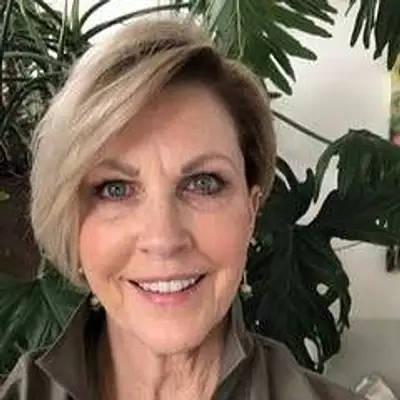
In this episode of The Real Retirement Show, hosts Yasmin and Kathleen explore the evolving concept of retirement for Generation X. Special guest Shelly McIntyre shares her insights on how Gen Xers are breaking away from traditional retirement models and creating vibrant, purposeful lives post-career. With extensive experience in coaching, Shelly offers practical advice on dealing with change, embracing new opportunities, and building a strong support network. Tune in to hear real stories, ex...
In this episode of The Real Retirement Show, hosts Yasmin and Kathleen explore the evolving concept of retirement for Generation X. Special guest Shelly McIntyre shares her insights on how Gen Xers are breaking away from traditional retirement models and creating vibrant, purposeful lives post-career. With extensive experience in coaching, Shelly offers practical advice on dealing with change, embracing new opportunities, and building a strong support network. Tune in to hear real stories, expert tips, and a deeper understanding of what retirement means for today's Gen Xers.
00:00 Rethinking Retirement: Gen X's New Approach
01:21 Welcome to The Real Retirement Show
02:04 Introducing Shelly McIntyre: Reinventing Retirement
02:56 Gen Xers' Unique Retirement Challenges
06:52 Navigating Corporate Loyalty and Personal Identity
13:15 The Role of Grief in Life Transitions
16:30 Planning for a Vibrant Future
31:37 Finding Your People: Building a Support System
36:44 Final Thoughts and Connecting with Shelly
About Shelley McIntyre
Shelley coaches post-corporate GenXers who want to design intentional and vibrant third acts. After a long career in technology and corporate strategy, Shelley pivoted to coaching, inspired by seeing smart people get in their own way.
Shelley believes it’s never too late to reinvent yourself and reclaim your identity from corporate narratives.
Through her coaching, she offers potent insights into change, grief, and identity, equipping clients to navigate life’s transitions with self-compassion.
Shelley taps into her love of the arts and making stuff to create unique, transformative coaching experiences.
LinkedIn:https://www.linkedin.com/in/shelley-mcintyre/
Website: https://shelleymcintyre.com/
Elizabeth Kupferman's "Ladder of Trust" series: https://www.youtube.com/watch?v=yE_Vo8HTTI4&list=PLu8p59ShPS96xgDL1XFr6iYUJo_VTr0c7
Real Retirement Video Podcast: Real Retirement - YouTube
Welcome to "Real Retirement," a groundbreaking podcast where your hosts, Yasmin Nguyen and Kathleen Mundy, delve into the multifaceted world of retirement beyond the numbers. This isn't your typical retirement discussion; it's a vibrant journey into what retirement truly means in today's world.
Each episode of "Real Retirement" brings you compelling conversations with guests who bring a wealth of expertise and authentic retirement life experiences. Our goal? To inspire and educate our listeners to approach retirement with intentionality and a broader perspective.
But "Real Retirement" is more than just a podcast. It's a community for those navigating the uncharted waters of retirement, whether you're just starting to plan or are already on this deeply personal journey. We explore a wide array of topics, including:
What sets "Real Retirement" apart? It's our commitment to authenticity. We bring you real stories from real retirees, discussing real challenges, surprises, joys, heartaches, and the myriad emotions that come with retirement. From addressing family dynamics to confronting identity shifts, we tackle the issues that truly matter to retirees.
Join Yasmin and Kathleen as they journey through the honest and often unspoken aspects of retirement. "Real Retirement" isn't just about ending a career; it's about beginning a new, exciting chapter of life with all its complexities and joys. Tune in and be part of a conversation that redefines retirement in the most real way possible.
Shelley McIntyre: they grew up
with that model, watching their
parents get older, watching
their.
Grandparents have a very clear
like now we stop moment and I
think there was an assumption as
Gen Xers came up that, that
would be something that would
happen to them as well.
And then I think they started
grappling with the.
I don't want to go on cruises,
but I don't want to golf.
So what does that mean for
retirement for us?
If we don't want to do the
things that our parents did.
so then they had to go into this
innovation moment of, okay, if
we're throwing out that script
of retirement means moving to
the villages in Florida and just
having dinner parties and
golfing, if we can throw that
out.
Then what opens up for us
because there's no precedent,
we're inventing this, and we
have to keep being vibrant and
healthy for this extended
lifespan that we have.
So what do we get to do?
It's not like a, what do we have
to do now?
What do we get to do?
And I think that's a big shift
and a change of conception for
Gen Xers.
Yasmin Nguyen: Welcome back to
the real retirement show.
My name is Yasmin here with my
cohost Kathleen, whether you're
retired or thinking about
retirement, we delve into the
multifaceted world of retirement
beyond the finances.
This isn't your typical
retirement discussion.
It's a vibrant journey into what
retirement truly means in
today's world.
We bring you real stories from
real retirees and experts
discussing real challenges,
surprises, joys, heartaches, and
the myriad of emotions that come
with retirement.
From addressing family dynamics
to mental and physical health to
finding purpose, we tackle the
issues that truly matter to
retirees and those thinking
about retirement.
Our special guest today is
Shelly McIntyre.
Shelly coaches post corporate
Gen Xers who want to design
intentional and vibrant third
acts.
After a long career in
technology and corporate
strategy, Shelly pivoted to
coaching inspired by seeing
smart people get in their own
way.
Shelly believes it's never too
late to reinvent yourself And
reclaim your identity from
corporate narratives.
Through her coaching, she offers
potent insights into change,
grief, identity, equipping
clients to navigate their life
transitions with self
compassion.
Shelly taps into her love of the
arts and making stuff to create
unique, transformative
experiences.
Coaching experiences shelly.
We are so excited to have you
here.
Thank you so much.
for being with us
Shelley McIntyre: Happy to be
here.
Thanks for having me.
Yasmin Nguyen: shelly, i've been
super excited about our
conversation today mainly
because i'm a gen xer myself and
when I was looking at the
statistics I didn't realize that
there are over 65 million gen
xers in the u.
s.
And then another 7 million in
canada, and so this is Becoming
an important topic that we're
starting to hear a lot about
these days.
And so I'm curious, Shelly, how
did you get inspired by working
and focusing on this particular
generation?
Shelley McIntyre: Well, first,
just my own lived experience and
seeing a lot of, resources and
media around Aging baby boomers.
And yep, it's a really huge
generation.
And yes, all of those issues are
relevant.
And then people would like skip
over Gen X and then talk about
the millennials.
And I was like, Hey, you know,
uh, 65 million of us.
It can't possibly be a forgotten
generation.
And where are the resources for
aging Gen Xers?
And where are the books and
where are the courses?
And I just didn't see them.
And it got me more interested in
seeing what my cohort was up to
and trying to figure it out.
Because.
What we're heading into is so
vastly different from what our
parents experienced and what the
boomers are experiencing, too.
Kathleen Mundy: this is going to
be really interesting for me
because I have a Gen Xer as one
of my kids and sometimes it's
difficult to understand how
certain conversations find kind
of common ground because there's
a different, absolutely a
different outlook.
So I'm excited about this as
well.
Yes.
Not just for a personal
approach, but certainly there's,
I quite frankly didn't know
there was so many.
I'm shocked.
Yasmin Nguyen: and I've noticed
at least from my peers as well
too, there, there's a certain
unique experience that us Gen
Xers are having as it re, as it
relates to this concept of
retirement and.
That and what's coming up.
And I'm curious, Shelley, what
are some of the things that
you've noticed that Gen Xers are
uniquely experiencing that may
be different from some of the
boomers, or maybe the
millennials that are a little
bit further away from retirement
Shelley McIntyre: Well, first
their financial reality is
different.
a lot of Gen Xers are looking at
their own finances and thinking
I can't just stop like my
parents did.
So they need to get creative to
have some kind of income stream
as they head into their later
years.
So financial reality is one big
difference from the boomers.
they might share that reality
with millennials who right now
can hardly buy a house.
so that is changing very
rapidly.
And another is that they still
feel so young and vibrant.
And not, I'm not saying that the
boomers don't feel young and
vibrant because I think many of
them do.
But, I don't even know if I feel
like a full fledged adult yet,
and I'm about to be 55.
So, the idea of stopping seems
ridiculous to a lot of people in
this generation.
They still have a ton of energy,
they have creative spirit, they
feel connected to pop culture
and everything that's going on.
And so heading into, a life of
leisure.
Seems off brand for the Gen
Xers.
Kathleen Mundy: that's an
important point, but many of
these Gen Xers were also raised
with the idea of career loyalty.
And as they experienced multiple
economic downturns, job
insecurity, shifting retirement
landscapes, how has that shaped
their view outside of the
financial aspect?
Shelley McIntyre: Oh yeah, so I
think a lot of the Gen Xers have
the experience, the lived
experience of learning that
loyalty in the corporate world
flows only one way.
And that's from employee to
employer.
And the party that benefits in
that scheme is the employer.
They go through these layoffs.
And they have these jolts of
realizing, Oh, all of my loyalty
didn't pay off.
It wasn't actually valued in the
end because these are economic
reasons that companies are doing
shufflings and restructurings.
So if my loyalty doesn't count
for anything, who else could I
be loyal to?
Like if I have this.
The spirit of loyalty in my
heart.
Could I turn that around and be
loyal to who I am at my core as
I make my decisions for the
future?
Kathleen Mundy: Wow.
I understand my daughter more
now.
Shelley McIntyre: Say more about
that.
Kathleen Mundy: I've been asking
her about retirement and she
quite frankly is your age.
And she, what I hear is, Oh no,
the company needs me.
And I'm thinking, my gosh, I
don't know that the company is
needing you to the extent that
they couldn't live or manage
without you.
And she's worked so hard.
her entire life and she's
youthful as you are.
And she, yeah, that pop culture
really resonated when you
mentioned that, because that is
who she is.
And now they're looking at
buying a home in Florence,
Italy.
And she's just, she's got so
much enthusiasm, but energy as
well.
And yet I worry.
there's you don't have to be old
to help to have health issues,
and she has a little bit of
that, but now that you've said
that, you know, it makes me
ponder what our next
conversation might be.
So I, that's really interesting.
That's very helpful.
I appreciate that.
Shelley McIntyre: Yeah.
Yasmin Nguyen: along the same
vein, Shelley, how do you help
guide?
clients that have that loyalty
mindset and how do you help
them, having those conversations
Shelley McIntyre: I think the
first thing is to acknowledge
that when we step away from
something with this strange
sensation that our loyalty
wasn't valued, we've been
discarded.
When we're talking to people who
have been through a big
transition, let's say they've
gotten laid off or they've left
a job that they were very.
Loyal to for a long time, they
go through a grieving process
and acknowledging that it is
actually grief that they're
experiencing is a really
important first step because
they've experienced a loss of
autonomy of feeling really good
at something and a lot of
relationships and that's like a
triple whammy loss.
Those are the three.
Core pillars of what we need to
feel content as human beings.
So we really go back to
foundation, like the foundation
level when I work with clients
of what did you lose?
What are you going to miss?
What are you not going to miss?
And who are you now?
Who are you now outside of the
context of that corporate world?
Because we all like, I used to
call it work drag.
we have this persona.
That we adopt and maybe our
eyebrows are a little higher and
maybe we speak in a lilt at work
that we don't use with our
friends outside of work.
So can we start dropping the
mask even though that mask was
very protective, can we start
disintegrating it a little to
get back to who we are at our
core before we try to embark in
something new?
Because if we bring the mask
with us to our next activity, we
won't have fully processed
what's happened.
We won't have fully gone through
the grieving process that we
need to.
and we'll bring some of that
baggage from the old world into
the new world.
And that's not helpful, because
your pain waits for you.
It'll come up at some point.
So you might as well start
dealing with it as soon as
possible.
Kathleen Mundy: when you're
talking about how they see
themselves, what kind of
limiting beliefs do you see that
they have most often?
Shelley McIntyre: Well, one of
them.
and this really goes for people
who are leaving corporate is
that their value as a person is
connected to a title or status.
Or a company.
And if they are, if they don't
have that VP title anymore, or
they're not affiliated with some
fancy consulting firm, then
they're just taking up space.
So I see that as a real limiting
belief that they need to figure
out their value outside of.
Their corporate identities,
which is all made up anyway,
right?
All the titles are made up all
the status, all the hierarchy.
It's all made up.
So when they can figure out that
it was all made up and that just
by.
Being alive on this beautiful
earth, they are valuable human
beings and can do a million
things.
Then the world opens up to them.
So that's one limiting belief.
another is I'm too old to start
over and age ain't nothing but a
number.
And What is 55 to me now looked
really different than 55 for my
mom.
we look at like statistics of
who's starting up the most
successful businesses and it's
people in their forties and
fifties.
Those are the ones that are more
likely to succeed because people
are coming in with experience
and wisdom.
Yasmin Nguyen: Shelley, you
mentioned a little bit earlier
about the losses that people
experience.
And I believe in our Previous
conversations, you mentioned you
had a background in grief.
Is that correct?
Shelley McIntyre: Yeah, after I
left consulting, I was really
looking for where meaningful,
important conversations were
happening.
Because I felt like in
consulting, we were skipping
over the important stuff a lot
of times.
And when I went out and started
doing some research about these
important conversations, I, Very
quickly found the death care
community and people who are
working in death care innovation
and funeral directors and grief
coaches and I was like, oh, hang
on a second.
I think there's a connection
here So I decided to leave
consulting and the first thing I
did was get training as a grief
coach to really fully understand
how grief Beyond death works and
how You know, the process that
grievers go through as they
grapple with losing something
important to them, whether that
was a person a relationship with
somebody who's still living,
it's all the same.
And I think we discount.
this aspect of grief when we're
going through transformations or
transitions, grief is part of
every single one.
Even a marriage, like even
getting married, even good
stuff.
You're losing something.
you're, losing a piece of
autonomy.
You're losing your old routines.
You're losing the house that
bugged you, but you were still
so familiar with it.
There's something that's
changing that we need to look at
really clearly and say, I miss
you, I love you, I forgive you,
I want to apologize for
something, like there's a little
process that we can all go
through in order to be ready for
what's next.
Yasmin Nguyen: Wow, that's
really profound, Shelly.
you've really helped expand the
impact of grief because so often
we think of grief as losing
someone.
And especially, folks in the
boomer generation, really it's,
so many of us are losing close
friends and relatives as well.
But what you've expanded, this
impact of grief to our, not only
our identity, but so many other
way and areas, it's such an
important perspective to, to
notice how, we have an
opportunity to honor and to let
go of, experiences and
relationships and things in life
that, have, moved to the next
stage.
Shelley McIntyre: Yeah.
Yeah.
And there's this myth about
finding closure.
we never find closure.
People are always with us.
These situations have become
part of us.
They get wired into our DNA into
who we are.
We can find a sense of
completion.
With jobs and people and
situations and places.
but the idea that we're going to
just close it out and move on.
It's not a thing.
It's not a thing.
Everything is all always stays
with us.
Yasmin Nguyen: Shelly, when we
think about the planning process
for Gen Xers, what have you seen
to be the most important things
to consider when planning this
particular phase?
Shelley McIntyre: number one is
always what aspects of your
health have you ignored for the
last little while, because.
When people are coming out of
the corporate world or a long
career, they might shake
themselves off and realize, Oh,
my knees are shot or I've have
forgotten to exercise for the
last 10 years.
if we're rebuilding the
foundation of a house here, we
have to start with the core,
the, your body.
so planning starts.
at home and your first home is
your body.
So I always ask about health and
then also for the planning and
the foundation building aspect,
we go back to core values and
the essence of who you are and
what strengths that you're
bringing, because people need to
be shored up a little bit in
this time of transition before
they can even start planning
something new.
They might be smarting from
losing a job and feeling like
they don't have a lot to offer
the world heading forward.
So we need to build up those
stores, before they start going
off and planning.
So health, your values.
your essence of who you are at
your very best.
And then who are the supporters
around you who are going to help
you through this?
Because that social circle also
needs to be there.
And A lot of people have this
rude awakening after they leave
careers that they don't hear
from their work friends anymore.
And that is another loss.
They thought these people that
they worked side by side with
for years and years were their
close friends.
And as soon as they leave the
job, it's crickets.
That's a super difficult moment
for people when they realize.
Oh, I've been neglecting my
friends outside of work because
I had been relying on my work
people for that social
interaction that I needed
through happy hours and hanging
out at the office and, the water
cooler conversations.
All that's gone now, and they
have to rebuild that social
network as well.
this is all part of the
foundational work that needs to
happen before you can start
figuring out, Oh, I'm going to
start a company, I'm going to
write a book, I'm going to do
whatever I'm going to do.
Yasmin Nguyen: Yeah, that's so
common for people to focus on,
what am I going to do in
retirement versus the
foundational?
piece that you talk about, which
is the physical piece, and then
also the emotional and the
relationship components there.
and then exploring, what is it
that I'm going to do?
So it's backwards in some ways.
Kathleen Mundy: Okay, I do have
a question.
What was the biggest
misconception about Gen Xers
retirement that you wish more
people understood?
Shelley McIntyre: think there
was a misconception that it
would look really similar to
their parents retirement because
they grew up with that model,
watching their parents get
older, watching their.
Grandparents have a very clear
like now we stop moment and I
think there was an assumption as
Gen Xers came up that, that
would be something that would
happen to them as well.
And then I think they started
grappling with the.
I don't want to go on cruises,
but I don't want to golf.
So what does that mean for
retirement for us?
If we don't want to do the
things that our parents did.
And so then they had to go into
this innovation moment of, okay,
if we're throwing out that
script of retirement means
moving to the villages in
Florida and just having dinner
parties and golfing, if we can
throw that out.
Then what opens up for us
because there's no precedent,
we're inventing this, and we
have to keep being vibrant and
healthy for this extended
lifespan that we have.
So what do we get to do?
It's not like a, what do we have
to do now?
What do we get to do?
And I think that's a big shift
and a change of conception for
Gen Xers.
Kathleen Mundy: You bring up a
good point.
And Shelly, just expanding on
that, can you relate a story for
us, for me specifically, because
I'm trying to understand my
daughter.
when you were working with
someone, can you just give us
some idea of what their story
might have been and how it
unfolded with your guidance?
Shelley McIntyre: Yeah, I work
with a client who was running
her own design business for over
20 years.
And, running your own business
can be really exhausting.
And everything is on you.
You're the provider of all of
the work.
And she was just getting burned
out.
And She wasn't like old enough
to retire yet.
She's still Gen X.
She's still got a lot of working
years ahead of her, but she
needed something dramatically
different to happen.
And as we dug into like her
value system and her identity
and what, if she could wave a
magic wand, what would she be
doing instead?
And she was just like, all I
want to do is ride my bike and
dance because she was a amateur
ballroom dancer.
She had started dancing when she
was 48 and it's all she wanted
to do.
Her work was annoying her.
She wanted to set it aside.
And so we started what if you
could do that?
what if we could work toward you
spending all your time riding
your bike and dancing?
And she realized in the course
of our work together, Oh, I have
all this experience as a graphic
designer and a writer.
I know a lot about dance.
I'm an excellent researcher.
And she thought.
Do I need to like, maybe I
should share my knowledge with
others.
And she ended up writing a book
about how to get into ballroom
dance for middle aged women,
essentially.
And it was everything from how
to do the makeup to where to buy
the shoes to etiquette on the
dance floor.
Like this whole guide, we worked
together for a year over the
course of her.
Conceiving of this book and
publishing it,
Kathleen Mundy: Wow.
Shelley McIntyre: it was a great
exercise for her because she
really got to dive into what she
truly loved, what brought her a
lot of energy and passion and.
the funny thing about it is that
once she was done with the book,
it ignited this new energy for
the business.
And so now she's taking the
business in a slightly different
direction where it's not all on
her anymore.
She's bringing in help.
She's getting people on board to
work with her so that she can
optimize the time that she's
spending on the business and
ride her bike and dance more.
things are not going to unfold
as people expect, but if they're
willing to cast off some
narrative of how it's supposed
to go and try stuff like get
squishy and creative and weird.
All these new avenues open up
for people where they don't
expect them to.
Kathleen Mundy: Quite frankly, I
think what you're, you've
touched on is an amazing void.
For a lot of people, how do we
help them?
How do we give them the tools,
the framework, you probably have
found some of those that are
very helpful in this
transformational period that
they're going.
Can you reflect on some of those
for
Shelley McIntyre: Yeah, really
the core ones that I use are a
values exercise.
I really like the Brene Brown
values explorer exercise that
and I take.
almost every client through it,
where they really get down to
the core set of values.
and Brene has a great kind of
bonus exercise that she calls
the BS detector, where you look
at these values and you say, how
do you walk the walk of the
values?
Like, how do you actually, it
can't just be an idea that you
like.
How do you live it?
because personal values aren't
just ideas, they're tie breakers
and helpers to when you have to
make major decision in your
life.
can you choose the side that
reinforces your values?
And if you do that every time,
you're going to end up in a more
authentic life.
Life that feels where you feel
the most like yourself.
So that values exercises one, an
essence exercise that my coach
did with me on our very first
day together that I now do with
all of my clients is.
we are, we don't necessarily,
we're not the best self
reporters of our essence like
the qualities that shine through
when we're working at our best,
who knows about that?
The people who love us.
Our closest friends are family
members.
So we go through this exercise
where you, as the client, you
ask other people in your life,
how would you describe me when
I'm operating at my best?
And what the clients find just
through the asking is they get
this mirror back of this.
Beautiful side of them where
their friends and their family
members are saying, you are so
generous and thoughtful.
Your joy about things really
shines through when you love an
idea, you want to tell everybody
about it.
So they get all of this material
back.
And I take that and mung it down
to five words.
Five essence words and then that
becomes another guide for us as
we're working together if you
could you know, you've got this
conflict or you have this
decision if you could show up as
the full creative generous
caring joyful person that you
are What would you do next?
And it's a reminder, like we, we
go through these cycles, right?
Where we have days or weeks or
months where we're feeling like,
Oh, I'm not worthy.
This is, I'm not good at
anything.
And that essence is a touch
point.
remember who you are, and not
only who you are at your core,
but what other people see and
you have received evidence for.
This is an evidence based
approach.
So we can't just write off our
essence.
If we can embody that essence in
these moments, choose on the
side of our values.
We're going to be on a better
path.
Yasmin Nguyen: That's such a
powerful process, Shelly.
it goes counter to so many
decades of work in life where
we're in this reactive,
responsive to our environments
and expectations.
And here we've carved out this
space and time to do some deep
reflection to know who we are
and where we are and based on
our values to then determine
What to do next, what our
alignment is and really getting
that important clarity.
And it sounds like that's a
process that you really help
take people through to, to
determine what their North star
is in many ways.
Shelley McIntyre: Yeah.
And it's, it's not a one player
game here, right?
When we do the essence exercise,
that's inherently relational.
It's not just who am I alone in
my room?
Who am I when I'm with you or
when I'm.
With you because it's different,
right?
when people reflect on who we
are at our best, one person, one
of my friends is going to report
certain things about me that she
experiences and another former
work colleague is going to
reflect back really different
aspects, but they're both true,
I think that's another
misconception.
We have all of this media about
being your authentic self,
right?
So we're awash in kind of this
pressure to be authentic and
everybody has to find their
authenticity and bring your
whole self to work.
We have multiple authentic
selves.
We contain multitudes.
There is not one true way to be.
I am my authentic self with my
brother, but I'm also my
authentic self with my friend
Carol.
My personality is slightly
different.
What we talk about is slightly
different, the way that we
operate in the world, but
they're both true.
So I think This pressure that
people get to bring your
authentic self to each situation
and be that one authentic
straight line person is not true
because we have authenticity in
so many different relationships.
But understanding the core of
that, if we can tap into our
essence and our values, can put
us on alert for when
inauthenticity is creeping in.
Or we're finding that mask is
going back on and our eyebrows
are raising again and we're,
operating a foot out from our
faces.
It helps us ground back into
that foundation that spawns a
hundred authentic selves.
Yasmin Nguyen: That's a really
important distinction.
Thank you for sharing that
Shelley.
Kathleen Mundy: That's so
impactful.
I can't believe how much I've
learned through our
conversation.
and I'm wondering, if you could
give Gen Xers a piece of advice
to prepare for this journey that
they're about to be on at some
point in their life, what would
that be?
Shelley McIntyre: find your
people.
Really, this is not a solo
adventure.
We all need support people
around us.
It's not who you used to work
with.
I'll tell you that right now.
It's not them.
maybe you made a friend that
will continue through that, the
transformation that you're about
to go on.
But it's more likely the people
that you have outside of work,
let them know.
What's going on with you?
Be honest, because putting on a
brave face and just hunkering
down and getting through is not
helping you, get the support you
need.
And it's not helping your
friends understand how to
support you and be there for you
because they want to.
gather your people.
and nurture those relationships,
proximity and consistency are
friends here.
So it's, it might sound
counterintuitive as a planning
step, but paying attention to
your support system and paying
attention to your health is
ground zero for that.
Yasmin Nguyen: Shelley, as
people are looking for.
their people, is there anything
in particular that they want to
be mindful of to at least be
able to identify and notice
that, Hey, this might be one of
my people.
Shelley McIntyre: Yeah, there's
a tool that I often use called
the ladder of trust.
And that was created by a
therapist named Elizabeth
Kupferman.
And It's a really handy tool
where there is a ladder between
you and everybody else, and as
you climb the ladder, when you
rise, you're going up in
intimacy and the way you climb
that ladder is through behavior
only.
Never words.
So let's say that I'm making a
new friend, my new friend
Yasmin, and I say, Hey, do you
want to get coffee?
And Yasmin says, Oh yeah, coffee
sounds great.
I'll call you.
And Yasmin never calls me.
We have not gone up a rung.
we have stayed down here, but if
I think that we have gone up a
rung in the ladder of trust, and
I think, oh yeah, because Yasmin
said that he wants to get
coffee, we're better friends
now.
and then I might escalate, Hey
Yasmin, I know we didn't get
together for coffee, but how
about a movie?
And Yasmin says, Oh yeah, great,
I'll call you.
And I might think, Oh great, now
he wants to see a movie.
So we've gone up the ladder of
trust toward intimacy.
But Yasmin hasn't actually moved
at all, he's still down here.
If I start getting resentful
About Yasmin not showing up and
I'm feeling pain about that.
That's all on me.
The space between the rungs.
is pain, and I am responsible
for that if I have risen without
somebody else.
So if Yasmin calls me and says,
Oh my God, I'm so sorry.
I've been so busy.
Let's go to a movie tomorrow.
I bought the tickets.
See you there.
And he shows up.
up he comes.
So it, we rise through these
ladders.
And the goal isn't to have every
single person, at the top rung,
right?
We need people at every rung of
the ladder of trust.
Like you've got friends that you
see for coffee once every six
months and that's, and you have
other friends that you see
really consistently that you
play pickleball with, that you
hang out, that you go to a book
club with, and that's fine.
Trouble comes when we have these
imbalanced relationships where
we're giving a lot more than
we're receiving.
Or we're receiving and we are
actually like, they're great,
but they're a lot, right?
So paying attention to where
your relations, relationships
land on this ladder of trust.
Just keep an eye on it because
you it takes a long time to
really make a friend.
there's this great book called
platonic that talks about adult
friendships and the author.
The author says.
Through research that it takes
about 200 hours of time together
to really form a solid lasting
friendship.
200 hours is a lot of time and
Are you willing to invest that
in somebody who's going to go to
the top of that ladder with you,
or are you okay having people at
slightly less contact, slightly
less intimacy, but we need
people in our environments that
we see consistently that we talk
to on a regular basis, to get
through whatever transition is
coming next.
We can't do it alone.
Kathleen Mundy: Oh, that's
beautiful.
Yasmin Nguyen: Shelly, you've
shared so many incredible
insights and tools and, I'm
curious, how can our listeners
connect with you and learn more
about your work?
Shelley McIntyre: Thank you for
asking.
I mainly write on LinkedIn and
so you can find me.
I'm Shelly McIntyre on LinkedIn
and my website is
shellymcintyre.
com and I've started to post a
little bit on Blue Sky, but I'm
not totally there yet.
So LinkedIn and the website are
the primary.
Yasmin Nguyen: Great.
We'll make sure to include those
in the show notes so people can
connect with you directly then.
any final thoughts as we wrap up
our conversation today?
Shelley McIntyre: I love what
focus you two have on kind of
reinvention, the reinvention
aspect of retirement.
So I really love what you're
doing.
I encourage you to keep going.
And, the more Gen X folks that
we can all reach and say, we see
you, you are not the forgotten
generation, the better shape
we're all going to be in.
Kathleen Mundy: yeah, I'm almost
speechless, which never happens,
but, I am so I'm just so
thrilled that we had this
conversation.
you've provided so much deep
information and.
introspective, tools and thought
processes.
I've really appreciated it.
It's been a
Shelley McIntyre: Thank you so
much.
I really had a good time.
Yasmin Nguyen: yeah, thank you
Shelly for tying the bow and
bringing all the pieces
together.
Cause I think the initial
intention was to explore what
was unique about the Gen X and
you've definitely shared that.
And also you've also shown how.
Regardless of what generation
you're in, we all experience a
similar type of journey and
there are some valuable and
important opportunities for
support and guidance along the
way and that you are doing that
magnificent work that's really
helping so many people.
So I'm just so grateful that we
get a chance to share this with
everyone.
Shelley McIntyre: Thanks so
much.
Yasmin Nguyen: Awesome.
Thank you for taking the time to
join us today.
If you enjoyed this episode or
found it valuable, please
subscribe, follow, and leave a
comment or review on your
favorite platform.
If you have friends, clients, or
loved ones who are retired or
thinking about retirement, we
invite you to share this show
with them.
Check out the show notes with
links to resources mentioned in
this episode at
RealRetirementShow.
com.
Remember, retirement is a joyful
journey we get to experience
together.
Join us next week for another
Real Retirement Conversation.