Subscribe
Share
Share
Embed
“Our workflows have been so efficient that we've been able to open another brand. It's finding the right tools for each niche, so you don't have to think about it again—it just becomes part of the normal.”
Ready to enhance your photography workflow? Welcome to Workflows, a podcast by Imagen that transforms how photographers like you manage their business, making every minute count.
Each episode offers advice on optimizing your photography workflows so you spend less time at the desk and more time behind the camera. It also tells real-life stories and shares innovative tools to optimize your operations, helping you maximize efficiency and creativity in your photography business.
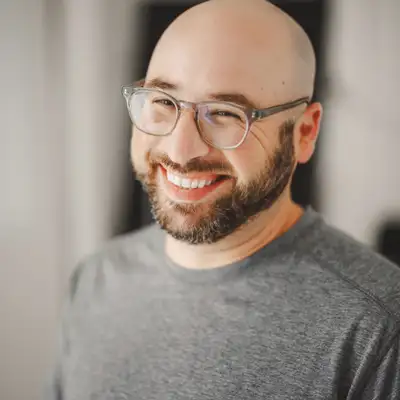
Join host Scott Wyden Kivowitz, who, despite challenges like dyslexia and color blindness, has mastered the art of efficient workflows to excel in the photography business, as well as building and leading one of the most popular global photography communities on Facebook – the Imagen Community. Through insights and conversations with photographers fro m various countries, backgrounds, and walks of life, discover how structured workflows can save time and alleviate stress in your professional and personal life.
Get ready to overcome common industry hurdles and boost your photography business's profitability through effective strategies, innovative tools, tech, and automation.
Join the Imagen Community to continue the conversation and connect with fellow photographers, share stories, and access unique resources tailored to the challenges of managing a photography business.
Don't let workflow inefficiencies hold you back — tune in to Workflows for inspiration and guidance on crafting a thriving, productive photography business.
For photographers who prefer creating stunning images to getting bogged down by business tasks, Workflows is your gateway to a smoother, more rewarding photography career.
Join us today at workflowspodcast.com
===
[00:00:00]
[00:00:15] Scott Wyden Kivowitz: Gary and Kim, this is gonna be a lot of fun. I am really excited to dive into your workflows in this, in this, conversation and specifically because, well, for a couple, a couple reasons. one, because you're both just, you're an awesome couple. and, two, because you, you photograph weddings. But you also have, a niche in the wedding space that you also teach, at your workshops and and whatnot. And, it's not a very common thing that we're gonna be talking about. And I'm, that's what I'm really excited about because it's niches. Niches, can really do a lot [00:01:00] for individual photographers, or, or teams that most people. If they don't give enough attention to it. and so I'm happy that here on the show we can give that some attention. so with that, welcome to workflows. I, I'm excited about this. Excited to talk to you both.
[00:01:19] Gary & Kim: Thank you. Thank you very much. We're excited to be here. Happy to
be here.
[00:01:24] Scott Wyden Kivowitz: so let, let's get right into it.
[00:01:26] Managing Multiple Businesses and Niches
---
[00:01:26] Scott Wyden Kivowitz: One thing going well in your workflow, in your workflows throughout your, your businesses, 'cause you do have multiple businesses as part of your, of your brand. what is one thing going well?
[00:01:37] Kim Evans: I think one thing that's going well for us is managing how much we have going on and, using kind of each one of our. Little niches or, or whatever that is kind of to balance out the others and kind of, we're so used to now sort of the formats that we work with and, and [00:02:00] really making these formulas that we can repeat as much as we can.
So I feel like we're in a good space to always kind of be adding to what we wanna do and there's always space there for it. So, you know, the more efficient and the more. you know, using, kind of setting yourself up with a formula for us is what really works the best. And so that we can kind of rinse and repeat those things and they get easier.
And then that gives us space to work on, you know, new projects or kind of the education side, which we're really passionate about.
The, the one, the one thing we're pretty good at as a, as a couple is, is trying not to let, what we're doing overlap. So we each have our own lanes that we stay in. and if it, if it does overlap, which is generally me trying to overlap into Kim's stuff, I quickly get slapped back into my own lane, into my own lane.
So, yeah, it's, it's. It's, we're a little bit different because we are a couple that work the business together. and it's just not duplicating [00:03:00] effort. It's, yeah, knowing what you're good at and sticking to what you're good at. So
there's not, there's not a lot of projects that we work on the same part of the project at same time.
Yeah. We each kind of know what the strengths are that we bring to the table. So we divide, you know, those pieces up. So. I think for us, 'cause we're both competitive, like it gives us each parts of our business that we can champion and, and we can both win, you know, but like win over, you know, we can win separately.
[00:03:28] Scott Wyden Kivowitz: So you kind of, we, we know we need that. Yeah. you know, to keep our passions up and stuff. So, that's kind of how we run our business. But I, I think like managing everything is definitely winning for us right now. Yeah. I
[00:03:43] Exploring Pop-Up Weddings and Seasonal Sessions
---
[00:03:43] Scott Wyden Kivowitz: think, when it comes to, to having different, niches with, throughout your business, there's gonna be some workflow overlaps and some workflows that diverge from the other in different ways, right? Like, You might, you might have, for example, [00:04:00] one method to culling headshots that might be different than cuing weddings, right?
Because they're, they're very different things. However, you might have an editing style that the same for full weddings versus pop-up weddings, right? So there's some parts of a workflow that could overlap and there's. Basically no difference. And then there's some, like the CRM part, the emails you send would be, could be a different flow and things like that that will be different across.
With that said, I'm wondering if you could quickly share for everybody who doesn't know your, your brand overall, the different parts of your business that you have, the different niches and, and education that you have so that everybody can understand truly what's on your plate.
[00:04:45] Gary & Kim: Yeah, absolutely. So hang on, let's, yeah, yeah, yeah. We have, we have lots of fingers. so we do obviously have like a traditional photography studio that is full service, with printing and albums [00:05:00] and, for our area where we're sort of in the top end, where we are. so those are generally.
Let's say 10 hour traditional weddings with albums and engagement sessions and, and that sort of, handholding that comes with it. then we have in another brand, our popup weddings, which basically our popup weddings are like. If you sold spaces in a style shoot, for couples to actually turn up and get married instead of having models come in, we have, we have that so we can marry seven couples in a day in one setup.
where we just have smaller groups. They're groups of 20 people. we provide the officiant. The design. So the setup, Gary will shoot and do a couple session with them. and, and so it's, it's sort of like a, it's not like a micro wedding, but it is a smaller, smaller sale wedding. We always kind of, you know, it's between going to city [00:06:00] hall and like a big wedding.
So it's just kind of that space that is really underserved in the middle where, You know, because multiple couples are using, the same space. The, obviously you're looking at volumes and almost like a, a mini session, right? Like your profitability increases, the more people you can do. so that is our pop-up weddings.
Mm-hmm. We probably do between 15 and 20 dates of those a year. So dates, times seven, and, so through. Most of our warmer season here. So we're in Canada, so we tend to go May through the end of October is really our wedding season here. so we'll do, those popup wedding dates. when we first started those, it used to be, we started them as kind of like a creative outlet and to kind of serve that sort of middle, I guess.
And we used it to kind of create [00:07:00] wedding dates in the spaces where our traditional photography, you always have that one date. Yeah. That you're like, this is a peak date and it's weird and no one's booking it. And we were like, well, we can create something to, to monetize that date.
Yeah. we would normally fill previously, going back a number of years.
The dates would be filled with your normal weddings, your traditional 10 hour weddings that Kim and I would go and shoot together. And then Kim had this concept to fill in the dates and we thought, oh, that's a good idea. We'll we'll give it a go. And it fulfills Kim's creative desire to, you know, make something.
'cause she's, she was a former wedding decorator and, and, you know, and florist and so she's, she's always had, always has that creative energy. And if she's not, then I don't know. You just, you just need that outlet. And this was, you came up with this concept and we were like, oh, we'll, you know, we'll, we'll give it a go.
And yeah,
so now like with, and it's done really well, you know how, you know, evaluating, we kind of took a second to be like, okay, this is going [00:08:00] well and this is going well. And, you know, looking at how much we can make on each date. The popups won by about three times. Mm-hmm. So now what we do is we look at the date, we pick out our peak date.
That we wanted offer popups so that obviously they, we have to sell them so it's easier to sell. and then the rest of the dates that are left are open for traditional couples. So it kind of really flip flopped with how popular they became and, you know, that we really enjoyed doing it. it, it is very formulaic, so, it does kind of.
it's very like we know exactly what to do at each point and it, it is very plug and play for us now. so that kind of was a bit of a flip flop. Mm-hmm. We also, coming into Christmas time now we do Santa sessions, so, our Santa experience is really, four big sets in our studio. the kids come in for 20 minutes.
we have an amazing Santa who's like real beard and he's just the [00:09:00] sweetest like. He's the most like, the miracle on 34th Street Santa, where he literally will
No, no, it's not Gary. He's not Gary. It's
San, it's Santa Dave. I've got a few more years yet until I, until i'll, until I'll become a Santa. So, and you
know, he'll sing lullabies to the babies.
Like, it's just unreal. So. we do that and then it's just the kids coming in and just interacting with him and, and playing and jumping on the bed. And, we have fake snow. And so it's like full on Christmas, sessions, with like. Right after they're done, they do, a culling an IPS session and then, choose what they wanna buy right then and there, and then
off they go.
Yeah.
[00:09:40] Scott Wyden Kivowitz: Nice.
[00:09:40] Gary & Kim: so once kind of Christmas is done, we usually like lock the door of the studio and run for like. A couple weeks and just try not to. Yeah, we're like, we're pretty well, kitted out.
That's it.
[00:09:52] International Retreats and New Ventures
---
[00:09:52] Gary & Kim: and then on top of that, you, we decided to throw in some international photography re retreats because we just weren't busy enough.
You know, we just, we thought we [00:10:00] would just do something else. And so for the last, The last two that we've had, we did one in, in France, and then this year we did Italy. And then we have Tulum coming up in February. And then July, 2026 we have one in the uk. Yeah. so we have that on our plate as well.
And those are, I think, I mean as far as what we really, I think they're just so fun and we get to go places, but it's also. You know, we get to care for and kind of put as much into photographers that are coming as we do our clients. And so like, that is such a fun experience to like surprise a group of photographers by taking them for dinner on a rooftop and pizza.
Like, it's just like, it's unreal experiences that mm-hmm people probably wouldn't have had. or, you know, shooting beautiful models, you know, at a chateau in France. It's just. It's, it's I guess like the retreat we wish we could go on. [00:11:00]
Yep.
And so that's kind of why we created them. and that kind of is part of our sort of education side where we, you know, speak and mm-hmm.
And have some courses and that kind of thing. Yeah. which, we're super passionate about. It's, it's really like we kind of feel with educating, it's our responsibility to give other photographers. What we've gotten from this industry. Mm-hmm. You know, and we kind of feel like it's our, we have to pass that on and give others, yeah, I mean, the chance to live this really cool life that
we have.
Yeah. It's given us a, a, a lot of flexibility. and I, I, I don't take it for granted. I mean, I've been very, very lucky for like, we have a 10-year-old, and it's only this year really, that he's walked to school on his own. Like, I've literally seen him and, and been home for him all the way through when he was a baby.
And then into, you know, he's starting to walk and [00:12:00] kindergarten and then elementary school, Kim and I have been able to walk him to school every morning and then go and pick him up after school. and, and I don't know how many dads have that. but the photography industry has given us as, as parents a lot of time with, with.
family, and family's like the most important thing to us. And so it's, it's, it's allowed us to, to, to have that. And as Kim says, we, we feel it's, it's a responsibility to help others have what we've had because it's been so cool. yeah, you know, I've loved growing up with my 10-year-old and doing all of the things that I can with him.
'cause I, 'cause I was able to.
[00:12:41] Scott Wyden Kivowitz: yeah. Being able to, teach others how you've built a successful business, what's been working well for you, and then also to allow you both to have that work life balance and, have that time with family is, a really a to beautiful thing to be able to give that back to other people.
[00:12:59] Gary & Kim: [00:13:00] Hmm.
Yeah. Yeah, yeah,
yeah. Totally.
It's, it's special.
And, and then we've also just, just launched a headshot business too, right? Yeah. Yeah. I mean, yeah, so we've, we've just, in our
spare time we've pulled out,
we are like, hang on, we pulled
out the headshot and corporate stuff Yeah. From our traditional photography because it was just super getting lost in all the wedding stuff.
and just kind of like given it its own space on its own. So, I mean, we did just launch the website and we got like a. Our first inquiry through that website, so we were like, Ooh, this is exciting. So someone found it and that. So I feel like we're on the right track and
we've been able to do it because our workflows have been so efficient
[00:13:40] Scott Wyden Kivowitz: Well, let, let's, let's, let's dig into that. the second thing going well, in your entire workflow, allowing you to open, open another brand, you know, presence, niche of headshots and things like that. what is another thing going really well in your, in your workflow is to, to allow this to happen.
[00:13:58] Gary & Kim: I'd say for us [00:14:00] is having the right tools in place to be able to kind of not, it's almost like you put the right tools in place and you investigate and you figure out what you need and, and put this system in place and it's like. Y you don't have to think about it again. 'cause it just becomes part of the normal and it's just, you know, it's like, you know, getting someone to clean your house, you know, it's like, it just takes the stress away of every time you walk by the washroom and you're like, oh God.
Like, when's the last time I cleaned that? You know, now you know, it's really like you have these great processes in place. You're not thinking like, should I do this? Should, it's just like it becomes a recipe that you follow. I think it, yeah, it's,
it, it's finding the right software, softwares
[00:14:48] Scott Wyden Kivowitz: Mm-hmm.
[00:14:49] Gary & Kim: are, like you were mentioning, niches with regards to photography.
There's niches with, you know, software companies too, and it's finding the right ones that do do the things really, really [00:15:00] well, and then taking those on board and having a suite of software that you use that makes your life. A lot easier 'cause photography and this business, it can be very, very labor intensive and you can spend an awful amount of time, you know, toing and froing with clients.
time in front of the computer doing all of the, all of the, all of that sort of stuff. And then you've also got the shooting bit on top of that. So, and it's the shooting bit that makes the money, but a lot of photographers spend. More of their time, not out shooting, but in front of a computer. So finding the right software, that works for us and utilizing that to the best of its ability, has helped us to be able to do all the things that we do, you know, from the weddings to the popups, to the retreats, to the head shots and all of that sort of stuff.
So.
[00:15:51] Scott Wyden Kivowitz: I wanna give an example, 'cause you said something really important. It's finding the right tool for the niche, right? And in some cases, [00:16:00] right? So as I, as I mentioned earlier, how there's some, there could be some overlaps between different niches, right? If like you're using Cloud Spot, for example, that could work for all of the niches that you are doing.
However, in some brands, if somebody's using Cloud spot for their.for portrait work, for example, or they're using it for weddings or, or whatever it might be. But then when it's the slower season for weddings, they're also doing school portraits or sport portraits for, for like sport school, sport teams, cloud spot.
While it's great, may not be the ideal when there's a photo day or alternatives that are actually designed for school and sport, where they have, you know, specific tools for that. So finding the right tool for your niche, like you said, very important. be,
[00:16:53] Gary & Kim: sorry. We're definitely find. The best at your [00:17:00] particular thing and not looking for one program that can do everything. Because in general it's sort of like humans, right? It's like, no one is gonna be, you know, this jack of all trades and, you know, is gonna be really great at one. We look for, you know, the best mm-hmm.
That we can find at AI editing. That's Imagen, you know, we look at how. You know, response, response times and helpfulness and, and all of that with the companies that we use. 'cause that's also, you know, important. But, you know, we have 17 hats as our CRM, we have ConvertKit right now is our, emails. But like, we try to get the best of mm-hmm.
Who's doing what in, in that, in their own niche. Yeah. Because I don't, I, I think that makes a difference to. Not try to kind of blanket one thing, but you know, who can help us and be the most efficient in what we need it for. And then if it's [00:18:00] another product that does something else to the best, we would like to work with the best.
Yeah. I think is, and that helps us to stay on the cutting edge and it helps us to kind of, you know, those companies are, are working their niche.
Yeah. Like
unbelievably and moving so quickly. Yeah. And, and improving all the time. So. If you, if you looked at like kind of research and development of one company trying to do everything, they just can't,
[00:18:25] Scott Wyden Kivowitz: Right.
[00:18:26] Gary & Kim: they can't improve everything and they can't kind of keep current and everything like that.
So we, that's how we kind of work with, choose kind of like who the partners are for us. is, is, you know, who is, who's doing the best job Yeah. That we can give our clients.
Yeah. We want companies that, that specialize in, in, in software because we know that they. That's their focus. So they do it really, really, really well.
You've got some that you know, cover a lot of different aspects, and they do it. They do okay, [00:19:00] but for us, okay, is not good enough. We want to use the companies that do things really, really, really, really well. So we are not averse to using different software for different things because it just works for us.
[00:19:11] Scott Wyden Kivowitz: yeah. you mentioned a little earlier, earlier ago that, for the Santa Sessions you're doing same day IPS, and. And print sales, which of course having imagined to, to knock out the editing for you real fast, having cloud spot to, to, to sell images really useful. smart, smart albums. Right. So you're using smart albums.
Are you also doing same day IPS and sales for albums on the popup weddings?
[00:19:37] Gary & Kim: we're not same day. but once, so we have different packages, levels for. Our popups. So we have like kind of a starter package that is just the experience and then they'll choose 20 images. generally, like our galleries for a popup wedding are, I'd say around 200 [00:20:00] or so. So the next level includes the gallery.
And so we kind of try to sort of, in a way like pre IPS them to, to sell the gallery. and then. With the standard ones, we'll do a virtual IPS session, where they see the full gallery that Gary's done, and most of the time then we'll upgrade to, it's very hard to call a wedding that was an hour or so, like a ceremony.
Family photos, it's hard to get to 20. so we have some kind of smaller packages, you know, add 10, add 20.albums, that kind of thing, for them. And then the full gallery people, they'll get, other options for like, albums and that kind of thing. So we're virtual with a lot of them because. We go kind of from our house sort of in like a hour, hour and a half radius in Ontario.
So they're not really local to us generally. so [00:21:00] virtual works well for that. Mm-hmm. And I can kind of do it in my pajamas if I need to.so like that's kind of our
[00:21:06] Scott Wyden Kivowitz: what per what percentage of the time are you actually doing in your pajamas?
[00:21:10] Gary & Kim: Like bottom half, like a lot. Yeah. Like leggings,
you see day pajamas, I would
say like day. Yeah. Yeah. We call them their day pajamas. Yeah. Of like, you know, track bottoms to bottoms leggings, anything with a domesticated waste. Yeah. A good percentage are, are happening in that, in my office. Yeah. And, and that's kind of our divide too, is.
You know, Gary is the year guy. He knows everything about photography and, and everything like that. He does the editing, he'll do the client meetings for our traditional weddings. Popup stuff is generally me, except for obviously the exception of photography. and, but I'll do all of our sales sessions for all of them, so, It with popups because there's a, a big volume. Mm-hmm. doing it virtual where we can kind of stack the, the sessions, is a lot easier for us.
[00:21:59] Client Experience: Traditional vs. Popup Weddings
---
[00:22:02] Gary & Kim: We can do them kind [00:22:00] of when people get home and they might have kids and they're busy and, you know, they don't need to come anywhere. So that works. Obviously it's in line with, you know, the, the client experience that they each get, you know?
You know, the traditional weddings get a lot more hands on, isn't it? Know way more handholding, lots more in person time. Mm-hmm. You know, lots more babying. And then the popups, they want something simple and they want it done for them. They, they don't want the questions. They're, you know, we have a lot that's automated for them.
We have a, a, a guide that they get that reminds them of all the dates and we have a lot of emails that go out, but generally for them, it's like a 10 minute. Detailed phone call 30 days before their wedding, and that's the only time everything else is email. So for that brand, it's very efficient. For the other, it's obviously a completely different workflow.
This wouldn't work that way.
[00:22:57] Marketing Popup Weddings: Stress-Free and Unique
---
[00:22:57] Scott Wyden Kivowitz: you, you inspired another question before we move [00:23:00] into the last topic. when you. Market. The popup weddings,
are you marketing them closer to a styled photo session, but wedding themed, or are you marketing it more like an elopement?
[00:23:18] Gary & Kim: It's marketed as a stress-free wedding. It's their wedding. It's, it's not like they will come fully dressed up. They will have a bridesmaid. Like they will Yeah. For them it's their wedding. Yep. It's just, they've given us control. We don't overlap couples. They, they don't see each other. so it's really for them, for as far as they're concerned, it's a packaged wedding experience that they just don't have to do.
Yeah.
[00:23:49] Scott Wyden Kivowitz: So for them it's, it's definitely more about the wedding than. Mm-hmm.
[00:23:53] Gary & Kim: the star, the, I guess the theme or whatever. they do like, we do like an inspo board for each one. [00:24:00] They'll all be different so that they can kind of like know what they're walking into. I wouldn't want to just be like, surprise, it's a Barbie wedding.
Like, you know what I mean? Like I can imagine somebody walking into that, like they need to know, like it's their vibe.
I mean, it's de and it, it's definitely not. A replacement for the people that want Yeah, the 50, a hundred, 200, 300 person wedding. Yeah. A lot of the couples tend, are older.
Yeah. maybe it's a
second time around or we do have some young, younger ones that are just say, we didn't wanna spend X on a wedding.
Yeah.
you know, we wanted to,
I mean, they wanted to have a deposit on a house. I mean, there's like introverts that don't wanna be around in million people. Yeah. There's, overbearing moms that wanna invite everyone plus the kitchen sink. And this gives them the limit that they can kind of stick with and it's not their fault.
you know, it, it's so many more. It's generally like, and we survey our couples a lot to find out like, why are you booking? You know, what are you doing? Why are you looking at this as an option? [00:25:00] And it's budget is generally like third or fourth on the list. So the biggest thing for them is that it's stress free.
They're not really interested in wedding planning. They're basically co-oping their day with other people that they'll never meet.
[00:25:15] Scott Wyden Kivowitz: Right.
[00:25:16] Gary & Kim: know, and so they're paying, you know, we're doing big Florals. All of our vendors that we use are like top quality, that kind of thing. And everyone's getting paid because they're just paying for a small portion.
But then when you spread it out over the amount of couples, everyone's getting paid what they should be paid to be there. Like, so it's, it's a kind of an interesting, way, but when we are marketing popups. There's definitely, there's only unlimited number of spots. There's, you know, there's one date in whatever location that we're gonna be in, and so that scarcity, you know, selling feature is really there with that.
So they love it [00:26:00] though. That's kind of what drives them. They
absolutely, love it. I, I tend to finish the session with them and then tell them what the next steps are once we've done their photo session and they. All of them say, oh my God, this has been just the greatest experience. It's been so hassle-free.
We've loved it. It's great. You know, can you give Kim a big hug for us? you know, 'cause it was, she just made it so easy. It was just, we turn up with our license and we get married and now we're off to Yeah. Lunch with everyone that came or they've, they're having a party in the evening. And so it's just great.
And you'll never, you'll never cannibalize the traditional weddings for, for us, right? Like. The person that wants to book a popup wedding is never gonna be that person. No. And the person who wanted that 300 person big Italian wedding is never gonna bo like never in a million years. Would giving up that level of control be what they were, that what they'll be into?
Yeah. So it's really, it's just [00:27:00] giving something to people where they didn't have a place, there just wasn't an option. Like they just. You know, was it going to city hall and, you know, well that was it.
The option was city hall and that's not particularly nice.
That's exciting. And, and it's not like customized and it's, they don't feel like they're being thought of and, or, you know, you're having to shell out whatever.
And people's money and how much they have for weddings is really evolving. And we're not in that boomer generation anymore, where they were faithfully putting aside, you know, 40 grand for their daughter's wedding. Yeah, these are, a lot of couples are paying for their own stuff. So it's, you know, do I want a house?
Do I want this? We wanna be married. you know, and for some people the priority is, is other things. But we can still give this like really. Awesome experience for them where they don't feel like they skimped out. Yeah. You know, like they feel like they're still, like they're, they had a wedding. Yeah. Like they had all the wedding.
They go all out, they go full hair, full [00:28:00] makeup, you know, custom suits for the guys. You know, proper, their wedding dress for the girls. They do have, they can have the bridesmaids and groomsmen and, you know, all of that sort of thing. So it's, it's, it's literally just petite. Yeah. It's just a, it's just a condensed wedding for a limited number of people over a certain time period and, yeah.
[00:28:23] Scott Wyden Kivowitz: A lot of the reasons of why your clients book. These is the exact reason my wife and I got married in Mexico.
[00:28:29] Gary & Kim: Yes.
[00:28:30] Scott Wyden Kivowitz: we just, she wanted to do it not in the United States. She wanted to do it in warm Mexico on the beach. but other than that, like planning was very hands off. We, we didn't plan a thing until we got there.
The MO one, we checked in. They brought our bags to our room. We didn't even see our room then. Then they came and got, the wedding planner came to get us, and we planned our wedding two days before and like, just picked out color, like color of the cupcakes. We didn't even do a cake, [00:29:00] like simple. and then it was, it, it all happened very fast and it was very
easy, very
[00:29:06] Gary & Kim: there's, so many different style of people that there has to be more than one style of wedding.
Yeah. You
know, and, and every style of, there's something for everyone. And this is just kind of creating that space for people that, that want something really cool. Don't know how to do it and you know, we can kind of take really good care of them.
Yeah.
And yeah.
[00:29:32] Scott Wyden Kivowitz: Awesome. so, so let's dive into the last topic as we wrap this up.
[00:29:36] Balancing Creativity and Workflow
---
[00:29:36] Scott Wyden Kivowitz: you've got a lot going really well in your business, but. Everybody, no matter how successful everybody is, there's always something that you need to improve on. So what is one thing in your workflow that may not be perfect?
You're, you're, you're seeing some, some issues and you're working towards improving. What is that?
[00:29:57] Gary & Kim: I'll do, I You
go first. I've got [00:30:00] one.
Okay. I will say that I am a serial creator
[00:30:03] Scott Wyden Kivowitz: Mm-hmm.
[00:30:04] Gary & Kim: and you know, and so sometimes the challenge is you get a really great idea and you. Want to kind of maybe devote some time to it or you want to, kind of see what a framework works of it, like, looks like? And I think some of the challenge for me sometimes is saying no to things is, is saying no.
And it's myself. It's not like I can say no to clients that are a bad fit and we're way past that point of finding our people and, and that, I am more than happy to say no to red flags and all of that. but for me, I think it's like the excitement is the creation and so.for me, I've had to kind of really put in place sort of like a framework that I have to kind of like evaluate a new idea and it has to be able to outperform something else we're doing if it's taking the space.
And in the same time, it's [00:31:00] being able to kill other ideas that aren't working. So there's, you know, things in our business that, We don't have time for, they're not performing and you know, you can let an idea die and, and say goodbye to it. Which is, is also, you know, it's difficult when you're an entrepreneur.
Everything is like so close to you and, and, and that creating. So I find my balancing like new ideas with maintaining old, like current things that are performing well. 'cause it's just. Maintenance is not as fun. but obviously like, you know, that's, it's necessary. I think that's, that's probably, and that's probably why with pop-ups is, is really helpful for me because I can kind of be creative, kind of each pop-up looks different, and with our retreats, that's a lot of creative space for me that kind of fulfills that for right now.
And I don't feel pulled to like. You [00:32:00] know, we drag Gary down another road of like, guess what, guess what we're
doing? Well, literally that's what I was gonna say was, was, was raining, came in. That's, that's the one. It's like she's always, Hey, it's, it's when she looks at you and she goes. I've been thinking and I'm like, no, my, my eyes go like this.
And like, no, no more thinking Kim. We're doing enough. We're doing enough. Stop thinking. Let's just focus on what we're doing. So enough's enough. But, I mean anything like she said, she, she, if she's coming up with ideas, she's thought it short it all the way through. It's not just that this is off the cuff and we should do this and then let's just figure out what's, what's happened.
She's, She's looked at it and then she's researched it and then her, by the time she says, I've been thinking she's already like 80% of the way there. Yeah.
If I've been thinking the pitch is really confident.
Yeah.
Like there's, there's so many ideas like I haven't brought to the table because I've, I've like done [00:33:00] the due diligence on them and it just.
Didn't feel like it could work all the way as much as I, I would want it to. I'm like, I didn't think I was gonna be a spreadsheet girl growing up because I was very like art, art school and everything like that. But I'm like a super spreadsheet girl, so I will, like, I have so many like formulas and everything that I'll put an idea through.
and that framework for us is kind of. We put every single one of our business ideas through the same scrutiny and through the same system to make sure that, you know, not only is the idea gonna work itself, but also it's gonna be profitable, it's gonna be worth our time we're making, like what to us is the appropriate amount that we should be making on that much time?
And and that's kind of where all of our ideas start, but I think it's saying good. Saying goodbye to not ideas [00:34:00] that you just could never get to. Yeah. And understanding like, we also need a life and we don't wanna work all the time. We wanna like, have margaritas on a Tuesday. Like, you know, all, all the, all the things that just make us who we are.
So, or Monday, like, you know, that's our weekend. Yeah. So, I'd say, I'd say balancing, I think that's our balance really.
Yeah. And I think, I think for me it's, I. I deal with the images a lot more than Kim. It's, you know, I, I, I shoot the weddings, then I load 10,000 images on the computer from a popup wedding date.
And then what I've been learning to do, and this comes back to, this, comes back to you guys and introducing the culling to a specific number, that, that really helps because, I was a bit averse previously to using the, the culling software because it would. It would pick too many and then I would have to go through and [00:35:00] review them and then take some out because it was, I dunno, it could pick four, 400 from a popup wedding and that's too much.
So then I would have to go, so then I was, then it would be whatever I'm doing that I may as well just, I know what I'm looking for, I can go through them myself fairly quickly. whereas now being able to set a target of the number of images that I want, that's. Really helped. and it, I, I'm not being funny.
It, it does free up a lot of time. Like culling is the, was the one thing that previously I was still manually doing myself. edit's a fantastic, but yeah, I think. For me, that's probably the one thing that I could do a little bit more is just the, the culling side of things. I mean, it's, it can be mind-numbingly boring to look through seven, seven pop-up wedding days where you've, you've done, you've shot very, very similar things.
And so you're picking very, very similar images from [00:36:00] all of the, all of the wedding days, whereas now I can kind of like relinquish a bit of that responsibility to a bit of software. Yeah.
[00:36:09] Scott Wyden Kivowitz: it's really good. It's really good.
[00:36:11] Advice for Photographers: Time Management and Embracing Technology
---
[00:36:11] Scott Wyden Kivowitz: to wrap things up, I want, this is the last episode of season four of the podcast, and. Traditionally in four Seasons, we take a break for, hmm, just over a month, before we bring in the new season. so as we approach the new year, I would love to hear from you some advice for any photographer that is listening to this, that is watching this, that would love to find a way to make more time for their family for the new year. What one nugget of advice would you give to that, to that photographer or that couple? to, to try somehow to give themselves more time for the new year with their families.
[00:36:59] Gary & Kim: I, [00:37:00] I have two. I have two.
[00:37:01] Scott Wyden Kivowitz: Okay.
[00:37:01] Gary & Kim: If that's okay.
Go for it.
one is, it's not sexy, but it's, it's spreadsheet related is like figuring out what your actual numbers are. There is, it's very rare that we're in a room with photographers who know how much it costs to run their business, how they can get to the salary they want.
And how many shoots it takes to get there. And if you can know your numbers, it was gonna, it's just gonna take the pressure off. And then knowing, you know, in order to hit my goal, I need five family sessions. You can then target your marketing. You're spending less time. Literally on everything because you're not just doing this big scatter gun approach.
And so if you have downtime coming up, a hundred percent, that is where every photographer should start and revisit it if you haven't. the [00:38:00] other thing that we've done going into a year is we will X out every long weekend. So long weekends are completely out of bounds. We're not allowed to book anything on them.
We're not. And in Canada we have a long weekend every single month through the summer. so we x out and completely black out of our schedule every long weekend because we were going through weddings and, you know, wedding season. And then we're like, you get to December and you're like, what the hell just happened?
Like where, where's my family? And we needed that kind of light at the end of the tunnel every once in a while to be able to, To feel like we were connected and to feel like some downtime and to feel, like, like we got a chance to see our kids and plan things because sometimes you just can't even plan anything.
Yeah. and so that's what we did. I know it's obviously a luxury that we could, could be able to do that, but you know, even if [00:39:00] there's a, a Sunday or something like that, that you just. Completely X out. You're not gonna open your laptop, you're not gonna, you know, and you're not gonna go, oh, shoot, I have to, I, I think I can just nip down to the office and do whatever.
you know, if there's a couple days, kind of paste them out and just kind of x some things out of your calendar and give that back to yourself. I think it's, it's one of the best things that we, we've done and we've done it for a couple years and it's made. Such a difference to not feel, you know, like, like you're dreading you're doing, I think if you,
if you, if you're, if you're working for yourself, you can work all the time.
And so there's always something you can be doing. and, you know, your, your family grows up really, really quick. I mean, Kim took our 17-year-old for his first university. Visit yesterday. And it's just like, my gosh. It was, it was, it's just like, oh my God. [00:40:00] Let literally, and it literally be a horrible mess.
Literal, where did that time go? That's, you know, it's flown by. And so putting those, those little breaks from your work in place to devote that time to family, it's not only important for us as parents, it's also important for the kids too. 'cause they know like most of, most of the Saturdays we're awake.
Like they're in school during the week and then Saturday we are not home. 'cause we're. Pop up in, or we're full wedding in, and that's all summer and the summer's when they're home the most. and so to be able to devote that, those that weekend to just family, it's, it's important for everyone. Yeah. I think that's a good one for me.
what I would suggest is just embrace. Technology, it's, I still talk to some photographers and I see in Facebook groups, photographers that are still clinging on to everything and unwilling to let it go, and they, if they just decide [00:41:00] to let it go, or, you know, embrace some of the niche software that we've, that we've already spoken about, it will free up so much of their time.
I mean, you just,
there's, there's
a, a, this is, I think this is the first year. Yeah, sorry. This is the first year from doing all the popup weddings, all the normal weddings that we've got to this time of the year, and I'm pretty much like, I'm 95% up to date with everything, and I'm not looking at a huge to-do list.
Because embracing all of the, the, the software out there that helps us do the things that we do has given me that ability to, to, to say, I'm not gonna work today. you know, I'm gonna, I'm gonna sit and I'm gonna watch every game of the World Series that I'm not worried about. I should be, should be downstairs in front of my computer because most of it's done.
I've literally just a few little tweaks to do. Yeah, and that's the whole a hundred percent caught up and that's going into a new year and you're, you, you [00:42:00] don't have any lag from the previous year. That's amazing.
Yeah, it's so,
yeah, embracing what's out there.
It's so easy as like solopreneurs to be on this little island by yourself and you think that, you know, I see it all the time, like you think that you have to reinvent the wheel and it's like, people have the wheel, like use the wheel, like the wheel exists.
Literally the wheel is right in front of you. You just have to like open yourself up and, and think. I don't know the best way to do this. Surely someone out there has figured this out and done it and try to learn and be open and, and just try to learn from others. I think. And, and, and I, I think that is always helpful.
Hmm. Yep.
[00:42:46] Scott Wyden Kivowitz: Well said. I love it. Thank you both for, for, sitting down with me and, and chatting about all this. I know that,a lot, you know, the listeners are gonna be very, very inspired by, this conversation and, and by the [00:43:00] fact that, that with everything going on, you've got. You've got your stuff in place to, to give yourself all that, all that extra time to, to spend with families, to spend with each other.
and it's a, it's fantastic. It really is. It really is. Fantastic. so thank you,
[00:43:17] Gary & Kim: Oh, thank you. Thank you. Thanks for having us. Thanks.