Subscribe
Share
Share
Embed
In Episode 040, I continued the conversation with Julian Davies from Episode 039. Feel free to listen to that, as well. He started as a Sales guy for Stella Artois in the UK, then moved to SABMiller where he wrote the brand-building strategy, before taking a Senior Marketing role at Bombay Sapphire. He now consults start-ups and is the Founder of Ostara English vermouth. I hope you enjoy our chat.
Time Stamps
00:00 Introduction
00:15 The Importance of Bartenders
04:27 The Social Entourage
07:37 The Limits of Misaligned KPIs
16:30 Developing Healthy KPI Habits
20:00 A Certain Occasion For A Certain Person
23:53 Liquid vs Story for Brand Building
31:22 Story Has a Purpose
34:08 What's Your Angle?
37:39 Wrap Up
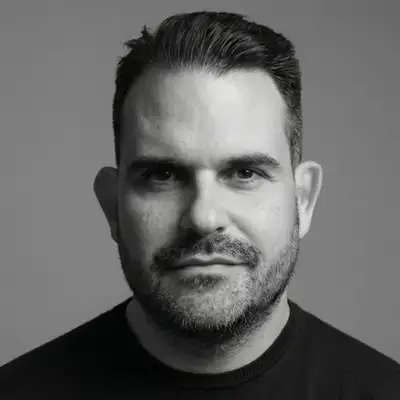
About The Host: Chris Maffeo
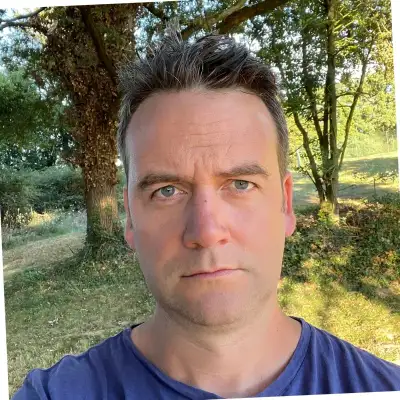
About The Guest: Julian Davies
In Episode 040, I continued the conversation with Julian Davies from Episode 039. Feel free to listen to that, as well. He started as a Sales guy for Stella Artois in the UK, then moved to SABMiller where he wrote the brand-building strategy, before taking a Senior Marketing role at Bombay Sapphire. He now consults start-ups and is the Founder of Ostara English vermouth. I hope you enjoy our chat.
Time Stamps
00:00 Introduction
00:15 The Importance of Bartenders
04:27 The Social Entourage
07:37 The Limits of Misaligned KPIs
16:30 Developing Healthy KPI Habits
20:00 A Certain Occasion For A Certain Person
23:53 Liquid vs Story for Brand Building
31:22 Story Has a Purpose
34:08 What's Your Angle?
37:39 Wrap Up
About The Host: Chris Maffeo
About The Guest: Julian Davies
For founders, directors, distributor MDs, and hospitality leaders navigating the tension between bottom-up reality and top-down expectations.
20+ years building brands across 30+ markets. Each episode features drinks builders sharing what actually drives commercial performance: across beer, wine, spirits, and low and no-alcohol.
Welcome to the Maffeo Drinks Podcast. I'm your host, Chris Maffeo. In episode 40, I continued the conversation with Julian Davies from episode 39. Feel free to listen to that as well. I hope you will enjoy our chat.
Julian Davies:I think you and I probably have a natural sort of direction towards these smaller, interesting founder led spirits or beer companies because they're more likely to play that, the game that I've just alluded to, or they become massive very quickly. And we can all think of examples, you know, a pre batch cocktail brand, for example, which gone straight into Waitrose and it's huge, but then it's kind of like, well, then what? You come straight to the bottom of the food chain. And then as you go and try and take that to the king and go look at this cool thing that I've got, you get nowhere very quickly.
Chris Maffeo:Right? Absolutely. I I wanted to say even earlier, like, that the tricky thing is that you need to be able to convince the the kings and queens that you you should not alienate the kings and queens and bishops about drinking your brand because that is the thing. There's nothing wrong with having everyone in the kingdom drinking your brand as long as the aristocracy still wants to drink it. Yeah.
Chris Maffeo:It's feel very classist, but brand building is classist. I mean, let's let's face this.
Julian Davies:No. It is. It is. This is why I wanted to get into marketing in the first place. Right?
Julian Davies:I can remember even as a kid, I'm a bit of a geek, believe it or not, but I was always fascinated by this idea of what makes things cool and how trends work. You see it with kids now. Right? The stuff that becomes cool with kids. Like it's not been an advert.
Julian Davies:It's not been kind of really anything. It's just them talking and like something magic happens to make something cool. And that's what I really love to geek out on, like from a sort of anthropological or at least social perspective, like what makes things cool and what, in my opinion, in a sim you know, this is a massive oversimplification, but what makes things cool is people talking about it. Right? In every societal ecosystem, there are people whose opinions are for whatever reason, considered valuable or more valuable than others, let's say.
Julian Davies:That's a fundamental human truth, which you'll, we will not escape from. Right? You're cooler than me. So your opinion on what's interesting is more valid than mine for 99% of people. Right?
Julian Davies:And so then you get into this really interesting discussion, and this is what we, you and I used to talk about years and years ago. It's like, well, how do you identify those people and how do you engage with those people in such a way that they start to think that what you have is interesting and cool and furthermore are then willing to talk about it. Right? And then in our context, in the bar, in, you know, the the bar world, the drinks world, obviously it's bartenders. Right?
Julian Davies:The bartenders or the interesting kind of cocktail mixologists and all of those kind of guys, they're the equivalent of the fastest runner in the school playground or the captain of the football team or that kind of thing, because we are hierarchical people. We look to people who are cool and interesting, and we value their opinions. In the world of drinks, It's bartenders because they're the guys behind the stick, making the drinks, making the magic happen, making amazing cocktails. They're always kind of a bit cool. They're always interesting people.
Julian Davies:I love bartenders. So if you can get them talking about your brand and your product in an interesting and engaging way, guess what? 70% of people walk into a bar, not being sure what they're gonna drink. Right? So they go, they ask the bartender.
Julian Davies:So you have to win with that person. Right? And then the bartender's saying, oh, actually try this amazing new English remotes called Ostara. That's my second part of the conversation. And that's how it works.
Julian Davies:Right? Not only is it a more interesting, more sexy way of going about doing business, I'd argue that it's a more logical way of going about doing business in terms of building kind of a long lasting interesting trend. And I'd also argue that independent of your budget, whether you're spending a million pounds or you're spending £50,000, the more efficient marketing spend is going to be, if you can spend time with those people and have them be a mouthpiece of, of your brand story and all those kinds of things. So take the time to talk to 20 bartenders and have those 20 bartenders talk to 200 people that come into their bar that evening in a way that you couldn't do, even if you have the best social media and the most expensive SEO and the most expensive performance marketing crap going on. There are still some fundamental truths about how brands are built and then what makes things cooler.
Chris Maffeo:It's very interesting. I mean, I'm write I'm writing notes now when when you're talking because
Julian Davies:I Just like old times.
Chris Maffeo:Just like the old in the in the old days, because I want to bring back and again, like dive deep diving into the, into some of these aspects now, because for example, we discussed earlier being short on money, you've got your own brand and then these expenses that you're doing in a bar, it's actually your money. You know, you don't have an accounting department to say, oh, can you approve this expense? No, you are approving it yourself because it's from your wallet. No. But that is also the ultimate thing that a lot of people tell me, oh, I haven't got the money.
Chris Maffeo:I haven't got the money. And then they buy, you know, a boot at Barconvent or they run a stupid event because some agency told them that they need to get in influencers and blah, blah, blah. But the ultimate thing is, is to spend money. If you've got $10, spend $10 on a drink in a bar where you think your brand is gonna be relevant. That's the ultimate thing.
Chris Maffeo:That's the ultimate marketing investment. And within those people that you rightfully described, you know, the bartenders and the bar community, it's not only about them recommending the brand to their customers, but it's also like their social entourage because they also have cousins that are not bird bartenders. They've also got friends and family that has nothing to do with the drinks industry, but they are, they are looked up to those people. They're going to have a Christmas lunch. They're going to have a birthday parties with parents of schoolmates of their kids, you know?
Chris Maffeo:And so ultimately it's about really cracking that ecosystem of people that are influential. I'm invited to some friends place that, you know, for lunches and dinners and stuff. I'm usually obviously the, the one who's bringing the drinks because they look at to me as the drinks expert because they are not from the industry. That's how you widen the spectrum of the bishops that you were talking about before. Because you go to regular people that maybe don't go to bars, but maybe they're fed up of having an Aperol Spritz, or they're fed up of having a Prosecco.
Chris Maffeo:The brief I got for a Saturday lunch that I'm going bring us some Prosecco and some sparkling wine and some other stuff that you want to bring to. They didn't mention gin. They didn't mention Vermouth. They didn't mention Amari because they default to a mainstream kind of, you know, however premium the Prosecco may be that I'm bringing, but the mainstream kind of occasions. So things that are everybody liked to do.
Chris Maffeo:But then if I bring in stuff that it's close enough to a Prosecco kind of experience, but I bring in something else, then all of a sudden I would say like, oh, wow, this is a nice novelty. So I'm going to a birthday party of a friend in two weeks and I will buy that. You know, where can I buy that? And that's how the conversation starts happening. But you need to be able to have a social life to, to accommodate that brand building exercise or you, whether you do it on social media, whether you do it physically in person and so on, but that's how you ultimately, you know, build these kind of brands.
Julian Davies:Taking my feudal system analogy even further, I have another one, which is around the concept of trickle down economics, right? Which is that if centralized government decide to tax higher income people less, they hope that those higher income people will have more money and that will trickle down because they'll spend more money. They'll get more money to do, do, But that's invisible. And it's very hard to see Trends work in the same way. To my mind, what you're describing, that dinner party that you're going to, is a trend happening potentially.
Julian Davies:But it's very hard for me to see that happening unless unless I know that you're doing it. Back to the start of your question. For me, what's really interesting is the difficulty to have the confidence, I suppose, as a as a brand owner or or a or a business owner. It's about confidence. Right?
Julian Davies:It's about saying, I think that I understand how the trend of my product or the trend of my thing is going to grow, but I know that I can't see that happening. Or at least I know that from a KPI perspective, it's very hard to measure that. And this is where you see, and it breaks my heart a little bit. This is where you see, I I would argue wrong behaviors starting to creep in because whilst you can't measure the KPI of Chris Mafia going to his dinner party and two people leave that dinner party going thinking Christ, I'm gonna buy whatever that was because it was so great. You can't really see it.
Julian Davies:I agree. Good. Okay. What you can see is if you drop $10 on a booth at BCB and you can measure the number of people that come, you can measure the number of emails that you get and you can go, well, that's brilliant. I've got a KPI structure that shows success for the investment.
Julian Davies:Therefore, my ROI on that $10 spend is X number of email addresses, which I assume at some point will turn into sales on my website. Then you get into attribution, which let let's come to attribution in a second. But if you start to see like a little sales spike, you correlate that with the fact that you've been at BCP because it must be that. Right? And then you go, oh, well, it worked.
Julian Davies:Well, then I'm not gonna spend my $10 on just going to bar because I can't validate whether that's working for me or not. And one of the conversations I always love to try and have with people is to just try and disavow them of that mistake, because I think it is a mistake to, to say what I've just said. Right. I think if I had £10,000, if that was my entire budget, I would spend the vast majority of it on just being out in trade all the time. And to the point that we were making before about fall, that's where you get all your insights.
Julian Davies:That's where you can get talk to all of your bartenders about what's interesting. If you're just spending the time and getting to know these people, you're building your own little ecosystem. That's your demand generation right there. In a way that handing out a little flyer or talking to some people at BCB or wherever, you know, I don't want to shit on BCB or any event like that. We've all been there.
Julian Davies:Right? You get your little bag and you get given 50 different brands worth of stuff. I personally don't respond too well to, to events and situations like that, because it just bombards my brain with all kinds of stuff. And I can never remember who's who and what's what and whatever. So I, I think that from that, my, my conclusion is better to be focused and be like the sniper who's aiming very carefully as opposed to the guy with the shotgun who's just going and hoping that something happens.
Julian Davies:Right. But we're trained almost, especially if we don't know the bartending world or we don't like to sit in bars, We're trained to validate strangely enough, larger spend figures because we're usually given by an agency or by whoever we're giving $10 to. We're given a set of KPIs that appear logical and appear that they must be something. And so it's easy for us to fall into that trap of going, well, let me do that because then that's bound to happen. And it's also kind of not in my control.
Julian Davies:And also it's hard for myself, you know, to go into a bar. I think you're better at this than me, by the way. But like to go into a bar, to just start talking to bartenders, to sit there, to talk to maybe even some of the other punts that are there. It's hard. You gotta do it all the time.
Julian Davies:It takes a lot of time. It can make you nervous to walk into a bar and be like, hey, here's my bottle of stuff. And like, people who are really good at that are really good at it. I'm not amazing at it. Finally not.
Julian Davies:And so it can and it, and then if, if you're an investment banker or not from the trades, I say, I feel like subconsciously something must kick in in your brain to go, well, I'm not gonna do that. It's difficult. I'll pay the $10 and I'll do that and I'll I'll undo that. Then I'll get the report and I'll get someone who'll give me the nice document. And if I keep paying that agency $4 a month retained or whatever, then something will happen.
Chris Maffeo:Yeah. The you're bang on because the the thing is that then they understand that it takes time. So ultimately not seeing immediate results, but having, having it under control because of a tracking mechanism and attribution mechanism, then they feel more comfortable, But it takes time, but it takes time if you do the right things because it may take time forever, you know, and you may run out of money. And then it goes back to the how long of a runway have you got, you know, because what she was saying is is it's super interesting because it's about doing things that you know you can track rather than doing the right things even though they are non trackable just because you want to have the security of having it. Yeah.
Chris Maffeo:But I've got a report, you know, I download it from Instagram. I download you from meta business, the, the stats. So I know exactly what I got, but ultimate there is this, this thing that Chris Walker, super interesting person that I follow and I listen to his podcast is he calls it the attribution mirage. You think that something comes from certain things, but actually it doesn't. And I, and I see this all the time, you know, I've got, I've got the luxury of having some tracking mechanism because of a podcast, because of the, you know, the newsletter.
Chris Maffeo:For example, like how do people subscribe to my newsletter? And very, very often is myfavoritedrinks.com. That's the attribution that I get, you know, it came from there. But it came from there because maybe they don't remember the name of the newsletter. They remember my name.
Chris Maffeo:They Googled me. Google brings them to the, my website and my website has a link to the newsletter. So it doesn't mean that the website drove them to find the newsletter. They wanted to find the newsletter and they happened to find it through my website because it was the most known thing for them on the web. So you can really be misled by these kinds of things because there could be like some coincidences now.
Chris Maffeo:So it's a very tricky one because we get dragged into this attribution thing. And ultimately, you know, what I'm trying to do, for example, with a, with a bottom up system is also like accommodating introverts because honestly, you know, I'm, I'm deemed as a super extrovert, but I'm a shy person, believe it or not. I mean, nobody would believe me, but honestly, I, I struggle when I go into a bar. I feel shy. I don't feel, don't hang, you know, I don't, know, walking with the music and the fun fair following me.
Chris Maffeo:But but that's why I have this more kind of like subtle way of selling because I don't want to be the guy entering with a bottle on my hands saying, hey, mate, you know, do you wanna have a do you wanna have a drum? Because that's I know that ultimately people want to be sold it more effortlessly than on a cold call like, oh, hi, I'm here from here, blah, blah, blah, blah, blah, blah. You know? That is the ultimate thing that there is a way to do it in the right way is just that you need to feel comfortable to your point earlier with the journey and with the fact that you are not going to be able to track results. So you need to find certain signals that are close enough to an attribution and to a tracking system.
Chris Maffeo:For example, like every week I get a few emails or messages on LinkedIn or on Instagram of thank you notes from me. You know, I've changed the way I see things in building my brand. We are launching in January. I've incorporated all your things into my business plan. It's like, of course, like there's thousands of people listening to the podcast and I get two messages, but two messages are actually people that took notes from my podcast and took the effort of writing me an email thanking me.
Chris Maffeo:So that is a good enough mechanism, tracking mechanism for me to say I'm on the right journey because if every week I get two, three, four, five, 10 people writing to me, it means something. Even though I don't have any money coming out of the podcast on a one to one attribution.
Julian Davies:I think you raise a really important point, which is the creation of things that you can watch or things that you can look for, which let you know that you're on the right path. Right? And again, when we first met, we came up with this idea of measuring your sort of brand heat a marketplace. I don't know if you remember all of the but a number of metrics that you could ask people to try to, and this weird formula that we came up with about and trying to understand whether you were cool or not. And I think that's the same thing as what you were talking about.
Julian Davies:If you've had the ability to set yourself a couple of way markers that you understand, like, and I love your example, actually, Chris, it's like if two people, two or three people are writing to you saying that it's had a big effect on them and all the, all those cool things that you said, And that's enough for you. And, and you decide kind of strategically, logically, whatever you call it. That's a, that's one of the main, or it's, it's enough of a, of a metric for you to understand that you're doing the right thing. That in combination with saying, okay, well, eight, you know, people in 80 different countries listened to me or my numbers gone up or whatever that, that lets you know that you're broadly speaking, you're doing the right thing, which lets you know that as long as you can keep it going, then you're on the right track. And I think it's the same with a bottle led brand as well.
Julian Davies:There's so many parallels between what you're doing and what one man band founders do or people like I do. If you can identify a number of kind of way markers that let you know you're on the right path and you can have the runway, meaning that you, you know, you've got the cash to cover your operating expenses, let's say for a period of time, then I'd argue that that's good in this climate. Again, being as close as I am to sort of the investment world right now, which is no one's deploying funds. Everyone's sitting on their hands, especially in The UK, where it's almost impossible to raise. So you've got a business which is lean, which can pay us bills, which you know has a twelve month run rate, for example, run rate, I should say.
Julian Davies:And within that, you've got a couple of kind of interesting KPIs where you're able to say, well, I'm in this cool bar, which has gotta be a good thing. And whatever other things that you can come up with, I don't want to give all the secrets away, but that's what we could consult people on. Then, you know, you're doing the right thing. Right? It's an interesting parallel just between habits that you have to develop just in life, right?
Julian Davies:To eat well, to have your vitamins, to exercise, to make sure that you're clean and all those kinds of things. Right? No, one's there telling you it's the right thing to do, but it is the right thing to do. And you know that it's right by its presence. You'd feel their absence.
Julian Davies:If you weren't eating properly and you weren't washing and you weren't engaging with people, then things would start to go wrong very quickly in your life. If you can start referencing a correct set of behaviors, or let's call it a, a set of behaviors, which you can subscribe to, which you can do habits, which you can set, whether it's with your podcast or with your getting dressed every morning or with your brand or whatever it is, then you can sort of logically say those are the right things to do. I know they're the right things to do because I would feel their absence. And I'm able to sustain those behaviors in that way of doing things until such time as, you know, the business develops. And then therefore I have to readdress those behaviors and see what needs to change.
Julian Davies:That's at a very high level sort of analogous way of thinking about things. But I think throughout my career and throughout my kind of consulting or brand building career, if you can have that as a start point, then you can get into the specifics of like, right. Okay. Well then what does that mean from a channel strategy? Or what does that mean is from a, from a pricing and get into the kind of the weeds of it.
Julian Davies:But I always try and encourage people to start with that way of thinking.
Chris Maffeo:Absolutely. Going back to the point of the podcast that I listened by, by Chris Walker, revenue vitals. And it's very interesting because he made me think, about my own content creation now because vanity metrics out there makes it easy to track views, likes, comments, shares, and so on. But then he actually made me think and I, and I said like, that's how I changed my thinking on, you know, if I get two messages, it doesn't matter if your views went down 50% because that could be due to whatever algorithm or whatever that is. But if you see that people relate to that content, that's the right way.
Chris Maffeo:And the way you know that is the right way that you need to be compelling and you need to be right for a certain type of people in, in a certain given occasion. Going back to your point is that you need to go to your own area where you live, where you know that your brand is going to be resonating with those people because otherwise, you know, if you start exporting an English Vermouth to whatever Japan, you're basically putting yourself out there in a, in a way that is like, what am I going to do there? You know, if you haven't really built it in England first, like knowing where to go and where to find those people to your earlier points, depending on what your brand stands for, it goes into certain geographic and element, occasion element, and the cross section of all these things.
Julian Davies:If ever I'm talking to other brand owners or other people who are looking to start their own business, I think that's the number one thing to crack is like, what's the point of this thing? You can get it into the complicated marketing stuff if you want to, but like, what's the point and why does anyone care? And like, if you can crack that and crack its story that you should be able to explain in a couple of sentences to anybody in a kind of clear and logical way, what am I doing here? Then your identity builds up around that. And I remember you had Steven grass on here a while back, didn't you?
Julian Davies:And he always talks about brands being onions. I don't know if you talk, you've talked about that on your,
Chris Maffeo:yes, he does.
Julian Davies:I remember him saying that to me like ten years ago or whatever. And it's an interesting analogy because it's you, but, but I think the,
Chris Maffeo:the onion is the, is the politically correct version of the feudal.
Julian Davies:Yeah, mate. We have to start again. Perfect. But it, but it's, it's, you've gotta, I always encourage people to think very, very carefully and very hard, like the core DNA of your brand. What's it all about?
Julian Davies:Like, whatever the category is, whatever the thing is, like, what's your story and why should anybody care? And then you can sort of build up your onion. Then your, your, your, your story has these different layers and people will engage with it on different layers. Some people would just wanna know that it's a vodka and it is English and that's cool. Some people wanna wanna know like where the wheat comes from and are you sustainable?
Julian Davies:And why is it called vodka X? And you have to understand that all kinds of different people will respond to all kinds of different prompts or pushes to engage with your brand. And so you've got to have a little ecosystem, like a little beehive, if you like, of stories that all, that all fit together and that all works together. And you've got to nail that with a small core of people who get that before you can sort of build out too far. Otherwise, I think it's a, it's a great point.
Julian Davies:Like if I try and flog English vermouth in Japan right now, and I'm going, no, it's just like the vermouth, you know, but it's different because it's English. Like, I don't know whether that's a thing or not. Right. Why, why would that resonate with anybody? And so it's, or it might do, but it's gonna be a hell of a lot harder.
Julian Davies:And so therefore I'm creating myself a problem and an issue that I don't really need to have. If I can just really kind of nail situations and I can nail my kind of my concept and my loyalty, if that makes sense here and just be patient with it.
Chris Maffeo:Now that we're diving into a more brand brand led conversation. So how, how does it work for you? I always have this kind of like yin and yang, no, like the brand and the liquids, the liquid that they profile, you know, the more technical things, the things that you can actually enjoy and taste and smell and the things that actually it's, it's all the, the old brand world and the heritage, the brand story and so on, because there is always this thing about storytelling, you know, like that is a little bit, you know, misinterpreted. I feel you need storytelling. People love storytelling.
Chris Maffeo:Yeah. I I mean, yeah, we humans humans lives like stories. That's fine. But there is a bit of a a fluffy story and there's an elevated pitch that people that people talk about. So what what's your take on that?
Chris Maffeo:Like when, if we bring back the onion example, but if you have to pick a kind of like a starting point, we're having the the conversation with a bartender with somebody who's gonna drink the brand for for the first time and so on.
Julian Davies:That's a really interesting one because yes, we, we do love stories and human history is peppered with amazing storytellers and amazing stories and myths and legends and all that kind of stuff. I think as marketeers, let's call ourselves marketeers for the moment. I think, I think it's a bit of a trap to fall into, to be honest with you, where we say, oh, people definitely wanna hear storytelling about my brand. Cause I kind of, I partially agree with that. And I partially don't because we love humans, love stories, but we love stories about, you know, dragons and proper stories and stuff like that.
Julian Davies:We're not necessarily about brands. People love stories. Let them read a book. Right. They don't wanna hear a story necessarily about your brand, especially if it's retrofitted into some category opportunity that your folks at Diageo have spotted or whatever.
Julian Davies:Having said all that, just keep it simple. Right. And I think, especially these days, consumers can spot bullshit quicker than probably ever before, and are also more inclined to call you on that bullshit, which can also be more damaging to your brand probably than ever before. In other words, I think if I can answer your question by, by suggesting what I wouldn't want people to do is come up with some very convoluted, complicated, fake story about whatever that doesn't exist really. If you were to come up with some story about a kind of, you know, an ancient mariner or some community of people that used to do this and, you know, these amazing rich stories that creative agencies come up with, but it's not real.
Julian Davies:Then I think that you're kind of wasting your time. Right? Because there's no point in telling that story. If I wanna hear a story like that, I'll just go read Moby Dick. Right.
Julian Davies:I don't need to hear it from your brand. Oh, I'm, but I'm serious.
Chris Maffeo:No, it is just that's because stories are
Julian Davies:the stories already been written though. Right. So I think what I would like to try and say is if as an independent brand owner, or if you work for Jiajia or whatever, you spot an opportunity, it's harder for big companies. Right? And this is where this storytelling thing had come from.
Julian Davies:For me as a one man band, it relatively easy. And this is what I do with my, with my vermouth. Right. Relatively easy for me to say, I think the vermouth is a really interesting category. We used to drink lots of vermouth in this country because we used to ship wine over from the continent and it would go off.
Julian Davies:So we'd keep, we'd kind of warm it and put spices in and all that kind of stuff. And then we stopped drinking the mousse because we forgot about it. Having said that, we do have a sort of latent history of it back in the sixties, the mousse and Campari and those kind of bitter type lead drinks were interesting. And so and everything's cyclical as well. Right?
Julian Davies:And so interesting bitter lead drinks are coming back. Lower alcohol is interesting. English wine is interesting at the minute. So all of these kind of kind of trends are converging on a story that I can start to tell. Now, if I weave into that a story which happens to be true, which is that I grew up in the middle of the seal, basically in Sussex and learned to swim in the local river.
Julian Davies:And I learned to forage before it was called all of those things. So I learned about plants and flavor and all this kind of stuff. And then what I've tried to do is recreate my childhood taste, if you like, in a bottle. That's a real story. It's actually quite a simple story and that I can kind of go.
Julian Davies:There's this interesting thing called synesthesia, which is, you probably know this already, but it's like the mixture of the, of the senses. So I have a very clear childhood memory of a location in Sussex in England, which is a river and a hedge and kind of interesting plants growing in there and whatnot. And I've tried to recreate that memory in a liquid profile, which I spent eighteen months trying to create or something. And that's what Astara is. So my storytelling can work on a number of different levels.
Julian Davies:What I have to do is I have to understand whether you wanna hear about history or whether you wanna hear about liquid flavor, whether you wanna hear about my personal story. And I've got, like, a layer that can work on all of those. I can say, well, look, I'm from the country, and I wanted to create something to celebrate the English countryside. That's the simple, simple version. I think if you're a Diageo or if you're a kind of, I don't know why I'm picking on Diageo.
Julian Davies:Sorry, Diageo. If you're a whoever, Pernod, whatever, obviously it's harder because everybody knows the way that innovation works there. You see a category opportunity. You see somebody else making lots of money and you go, oh, how are going to kill Aperol? Right.
Julian Davies:And you look at consumer trends and your clever insight people come in and you go, right. We've got to make a thing. And like, this is the thing. I think just my, my steer for whatever it's worth to those companies would be, as I said at the start and just kind of to reiterate, don't try and create some bullshit story around that that doesn't exist. We've all seen it.
Julian Davies:People trying to create these personas of people that didn't exist that, you know, somehow embody the brand or these weird convoluted stories, then you get weird design stuff going on. I just try to not do any of that. Right. Just make a really tasty product, explain to people what the product is and why it's tasty and have them engage with it on that level. And then I think, unfortunately, my analogy then falls apart because then you don't have this kind of onion of a kind of super complicated story, but I think that we, as marketers, salespeople, whatever in the business world, think about this far more than real people.
Julian Davies:Let's say what real people want to the point that we were talking about before. They'll go into a bar. That's the likely place that they'll first interact with your product. And they'll talk to a bartender and they'll want a tasty drink. So if the bartender goes, here's a tasty drink, which is a bit like apple roll, but whatever, It's a new spritz is better and it's English or it's Czech or whatever the thing is really in, in many senses, it doesn't actually matter what the thing is.
Julian Davies:It's just got to taste really good. It's got to make a really good drink. It's got a sort of hijack a ritual, if that makes sense. I like products that, for example, with, I keep talking about vermouth, but one of the reasons I like vermouth is that it's quite easy to get people to, you know, go to a bartender and say, look, don't make a gin and tonic, make a vermouth tonic. Same same behavior, same pour, same steps to make the drink, but one change.
Julian Davies:And then I think whether it's a bartender or whether it's a consumer and you get, you get people to change one element of something that's habitual to them and give them one little bit of story around why that's a better choice and ideally charge them a bit more for it and all that kind of stuff. Then you don't need to have some kind of made up story about whatever. It's just gotta taste great. It's gotta be a logical choice and it's gotta answer a kind of unmet consumer motivation.
Chris Maffeo:And I think to, to your point is the intersection of many things, because it could be that, you know, you're talking to a bartender and he is making a cocktail. So you want to link it to, is it sweet? Is it sweeter than is it, is it less sweet? If you're talking about a mezcal, is it more smoky? Is it less smoky?
Chris Maffeo:If you're talking about an ILE whiskey, you know, like it, it depends on the angle that you want to talk about. Like then if you're talking about, I don't know, like a pub in the countryside, then maybe the foraging story could be more suitable. If you were actually in Sussex, then it would even be more sense to mention your childhood story of you in Sussex. You know, like, depends on where you are and how you build that story. So I think the misunderstanding is that, you know, stories and storytelling is the way we convey a message.
Chris Maffeo:It's not how we bullshit people. And that's what marketeers got wrong. You know? It's like you need to make a cool story out of anything, but if people don't care, if I'm a bartender and I'm looking for an alternative to Martini red, I don't want to hear about your childhood. I don't care if I'm working in the, in the, a big chain of a, of a restaurant, you know, and I don't care about sustainability.
Chris Maffeo:I don't want to hear about your foraging and your natural ingredients because I don't care. That's the least on, on my list of priority. I want to listen to something that I want to listen to. So to your point, you know, for example, the, the, the very most and tonic story could make sense of somebody that basically said, oh, you usually drink wine. And now you, what are, what are you fancy?
Chris Maffeo:Oh, I'm, I'm not actually looking for wine. You know, I'm looking for something more refreshing because it's hot outside and it's one of those three days of summer that you guys get in, in, in England. And then maybe they say, oh, then if you like wine, why don't you try a vermouth and tonic? You know, so you build the bridge on the wine lover and then you build it with the refreshment of a gin and tonic, and then you skip the gin and you replace it with a vermouth, you know, but then with somebody else, it may be a totally different way. It could be that maybe they don't like wine, but they like, they want to see an alternative because they like the botanicals of the vermouth.
Chris Maffeo:Or if you like those botanicals and you get those botanicals from the gin, usually why don't you try to replicate those botanicals from a vermouth? And then you landed the vermouth and tonic once again, you know, but it was two different ways and two different kinds of consumers to get into the ultimate end goal. That was your vermouth and tonic.
Julian Davies:That's the more accurate onion analogy, isn't it? Because, you know, I, I consult to brands and I, I love doing it. This is, this is effectively what I consult brands on, which is like, how can you have different angles into your DNA, such as you'll be appealing to as many people as possible and everything that you've just said. Right. Some people want to know about X.
Julian Davies:Some people want to know about Y. And so the best brands in my opinion, have a kind of multilayered identity, if that makes sense, as opposed to, and you see it again, I'm picking on gin in The UK here. You see so many where I think, you know, and you made this point before, whether it's marketeers or founders or whoever they are, they go for sort of depth rather than breadth, I suppose. And that must feel like quite a logical thing to do, but you go like, well, here's my jinn. It's named after a boat.
Julian Davies:I love boats. Here's a picture of me sailing. I used to sail when I did this. Here's like, here's another picture of me on a boat. And you just talk, you end up talking about sailing, like very, very deep into that.
Julian Davies:And you're like, well, hang on. What's the story? Like, Why is this gin different other than you and your boat? Right. And it exists because when categories are cluttered as well, people are looking for, sort of areas of opportunity and they're looking for kind of territories that all, you know, then, and if you looked at gin in The UK and I think it's probably the worst category for this actually, that doesn't feel like too many sort of areas of interest, you know, because the kind of your traditional ones have got kind of tradition and distilling and whatnot sewed up.
Julian Davies:You've got your kind of out there ones who do crazy stuff with crazy botanicals. You've got your ones with 52 botanicals or 47 or whatever it is, and you've got all that stuff. So people are looking for ways in. And so then by definition, they click one thing and it's a bit like, why am to this strange dating analogy, I suppose. But if you're trying to impress someone and get yourself a partner and you're nervous about it, you just keep talking and you just keep telling like great stuff about yourself, but you don't, you're not actually listening in as, as, as to whether he, she, or they are interested in you.
Julian Davies:Right. You're just telling them more. And so storytelling is great. And I love, I love storytelling, but not if someone's gonna just keep hammering me with the same point and more detail on the same point. And it's the same angle.
Julian Davies:You're just like chipping away at the same cold face. Right. And you're not finding another, another angle into it. And I think my biggest thing as a sort of brand advisor is to just to have different angles to your brand, have enough empathy so that you can understand your target consumer or target consumers. Let's say that ecosystem of people will wanna hear different messaging from you, understand how to do that with a brand that doesn't end up being kind of multiple personality and just a shit show as well.
Julian Davies:Right? So how do you hold to a core of your brand? I have different roots into that. And that's the magic, right? If you can, if you can do that and not forget that your product's gonna taste good as well, then you're onto a winner.
Julian Davies:Right. And my final thought before I carry on rambling too much is again, as marketers, the very traditional way of thinking about marketing was to think about your poor peas. Right. And we forget about poor pee because we go after sexy stuff like performance marketing or influences or whatever. Right.
Julian Davies:You gotta have those four P's kind of nailed and you've gotta make sure that fundamentally actually your product tastes good. Right? Product tastes good. People can find it in the right place. The price feels right, and that you're able to talk about it in the right way.
Julian Davies:And it's, it's pretty simple.
Chris Maffeo:That's a, that's a nice way to wrap it up. I would say. And so let's let's plug in how can people find you and get in touch with you and taste that if they want to.
Julian Davies:If they want to talk to me after this, they're very welcome. They should find me on LinkedIn, I suppose is the best way, but austaravamuth.com is the, is the website. Could probably still deliver a few bottles before Christmas if they want to. It's delicious for Christmas. One of the best English vermouths ever launched within the last couple of years.
Chris Maffeo:How can they find you on LinkedIn and other social media as well?
Julian Davies:On a personal level, I'm not amazing on my on my social. So don't bother trying to find me on on Instagram because I I don't use it very effectively. That's another discussion for another day. You can find me on LinkedIn. It's the best way.
Julian Davies:Drew and David's on LinkedIn.
Chris Maffeo:Yeah. Or on Instagram, they can contact me and then I'll give I'll give your contact. Probably the second one. Actually,
Julian Davies:that would be the yeah. That's there we go.
Chris Maffeo:Fantastic. That's
Julian Davies:on on Instagram, you can find me via Chris. Yeah. There we go. That's the best answer. My god.
Chris Maffeo:Fantastic. So that the last bit's gone well, hasn't it? Brilliant. That was, that was, that was great. And thanks a lot for, for your time.
Chris Maffeo:Gillian was a, was a big pleasure.
Julian Davies:Mate, it's a pleasure as always. It's been a long while coming, but I, I really enjoyed it And maybe we do it again if people like you.
Chris Maffeo:Absolutely. Will do. Okay. Thanks. Thanks.
Chris Maffeo:That's all for today. Remember that this is a two part episode thirty nine and forty. If you enjoyed it, please rate it, comment and share it with friends and come back next week for more insights about building brands from the bottom up.