Subscribe
Share
Share
Embed
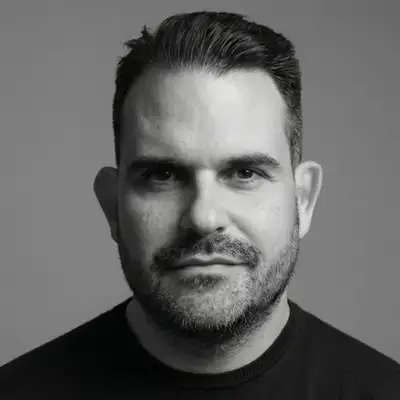
In episode 030, I had the pleasure of talking to Paul Thomas. He is the Global Head of Shopper Insights at Beam Suntory. He has previously worked for Asahi International, Diageo, Ferrero, and Ipsos. He has an incredible global experience in Drinks Industry Insights. It was a pleasure to discuss it with such pragmatism and common sense. I hope you will enjoy our chat
(00:50); Insights in the Field(13:43); Adapting to Market Conditions(19:40); Chasing Trends; A Very Bad Idea(23:30); Why Do We Have To Chase Gen Z?(34:26); What A Bar Tender Needs To Know About Your Brand(36:18); Penetration Vs Spread(42:47); How Much Localization Is Good?(51:25); Bridging Categories(55:47); Insights At The Bar Level
About The Host: Chris Maffeo
About The Guest: Paul Thomas
In episode 030, I had the pleasure of talking to Paul Thomas. He is the Global Head of Shopper Insights at Beam Suntory. He has previously worked for Asahi International, Diageo, Ferrero, and Ipsos. He has an incredible global experience in Drinks Industry Insights. It was a pleasure to discuss it with such pragmatism and common sense. I hope you will enjoy our chat
(00:50); Insights in the Field
(13:43); Adapting to Market Conditions
(19:40); Chasing Trends; A Very Bad Idea
(23:30); Why Do We Have To Chase Gen Z?
(34:26); What A Bar Tender Needs To Know About Your Brand
(36:18); Penetration Vs Spread
(42:47); How Much Localization Is Good?
(51:25); Bridging Categories
(55:47); Insights At The Bar Level
About The Host: Chris Maffeo
About The Guest: Paul Thomas
The MAFFEO DRINKS Podcast is a leading drinks business podcast delivering actionable insights for drinks leadership.
For founders, directors, distributor MDs, and hospitality leaders navigating the tension between bottom-up reality and top-down expectations.
20+ years building brands across 30+ markets. Each episode features drinks builders: founders, distributors, commercial directors, sharing how the drinks industry actually works. Not the conference version. Honest conversations.
Insights come from sitting at the bar.
Beyond episodes: advisory for leadership teams, subscription with episode deep dives and principles to navigate your own reality.
Beer, wine, spirits, Low and non-alcoholic.
Bottom-up Insights & Episode Deep Dives at https://maffeodrinks.com
Welcome to the Maffeo Drinks Podcast. I'm your host, Chris Maffeo. In episode 30, I had the pleasure of talking to Paul Thomas. He is the global head of shopper insights at BIM Santori. He has previously worked for Asahi International, Diaggio, Ferrero and Ipsos.
Chris Maffeo:He has an incredible global experience in drinks industry insights. It was a pleasure to discuss you with such pragmatism and common sense. I hope you will enjoy our chat. Hi, Paul. How are doing?
Paul Thomas:Hey, Chris. Good to be here with you today.
Chris Maffeo:Nice. So where where are you calling from? London?
Paul Thomas:So no. I'm I'm in the beautiful countryside of Surrey. Lots of very good English pubs that I try and support as much as I can. We see some good rate of sales spikes whenever I'm in town. That's for sure.
Chris Maffeo:They, they, they must be happy about it. So let's start with a very interesting topic because I consider you being the king of insights because you've been doing insights and shopper for quite a while.
Paul Thomas:I might, I might use that nickname in the future. Thank you. That's great.
Chris Maffeo:You can do that. You can do that. You can say that it, it, it came from the Maffeiro drinks podcast. So it's not from you. And I remember, I think we actually met on LinkedIn on a post that I use and repurpose very often, which is the future of insights is sitting at the bar.
Chris Maffeo:And I feel that very often, especially big companies get trapped into this, let's test it and let's understand what insights do we have and what consumers are saying, and let's have focus groups and all these kinds of things. And we feel we lose the touch with the trade and with actually going to the bar. And I remember we had a few back and forth on on comments on on on that one. So what's your take on this topic?
Paul Thomas:Yeah. I think the honest truth is that businesses confuse the word insight with the word research. Research is something you pay for. You go to an agency. And as you say, they run a big quantitative study or focus groups or whoever knows what they do, but there's good old fashioned using your eyes.
Paul Thomas:And I've always said that the best insights are when you have your customers or your consumers in sight, when you can see them, when you can talk to them. Some of the best learnings I've had in my career haven't been paying an agency a £100,000 to do a segmentation. It's been talking to a bartender. It's been trying to understand why a consumer has chosen a versus b, which by the time you do an online research, they've forgotten. You need to be in the moment.
Paul Thomas:And I've done that from sitting in bars in Abidjan in The Ivory Coast to sitting in premium cocktail bars in London. Good insight persons should want to talk to their customers and consumers.
Chris Maffeo:Love that. Love that. And how can companies go back to the field and not get trapped into this ivory tower instead of Ivory Coast,
Paul Thomas:that kind of kind of example,
Chris Maffeo:because, like the feeling I get, I remember from my old corporate days and sometimes I I I would speak to marketing people and they would say, oh, yeah. I haven't been invited to the trade by the Sins team, so I I don't know. I haven't been to to bars. And I was feeling like, what? Do you need an invitation to go to to bars?
Chris Maffeo:Can't you go on your free time on during weekend or weekdays or whatever with your spouse or with your friends? So there's a feeling that is trade belongs only to sales and then it's their call and it's their fault if sales don't happen.
Paul Thomas:I think there's a little bit of presumptuousness in most marketeers, which is our consumers are like us. When you work for one of the big drinks players and you have your Central London office or New York office, wherever it might be, And people are wealthy, normally white, normally have worked in the industry for twenty years. And then people tend to think that our consumers must be like that. I remember when I was doing some work on the gin brand Gordons trying to, and saying to the marketer, the kind of pubs where Gordon's is consumed. And I still remember the marketer at the time saying, oh, I'd never go to a place like that.
Paul Thomas:So thinking that all our brands only exist in the top 1% of bars is one of the problems. Not seeing it as real work to your point. We'll sit there in front of a project Gantt chart and tweak it for hours. We'll see that as work, but somehow going out. And also I think there's just unfortunately COVID has exacerbated it.
Paul Thomas:People don't talk anymore. People are nervous about face to face interaction. I love going and talking to bartenders, to consumers. Even me as a big fat white guy, I turned up in Madagascar and butted into conversations with local guys drinking local rum. We ended up leaving the bar together at 2AM.
Paul Thomas:A lot of people just don't have that confidence, that willingness to talk to consumers, bartenders, because I think we've all lost a little bit of practice of face to face interaction. And particularly as more and more people work from home and work from home quite a lot as well, there's nothing wrong with it. We've forgotten that actually human interaction is what is the bread and butter.
Chris Maffeo:I feel what you're saying because even when I do trade visits with people like they, they look at me, like if I have a kind of like a magic stick to be able to talk to bartenders and so on, like I'm gifted, you like I'm taking them to the zoo and I, and I can talk to animals.
Paul Thomas:And it's so easy because most bar obviously talking about the more professional end of bartending, most bartenders bloody love talking about drinks. They want to tell you about the recipe they've made or the extra special cocktail that they've concocted because they love it. They'll always talk about it. Very often it's more stopping them talking about it, which can be the challenge. But yeah, people are nervous or we go out and we do, I've seen lots of examples, particularly when you go around like more developing markets, Chris, where they know that someone senior is coming round.
Paul Thomas:So the four or five bars that they know they're taking you on, the sales team have juiced it all up. They've made sure that your brands are perfectly stocked. They've basically given the bartender a tenor to make sure that it's your brand that they recommend that the so it's quite artificial. Just get out there. There are pubs, bars, just go and talk to people.
Paul Thomas:And honestly, you'll learn more in that afternoon than you will in the £100,000 project with a research agency.
Chris Maffeo:It reminds me in my previous corporate days, I used to manage The Americas and some of the markets, I went to Chile, to Santiago De Chile, and I was the one that they had prepared it
Paul Thomas:for.
Chris Maffeo:And I had briefed the the guys, don't prepare anything. I want to see the reality. It was actually a disaster, even
Paul Thomas:if they and
Chris Maffeo:it was like on and off trade and this mom and pop store, you cannot fix those. Like they are just like wild animals. And then I remembered that one of the sales guys there literally felt sick, like physically sick after the visit.
Paul Thomas:He couldn't
Chris Maffeo:come for dinner. He was really, really sick. Like how ashamed he was of the mess he had showed me. And I spoke to the, to, to the team there and I said, that's exactly what I wanted to see that I, I thanked him for that because I want to see the out of stock in the fridge and I want to see the reality. I want to see the guy complaining about the pricing in the market.
Chris Maffeo:And that's exactly why I flew 17 to come here. Otherwise, like I could just see it on PowerPoint.
Paul Thomas:You know, I remember once I was in Ghana and we were having lots of conversations with the Guinness, which is huge in West Africa, the Guinness brand house about they wanted to push sort of posters and wool plaques, lots of branding onto the inside of the bars. And consistently the local market said, it won't work. We don't want that stuff. So I went out there and I was within five minutes, I realized why, because most of the bars turn the lights off to save money. And the only light comes from the TV or from something illuminated on the walls.
Paul Thomas:Guinness could have spent all that money with all this beautiful point of sale materials and no one would have been able to see it. And again, you don't get that unless you go, because you think, oh, in a bar in Accra must be the same as in London. Right? Cause that's my only point of reference.
Chris Maffeo:There is a point also in the fact that some of this kind of like vicious circle and catch 22 on insights and research comes from the fact that some people have lost touch with the entree, as you were saying. So they, they feel the relegate entree to some specially gifted people that can talk to bartenders and can go to bars at even like later hours. And so it's like, let's ask this guy or this girl rather than actually realizing how simple it actually is to go to a bar. And so it's like, oh, let's ask Paul. Paul knows because Paul is the entree guy and he will know.
Paul Thomas:They'll delegate to their insights team very often. Can you go and talk to bartenders and find out? Can you go and talk to consumers and find out? I've worked for two Japanese companies now, Beam Suntory and Asahi previously. And the Japanese have a wonderful way of combining many ideas into one word.
Paul Thomas:And there's a word called Gemba. Gemba is something that we focus on a lot at Beam, which is, it means being where the value is. So you need to spend as much time as you can, where the value is created. And the value is created where money is transferred, where money is handed over. That might be in the off trade that might be in the on trade, but that is actually where you'll understand the drinks industry.
Paul Thomas:I can read a thousand IWSR reports and know nothing.
Chris Maffeo:That's a
Paul Thomas:great word. And it's something that we're really trying to push, really trying to push because most organizations don't go out. Don't spend the time. A former employee of mine, I won't mention which won't let people buy drinks on expenses in the alcohol industry. If you're not buying your competitor's product and you're not talking to people about, well, why are you choosing that rather than my product?
Paul Thomas:How the hell are going know your brand tracker is not going to tell you that's for sure. Yeah. It's almost seen as too much fun. Sometimes I think Yes. Yeah.
Paul Thomas:They're just going to the bar. They're just going to get pissed or whatever or drunk. You can cut whatever words you want out of that.
Chris Maffeo:You're, you're nailing a great point because, because there is a perception, like I see myself with, like, I spent all summer actually working and I went to bars and I didn't go off to bars with friends. I went with sales teams. I went with clients, customers and, and, and so on. And then like some friends of mine, they were like, oh, you never call me when you go out.
Paul Thomas:And I
Chris Maffeo:was like, yeah, because I'm working. This work? I'm not, and I joke about this. And I just, and I always say, I just drink for, for work. I don't drink for leisure.
Chris Maffeo:And it's, there is a misperception in the trade that an expense on a drink is something that is fun rather than an investment into insights or anything. And actually that leads to an, to a point that I was discussing on a previous episode, actually yesterday on the fact that many brands, especially the smaller ones, don't see that as a valuable investment. So they rather do a huge party, which might be useless because there's no distribution, no presence rather than actually spending the first thousand dollars they get as an investment in actually going to bars and ordering a drink and talking to people.
Paul Thomas:It's not just small companies. Lots of companies are very willing to spend a lot of money on things the marketing team will enjoy. Big parties, big celebrations is going to look great on their Instagram. They can wear a nice frock, pick a special shirt. Whereas actually going no, no, I'm going to go around my top 10 bars and I'm to talk to each bartender and I'm going to try and work out why they will continue to list my product.
Paul Thomas:The, the story and the sales that they give to consumers to choose my product, how my product looks on the menu. That's valuable work. A nice party might be good for PR, might be good to create some office rumors and some gossip.
Chris Maffeo:And build building on what you're saying now, like, on the selling story and how the bartender, for example, explain to people and how the sales team first explain it to bartender. In your experience, what's the best way? Because I have this feeling that it, let's say at least my approach is that a brand always starts from the liquid and from an organoleptic perspective, there is something like, okay, is it peated, non peated if it's whiskey or smoky, non smoky if it's a mezcal or, you know, it comes from there. And I've got this take rather than category. I like to take the taste profile kind of experiment because you may be a person who likes, I don't know, sweets, or maybe you like smoky flavors.
Chris Maffeo:So I could trade you into a mezcal because you drink Ale kind of thing. So what is your own experience and what you like the starting point, so to say in developing your selling story?
Paul Thomas:No, it's great. Look, the way I always look at it is ultimately the bartender doesn't need another whiskey. The bartender doesn't need another gin, particularly gin at the moment. There's so many. So very often brands will go and they'll talk to the trade, but they'll talk entirely from the position of the brand.
Paul Thomas:This is our history we were founded in. We use handpicked this and we use hand foraged that. Doesn't matter. What matters is how will it increase the margin for the bar and how will it allow them to create something they can't currently do? They don't need 15 strawberry flavored gins.
Paul Thomas:Right. But they might need a different flavor gin because it could make a cocktail they can't currently offer. So to your point, I think it's around whether flavour profile is your lead. It's around always being clear about what your product will deliver to bartenders that they can't already do. They've got limited space.
Paul Thomas:And if, if you're just offering them a me too or something else, what's the point?
Chris Maffeo:And to, to this last point you're making, there's something that I see that it's, let's say it's where insights get wrong, you know, somehow, like the innovation, for example. So there's a lot of stuff, there's innovation coming into the market that has been like lab engineered, you know, rather than the flavor that the market needs. And there's a pragmatic take that I have on these things. But I, I challenge myself sometimes. Like I was discussing this actually with Alex Fritza, the owner of, Lantiquari in Nabilia.
Chris Maffeo:He was saying like, we as bartenders need to be influenced by what happens in supermarkets because if a big company is launching a whatever orange something, it might be that they've got some good results on something that at scale consumer wants, and we may have missed that. What's the right way of of playing with this on the lab versus market? Because you also don't want to just listen to five bartenders and No.
Paul Thomas:No. No. Sure.
Chris Maffeo:And then create something from them.
Paul Thomas:It's it's a really good question. There are all sorts of horrifying statistics around why innovations don't work and how many of them don't and things like that. Companies will very often start innovation based on what they've seen their competitors do, particularly the big players. They will wait for a small craft player to create something and then they'll make their own version. Right?
Paul Thomas:So they're they're typically driven by what's already there, but they wanna make their version of it or what they can do. Right? What can we make? We've we've talked about the on trade as being one thing, and it is not the on trade is you can divide it by price tier. You can divide it by type of venue by chain versus independent, all those things.
Paul Thomas:There will be certain types of bars and bartenders where you absolutely want to seed your product according to their needs. So for more prestige, for more valuable items, you want the best bartenders in the world to support it, to want it, to list it, because that's where you're going to build the equity and the desire for those brands. However, if you're a mainstream gin brand and you want to launch a pink version or a strawberry version or an orange version, actually you want it in the off trade first because people are going to try it on promo and then go, oh, I'll try that the next time I'm in the dog and duck. It all depends on your sort of moment in the entree. Am I trying to get something that's super premium, show my connoisseurship?
Paul Thomas:In which case, if I've seen it in the supermarket first, it's going feel a bit rubbish or actually is money a little bit tight and seeing it in a supermarket gives me reassurance to try it at the bar. So it can work both ways depending on the type of venue and bartender you're talking to. But often, by the way, innovation is, you know, they never talk to either side of it off or on trade. It's more, what can we do and what have our consumers, what have our competitors already done?
Chris Maffeo:Yeah. There's a lot of stuff to be done on, probably like on, on managing expectations as well now, because I, when I work with companies like this, there's a tendency, they want the debrief is let's get into the 50 best bars. And as you can't do that, like nobody, if it's on promo three, four times a year in supermarket chains, Exactly. No bartender will ever want to have it. But there is an opportunity in regular on trade.
Chris Maffeo:Absolutely. More casual bars and restaurants, but let's be clear that we can't have it in top trade. I was just negotiating with a bar and they just told me like, no, these three brands, no chance we're going to list it. And I agree with them, but then when I need to report that back to a client, then it's just, okay, how do I say that?
Paul Thomas:And this is where this naivety and this ego sometimes comes in Chris. Every brand manager wants to say that we're in this, the top bar, we're in Salmon Guru in Madrid, we're in the top 10 around the world. Where you want to be is where your product's going to sell. So it might not be the top 1%, it might be the top 20%, it might be the top 50%. If I want to make money and I want to retire, which would be nice, I'd launch a mainstream product because they will be a 100 times the size of the most special prestige and quality spirit in the world.
Paul Thomas:Now those spirits are beautiful and lovely, but they'll never sell much. We shouldn't be snobby about the other half of the on trade where most of these products are drunk. Go down the dog and duck and see big pat behind the bar selling your gin and tonic and it's beefy to or it's Gordons. Those brands are worth hundreds of millions. Let's not be snobby about them and manage your expectations.
Paul Thomas:You're right. You're not gonna get that brand into the Ritz. You know?
Chris Maffeo:What's your take on this one? Like, when the brief is about, okay, let's rejuvenate. I mean, there's a big buzzword that is better than being used everywhere now, like rejuvenating brands or, you know, like a huge gin brand or the huge whiskey brand and and so on. What's the the play that innovation can have in that one?
Paul Thomas:So it can be pure liquid. I mean, going back to Gordon's launching Gordon's pink revolutionized that brand and suddenly made it a cool brand that young people wanted again. Right? It can just be simple innovation. It can also be serve strategy.
Paul Thomas:Serve your drink in a new way that no one else has. Take the guys at Campari with Aperol. They've taken over the world with a serve. That liquid's existed for hundreds of years. It's not wildly different from a Campari spritz, really.
Paul Thomas:It's pretty much the same However, by finding the right glassware, slice of orange, launching it in the entree, simple serve strategy. That's also innovation. We tend to think of innovation as being new products. Innovation can be a new serve, new garnish, new glassware, new way of talking about the brand with Barton is all of that is still innovation in my world.
Chris Maffeo:There's a lot about consistency and discipline in doing that because whenever I'm talking about, for example, Aperol Spritz, they there is a tendency to to say, okay. Yeah. Look at how they grow. I they've done it for twenty years. It took them twenty years to do a like an overnight success.
Chris Maffeo:No? Yeah. Exactly. And and they stopped doing a serve or some people stopped doing a serve or something just because they got bored or because the brand manager has done it for a year and a half. And then it's like, it's not cooling
Paul Thomas:is a real challenge. So marketeers, we talk about the on trade having a problem with rotation of staff, but it's also the same with marketing directors. They all move on marketing managers. They all move on. They go to different brands, different companies, and everyone wants to come in and change it.
Paul Thomas:The brands that have typically done well. I mean, look at Hendrix. You still would expect Hendrix to be of a slice of cucumber. It would be weird not to have it. Guinness, if it's not poured in two parts, I'm not gonna be happy with it because they've created a ritual, you know, probably, and the people at Guinness might shoot me.
Paul Thomas:It probably doesn't really make that much difference to taste. By innovating, by getting people to expect it in that way, you're never going to change it. They are brand for me. Look at Magnus ten years ago, put a couple of ice cubes in it, new serve, and it became the most popular side of brand in The UK.
Chris Maffeo:I remember we both work on, on Peroni on, on the different ages. Like we didn't have the pleasure to work together. Otherwise it would have been big fun in the meeting room.
Paul Thomas:I've seen you in the bar. That's for sure.
Chris Maffeo:And that's what I meant about the meeting room Peroni with the glassware. The glass that Peroni launched was then copied by all beer brands kind of thing. The serve on pilsner with with the foam and the three type of pores and so on. And again, it's, it's about the discipline in, in that. Also on playing, for example, when it comes to garnish to your previous example, I feel it's about having it.
Chris Maffeo:Does it make sense? Like the cucumber to your example, it makes sense because there is cucumber in Hendrix,
Paul Thomas:you know,
Chris Maffeo:but it wouldn't make sense otherwise. No. And sometimes I feel companies are, oh, Hendrix has done cucumber. Let's do the cucumbers, hand gum, but you haven't got any cucumber anywhere in your recipe or, but you don't talk about that at all. So what's the, what's your point of putting the cucumber in?
Paul Thomas:No. I completely agree. And it goes back to what you were saying earlier. I think all of this industry starts with the liquid. Everything about the brand positioning should be about the liquid.
Paul Thomas:Guinness made of more. Why? Because it's made with roasted barley. Peroni made with the beautiful Italian wheat and lemon and all of those things. Everything in this industry needs to come from the liquid and be true to the liquid.
Paul Thomas:And that's where brands like in the past, Smirnoff have lost their way. They're doing much better now. They used to be all about triple distilled and purity and quality. Then suddenly they had cherry Bakewell flavor, hazelnut flavor, bubblegum flavor, like be true to what you are and stick to it.
Chris Maffeo:And, and that's also because copying what competitors are doing, thinking about that, like it comes back to my mind, the good old absolute vodka and all are gone. They were launching all these flavors in the nineties and early two thousands. And it was almost like a collectible item. And then probably because they were doing well, then everybody else started to jump on the wagon and say, but if it's not part of your DNA, why to do that? And this is the thing on going back to rejuvenation of the brand.
Chris Maffeo:Like there is something like every meeting I attend is just, yeah, we're focusing on gen Z now it's back in, back in our pre earlier days.
Paul Thomas:I'm going to go on a real rant about this. I'm really looking forward to this part. I tell you that.
Chris Maffeo:Please go. I let you do that.
Paul Thomas:I'm I'm millennial, but an old millennial, increasingly old millennial with each day. I cannot, and it's not just, it's not just alcohol, by the way, it's the marketing industry in general. Why do we go after young people? But particularly in the case of alcohol, young people do not have disposable income. Right?
Paul Thomas:That's number one. They can't go to the kind of bars that we want to target at the top end. They are drinking less. We know that it's not quite as tragic as all the media makes it sound. There are lots of young people who still drink.
Paul Thomas:Responsibilities coming in. Mindfulness is coming in. All of these things are great. So you're trying to target your brands at people who are drinking less and have less money. Whereas in The UK, have this generation of baby boomers.
Paul Thomas:They it's a little bit of a stereotype, but they bought a house for £10,000, and now it's worth 1,000,000. Their kids have left. They have loads of money. They can spend it. They enjoy drinking.
Paul Thomas:And these guys now will live for another thirty years. It might come a little bit from Byron Sharp, the theory of the leaky bucket, right? Where literally your consumers are dying. You need to bring new ones in. Yes.
Paul Thomas:But it's so ludicrous that you try and target it. And it's so obvious when brands are, I call it dad dancing. When a brand targets, what is clearly something that creative agency has told them is really popular with gen Z gen Zed. And it's just cringe worthy and it's just embarrassing. Again, let's talk about Peyronie beautiful brand.
Paul Thomas:70% of its volume in The UK was sold to over 40 year olds because they had the money and
Chris Maffeo:they could afford it.
Paul Thomas:And you can try and target it to 18 year olds, and you can try and give message, you know, around brand purpose and inclusivity and sustainability, which are all the things that this cohort are coming through wanting. They still won't buy you. They ain't got the money. They've got no money. So what's the point?
Chris Maffeo:Try to explain to a broke student to buy a pint for eight pounds. And I think to be honest, it's also connected to the fact that I'm a little bit allergic to as well on this target consumers and target personas and so on. Because for me, going back to the liquid, for me, it's all about like the taste profile and the occasion that I'm going to enjoy. And I always bring up this example. You may see me at the Prague Castle in a gala events, me wearing a suit, sipping champagne.
Chris Maffeo:And then you may see me in shorts and t shirt in a Czech pub, having a, having a schnitzel and drinking five beers and a sausage. It's still me. I'm not like a fancy guy or a cheap guy, or it's about the occasion. And if I, when I go out with my wife, like if she orders a spritz on a terrace, I may go for a spritz on a terrace. I may not, I will not go for an old fashioned on a terrace in a piazza in, Florence because that's the occasion.
Chris Maffeo:So I think there should be more communication about the occasion and rather about the demographics of who's supposed to drink this
Paul Thomas:rather. That's completely right. There was a wonderful thing that went around LinkedIn a while ago, which said, and I'm going get the exact figures wrong, but if you target, if your demographic was a 60 year old man, who's a multimillionaire married
Chris Maffeo:with kids,
Paul Thomas:it could either be now King Charles, or it could be Ozzy Osbourne. That is how worldly different.
Chris Maffeo:More in the same year.
Paul Thomas:Exactly. There are the same with Gen Z. Some of them are not drinking, moderating, worried about their health, full of sort of confidence problems, caring about the environment. There are also lots of them that are still going out and drinking and doing things they shouldn't and racking up notches on the bedpost. Targeting Gen Z as one cohort doesn't work.
Paul Thomas:What we often talk about now, which sort of builds a little bit on occasion, is what we call a demand space. So it's almost the intersection of where you are versus the needs you have as a consumer. So, like, for example, if the need I have is around wanting to show off, wanting to look my best, then I'm probably going to choose a particular type of venue. I'm not going to go to the Weatherspoons down the pub to try and show off to people, but I might go and choose a really premium cocktail bar. In that cocktail bar, it will inevitably lead me to make different choices than if I were in the Weatherspoon zone.
Paul Thomas:And the people that are in that venue with me are more likely to be having that occasion than they would be in the Weatherspoons. There is an element of demographics. There are certain media choices you have to make about how do you target people. So you you want to understand the occasions that I'm targeting, which type of people are more or less likely to have them. But for me, it's absolutely you start with the occasion and where they are and what their needs are before then going down into age or gender or anything like that.
Chris Maffeo:And do you feel that's also misled by the fact that we are forced to measure what we can measure rather than what we should measure? So to your point, like on media is we need to invest on media. And if media is segmented that way, then we go back to segmenting the wrong way just because we need to suit the media.
Paul Thomas:Yeah. There's a big part of that. I think there's also a reality that unless they're the marketing directors, you never see a marketer over 40. No, it's not many. I'm still holding on.
Paul Thomas:But if you look at the people who are actually doing the work day to day, the brand managers, the SPMs, the marketing managers, most of them are 35. They're advertising their creative agencies. You walk into that room and I feel like a dinosaur now. They're all so young. And so you've got young people who are the marketers getting advice from their agencies who are young people who also represent an absolutely tiny percentage of your potential target audience.
Paul Thomas:So that's why you end. We went through a phase where every brand had to have a huge advert about big brand purpose, and we're here to save the world. We're here to end hunger and racism. It's no, you're not. You're here to sell beer.
Paul Thomas:Fuck off. Come on. Tell me about your beer. And I know it's a really simplistic way of looking at it, but that's why I think they get so locked into demographics. It's great because they're young and the creative agency young and it feels good to target young people.
Paul Thomas:And it feels better to make a big campaign about why coffee brand X is brilliant for world peace rather than just to say our coffee beans are better roasted and you'll get a better cup of coffee. You win more awards, but you won't win more sales that way.
Chris Maffeo:That's very true. And, and what you're saying brings me back to one of my crusades that I'm doing about, like coming from the old Peroni world of like Lake Como and river boats and Amalfi Coast and so on, which is beautiful. And I grew up there. It's, it's like this, then lots of brands jumped on that wagon. Now for that kind of like photography, you don't even understand which brand it is.
Chris Maffeo:You see a picture of the Amalfi ghost, a beautiful girl on a boat. And then it's just, what's that? Is it the perfume? Is it a beer? Is it a gin and Sonic?
Chris Maffeo:Is it, what is that? And there is a loss of touch with the actual consumption occasions. Like I'm never going to be on a riverboat on Lake Como with George Clooney anyway. So tell me how am I supposed to drink this brand? Think because I understand making it aspirational because you want to whatever, make it aspirational, but then if you lose that track, then you really lose it.
Chris Maffeo:And people are struggling with that because sometimes they feel that they get a botsel and it's just, what do I do with it? I have no idea.
Paul Thomas:I think that's exactly right. And picking up the Peroni example, I think for a long time, Peroni spent a lot of time claiming that they could transport you to Italy. All the comms, as you say, was the beautiful woman on the boat, the Amalfi Coast, whilst I'm sitting there in a shitty London pub and it's dark and it's miserable. Whereas actually what after when we talked about this loads when I was there, and I've just seen some comms coming through on Peroni Capri that sounds like they've listened to it, which was around your job isn't to take people to Italy. It's to bring a slice of that life into your day to day life.
Paul Thomas:So it's bringing you the sort of and I'm gonna sound like I'm giving you a lot of flattery here, but taking the elegance and sophistication of Italy and bringing it into an into a UK situation. And that's great, but just showing generic lifestyle imagery. I remember we did a campaign on Grosch, the Dutch brand, which was really, which has been launched and relaunched and messed about within The UK quite a lot, actually. The highest score I've ever seen on an advertising test came from an ad that spent thirty seconds just showing you the liquid. It went inside the pint glass.
Paul Thomas:It showed it being porn from the bottle. Beautiful liquid photography. It didn't talk anything about brand purpose, but it just blew the scores through the roof because people want a bloody nice beer. They don't want to be lectured to by a nice beer.
Chris Maffeo:Yeah. And that that that they don't want to know when the year it was founded and That's that's
Paul Thomas:true. It does matter in the sense of it helps you brand build your brand's DNA and your positioning. But whether you're Cronenberg 1664 or you're 1759 or you're +1 204, he really cares. Right?
Chris Maffeo:Exactly. But, and, and this is the thing like that. Sometimes we all feel a little bit too snobbish on our own products. Right? It's oh, that bartender got the year wrong.
Chris Maffeo:You crazy? It's like, he doesn't care. Like it's not his son's birthday year. Okay. He like birth year.
Chris Maffeo:It doesn't matter if he got it wrong by twenty years. Like what? No consumer wants to know that.
Paul Thomas:And when I get back to what I said earlier, what a bartender needs to know is why it will make them better margin and how it will let them offer something else to a consumer that they can't currently do. The consumer needs to know about the taste because that's what decisions are made on in bar. You're not going to make a decision on whether something is brewed since 1888 or 1889. You're not really going to make a decision off it's brewed in Italy or Spain. You're not really going to make a decision on anything other than how is it going to taste for me.
Paul Thomas:All of the rest of it. So the brand history, the story, the founder story, that's what use your above the line comms for. Don't expect your bartender to start telling you about the story of John Walker being this grocer in Scotland and the first person to make square bottles so that they could transport them. Oh, certainly hasn't got time for that. But he might be able to tell you why it tastes brilliant and use some good language there.
Chris Maffeo:And to your pre reference on Peroni, like it's that's what Corona was successful for. Like, they kinda like brought you that ease of life of Mexico even if you have never been to Mexico or or, you know, it's that kinda like sunshine, moment on the beach or, you know, is that need for a light liquid even if we take it to a pragmatic point, it's just I'm thirsty. And I don't want to down like a 7.5% IPA because I'm dying like with the heat.
Paul Thomas:I love pilsimiloquel being served in a proper jug. I don't want something like Pilsner and Coil served in a tall, elegant, feminine glass because it is a proper, relatively hoppy, full flavored beer, and it tastes great. But don't serve it to me with a slice of lime in a tall glass. It's the same principle. Right?
Chris Maffeo:Absolutely. And that's exactly it. And going back to your previous point about this new Eldorado, which could be the baby boomers rather than Gen Z. It it's, it made me think when you said that about one of my very highly discussed posts that it's that is like one Bozzo, one one case in one bar is better than six bottles and six bars. Sometimes you've got that group of people that they are current users of the brand instead of going and hunting a new bunch of user and a new cohort or target or cluster or however we want to call it.
Chris Maffeo:Why don't you try to increase the rotation with those people that may have been using it on other occasions? And now you may extend that occasion to the same users. And it, this is what very often brands go wrong in, in terms of spamming. I call it like spamming the city, you know, bottle in every bar in the city. Oh, it's everywhere.
Chris Maffeo:It's not everywhere because it just like collecting dust on the shelf everywhere. I remember one of the old brand plans, there was one of those fancy title that I really loved. It was like create desirability ahead of availability. Yep. And it was like a very marketing way of saying something, but it was just like, don't spam the country.
Paul Thomas:It goes back to simple supply and demand for particularly premium spirits. You want demand to be above your supply. But if there's a really premium single malt, and I find it in every pub in London, it doesn't feel like a premium single malt. It feels average. Right.
Paul Thomas:And it's often the toughest thing for brands to do. Like what's that tipping point where you go from a small brand to a big brand and how you do it responsibly. But you were making that point around not always chasing new consumers. And for me, I risk getting in trouble for this because it's a marketing bible. I think a lot of people misunderstood Byron Sharpe's how brands grow.
Paul Thomas:Because he talks about focus on penetration. Frequency will come with it. But actually the way I look at it is penetration within occasions. Cause we don't focus on the individual. We focus on occasions.
Paul Thomas:So the person who has consumed you in one moment is more likely to pick you up again in a different moment. So how do you find ways of increasing penetration within occasions or within venue types rather than just going, I need to get as many 25 to 34 year olds as I can drinking this. If your consumer base is 44, how do you get them to drink more and try you more and have more occasions where they can use you? And that's where a great service strategy can help the same product, particularly in spirits in theory, should be able to be drunk neat or on the rocks for a more sophisticated moment. So if you take a really good bourbon, it should be able to fill a series of occasions.
Paul Thomas:It should be able to be drunk neat in a more sophisticated moment, mixed with Coke in a more laid back moment with your friends, you know, a Jim Beam and Coke classic. But then also you should be able to do a whiskey old fashioned. You should be able to do a whiskey sour and already that same consumer can then interact with your brand in four or five ways with the same bottle.
Chris Maffeo:I totally agree with you. And I think it's a great way of putting it, which I will steal if you allow me in the future, because it's about the penetration in the occasion, because I always say you need to put the foot in the door so that the importance of that particular occasion is because you need to give them a simple way of explaining the product. So take, I don't know, Cointreau with Margarita was bringing as an example or Campari with the Negroni and so on. It doesn't, nobody told you that you can't drink Campari like elsewhere or Cointreau elsewhere, but that's the moment that allows you to be on that shelf behind me because that's the excuse that I bought it for. Once that I'm in, then we can grow that occasion in additional countries because margarita in The U S and margarita in Czech Republic,
Paul Thomas:they have But to be full
Chris Maffeo:so you can grow, there will be people drinking margarita in Prague. So you can grow that occasion across countries and then you can grow on other occasions now. But what I think many brands do wrong is that they want to get a bigger pie too quickly. And then all of a sudden it's just, it becomes like, what do I do with these bottles?
Paul Thomas:And they also think about one size fits all. So for example, if you go to Asia, high ball, which is whiskey, the soda is the absolute number one serve for whiskey. The rest of the world wouldn't touch it with a barge pole. So trying to think that you could just have one serve that works everywhere. And going back to your point on recruiting consumers, the way increasingly I try to look at it is there are a certain number of moments that occur where people consume alcohol.
Paul Thomas:I want my brand to be a relevant choice in as many of those moments as possible, less about I want to recruit more people. I want to be relevant for more moments or occasions. I think with that mindset, as you say, Campari is now involved in the Negroni. We saw brands like Archers booming in lockdown. No one was having Archers and Lemonade, but it was an easy sweet ingredient for a cocktail.
Paul Thomas:If you can get yourself in a well known cocktail, as well as a sort of signature serve, as well as a simple plus Coke plus tonic and neat, then you are delivering so much of what your consumer needs.
Chris Maffeo:And also there's that there's a point about that, like, and I think you mentioned it earlier, like on, on this kind of like headquarters thinking, know, a lot of the trends when it comes to cocktails, for example, it's always like London, New York kind of epicenter. No, there's always like an Anglo accent take on things that, and we all love Britain and The US, but they're, they're very peculiar in certain respects. No, like, I mean, the pimps in in London, or like the tequila in, in, in The U. Like some of those things are less exportable than others.
Paul Thomas:Yeah. Look at the hard seltzer. The hard seltzer has only really worked in The U. S. At any scale and it only ever will work there.
Chris Maffeo:Yeah. And that's a great, that's a great mention actually. Then there's, there is something that I feel companies like when they assess the markets that they've got, they get a little bit lost in it because, and I'd like to hear your view on this because there's a lot of brands that I've been in the expo all my career has been in exports for beer, spirits or whatever. Working with exports bring you a different kind of like mindset because you are always the small guy in a big market with huge market share. I've never, I've never read market share reports or anything because it was totally useless or 0.005%.
Chris Maffeo:It wouldn't even score be honest. But that allowed me to see things differently. And sometimes you feel some brands inherit a big footprint because they've been the first movers in that country. They've shaped some of the consumption occasion in some countries and so on. But then like when you assess, okay, will that work?
Chris Maffeo:It gets a little bit weird in that. And do you think like the companies are, how do they approach this? Like when they go at scale, you know, do they try to put a one size fits all to what works in the handful of market and then they try to export that idea?
Paul Thomas:Unfortunately, I think there's an element of truth in that for most big companies. It's very difficult because what you can't do is do a local strategy for every market, else you'll never make any money. The best companies I've seen do it will have regional hubs and will understand that you could have a North American strategy. You can have a Europe even Europe, North versus South Europe. You can have an Australasia strategy.
Paul Thomas:But even then, you're trying to compare Australia to China. I think the best brand that I've ever seen globalized genuinely is Guinness because the message that underpins it being made of more, being something a bit different, something a bit extra for people that have got a little bit of something about them translates everywhere. So you will find Guinness in The Philippines. You'll find it in Ethiopia. You will find it in France.
Paul Thomas:You will find it and they can be consistent where, but again, they've defined their own category. Where it's harder is where the category that you're famous for doesn't exist elsewhere. So take bourbon, huge important for my company. Bourbon is massive in The States. Outside of The States, people know Jim Beam and they know Jack Daniels, and they see it as the sweet stuff you mix with Coke.
Paul Thomas:They know anything about it. So even bartenders know and will make beautiful old fashioneds and whiskey sours. But how do you then export a category which other continents don't know about, or it's not what they've grown up with? It takes a lot of time and energy and effort. It's always worth saying, and I really always appreciate this statistic.
Paul Thomas:The number one spirits category in the world is Baiju in China, and it only sells in China. The sales of that one spirit are worth more than all the whiskey, vodka, gin put together, which is bloody scary, but they haven't ever exported it because it's something so peculiar and individual to the Chinese. I think where companies have done it best is where they localize to an extent. So if you're a gin company, maybe you look for botanicals that are relevant for that region, flavors that are relevant for that region. Maybe you adapt your serve strategy to the region a bit more.
Paul Thomas:So if it's whiskey, you push it with cola in one market versus a highball in another versus neat in another, but it's really difficult. And there are only a handful of companies, Diageo, Heineken, ABI, who truly, truly, truly have global reach. Most of the other companies have strongholds in certain parts of the world, but they're not truly global.
Chris Maffeo:That's something that gets often misinterpreted now that in many markets, that's what I always say that a brand is actually not that big because there's usually five markets on in which the brand is doing what eighty, eighty five, 90
Paul Thomas:What's percent same of brand? 80% of its sales are Italy, UK, Australia, US. So then you're starting to look at the strategy for Sweden or Spain and you're like, bloody hell, we don't sell anything. They don't know what it is. And another good example, can you export that Italian lifestyle to a market like Spain where they've got it pretty good anyway?
Paul Thomas:You export Italian lifestyle to China? Would they know what Italian lifestyle is? So there is a big need to localize else The one size fits all just doesn't work.
Chris Maffeo:And is there like to, to your previous point, like you touched on like some of the markets that I used to work in. So like that they were my challenges, like Sweden, Spain, on Peroni and stuff like that. And and the way I was playing with was really like being crystal clear on where to focus now and not to go everywhere, but really say, okay, the premium Italian trade and restaurants and pizzerias and the stylish outlets where there is the beachfront, there is an Italian kind of environment, the waterfront terrace and this kind of stuff now. So you mentioned previously with Guinness on the fact that they got it right. And that they also very specific.
Chris Maffeo:They're not trying to extend their other occasions. Like their occasion is pretty much like Irish pub owning the Irish pub. So it's, it's the, it's the six bottles in one bar kind of play, you know, like rather than if there are like 20 Irish pubs, let's serve Guinness properly in those 20 Irish pubs. Yep. And then there may be some bars that may want to stock it, but let's be very careful about it.
Chris Maffeo:To your previous point on on on bourbon, like, how can you play? I think I think there's a there's a big role of the classic cocktails can play in this now because an old fashioned or brands that are cocktails that
Paul Thomas:are urban real, you know, virgin. Know what's amazing though? For you and me, old fashioned probably feels old fashioned. We've talked about old fashioned. I don't have the statistics, but I bet 80% of spirit drinkers have never tried an old fashioned, even in The UK.
Paul Thomas:Most people wouldn't have. Most people wouldn't have still tried a margarita. There are it can we talk again about companies getting bored. It can be easy to overlook the classics, but most consumers won't have tried a an old fashioned Boulevardier, whatever it might be, a whiskey sour. And I agree.
Paul Thomas:There's no point in trying to make the fanciest schmanciest new serve in the world. The classics are a classic for a reason, which is why we push Maker's Mark as old fashioned and whiskey sour around the world for that reason.
Chris Maffeo:And I remember, I think I mentioned like a couple of days ago on LinkedIn, like about the best way of having drink strategy is to take a classic and take it and do a twist on it. If you're a small brand, make it like a smoky old fashioned or like a smokier Boulevardier, which is like something that I always like to drink, like with putting a little bit of a, of an pitted Ilay whiskey into it now and play with those games. Like I always bring the example. Do you want to sell whiskey in an Italian restaurant? We use the Boulevardier because it's an extension on the Negroni that is probably going to sell a lot anyway there.
Paul Thomas:Completely. We talked about the off the on trade and we talked a lot about bars and pubs and clubs. We forget restaurants and how important they can be for building brands as well. Because if, Pironi did it, a Sahi did it, Tiger beer did it. If you become the brand that becomes associated with a type of food in the short run, that's fantastic.
Paul Thomas:Because it means that when anyone, if I was having an Indian takeaway, I don't ever have Cobra, even though I wouldn't necessarily drink Cobra the rest of the time, but there's a lot of people who have Indian takeaways or whatever. So pairing it with food is a fantastic opportunity as much as Peroni did the glassware. And you're absolutely right. Being available in pizza outlets, being the go to when you're having an Italian meal, huge importance. And I think again, can be a bit snobby about, oh, should we get involved with restaurants?
Paul Thomas:We should only be in
Chris Maffeo:the Michelin starred. You, you, you don't know how many times I had a fight over this. And, and sometimes I've been the guy who would then later on, I would fight because I was the don't be in Italian, like traditional pizzerias, because that's not the way to build the brand. I was the first, the guilty one. And I I've tried to analyze it and say, there is always a traditional occasion that comes with a product.
Chris Maffeo:And then there's a modern occasion, right? Own that traditional occasion before expanding to your bourbon example. Like if there are American bars on American like diners in that city, That's the first place you should sell bourbon to, because if I go and have an American kind of experience and I don't find bourbon, then all of a sudden it's just like a gimmick. No, it's just what's this brand? Is it fake?
Paul Thomas:Exactly. Exactly. And go,
Chris Maffeo:it go, it goes back to your, to your previous points about knowing how to manage expectations on scale. Because if you want this brand to scale, you need to own a certain occasion in the mind of consumer. Your example, the Corona example. And, you know, I had discussions with people like with, you know, working on Mezcal brands or tequila brands right now. We don't want to be in Mexico restaurants.
Chris Maffeo:Okay. Why? No, because like it's too crowded there and so on. It's just yeah, but they
Paul Thomas:all point tequila.
Chris Maffeo:Yep. That's where they drink tequila. So of course you can play. But if you take it from an insight in, in liquid perspective, you can play from another type of angle, try to go to a whiskey bar and take what are the nuances
Paul Thomas:If the I'm going to a whiskey bar, I want a whiskey. And there's a lot of effort to persuade me that, okay, a mezcal is smoky, therefore, whereas you're in a Mexican restaurant and there are some mezcal cocktails. I was lucky enough to go to Mexico for a couple of weeks last year. And I fell in love with mezcal. I drank it every day, morning, noon, and night, and never sleep again.
Paul Thomas:But I've never drunk it again since simply because I've never had a moment or an occasion where I would see the reason for it. Whereas, yeah, a Mexican restaurant, that sort of fiesta atmosphere, absolutely right. And again, people are snobby. They want to be in the top 1% bars. Whereas actually it's in places like tortilla and chipotle and places like that where most people will have any interaction with Mexican cuisine and culture.
Chris Maffeo:And also it's about understanding your role as a brand because if you are a small niche Mezcal producer, be careful what you wish for, because if you will land the deal with Chipotle
Paul Thomas:and they suddenly want a bucket in every restaurant and it's going
Chris Maffeo:to be bloody expensive and you're not going to have enough stock for it and so forth. So like sometimes like people want to have a shortcut and dream about scaling without knowing what scale brings as a, as a side dish.
Paul Thomas:It goes back to what you were saying earlier about being realistic, being laser focused on considering these are my growth plans, and this is the amount of produce I can make. Where do I want to grow occasions and types of venue? Then being a 100% focused on those. That that's the way to win. Rather than the approach of fuck, I need to get in as many bars as I can.
Paul Thomas:Hope it works out okay.
Chris Maffeo:Nice. Let's wrap it up here and tell us about how, how can people reach you and find you on social media and whoever wants to have a constructive debate with you on LinkedIn.
Paul Thomas:They're very welcome to find me on LinkedIn. I have the most boring English name possible and they can feel free to add me. It's not a hard one to spell what Paul Thomas. And now I just, and just in closing, I just make that point again of anyone who works in our industry, challenge yourself. When's the last time you spent time in the trade genuinely and go and do it.
Paul Thomas:You could do it today. There will be a pub, a bar, go and do it. Buy a pint, buy a gin and tonic, chat to the bartender, chat to a couple of people at the bar. Go and do it. You've got no excuse.
Chris Maffeo:And that's totally it. That's And totally I remember I was in my in my wife's hometown in the South Of The Czech Republic, and I was in a very average bar, pub, whatever it's called. It's like the there's tree in that town anyway. And I stayed in because I was finishing my beer and then I went to pay and the two girls at the bar and then I started chatting with them and I said, who what do people drink here? I had a bit of my insights moment.
Chris Maffeo:No? And I was like, what do people drink here? Because I I saw the backbite was a little bit weird. No. There was some rum and then some bitters and some really strange stuff.
Chris Maffeo:And their perspective, what they told me about some brands, they were like, no, young people like us, like they were, they must've been, I don't know, 20. Young people like, like us to your previous point on gen Z, like they just ordered this one. Like the green stuff is called Zelena is like, it's, it looks like mouthwashes, like Listerine. It's like, oh, it's just €1 per shot. It's that's what they want to drink.
Chris Maffeo:And, but the older people, they drink the good stuff. And she pointed out two very basic mainstream brands that are marketed as a better product for that occasion. They are far from being good products, but it it was such an eureka moment for me because as you go to a small town that is like 3,000 inhabitants and their perception of the good stuff, it's totally different. It would be the most mainstream thing than I would discuss in an office, in a big company with my peers because they would never go to drink into that kind of place. So it's totally different.
Chris Maffeo:Even in the same country, like, you you go and move, and and it's a totally different kind of perspective.
Paul Thomas:Even within a different district of a city, we're all used in London to going to Shore, Hoxton, get out in the suburbs a little bit and see people getting closer to Heathrow in the dodgy green king pub, where you still stick to the carpet, but get out there because your brands are still probably sold in that dodgy pub with a sticky carpet. And we shouldn't be too proud to go there.
Chris Maffeo:And actually, and it reminds me of an old, an old thing in a market where I was selling pepperoni. We had the promotion in an Italian chain in that country. I won't mention the country. And the bar manager, like the general manager of the fanciest club in town was going there for a day trip and he ended up eating at that restaurant. And he saw this basic promotion with table talkers and promo prize on the beer.
Chris Maffeo:And then he sent me a picture now. And he said, oh, I can't believe you're doing this stuff in this kind of basic restaurant. We're doing something to build the brand in my club. And that's what you do. And I was like, hang on a minute.
Chris Maffeo:Like you send me this picture. So either that place is not that bad because you're eating there or you are the wrong person to target because you go to those kinds of places. And then all of a sudden we started laughing as, yeah, fuck you got me. And it it's sometimes it's just like, we make it too fancy, too complicated to Ultimately it's about like, I either the right consumer is there. Yep.
Chris Maffeo:Where they, where people drinking it at the right pricing, recommended pricing. Yes. So that's fine. It means there is demand.
Paul Thomas:I'll give, I'll give last example of just how simplicity works before I before I love and leave you for Friday. When it's hot outside like it is today and you go into a pub and you fancy that cold beer and you see a Heineken ice font, which is all frozen over or the new Corona font where they show the bubbles and the liquid coming through. If those two things are in a pub, I'm gonna choose one of those two things, even though I don't particularly normally choose those beers, because it's not difficult to sell our products. They're delicious. We just overcomplicate it, make it look good and make me want it.
Chris Maffeo:Absolutely. Absolutely. That's a nice way to wrap up the conversation.
Paul Thomas:I'm really thirsty at this point. I'll tell you that.
Chris Maffeo:So thanks. Thanks a lot for your time. I know how busy you are and it was a great pleasure to finally meet you and then have a proper chat with you.
Paul Thomas:No, likewise. Really great. Thank you.
Chris Maffeo:Thank you Paul. Cheers. That's all for today. If you enjoyed it, please rate it and share it with friends and come back next week for more insights about building brands from the bottom up.