Subscribe
Share
Share
Embed
Introducing the "Orthodontic Products Podcast", a journey into the dynamic realm of orthodontic innovations. Each episode dives into fresh research, transformative technologies, and the methodologies redefining the field. Expert interviews seamlessly blend with in-depth analyses, offering listeners a comprehensive look into the ever-evolving world of orthodontics. This isn't just a podcast—it's a portal to the future of orthodontic practices and breakthroughs.
Alison Werner: Hello and welcome
to the Orthodontic Products
podcast. I'm your host Alison
Werner. On today's episode
sponsored by DentalMonitoring.
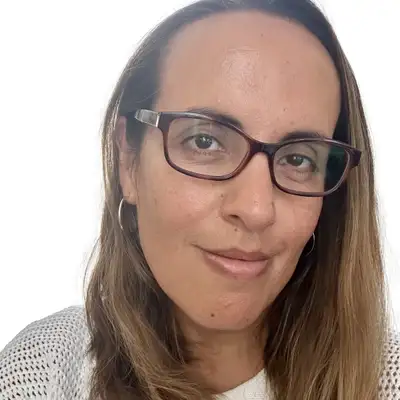
We have Dr. Alyssa Emory Carter,
an orthodontist and private
practice in Texas. We actually
profiled Dr. Carter last year in
our March issue, but she's back
with us today to talk about
DentalMonitoring and how it
allows for dynamic scheduling in
your practice. Dr. Carter,
thanks for joining me.
Dr Alyssa Emory Carter: Thank
you for having me today. It's an
honor to be here and I'm excited
to to help share the word with
the orthodontic profession.
Alison Werner: Great. Okay, so
let's get started by can you
tell our listeners a little bit
about your practice?
Dr Alyssa Emory Carter: Absolutely.
I am the owner of Dr. Alyssa
Orthodontics. And we have three
locations, one locations very
small. But we have three
locations. And we have an
amazing team. And I kind of
float back and forth based on
the needs per month at each
office. The premier practice in
the town I was born and raised
in, our little bigger town
outside of the town I was raised
in and just right down the road,
I bought another practice. And
so our practices are kind of
unity of practices from other
doctors that we've brought
together.
Alison Werner: So can you talk
about how long you've been using
DentalMonitoring, and what
actually prompted you to
incorporate this type of remote
monitoring platform into your
practice?
Dr Alyssa Emory Carter: Absolutely,
we started using
DentalMonitoring in 2018. So it
was pre-COVID. And it was solely
for the purpose of trying to
monitor our aligner patients in
a more predictable way. So we
were having the same issues that
any practice has where patients
come in for an aligner check,
and they're not tracking. So you
can't really do as planned and
they're having extra
appointments. And we're like how
can we make sure that they track
but not have to come in every
single week for those aligner
checks. And that's really just
where it started. And then it's
morphed into a whole new thing
since then.
Alison Werner: Okay, so I knew
from kind of talking to you
before this, that you've
actually gone about
incorporating this, you talk
there about incorporating with
the aligner patients, but you
actually kind of did that
staggered approach, but then in
an all in approach at this with
a different office, can you talk
about that approach.
Dr Alyssa Emory Carter: So in
the practice that they kind of
the original part of their
practice, it was aligners first,
and then after we started seeing
what the software had to offer,
the reporting that you can get
from it, etc, we said, "Man,
this could be very, very useful
for our braces patients," or I
did and and once my mind starts
thinking about something, it's
hard to de-focus it from that.
So I just kind meet with DM
asked what all it could do. And
try to understand that to a
higher level. And then we added
the braces part. And to be
completely honest, at first, I
wasn't fully aware of what the
braces side had to offer at that
time. When I bought the third
location a little over a year,
almost a year and a half ago,
they had zero exposure to DM,
and I just said, Hey, every
single patient no matter what's
going into it, because in our
primary practice, we were doing
that and we wanted to make sure
that we just kind of got caught
up and understood and we had
systems in place already. So
looking back, that probably
would have been the better way
to do it had I known what I know
now and and the braces side of
that technology. I mean, 2019
It's been four years. So it's
they have just totally expanded
everything it has to offer on
that side. And so now it's so
much easier to just jump in for
braces and aligners, and we
found that the adaptation in the
practice for that we started
aligners and braces right off
the bat didn't back down. Got
through any little hiccups and
hurdles much smoother and easier
and less in size. The compliance
with a patient's there, because
the team understands it so much
better. They learned it more
rapidly. It's just been a
totally different experience
than when we tried to tiptoe
into it. In addition to that, it
also changed our practice and
our schedule. So much quicker.
So saw results almost instantly
versus taking six, 9, 12 months
to notice anything.
Alison Werner: Okay. So can you
talk a little bit about you
know, I think people are very,
somewhat familiar more or more
familiar with kind of the
aligner usage with
DentalMonitoring. What are the
tools when it comes to the
braces or what do what how does
it really help you with the
braces patients that maybe you
were weren't expecting or that
it's made you have a better
handle on those cases now than
maybe you did with just
traditional appointments.
Dr Alyssa Emory Carter: So
there's the braces side to me is
very, very exciting. And I
wouldn't do aligners without it.
That's just out of respect for
the patient and wasting their
time if they're not tracking and
not understanding. So I wouldn't
even practice aligners without
it. The braces side is so
exciting because there's always
just been this way of practicing
traditional orthodontics. And,
you know, there's different
types of brackets, and we're all
going to diagnose and treatment
plan slightly differently. But
the braces side, you are taking
out so many things that used to
be retroactive or in nature, so
or reactive in nature. So, for
instance, the patient scans
every week, and then the AI
looks at that scan and sends us
a report. And what we do is we
put human eyes on that report,
and we say, okay, is everything
in this report accurate quickly.
So if there's a broken bracket
or missing power chain, or an
interference or something, we
can see that and then we are
addressing issues or things as
they arise. But what it also
does allow us to say, hey, this
patient only would have been
scheduled in this many weeks, we
have an alert now to check their
wire, and they may be ready,
they may not be ready, etc. So
we just let the AI continue to
detect the tooth movement to a
much higher degree than a human
can. I'm not measuring a 10th of
a millimeter of every single
tooth movement at every
appointment. Right? So. So that
is completely changing the way
that we treat our patients and
the sequencing that we treat
them etc. I there's so much more
I can add here. Because I don't
know what other questions you
have. But there's a lot more I
want to make sure that we go
over. So yeah, we'll understand
that.
Alison Werner: We'll get there.
We'll get there. And if I don't
I'll ask you a question that
lets you kind of add anything
that we didn't touch. So let's
actually talk about how your
scheduling has changed, because
you kind of started getting
there. So since incorporated
DentalMonitoring you from what I
understand patients that don't
necessarily get scheduled get
that they get scheduled when
they are ready for a purposeful
visit. Can you talk about that.
Dr Alyssa Emory Carter: Yes, so
this is something really
exciting. And we've had to
educate our patients about it,
but because it's just so
different than anything their
parents experienced, or how they
had their other kids treated.
But when it comes to scheduling,
we used to see our patients
depending on which wires,
they're in every 4, 6, 8, 10, 12
weeks, right. And it's pretty
much the same coming out of your
mouth, for every single patient.
So you put in this wire, you
know, you're going to say see
them in eight to 10 weeks or see
them in six to eight weeks. And
we were treating every patient
in the middle average of this
bell curve. So if you think
about a bell curve, and there's
the percentiles, right, and so
we're treating everybody as is
as if they were going to fall in
the majority percentile. And
that's just not the way human
biology works. Yeah. And so what
happens is patients come in and
everyone outside of that
percentile, you don't do what
you expected to do on that
patient that day. Or even the
ones in that percentile have
something kind of go off track
that you didn't expect or
something that broke or you
know, something happens. Yeah,
for those who don't stay on
track. So like up to 50% of
appointments every single day,
you're not doing exactly what
you had hoped you were doing in
the order that you were doing
it. And it can really affect
your schedule. So it's not only
less appointments and more
purposeful appointments for the
patient, it's actually a better
patient experience because our
schedule like every patient is
scheduled the right way we know
when they're coming in for we
know what we're going to see we
already know if there's a
bracket we need to fix when we
already know if we need to make
more space for a canines and
we're activating the coil before
the patient ever walks in. And
so it's it's affecting the
probably the internal happiness
and culture of our practice
because it takes so many
unnecessary stresses out of our
day.
Alison Werner: Yeah. Well,
that's what I was gonna ask. It
does seem like it removes the
unknown for both you and your
staff. So how was that
transition for your staff? And
you? How did you wrap your head
around that idea of moving away
from the traditional way of
scheduling and doing this? What
was that first transition like?
Dr Alyssa Emory Carter: So two
different practices. So let me
start with the earlier
adventure. The earlier adventure
was much harder for the team to
buy into. So some resistance
some pushback with some, two
members that are no longer with
us. And I'm trying to express
what my vision was and what I
understood about what I was
seeing it could do for us was
probably where I failed the
most. So I already knew in my
head, oh my goodness, like, I
can see that if we knew about
all these things, it would be
amazing, right? So at first I
started telling the team about
it. And what I'm trying to tell
them is, it would show us if
there's a broken bracket, show
us this and I think in in the
most, the best way they can say
it is that maybe they took it as
I wanted to call them out every
time there was a broken bracket
or something. Okay, fully done
correctly. And really what I
wanted was it to train us to be
the absolute best team that we
can be for our patients, and
also not waste our patients time
anymore, and help our day in our
experience and their days, be
better off. So when they get
home to their families, they
still have energy left to give.
And so I think I felt, at first
trying to put this vision of
what I saw could be possible. I
had a few people, you know, that
just they trust, and they bought
in and they were trying really
hard to make it all happen. And
then really, we just took off
and excelled. And one day when
we're like, it's going to be
this way no matter what. And,
and so that was kind of the
story behind when the second
office that we went into the
first office was already all in
and had seen some changes that
had already benefited us. So
they almost had that example and
that positivity behind them,
encouraging them to get it going
as soon as possible, get as many
patients involved, to help our
schedule and help our team
together. And so that was a
totally different experience.
Yeah.
Alison Werner: So how was how
would you say, did it change
like the, the feeling in the
office, because you talked a
little bit there about how it
kind of removes the stress of
not knowing what a patient's
coming in for or having to adapt
to where they are? Does it
change the energy level with the
staff and also you throughout
the day? Have you kind of have a
better idea, like how your day
is gonna flow? And it's not,
maybe just a little stress?
That's what I'm kind of
wondering.
Dr Alyssa Emory Carter: Yes, so
the stress level has gone down a
lot, because to be completely
honest with you, we were blessed
and we were growing. And we got
to the point where the growth
was affecting our patient
experience. So still trying to
provide the best care but
because of that running behind
on appointments, having to have
patients have extra appointments
because we couldn't fix
something right there that
needed to be fixed without
delaying their treatment, and no
one wants braces longer than
they have to right. And then in
result obviously that affects
your your team experience, you
don't want them missing lunch,
you don't want them working till
six, 6:30 at night, by the time
they get everything done and
ready for the next day. So it
was affecting everything, and to
the point that you're excited
that you're growing, but you're
less happy and thrilled to be at
the workplace, which is not a
good place to be. And so that's
where we really were. And that
was a it wasn't just one day
here and there patient care,
you're always going to have a
couple days a month where it's
just crazy, right? You have that
morning or that afternoon, we
work with humans. So we're
individuals, we're different.
But in when it's every single
lunch, every single afternoon
for a few years in a row, it
just takes a toll on the team,
and it took a toll on me. And I
was trying to do everything I
could to do the best for the
patient, and try to do
everything I could to keep the
team as taken care of as
possible, and I felt like there
was no there was just no balance
or balance was just 20% here,
20% here, 20% here, so no one
was feeling like they were 100%
fulfilled. And just not a good
place to be. So anyways, we
started doing it. We went all
in. And fear of the unknown is
like the number one fear in the
world. So whether it's a kid
going to the doctor, even if
they're not getting a shot that
day, right, or a kid coming into
our practices, not knowing what
we're going to make happen that
day. And so just sometimes just
a little bit of knowing what's
going to happen ahead of time
we're explaining those things
like takes the stress way down.
And that's essentially what
we're doing is we're taking out
the fear of the unknown. And so
for the most part that 50% of
the day that was reactive or I
had to go to the chair more than
once and then that slows down
how The doctor was supposed to
be scheduled and I don't know
what to do, or this happened and
we're trying to achieve a plan
on this chairside. It all can
happen when the patients aren't
there. And so when the patients
are there, that appointment is
already pre planned for probably
getting better care, because
your mind is no so clear and
fresh, you've already planned it
when there's not anything else
around you. And then that allows
for the team to also be like
more focused and better able to
take care of the patient,
because when the patient shows
up, everything they need is on
the tray. And everything that
they they knew, like, Oh, if
this bracket broke, do you think
we're still able to get that
wire back in or the next wire
and, and I can tell from the
scan, "Like, yes, I think we
can. Go ahead and get that on
the tray," or etc. So I can't
under stress that it's not just
oh, when they're ready for an
appointment, they're going to
come in, which is a huge part of
patient's biology and a huge
service to our patients to not
need anything but a appointment
that's purposeful. Yeah, we have
completely eliminated any type
of check appointment in our
office. So very, very rarely do
we see a check appointment. And
if a parent is taking off three
hours of their day, to bring a
patient in for a check
appointment, and let's say they
make $20 an hour. That's $60.
It's three hours out of their
day, it's stressful, it's
getting the kid back to school
is trying to make sure they
don't miss more than one period
a year for their appointments.
It just it's that way of
traditional orthodontics at some
point is going to disappear.
Alison Werner: Yeah. So talk to
me about how you communicate
talk to the patient about this
idea and the parents about this
idea of dynamic scheduling.
Dr Alyssa Emory Carter: Something
else we failed miserably at
first. The team didn't
understand it. So how could they
they didn't see the same vision
I did. So how could they believe
that right? Now that it's
they're just they can talk about
it all day. At first, it's hard
because you have parents that
question things, or they only
know how their other kids were
treated, or they only know how
they were treated as a child.
And so you have to explain to
them that like we actually are
taking, we have more eyes on you
and taking better care of you.
We tell them upfront that
there's artificial intelligence
involved. Used to, didn't really
mention anything about it, and
now we tell them up front.
Artificial intelligence is
involved. It can, you know, read
your scan at a higher level than
the human eye. And it gives us a
report. And then from that
report is what we decide we are
going to do or not do with your
child based on what we see. And
so it kind of has like an
artificial touch that sees
things better than the human.
And then we have the human eye
put on it to just verify and
make sure that like what I would
say needs to happen from this
alert happens. And then
obviously, we have human touch
when they come into the office
and whatnot. So it's definitely
a higher level of care. And we
pull up examples, we show them
what we're seeing, we show them
what our dashboard looks like.
So we have some of our team
members that have been in
treatment will pull up their
cases, we say, Hey, this is what
Dr. Alyssa is evaluating. Yeah.
Which has been really
beneficial. The few parents that
were very confused or like,
haven't had an appointment in
three months, my dentist said I
should have an appointment or my
other kid had an appointment
every four weeks, whatever it
is, right? And I'm like, Hey,
don't worry, like when you, why
don't you come in and stop by
and we'll show you everything
that we're looking at. We show
them we're like, hey, we noticed
plaque on this tooth. We are
looking at your wire here.
Here's all the notes about your
child's treatment on every scan.
Here's the pictures from their
scan. And once you show them
that their mind I think soaks in
everything is like, oh, okay,
this is way better than me
disappearing from the office for
eight weeks and no one knowing
what's going on with these
active appliances in my mouth
and then coming back in.
Alison Werner: Yeah. And you are
doing they're doing weekly check
ins for both aligner and braces
patients.
Dr Alyssa Emory Carter: Yes.
Alison Werner: Okay, talk to me
about how dynamic scheduling
contributes to practice growth.
Have you seen something there?
Dr Alyssa Emory Carter: I'm
really really bad at marketing.
Alison Werner: I appreciate your
honesty.
Dr Alyssa Emory Carter: What I
could definitely be better at is
actually is definitely be more
proactive about educating the
community and trying to market
and trying to do things but I
will say I think there's a lot
of internal growth from it. You
always have a few patients that
don't like it or get upset about
it or whatever. But for the most
part, things have been very,
very positive. And I think that
will only continue to increase
as both, it's just the way we do
practice now. And the longer you
do, or the more your team sees
the results of the patients, how
quickly things are moving along
how well they move along. The
waste that used to be built in,
you can waste four months if
someone's bracket breaks, and
you don't know, and you not only
can't go to your next wire, you
had to drop down in wire. So
it's it's exciting. And I think
there's a lot of marketing and
practice growth that can happen
from it. And we have, we have
seen the practice growth. Last
year, we had a phenomenal year.
And this year, we're having a
great start. Yeah, and, and so
that's been amazing. And I feel
like if we actually tried to be
better about promoting it it
would help even more.
Alison Werner: Well, I love your
honesty, because I think it
keeps it real. It's hard. It's
hard to do everything.
Dr Alyssa Emory Carter: But I do
think a lot of people reflect
their experience with the
technology, not only the
technology we're offering, but
with the personal touch that
we're offering through using
DentalMonitoring, as fearful as
it sounds like, oh, I might not
be in person as much anymore.
But you actually are receiving
better care and better touch
because we're essentially in
your pocket. And so I do think
there's been a lot of practice
growth from that, because we are
very timely in our responses.
And we are communicating with
our patients very well through
the app.
Alison Werner: That's great.
Yeah. How do you ensure that
patients don't fall through the
cracks? How do you track
patients?
Dr Alyssa Emory Carter: You
learn from the ones that have.
No.
Alison Werner: True.
Dr Alyssa Emory Carter: There's
actually a lot of different ways
to do this. And we've gone
through different phases of
systems. And we're, I am
incredibly blessed that my team
feels very open to communicate
with each other well, and bring
ideas to the table. So if they
see something that seems kind of
cumbersome, they'll say, Hey,
this is how we're doing it. Like
do we think we could do this
there, we have like little chat
apps that we talked about these
things in and, and so
essentially, what we have been
doing for the majority of the
time that they've had labels, is
using labels and putting ready
to schedule. And then when
they're scheduled, we change it
to the day they're scheduled.
And so we can run that report
every day and see who still
needs to be scheduled. We, we
also have a Google Sheets, where
it allows the offices to
communicate with each other that
has like patient's name, what
date I said that they are ready
for their appointment, what
appointment code they need. And
then it says like first attempt,
second attempt, third attempt
and a little note section. So
first attempt is you got to you
need to be calling them pretty
much the day that that name goes
on the Google Sheets, it's a
call. If they don't answer you
send a text. Next attempt is
usually next day trying to same
thing, third attempt, same
thing, if you're still not
getting through, then we need to
like start sending emails,
letters, etc. So that's how we
have kept up with the right now
it seems to be working well.
Essentially, we have 12 to 1500
patients in DM at any given
time. And that list only gets
about 20 patients added per day.
Maybe if you're doing it four
days a week, it might be 30
patients per day. But there's
not a ton of patients being
added every single day to that.
So it's very manageable for the
front. We use to message them in
the app and say great news,
you're ready for your next
appointment, call our office,
the next available time. And so
each day when we're reviewing, I
get my little list of patients
right. And if if they're ready
for an appointment, I kind of
would like blast that list to my
DMC and, which was my dental
monitoring coordinator, and then
she would blast those to each
patient. And then all of a
sudden our phones were ringing
ringing ringing.
Alison Werner: Oh, yeah.
Dr Alyssa Emory Carter: We were
missing some of those calls. So
we created a system instead
where here's the patients that
need to be called today. So that
way, patients are like, Well,
you told me to call on now
they're not answering. And so we
go through phases, and this is
how we're doing it now. And we
might do it different in six
months. You can also use the
recall ready in your practice
management system. So you can
put labels, we use dolphin right
now and you can put a label in
there and it's like DM patient,
non DM patient, you can print a
recall ready report for the
patients that are ready for an
appointment haven't been
scheduled. I feel that we will
probably move to that a little
more effectively sooner than
later. But there's so many ways
you just have to make sure that
you're the day that you start,
you have a system to track who's
ready and Google Sheets is so
easy for us that just just kind
of where we landed and rolled
with it.
Alison Werner: Okay, so for
someone who wants to get started
with transitioning to dynamic
scheduling, and they're using
dental monitoring, what's your
what's your, what are your tips
for getting started? Those that
first transition?
Dr Alyssa Emory Carter: Okay, if
somebody is about to get
started, I would just say just
do it. I know there's a lot of
questions about how do you
manage it? Or where do you find
the time to monitor it, etc.
Anything that you do that's
better for somebody else is
going to have hurdles, it's not
if it was easy, like, it
wouldn't be a thing. So it's,
you're going to have little
hiccups, you're going to have a
few frustrations, you'll be
like, Oh, I can't believe that
happened. The reality is, a lot
of that's happening anyway, just
in a different way in our
practices, like accepted it as
normal, we've accepted that
patients get letters and
disappear for 90 days, and then
you have to dismiss them, we've
accepted that patients come in
broken brackets, you didn't know
and you just are going to add
time to their treatment because
you had you couldn't go up a
wire but it's a different way of
accepting it, knowing that the
end result is better for the
patient and the team. So just do
it. And if you have questions,
utilize the webinars that are
being new that DM is using to
teach people utilize doctors,
you know, that are using it. You
know, there's groups out there,
Facebook groups that are there's
1000s, of orthodontist, you can
ask questions to attend meetings
that you have and using it. And
then really, one thing that I
think is very important,
especially at the beginning, is
the doctor has to be involved.
So this isn't like a 3d printer,
where as long as you get your
team trained on it, you might
not ever even know how to turn
it on if you're the doctor.
Yeah, the X-ray machine, right?
Like, I could go ahead take an
x-ray by myself tomorrow, I'm
going to be like taking way
longer than my main
sterilization specialist and
records specialist because they
do it every morning. And so it's
a little different than that,
like at first, the doctor needs
to be very heavily involved
because it's not one person
you're training to be a
specialist that it is everyone
in your office that you need to
understand how it's going to
work.
Alison Werner: Okay, so even if
you have a DentalMonitoring
coordinator for your office,
your advice is, everyone does
have to have a familiarity with this.
Dr Alyssa Emory Carter: Everybody has to have a familiar already with it. Your DMC needs to know how to go hear messages. And now they even have other services to tack on to DentalMonitoring like remote response or something where they can help you with that part at first until you train it. Or if you really like them, you can keep it that way. But everybody in the office has to understand it. Because chairside, there's things you have to put into DentalMonitoring for each patient. So when the patient's in the chair, there's certain things you put into the system. So we know exactly what we're checking, what we're looking at every week, between this time and the next time you're in the office. And so our team is very good at that. And it takes training, but you get a quick system. And I would say it's probably now the easiest thing that my chairside assistants do is open the dashboard and put the information in it takes some very little
time.
Alison Werner: So before we wrap
up, I want to ask you is because
we had talked earlier about like
there's so many things you want
to make sure we covered. Is
there anything I missed or that
I didn't ask you about that you
really want to make sure our
listeners know about.
Dr Alyssa Emory Carter: I think
something that's kind of fun to
throw in there is a little bit
about our new schedule. So
previous to DentalMonitoring,
when half of the patients on
your schedule are a check, the
doctor can move very quick, they
can move here here here, you
might have to go back, but those
little appointments that the
assistant already knows exactly
what's happening, happen very
quickly, and then you can
squeeze in kind of these
bondings and these other chairs,
right. But if even if you're
running six or eight chairs at
once, you are not scheduling six
to eight bondings at once,
right. But what happens is now
patients only come in for
purposeful visits. So they have
a couple like remote columns or
the means have already done
remote checks. These are the
wires that are going in.
Essentially, if everything is on
track, I probably am not needed.
And you have all these other
chairs left for something I'm
needed for which usually means
we're putting brackets on. Most
of it's bonding right like
polishing a patient doing
enamelplasty, anything that
requires like, legally me to be
there. So what happened at first
is we just were like, Okay, so
this day just got built in
there's like 35 bondings in a
six hour period on my schedule,
and it just collapsed. Like I
couldn't be at all these chairs
and it'd be and see the exams
and we got very, very behind. So
it took us a little bit of time
to redo our, our template and
our schedule and kind of figure
out, Okay, how many realistic
like debonds and bondings, you
know, you can't have eight hours
with debondings and bondings is
in a one hour period and expect
the doctor to take care of all
that. So we had some hiccups
there and worked through those.
And now we have a great
template, it took team effort,
it took a lot of brainstorming,
I'm sure a consultant could have
done it faster, but my team is
amazing. And so now we have like
a certain number of what we call
like, bonding/debonding chairs
each day, and they're allowed to
do however many bonding and
debonding appointments in those
chairs that they want, they can
be back to back to back to back.
But these need to stay without
that. And so this these chairs
do not require as much effort,
or, I shouldn't say effort, as
much time for the doctor. Maybe
more mental energy, but less
physical. Yes. So that's kind of
been like a little obstacle that
we worked through, and we're
continuing to work through it.
And so I don't ever really see
like eight clinical chairs
across anymore, because the
patients in the chair need me.
Like, they fully they're there
for a reason. And unless it's
just an archwire change, I'm
needed. So little bit different
and exciting and fun. And yeah,
but we've also gone from three
doctors total, down to one
doctor, okay, um, the three
doctors kind of if you took our
total doctor days, we're working
in between, like 30 to 40 doctor
days a month. Okay. And right
now we're seeing patients on
average, like 12 to 14 days a
month with one doctor. So it's
really the efficiencies that can
happen. Yeah, in your
scheduling. You know, we've
really just cut our doctor days
by by two thirds, we're doing
about 38 to 40% doctor days as
we used to. And then each doctor
day instead of seeing 100
patients, 120 patients we're
down to was about 60, now we're
down to about on average, 50, 53
patients a day. So that's exciting.
Alison Werner: That's a big
change.
Dr Alyssa Emory Carter: It just
shows you though the amount of
and I'm not saying it's wrong,
like that's how I got braces,
and I have a smile. I have
confidence and a smile because
of it. It just shows you what,
how our minds have been taught
to take the best care of our
patients, which was at the time,
the only way it was the best
way. Yeah. And technology is
enabling us to take care of them
at a higher level. And respect
the most valuable thing we all
have, which is our time and more
effective treatment, less round
tripping things like that is is
always a win for everybody.
Alison Werner: Yeah, absolutely.
I think you've really
demonstrated that. With that,
you know, with your last, just
going to talk about your
schedule and how that has
changed and everything. Well,
Dr. Carter, thank you so much
for taking the time to talk to
me and our listeners, and I
really appreciate your honesty.
And really explaining your
experience because I think it's
really valuable. And I think it
kind of demystifies it for
people. So thank you so much for
that.
Dr Alyssa Emory Carter: Thank
you for having me. And if anyone
has questions or needs anything,
you know, bump into me at a
meeting, ask questions. Just
reach out and we're happy to
help it's we went through before
the braces system was really up
and running in DM and they've
implemented so much to help us
and they continue to do so. So
it's an exciting future for for
us and our teams and in
everything.
Alison Werner: Great. Well,
thank you so much.
Dr Alyssa Emory Carter: Thank
you.
Alison Werner: As always thank
you for joining us. Be sure to
subscribe to the Orthodontic
Products podcast to keep up with
the latest episodes. And be sure
to check out Orthodontic
Products online.com to keep up
with the latest industry news.
Until next time, take care.