Subscribe
Share
Share
Embed
Inside America’s IPO Machine
The Pop is a podcast examining the science and hidden machinery of how companies go public and how markets actually work in the United States. Hosted by Robert Leshner, a founder and operator building infrastructure for modern capital markets, the show breaks down IPOs and listings from the S-1 to the first trade – exploring how incentives are structured, where the system breaks down, and who it ultimately serves. Through high-signal, story-first conversations with founders, executives, investors, lawyers, and regulators, The Pop looks at the good, the bad, and the ugly of going public, and what the next era of capital formation could look like.
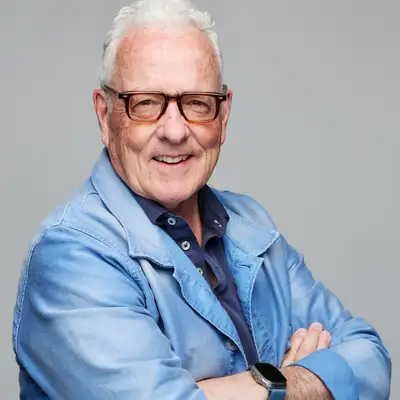
Welcome to The Pop, a podcast about America's capital markets machines. With me today is Bill Hinman. Bill has spent his career at the center of US capital markets. At Simpson Thatcher, you helped lead landmark IPOs for companies like Google, Facebook, Alibaba, and Square, and you shaped how a generation of Internet companies enter the public markets. You were at the SEC as director of the division of corporation finance.
Robert Leshner:You are famous for the Hinman speech. You've inspired a lot of people inside the crypto and digital asset markets with that speech that helped define how we think about decentralization. And you're an expert in the capital markets. So Bill, thank you for joining the program.
Bill Hinman:Well, thanks for having me. Thanks for those kind words.
Robert Leshner:Yes. Let's just quick dive in with your own experiences. You've had a long career in capital markets. What has been, you know, in your mind, you know, the impetus for why companies have gone public, and, you know, what this sort of, you know, genesis is of them entering, you know, the public space?
Bill Hinman:Sure. You know, going public, meaning you're trading your stock publicly on exchanges like the New York Stock Exchange or NASDAQ, has always been a great way to efficiently raise capital. New capital to grow businesses that are going through that phase where they have enough of a a runway on their business that they can tell the public about it and, deliver results and raise capital in a way where now people can, buy that stock, everyone, retail investors, institutional investors, just private placement investors. And that's generally a very efficient way to to raise money. Historically, companies have also used the public markets as a way to reward their employees who have accumulated stock through options and restricted plans and now have a very convenient and easy place to sell it.
Bill Hinman:So it gives the employees liquidity, and it gives a company a a source of new capital.
Robert Leshner:So the current SEC chair, Atkins, has said that he wants to make IPOs great again. Right. Have they stopped being great? You know, what's what does this mean to you?
Bill Hinman:Yeah. I don't know if they've stopped being great. They just are fewer in number. And so I think when he's talking about making IPOs great again, I think he's saying, I wanna make the SEC a great place to take your company, to go public. And, he's trying to improve the IPO process that people experience because numbers have dwindled substantially.
Bill Hinman:You know, various estimates are out there, but it's about 40% fewer IPOs per year now than we had just a couple decades ago. There are lots of reasons for that. And some of it relates to the SEC and the difficulty of navigating that process of registration. You know, when companies decide to go public, they have to provide a lot of disclosure, a lot of formal financial disclosure that they weren't doing in the in the private markets. And over the years, that's become more and more burdensome.
Bill Hinman:Also, as a public company, you're kind of held to account each quarter for how you're doing. As a private company, it may take a while to get to the place where you're starting to, deliver profits consistently. As a public company, if you fail to do that, your stock gets punished. And so people, you know, are reluctant to necessarily enter that market, you know, unless they really need to. And, today, there are a lot of lot of sources of private capital that didn't exist a couple decades ago.
Bill Hinman:Private equity is much more available. Folks have kinda come up with legal technologies to stay private longer. That liquidity we were talking about for employees now is sometimes provided through tender offers while you're a private company for your employees to sell their stock, and get liquidity that way as opposed to the public markets. So there's a host of reasons. The litigation risk that you face as a public company is something that people are reluctant to expose themselves to if they don't need to.
Bill Hinman:And, again, the the process itself has gotten more cumbersome and more expensive. You also find that the coverage that you get from analysts, is very limited unless you're of a certain size, and that size keeps growing. So now unless you're a billion dollar plus market cap company, you don't get, the kind of coverage you might wanna have of your stock from the analyst community, which encourages people to value it correctly and to participate in capital raises that you may do in the future.
Robert Leshner:So is it a chicken and the egg problem? There's more alternatives to going public. There's legal technologies and private capital available because it's harder, or is it harder because the standards are higher now because there's fewer companies?
Bill Hinman:I think it's a mix. You know, one of the other things that's happened is there was, the Jobs Act changed the numbers of shareholders you could have and remain private. So it used to be once you had more than 500 shareholders, you had to enter the public markets. You didn't have to do an IPO, but you had to become a registrant with the SEC. Today, that number is 2,000, no more than 500, which can be, unaccredited investors.
Bill Hinman:But that made a big difference in when people had to go public. And as they found that they could stay private longer and private money was available, it became sort of, oh, why do I wanna go into this increasingly burdensome system if I can stay private a little bit longer? Unfortunately, and I think this is what Paul Atkins is trying to get at, the longer companies stay private, the more the, you know, very significant growth occurs in private markets and not are not available to the retail investor. So, you know, one of the things that Jay Clayton and I did when I was at the SEC, and I think Paul is trying to pursue, is trying to make, more companies cross that threshold into the public sphere earlier so some of that growth can occur for retail investors who, as you know, are increasingly dependent on their contribution plans, four zero one k type plans as opposed to defined pension plans that people generally don't have anymore. So people have to make their own investments, and retail investors having the opportunity to have more growth in the IPO markets is something that I think a lot of folks think would be a good idea.
Robert Leshner:Yep. One of the things that strikes me as an observer is that these 2,000 shareholder limits, let alone the 500 ones that existed pre Jobs Act, there's a lot of loopholes and workarounds to this. At this point, have companies with like, yeah, they might have 2,000 direct line items on their cap table, but it's layers upon layers of SPVs. And there might be hundreds of thousands of end investors who have exposure to a company before it formally files. Like, has this problem gotten worse?
Bill Hinman:In some ways. You know, the issue that you're just talking about in terms of do you look through some of these shell companies? The SEC has some ability, and they occasionally will revisit those rules. I think if they feel like it's really gotten too gone too far that there are too many, you know, indirect holdings, and when we really count the people who have exposure here, we need to do something to protect them. That could happen.
Bill Hinman:Probably not this administration, but you could see, you know, in the future if, the administrations change and that there's, you know, a little bit more of an investor protection theory, you could see people trying to do something like that. At this stage, I don't think it's gone too far, and I do think some of these collective holdings, you know, make a lot of sense. What probably would help quite a bit is if these intermediate holdings, were more available to nonaccredited investors in a way. Because right now, if you're, again, a retail investor, you have the option of investing in mutual funds. They can only hold under SEC policy about 15% of their holdings in private opportunities.
Bill Hinman:When you have a fiduciary intermediary who is sophisticated and can look at these companies and can get disclosure, that's not a bad halfway house between, providing more people with early opportunities for growth and forcing everyone into a public mode.
Robert Leshner:Right. So are, like, mutual funds and, you know, public vehicles that can make private investments the good middle ground here, do you think, where, like, you are creating exposure and access but without, you know
Bill Hinman:I I I think there's something to be said for that. I mean, I think the markets have spoken on that. I think, you know, one thing that people are always critical of the public company model about is that you become a very short term, strategy focused company. You're always trying to make the next quarter. Trying to step back and make longer term investments that may affect your quarterly profitability is a very difficult thing to do as a public company.
Bill Hinman:So to the extent we have capital models that allow people to step back for a while, make those longer term decisions, that's not a bad thing. So finding some middle ground where investors are still protected, but a wide range of investors have opportunities for investing in growth up growth situations. I think that's not a bad middle ground.
Robert Leshner:Yep. Makes a lot of sense. Well, let's take a step back for a second and go into, you know, your experience at the SEC and, you know, some of the factors that have made, you know, going public potentially more difficult. Right? Right.
Robert Leshner:You know, from your experience, you know, what's the process of the s one review process look like? You know, from the agency's, you know, side of the table, what goes through, you know, the staff's heads and what goes through the sort of, you know, lawyers heads representing the issuer. You know, walk me through the sort of journey.
Bill Hinman:Sure. Well, the journey is typically a pretty long one. Yep. You know, probably at least a year from the time you say, yeah. We really wanna go public.
Bill Hinman:There's a lot of preparation on the financial side. One of the things that people often sort of get delayed by is the accounting for the amount of time that, developing public company quality financial statements requires. You know, as you really dig in and you start to look at public company accounting, it's a very specialized field. A lot of companies have really good accountants, but they haven't done a lot of SEC reporting. And so they need to, you know, get the national office involved of their auditors and and really understand, you know, when the SEC looks at this set of financials, what are they gonna see that we're missing so far?
Bill Hinman:And we don't wanna get delayed by that. So let's get ahead of that. That's something that folks need to focus on. But the journey, you know, as I say, takes about a year. Some of that is just preparing this registration statement or prospectus that people have to put everything that's basically material about their company in a written disclosure document that they're gonna take accountability for and and have liability for.
Bill Hinman:And their underwriters are going to also have liability, so they wanna do diligence on everything that's in there. So there's this tension between the issuer and the underwriter making sure that everything in that document is is accurate and complete. That takes time. So there's lots of drafting meetings. There's, you know, meetings with accountants, lawyers, company management, all to make sure that that's right, that the risks are understood and well disclosed, that what's been going on in the trends in the business and the drivers of the business is well understood.
Bill Hinman:So pulling that all together, it's a great process. Companies end up knowing themselves better at the end of that than they did at the beginning, but it takes time. And then eventually, you get to a state where you can file this with the SEC. When I was there, we tried to, make it easier to file confidentially. One of the things that people were always reluctant about in going public was if I file and I don't make it, it's sort of a black mark.
Bill Hinman:And I don't want that, so I'm gonna be really careful about when I start this process. Now with wider confidential filings, people are a little more relaxed about starting a process. And, you know, if there are delays, it's while they're confidential. They don't have to explain that there was a delay because of a supply chain issue or because of a war in The Middle East or what it was, they can, you know, do that while they're still in a confidential mode. The staff during that period of time, the staff of the division of corporation finance, I was director, will be reviewing that document.
Bill Hinman:Typically, it takes thirty days, and the staff tries to hold themselves to this to get your first round of comments. While that's going on, you'll have industry experts because you're filing if you're a tech company, we file the folks that have tech expertise or a life science company will go into the biotech group. Oil and gas, all these different industries, there's people at the SEC who really understand them well and can kinda read the business description and say, you know, how about this risk that we're seeing other registrants in your area disclose? Do you have that problem? They they pick through and and try to see if everything is complete.
Bill Hinman:And then there's accounting staff that will also read through the financial statements and the footnotes and just see what you're describing as your major accounting policies. See, again, your other people in similarly situated cases handling this accounting the same way. Are they doing alternate accounting? Why did you choose this method? So you eventually get you know, it could be a 100 comments from the SEC on your filing.
Bill Hinman:And then you work to clear that up, with amendments. And then eventually, when you're through that process, you set a time to do a roadshow where you meet with investors, describe your business to the institutional investors who are thinking about investing. And then if that goes well, you're narrowing in on where you're gonna value the company, and you and your underwriter will, sort that out and negotiate usually a price in a typical IPO, although there's alternatives to that. We'll get into the alternatives. Discuss, I'm sure.
Bill Hinman:But you you work out a pricing, range and then finally a final price. And when you're really finished with the SEC, they will declare you effective, which basically means you can go forward and now offer this stock and confirm orders in this stock, and you have a closing a few days later. Yep. You know, ballpark, how
Robert Leshner:long is the average s one nowadays? You know, I've heard that it's gotten significantly longer over, you know, the last couple decades.
Bill Hinman:Ballpark, I think, 200 to 400 pages, depending on how complicated the companies are.
Robert Leshner:Are the s one's getting longer because there's more de risking that's coming from underwriters? Is it coming from staff? Is it coming from the fact that companies are going public later and there's just more to disclose than when they were smaller companies?
Bill Hinman:I think it's a lot of you know, all those things are contributing to the length. Yeah. The rule base has gotten, you know, heavier. The issues that people are facing today are are more complex. I mean, thirty years ago, you didn't have cybersecurity risk.
Bill Hinman:Right? Today, you might have three pages of risk factors depending on your business about that topic. You didn't have as much disclosure about things like COVID or climate change or things even without the climate change rules that had been proposed and then withdrawn, lots of disclosure if you're in a particular business where climate is important or climate change may be important. Lots of disclosure. So the world's gotten more complicated, so there's more to talk about.
Bill Hinman:Companies, as you point out, are going public a little bit later generally and at a bigger size. So they may have segments to discuss, not just, you know, one main business. They may be operating internationally. There's a whole host of risks and, you know, again, disclosures that come with that. So I think the world's a more complicated place.
Bill Hinman:But contributing significantly to this is the the rule book's gotten fatter.
Robert Leshner:Yep. Do you find that, you know, investors are reading the risk disclosures or are they looking more towards the financial side of the business and the optimism? You know, are they looking more towards the good things or the potential risks?
Bill Hinman:I think the professional investors are looking at all of it and, you know, trying to see where there'll be opportunities to invest in a company that has real growth opportunities. But, you know, the retail investor, I think, is still attracted to sort of the upside. You know, the one of the benefits of these long disclosure documents is even if you or I don't read them for, you know, retail investing, someone is. And the company has to go through that process. And the professional investors are really the ones who are probably negotiating the price at the end of the day.
Bill Hinman:So the retail investor is kind of a price taker, but a taker based on a, hopefully, very complete set of disclosures that have been very vetted by both the underwriters and then the professional, analysts that are out there looking at these. Yep. Given that you
Robert Leshner:know, you mentioned that staff has, you know, thirty days to really review this. You know, as the process has gotten more complicated, has their job gotten harder? You know, if it was thirty days when it used to be 80 page documents, do they have to, like, work three times as hard now?
Bill Hinman:They are working harder. There's fewer of them and fewer, offerings to go through, so that's actually helped. If you still had the same volume, you'd probably have to increase the number of staff members. And, you know, I I think there are more productivity tools. So I think they're probably more efficient than they would have in the past.
Bill Hinman:All of that thirty days is not spent reviewing the document. Some of that, you're just in the queue Yep. Waiting to get to someone's desk where you will actually be reviewed. As, you know, Paul Atkins has been talking about making, you know, IPOs great again, one of the things that I think he can do is to make sure that that time frame of thirty days and then the typically ten days for follow on amendments and reviews is more closely adhered to by the staff. You do see some filings getting bogged down, for any host of reasons.
Bill Hinman:But I think it would be really useful to kinda revisit that timeline, make a firmer commitment to it, and make a commitment that, unless the company is changing something and putting something in new in an amendment, the comment shouldn't go back and make comments, you know, three amendments into the process about something that's been there for three three amendments. In other words, if if it was there at the beginning, the staff should be compelled to make their comments early on so issuers have more ability to respond and and keep things on a good time frame. I think that's something they can do. You know, there's issues. Obviously, things change over the course of a filing.
Bill Hinman:The staff needs to be able to raise comments that they feel are important. But just the idea that if it's not something new in the filing, we're not gonna raise the comment. If we didn't raise it earlier, it would help and make people much less frustrated than the process. It's one of the things you see people get kind of irritated by. Why am I dealing with this in, you know, week ten when this has been in there?
Bill Hinman:Could have
Robert Leshner:been brought
Bill Hinman:up more.
Robert Leshner:Yeah. Yeah. What's the actual drafting process look like? So if if you're an issuer, you know, you have inside, you know, the company, you have counsel. You have your executive team.
Robert Leshner:You have outside counsel. You're working with an underwriter who has underwriter's counsel. Like, who's doing the work of, you know, really drafting this?
Bill Hinman:Generally, it's, you know, some people from the finance arms and the business arms of the company that understand the business well, working with their counsel, with underwriters' counsel, and with the bankers themselves. And, you know, for most companies, they go public once. And those management teams, this is somewhat new to them. So people rely pretty heavily on underwriters who've done this as a living, the bankers and their counsel who, again, see a heavy deal flow because they're constantly doing this for their clients. And they all work collaboratively and also the accountants.
Bill Hinman:And we kind of hinted at it a little bit earlier. What's really helpful is if you have accountants that have done the public offering process before in the room. And if you don't have them in the room, that you're at least sure that the national office that really understands SEC accounting and some of the niceties of that, is involved early on, so that they can make sure that you're not going back trying to scramble the pool of financials for some acquisition that you've done or whatever. You know, that oftentimes, the accounting is the long pole in the tent and can cause a delay. So you you involve the accountants very heavily in that process.
Robert Leshner:Yep. You know, you've seen a lot of IPOs. You've seen a lot of s ones. You've been involved from, you know, a lot of different, you know, perspectives here. You know, are some experiences you've seen where, you know, the s one process has gone, you know, off the rails a bit?
Robert Leshner:Like, has that come from the issuer side? Has that come from, you know, the staff side with, you know, questions? Like, when has this process not worked?
Bill Hinman:Yeah. I mean, I've been fortunate enough that for the most part, I don't think I've had anything I would call a real failure at the
Robert Leshner:IPO process. Or a a thousand batting average.
Bill Hinman:Yeah. A thousand. Sure. But, you know, you do see delays. I we had an a situation where we got to the organizational meeting where all those people were getting together for the first time to talk about getting this company public in a, you know, six months time.
Bill Hinman:And we discovered that the accountant had an independence issue. We just asked as underwriters counsel, we asked questions, and the firm that they were using couldn't be their auditor for the SEC process. And so it came as a great surprise to the company. It was, you know, something that delayed the deal at least nine months, maybe a full year. So, you know, that is kind of a disaster in that setting where market windows are not always open.
Bill Hinman:You're trying to hit a a window and and and, raise capital that you need, so delays are costly. You do see situations where companies are slowed down by the SEC because they've been out and talking to the public outside of the prospectus, And so there's a cooling off period that gets imposed from time to time. That's not a happy event because, again, you're setting everything up to hit a particular window, and now all of a sudden, you're delayed a month by the SEC. That has happened.
Robert Leshner:How does the cooling off period work? Is it, you know, is it a policy matter? Is it you know, walk walk me through how this is trying. Yeah.
Bill Hinman:It is a policy matter, and it basically reflects the idea that if you're going public, you should really be talking to investors through the perspectives where you're taking real liability and there's certain rigor around those disclosures, not casual statements in the press, or in offhand meetings. And so if a company does enough of that, you know, sort of offhand selling of the company outside that perspective, the SEC can, say, look. We're gonna slow you down. You know, that Wall Street Journal story that you sponsored or, you know, we're participating in is something we wanna see, sort of fade away in terms of its importance and how you're selling the stock. And so you're going to not be declared effective and allowed to start confirming orders for thirty days.
Bill Hinman:You know, that is an event you don't wanna see happen, you know, like any delay. You do see delays too for other reasons. You see it for, you know, a company wants to do an acquisition, and it's strategic enough that they say, okay. Let's hold on to this offering for a while, pull together the financials and all the details around this so we can disclose it. We can't do it.
Bill Hinman:You know? We can't fix the plane while we're flying it. You know? So you have to do the acquisition, set things aside for a while, and then move forward with that.
Robert Leshner:Yep. In terms of, you know, m and a or, you know, a material event, you know, how material does something have to be to sort of, like, forcibly reset the clock or the financials on the issuer side?
Bill Hinman:Well, there are, you know, some very, highly prescriptive rules around materiality when it comes to m and a events and probability of those events that are complicated. It's one of the things that people sometimes get wrong and sometimes get called on by the staff to say, no. That is an acquisition that is material under our standards. And so go back and pull together the historical financials and the pro formas, and that takes time. So that's another area where people can kinda get sideways.
Bill Hinman:But, yeah, that is, an area that you have to be careful with. Yep. You know, one of
Robert Leshner:the companies that you worked on, Google, you know, I've heard an interesting anecdote about, you know, statements to the press when they were, you know, going through their registration.
Bill Hinman:Right. Yeah. So Google was interesting in a lot of respects. They were trying to do something called modified Dutch auction where the pricing of their deal would be set up through, a clearing price that would clear all the shares that they wanted to sell as opposed to a negotiated price, which is typically done where the the underwriters talking to institutional investors develop a sense of the company's valuation, and they negotiate with the company the final price at which the stock will be sold. Google had a different idea.
Bill Hinman:They thought it would be more efficient to and a better price discovery mechanism to use an auction.
Robert Leshner:Where Theoretically, that is a better method, philosophically.
Bill Hinman:Philosophically, is, and, there's a lot to be said for it. And, you know, auctions have been used in lots of security sales over the years. So it wasn't completely novel, although it is somewhat novel for IPOs. The process became a little bit more complex because they needed to get people registered to do an auction. They had to explain the auction rules.
Bill Hinman:It took some time. The SEC was actually quite supportive of an auction being used because at that time, there had been a lot of, criticism of the process that people have been using up to then, which is this negotiation between the institutions and the underwriters. There was a thought that that we've gotten to be too cozy, that institutions were taking some deals to get other deals, and, you know, people were a little, unhappy with how that process was working. So the Google guys decided let's do an auction. They did.
Bill Hinman:Went through, you know, all the things that we've been talking about how you prepare s one. And then, toward the end of that, we were informed as representing the underwriters that the company had actually done an interview with Playboy, many, many months ago, and Playboy had decided to put it on the shelf and wait till it was newsworthy. Well, it was newsworthy when the IPO was happening. So this looked like it was potentially a cooling off problem, and that salesforce.com had just been cooled off for a story that had been running in the Wall Street Journal that they had cooperated with. And so it was like, okay.
Bill Hinman:Now it's our turn to get cooled off. Fortunately, we were able to convince the staff that because of the way the auction was working, that this particular article wouldn't have the ability to influence investors because it was gonna show up after people were registered for the auction. Before the pricing and before
Robert Leshner:Before the
Bill Hinman:investment decisions, people had to register, and the article was gonna come out, you know, after that registration. It still could have some impact, and the staff was open minded about it. And they said, well, we just cooled off Salesforce. You know? Give us, you know, a complete rationale here as why we shouldn't cool you off.
Bill Hinman:And between the registration having closed and the willingness to take liability for the statements that were in the interview by putting the interview as an appendix to the s one registration statement. So if you look at the Google prospectus, there's the the Playboy interview of the founders and Eric Schmidt, attached in, in something which the company took 33 act liability for. So
Robert Leshner:yep. And when Google was, you know, going through this process, you know, the auction mechanism was basically untested Mhmm. For an IPO. You know, how much do you think of its success or failure came down to the fact that it was being done for the first time? Right?
Robert Leshner:If they didn't have to wire up the broker dealers
Bill Hinman:Right.
Robert Leshner:Into an auction mechanism, you know, if this was, the fifth, you know, auction based IPO, do you think it would have gone differently?
Bill Hinman:Yeah. So, you know, you're alluding to the idea that maybe the auction wasn't as successful as people had hoped, and that's right. The the bankers had built a model that would allow millions of bids to be put in. The Google fellows were wanted a very open process where any investor could bid any amount in any increment through a very wide range of broker dealers out there so that this was a very wide open auction. The thought being that would give us the best price discovery.
Bill Hinman:That really was novel. And in that process, I think the institutions which were used to getting their allocation of IPOs through negotiations with the underwriters were somewhat, unhappy with that. This old, you know, model was going to change, and they would have to bid. And they didn't know which bids would clear, and they didn't know if they were gonna be able to even participate at the bids that might clear because retail might be the 100% of the buyers because it get bid up so high. So there's some institutional, reluctance to get engaged.
Bill Hinman:And then I think retail may have gotten a little spooked by the, disclosures around the Playboy interview and that that was in effect an illegal offering that could give rescission rights. There were some other things in the disclosures where we were trying to make people very aware that, an auction is a new novel method. If you are bidding the clearing price and you get to participate, you may be at the high end of the range that will be sustainable over time. And I think people were reluctant to, engage and put bids in or aggressive bids. So the price range originally was 100 to $120.
Bill Hinman:The deal actually priced at 85, because there were not enough, bids at the higher prices, and people had to kinda go back to the institute the underwriters went back to the institutions and said, the auction is not giving us the price we wanted. What would you buy this at? And so it eventually cleared at $85.
Robert Leshner:So it's an auction mechanism with some, like, soft traditional underwriting behind the scenes.
Bill Hinman:Yeah. At the end of the day. You know, subsequent to the Google IPO, other people had more success with that model, but it's not really become the the main way people, you know, do public offerings. There are other alternatives that people are pursuing, but, the auction is, you know, occasionally used, but not all that frequently anymore.
Robert Leshner:Yeah. I feel like most IPOs now are still following the very traditional, you know, run of the mill underwriter led, you know, price negotiation process. Right. Do you think any hesitance or reluctance towards, you know, more novel mechanisms is coming from the investor side? Is it coming from the underwriters themselves because they have a working process?
Robert Leshner:Is it coming from regulators? Like, what what are the hurdles right now? Where are they coming from?
Bill Hinman:Yeah. I I think the hurdles are people are always a little reluctant to try something new when it's that important. There's a onetime event for the company to go public.
Robert Leshner:You don't get too many second chances.
Bill Hinman:Don't get a lot of second chances. And if it doesn't go well, you know, that's a badge you carry for a while. So people have been reluctant. Although, you know, there have been some innovators. You know, Spotify is probably the best example we can talk about there where Barry McCarthy, their CFO, didn't really need to raise capital, but he did have investors who were looking for liquidity, liquidity you get as a public company.
Bill Hinman:Because he wasn't raising capital and because Barry had been around Wall Street long enough that he was he understood the foibles of the pricing mechanisms that are used in a traditional IPO, particularly the 15% IPO discount. You typically would price your IPO at lower than where it might really ultimately trade just so it was a success. So you had a pop. Yep. In your IPO, as you know.
Robert Leshner:The namesake of our
Bill Hinman:shelf. Exactly. So if you need a pop, then you're gonna sell it at a discount. Barry didn't like that idea, especially because he wasn't gonna raise money himself. He wanted to see his stock do well for his, investors.
Bill Hinman:They had registration rights, which meant they the investors there could tell the company at some point, it's time to go public, and they were doing that. So instead of doing a conventional IPO, he did this thing called a direct listing, which I was at the SEC at the time we met with them. And we found a way for them to sort of modify the rules to still do a 33 act registration where people are taking responsibility for all that disclosure and going through that process we just talked about. But they weren't letting the underwriters and the institutions price their deal. They were letting their deal be priced by the opening trading on the New York Stock Exchange.
Bill Hinman:So for every even for every IPO, as you get close to opening the trade, there's a sort of come to Jesus moment where the people who own the stock and the people who wanna buy the stock are entering orders. And they'll do that through the banks. And the banks will figure out a price at which they can open the stock for trading that they think will be stable, and it will it'll trade well. So Barry was saying, that's the price I wanna see my, stock trade at. And so he did this idea of a direct listing.
Bill Hinman:We worked with him on some of the rules that needed to be modified to allow him to do that. And we, at the SEC, saw this as, okay. The traditional IPO model isn't working for everyone. We wanna see more companies go public. If there's a way to still protect investors, still get that 33 registration, but do something that works for a group of companies, let's do that.
Bill Hinman:And then after Berry did that, a number of other companies have done it. To date, all the direct listings have been done as secondary offerings. In other words, the company is not raising any money for itself, which in many IPOs, that is the point. So it doesn't work for everyone so far. There is a method, and we talked to the banks and we talked to the exchanges when I was at the SEC about how to layer in a primary offering as a direct listing.
Bill Hinman:And both exchanges have rules that would allow for that, based on the guidance we gave them. One of which is if you're gonna do a primary direct listing, you need to have make sure that those primary shares are actually gonna trade on that open. And then, a little bit more information about a price range that the company is looking for, which in a secondary where the company is not setting a price you don't need. Now the company is doing a primary, you do need that. So there's a way that people can, do a primary listing, and I think we'll start to see it.
Bill Hinman:I think this administration, this chairman, looking for ways to encourage companies to go public will likely find a way to signal to the markets that we'll work with you if you wanna do a primary direct listing. So I think that is one avenue that people will use.
Robert Leshner:Yep. I mean, it'd be great to see more experimentation Right. You know, with the support of regulators. Right. You know, to try slightly different models here.
Bill Hinman:Yes. I think the whole idea of the regulator being collaborative there is really very useful. Because, again, for all the reasons we've saying, it's good when companies are public for the company itself and for the investing public. So if there are ways to get past some of the hurdles that have grown up over the years, you know, I think the SEC should be embracing that.
Robert Leshner:Right. I mean, one size definitely doesn't fit all when it comes to how a company raises capital. Exactly. I mean, if you look at private markets, almost every startup does things differently. There's a ton of ingenuity, you know, at all
Bill Hinman:of the private fundraisers. Right. Right. There's been a lot of financial engineering that's done there. And many times you can learn from that if you're, you know, the SEC.
Bill Hinman:Like, we revised the rules on securities disclosures based on what the private markets were doing because we saw very sophisticated investors wanted this package of disclosure. Our rules were asking for something else that was incredibly cumbersome, time consuming, and didn't really give investors the information they needed and wanted, which we could see from the private market. So we learned from the private markets.
Robert Leshner:Yep. Do you think that there's more lessons that are gonna be taken from the private market and used by companies when they go public, either in the types of securities being offered, in the approach that they're taking to selling shares, either by the company or by existing shareholders? Or do you think we're at a point now where we generally understand the tools that are available and we have to decide how to use them as a society?
Bill Hinman:Oh, I think, you know, the financial markets will continuously innovate. You know, you do see new types of offerings. You know, the SPAC market was a way to go public, had a lot of issues. Unfortunately, the SEC, instead of sort of recognizing it, there's a signal here to us. People are trying to find yet another alternative to the traditional IPO market.
Bill Hinman:How can we make that work for investors and for people trying to raise capital? I think there is a way to approach some of the things that people found attractive in the SPAC market, in particular, giving more guidance, in our current framework. And and the SEC should learn from that and and not just sort of crush that technique because there were problems, but there's things that need to be learned there. And then, I think there's a lot of benefit in trying to accommodate offering processes around those. In terms of, you know, types of securities, you know, a whole area of innovation that we see right now is in, you know, tokenization of securities.
Bill Hinman:You're involved in that. I do think, you know, that will improve settlement processes. It may improve companies' ability to communicate with shareholders, which I think so.
Robert Leshner:Yeah. I mean, when a company has a closer direct relationship to a shareholder, that's one step away instead of, like, five steps away
Bill Hinman:Right.
Robert Leshner:With potential benefits.
Bill Hinman:Benefits there. And, you know, it it also probably makes it a little easier for, people who do wanna hear those communications to get them. And for people who traditionally have been objecting beneficial owners, they don't wanna hear from the company. They don't want the company to actually necessarily know who they are. Tokenization can actually help there too.
Bill Hinman:So it kinda makes the capital markets more attractive. Whenever the capital markets are more attractive, cost of capital goes down. So, you know, innovations like that will occur and should and should be good. You know, other sort of techniques, we saw the Pershing Square, IPO where, you know, a closed fund, which traditionally if you take a closed fund, closed mutual fund public, it'll trade at a discount. You know, Bill Hinman tried to come up with a way to also give some shares in his advisory business, to people to temp, you know, tamp that down a bit.
Bill Hinman:I think the jury's out as to whether that really worked. But, you know, it's it's an innovation where people, again, had to probably get some, you know, issues resolved with the SEC, and the SEC worked with him, so he was able to do something innovative. I think it's really incumbent on the regulators to engage that way and collaborate that way.
Robert Leshner:Yeah. Seeing a dual security IPO is very interesting.
Bill Hinman:Yeah. Yeah. You do see that from time to time. But, I I do think people, you know, wanna fine tune the process. A lot of that auction model, made a lot of sense.
Bill Hinman:It wasn't adopted broadly, but we're starting to see people before the, the pricing in a conventional IPO, in effect, use auction techniques with the institutional investors to figure out where demand really is. So it's being done. It's just not being done through bidding in the IPO. It's being done one layer down.
Robert Leshner:Yeah. I mean, in the private markets, most fundraising rounds seem like an auction of sorts for companies going out and saying, you know, who can write me the highest term sheet?
Bill Hinman:Yeah. And, you know, some that can that can backfire people. Of course. Sometimes you take worse capital. Well, then there's innovations there where and it actually explains some of the delays in IPOs where people did these offerings where there was a preferred where if you actually after you're a late stage investor giving a very generous valuation, if the company wasn't going public at that price, it was gonna be a down the IPO is a down round, their stock repriced.
Bill Hinman:There was enough of those done that I think it, you know, relates to some of the delays in IPOs that people don't wanna take that down round IPO. So they're waiting for the valuations to catch up with that, you know, late stage investment that was use some innovative technology to price it very fully, but now the company needs to catch up.
Robert Leshner:Yeah. I mean, whether it's a private market or a public market, you know, ratcheting something down is incredibly difficult to deal with.
Bill Hinman:Yeah. It's not a good day for your investors or your employees. Typically, the employees and their options get, you know, much heavier dilution through these mechanisms that we're talking about. So, again, it's a good reason to delay an IPO to let your valuation catch up with where you've priced your last private run.
Robert Leshner:Right. And the technology for, you know, secondary liquidity for these companies and their employees has been increasing over time. Right? Sure. If it was the nineties, you know, you didn't have the tools to really offer broad liquidity, you know, while you were still private.
Bill Hinman:Yeah. It was unusual, and people just didn't, you know, have the experience with it. I think Facebook may have been one of the, you know, companies where it went very well for the the folks that funded that, auction technology. Yuri Millner came in with a late round at a decent valuation. Did it they used his funds to do a tender offer, and he ended up investing in Facebook at a very attractive price.
Bill Hinman:At the time, it looked very high. In hindsight, many people saw that and said, actually, maybe some of these late round investments are good and and can pay off. And so you saw more of them. And more people were like, how do they do that? Interested in technology became wider spread.
Bill Hinman:And again, one of the reasons people don't have to always use the public markets to get liquidity for their employees and so fewer IPOs.
Robert Leshner:Yeah. Just the other week, Anthropic had a tender for
Bill Hinman:its, you
Robert Leshner:know, employees that will probably look like a phenomenal investment at some point.
Bill Hinman:We don't know, but we
Robert Leshner:hope You know, what do you think will change about the IPO process, know, in this administration or the next one? You know, do you think that, you know, we're just going to see more IPOs occurring if the process gets a little bit more flexible? Do you think that we'll see the same quantity of IPOs, but there's just gonna be more, you know, flexibility on the issuer's behalf to customize the way they go about it? Like, what do you think the world looks like in a couple years?
Bill Hinman:Yeah. Hard to say, but I do think this administration is gonna do their best to try to make sure that the offering process and the disclosure obligations are as fit for purpose as they can be so that, you know, you might see more scaling of disclosure for smaller issuers. So these companies that aren't haven't gotten the size that can support the cost of being a public company, maybe you'll have a lighter set of disclosure obligations or stay emerging growth companies longer. I mean, see the chairman talking about things like that. So I think you'll see more scaled disclosure.
Bill Hinman:I think experimenting with the idea that maybe people can report quarterly excuse me, semiannually instead of quarterly. I don't think that's gonna be a big mover. But for some companies, that may be attractive enough. You you generally see public companies wanting to report quarterly because their investors want that information, and you see foreign issuers who have the flexibility of only reporting semiannually, usually, because the SEC rules say, even if you go public in The United States, if your local rules don't require quarterly, you can do semiannually. Many of those companies do quarterly because they know their investors want it.
Bill Hinman:So whether that's a big one or not, we don't know. But I think the rule base will get better. I think the chairman has made it very clear in a policy statement that the SEC will no longer delay effectiveness if you have arbitration provisions instead of, you know, general securities provisions. So people can, be required to sue through arbitration as opposed to class actions. Delaware has sort of been pushing back at that and saying that you cannot have those kinds of bylaws in a Delaware corporation.
Bill Hinman:Other states like Texas have said no. That's fine with us. So you'll see some migration. You'll I think you'll start to see people choose that. And, again, if you can reduce the litigation risk of being public, that will help.
Bill Hinman:So I think there's gonna be a a cumulative, you know, set of small changes which may add up to, more people using the public markets and and using them appropriately. You know, how much blockchain technology, tokenization, automated market makers, how much all that changes, I think that's to be seen. I think there'll be some areas where those are really helpful and meaningful, and then I think there'll be other areas where they stay in the periphery.
Robert Leshner:Well, I definitely think the biggest advantage that tokenization of blockchain will offer is the ability for issuers to potentially bring more experiments to bear. Right? Where society as a whole will see, you know, slightly more, you know, shots on goal of like different approaches to raising capital Yeah. To communicating with investors and to trying new things that hopefully, you know, the positive outcomes of that can, like, channel back towards the IPO markets in general. Yeah.
Robert Leshner:And you'll see some enterprises that are not traditional companies.
Bill Hinman:Yeah. I mean, we're starting to see this, you know, in the digital asset space. And we have Congress on the eve of hopefully passing some legislation that makes it clear that for certain digital assets that have, you know, reached a certain stage where you don't have a management company behind them and and you have, asset that's driving its value from the network that's built around that token, that that can be regulated in a different way, and create enterprise and create value. You know, it can create, you know, additional kind of social network and create, ways to interact with AI that are different and ways to get compensated for the data that you may contribute to a large language model. Those will be new types of enterprises.
Bill Hinman:They'll need capital, and they might not fit into the traditional security system. So I think we're gonna see a wider variety of ways to raise capital and the enterprises that get formed around that.
Robert Leshner:I hope so. I mean, there's always been new types of enterprises, you know, in the history of our securities laws. You know, we've made, you know, room for things that look like asset backed securities. We made room for things that look like loans. We made room for all these different new types of assets.
Bill Hinman:Right.
Robert Leshner:In our rules, you know, of course, you know, cryptographic or AI, you know, based assets, you know, will have a place and they'll function differently.
Bill Hinman:I think that's right. And I think it's, you know, it's one of the challenges that regulators face. So they have these innovative technologies, and they have an old set of rules. You know? The the '33 and the '34 act, you know, those are years that, you know, almost Almost a 100 years.
Bill Hinman:12. Right? So, but if you're a regulator and you wanna protect and one of your mission statements is to protect investors, it takes a long time to adopt new rules Yeah. Let alone get a law passed. So you're kinda faced with how do I protect people with this rule book which may not be totally fit for purpose.
Bill Hinman:And so you try to adopt guidance and you try to, you know, do some exemptive relief, but it's it's a challenge. And so, you know, the regulators have their hands full given how quickly innovation is happening to try to keep pace. But I think it's really important for them to have that almost as you know, the SEC has three missions, you know, protect investors, orderly markets, and facilitate capital formation. I think they should be thinking about, you know, and be abreast of technology and innovation and support innovation just as almost as a mission because they they have to do that just to protect to reach the other three goals. Right.
Bill Hinman:Well, with good technology, you
Robert Leshner:can do all three. Right? You can use new technologies specifically for capital formation, creating orderly markets, and protecting investors all at the same time if you're thoughtful.
Bill Hinman:Right. But, again, so much is happening and so quickly. Yeah. It's hard for an investor with a or excuse me. It's hard for a regulator with a regulatory mindset where you don't really get rewarded for taking risk.
Bill Hinman:But, you know, the downside is always looms larger than the upside for a regulator. It's hard for them to go there, but I do I'm encouraged by what the current chairman is saying and and how he wants to to make IPOs great again. I think he wants to make the SEC great again and to stay, you know, abreast of this innovation and to facilitate it.
Robert Leshner:Yeah. I mean, I imagine it's a tough job because you probably aren't getting credit for American capital markets succeeding, but you certainly get blamed when things go wrong.
Bill Hinman:Absolutely. That's that dilemma that, you know, the regulator mindset is very different than the innovator's mindset in terms of and and naturally so. You know? The innovator gets rewarded for taking risks, whereas the regulator can get punished for taking some risks that don't turn out very well.
Robert Leshner:Yep. You know, I'd like to leave the audience with, you know, one thought about where you think capital markets are headed. You know, when you were at the SEC, you know, you gave the Hinman speech, which really laid out a vision for how, you know, crypto assets are different than traditional securities.
Bill Hinman:Right.
Robert Leshner:You know, do you have any other profound views of just where you think, you know, we should all be looking as, you know, markets evolve?
Bill Hinman:Yeah. Nothing as profound as when Howie met Gary, which was the speech named after two, seminal, securities law cases. But, you know, I'm not sure where they're going. I do think, you know, you've already touched on the idea that there's all these different techniques that people are experimenting with. I do think maybe some of the lines between private markets and public markets will become less distinct.
Bill Hinman:I do think information is so available that even if you're in the private market, you know, that information is going to get into the system. People have a better idea of what what's going on in the private sphere, and it won't be quite the the hurdle either to jump into the public sphere. So I do think there's maybe you know, if you're you're asking me, you know, ten years forward, I I do think it'll look very different. I don't think those, those lines will be the same. And I hope that they're changing in a way where The US capital markets, have been, you know, some of the best the best in the world and, you know, a real asset for all of our country and, you know, drives our economy in many, many ways, I think we're gonna continue to benefit by that innovation and by those lines being less sharp.
Bill Hinman:Bill, thank you. You're very welcome. Thanks for having me.