Subscribe
Share
Share
Embed
The top CPG podcast in the world, highlighting stories from founders, buyer spotlights, highly practical industry insights - all to give you a better chance at success.
Jacob Trumbull
Our flour has a shorter shelf life because it actually has natural oils in it. You see a flour on the shelf that has a three to two year shelf life, that flour is dead. That's a dead ingredient. That's not doing any good for your body, for your gut. Whereas if you have a flour that has a six month, three year shelf life, that's because it has components in it that are actually alive and help you digest gluten.
00:31
Caitlin Bricker
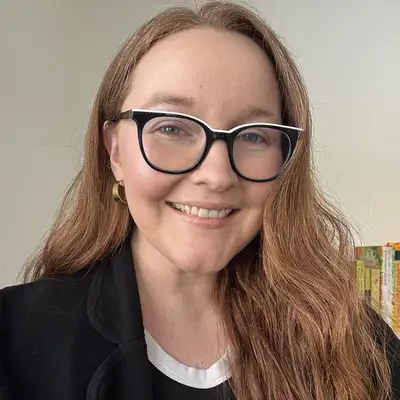
Hey everybody, this is Caitlin Bricker, managing editor at Startup CPG and not Daniel Scharff, our CEO and founder. I'm taking his place today. Again, We've got a very special episode for you today. I'm sitting down with Jacob Trumbull, founder of Roaring Fork Mill. They're a family owned stone flour mill based in Carbondale, Colorado. Jacobs created the first fully regenerative organic certified mill in the country and he's on a mission to bring heritage grains back to the Roaring Fork Valley, all while supporting farmers in transitioning to cleaner farming practices. Jacob won a shelfie Award in 2025 and went from exhibiting at his first trade show with us to unlocking 700 plus stores in just a month and a half. We're diving into why stone milled heritage flour is easier to digest than what's on most grocery shelves. What it takes to get regenerative organic certified.
01:25
Caitlin Bricker
It's pretty tough. And how he's reintroducing a wheat variety that hasn't been grown in 60 years from one pound of seed. No pressure, right? If you ask me, Jacob is certainly a leader in the field and we'll get into just why I think that, as always, enjoy. Hey everybody. Welcome back to the startup CPG podcast. This is Kaitlin and today I'm here with Jacob Trumbull, founder of Roaring Fork Mill. Jacob, welcome to the show.
01:56
Jacob Trumbull
It is wonderful to be here. I have listened and watched so many of these episodes, so it's an honor to be on it.
02:02
Caitlin Bricker
We are so happy to have you. Of course. I feel like your list of wins keeps growing. I'm not even going to attempt to name any of them off. I will leave that to you. But before we dive into all things Roaring Fork Mill, can you tell us what you do? Who is Roaring Fork Mill?
02:20
Jacob Trumbull
So we are a family owned and operated stone flour mill. We're based out of Carbondale, Colorado. We are the first fully regenerative organic certified mill in the country. So all of our products coming out of the mill house are all regenerative organic certified. We're really proud of Took a lot of paperwork and a lot of time to get there, but we made it. So we have a wholesale line of flour, a retail line of flour, and then we're also launching a line of value added products.
02:43
Caitlin Bricker
Amazing. I have so many questions for you. What is it like running a family owned business and were you at the epicenter of that or who from your family said, let's do this, tell me the origin story?
02:55
Jacob Trumbull
I was the epicenter. And I still don't know how I convinced so many family members to come along for the ride, but I'm very thankful they do. You know, the reason it's worked out well, because working with family is hard, same with working with friends, is that we all have such different skill sets. So we all have very different lanes within the business that we function in. But I did found the business in 2022 and we started out just as a wholesale flour meal. And it was really just me for the first 8 to 12 months making connections with farmers, growing some grain ourself, going to restaurants and bakeries and being, you know, are people interested in locally grown grain, stone milled flour? And very quickly I realized the answer was yes.
03:30
Jacob Trumbull
And then that's when I started bringing on different family members who had skill sets that would support the business. For example, all of our branding and design work is all of my cousin Zach, he's an artist and I convinced him to do our branding design work. First time he'd worked a CBG company. So all of our logo creation, all of our branding, it was all been him. My mother is a baker by trade, so she's developed all of our value added products. My wife has a background in biodynamic agriculture, regenerative farming, so she does all of our crop rotations and crop planning. My sister does our operations work. So it really is a family business at this point.
04:03
Caitlin Bricker
Wow. And why flour, out of all things in the world, why did you choose this product and this plant to work with?
04:11
Jacob Trumbull
It's a very niche field to go into. I used to work at a college up in northern Vermont called Sterling College. And it was based purely on sustainable agriculture. And a lot of the farming techniques were farming techniques that were being lost to time. We taught draft horse management, so how to plow fields and sow fields with draft horses and pulling plows behind. So there's a lot of old style farming techniques. And we started growing heritage grains. So I learned about how heritage grains are climate resilient, they're more nutritionally dense. Then there's two stone mill makers in the U.S. stone mills are the equipment that we mill our flour on. And one of them happened to be a town over from Sterling College up in northern Vermont. It's a company called New American Stone Mills and they make these beautiful stone mills.
04:53
Jacob Trumbull
So I would go over there and I learned about milling, especially the aspects of how it's easier to digest and especially when you're working with heritage grains, how it keeps that nutritional density intact. It adds a lot of flavor to what you're making. So I knew of heritage grains, I knew of milling. And then when I moved to the Roaring Fork Valley in Colorado, it's an agricultural community and hundred plus years ago, the staple crops were potatoes and wheat. And it shifted away to be a lot of horse ranches and alfalfa production. Alfalfa is very water intensive. So when I was mulling around a business I wanted to start, I knew would be in sustainable agriculture and food. My family has a history in delis and food. So I've been around food my whole life.
05:31
Jacob Trumbull
It just connecting and I was, oh, wheat's one of the first things that was grown here. One of the towns bias was actually named after a wheat varietal that's native to this area. So we used to be a big part of our community, slowly started bringing it back.
05:44
Caitlin Bricker
Was it an intentional move for you to go to the Roaring Fork Valley because of what you had plans for, or did it just happen to become a thing for you?
05:54
Jacob Trumbull
It just happened.
05:56
Caitlin Bricker
Wow.
05:56
Jacob Trumbull
I moved here for a job. I moved here to work for the Rocky Mountain Institute, which is a clean energy company. And I very quickly realized as my first real desk job I've had, you know, most of my jobs was hands on. I was in the farms. I used to work internationally for a while. And you were doing a lot just of moving around, being more place based in the field. This is my first time behind a computer all day. Love the mission of the company, love the company. But it just was not for me.
06:19
Caitlin Bricker
The sitting behind a computer. I feel like no matter how much passion you have for something, it kills the soul just a little bit every day.
06:27
Jacob Trumbull
There's times now as a founder that you spend a lot of time on meetings, you spend a lot of times behind spreadsheets planning things out. But especially since we make our own product, I always have the excuse of, oh, I need to go in the mill house and mill some flour and get off from behind the computer. And I also don't have service in the Milhouse. There's like a third of The Milhouse that I do, I have to go in the corner to take calls. So it's a really nice way to disconnect.
06:48
Caitlin Bricker
Milhouse sounds better than the dog house. We'll just say that I'm super interested in hearing more about your background. You working at the colleges, you just happening to land in the Roaring Fork Valley. At what point did you say to your family, let's do this. Like, take me back to that one day where you were like, here's my plan. Who's in?
07:12
Jacob Trumbull
That's a great question. So when I started the business, I was still working at this other company and I had this little mill that virtually fit in our garage. I would be on meetings with my headphones on milling flour and bagging flour. And then when the workday was over, I'd go to restaurants and bakeries and test it out. And when I started realizing how much demand there was for the product were making and how much interest there was, but how much effort had to go into it, since we're going to be farming a lot of our own product, we're going to be milling our own product and becoming a vertically integrated supply chain. That's when I really realized, like, oh, this isn't just a solo founder initiative. We're making our own product. I need more hands on the ground.
07:48
Jacob Trumbull
I need more help doing this. And since our family does have a background in food, it made sense to start looking internally. I really just started slowly bringing them on for the fun and exciting projects to get them interested.
08:00
Caitlin Bricker
Smart.
08:00
Jacob Trumbull
Yeah. Started coming out looking at what were doing. We have bakers in the family. I'd send them our flour and they'd realized the flavor involved in it. So first getting folks excited. But I do remember that first call with my mother. She's a huge part of the business now. My first call with my mother where it was really like, how about you come on and join the team then I'm so thankful she said yes, I love it.
08:20
Caitlin Bricker
And we keep talking about the mill. I am familiar with stone ground chocolate. Tell me what stone milling flour involves? What does this process look like?
08:31
Jacob Trumbull
Yeah, absolutely. So about 900 pound granite stones. I actually have a crane system to take them apart every once in a while because if we redress them and re put the grooves back in the stones so the whole crane just to move them around. But there's a hopper where you put the grain in. You put about 300 pounds in at a time. There's an auger where the grain falls down in between the stones. And there's only a couple of things on the mill you can really adjust. One is the speed of the grain falling in between the stones. And again, each type of grain has a different density. So if you're doing a hard red wheat, doing a soft white wheat, if you're doing a rye flour, a buckwheat, a millet, each of them have different densities. They're gonna mill easier or harder.
09:06
Jacob Trumbull
So you have to adjust the stones based on the amount of grain you're letting in between them. Because the pressure of the stones on top of each other is what's pushing the grain into the runner stone. The runner stone stays still. So that's really what you can adjust. You can get a whole wheat flour and then you can also attach a sifter and sift your flour. And sifted flour is what we do for our all purpose and our bread flour, because it's just a nice lighter, easier to work with flour. But I do a lot of tours of the mill. I always explain it as a very simple but complex system. Because all of it's by sound, right? You can't look inside of it. So you can hear if the stones are touching. You never want the stones touch.
09:39
Jacob Trumbull
You can hear if they're not close enough. Cause it's not grinding, right? So a lot of it is just by trial and error to starting out. And then it's experience, it's knowing how much grain to let in the time, how close to bring the stones. You can look at the flour when it first starts coming out to make sure it's the right consistency you want. But it's a really fun system. Honestly.
09:57
Caitlin Bricker
I've worked in a chocolate factory before. I've never witnessed flour being milled before. Is it a loud process? We used to have to wear like protective headphones when the cacao beans were going into the hopper. And the whole process, what is it like with flour milling?
10:13
Jacob Trumbull
I was very concerned when I first turned our larger, more industrialized mill on. Once we increased our capacity, I thought it was going to be really loud and actually ended up being quieter than our small mill we had in the garage. I could do like £10 an hour. And it's really not that loud. I still put in headphones occasionally, but it's surprisingly not very loud.
10:37
Caitlin Bricker
Wow. Yeah, that's a good thing. Gotta protect your hearing.
10:39
Jacob Trumbull
It's like a slow whirring noise.
10:41
Caitlin Bricker
Interesting. All right. And this is probably going to be a very elementary question, but I'm assuming everything you do is gluten full and not gluten free.
10:51
Jacob Trumbull
That is very true. Yeah. There is a big difference though with heritage grains that are stone milled, they are much easier to digest. So if you ever have yourself or know a friend who's gluten sensitive and they go to Europe and they say, hey, I could eat a loaf of bread and I felt totally fine. I could have pasta and I felt totally fine. It's due to the type of flour that's being used. A lot of our flour now is over processed. There's glyphosate sprayed on, there's other herbicides and pesticides sprayed on it that gets into the grain and in turn gets into the flour. Over processing of our flour is really what people can't digest.
11:23
Jacob Trumbull
A lot of genetically modified wheat variety, conventional wheat varieties, as well as have been altered to have higher gluten levels than our bodies over time have adapted to, because the higher levels of gluten in that white flour that you usually get in the store makes your bread lighter and fluffier. And during the advent of white bread that has an infinite shelf life is when we started modifying wheat varieties. So our oldest strains of wheat date back about 10,000 years.
11:49
Caitlin Bricker
Wow.
11:50
Jacob Trumbull
That's how far they've dated Einkorn. And then a lot of our heritage grains date back to about 8,000 to 6,000 years that we use. And, and our bodies over thousands of years have adapted to that. So we can actually digest gluten very well as humans. But one of the aspects is the whole wheat portion of grain, the germ and the bran of the endosperm. Those components actually help you break down the gluten. So when you have an ultra processed white flour that's stripped out all the living components, the components in there that were stripped out is actually what helps your body break down the gluten. There's an interesting stat that I saw recently. I believe it was 32% of the people in the US think they can't have gluten, whereas 3% are actually celiac.
12:28
Jacob Trumbull
And a lot of that just has to do with how we've over processed and industrialized our flour.
12:32
Caitlin Bricker
Wow, what a visual. Thinking about like a whole wheat flour, like a nice loaf of bread, versus just this very sad white bread in a plastic bag.
12:41
Jacob Trumbull
Our flour has a shorter shelf life because it actually has natural oils in it. You see a flour on the shelf that has a three to two year shelf life, that flour's dead. That's a dead ingredient. It's not doing any good for Your body for your gut. Whereas if you have a flour that has a six month to a year shelf life, that's because it has components in it that are actually alive and help you digest gluten.
13:01
Caitlin Bricker
Wow. That's definitely something to chew on. I've never thought about flour on a shelf before until just now. So I will definitely be looking at mine under a microscope from now on.
13:10
Jacob Trumbull
Well, you know, we grew up in a generation where were just used to white flour. That was the norm. You know, that's what usually got on the shelf. That's what everyone used to. It wasn't until the last really decade where these heritage grain stone milled varieties have started to come back. People are more aware of the ingredients that they're eating and what it's doing to their bodies.
13:25
Caitlin Bricker
I'm very curious about sourcing the seeds to grow these plants because they are ancient grains. Like I'm picturing this vault where you're going in and you're turning like a big lock and you have this like giant skeleton key. What does that process look like for sourcing?
13:43
Jacob Trumbull
Well, it's a really great question because we haven't made the announcement yet. But we are actually bringing on 25 new acres into our own growing capacity that we're going to use as a seed cultivation site.
13:54
Caitlin Bricker
Wow.
13:55
Jacob Trumbull
Because a lot of these heritage seeds are hard to get your hands on. And we're going to use this as a farm that we can grow hardy seeds to the mountain west, make sure they're resilient to our climate, and then redistribute them out to our farming partners simply to make sure we have the supply. Because we've had some farmers who really want to grow for us. We just haven't been able to find the seed for them to grow. So we're going to start growing it ourself, which is super exciting. There are some varieties that have become more popular that are easier to find, like a white Sonora, which is great for an all purpose, a tricky red, which is a hard red winter wheat. But we also have discovered that there's some varieties that we need to go to other seed banks for.
14:30
Jacob Trumbull
There's a great organization down in Boulder, Colorado called Masa Seed foundation. And we are actually going to work with them to reintroduce a native wheat variety to our area. And they have one pound of it. It's a wheat variety called Defiance Wheat, which I had never heard of until being about two years into this business. And it was grown specifically in the Roaring Fork Valley. And it hasn't been grown for about 60 or 70 years. They thought it was completely gone and they just found one pound of it. So we're going to reintroduce it to our area and bring it back. But you're right, it can be challenging, but we're going to start growing it ourselves.
15:04
Caitlin Bricker
One pound is not a lot of seed.
15:06
Jacob Trumbull
A little nerve wracking.
15:07
Caitlin Bricker
Yeah. You better not mess this up.
15:09
Jacob Trumbull
I know. That's enough. You just like accidentally drop it and it's gone.
15:13
Caitlin Bricker
Oh, my God. Wow. No pressure, right?
15:17
Jacob Trumbull
Yeah.
15:18
Caitlin Bricker
All right. Sounds like you've had a lot of achievements with building this business. I mean, vertically integrating. Like, I've never heard somebody so passionate about wheat before. So this is very refreshing to me. I feel like I'm learning a ton right now. And if retailers are having the same reaction that I'm having listening to you, I know why you're winning. So can you tell us about these wins that you've had? The first one that I am familiar with is you won a shelfie award for 2025. And that was my introduction to you and your brand too. And were all blown away, super impressed by what you were doing.
15:56
Jacob Trumbull
Thank you. I appreciate it. And that Shelfie award was for our rye flour, as far as I'm aware, the first regenerative organic certified flour in the US to get the ROC certification. Since then, there's a few different mills that have popped up with one or two SKUs of regenerative organic certified flour. Whereas now we just launched seven SKUs, which we're super excited about. But that really helped, you know, that Shelfie was impactful for us. It put us on the map and it opened up doors and conversations for us to be able to talk to retailers, have a more legitimate story about what were doing. And since then, we've had a lot of wins. A lot of them have been in thanks to startup cpg. We went to our first big trade show with you all.
16:36
Jacob Trumbull
We went to the Unify show out in Long beach. And stemming from that, within about a month and a half, we unlocked. I think we're up to 700 plus stores now.
16:47
Caitlin Bricker
Whoa.
16:47
Jacob Trumbull
Incredible growth for us. Absolutely amazing. We're launching in most of those in the next week to two months. So as soon as we're off this call, I need to go palletize some things and get them off into trucks to go to AJ's in Phoenix and then Raley's out in California, which is really exciting for us. But, yeah, you know, we're launching with a nationwide retailer in June. Then we have a lot of smaller retailers we're launching into. And then one of the great things as well about the Unify show is it really helped us understand what those shows are about. It's hard to fully understand it until you're on the ground doing it. And we started as a farmer's market brand, so we tailored our pitch every single day at farmer's markets.
17:27
Jacob Trumbull
And if anybody is starting out a brand, I would highly suggest doing farmer's markets. It's almost a way to get paid to work on your pitch.
17:33
Caitlin Bricker
It's a really good way to look at it.
17:35
Jacob Trumbull
And our product has come so far in the two years since we started doing farmer's markets, simply because you get feedback all the time. But then going leveling up from those farmers markets to the trade shows was an incredible experience.
17:47
Caitlin Bricker
Wow. So 700 stores and you've been in business for how long?
17:53
Jacob Trumbull
So we started in 2022, but we launched our retail line about a year and a half ago. So it's been very quick growth on the retail side, which is why went into the retail section. We were just getting enough people asking about it to put it on their shelves and individual consumers. And then one of the big areas of growth for us is understanding that there's only a certain subsect of people who want to buy a bag of flour. There's a lot more people who want to buy a bag of cookies. So we launched our line of value added products. We soft launched it about three months ago. It's hitting shelves for the first time next week. Really? As soon as Raley's and AJ's get these pallets, I'm about to ship out this afternoon.
18:31
Jacob Trumbull
And that's what's really going to change the scope of our business.
18:34
Caitlin Bricker
Right?
18:34
Jacob Trumbull
Because we have this really unique regenerative organic certified flour. And now we can make products with that flour that are also regenerative organic. And a lot of retailers right now are looking for that ROC logo. And for us, that's what it's really all about. Right. We started this business not just for a healthy staple ingredient, but to help farmers transition to cleaner and healthier farming practices. And really our mission is based in soil health. So the more bags of cookies or bags of flour we can sell, the more farmers we can support in transitioning their farmland over to regenerative organic practices and more climate resilient grain we can grow. So it really all comes back to us, to the farmer side and the soil health side.
19:15
Caitlin Bricker
This really is so inspiring. I mean, your passion comes through when you're talking about this. Who knew, right? Like, who knew that wheat could do this?
19:24
Jacob Trumbull
Looking back, I would never have assumed that I would be in the flour business, but here we are.
19:28
Caitlin Bricker
Things happen for a reason. I hate to say it's so cliche, but they do happen for a reason. And I got to try the cookies. I believe it was at Nootopian now.
19:37
Jacob Trumbull
Yeah, yeah.
19:38
Caitlin Bricker
In your backyard.
19:39
Jacob Trumbull
Yeah.
19:39
Caitlin Bricker
They are delicious. You know, I used to be such a hater on whole wheat, like, oh, almond mom type deal. But now I'm like, why would I ever eat white flour unless I was in like a situation where it was an emergency.
19:52
Jacob Trumbull
Absolutely. Those cookies that you've tried actually two days ago just won a big award that I cannot announce yet, but you'll have to keep an eye out for.
20:04
Caitlin Bricker
So, so cool. And what are your goals, retail wise or wholesale wise? Where do you envision Roaring Fork Mill going or being in the future?
20:16
Jacob Trumbull
Absolutely. We do want to continue to grow our retail presence. Right. We are positioning ourselves to be a leader in the regenerative space as it comes into fruition and as it grows. We are positioned really well to be a leader in that we also have a chance to grow significantly on our business to business side. Right. There's a lot of brands who are looking to create a regenerative organic certified product. And there's really only a couple spots you can go to if you're looking to make a baked good. Right. There's really only a couple places you can go to for a flour and regenerative organic certification is all based on weight percentages and ingredient percentages. And flour is often one of the heavier ingredients you're adding into your items. So we have a significant area of growth in business to business sales.
20:56
Jacob Trumbull
We also increased our production volumes. So now we can start expanding our wholesale 50 pound bag business. So we're starting to work with more restaurants and bakeries and that'll always be a staple of our business.
21:07
Caitlin Bricker
Right.
21:08
Jacob Trumbull
That's consistent sales every month. You know how many pallets or how many bags restaurants or bakeries are ordering. But our focus right now is retail growth. We have onboarded through unifying khe onboarded in quotation marks. We're about a month into the process of onboarding. I still haven't finished the onboarding process, but you'll get there. We will be onboarded soon. We also just onboard with Pod Foods for a certain retailer that asked us to and we still self distribute as well. We just got a warehouse space down in Denver that we are storing some product in simply to make distribution and shipping easier. It is a challenge to ship from where we are.
21:40
Jacob Trumbull
We're high up in the mountains and with how expensive shipping costs are right now, it just made sense for us to move some of our product down into the Front Range in Denver.
21:48
Caitlin Bricker
So much to think about and I would be totally missing the mark if I didn't ask you more about the ROC certification. What does that look like from a founder perspective and any advice that you can give to other founders listening or considering going for it?
22:02
Jacob Trumbull
I would say it's the most impactful certification that we work on. It's one of the most wonderful group of people as well, because there really is a passion for soil health and healthy farming practices. And I think something that gets forgotten is that most brands have a significant amount of their ingredients that come from the soil that are grown. And if they don't, that could be an issue in itself.
22:26
Caitlin Bricker
Whole different podcast.
22:28
Jacob Trumbull
Yeah. Being in the natural food space, like we forget where our ingredients come from. And that Regenerative Organic alliance and that ROC certification focuses on what is going into the ground inputs, water consumption, soil health, and soil is life. You know, if we don't have topsoil, there is no ingredients being grown in the future. That's going to have a significant impact on us, all of us moving in future. We have less and less access to water as we move forward. We just had our driest winter on record in Colorado. We just went to turn on our head gate to start water flowing into the farm and the water's not even hitting the head gate. We don't have water. So the regenerative organic certification is all about continuing to create sustainable products. You need to be organic certified before you can be regenerative organic certified.
23:13
Jacob Trumbull
And the organic certification process takes time. It takes a lot of documents, a lot of Excel spreadsheets. And it's costly. It really is costly. So there needs to be a real look at your margins. Is it worth it for us to get organic certified? It does open up more retail shelf opportunities for some retailers that won't look your product unless you do have organic certifications. And then you need to have X amount of your ingredients be regenerative organic certified and it can be hard to source. The regenerative organic supply chain is still growing, it's still being built out. So there is some ingredients that just don't have an option. We had to redo some of our formulas cause there's not a single dairy provider in the world that is regenerative organic certified right now. So you can't add milk, you can't add butter.
23:55
Jacob Trumbull
That's regenerative organic certified. So it's still growing. But if you do believe in clean labels, if you do believe in healthy farming practices, it's something that I really hope everyone looks into.
24:04
Caitlin Bricker
Wow. So you really are on the ground floor of this thing. I had no idea. I am so green to that because on the consumer side of things, I talk to brands, but I'm not making a brand. I'm not a brand founder, I'm not working with a CPG brand. So I see the certifications pop up on the packaging and I knew organic certification was expensive and a lot goes into it. But the ROC that sounds like, whoa. It really sounds like the brands that truly care about what they're doing with the soil and their ingredients and their practices, that is like gold standard.
24:40
Jacob Trumbull
Yeah. It's hard to do half heartedly. So if you are looking to do it now, you are on the ground floor, you're building this certification, which is really great because you can be a leader in the field, but you do also have to get creative. You might need to be the one that creates a whole new vertical of ingredients that are C certified. Maybe you can be the one that supports a farm to transition. Right. We've supported some farmers in their transition to be regenerative organic certified and start growing heritage grains for us because we needed to make sure we had the supply chain to grow. But it is also the fastest growing clean label. There are a lot of large retailers that have made a pledge to buy X amount or have a X amount percent of regenerative organic brands on their shelves.
25:19
Jacob Trumbull
We just had a big retailer out in the west coast that asked for all nine of our SKUs because they made a pledge and we're one of the only ROC brands they can go to. So it is a great avenue for growth, but you need to really believe in it. It's hard. You have hardly. I feel like the organic certification has gotten a little more greenwashed and it's not nearly as challenging to get. But the RFC one is that you really need to be dialed in.
25:39
Caitlin Bricker
Yeah. I mean what you're saying about the greenwashing is so true. As you know, there's a lot of language floating around, especially in the natural product space. Yeah, natural is an unregulated term. So you could say my product's natural. But like, what does that even mean? Because nobody's checking in on you. And clean, like, clean doesn't even have standards. It's a spectrum. It's just like safety is a spectrum. It's like, okay, if it's safe to you, it might not be safe to somebody else. If it's clean to you, it might not be clean to somebody else.
26:12
Jacob Trumbull
Absolutely.
26:12
Caitlin Bricker
Give me a lot to think about here. And let's give the listeners something to think about, too. Can you drop your website and your social handle so everybody can find out where you are and how to get their hands on you?
26:25
Jacob Trumbull
Yeah, absolutely. Our Instagram is roaringfork_mill, and every Monday we're highlighting one of our SKUs and we're putting discount codes out. So if you are looking for some flour, now's a great time to tune in. Every Monday, we're putting out those discount codes. Our website is roaringforkmill.com we'd love you to check it out. We are hoping to launch a YouTube page soon, so stay tuned.
26:46
Caitlin Bricker
I need to see what's going on. I mean, you said leader in the field when you were talking about Roc, and I'm like, that's literally you in the field. Well, congrats on everything that you've accomplished. It's been a pleasure having you in the community. I feel like you are modeling exactly what we tell founders to do. Take advantage of these situations, these opportunities that are put out there, and then create great products and people catch onto it. You're clearly operating with heart and people are noticing that retailers are picking you up. 700 Stores is crazy a year and a half into business, so you have so many things to be proud of, and we are proud to have you in the community.
27:26
Jacob Trumbull
I've learned so much from listening to this podcast series and then being able to go to these shows. It really does have a significant impact on the company. And one of the fun things about being a founder is you learn something new every single day. And I learned so much from you all. I'm very thankful.
27:41
Caitlin Bricker
It's endless learning opportunities. Endless. Every single day, there's something new. And I think the best part about this community is that nobody knows everything. Everybody knows something. Everyone has something to learn from each other.
27:56
Jacob Trumbull
Yeah, it's one of the things I've really enjoyed is people are super helpful.
27:59
Caitlin Bricker
Yes.
27:59
Jacob Trumbull
In the founder space and just in the CPG space, people are really helpful. And I think it is partly because we're all doing something similar, but most of us are in different verticals in different spaces. We're not necessarily Competing for shelf space against each other, even if we are. I've learned a lot and shared a lot of information with other small flour mills, and everyone's just been so kind and so helpful. And I've learned so much from just chatting with a founder for five minutes. Unlocked a big shipping hack by running into somebody who was a founder and were chatting about ways to ship. And it's really helpful to share information as a solo founder, too. You can really get in your own head and just keep running around the same ideas.
28:37
Jacob Trumbull
But if you share those ideas and get into spaces with other people in the CPG space, it can save you a lot of trial and error.
28:43
Caitlin Bricker
Well said. No doubt that this episode is going to give founders and retailers a lot to think about. I know I will for sure be looking at the flours much differently when I go into the baking aisle now. So I need Roaring Fork Mill in Massachusetts asap. So keep me updated.
29:01
Jacob Trumbull
Absolutely. We're working on it. We're going to be at the summer fancy food show. It's our first time going to the East Coast. We're starting to make our way over there.
29:07
Caitlin Bricker
Back to your roots? Yeah, not quite wipe them up, but you're getting there. Jacob, thank you so much for your time and I'll see you soon.
29:15
Jacob Trumbull
Absolutely. Thanks so much, Caitlin. I appreciate it.
29:17
Caitlin Bricker
Bye.
29:17
Jacob Trumbull
All right, Bye. Bye.
29:20
Daniel Scharff
Well, my friends, we've now arrived together at the end of another episode of the Startup CPG podcast, the top globally ranked podcast in cpg. As you may know, we're not just a podcast. We're a community of brands and experts and you should join. You can sign up @startupcpg.com you'll then get an invite to our online Slack community. You're going to hear about amazing events near you, all of our special opportunities to get you in front of buyers, investors, brands and more. It's a free community. So what are you waiting for? I will see you there or on our next episode. Bye Bye.