Subscribe
Share
Share
Embed
Four lifelong friends, all clinical psychologists, unpack the latest in current events, pop culture and celebrity news through the lens of psychology.
Vanessa (00:01.016)
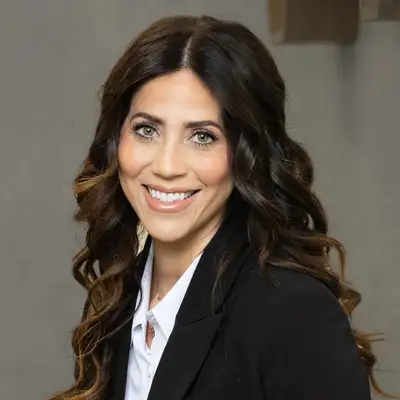
Welcome to The Shrinkdown. In honor of National Autism Month for April, we have a guest here today. We have Dr. Rachel Lofton, who is a clinical psychologist and chief clinical officer at Prosper Health, a neurodiversity affirming company that aims to make life happier and healthier for autistic adults. At Prosper Health, Dr. Lofton created the evaluation therapy and community-based programs and trained over 150 clinicians to provide diagnostic evaluation and evidence-based therapies.
But before we pepper her with all of our questions, we're going to do our formative fave. She's going to join us today. I'll have you go last. You can let us go first so that you can get the feel of how we do things. Who wants to go first today?
Lauren (00:35.781)
Yeah
Teri (00:41.38)
I'll go first.
Lauren (00:41.469)
I'll go. go for it, Terry. You go right ahead. Yeah.
Wilhelmina (00:42.917)
Yeah.
Teri (00:45.784)
Mine's very brief. I was gonna do one thing, I'm gonna do something else. Mine's sort of a hack. Maybe this might be something that everybody else is aware of and I'm not. But I got, so I get emails daily from the skim, S-K-I-M-M. Yeah, where it gives you just sort of a quick rundown of news, pop culture. I don't often open it and look at it, but I did today. And there was a link for Sephora.
Vanessa (00:55.972)
Hahaha
Lauren (00:56.13)
Lauren (01:01.649)
Yes.
Wilhelmina (01:02.542)
I do too.
Teri (01:13.114)
to use a direct link that takes you to Sephora's webpage to use your FSA or HSA funds or card. So anything that qualifies to use your HSA card. It's mainly sunscreen, but there was other, yeah, it's filtered for you. So you just click on the link and it's filtered and you can zoom around and use your.
Lauren (01:13.844)
yeah.
Wilhelmina (01:22.416)
How?
Lauren (01:26.803)
Do they filter it for you? interesting. That's cool. Yeah.
Vanessa (01:26.82)
Yeah.
Wilhelmina (01:30.325)
that's nice.
Teri (01:38.79)
HSA or FSA funds and there was some other skincare products. It wasn't just sunscreen, but mainly sunscreen and good stuff like goop and you know, some of the other brands or super goop, whatever it's called. So I liked that and I think that's a good thing ahead of spring and summer and use up some of your money if you have some sitting out there.
Lauren (01:44.979)
Cool.
Vanessa (01:45.85)
Yeah. Yeah.
Lauren (01:53.127)
I like that hack.
Yeah.
Vanessa (01:58.896)
That's a good idea. Yeah. Thanks for sharing.
Wilhelmina (01:58.905)
Yeah, that's awesome. Especially since that sunscreen is so expensive if you're getting like, I use Elta MD Super Goop and I'm always like, I just spent a fortune on sunscreen. Yeah, I know. You spend a day out at the beach, you're like, and it's gone.
Lauren (01:59.313)
That's smart. We always leave too much in her.
Vanessa (02:04.72)
Good. Yeah.
Lauren (02:08.051)
Yeah, yeah, yeah, and these teeny tiny little bottles. That's funny. Well, actually, in the spirit of it getting warmer and things like that, I have a little gift that is going to be going in the boys Easter baskets. But I wanted to share it because I think it's a really cool thing for
Vanessa (02:08.976)
Yeah. my goodness.
Teri (02:10.106)
Yeah. Yeah.
Yes.
Teri (02:17.134)
Yeah, that's it. How about you, Lauren?
Lauren (02:35.525)
summer as it gets warmer, it would be a really easy gift for, well, yourself or anybody. But it's called the Shake It Cool. I if you guys can see it, the Shake It Cool rag. Okay. It comes in this cute little bag, which you can, so I got it for the boys to stick on their golf bag. It's got like one of the little things that you can stick it on there. And you just get it wet and you can get it wet with warm water, cold water, and then you literally shake it and it is ice cold.
Wilhelmina (02:46.839)
I have something like this different name, but yeah.
Lauren (03:05.315)
and it stays that way and easy to wash that kind of stuff. But and you can like store it in the tiny little bag. So it's just kind of a fun thing. Put it around your neck, you know, whether you're outdoors doing yard work or things like that, or you have somebody in your life that easily overheats and gets maybe cranky potentially because of that. I thought it would be a good little gift. So shake it cool.
Teri (03:05.946)
Mmm.
Vanessa (03:05.967)
Mmm.
Vanessa (03:28.112)
We were just talking about in our last episode, perimenopause, menopause, so hot flashes. So that's a good one.
Lauren (03:31.003)
Yeah, actually that would be, that's a good hack to keep next to your bedside. Yes, I love it. Yes, so maybe a little self-gifting. Wilhelmina, what about you?
Teri (03:35.908)
Yeah?
Wilhelmina (03:44.859)
So I am going to, what am I, I just started this, a TV show, The Pit. Have you guys heard of this? Mm-hmm. Yes. So it is a medical drama. So if you're a fan of like Grey's Anatomy, ER, things like that, but it's set similar to the show 24. So every episode is one hour in the emergency department, which they call The Pit, because it's, well, they call it The Pit.
Lauren (03:51.204)
Mm. Noah Wiley. Yes.
Vanessa (03:51.829)
No.
Lauren (04:11.987)
Yes.
Wilhelmina (04:14.885)
And it's also set in Pittsburgh, so I think it's kind of a double meaning. And as Lauren mentioned, it stars Noah Wiley, who is quite dreamy. He has aged very well, yes. I was like, a fine wine there. I will say this though. I will say this though. ER, Grey's Anatomy, those were like network shows.
Lauren (04:24.743)
He's aged well. He looks like just like...
Teri (04:24.794)
Oh, really? Oh, I left them out.
Rachel Loftin (04:27.022)
You
Teri (04:31.162)
Okay, I'll have to watch. Okay.
Lauren (04:42.375)
Yeah.
Wilhelmina (04:43.437)
This is very much, this is like HBO or Max or something. And it is very graphic. So it has, so I actually said Owen wanted to watch it and I was like, Owen and I watched tons of horror movies. So we have a very high tolerance for gore, but Owen does not like medical stuff. Like if someone's getting needles in or things. And I was like, you're not, you're not gonna like this. Cause it's, I like.
Vanessa (04:47.023)
Hmm.
Teri (04:51.226)
Mm.
Lauren (05:08.015)
interesting.
Vanessa (05:08.148)
You
Wilhelmina (05:09.627)
have been watching, there's a scene, I haven't gotten to this, but I've heard of it, of a woman giving birth. And like, they have OBGYNs watching this and being like, this is very accurate. So it is very graphic, but very good. So you just heads up with that part. Vanessa. Yeah, it's really good. I can't stop watching it now. I'm like, have to, and there's no stop, because it's just like one leads into another, so you can just binge.
Lauren (05:18.195)
Mmm.
Okay.
Vanessa (05:21.668)
Hmm. Okay.
Teri (05:24.004)
Okay.
Lauren (05:27.101)
Yeah, I've heard good things.
Lauren (05:34.343)
Yeah. Keep going.
Wilhelmina (05:38.981)
Vanessa, what about you?
Vanessa (05:39.248)
So I was deciding what to share while I was doing my makeup. And then I was like, oh, I'll share this while I was doing makeup. So I'm sharing the brow pencil that I use for my eyebrows. So it's Brow Wiz by Anastasia of Beverly Hills. So I'm sure you guys have seen this. But I love this. They have a really good range of colors selection, which I like, because not everybody uses the same color. So I like it when they have a lot of diverse, even in like,
Lauren (05:55.975)
Mm-hmm. Mm-hmm.
Vanessa (06:09.136)
brown hair. People don't realize there's different shades of brown, right? So one side's a pencil, and it's one of those retractables. You don't have to use a sharpener anything, which I like. And then the other side is the little brush, so you can, a little spoolie. And so I fill it in and use the brush. And my eyebrows tend to grow down. Some people are blessed, and their eyebrows go up. kind of go down. So I also use the brow gel that she has. It's the Brow Freeze Gel. It's very tacky.
Lauren (06:10.064)
Mm-hmm.
Mm-hmm.
Vanessa (06:38.668)
like crazy glue almost. So you have to like really like I clean off a lot of it off. It's just a little goes a long way ladies. So you just need a little bit of it. So I use this to I used to get my eyebrows laminated all the time where you know they like straighten it. And so yeah and I was kind of you know first of all I it's a lot of time to like drive yourself and then you know then sit there. So I was like is there something else? So this works almost
Lauren (06:39.731)
Like wax.
Wilhelmina (06:42.585)
god.
Lauren (06:47.27)
Mmm.
Teri (06:53.174)
I remember when you did that. Yeah.
Wilhelmina (06:54.661)
Yeah, me too.
Lauren (06:59.345)
Yeah.
Vanessa (07:05.912)
as well as going to get laminated. But you only need a tiny bit. I actually bought the travel size, which I think is plenty because you only need a little bit. And it starts to like anything get kind of like gross after a while. So I use that, brush it up, and then I just wait like a few seconds. And then I just take like a dry, you can use the one from the eyebrow. then just like brush it up some more. And then it just freezes just like that. So that's how I my brows.
Wilhelmina (07:27.087)
I'm just laughing because I know I would mess that up and I'd have like, WONKY eyebrows!
Vanessa (07:29.584)
If
Lauren (07:30.163)
Do it, do it the wrong way.
Vanessa (07:32.848)
Well, no, mean this I mean the gel just lifts them up It's really I think the tricky part is the pencil piece is making sure you like if you fill in your eyebrows like that But you really when you're filling your eyebrows, it really should just be filling in the gaps not drawing like a whole new eyebrow
Lauren (07:45.713)
I mean, unless you don't have any. I mean, it'd be nice to just fill in those gaps.
Wilhelmina (07:46.235)
you
Teri (07:47.374)
Which some, some, some.
Vanessa (07:53.52)
film gaps but this one's a good one it stays on it's really good so if you're looking for a new breath pencil this one's a good one all right Rachel what are you going to share with us
Rachel Loftin (08:01.228)
Mine may be a little too dorky for this audience.
Vanessa (08:03.821)
there's no such thing. We've shared all kinds of things on here.
Lauren (08:03.995)
No, definitely not.
Wilhelmina (08:04.207)
No, no.
Teri (08:04.576)
No, no, No.
Rachel Loftin (08:07.866)
I have gotten really into my whiteboard in the office. And so I have a job now where I'm constantly prioritizing and tracking things. And I don't have the world's best executive function. the whiteboard has been absolutely amazing. I have different categories. So, you know, what's high priority this week, and then I break it down by the day. And then I've got what are the bigger picture things to keep my eye on? And then what are some random things? And it's color coded. And I absolutely love it.
Wilhelmina (08:12.315)
Rachel Loftin (08:37.784)
There days where I have the option to work at home and I stop and I think, well, my whiteboard's at the office. I better go in and I go to the office.
Lauren (08:42.479)
I need my whiteboard.
Vanessa (08:43.3)
Hahaha.
Teri (08:45.188)
So Dan has two whiteboards in his basement office here at our house because when he left the hospital setting, when he would work in person full time, that was his favorite thing in his office because he would do the same thing and organize his projects and meetings. And so now he's got a downsized version of that at home.
Lauren (08:51.015)
Yeah.
Lauren (09:05.575)
We have a clear version of the whiteboard in our office and the kids now write messages to my husband on said whiteboard. So it gets a little disorganized in that regard. But that's a really, yeah, it's a good idea. Visual. sometimes the messages are a little hidden too. It'll throw my husband off when he's on a phone call and he's looking to refer to something that he's written down and there's a little message there or a little drawing.
Vanessa (09:13.936)
You
Rachel Loftin (09:18.434)
There's no way I would let my kid touch this whiteboard. would be in so much
Teri (09:21.944)
haha
Rachel Loftin (09:33.09)
Vanessa (09:34.384)
You say it like executive function, but you're like, it's color coded. I'm like, see, I don't even have the wherewithal to color code. That's amazing that you do that.
Lauren (09:40.039)
haha
Rachel Loftin (09:41.6)
No, no, no, it's color coded, but the way my brain works, I'll do it one way and then I won't remember the system. then like it's ever evolving.
Wilhelmina (09:48.143)
Yes, that's what I would do. That's what I would do. Yeah. I'd be like, what color do I feel like right now? Exactly.
Vanessa (09:48.4)
That's what that, okay, so was like, yeah. Today purple is important.
Lauren (09:48.785)
Yeah.
Right,
Rachel Loftin (09:53.422)
That's the color code.
Teri (09:55.598)
Yes. Yeah.
Rachel Loftin (09:57.75)
And also what's the whole aesthetic? That's what really matters.
Teri (10:00.719)
Yeah.
Wilhelmina (10:01.349)
So I have a question because I actually just started the book, Now It All Makes Sense. And he mentioned that he has a whiteboard that keeps him organized. I was like, actually today was like, I should get a whiteboard. How big a whiteboard are we talking? Okay.
Rachel Loftin (10:16.204)
Mine's huge because I no longer see clients. So there's nobody in my office except me and colleagues who can see whatever is up there. So I don't have to worry about anything outward facing. So it's really big, but I also have a big daily planner that opens up. And on one side, it's a schedule for the day and the other side, it's just paper. And I use that in kind of a similar way, but down to the hours in the day, like to keep me on track.
Wilhelmina (10:42.351)
Yeah, I have to do that too, yeah.
That's neat. I love that.
Lauren (10:46.151)
I love it.
Vanessa (10:48.538)
Good. Excellent. Well, thank you, everyone, for sharing. All right. So we are going to start asking Rachel questions. We're going to kind go around, and then we'll kind of just kind of throw out our questions for you. Anyone want to start questions?
Lauren (11:04.627)
So I think when we were discussing the questions that we wanted to ask, think, Tiri, you had a kind of introductory question, initial question, just to get the discussion rolling.
Teri (11:14.594)
yeah.
Sure.
Wilhelmina (11:17.295)
Well, and I was going to say, I don't know if yours is going to cover this, but does Rachel want to like kind of give just an overarching kind of description? Yeah. And then we can kind of start there. Sorry. Like, yeah. Yeah. Overarching description of like how you would kind of define autism and its characteristics for anyone who's listening and doesn't kind of.
Teri (11:24.708)
Definition.
Vanessa (11:26.468)
Yeah, that's right there.
Lauren (11:26.611)
Thanks
Rachel Loftin (11:30.478)
overarching description of autism or of me and what I've done or like I don't know the
Lauren (11:30.739)
it works.
Wilhelmina (11:45.891)
We all sort of understand that, but someone listening may not.
Rachel Loftin (11:49.582)
Sure, sure. So autism is what's known as a neurodevelopmental condition. And neurodevelopmental conditions are those things which have some signs very early in childhood or even going back to birth or before birth, but they stay with the person throughout their lifetime and affect development and put the development onto a different course. What makes autism stand out is it's primarily affecting social and social communication.
Whereas other neurodevelopmental conditions like ADHD, yeah, there might be social effects and there often are social effects, but it isn't one of the core characteristics. Autism, besides being known for affecting social and communication, it also tends to come along with restricted interests or repetitive behaviors or sensory seeking behaviors. And so...
an insistence on sameness and routine, you know, need for things to be a little bit more predictable. That's generally like the definition. think historically, you know, we've always looked at autism, diagnosed autism in kids and especially in young kids. And what we've seen over time is it doesn't.
Lauren (12:54.651)
I love that.
Lauren (13:01.831)
Mm-hmm.
Rachel Loftin (13:07.874)
go away, the way it looks changes with age. people certainly develop some skills or have different mental health conditions, which can affect how autism signs present. So the symptoms change over time. The presentation changes and kind of evolves over time. And so what we know and what we've really learned about kids doesn't always necessarily apply when we're looking at adults. And so that's made things kind of complicated.
Wilhelmina (13:30.757)
Mm-hmm.
Vanessa (13:32.08)
Mm-hmm.
Lauren (13:33.587)
Absolutely.
Teri (13:36.122)
Well, then my question sort of dovetails into that. think, Rachel, you and I have shared some cases back when you were doing more clinical work. And I know that my understanding of more nuanced, know, level one, higher functioning, whatever, you know, sort of whatever label we want to attach to it, the more of a nuanced female presentation and what that looks like. And I feel like our field of clinical psychology as a whole,
has made some tremendous gains in terms of that. If I think back to what I learned in college 25 years ago, except what we all learned in graduate school 20 years ago. But what are your thoughts about understanding what more nuanced female presentations look like? Maybe a bit in younger kids, younger girls, but then also in teens and women as they move into adulthood.
Lauren (14:15.453)
All right.
Rachel Loftin (14:30.828)
Yeah, well first off, I would just use the phrase low support needs rather than high functioning. think when
Teri (14:36.59)
Yeah. That was the phrase I couldn't come up with. Yeah.
Wilhelmina (14:37.327)
Hmm. like that.
Lauren (14:39.217)
I loved it.
Rachel Loftin (14:41.964)
Yeah, so the idea is we wouldn't say high functioning because it kind of undermines the actual support that people maybe with more subtle autism characteristics very much may still need. And we also don't want to refer to people at the other end as low functioning. That's not a positive way to think about or describe someone. So framing it terms of support needs, I like it too, because it's also very action oriented. Like, what do we need to do to appropriately support people? The research on girls and women is very much still
Vanessa (14:47.107)
Bye.
Lauren (14:58.087)
Right.
Vanessa (14:58.852)
Mm-hmm.
Lauren (15:03.813)
Yeah. Yeah.
Wilhelmina (15:04.004)
Mm-hmm.
Vanessa (15:05.85)
Mm-hmm.
Rachel Loftin (15:11.672)
coming out. For very long time, we tended to look at boys in a very boy-oriented presentation in autism. I was certainly trained to think that boys are diagnosed and are autistic at a much, much, much higher rate than girls. And the more we learn, to some extent, that can be true in certain situations and certain autism phenotypes. But
Wilhelmina (15:27.451)
Mm-hmm.
Lauren (15:27.559)
Yes.
Rachel Loftin (15:38.734)
you know, it seems like we were looking for a lot of the wrong things and looking, you know, we were looking for what we had already found rather than looking to see how this could present in different ways. And so what some of the recent research has shown is that the early development can look quite different for girls. For instance, girls tend to show more social interest. Even if they are autistic, they may still be very interested and maybe very actively, like seeking out other people and trying to make connections.
They may also have more intact play skills and actually show pretend skills and things which we typically don't expect to see or at least historically haven't expected to see in people who go on to be diagnosed as autistic. There are other things like that that we're learning as the research evolves, but it's gotten really tricky honestly to kind of sift through that early history and really pull out the things that are.
Lauren (16:17.147)
Right.
Rachel Loftin (16:32.394)
emblematic of autism because I feel like we just don't have a very solid sense yet of what that is in girls. As girls get older though, it becomes clearer that social interactions are impacted. A lot of times the social interactions get much more difficult to navigate. And we've said for, you know, 20 years, I can remember we've been saying that for those people with lower support needs, so
you know, somebody with an intact IQ with pretty good verbal skills, you usually don't see really clear signs of autism. It might be a little harder to diagnose until they're a bit older. So back with DSM-IV when we had Asperger's disorder as a diagnosis, the average age of diagnosis was something like eight or nine rather than, you know, the toddler age that we're often able to detect autistic disorder.
Lauren (17:01.49)
Mm-hmm.
Lauren (17:19.155)
Yeah.
Teri (17:25.336)
Mm-hmm.
Rachel Loftin (17:25.608)
And so the same thing kind of comes true for girls that they might be a little older before we can really tell they're having social difficulties. Because if you think about the way really young kids play, it's often very simple, it's chasing. There might be some reciprocity involved, but there isn't a lot of complex social thinking and understanding of the other person's mood or the other person's intentions. You can usually just kind of mimic and go along with that. And so...
Lauren (17:39.143)
Yeah.
Rachel Loftin (17:53.068)
A lot of people who do have social challenges might still have some of that basic mimicry intact, and it might be really hard to detect that there's a social problem until they get quite a bit older.
Lauren (17:59.507)
Sure.
Lauren (18:05.383)
That makes a whole lot of sense. yeah, and so one of the things that I was wondering, Rachel, because I see a fairly large population of adolescent and young adults that are presenting and interested in this diagnosis or presenting and questioning whether or not they have this diagnosis. So one of the things that I've been wondering is, the rates of autism increasing?
Teri (18:05.56)
That completely tracks.
Lauren (18:34.501)
Are we getting better at diagnosing it and diagnosing it later? Or is social media influencing the presentation of folks to a diagnostician for an autism diagnosis? Or is it a little bit of all of those things?
Rachel Loftin (18:55.426)
Yeah, one thing that's very clear is one of the commonest, most common co-occurring conditions with autism is social anxiety. And it not only co-occurs, it's also one of the hardest differentials. And so what we saw happen with the pandemic is social anxiety seemed to increase for a lot of people who are adolescents and young adults because they didn't have those social exposures that were part of their
Lauren (19:05.447)
Yeah.
Lauren (19:10.291)
to piece the part, yes.
Wilhelmina (19:10.893)
Interesting. Yes.
Teri (19:11.415)
Yes.
Lauren (19:23.623)
Yeah. Yep.
Rachel Loftin (19:24.694)
normal life. So I do think there was a very real increase in the amount of social anxiety, which can be misperceived as autism for sure. Anybody doing a good autism evaluation, though, is going to get a developmental history and be really thorough in understanding what childhood was like. And that developmental trajectory is going to look really different in social anxiety than it does in autism. So you'd have to see some core autism features present.
Vanessa (19:34.97)
Mm-hmm.
Lauren (19:41.444)
history.
Rachel Loftin (19:54.678)
earlier in childhood than you would typically see any kinds of social anxiety signs. But also, you know, somebody who's socially anxious may show difficulty in social emotional reciprocity, which is an autism sign. They might show difficulty in nonverbal communication, which is an autism sign. They may have difficulty in their interpersonal relationships with an autism sign. But you wouldn't expect them to have the kinds of interests and repetitive behaviors or insistence on routines or things in quite the same way. Usually that's
Lauren (20:14.547)
Mm-hmm.
Vanessa (20:15.61)
Mm-hmm.
Rachel Loftin (20:24.716)
If you can't differentiate by looking at early history, you can usually differentiate by looking at the pattern of interests and behaviors and how that presents. But at the same time, Lauren, there are absolutely a lot more professionals who know about autism and can diagnose it. And so rates have increased. There's a lot more awareness. There's something called diagnostic substitution, where people who used to be called something else are now diagnosed as autistic. And this is most clearly depicted if you look at
Wilhelmina (20:50.574)
Hmm.
Lauren (20:51.698)
Yeah.
Rachel Loftin (20:54.594)
data from the regional centers in California back in the 90s, you would see as the diagnoses of intellectual, mild intellectual disability went down, the diagnoses of autism went up and it was like just perfect diagnostic substitution. So people calling it something different. There's a broader definition. know, Asperger's disorder wasn't added until the 90s and it took a really long time for mainstream to catch up.
Teri (21:06.082)
Hmm.
Lauren (21:12.124)
Mm-hmm.
Yes.
Mm-hmm.
Rachel Loftin (21:22.05)
I'm sure we all know kids we grew up with who we now know were autistic, but they certainly weren't diagnosed when we were growing up, because that's just not how the definition was set up then. And then there's also more out of the way factors, like older parents, there really is a link to parental age and autism. There are also people who just wouldn't have procreated in other generations. Like this is the original.
Lauren (21:24.657)
Yeah. Yeah.
Teri (21:25.078)
huh.
Wilhelmina (21:28.314)
Yeah.
Lauren (21:31.975)
Right.
Wilhelmina (21:38.894)
Uh-huh.
Vanessa (21:39.161)
Mm-hmm.
Lauren (21:42.387)
Mm-hmm.
Rachel Loftin (21:48.878)
theory that was published in Wired Magazine in like the late 90s or early 2000s that you've got this pocket of high autism rates in the Silicon Valley because everybody who moved there to work on the early internet is suddenly like, you know, hooking up when they wouldn't have before. I don't, I don't know how that's really panned out in the research, but logically it seems like it makes sense. And then there's like this really small percentage of things like
Lauren (21:59.676)
Yes
Vanessa (22:01.072)
Thank
Lauren (22:06.801)
Yeah.
Wilhelmina (22:08.619)
Fett.
Lauren (22:11.762)
Right.
Vanessa (22:11.77)
good theory.
Rachel Loftin (22:16.302)
potential chemical exposures or rare medication effects in utero or, you know, there's all kinds of like things that happen in a much lower rate that we don't really understand or know much about yet. But it's not like those are not the major causes. The major causes are all the other things we talked about, professionals, awareness, diagnostic substitution, the change in definition, you know, all of that. But I think there's a real question now is like,
Lauren (22:25.171)
Mm-hmm. Mm-hmm.
Lauren (22:35.079)
Yeah.
Rachel Loftin (22:44.206)
It's almost expanded to the point where the rate keeps going up. And at some point it's going to get, think the same place ADHD is, where it's almost like a normal variant. We have people who are just having different needs. at some point, you just have to look at neurodivergence and think, how does each individual brain work and what do they need? And there's a point where the DSM diagnoses just feel a lot less useful.
Lauren (22:49.288)
Right?
Wilhelmina (22:52.761)
Mm-hmm. Yeah.
Teri (22:58.458)
It's a brain type.
Lauren (22:58.599)
Right.
Wilhelmina (23:00.133)
Mm-hmm.
Vanessa (23:00.304)
Mm-hmm.
Lauren (23:10.813)
Right.
Teri (23:10.97)
Mm-hmm.
Wilhelmina (23:11.931)
Well, and I know that we've talked about this with dyslexia where it's not about, you know, is there someone I know who's dyslexic, but it is who are who's dyslexic because that's how like how high it is compared to what we thought it was at one point. Do you think that that's where we're going to get with autism where it's not about do I know someone who is on the spectrum? But like, I do know multiple people probably who are on the spectrum because I feel like I mean, I do.
Rachel Loftin (23:22.34)
yes.
Wilhelmina (23:40.591)
in my life, like I know people not necessarily diagnosed. Yeah, right. Yeah.
Rachel Loftin (23:43.086)
We all know more than 50 people, right? So we are bound to know somebody who's on the spectrum.
Teri (23:45.444)
Mm-hmm.
Vanessa (23:47.322)
Yeah. You mentioned Asperger's. Can you, for anyone listening, explain kind of what that is? Well, it no longer is, but what it was. And then I wanted to get your thoughts on how you feel about that diagnosis kind of no longer existing and how it's been kind of combined and how that might have changed also or played a role in the changes and the level of how often we're diagnosing it, if that played a role in that as well.
Lauren (23:47.879)
Yeah. Yeah.
Teri (23:48.398)
Yeah.
Rachel Loftin (24:17.87)
Sure. So Asperger's disorder, Asperger's syndrome, is named for Hans Asperger. And it is a diagnosis which was in the DSM-IV but was taken out at DSM-V. And the definition of it is basically signs of autism, but intact intellectual ability, intact verbal ability. There was a huge discrepancy in what people would consider
Vanessa (24:27.503)
Okay.
Rachel Loftin (24:43.704)
high-functioning autism, as we called it then, and then who would consider Asperger syndrome. And so at different research institutions, they'd be defining it differently. And ultimately, there was enough dispute about it that they threw it all out and they went with autism, autism spectrum disorder, with levels that coincide with a level of support required. So we have level one, which is where many...
Lauren (24:45.363)
Right.
Lauren (24:48.764)
Yeah.
Rachel Loftin (25:11.288)
people who would have previously been diagnosed with Asperger's disorder would kind of fall now. Level two is people who need a little bit more support, and then level three is for people who need pretty substantial support. There was some early research after DSM-5 came out that seemed to demonstrate that most people who previously were Asperger's disorder or pervasive developmental disorder not otherwise specified
Vanessa (25:37.616)
Mm-hmm.
Teri (25:37.944)
Mm-hmm.
Rachel Loftin (25:38.286)
were kind of falling into the ASD category. So they didn't really think people were losing diagnosis. I haven't seen anything to suggest that's caused substantial shift in who's diagnosed or not. Because if anything, I would have expected us to have our numbers go down after we got rid of PDD and OS, because having that not otherwise specified category allowed us to have a little more flexibility.
Lauren (25:41.138)
Mm-hmm.
Teri (25:58.508)
Uh-uh.
Lauren (25:58.899)
All right.
Lauren (26:03.868)
Right.
Rachel Loftin (26:04.694)
We do now have social pragmatic communication disorder, which is for people who have some of the social communication issues, but not necessarily the interest in behavior stuff. However, most autism specialists I know essentially don't ever use that type. I don't know, yeah, I don't know how well that's all shaken out.
Teri (26:18.072)
Yeah.
Lauren (26:19.291)
Yeah, it's very
Vanessa (26:19.824)
That's what I've heard.
Yeah, I was I went to this like autism lecture and they were talking about us to you and they're basically like, if you look hard enough, you will find the repetitive behavior, like you'll see it. It's it's it's probably more subtle in those cases, but you will find them.
Rachel Loftin (26:39.8)
Well, that's one of the trickiest things is signs of autism, just like signs of ADHD, they're human traits. And honestly, if we went and looked in any of us hard enough, we could find, like we all have our sensory quirks and we all have things we like in particular ways. I mean, that's one of the trickiest things is like deciding where is the line that indicates, this is having a functional impact and it rises to the level of requiring a diagnosis.
Wilhelmina (26:46.17)
Mm-hmm.
Lauren (26:46.525)
Right.
Lauren (26:52.455)
Yep. Yep. Yep. Preferences. Yep.
Teri (26:55.054)
Mm-hmm.
Lauren (27:02.237)
Right.
I think what you said right there is so important. And what I often say to families is, it impacting functioning? And that's really the functional impact piece, I think, really helps delineate a lot of these things.
Rachel Loftin (27:17.164)
I will say I'd like people to focus more though on what are the mental health impacts. And I do think a lot of autistic people are working so hard to contort to be what society wants them to be and try to get through their day that it does have a really substantial impact on depression and anxiety. And it might not, it might be that their adaptive scores look really good. It might be that they keep their job and they have a friend or whatever.
Teri (27:23.566)
Mm-hmm.
Wilhelmina (27:28.676)
Mm-hmm.
Lauren (27:29.927)
Yeah.
Wilhelmina (27:34.895)
Yeah, yeah.
Lauren (27:35.197)
Yeah.
Rachel Loftin (27:43.8)
But if they're really working that hard that it's impacting depression and anxiety, like I consider that a functional impact and that's somebody I would still want to diagnose.
Lauren (27:47.677)
Yeah. Absolutely. Absolutely.
Vanessa (27:50.16)
Yeah, for sure.
Wilhelmina (27:53.221)
So I work a lot with people struggling with eating disorders. And I've heard recently that women, especially with autism, have higher rates of eating disorders and just kind of wanted to know a little bit more about that and why you think that is.
Rachel Loftin (28:10.316)
Yeah, the theories typically go back to like sensory so that it is like the texture of foods, sensitivities to different foods is usually thought of as the root, but the rates of anorexia are a lot higher. The rates of arphid are a lot, lot higher. And there's also issues like, you know, it's still a sensory thing, but there's interoception, that idea of just recognizing when you're hungry, recognizing when you need to eat.
Vanessa (28:28.016)
Mm-hmm.
Wilhelmina (28:28.289)
Mm hmm. Yeah.
Teri (28:28.75)
Hmm.
Lauren (28:36.445)
Yes. Yes.
Mm-hmm.
Rachel Loftin (28:40.386)
I've had a lot of clients over the years who just don't feel those signals. Or even if they feel the signal, it's not strong and they can just keep working and they can keep going. Nothing is stronger to me than like the need for a snack, right? It would throw me off line for anything, but the people are affected differently. But yeah, I think it largely, at least in everything I've seen, it largely goes back to the sensory piece. And then with some people it can end up being like a,
Vanessa (28:53.914)
Yeah.
Lauren (28:53.958)
Right?
Teri (28:54.52)
Yes.
Rachel Loftin (29:10.19)
part of a routine or a need for sameness. So they might, it might kind of go with RFID, right? Like there's some kind of restriction, but then it is also doing things in a particular way at a particular time or, you know, whatever else.
Wilhelmina (29:11.695)
Yeah.
Lauren (29:12.113)
restricted interest.
Wilhelmina (29:26.693)
Going along with that, I now have worked with individuals who come to me, they present with an eating disorder and that's what they're wanting to work on. And at some point I start to be like, hmm. And I kind of questioned because I'm like, they didn't come to me with issues around social and any of that, but clearly there's something going on that there's a connection. How would you?
as a clinician sort of handle that.
Rachel Loftin (30:01.09)
What I used to always do when I was seeing somebody for therapy is send them out to get eating disorder treatment first, but help consult and make sure that that's autism informed and that we're covering things. And then when they're safe and they're at a consistent level they're maintaining, then start to work on the other things, the things that are priority for them. But that makes a lot of sense because a lot of autistic people who don't realize they're autistic
Wilhelmina (30:09.338)
Okay.
Rachel Loftin (30:29.856)
really need a schedule and routine and activity. And when they don't have those things, they may impose a different order and a different structure on themselves. And I could see where that would really exacerbate any tendencies toward disordered eating that they might have.
Teri (30:44.952)
You know what, maybe rephrase that Wilhelmina, because I think what you're asking is, what if you as a clinician think, I think this person might meet criteria for autism spectrum disorder, but that is not even on their radar. Like, how would you maybe...
Wilhelmina (30:52.603)
Yeah.
No, I'm thinking of someone I've worked with in the past where it was not on their radar at all.
Teri (31:03.47)
And is it valuable to maybe bring that to their attention? And maybe how would you bring it, know, inform someone that you think that's a diagnostic consideration? And should you maybe? I don't know.
Wilhelmina (31:13.829)
Yeah, I know.
Rachel Loftin (31:14.926)
I think that's probably a one case at a time determination. But I would first look at, I'd prioritize. I think what seems most urgent and pressing for them. And if they are in danger, if there are some things that really need to get taken care of before they're in a place to be able to think about it, it makes a lot of sense. But if they're presenting for eating issues and yet keep talking about social and communication and feeling different and wanting to know why, like that
Lauren (31:17.234)
Yeah.
Rachel Loftin (31:43.726)
Probably that needs to be prioritized and it would make sense to kind of start to focus on those things first. We do, it's true for eating disorders and it's true in bipolar, it's true in gender treatment clinics. Like there is just so much autism that's happening among those places that if you were to go and just give everybody in the gender clinic waiting room an autism questionnaire, you know, the rates would be much higher than they are in the general population, but that's also true in
Wilhelmina (31:49.519)
Yeah, that makes sense.
Rachel Loftin (32:12.79)
eating disorder clinics. It's true in like a lot of other spaces. So it's not surprising to me that you're seeing a lot of this.
Lauren (32:16.317)
especially.
Wilhelmina (32:22.873)
Yeah. Yeah. What is there one that you recommend? Like if I were to add one to like my intake paperwork, is there a measure that you would suggest or recommend?
Rachel Loftin (32:34.222)
What age group?
Wilhelmina (32:36.123)
adolescents, young adults.
Rachel Loftin (32:39.468)
Yeah, it's tricky. There are some that are a little too sensitive to that social anxiety and so forth. But if you're using it internally just to help you know whether it's worth a referral or not, most of the main ones you find are going to be fine, like the RIDFO or the SRS or something like that. I have a lot of concern when we're going in and doing a full evaluation with a lot of these tools. I think a lot of them
Wilhelmina (32:46.81)
Yeah.
Lauren (32:46.907)
Yeah.
Vanessa (32:48.004)
Mm-hmm.
Wilhelmina (32:51.259)
Mm-hmm.
Lauren (32:59.25)
Mm-hmm.
Rachel Loftin (33:06.317)
Again, they pick up too much social anxiety. Within others are really written for that definition of autism in boys and children and doesn't account for a lot of the adult issues. So I think it's, I would never ever want someone to rely on, you know, forms alone for like a full eval. But for a screener, think you do well with most of the ones that are out there.
Lauren (33:16.37)
Right.
Wilhelmina (33:25.444)
Absolutely.
Wilhelmina (33:29.627)
Okay, thanks.
Lauren (33:32.519)
Vanessa, did you have a specific question for Rachel?
Vanessa (33:35.632)
Yeah, I was kind of waiting towards the end because it's more about like Supports, but certainly I can ask now So what in your opinion would be kind of the best supports or accommodations for? Low support need I'm using the words you gave us folks who are on the spectrum
Rachel Loftin (33:49.442)
Yeah.
Lauren (33:49.799)
like that.
Rachel Loftin (33:54.456)
think it really is going to depend on the person. But one of the things I find most consistently that people need is community. They need to find their people. They need to find their tribe. And they need to have a positive sense of who they are as an autistic person. And it goes both ways. Like I've done research on people who have an autism diagnosis but get in trouble for some kind of violent crime.
Wilhelmina (34:04.411)
No.
Lauren (34:04.645)
Hmm.
Rachel Loftin (34:23.416)
quite often those people who have a very negative view of their autism, they've never found community, they've never found a sense of belonging or purpose. But in a positive sense, think anybody, even someone who's not at risk of all those terrible things, it is exactly what we all need in life, is that sense of belonging, that sense of purpose. And so one of the things we've tried to do in my company is build
Lauren (34:43.229)
Right.
Wilhelmina (34:44.89)
Yeah.
Rachel Loftin (34:50.926)
both an online community where people can meet each other and it's can be safe and free of trolls and everything's positive, but also opportunities and really pushing people to have goals where they're going out in the world and they're meeting and they're interacting with people at the level that they want and that they can handle. Because I think without that, it's just so easy to get caught up in your own line of thinking, to get caught up in your own life and your own day and kind of
It's really hard to get out of a pattern of depressive thought or anxiety, rumination, if you're kind of in that small bubble in that small world. So I think community at the end of the day is the biggest thing. We really encourage our therapists to focus on quality of life and thinking like that's the metric we use in every session rather than like a PHQ-9 or something is we're having people rate
Wilhelmina (35:41.328)
Mm.
Lauren (35:47.559)
Mm-hmm.
Rachel Loftin (35:49.454)
quality of life across different dimensions because I think there's impacts you have as a therapist that you don't necessarily even see. The things we get our clients thinking about, the things we get them trying and considering just can have such nice ripple effects. And I think if we keep focused on quality of life and what's meaningful for you and what would you like to change, like I think we can change things well beyond, you know, what shows up on a depression metric or what shows up, you know, on a
Screener for anxiety.
Teri (36:20.952)
I know when we've shared cases in the past, I think we've talked about making sure, depending on age and where they're at in terms of development, but being a partner in self-understanding is the phrase that I feel like you've given me as a clinician, but just encouraging individuals to be a good partner in self-understanding, not just for autism, obviously for lots of other labels that we have or even profiles, but I think just increasing someone's awareness.
Lauren (36:21.02)
I love that.
Wilhelmina (36:32.367)
Mm-hmm.
Teri (36:47.891)
of who they are and what they might need and using that as a launching pad, you know, to be able to move from that place.
Rachel Loftin (36:52.962)
Yeah, I think that's so crucial. So many parents, because I'm thinking about adolescents now, but so many parents have this impulse to like protect kids from diagnoses or from mental health information. And I really think that's misguided. I think most people do better when they have more self understanding and can understand what they really excel at and where they need support. And I think we have to be careful in the language we use and how we make them feel about that information.
Lauren (37:02.131)
Yep. Yes.
Vanessa (37:02.734)
Mm-hmm. yeah.
Teri (37:03.449)
Yes.
Vanessa (37:12.186)
Mm-hmm.
Rachel Loftin (37:23.167)
But I think there's nobody on earth who wouldn't benefit from having a deeper understanding of who they are and what they want and what their goals are.
Teri (37:32.868)
So piggybacking on that, Lauren and I might have the same question. Thoughts on diagnosis reveal parties that have become pretty popular on TikTok. autism is typically the biggest one. There's some ADHD in there and some other ones, but autism is a big one where the most extreme example that I have heard about is someone requests, this on a listserv,
Lauren (37:33.137)
I love that.
Lauren (37:42.419)
That is on my list.
Vanessa (37:44.996)
Hahaha.
Lauren (37:50.461)
But autism is the one, yeah.
Teri (38:00.1)
patient or client requesting the evaluator to put the diagnosis and the report in a sealed envelope and giving it to a friend. So the friend, similar to a gender reveal party, could orchestrate some type of reveal. Yes, and again, we're talking about a spectrum-based disorder. Yes, you meet criteria, diagnostic criteria. No, you don't. What are your thoughts about that?
Lauren (38:01.509)
yes.
Lauren (38:09.501)
Mm-hmm.
Vanessa (38:18.518)
Hahaha.
Wilhelmina (38:26.169)
I just can't even imagine.
Rachel Loftin (38:26.702)
I don't think gender's binary and I also don't think autism's binary, so I really wouldn't want that to happen. I have a very hard line that we won't release diagnoses without it being a long conversation. it is like, there's a whole required psychoeducation part where we're just teaching like, what does this mean? What's the significance? I do think if somebody for themselves feels like it's a meaningful piece of information and they want to go to
Teri (38:30.19)
Yep. Yep.
The evaluator refused, by the way, but.
Lauren (38:42.291)
Yeah.
Lauren (38:48.604)
I love that.
Rachel Loftin (38:56.568)
that that's completely fine. But I think as professionals, that's not a responsible way to release this data.
Lauren (39:03.219)
It is, it does seem to be a little bit of that world we are living in. On the one hand, to your point, I love the idea that if it's healthy, they have a community around them already, right? On the other hand, it's not super professional to be doing that as your first exposure to the diagnosis.
Vanessa (39:03.556)
Hehehe.
Teri (39:03.736)
No. No.
Wilhelmina (39:05.307)
YES! I did it!
Vanessa (39:06.529)
I'm gonna this.
Teri (39:08.399)
I did it!
Vanessa (39:15.162)
social media.
Rachel Loftin (39:31.182)
And it happens so often that somebody suspects they're autistic and really thinks they're gonna get the diagnosis and then we have to tell them very gently like, I understand why you thought that, but it's really not the right medical diagnosis for you. And that's a really hard moment and one where people need a lot of therapeutic support and I wouldn't want that to happen in the middle of a party.
Lauren (39:37.799)
Right?
Lauren (39:41.479)
Mm-hmm.
Wilhelmina (39:42.287)
Mm-hmm.
Lauren (39:44.701)
Mm-hmm.
Vanessa (39:49.818)
Mm-hmm.
Lauren (39:50.373)
Mm-hmm. Right, right.
Teri (39:52.986)
I'm
Rachel Loftin (39:53.09)
But the period after diagnosis is like a really fragile time. And it is a time when suicide risk goes up, a lot of other mental health risks increase. And yeah, this just seems really responsible.
Lauren (39:58.034)
Yeah.
Wilhelmina (39:59.909)
Mm.
Lauren (40:00.519)
Mm-hmm. Mm-hmm.
Vanessa (40:02.096)
Thank you.
Teri (40:05.558)
Mm Yeah.
Lauren (40:05.809)
Right, I would agree with that.
Wilhelmina (40:07.439)
Makes me think of that gender reveal party that we witnessed on one of our trips. was Savannah. Do you remember that? And their friends had gotten everything ready. They were sitting right behind us. then the couple got there and there was so much excitement. And then they did the reveal and the girl was practically in tears. Yeah, the mom-to-be was... And it was like, the mood just shifted quite drastically. And we were just like...
Lauren (40:13.779)
yes.
Teri (40:15.013)
yeah.
Vanessa (40:18.377)
yes. my gosh, yes.
Teri (40:19.843)
at a restaurant.
Lauren (40:21.532)
Wow
Lauren (40:26.589)
The mom, yeah.
Teri (40:27.384)
The mom was the mom. Yes.
Vanessa (40:27.824)
Yeah.
Lauren (40:32.93)
Ugh.
Teri (40:34.095)
Yeah.
Wilhelmina (40:35.879)
We all wanted to go up to her and be like, it's going to be okay. Like, it's going to be okay. Because I think she was having a boy and she clearly wanted a girl. And I know us with like boy moms, we were like, it's going to be okay. Like, but it was just, she was like clearly devastated, devastated. And I was like, maybe we don't have a gender reveal party if you feel that strongly towards one.
Lauren (40:42.931)
Mm-hmm.
Vanessa (40:51.428)
devastated. Yeah.
Teri (40:57.998)
really hoping those go far, far away. I'm hoping the pendulum swings. We don't need those. Yeah.
Wilhelmina (41:01.057)
away.
We are, and we do that.
Lauren (41:07.955)
This is personal.
Rachel Loftin (41:08.108)
Well, we don't and also we don't know the gender yet. We don't know until the person's old enough to tell you their gender, not the definition of gender.
Teri (41:10.17)
We don't know. Right. Right. Right.
Wilhelmina (41:14.082)
that's yeah, actually.
Lauren (41:15.699)
I wanted to ask real quickly, Rachel, we had kind of touched on this at the beginning, but in kind of discussing sort of the sensitivity of when somebody is coming in, especially as a young adult, I'm seeing this a little bit in later adolescence, but especially as a young adult, assuming they have this diagnosis, one of the things, and I'm so fortunate that I have Terry and so by way of Terry, you that I've been consulting with, whether you knew it or not,
In terms of like how we've been progressing our evaluations, one of the things that has become incredibly important to me is to have that young adult have to allow me access to a parent, a guardian, somebody that was in their life through their developmental period so that they can reflect on that piece. It sounds like you're saying that that's a really essential piece to help kind of delineate for some of these folks.
Teri (41:45.37)
I have more questions.
Vanessa (42:04.56)
Thank
Lauren (42:12.135)
that social anxiety versus autism spectrum diagnosis. Would you agree?
Rachel Loftin (42:18.89)
Yes, it's definitely really important and it's something we always push for. I will say there are a sizable number of young adults who want a diagnosis but are estranged from their parents. So either there's an abuse history. And so through my work at Prosper where we've got, you know, over a hundred psychologists doing evaluations, I did write an interview that happens
Lauren (42:24.978)
Yeah.
Lauren (42:33.171)
I know. I have faced that. Yep.
Vanessa (42:33.456)
Thank
Wilhelmina (42:33.825)
Mm-hmm.
Teri (42:34.916)
Yeah.
Lauren (42:40.978)
Yeah.
Rachel Loftin (42:47.532)
with everybody, so whether they have an early history reporter or not. But we do ask the person themselves, what do they remember? And we really pull for specific details and examples of things that they recall from childhood. It's a lot harder to substantiate and make a good case for diagnosis when you're going just on interview, but it is possible. And there are people you meet who clearly meet diagnostic criteria and clearly describe.
Lauren (42:55.187)
Mm-hmm.
Wilhelmina (42:55.321)
Hmm.
Lauren (43:08.477)
Mm-hmm. Mm-hmm.
Lauren (43:13.148)
Yeah.
Rachel Loftin (43:15.49)
what they recall from childhood and were able to diagnose. Unfortunately, sometimes there are people who have had horrible traumas happen in early childhood or other factors that make it really hard to disentangle what could be autism from what could be other factors. And so that might be a case where we have to say, we don't know. We can make mental health recommendations and things, but we're not sure.
Lauren (43:25.981)
Right.
Wilhelmina (43:29.583)
Yeah.
Lauren (43:34.696)
Yeah.
Lauren (43:38.343)
Yeah, we can treat both things. Yeah, yeah.
Rachel Loftin (43:43.022)
But most of the time, if we're not diagnosing somebody, it is because what they suspected is autism is either, seems to be either autism or I'm sorry, anxiety or maybe social anxiety. And then a small percentage of cases, like we do see people where there seem to be some maladaptive patterns of interaction that they've learned over time that is really set up for a lot of very negative social interactions. So they no doubt have
Lauren (43:55.752)
Mm-hmm.
Lauren (44:10.522)
more
Rachel Loftin (44:12.264)
know, social skills issues and things they need to work on, but it's from a very different pathway that you can see that fits more like a borderline profile. And so when you see those people, just, you know, we talk about the ways they can work on these things in therapy.
Lauren (44:20.317)
like a personality.
Wilhelmina (44:21.114)
Mm-hmm.
Teri (44:22.809)
Yeah.
Lauren (44:26.493)
Mm-hmm.
Wilhelmina (44:28.411)
I have a kind of random question. So if you are someone who, and a loved one is on the spectrum, I'm thinking level one, and maybe they're diagnosed, maybe they're not, maybe you kind of suspect it, this could be, well, a child, but a spouse, a parent. And some of the issues that can come up in relationships
And I've seen this specifically with like couples where one of them is on the spectrum, or it's clear that one of them is on the spectrum. And a lot of the issues they're having are that the person doesn't feel loved, doesn't feel they even care about them. Like these are the issues that can come up. And what would you, I guess, say to the loved one of, you know, what it's like to be the
spouse of someone with this mother, father, daughter of someone who maybe just can't communicate, show kind of that the social relationship is going to look different.
Rachel Loftin (45:45.826)
There are increasingly more couples therapists who understand neurodivergence and are good at working in these situations. But I think historically, couples therapists haven't done a great job here. They would just see the autistic person, and it could be the woman or the man, as cold or withdrawn or whatever. And I think we're getting better at that. It's really hard to have just one thing, but I would offer like,
Wilhelmina (46:03.451)
Mm-hmm. Mm-hmm. Mm-hmm. Mm-hmm.
Teri (46:05.241)
Mm-hmm.
Rachel Loftin (46:15.382)
refer the person to a couple of books. Like there are some, and I, of course off the top of my head, won't be able to think of any, but there are some like firsthand accounts from people who have been in relationships with autistic people and can talk about how that's been for them and how they dealt with it. And then there are also books written by autistic people about being a married person and what are the strategies and routines that like help them navigate those relationships better. And I think those things are.
Wilhelmina (46:36.687)
Mmm.
Rachel Loftin (46:44.224)
super useful. I thought you were going to ask how do you encourage someone else to go get diagnosis. That's really tricky because if somebody doesn't want to be diagnosed and they can come in and give really terse answers and just kind of it'd be really hard to kind of come up with enough for a diagnosis and somebody with really low with really low support needs but it does come up that people who
Wilhelmina (46:51.048)
well, actually, I'd love to hear that.
Lauren (46:51.269)
Yeah.
Vanessa (46:51.354)
Yeah.
Teri (46:51.418)
Mmm. Yeah.
Lauren (47:02.437)
Mm-hmm.
Wilhelmina (47:05.083)
Hmm.
Rachel Loftin (47:14.292)
don't perceive something as wrong because they have maybe not really active, they don't have very good insight, they don't have very good articulation of like the difficulties that they might see. And those people often will still get diagnosed as adults because they're other reporters and then the psychologist can perceive where the lack of insight is and where the challenges are. But in the married couple thing, it comes up a lot where one person thinks the other one's autistic and pushes them to get an evaluation.
Wilhelmina (47:22.607)
Mm-hmm, mm-hmm, yep.
Lauren (47:22.865)
Mm-hmm. Mm-hmm.
Vanessa (47:41.946)
Yeah.
Rachel Loftin (47:43.574)
and they are resistant the whole time and just don't talk about anything. And then that's like, you know, that's not a good scenario. We don't want to be diagnosing people who aren't really looking to see if this is the right thing for them.
Teri (47:55.726)
Yeah.
Lauren (47:55.763)
right.
Vanessa (47:57.494)
Any resources that you have, like kind of primary ones that you want that you can share with us, we can post it on our website. So if you can send those to us later, we'll definitely do that. We're getting towards the end of our time. So I just wanted to ask, is there anything else that you think would be helpful for people to know or understand about autism that we haven't asked about or we haven't talked about yet today?
Rachel Loftin (48:16.75)
already come up a little bit, but I think a big issue I have is there are a lot of people who truly need accommodations at work, truly need accommodations at school. What they present is having it really together. And all of us, probably have written reports for people like this where we know they just need a couple of things that will help them. And I'm really hopeful that as society, we can get to the point where you don't really have to have a
Lauren (48:26.129)
Mm-hmm. Yeah.
Lauren (48:31.94)
Mm-hmm.
Yes.
Teri (48:35.468)
Mm-hmm.
Lauren (48:38.193)
Yeah.
Rachel Loftin (48:43.95)
particular diagnosis or tick particular boxes. We're just looking for what are truly the strategies that help people maybe have universal design so that work and school are already more accommodating places. But I think that would help a lot of the autistic people that I see. And then also we haven't talked at all about like the people with much higher support needs. And I think that's because there's been less change and evolution for them really. Like their situation hasn't changed in the last 10 or 15 years, but
Lauren (48:49.938)
Yeah.
Yeah. Some natural supports. Yeah. Yeah.
Teri (49:05.785)
Right.
Lauren (49:05.798)
Sure.
Rachel Loftin (49:13.59)
is definitely a place where we need more attention and resources to help people who have really high support needs become more independent, have a higher quality of life, and achieve the things that they want to do.
Teri (49:13.848)
Yeah.
Vanessa (49:28.656)
sense.
Lauren (49:28.859)
And is the company that you work for in terms of support, is that something that people can look at for, you were mentioning the work that you do, that's something that we could offer to people to kind of explore a little bit for adults? Yeah, great.
Teri (49:29.014)
I think that's a great point.
Rachel Loftin (49:42.894)
Sure, yeah, and we also hire a lot of psychologists and therapists, so it's potentially a job situation too, but we provide diagnostic evaluation and we provide therapy for people who suspect they have autism or have autism or have other kinds of neurodivergence.
Lauren (49:47.667)
Yeah. There we go.
Lauren (49:58.565)
Mm-hmm, great.
Teri (50:00.13)
And I would jump in and say that she's the chief clinical officer. she created, is Prosper Health. Yeah, Prosper Health was Rachel's brainchild, her idea, and she has worked her ass off the last couple of years getting it launched and started. And so it's really been a really cool thing to see as her friend.
Vanessa (50:00.336)
That's excellent.
Lauren (50:04.834)
yeah, she's the big wig. Yeah.
Vanessa (50:05.914)
Mm-hmm.
Lauren (50:15.3)
Awesome.
Vanessa (50:18.394)
Amazing.
Lauren (50:19.357)
We'll definitely check it out. Yeah.
Rachel Loftin (50:21.9)
I appreciate that. do have a CEO whose idea it was. can't claim it's my idea, but.
Vanessa (50:25.472)
Yeah
Teri (50:25.85)
Yes.
Vanessa (50:29.796)
Well, thank you so much for joining us today. We really appreciate you answering all our questions. I feel like we all probably feel more knowledgeable now, and hopefully folks listening in on this episode also do. Thank you for joining us today on The Shrinkdown. Please join us next time.
Rachel Loftin (50:44.259)
Thanks guys, thanks for having me.