Subscribe
Share
Share
Embed
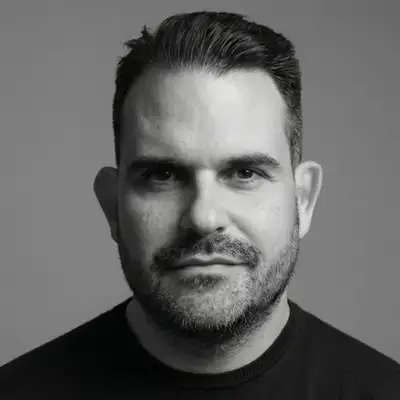
In Episode 047 I continued the conversation with Jack Orr-Ewing from Ep. 046. He is the CEO of the Westbourne Drinks Company - The Duppy Share. He brings an incredible experience of the various stages of brand development from the start to reaching scale in a market. We dived into efficient marketing spend and how to align the route to market to each brand stage. I hope you will enjoy our chat.Time Stamps00:00 Introduction00:14 Shifting Into Management6:52 Dangers of Overeating as a Brand9:48 Systematizing Selling To 100's of Bars25:21 Adapting To Local Ecosystems29:01 Best Brand Awareness Tools33:15 The Fools Gold of Big Brand Events38:23 Sponsoring Events: Invisible Downsides & How To Capitalize43:38 Ending SegmentAbout The Host: Chris MaffeoAbout The Guest: Jack Orr-Ewing
For founders, directors, distributor MDs, and hospitality leaders navigating the tension between bottom-up reality and top-down expectations.
20+ years building brands across 30+ markets. Each episode features drinks builders sharing what actually drives commercial performance: across beer, wine, spirits, and low and no-alcohol.
Welcome to the Maffeo drinks podcast. I'm your host, Chris Maffeo. In episode 47, I continued the conversation with Jack or Ewing from episode 46. I hope you will enjoy our chat. So let's now talk a little bit about the journey of your brand.
Chris Maffeo:Know, like the brand started as an independently founded brands and then, you know, you go through a journey and then you, you need to accommodate that growth that comes with and the distribution efforts and, you know, all the things you mentioned earlier. What is the biggest shift when when actually starting to raise money and and being funded and then all of a sudden you're not the only person in in the founding team, so to say.
Jack Orr-Ewing:Yeah. I mean, it's a great question. I think a lot of spirits brands, a lot of founders of spirits brands do it to achieve some some scale. I mean, I think there are two types of independent spirits. You've got the kind of lifestyle brand of someone that loves making products and they love the idea of selling, you know, having their drink drunk in some of their favorite bars.
Jack Orr-Ewing:And maybe their ambitions is, is to sell a few thousand bottles and to kinda keep their, you know, they might do it on the side of running a bar or something. Then, then you've got a group of people that found spirits brands because they want to create a profitable and lucrative business. And, you know, I think you, as soon as you start looking under the hood of these brands and looking at the P and L and to kind of model out that P and L for multiple years and think how big do I need to get before I can start paying myself a decent salary. I can hire a team that can do the job that's, you know, I'm currently doing everything. Don't have, you know, if I'm gonna afford a team, if I wanna have an office, if I want to go on holiday one day, you know, those sort of things, you know, you sort of model out what, what that is.
Jack Orr-Ewing:And you realize quite quickly within an affordable premium category, you've gotta sell an awful lot of bottles and you've gotta sell, you know, we're selling half a million bottles a year at the moment. We're still loss making. We're still reliant on, on shareholders. We are forecasting our first year of EBIT positive, you know, grow next year, you know, that, and that's still adding another 10,009 liters. And I think next year we should, should deliver our first EBIT positive year in year 10.
Jack Orr-Ewing:So you've gotta have an, a kind of runway of an awful lot of potential investors and have people bought into your journey if you fail to achieve that source of investment pattern and growth level. So, you know, Duffy, we were actually in the, Distal Ventures program. So while we were one of first people that went into the Diageo incubator, program, we were one of the first people to come out of it, you know, because they, we were alongside same cohort as Seedlip. Seedlip were a phenomenal brand. Their timing was, was incredible.
Jack Orr-Ewing:Ben and, Emma Wike, she actually now sits on our board created that brand and they were so successful, but Duffy's, modest success within our first two years, were doing 2,009 leader cases, you know, distal ventures pulled out of us, which suddenly meant that having been a kind of, well funded brand, Jordan had to kind of lose most of his team was going back to square one and had to look for independent investors. And that's when I joined the brand in 2017 and the two of us together almost had to start from scratch. And we had a great product, great, great brand, nice liquid. And we had listings in maybe a couple of 100 bars and Sainsbury's at the time. And, you know, from that basis, had to raise capital.
Jack Orr-Ewing:We raised, I think $2.50 or 300 ks for that first year. I remember seeing that money come into the bank account and thinking, well, we are rich, you know, fantastic. You know, never have to raise money ever again. And then sort of five months later, I looked at the bank account and thought, right, we need to raise a lot more money. That was, that didn't last even five minutes.
Jack Orr-Ewing:Having raised that first fund. And we brought, you know, that was friends and family, basically, you know, my brother and George's brother and a few of our friends who were a bit older, who put, put a little bit of money in, you know, that then took us through to our first retail listings. As, we added Morrison's, I think co op came on board. So we went from kind of London brands with, with Sainsbury's to London brand with five or six big national accounts. You're probably doing six or 7,009 liters by that stage.
Jack Orr-Ewing:So it's kind of getting up to an interesting scale, a bit more reliable income coming in. This is all through 2017, 2018, where you've got kind of Sipsmith going for 60,000,000. You've got Casamigos going for a billion. So you've got all these kind of lovely proof points going through to all the investors showing that if you can get it right, spirits brands can be very lucrative for investors. So we then went back to our investor base, got a lot of extra introductions and raised a £2,000,000 fund, at, it was an 11,000,000 valuation.
Jack Orr-Ewing:So that was a kind of nice, big step forward for us. We felt that there was great momentum in the brand. That was 2019. So that gave us a nice runway. That was the first time we had a proper office.
Jack Orr-Ewing:We had two employees and then three and then four. So we had a decent sized team. That was quite a big difference for us. As a manager, you sort of stopped doing everything, stopped running every bar, stopped delivering every case, you know, doing every trade show that you have to do and you start kind of managing people. Since then scale has been about more countries, more people, more distribution.
Jack Orr-Ewing:And you know, we've kind of grown and grown, but it feels like a very, very different business from where we were seven or eight years ago. It's a bigger problems and bigger worries. You get with a bigger business and you can kind of, can't control everything all at once. When your business is a bit bigger, the bit, the big difference for me is just the fear or the kind of concern that, you know, the, the numbers are quite big. So if you, if you suddenly need to order another tanker of rum, you know, that's a £200,000 order, you know, which is an awful lot of money.
Jack Orr-Ewing:You know, previously you could do a production run, which might cost you £4,000 and that will kind of keep you going for a couple of months. And if you don't have £4,000, you can quickly raise a bit of money and make sure that all works. But, you know, nowadays it's my job as a CEO is all about kind of resource planning, financial management, cash flow management, making sure that, you know, every commercial deal stacks up, that we're being paid for the invoices that we raise. A very different world to engaging bartenders and desperately trying to kind of do a cool enough event that you get a listing in some place. It's a much less kind of scruffy day to day job and thinking a bit more on the macro.
Chris Maffeo:That's a crazy journey. And it brings me back to one of the points that I often discuss with guests here on the show that be careful what you wish for, you know, because somebody listening can can say, oh, wow, you got a listing in whatever Tesco or Morrisons or Sainsbury or whatever. But that comes with some rules of engagement. And if you don't have a cash flow, I mean, if you, if you don't have enough runway to make that order that will, yeah, that will provide bottles for the next order. And in the meantime you get paid with the trade terms, you know, then all of a sudden you're basically going bust just for, just for an order basically.
Jack Orr-Ewing:Yeah. Well, one of our board members, very sage advice early doors was there are plenty of brands that fail because they're too successful. I. E. If you get, if you get too many listings all at the same time and you haven't got the cash in place, you will go bust because you can't fulfill your orders and you run out of money.
Jack Orr-Ewing:So you can run out of money by being unsuccessful and not selling enough, or you can run out of money by being too successful and running out of money. And, and sort of finding that middle ground is actually, you know, an enormous challenge. And you're so right about the big, the big listings. And we'll go on to talk about distribution in a moment. But one of the things that you get with working with a distributor versus doing things direct is that with a distributor, you've got, you know, someone who can manage your working capital for you.
Jack Orr-Ewing:You know, they will buy from you on the bond. They will pay you in thirty, forty five days, depending on what your terms are, you know, that compared to selling direct into Asda or Morrison's or Tesco paying all the duty on day one, you you're selling something that has cost you 12 or £13 to build, and you're being paid 14 or £15 in ninety days time. That listing might be making you on paper 30 or £40,000 a year, but it's costing you £200,000 a year in working capital to create that. So, you know, for the first four years, you're in a grocery, you're in, in negative cash position. So it's not really the kind of panacea that you think it's going to be, you know, when you start, when you start going into these big conversations.
Chris Maffeo:Yeah. And, and this is, this is sounds, this is something that I think very few people understand, you know, like the, the cash flow kind of issue, you know, because you think like, what, what the hell are you guys talking about? You got a nice order. You get so many clients, you do, you just have to deliver some goods, but you know, somebody has to pay for the, for those goods.
Jack Orr-Ewing:I'll be making so much money. I won't need to care about cash flow. Trust me, Chris. I've thought that many times. You know, why don't you just buy it?
Jack Orr-Ewing:You know, I'm selling so much rum. Yeah. And you are not cashflow is the most important thing and it's the most difficult thing to understand.
Chris Maffeo:Absolutely. And and and tell me like, like, talking about distribution, you mentioned direct indirect and, know, without without, let's say, parking aside the the the big retailers, you know, like this huge orders and this negotiation with, with big accounts in the off trade. Talking about the the earlier journey on the on trade, you know, to get you mentioned at some point, like you were having like 100, 200 bars that you were that you were selling to. How did you sell there? Like, did you did you start direct?
Chris Maffeo:Did you start with a with a third party with a distributor? How did that start?
Jack Orr-Ewing:We've been through a lot of journey, a lot of different, setups. So I feel sort of reasonably well based to kind of talk about pros and cons of each setup. So early doors, we were with Spirit Cartel, fantastic, small distributor in The UK. They were basically kind of three or four people at the time, but they had, Berkman, which is a big wholesaler sitting behind them. So they had kind of trade accounts with all these key customers that we wanted to be in.
Jack Orr-Ewing:And we worked with them for kind of three years. They, they got us those initial listings and the kind of as it is in, and, and Morrisons and co ops, but, you know, they have their margin aspirations to, to, that they wanted to kind of go for. And we were finding that we were doing these deals with Green King with Turtle Bay, you know, the big national deals. And because our cogs weren't quite in the right place and because we were doing a lot of the work to support them and, you know, all of the retro deals and making the price work to get into these big national accounts, as much as we were growing, we weren't actually making any money because all the money was going to our distributor who was, you know, making a 15 to 25% margin on all those products. And, you know, what they were doing was kind of servicing the product and moving it through.
Jack Orr-Ewing:And they were doing a fantastic job of that. And, you know, I think probably naively as brand owners, we were thinking, where's our cash from all this and, you know, we're, we're, we're doing as much work as anyone to bring these new listings in and to support the, the listings with all this money. Why should we make no money and our distributor make some money? And I think there's a, there's always this difficulty when you've got a medium sized brand team sitting in the same country as a medium sized distributor. You know, we had five people working for Duffy share.
Jack Orr-Ewing:They had four people working at spirit cartel. You know, they were making 20%. We are making zero percent on somebody's big account and we were doing all the work to bring it in. So there was a bit of inherent tension there between us and them, and we probably didn't value enough the value that they're bringing to that relationship. And after we did that big twenty nineteen fundraise, we then moved into Taltuga, which is a much, a very, very interesting.
Jack Orr-Ewing:And I think a brilliant distribution option, which is a kind of hybrid between direct and distributed. So Tortuga do all of your back office. They hold your stock on consignment. They receive orders kind of as a portfolio. Are 20 or 30 brands that use Tortuga.
Jack Orr-Ewing:So they receive orders from the big wholesalers, the big national retailers as a portfolio. You get all the benefits of someone sitting in back office, receiving that order, organizing the transports, kind of organizing invoicing and proof of deliveries and all that kind of boring stuff you just don't wanna be involved in as a brand. You get the kind of benefit of group transport. So if you're sending stuff in to the big wholesalers, there'll be five or six brands on that order. So you can kind of step away from all the kind of boring, difficult bits of logistics and supply chain or warehousing and focus on selling and marketing your brand.
Jack Orr-Ewing:Four years, that was a really, really good solution for us because we had a big enough team to be able to bring the, the sales opportunities in and Tortuga had the kind of back office to be able to manage all those orders for us for what is a very small fee. I think we're paying them less than £2,000 a month to, to kind of organize all that stuff for us, you know, to have an operations manager doing that job for us. You'd have to pay them towards your $50. So, you know, it was a really good value for money solution allowed us to focus on what was good for us. And I think the most recent change for Duffy, if we moved into proof drinks, brilliant portfolio company, I think we, we did that a year too late.
Jack Orr-Ewing:We got to a stage where as a team of three or four people, you know, we had, we had eight people, nine people at Duffy, only two of them were in sales. That is not enough of a sales team to look after what was 4,000 stocking points in The UK. And you were kind of asking your head of sales to do brilliant job managing grocers, a brilliant job managing cash and carry, a brilliant job managing top 50 bars, doing trade marketing plans with your kind of cool national entree. You know, it's a huge amount of work to do and we just didn't have the sales team in place to do it. And I do think the kind of unspoken thing with independent spirits is that it doesn't really work as an independent trying to fund as even as junior salesperson on a 30 or £40,000 salary is really difficult to sell enough rum to cover that salary.
Jack Orr-Ewing:Let alone the, you know, the office costs, all the non salespeople, all your marketing costs, it's virtually impossible. These things work by putting them into a big portfolio company. Proof have got 55 salespeople out in the market. They've got real experts that, you know, they've got five or six people in their retail team. They have joint business plans, all the big retailers.
Jack Orr-Ewing:They know exactly when they're kind of listing when those are, you know, they can do a much better job than you and your sales team. And recognizing that we probably recognize that a year too late within Duffy and we had a year of slowing down our growth a little bit last year. And this year, through Proof, we've kinda got back to good profitable growth and, everything going a lot better. I've been a great advocate of distribution, a great advocate of of direct, and now I'm a great advocate of working with the biggest and the best in country. It's
Chris Maffeo:very interesting what you're saying because I mean, you're pretty much lining up all the possible options when it comes to distribution. So if I understand correctly, the first one was a typical third party distribution deal. The, the, the challenge with that is that probably there were box movers in the sense of not adding value in terms of justifying those margins.
Jack Orr-Ewing:I think it was a bit of naivety on our part because I don't think we understood the value that they were bringing. And one of the things that you don't see is all the costs of transport and logistics and warehousing. So what I'm seeing is someone selling my product for £7 and it, you know, adding your duty and then making what looks like £5 a bottle and me making £1 a bottle or £4 a bottle. You know, you suddenly think why should they make more money than me? But I wasn't really calculating all the costs of their sales team, the cost of distribution, the cost of warehousing and storage.
Jack Orr-Ewing:Yeah. Any kind of, you know, any issues that you're getting with, you've delivered the wrong products, the, you know, the, the,
Chris Maffeo:you know, not, not, the wrong.
Jack Orr-Ewing:A cool marketing campaign to come up with, or making a PowerPoint deck about how brilliant your brand is. You forget the sort of physicality and of of of actually moving a product around the country.
Chris Maffeo:You mentioned earlier with the fact that you were in terms of overheads, you were a similar number. So you were assuming that they had the same costs without touching on the other costs that you didn't see. So you were just yeah, maybe like focusing on, you know, they've got five people. We, we have five people. Why don't we make no money?
Chris Maffeo:They make all the money.
Jack Orr-Ewing:And the big argument for them, which I, of course, stand by is that as a brand, you are building brand equity by selling another 10,000 bottles. You are adding value to your brand. Whereas your distributor doesn't have any brand equity. So them selling bottles, so they're not making money from the bottles they sell today. It's a pointless business model for them.
Jack Orr-Ewing:Whereas there is a business model, which, you know, right, rightfully or wrongfully, might criticize. And often people do criticize this business model within consumer product brands is that there is a business model, which is grow your brand to a scale, which is interesting. And then you're, you have a intrinsic brand value, even if you're not making a huge amount of money out of it. And you know, let the investors take the hit of losing money for a medium sized period of time until you hit a scale, which is profitable. And then you've got a really valuable brand and those investors will make their money back.
Jack Orr-Ewing:And, you know, you can, you can survive without further investment because you've built a scaled brand. You know, there, there's definitely a good argument for, you know, the brand should be the one taking the bath for a long time until, until they can hit a scale.
Chris Maffeo:And that's a, that's a great point, actually, what you're raising, because it's in a way like the, the distributor has to monetize short term because the brand is not theirs. You know, the brand owner, if they can afford it, if they've got enough runway, they can monetize a little bit later because they're building a brand that, you know, that is, it's growing in value. But then move, move, move into the second, to the second light, the Tortuga example, then it was basically that they were doing all the, all the third party, like, you know, the logistics and the clearance and compliance kind of part, but you were acting salespeople. So it was your team.
Jack Orr-Ewing:So we did all the sales, all the account management, all the sort of business planning that you do with your, with your trade accounts. And that was really, really successful for three or four years. We had lots of money. We could stimulate consumer demand through consumer marketing. And we were growing mainly through adding on three or four good sized accounts.
Jack Orr-Ewing:We added on Waitrose one year, we added on Weatherspoons the next year, added on Tesco the year after that. And each of those bolt on kind of 2,000 or 3,000 Linus cases to your brand. And you kind of grow through having five or six successful brand conversations between a founder or your head of sales with your head of a large national account. And so you are able to kind of manage those big national accounts from a small team base, by having those kind of found led conversations. And I think what we, gap that we sort of noticed that was growing in our distribution was that we didn't really have an independent free trade strategy.
Jack Orr-Ewing:We weren't going into convenience. We weren't doing the kind of local premium whole, you know, wholesale stuff that you get all around the country. And, you know, I think Duffy, the big hole in Duffy's, kind of distribution footprint was that we were overly reliant on 14 or 15 customers. And I think we were doing 90% of our sales through 14 or 15 customers. And, you know, that gives you a lot of risk.
Jack Orr-Ewing:I think we were very lucky as they did a big cut of, of their products in 2021, just as Tesco came on board and we managed to kind of maintain our growth and our overheads because of just sheer luck of timing of managing, get Tesco to kind of take over for Mazda. But, you know, at the time, Mazda was 30% of our whole business. You know, it's a really risky position to put yourself in as a brand to have so much of your business, reliant on, on a couple of customers.
Chris Maffeo:Okay. I see. So, so you were driving that through the multiple on trade, you know, like the, the, these big bigger groups on the on trade side. And so it was basically like a business that was still managed very much on a on a key account kind of basis, whether
Jack Orr-Ewing:it was on or off. But on both sides. And, you know, that was the right thing for the brand at the time to do. And it, it generated the growth and it allowed us to hit the scale that we've achieved. And then I think it then became apparent that in order to fill that gap of independent pre trade, the smaller groups, the regional groups, The only way of doing that is to go back into distribution and to rely on a much larger distribution team.
Jack Orr-Ewing:And, and actually get a huge amount of benefit from, you know, proofs key product of Cascabell tequila. They're about two times bigger than us. Brilliant. So leading independent tequila brand in The UK. And every bar that sells Cascabell should sell Duffy share.
Jack Orr-Ewing:And they've already got accounts open with them. They've got really good relationships with them. They're selling a decent amount of mid price premium tequila, and we're a mid price premium rum. And there's, you know, on the cocktail list that has cows equivalent, there's absolutely no reason unless it's a kind of day of the dead activation in a Mexican restaurant, you know, that there shouldn't be Duffy sharing them. So they've been brilliant and they've opened up a huge amount of needed to reach for us in the last year for Duffy.
Jack Orr-Ewing:And, you know, we're really, really confident that was the right decision and the right, the right time to move across.
Chris Maffeo:That's, that's very interesting. It's very clear. And, and what, what could you have done differently in terms of, for example, like, could you have gone with a a setup like the last one, you know, like the current one you've got in the beginning or you would have been the
Jack Orr-Ewing:wrong one. Think you probably could. We went back to the market to look for a distributor in the end of last year, so this time last year, we were looking, you know, we were the largest independent brand in The UK and we were, and we were definitely the biggest rum brand that didn't have a distributor. So there were lots of distributors that wanted something that with our scale. So we were able to negotiate a really good deal with Proof.
Jack Orr-Ewing:We negotiated a great growth rate that we'd get a lot of visibility and priority within their, within their portfolio. And, you know, we went in as their number two brands, you know, there's Cascobel number one, Duffy number two, and there's quite a big gap between us and number three. So we know we're, we're a mainstream product within their portfolio and their kind of national teams all think a lot about Duffy share and we're top priority and we get lots of access to their top teams. You know, you wouldn't get that as a, as a startup independent brand. So I wouldn't necessarily recommend, you know, the, the, the startup, the Duffy share that was founded yesterday to go straight into proof drinks.
Jack Orr-Ewing:One, they probably wouldn't take you because it's a lot of work for no volume. And two, even if they did take you, it would take quite a long time for them to give you the time of day and the focus to actually get you that distribution. And you'd have to do a large amount of that work yourself. Yeah. Yeah.
Jack Orr-Ewing:It's all about timing and forcing the scale to get to a size that you can do the deals that are gonna get you to the next stage. I always think, always think of, selling a spirits brand as like spinning plates. You have to do like just enough marketing to catch the eye of the distributors and catch the eye of the big retailers just before that plate runs out of money and falls over and you, you win that next bit of distribution. And that takes you to the next stage. And it's a kind of dance to kind of slowly grow all these channels at the right stage to try and keep the lights on and make, know, imagine.
Chris Maffeo:And, and what would you say? Because listening to you, I mean, like this story, it's very peculiar to The UK market now, because there are, there's a lot of market. I mean, if, if I, if I think of Czech Republic, for example, like there's a lot of markets that don't have this kind of managed on trade, you know, like this multiple on trade. Yeah. It's much more independent.
Chris Maffeo:It's like, it can be a 90% independent on trade markets versus a market that can be quite nicely supported by managed on trade. So assuming it's your home market, what would you do? Like, would you would you scale up with your own team, like with a couple of salespeople from your own team and, and sell directly
Jack Orr-Ewing:You've your gotta, you've gotta prioritize the markets where there's an opportunity to get to 5,000 cases quite quickly. And if Czech Republic, if you're a Czech brand and Czech Republic, it's not feasible for you to get up to 5,009 liters on your own there. You should be moving, you should be moving the team or move your focus to France or Italy or Benelux or to Holland, where there is quite a good broad market for premium spirits and the people are happy drinking rub on the rocks. And I think she probably got peace strength and weakness. You know, we have fought the good fight in the most expensive and competitive market in the world.
Jack Orr-Ewing:Everyone's trying to build fair brands in The UK and it's bloody expensive. No, it's just the one that makes any money out of it because the duty is so high. So we probably should have focused on France and Italy and Germany and Czech Republic a bit earlier because you know, their, their markets were as you can actually make some money. I think getting into distribution as quickly as possible. You want professional people selling a portfolio, doing that job rather than you selling your independent spirits as quickly as possible.
Jack Orr-Ewing:As unique, as interesting as kind of USP laden as your brand might be, it still is best easier to sell it as part of your portfolio. There are a couple of brands. I think au vodka is a brilliant example of it. Moth drink, I would call that, you know, I'm not sure if you come across them. They're, they're sort of really premium RTD cocktail mixer in The UK.
Jack Orr-Ewing:You know, they, they're, they're kind of 1,000,000 brands that have a really differentiated proposition. They get their marketing and their proposition just right at the right time. And they are big enough to expand independently and to have us a big team of people to do that. And, you know, their rate of sale is strong enough on a kind of individual site level that it's worth having people selling to those individual sites. Yeah.
Jack Orr-Ewing:I would say if your rate of sale in a pub is half a bottle a week, and that's, that's quite generous. Sometimes it's less than half a bottle a week in a pub, to cover your tube fare to get to that pub and let alone the time it's, it costs to speak for that bartender and to send in the POS and give them a t shirt and give them a free bottle for selling the most. It's it's an incredibly expensive job to do that. And it only really works at scale. You've gotta have a thousand pubs selling half a bottle a week in order to start generating enough money to pay for, you know, the overheads and the t shirts.
Jack Orr-Ewing:So realizing that as early as possible and to keep your team and your overheads as, as lean as you possibly can. And to have third party distributors who are brilliant and selling a portfolio and thinking of you in the round and out there, you know, having thousands of conversations a day, you want to get to that stage as quickly as possible rather than trying to earn every pound in your, in the sales process. Yeah. I think it's a bit of a false economy.
Chris Maffeo:And that's, I mean, that's a super valuable advice. I think it, it, it goes back to, to what you were saying earlier to, to do the minimum marketing in order to be noticed by wholesaler. So I would say like it it's, it's to do the minimum legwork by yourself in order to be visible and show that you've got skin in the game and you are not afraid of getting your hands dirty to be visible from a wholesaler perspective because otherwise, you know, you're never gonna get into it. So it it it becomes this kinda like catch 22 in which it doesn't make sense for you to go direct, but then the the wholesaler doesn't want to get you on board. And then how do you manage to convince those people to actually
Jack Orr-Ewing:But you could, you've done this a lot, lot longer than me, Chris. What, what, if you were to go allocate some money to give to you in marketing, where do you think that money is best spent? What are those channels that you think actually it's really worth building brand awareness? It's really worth this kind of the ROI on, on some marketing money.
Chris Maffeo:For me, it's a, it's a 100%, you know, spending money in the trade. When I think about influencers for me, the only influencers are bartenders. I think of events, the only event events that make sense are events in a bar that is already selling my product. And to be honest, I write it very often in my newsletter and in my posts, if you've got £100, you know, spend them in a couple of bars where you want to get listed. You know, that's the first investment for me because, you know, a lot of people that they spend, they focus on spending the 10 k on a boot stand and then they see it, don't have £15 for a cocktail, but you need to go and sit at that bar, you know, and talk to those people and then even be a customer first and then eventually they'll get you on board, you know, without showing out with a backpack and a bottle and, know, taking the bottle out on the on the first date.
Chris Maffeo:It's a very interesting conversation because depending on the market, depending, you know, there's no one size fits all, but there are some markers that you can see and and read and make you understand what you should do where.
Jack Orr-Ewing:You constantly look at what your competitors says are doing and you sort of see their big their big moments, you know, they, but it's easy to forget that they might only have one or two big moments a year. And they're the sort of biggest brands that, that are actually noticed by things. And if you keep looking on your Instagram and your LinkedIn and what other brands are doing, you get this anxiety. You're not doing enough marketing. We run this group called Kindred Spirits, which is started with three founders in The UK.
Jack Orr-Ewing:It was tart quince gin Duffy share and East London liquor company. And we started sort of moaning about being running a spirits brand and talk sharing lots of stuff. And as we kind of grew, we started adding new people onto it. And this group has just organically grown into 400 brand owners that sit in The UK, and it's a very, very active group. There's 20,000 messages that have been sent on that group.
Jack Orr-Ewing:We, we did our first ever in real life. We did a kindred spirits party and an award ceremony at the end of the year. I sort of took, on board to run that a couple of weeks ago. And one of the awards that we gave out was best marketing campaign. And, you know, there were 400 brands on there.
Jack Orr-Ewing:And the one marketing campaign that anyone could really genuinely think of and voted for in their thousands or in their hundreds was Lucky Saint, brilliant sort of non out brands that had done a out of home dry January campaign. And they'd spent a $100, probably $200 on tube adverts. And it was interesting that across, across those 400 brands, there was one meaningful campaign that someone that we all recognized as being a campaign that actually, you know, people have noticed it. It probably made more people actually aware of that brand than it was previously like. And everyone else had probably spent tens of thousands, if not hundreds of thousands of pounds each on marketing.
Jack Orr-Ewing:And it hadn't been noticed by our peers in our industry, let alone consumers out there. So, yeah, it was a bit of big eye opening me that unless you're gonna go really big, you should probably keep keep your marketing narrow and small.
Chris Maffeo:Yeah. A 100%. I've I've been working for many brands and I've I've got I would I would call it the luxury. Back back then I didn't realize it was a luxury, you know, when I was working at CB Miller and building Peroni, I never had ATL money, you know,
Jack Orr-Ewing:like even for those big brands
Chris Maffeo:in my markets, not counting The UK, I mean only UK and Italy had money for ATL, but in all the rest of the market where I launched with the team, you know, like Spain, France, Sweden, Finland, Turkey, Germany, you name it, like all the other, let's say Continental, EMEA, so to say, you know, there was never budget for, for ATL, you know, like everything was having your hands dirty, moving the brand yourself, like whether it was like, I mean, starting with bottles, then moving into kegs, but even kegs, for example, like there's so much pain to, to maneuver, you know, returns on kegs and so on that, you know, only if it makes sense, otherwise, you know, go with bottle. So I'm a big fan of simplification in the business because, you know, otherwise you, you get stuck into this formal of like fear
Jack Orr-Ewing:of
Chris Maffeo:missing out kind of thing. Oh, like you look at what, what they're doing. You look at what they're doing. Look what they're launching or we should launch it as well. You don't know what's going on in their office.
Chris Maffeo:You don't know the reasons why, you know, maybe they're sitting on a huge stock of something and they want to launch a product, or maybe they're launching on a, you know, unfulfilled capacity in the brewery and they are pushing out a cheaper liquid for a particular brand that they all of a sudden like need to launch. You know, you don't know what's going on because you're not in their brain and you're not in the, in their brewery. Well,
Jack Orr-Ewing:feels so good about this, this Kindred Spirits group is that you, you see someone do, you know, bit of marketing and on the tube, or they do a big event or a festival, or you see them doing a big activity within a supermarket and you say, oh my God, you know, I saw you do that. Well done. That looks amazing. And the founder will sort of message you back privately going absolute disaster. You know, never known, never known a bigger waste of money in my life.
Jack Orr-Ewing:I don't know why we did that. And to have that kind of realism that someone's willing to tell you like terrible mistake. When if you just look at it, you think, oh, like, why am I not doing, you know, taking over the whole of whole foods market and taking a window in whole foods and building a giant bottle of buffy shat. You know, you know, the, all the other founders have done that regret it.
Chris Maffeo:And, and, and to be honest, it's, it's about your objective. No. I mean, if you need that window because you need to put it on a, on a pitch deck, or you need to put it on a presentation to Tesco, How much does it cost and what's the reason why you're doing it? No. I remember for example, like I was one of the people behind doing cocktails with, with Peroni back in the days, you know, talking 2015 with my friend, Federico Rizzo from, you know, he was working at the house of Peroni and then we started saying like, why don't we export this idea of like cocktails with Peroni and and and Yeah.
Chris Maffeo:We we launched it in Finland and Sweden and Spain. And and then when I left Peroni, I heard a lot of gossips and stuff. It's like, oh, no. We canceled that because that doesn't work. That was such a waste of money.
Chris Maffeo:And Yeah. Now it now it go now it went back, you know, now it came back. And then all of a sudden, like, what I was telling them is that, guys, you misunderstood the point. I mean, like I wasn't doing it because I wanted to sell cocktail with pepperoni. It wasn't about the cocktail.
Chris Maffeo:I was happy if we were selling one or two per night, you know? Yeah. The thing was to engage bartenders in a conversation that had become very boring for me on going there with with the usual story about Italian style in a bottle and blah, blah, blah, blah, blah.
Jack Orr-Ewing:Yeah.
Chris Maffeo:I wanted I wanted to gain some, you know, very interesting outlets on which the bartenders, you know, like it wasn't a pub, you know, it wasn't a stylish bar in the center of Helsinki or in the center of Stockholm. And I wanted to have that kind of conversation to enable that and, you know, to have some cool events with some, you know, regulars of that outlet or, you know, but it was all about driving the share of mind of then drinking Peroni as a normal bottle and not as a cocktail, you know? Yeah. But if you don't clarify that and probably it was also my mistake not having made it super clear back then, you know, all of a sudden it becomes like, you know, the, the ROI of a certain activation gets misunderstood. And all of a sudden, then they say like, let's cut it because it doesn't work.
Chris Maffeo:But then that was the thing that got me into the most important entree chain in Finland. And if I didn't have that, you know, and if I had gone there with a bottle in my hand, just like, please list it, they would have said, no, thank you. You know, so you need to really understand because then what happens is that often like that activation maybe without a specific brief gets brought over to another country executed totally wrongly. Yeah. And then it gets cut by management.
Jack Orr-Ewing:I totally agree. I mean, we were offered the opportunity, a wonderful opportunity to sponsor the England against West Indies cricket tour. So, you know, we've never done any above the line advertising in our life. We were sort of getting quite close to agreeing to start doing above the line advertising in Barbados and Antigua And Trinidad where we'd never been and we don't even sell our product. And, you know, channel four was saying, I know for £20,000, you can be on all of the, all of the boundaries and we sort of nearly did it.
Jack Orr-Ewing:And then we decided to just send out a case of rum so that a bottle of rum was given to the, you know, the man, man of the match winner. And they put on their Instagram, a nice picture of the man of the match winner holding a bottle of Duffy shell each time that cost us 5, you know, £50 to do that. But we were able to then amplify it and put it on our Instagram and our LinkedIn to say the official rum of the West Indies tour for the England cricket team. Congratulations to so and so who's won the award, which does pretty much exactly the same value as what you, what the £20,000 spend was gonna be. And finding those kinds of tactical clever uses of, you know, the amplification of a few marketing moments is actually much faster than paying the full fees and trying to get, get your plan out there.
Chris Maffeo:A 100%. A 100%. It just, you just reminded me of a similar thing that I did with the team when he was stock confession week and we, we wanted to be there, but again, they offered us the sponsorship and it was like a crazy amount of money. I mean, it was probably like 60% of the yearly budget of that brand in the market. And then I was like, you know, we cannot do that, but, you know, then we could be official beer, you know, so we would basically sponsor the the the closing nights party.
Chris Maffeo:You know, we could be, you know, having a photo wall. We could have like, you know, just something on a on a fashion week. There was official Mercedes Benz fashion week, and we would be sitting together with Moet Chandon and all the champagne brands because that's ultimately what we wanted, you know? And again, it wasn't like creating anything crazy. It was just like, why do we need to be the official sponsor of a fashion week?
Chris Maffeo:That doesn't make any sense. So for example, we, what, what we did with to enter there, we we sponsored one of the upcoming designers, which app actually happened to be Italian as well. And Right. You know, and then it was like his party was actually, you know, like sponsored by us. So it similar example to what you were saying.
Chris Maffeo:You know, sometimes you can find a way to get almost the same outcome for one tenth of the money.
Jack Orr-Ewing:And if ever someone says to you, we need rum, we need, we need drink for a party, you can be the, you know, the only, the only spirit available. And I say no way to avoid the only spirit. If I'm giving away free drinks, I want as many Ashka spirits there as possible, but I don't have to give away as many. And it's much better to have four or five other brands all saying what a brilliant event this is and great to be here next to Guppy Share. You want a couple of pictures from that event to say, look at us activating with this relevant group of people.
Jack Orr-Ewing:The fact that you've got away with one case of rum rather than 20 cases of rum, because there's a beer there of a vodka or gin, you get the exact same out of it. And all the people that are at that event still, if they don't like share, they still are aware of it. And the ones that do like Duffy share that might buy it have had the opportunity to have it for free. By realizing that you don't need to be the only person there, you say you can do 20 more events at the same cost.
Chris Maffeo:Absolutely.
Jack Orr-Ewing:We probably took a couple of years to notice that. And, you know, I think that probably our learnings along the way has always been, you don't need to do everything yourself. You don't need to be the biggest and the best. Absolutely. Join forces.
Chris Maffeo:Absolutely. Not not even mention, I mean, the amplification that you get from the others and, you know, the the the fact that I may be a gin drinker of one of the gin brands that is sitting next to Dappy share. And then all of a sudden it says, no, if these brands are sitting together at these events, if I want to drink rum, I will go for this rum brands because, know, it's probably speaking the same language as this gym brand that I enjoy. So, you know, there's so much economies of scale that you can bring for going back then to the, to the portfolio game of a distributor as well. Being with a distributor that sells already some brands that share similar mindset than your brand.
Chris Maffeo:Yeah. Then all of a sudden it becomes like, actually, okay, we can, we can plug this brand in, in X, Y, Z outlets because, know, they actually speak in the same language and, you know, bartenders would love it and, and so they're consumers.
Jack Orr-Ewing:That thing that you've, you talked on many of your podcasts about not targeting a person or a consumer, but targeting an occasion. Just, it, you know, it stems from that thing that there isn't really such thing as an Aperol drinker or a rum drinker or a ginger drinker. The occasion sets the moment for whether you're drinking gin and tonic or a rum Coke or a, or a Daiquiri or a beer. And I'm all those things. And I think most people are most of those things, recognizing that you're not gonna get the entire sort of share of sproaches or an expression I hate, but you're not gonna actually get the whole thing from coming.
Chris Maffeo:No, fantastic. So thanks. Thanks a lot for your time, Jack. This was, super helpful. I'm sure you will be, you know, listen over and over again and people will take notes of your experience and your words.
Chris Maffeo:So tell us how can people find you and, and, and Dapi share.
Jack Orr-Ewing:Well, I know you are very active on LinkedIn, but I'd, you know, if anyone wants to join the Kindred Spirits group, if you're an independent drinks owner, please get in touch on, on LinkedIn. I'll add you to our group. It's something that we're really proud of. It's got a amazing atmosphere on that group and very, very pro sharing for either a very small or scaled up brands. We welcome everyone to that group.
Jack Orr-Ewing:So get in touch with me, Jack O'Yueng on LinkedIn or follow at the Duffy share on on Instagram and see what we're up to. Now that you've seen behind the curtain, you'll see exactly what's what's going on.
Chris Maffeo:Fantastic. Thank you. Thank you so much, Jack. Thanks for your time.
Jack Orr-Ewing:Brilliant, Chris. Lovely. Very well. Thank you so much. Really appreciate your time and, looking forward to carrying on the conversation online.
Jack Orr-Ewing:All the best. Absolutely.
Chris Maffeo:Thank you.
Jack Orr-Ewing:Bye.
Chris Maffeo:That's all for today. Remember that this is a two part episode, forty six and forty seven. If you enjoyed it, please rate it, comment, and share it with friends, and come back next week for more insights about building brands from the bottom up.