Subscribe
Share
Share
Embed
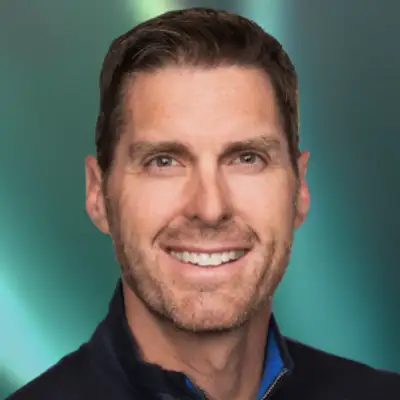
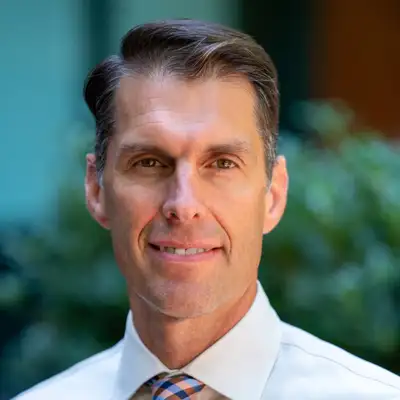
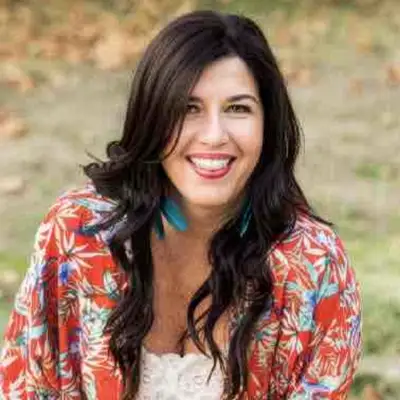
The U.S. healthcare system is at a breaking point—soaring costs, worsening outcomes, and widespread physician burnout. The Root Cause – Business of Medicine podcast, hosted by brothers Dr. Erik Lundquist and Dr. Davin Lundquist, charts a different path: one where healing, fulfillment, and business thrive together.
Each episode shares powerful stories of medical professionals who stepped away from the traditional grind to embrace integrative, functional, and alternative approaches to care. Through candid conversations with practitioners who have redefined success, listeners gain insight into navigating their own transitions, reclaiming a sense of purpose, and reshaping the way they practice medicine.
Erik
Welcome to another episode of the Root Cause Business of Medicine podcast. And today we have a special guest. Nicole Fox was a dear friend of mine. She's one of the founders of the Temecula Center for Integrated Medicine. But today we talk about kind of the nuts and bolts of establishing a clinic and and how to get your business started from mission statements and vision statements and and actually how to pick the right staff and Looking at the overall health of a practice, you know, is your practice healthy or is it sick? And what are some ways to diagnose some of the illnesses maybe plaguing your clinic? David, what were some of the things that you saw as highlights of today's podcast?
Davin
I think, you know, her background is really interesting having started so far back working with Dr. Bland at Metagenics and really kind of growing up in the space before it was even, you know, a thing. She has this unique uh degree in, you know, psycho-spiritual, you know, uh a master's, I think it is what she got that in. And and I think that that also has her looking at things more than just the nuts and bolts that we would think of from like a business standpoint or a clinical standpoint. But Also the energy that that creates, I think, is is a big part of the experience and the trust factor in getting patients to be engaged on their journey.
Erik
That's awesome. So if you're a practitioner that's just getting started and wanting to create your own clinic or you're a practitioner that has an established clinic, but you're kind of wanting uh some ideas on how to improve what's going on. You're gonna get a free consult today with Nikki Fox. So we look forward to having you listen. Welcome to the Root Cause Business of Medicine podcast, where we explore what's broken in healthcare And what we can do about it. I'm Dr. Erik Lundquist, and I've been practicing functional medicine for the past 15 to 20 years. I'm excited to co-host this podcast with my brother. Dr.
Davin
Davenlundquist, who's just beginning his journey into functional medicine. We come from different points on the path, but we do share a common goal. We want to rethink how medicine is practiced and help others do the same.
Erik
The US healthcare system is in crisis, rising costs. declining outcomes and physician burnout at an all-time high. But you know, we found a different way, another way, a better way.
Davin
On this podcast, we dive into real stories from medical professionals who've stepped away from the traditional model, kind of like me, and have found a new purpose in integrative, functional, and alternative approaches to care.
Erik
These are authentic conversations with practitioners and friends who've redefined success, not just for themselves. but for their patients and communities.
Davin
Whether you're a clinician feeling stuck, a student seeking direction, or just curious about what is possible, you're in the right place.
Erik
This is the Root Cause Business of Medicine Podcast. Welcome back to another episode of the Root Cause Business of Medicine podcast. And today I'm super excited and we're honored to have my dear friend. and partner, Nicole Fox. So Nicole uh was one of my instrumental partners in setting up the Tumecula Center for Integrative Medicine. And we uh we actually first talked about it on her driveway, which I think I shared in our first episode, but maybe not. But if I but that's where it kind of all started. Nicole has uh since, well, backing up a little bit further, she, you know, when we first met, she was a um sales consultant for Metagenics, nutritional supplement products. And then after having success in helping us with our Temecula Center of Integrated Medicine, uh she went on and opened up uh the uh integrated medicine consulting group where she's helped uh, you know, plenty of clinics get up and running and and perform better and also some conventional medicine clinics transition into a more integrative medicine uh mindset. So we'll be looking forward to hearing her experience and background on that. And then currently she's also working as the chief operations officer. for uh personalized lifestyle medicine institute with Dr. Jeff Bland. And that's been an interesting adventure for her and something that she's really had uh an enjoyable time doing. But fun fact about Nicole too is that she has a master's degree in spiritual psychology. So one of the flavors that she always brings to the situation is kind of the spiritual energy that what you're doing uh really provides. And I will tell you, you know, any of you have looked at our website at Temecula Center for Integrated Medicine and seen some of the pictures and images or if you've been inside of our clinic uh you will know that the feeling, the energy, that atmosphere all came from Nicole. That's her her painting and creativeness uh coming through, her canvas as she used to call it. um in terms of creating such a wonderful healing atmosphere uh at the Temecula Center. So Nicole, welcome to our podcast.
Nicole
I know it's so fun to be on here with both of you. Thanks for having me.
Erik
You are so welcome. So, Nicole, why don't you back up just a little bit to the metagenics days a little bit and uh just kind of share a little bit of your experience there and and then and talk about how that kind of prepared you and really kind of set the stage in your mind. for wanting to get more involved with uh helping in integrative medicine clinics, even opening one up, partnering with with opening one up.
Nicole
Yeah. It's so funny. I was just actually having a conversation with Dr. Bland about this exact topic. Because, you know, I started at Metagenics 20 years ago. I was like a fresh little bright-eyed girl looking for where what I was gonna do with my life and um got the opportunity to land at metagenics and I didn't know what functional medicine was. I it was back in the days when being a pharmaceutical rep was like the, you know, a good job and like the place to be So I started with metagenics and um they gave me my territory which was uh central California, so I had like the Santa Barbara um central area. And they gave me a list of about probably two or three hundred practitioners, and they were all chiropractors, acupuncturists. There weren't even really health coaches back in this day. They were a lot of like the energy healers. And um, you know, my job was to just go and educate these these um practitioners on different health or ways to help treat their patients. You know, a lot of chiropractors. I don't know if I said that. But anyway, so um I was a sales rep there and Super successful in that area. They then moved me to different territories over um a few years. So I then went up to the Bay Area. started working with practitioners up there and then they brought me back down into um the corporate headquarters where I became the category manager for all the blood sugar, cardiovascular and insulin line. And it's so funny because I when I was talking to Dr. Bland about this the other day, we were laughing because I was saying that we always talked about the tipping point, like the day when, you know, medical doctors, you could call on medical doctors and You know, if we ever got a medical doctor inside of our list of customers, it was like the golden egg, you know, because we knew that that's where we were gonna have the biggest impact. But at the time, like doctors didn't even know what functional medicine was. And if any medical doctor was even doing functional medicine, they were kind of looked at as like the woo-woos And um so anyways, I worked for metagenics for about 15 years and I went back and was the category manager and I just I did not love being inside. I I liked being with the doctors. And so that's when I asked to go back into the field, which is when I met Erik. And I just took on a different type of role inside of being a rep again. And it was like more of a consultative role. You know, I figured instead of me trying to sell them products, I'm going to try to build programs. I'm going to try to like implement new ways that these doctors can actually bring in lifestyle medicine into their practices. And so, you know, I I did that in the Las Vegas and in the Inland Valley area in San Diego also. And over the the amount of time I was with metagenics was probably 15 years. And it just became very intuitive. Like I could walk into an office and I'd just been in thousands of offices all over the place. And I could tell like what their staff was, what kind of doctor they were, what the environment of the clinic actually looked and felt like. And the second I walked in, I could just tell like, is this a good practice? Is this a good doctor? What they're doing right? What they're not doing right. And so it was just um it was a great education for me over 14 years. And, you know, that's when I met Erik. And I kept on helping all these practices build clinics and doctors bring in programs. And I finally was like, you know what? I I want to do this for myself. And so That's when we started having our little conversation. But yeah, it was an amazing journey. I learned so much. And um it was it actually helped me build TCIM.
Davin
You know, that's really interesting, I think, um, hearing you describe like going into all these different offices and being able to quickly sort of pick up on certain cues and I'm sure that helped to sort of feed your consulting business like all that knowledge, right? And and understanding. But it it's it's interesting how you or sort of like a doctor of practices, right? Where you could like diagnose, you know, what's at the root cause of their business uh woes, if you will.
Nicole
Yeah. Well, it was so interesting because you could tell, like some practices you'd go in and, you know, the doctors A, they weren't very healthy. They were so stressed out And I'm sure you guys talk about this all the time, you know, but you could see like the dysfunction inside of the practitioner even, you know, and then on top of it you would see piles of paperwork and stress out staff and you could just tell. And then you'd walk into these other offices and it was like calm and everyone was happy and the patients were getting healthy. And I was like There you know, here comes my spiritual psychology because I'm like, there's a connection here. It's like, you know, we gotta start with the doctor. Let's start just there
Erik
Yeah, it was interesting. So we had um uh another physician on um our podcast a little bit back, uh Jill Carnahan. We were talking about alignment, right? And and this showing up as your authentic self. And so I I I'd be curious to kind of hear as you were going in these different clinics and you were you were seeing the different practices Obviously you could identify, okay, the there's some issues here versus the ones where there was a much more healing environment. How how do you think that those were better aligned with what the practitioner's authentic self was? One And two, w where were you s where were you really seeing some deficiencies in that area and how you how you feel like that may have impacted not just their business? But the patients and how they felt in coming in.
Nicole
Yeah. Well I think the first thing is like the doctors that belie you know, they all I think believe they are coming into the you know, into medicine 'cause they want to make a difference. And then they get sucked into the system, right? And then they forget about why they're doing what they're doing. And then they're all of a sudden they're seeing, you know multiple patients throughout the day, they're not able to actually provide the type of care that they want to give. You know, they're they're inside of the system. And what I think I was witnessing was a little bit of a loss of control. Like the doctors just didn't really feel that they had the power to practice medicine the way they wanted to. And then even those that wanted to make the jump like the fear that that it took for them to go for you know to across that bridge. I mean even when I met Erik, I mean this was very early. This was kind of like around the tipping point, you know Um, I remember saying I was gonna make Temecula the um functional medicine capital of the world. So because I lived there, so that was easy, you know? So I every doctor I'd just go in and I was like But for you guys, I feel like we did that. Everyone started doing it so they weren't the oddball out and then they could talk to each other. They could learn from one another. But back then, like, there were so many doctors that wanted to do this and they saw the benefit of it, but they didn't know how and it was really scary for them. And so, um, I don't know if I'm answering your question appropriately, but I think it's kind of like, you know, you have your early adopters, those that can see and they can f I guess even feel the energy of what's being called forward in them, but it's like, do they have the courage to actually trust themselves and And take that step to make a difference, right? Versus like the status quo, um, following the insurance companies, doing what everybody else is telling them to do. It's there's a there's a lack of trusting in themselves of what they are meant to be doing and like that what's being called forward. And I think that I mean we can all relate to that in our lives, right? But I mean I definitely see that inside of our system.
Davin
Well I think um You know, one of the themes here is this idea that, you know, it's not so much about what you do, but who you are. And, you know, it sounds like um some of these clinicians, whether they you know, whether they were some of them chiropractors at the time or, you know, MDs, um, had maybe lost sight of, you know. actually being healthy from in a whole person way, you know, from mental, spiritual, physical, right? Emotional, um, themselves, right? Like like starting with themselves. And then you're going to sort of create, you know, an energy and a frequency that will attract, you know, a similar environment around you. But if If you're so burned out and you're so focused on what you're doing that you forget to become what you're trying to help others become, you know, I think
Nicole
And then you see like the pharmaceutical reps, right? Like they're coming in and they're selling to the doctors and they're bringing them the biggest spread and There's like cakes on their tables and you know, you walk in and you're talking to the doctors during their lunch while they're like, you know, and it's not their fault. It I mean, we all get to take responsibility, but also You know, we're all in this really busy world, especially inside of a clinic. And um I think that we all have to like take some responsibility for like what what we're allowing inside of our space and you know what we're committed to. And I think that one of the things, you know, I hear Erik talk about all the time is like how food is medicine. And I don't know I mean you guys know better than me, but I do know they're not teaching that, or at least they weren't. Maybe they are doing a better drum now.
Erik
Yeah, do you think that they're um incorporating that a little bit more in the the medical curriculums, which is which is great. I Um yeah, so maybe speak a little bit to some of the things in terms of I I I love what the how Davin approaches, right? You're going in and diagnosing these these practices. So let's talk about some of the clinical health problems. uh that you were able to identify and and and maybe maybe just start with the appearance in the front office and just kind of how patients were green. Tell tell us about some of the the the health problems that these clinics had uh compared to the ones that you felt were really healthy?
Nicole
Oh my gosh, I love that you're asking this question because I do always talk about TCIM, it was our canvas, right? So I had been in thousands of offices and so because of that I knew exactly like what I wanted us to do and what I wanted us to stay away from And I got to put it all in one place. And I mean, granted, we would not have been as successful as we are if we did not have amazing practitioners. It you have to have be a good doctor, but you also need to create a really beautiful environment, I believe. So, you know, one of the things you would walk in and then it was notorious. You would see like a little waiting room and a big wall. So there was like a big separation, like We're back here. It's almost like you're entering into a jail cell and like you're in there. And it was a big disconnect. And they wouldn't want you to even see what's happening behind that wall. And like once it's your turn, you get to enter in. But not until like they're ready for you. And I always thought that was like the weirdest thing. I'm like, why are I mean I'd realize we have our HIPAA issues that we have to deal with and all of that. But There also is like an opportunity for transparency of us to s to see like that there's healing happening in the background and even if it's just the energy of the staff walking in, you know. And so When we first found our um our facility in Temecula, I loved it so much because when you walked in, there was this big glass wall. And you could see into the atrium of like the building. And for me, as we were building, and we kept on having to build more and more because we were getting so busy, but I kept on like Freaking out because I wanted to keep that open field. Like I wanted everyone to see what's happening inside of the practice. And so fre Like that was just one example. But I felt like it was really important. Like why are we creating these walls between the practitioner and the patients? Like what are we having?
Davin
It's inter it's interesting you say that. You know, I I went to medical school at USC and so did a lot of my you know training, early medical training at the county hospital, right? And And then later I've worked at some clinics at hospital systems and I was like, oh, you guys nailed it. If you're going for the county clinic feel you nailed it right with with like the the big thick you know bulletproof glass and like making sh you know talking through a microphone or something anyway
Nicole
Well it's so funny because I remember early on, so I started so we built TCIM in 2014 and then um you know we were Literally, I fail on overnight success. And so I started that's when I started the consulting business. And I would bring doctors into the practice. Back then nobody knew who I was, so they weren't like, how do I know I can work with you? So I would bring them in and I would have them shadow our doctors and I would take them on little tours And they would always say to me, I want you to make my clinic feel like your clinic. So I would walk in their clinics and they were this. And I was like, that wall's gotta go. That wall's gotta I was like, let's start breaking down these walls. first and foremost and like bring some life into the practice.
Davin
As you talk about it, it seems so obvious, right? Like even even just the symbolism of like breaking down walls, right? Right.
Erik
Like here we are in a business.
Davin
that requires trust, right? And yet why why is that the traditional healthcare system you know, is instantly putting up not only physical walls, but I think symbolic walls of mistrust. And we wonder what why our patients don't don't trust us as a healthcare system, right?
Nicole
Right. Yeah. And then the staff also, like they even have that mentality of like I mean, I understand why they do because they're inundated with people trying to sell them and bring them stuff. But, you know, even the staff is like trying to keep everyone out and it's Um, I mean I would love to hear even Erik's experience because before he was even at TCIM, like he was part of those systems, you know. experiencing that and then being a provider now where we're like breaking down these walls. I mean, it must have been an interesting shift for you.
Erik
It totally was, you know, and uh what what I loved about what we created at TCIM was the you know we we kind of said this is our mantra, right? That the healing begins the moment the patient enters the door, not when they sit down with the doctor, but when it actually they enter the door. And, you know, of course we had the the the benefit of having your fun niece be our front office person whose smile literally stretched from one corner of the clinic to the other clinic And she would greet everybody as though they were her best friend and family member every time they came in the door. But I think That that that kind of experience to patients would look forward to coming back to the clinic. And it and it just created, to your point, Davin, uh an element of trust. uh that was and and hope and healing and journey partnering uh right from the get-go and that was it was really important. I think one of the other things that I didn't realize how much I would appreciate You know, when you're when you're stuck in the way back, your offices is like, you know, back in the corner of the clinic, and then you go into your exam rooms. And again, it's like there's there's no interaction, there's no connection with kind of the outside world, you know, the waiting room and and the patient. And what we created was something very open. So there's times I've come out um and I've seen a patient just coming in to maybe just pick up some supplements or or whatever. And I maybe learned that they had some hardship in their life, right? And it was a moment for me just to be able to step out really quickly. And you know, say, hey, uh Marissa, you know, I I heard about this. I'm so sorry. Um I you know, I just wanted to let you know I was thinking about you and I hope things go better and I look forward to our next appointment. And then I would go back, right? It didn't take a lot and if You know, that my staff was pretty good that if they tried to, you know, make it along and make it an office visit right there in the front off you know, the run exit They would step in and say, Oh yeah, let me let's let's check and see when that next appointment is, right? They would intervene to kind of watch for that. They're our staff are super protective of us and making sure that we we you know can Do our primary, you know, the the you know, the main thing at the main thing, and that is take care of patients. But but I think that would that was my experience as I transitioned from being kind of in this backroom isolated and just connecting with my patients for that little bit of time that I had, you know, the 10 minutes that I had with them in the exam room. And then I was back in my office. in my dungeon, you know, trying to get through all of the paperwork, get my notes caught up, and then I would go home. There just was no there was no emotional connection really. There was no interaction. It didn't feel like I was connected. It feels like a community when You're you come into the clinic, you like uh you feel the staff, you feel and I I'm I'm kinda sad because we didn't have the space to expand. uh and keep our clinic all attached, you know, so we have like two corners of the building and there's an entryway in between our two parts of our offices. But Still, it's just it's just a an amazing place to be. And and you know, to your point, Nikki, I think it was really important to that we didn't have any of those barriers at the beginning.
Nicole
You know what else is coming forward, just to like with the original question of like what the difference is, is I um like from the practitioner standpoint, I think what we were really identifying early on was that The way the patients relate to the doctor is like the doctor knows everything and they're gonna come in and they're gonna save the day and they're gonna tell the patient, you know, and everything's gonna work out And I think the other thing, like as we're bringing down the walls, we're we were also shifting the relationship between the practitioner and the patient. And we're like Look, this is your journey. Like we're your partner in this journey, but we're not the one doing it for you. And so it was like really calling the patient forward to like take some responsibility for their own health and partner with our providers in this new way of practicing medicine versus like, okay, the doctor is just gonna tell me what to do and everything's gonna be better.
Davin
No, I love that. It's um getting people to be engaged, right? You know, on the working as a CMIO in large health systems. you know, patient engagement was like it was a score, you know, that they actually turned into like patient engagement scores and we're gonna grade you and we're gonna reimburse you ba right like right it it tells you i if they're doing that then they don't know what they're they don't know what they're doing. Like right like they're trying to solve a problem from this like bureaucratic standpoint. When you know you're approaching it in this way is like no, it's like the minute they walk in, right? Like Like it's not about creating a score or methodology. No. Just be just connect, right? Like create a an area where people can feel like they can trust and connect and they're Anyway, it's just fascinating.
Nicole
And that's one of the things you hear a lot, and I'm sure you guys hear this a lot with like functional medicine doctors, but um I think it's because they're they're slowing down that patients are feeling hurt for the first time, you know? And so Some people just need to be listened to. They just want to tell their story. And, you know, coming from the spiritual psychology standpoint, when I was going through school, I was working at metagenics And the whole time I was there, I was like, this is the missing piece. Like, where are where are people's thoughts? Like, where are we creating disease? Like, where is it really being created? And it just felt like it was such the missing piece. So when we were integrating our practice into this like new integrative model, We had different aspects of practitioners that could help support that patient with what what they needed, right? So we did have mental health therapy for those that needed it. We did have lifestyle education for those. It's like having additional arms for the doctors so that they don't have to be and do it all and then they can be more of like the conductor. They get to take their expertise and slow down, but then pass it over to the right people to do the right thing for the patient. And I mean, people are getting healthy. When they partner, not every single patient in our practice is a mirac a miracle, but it's because they're not ready to take on their health. But I think when they're ready And you find a partner to help support you, it can be a huge win.
Erik
Yeah, that's a great point. And Nikki, I want I want you to speak to this aspect because I mean not all of the practices that are out there, um, had the the luxury of having, you know, uh fantastic partners like you and and uh Dr. Hazen who is our chiropractor, you know, we we had those ancillary services of acupuncture. We had a naturopath, we had chiropractic, and we were then able to do IV nutritional therapy and and lifestyle medicine and things like that. So Not all practices are gonna be able to kind of start and go big right from the beginning. So what what have you seen in consulting with some of the what we call dock in the box? practices, right? Where they maybe maybe they don't even have um a medical assistant, maybe they have somebody helping them with the phones, or maybe they're doing it all on their own, just to try and keep their overhead down. What what have you noticed You know, from what what would what have you noticed and what would be your advice to individuals who maybe are just saying, hey, I'm gonna start a small cash practice, low overhead, uh you know, how how could they create that kind of sensation and and and atmosphere in such a s in a smaller environment.
Nicole
Yeah. Well I think one of the learnings that we got early on is like And I remember that first conference you and I spoke off at right, I think it was a scripts conference, right when we um were launching TCIM. And there was an article that was written and it was all about this, how like bringing the doctor, instead of them having to wear like a million hats, like bringing in the right support. Um it's just amazing like how far we've come. Sorry, little side tangent. But I think what they can do is there's so there's so much out there now, you know, like wearables All of these apps, you know, stress management, um, different platforms that can help with like food or even lifestyle education. It's like I think the doctor needs to acknowledge where their gifts are. Like what your gift is, Erik, might be completely different than what somebody else's is. And so it's owning those pieces of you that really want to come out and be expressed and be shared because that's like your authentic self. And then those that aren't, instead of forcing yourself to do it, like Find the right people or the right platform. Like it doesn't even necessarily have to be a lifestyle educator inside of the practice. I mean we saw early on um with one of our lifestyle educators, she did a brilliant job of teaching people just how to stop and breathe, right? Just like let's just start with breath And you know, that was her gift. But if that wasn't, there's so many apps out there that if you're noticing a patient is not breathing, like learn about what's out there to support you and and bring those on And then as you grow, you can bring them in, you know, to support your practice. When we first started, we literally started with a chiropractor. Dr. Lundquist and another medical doctor and lifestyle education. Like we didn't have IV therapy, we didn't have acupuncture. We didn't have all of these different modalities. And if we would have, we would have sunk the ship from day one because you're building your practice. You need to like have patience to be able to send them out to have all these other ancillary services um filled up, right? So it was like we didn't bring in the next step until we were ready. But it doesn't mean you can't do it. You can partner with people in your community. And like own what is yours, but then like don't be afraid to pass it on. Like there's enough patience to go around. We would there's m the money will follow when we're doing the right thing
Davin
So this topic, I think, uh came up at uh our at the retreat that Erik and I just hosted as part of the UCI uh functional medicine fellowship. Um and maybe the term, if I'm getting it right, is micro office or you know, microclinic is rather than dock in a box, which might be more outdated, but um It maybe just s it sounds like I mean that's literally of I think half the class asked about that, you know, the possibility of doing that or we're contemplating that option. And I know part of it also has to do with telemedicine. Um is this a term you've heard in in your consulting or is that a new new term for you too? Okay. It wasn't just us. I was like, I don't know that I've heard that term before when it came up. It was very trendy uh right now.
Nicole
Yeah.
Davin
Kinda makes sense, I think, right? It's a similar idea, right, of just you know, few f less overhead, smaller space, maybe even sharing uh some space. Uh it's an experience I'm having myself right now. Right. Like I'm renting, you know, space a few days a week from an another another direct primary care, you know, provider. So I do think that there are lots of options for people to, you know, hopefully not have barriers to entry. Right.
Nicole
Well it's funny because I meet doctors and they're like, I want to do what you guys are doing. And then I literally talk them out of it. I'm like, I love that you want to do this. But as we like start to dive in and we have conversations. I realized like they don't actually want to they love what we're doing. They think it's beautiful, but they actually just want to do this one little piece of what we're doing. And it's like great. Thank God we figured this out before we went and spent like half a million dollars building a practice that now you are a prisoner too. It's like there's a place for everything and we can all be successful with whatever that is
Davin
And I I think to your point about not feeling like you have to hire everybody. Um You know, this is California, I realized maybe not everywhere in the country has this. But in i in my little California community in Camarillo, you Uh I know of at least two functional medicine nutritionists who are kind of independent and and on their own and kind of doing this part-time. And so I do think that if you look hard enough, you'll find other people who share your philosophy and mindset that you could partner, collaborate with. It doesn't have to be a official you're hiring them as part of your team situation.
Nicole
Right. And it and I think also like doctors don't need to feel bad about that either. Like they're giving away something or that they're not good enough to it's like let's the more people we have supporting each other, we're all gonna elevate. Yeah. 100%.
Erik
Yeah, that's awesome. Yeah, so that yeah, the micro office for the microclinic, right, is is kind of the I guess the more trendy term than dock in the box, right? But um but I think dating ourselves I I think you brought up another interesting point and that is that And so one, uh where a consultant can be helpful is in just helping you really stick to who your authentic self is and help you focus in on what your your skill set is, what your superpowers are in terms of caring for patients and and what maybe will be best suited for you in terms of revenue generation, right? And and and being able to be a profitable uh practice that I I think so maybe speak a little bit to this concept of you know, like maybe coming up with a a a a vision, you know, for your clinic um or a vision for your practice and how maybe that then transitions into a mission statement. And how important maybe that is in guiding you in terms of, you know, how your practice is and making business decisions.
Nicole
Yeah, 100%. I mean when I work with practitioners, that's where we always start is like what's the dream? Like who are you in the dream and what does it look like? Because they might not have their mission or their vision of who they are. They just know they want to be a practitioner and they want to provide really good quality care. And so You know, you could look at many different offices that I work with. None of them look the same. Like one doctor, we were gonna build a practice. We completely shifted the whole thing and now they're doing a 100% uh telemedicine. a lifestyle education platform. Like we were gonna build a practice for them. So it's it's interesting. It's when you really tap in and go inward of like who you are, there might be a completely different vision of what you're wanting to create that can be equally impactful than what everybody else is doing, you know? So I I think it's great.
Davin
Do you think that there's an advantage or pros and cons to, you know, hiring someone like you to come in and help somebody, you know, get their pra practice started or even like investing in somebody who has like managerial or office sort of back office experience. versus just trying to do it yourself and kind of figure it out or any thoughts there for people as they try to make that decision
Nicole
I mean it's I think it's both, right? So there are some practitioners that I work with that I'm like, this is not a good fit. Like you just need to go do your thing. You know, they clearly They have the the support they need and it could be a little bit of a waste of time and energy, you know, if they're that clear. But I think um there's excuse my dog, sorry. Um there's also like A lot of times where we'll build out business plans and we're going down the roads, maybe these doctors aren't going to go down, and the business plan ends up being awful, right? Like we build out exactly what they want to do and they're totally in the red and it looks like they're gonna you know, if they actually built this vision, it would sink And to me, I'm like, thank God we spent the time to do this because the worst thing would have been if they would have invested their money to go and build something that obviously wasn't going to pencil out But then from there we're like, okay, so what do we need to do to this plan to shift it so that now it can be your vision, but now we also know it's going to be a success. And so I think if you have the skills to do that yourself, like more power to you. But if you don't, I wouldn't take shortcuts because I don't really believe there's such thing. Like you take a shortcut It can be very expensive and it can, you know, create a lot of stress and time and um you know impact the quality of your life. So I think it really depends on on the doctor
Davin
Well, and I think, you know, we try to create a lot of analogies to the business side of this and and actual, you know, the medicine that we're practicing. And I think there are this is one of those areas, right, where if you think about it Um, in the traditional model, it's reactive healthcare for the most part, right? You're waiting, you know, you're waiting to break down or to get sick or you have a symptom and then you go and try to get help. But you're not even getting like the full help, right? You're getting kind of a temporary band-aid or or solution to kind of calm that symptom. And I think um similarly from a business standpoint, right? Like just like we would hope that our patients would reach out and and and connect with someone like us. who will be a partner in their journey to complete health, right? Health and wellness and energy and vitality and, you know, to be able to live life to the fullest, right? And I think from a business standpoint Why wouldn't you do the same, right? If if you don't feel like you really have it figured out, why not reach out to an expert who can be a partner, a mentor, a guide in that journey? Um you know Yeah, definitely.
Nicole
And I think like it could be a consultant, someone like myself, but I've even I mean, I think that a lot of the functional medicine doctors that are out there that are, you know, really passionate about what they're doing, they wanna see the industry grow. They wanna see everyone be successful. I mean, I don't I mean, Erik, you probably kn could mean say this even better than I can, but I mean there's been hundreds of doctors that have wanted to learn and see and come and shadow. And so it might come through as a consultant, but it might also be somebody else that's like a practitioner that is doing it that, you know, a lot of times they're open to sharing their knowledge because nobody wants to stand on the island by themselves. And I do I am celebrating right now. Um That I feel like we are beyond the tipping point, right? So we talk functional integrated medicine now, it's doctors and medical doctors know what we're talking about and they're not all looked at as like these woo-woo energy healers And they're whether they like it or not, like it's it's coming into their practice, even if it's coming through their patients, you know. So it's there. But now it's like those that want to make the jump, how do they do it? And There's I feel more resources than ever before, starting with a podcast like this.
Erik
Yeah, that's awesome. And I I I think it's been um really interesting to go to these conferences, like even, you know, like PLMI has their thought leaders consortium, right? And so here you put together a a bunch of practitioners who are you know it's not it's not necessarily a nuts and bolts conference, right? Everyone's kind of thinking where's the future of functional medicine going and and how how do we see what are the trends where What are the new what's the new science that's emerging that potentially could help us in in being proactive and predictive in our precision healthcare? and personalized health care and and and so I think it's when you gather with those like minded individuals, I think you're right. It's almost like the sparks start flying and you have these conversations at lunch and inner in between the the sessions. and you start sharing and it becomes integrative. And so I think those are are are great places to go to meet like-minded individuals. and share what you're what you're wanting to do and and those who are a little further down on the journey can have the opportunity to to share their experiences. So I think to your point that's that's really good. I do want to circle back to the we didn't you didn't quite answer the mission statement. Uh question for me. And I know that's something that you you've spoken on before and are kind of passionate about. So I want I I think what you you typically share about that, I think is really important. I want uh I want our listeners to be able to hear that. So
Nicole
Oh so now the pressure's on. So what do I think about mission statements? Well, I mean I am assuming that the mission statement is your guiding force. It's your North Star. So you know, for us, um and pretty much anyone, you know, as you're developing the mission statement, I I think it's the heart of the practice and it guides you. And I think what's bringing brought up for me now is that we Can we have more ideas, especially with being with an uh a partner with Dr. Lundquist. Between him and I, actually, all of our other partners, they probably want to murder us
Erik
Yeah, we're always dreaming.
Nicole
And everyone's like, okay, great idea. Now let's come back to reality. But um the mission statement really has been supportive because there's so many times that We've had, you know, like, let's do this, or I'm gonna do this, or bring this in. And then we look at our mission and who we are and we're like, okay, that's for somebody else. That's it's a great thing. We totally believe in it. We'll refer out or, you know, tell people about it, but doesn't mean that we have to do it. And it really has been a guiding force for us on so many um so many different situations and circumstances. Is that where you where you want me to go with this on all the times we had to say no To our dream.
Erik
Yeah, and I think but I think it's important because it you're you're a hundred percent right. That mission statement, if you if you ask yourself, okay If I'm bringing on this new service or I'm bringing on this this new equipment or I'm bringing on, you know, I'm gonna I'm gonna do this new testing, does it Does it marry with your mission statement? And you know, going going back to who you are auth who's your authentic self, does this fall in alignment? And your mission statement helps to guide you so that you can then say, all right, does Does it really make sense for I'm super excited about this, but does it really make sense to bring this into my practice? Like it's great that Doctor so and so's doing this and they're really good at it, but does it really mistake does it does it align with my mission statement and therefore because I I I think I've seen you know you've seen practices where they're it they're a little bit schizophrenic, right? I mean they're doing a little bit of this, a little bit of that, then they just they're and and they don't do anything really well. Um, you know, I remember when we we went and visited um Dr. Um Hong and one of the things that he talked about was making sure that you you you really When you compartmentalize what you're doing in your practice and you really refine it. It's kind of it's like the In N Out Burger or the McDonald's, right? I mean, that mindset where you do something really, really well. versus doing a l a a bunch of things mediocre. Uh i it and and so it just doesn't make sense. And I think that's that's really was the key point. And you and and you've just been a really uh guiding force with us in that and making sure we always bring us back and say, okay, is this in alignment with our mission statement? It seems like a cool thing to do, but does is it really going to uh help us out and then and then maybe speak also to in terms of that investment. Like okay, so we're going to invest time, resources, and money into uh bringing something on. At what point does it Do you want how much of an evaluation into that do you want to do before you say, you know, no? So like let's just take the example of peptides, right? So we're going to bring peptides into the practice. Uh you know how uh give us some ideas in terms of a business sense of how to really assess that in terms of of making it work or not.
Nicole
So do you remember our three-tier that we created? And it was like so we because we knew that there was gonna be so much coming our way. So we created this three tier and we said, okay, at the bottom tier is the patient, like this is our decision making process. So number one, is this good for the patient? Sometimes the decision might have absolutely nothing to do with the patient, but sometimes it does. So if it's a if it's a patient then and it makes sense for the patient and it doesn't hurt the practice, usually we would still be a yes Okay, but let's just say it wasn't. The next question we would ask ourselves is about the practitioner and the staff. Like, okay, it's gonna help the patient, and is this gonna hurt our doctors or hurt our staff And then the third tier was a financial. So sometimes like it would have very little impact on the patient. Like it might be good for the practice, it might be good for the staff, so maybe it's a decision around software or something like that. We would look at those three tiers and that's how we would measure it. So is it going to hurt the patient? If the answer is no, is it going to help the patient? Then we're going to keep moving forward. How is this going to impact our staff and our practitioners? And then financially was always our third. Now obviously the finances are an important part. Sometimes there's decisions you're going to make That might just be a financial decision, maybe because it helps the doctor save time and now all of a sudden they're able to spend more time with their patients. But when you have some type of a tier decision making process, it allows you to kind of guide you in your decision making. even when you see like this really shiny, exciting new toy or situation, sometimes it's a yes and sometimes it's a no. And so having just something in place that helps guide you is is helpful.
Davin
This is so great. I think You know, people sometimes struggle a little bit to understand the difference between, you know, their why or what it is that drives them personally or individually, and then what is the mission. of that business particular business, right? And I think you and Erik are probably good examples of um where your why is bigger than any one business. And so you've started multiple businesses You know, you have a few different things going on, but each business has its own mission. And so the scope of that particular business is limited to alignment with that particular mission. If am I getting this right? Is I'm hoping this will help people become a little more clear in how they could have a really big why that wants to save, you know, every person on the planet in some shape or form, right? That's awesome. Great. Um, but not every business has to has to solve all of that. Um and when and if you try to make it, it's it's you're probably not gonna be successful because it's not realistic.
Nicole
And you're gonna make yourself crazy. And that's where we start to see the doctor burn out and they're trying to be and do it all for everyone. And it's it's just not a winning it's not sustainable Wanna win?
Erik
Awesome. Well this has been a great discussion. It's been so much fun having you here. And um, you know, you and I have had so much of these discussions in the past. And so I just thought it would be really helpful for our listeners. to you know eavesdrop in a little bit on some of the discussions we've had in the past. And you know, we've so we've been asking this to our our guests. You know, kind of in closing, so w where do you see the future of functional medicine going?
Nicole
I I think functional medicine is obviously the future of healthcare. Right now at PLMI, you know, we do these virtual events every month and we're getting about 1,500 to 3,000 participants per month on different health topics. And in those participants, we're asking questions like where are you on your functional medicine journey? Are you new to functional medicine? What kind of doctor are you? All this. And about 20% of every um event is brand new doctors. So it's medical doctors, so it makes me so happy. And it's um they're brand new to to this to this world. So they're coming to get educated. And so I think as Practitioners are learning, they can't not do the right things for their patients. So it's not going to be the alternative way anymore. It's going to be the way of medicine I just think that we need our system to catch up with the rest of us. And so I think that's what we're dealing with right now. But the future I feel looks really bright and exciting. And I don't know that there's going to be another way to practice medicine, personally.
Davin
That's a really good way to summarize it. Um as much as I would have actually loved to just talk about your spiritual psychology degree, maybe that's for offline sometime.
Nicole
That's the fun stuff.
Davin
Really fascinated with that. I think the business side of what you bring is actually related to this last comment you made. And I was thinking about it in context to like the traditional healthcare model. and system. I remember years ago as a CMIO and sort of a you know tech guy, I had pitched to the board of directors of our health system about uh video visits, right? And this was before the pandemic. And we actually got our board to commit to making video visits available for every doctor and every patient in our health system over a period of time. And they started down that journey and of course it got tied up in bureaucracy and And then the pandemic hit.
Nicole
And you guys were ready to go.
Davin
And they were ready to go. But um Uh but it didn't become a w it didn't actually achieve that goal of being available for everybody until one thing happened. The payment reimbursement model changed. Right? So no matter how good an idea is, even if it's the best thing for patients, the best thing for doctors. In our country, it doesn't happen unless there's a financial alignment, right? The incentives have to be aligned. And so I'm so excited about this podcast. I'm excited that places like UCI and their Functional Medicine Fellowship are willing to invest in a business curriculum alongside of the clinical curriculum. Because once people figure out and align the incentives, then this can really take off. And I and I think that that's the opportunity, hopefully, that we have and that we're bringing to um the community.
Nicole
Yeah. Congratulations, deep oath. It's really exciting and I feel like you guys are gonna really support a lot of doctors out there and And learning how that they can bring more of this and you know, with you even said the systems, how do they even integrate into the systems that are already there? and to support them. So it's amazing. But thank you very much for having me. It's been a lot of fun.
Erik
You're welcome. Thanks so much for being a part of it. We know you're super busy and appreciate you taking the time to be here.
Nicole
Yeah, thank you. Sam.