Subscribe
Share
Share
Embed
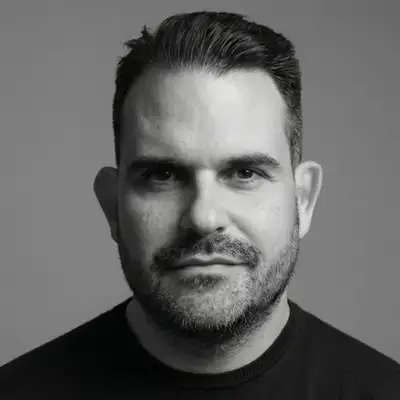
In this episode, host Chris Maffeo speaks to Michael Ballantyne, founder of Storywood, who joins the Maffeo Drinks Podcast to reveal how he created the first single malt whisky barrel–aged tequila—a bold step intended to convert whisky aficionados into agave enthusiasts. By deliberately pivoting from tequila-focused venues to whisky bars and events like the Glasgow Whisky Show, he discovered a more receptive audience who understood the language of oak, toast, and char. While stoking consumer curiosity with a cask-forward narrative, Michael stresses the importance of selective distribution, building momentum in key markets before spreading too thin. He explains how a multi-SKU strategy caters to varied palates—from lighter, cocktail-friendly expressions to richer, extended-aged variants—yet unifies under the “tequila meets scotch” identity. Throughout his journey, Michael has worked bottom-up—sampling events, personal brand ambassador work, and direct outreach—to forge loyal trade and consumer relationships.Timestamps:00:00 Introduction and Podcast Overview00:29 Guest Introduction and Product Overview00:50 The Story Behind Storywood Tequila03:47 Challenges and Strategies in the Tequila Market07:37 Innovative Marketing and Consumer Engagement18:17 Global Market Expansion and Distribution22:28 Personal Reflections and Advice for Entrepreneurs28:46 Conclusion and Final Thoughts
In this episode, host Chris Maffeo speaks to Michael Ballantyne, founder of Storywood, who joins the Maffeo Drinks Podcast to reveal how he created the first single malt whisky barrel–aged tequila—a bold step intended to convert whisky aficionados into agave enthusiasts.
By deliberately pivoting from tequila-focused venues to whisky bars and events like the Glasgow Whisky Show, he discovered a more receptive audience who understood the language of oak, toast, and char.
While stoking consumer curiosity with a cask-forward narrative, Michael stresses the importance of selective distribution, building momentum in key markets before spreading too thin.
He explains how a multi-SKU strategy caters to varied palates—from lighter, cocktail-friendly expressions to richer, extended-aged variants—yet unifies under the “tequila meets scotch” identity.
Throughout his journey, Michael has worked bottom-up—sampling events, personal brand ambassador work, and direct outreach—to forge loyal trade and consumer relationships.
Timestamps:
00:00 Introduction and Podcast Overview
00:29 Guest Introduction and Product Overview
00:50 The Story Behind Storywood Tequila
03:47 Challenges and Strategies in the Tequila Market
07:37 Innovative Marketing and Consumer Engagement
18:17 Global Market Expansion and Distribution
22:28 Personal Reflections and Advice for Entrepreneurs
28:46 Conclusion and Final Thoughts
The MAFFEO DRINKS Podcast is a leading drinks business podcast delivering actionable insights for drinks leadership.
For founders, directors, distributor MDs, and hospitality leaders navigating the tension between bottom-up reality and top-down expectations.
20+ years building brands across 30+ markets. Each episode features drinks builders: founders, distributors, commercial directors, sharing how the drinks industry actually works. Not the conference version. Honest conversations.
Insights come from sitting at the bar.
Beyond episodes: advisory for leadership teams, subscription with episode deep dives and principles to navigate your own reality.
Beer, wine, spirits, Low and non-alcoholic.
Bottom-up Insights & Episode Deep Dives at https://maffeodrinks.com
Hey, drinks builder. This is Chris Maffeo and you're listening to the Maffeo Drinks Podcast. Today, we are reaching listeners in over 100 countries and I'm grateful you're one of them. Before we dive in, a quick reminder that while the show is free, our paid Substack subscribers get early access to episodes, full transcripts, and exclusive deep dive newsletters. Check it out at mafayordrinks.substack.com.
Chris Maffeo:Now let's get into today's conversation. Welcome to the Maffei Drinks podcast. Fantastic to have you. After many years of following each other and all the possible social media, we finally managed to talk to each other and discuss your fantastic product.
Michael Ballantyne:Better, better late than never. Right?
Chris Maffeo:So let's start with a quick intro of your product in a nutshell, in a one minute. So that then I get all the listeners up to speed to why you're here. And then I'll ask you a couple of questions on understanding a little bit better on how you work with Storywood.
Michael Ballantyne:Okay. So Storywood is a, is the world's first single malt whiskey barrel aged tequila, but it was created as an alternative spirit for whiskey drinkers. So that, that was that that's the quick version.
Chris Maffeo:Wow. That's super quick. So let me dig into this because you were so fast and like there's a lot to unpack in that one. So first of all, so you are Scottish, but grew up in Houston, Texas, right?
Michael Ballantyne:Yep. So born in Scotland, grew up in Houston. Was there until I was about 25, and then moved back to Scotland in 2005, and I've been here ever since. So I got married, had kids, and, yep, that's me that's me staying in Scotland for a while. I guess take it a step back.
Michael Ballantyne:I did my degree in restaurant management and culinary art. So absolute cooking, flavor was was a huge thing for me, and and I really loved the hospitality industry. But it wasn't until I I moved back to to Scotland. I I fell into a different industry altogether. And in 2015, I I decided I really wanted to get back hospitality somehow.
Michael Ballantyne:And I went out to visit my mother, who's been living in Mexico for years, and and she took me to to tequila distillery. And that's kind of when I fell in love with the the idea of bringing the two cultures together as one. But for me, the the whole idea around Storywood was because I could see so many similarities between tequila and and Scotch whiskey. You've got regions with tequila just like you have regions with Scotch whisky. And if you think about the two spirits, they're pretty much just flipped upside down in terms of Scotch whisky is grown in the ground short, but long in the barrel.
Michael Ballantyne:And then with tequila, it's long in the ground and short in the barrel. So there there's so many easy ways as a whiskey drinker, which I was a whiskey drinker through and through. I could really understand what tequila was without really knowing what it was. Just with a few kind of discussions here and there, I picked it up really. And taking all that knowledge, I I wanted to feed that back to other people.
Michael Ballantyne:And and that's kind of how Storywood was created, by trying to educate consumers on grape sipping tequila. And we did that by putting it in in single malt whiskey barrels, which was it was the world's first. And and I think that kinda caught a lot of attention to start with because a lot of people just found it quite innovative. But for me, it was innovation with purpose, And that purpose was really to bring whiskey drinkers into the tequila category.
Chris Maffeo:I love that. I love that. And the interesting thing for me is the fact that you are bringing a personal story. I mean, you're basically embodying that bottle and vice versa. And Storywood embodies you, but the challenge with many founders that I speak to and I work with, it's always, how do you bring that personal story to life and how do you make it compelling for other people?
Chris Maffeo:No, because sometimes it's like, my grandmother was picking up the berries in the garden and I've always loved blah, blah, blah, but then nobody cares about this. You know, what is fascinating for me is that you are bringing together the Mexican spirits and Scottish spirits, but in a way that is blending, basically true flavor and taste on a problem that is, let's call it like a personal problem in a, in a sense of a, let's say a personal need that also other people probably have. And this is what is very interesting for me on how to bring it to life to others.
Michael Ballantyne:Yeah. So I guess as a whiskey drinker, I mean, I I understood oak, toast, chars. I understood what made the whiskey. Right? So you treat it with respect.
Michael Ballantyne:And and what in 2015, people were still shooting tequila. And to be fair, in The UK, we really didn't have any good tequila that was being sold here. So it was just being sold at the shot still. So the whole idea with Storywood was to really change perception on a drink that had quite a tainted past from, you know, a lot of people taking shots at the end of the night and and remembering that it didn't really end well. We were trying to change that whole thing, and and nobody was really doing that at the time.
Michael Ballantyne:I mean, there was some really great shipping tequila out there, but but nobody was really challenging perception. And that's kinda where we came in to completely change that, but it was it was quite difficult because the way that we kinda our strategy was instead of talking to tequila consumers, why don't we just go and speak to whiskey consumers? Because whiskey people, they know oak. They understand toast, chards, all our language that we're trying to speak. They get it.
Michael Ballantyne:Right? So so that's really what we did. We started going to to whiskey shows. And, I mean, our booth was flooded with consumers because they just wanted to know what it was like. And so in an essence, I was always trying to challenge like, StoryWeek kinda came about because I was always looking for something different to try as a whiskey drinker because I was one of those curious consumers, I guess, you could say.
Michael Ballantyne:I'm always kinda looking for something different. I solved my own problem by creating something I really enjoyed outside of whiskey, and that's really where we we played. We we did don't get me wrong. We did it completely wrong at first. We did go after tequila consumers, but what we found was that we just would sit on the back bar.
Michael Ballantyne:Like, we would sell a bottle, but we wouldn't sell another. We took all the traditional tequilas were being sold, and they they were the house poor, or we were maybe too expensive to to even get close to being a house poor. And so we completely changed our strategy, though. As soon as we went to that whiskey show in Glasgow and just had tons of people come to the stand. That was it.
Michael Ballantyne:It was like, okay. We're chasing the wrong people here. We this is our tribe. Whiskey consumers are the type of people that really enjoy this, and they're interested in it, and they wanna know more. So that, that was the great pivot point for us.
Chris Maffeo:And this is very interesting to know because one of the things that I remember on our interactions on LinkedIn four years ago that stuck with me was when you said, I'm going to whiskey bars, talking about tequila aged in whiskey barrels rather than going to a, let's say a Mexican restaurant, which doesn't mean that you're not settling to Mexican restaurant, but let's say the focus is that now, and this is also like for the listeners, like one of the things that I discuss a lot, and I like to clarify is that one thing that you are just having as a target occasion or target outlet or bar or restaurant doesn't mean that you don't go anywhere else. You know, it's just that that's your way of explaining it to people. Whether it's a distributor, whether it is a sales team, whether it's a brand manager, you know, that's the way you explain who you are. It doesn't mean that you don't sell. It's just that those are the places where you are more likely to convert and sustain that demand.
Chris Maffeo:Maybe in a, in a Mexican restaurant where you were sitting in the back bar because you were with another ten, fifteen tequilas and people didn't even get it because maybe, I don't know, I'm assuming from a different price point, you know, people were going there to have a salt and lime kind of experience, you know, and they didn't see the need for story wood. But then when you flip that and that eureka moment at the Glasgow Whiskey Festival, then the whiskey show, then you realize, okay, wow, these people speak my language, you know, they get what I'm talking about.
Michael Ballantyne:Yeah. Yeah. So like we automatically, we thought, you know, margarita, most served cocktail in the world, we need to be on that. We need that needs to be our cocktail. Right?
Michael Ballantyne:And what we still found was that there was just so many other tequilas that were owning that style. So instead of and and and that kind of when we pivoted, it was like, okay. If we can get on the cocktail menu, how are we gonna do it? Right? So what are the flavors that we have in our tequila that nobody else has?
Michael Ballantyne:And it's it's really oak focused. And so we're like, okay. Well, if we can't own the margarita, then why not go after whiskey cocktails? So old fashioned was absolutely perfect. And and we really kinda hammered down on that through different accounts, trying to get on the cocktail list as a tequila old fashioned.
Michael Ballantyne:And and that worked because people were curious, and they wanted to try it. And and it just it was a game changer really for the brand itself. Even doing that from I think a lot of brand owners, they think, okay. I've let's say they they've got a rum. They're like, okay.
Michael Ballantyne:We want to expand into different countries, right? We need to find the best rum importer or distributor. Actually figure out what your brand, the internal parts of your brand, what that is. Because with Storywood, it was very oak focused. Right?
Michael Ballantyne:So if we're looking for whiskey consumers, we don't necessarily wanna be in a portfolio of ten, fifteen, 20 tequilas. We wanna be in a portfolio of ten, fifteen, 20 whiskeys so that that salesperson who's going to those whiskey accounts go, hey. Here's you know, they'll do all their whiskeys and they go, hey. Here's here's the last one, it's actually story wood, and it's aged in single malt whiskey barrels. And they go, okay.
Michael Ballantyne:That's pretty interesting. I like that. That would work really well on our cocktail menu because we actually don't have any tequilas on there. And with the barrel aging, it just makes sense. So it's just you have to find your reason for being, you know, your the innovation's only as good as its purpose, you know.
Michael Ballantyne:So you have to find that something within your brand that really clicks and moves the needle because just being something isn't good enough anymore.
Chris Maffeo:Yeah. Yeah. And this is the key. You see it like when people are chasing these AWS reports and market share, this is like the market is booming and it's like, you still need to sell the first bottle. The first case, the first palette, you know, don't focus a lot.
Chris Maffeo:The zillions cases, nine liter cases that are out there. Considering how few bottles you're going to sell at the beginning, any market, it's good enough for you. You don't need huge opportunities because ultimately you just need to crack the beginning of the journey.
Michael Ballantyne:Yeah.
Chris Maffeo:What you're confirming is that it's going to be bumpy. I mean, you don't realize it right away. You go by trial and error and then you speak to people and then you realize like that example that you mentioned earlier to me, like about the glass that's so interesting. How do you change the perception of, by just having a small change in the serve of your product now? Maybe you can explain that as well.
Michael Ballantyne:Yeah. Yeah. So, I mean, that was really, that was before, before thing kinda I had that light bulb moment, you know, trying to get all my my whiskey friends to enjoy tequila with me, and they were always saying the same thing, where's the salt and the lime? And it was actually my wife that was like, if you're trying to get people to drink it like a whiskey, why don't you just put it in a whiskey glass? And sure enough, I I put the next time I had a friend around who does not like he liked tequila now, but he didn't like tequila before.
Michael Ballantyne:I I put some tequila in a Glencairn glass, asked him to try it. I didn't tell him what it was, and and he was like, wow. That's really good. What is that? So so that alone changing perception just on the glassware, that was kind of the the seed to make me think, okay, if I can change perception just on that, what could I do if I actually put it in single malt whiskey barrels?
Michael Ballantyne:So it really was Storywood was trying, in my mind, it was an educational tool to show people that tequila can be just as great as any flipping spirit in the world, but you have to do things in order to get people round up. You you you have to change perception through glassware, barrels, your the way that you talk, the language, and there's so much more. You can't just be the same as everybody else. But I think these kind of brands like, I I've seen other brands from founders that are quite innovative. And there's one thing, it's just you have to trust your gut.
Michael Ballantyne:You know, if there's one thing that I could have done differently before, it would be to stop second guessing myself. You know, I thought the right path was tequila consumers, but but I I, you know, I created it as an alternative spirit for a whiskey drinker. Right? So in the very beginning, I should have been pitching it to people just like me, which I finally realized that was the right path. But just trust your gut and go with that is one piece of advice I'd say to people.
Chris Maffeo:That's a gold nugget there because we always tend to think that we are the weird ones, no? And it's like, there's not people out there and I'm weird and nobody will have my needs because, you know, like people are more linear, but in the end they're not. And it's funny you say that because sometimes I'm doing all my scribbling and writing things on my newsletter and these things. And then sometimes I think I have a fantastic idea and I write something about it. And then I go back to some old file and then I find an article that I wrote four years ago and I was like, wow, I knew this four years ago.
Chris Maffeo:Then I forgot about it. And now it's back, you know? And sometimes, I mean, you need that reconfirmation. You need that iteration, to be honest, sometimes like to forgive yourself.
Michael Ballantyne:Yeah. For sure. I think I think there's a little bit of an experience. I didn't have any experience in the drinks world. So when I was actually going out and speaking to people that had, you know, fifteen, twenty, thirty years experience in the spirits industry, and I'm telling them, I'm not going into tequila bars.
Michael Ballantyne:I'm going into whiskey bars. Honestly, the amount of people that actually laughed at me and said, that's not gonna work. And and it doesn't really boil down to experience because if you think about it, lots of trends, they completely change. So, like, where we were before, we were pitching to when we I guess, when we first created Storywood, what we wanted to do was be a really unique barrel aged tequila pitching to whiskey drinkers. Now, I mean, we we pretty much trailblazed space at that point in time because nobody was doing anything like it.
Michael Ballantyne:You've now got tons of bigger brands doing similar kind of stuff as to what we're doing, and they're educating consumers. So from my point of view, we can go into all the all the tequila bars and and places where we didn't play before. We actually can play there now because a lot of these places are educated on different barrel styles and, you know, bartenders are more educated with the kind of talk that we're actually talking about now. So in terms of, you know, I guess, where we were before thinking, you know what, if we could just sell twenty, thirty, 30,000 cases, that'd be amazing. But where I'm at now, it's like, there's no reason why we couldn't potentially get to a 100,000 cases.
Michael Ballantyne:I mean, that's, you know, it's changed so much now, the category that it's really opened the doors for so many brands out there. And that's a great thing.
Chris Maffeo:That's very true. And it's connected to one thing that I'm always talking about. I call it the sell in Ring Road where you have the Ring Road of a city and you can decide which road you take to get to the center and the traffic changes. So back then probably you had traffic on two or three of those roads and then you decided to take another road. But then traffic conditions are always changing depending on time of the day and day of the week kind of thing.
Chris Maffeo:And it depends on what's the hook to that thing. Because if somebody is a tequila drinker, then it could be like, oh yeah, I'm a tequila drinker, but I'm tired of drinking the usual tequila. And then you would be like, well, have you tried this one? You know? But then vice versa, you know, what seems to be working for you is also the other way around, which is the scotch path.
Chris Maffeo:And what I like about this is this cross contamination of categories through flavor. That is so inspiring. And honestly, were one of the guilty ones that got me into this thinking in a good way that, because I'm really talking like that. I'm almost like scrapping the categories as we know them now, because I mean, categories are an ex post exercise of what was created like scotch and cognac and, brandy and Amado and whatever. They were called like that afterwards.
Chris Maffeo:Ultimately people drink stuff, you know, and then people drink liquids. Of course there are rules and appellations and all these kinds of things, but, but the mouth doesn't care about appellation in that sense. No, I like a smoky flavor, were discussing before. I like to bridge between Islay and, and a mezcal, for example, no, And then you can take the woods route. You can take the liquid route.
Chris Maffeo:You can take the ingredients, the base spirit kind of route, and you can play around it in so many different ways. And that's so fascinating. 2015 is like ten years ago, but it sounds like thirty five years ago now, like from a market evolution perspective.
Michael Ballantyne:Yeah, I mean, it's completely changed. I think when I first started, there was just shy of 1,500 brands in the market. We were of 1% of those 1,500 sourcing our own casks. 1%. We were doing all our aging, all ourselves from the ground up.
Michael Ballantyne:Now there's well over 3,000 brands, and I'm not sure what the statistics are today, but I would say there's gotta be at least gotta be at least around 10% of brands that are actually buying the the casks and and kinda doing that stuff themselves. But as as a whiskey drinker, you that that's really all I knew. It was like, okay. Well, we can't cut corners. We have to build it from the ground up.
Michael Ballantyne:But now people are starting to realize that, you know, in 2015, Blanco pretty much flooded the category, and now reposados are are actually the highest growth category in the tequila category. So people are catching on to that and they are using different barrels, whether it's French oak, American oak, you know, sherry barrels, you name it, people are jumping into it. But the great thing about what Storywood is, it's not just a limited edition. It's whatever we do will always be in our range, and there'll be a reason why we did it. And that's really telling a story behind the the people behind the barrel.
Michael Ballantyne:It starts from the Coopers and then is aged in bourbon, and then, you know, those bourbon barrels come over to Scotland. There's people that handle those. Scotch goes into it, then they're sent to the cooperage. We go out, select all our cast, and then ship them over to Mexico. Yeah.
Michael Ballantyne:There's a fingerprint behind that that barrel of the amount of people that are behind it, and that's the authentic part to story. We're we're we're trying to tell people about it's a story through oak and flavor. And that's really what makes it quite unique.
Chris Maffeo:That's fantastic. And I know you're selling in US, UK, Australia, other countries, but if we take US and UK, just out of simplicity, they are two totally different countries in terms of tequila knowledge and scotch knowledge. No. And one it's a home turf on one and the other one in the other night. Kind of like, they are in the empty boats of each other now in that sense.
Chris Maffeo:So in terms of understanding and consumer preferences, did you see differences?
Michael Ballantyne:Yeah. I mean, so we we had to start on home base, right? Just, you know, bringing it over to The UK made the most sense to try and figure out how to sell it first. And tequila has gone in leaps and bounds in terms of the the uptake that consumers have had here in The UK. They're definitely on more menus.
Michael Ballantyne:People are definitely drinking it. People know about a 100% agave. They know about mixed dose. They understand quality. So that that bit's great.
Michael Ballantyne:Tequilas that are sort of 40 pounds and and above still struggle to kinda move the needle, I would say, and you're kind of in between 20 pounds and 35, so you need to be almost like the sweet spot. But, you know, as a small brand, it's very easy to think, okay, I'm gonna go here. I'm gonna go there. I'm gonna, you know, all these people are coming to me wanting palettes that feel like a great thing. We're gonna ship them all over the place, but you lose focus so quick.
Michael Ballantyne:Right? So and that's kinda what we did throughout in 2020 when COVID hit when we properly launched the brand. We really had to go out into different markets just to bring some revenue through the door. But what happened was we realized that being such a small team, we just couldn't support all these markets once things kind of got back to normal. So we really kind of focused on on more of a, you know, an inch wide and a mile deep rather than the other way around.
Michael Ballantyne:And, you know, going into markets where consumers understand super premium tequila seemed like the right place to go. So we aligned with the right distributor in Texas. Well, first and foremost, we we aligned with the right importer in The US who had a portfolio of great scotch whiskeys. So that was the perfect place for us to be in. And then from there because that importer is pitching all their Scotch whiskeys to, you know, 50 different states of distributors who are asking them about Scotch whiskey, and then we kind of come in the back going, oh, and guess what?
Michael Ballantyne:We are tequila aged Scotch whiskey barrels. So that's kind of the cool thing about how we aligned with the right people, and that's definitely a big part of anyone's growth is you've got to find the right partners. But yeah, just kind of, I'm probably dragging this on a bit, but just like in Virginia alone, we just got 300 retail stores there just recently. And that's a huge win for us. I mean, 100 retail stores, we could never get in 300 retail stores in The UK.
Michael Ballantyne:So it's just find your market, figure out how to support those and get behind them. I mean, got behind us from the early days. Total wine, Binnies support those accounts. Go and see them like I was just over in specs a few weeks ago. I couldn't get any tastings aligned because it was too late in the game.
Michael Ballantyne:But I just went in and spoke to their sales staff, just had a chat with them. I've spoke to some consumers that were hanging about it at the Scotch whiskey aisle, signed a couple of bottles. I mean, just whatever you got to do, just just do it. That's the number one thing. Be there, show up, do everything you can.
Michael Ballantyne:And and eventually, like you say, you know, that one bottle turns to a case and and so on and so on. It's a trickle effect. You know, this is nearly ten years from three years of R and D at the first stage and then, you know, COVID hitting. I've gone through some crazy other things in terms of investment rounds. It's an up and down roller coaster, but from a sales point of view, if you pick the right partners, you show up in the market, you show people love and, you know, it does work.
Michael Ballantyne:It just takes then, you know, we're at face ten years. We're not even a ten year overnight success yet. You know? That's how long it takes. But it's it's funny.
Michael Ballantyne:I actually had a conversation with mister Tito himself, and he told me all this stuff as well. He was like, you know, think of all these brands as in an hourglass, you know, tens of thousands of brands. You gotta figure out how you're gonna cut through them. Yeah. It's it's not an overnight success.
Michael Ballantyne:You gotta put time in, work hard, and along the way, you know, those small wins will equal one big one eventually. You know, speak to people. Yeah. I speak to everyone, honestly. Like, people think I'm nuts.
Michael Ballantyne:I've gone in LinkedIn with, like, you know, CEOs of some of the biggest spirits companies in the world, and and I've just, you know, shot them a message. I've tried. If you don't ask, you don't know. And for a lot of the times, I've got a reply back. It might not be has anything happened in today, but we're on the radar.
Michael Ballantyne:Like we're there and they know about us. And so if you're not doing little things like that, you're not moving your brand forward.
Chris Maffeo:There's a lot of to unpack in what you said, because the first thing is on this, kind of like, you're avoiding spreading yourself too thin now because that, and when I write on LinkedIn about these things, always talk about winning the home turf now. And people are commenting is like, no, you cannot do it because like here in the home turf is tough. And like, we want to go and export, but people always think the grass is always greener on the other side now, but ultimately there is a thin line in understanding. Okay. One thing is an opportunity because you need it for financial reasons, you know, as like, okay, I need to sell that pallet and that's fine, you know?
Chris Maffeo:And I always say you have to think, will I regret what I'm doing today to get this cash in or not, because if you won't regret it, then go for it. But if, if you are setting yourself for kind of like disaster, because you're doing that, then you have to think about it twice. And the same thing is about the story about winning the one case in one bar versus the six bottles and six bars. It's always the bar version of the importer. If you can manage to go to those bars and I saw your LinkedIn post other day and I loved it.
Chris Maffeo:Like you just said, I just went in and I signed a few bottles and which is great because I mean, that's what usually people, authors of books do not like in airports or in bookstores and so on. And it's super cool because I saw it and I said, that's super smart of Michael because it's a small thing. You can amplify it on social media. You can get it there. It's you walking into that store.
Chris Maffeo:It's you showing up for something. Maybe, I mean, like you're talking about maybe, I don't know how many you sign, you know, five, ten, 15, whatever it was, but you know, like it's five, ten, 15 consumers that are going to buy it. So automatically if people think like, okay, why should I bother for 15 people? You know, it's what you can do in
Michael Ballantyne:terms you do not exactly.
Chris Maffeo:And also, I mean, I do exactly the same with a podcast. Like you don't know how many people I literally myself followed my podcast on their phone, you know? Yeah. Sometimes like, oh, you have a podcast and they hand me their phone on Spotify. Can you type it in for me?
Chris Maffeo:Boom. I just put like the follow button, you know? And, and that night I got two followers, you know, it's like, it's two followers. I mean, on the thousands of listeners, but those are the two that, first of all, they can tell a story of how I met them. And then it's me proving that I can master unscalable things so that I can scale in the future.
Chris Maffeo:Yeah.
Michael Ballantyne:Yeah. I mean, I had a bit of a problem with that when I first started the brand, just kind of telling people about it and putting myself out there and, you know, signing bottles and things. And I guess I was a little bit of quite conservative and and almost shy in a way, You know, it's like, didn't wanna be too, oh, yeah. This is my brand. But, yeah, it's it very much is a it's a founder brand.
Michael Ballantyne:You know, people connect with it because they connect with the story. It's authentic. And if you're not putting yourself out there in the right way, there's there's the right way to to talk to people about your brand, and there's the kind of showboating about your brand. You know? We don't wanna do that kind of stuff, but it's that authentic conversation.
Michael Ballantyne:You you just gotta have the conversation with someone because, you know, like you're saying, there's ten, fifteen people in Quebec could potentially speak to they're gonna tell someone. Whoever they have at the house that that they're pouring a storywood for, they're gonna be like, oh, actually met that guy today. He was in specs. And then, you know, that person will probably buy a bottle. And it's, you know, it's that effect.
Michael Ballantyne:If you're not actually if you're not actually doing it, you're not gonna sell that much of it. So you just have to put yourself out there, and that's something that I really learned from the very beginning. Just get out there and speak to people no matter what. It doesn't matter. You know, hit up people on LinkedIn you would have never thought you'd hit up.
Michael Ballantyne:I mean, you just might get somebody that comes back and says, hey. Actually, you know, I've been watching the brand. I really love what you're doing, and it could turn to an opportunity. You never know. But if you don't ask, you you will never know the answer to that question.
Michael Ballantyne:We have to do things differently as small brands. You got to cut through the bigger brands one more one way or another and find the right people to speak to.
Chris Maffeo:So I agree. And I think you nailed it there on the fact that you, when you sell is the right way of doing it now, you can do it in a show off fee kind of way, or you can do it in that kind of like humbler way. But ultimately, I mean, if you don't believe in your product, like it's funny, like I was at bar convent. It's a funny story. Maybe, you know, the person in the involved is listening to it.
Chris Maffeo:And I, you know, I was introduced to someone at bar convent and it was like, yeah, and he has a podcast and, and then this person left and, and then I was there with this person and then I said, oh, so you have a podcast. And I said, yeah, yeah, yeah, should listen to it. You'll love it. And she said, you already know that I love it. I said, yeah, I mean, I know, it came off a little bit off, but then we spoke about it and we laugh about it.
Chris Maffeo:And I say, I know it because not because it's mine, but because I get feedback. And because if you are someone involved in the industry, because many other people from the industry love the podcast, I'm sure that you will love it. If I'm not selling my own product, who should? You know?
Michael Ballantyne:Yeah, exactly. Yeah, totally. And yeah, the, the, your podcast has so much purpose, Right? It it reaches out to all different types of people who wanna listen to it. It's educational.
Michael Ballantyne:It's you know, you embody that whole purpose behind the podcast. So it's a proud moment for you to go and tell somebody about it. And that's exactly the same with with Storywood. I just had to understand that, you know, we're it's it's a proud thing to have a brand to think about bringing other people into the team and, you know, employing passionate people who love the brand as much as I do. Working with amazing distillers and cooper's and, you know, that it's a proud thing.
Michael Ballantyne:So you just gotta get behind that and get out there and and do it. And that's the one piece of advice I I can tell anybody if you're at the bottom of starting a brand or if you're going through, you know, stages. Like, we all go through these up and down moments, but you just gotta try and keep your foot on the gas. I say play offense 90% of the time and play deep defense 10% really fucking good. You know, that's the one thing that I should have done a while ago, but that's very much the path forward now.
Michael Ballantyne:Be on offense.
Chris Maffeo:Fantastic. So I think this is a great way to wrap up the podcast because it's a fantastic advice and I want to leave some space telling people where they can find you Storywood and how to reach out to you if they want to. And the stage is yours.
Michael Ballantyne:Yeah. Yeah. You can get us on master mall here in The UK. We're also on findgoodspirits.com in The US so we can ship it into The US anywhere over there. Specs, Benny's, Total Wine as well.
Michael Ballantyne:And then, yeah, if anybody wants to reach out to me, my door is always open. It's michaelstorywood tequila tequila dot com. Hit me up. Let's chat. Yeah.
Michael Ballantyne:That's that's about it, man. Thank you so much for having me on. I really appreciate it. We're we're gonna have to do this at least not not four years from now. We're gonna have to see each other a lot sooner than this face to face.
Chris Maffeo:I will. We will do. We'll finally hopefully, we'll manage to get a a glass together, like, enjoy it together so that I can finally taste your tequila.
Michael Ballantyne:Absolutely. Do it.
Chris Maffeo:Yep. Thank you. Thank you, Michael.
Michael Ballantyne:Okay, Chris. Thanks, Lee. It's great to speak to you.
Chris Maffeo:That's a wrap on today's episode. If these insights helped you, take a moment to leave us a quick review. It really helps other drinks builders find the show. And speaking of sharing, pass these insights along to another drinks builder who needs to hear this. Wanna get next week's episode right now?
Chris Maffeo:Head over to mafaredrinks dot substack dot com where paid subscribers get episodes a week early plus full transcript and deep dive analysis. Until next time, remember that brands are built bottom up.