Subscribe
Share
Share
Embed
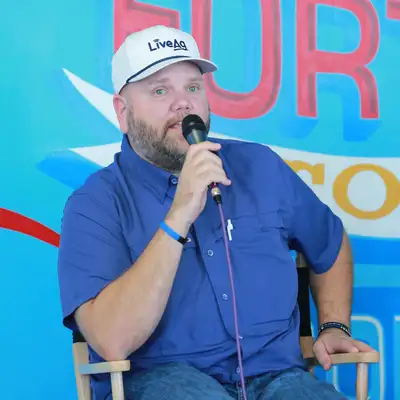
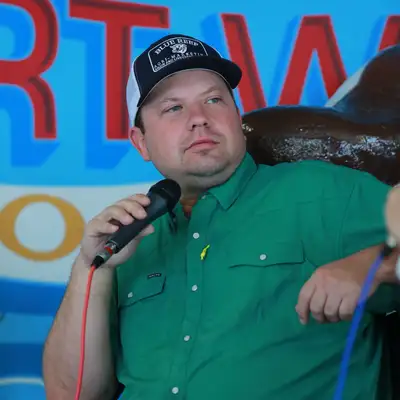
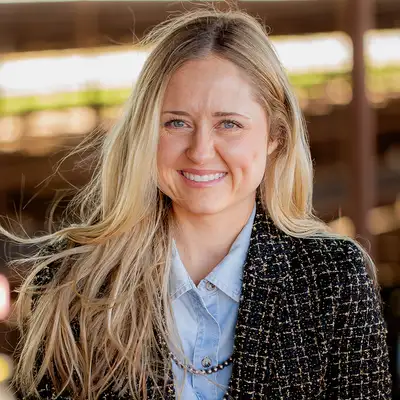
Welcome to the "We Live It" ranch and livestock marketing podcast, where cattle market intelligence meets ranch-ready wisdom. Join hosts Ty deCordova with LiveAg and Casey Mabry with Blue Reef Agri-marketing as they bring you straight-talk market analysis, proven strategies, and insights from industry leaders who understand ranching isn't just a business - it's a way of life.
From livestock market trends to cattle management practices, each episode delivers actionable knowledge to help take your ranching operation to the next level. Whether you're in the saddle or in the truck, tune in for conversations that matter to modern cattlemen. Because we don't just talk about the cattle business...we live it.
Response from people that I've been working with and that have been willing to give me a chance to rep their calves and help them get the most opportunity for their cattle in a live market setting has been really rewarding.
Speaker 2:That's a head on. We live it. The LiveAg podcast from seed stock bull sales built on generations of performance to commercial video auctions backed by real relationships to equipment auctions that keep operations moving forward. Live AG connects cattle producers to opportunity. Quality cattle deserve premium prices.
Speaker 2:The right bulls deserve more buyers and dependable equipment deserves a fair bit. Whether you're consigning to a live AG video auction, marketing seed stock or moving iron through the equipment exchange, we combine local representation with nationwide reach. Connect with your live agra by scanning the code on your screen or visit us online at live-ag.com. We are proud to be powered by Biozyme, the makers of Vita Firm and GainSmart. Value added nutrition partners trusted by cattle producers across the country.
Speaker 2:Now here are your hosts, Ty deCordova and Casey Mabry.
Speaker 3:Welcome back to the We Live It Podcast. We are here in Boise, Idaho. We are joined with Wade Leist and Chris Howell. Casey couldn't make it today or actually couldn't make it up here this week. He was busy down home with some things, so and he's probably glad he's not here, so because we'd be giving him a hard time.
Speaker 3:So, but we are joined with Chris Howell today. Chris is a new member to LiveAg, he come on as a rep here recently, and he come from a long career at Riverbend RanchesRiverbend Steaks, so Chris kinda fill us in, what did that look like, what was your kinda job title there, and kinda what brought you here?
Speaker 1:Yeah, I was at Riverbend for ten years. My job title was technically director of customer service, but it extended well into the procurement side with Riverbend, with Riverbend Stakes, with I did all the program management, EID management, all the natural programs, all the audits. The job kind of grew pretty extensively in that ten years when I first started. It was mostly working with our bull customers, helping them get what they needed and, you know, the type of bulls they needed for their programs, working with them in that regard, and then fixing issues, you know, if there was one that we delivered that got hurt, I was in the truck going, getting them a new bull, fixing that, and helping them out and working with them, and in that ten years, Riverbend grew exponentially, you know, I mean, when we first started, we've always had a customer buyback program there, and it was initially kind of based in, like, hey, we're gonna be there to protect you and you're never gonna give your calves away to the market, as obviously they grew into Riverbend stakes and everything that happened, we went from purchasing maybe three to 5,000 calves a year, to 50 to sixty, seventy thousand calves a year, and so, procurement on that level, as we grew into that, I became the dispatcher, I became the guy that was working with reps on a daily basis on what calves that were coming, what loads were working, and I mean, when I left earlier, you know, this spring, we had three finished yards that we were working with, that were working, you know, fulfilling orders for Riverbend stakes, and then 13 back ground yards that were involved with that.
Speaker 4:So we're hearing the seed stock end of this, when we're talking about Riverbend, we're hearing some seed stock, you're talking about some bulls, we're hearing feed lots, and we're talking about procuring commercial cattle, we're talking about program cattle. Give us kind of just a synopsis, like what is Riverbend? There's a Riverbend steak portion, which we're going be lucky enough to enjoy. Tomorrow at the sale, they're sponsoring our steaks right here during our sale in Boise. They did last year too a real treat, they were delicious, but just give us a little synopsis of what Riverbend Ranches, Riverbend Steaks, Riverbend Seedstock, give us a synopsis
Speaker 1:Right, of well Riverbend Ranch has been around for over twenty five years as a seed stock black Angus company, you know, they've been really lucky in how they built the company and where they were trying to go, so, I mean, there's a seed stock component to it, they're, you know, they have a large commercial herd of calves they raise of their own, you know, and obviously the steak side becomes, you know, what they referred to as the investment cattle that they were buying for the Riverbend meat packing plant, and so, I mean, with that came the feed lots that they were managing and or owned, and then backgrounding yards and everything that came along with that.
Speaker 4:Would an average consumer, would they know Riverbend steaks, is that a name brand that they'd go find at a supermarket, or are they eating that product and maybe don't even realize it?
Speaker 1:There's probably a portion that they are eating that are being sold in the commercial side of, you know, retail. The large majority of the meat that's being moved has actually been moved through riverbendsteaks.com, and they're selling, you know, product that way, and it's, you know, two different ways. It's a monthly subscription that you can get, or it's a a la carte where you can order, if you want to order 50 rib eyes, you could do that as well. So, I mean, it's, I mean, it's, you know, obviously, I was part of it for ten years, I'm biased, I believe it's one of the best products that you can go out there and get, and price point is phenomenal for what they're doing. So, what you're
Speaker 3:saying is, the riverbendsteaks.com is, that's where you'd go to, if you wanted to order steaks for your customer base for Christmas or something like that, just ship them direct to them. They'll do all that. They have those packages and stuff like that.
Speaker 1:Yeah, they're shipping anywhere in The United States today delivery, right to your door.
Speaker 4:How did you come across that? How'd you get into that? Tell us a little bit about where Chris came from and how he landed at a position like that, and then kinda how you decided to step out outside of that environment and come into this environment.
Speaker 1:Sure, sure. So, background's all been commercial cattle. I grew up on a commercial cow calf ranch in Northern Nevada. I grew up there. I went to college here at Boise State.
Speaker 1:Went back there, I was there for twelve years with my dad and an uncle for, that was there for a bit, and then when my grandfather passed away, there was interest from other dad's brothers and sisters to sell the ranch, and so they sold it and I was actually, I'd been purchasing bulls at Riverbend for my family's commercial ranch, knew the general manager at the time, were friends and he, you know, he told me about the opportunity, that they were looking for somebody that could be customer centric, kinda work with their customers, help them get better opportunities with bowls, you know, fix, you know, a lot of it was, you know, fixing problems, know, and it was initially really based in the registered side of what Riverbend was doing. Like I said, they weren't purchasing what they were, you know, the amount that they were doing now, right? And, you know, and so, I mean, it really has grown, but I mean, from there, then I, you know, I just kinda, I grew into that role and, you know, kinda worked into the procurement side, was probably 90% of my job, and deliveries, and that side of it, and it kind of evolved into an opportunity with, you know, Dennis Metzger talked to me and said, Hey, you know, if you're interested, we think you could be really good at this, and there could be something to it if you're interested, and I took quite a bit of convincing of myself, and convincing of my wife a little bit, as well, that that's what we wanted to try to get to, and been at it for just over a month, and so, I mean, response from people that I've been working with and that have been willing to give me a chance to rep their calves and help them get the most opportunity for their cattle in a live market setting has been really rewarding.
Speaker 3:And it just goes back to the reputation that you built for yourself and what you did on a database there at Riverbend and getting that relationship with those customers. You mentioned earlier about procuring your bulls for your family ranch, that's what I see pretty neat with guys like yourself and Dennis and some of these other reps that have that relationship with their customers on genetic choices, bull choices, and how that looks to better their program, to better their end results. And I think that's where you see tying the seed stock side with the commercial side and where that advice comes from and who it comes from and what that looks like, so when you're doing that, what do you, I guess what do you look for, and I know you're at Riverbend, you sell a lot of Riverbend and Bulls, but kinda what are you looking for, is it different for each cow herd, is it different for each management practice, what does that look like?
Speaker 1:It really is different from everybody's perspective, right? I mean, I think that's where marrying between a seed stock operation and commercial operations really happens, is what guys are looking for for them for value, right? What we talk of, you know, when I talk to commercial cow calf guys, what we're, a lot of it is, is how can we create value for what you're trying to do in the marketing aspect, but the bulls are, and genetics are a huge opportunity that, in creating value. Not only in, you know, genetic programs such as Riverbend or forty four Farms, right, but also in, like, creating a product that's gonna work for you and your environment,
Speaker 3:right?
Speaker 1:What I've found and saw a lot of times is commercial, there's some really good commercial cow calf producers, but they think about marketing one or two times a year. They think about genetic selection once a year when the sale catalog shows up, and that's where they buy bulls from, right, whatever place that is, and there's not necessarily as big of a management choice all the time in what they're trying to do. Most of our cow calf producers are really good at managing grass, managing the environment to the best of their ability, managing all the small stuff that make their operations successful on a day to day basis, but they don't necessarily think as much about the marketing of their cattle, or the opportunity and what genetics can do for what they're trying to buy, whether they are looking at a maternal, trying to create a little bit more of a maternal herd, looking at it as an opportunity for, you know, a marbling opportunity in selling the calves or something in that regard.
Speaker 4:Well, I think you're touching on something that brings value from somebody in your position, whether that's repping cattle or whether that's working for a seed stock operator, is providing that insight, providing that information to a producer so that they can make an informed decision. One of the questions I've always had in the seed stock industry, I kind of relate it to the horse industry. I know the difference between a $600 horse and a $6,000 horse, but I've never known the difference between a $6,000 horse and a $40,000 horse. What's the difference? When I think about the seed stock industry, when you're talking about offering value, and maybe that producer knows what they're looking for in a trait to add to their herd, how do they know how much value to attach to that?
Speaker 4:If they're looking for a trait and that bull trade is bringing like 20,000, where's that value coming from? How do they know how to attach value to that?
Speaker 1:You know, that's a good question, and it's kind of hard to see sometimes, too, right? I mean, guys look at it and they're not, you know, recently, as this market's really went up, they look at it and say, oh man, I guess I'm gonna have to pay 12 or $15,000 for my bulls this year versus, you know, two years ago paying 9, you know, and so, part of it is related to market value, right, but a lot of guys look at it and they really do look at the perspective of what they need in the, you know, I always promote not single, you know, try not to just select on a single tray, right, you know, so, trying to promote, like, looking at it as a larger picture of what you're trying to do for the whole program and what you can try to, what you're trying to accomplish for the whole program. And so, and then after that, then I just start saying, hey, there's levels of different bulls that you can look at and say, okay, well, if I'm really looking at this type of bull, this is what it's gonna cost, and a lot of guys, the value, like at Riverbend, is a lot of guys looked at it and said, hey, I understand the value that I'm creating by buying bulls, you know, from this program, right?
Speaker 1:And it, you know, and it obviously was a genetic value, but then there was off the marketing value that Riverbend offered on top of what they were doing.
Speaker 3:It all goes back to the end result, in my opinion, okay, how do you differentiate what that end result's gonna be? Well, what can this bull offer my cow herd to make that end result better? What genetics or what EPDs do I need to look at to make these cattle grow faster, get big enough, grade better, hang better, what does that look like and what do those genetics look like? So, I mean, it's all an informed decision and that's what's so good about Knowledge is king here, so getting somebody like Chris and some of these other guys to go around and buy these bulls and know the deal and know the programs, that knowledge is keen to ask them their advice, and that's what, I mean, that's what you're providing is, knowledgeable advice because you've been doing it.
Speaker 1:Right, no, know, honestly surprised me a little bit when I first started at Riverbend, and, know, I'd call people to talk to them about the bull sale coming up and stuff, and they'd be like, okay, which one should I buy? And, you know, it was like, you value my opinion that much about it, right? And guys, they really did, right? They really wanted to know what you thought of what they were trying to do, and that's honestly one of the neat things I took away from it was is when I got that connection, you know, in the last ten years that I built with a lot of those customers, it was really rewarding to be able to talk to them about this is what we've done, this is what we've built, and this is where we're at, and then, you know, I knew where we were trying to get to, so then I could already start telling them, hey, this is what I see, this is what I've seen in different sire groups of bulls that I liked, you know, ones I didn't like as much, you know, you know, ones that I thought would work for their environment, ones that I didn't think would work as well for their environment, or how they manage their cattle, and so, through that, like, that level, I mean, it becomes trust, right?
Speaker 1:I mean, that's the biggest thing in this thing is they believe what you're telling them and the value of what it is and that trust that it becomes with it and how they can use that to better what they're trying to do.
Speaker 4:That's what I was gonna add, is that the first step is they ask for your opinion, the next step is you better be right, or
Speaker 3:at least be close to being right.
Speaker 4:So you come from that background and you have that information, and now that you're gonna flip over and you're gonna move over to the marketing side, how is that history and how is that education and those experiences, how is that gonna help you on the marketing side when maybe somebody says, Hey, Chris, you told me to buy this kind of bulls, now I have these genetics and I have these traits, and now you're gonna go market them. How does that help you?
Speaker 1:Well, I think there's several parts to that, right? I mean, Riverbend was based in, you know, a natural program, not the stakes, you know, the stakes were verified, you know, natural. So, between genetics and programs and showing them what you've done in building those programs and building that together, and then showing them the opportunity and what that marketing can be, is the, I guess, bigger goal, right? I mean, when you put it all together and show them, hey, these are what you've done, know, genetically you've increased and you've, you know, we can show that, you know, whether it's through Angus Verified with the genetic merit score, or, you know, or even DNA testing on them, and showing what those values have created, you know, those all add up to marketing opportunities and trading and showing a difference in the cattle, what you're producing versus somebody else, right? And a lot of the guys that I've been lucky enough to work with and do that have been more progressive in what they've been trying to do, and trying to capture value with what it is, and now, I'm excited to be able to work with them to try to show them where that opportunity really lies.
Speaker 3:Well, we're excited too, I'm just kinda glad and excited you're on, it looks like you got a first offering up is pretty good, I mean, just for your first time out, you got a pile of them on the sale and they're just excited about the future of the whole deal and anybody out there watching that wants to reach out in Chris's area, Nevada, Oregon, California, Idaho, Utah, Wyoming, South Dakota. I'm trying to make me a circle and I'm missing something there somewhere, but no, just you can reach out to him, if you don't have his contact, you can look on liveag.com and search the reps tab and his name and numbers on there to get ahold of, to market your cattle on LiveAg, and we're just super excited to have you here, appreciate you trusting us, What's next looks pretty fun to me, so
Speaker 4:Bringing that experience with you and talking to some of the producers that you're lucky to get to work with, fortunate to work with, like you mentioned, some of those are going to be younger producers. I kind of want to close this on. If one of those younger producers comes to you and asks for one piece of advice, what's something that you'd give them that you think would stand the test of time and help them?
Speaker 3:Kinda put you on the spot.
Speaker 1:Right, you did. You know, what's neat about our industry and what a lot of these ranches, right, I mean, a lot of them have been around for over a hundred years, so they've done something right to be where they are today, right? But where we're at with the market, where it is, has led to a huge opportunity for young producers to get into the market, be accustomed to being, you know, getting paid what can be rewarding, right, and have them to be in this, and hopefully, long term be functional, and be in this, right, I like to hopefully consider myself still halfway young, but with that, in the market we're in, it gives young producers the opportunity to be there, and my thing to tell them would be is, don't be afraid of trying new things, you know, being, you know, there's a lot of awesome new technology out there, virtual fencing, halters, I mean, there's just, it seems like it's expanding really quickly, and those things can add, you know, might cost you something, but they can add value. I mean, no different than, you know, verified natural programs, or, you know, these third party verified programs.
Speaker 1:Yes, they cost something, and there's expense to them, but there's opportunity to be gained because of them, and, you know, and young producers need to understand that, I mean, I'm not telling you every time that I see you, you have to pay for more for something else, something, but there's opportunity to be gained from a lot of these outside, you know, programs and
Speaker 3:Me and progressive thinkers too, I mean, don't be stuck in just because that's how grandpa did it or that's how dad did it, I mean, yeah, we need to keep a lot of those traditions, but we also need to think outside the box and okay, what makes this more down the road economical and what our end goal or end product, and what makes that more profitable.
Speaker 4:Yeah, that one hundred year ranch, that Centennial Ranch, they didn't do the same thing for one hundred years to guarantee it. They had to adapt. They had to change. They had to be open minded about some new things.
Speaker 1:Oh, for sure, and I think that's the great part of where we're at, right? They can take that legacy of a hundred years, and now use the technology that's out there and the opportunities with different programs and stuff like that to make it
Speaker 3:the next hundred years. Well, Chris, thanks for being on. Wade, appreciate you coming on and helping out, filling in for Casey, you're a little bit taller and, yeah, just a little bit taller than Casey is, but thank you everybody for watching We LiveIt Podcast. If you have any questions or wanna participate or wanna advertise through us, reach out to katielive ag dot com, or just look at our website and fill that in, and you can find some contact names on there, but liveag.com. So thanks for joining us, don't forget to hit subscribe and like, and as always, God bless.