Subscribe
Share
Share
Embed
Are you looking for proven ideas to increase your influence, hire and develop an excellent staff, build a stronger culture, lead meaningful change, and form a strong foundation for learning and leadership success? This is the podcast for you.
Whether you're a leader who seeks to refine your command of core educational strategies, learn new management techniques from those who have used them at some of the world's largest corporations, gain fresh perspectives on personal development or student success from practitioners across fields, or a little bit of everything, you'll find powerful content on The Authority.
Join co-hosts Lindsey Cannon and Natasha Nurse as they interview the prominent education authors you already admire, up-and-coming voices, and experts from the worlds of business, personal development, and beyond — including Wall Street Journal, USA Today, and Amazon bestsellers — to take a deep dive into their wealth of practical insights.
Tasha (00:12)
Welcome to The Authority, where we bring education leaders fresh ideas from authors and experts within education and beyond. I'm Natasha Nurse.
Lindsey (00:22)
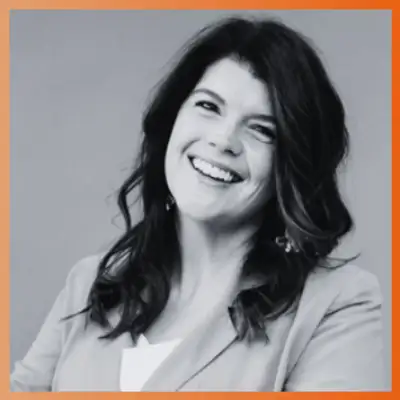
And guys, I'm Lindsay Cannon, and today I'm so excited to share with you our guest, Lori Cohen. Lori's career in K-12 education began in the classroom and later expanded into instructional coaching and school leadership. Today she works with schools and districts through Lori Cohen Counseling. Lori co authored the PD book with Elena Aguilar.
She also co-authored Integrating Educator Well-being Growth and Evaluation with Elizabeth Denevi. Her newest book, the one we're going to spend some time talking about today, is The Science of Lesson Planning: High Impact Practices That Deepen Student Learning, draws from more than two decades of work with educators. It offers a practical framework for designing lessons with intention while remaining responsive to the students in front of us.
Lori, welcome to the authority. We are so glad that you are here.
Lori Cohen (01:18)
Thank you. I'm really thrilled to be here today.
Lindsey (01:21)
Wonderful. Well, I'm gonna get us started
with some questions. We're just gonna dive right in if you're okay with that, Lori. and first one is you described yourself as a school system in a person, which first of all makes me so happy because I think schools need to work on their systems. So I'm like, we must ask you all the things. But I'd love for you to start by telling us what does it mean? What does that mean that you're a school system in a person?
Lori Cohen (01:44)
I think it's that. I think I like think through a systems lens. but I think my experiences both in the classroom directly and at the level of building leadership and supporting schools and districts and county offices of education and international schools allow me to see kind of the broader view of schools. So whenever I'm thinking about learning design, decision making, policy, practice, a workshop, a meeting.
I'm thinking about all the different layers of system who will be impacted. You know, what will the teacher say as they're leaving a meeting, as as they're thinking about tomorrow in the classroom? What will um a department lead or a district leader who comes into a school, be thinking about to make sure that they're meeting the needs of of the broad constituencies? And so I really think about things sort of at the root level, and also just, you know, how these uh how the root level has impacts beyond schools to students and families and communities too.
Lindsey (02:39)
I love that so much. And I think it's missing in schools. And
Lori Cohen (02:42)
Mm-hmm.
Lindsey (02:42)
so I would love for you to tell us, like you happen to just think that way. And so I'm sure that your brain is just kind of hardwired to think like that. What advice would you give someone when they are planning things to think about those ripple effects? And maybe let's, you know, we'll keep it to the school level. So
Lori Cohen (03:00)
Mm.
Lindsey (03:00)
if you're a leader within your school and you're thinking about rolling out something, how do you kind of pressure test it from all directions?
Lori Cohen (03:08)
Well, I think the first thing is that you need to coalition build across the school system. I think if leaders are designing in a vacuum without the uh insight or input of school staff, whether they're certificated or classified classroom teachers or support staff, uh shopping the ideas around or bringing people into meetings to co design, get people's input before you stress test an idea, I think is absolutely essential. I think also it it
Honors the relationships of the people in the school building. And so I think that too builds the muscle for systems thinking. I think the more voices that are outside of your own direct experience, whether it's based on how you identify in terms of your social identifiers, your positional power, your title, um, the broader the array of people whose experiences are different.
that you could bring into the design process at the outset, I think the more potential for success you have on the implementation.
Lindsey (04:05)
Yes, I I think that's wonderful. And we know that when people are part of planning something and creating it, then that kind of takes care of that buy-in piece. so I'd love for you to, you know, tell me a little bit about a little bit about that. How do you see systems thinking actually helping with other areas, whether it be buy-in or other things you've noticed?
Lori Cohen (04:25)
Yeah, I mean, I think uh I think system think thinking begs the human-centered question, who will be impacted by this and how? I think it gets decision making out of the uh silo of a single person or an entity and into let's trace the multiple impacts here. And so I think with any group of people, there's an activity I do. it's based on some of the work of Stanford's D school. I've adapted it, I call it impact mapping.
And essentially you take whatever your change idea is or your your new idea, and then you future cast the consequences of that idea. So whether it's a new curriculum or whether it is a dress code policy or how how we're gonna deal with families or communications, okay, well, what is the immediate impact that the folks who are most proximate to that decision, what will the impact be on them? What will those people then communicate to those beyond? Right. So how will that have an impact on the next layer and then the next layer?
So that kind of systems thinking lens, you know, one thinks about the humans, but then thinks about what will the humans communicate to other humans because great initiatives, live and die on human engagement around them, not necessarily on, the sort of transactional elements of, the best new shiny thing out there.
Lindsey (05:38)
yeah, that's I think that's so key. The communication piece. And a lot of times we forget to think about that. Um, but you're right, especially in a school, you know, by the time your homeroom teachers are communicating it to families, that's gonna make or break how well it goes. And, you know, if you don't plan for it, then you can't assume it's going to go all that well. so
Lori Cohen (05:57)
right.
Lindsey (05:57)
I I appreciate you, helping us to think from those layers. So I do want, because we do want to talk about your book.
while
we're here. So I want to make sure earlier in the episode I give you some time to tell us a little bit about the newest book and maybe who do you suggest picking it up?
Lori Cohen (06:14)
Yeah. Um, so the book, as you already shared, thank you, Lindsay, The Science of Lesson Planning. it is a book that basically takes uh the best of what's out there in the field around sort of each element of lesson design, you know, from the sequencing of the cognitive load to the implementation to the assessment and brings them together in a single framework. the framework is five phases and it's less about a prescription for how to design.
Based on one lesson and more about a process by which we can consider how to design. So the five phases of the book each have a key feature attached to them, two key features attached to them. So the first phase is called center people and purpose. The second is explore pathways to learning. The third is design the learning journey. The fourth is implement and adjust. And the final is reflect and refine. So at each stage you're thinking about uh different
sort of weigh into the design. But the first three phases are everything that happens before you implement in the classrooms. This book was designed with several audiences in mind. It was designed for the newest of the new teachers, pre-service teachers and brand new classroom teachers. It was designed for coaches and mentors who are supporting instructional practice. It's designed for instructional leaders who want to double down on
their practices as instructional leaders to have something that has a good research basis to chew on as a school community, but also a way to differentiate based on the varying needs of teachers in schools.
Lindsey (07:45)
I love that for you you guys to chew on. I really that alone
Tasha (07:47)
Powerful. Yes.
Lindsey (07:50)
I think is so is again something that's really missing in schools. just the space to really think about ideas, decide what we think about and decide what that would look like, how it might actually carry out in our classrooms and testing that. Um, I think we would just be so happy in our schools if we could build in more of that. So I'm gonna turn over to Natasha because I know that she had some questions about psychological safety.
Lori Cohen (08:13)
Sure.
Tasha (08:14)
Yeah.
you describe, Lori,um psychological safety as a condition for learning. And sometimes safety, it can be confused with making learning comfortable, right? We're making learning comfortable, then you know, it's a safe thing. But how do we create an environment where students feel safe enough to take a risk, even when the learning's difficult?
Lori Cohen (08:38)
Yeah, that's a great question. And that's something I engage in multiple chapters and phases of the book because it's not enough for the adult in the room to say this is a safe space. We know that if somebody's had a lived experience of being unsafe in schools and classrooms, it's not like they're gonna step into your classroom and magically feel safe because you said it, right? It's the conditions that get created by the adult in the room.
So, sort of at the level one of psychological safety and baked into its definition by Amy Edmondson, it is about creating the conditions where people can take risks, say and do hard things. And so the first sort of element of that is getting to know who our students are. Um, what are their backgrounds, their lived experiences, the parts of themselves that they're willing to share that can have an impact on classroom practice. The second is teachers is to leverage that and not just have it be a fun.
nifty start of the year classroom activity, but to really think about who the learner is in the learning design. That's sort of part one of psychological safety. What you're asking about too, Tasha, though, is that that learning zone, right? The zone of proximal development or that area of students stretching themselves, taking those risks, or, you know, sort of engaging in what researchers, Bjork and Bjork, call desirable difficulties, right? that place where students are taking the risks and stretching, whether or not they fail.
And I think that is the ultimate test of psychological safety. So a student messes up, a student has a setback. How we respond to that setback says everything about whether or not students are going to have new predictive habits around feeling safe or whether they're going to go back into protection mode based on how we respond. So what does that mean? That means that let's say students are engaged in a math problem and it's really complex. And a student may have gotten the right answer, but they don't know how.
And the teacher can see there's a lot of missteps in the process and realizes the student got the right answer because they were working with the student next to them who got the right answer. And now the student's kind of fumbling through their explanation. Well, the teacher can shame the child. The teacher can, you know, be curt with the child and say, all right, go back and do it again. Or the teacher can encourage, like, you know, I love that you showed some ingenuity, right? And in sort of getting that right answer. But what I really want to do is cultivate you as a critical thinker. I care a lot about you.
And I believe in your ability to excel in this class. So, let's go back to the drawing board, let's do it again. You know, I'd love to see, where you got stuck. Tell me about that stuck place. And how the teacher is a guide, but not letting the child off the hook. I think that's the biggest piece, not doing it for them, not shaming the child for getting it wrong or even like accessing their resources. But like, I'm gonna hold you to high expectations. it's also what's known in a lot of different circles from
Judith Kleinfeld and Lisa Delpit's work uh Zaretta Hammond, uh Shane Safir and Jamila Dugan's work around being a warm demander, right? How do we call students in and up to their highest selves in our classrooms? And that's that's where psychological safety really shows its magic, right? Because the student can fail, but we're and we're not gonna let them off the hook, but we're gonna care about them as we uh nurture and nudge them forward.
Tasha (11:40)
Lori, I love that you talked about the student who, if they get a question correct, can they explain why? And I think students value the grade and we're missing the critical thinking part. And I love how this ties into the psychological safety because that plays a role in helping students see that how did you get there? How did you arrive there?
Lori Cohen (12:04)
Right.
Tasha (12:05)
is your thinking actually visible? And
Lori Cohen (12:07)
Right.
Tasha (12:08)
we talk about AI. I don't need to go off into another topic, but AI is here, right? It's
not
Lori Cohen (12:14)
Right.
Tasha (12:14)
going anywhere. But I think it uncovered an ugly truth. I don't know if I should call it ugly, but it uncovered a truth that was critical thinking there or visible thinking there to begin with.
Lori Cohen (12:27)
Right.
Tasha (12:28)
I just want to get your feelings on that, what you're thinking.
Lori Cohen (12:30)
my goodness, I
how much time do you have? Um, I
Tasha (12:34)
Well neither.
Lori Cohen (12:35)
it's interesting because when I started thinking about this book, it was I mean, I started writing this book. It's sort of at the um entry points of AI kind of coming into our awareness in schools. But I've been thinking about this book long before AI, and the piece that's in this book that I think is essential for teachers that translates to students is that critical thinking and discernment.
I think what AI is doing for students is short-circuiting that process, right? And it's diminishing cognition and flexible thinking. It's doing the same for teachers. I think when teachers outsource their planning to AI tools, and I'm not saying that AI doesn't have its place. I'm advocating though that we need to know how to be discerning designers ourselves and to know.
what making thinking visible looks like, what we're looking for in the learning, not just outsourcing our thinking and planning to AI to design us something fancy and then we just check for understanding. So I think we're at a critical juncture, right? It's like we need the students to make their thinking visible, be able to explain their ideas, and also to just like nurture that cognition and build that muscle, especially the muscle around retrieval and flexible thinking. At the same time we adults need to be modeling that as well.
Like we are not done either. And so if we really believe in the value of neuroplasticity and changing our brains, then deciding where AI has its place, right? Sort of on the sidelines or sort of as a companion, is sort of front and like for me, that's a front and center conversation. And I I stand squarely, you know, sort of in the lane of all of us need to build better thinking and discernment. All of us need to explain like our design choices, why we made the decisions we made.
So that students have models of adults who are doing this too.
Tasha (14:15)
Your message is powerful. And I think about the New York City public schools and how K through eight for a year they are not bringing AI in, students won't be using AI. this is a movement, getting students and think critically. And and that's what I love about your book, the whole visible thinking and the importance of thinking critically. You really bring that home when it comes to designing lessons and how we need to hold our thinking first.
as teachers and get our students to do it as well.
Lori Cohen (14:44)
Yeah, yeah. I was listening to um an NPR interview and I'm seeing it sort of posted all over social media. There was a reporter who basically talked about students are using AI to produce their assignments. Teachers are using AI to design the lessons and to assess the student work. And so it's like we have bots talking to bots right now, and like the humans aren't in the conversation. And we're all becoming really skillful at how how to use the bots. But what, you know, like once again.
Is this the world we want to see? Is this the world we're designing for? Like when we create an impact map for where we are now and where we want to be, like, do we want students to just be good mimics of learning, right? Or do we want them to really deeply understand what it is they're learning and can we do that as human beings with one another?
Lindsey (15:28)
No, I love that. Do we just want them to be mimics of learning or do we want them to really have that learning and that deeper thinking? So let let's take it back to your framework and the design for coming up with a lesson. So tell us about the parts of the lesson that would help us as educators to add that depth into our planning.
Lori Cohen (15:46)
I mean, I think the first thing that would add the depth, and you know, it's a point I I continue to sort of hammer home is knowing the students and how do you bring their lived experiences into whatever content area they're focused on. And so context, I talk about in in sort of phase one. One of the key features is context, and I have an activity called the context connection map, where it invites teachers to consider ways to bring students lived experiences, like how many connections can you make to this content area and sort of building a classroom-based anchor chart.
where you keep adding to it throughout the unit so that students can take that sort of analogous thinking that feeds the salience network part of their brain that sees learning as relevant. Right. So I think part of the depth is do students see themselves reflected somehow in the curriculum or in the content? And not in a performative way or in like a flashy peripheral way, but really like what connections can you make to this content? Or you know, another way of doing the learning at depth is
You know, how are we managing for cognitive load in our classrooms? Like are teachers thinking about the inherent complexity or what's known as the intrinsic load of a lesson? And are we thinking about how to modulate our lessons based on that intrinsic load so that we're not, I think, you know, we walk into a classroom that's like beautiful and bright and well decorated with all the teachers' things on the walls. but we don't think about that as extraneous load.
We play music in the classroom to get students moving, great, but during work periods, if they're listening to that same music and it's a catchy tune, well, that's getting in the way of students being able to fully concentrate. so this extraneous load is getting in the way of like the germane load, like the necessary work they need to be doing for productive struggle. I think that's another place that we could be uh designing at depth, which is thinking about, okay, what's the actual complexity of the task and what's the amount, you know, what is it that students need to be able to do to navigate that complexity?
The the third piece, I think, in our lessons is, in our implementation and adjustment, um, how are we ensuring that students are getting the right level of challenge in the lesson itself? Are we designing with that challenge in mind and are we differentiating appropriately in the design? So rather than just delivering the lesson for like, one core group of students, what can we do on the design end of things to think about that um level of challenge that's gonna meet students right at that learning zone?
Right. So where they can think about like, this is challenging enough for me. And how do we teach students to be good, discerning thinkers about that learning zone too?
Lindsey (18:13)
think that's really good. Um, I would I would say a follow-up question for me would be what's the best way do you think for an educator to go from a previous lesson that I already have? Like I've taught this lesson for a long time and I want to start adding in and tweaking it so that it can can really you talk about the science of design so that it makes sure that it hits the points from a science of design perspective. Where would you tell me to start?
Lori Cohen (18:39)
my goodness. There's so many entry points. First, I would have somebody, especially if they're a seasoned, experienced teacher, like look at the framework, right? Read through, you know, chapter one of my book kind of outlines the framework in in depth. And it's a great place to start for any reader, any instructional leader, any teacher. And just start there reading sort of each of the key features. Like identify where in those key features, whether it's sequencing or assessing assessment feedback,
uh learning strategies, right? Where we have these six great brain-based learning strategies or engagement or cultures of thinking. Go to one of those areas and identify where's the gap for you typically as a teacher or where in this lesson do you feel like, what if it had this piece? Then go to that chapter and read what's there in terms of the neuroscience and the cognitive science. Like, is it that students aren't seeing the learning as relevant, right? Then you get to learn a little bit about the salience network and why that's so important.
Right. Or is it about cognitive load? You get to read about Sweller's like cognitive load theory. Um, maybe it's about cultivating, greater metacognition. And we go in the Wayback Machine to Flavelle's work on metacognition and have students thinking about their thinking and what is it like discerning like how they learn. And so the seasoned teacher has the great benefit of being able to look at a lesson and look at these features of the framework and be like,
My lesson doesn't have a lot of this. What would I tweak to make that happen? So that it isn't, you know, like I was saying earlier, or hoped that I said earlier, right? This the approach to this framework is not a prescription. It's not a, you know, fill out the template and there you go. It's like I do have a lesson planner at the back of the book. I've also designed an app that has the lesson planner questions in it. But this is in no way a prescription or a referendum on someone's entire teaching career. It's really about getting at that depth.
And understanding, here's psychological safety. So now I'm learning about neurosception and I'm learning about the brain as a prediction machine that that determines my safety before I come into a classroom. Right. So it gets the teachers to just take something they might know well and understand why it works so that they can do it better.
Tasha (20:45)
so you're saying so many amazing things right now. You you speak about psychological safety. Um it's about relationship building. It's about routines. But at times you can separate that relationship building and forget, and this is what your book is talking about, how that needs to be.
tied into what lessons you're writing. Like you can't have one without the other. They go hand in hand.
Lori Cohen (21:12)
Yeah, you'll rarely hear me say the words classroom management. what you'll hear me say instead is classroom culture, because culture is ongoing. culture is built and sustained over time. And all that necessary relationship building work is undermined if we forget about it by November and we're not thinking about what about the relationship now? Um, I taught middle and high school, but I've worked, you know, across sort of the K-12 spectrum. But middle schoolers and high schoolers are
remarkably different people by winter, by spring. And if I'm not interweaving into my lessons and into the culture of my classroom opportunities for students to self-assess how they're doing as learners, updating my understandings of who they are and what matters to them now. Maybe they just joined a new sports team and that's kind of ruling their world. Or maybe uh they didn't get cast in the school play and that's ruling their world. Or
You know, it there's just so much that they're experiencing well beyond the confines of my classroom that I want to make sure I've created opportunities to to update my knowings and understandings of students. That's sort of one piece of it. But the second is what routines, rituals, and structures am I co-building with students that allow us as a class to uh identify how it's going? So we talk about classroom agreements. you know, I've heard um, classroom norms, expectations, class contract, whatever you call it.
What are you doing at week four, at week eight, and week 12 to reassess against those agreements? my favorite story about this is I had a group of students, I was teaching ninth grade, and I just love ninth graders. They're like, you know, they were, you know, hot shots in in middle school, and now they're puppies in high school. And so, with all that puppy energy, I was teaching a group of students, the majority of whom had some kind of uh IEP or 504. And
among those students, many of them were diagnosed either early on or throughout the school year with ADHD. And they co-created these classroom agreements with me that were all about sitting still, being quiet, kind of like very sort of myopic and funneled focused thinking and concentration. And what I know and what I've, you know, what I've experienced with my students who have a range of sort of neurospicy needs is.
They need a lot of different things in order for it to be a dynamic classroom. And just because there's a level of movement or engagement at sort of varying degrees doesn't mean the students aren't learning. So we're about, you know, six weeks in, and like the culture was falling apart. I come back to the students and I say, you know, we're about to get into a new unit, and I'm thinking like this is not working. So the beginning of the week, I said, we need a reset.
And we're about to get into a new unit and these agreements aren't working for us. So in order for us to engage with this content well, I need you to think about who you are as a learner and what you most need to learn at your best. And then pair share about that. Find things that are in common. And then now let's do like some group share about that. And then as a class, eventually, we revise the agreements about, how we needed to rearrange the classroom, like what students needed when they came in. I used to have a phone box that I called like camp, phone camp.
And students would drop their phones off in the phone box. Like we we came up with technology agreements, with participation agreements, with classroom culture agreements. And that helps students access brand new content with much more focus and engagement because their lived experiences were being valued. So, you know, that to me, like that is an example of culture is ongoing, it's built, but it also connects directly to the opportunity to learn.
Tasha (24:42)
Beautifully said.
Lindsey (24:43)
So I would love for us to zoom up a little bit because you were talking about culture and we've spent a lot of time talking about in the classroom, which you know, I mean, it's a lesson planning book. It makes sense. But I was listening to a couple of other interviews where you were sharing about your story, and I've heard you share about your first teaching experience where you really felt like you were supported to meet the students' needs.
And then comparing that with some other later experiences that you had where the setting was more focused on compliance and test performance and then the ripple effects that come from that. So I feel like most leaders, and I'm sure the ones that are listening, want to create this environment where they do both well. So I would love for you to describe the difference in the two. So and and maybe even from the teacher perspective, what was what did it feel like when you were supported? And what did it feel like when it was just about compliance and testing?
Lori Cohen (25:35)
thank you for asking that question. And and I will say that those like primary experiences had such an impact on when I became a building leader and why it was so important. Because, our muscle memory, you know, that our students uh have these lived experiences of their teachers. And, you know, we as teachers have lived experiences of our leaders. So the school where I was well supported, one, there were some guardrails around what you were allowed to to do.
Do in your first year. Therefore, the focus of being a new hire at the school, whether you're a brand new teacher or new to the district, was focus on your classroom, focus on your teaching, focus on your grade level team, just be excellent in those spheres. The students need you to be your best self. Of course, you can engage in the social engagements and you know be like sort of take part in community activities to the degree that you're willing, but we strongly encourage you not to join committees.
We strongly encourage you to consider, you know, additional responsibilities outside of your classroom teaching. This doesn't mean you can't have like another job, like I, you know, as a sports coach and all of that, but just that emphasis on getting focusing on my excellence in the classroom, like that stayed with me. And that there was a gatekeeper, somebody was thinking about my well-being before I had to think about it. It was like, no, we
We encourage you not to join a committee because we know that committees take time outside of your classroom and you need to learn how the culture works here and you need to learn how things work here. Um, also, just in terms of you know, just this open door culture, like you could go in a teacher's classrooms and you were welcomed in and nobody had
I didn't experience a lot of cult of personality. I didn't experience a lot of ego or defensiveness. And so I think that was cultivated too by the leaders. It's that, you know, we support each other here and we want to bring out the best in our, colleagues and our students. So that was like snapshot one. Now imagine that as a formative experience as a first year teacher. Right. And I'm thinking like, this is like, I love teaching. This is like Shangri-La. This is beautiful.
And now, you know, I switched districts, I moved to a different city, I worked in a larger district, and I was brand new to my school. Um, and structures were in place for support, but I was assigned a coach without knowing what coaching was. it was a coach who was outside my subject area, and I didn't know why I was getting a coach outside my subject area. It wasn't nothing was described to me, coaching wasn't defined.
I was sent to district mandated PD about basically like teacher lesson design and classroom management. And I was thinking like, wait a second, like this is just mandated? Like I just have to go to these things. You know, and there were some really positive parts to it, but like I was getting sort of uh whisked away from the classroom sort of at the outset, but I also was having somebody come into my room without developing relationship or trust and giving me feedback on my teaching. And I'm thinking like, whoa, wait a second, like not that I don't need it, but
I don't know you and you're also in a different department than I am. And and not only that, but I had classrooms that were way across campus from each other. so I had a good 10 minute walk during a seven minute passing period to get from, you know, the second floor of one building to the back 40 of the other. And I looked really young. I had a backpack and a little cart, and you know, I got stopped by campus officers all the time and asked for like hall passes and where I was going and
People like I didn't feel known. I didn't feel seen. Um, I also just felt young and kind of like I felt like my inexperience was on display constantly. and I wasn't feeling valued. And I think, sure, I'm a young new teacher. Sure, I don't need to be in the same classroom, although I think every new teacher everywhere needs optimal conditions first. I don't think we give our newest, greenest teachers the toughest conditions.
But it also made me see that, like, wait a second here. And the conversations were really deficit-minded about kids, about colleagues. there was no open door culture. If anything, there was just a lot of smack talking. And it just felt like there wasn't it it was a great school, it was a great community, there wasn't a ton of toxicity, but I felt like it was really about you earn your stripes here and it's baptism by fire. And my translation into leadership was like,
Know your people and so and ask them what they need. And if there's anything that you need to do that's mandated, like at least gain an understanding from that person about what they already know how to do, where their strengths are. Protect that teacher's time so that they can learn how to do their work well first before you just throw them into a thousand different responsibilities.
Tasha (30:14)
It's
true if you know your people and they know that you value them and you
Lindsey (30:19)
Yeah.
Tasha (30:20)
show them by your action you can move mountains within
Lori Cohen (30:23)
Mm-hmm.
Tasha (30:24)
a building, within a school district. Yeah.
Lindsey (30:27)
Absolutely. And I, you know, you telling that story, of course, is bringing back memories from early in my career as well. And some of the things that we internalize, I remember early on asking for help, and they sent me to observe a math teacher's classroom, and I was an English teacher, and she had a very rigid structure to her lesson every single day that worked very well in a math classroom. And I remember sitting in the back of her classroom thinking, huh.
So you're gonna have to figure this out on your own because this isn't this is not the solution that you need. And so I very much internalized that. And so, you know, we just you don't don't realize what you might be communicating without communicating, you know, without meaning to necessarily communicate it.
Lori Cohen (31:08)
That's right.
Lindsey (31:10)
Yes. And same for our students too. I mean, we that was psychological safety you were definitely talking about there. Is it okay to ask questions here? Is it okay to be new? Is it okay to to look younger? Because I don't know. I can remember telling young teachers too, don't worry, you'll look young right up until the moment that you don't anymore. So and then it takes care of
Lori Cohen (31:26)
So true.
Lindsey (31:27)
itself.
Tasha (31:28)
And and we know that our new teachers need all the support that they can get. And your book on lesson planning and just your framework is something I think that is going to be extremely helpful for our new teachers now and into the future. We don't want to lose them. We we want to make sure that we protect them. And
Lindsey (31:45)
Actually.
Tasha (31:46)
just listening to your story, I'm sure you didn't feel protected as you, you know,
went through the details.
Lori Cohen (31:52)
Yeah.
That's right. And, you know, I've worked with teachers across the K twelve spectrum and brand new pre service teachers, really experienced folks. And I think about, if we want to retain, teachers, we need to give them, better tools, better support, optimal conditions, better pay, all these things. But when I was working on this book, I you know, I was really thinking about this is the book I wish I had when I was a new teacher.
Just something that's a go to resource. I I know that education is a crowded field. There's a gajillion resources out there. You know, I'm not trying to reinvent any wheel. I'm just trying to bring all the great wheels that exist on this beautiful, conveyor of education train that we're on together and bring those together in conversation so that we can provide teachers with just a go to resource that just distills the ideas really crisply and gives them something that they can consider for tomorrow.
Lindsey (32:40)
Oh,
I love that. So that leads
Tasha (32:41)
Me too.
Lindsey (32:43)
into my next question really well. So I know, and I'm sure Tasha, you feel the same way, that throughout your career you learn these things or you you come across information and it just fundamentally changes how you think about lessons. And I feel like your book it has lots of that built in there. So I would love for you, if you can, think of top three. What are three
things that you could share, examples from your book that you think if teachers just understood this, if they just understood this one little piece, it would really fundamentally change how they approach lesson planning. What what
Lori Cohen (33:15)
Uh
Lindsey (33:15)
might those be?
Lori Cohen (33:17)
just three. Okay. challenge accepted.
Tasha (33:18)
Just three.
Lori Cohen (33:20)
I think the one I would recommend is something known as the hinge question. Um this comes from the work of Dylan William and his book Embedded Formative Assessment. And uh the purpose of the hinge question is that
you're in the class, things are moving along, you're hoping that students are learning the content, and you're about to check for understanding. And I think sometimes we do, you know, these quick checks of like thumbs up, thumbs middle, thumbs down, but we don't really know if students like know the content. And what the hinge question asks you to do is, give students this multiple choice type of question and give students
You know, they could have whiteboards or like A, B, C, D cards, or some indicator, right? Where they can show you that they know the answer. And you could do a quick assessment of the class, like, do you know the answer to the X question, right? You're teaching like verb endings in Spanish, and you want to make sure that students understand how adjectives and nouns need to match in terms of the the gender endings of words, what have you. And uh you notice that only like 60% of students understand. then you think about, okay.
Well, what is my if-then plan, right? If 80% or more don't understand it, like I need a backup plan. So it forces you as a teacher to proactively consider if students get it right, what can I do better? Students get it wrong, what will what am I going to reteach? So even in the design of the multiple choice question, it's not just about the right answer. It's about the right answer and these distractors, right? That are close to the right answer, but not quite right. So that if students are getting the distractor as their right answer.
Then you can kind of dig in and correct. So that's like thing one is the hinge question. I think it is a really useful formative assessment tool. Um, I think the second is make the thinking visible. the question I asked teachers, I'd ask it as a coach, I'd ask it as a as a building leader when I was observing classes. How do you know the students are learning? What indicators do you have? And, the number of times I've heard teachers or leaders say, Well, you know, just I can just tell.
I could just look at the students and I know. I've been like, all right, cool. I like I'm sure, right, that there's probably what we we can perceive engagement, but students are really good performers of learning. How do you actually know, right? What is the students doing, and what making thinking visible tools coming from the work of Harvard's Project Zero, Ron Redchart's Cultures of Thinking work. There's a a gajillion activities you could draw upon, right? To to
show your thinking and make that thinking visible. So that's number two is the hinge question, making thinking visible. And then the third piece I would say is how are you making this learning relevant to students? And if you are under the conditions where we just need to teach to the test, this is just something we need to get through, there's still an opportunity to pause and consider and ask students like,
when has been an experience when you've been required to do something, right? As sort of a step towards, something else. Or you know, what kinds of questions can we ask students that they could bring their lived experiences in? I I worry too much that we will barrel through content because we need to hit World War II by March and not really think about, well, why do we need to do that? Like what's the purpose of that? Right. So getting to that sort of root level why.
And how is this going to be relevant for students so that they don't just discard all of this great learning? So those would be my top three with lengthy explanations.
Tasha (36:45)
I have to say, you you make me think, Lori, just what you you said, you make me think about students' curiosity and
Lori Cohen (36:52)
Mm.
Tasha (36:52)
that they do bring in curiosity and sometimes it can be killed because we have to make sure we hit the standards. We have to make sure, you know, we do ABC, but it all goes back to lesson design and
Lori Cohen (37:05)
That's right.
Tasha (37:05)
and really working backwards and being intentional and purposeful.
about making sure our students are kept in the middle. And I think, No, co. Yeah, cuz.
Lori Cohen (37:12)
That's right. I got I got so excited. Um
Yeah, I think I think we can override the the children and conversations about children, right? I've met so many teachers who are all about the students and you walk into their classrooms and it's just a wonderland of learning and it's a brilliant model for what's possible. And then I've heard other folks say I'm all about the kids and they're not at all. It's about compliance and command and control and
And I think it's I would probe underneath that, like what's getting in the way. And sometimes it is people's creativity being undermined by the opportunity, right? To to learn. Like I love that districts provide lesson plans for teachers. I think sometimes it's a great sort of you know cognitive offloader. But then how do you know the teacher knows like what good learning design looks like and sounds like and where are their opportunities for teacher autonomy and creativity to
Take center stage as well so that they can center students more meaningfully and joyfully.
Lindsey (38:10)
So I'd love to ask a follow-up question along that idea because this is actually something that comes up a lot um in my experience in schools. And it's that creativity piece that you were just talking about. And so I always like to think of my assignments as boxes. And I think it's really important not to put the top on the box. Like you can put the sides on the box, but once you put the top on the box, you're gonna really limit that student creativity.
Um, and then I run into really wonderful colleagues that I've learned tons from. And they want to put the top on the box so that they do not get in situations where it's hard for them to justify the score that they may have given. And so they want to say exactly how many sentences you have, or exactly, you know, really, really prescribe it. but that definitely clamps down on creativity. So, how do you find a balance there? What would your advice be, Lori?
Lori Cohen (39:00)
Where my mind went when I heard your question was around co-creation. What can we do with students and not for students? So I think about that creativity piece. One, I think, there is, you know, a time and a place for the lid, and there's a time and a place to remove the lid. So I think teachers need to be discerning about like why am I doing what I'm doing? So, why am I doing what am I doing? Where's their opportunity to design with?
students or design with them in mind. So I think a prime example, something that your question sparked for me was about the co-creation of assessment criteria and rubrics. I used to love, I mean, I don't know that the students loved it, but um I used to co-design rubrics with students for major assessments. So you know they would see an example of what the final might look like or a couple of different examples of different final projects. And then we would look at it and I would ask them a question like what you know what makes this good or
When we were doing persuasive writing, I would ask students, like, when do you when are you persuaded? Right? What would make for a good persuasive argument? That would turn into a whole lesson in and of itself around students being able to identify the criteria for effective persuasive writing. And of course, like
I'd put some of the lids on, right? We have some requirements we need to meet here. Like you need to have complete sentences and paragraphs and transitions and you know, and and some of these elements that hold the writing together. But in terms of, the content or like, you know, hearing students say, well, it needs to hit you in the feels, like, one, I needed translation for that, but two, it helped me to understand that like if students have language that they can attach to how they're being assessed.
They're much less likely to ask questions down the road about why they got the grade that they got. And it also makes visible our thinking and students thinking together about how they're being assessed. So that there isn't a mystery about, you know, me teacher as gatekeeper, or that I'm just letting it be a free-for-all for the students either. It's like, well, what do you think is great? Let's just freely express ourselves. Like that also isn't okay. But I think in the code design, there's room for both.
Tasha (41:07)
I love that co-designing and making sure that you include your students. I mean that in reality is what will give you buy in. And
Lori Cohen (41:16)
Mm-hmm.
Tasha (41:16)
I know teachers especially new and even veteran teachers, it can be difficult to get that buy in when you're creating in isolation. So
Lori Cohen (41:25)
Mm-hmm.
And I think there's some fear though, even when I talk about this co-creation or co-design. Two fears I think surface for people that I've worked with. The time fear. I don't have time to do that. That's gonna take away from my other lessons. Yes, and right, but somewhere down the process, you know, students aren't gonna have as many questions about why they got the grade they got. Um, but I think the other piece is just fear of relinquishing control, right? Like I'm the expert, I'm the arbiter, I'm the adult in the room. Like, what if the students say something that's wrong?
Tell them it's wrong and tell them why. so I think there's this release of control that we need to be comfortable with and sort of the messy middle we need to be comfortable with and realize that what we devote our time to in the classroom is what will ultimately end up mattering to the students in the long run. Did I feel heard in this process of thinking about assessment? Great. Or did the teacher just tell me their grading criteria? They wrote some illegible comments on the paper and now I don't understand why I have a six out of 10, right?
Two very different styles, I think.
Lindsey (42:25)
I like that. I mean, I think that will be really helpful. And I think you're exactly right if they can talk about it. You know, who's doing the talking and the thinking and the owning? And it made me think about the idea that just because you ask somebody's input on something doesn't mean you give them final say on the final decision. And I think that's true with teachers and students, but I also think that's true with leaders and staff. You know, you can get your input from your staff, but that doesn't mean that at the end of the day you're not the leader making the decision of of what needs to happen.
in light of that information. So I do want to shift just a little bit because I loved one of the a phrase in the book that just I think I had an audible response to it. I loved it so much. So if teachers were to see themselves as architects of possibility, I just love
Lori Cohen (43:06)
Yes.
Lindsey (43:07)
the phrase architects of possibility. So let's say that you could really get teachers to see themselves as that. Um, what do you what do you think that would change for the classrooms and for the teachers and for the students?
Lori Cohen (43:20)
I mean, I hate to draw upon another theory, but I think it would I think about self and collective efficacy. I think about self-determination theory. I think about, having appropriate autonomy, having the opportunities to show their competence and creativity. I think if we were to say to teachers, you know, one lesson a week is your sort of like dream lesson, right? Or like pie in the sky, or I I just think it would if we had our
Creativity muscles freed up, you know, in some kind of way, or given some kind of opportunity to not just sort of design using these tools with the prescribed content, but to design and kind of, you know, the the boundaries are bigger. I think it would energize teachers, but also allow teachers to see themselves as I am the expert, like I do know what I'm doing, or
I might not know what I'm doing, but I can talk to my colleagues about this and the conversations might shift away from compliance into possibility, from transaction to transformation. I just think the more, you know, I think I I am a firm believer that we need academic expectations and that students are meeting them. I'm a firm believer that we want students to be strong readers and writers and critical thinkers. Uh I'm also a strong believer that we need to give teachers the opportunities to shine.
in their craft as well. And so in my mind, if teachers feel that sense of intrinsic motivation, right? Feel that sense of connection, feel that sense of autonomy and competence, then I don't see a better way to collective efficacy in a school building.
Lindsey (44:56)
Alright, so I'm gonna add a follow-up question to that. So that was your answer to a teachers believe that. So if leaders saw teachers that way, what would they truly change?
Lori Cohen (45:06)
Hmm. I think if leaders saw teachers truly that way, the first question they should ask is how do I bottle that? Um, and how do I replicate that, right? What needs to be scaled here in our school community? Because I see this, this is tied to another, you know, an idea from another book I wrote about integrating educator well-being, growth, and evaluation, that this is really a well-being consideration. We're talking about workload management, we're talking about autonomy, we're talking about self and collective efficacy.
And so as a leader, if I'm seeing this creativity in teachers, I'm hearing them talk to each other about them their practice, I'm watching them bring their floppy failures of lessons into faculty meetings and having a good laugh about where they went sideways and and enjoying the process of iteration, then I'm thinking, okay, what in my culture, what in our um PD can we do to inculcate these kinds of values?
what do we need to consider about how we design schedules? Um, how does this help me get to know teachers better too, in terms of where their strengths and their gaps are, right? And where we might even have some cross-pollination across disciplines or grade levels. I think it opens up a lot of possibility for how we use our time and how we uh think about greater support for teachers in a way that they most need.
Tasha (46:26)
And I'm sure the leaders out there who will be listening to this episode, they will definitely benefit from what you're saying. They may be doing some of the things, but you brought so many great ideas into just the time that we're together.
Lori Cohen (46:40)
Thank you. It's it's been fun and I appreciate the opportunities to have these conversations and I just, you know, these are the kinds of conversations I hope leaders are are getting to have um more of the time.
Lindsey (46:50)
We hope that too. Thank you.
Tasha (46:51)
Yeah. Yes. Yes.
we have a few more minutes. you've been a leader. you've been a teacher, a teacher leader as well as a leader within a
school building.
what advice would you give for
The struggling teacher, and you might have you touched upon this already, but a struggling teacher that really wants to improve their practice, like right now, right, right away. And maybe the surroundings that they're in, the support is not there. What advice would you give a struggling teacher
Lori Cohen (47:24)
I would ask that teacher to consider in their school community, like pay attention. Who are the students gravitating to and who are the adults gravitating to? It's one thing if the students are described, but like who are the adults showing respect for? and like this who's the most well regarded teacher or s someone that you can just like, you know, who's talked about as a standout teacher.
And you know, this isn't a school that has the absence of coaching, absence of mentoring, absence of instructional leadership. And this is a teacher who wants to grow. Like cultivate your mentor. Um, find your mentor and summon up the courage to say, hey, I I want to get this right. I don't know what this looks like. I need some help, you know, in being a better teacher. I know you're well regarded. I know you don't know me very well, but would you be willing to at least meet with me for coffee and let me ask you all these questions about teaching?
Right. And sort of start there. The other thing I would say is keep a teaching journal. Identify every day what's a win. Where where did you have a win? Because I think newer teachers, especially as the fall comes on, they're not feeling the wins as much. And then, you know, what's a what's a question that you are ending the day with? Right. So rather than thinking about a struggle, it's like, what am I winning at and what am I wondering about? And then have the opportunity to maybe ask that trusted teacher or guide that question.
Cause I think it's a lot to ask a new teacher to coach up to a leader to say, I need mentorship, I need support. But I think it's a more even power differential for that newer person to find another teacher in the building who they can find as a trusted guide and you know, kind of make this small bid for can really use some support. Chances are the person who's well regarded is well regarded for a reason. And chances are they're going to support this person because they know that, our success is bound up in everybody's success.
Tasha (49:12)
Right. Excellent advice, Lori. Thank you.
Lori Cohen (49:15)
Sure thing.
Lindsey (49:15)
All right, well I will ask you our closing question then Lori. So before we close, where can listeners find the science of lesson planning and stay connected and engage further with you and your work?
Lori Cohen (49:27)
They can find the science of lesson planning wherever they get their education reading material, but I would direct them to uh IST ASCD, to the bookstore. There is where they'll find the science of lesson planning. currently at the this time of recording, it's on pre-order, but it's coming out very soon at the end of September. they also can find the book and a link to purchase the book on my website at lauricoenconsulting.com.
So they're welcome to visit my website and find, you know, I've got blog posts, I've got newsletter subscription workshops and publications. and that's where folks can find out what I'm up to. And I'm on LinkedIn a fair amount these days, so chances are, you know, you'll see a post or two for me um on that site.
Lindsey (50:12)
Lovely. And we'll definitely make those links available. So Lori, just want to thank you so much for joining us. It's been a pleasure. You've given us a ton to think about. I'm gonna mention again that you have an app and that's available without even purchasing the book, correct?
Lori Cohen (50:26)
Correct. It's a free app. all the features that are currently available will stay free. Um, so I want people to play with the transformative lesson planner, explore the key features, see how they're tied to various teacher performance expectations, all the strategies in the book and more are on this app. So it's it's a great place to play before they get their copy of the book.
Lindsey (50:48)
Thank you for joining us.
Tasha (50:50)
Thank you. Thank you, Lori.
Lori Cohen (50:50)
Thank you so much.
Tasha (50:51)
And thank you all for listening to the authority. We hope you'll join us for our next conversation.