Subscribe
Share
Share
Embed

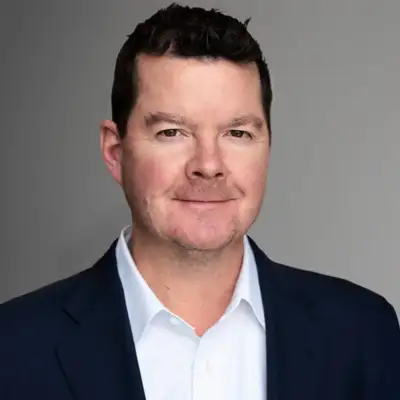
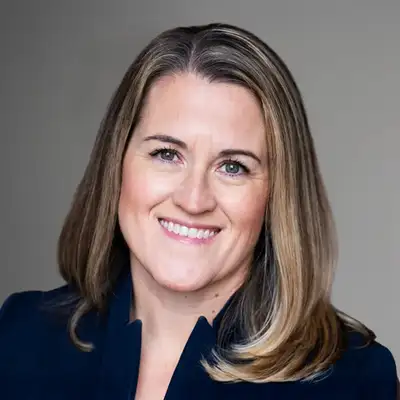
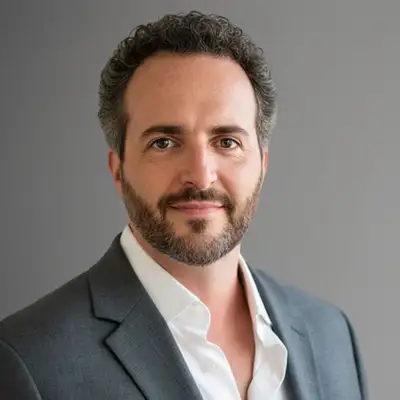
Meet the Insiders rewriting the rules of influence. Pulitzer Prize-winning journalist Brody Mullins and veteran DC strategist Lisa Camooso Miller interview the leaders who shape perception, move policy, and win when it matters. Not pundits or commentators – these are the operators driving some of the most critical strategies and outcomes in today's Washington.
John It's... I can't believe you got me get emotional.
ANNCR Behind every major policy decision, every corporate strategy, every Washington power play are the insiders shaping the game and the new rules to win it. The Deciders with Pulitzer Prize winning journalist Brody Mullins and veteran DC strategist, Lisa Camooso Miller.
Brody Welcome to The Deciders where we speak to the insiders rewriting the rules for effective advocacy in Washington. Today we're joined by John Scofield, founder of the S-3 Group. John, thanks for joining us.
John Great to be here.
Lisa John, you've got a great career experience, but I can't get over the fact that you came all the way from Oregon. Will you walk us through how you got here?
John It's a pretty typical Washington story. Born and raised in Oregon. My political hero was a guy named Mark Hatfield. He was a two-time governor, long time, 30 years in the Senate, and I interned for him. At the end of my internship, they offered me a job and it's better than working at Denny's. So I took the job and just a really decent human being, sort of a lion in the Senate. He was a moderate Republican, probably couldn't win a primary today. It was just a great place to start your career. And so I was fortunate all through my Capitol Hill career to always have good members. I worked for Frank LoBiondo from New Jersey, Bill Young from Florida, Jerry Lewis from California, and they were all great people to work with.
Brody So when I first met you, you were on the appropriations committee. Tell us about the appropriations process and how you became an expert there.
John I think expert's probably generous, but sure. I mean, again, I started my career with the Senate Appropriations Committee, Elizabeth Morra, my first boss. She was the first ever press secretary in the history of the Appropriations Committee. So the committee never had a comms person and she sort of broke ground that she was pregnant with her first, so I was there to help with that transition. Of course, her due date was October 1st, fiscal year baby. She calls me on the 20th and she's driving herself to the hospital. I was like, "I got 10 more days. What are you talking about? I'm not ready." So I was just off to the races on my own. And that staff is still to this day is much older. It's our average between mid - 40s, mid 50s. I was 26. So trying to get the staff to return my phone calls to respond to my emails was a full-time job. I would literally plant myself in their offices and make them look at my press releases. And they'd always of course take a pencil and make the edits in pencil and I'd go back and have to retype everything. So it was a great place to start. I spent eight years doing that. Every year was different. I was there for 9/11. That was just obviously a really powerful time. I was in the Capitol at 9:00 AM on that day looking down the mall and saw the smoke from the Pentagon once it started. And then the Capitol police came in, drug us out. But it really kind of renews your faith in the institutions because we had a bill on the president's desk on September 14th. So it took basically three days to turn it around and it was a bipartisan product and it was something that everybody was proud of. It sailed through the Congress.
Lisa Let's talk a little bit about though the bipartisan nature of the appropriations committee because so much of what happens there is collegial. There has to be cooperation regardless of how big the moment is, whether it's 9/11, like you say, or it's the smaller moments. It's funding the government. Talk about how that process has to be that way or how you found it.
John I think it stems from the fact that it has to pass. At the end of the day, you don't want to shut the government down. It's a bad idea. It's the same issue in the defense policy bills, the defense authorization. So at the end of the day, it might be messy up front, but everybody's going to have to come around the table and cut a deal. That just how it works. To keep the government open, it's one of the essential functions of government. So you're never going to get a Republican only, a Democratic only process. They've tried. Everybody's tried it. It's always failed. Rosa DeLauro and Cole have a great relationship. Murray and Collins have great relationships and they work sort of hand in hand.
Lisa And the nature of that staff, as you say, is more senior. Is that because the process itself is complex and there's a need for people that have a longstanding understanding of how appropriations works?
John It's one of the few committees where regardless, you'll have staff that stay in the majority regardless. So you want expertise. You don't necessarily want partisans, you want good analysts, you want good budgeteers. Very few committees that still have staff that'll stay regardless of who's controlling it.
Brody So you were basically the second press secretary ever for the House Appropriations Committee?
John Believe it or not. Yeah.
Brody That's amazing. So it's also because it's so complex and so secretive, not that many reporters know how to cover appropriations at a deep level. Is that an advantage or a disadvantage for you?
John I had this reporter who was a total pain in my ass. He worked for CongressDaily. He covered the environment and interior. It was like, "Dude, you're like a fish out of water." I explained it to him multiple times, that guy was named Brody Mullins. I'm kidding, of course, kind of. But it is a benefit and a detriment. What I would do in the beginning is when the committee reports come out, I would read through them and then I'd go back to the clerks and I would ask questions and they'd be like, "Why did you read that?" I was like, "Well, it's public, right? And so I want to know why you did certain things." And so sometimes when you have people from Congress, you have a hard time explaining it to them and then they go to the Wall Street Journal and they figure it out. But it kind of works both ways.
Brody And that committee's always been one of the most bipartisan committees. You're saying you even had staffers who would stay in the majority when. That's amazing. Has that changed these days as Congress has gotten more partisan?
John I think the appearances, yes, but it's still pretty collegial. I mean, it's maybe not like it was once, but you still have relationships across the aisle. They still travel together. This past weekend I was in St. Paul for a national security conference that was chaired by Betty McCollum and Ken Calvert. Ed Case was there, Jake Ellzey was there, and the goal of that conference is to provide innovation to the war fighter, do it at scale, do it at speed. And it's learning from the war in Ukraine where they're iterating drones on a weekly basis where the Pentagon typically does things in three to five years. In the war in Ukraine, they're doing it three to five days because they had to respond to the threat. McCollum and Calvert are there arm in arm, listening. I'm old, old school. I really like when things are bipartisan.
Lisa One of the things I remember, we became friends when you were in that job, that early job in approps. And so I would call you and ask you to translate English to English. Yes. And I will say that you have an innate ability to take a complex issue and turn it into something that people can understand.
John Yeah. I mean, it's a skillset that, frankly, probably the best things I bring to my current job, and that's still a skill that I need pretty much every day.
Brody Is that the same skill you use for dealing with reporters when you're on the Hill, as in taking those same complex issues, distilling them, and giving a reporter a story?
John Yeah. I'm also sort of a less is more kind of guy. My favorite press release I ever wrote was three sentences. I had a boss that says, "You don't get hurt by what you don't say." And so I always try to use, even today, economy of words.
Brody It is amazing that in writing also, it's harder to write a shorter story than a longer story.
John Yeah, 100%.
Brody That's why my book was 600 words long.
John I read it in a weekend. I read it in a weekend.
Lisa We'll be right back.
Brody Welcome back to The Deciders. We're here with John Scofield.
Lisa John, in 2006, you decided to leave Capitol Hill. What was the impetus for that?
John Yeah, I've been doing my thing for eight years on the committee, 13 on the Hill. We would do these things called conference committees, where you'd literally sit across from the senators and negotiate the bills in real time. And we did one for every bill. And so we ran a markup. The ranking member, David Obey from Wisconsin, great guy, famous for his intellect, and he was speaking, and I started nodding my head. I was like, "This guy's making a lot of sense." I looked at my colleague and I was like, "I got to go, man. If he's making sense, there's something wrong here." Dyed-in-the-wool liberal. I'm a moderate Republican, but it was just that time when it felt like a legislative cul-de-sac. We just kept coming around legislative Groundhog Day. I was tired. I was ready to move on.
Brody So you're a Republican, a moderate Republican, you said, but you decided to go not to a Republican firm or a bipartisan firm, but working for Tony Podesta, who was probably the most successful and certainly best known Democratic lobbyist at the time. What was that decision about?
John So my boss, Elizabeth Morra was there from the Appropriations Committee, so it was a chance to reunite with her. They were looking to be more Republican. Tony really was a pioneer and innovator in understanding that nexus between advocacy and communications. He really was one of the first guys to do it. The law firm model was sort of stagnant and Tony figured out there's a different way and a better way to do it. I wanted to be part of that. It was great because I learned that side of the business and was able to roll it into my firm.
Brody Other than public affairs and comms, was there something else you learned from Podesta?
John I think being intentional in growth. I've tried to hire regardless of political winds. I go find really good people and it works out. I've only had one person leave to go to another firm in the history of S-3. As soon as that guy left, a year later,, he wants to come back. It's not about bodies and policy skillsets. It's about people and individuals and reputations and families and that kind of stuff.
Brody So it's like you hire the best athlete and then teach them how to play the game.
John Yeah, just like a draft, right? Best player available.
Lisa So you went into Podesta with a comms background, you learned the hybrid between comms and lobbying, and then you step out on your own and you start S-3. Talk us through how you set it up.
John Yeah, it was scary. My staff director, Jeff Shockey, was still on the Hill. He had started a firm and he was kind of hearing me complain, we're too big, all this other stuff. And he said, why don't we do our own thing? And so we met at the Lucky Bar, lovely place, still smell the still beer in there, and mapped out what we wanted to do, sort of handshake agreement. Next day we go to PNC in Chevy Chase because that's the closest one to his house, open up account with 10 bucks. We were called Shockey Scofield Solutions. We paid a college kid to do six different logos, focus grouped it with the wives. They picked the S-3. People started calling us that, so we just sort of embraced it.
Lisa Can you tell me a little bit about the race car?
John We've had Hendrick Motorsports for 14 years. Dale Jr. had the National Guard as a sponsor, and there were members of Congress who thought that was a waste of money. So they were having amendments to cut off the money. So they called Jeff and I and said, "Hey, can you come down here and talk to people?" And so we talked them through how we would fix it. And so we put a pretty big campaign. It really was for us sort of cutting edge. We used outside groups. There was a lot of messaging and the amendment was offered. We flipped 90 members, never got offered again. And so they were so happy about it that they were like, "That's called a show car." Basically everything is original, but no engine. They trucked it up here with our logo on it because they're just good people. I still have the hood hanging up in my office. It's a great client. I've been proud to work for them for almost 14 years.
Brody But you've also merged or continued to merge lobbying advocacy with comms.
John We did it was about eight years ago. I was finding myself doing that work for client, either giving it to Ron and Rodell or doing it myself for free. I always joke we do what the big firms do, we just don't do it by committee. We have a good crew of people. We're doing some really innovative things in the digital space. If you're in a big campaign, a big fight, regulatory, legislative, you name it, if you're not layering that into your campaign, you're missing out. You need to be doing all that innovative digital stuff, the dark arts. It really works.
Brody So let's talk about that. I though that geofencing was the newest, best thing.
John No.
Brody You're saying that's old school.
John Yeah. 20510, 20515, House and the Senate, you geofence that, sure, but you're going to get interns, you're going to get bots. So what we do, and we're not the only ones that do it, we do it at the IP level. So it's the same way Madison Avenue sells you shoes. You look at a pair of shoes, you go to another site, the shoes follow you. We do the same thing with digital content, serve it up at the individual level and then follow you from platform to platform.
Lisa You talked about geofencing being an older tactic. There are newer tactics. Give us a little flavor of what some of the new tactics that you're seeing that are of value for advancing messages in a noisy narrative.
John Yeah. I mean, taking digital content and making it compelling, right? So it's got to be clear, concise, and compelling. So 10, 15 seconds, something a staffer can digest. And then we definitely do some search manipulation. Sounds scary, but when you Google something, there are things you can do to make the bad stuff go way down and the good stuff come way up. Say you're going to have a client fly-in. In advance of the fly-in, you definitely want to do some search because the staffer's going to Google your issue and you want them to see what you want them to see in that search. And so that's a classic example. Then after the fact, we might want to place an op-ed from the CEO of the company and then push that up to the hill to the committees that matter. It's very much supply and demand on pricing. So at the end of the year when you're doing the defense bill, the Armed Services Committee gets real expensive. During reconciliation, the leadership and Ways and Means and Finance are off the charts because everybody's trying to penetrate there. But then you hear like, oh, okay, those guys are expensive because they're actually working right now. It's a little scary what you can do, but it's highly effective.
Brody We'll be right back on The Deciders. Welcome back to The Deciders.
Lisa John, as someone with close ties to traditional Republicans in Congress, how did your firm adjust to the arrival of Donald Trump in town?
John Yeah, I mean, I've worked or lobbied probably five or six administrations, and typically you put your best story forward, you sort of build consensus and push that consensus up to the administration. This is nothing you've ever seen, right? It's audience of one, but traditional things still work. He still listens to certain members of Congress. You got to figure out who those are. Obviously, the role of communications TV has increased. Everyone knows that he's a consumer of news, and so making sure that either you're advertising or you're on TV talking about stuff that your clients care about. And if you look at the big beautiful bill, there's a lot of good stuff in there for taxpayers, frankly for clients. And that was a sort of a monumental achievement. So you saw a blend of traditional and non-traditional to try to get that package in the right place.
Brody Trump has obviously changed Washington and how advocacy works, but the Republican Party is also changing, becoming more anti-corporate. I mean, you were involved in that Ex-Im fight almost a decade ago, and things have gotten worse since then. How do you deal with that part of -
John It's tough, right? You have to have a message that is deliverable to Main Street. The change in the relationship between the Republican Party and unions is a good example. We've got three unions that we represent. I'm proud to represent them. They're great people. That's really become part of our base. And now I think you've seen a shift, and that's a good shift. The problems with working people have become a big focus, which I think is a good thing.
Brody There's a vote on the Faster Labor Contracts Act a few months ago where I think 13 House Republicans voted with labor against their own leadership, which is stunning.
Lisa So John, 15 years ago, you started S-3. What does that mean to you that you've made it 15 years?
John I can't believe you made me get emotional. It's really gratifying. It's humbling. We have really, really good people. But that first year, first nine months, I went nine months without paycheck, and that's a little scary. Especially some of the bigger companies, to go from handshake to contract, to payment takes a long time. We were sweating a little bit. I think I had 10 mortgage payments saved, and I was on my second to last one, and then we finally got $6,000 check, and that was the happiest we've ever been. We split it two ways, so we each had three grand so we could pay our insurance and all that stuff, and then it worked out. Then once you get on a roll, you can start relying on it. But early on, it was a little scary.
Lisa But what does 15 years from now look like for S-3?
John Hopefully it looks like me on a beach somewhere, right? I mean, I think one of the things we wanted to do is invest in the next generation. We named one of our younger guys, managing partner, and so I feel like we're going to be in pretty good hands. Our growth's been intentional. We're always looking to add new capabilities and new products we can offer clients, but 15 years from now, I'm going to be in Florida.
Brody When Lisa asked that, you got a little emotional. What does it mean to go from starting a company that's on your own, you don't know if it's going to fail, you said that it almost did fail, to being a huge success where you employ other people. I mean, you are providing a livelihood for dozens of people. What does that mean to you?
John I used to be so hands-on with every single client and making sure that we were doing what we need to be doing, deliverables. What's gratifying is knowing a team member will be working on something, and I know it's covered, and knowing that you just really build a good team and you just stay out of their way. The people that we've assembled and who have come together and who stay is probably the thing that I value the most and am the most proud of.
Brody John, we ask every decider the same three questions, and the first is, what's the decision from the past year that you're especially proud of?
John It's a little longer than a year, but I think the merger with West Front was probably one of the smarter things we did. Like most good ideas, it started at the bar at Tosca and kind of was a joke. And then I was like, "Oh, the conflicts would kill us." And then we started getting more and more serious. Ashley Davis, my colleague who ran West Front, we sort of made the decision. It's difficult, but we made it work. It's just this almost influx of just a talent multiplier and their culture fit. The people were great. The client conflicts were minimal. It was one of those things, it's like the more I dug, the more it made more sense. And what we did was we focus grouped it. We had five clients in common and we called the heads of those offices and said, "We're thinking about this. What do you think?" And it was a resounding yes. And then later I heard, and I won't name them, some of our biggest competitors were like, "Oh damn, these guys are. They just kind of changed the game." So that felt pretty good and it's really worked out. It's something I think we're pretty proud of. Business has been up and it's just the integration has been almost seamless.
Lisa What's one thing you wish you could do over?
John Give up the managing partner title earlier. I'm good at breaking stuff on the hill, fixing stuff on the hill. Healthcare plans, corporate organization, not my forte. I did it because nobody else had it. Nobody else wanted to do it. So I should have done that much earlier. We need Matt Bravo, our managing partner. He's jumped in, he loves it. He's a leadership guy. They like meetings. They like agendas. I hate all that stuff. So I should have done that probably two years ago.
Brody What's something that people in Washington are not thinking about but should be?
John Entitlement reform. All this gnashing of teeth of the appropriations process, which is a third of the federal budget, 1962 is 90% of the federal budget, right? If we don't get serious about that stuff, I'm not depending on social security assuming you guys, you shouldn't depending on if you are, but there are some things that are pretty common sense, right? Means testing, things that people get behind. And to me, it's a missed opportunity. I think they should be talking more about it. The debt services is larger than the national defense budget. So again, it's very wonky, whatever, but it's a big deal and it has to be bipartisan. If you look at 82 when they did the big tax overhaul, it was a Democratic Senate, Democratic House working with President Reagan. I think I wish we could get our arms around.
Brody And Hatfield was the middle of that, right?
John He was. He was.
Brody Full circle.
John Full circle.
Lisa John, thank you so much for joining us today.
John Thanks for having me. It's been great. Great to see you guys.
Brody Welcome back to The Deciders. That was John Scofield. Lisa, what do you think?
Lisa John Scofield, for as long as I've known him, has been a tremendous communicator, translating appropriations English to regular English. And he's doing that today in a way that's really working well for his clients. It's really, to me, it's a job he was born into.
Brody Yeah. I had an interesting takeaway myself. As someone who's a reporter who covers these lobbying firms and lobbyists, you sort of see it as business from that point of view, but it was really interesting to hear him talk about the growth of the business. He's really a small business owner, like hundreds of thousands around the country. And to see him get emotional talking about that really got me that we're starting a business here and the struggle that he put in trying to live paycheck by paycheck or contract by contract, and then finally getting there to his 15 year and looking forward to retirement and passing the company off to his younger employees was kind of a special moment.
Lisa I totally agree. Thanks for joining us on The Deciders.
ANNCR The Deciders is hosted by Brody Mullins and Lisa Camooso Miller and produced by Dave Tobey. Subscribe wherever you get your podcasts. Find more online at deciders.show and follow The Deciders on YouTube, LinkedIn, and X.