Subscribe
Share
Share
Embed
In this episode of the Maffeo Drinks Podcast, I discuss the evolution of the whisk(e)y industry over the past 15 years with guest Billy Abbott.
We delve into the global expansion of whiskey production, the increasing consumer interest in niche markets, and the role of cocktails and serves in modern whiskey consumption.
Billy shares insights on how new expressions and innovations are shaping the industry while they also explore the significance of brand identity and consumer engagement.
The conversation highlights the changes in whisk(e)y production, marketing, and consumer preferences, making it a must-listen for anyone interested in whisk(e)y.
00:00 Welcome to the Maffeo Drinks Podcast
00:28 Diving into the World of Drinks Brands
00:54 The Evolution of Whiskey
01:49 Whiskey Trends and Market Changes
04:27 Exclusive Bottlings and Store Picks
09:48 Consumer Preferences and Market Expansion
19:25 Whiskey in Cocktails and Occasions
22:43 Brand Identity and Marketing Strategies
33:12 Wrapping Up and How to Connect
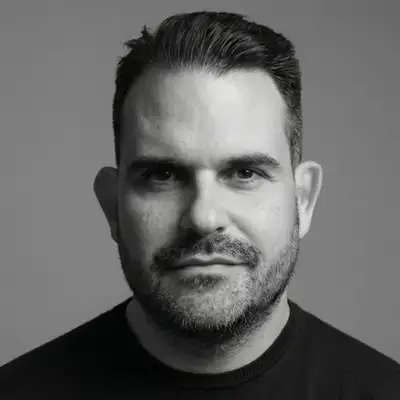
About The Host: Chris Maffeo
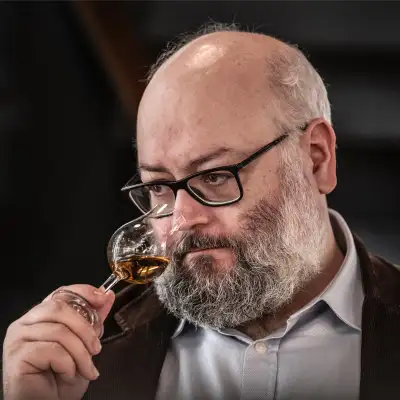
About The Guest: Billy Abbott
In this episode of the Maffeo Drinks Podcast, I discuss the evolution of the whisk(e)y industry over the past 15 years with guest Billy Abbott.
We delve into the global expansion of whiskey production, the increasing consumer interest in niche markets, and the role of cocktails and serves in modern whiskey consumption.
Billy shares insights on how new expressions and innovations are shaping the industry while they also explore the significance of brand identity and consumer engagement.
The conversation highlights the changes in whisk(e)y production, marketing, and consumer preferences, making it a must-listen for anyone interested in whisk(e)y.
00:00 Welcome to the Maffeo Drinks Podcast
00:28 Diving into the World of Drinks Brands
00:54 The Evolution of Whiskey
01:49 Whiskey Trends and Market Changes
04:27 Exclusive Bottlings and Store Picks
09:48 Consumer Preferences and Market Expansion
19:25 Whiskey in Cocktails and Occasions
22:43 Brand Identity and Marketing Strategies
33:12 Wrapping Up and How to Connect
About The Host: Chris Maffeo
About The Guest: Billy Abbott
The MAFFEO DRINKS Podcast is a leading drinks business podcast delivering actionable insights for drinks leadership.
For founders, directors, distributor MDs, and hospitality leaders navigating the tension between bottom-up reality and top-down expectations.
20+ years building brands across 30+ markets. Each episode features drinks builders: founders, distributors, commercial directors, sharing how the drinks industry actually works. Not the conference version. Honest conversations.
Insights come from sitting at the bar.
Beyond episodes: advisory for leadership teams, subscription with episode deep dives and principles to navigate your own reality.
Beer, wine, spirits, Low and non-alcoholic.
Bottom-up Insights & Episode Deep Dives at https://maffeodrinks.com
Welcome to the Maffei drinks podcast. I'm Chris Maffeiro, your host and fellow drinks builder. I'm really honored to have you as one of our listeners from 111 countries. A small ask, if you enjoy the show, please leave a review and share it with others in the industry. Visit mafelldrinks.com for free resources, premium content and episode transcripts.
Chris Maffeo:Now let's dive into today's episode. If we go back to the drinks brands, it's also like very few brands have got a clear vision of what they want to do for consumers, for the drinkers, you know, and sometimes it's just like, they just want fame and money. I just want to scale my brand, you know, but how? And it's like, no, I just want to scale. I want to be in supermarkets.
Chris Maffeo:I want to have world domination. It's very interesting, especially because it's tough world. I mean, like, have you, have you been there, like for so many years, for example, like in the let's focus on whiskey just to focus on a category. But how have you seen the development of the whiskey world in the last fifteen years?
Billy Abbott:If you look at the worldwide sort of like whiskey thing, whiskey has become big. One of the sort of stock things I'm checking out at the moment while talking to people about whiskey is, the term world whiskey. I just say, well, world whiskey doesn't make sense as a term anymore because whiskey is just made everywhere. So world whiskey is just whisky made in other places and increasing those other places are just the same as everywhere else. You know?
Billy Abbott:It used to be Scotland, Ireland, America, Canada, but we didn't talk about them. And then Japan joined the gang and India joined the gang. But now we've got France and Germany and Mexico. There's a few guys in Poland, bit in the Czech Republic, South Africa has a load of stuff down there for ages. Then you've got Finland, Norway, and Sweden, all three of them, Denmark, lots of stuff.
Billy Abbott:Whiskey's popularity in general has just grown. People drink whiskey more and more. And if you step outside of the regular people world, people who drink whiskey with a mixer, because that's what people do, you don't drink meat spirits unless you're sort of like sitting around being sort of like doing shooters or sitting around trying to be fancy with a cigar and all that sort of thing. Most people drink whiskey with mixes, but even outside of that world is grown. We've seen the, the standard stat thrown out about in Scotland for single malt whiskey used to be, 5% single malt and then 95% blended whiskey.
Billy Abbott:We sat seems to be about 1585% now. So much more of the high end stuff is disappearing out there into the world. There's a much wider range of everything. Every single brand is reaching for something new all the time. You, one of the things that people are trying to, you know, capitalize on is the market for whatever the next new thing is using new expressions to try and drag people into their brand to ensure that they might then buy the, the regular ongoing things.
Billy Abbott:Regularly updating livery to make sure that it's always got a fresh new look. You know, it's constant churn at the moment in the whiskey world. And as more players have got involved, everything's accelerating still, you know, because if there's more people, you still have to keep on standing out. So you have to change more often. You have to bring more things in.
Billy Abbott:You know, I remember speaking with Sekinder, my old boss, we recorded some videos for a box set we did called 20 whiskeys that changed the world. His main comment was twenty years ago, they might get from a brand one new thing a year. Most people wouldn't introduce a new thing. It would just be continuing on with what they had. I've often joked about Bruichladdich in the early two thousands.
Billy Abbott:Every time Jim McEwen coughed, somebody wrote down an idea that obviously Jim had had because anything that came out of his brain or whatever noise was written down as a new expression. I think I did some stats on them. And in the first ten years after reopening, they were pushing out something like 10 new expressions a year. Almost every month they had something new on the shelf. You know, we've seen that from a lot of places and it's just a lot of it's too smaller consumer basis, you know, to the geek market rather than to be, sorry, the connoisseur market, not the geek market.
Billy Abbott:As a whiskey myself, I know where I sit. So those are more niche markets who are not people who are buying sort of more mass market products. We see bottlings from big companies of like two or 300 bottles, you know, single casks going out and selling and being sort of allocated little bits and pieces here and there because it won't sell loads of it, but it brings up prestige and but they can do that regularly with sort of like economies of scale these days to be able to fire out lots of these little casks. We see a lot more store picks as the American terminology, you know, exclusive bottlings. We have the whiskey exchange do quite a lot.
Billy Abbott:We've seen it sort of rise from 10 to 20 to 30 to forty, fifty, sixty, seventy, eighty upwards per year of these things we've been doing.
Chris Maffeo:Can you explain a bit more for those who don't know the store picks?
Billy Abbott:It's basically a way for a shop to have something nobody else has. So Whiskey Exchange, for example, we either but for these sorts of things, we work with brands. And so we will go to an example of one we've done recently for our whiskey show. We worked with the spirit of Yorkshire distillery up near Filey in Yorkshire. So their brand Filey Bay, they did us a special single cask bottling of Filey Bay finished in an IPA beer cask.
Billy Abbott:And they've got a big following, but they did it especially for us. And they sent out an email saying, you can't buy this from our distillery. You have to go to the whiskey exchange. And so it's this thing of you choose a special bottling, which then is only available from the shop. So the the stores picked it.
Billy Abbott:You know, it's been a big thing in The US for a while for bourbon distilleries, and it's a big thing over here for a lot of the shops. Although you have to hit a certain size before you can start happily selling out a 150 bottles of a particularly niche product.
Chris Maffeo:I see it myself, you know, like I haven't been a whiskey drinker for a while. I used to have this kind of, I don't know, maybe a couple of bottles my father had in open for whatever, like fifteen years.
Billy Abbott:The standard way of starting.
Chris Maffeo:Yes. And then I started to get more and more involved and, you know, like, also, like, that thing was, when I started listening to you and, you know, and, like, Paul Lettko ko and all these all these guys back in days and Morris Doyle and and so on. And what I see where's whiskey now versus what it was even just like five years ago, to be honest. You know, it's another world. It feels like when you were going for the countries, it felt like the the Six Nations Rugby, you It's like every every year there's a new Yeah.
Chris Maffeo:There's new player coming in.
Billy Abbott:Five nations. Now Six Nations. I'm just looking behind me because I got a copy of a book called A Long Stride. It's the history of Johnny Walker by Nick Morgan. It's a really good book about, if you want to learn about the joys of the development of a brand developer of marketing over the past hundred some years.
Billy Abbott:But the thing about it, you can see in it is this cycle of history. This is something I interviewed Nick about the book after it came out. And we were just talking about this whole thing of single malts are really big in the Scottish whiskey world because there weren't any blends. And the idea of blended whiskey was a thing which came later. And so as that rose, the popularity of blended whiskey, the largest selling category still of whiskey in the world grew and grew, became sort of world famous.
Billy Abbott:And now we see it dipping off again, as people start leaning back towards these other styles of whiskey, as the price points of whiskey change as the market in general changes. And this is a great book, which just shows, sees our history sort of in situ with a, with a classic example of one of the biggest whiskey brands in the world. I also remember years and years ago, I was, mostly just a blogger who occasionally, well, I worked for the whiskey exchange, I think at the time, but I was a random blogger as well. And there was a whole discussion of, can we make whiskey now like we did back in the nineteen sixties? To which the answer is, it'll probably cost a lot more money now to make it than it did back in the nineteen sixties because we now have so many processes of efficiency brought into the deliveries, the production process, the logistics process of actually getting stuff out into the world has totally changed.
Billy Abbott:And so even in the short scale of looking back over the last five, ten, fifteen years, everything within the whiskey world, the point from the farm where the grain is harvested all the way through to the point of where we ship something out and dump it on a shop shelf, all of that has changed. And all of that has led to all of these different changes where that will change the market. And then there's in that classic sort of butterfly effects of ripple back and forth through the whole of the market as all these little logistical changes will affect pricing in one place, which will affect the ease of getting things in another place. The fact that we now have all of these exclusives used to take ages to get an exclusive sorted. It'll be like months and months of back and forth, and then you have to ship a sample here and there.
Billy Abbott:You have to go and visit the distillery. Now somebody just sends a pack of samples that they pull from the warehouse because they they're used to doing this. Turns out, we try the thing saying we like sample C, they are brilliant. Here's a predesigned label. Does that look good?
Billy Abbott:Yep. Boom. Stamp of approval, bang out the door. Turn around on these. I was speaking to somebody today about some labels for some upcoming special releases we had and saying, so when do we, want to get these out?
Billy Abbott:It's like November. It's like, we need to send these labels out like yesterday to the people printing them for us. He's like, oh no, don't worry about it. It's all fine. It's all good.
Billy Abbott:We'll send them next week. They'll print them. We'll be sorted on the bottles, but they'll be here within four weeks. So, Okay. That's yeah.
Billy Abbott:We hit these logistical changes have allowed that sort of thing to happen a lot faster. So we've seen those sorts of things explode. But, yeah, just as a lot of there's a lot more of ability in the whiskey world at the moment to move quickly that we didn't have beforehand, which we need to now with the way the market in general in the world is. People want something different, want something new. They want something tailored to them.
Billy Abbott:And over the past fifteen years, those are, you know, ten, fifteen years. It's just really changed to allow a lot more of that.
Chris Maffeo:When you're talking to consumers and to, you know, doing your trainees, like, do you see people leaning into a certain thing? So is is there like a scotch drinker or a burbot drinker or, you know, like, or, or is it more like people that are kind of, let's say connoisseurs, I would call it geeks, that go into these, all these small releases of store picks and then there's the store picks kind of guy or girl. How, how, how does it work? Because like scotches, it's very varied now, you know, and there's the rice and the bourbon, the corn, the, you know, like scotch and ale and spicza, you know, like, is there, like, a particular style of that people lie usually or can people travel between categories? I think it's a
Billy Abbott:lot more so now that people do travel between categories. So, you know, you a few years ago, you know, especially when I started, if you said to me, describe one of our connoisseur customers, I would just like point at me because I was an absolute stereotypical example of one of our customers who would say, hello, what's your latest single cask release? What's your latest exclusive? What can I get nowhere else? Do you have this sort of thing?
Billy Abbott:Oh no, no, no. I can't drink a 46% bottle. I must have a cask strength whiskey because I don't like things that aren't strong. There's a very specific set of things and a sort of niche where you can sort of see the styles of spirits, whether whiskey or what else that people would want from that little category. But over the years, that's really widened.
Billy Abbott:Pretty much anybody can now walk into the shop and you can't be sure of where they sit. And this is the thing I was saying about talking to people because there's been a much wider acceptance of the sort of the geekery, the connoisseurship market and all that in the spirits world, you know, a rum, especially we've seen over the past decade has gone from being a drink that wasn't considered particularly serious outside of a very small niche into seeing that grow into almost like a whiskey level back ten, fifteen years ago, group of people who are interested in the more niche aspects of rum. They're not out there just grabbing a bottle of Captain Morgan or even a bottle of Mount Gay. They're saying, hello, can I have this very specific, Velio release of Foursquare please? And it's like, no, we can't get that anymore because it sells out quickly in Italy.
Billy Abbott:It's that whole thing of you see that expansion, but in whiskey, it's been huge. You know, it's across social backgrounds. It's across gender. It's across ages. You have no longer is it just the guy in his forties who likes interesting whiskey.
Billy Abbott:It's everybody from people who just started drinking through to people who have retired and everything in between, which is great. But that widening has also driven that expansion in the market of lots of different niches of things. You know, lots of different stuff is out there because there's lots more people who want it. And it's a good thing because it means that, you know, when I go to our whiskey show like this weekend, it's a huge range of interesting people to talk to. I have lots of geeky friends who are like me and I can go and speak to them whenever I want to.
Billy Abbott:So the old whiskey show where I was just walking around going, oh yes, it's the same gang as normal is great for one thing, but this year is walking around and sort of meeting people from all over the world, from all walks of life who were not those sort of stereotypical whiskey people, but people who like whiskey. And that's one of the things we're seeing quite a lot. And it's a thing we're running a campaign at the moment, the whiskey exchange. It's a wearewhiskey. And it's just saying there are so many more people out there that like whiskey than you think.
Billy Abbott:You know, we have seen this huge expansion. A lot of people were just there in the background in the past, never talked about it, but now people are coming out into the wild as whisky is becoming more of a mainstream thing. We are seeing people just in general saying, yeah, it's nice. You know, actually talking about the fact they're interested, you know, used to be wine, but you could quite happily talk about wine and people would just think, wouldn't think anything of it, but you talk whiskey, people would thought you were weird. People still think you're weird if you talk too deeply about whiskey, but not quite so much as they once did.
Chris Maffeo:And there's also like a little bit more ways to recruit people into the category now. I'm not a big fan, for example, of this flavor, you know, whiskey, well, like you can call whiskey, but you know, like all these kinds of things that I understand that it's why companies are doing it, but I'm not really a big fan. What's your opinion on that? I mean, apart from a pure risk perspective, but you know, like from a commercial kind of like angle, do people really go into it? You know, like if I'm a, let's say a gin drinker, I will never drink whiskey.
Chris Maffeo:Do I really go for a whiskey with, you know, flavors Or or do I actually wait and really wait for the right time and then drink the traditional whiskey kind of thing?
Billy Abbott:There is a conversion from people drinking things like flavored whiskeys into the whiskey category. I really don't think that's the reason why Fireball exists. You know, it's not there to convert people into drinking great whiskey down the line because they're used to seeing somebody says whiskey on the label. They're just making drinks, which tastes nice. And I think that's where people should be focusing.
Billy Abbott:You should be focusing on making a great drink, not necessarily making a great drink that will convert someone into a different category, maybe a great drink that will bring someone into a brand and make them explore the upper reaches of a brand's portfolio, things like that. I can understand that sort of design. I think the big one for me to demonstrate that isn't whiskey at all. It's gin because, know, we've seen this huge gin boom. I don't know how much we see outside The UK.
Billy Abbott:The UK is obscene with the amount of gins we have out there. The US has never been huge market for gin, but I know that's growing as well as we see a lot more crop producers bringing things. And all over the world, we see more gin out there. The UK
Chris Maffeo:is much the same everywhere. Like, I think UK is freezing, but, you know, the next level is is the rest of the world. And I think it's pretty similar.
Billy Abbott:The thing about gin is that there's a load of companies who make flavored gins, gin liqueurs. So they're about the 20 to 25% mark ABV. They've got added sugar and their gin with a load of flavorings in there. And they're fine products. Many, they're not my thing, but many of them are very well made products and people drink them with soda, with orange juice, with other mixes, with tonic, you know, that sort of thing.
Billy Abbott:But the consumers aren't educated in what they are. So the consumers refer to them as gin rather than as gin liqueurs or flavored gins or whatever. And so some of the bigger brands, they've almost switched entirely to focusing on these things. And when you speak to consumers, they say, oh, I love gin. Yeah.
Billy Abbott:I like that raspberry one. And you realize that they don't actually like gin. They like gin liqueurs, a totally different thing. And those liqueurs, despite the fact that people are confusing them with the overarching category of gin, they don't move on from it. They don't come into the category.
Billy Abbott:You know, with flavored whiskey, you give someone a peanut butter scribble or whatever it is, you know, ridiculous American whiskey that just tastes like eating peanut butter and chocolate out of a jar. You try these, right, these things and they're really interestingly flavored. They're often really actually quite well put together. Some of them are terrible. I judge at the American distilling institute judging every now and again, the ADI, and they have a flavored whiskey category.
Billy Abbott:And some of them, when they come through the whole panel is actively shocked about how good they are. They have more sort of like natural flavors or really artificial flavors that work because sometimes eating a handful of old school gummy bears is quite nice. Sometimes you want to eat something that tastes of fruit. At no point in time, have I really ever heard any evidence. And I could be entirely wrong.
Billy Abbott:This is anecdotal from my sort of thing that they've ever converted anybody. So, you know, the big one for me is Fireball, the biggest flavored whiskey in the world. I don't even know if they called it flavored whiskey anymore. I think they took out all the whiskey and replaced it with neutral spirit. Even when it said whiskey on the label, you know, it was not converting people.
Billy Abbott:The thing which I think converts people is people trying stuff. And you say there's loads of different ways to sell into a consumer and loads of different ways to bring a consumer into a category. And again, where I sit, I see certain things and, you know, people coming in and coming to a tasting being brought by their friends. And the thing for me, I think very, very powerful is that word-of-mouth thing. People say, along for a social event, come and try a thing through bars, you know, through serves and things like that.
Billy Abbott:And you know, someone saying that sounds interesting. I don't like whiskey. Someone saying, oh, don't worry. It doesn't taste like whiskey. They try it and they realize that maybe they want to dive into what components of it are.
Billy Abbott:You don't need to drink whiskey on its own, drink it in a cocktail, drink it, you know, with Coke, drink it with soda or whatever. And bringing people into categories by giving them the opportunity to try it. The way I've always sort of talked about vista centers and tastings is if a brand has a vista center and people come to it, a brand runs a tasting and runs a really good tasting. When people leave, they are brand ambassadors for that company now. And they will go and tell their friends.
Billy Abbott:And if each of those gets two of their friends to try the drink, and it's that sort of thing, those sorts of words-of-mouth and but giving the opportunities for those sorts of things to happen, think is a really important bit.
Chris Maffeo:You mentioned like the recruit, the recruiting, you know, like the, is it, is it like an occasion kind of thing or, or can it be like a is it what I'm trying to get to that, for example, for me, whiskey is something easy to drink like with a cocktail. I started from a cocktail point of view, you know, because then it was, I don't think I like whiskey, so let me try on something that is actually good. But for me, the transition was like, okay, I'm an I'm an agroni drinker. I discovered I can switch to gym for whiskey. Starts with bourbon, but then I go into scotch, I go into Irish, you know, I can do it however I want it.
Chris Maffeo:And that for me was a safe entry. But then maybe for some other people could be different kind of occasion. How do you think like that this recruitment into the whiskey category happens apart from what you already said about, you know, like going through events and doing these kind of things?
Billy Abbott:Whiskey, especially, is a drink which has got so many sort of things loaded upon it. People look at it in different ways. If you get someone a glass of whiskey on its own, that is a whole social construct around that. If you're me and you're a whiskey geek and you've gone around to somebody's house and you've had dinner and you pull out a bottle of whiskey after dinner and say, here, try this. People might go, oh yes, please.
Billy Abbott:Let's see what that's like. If I pull that out at lunchtime while sitting around sort of thing, just having a chat, my whiskey friends would go, oh, amazing. What is it? And they'll sit there and drink it. But the average normal person will look at you and go, do we need to have an intervention of some kind at this point?
Billy Abbott:You know? And so it's all, as you say, it's about those occasions, about understanding those and with the whiskey world, there's been a load of work on that from a loss of the brands. And you saw that cocktails and things it's cocktails and serves is we think I hate the word serve for some reason, but it works. You know, it's that whole thing of it. How, how do you present the whiskey?
Billy Abbott:And it is when you start getting one people I think quite good at this is Glen Morangie. There's Glen Morangie's whiskey, the 10 year old and the 12 year old they've now released a very versatile. You can drink them on their own. You can stick them in a cocktail. They taste like whiskey when you do so.
Billy Abbott:They still have a little bit of luxury feel to them as well. So people that sort of fits in with occasion as well. And so you can have a thing where before dinner, can give someone a whiskey and soda or a whiskey cocktail of some kind. At lunchtime, if you're outside, then you can drink a whiskey and soda and you will not seem to be somebody just necking drams at, you know, midday. You can then make that into a sort of more interesting drinks later on at night.
Billy Abbott:You can then shove it into a glass on its own. You can drink it with ice. You can do all these. Anything you want to do with that whiskey because it is versatile. You can do with it and you can slot it into lots of different occasions.
Billy Abbott:You can make it as fancy as you want. You can make it as unfancy as you want. The classic sort of one this time of year, when you think about Lod Ricci, sort of barbecue, people come over to your house to have a drink and have some food, but something like a highball, something like a whiskey and Coke, something like all those sorts of things you can drink all the way through the afternoon and then you can switch and change the complexity as you go through. See, occasion is really important, but it doesn't work for every brand. And again, it's different brands will do different things.
Billy Abbott:Pulling one just straight out of nowhere. Not entirely certain. I don't even have any samples on my desk of these guys. So Glen Allakey. Mostly I think about them because it's run by Billy Walker.
Billy Abbott:And until recently, if you typed in Billy whiskey into Google, you got me. Now you get him, which is very annoying. He has been working in the industry for like sixty or seventy years, so I can't complain very much, but still he's beating me on Google now. But Glenn Alachy is not a brand where people are gonna stick that in with soda. They're gonna stick it in a cocktail.
Billy Abbott:It is aimed squarely at people who drink whiskey neat or maybe with some ice in it. And the style is often quite heavy and quite based on liquid. I'm not a big fan of their livery. And many of the people who like their whiskey aren't a big fan of what the packaging looks like, but they don't really care. That's not really what it's there for.
Billy Abbott:It's literally just to appeal to bring in some new people, but people who know it already, it's all about a slightly more connoisseur, geeky audience who aren't gonna jump in different occasions. So the occasion for that is almost certainly never gonna be lunchtime hanging out with your mates, unless your mates are all whiskey geeks. Later on, sitting around with glasses of whiskey to celebrate something or to finish your day or whatever. And so, yeah, different brands will approach it in different ways. It is very much all part of that brand identity, the occasion and who you're targeting, what sort of people you will want to drink your drink, you know.
Billy Abbott:But imagine can hit every absolutely everybody at every point. If you go through their range, they have expressions to hit even Glenn Alley fans, you know, bigger, richer, darker things. But other brands will say no. We'll stick with our niche. We're not gonna dive into that world.
Billy Abbott:I still remember going out to visit a distillery manager. Many my first ever distillery trip when I started working in whiskey industry. And we got to one of the distilleries and we were warned in advance that the distillery manager was not a fan of this whole cocktails business. And they decided that his whiskey in the range was going to be the whiskey they put in cocktails. Actually based on the style of it, it's yeah, it has that versatility.
Billy Abbott:It would work very well. I liked the whiskey on its own, but it does work well in cocktails. And they sent him a load of the POS that they put together for mixing the drinks. And the marketing team turned up and very ostentatiously, there was a bin left outside the door of the distillery with all of the marketing materials just jammed in the top of it, left there ready for them to arrive and see. And they just turned around and left when they never mentioned it again.
Billy Abbott:There is still, you know, a lot of that bias against that in some places. And it works really well with some brands, but to bring in the wider consumer world, a lot of brands are realizing you need to do that, but it does jar when often they go from being a, we're a little distillery. We, this is all the details of all of our stuff that we're doing. And here's an interesting cocktail with a gigantic leaf sticking out of it. And it's like, it's getting that sort of like, you know, allying those things together so that you don't alienate either the more connoisseur groups or the more mainstream groups by giving them too much information or dumbing things down too much all at the same time.
Billy Abbott:I go to launches occasion wise. They're great. So they bring in a load of influencers from outside of the drinks. Well, they bring a load of drinks, press in, they drink sort of like, you know, retailers and sort of drinks, bloggers and people there. And the ones which work really sort of hit all the different areas.
Billy Abbott:So you have interesting cocktails, you have simple serves, you have the whiskey on its own, you have somebody can tell you about production. You have somebody who can tell you why the boxes are beautiful. And then other ones you turn up and someone will just say to all these influencers, well, of course you want to about cask finishing or you get other ones where you just said someone turns up and says, yeah, I'm the designer. No, I can't tell anything about the whiskey. Again, so it's, say, mobbing those occasions.
Billy Abbott:Know. Even when it's individuals throwing a party, having people over, sharing drinks. Yeah. Making sure you have the right sort of idea for those as well. Is there like
Chris Maffeo:a rule of thumb? Like, of course, I'm I'm generalizing now, but something like, I don't know, blended whiskey are good for cocktails and mixers and single malts and nuts and cask you know, like, did you have like a segmentation in mind?
Billy Abbott:In the past, very much more so than now. And this is the thing you've sort of seen this this building of complexity within the whiskey world. You know? Twenty years ago, fifteen years ago, even if you use whiskey in a cocktail or in a long drink of any kind whatsoever, it would be a blended whiskey. The idea of mixing with single malt was just like absolutely verboten.
Billy Abbott:It was just a proper sort of like, oh, really? You've disrespected the master distillers families of the tenth generation. My little brother used to live in Scotland. He used to tell me off for adding water to whiskey. You've spat on the grave of the master distiller as he sat there drinking his 43% whiskeys that he's just bought, which had been watered down before they went in the bottle.
Billy Abbott:And I was sitting there adding water to my car strength whiskeys, but consumer education, he knows now I've taught him. But it was very much, you know, blended whiskeys were the thing, but increasingly as the price of single malts dropped, and again, people are very conscious about price when you mix things. If it's expensive, you can't mix things with it.
Chris Maffeo:It doesn't really matter what it is. It's like, it's the price tag to it. You get a 23 year old on discount that I didn't do a cocktail with it.
Billy Abbott:Well, that's the thing in bars, you don't see it because of course that's the choice of GP and you need try and make sure you keep everything profitable and you don't, you know, you can't do a cocktail, which is going to be £30 a go because you put, you know, nice spirits in it. One of the things that people I've seen complain about is, oh, you put nice spirits in a cocktail. That's ridiculous. It's a waste. It's like, no, if I use it and the drink tastes nice, better than potentially the, the, some of the ingredients as you want, whole being bigger than the sum of its parts, then it's entirely worth it.
Billy Abbott:And I've made drinks using credible sort of like whiskeys, which tastes great. I've also seen some friends of mine put a 70 year old Mortlach at the time was like the oldest whiskey ever released. They had a tiny vial of it and they put it into a cocktail that was full of really smoky Talisker cask strength and a load of fruit juice. Didn't improve the cocktail, bit of a waste of whiskey. Back in the day, very much there was this hierarchy.
Billy Abbott:But as we've seen that spread across all the categories, you know, blended whiskey used to get your Johnny Walker blue labels and your higher end things. But now blended whiskey, even more than it once was, is a huge range. You know, people, especially in overseas markets, blended whiskey doesn't have the slight stigma attached to it in the connoisseur market that it does over in Europe, especially. You know, people don't like spending lots of money on expensive blended whiskeys, despite the fact that they may taste amazing and may actually be full of very expensive components. It's a blended whiskey.
Billy Abbott:Therefore, it's not as good as a single malt whiskey, which are held at these pinnacles of achievement. The production process, that doesn't make sense. You know, you're making a blended whiskey, you'll need somebody who is incredibly talented to bring together flavors from potentially hundreds of different components to make a thing, often a thing which has to be exactly the same as the last time you made it. Whereas, you know, single cask, even single malt whiskey, the ultimate pinnacle of of of the amazingness of Scotch whiskey, you try three samples and say, that's best. Can I have that one?
Billy Abbott:And they go, certainly. Put it in a bottle and you're done. Not quite so much effort. Still, know, there's this this sort of stigma to it. But now, yeah, you'll find people doing a lot more mixing with single malts.
Billy Abbott:Blended malts have grown as a category. They now actually are some. There weren't really very many for a long time. Germany still you'll find the the lower end expressions. You'll find a lot more blends being used, but only really when it's more being used as in a generic way.
Billy Abbott:One of my least favorite things in a cocktail recipe is if it says 50 mil whiskey. I get just as annoyed these days if it says 50 mil white rum because that also means nothing. I know that in that case, have a better idea of what they're gonna try and go for, but 50 mil of whiskey means almost nothing because that's such a wide range of different things. 50 mil of rum is is a foolish thing to stick on a recipe, and most recipes wouldn't do that. They'd be much more specific.
Billy Abbott:But whiskey never really got that love of specificity when talking about flavor matching and things like that. We don't have so many rules of thumb now just because the whiskey market has grown, but you'll generally see the lower end whiskeys and blends being used a lot more in generic cocktails. When you start getting to that next level up of cocktail, a cocktail specifically created rather than just a an old one of the old standards, you'll often see specific brands in those specific expressions in those because the flavors in those actually work with the cocktail and the part of the creation of that cocktail.
Chris Maffeo:I'm I'm also thinking like I said, new world whiskey or our when I call it like, you know, that probably is less so because the effort is still very much onto the brand and into the, you know, like, probably they don't even want to go yet into the cocktail world. It's more like for the older countries that are on the blends of the older countries that probably like they are kinda like trying to push that more in cocktails.
Billy Abbott:You see in the old countries, you still see a lot of brands who don't do that, but also in new countries, see some who are doing it. But also we're getting to a point now where a lot of the newer countries have got to the point now where they're just another country where they make whiskey. I collect labels from cans and bottles. So I'm interested in label art and branding. So I've got books from all over the place.
Billy Abbott:But today, was just before I came on the podcast, I was stripping some labels and had a can of, milk and honey highball. So milk and honey in Israel, they've now got to the point of being happy enough to do a canned highball with their whiskey. And it was very nice. I don't know if it's gonna be a commercial product, but it's got a plastic wrap around the can, which suggests it is a commercial product. But they've just got to the point now where I can't remember exactly how old they are, but I think they're more than a decade old now.
Billy Abbott:And so they have whiskey. They are mature enough now to say, no, we're happy to throw our stuff into cocktails. When I've been to their events, they always have a cocktail created with one of their whiskeys. What I went to was a joint event with the Coxforce Distillery, and it was a whiskey, which was a combination of spirit from both their distilleries. And they were not using that one necessarily for making cocktails, but they had spirit from both Cotswolds and milk and honey.
Billy Abbott:And they were saying, we can do you a smoky Manhattan using the milk and honey stuff. We can do you a long drink using the Cotswolds stuff, you know, matching those flavor profiles. Now, lots of these newer distilleries, you know, especially the guys who are doing a little bit of hand selling maybe. So if you've got a distillery who was going to farmer's markets, around The UK, and so having a little stand or going to little shows like food and drink shows, you know, the average person coming up is not going to want to take a little plastic cup full of neat whiskey, but saying, here's a thing in a long drink that brings in loads more of those people. So again, it comes down to the occasion, which the people are sort of like being salty, the point that the place you'll bring people in, But a load of those companies don't do that sort of thing.
Billy Abbott:And they are only appealing to, the whiskey drinkers who will drink things
Billy Abbott:from you.
Billy Abbott:So they don't have a need to. So the big thing I've noticed over the past decade is as we have many more of these companies, just the diversity of the approaches has changed. Everybody's trying everything. Some people will stick with one thing over time, but it's really worth trying different approaches because it all comes down to how your brand's going to sort of sell in, in various different places. And, yeah, seeing people try stuff often Yeah.
Billy Abbott:Will bring in people they would never have thought they would have got hold of.
Chris Maffeo:And it's also, like, a little bit like what what you're saying, you know, like, iterations. And then at some point, you know, like, you say what it is and what you believe in and what you believe it's good at and it's good in and so on. And then at some point, you know, you just leave it up to them and then you collect this kind of evidence and say, okay, actually these guys are using this one like this, this one, they're using it like this. And then you start to be like fruitful thoughts for, for different kinds of occasions. It's super, super, super, super fascinating.
Chris Maffeo:So it's been a great, great, great chat. I think we can wrap it up to you. Like I'm, I'm, I'm aware of your time. We went to leave the over what we had, we scheduled, but tell us how can people find you and how can get in touch with you? How can they speak to you or listen to you or read you as a, as a writer?
Billy Abbott:Yeah. I'm not as easy as I want to us to find on the internet. If you type Billy whiskey and you find Billy Walker now. I am Billy Abbott, ABBOTT two Ts search me around. I'm, up on LinkedIn and Facebook.
Billy Abbott:I'm Billy Abbott drinks on Facebook. I don't post much stuff up there. I meet robot on Instagram because there's a long story there for another day. I'm also billyabbott.co.uk. You can find out everything I do there and where I work and all the bits and pieces I do.
Billy Abbott:I work for the whiskey exchange. So the whiskeyexchange.com loads of stuff all over there. If you look on our YouTube channel and our Instagram channels, especially you'll see a load of videos featuring me and my lovely colleague Dawn doing a load of educational stuff, talking about individual drinks and brands. I run a whiskey club with my mate Elise here in London called Whiskey Squad. So whiskysquad.com.
Billy Abbott:I literally about five hours ago released our most recent upcoming tasting. So, people want to come on to those things. We just run tastings in London with me, Elise, and random brands coming to talk rubbish about whiskey. As you might be able to tell, I quite like talking and talking about booj. So, if anybody out there is interested in having a chat about anything, wants to drop me a line, tell me I'm wrong.
Billy Abbott:I really like when people tell me I'm wrong. Weirdly, I am wrong a lot of the time. And if people tell me that I can stop being wrong, or I could tell you you're wrong. I'm very good at telling people they're wrong on the internet. And there's so many people being wrong on the internet.
Billy Abbott:No, if anybody ever wants to drop me a line, please do. Yeah. You can find the whiskey exchanges shows on our events side of our website. We have our whiskey show. We have a champagne show, cognac show, a rum show, a tequila and mezcal show starting next year, whiskey one zero one.
Billy Abbott:We have an introduction to whiskey show brand new next year as well. So loads of shows from the whiskey exchange. We have loads of tastings as well regularly. I will hopefully be getting out around the country more often now that I'm officially our ambassador rather than doing it on the side. So if anybody out there's got a whiskey club in The UK, you'd me to come and visit you, run a tasting, drop me a line.
Billy Abbott:I am very easy to find at The Whiskey Exchange. I am Billy@TheWhiskeyExchange.com. So feel free to drop me an email. Please don't insult me too much if you do.
Chris Maffeo:Alright. Oh, thanks. Thanks thanks a lot, Gervin. That's a great wrap up, and I I hope to see you soon, like, in person and have a couple of drums together.
Billy Abbott:Excellent. You're def definitely up for that.
Chris Maffeo:Thank you. Thank you. That's all for today's My Fair Drinks podcast. If you found value in this episode, please leave a review and share it with others. Don't forget to check mafeldrinks.com for all our resources, including episode transcripts.
Chris Maffeo:This is Chris Mafel, and remember that brands are built bottom up.