Subscribe
Share
Share
Embed
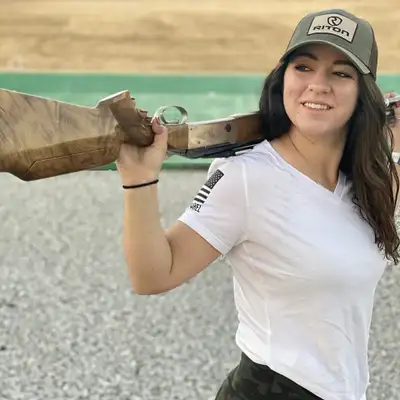
Ascend is a multimedia platform that spotlights the millions of outdoorswomen across our country who go hunting, fishing, hiking, camping, biking, running, and perform important conservation work every day.
Our web series and podcast feature guests who share their experiences with a focus on entertainment, education, and authenticity. Our viewers and listeners will get to know them and learn all about their passion for the outdoors. Whether you've been in outdoor communities all your life or are just getting started, Ascend is the place for you to follow your story!
Brought to you by Ducks Unlimited.
Welcome to the ASCEND podcast, a podcast by and for women in the outdoors. Every episode delivers real stories, practical how to's, and a welcoming community to help you start, sharpen, or rediscover your passion for the outdoors. Authentic women, real stories, outdoor adventures, ASCEND. Presented by Ducks Unlimited, the leader in wetlands conservation. Your next adventure starts here, the ASCEND podcast.
VO:Don't forget to rate and review the ASCEND podcast. It's the best way to grow the podcast and help other women discover the next step on their outdoors journey.
Julia Stallings:Welcome back, guys, to ASCEND podcast. I'm your host, Julia Stallings. Today's topic, we got a special one, guys. Many people struggle with this, and I just have to say we kinda brought in an expert. So, guys, you're gonna need to listen to this.
Julia Stallings:If you want to know how you can do a better job at inviting people into the outdoors or getting them shooting for the first time, this episode is for you. I would like to introduce Karen Butler, founder of Shoot Like a Girl, an organization that has helped so many women introduced to shooting sports, the outdoors, archery, and just gain that confidence that is needed. Karen, thank you so much for joining us.
Karen Butler:I am so excited to be here and talk to you today, because DU does so much to get people involved in the outdoors. And if I can talk to your listeners and give them that little bit of encouragement they need to take someone afield, that's gonna be a great day.
Julia Stallings:Oh, yes. Absolutely. I'm so excited to have you with us. For the people, you know, who don't know you yet, could you tell us a little bit about yourself and kinda what led you into the shooting and outdoor world?
Karen Butler:Oh my gosh. Yeah. So my story is kind of cool. I'm Karen Butler. I started Shoot Like a Girl in 2008.
Karen Butler:So we've been in business a little over eighteen years now. And I really wasn't part of this world. I had no idea that hunting was a thing, that shooting sports was a thing. And in my late twenties, I found myself at the very lowest point of my life. And some friends said, hey.
Karen Butler:We wanna take you out camping. And I was like, I don't wanna go camping. Like, thank you very much. And and I'll just tell you, the low point was that I I was getting a divorce, and I had two young boys. And the judge said to me, guess what?
Karen Butler:Your kids are going one week with dad and one week with mom, and the two can't commingle, which meant that even though I had a great career, I defined myself as being a mother. Like, that's the one thing I was supposed to do a good job at. And Mhmm. I kinda failed to keep my family together. So when my friends saw me, they're like, we're taking you camping, which was not friends.
Karen Butler:It was not on my list of things to do. Let me tell you. Because, like, I'd camp for Boy Scouts, but my gosh, to go out there by myself or with my friends, like, why would I do that? I was... That's really literally what I thought.
Karen Butler:And they insisted, and I woke up on the backside of Pikes Peak Mountain, and I stepped out of the tent in the morning, and it was so gorgeous. Like, the scenery was so beautiful. And I'm sure your followers know, but there's something so peaceful about being outside. And I felt like I was sitting on a church pew that every single one of my ancestors before me had sat on. That's how peaceful I felt.
Karen Butler:And for the first time in probably a year and a half, I felt like my life was gonna be okay. And then my friends had guns and bows. And I was like, I don't know. I'll try it. So we went and we were shooting gate...
Karen Butler:Gatorade bottles in the forest, and I pray we were safe. I think we were. But as I'm shooting, the little orange cap of the Gatorade bottle flipped off, and I'm like, oh, can I shoot that lid? And they're like, sure. And I just kept drilling it.
Karen Butler:And every time it popped up into the air, I felt good about myself. Like, so at a time where I felt literally the worst I'd ever felt about myself, I felt good about myself. And then my girlfriend had a bow, and she's like, you can shoot it. I'm like, I am not strong enough to pull that back. Like, I can't I can't.
Karen Butler:And Mhmm. Can't's not a good word for anyone to have in their vocabulary, but that was what I was feeling. She's like, sure you can. Let me show you. I pulled her bow back and let an arrow fly, and I was like, that's incredible.
Karen Butler:So not only did I feel confident, I felt strong. And so Yeah. That time in my life when I felt the worst, I felt the weakest, I felt really abandoned. I found in that weekend, faith, confidence, and strength. What, you know, what more can you get?
Karen Butler:And that's what the outpost gives everyone. Right? So fast forward, I literally had negative $22 in my bank account every month. But I took my credit card. I bought a bow.
Karen Butler:I joined the league that my friend shot at, and she and I would shoot every single weekend and... Or every single week. And when my kids went with their dad, I left work and went straight to the archery range. And so there was no more going home and feeling sorry for myself. I had something to do.
Karen Butler:And it was incredible, and I just... I loved every minute of it. So I'm talking a lot. I'm sorry.
Julia Stallings:No. I love it. I think people need to hear this. I mean, you you were sharing with people, like, your story of, like, where you fall... Fell in love with this sport.
Julia Stallings:And it's not just the outdoors. It's not just shooting. It's the whole circle. You know? Yeah.
Julia Stallings:And I think people need to understand that. Like, it brings you something different than just being a part of something. It brings you something with inside yourself. And I think that's just amazing. Amazing to hear.
Julia Stallings:Do you think do you think you had that confidence of just, like, when you were shooting Gatorade bottle or pulling back the bow, do you think that confidence was, like, started right then and there, or do you feel like you grew it over time going to the range every day just continuously?
Karen Butler:It definitely grew, but I left that weekend a changed woman. I tell people it changed the trajectory of my life, and I I... It's kind of a pun. But Yeah. It really, really did because I I can't explain.
Karen Butler:I mean, I guess everybody has downtimes, but when... I've always been an overachiever my whole life. I excelled in things that I put my mind to. And the one thing I was supposed to do right was raise my kids in a happy home, and that's the... What I failed at.
Karen Butler:And regardless of, you know, in relationships, it's... You wanna say, oh, it's not my fault, but it's everybody's fault. Yeah. And I felt like such a failure that my kids had to go through a divorce and not have their parents with them the whole entire time. So it really did...
Karen Butler:Like, it changed everything for me. And Yeah. I wanted my friends. So because it made me feel so good, I wanted my friends to come to the range with me that didn't shoot. Mhmm.
Karen Butler:I couldn't get them to come. Like, they didn't wanna spend Really? The money, the energy, the effort. And I knew, like, I just knew if they had a chance to try it, like I had a chance to try it, that they would fall in love with it, and they would wanna become participants too. Because it gives you so much more than...
Karen Butler:Just like you said, it's so much more than an activity. It really does Yeah. Changes your heart a little bit.
Julia Stallings:So does.
Karen Butler:So that was the concept of of shoot like a girl. If I could just give people a taste that they'd fall in love with it. And fast forward, I had this idea for years.
Julia Stallings:Mhmm. And
Karen Butler:I remarried to a fantastic man who's been an exceptional father figure to my children, so they ended up with bonus parent. But they... That... He encouraged me. And I finally said, okay, I'm gonna do it.
Karen Butler:And we went out and I got a few bow sponsors and would travel around to... With this rickety rack of bows and all these signs that my dad made out of vinyl. And I'd say, do you wanna shoot archery? And people would say, yes. I wanna try.
Karen Butler:And we had... So we just hit our over fifty thousandth fifty thousandth guest since I started the company, and that's people that have been introduced to shooting sports through through me and then really the incredible team of people we have.
Julia Stallings:Oh my goodness. That's amazing. That's so amazing that you've got that many people just to try it. Yeah. I feel like so much of the time, you know, women especially, they don't know where to start, and it's that gap of, like, I wanna do it, but I don't know where to start, and I don't have the opportunity to do something.
Julia Stallings:And if you're holding the sign saying, hey, I got you.
Julia Stallings:Like, it's right here. Come come on. I got you.
Julia Stallings:I'm a girl too. Come on. Like, that's amazing. Like, you're changing lives. You're just empowering people to take that next step of, like, I know you're nervous.
Julia Stallings:I know you're scared. I've been there too, but this is gonna change your life. And... Yeah. No.
Julia Stallings:What do you think holds women back for trying it for the first time other than, you know you know, cost. I think that's the biggest one is cost is so, like, expensive. What else do you think holds people back?
Karen Butler:Well well, time. But what we found from the people that have come into the trailer, and I need to tell everybody about the trailer here in a second.
Julia Stallings:Tell people about the trailer.
Karen Butler:Kind of a big thing. But what I find is it's fear. It's either fear that they are going to hurt themselves or someone they love. It's fear that they're going to look silly trying something new, or it's fear that they can't. And so what we do is turn can't to can, and, we we change lives one shot at a time.
Karen Butler:That's our that's our whole goal. We only spend five to ten minutes with them in the actual shooting. Like, they fling five to 10 arrows. They shoot five to 10 rounds of a pistol, five to 10 rounds of a rifle. It is quick, quick, quick.
Karen Butler:Mhmm. And that is because we know women don't wanna spend a lot of time on themselves. We're the worst of... I mean, men aren't great at it anymore either. Honestly, I think there was a study done called what women want, and the one thing that they found women wanted more of was time.
Karen Butler:And it's because we've asked to do all kinds of different nontraditional back in the day roles. We wanna own our own companies. We wanna host podcasts. We wanna have a career. We wanna have kids.
Karen Butler:We wanna do... We want it all. Yeah. And and give... And getting it all, which we've achieved, we gave up something, which was time, really.
Karen Butler:And and I think if we ask men that same question that they ask women, we'd find men are the same way. And shooting sports is the one activity where men and women can go and have quality time with their families. They can have that peace and that sense of serenity that you only get in the outdoors, and that's why, you know, I try to promote shooting sports in the great outdoors as much as I can because it's really the best. And I I mean, there's no better place than a duck blind. Well, maybe a turkey blind.
Karen Butler:I don't know.
Julia Stallings:No. No. I mean, turkeys are my thing. I I 100% believe if you have time in a field, it really changes you.
Karen Butler:Like Yeah.
Julia Stallings:Over time with the work. I mean, everyone asked me, what happened? Why did I get a glow? And they thought I got a facial. It was in reality, I just spent a little time in the outdoors, had my waiters on, crushing some ducks.
Julia Stallings:Right. I'm a I'm a new changed woman.
Julia Stallings:And they were like, tell
Julia Stallings:me your secret. Give me your facial lady. I'm like, I
Julia Stallings:literally been covered in dirt. But, yeah, you can... I was like, I'll give you the number.
Karen Butler:Just go outside.
Julia Stallings:Yeah. It was just a little TLC with the great outdoors. Yeah.
Karen Butler:I like that. A that's a good slogan right there.
Julia Stallings:Yeah. I mean, sometimes you do... Women just need that, and I I feel like you're right. You know, a lot of times women don't have that opportunity of time. Right.
Julia Stallings:And so, you know, like you said, bringing this trailer, having that sign saying, hey, I got you. Ten seconds here. We're gonna speed shop. You're gonna have a blast. I can give you that, empower you, and everything else in, like, what, ten minutes, fifteen minutes?
Karen Butler:Yep. Let's do it.
Julia Stallings:Yeah. Tell people tell people about your trailer because I think it's such a cool setup because I was like, I mean, I was looking at it. I was like, this is so stinking cool because it it eliminates all the negatives, all the objections. You're like, oh, we don't have a range or we don't have this area. You're bringing it all in house.
Karen Butler:We we bring it all in house. So we have a semi... My mom still can't believe that I own a semi tractor. She used to tell me don't date date truck drivers. And I said, well, I didn't date them, but I own one.
Karen Butler:Yeah. I'm driving it. And I'm not driving that truck. No, Julia. Like, that's my entire life savings going down the road.
Karen Butler:I I get in it to turn it on, and I just, like, panic. That is the one thing. Like, we we hire professionals for that. Hey. But it's a semi tractor trailer, and inside we have a Invarus, a military grade firearm simulator, which is a Fatsby Invarus.
Karen Butler:And so it doesn't have a projectile. It still has impact, recoil, and sound. So it mimics a real firearm. It's so intuitive that if the person were to, like, rack the slide back mid process, it ejects around. So it knows what's happening.
Karen Butler:If you don't load the magazine right, the firearm won't operate.
Julia Stallings:So Mhmm.
Karen Butler:It's a real gun, just completely simulated. And Wow. It's a... Oh, we do a nine millimeter pistol, and we do a two two, AR platform rifle. And that's been really exciting because we've been able to change people's minds on their perception of that AR and...
Karen Butler:Because news tell scary, and we can show them, like, what are the benefits of that firearm, and and they love it. And then archery, we have a little... Like, it's five feet. So you're standing, like, five feet from the target, but it's enough to give someone the idea of, like, this is... I can pull a bow back.
Karen Butler:I am strong enough. Mhmm. A lot of ladies for archery, they're like, I'm I'm not strong enough. And I'm like, well, can you can you pick a baby up and put it on your hip? And they're like, sure.
Karen Butler:I'm like, it's not more than that. Like, it's okay.
Julia Stallings:Great analogy. Great analogy. Yes.
Karen Butler:So... But anyway... And then we have... This year, we we have a safe living trailer, and that's a smaller truck. So during COVID, when they reopened The United States, we were the...
Karen Butler:Some of the first to travel. So as soon as president Trump said you can travel, we were on the road and in Post Falls, Idaho. And we got to Post Falls, Idaho, and there was a line waiting for us that wrapped around Cabela's and all the way back past the kayak... Kayaks to the end. I was like, oh my gosh.
Karen Butler:And we have to follow all the CDC guidelines, which meant everybody has to be six feet apart. So I'm out there painting chalk dots on the... Like, stepping off six feet and painting chalk dots. And I'm like, okay. This is now all family.
Karen Butler:So it went from being, like, women were coming to see us as groups to now families. And so we needed our numbers up. So I'm like, okay. Men can come in too. Like, come on.
Karen Butler:If you wanna shoot... We used to say, if you wanna shoot, it's really for women, but if you want to, you can. And then when COVID and we needed numbers, we're like, yeah. Come on. You can shoot too.
Karen Butler:Have some fun. And what we found is men have the same needs as women. A lot of men have been introduced to shooting sports, but maybe not properly with safety in mind or the correct way to hold a firearm. They haven't gone to a lot of classes, not everyone, like some. Mhmm.
Karen Butler:So we're able to, like, take a man that says, oh, yeah. I shoot all the time. And our instructor will say, okay. Here you go. Just shoot.
Karen Butler:We don't get involved. We just let them have their opportunity unless they ask us to run them through, like, a new shooter, and then we do. And we do the same thing for women if they're experienced. But then we'll notice, like, okay, I saw just one thing in your shot. Can I correct one thing?
Karen Butler:And so we can take somebody's group that's like this and bring it down like that, and they're just like, oh my gosh. This is awesome. And so men like it too. So it's curious. If we stripped some pink and put some safety orange out, would we would we change our dynamic?
Karen Butler:So we built another truck, that's not quite as big as a semi. It's pulled with the f three fifty Mhmm. And started, having men come in as well. And we increased our mail throughput to about 34% last year as kind of a test. I was just testing the market to see what would happen.
Karen Butler:But our true, you know, our true passion and our... My true... Why I started the company was really to get women to understand that feeling that comes from aiming at a target and hitting it and how good you can feel inside about yourself even on days when you feel bad about yourself.
Julia Stallings:Yeah. No. I think that I think that's just amazing. Now I have a question. Do you usually see the men come in with the women?
Julia Stallings:Do they come in as pairs, or do they kinda like, okay. I'm gonna go and then I'll let you go kinda separate?
Karen Butler:It depends, honestly.
Julia Stallings:There's there's
Karen Butler:all kinds of stories. So when you have some men that are begging us, please get her to shoot. Like, they want they want that family time.
Julia Stallings:Mhmm.
Karen Butler:Right? It's it's hard to get someone that doesn't hunt or doesn't understand it to get up first thing in the morning and go in the cold.
Julia Stallings:Like, it's just hard to see. It really is. Yeah.
Karen Butler:Right? And even for shooting. And they... And then there's also that fear of personal defense. And I think we've seen a big and...
Karen Butler:Big heightened awareness of that. And a lot of families just wanna make sure that each other is able to take care of themselves should they should they need to defend themselves or their family. And so we have a lot of men begging. Some men come in, some go go out. We've cleared the trailer, so we've seen all...
Karen Butler:I mean, it's sad, but we've seen women and men that have had some kind of firearm trauma in their life, whether they've witnessed a horrific crime or been a victim of a crime. Like, it's it's sad what some of these people have gone through. And in those cases, you can sense right away our team, like, oh my gosh. My team is so great. But they sense right away that that person is in some kind of internal struggle and will clear the whole trailer out and give that person that time they need alone to overcome that fear or that challenge.
Karen Butler:And some men go in, some men stay out. Like, I got off your question. But
Julia Stallings:No. I think that's a
Karen Butler:What's cool is we have TVs outside so you can stand outside and watch what's happening inside. And I love to sit there and watch people, but we get so many men just filming, and they're just grinning ear to ear. They're so proud of their their spouses. And then we get some family competitions going on, and, you know, it's it's just a lot of fun.
Julia Stallings:I mean, I'm... I bet it's amazing just to watch to see the confidence glow, especially, especially, you you know, know, in women who've never, you know, picked up anything, even in men too. Don't... I I won't dissonant. Right.
Julia Stallings:But I think it's just that confidence glow of, like, oh my gosh. I did that. It was me. I I I I aimed at that target, and I hit the target, and I did that. Yeah.
Julia Stallings:And I feel good about it. I feel confident, and I feel like I can protect myself, and I do feel empowered. I think that's something to be appreciative of. And the fact that you'll have some cameras watching so you can capture that moment Yeah. That's the best.
Julia Stallings:That's the best.
Karen Butler:It's so cool. Like, we had a guy that was there to visit with one of our instructors a couple weeks ago, actually, our our VP, and he was watching the whole entire time. And he says, you know what? I watched these people go into the trailer, and they're like, I'm not sure what I'm doing here. And they all come out like, yay.
Karen Butler:That's exactly what we do.
Julia Stallings:Oh my gosh. Okay. So what advice would you give... Especially women. What advice would you give women who weren't raised around hunting or shooting as the best first step?
Julia Stallings:Like, to get them, okay. Hey. I'm gonna try this. How do you how do you initiate that conversation? I know I think a lot of people struggle with the initiation of, like, how do I say, hey.
Julia Stallings:I want you to try this, and how do you get them there?
Karen Butler:Right. So outside of the trailer, of course, because that's the best way. But what I have found is sometimes the people you think are the least likely to wanna do it secretly or wanting to go, and it's just a matter of we have to be good mentors and stewards that... For the people that currently participate and sacrifice a little time to take someone a field with them and then make sure that person is safe and comfortable. And for the women that wanna go, like, it is just a matter of asking someone that you trust Mhmm.
Julia Stallings:That you
Karen Butler:have some camaraderie with. Say, I... Look. I know you go to the range sometime. The next time you go, could you invite me?
Karen Butler:I'd I'd like to just try it, or I'd like to go watch, or whatever it is because you don't have to jump in with both feet. You can Mhmm. Take your time. And then anybody that really does decide to participate, go get a class, like, especially in firearms, like, get some training so that you learn to be safe. If you're gonna go hunting, go get a hunter safety course.
Karen Butler:And all of that does is helps you overcome that fear of scared you're gonna hurt yourself or someone you love because you learn that the safety rules are simple.
Julia Stallings:Yeah.
Karen Butler:If we all follow the safety rules,
Julia Stallings:we have no... We're good. Yeah. Everybody... Everybody's happy.
Karen Butler:Yeah. It... It's it's so simple to be safe in the field and be safe. We just have to follow the rules.
Julia Stallings:Okay. So I know I get this question a lot. For the women who ask, because that's a huge step. Right? You ask to go with somebody.
Julia Stallings:What etiquette advice would you recommend to those people who've asked and they're going with somebody and they're going to the range, what etiquette advice would you say, hey, this is your first time going. Here's my tips and tricks of, this is what I would bring. This is what I would be acknowledging of, like, to look out for. How can I make everyone feel comfortable because I'm the newbie and I don't wanna feel awkward?
Karen Butler:Yeah. So I actually have a different standard for that. I think that you ask the person that's taking you, and you say, hey. Look. I don't know a thing about what I'm doing, and so I'd like you just to lead me by the hand through this first time because I wanna make sure that I represent myself well, and I don't know what right looks like.
Julia Stallings:Yeah.
Karen Butler:And that purse... Like, put it back on the other person. We do have some articles on our website about etiquette, range etiquette, and those kind of things, But I think it's all too much to worry about. I think, really, you wanna go your first time, and you wanna make sure that you have the right safety gear. And you can get that...
Karen Butler:Like, if you go to an indoor range, you can get all of that from the range. You can borrow it, rent it. Or if you're going to outdoor range, just just borrow it from somebody or go buy it if you want, but get the safety gear. You need to make sure that your hearing is protected. That, I think, is the biggest trick for women because Mhmm.
Karen Butler:That loud noise is so intimidating when you're not used to it, and it... It's what drives some people away. And so double up, put plugs in and phone... And headphones on if you need to and just take the plunge, like, it's so worth it.
Julia Stallings:Do you recommend having the electronic earmuffs? I know... Personally, I think I like them, right, because I like to hear. I like to hear what people are saying, and sometimes I'm deaf. Like, even if I put the plugs in and muffs and they're not electronic, I'm yelling at people.
Julia Stallings:And I'm like, I have no idea. I'm sorry.
Karen Butler:Well But we partnered with the walkers, DS and walkers, and so we... I love them. And because you can hear. And so it takes that that beer out. And they have they have earring protection for children, so you can Mhmm.
Karen Butler:Heads to the range. Like, it can be a family affair. Yeah. But I just really encourage people go out and do it. You know, last year, we did a video.
Karen Butler:I'll I'll send you the link, Julia. It's for... It's on our YouTube page, and it's to how to be a mentor. And we even give it checklist because like that. It...
Karen Butler:It's a... It's funny because it tells a funny story about me taking our... Krista Forrester, our VP, on her first hunt. And it was great, but I take... I've taken so many people off field.
Karen Butler:So we've duck hunts, turkey hunts, pheasant hunts. Man. Love to take groups of women out to the field for the first time, but I'm taking her who, like, still kinda did the same things. Yeah. But she was a different person than I've ever taken.
Karen Butler:And so we... You know, I worry about safety. You have to communicate expectations. You know, you... There's so many things that you need to do, and I learned a lot on that hunt.
Karen Butler:And we kind of use that story as a way to say, you don't have to be... The reason people don't mentor right now, I think, is they're afraid they have to be an expert hunter and expert at everything, and you don't. You just have to have that passion for the outdoors and be willing to share it with someone. And under you are responsible, especially they go, like, on a a minter license. You're responsible for their safety under your hunter safety training that you've taken.
Karen Butler:But outside of that, you just wanna make sure that they're comfortable, that they understand the expectations, and and get them out there. You you don't have to be an expert. It's okay.
Julia Stallings:Yeah. I think that's what makes a good instructor or someone or a good mentor. Someone who, you know, you just care about their safety and you're trying to share that passion. Share it to the next generation. Share it to your next friend because it really does change.
Julia Stallings:It really does change that person's perspective. And you never know. You know, that person might be so involved, fall in love with it, and, you know, help build that brand towards you. You know, like, oh, just escalates. Right.
Julia Stallings:And it's amazing. What common mistakes do you see people making when they're introducing someone to the outdoors or to shooting? You know, I know you're you're very heavily involved with new people. What mistakes do you see that people should avoid or something that maybe they should take note of?
Karen Butler:The first one that comes to mind is a lot of people will say, why don't you do it? Well, because I'm afraid. I'm scared. And the quick answer is there's nothing to be scared of. That's what we wanna tell them because Mhmm.
Karen Butler:It's a safe sport if you follow safety rules. But all that does is make them feel like they're being irrational. And so when someone tells me that they're scared, I tell them that's fantastic. And it flips their whole entire thinking because now we've taken what they're thinking as a weakness and told them that's a strength because it's gonna make you safer, more responsible in the field. And then managing expectations, I think, is the other thing.
Karen Butler:Like, you can't care about the harvest. You can't. I I tell a funny story. I'd taken my grandson turkey hunting for the first time, and my husband went with me. And my husband had an expectation that we were gonna get a turkey, and it was gonna be a great thing.
Karen Butler:And I had an expectation that we were gonna go sit in the blind and have a nice day. And my grandson is fidg... Was fidgety at the time, like, was he was young, and so he was very fidgety. Mhmm. Well, that's why we were in a blind because I knew he would be fidgety.
Karen Butler:And my husband's like the whole entire time,
Julia Stallings:be still. Be still. Be still. And
Karen Butler:he was right. He needed to be still, but
Julia Stallings:Mhmm.
Karen Butler:It changes that enjoyment factor for the for the hunter. And, I mean, that's also a guy thing because I I may also baby my grandson to my So my husband was probably right in many of that instance. But I think setting that expectation that it's it's okay. And especially, I think mentors get so excited, and they want the person to be successful even more so than when they go to the field. And sometimes it can be a disappointing experience.
Karen Butler:It might not be a great shot. It might be a miss, and that's part of hunting. And as long as you've taken an ethical shot, you know, like, that... It just happens. And I think being ready to have those quick answers Mhmm.
Karen Butler:Is really good and not be like, I can't believe you missed that. Like, right. That's not a good thing.
Julia Stallings:No. I think you're right. Because right now, you know, we have a lot of social media and, you know, you only show a lot of the good. Like, you never show the missed shots. You never show the mistakes.
Julia Stallings:You never show rustling in the blinds, scaring, you know, scaring anything off. And I think that's... I mean, it's really nice to actually set that expectation, especially for a new shooter. So they they are aware or a new hunter. They're aware of, like, okay, maybe this will not go the way it seems.
Julia Stallings:Just enjoy the whole process
Karen Butler:Right.
Julia Stallings:Of, like, hey. I'm just out here. This is amazing. Because I I feel like I'm the same way. I'm, sometimes I'm, like, I'm just happy to be outdoors.
Julia Stallings:This is great. Like Yeah. I'm like, one with the world. This is it.
Karen Butler:Right? It's the best. It's the most peaceful meditation you'll ever have when you're out in the field... In a field. And then trying to outsmart the animals, like, is a whole another, like, wave to it for duck hunting.
Karen Butler:Like, I... We have a lab, and she's in the center. And so I... I'm more concerned about my dog than So when
Julia Stallings:I go asking,
Karen Butler:more like, if anybody needs a dog, like, just call us because we'll bring our dog. We don't have to hunt. We'll just work the dog. Like, it'll be fine.
Julia Stallings:Oh, man. Working the dog is just the best, though. Like, just to see them in action, like, it's it's my favorite thing. I'll... We have a duck dog, and I will watch him because he's watching this guy, and he's just...
Julia Stallings:He's ready. And I also get great feedback. He'll look at me, like, if I don't take the shot, and he's like, what happened?
Julia Stallings:He looks at me, like, the other day.
Julia Stallings:Like, I remember we were hunting as a family. It was a big thing. I brought my fiancee who's not a hunter. He's new. And I wasn't ready.
Julia Stallings:Obviously, I'm trying to, you know, talk to the new shooter. I'm like, okay. These are rules. This is where you stay. Don't go past this.
Julia Stallings:Watch out for so and so. And I'm totally missed. I got, like, sky busted. Right? I was like, oh, that sucked.
Julia Stallings:My dog looked at me and, like, what happened? I was like, calm down. I know. I get it.
Karen Butler:Focus, mom.
Julia Stallings:Yeah. It's like, you didn't take a shot? You didn't see that thing?
Julia Stallings:And I'm like, man, I'm getting it from both ends.
Julia Stallings:Yeah. Think dogs are just
Karen Butler:to that. So.
Julia Stallings:Well, I think this is some amazing conversation. Like, let's take a quick second for... To hear from our sponsors, and we'll get right back to it. Welcome back, guys. Thank you so much for our sponsors.
Julia Stallings:Karen, you're talking a lot about hunting. And, you know, how does shooting confidence translate into hunting confidence? I know there's, like, that bridge, but have you ever found, like, that shooting confidence translates or vice versa?
Karen Butler:I mean, I have. I mean, I hunted elk for, like, six years before I finally got an elk, and that wasn't because of not opportunity. And I think the shooting confidence... You have to have... What I learned in that that lesson, you really have to have confidence in your shot and your capabilities in order to pull it all together for hunting.
Karen Butler:And it it just translates. I mean, there's nothing... Like, first off, so confidence. Confidence means you kinda feel good about yourself, but you're not conceited. Like, there's a fine line between confidence and conceit.
Karen Butler:Yeah. When you go out to duck hunt, let's... Since we'll talk ducks.
Julia Stallings:Right? I like ducks.
Karen Butler:So you've probably, like me, hunted when it's way too hot and hunted when it's way too cold.
Julia Stallings:Oh, yeah.
Karen Butler:And there's something that makes you feel so accomplished when the conditions are horrible and you go out there and you do you do it. You're you're out there and you're sitting there and you're like, man, it's hot or man, it's cold. Mhmm. And you're like, but I'm here. Yeah.
Karen Butler:I got this. Like, it is it is such a great feeling.
Julia Stallings:I I I agree to that. I... You know what? I think it's funny because, like, my dad brings this up all the time, but I have a different perspective. You know, he took me hunting one of the first times.
Julia Stallings:It was so, so cold. And I did not know what to wear, and my dad's trying to get me involved. Obviously, I'm the only girl, so, like, it wasn't very much. And I wore just normal socks. And this is...
Julia Stallings:You know, we're in timber. It's flooded. It's cold. I have holes in my waiters that he didn't even know I had holes. So I was just, like, freezing.
Julia Stallings:And I'm over there. I... Man, this is really cold. And, like, I'm complaining. But then I got out and I felt so empowered that I was one of the guys.
Julia Stallings:I was with the group. I was hustling. I I did it. And my dad goes, Julia, you complained. I was like, I might have complained, but I had the best time of my life.
Julia Stallings:And it's a staple in my memory of like, yeah, that sucked, but I did it. I did it with a smile, and I didn't I didn't wimp out. I wasn't the one who went in first. And we're like, I toughed it out. And so, like, I feel like that kind of confidence, it does.
Julia Stallings:It does play a role. Because even though maybe my dad said, I think I had a different perspective, my perspective, I was like, yes.
Karen Butler:Yeah. It's it's something about overcoming that the... I mean, you have to overcome the terrain. You have to overcome the weather. You you have to sometimes overcome...
Karen Butler:Sometimes it's very pleasant. And, like, I do recommend a very pleasant hunt for your first time.
Julia Stallings:You're... You know, those are favorite hunt... Hunting memories, you know, is just having a good time. You know? Again, you don't have to be the expert.
Julia Stallings:You just have to have passion. And then if you keep that going, you're gonna make the best time of it. Yeah. What do you think, you know, experienced hunters can do to make the newer hunters feel more welcome, especially when you're taking someone new out? Like, what would you suggest?
Karen Butler:Well, so our video has a checklist of Mhmm. In the comments. So that... In that checklist, it has a lot of things like talking ahead of time. You also...
Karen Butler:If you can take the person to the range ahead of time because you wanna know their shooting capabilities. Mhmm. But you really wanna focus on their safety and letting them know how to be safe in whichever hunting scenario it is. So Yes. There's...
Karen Butler:It's... Safety is different. Like, if you're on the outside versus the inside. Right?
Julia Stallings:Yes. Absolutely.
Karen Butler:You were saying. Yeah. You know? Don't know.
Julia Stallings:Here's your window. Right? Don't blow my eardrums out. Right?
Julia Stallings:Please don't do it.
Karen Butler:Yep. So that's what I would say is just make sure that you've practiced good safety expectations and tell them that our goal isn't to go, like, whack a lot of things or have a harvest. Our goal is to go out there and experience nature. So I tell people, you know, there's people all the time that observe nature.
Julia Stallings:Mhmm. But
Karen Butler:when you are hunting, you are actually part of nature. You are part of this giant ecosystem, and it is such a feeling of, like, the best humanity you can get because now you're you're literally in an environment where you are part of the conservation efforts for what's happening in that area. You're part of the ecosystem. Mhmm. And you're not just sitting there watching it.
Karen Butler:You are in it.
Julia Stallings:Yeah. No. I mean, you're you're a 100% right. And I feel like people need to take that moment to just realize that and just be like, wow. This is where I'm at.
Karen Butler:Right.
Julia Stallings:And I get to enjoy everything that the world has to offer. And it it does bring a little enlightenment. It really does because it's like, wow. If you just take two seconds, you're away from your phone, you're away from every... All the hustle and bustle, and you're just seeing the world for what it is.
Julia Stallings:Yeah. And you do have a little bit more passion about it.
Karen Butler:Yeah. With all of our hunts that we do that are group hunts, we do meditation ahead of... So we get to wherever we're going, and we sit there, you know, before the sun's coming up, and we have people focus on their senses. So focus on their sense of... Close their eyes, focus on the smells, focus on what they can hear, focus on what they can feel, then open their eyes and take a look and see everything they can see.
Julia Stallings:Mhmm.
Karen Butler:Imprint that moment. Because when you go back to work the next day, life's gonna be hard. Like, life's gonna reach up and and sucker punch you when you're not expecting it, and you can kinda close your eyes and come back to that sense of peace and ground yourself Mhmm. And and know that everything's gonna be okay. Just like when I was on the mountain and I stepped out of the tent and all of a sudden I felt like everything's gonna be okay.
Karen Butler:Yeah. Yeah.
Julia Stallings:No. I think that... I I think that's something to be said. I think a lot of people go through struggles where they need that, where they need just that sense of, like, that moment of, like, hey. You got this, and you are empowered.
Julia Stallings:You are cur... You have that courage. You have that bravery. You are a woman, and you can take this on. You got it.
Julia Stallings:Yeah. No. I think that's amazing. When you were, like, mentoring ship, like, sharing that next process with the the people who you trained, did you ever bring the people that you were training back? Did they ever, like, come back at a couple of them?
Julia Stallings:They're like, hey. I wanna I wanna help you do this. I wanna help you. Really? Okay.
Karen Butler:Yeah. So some of our some of
Julia Stallings:our
Karen Butler:instructors were actually people that came through the trailer or came through the... Before I even had the trailer.
Julia Stallings:Oh my goodness.
Karen Butler:They're our instructors now. We have some hunters that are now mentoring other hunters that, you know, were new three or four years ago. I mean, I still... I I will tell you, I am not the world's best hunter. I'm not the world's best shooter.
Julia Stallings:You don't have to be.
Karen Butler:It's not me. But it is... It's incredible to watch people that they get it. And what's great... So our research tells us that, you know, like, thirty eight percent of the people that we introduce to shooting sports within three weeks introduced somebody else to shooting sports.
Julia Stallings:Oh my goodness.
Karen Butler:So if you think about that ripple effect
Julia Stallings:Just Like,
Karen Butler:how many people do these other people
Julia Stallings:meet you? Touching so many lives. You're just touching everyone. Yeah.
Karen Butler:This is real life people. There's a little fly hanging around, so I'm sorry if you can see me do that.
Julia Stallings:You're all good.
Karen Butler:It's Yes.
Julia Stallings:Yes. What does good mentorship look like to you? Oh. I mean, because, I mean, I feel like you introduce them. Right?
Julia Stallings:And then you share that part. But when they take it on, what have you seen that's been like, oh, that was... That's a good mentorship. That's something you wanna look for. That's something that I would say, okay.
Julia Stallings:Hey. If you're in this environment and you see this person do this, that's your person. You should go talk to them.
Karen Butler:If... So can we talk about people who mentored me?
Julia Stallings:Yes. Absolutely. That
Karen Butler:to me is really, like, what's enabled me to be here. Like, I
Julia Stallings:Yes.
Karen Butler:I didn't get here by myself. I had... Like I said, I never grew up around shooting sports. And so I had people that took me afield, like Jim Brennan and Christie Titus and Donna McDonald and, you know, Brenda Valentine. Like, that was just blew me away.
Karen Butler:That's a whole another story there. But people that took time to tell me what's right and wrong, and I think that's the responsibility of the mentee Mhmm. Is to say, I don't know. Teach me and then be receptive to what they're saying because sometimes you you think you know better. Like, why are we doing this?
Julia Stallings:Mhmm.
Karen Butler:Because it doesn't necessarily make sense in your mind, but these people that are mentoring you, their experiences, why it makes sense to them. And so it's... I remember... So Donna McDonald, she's one of my best friends. She's...
Karen Butler:She just passed over the reins of her outfitting business to her daughter, Cassie. So it's Upper Kenyan Outfitters in Montana. And I'm hunting up a big game. First time in my life. Never had had a big game.
Karen Butler:And it's snowy, and I'm walking through the woods, and I sound like a pack of mules. And she is like, Karen, okay. Let me teach you how to walk in the woods. And so she starts teaching me, like, as we're there, like, real time stop everything because it's not gonna work if we continued. Right?
Julia Stallings:Yeah.
Karen Butler:So real time she's teaching me, and then we do something else and stop to build a fire. Like, that's the first that's the first time, like, I had no idea because I wanna hunt all day. Like, let's go. Let's go. Let's go.
Karen Butler:And they're like, no. Mhmm. We're gonna stop. We're gonna build a fire. We're gonna have some lunch.
Karen Butler:We're gonna chill out for a couple hours. And I'm like, what? We're hunting. Like, why are we hunting? Like, why are we why are we having a fire?
Karen Butler:And, of course, now I know, like, you're really... Your odds of finding an elk during that time are not great, and this this is just the process.
Julia Stallings:What did you feel like in that moment of, like, when she stopped you, did you feel like, uh-oh, what did I do? Or did... Were you receptive? Because I feel like people who are new that... You know, I I have to be receptive.
Julia Stallings:I always say, okay, I'm a sponge. I don't know anything. You you just teach me the way. Teach me. Wanna I wanna be an expert.
Julia Stallings:I obviously am not there yet, but teach me Yeah. The So why would
Karen Butler:perceptive because I wanted to learn. Because my goal is always you wanna be able to go do something by yourself. So if you're with a guide or a friend or a mentor Mhmm. You know, the goal is that you could eventually learn enough to try attempt it by yourself.
Julia Stallings:Yeah.
Karen Butler:And her delivery was so... It wasn't judgmental. It was more matter of fact.
Julia Stallings:Mhmm.
Karen Butler:So, like... And explain the why. Right? So, like, why? Because when you're walking this loud, you're scaring everything within five miles away, like like, not literally, but, you know, you're you're not you're not sneaking up, and we never know when around the next bend there's going to be an elk or a deer or some...
Karen Butler:Something. And and if we scare one thing, we're scaring everything. And so she was very good. She taught me about sticks. This was...
Karen Butler:This sticks with me. Joke. Sticks. Forever. Yeah.
Karen Butler:But, like, I would step on a branch and break it and make noise, and then I'm like, oh my gosh. Oh my gosh. I broke the stick. Like, I made noise. And she's like, Karen, if you step on a stick and break it, just freeze.
Karen Butler:Because if there are animals around, they're gonna look up, they're gonna not see any movement, and they're gonna go about their business. But if you step on the stick and you have a lot of movement after... That's how she said it, and I was literally like, oh my god. I missed it.
Julia Stallings:She's like, if we had movement You had all the movement.
Karen Butler:Yeah. If you have movement, you're gonna scare everything. So I think that's really just the delivery of that corrective behavior to help people be successful because they don't wanna go out there and not be successful.
Julia Stallings:Yeah. I I mean, yeah, I think that's, I mean, that's fair because I feel like you have to have a mentor who you can click with because I feel like if your personalities don't always align or have very similarities, sometimes maybe the delivery gets a little washed or you feel attacked or you feel like, oh, okay. I know that was for me. Like, I had the same person could say the same thing. And I would listen to one person, but completely disregard the other person.
Julia Stallings:And maybe just because I'm a female, you know, tone tone of voice. That's what my dad always said. He would be like, Julia, said the exact same thing, and you listen to so and so. I'm like, maybe they said it differently in a better tone. Like I
Karen Butler:have a theory on that.
Julia Stallings:Oh, tell me. Tell me.
Karen Butler:I I think it's hard to learn for loved ones because when when... And I'll use my husband again. Gosh, Todd, I I love you, honey. But my... I married into horses.
Karen Butler:And so my husband's trying to teach me how to ride horses properly. And he would tell me, get your your feet out, you know, like, stick your feet out. And I was like, what? I am. I am.
Karen Butler:Like, and I'd get mad because what I really wanna do is please him. Like, I wanted to see that I was putting in the effort and I wanted it to go very well. And so it wasn't working because I'd get mad as soon as he told me. Like, as soon as he corrected me, I'm, like, mad. Like, even though he's right, I needed the correction, but I'm mad that he's correcting me not because I'm really mad at him, because I'm really mad at myself because I wasn't doing it right immediately.
Karen Butler:Because we, women, especially, I think men do it too, but I know I do, put an unrealistic expectation on myself that I'm gonna be perfect as soon as I try it. Like, I'm gonna do it right because you told me how to do it right. It should be easy. Right? I should be able to do this.
Karen Butler:I paid a woman an ungodly amount of money to go take a horse horse riding lessons, and she was mean. And she was not as nice as my husband and her delivering. She was mean. She was like, just me. And I'm just like, you know what I said to her?
Karen Butler:Yes, ma'am.
Julia Stallings:I feel like, I'm listening.
Karen Butler:Yeah. So it's just... I think we don't take guidance from our loved ones because we wanna please them, and we don't wanna disappoint them that we're not doing as well as we should.
Julia Stallings:No. I think that needs to be said though because a lot of times, you know, take it for shooting. I've had so many people tell me, oh, me and my loved one, we're going shooting for the first time. And I'm like, okay.
Julia Stallings:You wanna come with me? Because
Julia Stallings:I was like, oh, boy. And then they come back. They're like, oh, I hated it. And I'm like, you hated it? Like, well, what'd you do?
Julia Stallings:Oh, he yelled at me about this, or he he made me go, you know, big, and I wasn't ready for, you know, a higher caliber. And I'm like, oh, it's okay. Like, come come with me. We can chill and I'll show you the... I'll show you what I do.
Julia Stallings:And it's different perspective. Like, I think you have... You're onto something there. Right.
Julia Stallings:And it could be... You could
Julia Stallings:have a mentor who has a lot harsher tone and you are more receptive than your loved one because you get defensive. Yeah. I feel that. I... I'm a 100% a victim of that, especially my poor dad.
Karen Butler:I know. Right?
Julia Stallings:I'm like, man, he has helped me so much, and
Julia Stallings:I'm over here like, no. I'm I'm not listening. Same person, same exact same. Oh, I'll listen.
Karen Butler:Yeah. My husband knows about firearms. He knows way more than I'll ever know. And I'm just, like, thankful for him, but it is very hard to learn from him. And the same thing goes for archery vice versa though, because I was an archer and he was learning archery.
Karen Butler:I can't help him be a better archer. He needs... He needed to have somebody else help him be a better archer when he started shooting archery.
Julia Stallings:So how did you go from, you know, shooting archery? I feel like that was your first love.
Karen Butler:It was.
Julia Stallings:Right? It was? Mhmm. Okay. I feel like since that's your first love, how did you take that and then get into shooting sports?
Karen Butler:Well, so that was actually through hunting, honestly. So Perfect. At Archery in league, everybody talks about hunting. And so my goal was I wanted to start hunting. And my very first hunt was with a a man and his little boy that he was taking on the first hunt, and I was like, can I go with you?
Karen Butler:And we went and hunted pigs and, feral pigs in Colorado. So that was the first time I ever hunted. But are fun. Very fun. But it kind of led to the next thing.
Karen Butler:Like, so then you're starting to think about, well, what could I do next? Mhmm. When I started the company, I always knew I wanted to expand to all shooting sports. Mhmm. My husband was getting ready to deploy, and he wanted me to have a firearm in the house for self defense.
Karen Butler:Mhmm. And I'm like, well, it's not really my thing. Like, I'm not a big gun person. I enjoyed shooting guns when I did have the chance, but Yeah. It's not my thing.
Karen Butler:And so he's like, come with me. And we went to the range, and he actually did a very good job of mentoring me at that time. But he also has experience with teaching, and he's a marine. So in that marine capacity of of understanding the safety things, all the things. So as a matter of fact, whenever anybody sees me shoot a shotgun or a rifle, they try to correct me because my stance is close combat.
Karen Butler:Like, I'm in tight Yep. And they're like, sure. I can't shoot that way. Like, didn't learn that way today. I can't do it.
Julia Stallings:I feel like there's a big difference. No. For sure.
Karen Butler:I'm accurate, so leave me alone.
Julia Stallings:You're like, I got this. Thank you.
Julia Stallings:It's my style.
Karen Butler:But it's it's not textbook. That's one thing I do tell people, a lot of people. So there is the textbook way. There's my way. There's your way.
Karen Butler:It's all about figuring out how you can be safe and successful. And sometimes it doesn't look like the textbook. Sometimes you have to accommodate for an injury or you have to accommodate for some feature of your body that you want to, that you're stronger with, like, one side or the other. And it's it's okay to not be textbook so long as you're safe and accurate. Like, those are the two things you're looking for.
Julia Stallings:You know, that brings up a really good point. A lot of women have trouble racking the slide on a pistol, and that has been a huge issue that I know a lot of people have messaged me about or they can't open, you know, the lever on the shotgun. With racking the pistol, do you have, like, okay. Hey. This is what we gotta work on.
Julia Stallings:This is that feeling. Do you go through those steps with the people in the trailer?
Karen Butler:Yeah. It's it's it's super easy. So that is not a physically impossible task. It's an awkward task. And so it's an awkward task.
Karen Butler:I tell people it's like if you bought fitted sheets for your bed and you washed them and you shrank them
Julia Stallings:Mhmm.
Karen Butler:It's very hard to get the fourth corner on that fitted sheet, but you can figure it out because you figure out how to roll it. The same thing with the slide. And a lot of times, we watch men use their two fingers and
Julia Stallings:Mhmm.
Karen Butler:Nope. That's not our strength. So if this was my slide, we've gotta wrap that slide. Mhmm. And we've got to push and pull and just use our body a little differently.
Karen Butler:But we've had people come up and say they couldn't rack a slide and they're... At the end of it, they're racking every single slide on there.
Julia Stallings:Oh my goodness. Well, ten minutes. I can fix that. Oh my goodness.
Karen Butler:It's so easy. Like, it's so easy. And and it's it's showing them too. So one of the things that I like to do, if you don't understand the movement, you think you're doing something really big. But really, it's like less than a millimeter that you actually have to release the tension off the slide lever.
Karen Butler:And once you show them, like, I'll have them watch and I'll pull it out just a hair so they see it drop Mhmm. Like, then they're like,
Julia Stallings:oh. Mhmm.
Karen Butler:Because they're fighting their whole time. It's just understanding this very awkward task that's involved in shooting sports. And once you understand it,
Julia Stallings:it's it's like that. Man. Yeah. They gotta come
Karen Butler:Oh, I got this.
Julia Stallings:They gotta come visit your trailer. Right? They're like, hey. I'm ready. Sign me up.
Julia Stallings:Everyone in the comment section. That's what you need to go do. Okay. Last question. And I feel like, I mean, you can you can take this wherever you wanna go with it.
Julia Stallings:What do you hope the next generation of women in shooting and hunting looks like? I know it's a deep one, but, I mean, you just made such an impact in this industry.
Karen Butler:Well, I I hope that we stay encouraging of each other. And so what what I love about what we do is we're all about encouraging, and there's no competition, and there's no belittling other women. There's just no good that comes from that. And so I hope that the next generation of women that's coming in is receptive. It's...
Karen Butler:I have this saying, you can get to the top of a mountain and you can decide, are you gonna be the one that's reaching down and pulling everyone up with you? Are you gonna be the one that's standing there with a knife, sawing the rope as hard as you can to try to get them to plummet to their death? And we don't want that. We want everyone to participate. This is shooting sports and being outside and then hunting in the great outdoors.
Karen Butler:It is the common denominator that combined us all together. And I hope that the women that are coming up behind us are doing just that and saying, like, look. This is for everyone, and it's inclusive.
Julia Stallings:Mhmm.
Karen Butler:It's great people. It's great fun. And and you can get out there and find your sense of peace.
Julia Stallings:And Oh,
Karen Butler:yes. Yeah.
Julia Stallings:No. Karen, you're gonna make me tear up. I think that's the best way to put it because I think if we lift others up, we can celebrate all at the mountaintop. Mhmm. And I think that...
Julia Stallings:And we're celebrating something great and not just it's all about ourselves. It's about everyone else too. Right? No. I love that.
Julia Stallings:Oh my goodness. That's great. Yeah. That's the mentality. That's the motto.
Julia Stallings:We just need to say that louder in the back.
Karen Butler:Right? I agree. I agree. And that's really what this industry is. Like, it's...
Karen Butler:Like, if there's ever anyone that's very self serving, this industry, like, eats them up and spits them out for dinner. This industry is about building everybody up and and everybody getting to the top.
Julia Stallings:I... Yes. I agree. I think it's very big on community. A lot of people don't realize how big it is.
Julia Stallings:You know, we have a very small community, but it's it's deep. And, you know, people realize that when you start getting in, you're like, oh, this is a community. I'm part of a group. Mhmm. Okay.
Julia Stallings:This is cool. Like... And I feel like you can do that everywhere you go. I feel like it doesn't matter if you live in one place and then you move and you're like, okay, I gotta find my my spot again. And then you just meet one person and you're a part of that community again.
Julia Stallings:You're like, oh, hey. I'm I'm diving in. Okay. Cool. I'm a friend.
Julia Stallings:Like, you wanna go hunting? Cool.
Karen Butler:Like, real friends, not people you haven't ever met.
Julia Stallings:Yes. Like, for real. No. I think I... You're right.
Julia Stallings:Yeah. Like, true real friends that have your back that are gonna help you move in if you need that, but they're a community. And I feel like it's a great community to be a part of. For sure. Well said.
Julia Stallings:Well, I am so glad we had you on. At the end of all my little podcasts, I do like to do a little rapid fire questions. If you're okay with it No. It's it's okay.
Karen Butler:Alright. I'm ready.
Julia Stallings:Okay. Sweet. Okay. So they're gonna be hopefully a little easy, but we'll see.
Karen Butler:Right.
Julia Stallings:So rifle, shotgun, pistol, or bow, and I feel like I already know which one you're gonna choose. Which one's your favorite?
Karen Butler:I want them all, but archery. Archery.
Julia Stallings:Okay. Is it because it's your first love?
Karen Butler:It is because it's my first love. Mhmm.
Julia Stallings:Oh my goodness.
Karen Butler:I love that. Yeah.
Julia Stallings:Yeah. Okay. Perfect. What is your favorite hunt you've ever been on?
Karen Butler:Oh, turkey hunting. Like, any turkey hunting.
Julia Stallings:I know. I love it. Is turkey hunting your favorite? Just curious.
Karen Butler:I can do it start to finish by myself. Yeah.
Julia Stallings:No. I I think it's I think it's a great entry level for people who've never who've never really gotten into hunting because you can do it kind of warm too. So you're not fighting that factor of, like, someone who doesn't like the cold. Right. But you you...
Julia Stallings:You're like, okay. It's just cold enough where I'm not freezing, and I can kinda control the the elements and you're... I like to, you know, run and gun. So I like to walk around. I'm I'm a pacer.
Karen Butler:Yeah.
Julia Stallings:I can't sit still. Still. So it kinda helps me with people who can't sit still either. We're like, okay. We're here to go.
Karen Butler:I I like both types of hunting. I really love the calling. Like, I love the calling. Like, I could go... My...
Karen Butler:This year, I guided the Tennessee governor's hunt, and the hunter I had had been hunting since he... Four years. And every... His dad was... It was a young man.
Karen Butler:His dad was buying in this hunt for four years, and they never got a turkey. And we... It's a long story. I won't tell it now, but it was it was an incredible hunt and got this got this young man his very first turkey. And there's nothing like that sense of accomplishment.
Karen Butler:I'm like, I was sweating it out, but it it worked out. It worked out great. The kids gun... I just have to say this part of it.
Julia Stallings:So Yeah.
Karen Butler:The kids gun was shaking so much when the when the bird finally came in, and the bird was given a nice dance, and he was coming to the decoy. And it was perfect setup. But then I looked at the kid's gun and it is doing this, and I'm like I'm like, are you on him? And he's like, yeah. I said, it's a little far, but you're gonna shoot him now.
Karen Butler:So
Julia Stallings:I called
Karen Butler:and got his head up and and told him to shoot, and thank god it was a great shot, but I was like, oh my gosh, I've never seen a shotgun shake them.
Julia Stallings:You just kinda wanna touch it. You're like, hold still.
Karen Butler:I was like, oh, you're a nervous kid. But he did so great. I was so proud of him and and those are the moments that really make mentoring... Like, back to the mentoring, that makes mentoring, like, outside of the experience, which is always great Mhmm. That when you are successful on a new hunter, and it's just a feeling that they'll never forget you.
Julia Stallings:Oh, yeah. No. You you won't. And I feel like it's also... I think it's a full circle thing because, like, for me, when I see the people who I've helped along the way do really well, it's better than me, like, winning.
Julia Stallings:Like, when I was coaching shooting sports, whenever my kids were, like, winning and they sent me something or I was cheering them on, you know what? I I won a lot in my day, and I can honestly say I felt 10 times more accomplished than seeing, like, them win. I was like, that's my kiddos. They did it. They did it.
Julia Stallings:They're they're the next ones. They're making moves. They're going to college. Yes. I was so excited because, you know, it just takes a little bit of that selfishness away and you're putting into that community.
Julia Stallings:You're just giving back. And it's just
Karen Butler:And it makes you a good coach.
Julia Stallings:It does. It will... It makes you very well rounded in communication. I'll tell you that. I feel like I learned a lot of languages, you know, especially coaching, you know, high schoolers and under, you're like
Karen Butler:Right. Whew.
Julia Stallings:I gotta learn to talk different ways for every single personality. But now you you talked a little bit about calls. Do you have a favorite call that you recommend? Especially, I know it's hard for women to find a good turkey call. Do you have anything that you recommend?
Karen Butler:Well, so this is crazy, but I really like a little snoozy snood from from Outdoors. Like, it's just a cheap little box call, and it works great. And Yeah. And then a slate... I'm I'm mostly slate.
Julia Stallings:And I am too. It's my mouth... Like, a mouthpiece, I suck at a mouthpiece just because I have a really tiny mouth.
Karen Butler:So I can do a mouth call, but my my voice call just without anything works great. So I'm just never even mess with it.
Julia Stallings:No. I think I think it's
Karen Butler:just in in... Annoying my husband in the car.
Julia Stallings:Yeah. That was me learning, you know, duck hunting. I was like, oh, sorry, babe. We'll just do this for thirty minutes. And he's like, no.
Julia Stallings:No. Please stop. I have to put headphones. What's one piece of gear you always bring when you hunt?
Karen Butler:Extra socks.
Julia Stallings:Oh, yes. Yes. I I I vouch that. The best piece of advice you've ever received?
Karen Butler:Aim better.
Julia Stallings:They flat out tell you that? Was this your husband?
Karen Butler:No. No. No. No. I'm just kidding.
Karen Butler:Best advice I've ever received. It's not about the harvest. It's about the experience.
Julia Stallings:I love that. Love that. What is the biggest beginner mistake?
Karen Butler:There's so many of them. Oh my gosh.
Julia Stallings:What do you
Julia Stallings:think is the number one? Like, the number one biggest beginner mistake, you're like, oh, no.
Karen Butler:Oh gosh.
Julia Stallings:No. They did it.
Karen Butler:I'm... Oh, for somebody else or for me?
Julia Stallings:Okay. Let's do both. One for you and maybe one for the newbie out there. You're like, oh, no. They hit it.
Julia Stallings:Biggest mistake right there.
Karen Butler:I made it. I've made so many mistakes in hunting. Like, I can't even... Oh, I'll I'll do duck hunting. Like, standing up before the ducks are close enough to shoot.
Karen Butler:Like,
Julia Stallings:that's Haven't done it all.
Karen Butler:That's so hard for me.
Julia Stallings:They're, like, sky busting over here, they're
Karen Butler:like, yeah.
Julia Stallings:Dude, let them get in.
Karen Butler:Yeah.
Julia Stallings:That's what my dog's telling me. They're like, what are you doing? Whoopsie daisies. You just get so excited.
Karen Butler:Yeah. And for a hunter, I would say the biggest taking out... If you can't hear and then you actually have a device to help you hear, don't take it out while you're hunting and getting instruction from the mentor.
Julia Stallings:That's actually a really good piece of advice.
Karen Butler:You need to be able to hear what what I'm saying.
Julia Stallings:Yeah. I think that's a good one. I don't think people talk about that one enough.
Karen Butler:Yeah. Let's face that one when that happens.
Julia Stallings:Oh, yeah. Yeah. You do need to hear. It's a little thing. It's little things.
Julia Stallings:What's one myth about women in shooting that you wish could go away?
Karen Butler:That you have to be manly in order to do it. Like, I think that you can be whatever you are. If you are more of a tomboy, if you're more of a city girl, it doesn't matter. You can be whatever you want. I wish that myth would go away.
Karen Butler:There is no stereotype for women hunting. It's just get out there and do it.
Julia Stallings:I like that. What's one woman in the outdoor industry that inspires you?
Karen Butler:Oh, I'll say Brenda Valentine every time. Love that. First lady of hunting. She's a first lady of hunting, and she really opened... And for hunting, she opened all these doors for us.
Karen Butler:Like, we need to pay respect to the women that thirty years ago, twenty years ago, were out there breaking down walls when it wasn't really acceptable for women to be participating in the outdoors like we do today. Today, everybody's encouraging. But back then, they had a lot that they had to overcome in order to just go out in the field and prove that they had the stamina and the to... I don't know if that's right word, but to stand up for themselves. And Yeah.
Karen Butler:Brenda Valentine did it, but she did it with such grace and class, and she's never not encouraged someone else to try to be their best. And I just always been in awe of her, and she's she's a great lady that for hunting and women, she really did break down a lot of walls for us.
Julia Stallings:I think, yeah, I think we need to acknowledge that better, especially for women now in the industry. We always say it's hard, but we weren't the beginners. We weren't the people who started it, the first movement of, oh, hey. I'm gonna do this. Yeah.
Julia Stallings:I think I think it's something to be said.
Karen Butler:Yeah. And it's not really that hard. Like, it's not as hard for us anymore that I think it's not hard for a man trying to break into the industry. I think it's almost equal. I always say for women though, like, it doesn't matter in your professional life.
Karen Butler:Like, worked for the army for twenty two and a half years. And in your professional life, in your hunting life, it's it's okay to say, I have to work harder. I have to show up sooner. I have to stay later. I have to prove myself in order to keep continuing to move forward, and that's okay.
Karen Butler:Like, it's not a negative. Like, just own it and say, Well, let's let's do the work. Let's let's get done.
Julia Stallings:Put the work in. No. I feel I feel like that is the great... Greatest way to put it, is if you put the work in, regardless if you're male or female or whatever, if you put the work in, it's gonna happen. And it might require you to stay late.
Julia Stallings:It might require you to be the first person there and the last person to leave. Mhmm. And I think if you're willing to do that and if you're willing to put that work in, you're gonna get the reward Yeah. Every single time.
Karen Butler:Every single time. And at the same time, don't put up with any crap.
Julia Stallings:Oh, yeah.
Karen Butler:Don't don't... You don't have to accept any, substandard treatment that's, you know, unprofessional. You can put that in its place pretty quickly.
Julia Stallings:Oh, yeah. Absolutely. I mean, coming from being in a male dominant sport my whole life, I feel like Okay. You know, you just... You're like, no.
Julia Stallings:This is my standard, and this is my line, and it's gonna be there. It's not moving. Right. So Exactly. Welcome to the party.
Julia Stallings:I'm here. Make room.
Karen Butler:Yeah. Most of time, they're pretty respectful in all honesty.
Julia Stallings:So Yeah. No. I I think they are. I I was in college and, you know, it was a big jump of making the all around team as a woman. And I think it was...
Julia Stallings:I never noticed it ever. I will... I would honestly say it never ever bothered me until I I hit college, and there was this one tournament where I made this all round team, and I just transferred schools, and they didn't have any women's clothes. They didn't have any women's clothes for me. So they were like, oh, yeah.
Julia Stallings:You can wear these guy pants. And I was like, what do you mean? I'm a woman. I will wear women pants. And
Julia Stallings:they were like, what do
Julia Stallings:you mean? I'm like, well, I need you to get the catalog out, and we gotta order some women pants because I made the team and I am one of the boys.
Julia Stallings:Yep. And I never... Like, you know,
Julia Stallings:that was my standard. I was like, I deserve women pants. I'm so sorry.
Karen Butler:You do deserve women pants.
Julia Stallings:Yeah. I'm not wearing these giant these giant pants. Mean, literally, I mean,
Julia Stallings:I was, like, folding them in half. I was like, nope. Not gonna fly for me. I'm on the team just like everybody else.
Karen Butler:So eclipses. Now I wanna interview you because I've got lots of questions.
Julia Stallings:Oh, boy. Oh, boy.
Julia Stallings:What is the... Okay. Two more questions. What is one thing every woman should try at least once? Shooting.
Julia Stallings:Shooting. Would it be shooting or hunting? Well Or I guess both because
Karen Butler:Because they... They're kind of intermingled.
Julia Stallings:Okay. That's that's fair. That's fair. You actually made a really good point of, like, before you take them hunting, take them to the range. I think I, you know, I stand by that.
Julia Stallings:I think it's good to know what you're getting into before you get into the field. That way, no one is... You're taking that fear away. You're taking that fear and the element of surprise, especially for recoil. For shotgun shooters, for me, that was the biggest thing is, like, I don't want you to be scared of the sound, and I don't want you be scared of the recoil.
Karen Butler:Right. Plus, it's a chance in a controlled environment to really talk about firearm safety because you can't... It's hard to do day of in the blind. That needs to be a conversation way ahead of the actual hunt.
Julia Stallings:Okay. And last question. And this is a very open question. When you developed shoot like a girl, did you think this was gonna take off the way it did? Did you have any fear?
Julia Stallings:Did you were like, no. I'm going four force. Doesn't matter who can stop me. Good luck.
Karen Butler:Well, I have a business plan that that kind of has it laid out, but I never really thought that I would be where we are today. Like, says your dreams come true. I'm like, I... I'm just chasing it now. Like, at this point, it's growing faster than I ever thought and not because of me, but because of the amazing people and organizations that support us, the team of instructors that we have, my...
Karen Butler:The staff that we have now. Like, it's it is a group effort with amazing people that are all passionate about our mission. We're a for profit company, allegedly, but we have a nonprofit mission. And that mission is embraced by every single person that's a part of this team, and we just couldn't do it without... I was...
Karen Butler:You asked a question. I'm gonna go back just a second. You said what's a great mentor? Well, I watch our team when they have guests with them at the trailer, and they treat every single person like they're the only person in the room. And they make them feel so special and so welcomed and, like like, they've been part of the family forever.
Karen Butler:And that is what makes a good mentor is the ability to make somebody feel like they belong to this community that that you talked about so well earlier.
Julia Stallings:I love that. I I think you are, you know, nail on the head right there. If you can make them feel like they belong before they're they're even in it, welcome to the family. Right? Yeah.
Julia Stallings:Yeah. I love that. Karen, thank you so much for joining us, and thank you for everything you've done for this this community, welcoming so many people into the shooting sports, into the outdoors, just creating that invitation to start confidence, safety, everything. Thank you so much. And thank you.
Julia Stallings:I hope everyone and our viewers loved it. I mean, ask the questions. Is there anywhere that our subscribers can find you or your Instagram or just to see when your next event is that they can't make the DUX event? Where can they find you? Where's the next step?
Karen Butler:Girl.com. Shootlikeagirl.com, or follow us on Facebook and Instagram. It's a little different. It's s l g I n c, the number two. So follow us there.
Karen Butler:We'd love to have you.
Julia Stallings:Oh, there you have it, guys. So thank you so much, Jessen. Subscribers, podcasters, everything. Just thank you, and stay tuned for next time.
VO:Thank you for listening to the ASCEND podcast. New every week, the conservation driven podcast one week and our adventure video series the next. Watch the ASCEND adventure episodes on the Ducks Unlimited YouTube channel, and be sure to like, share, and subscribe. Opinions expressed by guests do not necessarily reflect those of Ducks Unlimited. Until next time, follow your outdoor story wherever it leads you.
VO:ASCEND. Don't forget to rate and review the ASCEND podcast. It's the best way to grow the podcast and help other women discover the next step on their outdoors journey. Hi.