Subscribe
Share
Share
Embed
“There are no words to explain what it’s like to have over 5,000 Indigenous youth who look like you… to be taken over a city where we’re not necessarily welcomed or seen.”“Instead of calling them safe spaces for everyone, we thought it needed a different term… you need somewhere to go to or somewhere to talk to—you need to be brave.”“We go through: what our communities were like before contact, how we were thriving… and then what happened through contact, residential schools… and then what we can do now to move differently in a positive way.”
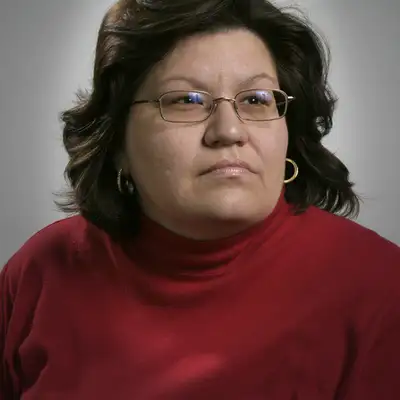
The Road To Your Name Podcast series grew out of a program started by Aboriginal Legal Services (ALS) in 2016 that helped people going through the justice system and their families to strengthen and deepen their cultural connections. Host, Lisa VanEvery, examines many aspects of Haudenosaunee culture and teachings with a wide range of guests.
RTYN serene
Lisa: [00:00:00] Welcome to this episode of Yojate Negasana, the Road to Your Name podcast. On this episode, we're going to be talking with Serene Porter. Serene is from the Mohawk Nation and the Wolf Clan at Six Nations of the Grand River. And we'll be talking with Serene about her, position she had at, The North American Indigenous Games that just concluded and a whole bunch of other stuff, cultural and graphic design and,and the consulting business that she's doing right now.
So there's a lot to talk about. Welcome, Serene, to the podcast. Okay, let's get right to it. let's talk about the North American Indigenous Games that you were a part of as the Director of Culture and Engagement. That sounds like a big job. Oh, tell me about it. Oh my gosh, I'm still recovering.
Serene: Six months out from the games.
it was a [00:01:00] huge job. And So hard to put into words, even if I back up and, I got asked what neg is and what it means to be part of neg, like as an athlete, cause I did go to, to the Winnipeg games years ago.
there are no words to explain what it's like to have over 5, 000 indigenous youth who look like you, to be taken over a city where we're not necessarily welcomed or seen.
There's no words for that how proud you are and how that vibrates through everybody and it's so contagious, right? Because that's not our everyday reality usually.
So to be on the other side of it to be planning such an impactful event and I know how impactful it is I really took it to heart I took every step that I took to heart knowing it was for those youth.
And it's a lifelong impact. I think anyone who I've talked to has been part of NEG or any previous games.they say, [00:02:00] similar things that it's a lifelong impact to be part of that. To have, that proud, that pride in your heart, for a week. yeah, it's just, it's, this is the best way that I can explain it.
and then to plan it and to be like, oh my gosh, we're bringing in all of these athletes, we need to keep them safe and create the best experience that we possibly can. In this city that's hosting it.
Yeah, so a large undertaking is I think an understatement But
Lisa: and what was the city? Halifax.
Halifax, Nova
Serene: Scotia or Jabuktuk is the Mi'kmaq word for it.
Lisa: Wow, so I know some athletes from Six Nations went, my cousins went I know and Yeah, to have athletes at that excellence level and the youth,what did they experience when they got there?
Serene: Oh my gosh. So I, my team's role and what we [00:03:00] were leading was the cultural, so our indigenous culture being integrated in every area that we could see that made sense.
So right from when they landed at the airport. To their transportation to their accommodations to what the sport venues look like and you know What that experience was at the sport venues? We also hosted a large cultural village Two of them actually so one was like downtown Halifax and one was on the waterfront I actually had three there was another one in Dartmouth So Halifax and Dartmouth are split by Body of water and you got to go across the bridge So we wanted to make sure if there were athletes on either side, they had the same experience which was really interesting and for me it was highlighting the Mi'kmaq Nation This was their home community.
This is why a lot of, visitors were coming there to be part of the games, not only just to cheer on their athletes, but to learn about who the Mi'kmaq
eric: [00:04:00] are.
Serene: the Mi'kmaq have been colonized way longer than the rest of us all across the nation. they were the first contact and that runs deep and you can see that within their nation.
They are a very proud nation and their language is very strong there.
But when I was doing research and interviewing people and Trying to find about their you know, traditional ceremonies a lot was lost a lot has been lost which is sad but they are working really hard to you know have a resurgence of Things that they know about whether it's their traditional dances their songs.
I've also noticed there was a lot of you know You Things that others have shared from different nations that they've adapted into who they are to bring that back to their communities So coming from six nations where we do have strong culture strong ceremony our languages around And then going to that there and trying to find you know, what their heartbeat is was so [00:05:00] interesting for me and really thankful that I was able to meet with those elders Transcribed those, knowledge keepers and make sure I was doing things right for them.
So it was incorporating what we could find, that was, Who they truly were and not what the the items that have been adapted into their Communities and highlighting that for the athletes and the visitors that were coming to nay But also creating space for sharing because there was over 700 different nations coming together
Lisa: Wow
Serene: during the event So making sure and being cognizant that we were creating space and making it safe for people to feel like they could share You Who they were,
Lisa: which was really fun.
So were some of the, sports indigenous, specific sports?
Serene: the majority were your basic summer sports. our traditional sports were the canoe kayak. So canoe kayak, isn't like what you would see in. You know the national [00:06:00] canoe kayak championships. It was our traditional canoes and different types of kayaks.
So That's how we put a twist on it make it more Of our traditional sport and then of course lacrosse we put box lacrosse not field and then Archery would be our other traditional sports and then the rest were your typical summer games like the volleyball and soccer and baseball and softball.
Oh yeah.
Lisa: Oh wow. so everybody had a good time I guess. Yes. So I was,
Serene: doing what I could, running around everywhere trying to just make sure our spaces were, up to date. Like keeping up with the amount of people that were there but my thing would be at the end of the night checking social media kids love posting on tiktok everything So that was my like, you know putting The feelers out of things are going well
eric: and
Serene: the Stories that I saw through tiktok were just like, okay, this is why i'm doing This is why i'm not sleeping or eating or you [00:07:00] knowjust unbelievable content was coming out and they were reiterating the words that we wanted them to feel, they were saying.
eric: Even when
Serene: I would be passing by a youth doing an interview, with the news, they were saying what we wanted them to be feeling. And I was like,
eric: yes.
Serene: That's
eric: good.
Lisa: Yeah. To have that validation. Yeah. From them. Yeah. It was so nice.what did they bring from their home communities like to share?
Yeah. did they mostly just bring stories or, I suppose they made new friends there, of course. Yeah. Tons of new
Serene: friends. so one of the spaces that I'm really proud that we were able to create, there's two actually, but one, we called them brave spaces and these were in the athlete accommodations.
So we were So the athletes were housed in pretty much every single hotel in Halifax and all of the dorm rooms at the universities Within Halifax. We took everything basically [00:08:00] And in every space where there was an athlete staying We created Brave Spaces. And these were spaces that we wanted to make sure were safe for them.
So they were safe spaces, but instead of calling them that, we thought it needed a different term because you can't create a safe space for everyone. It looks different for everybody.
and in order to be vulnerable to,know that you need somewhere to go to or somewhere to talk to you, you need to be brave.
So that's where the title brave space came from. These spaces look different depending on where the accommodation was and what space we were given. and to create these spaces, we had to sit down and have conversations with the venues. So sitting down with hotel managers and saying, Hey, Athletes need space to be who they are, to be, feel safe, to network with each other.
we had unreal volunteers step up just from the community. Who were there being and [00:09:00] holding space in there and them We filled these spaces with art materials, of course all different kinds of Pastels and markers and we had canvas out so they could write messages to each other or share stories that way if they wanted to There's some really funny things that came out of that because you're putting kids together, right?
and We had traditional medicines there. We had smudging station there for them to smudge with information on what smudging is based on a Mi'kmaq point of view. Why we smudge how to smudge a smudging prayer because a lot of athletes coming in. This would be the first time They're interacting with culture
eric: A lot of them.
Serene: Yeahso that gave them a point to start I would say and then we would have loose sweet grass so that they could braid sweet grass Not thinking this is a healing modality or grounding modality, right? It's just something to do for them with their hands Or making tobacco ties We had a [00:10:00] loom there so they could weave again, something that is part of most of our nation's ways of being.
but we didn't, we didn't push it too hard. We're just like, this for you to do.we had yoga mats and different breathing techniques or stretching techniques in there for them to do. So we're trying to think of all different ways that somebody might need a little bit of help. During the week of NAG.
And then we also had, a QR code they could scan if they need to talk to somebody or do online journaling. They might be missing their home too. A hundred percent. A hundred percent. So we tried to, make that accessible. and do the best we could to offer them some assistance if they needed it during the weekend egg.
wow.
Lisa: So everything went smoothly then.
Serene: there are a few little things, but, overall when you're putting 5, 000 people together, especially youth, something's gonna happen. But, yeah. Nothing that was like stopping that stopped the games. there was a flood but
Lisa: Oh my gosh, we had a
Serene: flood the [00:11:00] last day when the closing ceremonies are supposed to happen like this The province has never had that much rain and it impacted it a lot There was a flood roads were covered and underwater to get to the highway.
The main highway was covered in water.
Lisa: Wow That's climate change. Yeah. Oh my goodness.we all have to deal with that now. Yeah. Yeah. so with the North American Indigenous Games, when is it going to be held again? Oh my gosh. So four years from now in, I believe
Serene: Calgary won the bid.
Lisa: Mmm.
so all the athletes are probably practicing right now for the next one actually
Serene: are starting Yeah, they I saw some provinces. I think PE I put a post out like just Reminding you guys and eggs coming up in four
Lisa: years. And so how did the city like the politicians and the municipalities [00:12:00] handle all of this
Serene: They were of course we need it when The bid is being put in.
You need to have those connections, right at the very beginning. There needs to be a financial contribution, of course, from the province and from the city. So you need to have those connections right from the very get go. From my perspective, they were very on board. They got it, the mayor in, Nova Scotia is, He's great.
He gets it. He, an example I can share is during the opening ceremonies, instead of doing a political spiel like somebody else who came there, he talked to those youth.
eric: He was
Serene: talking directly to those youth and spoken away for them. Which I think lends to
Lisa: and hopefully they learn something cultural as well.
Yeah. Yeah from the oh, yeah experience That's interestingthat's a [00:13:00] huge Accomplishment serene for your resume.
Serene: Yeah, I'm really proud of what we were able to achieve and that what I'm sharing is just one tidbit of what happened Like we did so much You To be able to incorporate culture in little tiny ways.
Yeah, you know working with translators So as there's usually a handful of translators who are older who just know those words and I was so fortunate to be able to work with these translators and Translate anything that our team could think of that we might need and have it up throughout the games Whether it's like elevators here, water stations here, dressing room one, like everything we could think to translate we did and then we had it posted up in Mi'kmaq with phonetics.
Lisa: Wow. Yeah. That is a big accomplishment. Yeah. Especially with language. Yeah. Oh my goodness. because there's different dialects and everything too, right? [00:14:00] Yeah, and I think language,whenever we are together language should be this one of the stars Whatever we're doing because we have to retain it.
Yeah, like it's so important to retain it. that's really a great idea And I'm sure like that's why it takes a long time to plan these We plan these events because they're so huge,
Serene: right? Humongous. Yeah, there's so much that is put into it that the average person wouldn't even think about. Yeah,
Lisa: for sure.
So what else, let's talk about other things that you're doing. I know when I first met you, you were doing graphic design and photography. We worked on some projects together with the youth at Six Nations in the elementary schools. Yeah. are you still doing photography and, a graphic design?
yeah. Still doing graphic
Serene: design here and there. it's been really interesting, the tools that I've been able to gather throughout my life have just come together to [00:15:00] be able to do it. do what I can do now. I have so much that I can pull from, to be successful in what I'm doing.
graphic design for sure. My artwork, I still love doing artwork, and incorporating that. I would say more now I offer, workshops where they're like self care workshops where I'll bring art materials in, I'll bring nature in. I collect things on my walks always, Every time I move, I'm like moving with all these little buckets of beautiful things.
And and pieces of my culture too. And I'll facilitate self care workshops with them. These items and yeah, I just create again. I love creating space for people to feel comfortable to explore Whatever that looks like for them Sometimes it might be guided based on you know If i'm doing it with an organization and they want to touch on a specific theme or i'll just keep it open if it's just individuals coming in and just need to ground themselves and you know We'll do a little guided [00:16:00] meditation.
We'll bring nature in we'll make them just sit there and pause and Feel a rock. Is it heavy? Is it light? Does there smell to it? Does it make a noise? That's making people come in the now, right?
eric: Yeah,
Serene: so I still love doing those workshops and still do them but that's where I would say like the photography and the graphic design Kind of come together in a package because I can market myself with those right?
Lisa: Yeah
Serene: So
Lisa: you do have your own consulting business now. Yeah. Oh, wow. Do you have a website? Not yet. No?that's next to get a website. Wow. we do need more of that. We do need people that will, help us ground ourselves. Everybody's going at 90 miles an hour, right? Yeah. And, we don't take time sometimes for self care.
Some people are in, work that require, them to, be, hear trauma. Yeah. and I don't think sometimes people realize that can impact them. Your work can impact you, [00:17:00] impact you. By hearing different things, right?
Serene: You carry that with you unless you cognitively
Lisa: release it. Yeah, for sure So we do need that and Oh, I should take one of your workshops
Okay, what should we go into now What do you think?
Serene: I could talk about what I did at NAG forever. Oh! Yeah.
eric: you could ask her like, any of that, like
Lisa: what you just talked about. Maybe you can back NAG for a second. Oh yeah. Did you incorporate any of that into? Oh yeah, that's a good one.
Okay. He always gives me good questions. Hey, yeah. Okay, start again. Okay.those, the workshops that you did, like the self care and the grounding and those kind of things, did you use that in your position at NAIC? Did you [00:18:00] incorporate any of that for the athletes? Yeah, for
Serene: sure, and not just the athletes.
with the athletes, I utilized It's my knowledge, with those workshops to create the Brave Spaces. that kind of really helped with figuring out what is a Brave Space? what do our youth need in these spaces that might be able to help them? we also created at every single venue we had, which was, I can't even remember the number.
It was a lot. We had smudging stations there. I don't know how I was able to get hundreds of bundles of cedar, and hundreds of bundles of sage, and tobacco, and sweetgrass, and we had smudging stations of people, and it was anyone who was around, which I thought was a really great connector piece, could come and learn how to smudge and smudge.
and then I also think those skills came in handy when I created a cultural awareness training. So any volunteer that wanted to volunteer with NEG had to do this cultural awareness training. So we had over 3, [00:19:00] 000 volunteers go through this training. Which was a huge feat to do, but we did it and had amazing feedback from it.
it started with a history lesson. From like pre contact to today and then talked about allyship and what true allyship could look like Specifically during the week of nag because they were volunteering What can you do to offer support and be a true ally during the week of nag? this is a great way to jump into it if you haven't yet It's definitely utilizing those skills and my facilitations previous to this into that and making it a space where It was comfortable to have these tough conversations and bring the truth to them in a way where, I'm not scaring them away or and acknowledging like some people want to say they're sorry and it's not about that.
It's just about understanding and becoming aware of what has happened and how you now can move a bit [00:20:00] differently in a positive way with that understanding and have better relationships.
Lisa: Yeah, like educating yourself. Yes. So you know the history. Yeah. so with 3, 000 volunteers, how did you deliver this training?
In person. Wow. Yeah.
Serene: we also offered some virtual so that we could do Zoom sessions, but majority were in person.
Lisa: Yeah.
Serene: And
Lisa: how long were the sessions? About an
Serene: hour and a half.
Lisa: Wow. Yeah.
Serene: Yeah.
Lisa: You can get a lot into an hour and
Serene: a half. Yeah. Oh yeah. We were zooming through though. it was also what I think made an impact was it was facilitated by an indigenous and non indigenous facilitator.
And again, we utilize the way we facilitated this to show what allyship could look like and what supporting someone could look like
Lisa: That's interesting. Yeah so there's a lot of it sounds like there's a lot of different details you took care of and infuse culture into Different spaces and things like that.
What did what role did the elders of the community play? Yeah.
Serene: [00:21:00] Oh, man You So we made space for elders and our youth. we had a cultural advisory committee and this was made up of, and Nova Scotia is different than any other province I've been to. So Nova Scotia has the Mi'kmaq nation. That's it. There's not a bunch of different nations.
it's the Mi'kmaq nation. That nation, before colonial borders spread way beyond Nova Scotia. so we were cognizant of that and when we built the cultural advisory committee, we got community members and leaders from the 13 Mi'kmaq communities in Nova Scotia, but also beyond those colonial borders, within, New Brunswick, PEI, Newfoundland, and Labrador.
So we had community, representation from all areas and they were our voice. We brought everything to them, our plans, our ideas, any, and any feedback that they offered, we incorporated that into what we were doing so they could see it.
eric: They could
Serene: see their voices [00:22:00] being heard. Before the games even started I did six months of engagement within community with the elders with the youth knowledge keepers And ask them what they want to see within the games how they want to be represented What they think is important to share Where they see the connector pieces between the nations that we could utilize You And this is where the language, of course, language was a big one.
They said, we don't feel seen in Halifax or Dartmouth. And one way to do that is incorporating language and artwork.
Lisa: Oh, and artwork. For sure. Artwork. Yeah. Yeah.So did, so did the artists create new works for the games?
Serene: yeah, there was actually a mural fest a week before the game, so there was artists creating murals, that are still up, I think it's a legacy piece, right down to our metal design.
we had youth who were part of a youth ambassador program that created various [00:23:00] items. and then within the cultural village, we had different artists doing demos, but also selling artwork. the elders were part of the cultural village as well. We had them in there sharing. And, we also had an elders program, which, Oh, it was hard to create because we had this huge list and.
I had funding. I had a good amount of funding for at least two elders from each community in Nova Scotia to be there But it's like how do we pick these elders?so I left that to the cultural advisory committee so their communities were picking Oh,
Lisa: yeah
Serene: so we were able to bring I think it was 22 eldersto be part of the week of the games and We sat them down and asked them what they wanted to do.
What spaces did they want to be in? What did they want to share? And they all had their own superpowers, right? So we made sure that we created space for them and it was so beautiful because they were There we took [00:24:00] the financial financial boundaries away from them. So we had funding for them.
Their food was covered, their hotels, transportation was covered. They had a nice honorarium. So they were in it. we had an instance during arrivals where there was a bus coming from Gunawage and as it was coming here, one of the youth found out, I think it was their mother had a heart attack. So they stopped and. That youth I think got off and started heading back The bus kept going with the rest of the athletes who had some family members on there the mother ended up passing And there were youth on that bus who that you know, that was their auntie so they are coming here with really heavy hearts.
So having those Elders be able to go there and they did a pipe ceremony with them and just set a really good Space for them.
like that was so powerful and that's one story like this happened a bunch of times throughout the week where Just having the elders there [00:25:00] meant so much to these youth. they were going into the brave spaces and spending time with the athletes there.
Some were just setting tables up at, the volleyball venue and doing language sessions with them.
eric: It was so
Serene: neat. They even had this, and they did this all on their own. the, cause some of them were a translator. So they knew all the words that were being translated.
eric: They created
Serene: QR codes and had their voices so you could hear all the words.
They were saying, and they could just have it on their phone. And then they were just there sharing books and just like flashcards. I'm like, you guys are amazing.
Lisa: Wow. So did you learn some of the language? So much.
Serene: So much. it's easier than ours because their words I'm like, you should see the Mohawk word for
Lisa: this.
Yeah, for sure. Oh my gosh. And I just got a book of Mi'kmaq basketry. It was amazing. Yeah. Yeah. They're well known for their basket making. Oh my gosh. Beautiful. Yeah. [00:26:00] Wow. It just sounds like it was such a great experience to do all that. Even though it was a lot of work. Yeah, so worth it though.
Oh my
Serene: gosh.
It made my heart happy
Lisa: for sure and I mean they the youth will go back to their communities and they'll talk about their experience and You never know be inspired maybe to do something positive in their own way.
Serene: Yeah, I actually saw Some one of the ideas have legs and go back. I think it was Saskatchewan They were having a soccer tournament And they set up a smudging station.
Wow.
Lisa: Yeah, that's like such. Great feedback. Yeah, right and because you can get ideas you can be inspired From anywhere really?
Yeah, and it's always great to be inspired From elders. Oh my gosh. Yeah for sure. Yeah Okay, oh my gosh Now, what else are you, are you up to?
I know you're home visiting to [00:27:00] Six Nations. I was so lucky I saw that you were home. I'm like, I'm getting Serena over here for a podcast before she heads back. is that where you're residing now in Nova Scotia?
Serene: Yeah, I'm there now. I'm actually working with the Junos. The Junos are being hosted in Halifax in March.
Oh yeah. Yeah. So I'm working as a cultural advisor. with the Juno committee, which has been really interesting.
so really doing what I did with NAG, incorporating culture in various ways, and in the right way, in a meaningful way, within the Junos.
they have a honoring ceremony, they call it, and it's for, all of the indigenous Juno nominees.
Oh yeah. And so they host an event to celebrate them. So that's one of my key events that I get to be part of and say, Hey, we should do this and this. Oh, have they announced the nominees yet? Not yet. I think January. I [00:28:00] know they're talking about it, but January, end of January, I think we should know.
Lisa: and I know they televise those. Yeah. So maybe we'll get to see some of your work. Yeah. If they televise it. Yeah. yeah, the Junos are very exciting. and what else are you up to?
Serene: working as a consultant as well. auditing some programs, that work with youth and indigenous youth in particular.
just making sure. they're doing it as best as they can. Oh, that's good. Yeah, utilizing the services that are there for our youth. and also putting, a spin on it the way I did with NAG, bringing elders in and sharing information and creating packages that their workers can share with youth that not necessarily make the workers, who are non indigenous, have to share education, but it be packaged in something that the youth can like the smudging stations, there was educational components on there that the youth could go through on their [00:29:00] own and their own
Lisa: pace.
I think we're living in a time now of, now that reconciliation is out there and people,they want to, They want to learn.I've always been a believer that it is our responsibility to,educate. We have to fulfill that role. it's not just, non Indigenous people.
it's not all up to them 100%.So I think we're at a time now where, some of this work that you're doing, it's opened up, right? Oh, yeah. For sure. Nobody was doing this before.
Serene: No. Or we were, but it was different. It'd be through like an art workshop or something.
Lisa: Yeah. corporations weren't asking for cultural competency, or,things like that.
And I think that the more people learn about Indigenous people. The better chance that they can be allies, but they have to learn first. And they
Serene: have to [00:30:00] take that first step, which I find is, if they can take that first step and they're reaching out, it'll go a long way. And really to have a conversation, to be like, Think about something else that you wanted to learn about.
What do you do? You go and find the information you take that first step, right? And because I find I found before A lot of organizations didn't know where to go. They didn't want to do the wrong thing. So they just didn't do anything So it's getting beyond that. which is tough too on us Those who educate like people who are Burnout is real.
Yeah, there's only so many of us. Our elders are getting pulled in a million directions And that's why sometimes they don't hear back from them. And
Lisa: yeah, that's true for sure Yeah, but we also have people are writing books People are making films and they're creating art that's also educational.
They can go there. I was just over at the [00:31:00] bookstore and they have like at Good Minds, they have so many titles now. Like you can find a book there on just about anything written by indigenous people. And, yeah. So how about your artwork? When's the last time you were doing artwork?
Serene: recently actually I was, right after NAG I needed some down time so I went to NASCAD, which is the local art college in Halifax and I was taking a watercolor course.
Oh wow. Yeah. so that really started me. Sparked the art bug again to get into it. and then now I'm home with my sister and she's really into beading and so I'm getting back into beading and it's just my way to, to relax, which is so nice. Yeah.
Lisa: You have so many creative outlets. I know. And you use them all.
Yeah. That is so great. when you can do so many different things creatively, and you enjoy doing these things creatively. So If I [00:32:00] were you, I would have trouble picking what I want to do every day. It is hard. should I bead today, or should I paint the watercolor today? Yeah, it is hard.
And then you have all the materials, right?Yeah. Yeah, I don't have that problem because I'm just a writer, If I want to be creative, I have to write.
eric: Yeah.
Lisa: but,
Serene: I felt that coming.
Lisa: Okay, what time are we at, Eric? Currently at 36 minutes. 36 minutes. Okay, anything else we want to go and discuss?
Serene: I was going to touch on the cultural awareness training, but you touched on it too. Like the organizations, after they seen what I did with Neg, I am getting asked to do More of that. but I think we had a good discussion on the importance of
Lisa: it. How about I ask you, about the cultural, ask you again about the cultural workshops or the cultural, what do you call it?
Awareness training. [00:33:00] Cultural awareness training. and I'll ask you a specific question.um,I'll say, with the cultural awareness training you did at NEG and you're currently offering in your services, what does that entail? Okay. Okay. Are you going to segue into it or no? I guess not, eh?
What did I last say? Okay. Okay. Okay. Oh, we're talking
Serene: about artwork in the you're like, oh, I'm a writer. Yeah
Lisa: I'm, just a writer. That's all I can do Okay. Okay. let me see. How could I segue that? Umhmm.I guess I'm not just a writer, I'm now a podcaster because our podcast now has been going for six seasons.
our podcast is cultural as well. We try to do, we try to educate people on culture by the different guests that we have in, but you're doing, you're actually doing [00:34:00] cultural awareness training with the work that you do. So what does that entail? If somebody wanted to, learn more and they would go to, what would you offer them?
Serene: Yeah, this is actually taken off after the games because we did the training with the over 3, 000 volunteers. so it's, word of mouth is spread, within the training, I, again, at the very beginning, try to create this welcoming space and acknowledge that what's being shared is important.
Probably isn't easy for some people to hear and it's not easy for me to say over and over again But we need to you know acknowledge that We go through the first half is that Educational piece on our relationship with what is now known as canada How that started so that pre contact what our communities were like before contact how we were thriving We did not need help And I go [00:35:00] through all the areas that I can think of I have this slide and it has all these bubbles So it's like health shelter Food and I talk about all those areas and what our ancestors used to do Within those areas and how they were thriving and how beautiful it was and how connected to mother earth we wereand then we go to contact and then I talk about how all that was taken away and how it was taken away You through the various, social injustices, throughout contact and leaning up to whether it's residential schools, the 60 scoop, what's led to the missing, murdered indigenous women, And then we also talk about those key Documents that were created that led to why that all of that could happen Yeah, really policies.
I really sit within those too so that people understand what those are Yeah, and that all of this happened before canada became a country
eric: And
Serene: then we get into treaties a little touch on [00:36:00] treaties I awful are I also offer a lot of resources and links to So the presentation I create, there's a lot of links that can be clicked on, and I offer that at the end.
so they can learn more, and I really encourage them to learn more. And take some time to sit with what I'm sharing.
And then we talk about treaties, within Nova Scotia. So I try to really make it personal to where I am. So within Nova Scotia, we'll talk about the treaties there. They're important truth and friendship, friendship treaties there.
they actually have a day where they celebrate them and schools will do lessons on them. Organizations will do and I won't say an event but do something around them And it's within the province where they take that day to do that. Oh, yeah.
eric: They have a
Serene: term. We are all treaty people there Which I find really interesting because I've never seen that anywhere else.
Oh, yeah And so I sit with that a bit and then [00:37:00] we look at today I share what different provinces are doing because we're all at different levels of engagement with Reconciliation and what that term is. Yeah And I talk about you know what that could mean to them on a personal level on an organizational level you know what i've seen others do what i've been doing what i've been sharing and then we go into what communities are doing That we are beginning, I would say beginning but we are thriving
Lisa: Yeah,
Serene: and show examples like cbc creating space for us to share our own stories
Lisa: I really like that they did that.
Yeah. Yeah, and they do have a a great many indigenous journalist Working on stories within their communities. Yeah, I think that's really important,
Serene: right?
Yeah, you know highlighting things like that because They could definitely take that, feeling and incorporate it into [00:38:00] what their organizations are doing.
It's one thing to open up a space for Indigenous staff, but what does that mean, right? and then I go into allyship. I talk about privilege. We do this amazing, little exercise on privilege and what privilege means.I won't, share the secret in the podcast, but if you'd like to know,
Lisa: you have
Serene: to take your training, I think it really hits home to what privilege could look like or does look like and how it affects others.
we talk about biases, different biases and what that is, what that looks like. And it's as simple as like an age bias. Yeah, we all have a bias. Yeah,
eric: we all hold
Serene: them And I take some time to have people to sit with their biases and what they might have And how that might affect their daily movement
eric: interaction
Serene: and then really focus on How they can support those next steps.
we talked about reconciliation, but I you've probably heard that reword it into reconciliate [00:39:00] action Yeah, those actionable items you can do now that you have this baseline understanding and awareness
Lisa: Yeah, and really there's so much more resources people can find themselves and they're out there. We have APTN, for example, as a television network.
We have Do like you mentioned the CBC. We have a bookstore We have like we have just so many media outlets to within communities Like I think of our community at Six Nations We have two radio stations and two newspapers. Yeah within the community like that's a lot of media
Serene: In a
Lisa: little community
Serene: and then not even digging into the social media now And these yeah coming up and what they're creating On their social media.
Yeah, it's unreal.
Lisa: Everybody has a social media page. Yeah. Yeah That's where I learn more about the [00:40:00] artistry that's going on across Turtle Island is People's social media pages and they're posting their creations. Yeah, you can learn a lot and see what's out there.
Serene: Yeah.
Lisa: I want to see your beading out there one day, Serena.
Yeah,
Serene: I know, I make it and then it's gone. Yeah, I
Lisa: know. Okay, anything else?
that we didn't talk about, we talked about a lot on the podcast today.
Serene: Yeah, it's a glimpse into what I've been doing.
Lisa: Yeah, so I'm so excited to hear all the things that you've been doing because we haven't caught up for a long time.
But what you have been doing is so exciting. your work is like so important. And are you still playing hockey?
Serene: Yeah.
Lisa: Oh!
Serene: Still playing hockey. Still playing golf. Oh, wow. Yeah.
Lisa: I don't know how you do it all. Me either. I'm tired just talking to you. Okay. I want to thank Serene, say Niawe to Serene for, stopping by the studio and being a [00:41:00] part of our podcast today.
And, and you'll be off doing. Whatever you're doing next. Yes. Okay. Niawe for being here, Serene. Yeah, thanks
Serene: for bringing me in. Okay.
Lisa: Oniki
Serene: Wahi.
Ona.