Subscribe
Share
Share
Embed
In this single episode, I had the pleasure of interviewing Krista Schubert from Overproof, an AI-powered market intelligence platform & field execution software for the beverage alcohol industry. She has extensive industry experience and brings incredible insights and data to our chat.
If you are interested in using OverProof, you can do it here and get $250 discount.
Main topics discussed:
From 0 to 1 bottle
• The importance of the Target Occasion
• How occasions change by City and State
• How to choose the correct city to start building your brand
From 1 bottle to 1 case
• Brand Owners' vs. Distributors' approaches to city strategies
• Analyzing cocktail menus to decide where to focus on
• Avoid brands vs. following brands: different strategies
From 1 case to 1 pallet
• Big brands vs. Small brands approaches
• How to move from one City / State to the next
• How Independent Bottle Shops can complement your On-trade strategy
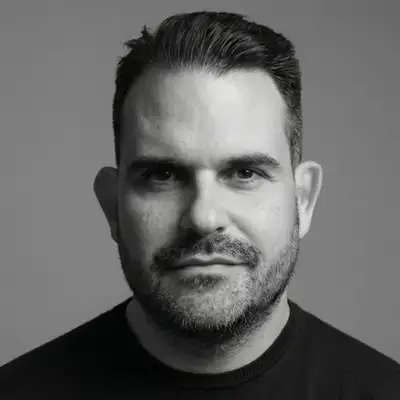
About the Host: Chris Maffeo
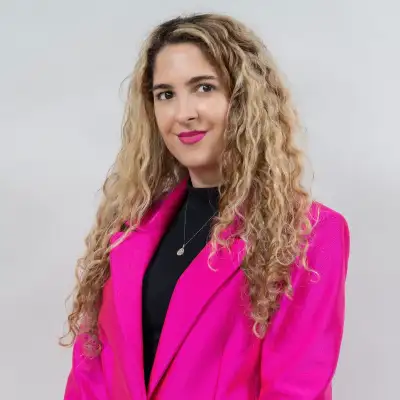
About the Guest: Krista Schubert
In this single episode, I had the pleasure of interviewing Krista Schubert from Overproof, an AI-powered market intelligence platform & field execution software for the beverage alcohol industry. She has extensive industry experience and brings incredible insights and data to our chat.
If you are interested in using OverProof, you can do it here and get $250 discount.
Main topics discussed:
From 0 to 1 bottle
• The importance of the Target Occasion
• How occasions change by City and State
• How to choose the correct city to start building your brand
From 1 bottle to 1 case
• Brand Owners' vs. Distributors' approaches to city strategies
• Analyzing cocktail menus to decide where to focus on
• Avoid brands vs. following brands: different strategies
From 1 case to 1 pallet
• Big brands vs. Small brands approaches
• How to move from one City / State to the next
• How Independent Bottle Shops can complement your On-trade strategy
About the Host: Chris Maffeo
About the Guest: Krista Schubert
The MAFFEO DRINKS Podcast is a leading drinks business podcast delivering actionable insights for drinks leadership.
For founders, directors, distributor MDs, and hospitality leaders navigating the tension between bottom-up reality and top-down expectations.
20+ years building brands across 30+ markets. Each episode features drinks builders: founders, distributors, commercial directors, sharing how the drinks industry actually works. Not the conference version. Honest conversations.
Insights come from sitting at the bar.
Beyond episodes: advisory for leadership teams, subscription with episode deep dives and principles to navigate your own reality.
Beer, wine, spirits, Low and non-alcoholic.
Bottom-up Insights & Episode Deep Dives at https://maffeodrinks.com
Hi, and welcome to the Maffeiro Drinks Podcast. I'm Chris Maffeiro, founder of Maffeiro Drinks, where we provide a non nonsense approach to building drinks brands from the bottom up. I will be your host, and in each episode I will interview a drinks builder from the drinks and hospitality ecosystem. In episode 19, I had the pleasure of interviewing Christa Schubert from Overproof, an AI powered market intelligence platform and field execution software for the beverage alcohol industry. She has extensive industry experience and she brings incredible insights and data to our chat.
Chris Maffeo:Hi, Christa. How you doing?
Krista Schubert:Hi, Chris. I'm doing good. How are you?
Chris Maffeo:Good. Good. Good. All good in Miami.
Krista Schubert:All great. Thanks so much for having me on today.
Chris Maffeo:Absolutely. Absolutely. There will be a very interesting conversation because you bring a different kind of perspective compared to the usual guests to the show with brand owners or bartenders. And you've got a lot of data to prove what you are and, know, to back up what you're saying.
Krista Schubert:Definitely. Yeah, I'm super excited to be here and to give you a fresh perspective, some new insights from the data world.
Chris Maffeo:Nice. So let's start with one of the things that I always talk about, it's talking about building demand. So the old thing about being able to build the demand before you can capture it, because, I mean, you're working with brands, with drinks brands specifically. And one of the issues that I feel that many salespeople have is that they basically end up in front of people that don't wanna buy. And, like, they've never heard about their brand before.
Chris Maffeo:So there's there's a bit of a struggle with, you know, when do you build demand and when is the right time to go into the trade and and actually showing your face, right? So what's your experience on that?
Krista Schubert:Yeah, so I think there's a couple of different ways that you can go about building your brand. One of them is obviously getting in front of the consumer when you first launch. I recently went to a great launch party for a zoning coastal lemon spritz brand. They did a lemon themed party that fit the brand very well, obviously lemon spritz, and they did it at a waterfront bar. And they invited not only people in the industry, but they also invited consumers as well.
Krista Schubert:So there was a good mix of people there, got the name out there. They did a whole social media thing, asked everybody to post using the hashtag. So they were able to generate that buzz around the brand launch. So that's one way to go about it, host an event. Another way is to go into the spirit specific festivals.
Krista Schubert:So they have them all over the country. For example, Miami Whiskey Mash or New York Rum Festival or the DC Tequila Agave Festival, getting into those. And they're not only consumer facing, but the Rum Lab hosts them. They also have trade days too. So you'll be able to get both in front of the consumer and in front of potential accounts.
Krista Schubert:So that's a good way to go about launching your brand and generate brand awareness. Now, getting into the on premise, you'll want to make sure that you are educating the bar backs, the bar owners, the bartenders, beverage directors about your brand, right? So hosting a specific event at an on premise location and inviting bartenders in the area is a good way to do that too. So for example, there is a vodka brand that I recently saw post on social media where they're doing a bartender happy hour at a steakhouse, they're doing a little competition and whoever wins the competition gets a bartending kit to take home. So that's a good way to kind of get your name out there in terms of on premise too.
Chris Maffeo:This is very interesting what you're saying from a kind of like trade or consumer fair kind of perspective to launch events and these kind of things, but then also like going into the on trade, right? So from previous experience of working with brands, how do they actually select the venues where they want to sell? You know, do they just go out there kind of like randomly? Or do you feel they actually do their homework before before entering a city?
Krista Schubert:So it really depends on the brand. And I've seen both cases happen where there are some brand reps that will kind of go out there willy nilly and not really have a strategy and they'll just go into the accounts where they have friends. Right. And they're not really selecting them based on a strategy per se. They're just going into where they know people and it might not be the best fit for the product that they're trying to sell.
Krista Schubert:Now, are some brand ambassadors and sales reps out there that do their research and they scour the web and they do online desk research before they go out to try to find some good accounts that would fit their brand. The people that come to us to use Overproof, they're able to create target account sets with our software. And that's obviously the easier way to go about it because it saves you a lot of time. It's based on our database and artificial intelligence. So that will save you tons of time doing desk research.
Chris Maffeo:Nice. You know, the brands you work with, obviously they want to do their homework because otherwise they wouldn't get in touch with you in the first place now. But how do they usually select? You know, like, do they go by, I don't know, like outlet typology? I talk a lot about segmentation, for example.
Chris Maffeo:And, you know, on trade segmentation and there's different ways of segmenting outlets in my opinion. Like, you know, you can take the more kind of like traditional way where you go like pubs, bar, steakhouse, burger joint, Italian restaurant, Chinese restaurant, whatever, and then you name it. Or you can actually go by by target or more like by target occasion. So, you know, in Italian, not all Italian restaurants are the same. You know, some places have a bar with a terrace that you can never, I don't know, an aperitivo.
Chris Maffeo:Some others are more like, kind of like this white and red checkered tablecloth with the grandma cooking in the kitchen, right? So do they have different takes or how do they do that?
Krista Schubert:Yeah. So they might be interested in going like to use the Italian restaurant for an example, right? The strategy, let's say I have a gin brand, right? And I'm trying to get into Italian restaurants that have Negronis on the menu. So I might want to go into all restaurants in the area where I know they serve spirits because a lot of Italian restaurants only sell, you know, wine and beer, right?
Krista Schubert:So I'm going to create my strategy based on the Italian restaurants that sell spirits. Now, that's going to require me to do a lot of account visits to Italian restaurants. And some people will go about it that way, like going into the field, doing their account visits. Or you can create an account set using a technology where you know exactly where to go before going into a bunch of Italian restaurants.
Chris Maffeo:So do you see it, let's say, like at two kind of tier, you know, like the first level that, you know, some brands stop at is, okay, Italian restaurant is already enough because I'm not going to steak houses. So I've already streamlined my selection, so to say. And then there's another level when they actually go for, okay, I've got a vermouth brand, so I want to go where Negroni is sold.
Krista Schubert:Yeah. And they might even go a step further to see what other brands are on that menu, right? So they might be going into accounts and analyzing the menu themselves to see, okay, my competitor, for example, might be Hendrix. I'm going to see if there are any Hendrix gin mentions on this menu before I speak with the beverage director, for example, right? I want to see if there are any other modifiers on this menu that go well with my spirit to know if it would be a good fit, right?
Krista Schubert:So there are different ways that they would go about analyzing the menu to figure out if that restaurant or that bar, that steakhouse, whatever it is, would be a good fit for their brands.
Chris Maffeo:And actually, like there is a tendency, you know, some bars are actually happy to mention brands on the menu, you know, they may use it to elevate experience of the guests. It's like, okay. I'm not I'm actually mentioning which gin, which vermouth, which bitter is actually going to the Negroni, to that example. But then some others don't. You know, they they rather say gin, Negroni, sweet vermouth or whatever, red vermouth.
Chris Maffeo:What's your experience on that? Can you say something about who does or who doesn't? Is it like a a premiumness mainstream kind of level of things depending on which is which? Or does it vary?
Krista Schubert:Yeah, it definitely varies depending on like what kind of product you're trying to sell and like what kind of accounts you're trying to get into. And not only would you be looking at the menu, but you also want to take a look at their back bar too, to see what they have on the back bar. And also, what are they serving in the well? That's also important to take into account. And even if they don't have a brand specifically mentioned on the menu, maybe they have branding on the bar.
Krista Schubert:So maybe they have bar mats or branded bar tools for a specific brand. So that can also give you an idea of who their main supplier is. And that will give you a good pulse on what's happening in that account.
Chris Maffeo:I love that. I love that. One of my actually, I don't want to go to like one of my favorite pastime, but it's almost is. But when I enter a bar and I try to check the back bar and try to figure out who are they working with? You know, do they work with a specific wholesaler?
Chris Maffeo:Or do we work with actually like a leading company, you know, do they have a wall of a certain brand and then you see, okay, what's the next one? And then what's the other one? And then sometimes like, know, you almost get there. And then it's like, I think it's Bacardi. And then, you know, you start seeing brands that don't make any sense for Bacardi.
Chris Maffeo:And then it's actually, you know, it could be whatever, Brown Forman. And then it's like, no, actually, it's not Brown Forman. And then you start to figure out, but it's interesting because then you can ask educated questions to the bartender now to understand, okay, how do you make your selection? It looks like you're working with these guys, what you do and how how you go about it. Right?
Krista Schubert:Correct. And not to like toot our own horn or anything. But the beauty of like the Overproof app is that you would be able to take a photo of the menu and get a real time menu analysis done for you on the phone that will show you who the top suppliers are on that menu, the beverage program breakdown in terms of cocktails, single spirits, modifiers, and of course, the brands that are mentioned on that menu broken down by percentage. So you actually get all of that data right there. When you walk into that account, you just take a photo of the menu and you can also take note of any branding that you see on the back bar, too.
Chris Maffeo:Wow. Okay. So this is like me at 100%.
Krista Schubert:Basically, took your brain and we put it into our software.
Chris Maffeo:Love that. I love that. And how does this work? I saw some articles from Overproof on LinkedIn some time ago, and I was very interested in getting your view on how CT's strategies differ from each other, right? Because, you know, you may pick different routes.
Chris Maffeo:And I remember when we had our meeting like a year ago, I can't remember now. Like you could pick some brands and fight against it or escape from it. Right? And what is the most common thing that brands do in your experience? Do they go and say like, Hey, I want to be where Hendrix is, or is like, I don't want to be where Hendrix is?
Krista Schubert:I've seen a toss-up. Honestly, it's a bit of both. So some of our brands that we work with are more competitive than others, and some of the smaller brands might want to go into accounts where there's not a huge competitor already there because they are trying to go away from like the bigger fish in the pond. So it really depends on the brand. It goes down to that level.
Krista Schubert:And you mentioned how things might vary across different cities. I think a good example of that would be the California market. So I'll just take L. A. Versus San Francisco as an example.
Krista Schubert:And the top three cocktails on those menus are very different. So in San Francisco, I'm going pull up the data right here and mention the top three for the San Francisco market. We have the margarita, which is leading, then the martini, and then the Negroni. But then in the LA market, you have the margarita leading followed by the old fashioned and the martini. So the Negroni is not even popular in Los Angeles, whereas it is the second most popular in San Francisco.
Krista Schubert:Now in the LA market, Negroni isn't even in the top 10. That kind of gives you an idea how different it is based on city, even though they're in the same state.
Chris Maffeo:That's crazy. I would never think that. I would assume that there is some, you know, there's more consistency at city level, right?
Krista Schubert:There is more consistency in other states. So for example, in the Florida market, Miami and the overall Florida market are pretty similar. However, California is very different depending on Northern versus Southern California. And it really comes down to the different cultures and the different traditions, the different types of people that are living in those areas, you know?
Chris Maffeo:That's true. That's true. And this is one of the things that it's always fascinating for me because I'm a big history lover, like my listeners know that. And I like to always take one category and take the historical aspects of it. Because there's always a traditional occasion and a more modern take on the occasion.
Chris Maffeo:So I always use the example like, it's a Gila brand starts in a Mexican kind of like heritage environment. So Mexican restaurants, like it's it starts originally from there, like an like an Italian amaro or an Italian aperitivo would be a typical Italian kind of occasion consumption occasion. And then they get elevated and they become like a 5th Avenue or San Francisco kind of like Bay Area drink on a terrace, on a skyscraper. Right? But I feel that very often brands kind of like neglect that historical aspect because they don't want to get too tied to certain traditional occasion.
Chris Maffeo:They want to premiumize and they say, okay, if I go back to the origins of the brand, I may be much more mainstream because obviously, I mean, if I go to an Italian restaurant, for example, Amaro, if you take Italy, mean, sometimes they even put the bottle on the table and, you know, it's on the house kind of thing. Mhmm. So you don't want to be perceived like that and you want to automatically go into the fancy cocktail thing. But then, like, listening to you, you see how it's interconnected and intervined in into the culture of each city that you may go for a certain cocktail or may not go.
Krista Schubert:Correct. And I think it is very important to adapt to the local taste even if you want to do it subtly. Maybe there's a new cocktail that you can create that considers the local taste and the local tradition and the local culture. But, you know, make a twist on it that still honors the tradition of your own brand and maybe the premiumness of your brand, for example.
Chris Maffeo:Nice. Nice. That's that's a great point. And how do you see the brands you work with? What take do they take on this?
Chris Maffeo:So, for example, like if I say my strategy, my target occasion is being in Negroni all across the the country. Mhmm. And then I come to you and I speak to you and then all of a sudden you give me this data that in LA, Negroni is not a thing. What do brands do usually? Like, do they take the okay.
Chris Maffeo:Like, I'm gonna be the first brand pushing Negroni in LA? Or do they actually say, no, let's scrap it. You know, let's focus on San Francisco. LA is a waste of time.
Krista Schubert:Yeah. So it depends on the mindset of the brand owner. The ones that have like a more bold take or a more bold approach on things, they will go for that method of going into a different type of cocktail or even a different market. But if they want to stick with the Negroni, we might recommend, Hey, Negronis are more popular in the San Francisco market. So maybe you should spend your efforts in that market as opposed to another one where there is no popular Negronis, right?
Krista Schubert:So it depends on the brand owner and really what their approach is.
Chris Maffeo:And how do you see, I don't know if you have that data at hand, but you know, like how does it differ between if you take like, for example, New York versus LA and San Francisco? Is New York in your experience more similar to LA or more similar San Francisco or like totally different? Like it's a third kind I of like
Krista Schubert:personally have not compared New York to San Francisco. So I don't know. I would be able to like look up that data in our market analysis dashboard and share it with you after. Off the top of my head, I don't know.
Chris Maffeo:That's nice. We can leave it as an addition on LinkedIn when we'll post the episode. Exactly. We'll leave a little bit of a teaser for our listeners because that's it's always fascinating for me how, you know, like what is what, you know, like in terms of occasions. Because at some point, does it happen to you that it's even like at kind of like neighborhood level, it changes?
Chris Maffeo:Like, I don't know, Brooklyn versus Manhattan or?
Krista Schubert:Yes. So yeah, even within the five, I think it's five boroughs in New York, there is differences in the cocktails. And like with the Overproof database, not only do you see like the main cocktail family, you can even see like the cocktail variations. So for example, within like the martini family, you might have an espresso martini, you might have a porn star martini, a dirty martini, right? There's all kinds of different variations that you can see where the differences lie between the different cities, the different regions.
Chris Maffeo:That's crazy. The level of data that you can find. And I mean, I'm a big fan of, you know, the term like niching down and really like going into detail because especially like on craft brands, but also, I mean, on big brands now they all fight each other. And there is such a proliferation of brands all across the world that you have to be known for something because otherwise you cannot be a jack of all trade because it's just going to be another gin brand, another tequila brand. So you have to differentiate on taste, liquid profile, proposition, pricing, so on.
Chris Maffeo:And I think this thing that I'm hearing from you, it's a great way to actually segment it and really go, okay, this is the best whatever vodka for espresso martini. You know, to that extreme, enable the conversation kind of thing. And it doesn't mean that you cannot sell it outside the espresso martini, but you have something to talk about. It's like a foot in the door conversation. Do you feel that they do that?
Chris Maffeo:You know, like brands go in that level of depth or they stop much earlier?
Krista Schubert:Yes. And I'm going to give you the perfect example. So the brand that I was speaking with this morning, they have this Earl Grey vodka. Absolutely delicious. And it goes well in espresso martinis, ironically, right?
Krista Schubert:That's like their target cocktail for that particular vodka product, right? And so they are going into accounts that have espresso martinis, and they're interested in speaking with them regarding putting their vodka, their Earl Grey vodka into the espresso martinis. And that just happens to work really well for that one product. They went in today to an account. They had them make an espresso Martini with it and they absolutely loved it.
Krista Schubert:So like and you can get down in the Overproof software to that level, to the espresso Martini level and also to the zip code level. So if you want to create like an account set of places, venues that have espresso martinis in a certain neighborhood, you can do that.
Chris Maffeo:Wow, that's crazy. And I'm also a big geography fan since I was a child. Was going around with the Atlas and around the flat, you know, like drawing maps and stuff like that. So I would go crazy on Overproof, I think. And how do you see who is actually the user of Overproof more?
Chris Maffeo:Like, is it more big brands, more brands or are there more like brands or actual distributors? Is it the brand that want to drive the conversation with the distributor? Or is it the distributor that actually want to have, you know, to ease their life and really know where to send their sales team and focus?
Krista Schubert:Right. So right now, the brand owners are using overproof, and they're using that to create their strategy on where to go and obviously where to send their distributor reps, if that's who they're working with. Some of them have their own independent reps that they're using the Overproof app in the field. Now, we have gotten interest from distributors recently, so we're starting having those conversations with the distributors. But as of now, we're primarily working with the brand owners.
Chris Maffeo:In your experience, how do brands go from one bottle to one k? So I'm basically lining up the pathway of a brand in the market, like from from zero to the first bottle, from the first bottle to the first case, and then from the first case to the first pallet kind of thing, like just to line up the journey. Right? And how do you see brands are actually going from one bottle to one case in a bar?
Krista Schubert:Yeah, that's a great question. So I would say the main driver is relationships and making sure that your brand ambassadors, your brand reps are out there building relationships with those accounts and not just focusing on that first case being sold. You want to continue that you're making sure that you're going back into that account, even going and buying their cocktail, having a drink with the bar manager, for example, and doing things like bartender samplings, staff trainings, making sure that the whole staff knows about your product and has been trained on how to sell your product. So really having that engagement and going back into the accounts to make sure that cases continue to be sold. Now, a great feature that we have in our app that helps you keep track of this, you can pull in your sales data to make sure that you have your last reported sales date, right?
Krista Schubert:But then in the Overproof app, if you have a certain account that has gone unsold for a specific amount of time, so let's say thirty days it hasn't been sold into, then you are notified in the app, the account turns red, and you'll know that you have to go back for your account visit to make sure that they're continuing to order your product and to get another commitment from them. So you're able to keep tabs on all of that. So really, it's a matter of building relationships and making sure that you're staying on top of hosting activities with the team, like staff trainings, samplings, and going back for your account visits.
Chris Maffeo:Wow. That's a great way because it's the connection between the human aspects and the human network connection relationships and a system, right? Because many people, I've been with a lot of salespeople that are great at relationship, but they are totally disconnected. If you can enable those kind of people that have great at relationship with the system, then that becomes the ultimate weapon because that's really like how you made it there. Let's say the ultimate selling machine to an extreme.
Krista Schubert:Correct. Yeah. Our goal really, sorry to interrupt you, but our goal is just to empower the reps, empower the brand ambassadors. So that way they are able to schedule their own activities for themselves and have a record keeping of all the tasks that they need to do in order to complete that activity successfully so they don't forget to do things and just to make sure that they are continuing the relationship with that account, right?
Chris Maffeo:That's another great point because sometimes the CRM system or tools in general like that perceived as a control mechanism rather than an enablement. If it really works and it's really customer centric in the experience, then people really see, okay, actually this is making my life easier. It's not an admin setup. And how do you see like in brands are, let's say like there is a tendency for brands to try to own a place. Obviously, it goes with different legal aspects on where it's possible to do that.
Chris Maffeo:But it's more like their wish is to say, I want this bar to work with me, you know, work with the full portfolio. And they try to block the competition, considering like we are within a legit situation. Do you see a trend in which is like bars want to be much more independent? Or actually, ultimately, when you analyze data from bars, you actually see that they mainly work with certain players only?
Krista Schubert:No, we've kind of seen both, and it really depends on the account. So we have obviously a lot of bigger suppliers in our database that have brands and a ton of menu mentions with those brands. But then we also have really small brands that we see in like independent accounts, or even sometimes the smaller brands might be in like a regional chain, for example, right? And they have lots of menu mentions too. So to take over one account, obviously, is going to take a lot of time invested by you, by your reps.
Krista Schubert:I don't think it's impossible. Right now, obviously, there's more saturation in the market. So you're kind of going to have to be sharing it with other brands, right? So it's a little bit harder nowadays than it used to be.
Chris Maffeo:And then, of course, I mean, differs from state to state and from country to country. But when working with big companies, there is always this holy grail that, you know, I call it the magic trio, know, the the back bar, beverage menu, cocktail menu kind of thing. And everybody are bringing their teams to work on that, you know, like, want you to be in the back bar visible. I want you to be in the menu. I want you to be one of the cocktails.
Chris Maffeo:It must be with our brands and so on, which becomes a bit of a kind of like a zero sum game now because every company actually work with that. So it basically creates, you know, a new starting point rather than an enablement sometimes. What what do you think in your experience is is the actual thing that moves bottles better from reading the data or people tell you how does it really work in your experience? Where do consumer get inspiration? Is it the back bar?
Chris Maffeo:Is it the menu? What drives it?
Krista Schubert:Yeah. So definitely it's a lot easier to get your beverage, your product in the back bar or on the beverage menu. But really what it comes down to, if you're trying to really showcase your brand's versatility and your brand's creativity, you're definitely going to want to get on that cocktail menu that is super important to influencing the consumer's mind because, you know, they see that your brand is in a specific cocktail that sounds very unique and they want to try that. And that's going to influence maybe their decision to purchase your product then in a retail location, in a grocery store, liquor store in the future. So it's definitely important for that brand awareness, generating that awareness in your consumers' mind for sure.
Chris Maffeo:Wow. Do you see brands focusing more like on being served neat or in cocktails? Because usually like from my experience, I mean, mainly when you are in the beverage menu, you're more of a neat kind of serve. Well, then of course, if you're the cocktail, I mean, you're, you're served in cocktails and, and there is a tendency depends on the market on different markets that I work with. If you take Czech Republic as an example, in Prague, there's no such thing as a gin and tonic with a brand.
Chris Maffeo:Very often there is like a list of gin and then there is a list of tonics. And then basically you need to combine the two prices. So the, you know, just in a few places that are really pushing the gin and tonic, for example, you would find gin and tonic and with XYZ brand. But so they almost treat it as a whiskey. Almost like if you would buy it neat, but then who who's buying a neat gin?
Chris Maffeo:No one. Uh-huh. So Yeah. So sometimes, like, I I feel like, you know, the beverage menu is mainly for more like neat kind of products and the cocktail menu, of course. Do you see the strategy that brands that you work with have?
Chris Maffeo:Are they more onto one of the two? Or do they try to be both? Or how do they work usually?
Krista Schubert:Yeah, that's really dependent on the type of product and their strategy. So, for example, you know, a lot of whiskeys might prefer to be on the beverage menu because they prefer to be sipped meat. However, there are some that are really good in certain types of cocktails. And this applies even to rum, too. Rum can either be sipped meat or in cocktails.
Krista Schubert:And I was just speaking with a rum brand the other day where his strategy was a mixture of both because his rum has a blood orange and Madagascar vanilla notes. So he goes really well in an old fashioned. So old fashioned is part of his cocktail strategy. I think he even mentioned Manhattan as part of his cocktail strategy. But he also said he's interested in getting on beverage menus because he wants people to be able to enjoy it neat as well.
Krista Schubert:So it depends really on the type of product and their preference of how they want to sell it.
Chris Maffeo:And how do you see like is it more of a relationship kind of game or what are the tools to actually get listed on the cocktail menu? Because usually I would assume, you know, the average bar has got, I don't know, 10 cocktails on the menu. I mean, I would say not more than than that at least. So it's quite a challenge. I mean, the beverage menu is usually bigger.
Chris Maffeo:And, you know, I use I usually use the fifty, thirty, 10, like, numbers. Now 50 on the back bar, 30 on the beverage menu, 10 on the cocktail menu. So how how do you see brands ultimately get on the, you know, the last monster, which is the cocktail menu? Like, I want the video game.
Krista Schubert:Right. So a good way to do that is when you go in to sell your product, have them make a specific cocktail with your product and have them taste it. And if they realize how incredible it is with your spirit in it or whatever product you're selling, that's a good way for them to think about, Okay, maybe I can add this cocktail to my menu in the future because it tasted amazing. Another way to go about it is host some staff trainings where you're teaching the staff at that bar or that restaurant about different cocktails that go really well with your product. So it's a matter of educating the account on how you want your product to be served.
Krista Schubert:And then hopefully, if they realize how good it is, then they will organically add it onto the menu.
Chris Maffeo:Wow, that's a nice way of putting it. If we take another channel, which is the off trade channel, like I'm a big fan of the on trade and building brands, bottom up from the on trade points of view. But in especially in some of the states in The US, the, you know, the independent retail like, you know, wine shops, bottle shops, they play quite an important role, right? So it's, I mean, I remember, for example, like New York versus Miami, you know, in New York, it's much more of an independent. So they, I like to see them almost as an extension of the bar.
Chris Maffeo:The way of working, it's almost on trade because they are independent. There is an owner that probably is, is there at the, at the shop. That there is like some storytelling happening, you know, is not just like a supermarket aisle. So what is your take? Like, first of all, do people do a lot of off trade as well in, you know, brand owners or, or what's your take on that?
Krista Schubert:Yeah, definitely. Off trade is super important. And a lot of people tend to start with on premise and then work their way into off premise, but still equally as important. And it's very crucial to get data from your off premise sampling events too, to understand really who your target demographic is, because that's a great way to find out who it is, right? If you're doing a sampling event in a liquor store or any kind of retail store, you would be able to identify who is sampling your product in terms of their gender appearance, their age range, and then get feedback from them in terms of are they liking your product?
Krista Schubert:Are they disliking it? Are they more neutral? And then, of course, ultimately, do they end up purchasing your product? And this would allow you to not only identify your target consumer, but also understand your ideal location too, because maybe there's a specific type of off trade location that works well for your brand. Maybe it is convenience stores, maybe it is liquor stores, Maybe it's grocery stores.
Krista Schubert:And once you get all that data aggregated, and by the way, you're able to do all of this within the Overproof Tastings portal and Tastings app as well, basically automates the whole process for you. But once you're able to get an aggregate view of all of that data, then you can start making smarter decisions about which type of off premise locations to put your product in and also, you know, who your demographic is, who your target consumer is.
Chris Maffeo:Wow, that's very interesting. There's something that come into play there. It's almost like a neighborhood kind of level. You know, I remember like working with with some brands in The US when we analyze the data together that there was a specific neighborhood in New York where the brand was resonating. And sometimes, you know, sometimes it's kind of like driven by the fact that most of the people in the team live around there or hang around there and so on.
Chris Maffeo:So you can see, you know, more rotation. You know, their friends hang around there. But what I like is is to really take on a city neighborhood by neighborhoods because otherwise, you're just like playing like a drop in drops in the ocean. No? And you have got a bar in Upper East Side and then a bar in West Village and a bar in Soho.
Chris Maffeo:And basically, you know, like people are not gonna travel to find your brand. But what you're saying is that the off trade can play a role or a complementary role because then you may be five bars in Soho. And then you could be in 10 liquor stores in Soho again, because you assume that especially neighborhoods where you actually live and go out, you know, not all neighborhoods are the same. I mean, like, are some neighborhoods, they are more like, I don't know, financial district or whatever, you know, that people don't live there. But if you take that example, then it would be great to to actually compliment that because then it's like, okay, I actually go out and, you know, I drink this brand when I go out to a restaurant.
Chris Maffeo:But actually this week, I'm not going out. So I buy a bottle and then I just make a drink at home.
Krista Schubert:Yeah. And I can give you a personal example of that. I've been one of those consumers where I have seen a cocktail on a cocktail menu, ordered it. And this was years ago. I believe it was Four Roses Bourbon in that cocktail and I loved it.
Krista Schubert:And so I decided to recreate it at home. And of course, I went out to the liquor store and I bought a bottle of Four Roses Bourbon and I made that cocktail. I recreated it at home because I liked it so much when I had it in an on premise account. And I think a lot of people are starting to do that now more so after COVID because a lot of people have realized that it's a little bit cheaper and more cost effective to make your own cocktails at home. And a lot of people took up that hobby during the pandemic.
Krista Schubert:So we're seeing a lot more of that within the recent years.
Chris Maffeo:Absolutely. I mean, that's a great example. And I'm a big fan of building a trade event or a launch event or consumer events kind of thing. Because very often I feel brands do an event and they haven't built distribution yet. So they may do an event in a whatever, like a fancy rooftop, but they're not listed in that place now.
Chris Maffeo:So imagine you and I go there and then we like the drink and it's like, okay, next Saturday, let's go there like for a drink because we love that brand. And we asked for that brand and that brand doesn't doesn't exist there because it's not actually listed. So you create, you know, if you do it in a nice way, then you actually make sure that, you know, imagine that if you if you went to buy the four roses bottle and you didn't find it all around the block, then you would be like, okay, you know, lost chance, you know, like, maybe I will remember in three months time when I'm in another part of the city and I bump into that bottle. But, know, like that way was a great example in in saying, okay, actually, is a cocktail there. And then I make sure that that I'm kind of like navigating the on trade outlet.
Chris Maffeo:And that actually could be a thinking about it could be a nice selling story to the to the bottle shop owner because it's like this brand is in five cocktail menus all around your shop. You know, there's a lot of people that live here, target all those people that actually drink it and want to have it at home. And that you've nailed the Sandlin story in a very nice and compelling kind of way.
Krista Schubert:Yeah, exactly. That's exactly what I'm trying to say. And the same thing could work too if you're just launching your product and you don't even have a distributor yet. You might be able to do that same tactic with the on premise accounts, right? So you can go into like 10 on premise accounts and be like, Hey, like here's my product.
Krista Schubert:And you get interest from them. Okay. Then you go to your distributor or potential distributor and be like, Hey, I actually have 10 accounts that want my product already. And then that's how you can get a foot in with a distributor for the first time if you're just launching.
Chris Maffeo:Absolutely. Because otherwise there's no chance that the distributor is gonna pick up the phone and listen to you. And this is like the old thing about the, you know, the building bottom up kind of approach, you know, that obviously you will go to a distributor to ship out the product. But, but in reality, the brand is actually built bottom up because if you don't create the demand before, you know, it's a totally different story to go there and say, hey, there's 20 people that are actually interested. They cannot get it yet because of, you know, like legality.
Chris Maffeo:But, you know, like, or or maybe, you know, I'm just going with another distributor, whatever. I wanna change distributor and so on. But you go there with a package of clients that maybe they don't have, or they have with a lower margin kind of product. So it's a totally different situation. And also what's interesting what you were saying that sometimes, as a brand owner, you don't know exactly who your target consumer is.
Chris Maffeo:And there's nothing wrong with that. But then you can do in a bottom up way, you can do some experiments and go to five bars, heavy tested because a lot of people may get lost into this target occasion and target cocktail discussion, you and say, hang on. I have no clue, you know, what I can do with my vodka. Like, I don't know if it's espresso martini or if it's like a shot or whatever. You know?
Chris Maffeo:I have no idea if it's a vodka and soda. So how do I know now? And, you know, just like let bartenders taste the brand, play around, as you said, with it on a cocktail, and then you will see what works best. And then all of a sudden, you will become the whatever espresso martini kind of brand. Not because you made it up in an advertising agency, but you know, because, you know, five or 10 bartenders actually showed you that by doing that, the brand is actually rotating.
Chris Maffeo:So there's, there is this circle in which you have to go at the beginning because you have to do something out of your comfort zone in developing the brand without having a clue. And or maybe you can say, I'm pretty sure that this brand goes well with this and this and this. And then you try to roll it out, and basically doesn't stick. And then they say, actually, we don't use it in this cocktail, we use it in this cocktail. Or, as you said, it's not actually a sipping thing.
Chris Maffeo:We prefer it in cocktails. I'm very pro not dictating what the brand should be used for. What's your experience on that when brands go there with their own drinking strategy? Has it happened that they have actually changed their targets? Do you?
Krista Schubert:That the brand has changed their target based
Chris Maffeo:on
Krista Schubert:what
Chris Maffeo:Yeah, board has brand changed. They would go like, we are the typical Negroni brand. And then all of a sudden they just switched into whatever other cocktail. And, you know, and then they said, we actually realized that was not the right thing to do.
Krista Schubert:Yeah, yeah. And a lot of brand owners are receptive to that feedback. Obviously, the ones that are savvy enough to know that this is a possible way to create new demand because, look, my spirit is this versatile where not only does it work in the cocktail that I suggested, but now it also, I've realized works in the one that the bartender has suggested as well. So it really shows your spirit's versatility in that sense, right? And I think a lot of brand owners are open and receptive to changing their strategy based on something that a bar owner or a bartender might suggest, right?
Chris Maffeo:And how do you see the difference between working with big and small brands? Do they have a different approach to this topic? Or it's more like personal, it's more like the type of person you work with?
Krista Schubert:Yeah. So there is a big difference between the bigger brands and the smaller brands. The bigger brands come to us with more interest in receiving data on a macro level, like across The United States market, for example, to know how their cocktails are currently performing in terms of menu mentions and on premise accounts. So they kind of want to know how they're doing currently, whereas these smaller brands come to us with more a need for strategic account creation, right? So they're not exactly sure where to put their product.
Krista Schubert:So they come to us for those target account sets because they're not sure. And then the medium sized brands, there's also like a middle ground too, where they are coming to us for the purpose of being able to kind of get a pulse on what's happening with their reps out in the field because they just don't have a system for tracking anything or for reporting or goal setting. So they, the ones that have multiple reps out in the field, you know, they might have ten, fifteen reps. They kind of need like a CRM type of system to keep track of things and for sales reporting purposes, right? So it does vary depending on the size of the brand.
Chris Maffeo:Okay. Okay. And for the non US listeners like this, of course, they know it in theory that then they don't realize exactly how that works in Europe or other parts of the world. But I mean, distributors are playing a huge role because a brand is basically going into a mark into an outlet only through a through a distributor. And that distributor is basically the exclusive distributor for that particular brand, which is very different, for example, in Europe, because when you when you take a wholesaler in say Prague as an example, you know, I may sell brands with three, four, five different wholesalers and they all sell to the same outlets.
Chris Maffeo:So that outlet can actually say, want to buy your gin through these guys because this is where I also buy the wine or the beer or whatever. So it creates a lot of competition within that. While in The US, I mean, like the distributor plays a bigger role in terms of being the face of the brand because that's the only one who can approach that. But who owns the relationship with the account? I mean, legally, of course, it's the distributor.
Chris Maffeo:But is there like a like a double kind of like interaction? There is the sales rep from the from the distributor and then the brand ambassador or do brands believe it more on just, okay, distributors, you do the game, it's your role, you know, like I'm just being in the headquarter kind of thing. What's your experience on this topic?
Krista Schubert:Yeah, and for smaller brands, I've seen it be where they don't have their own reps yet, and they're solely relying on the distributor reps to do sales for their brand. Obviously, this can sometimes hurt the brand in the long term because the distributor is working with lots of brands and they might not prioritize your small brand, especially the bigger distributors. And I was just talking to a woman based in California where she was working with a large distributor for about a year and they weren't getting anything sold because the distributor reps were focused on selling the larger products in their portfolio, right? So their brand wasn't given any attention. But then when they switched over to a very small distributor, they started to see sales because the distributor reps were paying more attention to their brand, right?
Krista Schubert:So it depends on which distributor you're working with. Obviously, it depends on the size of your brand based on how you go about that. Now, if you have your own reps and you're going into the field with your own reps, then you can actually use something like the Overproof app to send commitments straight to your distributor reps from your phone. So as soon as you get that commitment, you can send it to your distributor rep and then they place that order. And then that order obviously would get fulfilled, hopefully.
Krista Schubert:So it works in tandem. If you have your own sales reps, you'd be able to work with those distributor reps through your sales reps as well.
Chris Maffeo:Nice, nice. And it makes a totally different approach because, I mean, ultimately you want to be emotionally, strategically, financially relevant to the distributor and to the bar. Sometimes for, you know, for a big player, you're not either of those because, you're just like a small player and, know, they may take you on for whatever reason, like through relationships or whatever that is, but then there's no throughput whatsoever. So sometimes like it's also about managing expectation of the pace at which a brand is built, you know, and I always say, you know, be careful what you wish for kind of thing because also like sometimes like you may even not be able to fulfill that order because, you know, like if you go with the two big distributor, you're basically signed a deal with the devil. It's so big that basically you go bust because just from cash flow perspective, you cannot produce as much as you can sell, which is, you know, a nice product to a nice problem to have if you've got cash.
Chris Maffeo:You know, you can grow fast, but sometimes, like, people don't realize that. They say, oh, I got a great deal, you know, like we can scale all across California. But do you want that now? Are you sure about it? And, know, I've seen many brands having serious, serious problems.
Chris Maffeo:And then it becomes like a situation where you cannot fulfill the orders and so on. And so the very last question, The US is of course, like state by state kind of game. But do they go actually city by city? Or do they say, okay, I'm gonna launch in Florida and, you know, I'm going to launch everywhere like, you know, Miami and Tampa and whatever, like, you know, like, they go flat across the states or do they try to go bit by bit?
Krista Schubert:Yeah, so we'll have a lot of brands come to us and say, okay, I'm launching in Florida, but they usually have at least three cities within the state that they're trying target. So for example, in Florida, they would say, Okay, I want to target Orlando, Tampa, and Miami, or Fort Lauderdale, The Keys, and Jacksonville. Whatever it is, they'll usually have at least two or three cities that they are trying to hone in on. I wouldn't say a lot of our brands come to us trying to blanket a whole state all at once.
Chris Maffeo:Okay. Do you see they really go and take on the monster? Like they go to let's take Miami or do they actually have this, you know, this example that you made like this, like more of an underdog city that where they will find less competition and so on. Because of course, I mean, you wanna win in Miami if you're launching in in Florida, let's be honest, but you may not have the resources to do that. What's your experience on that one?
Krista Schubert:This is also going to be based on what kind of product you're selling. So for example, we've worked with their own brand in the past where they do really well in like coastal, like fishermen type of towns, right? Just based on the nature of their rum and their branding and how they've positioned themselves in the market. So their strategy was like The Keys. Their strategy was like Naples, Tampa, like those areas where there is more like coastal, like fishermen types of towns.
Krista Schubert:So really it depends on what kind of product you're trying to sell and catering to like the demographic in certain cities.
Chris Maffeo:That's super interesting. It's crazy when you deep dive into a specific geographical area or specific brand, you know, how things change in a totally different way and you can make the most out of it. So fantastic. So thanks. Thanks a lot for your knowledge and wisdom.
Chris Maffeo:Like, think there's a there's a lot of stuff that I also want to re listen to it to really take notes about what you said. And I want to give you some space to, you know, to tell our listeners where they can find you, you know, you first firstly, you as a person and then obviously, you know, overproof and how to how to reach out to you.
Krista Schubert:Yeah, definitely. So for myself, you can find me on LinkedIn. My profile is my name, Christa Schubert, S C H U B E R T. And my email is ChristaOverproof dot com. And if you want to learn more about Overproof, you can just go to overproof.com and you'll find everything you need to know.
Chris Maffeo:Fantastic. So thanks a lot for your time, Krista, and have a nice rest of the day.
Krista Schubert:Thanks, Chris. It was a pleasure speaking with you. Take care.
Chris Maffeo:That's all for today. I hope you gained valuable insights. If you liked it, please rate it and share it with friends. Hit the follow button to never miss one. Don't forget that brands are built bottom up.