Subscribe
Share
Share
Embed

The Failure Gap podcast is hosted by Julie Williamson, Ph.D., the CEO and a Managing Partner at Karrikins Group, a Denver-based, global-serving business consultancy. Julie delves into the critical space between agreement and alignment - where even the best ideas falter without decisive action. Through candid conversations with a diverse mix of leaders, this podcast explores both the successes and failures that shape the journey of leadership. Featuring visionary leaders from companies of all sizes, from billion-dollar giants to mid-market innovators, to scrappy start-ups, The Failure Gap uncovers the real-life challenges of transforming ideas into impactful outcomes. Tune in to learn how top leaders bridge the gap and drive meaningful progress in their organizations.
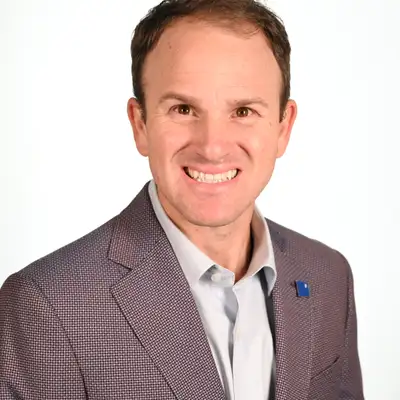
Speaker 2 (00:00) Hello and welcome to the Failure Gap where we talk with leaders about closing the space between agreement and alignment. We love talking with interesting people and today we're joined by Jeremy Sharpe. Jeremy is the president of the Arizona based real estate development and management firm Sharpe Development Group and managing partner of the award winning master planned community Rancho Sajarita. And Jeremy, I hope I said that correctly. Speaker 1 (00:23) A lot of different ways to say it, but that's great. Speaker 2 (00:25) Okay. ⁓ Under his leadership, Sharpe Development Group focuses on master plan communities, land development, residential and community investments, and community management. Jeremy, welcome to the Failure Gap. Speaker 1 (00:38) Thank you. Thank you for having me, Julie. We're excited to be here. Speaker 2 (00:40) Yeah, glad to have you and would love for you to just give our listeners maybe a little bit of your background, your journey to leadership, how you came to be the president of Sharpe Development Group. Speaker 1 (00:51) Yeah, know, Sharpe Development Group grew out of a five decade old family development company. My late father founded it with a dream of how do you create a better life for people? ⁓ I know plans. I actually wanted to be a vet when I was younger. I know plans to be in our business, but found our way here and I wouldn't trade it for anything. Speaker 2 (01:10) I think that's so amazing that you were able to explore some things for yourself and then find that you were called back to the family business in some ways. Would you agree with that sentiment? Speaker 1 (01:22) Yeah, and I credit my dad a lot for that. You know, there's, I talk a lot about family businesses to people and do a lot of coaching about it. And ultimately what I love about how my dad approached it was there's no pressure. And the joke is I was always groomed to do this. I was going to look at property with my dad when I was eight years old. I thought I was going out to the desert to do adventures and go explore while he was looking at property and exploring different opportunities. So I grew up in the business group, looking at different communities. But really the pressure was more about the opportunity, I should say, was more about meeting people and learning the skills and the values of how to be successful and how to make a difference in the world and less about, you know, a mandate to join our family business. When I went to college, I started my first company. ⁓ I clearly realized I I wasn't made out to be a vet. I didn't like science. Started a company and kind of did my own thing for a couple of years and then came back to Arizona ⁓ and started working within the business more as from a consulting basis and helping out as he needed it and realized that there was definitely some opportunity there more from a need standpoint. But again, didn't quite see the long term, the long term, I would say drive or opportunity. ⁓ But then I think life throws you makes, you know, gives you lemons. kind of make lemonade. My dad was diagnosed with glioblastoma, an aggressive form of brain cancer. And after grad school, I've given him two years and saying, I'll help you out for two years. And then I'm going to go out to DC, go to Denver, go explore different opportunities for myself. I'm in Tucson, Arizona, which is a little bit hard to be in your mid-twenties. You kind of want to go to a bigger city. Ultimately, about three years after that, he was diagnosed with cancer. that started that transition. enabled me to really use time and really step into that leadership journey that I think I was meant to be on. And I really needed to learn and grow into. Speaker 2 (03:17) You know, I appreciate you sharing that and I'm sorry for your loss. I know how hard that can be. I do feel like ⁓ you referenced lemons and lemonade. It feels like you have made a big bucket of lemonade out of some of this and are really making your life and your home there in Tucson with this commitment to community building, which I've heard you talk about a little bit. But I think there is often a natural tension in the development space, real estate development space between the desire to build community and also the realities of what it takes to build and to transform a vision into reality. That's often an agreement to alignment gap. Like we agree with the vision, but it's very hard to bring it into reality. I'm curious in your experience with development, how do you see navigating that particular space between the vision that you might have or that people around you might have for what is possible and really trying to bring that to life in a way that ⁓ feels good for everybody. Speaker 1 (04:24) Well, I love this concept of agreement alignment. I wish every real estate developer and capital partner could listen to you and work with you on it. You know, ultimately you are 100 % correct. It is you might have this vision, but if you're not aligned, if each individual partner is on aligned with what that vision is, there's going to be breaks in it and you're not going be able to do it. in Metworth, we do large scale community. So our main community that we have today is been operating for now 30 weeks. My dad founded it 35 years ago. You know, I just sold property that was been in our family for 45 years. And so there's, I think this idea of vision and alignment, you also need to put time to it too, and make sure that people are aligned, that part of that alignment is understanding the timeframe and understanding what the goal is. And that there's these ups and downs, but there's also this level of trust. And we've been really fortunate over the years, my dad, through his career and his life, and now myself, or the last couple of decades, you know, have amazing partners that trust us, that we're aligned in what we do, and they're aligned with the vision. And those are capital partners, but it's even more than capital partners. It's your team. You know, we have almost 200 employees and ensuring that there's that alignment. And we have our ups and downs, which I'm happy to talk about as any kind of company does with team members ⁓ on kind of forming that vision, forming that alignment. We can do definitely do better. But at the core of it, our values are aligned with that vision. And so ensuring that those values are spread across. And we're working with people who have similar values or have an understanding of those values, have an understanding of the timeframe of which we're talking about, and really are committed to it. And part of that commitment is a trust. Part of that commitment is a trust of us and us trusting our partners in that way. Speaker 2 (06:11) You you've brought up a couple of really important ideas that I want to make sure our listeners are hearing. One is that things take time. And in a world that is fast moving and where people want a quick fix to things, ⁓ bringing community to life and bringing a vision to life takes that agreement to a timeline and the alignment to see it through. And I think that often we lose sight of that ⁓ in a lot of different scenarios. both personally and professionally, that we just have to be committed to the timeline that's out there. The other thing that you brought up is really around this ecosystem of trust, and that includes partners and employees. And I think in some ways it extends to residents as well, or buyers, is that how does everybody trust that the vision is where you want to go and that everybody is equally committed to it, even when things get a little bit bumpy? And I do feel like sometimes there's a short-sightedness around who needs to be aligned to the vision. ⁓ And the idea that you need your partners involved as well, I think is really important, especially with something as capital intensive as development. Speaker 1 (07:24) along the same lines though, that below trust are values and ensuring that you are clear on your values. And values can evolve and you can, you but really there's some core values that we live by that you kind of develop as you grow in your career, as you grow in your family that tend to ebb and flow, but there's kind of these core group of values. you know, that somebody might disagree with my vision. Somebody might disagree with the decision that I make. ⁓ Somebody might want to execute differently than what we're doing. And that's okay. But ultimately, what I hope that somebody on the other side of a transaction or the mayor sitting across the table from me or our residents or prospective buyers or prospective businesses that we're trying to bring into our communities and to our developments understand that though, maybe if they don't agree with the vision perfectly. ⁓ that we can treat each other with the same level of values and we can be aligned in our values and what we're trying to accomplish. And there can be a trust accordingly that they know that ultimately we stand by a set of values or set of frameworks of how we operate. And that will drive. And so while any individual decision might differ or somebody might not agree with a decision or two, ultimately they'll trust that, hey, he or she, whoever it is, is doing in the best interest. based on those set of values and kind of how they're making sure that there's that level alignment. And that is what we found a lot of is, and it's tough. We're in a dealing with a situation right now where we're pretty far down the road with a deal and ultimately there's, I think, a lack of alignment. And you got to make some tough calls sometimes, even if you're further down the road that, hey, if there's a lack of alignment, ideally you would have addressed it early. And sometimes you do. And a lot of times you don't. But as long as you realize it and kind of can step up and say, hey, this isn't good for either of us, we're not aligned, we need to be able to move forward in different way. Speaker 2 (09:29) And it could even be that you were aligned and then circumstances changed. Very true. And so you've moved further apart instead of closer together. Yeah. I think sometimes we're reluctant to acknowledge when that happens. And there's a concept in employment that a ⁓ woman, April Winston, talks about called regrettable retention, where we hold on to somebody for too long because we just don't want to admit that they're not a good fit anymore. I think we see the same thing in deals sometimes, right? You get far down the road and it's hard to say, gosh, it just feels like we're no longer aligned on the vision. It doesn't mean that our values have changed or that we're not trustworthy as humans or that we're not good people or that we're not potentially good partners for something else, but it's no longer right for this scenario or this circumstance. Speaker 1 (10:20) Yeah, that's very true. And honestly, everyday scenario. Whether you're managing employees, whether you're managing up or down, ⁓ you know, with your family. And ⁓ we just came back from an amazing trip in Israel, my wife and I, and we were with a group and a lot of the conversation was about values. And there was about six couples and we're talking lot about values and how, they all, everybody had kids. And just talking about values in a family and and how do you transfer those values to your kids? ⁓ And I think family businesses offer a unique perspective on that, but across the board, know, this idea of parenting and aligning values with your kids and trying to maintain those and then bringing them in. And, you know, it's an interesting, our kids are young still, but it's an interesting dynamic to kind of think through about how values transition through generations as well. Speaker 2 (11:14) Yeah, I really like where you started this conversation about values that you can disagree with a decision and still trust the values that have informed that decision. And I think, you know, if only kids could appreciate how much parents are trying to, you know, work within their value structure when they make decisions that kids don't love. Speaker 1 (11:37) Exactly. Exactly. Speaker 2 (11:39) But I think we grow into that as adults. Like we can reflect back on our parents, our experience with our own parents and realize that in retrospect. But I just say hang in there, Jeremy, because kids can't know that in the moment. Speaker 1 (11:51) I see you for for some coaching here and have you work with him on that? Speaker 2 (11:56) Yeah, exactly, exactly. Well, I do, I really like that distinction. And I think that we don't think about it enough with our partners, with our employees, with our customers, that sometimes we do have as leaders to make the hard decision that people won't like. But if we can be transparent about the lens through which we make the decision and the values that were applied to it, then people can be okay with it, even if they don't get the answer that they want. Speaker 1 (12:26) But I think what's even more important is that you'll be okay with it. ⁓ And as a leader. And because there has been plenty of times where you've had to let somebody go and you know knew is the right center. I mean I'll speak for myself. There's been a lot of times where we've had to let somebody go over over our career. And it was hard. And we like them individually. We like them personally. But it was the best thing for the organization. And frankly it was the best thing for that. ⁓ I had a mentor mindset like and I asked them when I was first having to learn how to part ways with people. And he said, and I said, how do you do it? Like I get very, I'm very empathetic. So I get very, you know, a little, you know, emotion. put me across from a dealer. can, I can work through it or, you know, put me in front from an entitlement standpoint or, but you know, we view our team as, as part of kind of our vision and our mission. It's very personal to us. And so once somebody's in that circle and you're asking someone to lead that circle, it's very emotional and challenging. he said, you know, I, they, And this mentor of mine said early on, he said, this is, you're doing them a favor. And what you're doing is you're letting them, you're giving them permission to go find their mission, go find their purpose, to step into a role where they are in their flow, to where they are at their best. Because if you feel that they're not at their best, I guarantee they do as well. And that really helped me kind of process this. But I was starting to say that even if you walk away in that individual on the other side, still. doesn't quite understand or doesn't quite feel that alignment or that trust or, know, if you're aligned with kind of, you're a North Star per se or that agreement that you're making with yourself, ⁓ you know, you can move forward. And I think that that's, I rely a lot on that. mean, in tough negotiations or, you know, whether it's zoning or on the deal side or even employees or my kids, you know, as long as I kind of stay in that realm. of or in that pocket of what those values are and that pocket of ⁓ transparency like you said and decisiveness, I think it helps move forward I should say. It's still hard but it helps move forward. Speaker 2 (14:35) Yeah, I think that that's so interesting. And it's sometimes lost in leadership, the importance of feeling comfortable and confident in yourself, even when you're doing something that you know is going to impact people in ways that they might not prefer. And that is employees, that's customers, that's partners, that's kids, that's all of it, right? If you feel that, if you can feel like you're grounded in that decision, then you can deal with what happens around it. Speaker 1 (15:05) What's amazing, though, is how many leaders like the idea of imposter syndrome. And we've all is a leader. I I still feel the times right. I think it's OK to admit that that, you know, it is kind of fake until you make it a lot of times. ⁓ And the amount of CEOs and entrepreneurs and leaders that I have met and I love asking the question is like, do you feel like, you know, do you feel like you belong? Do you feel like you're at your best in the amount of people like do or do you do? Are you 100 percent confident what you're doing in the amount of people that's like really dig deep. It's like, no, like, I have no idea what I'm doing. And I'm figuring it out as I go. And yeah, getting to the place where you're kind of okay with that. And then to the place where you can just be confident in your ability to kind of step forward, even if you might, you might step in mud every now and then, or even if you might fumble a little bit, it is that ability to keep moving forward. Speaker 2 (15:58) Yeah. And I think there's also the idea that you can make mistakes with integrity, right? So as a leader, you might not always make the right decision, but if you do it according to your values compass, then you again, can deal with the mistake a lot better than if you feel like you made the wrong decision and you knew in your heart that you weren't doing it with the ⁓ the best heuristic. Speaker 1 (16:23) Love that. Speaker 2 (16:24) Yeah. I'm going to go back to your six-year-old real quick because I do think also we all as adults reflect back on our childhood and realize that our parents had no idea what they were doing and they were just doing their best. Speaker 1 (16:37) Yeah, yeah, that's. Healthy reality, I feel like. Speaker 2 (16:40) about this about it. Yeah, yeah, there's no training manual for that, right? ⁓ Speaker 1 (16:47) Yeah, it's my late father integrity was a huge part of you know, he always focused on this idea of integrity my great grandfather did and this idea of integrity and and always Ensuring that you know to he he was very tough. He was very very tough and But he always did with integrity and wanted to always treat people fairly so even if he said no even if they got a negotiation out challenging it was always in a way of He did it with the almost integrity, like you said. And I think the way you frame that is a perfect example of so many of the successful leaders of our time of being able to make those tough decisions and have those tough conversations while maintaining a level of integrity throughout it. Speaker 2 (17:35) Yeah, and I think that as the backbone can then lead to clarity. And I know I saw on your LinkedIn post about your trip to Israel, you were talking about complexity and clarity. And I think the world is a very complex place these days. And the more that you can be comfortable and confident as a leader in that values-based decision-making process, the more clarity you can bring to it for yourself and for others. Speaker 1 (18:02) Yeah, that's a good point. The idea of complexity in how you wake up. you start, so I do something. There's a, I do a journal called Oak Journal. They're actually a Colorado entrepreneur that kind of founded us. was Keith Anderson, Keith Anderson. ⁓ and I just forgot his name, regardless. Speaker 2 (18:27) We'll put it in the show notes. We'll get it in the show notes for anyone who's curious. Speaker 1 (18:31) You know, I talk a lot and he used these tools and he published this journal and it talks about, like every day you wake up and talk about what you're grateful for. And you talk about your focuses for the day. And then there's these prompts for the journal and yesterday it was all about this idea of complexity. And how do you manage your complexity in your day-to-day life? And it can be as simple as just, hey, dealing with traffic, going into work or getting your kid to school. I have not been great this year about getting my son to school on time. I take him, my wife takes her daughter, and I am late all the time. And just like this idea, even as simple as that, you know, how do you manage through that? And this idea of complexity and solving it. It's those little things that I think are challenging at times to solve. And you just got to start making those focuses where I'm so focused on some of these larger items in days that are dealing with, leaving the house by 740 in the morning is challenging sometimes. Speaker 2 (19:30) Yeah, and that has to do with presence, I think, too, right? Like, if you bring yourself fully present into that moment, then you're going to be on time, right? But if you're kind of having that big picture view in the moment, then it's a lot harder to kind of deliver on that in the moment commitment. Speaker 1 (19:51) Yeah, very much so. Speaker 2 (19:53) I think I find that in my own leadership. I'm sure you do too. There are times in a meeting where you're like, gosh, I know we need to make this decision that's right in front of us, but I'm thinking about all of these other things that might impact this in a larger sense. And you need to really kind of call yourself into that presence around how do I be really present in this moment to make this particular decision. Speaker 1 (20:15) What is your trick and how you do that? Speaker 2 (20:18) Well, I wish I were better at it. It's easy to talk about in theory, right? It's easy to agree that would be really great if I did that. But aligning to it is definitely challenging. think I listen for my cues, my internal narrative. Like, am I actually really being present to make this decision or am I bringing too much in to my thinking right now? And then I try and just remind myself or call myself back into that moment. But it's definitely a challenge. Yeah. How about for you? Speaker 1 (20:50) Yeah. You know, I, I tend to just keep a notebook and, ⁓ and that, kind of write down, ⁓ if something comes to mind that I just can't get rid of, you know, put, write it down even in the meeting and then I can put it away until, until it's, ⁓ you know, I tend to hold my finger too. It's got a weird thing. I tend to go like, I'm this, and, it's an old Buddhist trick that, ⁓ that, ⁓ this Buddhist mentor told me, you kind of just saw your finger and it kind of will. Speaker 2 (21:24) Show me again how you do that. Speaker 1 (21:25) You run through your fingertips and it. We kind of balances you and brings you present. So I've done that. I do that. But yeah, he will say I need to do better at it, admittedly. Speaker 2 (21:28) So yeah. ⁓ Yeah, yeah, it's time to hold your fingers. All right, exactly. Yeah, yeah. You know, one of the things that we do at Carrick and Scroop with leadership teams is we try and help them come up with those symbols and rituals and language where they can call each other back in. So at Carrick and Scroop, just by means of example, we have a, we call it how we roll. It's, you know, not quite values, not quite behaviors, but somewhere in that space. But one of them is to be in pursuit of better. Speaker 1 (21:41) exact. Speaker 2 (22:06) And so if we're making a decision that feels like we're just making the default decision or the easy decision, we'll ask each other, know, are we being in pursuit of better? And that helps call us back in to say, maybe we need to think a little bit differently or a little bit more about this particular decision, whatever it might be. So for us, that's a symbol of, you know, somebody on the team is saying, I think we need to take a beat here and really challenge ourselves. Speaker 1 (22:35) And how are Speaker 2 (22:35) So I think that shared language really helps a lot. Speaker 1 (22:38) Well, mean, in that scenario, though, how do you manage the speed? Right. So different individuals on your leadership team might be working on different speeds or, you know, and different scenarios and different opportunities that you're working on. There might be an urgency to one where you're, you know, your middle management team or a low level team might be having a more slower routine type speed where your executive team are working on it on a, I would say, different level from an urgency standpoint. I mean, with your group, how do you manage that internally? And what do you say to your clients that have urgency and a slowness? It's like this idea of the top having to go fast and really big decisions. There's a level of urgency, but maybe the bottom needs to maintain or the other needs to maintain a level of calm. Speaker 2 (23:31) Yeah, yeah, I mean, those are the trade-offs we navigate every day in business, right? So how do we be innovative and fast to market and try new things while helping our customers to have a calm and secure and reliable experience? know, we get caught in that tension. And I think it is about, for us, we call it naming those trade-offs. So like I get that at a senior leadership level, we want to move quickly. And we also need to be mindful of the impact on customers or employees who are in a different context. And I think that level of connection, again, you talk about complexity and clarity. Creating clarity around why you might make a fast decision that is disruptive, I think goes so far in helping people to be OK with it, and also appreciating what you're asking them to do within the chaos that maybe you've created as a leader. I'm curious about how you do it because in development it is an even bigger challenge I think because of the timelines that you talked about earlier. You're looking at investments that can take eight, 10, 12 years or longer, right, to show the impact that you're looking for. And so the decisions that you make today can have huge ramifications down the road. A lot of businesses have the luxury almost of seeing faster turnaround on those decisions so they can adjust more quickly. But you're in a business that requires a lot of fortitude and a lot of commitment to those decisions and kind of seeing things through. So how do you balance that? Speaker 1 (25:15) think the continuity of vision as we kind of opened with this idea of holding true to that vision of our why, you know, our why is to create a better life for people. we're very, it's my family's why it's been a, it's been a big part of my parents and my grandparents. And ⁓ we happen to do it through the built environment. And there's a lot of ways we can do it, you know, through our philanthropy work, we do it differently, but it all kind of comes down to this idea of how to create a better life for people through the communities we build. And there's a lot of different interpretations of that. ⁓ And that really came about through actually we were doing a workshop with our middle management team. And we have 15 people in the room and we're doing the typical vision, mission, the different workshops that you do. And ⁓ all of a somebody asked me what my why was. I said, well, it's easy. It's to create a better life for people. And then we started going around the room and what we saw was they give creating a better life. And it was kind of counter to what I learned maybe in my MBA. in business school, right, where it had to be a level alignment. But we found, that our porter could connect this idea of creating a better life for people through his eyes, through the work that he does. You know, the person at Eska, one of our clubhouses in our community, who greets residents every day, their focus on creating a better life is different. You know, my focus on creating a better life is so, I would say, and at such a 10,000, 15,000 square foot, or square foot. See, I'm in development. Speaker 2 (26:39) That's it, developer Vria. Speaker 1 (26:40) Or like some of our team who are running our kids club or, you know, our lifeguards, their idea of creating a better life is very focused and very ⁓ micro and very much on that individual interaction. And so this our why, how do you integrate the why throughout the entire organization has been something we're really focused on. ⁓ What we've done structurally though is really, and we're still working on it, it's constant evolution, right? We have a management company, we have a water company, we have a construction company, but our management company, community management company and our water company, they're the stable force. They are the ones that are delivering on our promise. They're the ones that are keeping water in the drinking fountains and our management company, those team members are delivering on our 350 events a year and our free babysitting and in our ⁓ 40 health and wellness classes. That's what they're doing. They're delivering on our promise of a better life. where our corporate team and our development team maybe is envisioning what that would be. So we're focusing on bringing more residents to a community, bringing more businesses to the community. But it's that core foundation of that management team and our water company and other kind of core team members that are delivering on that promise every single day. And they're living it every day. And so it's this, I have this idea of like kind of that urgency and calmness, right? Because like that core foundation is is the recurrence, it's that slowness, it's that constantly improving, but doing it in a very methodical, focused way. Where, you know, our development team and kind of that senior team is much more focused on that innovative side, that new deals, that how do you create new amenities? How do you create this new excitement around what we're doing? And what we've been able to create is we have certain individuals that bridge. And so we have amazing... I would say, you know, vice presidents and senior directors that are really bridging the gap between the two. And it's almost they, they, they're the wake. They, they bridge the gap between the speed boat going through, you know, clear water and leaving a wake behind and kind of managing that through. So we've been amazing. My COO is incredible at helping manage through that. So she kind of managed, protects everybody from my craziness at times. And it helps also source up kind of things that we need to be focused on. at that level. it's because so this is this up and down and sideways communication that really helps. Speaker 2 (29:11) Yeah. It sounds like you have some great translators in your. Yeah. Yeah. And you know, that's a very human role that you have to play around. Here's the speedboat coming through. Here's the wake that we're going to experience. And here's how we take advantage of that and like make, turn it into something really good for our community. Speaker 1 (29:14) I love that, yeah. But you talk about it and you talk about evolution as a leader and you kind of open. Yeah, you know, when I joined our company, I ran our management company and I and my dad was a lot like how I behave today, how I acted at and it drove me nuts and I drove me nuts. He frustrated me. You know, I'd been working with him for a long time. He's kind of all over the place. And it's so funny because I do feel I have a lot of those tendencies now and I had to evolve into that. And and I in any time that. I have a team that looks at me with those eyes like, I'm going to, I'm so frustrated with you. I kind of put myself back in there, she's like, I remember what that's like. And so it's this kind of balance of what you have to then grow into through that leadership role and evolved into. And some of that is changing how we communicate, changing the level of urgency that we have in what we're doing. Speaker 2 (30:21) Yeah, and I think it's remembering that what's urgent for you is hugely disruptive for others. And so your job as part of your job as a leader is to ⁓ deal with that reality. Speaker 1 (30:33) Yeah, yeah, that's a something I need. I should put that up on behind me. You know, put it on a sticky exactly. You know, I think that is this idea of this connection, especially for larger and we're a small company, but especially for larger companies and you know, how do you keep that vision moving forward and then be able to translate it down through to where you have a level of urgency and excitement. But then even on the. on a day-to-day level people can execute. And I think that's part of what we try to do because really our promise is all we have. And we manage our communities, we manage our developments, and part of the reason a lot of developers don't, they contract it out to community management companies. But for us, it's our promise. It's who we are. And ⁓ we want people to feel those values, feel that integrity. And when we don't take lightly, when they move into our communities, they're making a life choice. And we want to make it help them. realize that those kids are riding bikes for the first time. you know, people are passing away in those homes and, you know, there's birthdays and holidays and graduations and, you know, there's celebrations and people are getting healthier in our communities. And that's kind of why we do what we do. Speaker 2 (31:49) Yeah, I love that going back to your promise. And we talked at the beginning about being really values driven and needing sometimes to make decisions that people might not like, but you're doing it through that lens of what is, how do you deliver on the promise and what are the values that are informing that? And I think that reflects, is reflected in the communities that you build. Speaker 1 (32:09) Well, and along those, and just one last thing I think is important here is this idea of vulnerability. You know, my dad passed away. ⁓ You know, everybody, especially those at our company that had been here a long time, you know, they experienced that journey with us and they felt it. ⁓ And so when I had to, you know, when I had to go address our company, 150 people after my dad passed and kind of talk through what that transition is, I couldn't hold it together. Right. And you looked around the room and everybody was crying. it was, and somebody asked me after like, were you, was that okay? Were you comfortable doing that? Like I've never seen somebody, you know, get that emotional. like, one, I couldn't avoid it. So thank you. But two, I think that is this idea of vulnerability as a leader. Like it's okay to show you're human. It's okay to show when you're struggling. And it's also okay to, if you, you know, fumble or you make a mistake or you don't handle a situation. properly, it's okay to say, sorry. It's okay to address it and address it quickly and kind of say, hey, that was my bad. And ⁓ I feel like that is a focus that continues, needs to be brought up and especially different types of industries. But it's been a huge part of our company. It's been a huge part of who we are as a level of vulnerability. And you see it across the board. You see it as, you know, our senior team is more vulnerable. You see it across the board and people are more comfortable with each other. But that serves with being comfortable with who you are, like you said, and confident in who are. Speaker 2 (33:44) Yeah. And knowing that ⁓ it's not a weakness to lean into that space and to share that part of your. Yeah. Yeah. I appreciate you sharing that. I think that's really important for people to hear. And the development community is not known for its vulnerability at a leadership level. Is that a nice way to say it? Speaker 1 (33:50) Yeah, yeah. That's what I Speaker 2 (34:05) Yeah. And so I appreciate you modeling the way in that regard. We talk a lot about the intersection of vulnerability and authenticity and that if you can't quite bring yourself to be vulnerable as a leader, try and lean into the idea of being really authentic with who you are and what you're experiencing. And how does that help you to bridge into showing up as a human being for your colleagues? your customers, your partners, whoever it might be. And I think that intersection of vulnerability and authenticity is a really powerful place to lead from. Speaker 1 (34:42) love it. Yeah, very much so. And the idea of being authentic and leading with your authentic self, whether it's social media, whether you're leading a team, whether you're negotiating, it's being that authentic self. Who else would you want to be? Speaker 2 (34:58) Yeah, exactly. Everyone else has taken. I can't. I'll have to look that up. Speaker 1 (35:01) Somebody said that, right? ⁓ Yeah, it's a it's it's this idea of authenticity and being comfortable with it. I think the world we live in today offers that a lot more. It's also more vulnerable, right? It takes you got to find that balance of what you're comfortable talking about, right? Yeah. How comfortable are you bringing your family into some of the conversations? How comfortable are you bringing some of your emotions and your insecurities out and And being because that idea of comfort and that idea of being OK with it within yourself, if you're not, you know, I would say that's that that will cover up any authenticity that you're trying to portray in that. Speaker 2 (35:43) Yeah, for sure. And I think it doesn't mean that you have to, there's sort of this mantra of bring your whole self to work. And I'm like, I don't think anybody wants my whole self at work. I'm pretty sure they don't. Like, I'm going to be in the work context. But within that, I'm going to be authentic in terms of who I am and vulnerable about what is happening in my world. It doesn't mean that you show up at 11, right, every day for your work colleagues. But I loved, I talked with a woman, Carissa Anderson, a couple of weeks ago, and she was saying, you you want it to be so that if your family saw you at work, they would recognize you. Maybe you're not the same at work as you are with them, but they would recognize you. And if your colleagues saw you with your family, they would recognize you. ⁓ Again, maybe you're a little more boisterous or whatever with your family than you are at work, but they would recognize who you are. And I think that goes back to that, be really grounded in your values and who you are as a human and being able to adjust that for the context that you're in. Speaker 1 (36:44) And it's also an authentic organization and be comfortable with that. I always use when we're hiring, you we're very. Family focus organization where, you know, we have a very flexible schedule. We're in office per se, but honestly, most of my team is on site anyway, but we're really flexible or family. We have a level of I would say we're we have a level of focus on family. So if you need to pick up your kids for school, we try to. opportunities for you to do that. I have team members that come in at 7 a.m. so they can pick up their kids at school every day and it's been happening for years. We're able to find this. I have somebody working at home ⁓ on Fridays, for example, because she needs to take care of her parents. ⁓ so we have this level of flexibility, ⁓ but a hybrid workspace, I would say. But we're also when it's time to work, it's time to work. And we're also, you know, very family focused. So we want that personal side to you. are there's a level of trust of growth. have had people that have been with us for 25, 30 years, know, people that have with us 15 years and there's this constant growing that they have and it's a learning organization, but we're not a corporate culture. And we've had people that I personally interviewed that, you know, they want to understand what that ladder is. They want to understand, I mean, at eight or nine, leave at five and not do work after and not be called on the week as if something, we rarely do that, but something comes up. And they want to know, do I get to that promotion? How do I get here? How do I get there? And I think it's really important for organizations to recognize who they are and be okay and proud of like, listen, we're not that and you're not going to successful here. And we're not going to be successful working together in that way. We wish you the best. think that, you know, you're incredible what you're doing, but we're looking for different things as an organization because you want for that period of time for those people to stay with us, the long, the length that they have. You know, my reception has been with us 27 years. ⁓ wow. You know, my VP of marketing has been with us 15 years. We're the only career she's ever had. Yeah. And it's this idea of how do you constantly grow people, give them the opportunity to grow, evolve with them through the phases of life that they're in, and also recognize that we, you know, making sure that they fit that culture, they fit that family-friendly and that family-focused culture that wants to make a difference in the world. And that's really a big part of who we are. And it's not the only way. I always tell people when I'm interviewing them like hey, it's okay ⁓ I just lost and then you know We just somebody just parted ways with us where she resigned and I I thought she was amazing I had no idea and this is a failure of the organization honestly and we're gonna make just some changes and really do a ⁓ Recap and kind of a post-op of hey what happened like why didn't we see this? She's this director level role. She was amazing. I the week before I had just had a meeting with her boss and I'm hey, how do we grow her? How do we get her to the level? I had big plans for her and I missed something. And I'm okay, you know, and as an organization, we need to admit that. need to say, this is somebody that we didn't want to lose, but something wasn't right. And whether it was a cultural thing, whether it was a lifestyle focus, whether it was something going on with her life or the company, we need to understand why. And if there's changes that we can make so we don't lose people like that, I think it's important and it's important for organizations and leaders to look at no matter how good we try to be, no matter how much of an impact we try to make, there are times where we might miss step and we can address that and make changes necessary. Speaker 2 (40:17) Yeah. Yeah. I think I really appreciate that perspective as a leader, Jeremy, that it, when you have a misstep, it doesn't mean that you're not a great organization. It means that you're learning and you're continuing to grow and you're continuing to evolve as an organization. And guess what? The world around you is evolving too. So what worked yesterday may not be working today. And if you can't lean into that opportunity to learn and grow, then you are, ⁓ you're going to be stagnating. and that is not a good place for an organization to be. Speaker 1 (40:49) Well, the other challenge that would be a great podcast for the future is that generate and this, this, again, multiple generations in the workplace. And when you have multiple generations in the workplace, norms for one generations are not the same as another. And it goes into that evolving and that growing side of how do you, how do you, how do you blend all those generations together and that work culture together to, truly create an environment. And it's something that I've been reading a lot about lately. Cause we have. I mean, I have an almost eight-year-old working with us, and I have teenagers working with us. So you have five generations. Five generations. Okay, there you go. Yeah. How do you blend all that and work together? It just goes into what you were just saying about the of the social dynamics of it all. And in today's world, it just gets harder and harder, but it's more more important. Speaker 2 (41:41) Yeah. Well, we have covered a lot of ground and I think the intergenerational conversation, I might have you back to have that conversation because I'm now thinking that maybe you said you had an 80 year old and teenager. Yeah. So you might have six generations. need to go just double. Yeah. Yeah. That's pretty impressive. So I love that. But we have covered a lot of ground and I just want to kind of do a quick recap, which is to say we started off with this idea of needing to make Speaker 1 (41:52) Almost, yeah. Speaker 2 (42:11) decisions and what that looks like as a leader when you make them through the lens of your values compass and being able to be really grounded in knowing that the decision may not be what everybody wants to hear, but if it's made with integrity and you're grounded in it, then you can live with it as a leader. And I think the people around you can also appreciate how you got to the decision, even if they don't like the outcome. And when we think about agreement to alignment, I think That has a lot to do with how you get people aligned to decisions that might not be what they wanted to hear, but they need to figure out how to live with it. If they see that the decision process was grounded in something, then it's a lot easier to align to something even if it's not your preferred choice. So I think that was just a really interesting conversation about how you orient towards that. And I really appreciate that. And I think... This idea also that you've brought up here towards the end around vulnerability and how do you show up for your team in a way that helps them to see you as a human and really as a leader who is bringing an authentic perspective and experience into the workplace and sharing that with your colleagues in a way that helps them to see you as a leader and someone who's really grounded in who you are. I think that goes so far as well to helping people align to the vision. Knowing that the vision in your industry may take a long time to be realized, but the promise behind it and what you're delivering every day at your properties that you're managing, how you deliver day to day has to be commensurate with the vision that you have for the future of other communities or the community that you're impacting. So I think we've just covered so much ground there and I wanted to make sure I highlighted a couple of the big themes that we hit off on. If you think about for yourself two or three things that you would love for our listeners to take away and think about as they consider, how could they as leaders step into creating alignment for their people or their partners or their customers, whatever that ecosystem looks like, what would be the two or three things that you would really emphasize for people to think about as leaders? Speaker 1 (44:20) Number one is look within, understand what you're about, understand what you stand for. ⁓ And especially as a leader of a company, the company is to reflect who you are. ⁓ And then bring your team and ensure you have people around you that are aligned in those values and aligned in that. So I think number one is really do the work. Talk to people like you and others and read and do the work to understand, hey, what do I stand for? How do I want to lead? How do I want to show up every day? ⁓ And number two is reflect. Sometimes we don't show up the way we want to show up and that's okay. But it's important to be able to reflect on that and engage in it and engage others in that conversation to make sure that you have that there's mirrors around you to show when, you're not necessarily showing up to the best of your ability. And my wife's our general counsel and she's the only one that will sit in a meeting with us and then we'll leave the meeting and go home and she's like, you know, you're quite a, I don't know, I shouldn't say it here, but you're... But buddy, you know what? You were. You're your best in the beauty today. like, well, I other people to tell me that. And I think as a leader, we need to be able to have people around us that can tell us that to enable us to reflect. And I think lastly, it goes back to this idea of why and having that why reflect those values. And, you know, for a lot of us, it is making some form of a difference in the Speaker 2 (45:21) weren't your best. You weren't your best. Speaker 1 (45:47) in whatever frame that is for you, it's helping organizations and helping people grow. ⁓ For a lack of better words, ⁓ for us, it's maybe creating a better place or making people's lives better through what we do. whether you're building a technology firm or ⁓ you're a vet, you have a why. And I think leaning into that why with values and integrity and transparency is a recipe for success. And you put the right people around you. And it's going to be a wonderful venture and I'm excited to see what if we had everybody doing that, I mean, what we could all create together in that way. But I think those three things, this idea of looking within and then further reflection when things don't necessarily go right. And then just aligning all that with the why, which is what you so magically and brilliantly focus on. It's kind of that recipe for at least getting you to. know, opening the door to success and all. Speaker 2 (46:49) Yeah. And getting people past the passive agreement of be nice if somebody did that and into alignment and getting it done. I love those three takeaways. Thank you so much for sharing that with us. know, I just have really appreciated our conversation and learning more about you and your business and your vision and what you're building. It sounds amazing. I hope if I'm down in Tucson sometime, maybe I'll come by and visit the community and take a look. Escape the Colorado winter a little bit. Yeah. Speaker 1 (47:11) Yeah, please. Speaker 2 (47:18) But thank you so much for your time. We've really appreciated it. For all of our listeners, if you've enjoyed this conversation, please remember to like and subscribe and to pass it along. We'll put some additional information in the show notes as well, including some links, Jeremy, to your communities and properties so people can check that out if they want to. And join us again on our next episode of The Failure Gap. Thank you all.