Subscribe
Share
Share
Embed

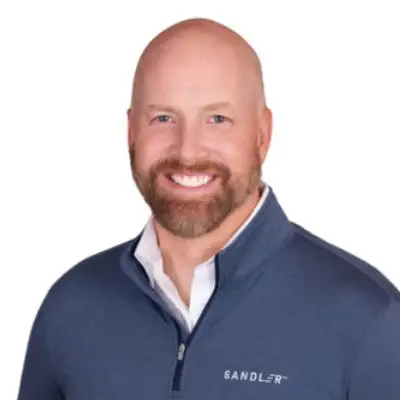
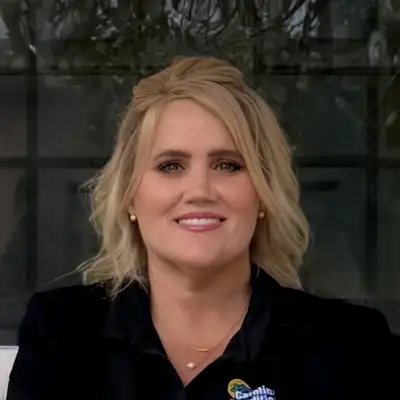


HVAC Full Blast is your bi-weekly dose of HVAC business growth, powered by Trane. Hosted by Mary Carter (Trane Technologies) and Stephen Ross (Sandler), this podcast is built for residential HVAC dealers who want to scale their business, sharpen their sales, and lead with confidence.
Tune in for expert interviews, dealer success stories, and practical tips on pricing, service agreements, workforce development, and more. Whether you're in the field or in the office, HVAC Full Blast helps you stay ahead in a competitive market.
Interested in becoming a Trane Dealer? Visit our website at https://partners.trane.com/
We'd love your feedback and suggestions on future episodes. Please email us at hvac_full_blast@tranetechnologies.com.
This podcast channel is for general informational purposes only. The views and opinions expressed in these episodes are those of the panelists and do not necessarily reflect the official policy or position of Trane Technologies. Trane Technologies makes no warranty or guarantee concerning accuracy or completeness of the content presented in this webinar.
Trane does not provide tax, legal, or accounting advice. This material is for informational purposes only and it should not be relied on for tax, legal, or accounting advice. Tax law is subject to continual change. All decisions are your responsibility and you should consult your own tax, legal, and accounting advisors. Trane disclaims any responsibility for actions taken on the material presented.
All trademarks referenced are the trademarks of their respective owners. ©2025 Trane. All Rights Reserved.
Welcome to HVAC Full Blast,
where real stories
meet real solutions.
Join hosts Mary Carter and
Steven Ross as they invite
Alison Linx for a candid
conversation about breaking
stereotypes, leadership
in the trades,
and building a dream team.
Whether it's navigating
job site dynamics,
hiring for heart,
or learning the value of communication
over complicated systems,
this episode offers lessons and
inspiration for pros across the trades.
Let's get started.
Okay.
Welcome back to another
episode of HVAC Full
Blast. I'm Mary Carter.
I'm Stephen Ross.
And we are hosting a
guest today who I am
so excited to learn about more
and journey kind of what her
role in HVAC has been.
But Stephen, I'm gonna let you take
the reins on this one since this is
actually a good friend of yours.
Yeah, I'm excited to have
Alison Linx on with us today.
As a lot of people know because
I talk about it a good bit is
that I owned a heating and air
company with a business partner
for about seven or eight years.
And I try to be very up front
with the failures and the
mistakes we made but one of the
best decisions we ever made
was both hiring Alison and
then promoting her.
And so I wanted to just talk
a little bit about how that came
to pass and get Alison's
perspective on it.
I think one of the challenges
that we have in our industry
is just talent in general.
And so one thing that my
business partner Tim was always
very good about was just
looking for talent wherever.
And our motto was
you hire for talent and
then you train for skill.
So if you're trying to hire
for skill then what happens
sometimes is you
hire a bad apple.
Don't fit in culturally.
Maybe they don't have great
work ethic even if they got the
skill and so on.
But if you go and you just hire for
fit like who's a good cultural fit?
Who works hard?
Who's got talent?
And then you say, hey,
we're gonna train for skill.
That really helped us kind of
in the second half of owning
the business, get some
better management in place.
And so Alison's kind of one
of those success stories.
So I'm just excited to have her here
today to brag about her a little bit,
but then also maybe some other
folks might listen to this too
and go, all right, well,
gives us some good ideas of
maybe where to go look for.
So welcome Alison, how are you?
I'm well, thank you. I'm
very excited to be here.
Yeah, we're excited to have you.
So give us, I've told Mary
a little bit about you,
but just give us kind
of a quick background.
How'd you get into
heating and air at all?
Because that's not something
that you probably were sitting
around in middle
school going, Hey,
someday I want to work for
a heating and air company.
So how did that happen?
It kind of came about
when we were living,
my husband at the time was
we were living in Seattle,
he was in the military and I needed
a I got a part time little job.
He was underway a lot,
so I got a job with a
heat and air company.
It was very seasonal because
all they do is heat up there.
There's not really
no need for AC.
I a little part time job,
kind of get away from the kids
and I ended up really loving it.
Kind of fell into the
parts portion of it.
Learned a lot on my own,
did a lot of research,
did like, and I just really
enjoyed it ever since I've started.
And that is one of the unique
things I think about you is
when you say you learned
a lot on your own,
that's one hundred percent true.
You are just kind of a,
if you don't know how to do
something you're gonna YouTube
it, you're gonna look it up,
you're gonna figure it out.
Is that that's just the way
you've been from the beginning?
Is that just who you are or did you
have to learn that at some point?
No, I ask a lot of
questions because I don't know all the
answers, but I know
someone who does.
I can always, I have a phone full
of people that if I don't know that
answer and I can
admit that I don't
know it, it's just finding the
right one has always been a
good thing that
I've always used is,
if I don't know it,
I'm gonna look for it,
but I find it out and
I'm gonna figure it out.
Yeah. Nice.
Do you remember what the
job posting was that you
answered in Seattle
at that first company?
Do you remember what like,
it was just for customer
service or what it was?
For answering the phones
and being from the south
up in Seattle,
my accent's not bad, but up in Seattle,
it's, you know, quite different.
You're like, oh, I
don't know about this.
And I called everyone, yes,
sir, yes, ma'am, you know,
and that they just didn't think
I was a good fit on that source,
but I ended up doing really well
with the warranty and the parts.
Someone didn't come into work
one day and I stepped into that
role to kind of fill in, and
I was like, this is a mess,
why is it such a mess?
Why do we have all
these parts here?
What's the warranty process?
I started digging in and then
I ended up getting that job and
I've just rolled with parts
installed ever since then.
And now when we moved
here to Charleston,
I worked with the company,
came in as helping
someone with parts.
I ended up getting with the
commercial side of things,
working as his assistant,
and we did very large
commercial jobs.
I did that for over ten years
doing large projects and he
ran that whole commercial side
and I worked directly for him
and I learned that and I just wasn't
really going anywhere right there.
He was the owners,
he was an owner and I
really couldn't go above him
so kinda how I got to Stephen
at Carolina Conditions.
There's really only one way to
go above the owner, you know?
You become the owner. Right?
Right. Absolutely.
So you came over to Carolina
Conditions. We hired you.
We didn't really have a spot
for you but going back to kind
of our mantra that Tim and
I had which is like let's hire
for talent and then kind
of figure it out later.
So initially we brought you in
to kind of do what you did at
the very beginning which was
answer phones And then very
quickly got you kind
of into handling
kind of the service
manager's assistant for
handling, finding
parts for the techs, all
that kind of stuff, right?
Yes, I did estimates.
I did everything.
I basically did the role of
the install manager because like it
was a lot of work at the time.
I just really helped him.
And then what
happened was I needed,
I was burning some time
and I needed to use,
I had like fifty hours
and they're like,
you've got to use this time
or you're gonna lose it.
So I'm like, it's August,
I can't take time off.
Well, took time off
and then two days into
my vacation, Tim
called me and said,
I'll pay you for your
time, get back to work.
We have a crisis.
And so I, and then he was
kind of like, you know,
you're already doing the job
and he gave you that position.
But he's and he never paid
anybody for their time.
Yeah. That's true to me.
I took it as a huge compliment,
and I took the took the time,
came back from work,
got it all sorted out,
and we kept rolling.
And then I became the install manager
probably a couple days after that.
So, Mary, to give you a
little bit of context,
we were pretty small.
We were doing heating and
air. We were doing plumbing.
We were doing electrical. So we
had a heating and air manager.
We had a plumbing manager
and we had an electrical manager.
And that's a lot of overhead
for a small company.
And so we were stuck trying to
decide heating and air by itself,
is a bit of an animal because
service and install are so
different and having one person
manage those both is really hard.
Even kind of quote unquote
having an assistant to help,
our manager at the time was
just stretched super thin.
And so that was kind of
our, owners, like, man,
we gotta split these into
two different departments.
We need a kind of
an install department. We need service.
And so we know we're gonna
incur this overhead because now
we're bringing on
a fourth manager.
And
so here's behind the scenes.
I'll give you both maybe a
little bit of behind the scenes
is we had a couple of
different candidates.
We had candidates that we had
put a job posting on Indeed and
said, hey, we're looking
for an install manager.
So we had some
external candidates,
all of whom had a
background in install,
either they had been an
installer or they had been an
install manager or both.
We had some internal
candidates who
either they were service techs
who had some install experience
but wanted to maybe come out
of the field and be a manager.
One of our installers wanted
to be install manager.
So we had several candidates,
all of whom were men.
And then we had Alison who we
felt was incredibly talented
but did not actually have
any install experience.
And so that was a little bit of
the struggle from our side is
how do you evaluate
varying skill sets?
It's not like everybody's the
same across the board and just
one person happens to be better.
Everybody's got different
strengths and weaknesses.
So some folks had
the hands experience.
They've crawled around through
attics and under houses and
everything else, and they
know what that's like.
And maybe they would make
a great install manager.
Allison, pretty organized,
fairly detailed, works hard,
answers her phone.
Mean, does all
those great things.
And I think part of the
question in our head, Alison,
was putting you in a leadership
role is a little different than
just being maybe the assistant to
somebody in the leadership role.
And so that was, we didn't know,
that was a little bit of
an unknown at the time.
How would Alison do when she's
actually got decision making
authority and can hire and fire
installers and how's that gonna work?
Mary, can I put you on the spot?
One of the things we're
hitting head on is dominated
industry.
And so as a woman,
have you ever walked into the
room and somebody been like,
oh, I thought you
were gonna be a man.
Or I if you, I don't know, Mary,
I'm just kinda putting
you on the spot.
Have you run into that before?
Yeah, my favorite
occurrence of this was I've
been in a sales role then did
a stint in a finance role and
then came back
into a sales role.
And when I was going back
to sales the second time,
I walked in to meet a brand new
account and they were looking
at me like, okay,
who are you and why are you
gonna be our regional manager?
And they actually said, what is
the finance lady doing in sales?
And it was so funny to me.
I mean, I really took it in stride
and lightheartedly and I really
don't think they were
trying to be rude.
Really, I don't, but
it was very much like,
what is the finance
lady doing in sales?
They were sizing me up and they
were trying to figure it out.
And I said, well,
it's funny you say that because
I'm actually the sales lady who
went to finance and
now is back in sales.
So let me tell you a
little bit about me.
And it just opened up the
door for me to be very
transparent about my career and
where I had been and also put
them at ease a little
bit that you're right.
I've never been an HVAC
sales manager before,
but I have been a sales manager
actually in another what you
might would think would be a male
dominated industry with power tools.
And it was just a very funny
introduction to sort of
like, oh wow.
People are always kind of
judging you based on your
appearance or your voice or
the way you carry yourself.
But they're also gonna maybe
judge you for things that are a
little bit out of your control.
And
my advice to that is
to greet it head on and
be who you are and you
don't have to compromise for that.
I'm not gonna dress any
differently and not do makeup
or things that I like because
there is a stigma that
maybe more women
aren't in the space.
What I find really interesting
is that the more you dig into
the industry, there actually
are a lot of women here.
That was when you were
mentioning Alison and kind of
her story, I was so excited
to get to meet you Alison,
because I'm curious to know
your experience with that.
Like, have you seen more women
coming up through HVAC as the years
have come on or even within the own
departments that you're managing?
Maybe not. I don't know.
Actually, let me just
not even preface that.
What have you seen?
We have, one of our best technicians
that we have here is a female.
She
sells everything.
We send her, we throw people
so off guard when we pull
up and she's smart,
but she's very quiet.
She's not very boisterous.
She's
fantastic.
And we get so many reviews
on her because she takes them
off guard that she
knows what she's doing.
And every time she goes into
a house, she turns something,
you know, and she's fantastic.
She has been one of probably
our best hires that we've had.
And I try to encourage
people all the time.
If I could go back and,
you know, rewind things,
I wish I would've gotten
more hands on experience.
I've gotten it later on in
the last couple of years.
I do a lot more, I'm out in the
field a lot more with things.
I have a lot of part knowledge and
I have a lot of equipment knowledge,
but that's not the same as
putting your hands on thing or
knowing how hard it is to get an
air handler in an attic, you know,
which makes me a better manager
if I go out there and I'm
sitting here in this seat, oh,
you should have
this done by this,
and why didn't you do this?
Well, I don't know the
application process.
So I've had to go
out on installs.
I've had to go sit through it and see
what they go through to make me better.
Because I can take
someone's experience,
but until I'm there
sweating and, you know,
thinking this is a terrible job
and these are the guys I sit
out every day, I
have to respect it.
And it gave me a whole different
outlook on what they do.
So take us, I mean, just if
we could go back in time.
So Tim calls you and says,
Hey, we need you back here.
In fact, not only do
we need you back here,
we're gonna promote you and
make you install manager, right?
And I don't know exactly how
many years but for the first
twelve, thirteen,
fourteen years of your career
you'd just kind of been an
assistant to somebody.
Now all of a sudden you're
the manager. How did that go?
How was that first week or that
first month or the first six months?
How was that?
It was difficult just because
the lack of confidence in
myself because what Stephen
and Tim believed in me
and I knew what they do
because I've been doing it.
I just didn't have the title.
I've been doing this for
years running divisions
and just didn't have
that title per se,
but I was scared to
fail, to be honest.
And I went to them because
install is we make the
money in the company.
If I failed, Carolina
conditions failed.
And that was a huge,
like sleepless nights of,
oh God, what if I mess up?
Or if I don't steer
this division in the
right way, you know,
I can take us down.
And that was just a lot
of responsibility for me.
I had a lot of people that
were willing to help me.
I have incredible installers.
I actually still have
those installers.
We've had them here
for almost six years,
which is unheard of
to have turnover.
I've had no turnover in
my install department.
And I have incredible installers
and they make me look real good.
I'm gonna be a hundred
percent honest.
But I also had an open
door to Tim and to Steven.
I could call them.
I used have to call Steven and
say, Steven, don't do anything.
I just wanna complain about I
wanna I wanna cry a little bit,
but I don't want
you to do anything.
Don't, you know, just to
get some feedback, you know?
And it took a lot of them
mentoring me as well, you know?
I love that so much because
speaking a lot to your skillset
and clearly your leadership,
which is phenomenal to have such a
great team that wants to stick around,
but then also really giving
some credit to the leaders
above you, right?
To give you that space, to
feel what you need to feel.
And Stephen, now
I'm kind of curious,
what did you see in Alison
that ultimately make you
feel comfortable
with that promotion?
Because
it is a unique journey.
Well, there's a
couple of things.
One, when you're the owner one
of the things you learn really
quickly is that almost nobody
cares about your company the
way you care about your company.
Mean, that's just
kind of how that goes.
And it's hard to expect
somebody to care the way you
care because you've got
everything invested.
Right? If if the business
goes under, you go under.
The employees could probably
find another job in in thirty
six hours, but you you know,
you you care because
everything's tied up there.
I think one of the unusual things
about Allison is how much she cares.
And it's not that
she doesn't I I would say I'm
sure Allison cares about the
company and I'm sure she cares about
me and all those things are true.
But the people that Allison really
cares about are her installers.
And so that's why
when we had our
install department
when we hired Allison,
if I had to grade
us as a company,
I would say we were a C,
maybe a C plus And so not only
were we bringing in Alison to
say, hey, will you manage this?
We're saying to Alison, hey,
we need you to improve this.
And we're ramping up the number of
sales guys we're going to have on staff.
We're ramping up our
marketing budget.
So we anticipate we
don't need you to just
manage at the current level,
we need you to manage it up
here and we need you to get the
excellence level up here.
And
that's easier said than done.
That is hard to execute on,
but Allison is
absolutely correct.
There's zero turnover in
that department in six years.
With the exception of
the first week or so,
if I could just kind
of tell a story,
we had a guy that's like,
I'm not working for a woman.
And we fired him on the spot.
And after that, everybody
was okay working for a woman.
And but it but it
wasn't because,
you know, the threat of, my god,
I'll get fired because a good
installer can work anywhere.
Right?
The reason they haven't left or
gone anywhere else is because
they know Alison cares.
They know that she's never
gonna hang them out in the dry.
They know that they're not
gonna be stuck at a house at
nine o'clock at night and
her phone's gonna be off.
Whatever's gonna happen
she's aware of it.
And so it really
is an impressive
And I don't say this
lightly, Alison.
I mean I travel the country.
I go to lots of heating
and air companies.
I've met lots of people.
And I would say Alison hands
down the best install manager
I've ever met.
So I'm not blowing smoke.
As
our company grew, we
did five point seven million
dollars in total revenue
in twenty twenty two.
And probably half of
that was heating and air.
So let's call it three million
dollars was heating and air and
half of that was installed.
So like roughly maybe a
million and a half was install.
By twenty twenty four
we were doing,
gosh, we almost did
twelve million in revenue.
Yes.
Of it, six million
was heating and
air of which four and a half to
almost five million was install.
Right.
So Allison's department went
from doing a million and a half
a year of installs to doing
five million a year in installs
in three years.
That's a tough one.
And I mean it's crazy.
I mean just constant hiring
and working and bringing new people
on and mentoring the younger
installers to say hey you're
gonna have to be a lead in six
months so you better learn well.
Then bring in a new helper
in and telling him hey you're
gonna be a lead in six
months you better learn well.
Yeah, Alison did an amazing job.
Alison, oh, go ahead.
I'm sorry, go ahead.
Well, I was gonna just
ask, because of the growth,
you had to take
on new installers.
What do you look for in an installer
when you're expanding your team?
Because clearly you've got a
really good team and so you've
got an eye for talent.
So what are you looking for?
I honestly, I cheat.
I like, if I feel like I I
wanna see pictures of your work.
Anyone can show pictures of
your work because when you talk
to someone in an interview,
it's like, I'm this, I'm that,
and then, you know, you hire
them on and then they're like,
what the heck?
You know, this is terrible.
What if if I decided
I wanna hire someone,
a lot of times I'll walk them
out to their car, you know,
and I kinda like
things a certain way,
and when I look into their
vehicle or just the condition
of their car,
if they're not going to keep
their personal things together
or they don't have tools,
there's a lot of indicators
that you don't have it together.
You know, if you're not
going to keep your car clean,
something that you've paid for,
what are you going
to do with my stuff?
I don't let my guys
have a junky van.
You know, if you pull up to someone's
house and you pull it up and it
looks like it's a rolling meth
lab in there, I don't want you,
what are you gonna
do in my house?
You know, like, so I'm very
strict on those things.
It's like, it's all presentation and it's
how you have to have pride in your work.
I also send them with one of
my most senior guys and he will
pick up the phone and say
within three or four hours,
he ain't worth a thing.
And you know who I'm talking
about, Marvin says that.
He said, he ain't
worth it. Nope.
How much are you paying him? No.
And I kind of give them
a grace period of, hey,
we're gonna have this time
to kind of see, you know,
the first thirty days,
but my lead can find out
within, one or two
days if he's worth it.
And then we just don't continue.
I've had to learn
that it's just,
if you feel like
someone's not working out,
you just don't
have to keep going.
I love that so much.
My dad had a story of a manager
that they were doing some
hiring with and in every
interview this manager would
ask, what are your summer plans?
Now this might not work
in our industry so much,
but the manager would ask,
what are your summer plans?
And my dad finally was like,
why are you asking all these
candidates what their summer plans are?
Like, what do we care?
And he's like, I wanna know if
they hang out with their family.
I wanna know if
they have a plan.
I wanna know if they
have a tradition.
Like if the answer could
have been a hundred different
answers every single time and
they could have all been right.
But he just wanted to
know that, you know,
something about their values
that he wasn't gonna get by
asking like, what
are your values?
And his way of doing that
was your summer plans.
That I feel like your
cheat code is like,
let me walk you out.
Like, I think that's so great.
I asked too, like what
tools do you have?
That tells me a lot about someone
if they can keep their tools.
What tools do you have?
That's how you make a living.
Like that is an indicator of how
that is important to you.
If you have all your tools
and that's how you make your money
and that's all those things,
that's a sure indicator
too that you have together.
You're not selling your tools,
you're not losing your tools,
you invest in yourself
And a lot of that shows
a lot of personality
characteristics to me.
Because if you don't
invest in yourself,
how am I gonna invest in you?
Because it takes a lot of time to get
these guys to where you want them.
And they might be
really good installers,
but they're not how we want
them at Carolina Conditions.
It doesn't make that what
you came in is wrong.
It's that we just
do things different.
And that's if you're trainable,
if we can have a conversation
and you can say, Hey,
you might've done this
at a different job,
but we like it like this.
These are our standards.
And it's how they
have that perception.
If they're going to push back
on you or do those things,
I'm not at that job,
but I need to make
sure those are done.
And so if they don't follow
simple directions and different
rules, can't babysit them.
We just have to go
a different route.
Can I go back to something
you said a second ago,
which is sometimes you would
just call and say, hey,
I need to complain or vent,
but I don't want
you to do anything?
Why why would you not
want me to do anything?
I got frustrated one time
and I was like, Steven.
Because I'd get in my car,
I couldn't vent or, like,
yell at the guys or anything like
that or yell at the situation.
You know? I I really had
to get that under control.
I'm I'm reactive, and
I've had to really kind of
tone that down a little
bit, you know, like,
when something is irritating, but
I gotta gotta get it out.
And I called Steven and complained
about something or someone at work.
So I'm like, you won't
believe what they did.
They messed with my schedule
and all these things.
I came back the next
day, and they were gone.
And I was like,
I was like, Steven,
I was just mad.
And so every time I would
call him, I'm like, Steven,
please don't fire anybody,
but I just need to I
need to get it out.
Then he's like, you
want me to do something?
You want and I'm like, no.
Just I just need you to listen.
And he made the right decision
by getting rid of that person
because they were a hot mess,
but I just had to
complain about it.
They were gone the next day.
I came in, I'm like,
Where's so and so?
They're like, Oh, they
fire. I'm like, Oh God.
Well, Mary, you
asked a question.
I mean, think here's one of the
challenges that I had as a business owner.
So
let's say Alison makes a decision
and I don't agree with it, right?
Or I would have
done it differently.
Well, what do you do
as a business owner?
There's a couple options.
One is I go, No, no,
Allison, this is my company.
This is how I want it done.
You got to do it this way.
And what ends up happening over
time is that that just cuts the
legs out under your managers.
They don't have the
authority to make decisions.
Everybody starts to learn, well,
if I just go over
Allison's head to Steven,
he'll make it happen.
And so you have to, on one hand,
back up your manager.
So even if I maybe would
have done it differently or that's
not the decision I would
have made or something,
I have to be very careful
that I'm not just constantly
stepping on her toes because
ultimately if I undermine my
own manager, that's
bad for the company.
And then that's a lot of times
worse for the company than
whatever decision maybe I
would have made otherwise.
So I think that was kind of one
lesson learned as a manager is
that I can't undercut.
As an owner, I can't
undercut my manager.
But then also the other side
of that is that while I need to
have Alison's back, I can't
do things for her because that
has the exact same effect
of essentially undermining
Allison.
And so if I come in and
I'm like, all right,
let me just fix all
this right here.
That guy's fired.
We're gonna do this.
We're like, I can make
it all happen, but
that also undermines Allison.
So I think some of those were,
I was learning how to be a
good boss and a good business owner.
Allison's learning how to be
a manager for the first time.
We kind of learned
those lessons together.
We didn't always get it right.
So, but it was
an interesting lesson learned.
I will say we had scenario
where we had a plumber one
time who parked his van in
front of the bay door
that Instal used to
load and unload
equipment in and out.
Right?
And so he's parked his van
there and Allison walks out and
very politely is like, hey,
you gotta move your van.
We got trucks coming in and
out of this bay door here.
And apparently,
Allison walked back in the
building and then that plumber
kind of went off behind her
back on who does she think she
is telling me what to do.
And the installers grabbed that
plumber and took him behind the
warehouse and resolved
that issue without me even
knowing about it for
like probably a month.
And so what was interesting
about that was just the loyalty
that the installers had.
You might block their bay
door and they'll get annoyed,
but you bad mouth Alison.
And they were gonna let you know
that wasn't ever gonna happen again.
So it was interesting
that, like, you know,
I started out thinking that
I needed to solve Alison's
problems for her.
And in reality, I didn't.
She was fully capable
of doing it herself,
but also she had the full
support of her department.
And, if needed, they would
solve problems for her as well.
And they did.
What's nice about you is that
you always let me always came
to you with like
three solutions.
Hey, like, I never I try
not to come they did me the
I think the best they could
have ever done was they left me
alone to
do it.
You know, if I had questions,
knew that I would come to them,
but I always came to
them with a solution.
I said, here's the problem.
I have three here's three
things that I think will work.
You're the owner.
What do you want me to do?
If it's something that I
couldn't resolve on my own or I
thought that needed
their attention.
Steven and Tim paid me a lot of
money to manage that division.
And I took that as an honor
because they would leave me alone.
Like people that
were in their office,
because they weren't doing
their job and they were getting
in trouble, they left me alone.
I didn't get the emails.
I didn't get the You know,
they just keep doing it until
we tell you anything different.
So they gave me
a lot of freedom,
but I also,
I took their best
interest into account,
but I always tried to give them,
if I felt like it
was out of my hands,
I would vote them
with a problem.
I think y'all really
appreciated that because I
didn't just throw it on you
to figure it out because y'all
were paying me to do that.
Yeah.
I've been reading a sales
development book called
Proactive Sales Management.
And one of the key points
in the beginning of the book is
remember who is paying you.
Not meant again, like
in an aggressive way,
like remember where
you get your paycheck,
but you're representing
that company.
And especially in your seat, you're
very close to the owner, right?
Working for a manufacturer,
I'm a little bit removed from
like that ownership board,
but you can see like, wow,
decisions that they make are
gonna infect us as a whole here.
And I feel that too,
even though the ownership
structure is further removed.
But you just have
to remember too,
like we're representatives
here and we all have to be
professional and
carry that through.
And that's a really good point.
And it also then like in turn
serves as a good point of pride
of how you make
your money, right?
Like, you know, you have integrity and now
you can carry that through in your life.
So I think that that's,
it's great advice for really
anything in your world,
not even just career,
but just remember like
where that's coming from,
why that mission exists
in the first place.
And it's noble.
Mary, if you He
didn't get onto me.
He got onto, I think once,
he didn't even get onto me,
but you weren't like,
you're like, Hey, Elsa,
we gotta do this.
And I take one like
it stung, you know?
And they weren't even fussing.
They were just like, Hey,
next time do this, you know?
You know, I probably
would've done this.
And I said, you know, it
hurt because I, you know,
they were so good to me.
They never fussed at me or
never, I never, you know,
would say get in
trouble, but I know when,
I think Stephen did it one
time and I was like, oh God.
And I've seen them get on
people and it wasn't near what
I got, and it was deserved, he,
you know, they were always
very, you know, good to me.
And I was good to them.
Mary, I got a question.
So if you had to think of maybe,
so Mary and I are salespeople.
So
stereotypically, are two or
three things that are the worst
traits about
salespeople in general?
Can I put you on the
spot again, Mary?
Like what would you say top
two or three things that
stereotypically salespeople
just they're terrible at?
Well, I mean, as we've covered
many times on many episodes,
I am very good. So
I'm just kidding.
I'm just kidding.
Well,
I think people perceive
salespeople to be incredibly
lazy and that we're not
hunters of information.
We're just constantly asking
people to kind of spoon feed us
information which
that in and of itself
kind of, again,
I think that's the perception.
I don't think
salespeople are lazy.
I think that they're just kind
of juggling that tip of the
spear interaction with
customers and they're firing on
all cylinders really quickly.
So again, I think
it's perception.
Perceptions, but I am really
cautious about that one
cause I've even had
to say like, well,
we just need the information quickly
at our fingertips, but all right.
So lazy is one.
And I mean, impatient is
really what I mean when I say
lazy, salespeople are impatient.
And then
the question was what we're bad
at, what we're really bad at.
Paperwork.
Absolutely.
So let's turn this
around to Allison.
So Allison, you've got two salespeople
right here but you have had to
interact with a sales team.
They're out there selling.
In some cases they
come across as lazy.
In some cases they're
very impatient.
In some cases, their
paperwork stinks.
And in some weeks,
all of the sales team has all
three of those traits going.
And so you are how do you because
you're in charge of install.
So you can hire and fire and
make management decisions,
but now you've got this sales
team that they're not always
doing what they're
supposed to do.
How did you manage
those relationships?
A lot of it was difficult because
I knew what they were making.
From
that standpoint of what they
were making and what they were
doing was incredibly
to me a little bit
entitled because some of them
didn't feel like they had to
do certain things, you know?
And that kind of comes off,
I don't think it would be lazy.
A lot of it was like, oh, well,
be lucky you have the job.
Be lucky that I sold the job.
I don't have to go into
the house, you know,
but you want us to go into the
house and figure it out and
that's what we're
paying you to do.
And it causes a lot of
resentment on the service side
and install side when
a salesperson doesn't,
you know, what we call look
out for the next man, you know,
doesn't take the
measurement of the attic.
We're gonna have to
drop the stairs now.
Why didn't you tell me we
needed an extension ladder?
You know, like, because now we have
to wait for the parts department,
you know, to, you know,
warehouse to somehow get
an extension ladder out there.
Then they're waiting
and, you know,
the salesperson was there.
And I think that's what causes
a lot of tension between the
two is just not
thinking about that.
Putting on like installer
eyes is what I call it.
I see a lot of
different companies.
I go into a lot of offices.
I see a lot of values
written on walls.
I don't know that I see look
out for the next man as often
as we as an industry
probably value that.
So I think that if we have any
takeaways from talking to an
install manager today is that
maybe we built that into our
ethos of what we need to do.
We've got to look out
for the person behind us.
And I think that's really simply
said and could be more applied
throughout the industry.
Absolutely.
I tell them that, you know,
the installers see it.
They have installer eyes
and sales sees sales eyes,
and they're trying to make the
connection with the customer.
They're petting a dog.
They're, you know, making
those things to get this sale.
Our guys go in and open
the door and they're like,
Why didn't you
look at this stuff?
Or,
Why did we know this?
And I said, There's two sets
of eyes when you go out.
There's sales eyes
and install eyes,
but there's some things that are very
common that we can all do to help.
It's just thinking
about that next person.
And it
keeps a lot of resentment
towards the installers to the
sales and the sales
to the installers,
because the installers
can go in there and,
really ruin a relationship
with a customer because they're
upset with the salesperson.
I think what Alison was good
at was just very politely
setting boundaries, right?
So a sales guy can call
and say, hey, I just sold this.
It's gotta go in tomorrow
for whatever reason.
There's extenuating
circumstances.
And Alison would say, hey,
we can make it happen.
We can move some things
around and make it happen.
But I need your paperwork.
I need your pictures.
I need the equipment like and
so the sales guys are like,
oh but it's urgent.
Like I don't have time
to do my paperwork.
And Alison's like,
if it's urgent,
you'll be able to make
time to do your paperwork.
And that tension, I think
that exists outside of I mean,
I do consulting outside of
the heating and air industry.
And so there's always
tension between sales and operations.
I don't care if it's a
pharmaceutical company or a
software company or what.
There's just always gonna be some
tension between sales and operations.
And I thought Alison did a very
good job of just navigating
that tension that always exists.
Of just saying, hey,
if it's urgent then you'll be
able to make it a priority.
I'll make it a priority on my
side too but you can't drop the
ball and then expect us to pick up
the pieces if it's truly an emergency.
You gotta rise to
the occasion too.
And I think she
trained the sales guys.
I mean that really was
artful on her side to say, Hey,
we'll make it happen for you,
but here's what
we need you to do.
I made them also go have
difficult conversations with
customers if things weren't
done correctly because a lot of
times what will
happen is, you know,
like we'll go out there
and something's, you know,
salesperson missed it.
And so we've got to call the
customer and I have to have a
very difficult conversation
with the customer that I have
no rapport with and say,
Oh, sorry, but, you know,
we thought to do this.
So I I now,
because it's easy for the
salesperson just to miss like,
Oh, Allison's gonna
take care of it.
We'll have her call.
She can be the bad guy.
You're the bad guy. You need
to call and sort that out.
And so once I
started doing that,
putting my foot down on that of
having them there at the job,
walking the job
with the customer,
with the salesperson so there
is no lack of communication,
because we have that a lot.
Because a lot of times sales
were out there, oh, yeah,
while we're out here,
we'll do this, no problem.
You know, oh, yeah,
certainly we'll do this.
That's great and we'll do it,
but we need to know
we're doing it.
Yeah, tell me.
It's those little details
that people get upset about.
We'll come in and
put this, you know,
incredible system in
and did all the stuff,
but Stephen told me y'all
are going to, replace that grill.
Why didn't y'all
replace that grill?
This is, well, we leave the job.
We didn't know we were
supposed to and they're upset.
So a lot of that
was just, know what,
you need to call the customer
and tell them why we didn't
replace that grill.
Tell them we're going to be out
and actually here's the grill.
You go put it up.
You know, and that
stopped a lot of it.
Did you use any sort of
system to communicate
between sales and install that
you found really effective?
Was it just, no.
Get on the phone.
Get on the phone. Hey,
but you know what?
I'm glad that's your answer.
Because I think sometimes,
especially in the world of FSM,
CRM, LMNOPs, we over
complicate this.
Well, where's the box that fits that note
so that I can make sure that I check.
And it's like,
it's not that hard.
Just talk, call the phone.
Yeah.
And I'm gonna talk on the phone.
We're gonna get on the phone.
We're gonna talk about it.
We're gonna resolve it.
A lot of things like you
need to resolve internally.
I don't need to go tell Steven
every time something happens,
like we can resolve,
we can get through it.
It continues to be a
problem that we need to be.
Every job is different.
Every job has a different
struggles and circumstances.
They're not all perfect,
or we couldn't charge
what we do to do installs.
If it was easy, everybody could
do it. This job was not easy.
It's tough and it's difficult
and there's a hundred things
that they have to
do in an install,
we have to get it right.
And so if it was easy,
we wouldn't be able
to charge what we do.
So it's a phone call
and these customers deserve phone calls.
Make whoever we schedule
jobs with, do not text them,
you call them first.
They're spending a lot of money.
We need to treat them that way.
And I do the same thing with the
installer and the salespeople.
We're all humans and we all
have to work together and we
spend a lot of time together.
We need to get along. We
need to figure it out.
And I have their wife's phone
number so if they irritate me
too much, I text her
Let's go.
My TV is firm today.
Are you the salesperson that
mailed commission checks to
wives Steven was that you?
Was that somebody else I met?
Then people were like what do
you mean you can get an extra
fifty bucks for a thermostat?
Like go sell some thermostats.
One last story.
It's just a lot
of communication.
Yeah. One last story.
We had a few installs in
a row that didn't go well
and they were most of
them revolved around
the XV line and trying to
zone them or do some things
that was fairly
technically complicated.
And so we we set up a
class with our FSR and
it was just our company.
We said, hey. We just
we're struggling with this.
We've screwed up two or three in
a row and we need to like,
let's get this right.
And, you know, one
of the things that
kind of as a result,
here's what Alison said.
She's like,
I'll block off the day.
I will bring all of
my installers in for this
training, but your sales
team needs to be there.
And she looked at me and
she's like, And Steven,
because I was the sales
manager, she's like,
You need to be there.
And so we had a day.
We went and we went to Trains
offices and our FSR did a
class just for us.
And we had the sales team and
you had the owner in the room
and you had the installers and
you had the install manager.
And we were like, okay,
everybody is on
the same page now.
This is how we're doing it.
And the FSR was like,
I gotta be honest,
I've been doing
this for a while.
And I don't know
that I've ever seen
all the salespeople,
all the installers,
the owner and the install manager
all show up for a class on zoning.
And but it but it was really
Allison that was like, hey,
this is this crap is gonna stop and
we're gonna get on the same page.
And and so, you know, at
some point she's just like,
this is how we're doing it.
And I just said, yes, ma'am.
And I showed up when I was
supposed to show up and the
sales team showed up
because she told us to.
And so I think it's sometimes
you're a leader because you
have a title and sometimes
you're a leader because you're
like, I'm gonna be like,
this is how we're
we're moving forward.
And so it was impressive to
see Alison's career progression
from just kinda being
assistant in charge of maybe
warranty parts or or all of a
sudden she's running now six,
seven million dollars worth of a
a business and doing it very
well with zero turnover
in an install department.
Promoted too.
I'm operations
manager down here.
Look at you.
Yeah. So that's been a big,
you know, thing for me.
So it's I've always
said, I I love what I do.
I I can't work for someone
that I don't respect.
But I've I've always been that
kinda I've been that girl,
you know, like, if
I can't respect you,
I can't come to
work and, you know,
give you a hundred
percent of me.
And I've always said that,
I've had a really
good experience.
Tim and Stephen have always
done what they promised me.
And they couldn't
give me dates or
whatever it is, but
hey, when we're here,
we're gonna do this.
And they always did that. And
that made very loyal to them.
And that's what I did.
And also too, just the freedom of
being able to not know something.
And I don't know, I didn't
know it all and I never will.
I just have to learn
every day to be better
and get better at my craft
because this is a great
industry and it's done me
and my family very well.
That's awesome.
It is a great industry
and wonderful industry.
I agree with you on that.
Mean, it's a great place to
really kind of cut your teeth and
learn some skills and
get better and stronger.
And it's interesting to me
as we kind of started this
conversation as you know,
you're a female in HVAC
and what is that like?
But
you really could peel all of
that away and like this is
applicable to anybody in HVAC.
And it's a great just
reminder that constantly
learning, asking questions,
building a culture that is
rooted in trust and
accountability can
create a really
great place to work.
But when any one of
those things kind of
gets forgotten or goes away or
we stop learning new things or
we stop trying new things,
we stop communicating,
that's when you really kind of
see these tensions bubble over.
And especially as some of the,
I've been doing a lot on the
road to meet customers and just
get a little bit more just
in tune with how people
are dealing with the
current environment,
market and struggles.
And it's amazing because I can
pull several examples where you
can see some of those pillars
kind of start to crumble and
then the sort of fire alarm
emergency starts ringing.
Like, what are we gonna do?
And so, I mean, kudos to you
just for really keeping those
values forefront of your mind
and with your teams because
it shows and you can feel
it in the call, definitely.
They're very important to me.
I have a really good career.
I'm blessed with that.
They're good.
But I also say too, it's
like also being a female,
I can say things to them that
probably Stephen couldn't.
Can go down there,
what are you doing?
I can yell at them on the phone.
I can bust at them and
really dig into them
sometimes on things.
It's a lot easier
for me to do it as a
female than it would
because, you know,
I'm not gonna fight them.
You know, I mean, you know,
I don't I don't get a lot
of the resistance of it.
But I'll tell you one thing
that I've really done and I
continue to do is I pull
them in periodically and ask them,
do you need me to do to improve?
What can I do to be better?
Because a lot of things that
they see I might not even
know that I'm doing or is
something I can do better for them.
I have a very open door policy.
If there's something
that I can do to improve,
I want that their work
life is important.
And I always say that my job
is they don't work for me,
I work for them.
This needs to be like
that upside down triangle where
they're here and I'm at the
bottom because I want this to
be the best place that
it can be for them.
And that's my job is to do that.
And, I one hundred percent work
for them and I kind of keep that
culture is it, but I also don't
take any of their crap either.
And there's the boundaries,
healthy boundaries.
Yes, healthy boundaries.
Healthy boundaries.
Well, thanks Allison
for joining us today.
Just wanted to kind of pick
your brain and hit you with
some questions and kind of
hear it from your perspective.
So thank you.
Well, it's good talking to
you. Thank you all so much.
I appreciate it. Stephen,
I miss you. Come see us.
Well, was an amazing
conversation, Stephen.
Thank you for having so many friends
and inviting them onto our podcast.
I promise I have some and
I will step it up maybe.
But for those of you who wanna
reach out to us or if you have
any topics that you're
interested on having us expand
on, we would love
to receive them.
You can email us at
hvacfullblast
train technologies dot com.
And as I say, if you
didn't catch that,
hit the rewind button.
Have a great rest of your day and
we'll catch you on the next episode.
Thanks.