Subscribe
Share
Share
Embed
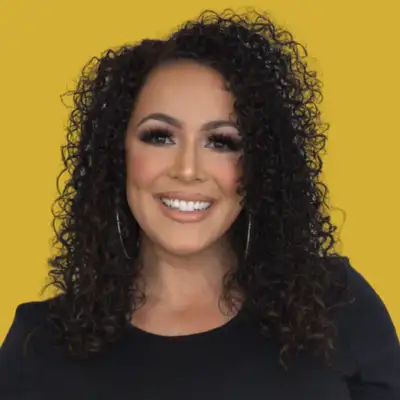
MortgageEase Unfiltered: Beyond Rates and Real Estate is the podcast that goes beyond numbers and jargon, tackling the real issues around homeownership, mortgages, and personal finance. Hosted by Nicole, this show digs into the latest mortgage trends, offers down-to-earth financial advice, and explores the ups and downs of real life—from buying your first home to managing the curveballs life throws your way. With expert interviews and practical tips, MortgageEase Unfiltered is your go-to source for understanding how to navigate both the mortgage world and the challenges that come with it. Tune in, get informed, and join the conversation!
Nicole Farrugia - MortgageEase (00:29.765)
Hey everyone, Nicole Farrugia here and this is MortgageEase Unfiltered. Thanks for joining me on another episode. The topic I wanna chat about today is the rate war obsession. And I really wanna highlight the word obsession. I've been using this word quite a bit when it comes to rates. again, because this is always unfiltered, just rates are driving me crazy now. I'm sure they're driving you crazy. I'm tired of them. I wish we didn't have to deal with them, but it's a thing.
But in terms of this obsession and why I'm using that word, I wanna kinda talk about what is driving this obsession. So my thoughts, first and foremost, it's a media hype thing. And what I mean by that is, know, gone are the days where, you know, the average person, you know,
didn't know when there was a Bank of Canada announcement or if rates went up or down or like, it's a thing now, it's everywhere. You can't turn on the radio or talk to your neighbor and not know about what's kind of going on with rates. And the thing is, that depending on the media outlet, this is not meant to bash them or be anything negative, but depending on the outlet, sometimes there is...
misinformation or maybe one side of a story or one side of something so you know it can always it can cause you know some some challenges and again, it's also tied to For me, I'm gonna call it. I don't know psychological factors I guess and you know people just love a good deal and so you know there's so much again obsession around that, you know people are just
again, they heard their neighbor bought this raid or so and so bought this raid or they're reading or the radio told them something. And so they're so obsessed on wanting to make sure that they're getting the best deal. And, you know, one of the biggest things in all of this is the misconception that all things are created equal. All rates are created equal. Lenders are created equal. If you're hearing anything from from this episode today, it is it is that they are not.
Nicole Farrugia - MortgageEase (02:36.709)
And so, you know, it's really important to understand and I'm to talk a little bit more about that But I think these are the biggest things that are, know, sort of driving this obsession We obviously came off some, know, really challenging years where again, of course, you know rates were The topic of conversation with all the increases and things like that, but there definitely still is an obsession, you know around them and like I said, it's
It's interesting for me on this side as well too, because again, like I've had times where I'm chatting with people and you know, sometimes I even forget the day of, know, I know the next Bank of Canada announcement is next week, for example, but I'll have clients or my realtors like, yep, it's this and this day and everybody's got it kind of got it penciled in. So interesting, but kind of keeping again with the fact that I said not all things are created equal. I'm to start by
talking about, we'll just call them low rate mortgages. So one of the biggest things that happen literally on a daily basis is I will have a conversation with somebody and we're talking about maybe they've got a pre-approval or we're just talking about rates in general and they'll say, but Nicole, I Googled and rate hub said this or such and such site said this. And they're looking and they're saying, there's rates that are much lower out there.
And so, you then we have to get into the conversation about the fact that again, not all products are created equal. So I'm not gonna turn this episode into talking about specific lenders or anything like that, but pretty much, you know, majority of lenders have, I call them a no-frill type of mortgage or, you know, something like that, but we'll just stick with the fact that they are very low rate mortgages. And the reason for that is because various things. For the most part,
they will have steeper penalties. So again, you know, the optics of it, it looks better. It looks like you're getting a good deal. But you know, in that specific product, there typically are much steeper penalties. So if you break that mortgage, you're actually going to, you know, it's going to cost you a lot more in the long run. And guys, let's be real here. Like life is unexpected as much as you possibly can, you know, predict or plan things, sorry.
Nicole Farrugia - MortgageEase (04:56.229)
you can't necessarily predict life. sometimes you have every intention of staying in your property for five, 10 years and two years in. mean, my own first property, like nine months in, I was looking at kind of changing and restructuring things because life happened to me. So life happens. And again, you might need to break your mortgage in which case there'll be steeper penalties to break it. Also with these low rate mortgages, they typically will have...
very limited flexibility. And so, you know, as a general rule for myself and how I treat my clients, I typically won't even offer these type of no frail products or these low rate, you know, mortgages. So somebody asks me about them, we'll talk about them, but my sort of general rule for myself and my mortgagees family is that I would not put my clients in something that I would not take myself or I would put my friends and family in. but.
Again with these these products there are very limited flexibility so you maybe don't have the option to Port your mortgage what I mean by porting your mortgage is oftentimes you can have the flexibility of taking your mortgage with you to another property So a prime example of that is if you sell your property and you want to take your mortgage With you most of the time that's only able to be done on a fixed rate But nonetheless that is a sort of you know privilege that you want to have within your mortgage so
A lot of times with these low rate mortgages, you will not have supporting privilege. A lot of times you won't have minimal or no prepayments at all. So nine times out of 10, the average mortgage in Canada is what we call a closed mortgage, meaning you will have a penalty if you break that in some way, shape or form. But within that, within the parameters of your mortgage,
One of the biggest sort of things that you want to make sure you have is some form of prepayment privilege, meaning you can either increase your payments or lump sums that you can actually pay into your mortgage and that money or those funds are being applied directly to principal. So it's a privilege you definitely want. So again, going back to these low rate mortgages, you often will not have that sort of privilege within these lower rates.
Nicole Farrugia - MortgageEase (07:09.721)
And then ultimately, you know, we always want to talk about the fine print. You want to, you know, make sure you're reading through any, any sort of agreement. But within these low rate basic mortgages, sometimes there's even what we call a bonafide sales clause, which just basically means that you cannot break your mortgage in or like pay out your mortgage, break your mortgage unless you actually sell your property. So a lot of times, you know,
majority of people at some point in their life of the mortgage will want to do what's called a refinance. That's where we again can take equity out. So the appreciation you have in your house, you can take out some of that money to go do renovations, but kids through school, what have you. And so, within these sale clauses now, and these restricted low rate mortgages, you cannot break your mortgage, refinance or do anything of that sort, unless you're actually selling the
So, and even within those sales, a lot of times it has to be what's called arm's length, meaning, you it can't be you're selling it to your family for next to nothing, just to kind of, you know, work around all of that. So those are things that are really important when again, it comes to looking at the rates because something as simple as, you know, a difference of 10 points, 15 points, you know, really could put you in a situation that your product itself is not very favorable to you. And again, if life happens, you're stuck with some of these situations.
The other thing I want to speak about is, again, not all things are created equal. And so even when it comes to lenders themselves, so let's look at a variable rate product, for example, and I'm going to talk a bit more about these things in a second. if we let's just use the big banks. Let's just say we have and again, I don't want to call it lenders here, but let's just say we have one of the big banks that the way they calculate their mortgage payments,
We call it compounding, so the way the interest is compounded. So you could have one of the big banks that you could have essentially the same rate, okay, so the exact same rate with one lender, one of the big banks, and that lender is actually going to cost you more, a decent amount more, just by being with that lender because of the way they're compounding. So depending on the situation, some lenders will...
Nicole Farrugia - MortgageEase (09:28.943)
do this interest compounding monthly, and some of them will do them semi-annually. So without boring you with the whole details of these numbers in this episode anyway, the point I'm trying to make is that again, you could have a big blue bank, for example, that is calculating a specific way, and then a big red bank that is calculating in a different way. And again, you think optically that you are getting the exact same rate, but you are actually going to pay.
Decent amount more overall with the one bank because of the way they're calculating their their payments and ultimately you're paying more interest So something again to also be mindful of I want to get into sort of the fixed versus variable as well because again This is really what the whole rate war comes down to as well too in the obsession and so we'll talk about right up what we'll start with fixed rates and so
basically just in a nutshell, kind of in summary, a fixed rate is a rate that you're going to get for a certain amount of time, typically five years, it is not going to change. Just for easy numbers and explanation, we'll say 5%. So if you have a standard term of five years, I know within COVID in the last couple of years, we saw a lot of shorter term rates, and that was because people are expecting rates to go up and things, I'm sorry, people are expecting rates to go down.
And so, you know, they're choosing shorter terms. But for the most part, the average term has always been five years. And so for the period of five years, that 5 % it is not going to change. Okay, so you have the peace of mind of knowing that you are, you your rate in your payment is going to stay the same for that five year period of time. And then when your mortgage is up, you can of course negotiate your terms. Now, fixed rates are tied to the bond yields and the bond.
And there's a lot of confusion around this. I'm not going to turn this episode into an economics sort of episode. But essentially, the bond yields in the bond market are, let's just call it volatile. So they're a bit of a roller coaster and they literally do this. And so, you know, they are influenced more heavily by just the economy in general. So I'll give you an example. Everybody thinks right now that rates are in a declining rate environment. And for the most part, the variable rates are.
Nicole Farrugia - MortgageEase (11:49.441)
Our lovely friends in the US had an election recently and as soon as that all happened, we actually saw the fixed rates over the last two weeks creep back up and increase. So that's just an example of again, how the bond market can influence fixed rates and lenders as a whole. And again, it can kind of be up and down. But it's interesting because on the variable rate side of things, everybody knows that the Bank of Canada
It's coming down, rates are coming down. Again, they know when these announcements are. But there's a lot of confusion around the fact that the decreases that we see happen with the Bank of Canada are only directly correlated in influencing the variable rates. So again, the fixed rates are going to be impacted by the bond market we just discussed and they kind of do their own thing. And the Bank of Canada is what affects the variable rates.
Just to kind of again recap with what a variable rate is, what we have is we secure you a discount. So for very easy numbers, let's just use the number of 1%. So let's just say if currently right now, for most lenders, most lenders prime is 5.95%.
If you had a discount of 1 % right now, you would have your effective rate, your actual interest rate would be 4.95, right? Because you get that 1 % discount off of whatever prime is. And that's how the variable rate works. So you secure whatever your discount is, and that discount comes off of whatever prime is. So as prime comes down, or if it were to go up, you would always have your discount off of that for the same term. So if it was a five-year term, for example,
that's how that would kind of work and you have that sort of discount locked in for five years. I want to just talk quickly about the fact that there's some confusion as well I find in my conversations with sort of the Bank of Canada rate itself, so that overnight lending rate, that policy rate, that's currently at 3.75 I believe it is right now.
Nicole Farrugia - MortgageEase (14:06.085)
But that's not the exact same prime rate that lenders have. I had like with the last Bank of Canada announcement, for example, I had people calling me saying, so I have my discount coming off of 3.75. And I'm like, no, no, no, that's not how this works. So I know it can be can appreciate it's a little bit confusing. But ultimately, whatever happens to that lending that overnight lending rate, that policy rate, whatever that you know, is that that sort of it's a trickle effect in the sense of lenders will typically mirror what happens with the Bank of Canada to their prime.
So if it drops or it decreases 50 points, for example, they will do the same thing off of their prime rate. Now I will also note the fact that I said most lenders prime is 5.95%, not all lenders.
A lender like TD, example, Manulife in some cases, like some lenders will set their own prime rate. And so again, when comparing rates, not all rates are created equal again, because you can, on a variable rate, you could think you're getting the same discount, but if it's coming off of prime that is higher, then obviously that's not going to be the same as well. And so I wanna talk a bit about how variable rates kind of got a bad reputation.
because that has been the case over the last couple of years, kind of post COVID. So I'll start by saying there are two types of variable rates. There is an adjustable variable rate, a traditional variable rate, which is what most people understand. So rates go up, your interest rate goes up, your payments go up, rates come down, vice versa, things like that. So that's pretty easy to understand. But there is also what's called a static variable.
And that is where the payments themselves will stay the same. So let's just use an easy number of $2,000. So if you're in a static variable, your payment will stay the same at $2,000. And if rates go up, more of that $2,000 will go to interest and less will go to principal. And if rates come down, then more is going to pay off your mortgage, more is going to principal and less to interest.
Nicole Farrugia - MortgageEase (16:18.149)
going back to this bad reputation, where the variable rate got a really bad reputation is obviously one because people's interest rates were tripling, and tripling and crippling people, we'll say. But for the people who were in that static variable, which was a lot of people,
The again, the pros to that are the pros and cons is that, you when they were increasing, you don't you weren't necessarily hit automatically with, your your payment increasing. But for those of you or for those people who didn't increase their payments themselves, right, like being proactive to do it. Well, then eventually they were getting to a point where, you know, that $2,000 as an example.
basically was not covering enough. It wasn't covering their principal and interest and ultimately got to a point where almost like renting your property essentially, right? And that's where the banks were calling. And again, so all of this kind of created this negative buzz. And again, this kind of like, know, bad reputation we'll call it. So, but all of that said, was warranted all of that fear and we'll even say the bad reputation, sure. But.
we're in a different sort of environment. Right now we're kind of coming off of all of that and we're now sort of moving in a declining rate environment or a decreasing rate environment as much as we can possibly plan and predict that's sort of where we think we are at. So we kind of did this and now we're doing this. And so the reason why I'm again, I'm bringing all this up and I'm talking about this and it's, know, in line with this rate war obsession is because I feel like a lot of times I'm having conversations and people are still
They're getting a bit better over the last little while, but people still are just like, Nicole, don't talk to me about a variable rate. I don't want a variable rate. Just give me a fix. And they're just like, you know, blind when it comes to it. They just want nothing to do with it. And so hear me out here, because I mentioned just a few minutes ago that the fixed rates, again, standard terms have always been five years.
Nicole Farrugia - MortgageEase (18:26.277)
But for the most part, even now, still to this day, people will call me and say, okay, hey, I want a two-year or three-year fixed. And again, they're doing that because the expectation is that we think rates are going to come back down. I'm gonna go on record here and say, we're not getting back to these sub 2%, 2 % rates, but with all the information we have available to us, we do think that we're at least moving in the direction of getting back to sort of pre-pandemic levels. And let's just, even for easy numbers, let's just say we get,
3.5%. So if we are currently sitting at, let's just say 4.5 % or 5 % right now with the average fixed rates, I'm just gonna be conservative and throw that out there. One of the benefits of the variable rate is that it can buy you flexibility and it can buy you some time to lock into a fixed rate. So,
Like when I typically have a conversation with people about variable rates, they're so against it because they're just so terrified that rates are gonna go up and things like that, or payments are gonna go up and they just don't wanna deal with that hesitation. Or they have that hesitation, they don't wanna deal with that stress. But again, if you came to me and you said that I wanted to go with a three year fix or a two year fix, it's because in your mind you think that rates are gonna go back down. again, you could...
take a variable rate today, if you're closing on a property today or you're refining a property today, you could take a variable rate today. And yes, that is the spread between that is still quite significant and the variable rates are still quite higher. if relying on all the information that we have available to us right now is still pointing into the direction of a decreasing or declining rate environment, regardless of where we're getting, we know it's going to get better. And if...
we revert back to what I said about sort of the fixed rates in the bond market and we know that there is a bit of a trickle effect. you know, by the time we continue to see these variable rates decrease or continue to decrease, and then we have that sort of trickle over to the fixed rates and, you know, the bond market stabilized a little bit and fixed rates start to come back down. Well, then we might end up seeing more favorable or much more favorable fixed rates in six months or nine months for now, as an example. And so,
Nicole Farrugia - MortgageEase (20:41.539)
by taking a variable right now, you can lock in to a fixed rate later, whether it's six months or a year or whatever the case is, you can do that without penalty. And that's the biggest thing I wanna emphasize is that you can do it without any sort of penalty. So there is no real downside in that case to be able to do it, because it's not gonna cost you anything. So you can still take a variable rate today with the mindset of wanting to have a fixed rate. You're just trying to buy yourself some time.
And again, I'm not trying to push anybody one way or another. It's very individual and there is no right or wrong answer. I just, really want people to understand that again, coming off of this sort of bad reputation, a variable rate in the climate and the current economy right now still might be a good choice and viable option for people. And so I think if you understand that, then you're a bit more open to what that would look like. And when I have conversations like this with clients,
A lot of them don't understand that they didn't understand that they're like, okay. Well that that makes sense. And guys, I'm not going to be able to myself or any other broker out there. We're not going to be able to say, okay, hey, in exactly, you know, eight and a half months is going to be the time to lock in. Like we don't have a crystal ball. I would have like be way less, you know, stressed and gray hairs if I had a crystal ball and I could, you know, predict what was going to happen. But for the most part, again, with everything we have available to us, that's the direction we think we are moving in. And so
you know, it might be again a viable option for you to want to look down, you know, go down that road potentially. And so I will kind of just again, leave off with you that all in all, everything I'm explaining to you is the fact that, you know, there is a lot of information out there and it is not a simple, you know, sort of, you know, decision when it comes to rates, but they...
are not all created equal. It is very, very important that you are paying attention to products like lenders, products, all of that. your best option in full transparency, guys, is going to be speaking to a mortgage broker or a mortgage agent that is not a plug for you to come and speak to me. Any mortgage broker or mortgage agent out there that there's tons of very, very great options for you guys, but check in with them and speak to them before.
Nicole Farrugia - MortgageEase (23:02.735)
You know, this is absolutely nothing negative to the banks themselves, but when you are speaking to the bank, they only have their product available to you and they are going to look to sell you their product. And so, you know, it's just very important that you understand these options. I have these conversations on a daily basis with people and a lot of the stuff that I've just mentioned right now are things that people don't necessarily understand.
And so again, my goal is to always educate you, make sure that you are armed with as much information as possible so that you can make the best decision and ultimate solution for whatever works for you, for your goals and your needs. So that's it for me, everyone. I think that's a wrap. Thank you for lending me your ear and stay tuned because the next episode is almost here.