Subscribe
Share
Share
Embed
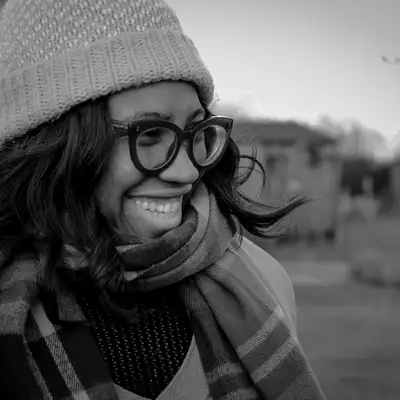
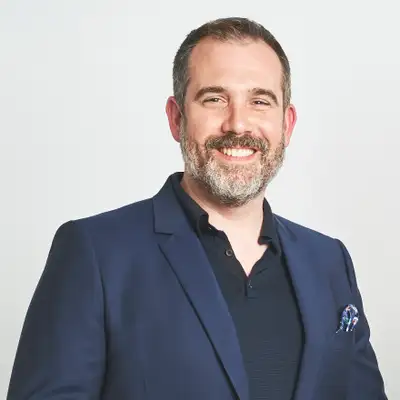
Presented by Doctor, writer and TV Presenter Xand van Tulleken and community health psychologist and self-proclaimed hippie, UCL's Professor Rochelle Burgess.
This podcast is about public health, but more importantly, it’s about the systems that need disrupting to make public health better. In each episode, we’ll be challenging the status quo of this field, asking what needs to change, why and how to get there. We’ll be joined by activists, scholars, artists, comedians and industry professionals to offer perspectives from the UCL community and beyond.
We’re calling this podcast Public Health Disrupted because that’s exactly what we want to do. We are going to be breaking down disciplinary, sectoral and geographic boundaries to really understand the diverse and complex issues impacting our health.
Rochelle Burgess: Hello and welcome to season six of Public Health Disrupted with me, Rochelle Burges and Xand, who is typically with us but can't be with us today, unfortunately. So I will steward the ship in his absence, reluctantly, but still excitedly, because we have a really brilliant episode today. This podcast is about public health. more importantly, it's about the systems that need disrupting to make public health better.
As UCL marks 200 years of challenging convention, we continue to ask the difficult questions. What needs to change? Why and how do we get there? And today we're exploring the infant microbiome and how the very earliest moments of life can shape health for decades to come. From a baby's first encounter with microbes at birth to the role of breast milk in developing the gut, we look at how early exposures, nutrition and biology influence lifelong health.
Our guests today help us unpack how maternity and infant feeding systems can better support health from the very start.
Our first guest to introduce today is Professor Meghan Azad. Meghan is a Professor of Paediatrics and Child Health at the University of Manitoba where she holds the Canada Research Chair in Early Life Nutrition and the Developmental Origins of Health and Disease. Her research focuses on the role of infant nutrition and the microbiome in shaping child growth, development and resilience. Meghan directs the Manitoba Interdisciplinary Lactation Centre and leads the International Milk Composition Consortium, a network advancing multi omic studies of human milk. She also serves as Knowledge Mobilisation co Chair for the Child Cohort Study, a national pregnancy cohort following 3,500 Canadian children to understand how early life experiences influence lifelong health.
And from UCL, we're also delighted to welcome Professor Nigel Field. Nigel is a Professor of Infectious Disease Epidemiology at UCL and our Vice Dean of Research in the Faculty of Population Health Sciences. He leads the Centre for Molecular Epidemiology and Translational Research at the UCL Institute for Global Health. So he and I spend a lot of time together at the same institute, which is great. And more importantly, Nigel leads internationally recognised work on the Baby Biome Study, which explores how gut microbes are transferred at birth and how this influences health later in life.
WOAH it's hard when it's just me. That's a lot. But a huge welcome to you, Meghan and Nigel. Thank you so much for joining us.
Meghan Azad: My pleasure.
Nigel Field: Thanks, Rochelle It's great to be Here.
Rochelle Burgess: And, to Meghan, before I ask our first question, I must say it's nice to have another fellow Canadian. It's always nice. I don't know if we've had lots of Canadians on. I don't. I don't know if you are first, but if you are welcome, an honour.
Nigel Field: Thank you.
Rochelle Burgess: So, Meghan, I wonder if you could start off to help us set the scene by helping us understand why the microbiome is so important for lifelong health.
Meghan Azad: Yeah, so the microbiome is all the microbes living in and on our bodies. Actually, a microbiome is a community of microbes, could be living anywhere. when I started doing this research was around 2010. Back then, I think it was not a word most people had heard. I think these days a lot of people hear the word microbiome because there's milk for your microbiome and food for your microbiome. and that's because until, you know, a decade or so ago, we didn't have affordable ways to study the microbiome, in a big way, but now we do. And so there's an explosion of research. And this community of microbes, which is a lot of bacteria, but also viruses and other small organisms, they live on our bodies and they do really important things to keep us healthy. So I think prior to the last few decades, when we think of microbes, we think of, oh, infections, things that make us sick. We've just lived through a pandemic. So, of course, microbes can make us sick. They can cause a lot of problems. But microbes also do really important things for our, body. So they, for example, help train the immune system. We'll probably talk about that today because we're going to focus on infant microbiomes early in life. So that's a time when our immune system is developing, our brain is developing, our metabolism, and all of these things are guided by microbes. so we really. There's been a recognition, a growing recognition that these microbes living on our bodies are really important for keeping us healthy. They help us digest food. So there's foods that we eat. We actually, on our own, without our microbes, could not digest these foods. Different fibres, for example, but the microbes help us digest
00:05:00
Meghan Azad: those foods and, extract energy. They make vitamins that we can't make, so all sorts of important functions. They make metabolites that don't even just stay in our gut, they actually can travel throughout our body. That's why we have something called the gut brain axis. So the microbes can influence our mood and how our brain functions. So really, the more we learn about the microbiome, the more we realise that almost every single health system and health outcome in our body is influenced by this important community of little friends.
Rochelle Burgess: I really like that you've called it a community. As a community psychologist, I, I think communities are everywhere and, and the idea that actually our whole biological functioning is sort of driven by these like, sort of communities of, of bacteria doing lots of really different things. But maybe I shouldn't be calling them bacteria. Nigel. I just wondered if you wanted to jump in here and maybe talk us through a little bit about some of the studies you've done in the uk. Maybe that sort of mother baby study. Is that the baby biome or is that another one under a different name?
Nigel Field: I'm.
Rochelle Burgess: I can't keep track.
Nigel Field: No, no, it's, it's baby. It's. It's baby biome study. So we got funding for this study in around 2013 from the Wellcome Trust and colleagues at the, at the Sanger Institute, near Cambridge. in 2016 and 2017, we recruited about three and a half thousand mums and their babies Right at the end of pregnancy and we got the mums to send us back a lot of the baby poo in the first weeks of life because, Meghan's talked about how important these microbes might be for health. and the moment of birth is a really special moment for lots of reasons, but not least because it's the moment that you really , start to get colonised. You start to be exposed to and experience these microbes. Babies are sterile in, in the womb and they come out and all of our body surfaces start to get coated with these microbes. And I, guess the, the really big idea is that, that the moment where you start to get, colonised by these microbes and depending on which ones you get and in which order might have really important impacts on health. And so the baby biome study was set up to try and explore that first, to try and understand how those first steps happen and where the microbes come from and then the. So what of whether that matters or not? so we had an amazing response and mum sent back tiny tubes of poo. We've got a huge freezer, as Meghan does in Canada, probably several of thousands of little vials of baby poo which we smash up and turn into DNA so that we can sequence it and work out what bugs are present and in what proportions But baby biomes basically has helped us understand three, helpful important things. One, that babies born by vaginal delivery have a really different microbial colonisation pattern, a really different microbiota to babies born by Caesarean. and the babies born vaginally seem to get most of their important bugs from the mom. whereas the babies born by caesarean section, the bacteria which were present were more like ones that we find in hospital environments. number two, we found that there were essentially three patterns that you get. So in early life you either get colonised by a bug of bacteria called Bifidobacter breve or one called Longum, Bifido longum or Ethicalis. And those bacteria seem to be really special in setting trajectories for what happens next. , what they metabolise and how they're able to metabolise milk and breast milk or other milks that ah, babies get. Seems to drive what other bugs are able to survive and grow in the gut. And the final bit was that we followed these babies up and we were able to see that in babies whose guts were dominated by longum, one of these bacteria that's Very good at, processing than breast milk. The children that had that, bacteria in their gut as the dominant one in early life were less likely to be admitted to hospital for serious lung, infections caused by viruses. So with care about
00:10:00
Nigel Field: the causation, because these are observational studies, they don't necessarily prove causality. It's really nice evidence to start to show that at scale it might matter which of these bacteria you get. So it's starting to suggest that things that happen to you right at the beginning of your life might have a role to play in, in whether you're at risk of infections in the first two years of life.
Rochelle Burgess: I feel very much. I've started taking notes. I really feel like I'm back in, like, microbiology or something. I just wondered, Meghan, if you wanted to jump in and add any, Any other, Any specific reflections to what Nigel's sort of introduced here.
Meghan Azad: Yeah, that's a great introduction. so while Nigel's team was doing the baby biome study in the uk, our team in Canada was doing a very similar study, called Child, the Canadian Healthy Infant Longitudinal Development Study. CHILD for short.
Meghan Azad: Recruited from, four provinces in Canada. And similarly, we recruited in pregnancy. And so the focus of that study really was to understand why this new generation of children has such higher rates of allergies and asthma. These types of sort of disruptions of the immune system. I think it's very similar. UK and Canada, other Western countries. when I went to school, I would have peanut butter sandwich every day. And now these are banned from schools because so many children have food allergies. Right. And the question being why? So we know that these conditions run in families, but, they can't be an entirely genetic cause because genetics don't change in the course of one or two generations in that big of a way. So. So it was really a recognition that something in the environment has got to be changing. But what is it? So the study, was designed to really capture as much information as possible about the environments of these families, so their home environment. We did very intense, assessments of the home environment. What cleaning chemicals and carpets and house plants and paint and furniture are in each home. we assessed the mother's diet during pregnancy, the baby's diet as they were growing up, all sorts of factors about their social environment as well. And, just as the study was getting started, the Canadian government put out their first, Canadian Microbiome Initiative. So this was a, sort of, this is a new area of science. We're offering funding for this topic area. And some of the researchers, part of the child study recognised, oh, we collected a lot of samples. You know, we're collecting blood, we're collecting urine, poo. We have poo. We can look at the microbiome. So, some of the scientists put in, a grant to study the microbiome in these babies. I had finished my PhD in cancer research, actually in sort of lab work and cutting up mouse brains. And I was had enough of that and I had decided I'd taken a few extra courses in, public health and epidemiology and I thought that I wanted to shift gears a little bit. and, one of the people who got the microbiome grant for the child study, was a person named Anita Kozierski. She's a pharmacoepidemiologist. So she was looking for someone to help her with microbiome research, and she was an epidemiologist. So we made a good team because I was able to use my genetic background because genetics is how we study the microbiome, and learn epidemiology from her. And so we started profiling the microbiomes of these babies, really initially just to say, what do the microbiomes look like? This is a brand new question. Is it similar in all babies? Is it different? If it's different, what makes it different? And then similar to Nigel's point, as the babies grow up, we know we're going to monitor for allergy and asthma development. And could the microbiome be playing a role in that? and so our first observations were very similarly. While the microbiomes are very different in these different babies, and what seems to drive that difference is, a few main things. How they are born vaginally or by C section, how they are fed breast milk or formula. and we've also done research on whether they receive antibiotics and how that disrupts their microbiome. So, yeah, two studies, sort of two different parts of the world, but in parallel. looking at a very similar question.
Rochelle Burgess: I mean, as, a, mum, I mean, I'll disclose this thing that, you know, will be all over the Internet, but I'm sure there's mothers everywhere that do the same thing. You take a lot of pictures of your kids poo. They're really small, don't you? I've only just finally deleted, like, the pictures I took of my son who's now like 8 year old. Like, you just take them all the time because the doctors ask you these questions. So it's, you know, the first thing I thought was like, oh, man, it would have been great for me to participate in that study. I was obsessed.
. And I just feel so cool that science is like, no, yeah, we can do something with this, with this interest that, that all mothers have.
Nigel Field: I think that's dead, right? And I really like that it's, is this waste product that you just throw away suddenly. The
00:15:00
Nigel Field: idea is that actually it's super interesting and there's maybe it's like really important and it is definitely a commodity that there is plenty of in early life. So.
Rochelle Burgess: But also that, like, something that we're, we're throwing away actually holds the keys to like, the beginning of people's like, healthy life pathways. Like, you know, like. So I think it's in a very, like, poetic sense. It feels very, almost like magical. . but I mean, so you're basically telling us about sort of these big, these big three things that, that sort of feels like, okay, where how a baby is born, like, pathway to birth, what they're fed. And these are like incredibly political dynamics of motherhood, aren't they? Like, how are you feeding your baby? Are you feeding your baby enough? Are they getting breast milk? Breast milk versus formula. Medicalized verse births versus natural birth. Elective C section. And I'm someone who's had children through both pathways. It's Quite an interesting thing. Now I'm going to be doing my own sort of observational studies of my children. But, I just wondered if you could talk a little bit more in some of the detail about , what do you think this means in relation to this sort of very political landscape around how we think about, you know, feeding choices. because it just feels very much like a mind, a minefield, because I'm, People take it very seriously.
Meghan Azad: So I can start on that one because, after doing my postdoc and learning about the gut microbiome of babies and finding that, oh, the birth pathway and the feeding pathway is important, I started my own lab and decided to really follow that feeding question and understand why is it that feeding, you know, breast milk is so important to the microbiome. And. And in the study we had also collected breast milk, and frankly I thought I would keep studying the poo and ask different questions, but by this point the microbiome is like a gold mine of science and there are people more senior than me, let's just say, in line to do all the M. Poo research in the child study. So I sort of was faced with this dilemma of like, well, I can pick something else or go start my own study, but this is an amazing study. I don't want to start from scratch. So, I realised there was milk in the freezer and nobody was fighting over that. And I said, okay. So I have spent the last decade sort of, analysing different parts of this breast milk also in other studies by this point. But to truly try and understand what is it about breast milk that's supporting the microbiome. And through that, of course, I've gotten into the field of breastfeeding and infant feeding and I feel like I came to it kind of through the side door or back door. Like I work now in this field with people who, it's been their career to understand feeding or do public support or breastfeeding. But I really came at it from the microbiome angle, very naively, I will acknowledge now, because at the time I thought, wow, isn't this cool science? Breast milk supports the microbiome. Not being a mom myself, I really didn't know how divisive of a topic it was, but I found out very quickly, and it's a very emotional topic. I now fully understand and acknowledge why, like, every parent wants to do the best for their baby and there's so much pressure from so many angles but people get really emotional about this topic. And so I think one of the messages to bring is that, like, when we're here talking about science and public health, we're thinking population level and what's best for society, not individual moms and what they should or shouldn't do or be judged for doing. but I think that the evidence shows, I know the data in Canada best. Like, over 90% of moms in the hospital in those first couple days breastfeed. So they've, you know, got the message they want to do it, they give it a try, and then by six months, only 30% of them are exclusively breastfeeding, which is the global recommendation. So what happened in between? There's data on that too. And if it's, you know, a particular mom says, well, three months was enough for me, I'm done. Cool. But actually, what the data say is most moms say, like, yeah, I stopped, I don't want to, but I had an issue and there was no one to help me and I had this struggle. So, like, they're wanting to do it, but the system is failing them. So that's what I try and focus on and say, here's this evidence how useful or important this is and how many moms want to do it and they're just not being supported. but I think at the end of the day, also, it's important to recognise this research on the microbiome and how breastfeeding supports it. This benefits all babies because the more we know about the importance of the microbiome and how feeding shapes the microbiome, the more we can help all babies, regardless of how they're fed. so we focus a lot and we can talk about the science, but you know, what, in the breast milk is important. and turns out one of the most important things are these sugars called oligosaccharides. And so these are sugars present in milk that the baby does not actually digest. So the sugar most people
00:20:00
Meghan Azad: have heard of is lactose. lactose is the main sugar in breast milk. Babies use this for energy. But these other sugars, the oligosaccharides, they're more complex and the babies cannot digest them. But there's a lot of them in there. and so for a while it was like, why would these be in the breast milk if the baby cannot even use them? And, now we know it's because the microbes are using them. So this milk is made not just to feed the baby, but to feed the baby's microbes. and these sugars are also not the same. It's not all, every mom makes the same sugars. They're different in different moms depending on their genetics. They're different over time. So milk for a very young baby in the first few days is different in its composition from a milk made a month or two later because the baby's growing, microbiome's changing. so I could nerd out for hours on the science of breast milk. And yes, it's a controversial topic for sure and it's ah, a challenging one for mothers, especially if they want to do this. But they have to be back at work. Like how does this all work? I think you have to be careful not to place blame and judgement on individual mothers because everyone's of course trying to do their best for.
Rochelle Burgess: And have you found that that evidence has helped you drive work to build sort of, let's ah, say breastfeeding enabling environments? Because I mean it seems like if we want to sort of really support women to engage in, in breastfeeding across very many complex circumstances, we have to build the environments to enable that. Right, so has this work helped speak to some of that sort of advocacy?
Meghan Azad: Yeah, 100%. So I think, you know, I like the quote that you know, individuals don't breastfeed, communities do, societies do. Like it's an individual maybe decision. I want to give this a try but after that it's who's there to support me when it doesn't go right and who, where can I pump if I'm at work? you know, so if society doesn't have these options in place makes it really hard. so early on some of my research, before I had money to actually analyse the breast milk was really just from an EPI perspective saying in this big cohort of 3500 babies we have information on how they were fed. How does that link up to their health outcomes? We showed that babies who were breastfed longer or more exclusively had lower rates of asthma when they got older, in a sort of dose responsive way. So the longer the better. and we published this research very intentionally in an American medical journal because they don't have paid leave in America as a national policy. And I think that's a really important point to make in that setting, all around the world, but especially there. and we also showed that pumping so Some of the moms pumped and that pumped breast milk, while beneficial, shall we say, or formula, was not the same as directly feeding at the breast. And I think there's maybe an assumption from a lot of people, including myself, oh, knowledge, starting this research, like, well, it's breast milk. Breast milk is breast milk, whether it's in a bottle, whether it's fed at the breast. But actually this makes a difference. And once I started thinking about that more, it makes actually a lot of sense, especially from the microbiome perspective. Like there are microbes on the mother's skin that the baby's ingesting while it's breastfeeding. There are microbes in the breast milk and if you go put it in the freezer or the fridge, those microbes are dying off. so the US having no paid maternity leave policy, does have a policy to give moms free breast pumps. so I think this again is a message like, that's nice, but that is not solving the entire problem. So please look at this evidence.
Meghan Azad: And again, this is not to shame moms who do all the effort of pumping because that is so much work and is still delivering many benefits to your baby. But just saying to the policymakers like, hey, this is not solving the problem, like, you're not off the hook.
Rochelle Burgess: Yeah. Nigel, I wonder if you could jump in here and pick up the other strand of it. So, like, mode of birth, if you could talk a little bit about that, some of the findings and sort of how it's been received. I remember when the paper came out about C section birth and there was huge response to it. I just wondered if you could talk a little bit about that.
Nigel Field: Yeah, we showed big differences between babies born by caesarean section and vaginal delivery. And as Meghan has said, we also see big differences between babies who have received antibiotics and not. And breastfeeding. There's also feeding patterns also really important in determining which microbes are present. And I think the point about, no judgement and no stigma is really important. The decisions about, birth and childcare in early life and really throughout the life have really got to be held in the hands of mums and families with the right advice from researchers and doctors. And I think it's important to say that the studies, child study is just absolutely phenomenal. And I think hopefully baby biome study has contributed and there are other brilliant studies. But a lot of the studies are, observational studies, which means that children and the families they have followed over time, but they're different from a randomised controlled trial where you've got a specific intervention that you can say these groups are entirely the same except for an intervention that's happening where you can say the differences that you see at the end of the study are likely to do with the intervention. So there's a nuance in the messages that come out of these studies which is that for example we think that some babies born vaginally have a microbiome that reduces the risk of lung infection. But it's not the same as saying vaginal delivery as a whole is the perfect thing. And there are interventions like vaginal seeding or faecal transplants from the mum to the baby which get a lot of press and a lot of interest. But the data coming out of studies like by the biome study don't necessarily support those, those interventions. not least because not all babies born by caesarean section get the health outcomes that we're worried about and not all babies born vaginally seem to be protected from , for viral lung infection . And it seems to me there are at least two things, there's probably other things that we can do from that. we can start to design interventions because it starts to tell us which microbes might be beneficial and in what combination to put them. And that allows us to do trials of those combinations to see whether if a baby has to be born by caesarean section or has to receive antibiotics and the microbiome is damaged, can we reconstitute it? Can we, can we do prevention science? Can we give them microbes personalised, potentially personalised biotherapy that puts the microbiome back on track and we can also potentially risk stratify so we can take a baby's poo sample and in the future may be able to say which based on the Microbiome, which ones might be at more risk of asthma or in the very long term cardiovascular disease or, I don't know, even dementia is starting to be linked to the microbiome.
Rochelle Burgess: I mean this is the tension, it feels like with emergent science, isn't it? It's like we find new things that are exciting and important and people sometimes want to run with them faster than we're able as scientists to sort of caveat stuff and to sort of create, you know, be like. No, no, no, no, no, that's, that's not, that's not what we meant. We didn't quite mean it like that. which is, I think part of, part of it also is, I suppose, how things are politicised but also how they're commercialised. I sort of see all these gut things that are being sold and they're, they're actually now, I never used to see them, but they're for kids. Like they have like infant ones and baby ones that you're sort of giving kids this gut bacteria. And I just, I'm quite curious as to about. Do you guys think that those types of interventions like, that, those interventions are in line with the science, with science and what little bits or the loss that we do know now about how important the gut is to health even very early on in life, are these, I feel like these are the kinds of things that parents and I mean, myself included see and think, oh, we know the gut, like a healthy gut is good for our kids. Should we be supplementing this through, through supplements? Do we do it through food? Like what are the ways in which we could I suppose engage with this, this knowledge in the here and now. But also while being cognizant of, I suppose, how things are hyper marketed towards parents who are worried about things and guilty about X, Y and Z. Because I feel like lots of money is made off of mother's guilt, let's say, and parents guilt.
Meghan Azad: Well, I mean to your last comment, lots of money is made off mother's guilt. Absolutely. And I think, this has been shown really well in the formula industry. Like, Because that's something I know there's a report from the WHO in the last couple years, I think it's a $55 billion industry and they went into sort of the marketing tactics, the marketing claims which are often not actually substantiated. Like when you go look on the shelf, there's so many options and of course you feel like, well, I should get the best one, I want the best for my baby. And. But much of the additives that are put in there actually don't have a lot of evidence behind them.
Meghan Azad: And so that's really, that industry has been around for a long time and had a time to develop to this point. I think the microbiome based supplements is a newer industry but like, why wouldn't it go in that same direction? I think it's very clear that the microbiome is so important to health. So then yes, we should try and find ways to support a healthy microbiome and what are the supplements or the ways of doing that. But I think that is still a relatively new science. But I think my sense is we're at a point where a lot of the, you know, probiotics, let's say, or other microbiome targeted supplements on the market are fairly one size fits all. and also I think kind of to Nigel's point, like where we want to go is to be able to say for this baby and their specific microbiome right now that we profiled or measured, here's the tweak that it needs and then be able to do that in a personalised way as opposed to just everybody take this one same supplement. The field is moving towards that, but it's going to take time. in terms of babies specifically, one thing that we've seen in our own data, for example. So yes, some babies are always going to need to be born by C section. That is a life saving procedure for babies, for mothers. Some babies are going to need antibiotics so we can do some education around. Well, does, is this C section really needed? Are these antibiotics really needed? Like there are countries in the world where the C section rate is 80% out of sort of Convenience and other non medical reasons. So that's too high. So maybe there's some work we can do similarly, it's been getting better, but there's, you know, a lot of misuse of antibiotics, giving them for ear infections, for example, which are normally caused by viruses, which won't be helped by an antibiotic. So education around these things can help reduce those exposures, but there's always going to be some. What can we do? We see in our data from the child study that babies who do receive antibiotics or who are born by C section and then are breastfed have a resolution of the microbiome damage that we would otherwise see. So to me that's a nice message that hey, if a, baby is born by C section, maybe that mother deserves extra support for lactation because actually having a C section is traumatic and those moms we already know struggle more with getting going with breastfeeding. So maybe like dedicated support or same if a baby is getting antibiotics, like give that mom the extra support. Of course, if breastfeeding is not an option for those families, then could we learn something from breast milk? So those special sugars I mentioned, there's other components of, of milk that are important for the microbiome. Could we draw inspiration from those to make, you know, the next generation of supplements or things that could help repair microbiomes rather than just sort of use the probiotic that's been on the shelf because everyone's been using it for decades.
Rochelle Burgess: Nigel?
Nigel Field: Yeah, quite, quite clearly caesarean section is a really important choice to offer women and families and it's often life saving sometimes for both the mum and the baby. The current guidelines in most places in the world advise that antibiotics get given to the mum who's about to have a caesarean section about an hour before the operation starts. And the main reason for that is because there's good trial evidence that that reduces the risk of infections in the mum after birth. But there's very little or no consideration of what the long term consequences for the babies might be. I think it's a really interesting sort of challenge for the, of how interventions that are necessary around the time of childbirth might have unknown and quite difficult to calculate the risk around consequences for the child. So how much does it matter, and really what is the risk of antibiotics plus caesarean section potentially without breast milk building for a child 20 or 30 years later in terms of influencing their risk of cardiovascular disease. And at the moment the discussions about the very short term risk of infection in the mum, which is really important thing to stop, aren't being balanced by consideration, partly because we don't have the data yet, but aren't being balanced by consideration about what the impact might be on the child of being exposed to antibiotics? Because antibiotics are given before the operation starts. Those antibiotics go straight into the bloodstream and will cross straight into 300%, straight into the child and the baby's then born with antibiotics in their bloodstream and trying to think about that and make really rational decisions in obstetric practise. and another thing that I just wanted to bring into this, which I really like is the maternal inheritance of the microbiome which sort of links to what Meghan was saying about microbes in breast milk. And what we've seen from both from baby biome study and child and other studies is that ah, the microbes that ah, seem to start colonisation for babies born by vaginal delivery are ones from the mum's gut, not from the vagina. And it's quite a sort of alluring idea that there's a good reason that most babies are born facing their mum's bum because they get a really important kind of lick of poo or the microbes around the perineum and gut at the moment of birth. It's like you're kind of present, ah, from the mom to get you set up with the right microbiome. And we're the consequences of evolution of many, many, many thousands and thousands of years. And how can we learn from those processes to, to help where medical practise means that they're subverted? And I think that's what these birth cohort studies can help us with.
Rochelle Burgess: I wonder if you would indulge me with one sort of final like sort of science y question. I wondered if each of you would mind sharing like what your dream study would be like. So if I was a money fairy, maybe one day I will become one just for the purposes of science.
Nigel Field: You should definitely be a money fairy, Rochelle. That'd be brilliant.
Rochelle Burgess: I think I would be the best money fairy.
Rochelle Burgess: What would be the study that you would design to help us make the most of this, this new science that we're sort of in the midst of? What would it be?
Meghan Azad: Well, first I'll say I don't only need a money fairy, I need a time machine fairy. Because, you know, the longitudinal nature of these things, like Nigel alluded to, we don't have the data yet because we would really love to see how these interventions or exposures in early life play out long term. And even if you have all the money in the world, you still gotta wait like 20, 30 years to see the life long impact or 50 years of these, exposures and data. So I wish I could like, speed up time too. So we're, for example, still following the child study babies. they're turning 16 now. . But like, I want to see like, what's their life and health and microbiome, like when they're 50, 60, I want to see their kids and how their babies are. But I think one thing that's important so, you know, with a child study that wasn't designed for, with microbiome in mind. Right. It was sort of this opportunistic, some of the things that I would do differently if I could, like, start over, that I've thought about over time are, to take the poo samples, earlier and frequently because we now know how rapidly the microbiome is changing in early life. So in our case, we collected at three months and 12 months. And we've learned a lot from those samples. But I would love to have one, you know, the first day, week and as often as possible and see how
Rochelle Burgess: it's like you're taking pictures.
. And then of course I would want the milk along with it to see, like, how is the milk composition changing? How's that influencing the baby's microbiome? and actually vice versa. One of the things I'm really interested in lately is the bidirectional exchange of microbes and communication between mom and baby in terms of milk composition. so I also want baby saliva, you know, all of these components to understand how they work together as a system. but I think maybe Nigel will say this instead. Like he's alluded to the fact that these are observational studies at the end of the day and to really understand what needs to be done, we've got to start doing interventions and understanding at a more causal level. So I think that's important too. And Nigel and I actually are working on a study now together where we've been able to kind of think of the learnings we've had from our past studies and do it differently this time around.
Nigel Field: So yeah, so we have some money from Wellcome trusts who've been extremely kind.
Nigel Field: We don't have a time machine. We're working on that. And so there's a study called Seagull, which is a new birth cohort study focused in Liverpool. It's children growing up in Liverpool. And an enhancement to that, which is called the 4M study, which is milk microbes, mental health and me and we touched it right back at the beginning and it gets at the idea that the very first microbes that you get and the way in which they are encouraged
00:40:00
Nigel Field: by breast milk and other milks that you might take and influence the way that the brain works. And looks at the importance of the gut brain axis. And so what we're aiming to do is we've got now thousands of mums involved who are giving us samples and we want to then follow those babies up, those children up as they age and look at their neurodevelopment and eventually their mental health because, a topic could have right at the heart of what you're most interested in. Richelle we know that mental health in adolescence and in young people is one of the big challenges of our time. And we're interested in whether there's mechanistic explanations found in the microbiome and nutrition that might explain how the brain develops and how mental health, some of the causation of mental health. So yeah, the Forum study is, Is to some extent a kind of wish list of all the things we would like to do.
Meghan Azad: Maybe one Thing I would add to that is all of these studies we've talked about so far today are in Canada, the uk. A lot of the other foundational research in this area has been in other Western settings. I think it's really important to think about the global south or low income settings where the environments and the diets and the challenges and the social environments are so different. And there's certainly been some research in those contexts showing that whereas we might be worried about mental health and allergies and obesity in these other settings there's concerns about stunting and wasting and malnutrition, and how does the microbiome play a role in that? And I think there's been an underinvestment so studying sort of similar questions but in those settings is going to give us potentially different answers about the microbiomes that are important in different parts of the world. So that's also something that I think is important in the future of research.
Nigel Field: The other wish list thing would be the immune, measuring the immune system because at least in baby biome study we haven't got blood samples and I would love to have a study that had milk, faecal sample, poo samples and matched blood samples or m ways of measuring the immune system. That would tell us about whether really the mechanisms are being driven through the immune system.
Rochelle Burgess: I mean, I think if you would add one extra thing for me, it would be sort of. And, I think I've talked to you about this before, Nigel. Very like deep qualitative cohorts and like m. They're running alongside this to sort of get at sort of people's attempts to sort of navigate all these different parts of life and how maybe meaning around those life stressors and life incidents might sort of be interacting biologically. Because, you know, that's. That is such a huge part of so much of it. And you know, with my wand, I'd allow a, qualitative ethnographic cohort.
Nigel Field: We, we'd love that.
Meghan Azad: That's a great point. And it comes up for me in the breastfeeding field because, for example, in the child study, so we've asked, we've had questioners like up the wazoo that families have answered. So I know. When did every baby stop breastfeeding? Yeah, I don't know why. Right. And so is it because, you know, the mom just decided, I've had enough. Is it because the mom . Had mastitis? Is it because she had to go back to work because she needs a paycheck? Is it like all these different reasons are important to know but we don't know them. So that's information that I wish we could go back and collect. because you're absolutely right. Like, there's so many dimensions to it. We have a little bit of. Like, we did stress questionnaires and we started probing that a little bit. For example, we find breastfeeding related to behaviour outcomes in the kids and we're trying to understand the pathways. Like one could be the gut. The gut brain axis. but there's other. Like we have measures of maternal stress and depression and parent child attachment and those absolutely explain some of the connections. So disentangling these with richer data, I think is a really relevant point.
Rochelle Burgess: This has been so fantastic. I think if you guys had been teaching me biochem, I might have made my mother's dream come true and become a medical scientist and sort of gone into a slightly different space. because it was really, cool and really interesting for me and so really thank you so much for a great chat. We always ask our guests to sort of end the session by talking about a piece of art or music or poetry that has disrupted your own thinking, about the world and, and, and research or your own experiences in the world. and. Yeah, and to share that with us, if you wouldn't mind. Nigel, let's start with you because I think Meghan is deeply thinking still about us. Me and Meghan have the same deep thinking phase. I think
Nigel Field: I can start. so I want to tell you about a really amazing tiny figurine in the British Museum. So I'm fortunate enough to work close to the British Museum and I go there, not enough, but a couple of times a year. And I always go and visit her because I think I probably first saw her when I was a teenager. She's in the Egyptian section and she's about 11 centimetres tall . And it's this absolutely beautiful figure of a woman, which is stylized and she's had blue stones added into her eyes and so she looks like she's wearing sunglasses. And so although she was made 6,000 years ago, she almost looks modern. And I just found that, image completely captivating. And I just love the, Love, the way that she's designed. She's also, I've subsequently understood, like a match. Maybe she's the fairy that's going to give us the money because she's magical and she's, an example of one of these pieces that gets found in children's, women's and men's grapes in that period. and the thinking is that they were left there as magical beings, as magical sort of totems to bring fertility and as part of the regeneration and, It's very much part of baby biome study and seagull, the idea of, sort of motherhood. But also in another part of my life, I do a lot of work on sexual and reproductive health and there's a nice link there as well. But I just think she's absolutely beautiful.
Rochelle Burgess: That's amazing. I have been to the British Museum so many times. It's Theo's favourite museum and we often go together. So when we go this summer, I'm gonna go and look. I'm gonna visit her,
Meghan Azad: Thanks, Nigel.
Rochelle Burgess: That's really great. That's really beautiful. Meghan, over to you.
Meghan Azad: So I enjoy art, but I'm not a person who goes to art museums or, like, buys expensive fancy art. But I commissioned an art piece, this year for the first time ever. And, it is a paper cutting of a microbial community. So it's like an artistic interpretation of a microbiome and Initially, I was at, like an arts and crafts fair in Toronto. and this woman who does paper cuttings was there. And she is an artist, but her mom was a midwife. So she grew up with sort of like physiology textbooks in her home. And as she became an artist, she liked looking at these textbooks. And so some of her paper cuttings are beautiful, you know, flowers and things. But she has different paper cuttings of, like, the intestines and the brain and the heart. And she had one of the breasts. And I saw this and I thought, oh, I have to buy this. So I have that hanging on my wall in my office. and then maybe something that's like a disruption of thinking for me as a scientist is five years ago now, I started a tradition in my lab where, one week in summer, , I sort of shut down the lab and we all take some time off. and this is because I was a somewhat of a workaholic. always working and always feeling like if I take time off, I fall behind. but I noticed one year at Christmas I didn't work for a whole week, which for me was wild. But when I came back, I thought, What about Christmas in the summer? So now I do this. so anyways, last year, during this time off when I, like, just sort of go hiking or cycling or think about things, I was looking at that breast paper cutting on my wall and I was like, this is so cool. I wish I had one of the microbiome beside it, because that's what I studied, breast milk and the microbiome. So I was like, oh, but she doesn't have one of them. Maybe she would make one for me. So I just wrote to her, I was like, hello, I have your beautiful paper cutting. Like, do you ever make custom ones? And I told her about my research and she was like, that's so interesting. And she made Microbiome, paper cutting for me She showed me this thing and I said, it's perfect. Like, I have. No, she said, you can have feedback because it's custom for you. I was like, no, it's perfect. so I have this microbiome art on my wall and the breast art, and it's my little inspiration. and also, I guess a representation of, like, if you think differently and give your mind time to just wander.
Rochelle Burgess: That's perfect. That's exactly right. I think that that's exactly right. And I also really like the idea that, you know, you. When you give yourself time and give yourself space, beautiful things come of it. Guys, thank you so much. What a beautiful way to spend an hour. I am sure Xand will be very jealous when he listens to the episode that he wasn't able to be here. I'm, so, so grateful. Thank you so much for making the time.
Nigel Field: Thanks. Thanks, Michelle.
Meghan Azad: Wonderful. Thank you for having us.
Rochelle Burgess: You've been listening to Public Health Disrupted. This episode was presented by me, Rochelle Burges. It was produced by UCL Health of the Public and edited by Annabelle Buckland at Decibelle Creative. Our thanks again to today's guests, Meghan Azad and Nigel Field. As UCL celebrates 200 years of opening doors, challenging the status quo and pushing ideas forward. We're proud to keep that tradition alive by imagining what public health could look like for the next two centuries. If you'd like to hear more conversations from UCL Health of the Public, make sure you're subscribed to wherever you get your podcasts. Search UCL Health of the Public to discover the latest events, news and research.