Subscribe
Share
Share
Embed
Hosted by longtime BNI leader and CliftonStrengths Coach Tammy Zurak, this podcast is your weekly boost of insight, inspiration, and action. Whether you're brand new to BNI or a seasoned member, these conversations will help you take your chapter engagement — and your business — to the next level.
Hello and welcome back to the Perfect 100.
Have you ever noticed how most business owners show up to networking early on and then
they disappear once they get busy?
They grow, they scale, and then they send someone else or they leave altogether.
But what if that's actually the mistake?
What if the very thing that helped them grow is the thing they shouldn't step away from?
Today's guest has been in BNI for 16 years.
Not his company, not his team, him.
At the same time, he's built a physical therapy business with multiple clinics, a growing
team, and nearly two decades of momentum.
So the question is how?
How do you scale a business without stepping out of the room that helped build it?
And what does he understand about consistency that most people miss?
Let's get into it.
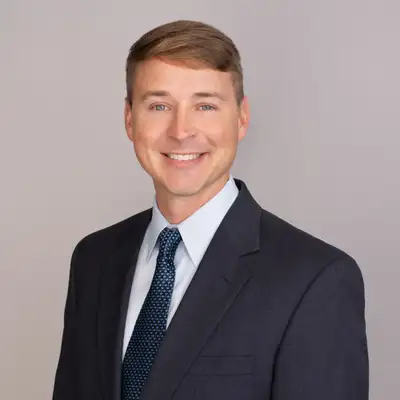
Hey, David Grigsby, how are you today?
great Tammy.
Thanks so much for having me on the Perfect 100.
I'm excited about being here with you today.
Awesome, I am excited to have you.
All right, we're gonna roll right into your 45 seconds.
Go ahead and tell us who you are.
Hey everybody, my name is David Grigsby.
I'm a physical therapist and owner of Mid-South Orthopedic Rehab.
We're a physical therapy practice with a location in Cordova, Tennessee, Cardinal,
Tennessee, and soon to be East Memphis.
We can also see you through Telehealth.
And what I'm looking for this week is for you all to look, listen, and smell for me.
Look for those who are having trouble getting out of the chair, having trouble getting
going when they first get up.
Look for those.
who have a difficult time bending over, maybe those using crutches or a cane, listen for
those who make noise when they do get up, when they do struggle getting up or bending over
because of a back pain or a knee pain, something of that nature.
Also listen for those who make excuses for not going to a family gathering or on a trip
because of a back problem or a knee problem that's stopping them from doing what they want
to.
And then don't forget to smell.
Smell for those who smell like an icy hot factory, Bengay factory, or even a
CBD factory.
Those are great referrals for us.
Look for those who are struggling to move, listen for those who are hurting when they
move, or stop themselves from getting out, and then smell those who are covering up their
pain with something topical.
Those are great referrals for us.
Awesome.
I always love the smell one because we all know what the Icy Hot Factory smells like.
You know when it comes in the room hits right in the face so.
yes.
nobody likes this.
Everybody likes the pain relief, but nobody likes the smell.
So but I guess they're they're one in the same.
So all right.
All right.
Perfect.
So before we get into business, let's in everything you've built, which is a lot, let's
let's go back to the beginning.
Tell us a little bit about growing up.
Where did your parents work in?
Do they do similar things as you?
um You know, how did you figure out helping people was the way to go for you?
Yeah, so I come from a family of ministers.
So my dad's a preacher.
My sister's married to a preacher.
My brother's a preacher.
I have an uncle that's a preacher.
So we like to say I'm the black sheep of the family or the only one that works for a
living.
But I will tell you this, through ministry, I've learned that relationships and love of
people definitely is the best way to help grow your business and establish yourself well.
Because if you don't have good relationships and you don't love people or
of one people, then it's a lot harder to grow a business, especially in the service world
that I'm in, which is physical therapy.
I grew up in Louisiana and I came up here to Memphis about 27, 28 years ago for physical
therapy school and started practice here after working with a large orthopedic group for
about five years.
So now I've been in private practice my 19th year.
So that's kind of my story of how I got here to Memphis and then Kim just blessed the
family I have that taught me about relationships and loving people well.
Awesome, love that.
And you have your own family and I think that probably, would you say, I know you have
kids that were in sports, that kind of a byproduct of, okay, dad can take care of us or
how did that all come together?
Yeah, so blessed with two children, now 23 and 19, which is hard to believe.
Both in competitive sports, both very active.
I kind of follow my wife and my lifestyle.
We're both very active.
We love sports and things of that nature.
busy because you're traveling with them, but it's amazing with anything that your kids are
involved in or that you get involved in and relationships you develop out of those times.
Traveling on the road with other parents so you get to know very well, getting to know
their kids.
getting to spend time with people that you never in a million years, even through your
business or through a church or something like that, you never would have been able to
connect with.
And it is interesting how many of those turn into business relationships out of just
developing that time together and spending a lot of time on the road or weekends.
uh It's been pretty amazing to see even the growth there, which just came organically over
time just because we had common interest.
Yeah, it's everywhere you put yourself, relationships tend to grow, right?
So that I think being mindful of no matter where you are, you're still representing what
you do in life because people, once they know and trust you, then they wanna see more.
Right.
So those relationships are everywhere you are very important for sure.
Yeah.
So was physical therapy always the path or did you kind of discover that along the way?
Well, I've always loved taking things apart and putting them back together again.
I've loved puzzles.
I love working with people.
I was always fascinated by the amazingness of the human body.
You've heard me speak before the fact that we're almost a hundred trillion cells in our
body.
Each cell has six feet of DNA in it that has nine billion characters in that DNA stream
that tells that cell what to become, what it's going to do.
And the fact that there's so much data in our body that those six feet of DNA can go to
the moon and back a hundred thousand
thousand times was just always fascinating me and intrigued me.
And the fact that we could do something through exercise or positions or even hands-on
work that could change the way people live and how they live because of what the body is
capable of doing uh just struck me as super fascinating for the very beginning.
So I didn't always know I wanted to do physical therapy, but I knew I liked people.
I knew I liked taking things apart and putting them back together again.
I always thought maybe I'd end up in orthopedic surgery or
something of that nature, but physical therapy is what I fell in love with through some
relationships that I had when I was younger.
I had a cousin who was actually paralyzed in a car wreck that I got to spend some time
with him and his physical therapist and kind of see them get him back on his feet, even
though he never walked again, but get him back to living life independently.
And I just thought that was very, uh very rewarding.
Very cool.
I hadn't heard that story from you before.
I think it's usually something that sets us down the path.
So when it's a dramatic event like that, that you can help support someone and see
somebody else doing something that brings you to where you want to go.
It's a really interesting uh path that was it?
Did it happen?
Not that situation, but the fact that you got to go and see the inspiring um kind of
change that set you down that road.
I always wonder if those things are meant to be, you know?
I don't think it's a coincidence, that's for sure, because it definitely had a huge impact
on my life and what I ended up doing.
Because for a while I was just not sure where I really wanted to go, what I really wanted
to do.
I had interests but didn't know and that helped drive me towards that for sure.
That's awesome.
So talk to me about being the early season of being a physical therapist.
You work for someone else.
What did that season look like for you?
That was a great season.
It was very busy.
I jumped right into a large orthopedic practice who at the time physicians had had a
contract with a physical therapy clinic or a physical therapy group outside of our
location.
And we had 15 doctors and all of sudden we went from three therapists working with six
doctors to three therapists working with 15 doctors.
And so we were seeing a high volume of patients to meet the demand until we hired more.
So I got the good old jump into the fire experience coming right out of school, which I
loved every minute of because I got to really experience a wonderful group of patients,
work with a great group of clinicians and doctors, which really established kind of
what I was interested in going forward in the orthopedic world and sports medicine world.
And that also helped push me towards opening my own practice.
You know, sometimes it's not the fault of a clinician, the business that you're in, the
surroundings that you're given.
And that was kind of the case where I was, was it's not that we didn't have great
clinicians.
It wasn't that the people weren't great.
It was just the way the business was run.
Made it impossible to take care of patients on a more one-on-one basis.
to take care of patients where they saw the same therapist every time.
And I just would consider that very often when I'd have four or five patients at a time
and I was standing in the middle of room pointing to a technician trying to help me or a
physical therapy assistant.
I just felt like I wasn't giving people the time they deserved because of the experience
that I was gaining and because of the knowledge that I had.
And so that helped drive me towards opening a practice where we could treat people as long
as we could afford it.
said, we'll treat people one-on-one individually.
They see their own therapist every visit.
They don't see a technician or an aide, which again, there's a place for that.
But in our practice, I wanted to be very one-on-one with the therapist.
And gratefully, we're 19 years in and 13 therapists.
And we're all doing that one-on-one with each patient that comes in the door.
So we feel like we've been very blessed because of that.
And that previous background helped me to experience what I felt would be better for us
going forward in the future and what's helped us be somewhat successful moving along as
well.
Yeah, somewhat successful.
I think it's more than somewhat, but yeah, the reason I send people your way is because
I've been a patient, my husband's been a patient, my stepson's been a patient, and the
thing I love most about your philosophy in reading up on you, I didn't know that this was
actually, I thought it was just a you thing, but it's actually a model that you work with
people with intention to understand how to fix their
usually if they're coming to you, right?
They have something wrong and give them the tools to move sooner away from you, which I
think is kind of the anti more corporate physical therapy group kind of structure where
they're trying to keep you there as long as they can get your insurance to pay.
And you you're the opposite is teach me what I need to do so I can go and do it on my own
and I don't have to fork over tons of money trying to figure out, know, why do I keep
coming here every week?
That was the big concern early on because our focus is on self-management for patients.
So if we can help you in the clinic, we feel great about that.
We break our arms, pat ourselves on the back.
But if you go home and you're doing the same thing you were doing before and getting the
same results, you're not going to get better.
And so, there are times we can intervene and that one visit sets people off and they're
fine.
But most people need something to help tissue remodel or to heal and to know how to manage
that not only in the clinic but at home.
So we spend so much time on the self-management side, not to neglect
the fact that they may need our help or the hands-on portion, but what are they going to
do at home for this when they need it?
So when they do get out of the chair and they're that old person squeaking and making
noise or not being able to go to a family event that weekend, you know, what can they do
instead that will allow them to go and manage that well and feel good and know how to
recover as well?
So yeah, we kind of joke that we try to work ourselves out of business, but through that,
I think, and we were talking about with the therapist this morning that I have here,
difference in where she used to work and here's the fact that you know almost feel like
you're working yourself out of business but people really appreciate because more and more
want to know what to do for the problem not just what can you do for me but what do do for
it going forward if they have that then they tell everybody about you because they'll get
the same same treatment or they come back to you for 15 other problems over the years
which is what I found if you treat them well and show them what to do for a neck problem
they come back say well how's your neck doing like well great but my knee is killing me
now so
Even though you think you're working yourself out of business, you're getting their trust,
for other people plus they'll come back for other issues as well.
Yeah, it's an interesting theme that we've been following lately here on the podcast is
it's almost doing less is getting you more.
we had I think you may know Bruce Upchurch, who's a custom home builder.
And he does something that is anti what other builders do, which is he he whittles down to
what you actually need instead of giving you everything you think you want.
And, you know, upping the budget, he's
pairing back to what you just what you need specifically and giving you just you know
making it affordable for you and that's exactly the same premise here is you're giving
people what they need the care they need and the ability to self-manage themselves versus
having to be reliant on coming to you not getting your full attention because you're with
other you know three or four or however many people are in the room that you have to
manage so it's a really interesting concept that
as business owners, we really want to sit and think about how do we make it so people get
what they need and what they want and it's, you know, that it's a long-term relationship,
right?
That's right.
Yeah.
You want to be able to serve people long-term.
We talk about primary care providers for your general aches and ailments and those things,
but you know, you want to be a primary care provider in the physical therapy world for the
orthopedic and sports medicine problems.
And you want to be a great conduit to other professions as well.
You want to be able to refer to those who you trust to do surgery if someone needs surgery
or to get that person on the right medication if they need it.
Or if it's a condition that we don't treat, which is very interestingly that we see
enough, someone will come in with a rheumatological
or neurologic problem that needs more than we can give them to refer them to the right
place as well and being able to recognize that is key.
Yeah, well, and I've had several of those challenges over the years with you.
I've avoided knee surgery.
I have a tear in my meniscus.
And we talked to the surgeon, and we talked to David, and David was able to manage my
situation and get me walking normally without surgery, which is always a plus for me.
And then the rheumatologic situation, I've had that myself.
the good thing about knowing somebody, having a good relationship with somebody in your
community that does things like David is he's connected to all of the other people who he
knows, likes, and trusts.
And so it took me, both my primary care nurse practitioner and David to get me in front of
a rheumatologist when I had a...
know, crisis essentially years ago that opened the door otherwise wouldn't have been open
when I called.
They were like, it's going to be a couple of months before you can see this person.
And I called my network and my network got me in the door the next week.
So, you know, it's an important thing in your care to have the right practitioners across
all the different fronts.
It's a big difference and it's nice to be able to do that after so long too to have those
people you can trust when you need to move people on.
And we have a lot of great clinicians in Memphis which is nice.
Yeah, for sure.
So you work with athletes, families, and people in pain.
What did you learn maybe early on that still shows up today?
Well, I think that we're all human.
know, the challenge for us all is that, you know, I've worked with Olympic level athletes,
professional athletes, those who do nothing to sit in front of a computer all day, those
who do nothing but watch TV all day, to farmers who are working, you know, 14 to 15 hours
a day.
And whether you're an Olympic athlete or you're a couch athlete or you're a weekend
warrior or farmer, we all have issues on the musculoskeletal front.
You're going to have some type of pain somewhere at some time.
It's almost part of the human experience.
But the goals are the same.
There is something that person wants to do, whether it's sit on the couch all day and
watch TV without hurting or perform an Olympic event that this pain is stopping them from
doing.
all have something.
that this pain is stopping them from.
There's a pain point driving them to us because on their own they're not getting better
and they need a solution.
So you see that across the years and across the different types of people that you see
that there's a pain point that's stopping them from achieving what they want to
functionally or activity wise or even in their leisure because it's amazing how many
people just hurt sitting and they can't get comfortable or they can't drive.
So there's always a pain point that drives them to us and helping them understand how
address that has been the key thing and the most important thing over the years for sure.
Yeah, I love that.
And I know so many people sit in the pain, right?
They just sit in the pain for so long because either they've been to someone else and they
think it can't be solved or they think it's too expensive and they can't get care.
But I found that with you is both things are not necessarily true is, you it doesn't have
to be super expensive.
And it also doesn't have to be something that because it's not along the way you manage
your clinic isn't
forever, right?
You're not seeing me forever.
uh You can give me the tools to get me out of that acute pain and a more manageable life,
which I love.
And then giving people analogies to help them understand.
I won't go into too many, but it's the lying on your arm watching Netflix.
You're lying there too long, your elbow starts to ache.
You think, I'm gonna be fine.
You stay there a little longer, your hand starts to get tingling.
Then you go, I probably should straighten my arm.
And then you're stiff.
It hurts to straighten out, so.
But you inherently know what to do.
You know to get out of that position, to go the other way, stretch your elbow out so the
sensation comes back, or you switch sides more often.
And a lot of issues are much that same way.
not, while they may be complex, the solution isn't always complex.
And we hear this from people all the time.
They come in, they're like, it's just those two things you showed me.
They make a big difference.
And I said, yeah, but it's like the elbow.
You if you stay like this for your back, it's going to hurt and get tingly.
If you can do this to your back, like you do the elbow, it makes all the
difference in the world.
So taking things that seem like simple solutions but we can't think of applying those so
they're convenient and effective to people really helped quite a bit.
Yeah, solving that puzzle is amazing when you have the tools.
em So you started nearly 19 years ago with a partner and an admin or two maybe.
And what gave you that confidence to go out on your own?
think we mentioned earlier about uh the directing people in the middle of a room versus
having the ability to work individually with them.
Postgraduate training is an uh MDT, mechanical diagnosis and therapy, which used to be
known as the McKinsey Institute.
And it really lends itself to you being in front of person, listening well to their
history, gathering that data from their history, putting it together in the objective
testing and assessment that you're doing to spit out the best outcome.
So it'd be like going to your doctor with chest pain.
You know if you have a lot of chest pain, don't want to go to the doctor and him say okay
You have chest pain here five prescriptions We're just gonna give you these and cross our
fingers and hope something works You know he could give you a medicine for heart attack
night your glyph so and he could give you a reflux medication He could give you an
anti-inflammatory for rib pain.
He could give you something for just Abdominal pain that's causing the problem, but you
don't want to go in there and just get five things For one problem that you don't know
what it is You want them to do some diagnostic work to test and figure out what the need
is so he gives you
proper treatment for that.
And pain should be no different when it comes to low back, the knee, the shoulder, the
neck.
So if people come into you you just give them a bunch of stuff and cross your fingers and
hope it's going to work, well, if it does, great.
But if it doesn't, those people are going to give up on what you're doing and it's going
to lead to more downstream issues and costs.
So if you can assess the needs specifically, show them what to do for it directly, then
you've got a much better chance of seeing this person get better in the long term.
So the catalyst is kind of where I was heading with this is that the catalyst is being
able to provide people the one-to-one care that you weren't able to do in your previous
life.
was there any hesitancy to go out on your own and build a practice?
and
I think, I think gratefully I was ignorant enough that I didn't realize until probably the
first day.
My wife was staying home with both of our kids, not working.
I, you know, first day I had one patient on my books and it was a real eye opener for me
that boy, I need to really work hard here and get this going because we have no income if
I don't.
I think ignorance helped a lot.
uh But you know, you learn very quickly and they always say the jumping into the fire,
right?
You learn quickly.
by doing and I'm a good learner by doing and that may have been God's way of laughing at
me a little bit and my belief that I could do anything but also the nudge I needed to make
sure I could.
Okay, so in the early days, what was that like when there's only one patient and you got
to pay the bills?
Well, it's motivating.
We're very blessed to some contract work that covered some of our costs as we established
ourselves, which was very helpful.
We left a large orthopedic practice with 15 doctors, you know, hoping with the
relationships we had there that that would carry over.
But when you're not part of that team and they own their own therapist, their business
model is deferred there.
And I get that as a business owner now is great business for them in the way it should be
for them.
uh So you had to really work on developing relationships, which takes time.
So you lean on your current
relationships, family, friends, former patients, colleagues, and then you develop new
relationships that do take time, but putting in the effort, putting in the work and the
time to do that.
I think back on one specific um doctor's office that we went to early on, there were three
doctors at the time and we had never done any business with them, but we were marketing
ourselves to them and we looked over and one of the doctors was sleeping in the corner
while we were talking to him.
We thought, man, this is just never going to work out, but
You know, 19 years later, they're one of my greatest referrals and they've grown from
three physicians to 12 physicians.
And they're one of my greatest relationships that I have in the medical community.
So you just never know where those things are going to lead you, but you definitely have
to get out and work hard.
And that was the hard part earlier is maybe not realizing or expecting that it would come
a little bit easier, but having to understand that, you know, relationships take time,
develop those relationships, lean on the current ones you have, and then focus on
developing
quality ones for the future.
I love that and I think that because we have a variety of listeners, know, in their BNI,
mostly BNI people, but they're all different in their journey as some of them are newer
starting out, others are like you where they're now seasoned and they've scaled.
And I think that a lot of the folks in chapters are single owners.
don't, you know, they're kind of back where you were at that point is trying to figure
out, okay, I've got to feed my whatever, the bills or my family or both.
and how do I make that happen?
So obviously BNI was a part of your journey, which we'll talk about in a minute, but the
grassroots, you were going out, introducing yourself, building what is the foundation of
things to come.
How hard was that?
Okay.
talk about literally knocking on every door and speaking at any spot we could speak to
whether it was a church or a, just anything, right?
At that point, you just think I've got to do something.
yeah, definitely, definitely pushes you along for sure.
Yeah, and so you went from that to now two clinics with a third on the way.
I think you said 12 therapists, 21 staff and onward, right?
So what were the key inflection points in that growth?
Well, you know, there's struggles in every business.
m
One of the struggles I early on, we opened in 2007, 2008 during the financial crisis.
So we learned a lot about people where they want to spend their money very quickly.
That was very helpful.
2012, when the ACA was introduced by Obama, primary care physicians ran to the hospital
and hospitals gobbled them up to keep all of their business from the primary care doctors
in the hospital system.
We lost 60 to 70 % of our business in a six month period
2012 and it was excruciating.
But in 2007 when we started our practice, the focus and the goal was on direct access.
So direct access is you don't have to have a referral for physical therapy in the state of
Tennessee.
So you don't have to depend on the physician for referral, although it's very nice to have
it and have those relationships.
But BNI was very helpful for that.
That's one of the reasons we got into BNI was to help grow the direct access side of our
business, which we got into in 2009, 2010.
And what that helped us with is developing relationships with people outside of the
medical community and getting our foot in the door to places that will allow us to get to
the patient early in the early part of care instead of downstream after they had gone
through the primary care, the orthopedic, the multiple injections,
the pain medicine, so it allows us to get to people early to establish care and help them
with the tools that we've given them.
So BNI was very influential on that for us early on because of those changes that were
coming.
We had no idea, but because we had focused on the direct access component within BNI to
get people more directly to us, when we lost that 60 to 70 percent of the business, we
still had enough business to carry us through that and help us.
So a lot of inflection points and then you know all of us
have stories of.
business partnerships and things of that nature.
So went through a partnership divorce, which was brutal at the time and took years to
complete.
But once that was done, it gave us the opportunity to grow and scale because we didn't
have those things that were slowing us down or weighing us down or restricting us.
And the demand was there.
We just needed the right people and we were very blessed with that.
lots of inflection points of the years that helped us grow and again, helped us set up
where we are currently today without
those different things I wouldn't be able to run a practice the way I am practicing it.
I wouldn't have the partnerships I have now and have the contracts established the way we
do with having been through those processes.
So a lot to lean from, glean from and learn from over the last 19 years for sure.
Yeah, love that.
you stayed in and you've even brought other of your people into BNI.
So how do you decide when to bring people in or when to keep it for yourself?
It's a good question.
For me personally, it's so helpful for me because I'm with patients, you know, not every
day, but oftentimes 730 in the morning to 530 at night, depending on the demand and how
many clinicians we have.
So if anybody is a PT out there watching this, by the way, we're looking for new PTs.
We'd to have you.
Bringing, for me personally, staying in BNI has been very valuable because it continues to
connect me to business leaders, uh people who think outside the box, especially when it
comes to medical practice.
uh
those that are outside of medicine in the business world that have just information and
experiences that I've learned a ton from that have helped me to grow and establish new
things as we're moving forward.
So for me, it's still invigorating and encouraging to meet new people.
And because I'm with patients all day to give me resources outside of the practice in the
business world that have developed so many good relationships for me.
So choosing to have clinicians
in the chapter is probably the toughest part because not everybody's cut out to do
networking and not everybody needs to do networking within your practice to the extent of
BNI but they need to be involved in some way.
So I do have some that are very goal-oriented moving forward who want to own their own
practice in the future or who would like to uh lead a clinic as we continue to grow and
those are the ones that tend to get involved in BNI so they can grow their own.
uh
business, to speak, their own patient load through that direct access model that we
mentioned earlier.
I like that.
And you also, just because I've been in your chapter before, you have a uh unique process
where you have interns, is it called interns?
Yeah, where they come through, they're still in school, so they're working a rotation with
you and you always bring them to BNI with you so they can see that.
So tell me about that.
What made you decide to do that?
Yeah, one of the draws of our practice and we only take.
last year physical therapy students and their fourth and fifth, their fourth and fifth is
their last clinical internships.
But the draw for a lot of them is to get the business experience to understand a little
bit more about what a small physical therapy practice looks like that's growing, that is
independent.
We're not owned by a venture capitalist company like a lot of the practices are.
We're truly self-owned and independent.
And so they want to get a full vibe and feel for that.
So BNI is a great way for them to experience the networking side.
And you know, you would hope that some of those students would stay on and work with you
as a physical therapist and some have.
And a couple of those, because of that, have ended up being in BNI for me because they
love the experience, they love the relationships, they love the growth.
So you want them to see kind of the background of what's going on.
Not everything, obviously, but you want them to get some feel of the background.
And BNI is a great way for them to learn the business side of it, networking side of it,
hone their own 30 seconds moving forward and help them with their communication skills.
very helpful and they all mention at the end of last two months that they're there how
much they appreciate that experience along with some of the others that we give them.
Well, and I think maybe again, we've hit on something unique and interesting is that
because you're in a medical type situation, it makes sense.
There are interns, they come in, they work with you, they move on, whatever, or they stay
in your business.
But other businesses don't really have interns really.
You said you're a small practice by comparison to others.
I mean, think you obviously at this point, you're bigger, but you've been smaller.
But you've now...
for lack of a better word, groomed some people to come into your business and then build
into BNI as well.
And I wonder if you haven't hit on another interesting point that you don't have to be in
the medical field to grow those support systems because if you're gonna scale your
business, you need people and you need people to understand how you operate and how you
grow.
And then they're adopting those same practices for you in your business through them,
right?
Well, think we all have systems, right?
Systems to run our practice, systems for the financial side.
You know, I concider BNI to be a system that I use on the marketing side and the
networking side.
if they have to learn the electronic medical records system for our business, if they have
to learn the home exercise program system for our business, then I want them to learn the
BNI system for networking and marketing to establish relationships, especially if they're
not from here and they're gonna stay here.
It's a great way to connect quickly.
And again, you know this because you've been in it for a long time.
watching this that's involved in BNI knows this as well.
It's never the...
referral you get directly from one of the members of the chapter.
It's the member who says, hey, for instance, I had a commercial insurance member when I
first joined, he said, hey, I've got a great friend on it's personal trainer.
think you guys would connect great.
Well, he took us to lunch commercial insurance guy and a physical therapist having lunch
with a personal trainer, which has turned into multiple tens of thousands of dollars
referral for me over the last few years.
And same for me to him because of our relationship that we've developed together.
So you just never know where those are going to come from, but you hear those stories all
the time of, it wasn't somebody within my own power team.
It was somebody completely out of the power team that heard what we were saying and what
we needed, connected us, and that's turned into a 15-plus year relationship.
you know, I ventured against maybe an $100,000 referral over the years because of all the
business that he sent my way and vice versa.
you're always looking for those experiences and helping others see that as well.
And the students really enjoy that.
Yeah, and I think it's really cool that it's not your, know, health teams seem to be a
little more challenging in BNI for a lot of reasons, which is one of the reasons I was
excited to talk to you is because you are in a health profession that's very busy, but yet
you're still here.
You're the one, it's your business, which is what the opener was about, Is you're, despite
what a lot of people do is come in.
as the owner get busy and then they either move on because they can't handle the flow
anymore of what all has been sent to them or they put somebody else in who isn't
necessarily the best representation of them, but it's at least still there, but they end
up leaving too because they're not the owner, right?
So your consistency is one of the things I really wanted to dive into a little bit.
So talk to me a little bit about why you, you you've stayed
that personal, you you're the relationship.
And obviously I've built that relationship with you over time.
I'm still, I'm not in your chapter still sending you clients potentially from other
places.
And I'm sure you have that with others.
So talk to me more about that.
I don't know if there's a magic answer to that question as far as why I've stayed, except
for I continue to see the value that BNI and the members bring, not only to me, but the
relationships I have.
And I've talked about relationships a lot, and it's the one key point I always talk about
when it comes to BNI, is the fact that I continue to develop new relationships.
So in our chapter, within other chapters, connections with people internationally.
that have some type of experience that, especially me as a physical therapist who entered
the business world, I had no business background, I don't have an MBA, that I've gleaned
so much information from and learned from, and even now today, still learn from, that has
been invaluable to me.
So I don't feel like I owe it to BNI to stay in it, but I still see the value from what I
gained from the members that are there.
the relationships I have to refer to and then I can't tell you how many times I know
you've seen this as well where I don't have somebody and I need somebody in a certain
profession and you send it out to the 41 42 members of your chapter and you get 17
suggestions very quickly and it makes a lot easier on you than going on to Facebook or
some of the other apps that are out there to help you try to referrals or people to do
business for you if you need that business.
But BNI has been a great resource for that.
And it's one of the reasons why I definitely stay.
That and I feel like it keeps me sharp.
It keeps me out of the clinic on the marketing side to allow me to be able to participate,
which is helpful as well.
Participate in the sense that doing one-on-ones with people, learning more from them,
demonstrating the stint or continue to learn.
grow from the CEUs that are out there that help from a business side.
So again, it's been helpful for me just from a business standpoint to grow as well.
So it's one of the reasons I continue to stay in BNI.
even though we'll be in our third practice here soon in time's limitation, I thought maybe
you're going to throw me under the bus today because of my power one, but I'll go ahead
and mention it.
You know, we've got new therapists.
Yeah.
Yeah.
And I'll go ahead and throw myself under the bus.
But we've got new, you know, the last six months have been crazy because we've got new
therapists, new staff, we're training, we're mentoring, you know, some
these that required me to be out of BNI on these certain Thursdays that we go.
It's required my time away from one-on-ones to establish these times with these clinicians
to help them understand and grow and learn and to help other clinicians step into that
role.
So there are times where even because you've been a long time, you're still going to dip
and dive with the flow of the business and what's going on.
So I've learned that don't give up just because you're in a dip and a dive with BNI.
Stay consistent.
Persistent comes back.
it comes full circle.
And a lot of times the people in that chapter are the reasons why it comes back full
circle as well.
Well, and do you feel like it's the people, obviously it's the relationships that
everything you just said can boil down to.
It's the relationships that I keep and build over time.
Do you feel like that has evolved for you where early on it was maybe different than it is
today?
um What does that look like?
think so, and it's interesting.
Some of the relationships you thought you might grow in, you don't.
And that's very interesting to me that, but I think that's anything in life.
You know, like some old friendships that you had that you thought you'd be best friends
forever, but you grow separate ways.
The same thing happens in BNI.
But yes, there are still some tried and true people that I can go to if I have a problem,
or they come to me if they have a problem, and we problem solve it together, and we can
sit down and talk through it.
And that's still very, valuable for sure.
Yeah, I think that again, kind of a consistent theme across all the podcasts is having a
network of people for a variety of reasons is kind of the key, right?
It's not just, yes, we're all here for referrals, but it's more than that.
It's, you we have those, some business relationships, some personal relationships, but at
the end of the day,
who else is closer to you that wants to support your business on an ongoing basis than the
people you see in that room every week, right?
I mean, it's why it's called givers gain or the motto is givers gain, right?
Because the more you give, the more you gain.
And it's so true.
And I think it's the same thing with relationships, which we've mentioned so much and
you've had other people talk about it on your podcast in the past.
is the relationships are critical.
But if you go into it just wanting for yourself, there's not really relationship there,
right?
But if you're willing to give and you're listening to what their needs are and you're
helping meet those needs, it's wild how quickly people want to do the same thing for you.
Yeah, it definitely is a binder.
it's like when you, you're gonna look out for those that look out for you because it just,
matters.
feels, you feel the care and you wanna return the same to them, right?
So, all right, so you mentioned throwing you under the bus.
Let's, I wasn't gonna put it that way, but let's go through it so people can see and hear,
so.
On the screen, I've got David's Power of One and Palms report.
So from the left, you have a total score of 45 in the red.
Attendance is 10 points in the red, 15 points for referrals per week in the yellow.
Visitors per week is a zero in the gray, one-to-ones per week, five in the gray, and CEUs
15 in the yellow.
And then for your Palms report,
So absent, well present, which is not on there now, but at the bottom, present 19, so 19
weeks, um absent two, uh referrals given, I think you had, looks like there were a couple
subs in there, I believe as well, yeah, two subs.
uh referrals given inside two, referrals given outside 24, referrals received inside
three, referrals received outside 21, visitors zero, one to one's 10.
Thank you for closed business given 59,000, if I can see 622 and 20 CEUs.
So you've kind of alluded to that and obviously with the new clinic opening, this is life,
right?
Is I look back a couple months ago, you were in the yellow, which is where ideally we want
you to be.
But I was thinking about this slide and you and how long you've been in BNI and it's a
It is a journey, right?
you're, when I think about members, and this is the perfect 100, so we have to talk a
little bit about it.
When I think about members, ideally we want them in the green, or we definitely want them
in the yellow.
But when you look at somebody who's been in, for how long, how many years did we say
you've been in BNI?
16 years, yeah.
yeah, so long enough to understand the value and us the value of you.
And that is the difference, right?
Is when we, everybody has life in, know, and this is in a good way.
think it's not just, we often hear about bad things happening to people.
This is actually something good happening to someone, namely you.
So we wanna support you in the, do we want you to be read?
No, of course not.
Because you're not.
You said it's a system, right?
So it's a system that we want everybody to utilize to its fullest extent.
But we also understand that as you're scaling, that requires time to do that.
So sometimes these little things are gonna happen.
It's the longevity when we look at, does this person always, are they always in the red?
No.
You know, have they, are they're almost never in the red.
So, you we start to weigh those things and decide.
from a membership standpoint or from a leadership standpoint in a chapter is this is just
a blip.
So we give the grace to say we get you and appreciate you and want you to be here because
you understand it.
So I'm going to let you respond.
Yeah, I think there's some things to glean from that for sure.
Yeah, there's always excuses for anything you don't do well in.
been president, I've been vice president, I've been growth, know, membership committees.
I've done it all over last 16 years, multiple times, and I've spent four and five years
straight in the green and then I've had times where you're in the red and that happens.
I think one of the interesting things to look at and one of the things we often look at
with members in our chapter, or at least we have in the past, is thank you for closed
business.
If you look at the last year, I've had one week there's not been thank you for closed
business turned in because of a referral I gave.
And so there's still work
there going on, right?
It's not like it's just completely falling off the cliff.
There's still referrals going out.
There's still connections that are being made.
People are still gaining from the referrals that are sent, so good quality of referrals.
And sometimes that gets lost in the track as well because you had to miss a couple visits
for working with this therapist doing this or that, or you didn't have the one-on-ones
that you need to have because you're having to focus on growth.
There's going to be those times, but I think the nice thing is if someone's not being
active and they're not really working BNI, then there won't be
thank you for closed business turn in for what they've done.
And when you can look back at that and see, hey, that person's done great.
They've actually, there's not been a month that they've missed where people have given
thank you for closed business because of the referrals they've given versus the person
that's had thank you for closed business once in the last 12 months and they're in the
gray at 20 and not doing anything.
So you can still see that people are working even though life circumstances happen and
thank you for closed business is a great way to reflect on that and look at that.
And we've seen that in the past with some of our best members who had a couple
bad quarters where they didn't do very well.
But I mean they gave $150,000 in closed business because the referrals that were quality
that they gave.
So there's definitely those things to consider and look at as well and that gives a little
bit better insight on you know are people still working within the system or are they just
showing up or looking to have coffee?
Coffee and a McDonald's biscuit is it worth that?
And you know that's what some people need.
em
Yeah.
And, you know, having had my own journey, you know, I've not always been a perfect 100 and
it takes a lot of effort to be able to do that.
the consistency, you mentioned, you know, systems before it, working the system is a, it
is a balancing act, you know, to be able to do all the things well.
I look at it, you know, I've definitely fallen into the yellow before.
and I'm only hurting myself.
At the end of the day is I'm, I still, like you just said, I'm still giving, I'm always
gonna give, because I am innately wired to connect people.
I cannot, I went to a networking thing last week in a city, well, Collierville, for those
of you that are listening that know where that is, nearby, nearby but not nearby, it's
about 40 minute drive from me, and.
Not something I go to often because I just tend to stay closer to my, you know, what we
all do closer to home.
And I saw people I hadn't seen in a long time, but I also met people I cannot help myself,
but to, know, you need to come to visit to BNI meeting.
Can I help myself?
And I was just like, I gotta stop.
Somebody stop me.
But you know, there's value regardless, but when you slow your activity, hurts you, you
know, not necessarily others.
that's the, the other side of that is we need to look and go, okay, wait a minute, I've
invested here.
So I wanna make sure I'm getting my stuff too, I guess.
Yeah, I mean, that's why you're there, right?
You're there to give.
because givers gain, but at the same time you are wanting to make it worth your time,
worth your effort.
so you do have to consider those things for sure.
There's always periods in life where those things are to happen, but uh the biggest thing
is making sure that person's staying active, they're putting in the work and they'll get,
they bounce back.
mean, it's always happened for me as well, especially this long into it.
If not, they would have kicked me out long before and rightly so.
Yes, yes they would.
Yours is one where they actually do.
all right, so let's take a turn into your Clifton's strengths because some of this will
make lots more sense what we've been talking about based on what your strengths are.
So your number one is belief.
You have certain core values that are unchanging.
These values provide direction and strong sense of purpose.
Your number two is developer.
You recognize and cultivate the potential in others.
You spot the signs of each small improvement and love when you see someone make progress.
Your number three is learner.
You have a great desire to learn and want to continuously improve.
The process of learning rather than the outcome excites you.
Your number four is connectedness.
You believe everything is linked and that there are few coincidences.
For you, everything happens for a reason.
And your number five is arranger.
You are both organized and flexible.
You enjoy figuring out how to align people and resources to get the best results.
So for me, it was funny reading your assessment because I know you.
uh None of it was, well, I'll ask you how you felt about it, but there were not any
surprises to me knowing you the way I do.
um But there were also some dualities in how, because of what you do for your, you your
living and also just how you are with people.
So tell me more about what you thought when you read it.
Yeah, if you had told me to pick five, I think there's 34 or something like that.
So if you told me to pick five, those were probably the five that would have picked, which
is very, you know, it wasn't a surprise to me.
It was just a good validation of kind of who I am and reminding what I've been doing as a
business owner and how I'm trying to do things here.
So for me, was, uh, it was, I don't want to say validation, but it was encouraging to see
that there was consistency in at least how I'm trying to live and how I'm trying to
perform business and take care of people.
and connect people that was very encouraging to see that.
Love that.
What do you think, after having read what they all mean, what do you think shows up most
in your practice?
um that shows up most probably belief.
I mean, I'm very strong in my convictions of who I am and what I believe and, you know, my
Christian beliefs, but also my beliefs as far as.
what's best for helping patients for self-management strategies for long-term care, best
treatment of people, things like that.
So belief would definitely be a probable number one for me for sure.
And out of that, it seems to be everything that I do business-wise or in life is based on
those beliefs that I have.
Okay, well, and learner was not a shock to me.
You've published, you study, I know you stay sharp in what you do.
How important is continuous learning to you in your field?
You know, it's really funny you say that.
I was reflecting on that a little bit as we were preparing to talk.
Yeah, you spend your whole life when you open your own practice, trying to learn as much
as you can about the practice and then trying to grow your practice, trying to promote
yourself, you know, between the research and outcomes that we've done and you're speaking
at conferences, you know, being a coach to other people.
You do all this stuff to grow and build yourself up.
And then all of a sudden you find yourself pouring all of that that you've learned into
other people so they can do the same thing and grow within your business.
But through that even you learn because you make mistakes because not everybody is me and
people are going to learn differently and they're going to grow differently.
So what I do for this person that was great for me to help me learn and grow is totally
different for this person over here.
And so you learn from that even.
And so I was reflecting on just the growth we've had and the number of people that we have
and from employees to contract workers and the growth from the
learning with communicating with them, developing them, making sure things are right for
them has been very good.
Yeah, it's a well and you know, all the things you just said apply to me as well.
And you know, I think that it's a it's a journey, right?
So and when you what's that saying?
uh When you want to teach others when you want to learn, there's a saying in there about
you figure out what you don't know when you try to teach others.
em it's one of the things.
Exactly, but it's it's one of the reasons why I wanted to be a
Clifton Strengths Coach I got certified for because it's, we think people are like us
until we start to try to communicate how to do things and we realize they're not like us,
right?
They're not all like us.
We love the ones that are like us because they're easy, but the ones that are not are the
challenge and when you can, when you take a group of people as a coach is when I look
across a team of people and see all the different strengths,
We can all do the same work, but we're doing it through our strengths.
what oftentimes is not my strength is how they're trying to do something.
So I have to adjust how I'm thinking about things and operating to how they're seeing the
world.
And I love this so much because I get to walk around inside people's heads and see how
they see the world.
And just when you think you do know it all you realize yeah, there's a lot to learn for
sure which is for someone who's a learner that's a great thing for me is you just you're
never at the end of your rope when it comes to learning there's always new experiences and
new growth that will teach you and You just pray you learn quickly and you learn well, so
you don't pay for any mistakes for sure
Yes.
um So as an arranger, which I also love my arranger people because this is my arranger is
not super high.
I love people who have that innate ability to put people in the right spots doing the
right thing.
So you've built teams, you've built systems, you've built clinics.
How do you think about putting the right people in the right place?
You know, it's funny that I'm not always sure I knew that very well.
Even though now I've learned so much about people, you know, you can read people pretty
well.
You can give them tasks to learn if that's going to be the right thing for them or not.
There are certain folks that I have with my business that I could have sworn I could have
given them this task and they could have done it and it was the worst thing for them.
But then you look at their characteristics and the behaviors that they have and then you
realize that wasn't right for them, but this is going to be the right person.
So some of it for me is a little bit more trial and error as I learn, but I've been
blessed with so many good people.
I mean, I have some people have been with me for almost 19 years, 20 years, and others
been with me 10 plus years.
So.
Some of that just fell into, they just took it over for me instead of me giving it to
them, which was a great blessing.
So I have great people that are willing to do that.
And then you do learn by getting to know people and developing relationships with them as
you spend time with them in your clinic.
And as you do things outside of the practice, uh to grow the practice and get to know
everybody a little bit more about who they are and what they're going to be best drawn to
and what they're best going to enjoy versus that's not right for them.
And we need to give it to somebody else.
So and then you just have your folks that will take over any tasks you give them if
they're not good at it They'll still try And you're grateful for those people who just
step up to the plate and do anything for you in any way So yeah, definitely takes a little
bit of strategy And understanding and getting to know people instead of being a
superficial
I spend time in all of our clinics and I try to spend time with people individually often.
The busier it gets, I get smarter, but that's something I want to continue to do because
you get to know their strengths or weaknesses.
And as you grow and you need more responsibility placed on certain people, you want to
make sure you're placing it well.
And that helps by understanding who they are and what their interests are and what their
desires are for sure.
Yeah, and that's an innate thing for you to kind of pick up on.
Not everybody has that, so that's why I love my arrangers, is I can't always see who
should be doing what, but this gives me that roadmap that, we used this in my chapter, I
had so many people that had taken it with me that I was able to kind of pull together,
okay, the chapter needs to function with all these different roles, who makes the most
sense for these roles that would enjoy it?
So it kind of gave us some insight into being able to because we switch it up every year
to okay now we've got a whole new set of people who's who makes the most sense that's
gonna make them they'll be successful and then we'll be successful so But my arrangers
just know that off top of their head
Right.
And again, it's for the betterment of everybody, right?
So you're putting them in a position that's going to be best for them and for the practice
or for your business.
And I think that's the goal is helping them understand this is obviously something you
desire and you want to do well, but it's also going to help us within the practice and
that helps them take over that task or demand very well.
Yeah.
So you're working with people in pain.
Sometimes they're scared.
Sometimes they're frustrated.
What are the feelings that they don't always say out loud?
um That's a really good question.
The things you reflect on from some people that they may not say out loud, there is the
fear often.
Our mindset in medicine is to tell people everything that we see wrong with them, right?
And so when you sit in front of a person and you can find 17 things that aren't normal
compared to, let's say, a 20 year old military kid, which we use as the gold standard for
imaging and pretty much everything else, because the military does so much research on
them, that can be scary, right?
So it does scare them to death that you're throwing 17 different things at them that could
be wrong.
ah So minimizing that to help them understand what's normal as you live life and age and
what's not normal is very important.
I think a lot of people, especially in the physical therapy world, it's very interesting.
They want to please us so bad oftentimes that they want to always be honest in how they're
feeling.
It's very interesting, it's very interesting.
So we communicate with every patient and every therapist and make sure they do this with
every patient.
Because of that, we let them know your whole job is to fuss, complain, kick, scream.
You've got to do whatever you can do to get my attention.
is the only way we can help you is your feedback.
If we hear from you here that you're doing great, but you're going home and suffering, we
can't help because we assume that everything is good.
we really just depend on that feedback so much.
And so people are people pleasers a lot.
it's very interesting to me.
It's one of the things that's flabbergasted me.
So I have a problem.
I want you to know it so you can fix it.
Then people are like, no, I'm really okay.
And then they've got a tear running down their cheek.
And you're like, I don't think you're okay.
let's work this out.
So that's one of the things that's probably most surprising to me is how much people want
to please us by trying to do well to make us feel better.
We're like, no, no, no.
Don't make us feel good.
We want you to feel good.
You have to communicate that, articulate that, and just know that this is a microcosm of
your life in the clinic you live with the rest of the time.
We have to know if you're not doing well so we can develop those strategies to make you
better or get you the right place to take care of you.
Because if it's not with us, we want to get you the right place as well.
Yeah, that's so interesting.
You know, and that kind of ties into other people's businesses in that I think that we all
want to do our best and sometimes we're not hitting the mark.
So the only way to really know that is to ask, right, is to ask those pointed questions
that did I did you get out of it?
What you know, sometimes these are in the form of a rate your experience.
Did you get out of it?
What you were expecting?
And if the answer is not quite.
um Is that me?
I didn't ask the right questions to get to solve your problem or is it you?
You didn't share enough to help me get you there, right?
Yeah, or is it the lack of communication at the very beginning?
Because if you don't communicate that at the very beginning and set that expectation, then
they may feel like they can't communicate that with you because you're not listening.
But if you set that presence from the very beginning that we require, it's so important
for us to understand and for you to be critical so we can help you get better.
Because if you don't, we can't.
It's amazing what that's opened up communication wise.
Emails, phone calls, texts, while they may be, you know,
like a burden sometimes, but usually three minutes of your time to respond and say,
perfect, thanks for that feedback, now we need to do this instead.
And next thing you know, they're jumping and taking off and doing great.
So that communication early is just critical to kind of establish a baseline and make sure
you're on the right track for those people and that they feel very comfortable
communicating back with you and they don't feel like we're just forcing them to do these
because we just, we're the experts, quote unquote.
Right.
Well, and again, it's another parallel to BNI is we have new people coming into chapters
every day and they feel overwhelmed and they feel scared to say anything because they're
new here and they don't know what the expectation is.
And if we don't give them that springboard of you need to come to me with challenges
because I'm going to help you.
then they're not gonna be as successful and they get to the end of their term and then
they leave because they didn't get out of it what they thought they were, but we don't
even, had never asked that question, right?
So it all comes full circle here.
What's the biggest misconception people have about physical therapy?
Well, there's probably quite a few, it's probably deservedly so because of our own
practice and what our profession does.
um I think oftentimes we get misconstrued as just being
massage therapist, we're just going to massage your back or we're just going to put some
tingly things on you in a hot pack.
Another misconception is that we're not um doctorate level clinicians who have autonomy in
diagnosing and treating without a referral.
Most people still don't know that you don't have to have a referral to come to physical
therapy, even if you're Medicare physician.
There are certain requirements we have by law.
if you come through as through direct access, but you don't have to the referral.
So that's a very common misconception as well.
Okay.
Yeah, and I, you the fact that you, I mean, it's just amazing to me all the things like
people don't think of you necessarily in the equation of pain.
They go to the chiropractor, they go to the massage therapist, they look it up on the
internet.
Let's see, I'm sure the AI now is probably infused into that is how do I fix this thing
when they literally could come spend, that person's not looking at you and or not educated
in the right way to.
solve something that I can walk into your office and within 30 minutes or less, you've
already walked me through the things that you need to know to understand what it is and
suddenly I leave feeling better than I walked in the door, so.
Yeah, there's a wonderful example that online the other day that I saw that a physical
therapist, I wish I could give him credit.
I don't remember his name, but he drew a picture of, or he drew a quick outline.
said m electrical problem, drew a straight line down, electrician, a leaky faucet,
straight line to plumbing or plumber.
Shoulder pain.
Let me try sleeping on another side.
Let me Google this to see if it helps.
Let me try this cream.
Let me go to the chiropractor massage there.
this, that injection, all these things.
So, you know, the way we have to place ourselves and strategically market ourselves to
folks that are hurting is, you know, electrical problem, electrician, pain for this type
of problem, physical therapist.
Instead of it being the bam, bam, bam, bam, bam, trying all these 42 things, let's get you
in early, let's assess the need.
Listen, we're not afraid to refer you to an orthopedist.
We have great orthopedic friends.
If it's something beyond our scope,
going to send them to you, but 90 % of the patients that go see them, they're going to
send you right back.
So we want to know if it's the right thing for us and the right thing for an orthopedist
or another clinician.
So we'll try to get you there as quickly as possible.
Awesome.
All right, we're gonna do a quick quick fire and then we'll get you on your way everybody
that's listening.
and you, because I know you've got patients.
all right, athletes or non-athlete patients, which is your preference?
I think we're all athletes deep down inside, whether it's, uh you know, you're a weekend
warrior or you're actually an Olympic level athlete.
So I will, I will go neutral and say, I think we're all athletes to some extent, whether
it's walking, whether your athletic ability is walking the block or taking care of your
dog.
I think we're all athletes.
So I'll leave it at that.
Okay, Mr.
Gray area.
Most common injury you see.
Low back pain for sure.
80 % of people have low back pain within their lifetime.
If you're in a room of 10 people, four at that time have back pain sitting there right
there.
So that's an easy referral for me.
Yeah, all right.
One mistake people make with recovery.
Doing too much too fast every time.
So they assume that just because they can do it two weeks before the injury, they should
be able to do it two weeks after and it's too much too fast.
We use an analogy a lot of a cut on the back of your knuckle.
You know, just because that cut is starting to scab doesn't mean you need to make a fist
and punch something.
You're probably going to split the cut open.
So I'm showing people, okay, the cut is starting to heal.
Now we'll bend a little bit at time and progress the load on that healing tissue slowly so
you don't just split it back open.
By far too much too fast is what people do.
you
Surgery or rehab first.
Bias-dependent is rehab therapy first.
If you look at the research that's going on, especially since about 2019, 2014, some of
the studies on back pain and surgery versus rehab outcomes are just as good as if you have
therapy shoulder and knee.
There's great meniscus surgery versus rehab.
research that's out there that showed that physical therapy is just as effective, if not
more, because it reduced the likelihood of arthritic changes that happen because of
minisectomy.
So you can go down the list of all those things, but I tell people all time, listen, I may
not be the fix for you, but I don't want you going into surgery hoping that it is and it's
not.
So if I can show you and demonstrate to you that this tissue is not competent to heal and
it's ready for surgery, surgery is gonna be a great answer for you and it's gonna be a
home run not only for you, but for the orthopedic doctor.
doctor doesn't want to go into it hoping it's going to help.
He wants to know it's going to help.
He wants to look good as well as you do and feel good.
So we want to make sure we nail it down and get you the right spot.
Okay, finish this sentence, a great physical therapist.
listens very well.
think the biggest problem in healthcare is we're quick to respond but slow to listen and
we've heard this a million times but people give us the answers if we listen well.
If we're short to listen then you miss and I have some great patient examples of this over
the years where I just jumped to the conclusion instead of listening well and I had to
reflect on those and I learned a lot from them.
Yeah, and that's great advice for marriage and life also.
uh
27 years will appreciate that if I do that better too.
Yes.
All right.
And the last one, success in BNI requires.
consistency for sure I think if you want the results immediately it's probably not
especially in the healthcare world
You know, in the healthcare world, you have to build people's trust in you before they
will come to see you because it's amazing how many people have pain and are hurting, but
they don't want you to know.
And you would never know, you know?
I have story upon story upon story about people you just never imagined that are hurting
because you see them on TV or they're smiling or they play music and they're great, but
man, behind the scenes are just miserable.
So building people's trust is a really big thing.
Okay.
And if somebody listening right now is trying to grow their business, stay consistent and
not lose themselves in the process.
What matters most?
Well, I think 100 % developing good relationships and being willing to give before you
receive.
If people see that you're true to the relationship, like you mentioned earlier, there's so
much willing to go to bat for you and help you.
And I have seen that, you know, from the financial crisis early on, we had 2007, 2008 to
the hospitals buying out all the internal medicine and primary care physicians to going
through a partnership divorce.
I mean, I can't even tell you the amazing outreach of people had great relationships with
me that, but they were just saying they're praying for me.
They had great advice for me.
wisdom in how to handle the situation.
It gets you through a lot, but it also helps you develop growth and hopefully boom in the
future because you've established those very solid relationships.
Awesome.
Well, David, thank you so much for being here.
I've always uh admired your ability to do what you do well and also the fact that you seem
to have a photographic memory when you do your future presentations.
He can stand in front of a group and just talk for 10 minutes straight, give you great
information and not look at anything.
ah But.
I appreciate all the hard work that you do for people and your knowledge.
um It's great to have you as a caretaker for myself and my family, but also just as a
friend, so I appreciate you.
I think like I mentioned earlier, I come from a family of ministers, so having them be
quiet is not easy.
So I guess I've caught that part of what they've done.
But yeah, thank you so much.
You've given me so much good advice and wisdom over the years.
You've been great counsel, as well as I'm to be able to help your family.
So I'm very grateful for that.
And thanks for the time today.
I really enjoyed getting to talk to you here and hope it's a good value to other people as
well.
Awesome, thanks so much.
And to everybody listening, if this gave you something you can apply this week, make sure
you subscribe, share it with somebody in your chapter and send it to somebody who is
serious about growing their business.
Don't forget to give yourself a CEU credit and we're not gonna grow by accident.
And if you have an accident, you can go see David.
But if you're being intentional about growing, um this is a great place to do that.
You're gonna hear lots of good information here on the podcast.
So we will see you next time on the Perfect 100.