Subscribe
Share
Share
Embed
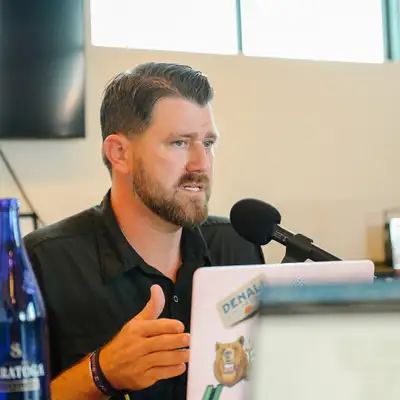
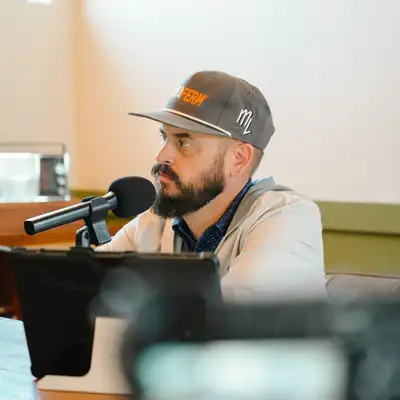
Most show families figure it out the hard way. They ask around, get partial answers, and fill in the rest on their own. Logan Newsom and Sam Silvers have been in the show industry long enough to have made most of those mistakes themselves — and they're sharing that wisdom with you.
Drench Line is a podcast about sheep, goats, and everything that comes with life in the show world. When to vaccinate. How to pick your animal. What to expect at your first major show. What nobody standing on the sidelines will actually tell you. New episodes drop twice a month, and they don't sugarcoat a thing.
Logan and Sam have been friends since they were teenagers working summers at a sheep ranch in Eden, Texas. Now they're both show dads raising their own families in world they grew up in. This show is their way of passing it on — not just to their kids, but to every family that's new to this and looking for someone to shoot straight.
Coming soon!
Drench Line is just getting started. Coming soon: voice memo questions answered on air, and guests who have genuinely shaped the show world — the breeders, stockmen, and industry figures whose names you already know. If there's someone you want to hear from, send your request to www.drenchline.com.
Be part of the conversation!
This show is built around the questions real families are asking. Got something you can't get a straight answer on? Submit your question at www.drenchline.com and it might just get answered on the next episode. Logan and Sam want to hear from you — that's not a throwaway line, it's the whole point.
Ag Teachers PART 1
===
[00:00:00]
Okay, folks, we are back here with, uh, the Drink Slime podcast, and we had a, um, opportunity we had talked about that while we were down here in Corpus Christi at Ag Teachers Conference, we wanted to sit down with some ag teachers, um, hopefully get a little insight into just kinda what their daily life looks like in their profession and kinda what that role looks like.
Um, we had talked about it on maybe the previous podcast, um, episode eight or nine or whatever we did there at Doc's. You know, just what that looks like from a sheep and goat perspective. Maybe some of the things that those guys are seeing in the classroom and kinda what they're, um, you know, trying to do and trying to mold those kids and offer up as, as an opportunity for a project.
So, co-host Sam, he had to split after we did the sheep and goat production [00:03:00] workshop. Um, you know how that guy can be. I mean, he'd been gone from Junction just a little bit too long and- He was getting kinda grumpy. He was getting a little grumpy, yep, yep. Jurahee was having to take the brunt of it. Poor Shep was having to take the brunt of it, so we went ahead and sent him on.
But, uh, we're gonna sit down and we're gonna try to get a chance here over the next 24 hours, uh, between myself and Katie, to have a chance to sit down with some of those guys and, and, and, and ladies and have a chance to just see exactly what sheep and goat, you know, production, what their project looks like, what some of their kids are liking, disliking, enjoying, and also get a little insight and some background from them.
So our first one that we're gonna get, the first guy that we had, uh, walk by that we were able to snag was Cody Peterson. Cody is, uh, one that we are very familiar with and, and have known for a while and, um, he's an ag teacher in Medina, so we're gonna let him kinda give a little bit of a background, a little bit of history.
Kinda tell us ag teaching, how long you been doing it, what you love, what you hate. I don't know. All the good stuff. [00:04:00] Uh, this is, uh, Cody, obviously Cody Peterson, um, year 21 of, of teaching. Uh, started my career there in Ballinger, um, in Medina now. Um, been, been involved in stock shows most of my life, uh, so something I've, I've been, uh, used to.
And, um- A lot of fun. Grew up a little more on the cattle side than probably- Grew up showing, showing steers. Um- You did not, you did not just love sheep, uh, right out of the gate. I, um, I, I did not like sheep. Um, but when you move to Ballinger, Texas, they're kinda in the heart of the sheep and goat world, you, you learn to love 'em.
Yeah, Runnels County has got a way of kinda rubbing off on some folks. Um, yeah, so knew Cody, uh, right after I'd graduated in Ballinger, I guess. He had, he had come on board there, and, um, obviously, had a very s- successful program there, and then, uh, got roped into going [00:05:00] down there to Medina. So we've, we've got a lot of history that, um, you know, I thought it would be interesting to just kinda have him sit down, and he talked a little bit about his background.
Uh, family raised some successful show calves there in, in Taylor County and, you know, that's kinda where, um, where his background was. But let's hit on that a little bit. You know, you came to Ballinger. Um, obviously, I, I always laugh whenever... and especially whenever I was a county agent when sometimes...
and even now in the role that I'm currently in, folks would be like, "Well, you just don't understand how tough our county show is." And I'm like, "Uh, I think one year Runnels County won every breed at San Antonio. I kinda have a pretty good idea." But yeah, tell us a little bit about, you know, what that looks like.
Obviously, some big name hitters there. I mean, just to be honest, you know, whether it's on, you know, the, the show side of things and, you know, families that are very successful, but also on the production side, like, there's some big breeders there. There's some very big breeders there. Um, you know, obviously I had, uh, kids like Connor, uh, showing when I [00:06:00] moved there, uh, Dottie Cook, Sarah Swettner, you know, kids that won- breeds breeds at every major stock show there could be.
Um, you know, so I, I got thrown right in the mix of it. Uh, that county show, obviously, um, you know, there were, there were sheep there at that county show that were gonna go on to win breeds at ma- Texas Majors, and, uh, you know, end up getting big banners at Texas Majors, too. Uh, so extremely tough, learned a ton there.
Um, breeder-wise, I mean, you got guys like CJ Robinson that, you know, in the Southdown world, uh, we liked to call him the godfather of the Southdowns. Yeah. Um, the, um, you know, uh, obviously Kevin Newsom raising, raising Blackface sheep back then. Um, Gibbs and that, that crew was raising some Southdowns. Uh, there was, there was a lot of big name breeders and, uh, sheep breeders that [00:07:00] had won Texas Majors and, um, you know, made, made for an interesting learning experience.
Yeah, that's, um, you know, growing up, and that's, you know, for folks that are listening, like, that was the county that I grew up in, and, you know, Cody hits on those guys. I mean, CJ was, you know, at, at the pinnacle of the Southdown game there for a long time and up until the point that he decided, you know, not to be.
Obviously, Kyle Smithwick's right there in Runnels County. Um, you know, Marty and, and, and Will, you know, had that Southdown deal that, I mean, they were raising some really, really good ones. I mean, it was, it was competitive. I think the interesting part, and I th- you know, as we'll kinda talk back through, you know, in your role from an ag teacher standpoint, a- and this was something that I thought was probably the most challenging thing whenever I was a county agent, was you had all those guys that were expecting to be very successful on the sheep and the goat side, but also you had this fondness for the show bearer side that was a very, you know, very important to you and kinda one of the things that you [00:08:00] probably were maybe even a little more comfortable with.
A- and, and in Runnels County, like, it's big, too. So not only do you have, you know, a next door to the sheep capital of the world, you know, Runnels County sitting right there where you're expected to have, you know, 20 or 30 very, very high quality ones to go show up at every major stock show. You guys had a very successful show pig program as well.
We did. Um, you know, and it was a... it was... it took me taking a step back and look, looking. You know, obviously growing up showing steers, I thought everybody should sh- show a steer. Um, and not everybody can, one, afford to have the time to, to show steers and do it correctly. Um, so, you know, took a step back.
Obviously, the sheep show was super tough, uh, so when I started trying to build that program up- The swine show was the one that would be that I, I felt like [00:09:00] I could, I could have the most success with, with some younger kids. Yeah, it makes the most sense. You know, and we built that thing to the point where, you know, we had 150 bears on feed and, um, you know, and it wasn't...
And I realize there's chapters out there that probably have more than that, but, um, we went from 25 or 30, uh, to 150 to some that were extremely, extremely successful. Yeah. That's, um... And, you know, yeah, there's, there's, there's probably ones that are, you know, have more, but those are like, honestly, Texas Panhandle numbers.
You know, when you really think about it, like that's, that's kinda what you'd expect up there, but, you know, not, not so much maybe in the Concho Valley. But, um, yeah, Cody had a, had a great program there. And that, and that's hard. I know from y'all's perspective, uh, managing not only those families, but managing, you know- All of, all of that can entail, and maybe as much as anything, in the middle of stock show season, going from one to the next and, you know, sheep shows this week, and [00:10:00] then you're running back, you know.
You might be showing sheep at San Anton, and then you're having to book it back to show bears in Angelo, and then back for wave one, and at some point in there, you know, trying to kind of make sure your guys came home from San Anton on the sheep and the goat sides. And, you know, then you sprinkle a few calves in there and, yeah, it can, that can get, that can get crazy in a hurry.
Um, okay, so we talked about it a little bit. You know, we're down here in Corpus. Obviously, you've been teaching for a gazillion years. Um, we're at Ag Teachers Conference. It's been in Corpus, you know, we talked about it a little bit last night. Uh, probably more often than it's not, it seems like at this point.
Um, tell me a little bit about... We, we had the opportunity, uh, Sam, myself, Jurahee, Connor kind of roped us all into this little gig. But to, to do the sheep and the goat production workshop today, and to be completely honest, I felt, I felt good about it from the standpoint that I didn't know how many people were gonna be there.
I didn't know how many people would actually be at a Wednesday 4:00 workshop and have [00:11:00] any sort of interest in, you know, sheep and goat production. But we probably had 150, 200 people sitting in there, so that was... Yeah, it was, it was great. Yeah, at least that number. Yeah, so that, that was cool. I mean, that, that was, that was refreshing to us, you know, from the side of it that we're obviously raising these things for a living and selling, you know, trying to market them to 4H and FFA kids.
But, um, any other workshops that you went to that you felt like were beneficial, um, throughout the week that... Or anything that you might have been, you know, "Hey, that one could be something that I might be able to catch a few ideas and learn some stuff"? Yeah, there's always a few that are gonna touch on some of the judging contests and, uh, you know, some of the ones that maybe I'm not as familiar with and, uh, ones that I, uh, you know, if I've got the right set of kids that, um, coming up, that maybe that's a, that's an opportunity for them to, to jump in and be on a team.
Um, so there was, there's a meat science or [00:12:00] a, a meat judging workshop. Uh, there was a lamb judging this afternoon, uh, the same time as y'all's. Um, there's a couple on screw worms that I'm gonna, I'm gonna attend. Uh, one was this morning that I, I did attend, but then, uh, one this afterno- or one tomorrow that I'm gonna jump in on, too.
Yeah, that was, um, that was something... I'm, I'm glad you actually brought that up. That was something that the, the screw worm deal is, you know, it's obviously, we've, we've hit on it a little bit on Drenchline, but that was something that I wish that I would've, I wish would've, myself or Sam would've hit on just a little bit.
Um, you know, just Darren, just to kind of make sure that, one, everybody kind of has a handle on it and also, you know, maybe not quite panic mode on the show side of things. But you know, just kinda give a little bit of what we've seen and what our insight looks like. But, um, okay, so You talked about kind of building a program and kinda what that looks like and, you know, in Ballinger, sheep and goat [00:13:00] program I would say was fairly established, but, you know, the pig program, and, and I can say this because I, I was a part of it, there was a point there that it was, it was fairly aggressive, similar to what you guys had, and then it kinda dropped off and not as many people were involved in it.
But, um, whether it's on the pig side of things or even, you know, let's... if we, if we said, you know, a sheep and goat, you know, side of things, if you just have a new family that walks in, kid walks into your office, got his parents there, and they want a, they want a show project, like, what does that, what does that look like from your perspective in terms of just advisement and where, where do they, where do you kinda tell them, "Hey, let's start here.
Let's begin here"? So first thing I'm gonna do is try to figure out what, what their interest is. Um, you know, where, where they... the amount of time that they're gonna, uh, have to put into it. Um, you know, and if, if it's something that they're gonna be gone all summer long, you know, [00:14:00] probably sheep and goats or cattle is, is not where- Yeah, that would be tough
where, they're not where they need to land. Um, you know, and then look at budget. Um, I ask, I ask all my families to, to set a budget for themselves. Um, you know, and then we can kind of adjust to, adjust our focus to where their budget's gonna allow them to run. Do you think that one specie is more... Uh, so let's, let's take, let's take cattle out of it just 'cause it's naturally more expensive.
If we're talking about more of the smaller animal species, do you think one's more budget-friendly with the opportunity for success? Let's say bang for your buck, that, you know, like, what that looks like, that you would kinda say, "Hey, if you spend this in this barn, that could actually get you somewhere as opposed to if you spent this in that barn"?
You know, for a long times, I, I would say that would've been the pigs. Um, it... and even now, it's still one of the shorter feeding periods. [00:15:00] Yeah. Uh, but in today's world, they're... you know, we're buying pigs way earlier than we- For sure ... uh, ever did. And- Yeah, yeah. Summer's over if you're a show pig man. You know, and I mean, when I first started, I wouldn't buy one that was older than August 1st- Right
uh, because you were gonna have to set on those things- Yeah ... to get to San Anton. And, you know, if they're born after August 1st, now they're probably not gonna make it. State fair bears or something. Yeah. I mean, we can get all those things at expo. Yeah, yeah. Expo pigs. Um- Yeah ... so the, um... you know, I still think that a guy can get out and hustle and find those, those bears, um, that are Affordable for most kids.
I mean, you may have to call in some favors and do some things, um, you know, with, with some of your breeders that you've been dealing with for a long time. For sure. Um, you know, and I, I [00:16:00] have got to the point now where, uh, even on the sheep and goat side, I You know, we'll go, we'll go lease up some ewe lambs or, uh, even lease some gilts, uh, get those kids started at a minimal number.
Let 'em go show at the county fair. Uh, we're fortunate our county fair allows everyone to make the sale. Uh, we can put a little money back in the bank, and then we can start on, on a new project the next year with, with some money in the bank. Yeah, kind of get their feet wet and, you know, that's an interesting take.
We've got an ag teacher sitting here telling us that he wants to get out and hustle, he wants to go find some good stuff. You know, it's incredible how those two things can go hand-in-hand and then find some success down the road. Hmm, take notes, folks. That's what it's about. Um, yeah, so we've talked about that, um, talked about your program, talked about, you know, kind of where you came from, all those things.
It's, it's, you know, a- again, I'm being 100% serious that Cody was one of the first ones that we suckered into sitting down with us, but a lot of that stuff, if you've been listening previously, you know, it goes hand-in-hand with some of the things that [00:17:00] Sam and I have talked about, you know, repeatedly on Drenchline.
And, you know, we probably have a good background. Obviously, I came from, you know, s- parents that were in education, ag teacher, and then ended up in extension and did that for a little while, and Sam also. But, um, I think we just kind of have that mindset like, "Okay, if, if I don't have an unlimited checkbook, I'm gonna have to beat the bushes.
I'm gonna have to talk to some breeders. I'm gonna have to network. I'm gonna have to figure out, you know, some guys that are willing to say, 'Hey, try, you know, try, try flyer on this skinny one.' Like, 'That one's mom has been doing some things.' Like, 'That one's something that could really make one.'" And I think whenever we sit back and, you know, think about it just from a livestock perspective, like that's what it's about.
Like, that's the, that's the, the families that are gonna continue and surface and win. That's the chapters and the 4H clubs that are gonna continue and have the most success because those are the guys that aren't afraid to beat the bushes. But at the same time, they're not afraid, the ones to, to reach out to those breeders and put some faith in, you know, what those guys have been doing and, [00:18:00] you know, hopefully be able to kind of piggyback on some of that success.
okay, outside of, uh, outside of teaching ag, I know that obviously takes up a tremendous amount of your time and, and we know a lot of the backstory, but, um, what do you got? Wife, kids, where's everybody at? What do, what do you do if, uh, you do have an opportunity to slip away, have a little fun? I'm married, have two kids.
Uh, my wife, Dee Dee, works there in, in Bandera, uh, at, at a bank. Uh, she's the branch president there. Uh, Katelyn just finished up judging at South Plains. Um, she's decided that she just wants to be a college kid there at Tech and, um, not gonna, not gonna continue that judging, uh, pathway. But she's, she has, is transferring into Tech and, uh, she's up there working right now and getting ready for school.
Uh, Davis About to be a senior, um, about to be an empty nest. Uh, Davis really enjoys showing. Um, uh, outside of that [00:19:00] he, he plays a lot of baseball. Yep. Um, you know, he, he wants to pursue that, uh, down the road some. And, uh, so he, he plays a lot of baseball, and we've played most of the summer. You know, outside of that we like to hunt, we like to fish a little bit, and, um, you know, try to go on a vacation every once in a while.
It doesn't happen real regular because we're busy and, uh, we're going everywhere. But, um, we do like to try to take a vacation every once in a while, spend a little time at the lake or in the... at the coast. Cody went fishing this morning. He hasn't really, uh... He's been pretty vague about, you know, how m- how many fish they caught or, you know, what w- what the actual total and tally was.
But, um, you know, those guys had a chance to get away this morning. I, I... It wasn't... It was obviously before any, uh, you know, workshops would've started, you know, or anything like that. Just wanna make sure that everybody knows that he was in attendance from, you know, 8:00 to 5:00 today. Um, yeah, uh, got a family there that, uh, you know, we've been obviously close with [00:20:00] and, and kids that have grown up that we've had a chance to kinda help and, um, you know, be involved with and, and, uh, man, Kotlin going to tech, and yeah, Davis being a senior sure makes, you know, folks can...
not you, but me feel like I'm aging a little bit. But, that is, uh, that kinda, that kinda wraps up. You know, like, like I said, we're gonna kinda be pretty short and sweet. But we do have, we do have s- kind of some, some quick, um, we call them the five-minute rapid questions. Um, we're gonna hit everybody with them.
And, uh, okay, I'm here on my phone, Yeah, five questions. Rapid fire, that's what we call them, the fun segment. Okay, so you just have to answer the first thing that comes to, comes to your mind, and then we're gonna hit you with a serious one as we kinda finish up.
favorite breed of livestock? Southdowns. Oh, my lord, Southdowns. Okay, favorite fair food? Corn dog. Corn dog. Foot-long corn dog. Coffee or energy drink? Coffee. Always coffee. Early mornings or late nights? Late nights. Yeah, I think that's... I think, I think, uh, kind of by [00:21:00] default it happens to be both of them, but no matter what, it's always late nights.
One piece of advice that every show family should hear. Uh, do it together, have fun together, win together, lose together. Fight together. I believe in that also. Uh, most underrated lesson kids learn through showing.
Social skills Yeah, I'd say that's a very good one. Yep. Uh, one word that describes a great ag teacher. Loyal. Hmm. Very good. Okay, if we're closing out, um, if you could leave one message with every student and parent involved in agriculture, what would it be? Put you on the spot there after the old rapid fire.
Um, I think it kinda goes back to the, we do this together as a family. Um, you know, agriculture is, is something that the world can't, can't do without. Um, and you know, I think if we do this as a family and, and, and work hard and, um, we can continue, um, this tradition of, of quality kids coming out of stock show programs.
Yeah, I think so. And I, you know, I [00:22:00] think we get a little bit of a negative... I'm not gonna say, the mindset's not the right word, but sometimes you get a little bit of the negative spin of, you know, oh, it takes X amount of money, and it is. Like, we all know it. Like, it's expensive. It's an expensive hobby, but fishing's expensive.
Golf's expensive. When we both have kids that golf, we figured out, you know, the astronomical amount of money that can be spent in that in an afternoon. But it doesn't matter what, you know, you're gonna do or what hobby you're gonna have, um, it, it's, it's gonna be expensive. But at the end of the day, those families that find success and those families that are winning, um, those kids that are winning, those kids that are finding success, they've got a support system around them that's, th- they're behind them.
And, and that might not be their immediate family. That might be a badass ag teacher. That might be a county agent that, you know, jumps in their corner and wants to help them. That might be the guy down the road that had a kid that graduated, you know, whatever that looks like. But I think we see a consistent pattern there of those kids that are finding success and are being successful in agriculture and continuing to [00:23:00] wanna be involved in it.
They've always got an incredibly great support system behind them. So that's gonna wrap us up with Cody Peterson. Again, he is at Medina FFA, uh, been involved in this game for a long, long time. He's one of the ones that, uh, yeah, we won't talk about what we talked about the first time about how, um, you've been around long enough that some of the other guys have already retired.
But he's been one that's, uh, kind of been- I'm one of the old guys now. Yeah, he is one of the old guys. Used to be one of the kids. He's one of the old guys now. So appreciate you guys listening. Thanks for tuning in. Take care
Logan Newsom: All right, guys, we are back here. We've got another opportunity. The second ag teacher that we found, um, sitting down there, you know, in a chair all by his lonesome, and so we were like, "Hey, let's see if we can snag this guy up."
Logan Newsom: see if we can get a little info out of him. Yeah. See what kind of program he's running, see what the scoop is, the scuttle. For some reason he's not at the baseball game with all the other ag teachers, so must be socially awkward or something. I don't know what the deal is. Um, so we got Cam Anderson. Uh, Cam's, again, one that, um, know little background on, but we're gonna let him kind of deep dive and kind of give a little history on where he's [00:24:00] been.
Logan Newsom: Uh, one that's probably, I would say, traveled around. Is that fair to say? Yeah. Yeah, yeah. Uh, came in, uh, came into the Panhandle, um, came from down in Far East Texas.
Cameron Anderson: Yeah, I don't, I don't say East, but-
Logan Newsom: Dude, if you're from where we're at, it's all east. It is. Um, came to the Panhandle, uh, did some judging up there, spent some time in the 806 and then, uh, uh, did a little county extension agent rig.
Logan Newsom: Yeah. And then, um, got into the private sector a little bit on some sales, and then came back to trying to help kids and mold the youth minds of America. So we like to see it. Um, I'll let him kind of give a little bit more background, a little history on, uh, where he's at, what he's doing, where he came from, where he's been.
Cameron Anderson: Yeah, no, uh, Needville is where I was, uh, born and raised, and I... I mean, it's great place, great people, and that's kind of where my whole [00:25:00] route of agriculture started, was right there.
Logan Newsom: And that's where you're at now.
Cameron Anderson: Yeah, I... It's full 360.
Logan Newsom: Came home.
Cameron Anderson: And it, it's, it's cool, 'cause I left there, uh, got a judging opportunity at South Plains- Don't know why that guy ever gave me an opportunity, but-
Logan Newsom: I don't know either,
Cameron Anderson: yeah
Cameron Anderson: it worked out.
Logan Newsom: He was short on, he was short on people- Oh ... 'cause somebody must have canceled right before.
Cameron Anderson: Yeah, probably. Probably. First, first, first phone call, by the way. The first one. And, uh, it, it was actually deer season. I was in the deer stand. Yeah? Yeah. How about that? Yeah. No, it was Christmas. Got a phone call.
Cameron Anderson: And then, uh, anyways, after that I did the county agent thing like you said. Loved it.
Logan Newsom: Went to school at Tech.
Cameron Anderson: Yeah. Yep. South Plains then Tech. Yep, yep, South Plains Tech. I, I, I kinda thought that was-
Logan Newsom: Okay ... obvious. Went without saying. My bad, my bad.
Cameron Anderson: Yeah. Yeah. Thought it was obvious, but i- it's okay. Uh, after the county agent deal, I, uh-
Logan Newsom: And tell us again, you were in Brady?
Logan Newsom: Brady. Okay.
Cameron Anderson: McCollough County. Okay. Great people, great place. I wanna go back. My wife won't let me. But, uh, I, I did the private [00:26:00] sector deal in terms of, uh, chemical sales for the oil field. I liked it. Did not like the fact that I was pushed out of, you know, teaching youth. Yeah. So then I got the opportunity to go back home.
Cameron Anderson: Well, I say that. Wife made me. Yeah And so whenever you were at Brady, let's hit on that just for a little bit.
Logan Newsom: Okay. Kind of a little bit of a, you know, you know, obviously that's a little different, little different role than,
Cameron Anderson: you know,
Logan Newsom: the ag teacher and, you know, especially probably what you're in there.
Logan Newsom: What did your program look like there? I know y'all had... Y'all were freaking gangster livestock judging. I mean, you had a great program, especially I think if I remember, like some of those young kids- Yeah ...
Cameron Anderson: like
Logan Newsom: coming up, like y'all were, y'all were kinda one of the ones that were fixing to make a move.
Cameron Anderson: Um, you know,
Logan Newsom: we'd talked to Peterson earlier, Concho Valley, Hill Country, West Texas stuff, sheep and goat heavy in that area.
Logan Newsom: I mean, was that fair to say?
Cameron Anderson: Oh, yeah. No, that, that's primarily the only thing we showed. There was a couple families that had [00:27:00] cattle, couple that had hol- had hogs, but 90% of them sheep and goats.
Logan Newsom: Sheep and goats. Yep.
Cameron Anderson: And it was... It, it, they were good, and they're still good. They're still good. Yeah.
Logan Newsom: No, that's still, I mean, that's definitely one of those that, you know, as you're rolling down through and you're checking to see who's in your class, like you see kids from, you know, McCullough County 4H.
Logan Newsom: Yeah. Like, that's always gonna be one where you're like, "Hey, I bet that one's... He ain't gonna suck." Yeah. I can tell you that. That, that, that's-
Cameron Anderson: No, they're, they're not gonna suck. No.
Logan Newsom: That's, that's how it is. Okay. So, um, after you had a chance to, uh, after you had a chance to jump back in and, and, and get back into, you know, teaching ag...
Logan Newsom: Well, I would say not get back, but I guess that would've been your first ag teaching job. Yeah. Um, what was kinda the draw? Like, what did that look like? You were obviously selling chemical in the oil field. I'm assuming making more money than you- Yeah ... than you were, you know- Yeah ... potentially jumping back into public education.
Logan Newsom: What was kinda the draw? Like, what, what was the mindset there besides, you know, maybe getting back home like?
Cameron Anderson: It, it wasn't a matter [00:28:00] of, like, if, it was when for me. I, I always knew... I mean, with my mom being in education and me being a part of it my whole life, I knew that was something that was always gonna be there for me, and that was something I've always wanted to do.
Cameron Anderson: It was just kinda when An opportunity presented itself and kind of took it and ran with it and don't look back on it. Yeah. Love it.
Logan Newsom: So Needville, that is a 3A, 4A- We're, we're 4A. 4A.
Cameron Anderson: We're a big 4A.
Logan Newsom: Okay. Big 4A. So how many, how many teaching partners? How many, how many guys or ladies do you have in-
Cameron Anderson: So we, we got a five-teacher department, and, uh, so I, I'm, got all the principal classes, all the...
Cameron Anderson: Half the animal science. M- One of my teaching partners, Ms. Poe, she's got all the food science and the other half of the animal science. Mr. Hawkstead, he's got all the energy classes, and then we got [00:29:00] Ms. Raymond, she's got all floral. And then we actually are getting ag mech back, which is cool. Yeah. Didn't think they'd ever take it away, but they...
Cameron Anderson: We, we're getting it back now.
Logan Newsom: That's wild.
Cameron Anderson: I got Mr. Garrett doing that.
Logan Newsom: And then, um, h- so you know, I was thinking about this while you were talking about, we were talking about the, you know, obviously your background in judging and, and, and, and very, very successful. Um, if I remember right, you were an All-American in- Yes
Logan Newsom: junior college. Yeah. It's-
Cameron Anderson: First one at South Plains. You know, shout out South Plains.
Logan Newsom: First one. Shout out- Shout, shout out Mr.-
Cameron Anderson: Go Texans ... Dave Clevenger.
Logan Newsom: Thank you, Dave. We know you, Dave, had everything to do with that. Yeah.
Cameron Anderson: D- Double L boys- There you go ... for life.
Logan Newsom: I have no idea what any of that means, but I love it.
Logan Newsom: Um-
Cameron Anderson: Oh, it, it's a cult. Okay.
Logan Newsom: Don- don't get involved. So whenever, whenever you were in, in the county agent role and you were in McCulloch County, you obviously had a chance to, like, you know, almost kinda train those kids from, like, the beginning. Like, you know, you had junior FFA, or junior 4H and, you know, those kids, like, what?
Logan Newsom: Third grade on. In your FFA role, [00:30:00] you catch... In your ag teacher role, you kinda catch them more in high school?
Cameron Anderson: Uh,
Cameron Anderson: th- that's the cool thing about Needville, uh, especially coming back home. We're so enriched in the judging world that it... I mean, we, we start in third grade. I, I got kids at second, second grade that can't even go to a contest that, that wanna learn, and we're...
Cameron Anderson: I mean, we're, we're pushing them from third grade all the way till they're seniors in high school.
Logan Newsom: That's awesome.
Cameron Anderson: Yeah, I- Got a real good group.
Logan Newsom: Well, and, uh, you don't have to break all those bad habits. You get to teach all the bad habits.
Cameron Anderson: Y- yeah, no, I, I teach them and then- Yeah ... then the junior college coaches- Yeah, that's on them
Cameron Anderson: they can, they, they can fix it after.
Logan Newsom: Yeah, absolutely. But- That's on, that's, that's on them. Yeah, I d- I don't, I don't care what they have to say. So, so we've got a, we got a incredible backstory in, in everything that you've done and, and, and the full circle. Uh, I mean, just the 360, how it got back to Needville. Um, one of the few that leaves the 806.
Logan Newsom: It's amazing how, I always tell people that- I, I wanna go back. I, I do wanna go back. Dude, you wanna go back to Brady. You wanna go back to 806. Like, what are you...
Cameron Anderson: I, I wanna [00:31:00] go back everywhere. Okay. All right. Trav- traveling. Every, every place that I've been involved in has had memories and a story that- Yeah
Cameron Anderson: I, I w-
Logan Newsom: Some stories that we won't talk about on Drenchline Podcast.
Cameron Anderson: Yeah. No, no, we probably don't need to. That's fine. We can. I mean, we can- Yeah, we can. Like- ... we, we, we can rehash them ... yeah, they say there's no such thing as bad publicity. No. I mean, not... Um, yeah, raw and real is like I like to say. Uh, so okay,
Logan Newsom: Ag Teachers Conference, we're in Corpus.
Cameron Anderson: Um,
Logan Newsom: I, I know that everyone goes to workshops, you know, from 8:00 to 5:00 and then- Oh, yeah ... you know, gets ready. Mo- most definitely. And, and they study the, you know, the night before the workshop, and they make sure that they've got everything, you know, ready and for tomorrow. But, um, on the workshop deal, tell, tell us a little about, about that.
Logan Newsom: Is there anything that maybe you've, any of the ones that you've went to, any of the ones that you've, you know, just talking through or working or, you know, just kinda having some dialogue with other teachers that you felt like, "Hey, I could probably bring that back to [00:32:00] Needville and I could incorporate it into my program, and I could, I feel like that would be successful," or, "I feel like that would be beneficial for our youth"?
Cameron Anderson: I know, like, my first year, when I, when I was a first-year ag teacher, there was a couple that had classroom management, and then two just being a first-year ag teacher. There was a workshop, I don't remember the exact name. It was a couple years ago, but those two were very, very beneficial for me. Just 'cause, I mean, I've been around kids and been around y- you know-
Logan Newsom: That's the easy part.
Cameron Anderson: Yeah. Yeah.
Logan Newsom: Teaching the kids, uh, you know, having the practices, that's the easy part. But- That, that wa- that was easy for me. Th- th- Balancing your grade book, you know- That, that, yeah ... or whatever y'all have to do. Like-
Cameron Anderson: Yeah, the, the hard part was just managing a classroom of 30 kids. Yeah. Yeah. Absolutely. And you, you got kids that wanna do it, and then you got kids that don't really-
Logan Newsom: Might have, yeah, signed up for that class on accident.
Cameron Anderson: Yeah, yeah, exactly. Yeah. Something. And so figuring out how to juggle that, tho- those workshops are really good.
Logan Newsom: I could see how from anyone in our space that, you know, is livestock-minded and, [00:33:00] you know, naturally probably reverts back to, "I wanna have a really good FFA program, and I want that to be a good judging program, good LDEs, obviously good CDs, and a good livestock program," but, like- Not missing, but like it could be missed.
Logan Newsom: Like some of those, and- Yeah ... you know, I think if we're being honest, like there's some of those kids that might have just by default fallen into your class that you could probably help as much as the kids that like wanna be big time- Yes ... ag kids.
Cameron Anderson: Yes. No, that, that's kind of the, the big thing and one of the struggles actually that I go through- Yeah
Cameron Anderson: is just kind of figuring out how I can deal with this group of kids- Yeah ... you know, that don't wanna be there, and then this group of kids that- That do want. Yeah, they're, they're, they're there ... that, that, that want more. Yeah. Yeah, they want, they want more cam in their life. Absolutely. Okay. So, um,
Logan Newsom: tell us what you think the future of stock shows holds.
Logan Newsom: I think that's a, that's a, you know, a topic and a... And, and I would say if we're being honest, you know, like if anything, our world is [00:34:00] changing, everything's evolving. Um, agriculture is something, you know, I feel like without question we have to fight for on a daily basis. Um, some of the things that we have to do and some of the things that w- you know, we feel like just come so second nature, like if we're not fighting for them and, you know, planning for what the future can look like, like we'll wake up one day and shit's gonna be gone.
Logan Newsom: Yeah. Um, you know, and I, and I think that's well documented. I think that, you know, people are aware of it, and I know from the breeding side of things and, and, uh, you know, the guys that have significant vested interests, like we, we wanna keep pushing for, you know, agriculture, agriculture teachers, folks that are involved in the stock show world, um, you know, livestock, blah, blah, blah, all of it, like continue and grow and continue to move forward.
Logan Newsom: Tell me kinda what you see as what that looks like, you know, whether that's for you, obviously you got young kid that, you know, will be doing this someday. Oh, yeah. Um, tell us what that f- you know, kind of [00:35:00] your, your future stock show envision looks like.
Cameron Anderson: It's scary. I mean, I, I will say that, and kinda like how you touched on it, it's, it's uncertain.
Cameron Anderson: Sure. We, we don't know. But I, I do think just with the kids I have in cl- my classroom, the ones that actually are, you know, bought in and, and try and care and, and wanna do better, they, they give me hope. Yeah. I, I, I have some good kids. I... A lot of good kids actually. And you know, going to the... Going back home it was kinda uncertain at the time just 'cause the town I'm from is growing now.
Cameron Anderson: Growing. But the kids, kids are still the same. Yeah. Kids are good, and I, I really think, I mean, despite everybody else's, you know, conception on, you know, what we got going on- The negativity? Yes. Yeah. I, I, I do think there is very good kids still coming up that w- we're gonna be fine. There is. I, I really do.
Logan Newsom: And, and it's, and it's, it's probably a little bit of the world we live in. Like, [00:36:00] there's always gonna be a little bit of that pessimistic, negative mindset. Right. And it seems like that seems sometimes surfaces so much faster than the positives and, you know- Oh, yeah ... all, all the good stuff. And, and maybe we don't do a good enough job of highlighting the positives.
Logan Newsom: I mean, I'd say that's something that-
Cameron Anderson: Nobody wants to talk about you when you're good. Yeah, yeah. They just wanna talk about you when you're bad.
Logan Newsom: Yeah, just whenever you, yeah, whenever you screw up or do something wrong. Mm-hmm. Um, no, that goes without question. Okay, so outside of the classroom, um, you talked a little bit about it, Deer Blind over Christmas.
Logan Newsom: Oh, yeah. What is, um, what is, what does Cam do whenever he's not hauling kids around, going to judging contests? Oh. Well, actually, let's be honest. How you have time to do anything with your judging schedule- Yeah, yeah ... is beyond me. I mean, this is one of the most traveled livestock judging enthusiasts- Yeah
Logan Newsom: that I think I have ever been... If you're not on Snapchat and you have not watched what Cam does, and f- first of all, you'll always see his footwear- Oh, yeah ... um, and, and what he, what he chose to wear that day. And I, I get really killed. And without... Yep. I get really killed. [00:37:00] And he will, he will show where he's at, but this cat, this cat sorts stock from one side of the country to the other.
Logan Newsom: I'm not sure he's gonna get to the 50 state check mark. No, I- But, um- ... probably not, but- Hey, he's, he is, he's getting after it. So what's, what does it look like, uh, when you do find some free time?
Cameron Anderson: Uh, recently it's beating you in golf. See, I, I, I think this is just like what people like, man, they, everybo- everybody wants a shot at the title.
Cameron Anderson: I, I had to, but no, I, I, I guess if perfect, perfect day or perfect world, you know, perfect time for me, it, it's golfing. I, I do enjoy it. Not good enough, but ob- obviously good enough, but- Good enough on a par three Treasure Island putt-putt course. Yeah, uh, and recently, a- and it's just life, I, uh, got a w- New baby.
Cameron Anderson: New baby ... got a wife and a, a kid, and that, that's all my free time, and I- Yeah ... I do not, do not regret anything about it. I, I, I don't fret about it. That's, th- that makes me happy. [00:38:00] I got news for you- Going home with them ... with that, with that new kid you're not gonna get better at golf for like- Oh, no. Oh, no
Cameron Anderson: probably six more years. No. Maybe after that, but then you'll start stock showing then, yeah. No, but, but sh- she'll be good too. Yeah. Yeah, yeah. She'll, she'll be good. It's, it's part of it. O- other than those, w- my wife and my baby, the little golf I do get to play, uh, my wife's family raises Brahman cattle.
Cameron Anderson: That's right, yeah. So I get to, uh, dabble into that and don't really get much say, but i- it's okay. I mean, I, I, I do have a lot of fun doing it and- It, it's, it's neat Perfect. Perfect. Neat, neat, neat deal
Logan Newsom: Okay, we got the rapid fire. Uh, this is supposed to be the fun segment. I don't know if it's fun or not, but it's, um, it's, it's, it's, you're- Ah, this'll be fun
Logan Newsom: supposed to be fun. Yeah, it's supposed to be the first thing that comes to your mind. So- Okay ...
Logan Newsom: um
Logan Newsom: Favorite breed of specie?
Cameron Anderson: Favorite breed? Actually, it's probably a Dorper.
Logan Newsom: What in the holy hell is wrong with this guy? Okay, we got a Dorper enthusiast. Okay. , Favorite fair food?
Cameron Anderson: Corn dog. Corn dog. That, that, that's easy.
Logan Newsom: These cats and their [00:39:00] foot-long corn dogs. I, I was really hoping that we might get, like, one of those deep-fried Snickers. No, no. Coffee or energy drinks?
Cameron Anderson: Coffee. Coffee all day.
Logan Newsom: That's
Logan Newsom: not even a question. Yeah. Yep, yep. Typical ag teacher. Uh, early mornings or late nights?
Cameron Anderson: Late nights, 'cause I don't- Late nights 'cause he doesn't believe in early mornings? No, 'cause it just bleeds together.
Logan Newsom: Okay, one piece of advice that every show family should hear.
Cameron Anderson: Patience. Just be patient, and trust the process, and don't listen to too many opinions.
Logan Newsom: I think that's, I think that's great. Like, man, that's something that they should put on the back of a T-shirt. Like, you can't mix up everybody's good ideas and throw 'em at the side of a wall. I believe there's a term for that. Oh, yeah.
Cameron Anderson: Man, if I listened to you and then Connor, that'd be two different advice.
Logan Newsom: That'd be horrible advice. Yeah. It'd, it'd be horrible. Yeah, dumb. And, and then if I tried to mix 'em, it'd be even worse. Yeah. That's how you make-
Cameron Anderson: I should've just went with Connor's the first time ...
Logan Newsom: that's how you make purple. Yeah, that'd be awful. Okay, most underrated lesson that show kids learn through showing livestock.
Logan Newsom: Uh,
Cameron Anderson: that'd probably be just what it's... what you're gonna get out of it in terms of just the responsibility and work ethic, and I, I know [00:40:00] that's probably gonna sound cliche, but I know, like, for me growing up, I, I had to go to the barn every morning. I had to go every evening. And the, the more I did it, and it was more of less, uh...
Cameron Anderson: It was like they depended on me. If I didn't go there- Yeah, yeah ... they weren't gonna get fed. Yeah. If they didn't get fed, they weren't gonna be as good as they should've been, and then it's all gonna come back on me. And so once I realized that, and once, once the kids realize that, it tends to take them a lot farther.
Logan Newsom: I think it's neat also, and, and you probably see it, and even more so on maybe some of what we would consider, you know, like, our county fair families, like, that, that aren't trying to win Houston, that are just... You know, they want a good project. They wanna find some success. But, like, at that age, whenever they start to figure it out, and, like, some of those kids start to, like, really kinda take some, you know, like, a, a little more of a vested responsibility.
Logan Newsom: Instead of like, "Oh, I just got me a pig this year," you know? Like- Yeah ... they just take a little more of... They, they buy in. Yeah. And, like, [00:41:00] that's whenever it's, it's the domino effect, and we see it a lot with our customers and our families. And it's not that they weren't invested and they weren't trying early, but it's just a whole different level when those kids kinda reach that age, and probably a little bit of that maturity level, where they can start taking a little bit of that responsibility.
Logan Newsom: And then it's amazing how the success starts to domino. And even if it's, like, on a, on a level of just- Hey, we showed this weekend and we were second at this jackpot, but our sheep were ready 60 days sooner than they normally would've been. Yeah. Well, you know, kid's been busting his tail all summer because he kinda bought in just a little bit more, and I think a lot of that comes with, you know, with age and responsibility and maturity and all the stuff, so.
Cameron Anderson: That, and I, I, I think it also just comes with... by your support cast. Absolutely. I, I know my, uh, my stepdad, you, you know him. Oh, yeah. Kelly. Oh, yeah. Yeah, he- Kelly Dog. Oh yeah, he, uh, he, he, he was tough on me, but man, I, I, I got a lot of, uh, compliments going back towards him, 'cause without him I would not be, [00:42:00] wouldn't be here.
Cameron Anderson: Yeah, for sure. I can promise that.
Logan Newsom: I can, I can vouch for that. That, that's for sure. Okay, one word that describes, this is the last one we got, one word that describes a great ag teacher.
Cameron Anderson: Ooh. That, that, that's a tough one. A- and the reason I say it's a tough one is, uh, th- there's a lot of words you can throw at what, what you deem as a great ag teacher.
Cameron Anderson: For me, I, I... I mean, it kinda goes back to what I said about the parents. Patience. Yeah. 'Cause this generation is, it's changing. The school system's changing. E- everything's changing, and just being patient and trusting the process, I think, I, I think that's probably gonna be the best one to describe a good one.
Logan Newsom: I think that's, uh, I think, yeah, and I meant to say something about that a while ago when you said that. Like, that patience deal, that's, that's interesting, and I think that's a great way, because again, you know, we talk about it a lot and, like, moving around and talking about, you know, things outside of our sector and, you know, even- Yeah
Logan Newsom: agriculture. Like, everyone is so anxious for quick success. Yeah. Like, it's [00:43:00] just the world we live in. Like, you know, you wanna-
Cameron Anderson: No, I mean, I am.
Logan Newsom: I mean, we talked about it on the podcast the other day. Like, you can, you can Amazon anything. Yeah. So- No, you know, you trust me ... you, yeah. I, I know that. Yeah, like, so you wanna Amazon a win.
Logan Newsom: Like, you know, it's the same deal. But, like, those, those families that are willing to be fully invested and buy in, and maybe that first year it's just getting through the whole year without killing each other, without killing their show project, you know, without completely screwing anything up, and getting to the show and everything being fine.
Logan Newsom: And then maybe the next year that looks like, "Hey, I wanna get pulled." And the next year, "Hey, I wanna make the sale." Yeah. And it's, it, it is. It's, like, such a long process. It's not a deal, you know, of where you just walk in and say, "Hey, I don't know anything about this. I think I'll go win a class at Houston and get me one of them elite trophies."
Cameron Anderson: Hey, that'd be cool.
Logan Newsom: Yeah, it'd be cool. It'd be great. That'd be real cool. It'd be definitely some Amazon stuff. We need to talk to Jeff Bezos about that. Yeah. See if he can just Amazon those things, so. I, I thought you and, uh, Sam could, you know- Yeah, yeah, just, yeah- I mean, just- ... yeah. Submit your- Year one
Logan Newsom: submit your questions, uh, year one, submit your questions on [00:44:00] Drenchline.com, and we'll do everything in our power to make sure you get an H trophy. Yeah, no, I- Boom.
Cameron Anderson: Bingo ... kind of thought it was that easy.
Logan Newsom: We should, we should create, like, a, you know, monthly club membership and see if people wanna do that. Um, all right, last question.
Logan Newsom: We'll close it out. What I-
Cameron Anderson: Do, do I, what, do I have to sign up or?
Logan Newsom: Yeah. Uh, if you could leave one message with every student and parent involved in agriculture, what would that be?
Cameron Anderson: One message? That'd be to never give up. That was something that was instilled to me at an early age. Not many know, and I, I know you know, I know Connor knows, but my dad passed away from ALS when I was nine, and, uh, that's kind of their motto, never give up.
Cameron Anderson: Yeah. And I, I've lived by that. I mean, there's times in life that it sucks, and there's times that it's hard. Never give up. Trust the process. Keep pushing forward. Keep trying. Keep, you know- Yeah ... keep chipping away at it and it, it, it'll come. Yeah, that's a, uh... I mean, that's [00:45:00] obviously something that, you know, they, the- And it kind of goes back to what you were saying about the, uh...
Cameron Anderson: I mean, you know, year one you might not- Yeah ... might not have the right one, but you're, you're just learning the process.
Logan Newsom: So many factors that go into it, and I mean, we, we talk on this podcast obviously a lot- Oh, yeah ... from the standpoint of what it s- looks like from a stock show setting and, you know, from, you know, maybe the 30,000 view of, you know, stock show life and all the things and the screw-ups that we've had and tips and suggestions and comical humor that folks can listen to.
Logan Newsom: But, like, all of that stuff that we're doing, it all relates back to what we're gonna do in life. Yeah. Like, that's the whole reason that those kids are involved in it. I mean, it's, it's bigger- That's the whole reason that- It's bigger than what we're chasing. Absolutely. It, it's so much bigger.
Cameron Anderson: I mean, we're, we're trying to chase...
Cameron Anderson: Well, I say we. People are trying to chase these banners, buckles, you know, no winning. I- it's bigger than that. It, it's about what the kids are getting out of it.
Logan Newsom: Yeah. For sure. I mean, we, we have to, I don't know. My perspective, we need to sit back and, like, actually think. It's not about the animals. It's not about the [00:46:00] success.
Logan Newsom: It's about the kids- Yeah ... what we're getting out of it. Yeah. And I think when we can actually all come back to that, I think it could be even better.
Cameron Anderson: Yeah, absolutely.
Logan Newsom: Put, put, it puts things in perspective, there's no doubt. I mean, that's exactly what, uh, I would say that's exactly what your role in the occupation that you're in, you know, I would say it, it, you could boil it down to that being as important as anything, so.
Logan Newsom: Okay, we had, uh, Cam Anderson, Needville ISD. Is that right? Yeah. Needville ISD, ag teacher. well-traveled man. Judging extraordinaire. Reach out. Give him a shout. Um, he left his putter at home.
Cameron Anderson: Yeah, I did.
Logan Newsom: So if you need him-
Cameron Anderson: And I still beat Logan.
Logan Newsom: If you need him for your scramble, make sure you bring two Scotty Camerons.
Logan Newsom: I, I still beat him, so
Logan Newsom: Always. Always. Okay, thanks guys. Enjoyed it. Take care