Subscribe
Share
Share
Embed
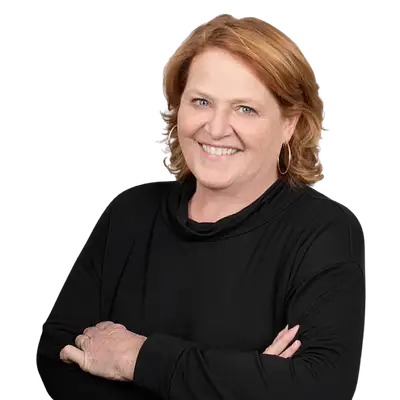
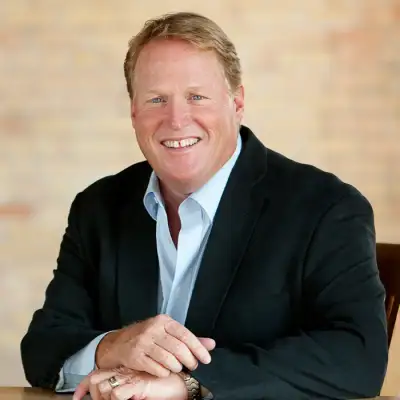
Former U.S. Senator Heidi Heitkamp and her brother, KFGO radio talk show host Joel Heitkamp, engage in animated discussions with newsmakers, elected leaders, and policymakers who are creating new opportunities for rural Americans and finding practical solutions to their challenges. Punctuated with entertaining conversations and a healthy dose of sibling rivalry, The Hot Dish, from the One Country Project, is informative, enlightening, and downright fun.
Heidi (00:04)
Welcome back to the hot dish, comfort food for rural America. I'm Heidi Heitkamp.
Joel (00:10)
And I'm Joel Heitkamp.
Heidi (00:11)
And we are really excited today to ⁓ introduce you. Some of you may have read her books, may have known her history because you're all interested in what we can do to reconnect ⁓ politically to rural America. champion for
⁓ recording the lives and the challenges of rural America and holding a lot of people accountable for their failures to meet the needs of rural America. So I wanna thank you. I'm really excited because she's currently a Democratic candidate for the US House of Representatives in Virginia Sixth District. So Beth, I wanna welcome you to the hot dish.
Beth Macy (00:56)
Thanks, it's great to be here, Heidi.
Heidi (00:58)
Well, tell us a little bit
about your background as a journalist and the kinds of books that you've written, because I'm sure that a lot of our audience has actually read a lot of your books.
Beth Macy (01:09)
I was a long time newspaper reporter here in Roanoke, Virginia in Appalachia. And ⁓ it's in a city of about a quarter of a million. And I always wrote about outsiders and underdogs because I was one. I grew up poor. I was the first in my family to go to college. And going to college literally saved my life. It got me out of poverty. It got me out of generations of addiction. And ⁓
There are days where being me today still feels like a miracle. And I really credit my education experience with that. And as a young reporter, I realized that the stories I wrote best were always the ones about outsiders and underdogs. At the age of 50, I found a newspaper story that was important enough, I felt, to become a book. so that's when I wrote about the aftermath of NAFTA and globalization.
on the rural communities in Virginia. And I told the story, factory man, through a third generation furniture maker named John Bassett, who had ⁓ basically petitioned the government to investigate China for dumping product in our market with the express purpose of putting people, factories out of work. And of course, ⁓ the greedy CEO saw a little bit of profit margin and they went for it. And we now have, you know,
5 million factory jobs have gone away. And I think that's a huge part of our political divide today. I followed that up with my book, Dopesick, which was about the opioid crisis, which attempted and in many ways did hold Purdue Pharma to account. The places that Purdue hurt the worst were disproportionately rural America, the same places where the jobs had gone away. So was a one-two punt.
And then my most recent book, Paper Girl, ⁓ a memoir of home and family in a fractured America is really about how we failed to regulate big tech so that we are now in these two disparate ⁓ media silos and where fact checked news is no longer the story of the day.
Heidi (03:24)
You know, and all of that, it really...
Joel (03:25)
I know we're going to get to the future.
I know that. guess what I'm curious about in the very beginning and obviously what brought a lot of passion from you was the story of the individual. What happened in the beginning? ⁓ When it came to NAFTA, the small businessman, the worker, has that been completely forgotten if it wasn't for books like yours? And does the nation even care?
Beth Macy (03:54)
The nation should care. These people have been forgotten. I challenge any politician, rural, ⁓ Democrat, Republican alike to travel through a place like Bassett, Virginia and explain exactly why it looks the way it does, which is decimated, right? And my agent at the time, and Factory Man really was the first book to say, look, not only did all these factories close,
but actually one half of the jobs went away. One half, because when you counted both the factory jobs and the places where the factory workers once spent their money, it was gone. And nobody told that story, largely because most of our news is manufactured in places like New York and ⁓ Washington. And that I maintain is still the source of so much rage.
Heidi (04:50)
So now you're taking this, you're turning this corner and you're becoming a politician, not just a storyteller. I think politicians are storytellers. Hopefully they're factual stories, but ⁓ why the leap? Tell me why.
Beth Macy (04:51)
So.
Well, at the end of Paper Girl, and let me just explain, set up that, set the table for that for a second. Paper Girl, my memoir, grew out of ⁓ reflections that I had witnessed in my hometown of Urbana, Ohio. It's a population of about 11,000, farming community in Western Ohio. And when my mom got dementia in 2015, I started going home to visit more.
And I realized like my hometown, which was once a hotspot on the Underground Railroad was now flying Confederate flags. I'm like, what the hell? I was shocked. And then as Trump was elected, the first time I realized I couldn't have conversations with my family members without it erupting into these political debates. My brother unfriended me on Facebook. He was like my closest relative. ⁓
At our mother's deathbed, which happened to be the Saturday after the 2020 election, mom was literally gasping some of our final breaths and the hospice nurse called it for Biden. And my evangelical sister screamed, it's fraudulent. You wait, he won't win. And I just thought, what has happened to my family, my hometown and my country and what is left of it? So I went back to Urbana. I embedded for about a week, a month.
for two years and I said, I asked that question. And so I looked at the schools. looked at a friend, I interviewed old friends who are now like fully ensconced in conspiracy theories, including an ex-boyfriend who had once been the most liberal person I knew and who was right before my eyes became the leader of the anti-Haitian ⁓ movement in Springfield, Ohio where they were allegedly eating the pets. They're eating the cats.
so you write a book, you finish it, gets back checked and all that, legal reviewed, and then it doesn't come out for six to eight months. And it was the beginning of the Trump presidency too. And we're starting to see these Doge cuts and all this stuff happening. And I'm like, what is going on? How do I write something that's relevant, that's not gonna come out for eight more months? And so I did a call to action. I said, look, we have to fight these cuts. We have to help, we have to...
join with mutual aid to help these people that are being impacted by the cuts. We have to try to mend fences with our family members. ⁓ I quote Barbara Kingsolver who says, love stays alive if you tend it like a flame. And you know, tending a fire, you know this, you gotta poke at it, you gotta add the wood, you gotta really work at it. And then I said, we have to elect better leaders and honest to God's truth as my mom would say.
I had no idea that I would be running for office. And I joke, but it's actually true. There's about 15 things in the book that I wouldn't have put in had I known I was running for office. But I make this call to action at the end ⁓ where I say, like, as my mom would say, it's shit or get off the pot time. We've got to do something about this. We've got to fight back. So then my friends started calling me on it. I was going to these Monday rallies outside of Ben Klein, our current MAGA Congressman's office.
Heidi (07:57)
Yeah.
Joel (07:57)
Hahaha!
Beth Macy (08:18)
And I was marching for the first time in my life, holding up signs. And because I felt that scared about what I was seeing. I have two queer kids and I was worried about their safety. And they were saying, my friends were at the rallies were saying, and these are people who've never protested in their lives. They were saying, you should run. We think you're the only one who could beat him because of my name recognition for whatever that's worth. And...
And I said, no, I'm a journalist. I don't do that. And then the one ugly bill passes. I'm sitting right here in my backyard having a beer with my husband, Tom, and we're talking about our kids and how scared we are for them and our friends that are all going to be impacted by this. 350,000 Virginians are going to lose their Medicaid after the midterms, which is diabolical. And Tom said, because he was like,
No, you want to write one or two more books and retire and become a master gardener like you've been talking about for 20 years. He said, let's take this MF or down. And so I was like, okay, okay. I guess that's what we're doing. I don't know if we'll be successful, but ⁓ I've been underestimated my whole career and they can underestimate me, but I work as hard as anybody you know. ⁓
Joel (09:36)
Well, I'm never going
to get to meet your mom, and I wish I could, but she sounds awful familiar to me. And I think Heidi can vouch for that. We knew a woman that was just like that, including the pot, quite frankly, because we had one bathroom in our house. But
Heidi (09:49)
Yeah.
Beth Macy (09:50)
But,
Joel (09:51)
I want to just say this, Beth. I do want to meet Tom because it takes courage. I mean, you put your name on a ballot and lost in all of that. Both Heidi and I have had our names on ballots and you never know. You never know about the rejection. You never know about how you're going to deal with rejection. And so I'm wondering how much being a success successful author
and being a successful journalist, I'm wondering how much ⁓ you feel as though you're risking by putting your name on it.
Beth Macy (10:26)
Well, honestly, I was so worried. I didn't even think about my career. I just said, we got to do this. Some of the most devastating critiques I've had have come from the left, which surprised me. I mean, I go to my first listening session. It's in Waynesboro, Virginia, and it's Democrats, and they all just start pummeling me. You are going to take corporate PAC money. I said, no, I'm not. saying it. I've said it. I said it in my launch. I've said it in the media. I'm not taking corporate
Heidi (10:39)
Mm-hmm.
Beth Macy (10:54)
How do we know? I was like, well, I can't prove the future, but every quarter this information will be filed and you'll be able to see if I've taken corporate PAC money. ⁓ then they were just, it ain't kickball, y'all. I know you know that. It ain't kickball. At another listening session in Harrisonburg, the same activists who came at me with the corporate PAC money came at me with the same question again, said, you can check.
Joel (11:01)
You
Beth Macy (11:23)
the Virginia Public Access Project. And then they put me on the spot about Gaza. And y'all know I have been working in Western Virginia for 36 years. I am not a foreign relations expert, but I am an expert on healthcare. I'm an expert on the opioid crisis. I'm an expert on the left behind. I fumbled a question. They filmed me.
to intimidate me and they put it up online and said all these lies that I was taking APAC money, that I was against Gaza, that I wanted to murder children, which is not true, ⁓ that I should be in the electric chair.
WTF.
Heidi (12:05)
Well,
know, and then that's the biggest problem is that people who want perfect, but they can't win elections because they're not talking about health care and they're not talking about people being left behind and they're not talking about economic opportunity. They're talking about whatever is the ⁓ issue du jour that somehow gets clicks and gets a lot of people excited. And I'm not saying that Gaza isn't important and that those things aren't important.
But the bottom line is when you said, look, this is what I have to offer. This is what I know. you know, it sounds to me like you did a great job not going down the rabbit hole with them. And the other thing that I always try and remind first time candidates is guess what? There's one person she followed you someplace else. This is not overwhelmingly, you know, what the constituency wants, but yet they want to dominate. And you want to say, you know, if you have a different point of view,
Challenge me in the primary, but don't come to my rallies because you're obviously not supporting. Yeah, write that down. Just, you know, get your name on the ballot.
Beth Macy (13:10)
Get your name on the
back. Love it. Thank you, Heidi. Let me ask this guy.
Heidi (13:16)
Get your name on the ballot, you try it.
Joel (13:17)
Let me ask this Beth. Did you
know you were a Democrat when you were writing when you were a journalist when when you were writing these three books? Did you know you were a Democrat?
Beth Macy (13:24)
writing these three books, did you know you were a
Democrat? I knew I was a Democrat because I'm for the Democratic promise that everyone should have the ability to take their talents as far as they can, right? And so going to college paid solely for Pell grants. left for college in 1982. That was thanks to a multimillionaire at birth named Claiborne Pell who
invented what he called the GI Bill for Everybody. And that we had leaders then who actually cared about the working class is incredible to me. But that Pell Grant that paid 100 % of my four-year state college tuition only pays about 30 % today. So it hit me in the late 90s when my kids were little, I quit my job. And to supplement my school teacher husband's income, I taught at the community college ⁓ here locally.
And I realized the Pell Grant wasn't covering much at all anymore. And I thought, what had happened? And I started writing about it then. ⁓ So I've always been a proponent for helping the working class. ⁓ And when I wrote Factory Man, my brother-in-law who's much older than me, he passed away recently. He's the one in the book I talk about when...
I can't have a conversation with my family. wouldn't see him like six months at a And I go, hey, John, how are you? And he go, deplorable, trying to goad me into debate. But when Factory Man came out, he said, Beth, read your book, really liked it. Surprise. And he goes, you've written a Republican book. And I said, no, I haven't, John. I've written an honest book without politics. And that's what I want to do now. I want it to be for policies that help the working class.
and the people who've been left behind. I don't care whether they're Republican policies or Democratic policies. I want them to help us ⁓ afford the price of gas, to afford healthcare. I just did a substack. I've been writing, reporting my own campaign on my substack, which I need a better title. It's called Beth Macy's substack. ⁓ But I reported on all the families that are being hurt by the end of the ACA subsidies. We're talking gig economy workers, small business owners.
insurance quadrupling. Many of them didn't even know they were getting the subsidy. And now they're going without insurance. I interviewed a couple who in December, the wife said, don't put your Christmas lights, don't put our Christmas lights on the roof because come January when it's time to take them down, we're not going to have health insurance. And sure enough, they don't have health insurance anymore. ⁓ I'm running for veterans. My dad was a World War II veteran. CD6 has a disproportionate
⁓ percentage of veterans as all rural areas do because they don't have as many opportunities available to them. Klein voted three times last year alone to cut VA benefits and disability benefits. ⁓ you know, lot of veterans just vote straight Republican tickets. And that's why I'm doing all this outreach work, trying to reach out, trying to really understand.
what's happening at the VA, which they admit right there in project 2025, they want to privatize.
Heidi (16:50)
You know, and Beth, it's so interesting to me that when you said your brother-in-law said you wrote a Republican book, that's not how we see it. I mean, we think, well, but somehow along the way, we stopped communicating, we stopped talking about it. And then someone comes and says, I see you, I feel your pain, I'm going to fix it. And we know it's it's bait and switch, right?
Beth Macy (16:52)
to me that when you said, your brother-in-law said you wrote a Republican book, that's not how we see it. I mean, we think, ⁓ well, but somehow along the way, we stopped communicating, we stopped talking about it. And then someone comes and says, I see you, I feel your pain, I'm going to fix it. And we know it's it's bait and switch,
right? We see it with farmers, we see it with small manufacturers in rural communities, we certainly see it in healthcare. It's all bait and switch.
Heidi (17:14)
We see it with farmers, we see it with small manufacturers in rural communities, we certainly see it in healthcare. It's all bait and switch, but
yet, because we haven't laid the groundwork in terms of who shares your values in terms of what government should be doing, you just have a big uphill to climb against that kind of knee-jerk response that these people are gonna be better for me.
Beth Macy (17:22)
But yet, because we haven't laid the groundwork in terms of who shares your values in terms of what government should be doing, you just have a big uphill to climb against that kind of knee-jerk response that these people are going to be better
for me. Exactly. And I tease apart why that is so. Reagan acts as the fairness doctrine, which paves the way, this is in the 80s, which paves the way for the likes of Fox News and Rush Limbaugh.
which by the way, my brother-in-law listened to every day all day. And then in 1997, under Clinton, I mean, again, it's both sides doing things to harm people. Under Clinton, we don't regulate the internet in the Communications Decency Act, which makes it possible now for people like Mark Zuckerberg, Jeff Bezos, Musk, to have these platforms where lies spread six times faster than the truth.
I saw that, you probably saw that. I mean, as a long time newspaper reporter, when I came to work at the Roanoke Times in 1989, we had 65 reporters. Guess how many we have now?
Heidi (18:36)
Five.
Joel (18:36)
⁓
yeah.
Beth Macy (18:37)
Four. Four. So we don't even know what it is we don't know. We have a couple of online startups. They're doing good. But even if you read all three of them, you get about a third of what you once got from the Roanoke Times, which was a scrappy Pulitzer finalist winning paper multiple years that punched above its weight and really held power to account. And you just don't see that. And one of the studies that floored me, I think I added it to the book at the 11th hour.
was ⁓ data showing that Trump won 90 % of the counties that don't have a source of fact-checked news. And that tells the tale right there.
Joel (19:16)
So Beth, what's it take to get him back? I mean, we'll get into the sixth district in just a second, but your brother's not talking to you. Your brother-in-law. I mean, I go through the same thing. Heidi goes through the same thing. You know, we go through it just sitting at an airport where we've got Fox News jammed down our throat. I mean, what does it take to make sure that you and your brother ⁓ go back to where you were years ago?
Beth Macy (19:17)
What's it take to get them back? I mean, we'll get into the sixth district in just a second, but your brother's not talking to you. Your brother-in-law, I mean, I go through the same thing. Heidi goes through the same thing. You know, we go through it just sitting at an airport where we've got Fox News jammed down our throat. I mean, what does it take to make sure that you and your brother go back to where you were years
ago?
Yeah, so my brother, the one who unfriended me on Facebook, he's not the deplorable one. He's the one who unfriended me because of quote, all the liberal shit you post. And I'm really careful. I post fact-checked articles, mostly from the Post or the New York Times, some of which I wrote myself. You know, he unfriends me on Facebook. He misses the invitation to our youngest kids.
high school play in which they played Nathan Detroit and Guys and Dolls the lead. They miss it. And I said, what happened? And he says, you know, cause of all the literature you post. So we didn't talk for a year or two. And then we started to patch it back up, but only because I did all this research on how you do this. I interviewed, you know, the Brave, Brave Angels folks, the folks at IOP that had that great conference a couple of years ago. ⁓ I interviewed sociologists, scholars, rural urban bridge initiative folks.
And they all said, to patch things up with your family, don't talk about politics. Do things that remind you of the best of your family. And you know, there's some sad stuff for my family and it also ain't kickball in my family. But I thought with my brother, what is something that brought us together? And with all my siblings, and it was like love of our mom. She was so funny, so feisty, ⁓ love of food. She was such a good country cook.
I mean, my God, we ate government cheese growing up. My mom could make a grilled cheese sandwich out of government cheese with white bread, a slab of that Velveeta-ish cheese, ⁓ a smear of mayo, some minced onion, and it's like something you would get out of a gourmet restaurant, right? So we would talk about things like that. And the experts said when politics came up, don't do it, don't go there. So my husband and I, a couple of years ago, bought a little cabin on a creek up in the mountains ⁓ called Craig's Creek.
And it came with a bunch of stuff we didn't want, but it came with a bunch of fishing rods. And so we kept those and I didn't remember how to fish because I hadn't done it since I was 15. I didn't know how to set up the rods and all that. So I invited my brother and his wife to come and in full transparency, my brother can fix anything. And also there was a lot of shit we needed to fix in the house. So he comes up, we're having a great time and we're fishing. He set up my pole. He brought me a tackle box, which used to belong to our dad, which made me really excited.
And we're catching the hell out of some fish. And I'm sitting there on the edge and I'm putting the worm on the hook. And he brings up, I didn't bring it up, because we're having a great time. He goes, it was before the Republican primary. He goes, I'm thinking of voting for RFK. And I said, uh-huh. And I'm feeding the worm onto the hook. And I'm thinking about the RFK worm, right? And then I say, this is a double pun. I'm not gonna take the...
I'm not gonna take the bait. And I didn't say anything. I just said, uh-huh. And he went on and then we went on to something else. And then that night we're having beer, which is another Macy family love. We're having beer on the porch and he says, well, tell me about Sasha. That's my youngest kid who had recently come out as non-binary. And Tim lives in Belle Fountain, Ohio out in the country. He's never met a non-binary person, but he's been following Sasha along on Facebook, which we're now friends again. And Sasha's in a band called Palmyra.
And their music is always posted. They're doing really well. The music's great. And Tim likes it. And he says, well, tell me about him. Does he still date girls? And he said it in a nicer tone than I just said. He said, well, tell me about him. Does he still date girls? And I took a pause and I reflexively mirrored back his tone. And I said, well, yes, they're dating a young woman now. Yes. And I mess up the pronouns too.
That was something I learned from ⁓ Rhymefest at IOP. Do remember when he spoke at IOP? He said, we have to extend grace to people who haven't had the same experience that we've had. So I scrubbed the pronoun. I still scrub the pronouns. It's really hard. I was calling them he since they were in utero, right? So, ⁓ and Tim just, he heard me, Tim heard me. And then he becomes a Palmyra super fan. He has driven.
Heidi (23:32)
Yeah, yep. Amazing.
Beth Macy (23:55)
four or five times since that conversation to see Palmyra play, including eight hour drive to Charlottesville, Virginia, where they did their album release party at the Paramount Theater. And it was a standing room only crowd of 800. And there's my little brother in the back sitting down, the only person sitting down, tapping his foot, because he's 70 and his hip hurts just like mine does. And because he's just been in the car all day. And I thought, you know, there is so much more to life.
politics and he's now a Palmyra super fan. Yeah, I want to give a little bit of backstory on Rhymefest. was African American from South Chicago. He goes to Cody Wyoming once a year because that's where his friend has a place. His friend is Kanye West. And ⁓ in fact, for all the people who don't know, Chicago is really the home of hip hop and the University of Chicago radio was a huge ⁓
Heidi (24:27)
Yeah, I want to give a little bit of backstory on Rimefest. was African American from South Chicago. He goes to Cody, Wyoming once a year because that's where ⁓ his friend has a place. His friend is Kanye West. And in fact, for all the people who don't know, Chicago is really the home of hip hop and the University of Chicago radio was a huge ⁓ developer
Beth Macy (24:52)
developer of the hip hop movement. so Rimefest
Heidi (24:52)
of the hip hop movement. And so Rimefest was
Beth Macy (24:54)
was ⁓ a fellow at the University of Chicago and he talked about his experience as a person from ⁓ African American from South Chicago being in Cody, Wyoming. And he was talking about getting followed around by the cops and you what did you do? And he said, well, I joined the church that the cop went to. And someone said, well, why did you do that? He said to pray.
Heidi (24:55)
⁓ fellow at the University of Chicago and he talked about his experience as a person from ⁓ African-American from South Chicago being in Cody, Wyoming. And he was talking about getting followed around by the cops and you know, what did you do? And he said, well, I joined the church that the cop went to. And someone said, well, why did you do that? He said to pray.
which
Joel (25:18)
Ha!
Beth Macy (25:18)
Which I thought was the right answer. Anyway, and I was mesmerized that people would say to him that we're just so wrong About wrong about chicago and wrong about the people in his neighborhood and people said what do you do? And he said I give them grace And and I think if we're going to get civility back we can't knee-jerk and just I mean to your point beth we can't knee-jerk and just automatically assume that
Heidi (25:18)
I thought was the right answer. Anyway, and then then he talked about things that people would say to him that were just so wrong about wrong about Chicago and wrong about the people in his neighborhood. And people said, what do you do? And he said, I give them grace. And and I think if we're going to get civility back, we can't knee jerk and just I mean, to your point, Beth, we can't knee jerk and just automatically assume that
Beth Macy (25:46)
um
Heidi (25:46)
that
people have bad motives, that they're not curious like your brother was curious, but he could appreciate the music. And so I think that that judgment that people feel from Democrats, when people say deplorable or the judgment that people feel like they're racist or whatever, we need to get rid of that judgment and start listening. And I think that's the first step in building back some trust because
Beth Macy (25:47)
that people have bad motives, that they're not curious like your brother was curious, but he could appreciate the music. so I think that that judgment that people feel from Democrats, when people say deplorable or the judgment that people feel like they're racist or whatever, we need to get rid of that judgment and start listening. And I think that's the first step in building back some trust because
Heidi (26:13)
We all know that we have much better economic policies. We just aren't connecting. And Joel, you connect every day. So.
Beth Macy (26:14)
We all know that we have much better economic policies. We just aren't connecting. And Joel, you connect every day.
Joel (26:20)
Yeah,
Beth Macy (26:21)
So yeah. Well, a lot of what Beth has said, other than the mountains or the hills is where I live. I mean, it's just in a different place. You know, a lot of what can be done through hunting and fishing and, you know, being outdoors with a family member is, you know, just having a beer with them. You know, I totally.
Joel (26:21)
well, a lot of what Beth has said, other than the mountains or the hills, is where I live. I mean, it's just in a different place. You know, a lot of what can be done through hunting and fishing and, you know, being outdoors with a family member is, you know, just having a beer with them. You know, I totally get that. I've eaten government cheese myself. But the truth of the matter is, at some point, you've got to convince them to fold.
Beth Macy (26:41)
get that. I've eaten government cheese myself. But the truth of the matter is at some point you've got to convince
them to vote and to vote for you. And so the sixth district. ⁓ Talk to me about what the sixth district is. And maybe that's a separator because everything you've said so far I've totally agreed with and connected with. But the sixth district, what's it going to take to win in that district?
Joel (26:49)
and to vote for you. And so the sixth district. ⁓ Talk to me about what the sixth district is, ⁓ and maybe that's a separator because everything you've said so far, I've totally agreed with and connected with. But the sixth district, what's it going to take to win in that district?
Beth Macy (27:08)
So the sixth district as it presently stands, which is Roanoke is a southern point and it goes all the way up to Winchester and Front Royal, of roughly paralleling interstate I-81, is what the Cook report has called R plus 12. So it's Ruby red, right? There is an effort underway in Virginia to redraw the maps in response to the gerrymandering in Texas that Trump ordered. So if that...
happens and the voters will go to the polls on April 21st to vote on whether or not they accept the new maps ⁓ in a referendum vote. ⁓ And then if the courts approve it, so there's actually several steps that have to happen. But if that happens, then the sixth district becomes light blue, it becomes D plus three. So ⁓ an easier shot, but then I'll have ⁓ as a primary opponent.
a former congressman from Charlottesville, Virginia named Tom Perriello, a nice man, but he hasn't been in Virginia in 13 years. And, you know, we have totally different backgrounds. He went to the Ivy league. I went to a state school land grant university and I grew up poor. He did not. And I think I'm the candidate for this moment because I know what it feels like to eat government cheese and to worry about
being able to go to the doctor or get the medicines I want. So wouldn't the voters punish him for only wanting to jump in after redistricting? I mean, you're willing to take on the district that you have right now, As we say in the South, I'm willing to dance with what brung me. That isn't just the South. But you are waiting for redistricting. saying, let's do it. I can win in a plus 15 district if I do my work.
Heidi (28:35)
Do you know, wouldn't the voters punish him for only wanting to jump in after redistricting? I mean, you're willing to take on the district that you have right now, Beth. I mean, I would.
Joel (28:45)
Mm-hmm.
That isn't just the south.
Heidi (28:50)
Yeah.
But you are waiting for redistricting.
saying, let's do it. I can win in a plus 15 district if I do my work.
Beth Macy (29:01)
Exactly. So I've had Abigail, the governor, the new ⁓ Virginia's first female governor has endorsed me. Senator Tim Kaine has endorsed me. Ro Khanna endorsed me. ⁓ Batman endorsed me. Michael Keaton. ⁓ He was, you know, he was the main character in Dopesick. So that was, that was an easy ask. ⁓ But you know, I'm starting after Christmas.
Heidi (29:22)
Yeah.
Beth Macy (29:31)
A friend of mine said, and I'm not gonna name names, but he said, there is a family here that I'm friends with. They've never voted for a Democrat in their life. They wanna talk to you. So we went over and met with them. We had a glass of beer and that a few days later, he showed up and delivered a check to me, to my house. And so I do think I have a message that resonates. Now he's not working class. He's in the professional class, sold a business, is worth a lot of money.
really great guy, but he had never voted for a Democrat in his life. And he's so disgusted. And I said, what was it? What was it that did it for you? That finally said, I can't take this anymore. And he said it was Trump's response to Rob Reiner's death. So it's just like this theme of, I mean, that was like the thousand seventh ridiculous thing that Trump had done this rain, right? So, I mean, whatever it takes ⁓ to bring people, I don't think we can see the middle.
Heidi (30:16)
Yeah.
Beth Macy (30:30)
I don't think if we end up in the R plus 12, I don't think I could win without reaching into the middle. ⁓ Not just working class, but real conservatives, not these radical magas. I'm not going to go after them because I think they're ungettable. Frankly, I think they've been brainwashed. That was a word my editor wouldn't let me use in the book, but frankly, I think that's what's happened. So there's two things I want to know from you, Beth. I want you to repeat the...
Joel (30:54)
So there's two things I want to know from you, Beth. I want you to repeat those
books. want you to repeat what everybody's sitting here wondering how they can get their hands on. Plus, lot of people that are listening and watching you right now want to know how to give you money. And that's the key to all of this. No, no.
Beth Macy (30:59)
those books, want you to repeat what everybody's sitting here wondering how they can get their hands on. Plus a lot of people that are listening and watching you right now want to know how to give you money. did my campaign manager tell you to ask me that? you
can give me money through I have a website called bethmacyforcongress.com and the for is spelled out bethmacyforcongress.com. ⁓ You can donate, you can volunteer. ⁓
There's also a PO box if you want to send a check because ActBlue takes a little cut. And ⁓ I think that's that on donating. ⁓ My books, I've written five books, four were New York Times bestsellers. The first is Factory Man. The second is A Racial History, set during the Jim Crow South right here in Roanoke. And it's called True Vine. It's my husband's favorite. The third was Dopesick, about how we got to the opioid crisis. The fourth is about solutions.
It's called Raising Lazarus, and it's really about harm reduction and how we make it so that more than one-tenth of people with opioid use disorder are able to access treatment. And of course, the last book is called Paper Girl. And you can get them on all the places. I think only Truvine, ⁓ you can probably get that on a used book, but it's not in print anymore, a used book site. All the others are available at any bookstores. ⁓
bookshop.org, amazon, barnsandnoble.com. Well, we are so grateful. You are delightful. And so are you. I know that if more people meet you, you're going to be in Congress. And let me tell you, you're going to call out everybody on Congress who professes to care about the middle class and then walks away from them, professes to care about the working people. But our country desperately needs your voice in Washington, D.C. now.
Heidi (32:30)
Well, we are so grateful. You are delightful. you know, I know that if more people meet you, you're going to be in Congress. And let me tell you, you're going to call out everybody on Congress who professes to care about the middle class and then walks away from them, professes to care about the working people. Our country desperately needs your voice in Washington, D.C., Beth.
Joel (32:51)
Yes. Yes.
Beth Macy (32:54)
Thanks guys, this has been a blast. I wish we were all sitting here around this table having a beer right now. I'm just telling you, when you said that your family, you you're gonna be drinking beer, our family, there isn't wine. No, we're beer family. Well, Beth, I built a bar that seats 13. Oh. So trust me, you're welcome at my campfire anytime you want. Go win this thing. Thank you guys. North Dakota.
Joel (32:56)
Yep.
Heidi (32:56)
Well...
I'm just telling you, when you said that your family, you know, you're gonna be drinking beer, our family, there isn't wine. ⁓ no, we're beer family too.
Joel (33:08)
Well, Beth, I built a bar that seats 13. So trust me, you're welcome at my campfire anytime you want. Go win this thing.
Heidi (33:14)
Yeah
Go win and then we'll get you out to North Dakota.
Okay.
Beth Macy (33:24)
Okay.
Appreciate it. Really loved it.
Heidi (33:30)
Joel, one thing I forgot to mention is that we started a book club for all of our listeners and her book Paper Girl, a memoir of home and family in a fractured in a fractured America is the first book for OCP's Blue Plate Special Book Club. So you know, an extra little plug for for that book. But we have been hearing from our audience, Joel, and you know, we love that. So we've got some great questions.
And we aren't just talking to rural America, we're talking to a lot of other people across the country.
Joel (34:04)
So let's talk about Scott, who lives in Chicago in a Chicago suburb and doesn't know a whole lot about farming, but he cares deeply about the health and success of family farms across the nation. And he wrote us Heidi to ask how will the farm bill help a small family farm succeed without?
just handing out money to farmers to get their bulls.
Heidi (34:28)
It's such a good question. And you know, I just saw an article of how many small farms we're losing every week in America. 53, I think a month, we have record farm bankruptcies. These are not big organizations that are going under because they're subsidized to a huge amount. And they're bankable. And and so, you know, I would love to tell you that the farm bill is is going to stop that trend. It hasn't stopped that trend for 20 years.
And so we need to re-examine what the farm bill is. But I'll tell you one place that just breaks my heart. The Inflation Reduction Act, which you might think, what has that got to do with farming? But it added a ton of money for conservation and conservation farming, including something called the EQIP program. And the EQIP program allows for rotational grazing. And a lot of farm families who use it can basically survive on a much smaller footprint.
a much smaller land footprint, because they do water conservation, soil conservation, grass conservation. And guess what got cut? Guess what, what isn't in this farm bill? It's not the conservation program. And you know, equip because it's been overprescribed. It's not like farmers don't want it. They do want it. It's just that all of the focus has been on how do we help the big guys get bigger. And so I know that we're going to be talking a lot about this, I think in this campaign cycle.
but I know that there's gonna be a lot of discussion over in the Senate about small farmers. And this is something that I wish Biden had done a better job of when we're talking about, ⁓ you know, kind of what farm policies work, but there are farm organizations who are looking at extra programs. So he's absolutely right. The bailout is, it's always gonna benefit the big guys more.
Joel (36:22)
Well, and the one thing that I would add lost in all of the farm discussion that we never have is how farmers have built markets up themselves. ⁓ Oftentimes, through check ⁓ checkoff dollars where they'll throw a penny in a couple pennies in per bushel. And next thing you know, collectively together, they have enough money to send a soybean association or corn association people to these other countries to develop markets. And what happens?
Donald Trump comes along and he blows up all the trade agreements they did. And so here we are back in a position where everything that they invested in, everything that they put their time, energy, and some of the most intelligent coal ⁓ workers that they have in is blown out the window. And so, yes, I don't believe farmers want to be dependent. In fact, I know they don't want to be dependent on the government subsidizing them.
Heidi (37:09)
Yeah.
Joel (37:19)
But I don't think they're going to have any choice for the next three years, Heidi.
Heidi (37:22)
Well, and the question is with these markets, if they're permanently gone, what does that look like when we don't have extra markets? And that's why Thomas, who wrote, you what happened to hemp, because we were talking about hemp as a future crop. Yeah, I do have to give a shout out if you're interested in hemp. The biggest proponent of hemp in the Senate when I was there was the majority leader, Mitch McConnell.
And he stayed on the Ag Committee. He was always, you know, they don't really come, but he came to one Ag Committee meeting so that he could make sure that hemp ended up in that bill. so again, these are coalitions that I think we can build, it's never, hemp hasn't really taken off as a crop in spite of ⁓ the farm bill basically recognizing it. I mean, we had a lot of people around our neck of the woods, Joel, who were interested in hemp, and it just doesn't seem like it's taken off.
Joel (38:16)
Well, who introduced the bill in the North Dakota legislature to make hemp legal, to make the growing of hemp legal? then to some degree, I actually had to spar a little bit behind the scenes with the attorney general in North Dakota then. And ⁓ she luckily changed her mind and kind of came along with me a little bit.
Heidi (38:19)
You did. ⁓
Yeah,
that attorney general would have been me because we were afraid you're gonna hide marijuana in middle of that him.
Joel (38:40)
Well,
and it would cross pollinate and you couldn't even get high from it. And Lord knows we've changed so much that now marijuana is legal, but hemp isn't being used for the fix. Yeah, so I was ahead of my time. I was called the doobie senator for a while.
Heidi (38:43)
Yeah
Hamp is struggling. Marijuana is legal, but Hamp is struggling. Anyway, yeah.
I think Thomas is right on though, raising questions about what are other crops? And ⁓ the fiber industry, I think we've underutilized it. I keep thinking that, you know, no one likes, the big environmental challenge right now, Joel, is microplastics.
Well, if we did biodegradable containers and straws and paper plates and or, you know, plates, which, you know, we can grow that and produce it and it won't hurt the environment. We won't have microplastics in our water and in our food that, you know, we need to get on it. And, you know, that that's why the other thing I would say is cutting research for these kinds of programs in our land grant colleges, which
you know, Doge did, you know, stopping ⁓ research and everybody thinks so it's just Harvard get get hit all these universities research universities got hit. And so, but I don't think we can close this out Joel without talking about what's happening ⁓ in our country with ⁓ the war on Iran. And I know you talk to people, you're on your radio show. ⁓ What are people saying on your radio show about the war? And ⁓ what questions do you have about
how this is gonna play out.
Joel (40:13)
Well, oftentimes, and of course, I am in a conservative area and I am on the most, ⁓ know, the largest number of radio stations here in the upper Midwest. So, you know, I'm not trying to promote. don't need to promote, quite frankly. But that being said.
A lot of the consistent callers that we get in him by consistent. mean, conservative callers, they've gone quiet. ⁓ You know, some of the die hard, hey, I'll call in and defend him, even if I find out he is a pedophile. Some of those people are always going to call in. But ⁓ a number of people who clearly voted for him because he said he could negotiate and we wouldn't find ourselves in another Afghanistan or in another Iraq, they've gone quiet.
And so he was already struggling with support before this. And, you said something to me the other day that stuck with me, which is, you know, normally this is a time when everybody rallies around each other, even those ⁓ individuals who may not support Donald Trump. And that's not happening. I think people are getting what he's gotten us into with this quagmire.
Heidi (41:21)
Well, I mean, typically what happens is they, you know, we all remember Colin Powell with the anthrax, who knows whether that was ever real, and weapons of mass destruction, but it was, there was an argument leading up to what happened. Now, you know, we can argue about whether any of that was truthful, but at least there was the kind of, here's the threat, this is what the goal is, this is where we're headed. And he's like, when he just wants to tout,
the success of the American military. And yes, we're incredibly proud and grateful that we have a military that can execute the way the military is executing. And we support our troops. know, Chris Murphy recently said, Senator from Connecticut, someone said, why aren't you afraid? People accuse you of not supporting the troops. He said, I am supporting the troops. They have the right to know why they're risking their lives right now. And, you know, I think that
Joel (42:13)
Mm-hmm.
Heidi (42:16)
The concern that I have is there is an utter lack, both at the Defense Department with our secretary and with this president, ⁓ understanding of the region and how difficult any kind of permanent solution to this is. And, you know, Iran today has threatened to close the strait forever, and that's going to have a huge impact on our ability to see oil prices come down.
Joel (42:45)
Yeah, well, when I was young and stupid and you know this about me, I knew what it was like to get in a fight or two. ⁓ I always knew what my exit plan on that fight was. Either you won and defined to win and knew it ahead of time, or you got your pick up and got the hell out of there. And what I fear about this president is he's going to declare victory. There's already signs of that and leave. And we've got a bunch of people again holding the bag.
those individuals in Iran that that just wanted to have a chance for a new government. He didn't give them away. He didn't give them a path. I mean, he never had a plan for that. He never had a plan for dealing with a holy war. You know, this is a religious war. And if you're Iraq, if you're any of these other places, he caused a fight and he's about to bolt. And it's an old adage I had never, ever.
give your car keys to a guy like Donald Trump in a tough bar. Because when the fightin' starts, they're the first one to run out and say, I'm done, I've won, I won. You know what? That's what he's doing right now. He's leaving with people's car, Heidi, and everybody else is gonna be left to fight the fight he started.
Heidi (43:47)
Yeah.
You know, you think about kind of the region and what this means kind of for the future and, you know, whether we have in fact now ignited a whole ⁓ opportunity for people to ⁓ take terrorist attacks on our soil and take it to the American people. mean, I'm not saying that getting rid of the Ayatollah wasn't an important goal. It's certainly curtailing
their enrichment program was absolutely critical. you know, I have to say that ⁓ I don't think he's done either one of those things. And so we are in a real, and the thing is maybe we don't see the consequences for the next two years while he's exiting out the door while he's created a complete mess.
And that mess is basically spilling over into Iraq. It's spilling over into our traditional allies, it's Jordan.
Joel (44:56)
I
But
but I have a question for you. When did Israel get so powerful in our country? And I don't think that's anti-Semitic at all. I don't think it is one bit. When did Israel become this country that no matter what they do, we're going to be there for them? mean, Rubio showed his hands. Rubio showed his hand. And here we sit and believe me.
The price that's paid for that is going to be very, very great. And that's the sad part, Heidi. That's the sad part. I understand why for years we supported Israel and I support them still. But when the hell did they get so powerful that they can have a huge say in determining when we go to war?
Heidi (45:52)
You know, Joel, I think that there is this, ⁓ there's no daylight between Israel's interest and America's interest. And that's a really dangerous path. There is, there is, we have a lot of mutual interests. We have a lot of ⁓ shared values. We have a lot of shared concerns about the region, but not everything that Israel does is something that that we're responsible for and that we agree with.
I mean, so, so it's going to be interesting to see kind of how this plays out for the next and next couple weeks. And I think, you know, if he does, in fact, put boots on the ground, and you seem to think that he's already plotting the exit, right? I don't know if it's going to be that easy. But
Joel (46:35)
⁓ I do. He's got
my car keys and he's running out the door and saying I was there. I was there. You know what? He hasn't done shit, Heidi. He doesn't have a plan. ⁓ He's just going to declare victory in Bolt and we're going to leave a whole lot of people hanging and and it just frustrates me because he started this fight. He did.
Heidi (46:59)
Yeah, well, I mean, but they want to talk about, well, we've been at war with Iran for 47 years. And I'm kind of like, really? God, somebody should have told the American public that they were at war with Iran. I mean, but they want to spin this in a way that a ⁓ lot of people in this country aren't buying. And certainly when they pull up to the gas pump, they're wondering why this is, why they're paying this price. And I want to say, forget about the gas pump.
The American public is playing almost a billion dollars a day to execute this war at a time when we are running a $37 trillion deficit and we're depleting America's resources. And I have to put one final point on this. our friends, or at least his friends in Russia are sharing intelligence with Iran on American military. And we haven't done anything to help our friends, real friends.
in Ukraine execute that war against Russia and continue to decimate Russia's ability to do harm ⁓ with their allies, traditional allies.
Joel (48:06)
This is one of those times, Heidi, when I the
word we being used. get it. I get why you're saying that. You're speaking about our country. But you know what? Trump hasn't done anything to help Ukraine and Congress hasn't done anything to help Ukraine. And that is why the congressional, you know, the House is going to flip and the Senate's in play. That's why, because people are getting sick of it. And you know what? He hasn't done a damn thing.
Heidi (48:35)
Yeah, well, I mean, if this was a wag the dog, it didn't work, I don't think. Anyway, Joel, thanks so much for coming on the hot dish and co hosting with me. ⁓ It's always fun. And we're going to be talking to more candidates across the country talking more about the farm bill, which has come out of the house, or at least it's on on the floor, I think is reported out of committee on a, you know, fairly decent bipartisan sense. But, you know, let's let's let's
Joel (48:39)
Yeah, great.
Heidi (49:05)
Take that apart a little bit on one of these hot dish episodes and let's talk about kind of how the ⁓ discussions are going with rural America and whether there's a real opportunity here to win back some support.
you so much for joining us on Hot Dish. Keep your cards and letters coming. And ⁓ remember, it's brought to you by One Country Project.
Joel (49:28)
And you can learn more about us at onecountryproject.org. Be sure to follow us on Substack, Facebook, and Blue Sky. And don't forget to check out the One Country Project Blue Plate Special Book Club, serving up curated reads for your rural and political palate.
Heidi (49:47)
I don't think you wrote that y'all.
Joel (49:50)
No, I didn't. But you know what? Obviously, people want to read them. Go get them. I'm all in.
Heidi (49:56)
Get it? And of course, we're gonna be back next week with more hot dish comfort food for rural America.