Subscribe
Share
Share
Embed
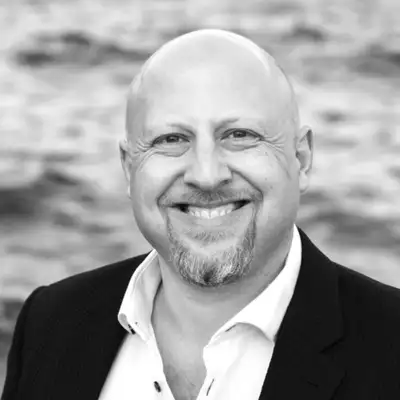
The Lion Counseling Podcast helps men escape the cages that hold them back and become the Lions they were created to be. It exists to help men obtain success, purpose, happiness, and peace in their career and personal lives. The podcast is hosted by the founder of Lion Counseling, Mark Odland (Licensed Marriage and Family Therapist and Certified EMDR Therapist), and Zack Carter (Counselor and Coach with Lion Counseling). In their podcasts, they address a variety of topics relevant to men, including: mental health, relationships, masculinity, faith, success, business, and self-improvement.
And their motto is like, you don't have to be religious to have a problem with killing human beings. And I'm like, okay. Like, the tent is big enough for us to all work together. So I toggle back and forth with the approach, I think we have to be savvy about the approach we have. But I think more and more lately, I'm becoming I think I'm unapologetically Christian in my public witness.
Mark Odland:Yeah. Well, I appreciate you sharing that. That's I'm so so curious about you being on the front lines. And also, maybe it's a spiritual protection thing, but somehow you're not canceled.
Dr. Kristin Collier:Well, I survived a huge cancellation attempt actually.
Mark Odland:Did you?
Dr. Kristin Collier:In 2022. Yeah. So, I mean, yes, yes, yes, I was not canceled. And also there was a cancellation attempt, which I don't know if you know about. But yeah, I survived a big one.
Dr. Kristin Collier:I made the national news in 2022. Wow. Thank God, you know, because of many people who shepherded me through that attempt and through wonderful leadership decisions, I would say, the part of my university to protect my right to speak. So I haven't been canceled yet, but there has been
Mark Odland:Welcome everyone to the Lion Counseling Podcast, where our mission is to help men to break free, to heal deep, and to become the lines God created them to be. I'm Mark Odland, licensed marriage and family therapist and certified EMDR therapist. And today I have the privilege of talking with Doctor. Kristin Collier. Doctor.
Mark Odland:Collier is an Associate Professor of Internal Medicine at the University of Michigan in Ann Arbor, Michigan, where she serves as the Director of the University of Michigan Medical School Program on Health, Spirituality and Religion and as an Associate Program Director of the Internal Medicine Residency Program. She completed medical school residency and chief residency at the University of Michigan. Her academic interests center on human dignity and the ways this concept grounds moral obligations at the margins of life. Her peer reviewed work has been published in JAMA Internal Medicine, the British Medical Journal, and the Annals of Internal Medicine and the Journal of General Internal Medicine. She's had writings published in Notre Dame's Church Life Journal, Theopolis, American Magazine, America Magazine, Public Discourse, The New York Times, and The Wall Street Journal.
Mark Odland:And she is also a wife and the proud mother of four sons. Doctor. Collier, welcome to the Lion Counseling Podcast.
Dr. Kristin Collier:Thanks Mark. Thanks for inviting me on the show.
Mark Odland:Yeah, well I've been looking forward to our conversation. I'm doing a little research about the work you do and sometimes I think about the medical profession as being kind of so scientific minded that spirituality component can sometimes be pushed to the margins. And so it was so cool to see that like you're literally in a space where you're engaging with this frequently and the integration of these things. And my first question, as I was reflecting on this, was thinking about a word that's come up in theological circles or philosophical circles is the word epistemology, right? The study of how we actually know what we know.
Mark Odland:Right. And I think a lot of people going through their everyday life don't always pause long enough to think about that for themselves. And so we can be susceptible to being kind of pushed by our emotions rather than thinking where is my truth grounded in. And I was struck by in your introduction thinking about human dignity as being something that can ground kind of obligations, behaviors, ways of seeing the world and taking action moving forward. I'd love to just maybe start out with that as kind of an open ended question about that concept of human dignity being a grounding for the work that we do in helping people to heal.
Dr. Kristin Collier:Thanks, Nawdat. Thanks for bringing up one of my main interests.
Mark Odland:Yeah, for sure.
Dr. Kristin Collier:Now to talk about it. So I mean, as you see, there's a lot of suffering in the world. Yeah. There's a lot going on, to be broad. And I think particularly in medicine, in the spaces that I work in medicine and thinking about taking care of people and thinking about bioethical issues, I speak and write a lot about bioethical issues, specifically physician assisted suicide, euthanasia, abortion, IVF, transhumanism.
Dr. Kristin Collier:These are very controversial topics. To think about how we can use our technologies in medicine and think about our tools for healing and directed towards the good of the person. And I think most people come into medical school, I would say, I would hope, because they want to take care of human beings. They want to take care of persons. But again, of episteme, do people really have a clear understanding of what a person is or what a human being is?
Dr. Kristin Collier:Some people actually don't think of those terms as being the same thing. Some people think there are categories of human beings that are non person. So we have these assumptions maybe about what those terms mean, but we really haven't had maybe the type of discourse to understand what's at risk when we don't think of human beings and persons the same, or when we have a concept of human dignity is based on what people can do instead of who they are categorically. So I think our main crisis right now in medicine and biomedicine ethics is an anthropological crisis. We've lost sight of, I think, proper view of the human person, one whose dignity is rooted in who they are, namely the image bearer of God or the Imago Dei.
Dr. Kristin Collier:Instead of thinking about human dignity is based on attributes that maybe people have, capacity, rationality, self awareness, agency. If we bring human dignity there, then that invariably will leave out from our, I would say, moral sphere of concern, very vulnerable members of homo sapiens, babies, prenatal children, people with disability, people with dementia. I would say people who medicine should have a preferential option actually to take care of as a vulnerable member of homo sapiens. So, and once we start seeing certain members of homo sapiens as not having the same dignity as somebody else because they lack capacity or agency, then we're going to set up tiers of human dignity. And that has real consequences for real people's lives, especially medicine where we're making decisions, to be frank on who lives and who dies with our tools like abortion and can't decide physician assisted suicide, etcetera.
Dr. Kristin Collier:So I think in medicine, if we're not thinking about our concepts of human dignity, know, that like, what are we think of the value of dignity, like the word dignity of human persons. It sort of is going to affect all of us. It affects who we may offer resources to, who we may sort of offer certain treatments towards, who we may aim to sort of protect or sort of, I think, sort of think about making policies to help protect them in a certain way. So I think that that topic really matters. Especially someone who lives in the space of medicine, think we've lost some of the root inherent human dignity in something sort of ontological categorical to them and instead have started to confer dignity on people.
Dr. Kristin Collier:I see that as real consequences. So it is a really, really big interest of mine right now because if we don't get human dignity right, everything sort of that flows out of that is going to be disordered.
Mark Odland:Yeah. Yeah. That that's powerful. I mean, I I'm sure you've come across similar material that, those who maybe aren't arguing it from, you know, in that medical space, but maybe purely from a theological perspective Mhmm. Sometimes they'll bring up that some of the very same arguments that are used to categorize certain humans as not worthy of being protected are the same arguments that were used to say justify slavery, things like that.
Mark Odland:And I guess I'm curious when other medical professionals, are exposed to your material, do you find that there's a little crack in the armor and there's like, okay. That's that's interesting. I hadn't thought about it that way. Or is the cognitive dissonance so strong that they just say, oh, that's totally different, and like there's a lot of resistance there.
Dr. Kristin Collier:Isn't that like the best moment you can hope for as an educator or as a mentor when you can help your people that you're speaking about see things in a different way, you know? And I do think, I mean, we used to have a flawed view of human dignity. It's only because people took the time to talk with me and help me realize that I was not seeing things in the way that I should be seeing them, especially the cognitive dissonance of, you know, I think a lot of us, especially the young people, a really keen sense of justice. And so when you sometimes certainly point out that they're actually a framework of attributing dignity to certain people based on status or capacity or whatever it is actually sets up a system that's unjust and leads to certain people, especially the most vulnerable people being marginalized. They are uncomfortable with I think like any I mean, I think as a Christian person, as a newly baptized ten years ago, a newly Christian person, I really think about the pedagogical methods of Jesus Christ and how he would ask a lot of questions.
Dr. Kristin Collier:And it's one thing for me to tell somebody like, I think your idea of human dignity is deeply flawed. And I think it needs to be corrected versus asking questions of like, tell me how you give human dignity and how are you conferring, you know, worth or value? How do you see the worth or value of your patients? And then when they tell me something back like, Oh, I think people matter because of what kind of contributions they've made to society. I'm like, Well, that's interesting.
Dr. Kristin Collier:But like, what about your patients who were born with cerebral palsy or spent their life in a wheelchair and hasn't made this contributions, you you're talking about, do they like, do they not matter at all? And they're like, well, actually, I think actually maybe human dignity is based on like, you know, because people love them. I'm like, well, some people actually don't have anyone who loves them on this earth. Like, do they not matter? If someone has a lot of fans, do they matter more?
Dr. Kristin Collier:It seems like that would set up again. So it splinter in their mind. Then, right, some people will be like, well, how do you bring human dignity? Well, some of us believe that the best way to root human dignity is we don't have these tiers that sets up a system that would lead to injustice is we root human dignity, some of the philosophical term based on the very type of creature that they are. Everyone's homo sapiens, more of a philosophical, non geological term.
Dr. Kristin Collier:Right. I say as a Christian person, I believe every human being, you know, it has dignity based on the fact that they're made by God and loved by him and bear his image. We called that the Imago Dei. Instead, that's awesome to read it because I can't find another way to root human dignity. Set up these tears.
Dr. Kristin Collier:And you know, so I think some people take that and chew on that for years. Some people they're so deeply unsettled with the way that they realize that their ranking of human dignity is on just that they quickly pivot to something else. And some people, I believe some of us, you know, is to be honest, is somewhat of a spiritual blindness. Like it's just they can't they either can't or won't see it because they're so deeply entrenched in a certain way or there's a certain tribalness of the way they see it. And it's tough to have ongoing conversations.
Dr. Kristin Collier:But I think that's been so cool actually talking to young people about human dignity and how they root it and see how if we don't have this right, who gets sort of literally thrown away. Wow. Right? Mhmm.
Mark Odland:Yeah. I mean, that's so yeah. And and that can be the the danger. Right? You can feel like you have quote unquote have a truth to share.
Mark Odland:Yeah.
Dr. Kristin Collier:But if
Mark Odland:you if you don't do it strategically or in a caring way, it's not going be effective. Exactly. And I love that analogy of the splinter in the mind, right? Because it's I mean, reminds me a little bit, even though this isn't like proclaiming the gospel per se, it's like this idea of like the parable of the sower. Right?
Mark Odland:You know, the the the call to scatter seed, it'll fall where it falls, and then some will grow, some will grow for a while, and and wither, but it's like there's some weak parts we can control and some we can't. It's encouraging to hear that you're perceiving an openness with with some of the younger generations. Are are you is this people you're bumping into in everyday life? Is this people that, like, after a lecture, you're where where are you finding these people and having these conversations?
Dr. Kristin Collier:Yeah. Yeah. It's so funny because I mean, I I agree with you. First of all, in terms of strategy about these conversations can be very challenging because they get to topics that many of us hold very dear. We think we have sort of made up our mind, it seems it's hard to be challenged about things like that by other people.
Dr. Kristin Collier:And so I think these conversations best happen in the context of a relationship. You know, that I have a relationship with many students over time, and they know through that relationship that I love them, that I've cared for them, that I've provided for their needs, that I've shepherded them through tough situations. And so when these things come up, that garden is already sort of like being cultivated as one of trust so they can sort of engage with a little bit of epistemic humility with me. I'm not quite sure actually if I'm thinking about this right. So I think that's the best way.
Dr. Kristin Collier:I give a lot of talks to strangers about human dignity. I'm actually going to give a talk in defense of human dignity. It's the inaugural St. John Henry Newman lecture at Newton University in Wichita, Kansas in September. So that will be the people I've never met before.
Dr. Kristin Collier:So we're the public and people will come and they'll ask questions. Thought it'd be fun. It's interesting. I really try to find openings to talk about this. I take a lot of Uber rides and shuttle rides.
Dr. Kristin Collier:My husband's always like, how do you find a way to talk about this with everybody? I'm like, how do people ask? Where are you going? I'm like, I want to talk about human dignity at Duke. And they're like, oh, what do you mean?
Dr. Kristin Collier:I'm like, well, I think it's really important for us to think about how we write human dignity. So having conversations and honestly, people are surprisingly open and be like, tell me more, this is interesting. Because this topic isn't just important for medicine. It's important if you're a parent, an educator, a lawyer, a cab driver, a priest, these topics, like human dignity is like, this is the topic that affects all of us and how we see and how we treat people and what resources or policies we might vote for. So it's been really fun actually talking about this topic with people across North America in various settings.
Dr. Kristin Collier:But I think it's best cultivated over time in an iterative fashion, maybe with your students or your mentees or your friends or family.
Mark Odland:Oh, yeah.
Dr. Kristin Collier:It's cool.
Mark Odland:Very cool. Well, that's awesome. I mean, I guess the last kind of curiosity I had on this sub on this subject of dignity is you kind of hinted at this. But do you feel like someone who maybe has more of a a humanist or agnostic or atheist worldview, do you feel like just through logic, the logical arguments or maybe appealing to the kind of, I guess, what scripture would call that natural law built within all of us to have some sense of the right and wrong is enough people to get to get people kinda over the hump just to embrace that human dignity view, or do you feel like eventually there has to be that leap to the Imago Dei kind of way of seeing things theologically? And and and maybe that's a complex kinda question.
Dr. Kristin Collier:I thought lot about that when I thought about strategy or, like, speaking into the public space about natural law versus distinctly theological language. Honest to be honest, I, like, I toggle back and forth. Yeah. So you mentioned in my opening bio that I had a piece, piece published in The Wall Street Journal in April, and it's about physician assisted suicide. And so it's funny because they reached out to me when I was originally asked to write this piece and they were like, we have a lot of pieces that have natural law arguments around physicianists.
Dr. Kristin Collier:We want a distinctly religious argument against them. I'm like, I can give that
Mark Odland:to Obviously,
Dr. Kristin Collier:the comments, that type of approach usually garners the most attention because people are like, this is an ethnography. How dare you keep your religious hands off my body? I never would want someone like you to be my doctor. So I'm like, I was asked to write it this way, you know? And sometimes I'm like, well, actually, probably in the most practical ways have this sort of natural law approach.
Dr. Kristin Collier:But honestly, lately I've been like, you know what? I'm just not sure natural law is going to get us all the way there. Right. Honestly, like lately, I'm just like, you know, I'm a Christian person. I'm going to speak like a Christian person.
Dr. Kristin Collier:I think that this is like what's going to have to be proclaimed for us to make sure that we defend human dignity. It's probably going to have to come down with some type of realization that we are made by God and loved by him and his image. To me that the power of the Imago Dei, I think, has the power to recapture the moral imaginary about human dignity, not just in medicine, but in society. So I'm hopeful that that beautiful truth can be proclaimed and received so that we can be on the right track. I mean, I do think just to be in all fairness, we have a lot of colleagues and friends and collaborators who do not have a religious perspective.
Dr. Kristin Collier:Actually, biggest allies in the battle, would say, keep physician assisted suicide out of all these states in this country is the disability rights group. And a lot of those folks actually are coming at this from a justice angle or a natural law angle. And they believe actually that there's a very deeply ableist stripe within medicine and policy, and they're coming at it from that angle. Many of them, some of them do, but many of them don't claim the Amado Dei Foundation, They realize that physician assisted suicide is an affront to human dignity. Actually, there's a really powerful group too that helps us.
Dr. Kristin Collier:They're called secular pro life. And their motto is like, you don't have to be religious to have a problem with killing human beings. And I'm like, okay, like the tent is big enough for us to all work together. So I toggle back and forth with the approach, and I think we have to be savvy about the approach we have. But I think more and more lately, I'm becoming I think I'm unapologetically Christian in my public witness.
Mark Odland:Yeah. Well, I appreciate you sharing that. That's I'm so so curious about you being on the front lines, and also maybe it's a spiritual protection thing, but somehow you're not canceled.
Dr. Kristin Collier:Well, I survived a huge cancellation attempt actually
Mark Odland:Did you?
Dr. Kristin Collier:In 2022. Okay. So, I mean, yes, yes, yes. I was not canceled. And also, there was a cancellation attempt, which I don't know about.
Dr. Kristin Collier:But, yeah, I survived a big one. I made the nationals in 2022. Wow. Thank God. You know, because of many people who shepherded me through that attempt and through wonderful leadership decisions, I would say, in the part of my university to protect my right to speak.
Dr. Kristin Collier:So I haven't been canceled yet, but there has been. Wow.
Mark Odland:Okay. Well,
Dr. Kristin Collier:in all fairness, in all transparency, so we will see.
Mark Odland:Well, that's that's amazing to hear. I'm sure I'm sure that wasn't easy to go through that. But
Dr. Kristin Collier:Yeah.
Mark Odland:I'm I'm really glad I'm glad that you survived that. And
Dr. Kristin Collier:Thank you. Yeah. That was crazy.
Mark Odland:And that it's not a given that an institution would No, it's have not. You
Dr. Kristin Collier:No, it's not. Was so unexpected, maybe in some circles that like Robbie George at Princeton, who is their professor of jurisprudence there, like made like a public statement and sort of like the public domain afterwards sort of commending my dean for doing that because it didn't have to go down that way and it might not have gone down that way. So yeah, yeah, there's a lot of people to credit in that decision, but I'm very thankful that obviously free speech, you know, and academic freedom still has a place at the university.
Mark Odland:Yeah. Yeah. All right. All right. Well, next subject I was excited to talk with you about is something that even though we're tackling it from different angles, you as a physician and me as a trauma therapist, we're both in the business of healing, And I was thinking when you're talking about marginalized groups, I don't often see you know my own clients suffering trauma for that very specific reason, but it more has to do with they were marginalized or traumatized in some way through their childhood, through parenting choices, through these different wounds where it wasn't because they were a certain class of people necessarily, but it was but but them being treated as a child of God was not carried out well, right?
Mark Odland:And then sometimes I'll get people too where it's not uncommon to have someone who's like, yeah honestly I had a pretty good childhood. Yeah. Like yeah isn't it crazy? Like you can have a pretty good childhood and surprise surprise, our parents aren't perfect and they make mistakes and they're living out their woundedness in how they parent us. And so in my practice today, I'm mostly working with these executives and CEO type guys who have a lot of worldly success, but they've reached this kind of, breaking point, if you will, where something's catching up with them.
Mark Odland:And and and it turns out that the very fear of being a failure or being weak or being not good enough actually has been the fuel that has driven their success. Totally. It's almost like their whole life has been I mean, and usually a of them are Christian guys too. So it's like this combination of I wanna love God. I wanna love my family.
Mark Odland:I wanna be a good provider. And I'm also kind of running for my deepest fear that I'm not good enough, that I am that weak failure. And so the more success that I achieve, the further I get from having to relive that experience. And so I so in our time together, we we heal those those wounds and work through that. And and I've been thinking recently a lot about I'm I'm curious your thoughts on this.
Mark Odland:It may not be a true paradox, but it kind of feels paradoxical in a sense that on one hand, in this fallen world, right, our bodies are prone toward age. Aging kind of breaking down, moving toward our eventual mortality. Right? Our eventual physical death. And so there's this kind of trajectory that we're on.
Mark Odland:But then every day in my office when I'm doing this trauma work through EMDR, I see this incredible natural seemingly God given capacity to move toward healing and to move toward wholeness and to move toward truth and to move toward restoration at the very same time. And so I'm just curious if what your thoughts might be about the bodies what seemingly being wired to heal at the same time in this bigger picture where we're breaking down and having these wounds and struggles. And I don't know if you see that practically or theologically or how you'd approach that. What are your thoughts?
Dr. Kristin Collier:Yeah, can I just ask because that's such a know such a radical statement that whenever I hear the doctor I hear it I'm always like wow that's a huge claim? When you say that you heal people's wounds, is that through EMDR? Like, how does that happen? I don't mean to turn the interview over.
Mark Odland:No, not at all. I feel
Dr. Kristin Collier:these people's wounds. I'm like, wow, how?
Mark Odland:Yeah. No. Yeah. How does that work? I mean, you know, I always love to talk about EMDR, so I I I'll I'll try to keep it brief.
Dr. Kristin Collier:Yeah. Okay. Okay.
Mark Odland:But for those who are listening who don't know, so so EMDR, it stands for eye movement desensitization reprocessing. And it's a goofy looking therapy because it involves rapid eye movements, your eyes moving left to right while you're thinking about your traumatic memory. And but it's not hypnosis. You're fully conscious, fully aware the whole time. And basically, what happens is, it desensitizes vivid traumatic imagery, and it desensitizes intense negative emotion that are embedded in the memory itself.
Mark Odland:And then here's where the cool healing happens is organically, this is the natural movement toward healing, is as the sets of eye movements are happening, maybe thirty seconds of eye movements, and the person, all they're doing is free associating. And what happens is as the the pain is calming down, their mind is naturally connecting to healing adaptive information. That's essentially giving their brain the software update from a more adult truthful perspective. Right? So, movement from you know, and the nature of PTSD, and again it's not only PTSD but trauma in general, some of our audience might not know that when it comes to PTSD or trauma when it's triggered, there's no differentiation between past and present.
Mark Odland:It's all now. Right? So someone would say, well, why is my spouse being so oversensitive every time I bring up this subject? Why are they oversensitive? I bring up the dishes.
Mark Odland:It's just the dishes. Well, of course, it's not just the dishes. It's the way you talk about the dishes makes them feel inadequate. And that feeling of inadequacy traces back to this deeply held feeling in their nervous system from childhood where they felt like they were never good enough. And so why are they having this huge response to this seemingly innocuous statement?
Mark Odland:It's because now they're having to defend their character, their value as a human being, not just the dishes. Right? And so we're going back to the source of where those lies were essentially embedded. And trauma tends to store memories in these little bubbles that are kind of cut off from rational truth, and, so they never get that software update. So in EMDR, we pull them to the surface.
Mark Odland:We help them feel it, access it in their body, access that memory network. And then through the process, which is around for now thirty plus years and many controlled studies proving its effectiveness. We know the memory is healed when a memory we take a zero to 10 scale, a SUD score at the beginning, how distressing does memory feel. And then we essentially measure the truth statement. How true do the words that you'd like to believe about yourself?
Mark Odland:What's the actual truth about you? How true does it actually feel? Not when you're calm and in your right mind, but while you're thinking about that memory. And that's when the truth goes out the window and the head can't connect to the heart. Right?
Mark Odland:When EMDR is done, the body feels completely calm even when you're thinking about the traumatic memory and the truth about yourself, like I was just a kid or I'm valuable even though I made mistakes, or I'm loved, or I'm lovable even better, or I'm safe now. Right? Someone who was in a car accident two years ago and now they're having panic attacks when they drive, Their memory gets updated. They can say, it's over. And now I can learn from that and be more careful when the roads are slippery, but I'm not in that car anymore.
Mark Odland:Right? So that's a long way of answering the question, but it's essentially one memory at a time gets healed in in a way that you can measure. So a a day, a week, or a year later, you can go back to that memory that you used to rather avoid. Yeah. Yeah.
Mark Odland:And you can look right at it and feel calm. And the crazy thing is sometimes it's replaced by an entirely different image and a different a different it's like the memory is repackaged. And you could still tell me everything that happened in that memory, but a kid who was bullied no longer sees the bully. He sees the loving teacher who gave them a hug afterwards and reminded them that they mattered. And that's how the memory is now stored.
Mark Odland:Oh. So so, yeah, it's it's cool. It's a cool process. Awesome. Cool.
Mark Odland:Usually, about ten hours worth ten to twenty hours worth of of therapy, and there's a profound difference in the nervous system. Yeah.
Dr. Kristin Collier:Wow. I mean, there are so many really cool tools out there that I just don't know about. So as someone who loves to learn, thank you for giving me that primer.
Mark Odland:Oh, yeah. I appreciate yeah. Appreciate you asking. Yeah. So that's why I say I mean, the the inventor of EMDR, Francine Shapiro, she actually used the metaphor, and she came across EMDR during her own journey surviving cancer.
Mark Odland:But she thought about it's so interesting that if you get a sliver in your arm, as long as it's removed and it's scrubbed out appropriately, the body just kind of miraculously heals itself. Yeah. And so she took the same metaphor for trauma, and she thought of these traumatic memories that were kind of stuck in isolation. That sliver could be removed.
Dr. Kristin Collier:The
Mark Odland:brain will move itself toward truth and, and healing. And healing. And then for my Christian clients, the reservoir of truth is even, in my opinion, deeper. Sure. Sure.
Mark Odland:Sure. The the good stuff that can kinda link in and reshape those memories is even more profound and powerful. Yeah. Wow. Well, that's really cool.
Dr. Kristin Collier:Very cool. Thank you for teaching me about that. Yeah. Saw a little bit of it in your bio, but I wasn't sure what that what that meant. Yeah.
Dr. Kristin Collier:I I appreciate, you know, the conversation about healing and thinking about the body and the working of the body. I think a lot about the body, obviously medicine. And I think when I think about this topic now as a Christian person, I think I anchor it into the meta narrative of creation, fall, resurrection, redemption. And I obviously, we all understand that, yes, God created our bodies and matter matters really because the incarnation of Jesus Christ. Our dignity is intensified because God took on flesh and came in the person of Jesus Christ.
Dr. Kristin Collier:And our bodies are really miraculous. And I think, you know, I think it was Saint Augustine who said, you know, we we pass by the mountains and the stars and we're so like amazed, but we pass by ourselves often without even wondering. We are just like amazing. We're fearfully and wonderfully made, as the psalmist said. And as a physician, I have a new, you know, a new humility about the role of medicine for sure.
Dr. Kristin Collier:I can be helpful as people think about trying to, you know, have a better health outcome. But, you know, God is the one who is healing and without his intervention, none of our medicine even works. So the surgeon can take two pieces of tissue and take the tumor out and sew the planes of tissue back together. But the healing then that comes right to make sure the blood vessels and the nerves regrow and that the skin sort of starts to sort of patch together again. The doctor doesn't do that.
Dr. Kristin Collier:Like God, through the whole thing, in his science and the body does that. And because of the fallen nature of our humanness, we are set for death. And of course, our healing has a limit and we all will die. But the beautiful part of the historical redemptive narratives of the scripture is God is not going to leave us in the grave, but he will resurrect us. And sometimes people ask me, what is the most what is the reason you came to Christianity?
Dr. Kristin Collier:Well, I mean, the reason for that is because the Lord called me and my husband and others supported that calling and I accepted. But it really was hearing for the first time about ten or eleven years ago that this isn't the way things are supposed to be. And that someday Everyone will be resurrected and those who are found in Christ will live forever in glorified resurrected bodies. And I'm like, well, that's the most beautiful thing I've ever heard. That was more beautiful than anything I ever had heard in medical school, because I think especially for those of us maybe that have the imminent frame of just materialism or that don't have a Christian narrative or don't have the hope in the resurrection, our work can feel very nihilistic.
Dr. Kristin Collier:Well, you you can heal people through your therapies. I can heal people through various procedures and medicines, but everyone eventually dies. So like, what are you even doing here? And I think we can, of course, lament. We should lament to the death of our patients that becomes because of our fallenness and the introduction of sin into the world through human choice and action and disobedience to God.
Dr. Kristin Collier:But the thing is, is that like we are not left in that lament. As St. Paul says, we do not grieve like people who have no hope. And that hope is resurrection hope. So yes, we are absolutely oriented towards healing because of God's mercy and grace and his work and creation.
Dr. Kristin Collier:This is his science that we're just aiding along in medicine. But because the sin entered the world, and as we're told about in the book of Genesis, we are all set for death, but we are not going to be left in the grave because of the resurrection. We can hope as Christian people who are found in Christ for glorified resurrected bodies for the ultimate healing will come. And that's why I think of all. I mean, there's so many identities of Jesus that I identify with.
Dr. Kristin Collier:I think one is the divine physician. Yeah. He is the person through whom our health ultimately flows from and who will ultimately heal us completely in resurrection. And he's the first fruits to that. But also, think about especially for you in trauma therapy, I think of Jesus Christ, a man of sorrow, is acquainted with grief as the prophet Isaiah talks about.
Dr. Kristin Collier:He's deeply acquainted with grief. And there are so many stories in scripture about loss and trauma, and he knows what that is. But we are not left there because of the resurrection hope. So that's how I've been thinking about this lately. I think I used to think of medicine before my Christian conversion as like this process of mastery and actually think about it now as more of submission, actually.
Dr. Kristin Collier:I'm so thankful that I'm not actually like in control of all of this. I can do all the right things by the pathways that should lead to healing for my patient and they don't get better. Or I can do things that actually aren't quite right. And we're like, despite all that, people get better. Or I can have two patients who have the same thing.
Dr. Kristin Collier:And like, do the same thing for both of them. One gets better, one doesn't. It's really not up to me. Of course I have to be a good steward and shepherd of the medical science that they've to me and all that, but it's really not up to me. And so I have to remember, again, it's from the Lord who directs all of these things.
Dr. Kristin Collier:And I think to me, that's comforting as a Christian physician and something that I'm just so thankful that I have that capacious scope now of the eschaton also that I didn't have before. So not left in the sorrow when when I can't when people can't be healed on this side of heaven. Like, I'm not left in that despair. You know?
Mark Odland:Yes. That's beautiful. Yeah. I I love the way you frame that, and it actually ties beautifully into my next curiosity. It was about about suffer about suffering.
Mark Odland:And and you've answered some of it already, as though we we aren't people who grieve or suffer with no hope. But it is I suppose it is interesting in a way, right, that on one hand we are trying so hard to eliminate suffering, and yet you can also see ideologies that if you believe that you can kind of achieve utopia or the absence of all suffering in some ways, that can actually lead to destructive choices as well that increase suffering. Right? And and at a kind of individual level, when it comes to the patient, or the client, there's the sense that, yes, we're trying to alleviate suffering. And I think about Jesus, like, unrolling that scroll, right, when he's he's he's kind of proclaiming in his ministry for the first time to his home synagogue, and he points to Isaiah as the one who came to basically alleviate suffering, this person who's coming.
Mark Odland:I'm that I'm that guy. Right? Yeah. And and that's a mark of the kingdom on earth coming. And yet there's something about, I remember learning about what was called, you know, and and they both maybe have their place, but some theologians emphasize a theology of glory.
Mark Odland:Like we see God in the beauty and the majesty and in his his power and the beauty of his creation. Yes. That's inspiring. But then there's also this theology of the cross. This idea that we find where do we find this God?
Mark Odland:Is He on His throne? Well yes, but He's also in the ditch. He's in the suffering. Like you so wonderfully put, the man and queen of his sorrows. Do you in your work right now, how much time are you primarily teaching?
Mark Odland:Are you still seeing your own patients?
Dr. Kristin Collier:I have my own patients. I saw my own patients all day yesterday. Oh, cool.
Mark Odland:Yeah. So much social. Mean Yeah. Yeah. So that's do you find that with your patients, it feels foreign to them to bring up things like around their around their spirituality in an appointment with you.
Mark Odland:Does that still feel like even if they kind of know, oh, yeah. She's open to that stuff, are they still hesitant, or does that seem like that becomes part of the conversation?
Dr. Kristin Collier:Yeah. I mean, my practice is somewhat unique in that I practice primary care. So I'm an internist. I'm a general internist. And so I've been taking care of my patients, a lot of them actually, for twenty five years.
Dr. Kristin Collier:And so again, in that foundation of trust, because they know that I love them. I have helped them navigate, thank God, for the ability to do so, a very complicated healthcare system, very complicated multimorbidity. I've advocated for them sometimes with specialists to sort of navigate certain barriers to care or whatever. And and it is my area of academic interest actually about thinking about whole person care. Yes.
Dr. Kristin Collier:And so it is something that I ask about routinely with my patients. They're not surprised by it. And I frame it in a way that I think is also reasonable. Think about when you asked about, you know, do I ask about spirituality or do patients bring up spiritual distress? I think about when I think about asking patients about their different domains of suffering, in particular, you're talking about suffering, I think about Cicely Saunders.
Dr. Kristin Collier:Cicely Saunders was a nurse that trained as a physician and she lived in the last century. She started the first, probably people would say, first modern day modern hospice, St. Kristin Collier's Hospice in London. And was the first hospice that really sort of accompanied patients through life limiting illness, but also had research and teaching like an academic hospice. And Cicely Saunders, she came up with this model that I love actually.
Dr. Kristin Collier:And she calls it her model of total pain. So Sisley Saunders says that basically you can say you can suffer, you can suffer pain out for like total health or total suffering or total wellness, whatever. But she says people experience suffering or pain in four intersecting physical, emotional or psychological, social and spiritual. And they all intersect. And if you don't sort of understand that people are suffering in these multitude of ways, you can, as you sort of alluded to at the beginning of our conversation, you can actually do more harm because you're operating the wrong things.
Dr. Kristin Collier:Like for example, we know that sometimes patients at the end of life, they can have significant spiritual distress. And spiritual distress is like, what's going happen to me when I die? Why is God punishing me? Is that angry at me or whatever, you know? And that person is present with like really refractory, like nausea and pain in particular.
Dr. Kristin Collier:And if you just keep like throwing more pain meds and antiemetics at this person, not getting better, you have to wonder, maybe I'm making the wrong bucket. Actually, this is actually existential or spiritual stress. And it's not until you get a member of your clergy in or a member of the chaplain and tell them that the pain and nausea improves, right? Or you probably obviously mental health, I remember that commercial two years ago for, I think it was for an antidepressant. Said, where does depression hurt?
Dr. Kristin Collier:It hurts all over. It's because if you have ACEs, adverse child events or depression, it can present more physical pain, headaches and migraines and pelvic pain. It's not until you address that that the pain improves. Right? And so when I ask my patients about I will say, if it's okay with you asking permission, I'm going to ask you some of these questions for this reason because I care about you.
Dr. Kristin Collier:I want to understand the totality of how you might be suffering with this illness or this new diagnosis. So giving someone the reason you're asking the questions and the permission. And if I say, Okay, the FICA questions asked is basically Kristin says is like the faith. Like, do you have a faith or spiritual or religious practice? I, that important to you?
Dr. Kristin Collier:A lot of people check Catholic on their intake form at a hospital and they're just not only Catholic and it really doesn't mean anything to them. Right? C is like, who is your community of people that supports you in this faith tradition? Oh, I have my Bible study on Saturdays or I basically go every Tuesday, right, for my women's group at the church or I get food at the food pantry at the church, whatever. And then A is how is addressed.
Dr. Kristin Collier:How is your health care professional? Can I best address your spiritual needs in the context of your care today? And that can come down to, oh my gosh, I'm in the hospital. I want to have the Eucharist or I want to be able to have a prayer rug or I want to actually be able to observe the Sabbath or I need halal food. Right.
Dr. Kristin Collier:So we can do accommodation. Right. And then a question I was also taught to ask, which I think is a question that gets to all of those domains actually, is especially people with really life limiting illness or at the end of life is like, are you at peace? Know, people are like, no, I'm not at peace because I haven't been able to see my daughter in ten years, social distress. Or no, I'm not at peace because I haven't been able to have my last rights yet, you know, spiritual distress.
Dr. Kristin Collier:Or no, I'm not at peace because my leg hurts so badly, like physical distress. And so those questions, I think if you just normalize them and they become part of the everyday healthcare encounter, we can make sure that we're like asking all those domains because people do suffer in the totality of those domains. I remember when I first saw that model about ten years ago, I'm like, I think a very good internist. I trained at one of the best med schools in the world. And I'm like, I'm really good at picking up physical and emotional distress.
Dr. Kristin Collier:But I was like social distress, spiritual distress. Like I don't even know what that even means. And I was determined to improve my own capacity to be able to ask about those domains and use my teams to address those sources of distress, but also help others understand how to do that as well. So I think of suffering, I think of Cicely Saunders and that model of total pain, it's really helped me understand multifaceted domains in which people suffer so that I'm not seeing just like half of my patient, you know.
Mark Odland:Yes. Oh my gosh. That's so encouraging and powerful to hear that that you're able to do that with patients because, mean, it's I've often thought as a therapist, I'm like, I'm not a medical doctor, I'm not trying to be one. But I just see every day the physicality of these symptoms in my office.
Dr. Kristin Collier:I know.
Mark Odland:And I'm like, you know, I don't know. So it's like the mechanism of action, sometimes it's unclear if it's medically but or what I tell clients is I'm like, well we can rule out one part of it. We're gonna address the trauma piece. And then sometimes you get people who maybe, you know, medication has its place Mhmm. But you have someone maybe who is going through appropriate symptoms given the fact that they had a recent loss, a a grief.
Mark Odland:They're experiencing the human process of grief. Totally. They medicated it too quickly Right. Which actually stunted their grief process.
Dr. Kristin Collier:Right. That's right.
Mark Odland:Kinda numb them out. Right? And so having the wisdom to differentiate between normal human experience, which is I don't know if it was CS Lewis or Chesterton that said, you know, pain can be God's megaphone to the world.
Dr. Kristin Collier:That's right. That's Lewis. Yeah. Lewis.
Mark Odland:Yeah. So I think there's something to that, that even the most painful parts of this human experience, even that God can use to move people toward open healing, which which is so encouraging. Totally. Totally. Well, gosh.
Mark Odland:Yeah.
Dr. Kristin Collier:And I I just wanna wanna say one more thing about that because you mentioned this this idea of, like, limiting suffering. I do think, obviously, like, medicine, thank God, especially since the advent of anesthesia, we have the ability and with certain medications to help alleviate suffering. We should absolutely do that when we can. But I think the error that I've seen in some discourse lately is where we confuse our attempts to eliminate suffering with eliminating the sufferer.
Mark Odland:So, for example,
Dr. Kristin Collier:I have patients who have incurable chronic illness and they're like, actually, let's get rid of them for physician assisted suicide. And I'm just like, in no coherent model of health care, right, would I ever aim at the death of one of the patients in the room. And that is like not actually health care at all. That's an abandonment of the patient. So I do think we can't confuse our attempts to eliminate the sufferer.
Dr. Kristin Collier:That's an impoverished model of health care. And also, do think that, especially maybe I'm not sure we're post Christian culture yet, but I think especially in modern contemporary discourse, maybe in psychological discourse, we've lost a concept of redemptive suffering that there actually is. No one wants to sign up for this, absolutely. But when suffering exists and it often comes to all of us, can point us towards relationship with God, relationship with others. Mean, I've been fascinated with the public discourse around Ben Sasse's pancreatic cancer and the suffering that he is undergoing and what he's realizing matters most actually through that crucible of suffering.
Dr. Kristin Collier:As Christian people, obviously, like the theology of the cross, like Christ suffered in our place and also turned suffering upside down because the cross to the onlooker is grotesque. But we look at that as like, God is the hope of the world, you know, and it's through his suffering that we have been transformed. And in our own suffering, we can join our suffering to Christ. And lastly, I'll say, I think is fascinating to me as a non theologian, I don't understand. But like Christ, obviously, suffering servant and also in his restorative body has stigmata of his suffering.
Dr. Kristin Collier:You know, I mean, crazy, right? So again, as Christian people, the depth of the well, of the theology of suffering for us. And thank goodness, I think there have been more scholars like Xavier Simmons has written about, he thinks, which I think is right. There are only certain goods that can be obtained actually through suffering, especially end of life. And so I think that narrative, because I think the current narrative is like, avoid suffering at all costs, do whatever takes, even if I must die to avoid this.
Dr. Kristin Collier:I think there's actually, like, a different way. And the way of the cross can show us what that may look like as Christian people animating, hopefully, the narrative around suffering in in in the domain of medicine and psychology.
Mark Odland:Breach it, sister. You got it.
Dr. Kristin Collier:Yeah. No. I
Mark Odland:love it. No. I'm so glad you brought that up because my mind was going to a similar place about that idea of redemptive suffering. Yeah. And what's so powerful about it in the work that I do is that even if the person didn't didn't see it as redemptive while they're going through it, there is this way in which, in hindsight, if they can reclaim the fact that it was redemptive, then it can actually be an intrinsic part of their healing process.
Mark Odland:So someone who goes through seemingly needless suffering as a child, they're doing trauma therapy with me. And through their process, they come to see, well, you know, now I have a deeper compassion for other people who've been through that. Right. Now I have this this sense of mission and that I that I wouldn't have been able to oh my gosh. God was I did I wouldn't wish this on my worst enemy, but I wouldn't I wouldn't do because of the person
Dr. Kristin Collier:Right? I am now
Mark Odland:And so, yeah, think that's a beautiful word of hope for us to end on, to know that this idea of God working things toward healing, toward hope, toward redemption, toward his deep love for each and every one of us. Right.
Dr. Kristin Collier:That's right. That's right.
Mark Odland:And I'll take with me today your I you know, what you mentioned about being I don't know if the word was not mastery, but kind of surrender. Is that how you put it? Submission. Submission. Submission.
Mark Odland:I love that because at the end of the day we're vessels who try to be faithful, try to be good stewards, but that so much of it is out of our control. And so we're putting our trust in that.
Dr. Kristin Collier:Thank God.
Mark Odland:Yeah. Thank God is right. Well, it'd be easy to talk a lot longer, but I I know we were ahead of time here. But Thanks, Mark. Kristin, Doctor Collier, thank you so much.
Mark Odland:It was wonderful talking with you today.
Dr. Kristin Collier:Oh, yeah. My pleasure. Call me Kristin.
Mark Odland:Kristin, yeah, of course. And if people want to get are interested in your work or anything that you're working on now or what's the best way for people to be curious about what you're doing?
Dr. Kristin Collier:Yeah. So I am pretty active at Twitter or X as it's called now. And HSRDirector because HSR is health, spirituality, religion. So HSRDirector. And I post about upcoming public talks, my writings, podcast interviews, etcetera.
Dr. Kristin Collier:So people can find me there. Thanks for the opportunity to be on the show and talk with you about these important matters.
Mark Odland:Yeah. Well, my pleasure. Was fun. Well, hey, God bless you. Thanks again.
Mark Odland:Right.
Dr. Kristin Collier:Thank Bye.