Subscribe
Share
Share
Embed


Real talk. Smart strategy. Women’s health marketing, served straight up.
If you're a brand leader, marketer, founder, or investor in women’s health or FemTech, pull up a stool — this is your podcast.
Hosted by Gabrielle Svenning and Karen Flynn of GrayMatter Agency, this Perimenopositive™ podcast explores the brand strategies driving success, featuring candid conversations with founders, brand strategists, healthcare professionals, and industry disruptors about what it really takes to market products and experiences built for women today.
Gain insight in how to:
• Position your health brand with authenticity and impact
• Build trust in the age of influencers and misinformation
• Design marketing that resonates with the women driving care decisions
• Elevate your voice while staying regulatory-smart
• Future-proof your brand for what’s next in women’s health
9 episodes. Zero fluff.
Mocktails included.
Follow & be notified when episodes drop!
Karen (00:01)
Our guests today understand something we've been circling all season, that building in women's health means building where culture, care, and commerce collide.
Gabrielle (00:10)
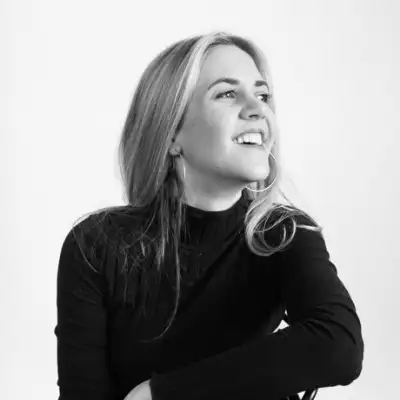
Carolyn Rush is a senior strategy director at Koto a branding and design studio, and has spent her career working alongside founders building what doesn't yet exist. From maternal health platforms to menopause care to some of the most culturally resonant consumer brands in women's health, she's helped shape how emerging categories find their language and their legitimacy.
Karen (00:32)
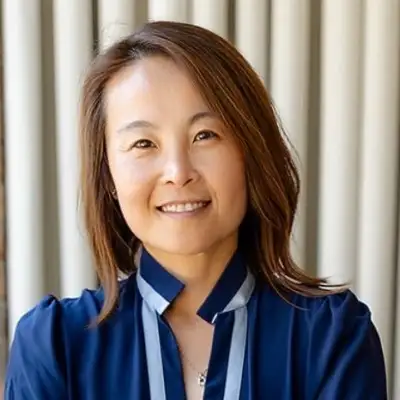
Dr. Jenny Yu is an academic surgeon turned chief medical officer turned healthcare entrepreneur. Jenny has seen care delivery from inside the exam room, inside large health systems and inside growth consumer health organizations. Today she advises and builds with founders who are actively trying to shift how healthcare is delivered.
Gabrielle (00:53)
Together they sit at the intersection of brand, care delivery, and category evolution, which makes them exactly the voices that we need as we look ahead. Carolyn and Jenny, we're so glad you're here.
Karen (01:06)
Welcome and cheers.
Gabrielle (01:07)
Cheers. Thanks for joining us at
Carolyn Rush (01:07)
years. Thanks for having us.
Jenny Yu (01:08)
Cheers.
Gabrielle (01:09)
the bar.
Carolyn Rush (01:10)
We're happy to be here.
Gabrielle (01:11)
All right, so let's dive in. Across the previous eight episodes, we've talked a lot about misinformation, empathy, influence, and commercialization in fam tech. And there's one thing that keeps surfacing no matter what the conversation or where the conversation started.
Karen (01:28)
Yeah, trust.
Gabrielle (01:30)
Yeah, so today we're going to do something a little different than previous episodes. Instead of focusing on one topic, we're examining trends. What trends, technological, cultural, financial, could fundamentally change how FemTech brands grow and earn their trust along the way? So let's start with some reflection.
Karen (01:50)
For instance, Gabrielle and I noticed that no matter what the topic was, the conversation kept coming back to language. It keeps coming back to language and how building the category is just as important as building the product.
Gabrielle (02:02)
So Jenny, Carolyn, curious sort of your general takeaways. Carolyn, we'll start with you.
Carolyn Rush (02:07)
Yeah. No, think a huge plus one to what you just said. This is something I've felt from the beginning. I've been on an operator with Robin, kind of from the ground up, understanding what it's like to raise, but then also on the agency side and working with founders at different stages of businesses and how to be successful.
The thing that I always come back to is like, good grief. There's a lot of weight put on the shoulders of people running femtech businesses because we're asked to sort of resolve, yeah, these larger issues that are affecting us. And that kind of being the path to success is not only understanding those, but building your business around those things. And so
Gabrielle (02:49)
Yeah.
Carolyn Rush (02:49)
I do, think like in listening to the episodes before, I was just realizing like, gosh, there's such an understanding of longitudinal care.
that needs to exist versus one-off kind of transactions and building a business like that. And that is, you're in the startup community and trying to build a business for longitudinal care, it takes a long time. So these things
Karen (03:07)
Yeah, I bet.
Carolyn Rush (03:08)
are just...
I just want to say like hats off, I guess, to everyone who is listening and who has been on this podcast because it's, it just, helps paint the picture that, it's, it's very hard to do and it's a long-term game and there's no one easy way path to success and it's constantly changing and, kind of an uphill battle, but.
Karen (03:26)
I walked away with such deep respect for every single guest that we had in every episode. And I learned so much because it's not really always in my wheelhouse like it is for all of you guys. And I think that reflects exactly what you were just saying. It's such a massive undertaking in so many ways. Yeah.
Jenny Yu (03:43)
And I was going
to add that regardless of innovations in this space and other spaces, clearly how one gets adoption.
is based on regulatory and policy. And for a long time, there's been this sort of disconnect between how people are building in the consumer health outside of traditional health system delivery organizations and what's being built sort of in the traditional sense. And I think listening to the episodes and hearing the founders that are building content strategy or products, whatever it may be,
knowledge of regulatory policy and just then how the innovations ought to be adopted is deep, right? And so that's, to Carolyn's point, you have to understand all of the sort policy regulatory things in order to really build in a way that then impact change.
Gabrielle (04:40)
And that is so important too, because it's all so important that that aspect and the language and everything that they're building has to be rooted. has to have credibility from the get go out the gate. So you need credibility from your very first idea, you know, going to your pitch to your angel investor. You need to continue to show credibility with every sort of study that you do, every indication that you're awarded. There is this
pressure. And I think it's probably unlike, I mean, maybe financial is another one that's so heavily regulated and an almost like the credibility is just stakes in the game. But I think that that issue of credibility is something too that's so there's a lot to talk about. So we're going to dive into that because to your point, I think, Carolyn, these founders and people that are building these companies have so much more pressure.
there's a lot of pressure. shouldn't say quantify it, but there's a lot of pressure on them coming from a lot of different angles about how they should build.
Karen (05:40)
actually, of the next questions on our huge list that we sent you, we're popping right over to AI, might as well just kind of get that out of the way as we're talking about credibility and trust building. Because AI accelerating content is everywhere. So does earning trust nowadays feel fundamentally harder to you or is it just different?
Carolyn Rush (05:59)
That's an amazing question.
Karen (06:01)
It's a big question,
I know.
Carolyn Rush (06:02)
No, it's so interesting. I think about AI, and I was reflecting, how can we think about how it will transform the femtech industry? feel like it's kind of, there's so many parallels between how femtech is structured and just the opportunity of AI. When I think about a femtech health issue, it's,
Let's take birth, for example. It can either be traumatic or transformative. And I feel
Karen (06:27)
Sometimes both.
Carolyn Rush (06:28)
the same way with how AI, just the idea of how it's approached. But I like to think that when an innovation like this is in the right hands, it's going to be used in the right way.
I think there's, you for decades, women's symptoms have been disproportionately dismissed or misdiagnosed. So AI can act as an unbiased, like, health agent that analyzes biomarkers and clinical variables without the sociocultural biases that are found in traditional healthcare. On the same token,
Karen (06:53)
Yeah.
Carolyn Rush (06:53)
you know, while the potential is revolutionary, if AI is trained on skewed kind of data, is
Karen (06:59)
Right.
Gabrielle (06:59)
Yes.
Carolyn Rush (07:00)
automating inequality.
I don't know if that answers that question, but that's just my high level of the parallels are very similar into being transformative or traumatic.
Jenny Yu (07:10)
I
Karen (07:11)
I think, no, no, please.
Jenny Yu (07:11)
think it's
an interesting time that we live in and certainly you could imagine how
AI models and these conversational tools can be really meaningful in helping consumers understand more about their own, know, engage more. Kind of like the days of early, you know, Dr. Google days where information just became readily accessible. But that information being readily accessible, then there's a bit of accountability on the side of the creators. And I think there's accountability sort of probably on both
sides, right, in terms of the receivers and the creators. And, you know, it's important to think about the AI opportunity as the tool that could be used for good. But then it's a little bit of this.
You know, what's our, what's our data and what's our intent in how then we're using AI and the content generation around it. And can it be personalized enough that it will have value add to
Karen (08:15)
Yeah.
Jenny Yu (08:16)
the person who's receiving whatever the recommendation, advice, or, you know, answer to the question. And that's where I think we, time will tell in terms of where we are, but I do think it is harder in terms of.
being able to detect what's real and what's not real. And even for probably people who feel like they have a lot of discernment around what they can sort of use as signals to understand, was this generated by AI? Was this generated by a person? Is a person talking to me, a real person?
Gabrielle (08:46)
That's it, yeah.
Jenny Yu (08:46)
Yeah.
Being able to really understand, okay, are these deep fakes, you know, is my image being used to sort of, you know, dispel whatever information. That's just going to get harder and harder. And when that happens, I don't know that we're all ready to sort of have that discernment and pick up the signals of, okay, what's actually real and what's not real. And that's the
Gabrielle (09:08)
in.
Jenny Yu (09:08)
danger of it.
Karen (09:10)
So what's the solution to that then? mean, is it just becoming more savvy about AI as users? Is it that because your brand itself has such a high credibility that you can rely on your brand to help work around that? It's a big thing. But you were saying it is gonna be different, but it is also gonna be harder.
what types of things
Carolyn Rush (09:37)
Mmm.
Karen (09:37)
do we need to put in place? It's like, we try to teach media and what is it called? Literacy, yeah. Yeah,
Gabrielle (09:43)
literacy, kind of media literacy.
Karen (09:47)
but as you say, you decide you're gonna use AI in sort of a deep fake type of scenario, that's always gonna be a step ahead, I think, of most of us. I like to think that I'm good at it.
Every now and then though, man, I'm putting a comment on something and I go, wait a minute, hold on a second.
Gabrielle (10:06)
Yeah.
Karen (10:07)
And do a little digging. It may not always be right up front that it's been an AI generated thing, but you know.
Carolyn Rush (10:14)
Yeah.
Jenny Yu (10:16)
And I think it's
okay to have AI generated content, but it's the intent behind.
Karen (10:20)
Yeah.
Jenny Yu (10:21)
or, know, why did you create this content and, you know, and just what the sort of business strategy or objectives are around it. Because certainly, you know, there are many things, you know, whether it's, I think it can be funny about this, you know, how much protein should we consume? How much water can we drink? Like there's very kind of generic recommendations that are AI generated that will help
Gabrielle (10:41)
Mm-hmm.
Jenny Yu (10:41)
people be more engaged. Great. But I think it's, it is the literacy piece that I think we ought to be thinking about.
And not for just us today, but for the younger generation in terms of how do you then have more critical thinking skills to be able to make sense of what is put in front of you.
Gabrielle (11:01)
Something we're digging into here at Grey Matter is search and how AI is affecting search and how people are, know, how large language models are finding their information because so many of us are now, we don't even need to go to a website to find an answer. It's all within our search. But how brands show up in large language models is a whole other discipline and sort of study in and of itself as if
our brands don't have enough to deal with in startups and things, and now they have to navigate this new world because AI is changing the way we get our information. So it's interesting because you see it playing a role in the technology of FemTech where it's helping advance mammography screenings and the accuracy, it's helping discern disease, it's helping analyze blood work.
doing all of these things and getting insights like we've never had before. But then there's the, it's almost like we've got fake doctors on Instagram. They don't exist. know, so for me, it's looking at citations I think are more and more important. So no matter what, it's either citations in the captions, it's citations. And of course it's putting the information out there in a way that the, you know, our modern day search tools are going to, is going to find it and serve it up.
Carolyn Rush (12:17)
Yeah.
One thing I've been thinking about with that is just the way we use it and being critical about that from the get-go. think if you think about the internet, like Google, it existed to give us access to the world's information, and
Karen (12:34)
Yeah.
Carolyn Rush (12:34)
AI is just the ultimate vision or promise of that. And so I think it's for knowledge. It's to extend our knowledge. So I think using it for things like understanding how
can better bring in insurance for adoption or closing the training gap for medical professionals that come on or thinking of it as a growth engine for B2B and understanding different data that you need to pull in instead of acting as a replacement for a human, communicating with
Gabrielle (13:04)
Right.
Carolyn Rush (13:05)
a That's where A, bias comes in. It's a sycophantic, tell you what you want to hear sort of model at its best, frankly. And so it's understanding
the use cases and making sure that you're not using a knowledge tool to act as a care tool.
Karen (13:22)
Yeah, but I can see an application though where you're trying to present some information to your users, your patients in a more palatable form than it has been. And so you might have an AI generated spokesperson or something like that, which they drive me crazy. But I can see why people might go that way.
And it's certainly more, maybe more cost effective than having an actor, paid actor come and do the same thing or someone on your staff come and do it if they're not, people who are able to do that for you. I develop content and I know that on my end of things, being able to get in and change a script and have, you know, the delivery immediately reflect that is such a time and cost savings.
I totally agree with you, except that I can also see a benefit to an application like that. And I think it goes back to, think was Jenny was talking about intent
Jenny Yu (14:23)
just you can imagine, around the tone and voice and how you can really potentially, real time, change that in such a way that allows the user and receiver of that content or information to engage with it more. So that's the good side of it.
Gabrielle (14:40)
in episode two, we had Ikram Geerd from Aspavix talking about empathy as an operating system, not just as a tone of voice. And I think this is where, this is interesting because empathy is such a clearly human emotion and can genuinely, there's a genuine exchange there with empathy. You can't really duplicate empathy.
or replicate it, I should say, in a bot. So your point, Karen, as companies are scaling, what happens to Empathies when you have to grow so quickly and you're putting out so much content? Yeah, finding where to, you know, how to balance that is hard.
Karen (15:15)
And
where to apply it to, right? and that's when you start getting into really knowing who you're talking to, really knowing the intent of what you're trying to do and the setting that you're in and all that kind of stuff. And you know, you might have people like me who I hate the idea of an AI generated person talking to me, but if I were in a hospital,
and I pulled up an app with an AI generated person to get me around, I don't know, I'm just making this up, but to help me kind of navigate the hospital. That doesn't bother me because I know what that is. But if you're trying to fake me out and I go onto YouTube and I see a talking head and they've got all this kind of credible information, I feel like you're trying to fool me.
Jenny Yu (15:58)
you're
touching on the point of what also Carolyn said, which is like, it's, you know, what are we trying to do with it? And what human behavior are we willing to sort of say, we can use this in this use case, and we're able to.
We're willing to accept it. And there just isn't really quite the sort of rules of engagement around this yet where, you know, you're, you know, where we're willing to accept it in certain situations, like what you mentioned, and then in other situations, we're like, like, we don't know if, and so I think that's just where it will be interesting as time goes on from a, how are we going to, as the humans, to sort of like really say, how do we want to use it? And
Karen (16:39)
Yeah.
Jenny Yu (16:39)
what, how do we want to adopt it to help us? And that's going to be
challenge from a brand standpoint too to figure out what are the, you your clients, customers, consumers, whatever it may be, like how are they willing to engage and therefore do I need to pivot my strategy because of the change in the behavior that comes over time.
Karen (16:58)
Do you see
a future of an additional level of regulation on this type of thing?
Carolyn Rush (17:02)
I'm curious your thoughts,
Jenny Yu (17:04)
Well,
I you know it it's one of those things where I think regulations are needed but then
we ought to be very pragmatic about the regulations because there are unintended consequences to regulations. And so it's not the solve all for how we think about this. But I do think that it requires sort of different perspectives and maybe some use over time in which we have wraps around, okay, this is how we're thinking about this. But I absolutely think that
that it's important for us as consumers and users of it, to be more knowledgeable about it and have the literacy around it so that it doesn't feel like social media where it was just sort of thrusted upon us and
Karen (17:50)
Yeah.
Jenny Yu (17:51)
here we are and we're starting to find the kind of overall, hey, well, what are the impacts and effects on our brain and our children's brain?
That's my sort of like, you know, non-answer answer that yes, we need regulations, but I don't want that to then also create unintended consequences.
Karen (18:07)
Yeah,
and I agree with you. And I don't think this is a question that could possibly have an answer. This point in our timeline, I think it's just
Jenny Yu (18:13)
Yeah.
Gabrielle (18:13)
Mm-hmm. Yeah.
Karen (18:15)
kind of a thought exercise,
Gabrielle (18:17)
I think one of the things we're kind of getting
Karen (18:19)
I don't know.
Gabrielle (18:19)
at too around all of this and talking about the role of AI, but particularly with the aspect of AI and sort of building things to keep up with the attention spans because attention spans are so short and there's so much pressure to just put content, content, content out there. I think that there's a risk, you know,
There's a that's a challenge and I'm curious actually Carolyn when you were working at a startup at Robin Were you have you were brought in for marketing? Is that correct?
Carolyn Rush (18:49)
head of brand, you know, but I was employee one. So we were just kind of building the business together.
Gabrielle (18:53)
Well, no, but that's exactly what I want to get at.
Like what conversations were
Jenny Yu (18:57)
Yeah
Gabrielle (18:57)
you having about this? Like were you talking about, know, cause you're kind of like twofold. One, you've got your product and then two, you've got, you know, all of the responsibility that you have to your different stakeholders. So you're selling a product, but you're also building your brand. How much of this discussion about brand and
messaging was part of those early days.
Carolyn Rush (19:21)
Yeah, that's an interesting question. think what's so funny is like, and I don't know if any other operators who are listening to this call or anyone who's been at the ground floor, what you're trying to do in building a healthy business for people with uteruses.
is so counter to what investors want. Like that's the immediate feeling that you have. And I know that you've had an entire unpack. You have an episode that unpacks this in detail, which I listened to that was very insightful. I think there's always signals that you need to be sending. And I think it's the core kind of reframe as always. OK, where's the knowledge gap that we have?
And how can't like the one piece of advice or like the one the best thing that I feel like I learned from that experience was just like build your community very quickly of people know more than you do on certain topics, whether it be financial, maybe it's like someone who's joining the business as a customer, but they are so passionate about it that they become an ambassador. And we had we had like an engineer who knew a lot more about AI and how to build.
structures than we did and it ended up opening the option for us to partner with the company that we ended up kind of holding into.
Karen (20:33)
cool.
Carolyn Rush (20:34)
it's, yeah, was, it's, it's, um, and this, you know, five years ago, six years ago, we were having different conversations about AI than we're having now.
And so it was so rudimentary. And honestly, I think we would probably do it completely different. Would it be today? Well, I know we would do it completely different. it's just, yeah, being able to. I think that the brand conversation from the beginning was like, how do we stay open enough to be able to pivot if we need to? And I think that was one of the key learnings just in terms of.
Karen (21:05)
So it's really like where your stage, like what stage you're at, right? So what is a great idea to be things to be talking about when you're starting up versus when you're scaling? How do those conversations or your applications change as you go into a scaling stage?
Carolyn Rush (21:27)
That's a great call. I think you just hone and sharpen as you grow. And
Karen (21:31)
Okay.
Carolyn Rush (21:31)
I mean, I think I'm going to pair this with some of the learnings that I've seen from Midi just having conversations with them at the very start of their journey insight should stay the same regardless of how big you grow. and like, you need to have an insight that is big enough but pointed enough to carry you. And I think theirs was, you know, it's not, it's like, let's stop.
using the word menopause in the name and even in the main description. And let's talk about midlife. this is a, it's it's a big part, you know, it expands it. makes it feel approachable. It's, it, again, like it's something else that is, could be traumatic or transformative and trying to lean into the transformative part of it and help that feel like part of our goal in serving you. And so I think like the message obviously got sharpened, sharpened, sharpened and what they did got sharpened, sharpened.
you know, they, but from the beginning they knew longitudinal care, I believe, like from the get go, a focus and that that paired with the midlife insight allowed the messaging to stay strong, I think from the beginning and like continue to grow without feeling like they're pivoting. So maybe that word pivot is wrong. It happened to be what we needed to do at Robin in certain stages, but like something that allows you to go in the direction you're headed in while refining, refining and getting more specific as you scale.
Karen (22:49)
Good answer.
Gabrielle (22:50)
Midi is
actually, it's interesting you say that because actually just very recently they just announced, I don't know, did you see they hired Marie Claire, what's her, Dr. Marie Haver, Haver I think is her name, but she's a very well known social media creator in addition to being a physician in the space, but they hired her as the longevity sort of.
guru. I think that that idea, longitudinal health, the idea of menopause, that has so much stigma around the word. But if you're thinking about midlife and longevity and quality of life and what is it, not lifespan, but how well you're living, yeah, healthspan, thank you.
Jenny Yu (23:25)
House band.
Gabrielle (23:27)
That's so, so interesting how that served them, that language,
that now they're carrying it through in their brand, the extensions. It's just carrying that idea, which is interesting.
Jenny Yu (23:36)
Well, as
Carolyn was saying, I think that was such an important framing for them.
Karen (23:45)
Yeah.
Jenny Yu (23:46)
Because when you talk about a health phase of life, you're not just talking about the physiologic changes that happen, but there's
impacts in your overall
Gabrielle (23:57)
in.
Jenny Yu (23:58)
time period. so when you're midlife, you're in that sandwich generation. You might be climbing a career ladder. You may be pivoting to a different career. But then physiologically, you're on the decline a bit. And so it's important to then really frame that as a phase of life rather than a particular health thing.
brands have done that. And when you do that well, you really then sort of capture more of the attention from a brand standpoint because people just understand, it's more than just my body and the symptoms and health, but it's much larger. It's a phase of life.
Karen (24:36)
And I think it's easier to find a place for yourself inside of that framing than it is a very narrow framing too.
Gabrielle (24:45)
Jenny, you,
Karen (24:45)
They did a lot of work.
Gabrielle (24:46)
yeah, you can see why founders of any startup are working 24 seven, but I do feel like the FemTech world hasn't even added pressure because of what it's trying to do. And Jenny, when you were working with that large health platform, so that's sort of a different space than what Carolyn was. I'm curious, being in a larger sort of,
more expansive business and sort of model. How did that brand, how did these conversations, were these conversations happening? How are you as chief medical officer, I believe, right? How are you? Because you seem to have like such a good understanding and intuitive understanding of what is going to resonate for people in an audience and a layman's perspective, but also you were hired for your clinical expertise and adherence.
to all of that. So I'm curious, just can you share a little bit?
Jenny Yu (25:42)
Yeah, I mean, I think, you know, I think oftentimes you have to really be...
what I call like a translator or the bridge between the two sides of things. so, you know, there are times where marketing or brand wants to be able to simplify a complex idea or concept enough that it resonates with consumers and users and absolutely. But sometimes the simplification becomes too much. And I know that others on the other episodes have talked about this, where then like, you know, the whole concept gets lost.
so that balance is really important and I think it's important then for even clinicians who work in these brands, whether a startup or a more established mature business, to really understand that.
kind of balance because you can see how there's lots of potential conflicts that can arise in terms of what gets adopted. And I always felt I want to be able to, I want to take on the consumer and user hat. I want to understand if I didn't have this clinical knowledge, would this resonate with me?
Probably not. It would probably just go over my head and I would move on.
Gabrielle (26:50)
Yeah.
Jenny Yu (26:51)
And so how do we balance that? And that's such an important kind of creative.
aspect that I actually loved, you know, working that role, because it's important to take, you know, the complex scientific information and be able to say in a way, whether it's using analogies or whatever it be, to then like really resonate with people,
Karen (27:11)
Yeah.
Jenny Yu (27:12)
be funny, be creative. And I think physicians are starting to understand that now too, that you have to be able to do that a bit. And you have your own sort of flavors of how you do that. But that's how you are going to
speak with people enough that
Karen (27:27)
Mm-hmm.
Jenny Yu (27:27)
you can influence, you can have an effect. Otherwise, we're left with just whatever is out there from a social influencer, creator space that then really do not have the expertise.
Karen (27:40)
what do you think actually signals expertise? And do you see clinicians who are now stepping, there are more and more clinicians stepping into public spaces as creators.
Do you think that, do you see that as a response to the credibility gap that potentially, you know, we could argue is out there right now? And that's kind of a question for both of you because two different lenses, same thought.
Gabrielle (28:03)
Yeah.
Jenny Yu (28:05)
I think so. So what I would say
Karen (28:06)
you
Jenny Yu (28:07)
is when I was practicing,
Part of the reason why I left clinical practice full time and decided to be on the consumer side of things was mostly I saw the shift that was happening around people coming in with information that they found at the age of Dr. Google. And they really wanted the physician to engage in sort of, hey, this is what I found. What do you think of this? And sometimes a clinical appointment didn't allow or have the time for that. But I was very interested in sort of having those conversations with
patients around this in terms of how did you find this and how did you arrive at this belief based on the information you were given. And I think it's important then for physicians to have that curiosity to say instead of dismissing it to say what got you to believe in this and what do you want to do with it.
I think everyone's going to have, everyone's going to claim expertise. And certainly, based on everyone's experiences, you're to have expertise around whatever may be topic. And I may not have the expertise around supplements, or I may not have the expertise around the new kind of peptides that are coming out to help. But you want to be curious, and you want to be just as curious as the consumer is curious and the creators out there. And so there are a lot of clinicians
now that are participating in the social media and the influencing because they know that they have to get out there to sort of be the counter voice or the balance to the other side. really, think, you know, oftentimes you say, well, there's so much noise already out there. And, you know, do I actually participate in the more noise? But I think it's important for, enough credible voices out there to then
really help people arrive at taking that information and making it into knowledge for themselves.
Gabrielle (29:57)
And also, think there's probably going to we're going to see more partnerships like the one I just referenced with Haver and Midi. I think that that's one of the things that's going to signal credibility as well as who's aligning and how are brands, finding the credible voices that also can bring in attention and ears and eyeballs. So to me, that's like sort of answering our own question, Karen, but one of the the
kind of keys of like what signals expertise for me at least that's one of the the lenses I put on is who are they associated with who is this who is this clinician associated with or on the other side who is this brand associated with and what experts are behind them.
Karen (30:40)
Yeah,
it seems like we're also at a moment where it's, more familiar with education, that's more my background, know. Learning how to not be the one distributing knowledge, you know, being the person in front of the room and listen to me and here's information and you need to learn it. The way that,
clinicians in public, in media had been up until recently, where it was maybe, it was much more of a lecture type situation. Because of social media, there is this back and forth, and we want this back and forth. And I think that that is a fundamental change for a lot of clinicians and practitioners to learn how to have both dialogue and.
disseminating information or helping people reach a place where they understand. I think it's really powerful. But I think it's a really change that almost everybody needs to learn how to make. Educators have to learn that we had to learn how to change our classroom practices to be better teachers. And really this is education. can we wind that into the question that we threw out at you guys?
Carolyn Rush (31:46)
I think that's such a sharp, smart, kind of optimistic way to think about this. I do, because as you all are talking, I really admire and empathize with physicians today who need to have an Instagram presence and a TikTok presence, and perhaps they don't want to. But those that do and end up being successful, you realize it's because...
they're doing what is successful on social, which is broad sweeping, very emphatic, confident statements that have a strong point of view. And that isn't always, I mean, I think that that works for 50 % of the topics that people are looking to learn on or about. But it's missing that gap of, I think to your point, Gabrielle, like,
You can say these things, they can sound true, they can feel true, but what makes them true? And I think that's, you know, it's like that.
paired with the broader trend of distrust in public health institutions and just in general, it's like, those are just two legs of the same chair of trust right now. And I think the other thing, like the other leg of the chair is we're being empowered as patients.
The passive patient is, think, a trend that will go away. Someone who comes into an appointment and just says, look at me,
Gabrielle (33:06)
Yeah.
Carolyn Rush (33:06)
tell me what's up. We're going to come
Karen (33:07)
Yeah.
Carolyn Rush (33:07)
with data, right? So yeah, I don't know if you.
Karen (33:11)
Are you seeing that
change generationally? We were talking about that with somebody. You're seeing younger patients now coming. Even people my age, it's sort of early 60s, we're much more knowledgeable. And this is part of that back and forth. I wanna be valued for the information that I'm bringing in and the discernment that I have to have done whatever vetting I'm capable of doing on my end. So don't disregard it. I actually not too long ago ran into a...
caretaker who just, no, no, no, no. And I'm like, really? In this day and age? That's the response that I get? But I figure that the younger you are, the more likely you are to want to have it, I don't know, mentoring partnership. mean, have a meaty discussion with your practitioner about things to really understand ahead of time.
Carolyn Rush (33:56)
Thank
Jenny Yu (33:57)
And on the other side, think the younger generation of clinicians are realizing sort of the dynamic change as well. And in order to gain trust with their patients, they need to be adopting to the new way of interacting with patients, whether it's looking at their wearable data or being able to talk about the lifestyle choices that they're making and being able to provide potentially advice or sending them on to someone who can provide that advice. I think that's super important. And as that happens, I think, you know,
point like there's
there probably needs to be education around too in terms of as a clinician, as we go out to do more social media, to have this very changing dynamic around our patient interaction. What does that mean? And, you know, I think our education, medical education isn't quite caught up to that just yet in terms of, you know, how do you appropriately engage with social media and all the various things. I know that there are societies and organizations are starting to put some guidelines around it because you want to
relatable, you want to feel like you can engage and be with you know your patients, you want to be able to have that trust and influence with them. But there ought to be a little bit of sort of professionalism and you know separation as well. So I think that's an important thing as we go forward as well. Yeah.
Karen (35:10)
Do
you think there are lessons here for brands in this?
Jenny Yu (35:13)
I would say yes, because I think it's how you want to go out there to the world from a brand standpoint. And once you've lost the trust of the consumers, I don't know if you come back, especially in health care. But I would be interested in, Carolyn, your take on it.
Carolyn Rush (35:28)
I think that
is where my head went to, Jenny. it makes me think of the broader feeling that I have, which is like...
Most Fem Tech companies are really good at this and the ones that have been really successful do this well, but it's like, it's very similar to actually the patient doctor experience where like, if you're a great doctor, you're coming in, you're understanding the sensitivities, you're understanding what they're bringing to you and you're applying relief for like a pain management program. You know what I mean? It's like, that's the, that's the relationship. And I think with building a business in today's world, it's like understanding the sensitivities that exist. What are the biggest pain points? I know this sounds obvious, but
whether that be insurance or maybe it's like qualitative and you have to turn it into a quantitative thing. Maybe it's a sensitivity around it not being treated like longitudinal care and feeling one off and kind of
Gabrielle (36:16)
Mm-hmm.
Carolyn Rush (36:17)
not having that longer relationship. so applying the relief in the form of how your business is structured, I know that sounds kind of...
fluffy or woo woo, just to talk about it at that lens. But it to me feels like if we can mirror what's great about the relationship with a great doctor and think
Karen (36:36)
Yeah.
Carolyn Rush (36:37)
about, OK, how can we actually build them? Because you're in this world. You're in this ecosystem. You're acting as that for some folks.
Karen (36:44)
Right.
Carolyn Rush (36:46)
That's good and bad. I think it's mostly just.
challenging, but I think the intuition to find the sensitivities and apply that relief is an interesting way to think about it.
Karen (37:00)
Yeah, I think it's fascinating.
Gabrielle (37:02)
I think that it also
is a nice segue because I think there's another tension that we've heard throughout this series and that's what we're kind of getting at, the balance between emotion and clinical credibility. In episode three, we had Tracy McNeil from Materna Medical talk about category creation as changing how people think, so she's not just launching a product. And in her case,
public health, what we were talking about specifically was vaginismus and this very sort of clinical problem, clinical situation that has a lot of emotion behind it and a lot of, it could be easily when we were talking about vaginismus or when patients were talking about it with their clinicians and she had some staggering.
stats about how most women see like five different clinicians before they finally arrive at the problem because there's so much emotion and it's easily, it could be dismissed, you know, these problems could be, you know, in your head or your tense.
Carolyn, when you were talking about mirroring the relationship between the patient and the doctor, I think that's a lot of emotion, right? And that emotion sometimes in the old school used to be sort of like, I trust you doctor, just tell me what to do. Now that emotion and that clinical credibility, the emotion of trust is built if you feel like your doctor is listening to you, not just dictating and prescribing. So it's interesting, I think there's a lesson here, it goes back to language about
how language in femtech still needs to evolve or how language in women's health needs to evolve. And
Karen (38:38)
Yeah.
Gabrielle (38:39)
so we can be talking about the problems versus not talking about them in sort of nebulous sort of emotional ways, but being able to identify what's happening. And this to me, it goes back to language. So how do brands lead with emotion without losing scientific credibility, I guess is kind of the nut.
Jenny, I'm looking at you, because you've got that, you wear those hats of, you know, the two sides.
Jenny Yu (39:04)
Yeah, I mean, think oftentimes it's OK to acknowledge the emotion of it all, which, you know, we...
we have to be able to kind of acknowledge that however a patient's feeling or whatever the emotions around it, and it's important to acknowledge that. And by acknowledging that, I think then you could open the door to this is what it means from a clinical perspective. And then from that clinical perspective, what does it mean in terms of intervention and screening and whatever not.
I understand sort of like, from a brand perspective and from a founder perspective, oftentimes that emotion is hard to kind of capture. But you look at the brands who have really gone in to acknowledge that emotion and people then really feel that they understand those sensitivities. It's like what Carolyn was saying.
so I don't think we need to dance around it.
out to be able to embrace it and really say we understand this sensitivity and then be able to bring sort of then the clinical aspect of it. So, yeah.
Gabrielle (40:11)
Yeah, yeah, it's the acknowledgement and
Karen (40:14)
Yeah.
Gabrielle (40:14)
then the follow up with credible information, but it's being vulnerable enough to have conversations with patients and allowing for those conversations where they can say, yeah, it bothers me because I can't stop peeing when I laugh. And
Jenny Yu (40:28)
Yeah.
Gabrielle (40:29)
so there's a lot of embarrassment there. Okay, well, let's have that conversation because that embarrassment, that might hook me.
you know, when you empathize with me, but then I want to hear what you're going to do to solve it. And I want that to be in a very clinically, you know, relevant way.
Karen (40:44)
which also circles back to that whole trust building-esque thing that we were talking about at the very beginning. Everything is so interconnected. But as a user, you've heard me now. You've listened
Jenny Yu (40:53)
Mm-hmm.
Karen (40:54)
and you understand.
Carolyn Rush (40:56)
I love that. I also think it reminds me of something you said earlier, Jenny, around, like to me, emotion and intent are kind of one and the same when you're thinking about language. And actually, if you feel the intention put behind the craft, whether it's like top of the funnel, just brand recognition and awareness language, or like how you're delivering my
lab results back to me. I think there's obviously a time and place to play with tone, but intent is the through line through it all. And I think a lot of times where some tech brands specifically, maybe miss the mark is putting tonal emotion in everything.
I think we're all humans, we just want.
the right information delivered to us as clearly as possible. And when you're talking about things like diagnostics, it's important to make sure that it's really about intent and not emotion. Not tone.
Gabrielle (41:50)
wondering, Karen, if maybe we should just jump to some of our lightning round questions.
let's bring this back to reality. You know, we've talked a lot about language. We've talked a lot about trust. We've talked about the many different things that founders and marketers of FemTech brands have to take into consideration as they're building. But what we have to do is move to adoption. That's like the biggest thing is all of these wonderful ideas and messages and empathetic
sort of moves mean nothing if we can't bring a product to scale and that requires money and adoption and investment. So I think, you know, one of the questions I have for you ladies is, you know, when we're looking at how to scale and knowing at this point, we're really looking at investors, they're the ones generating or propelling the industry forward. What are they looking for?
in a brand to invest. Like why did Midi just get all this money? What is it about them that is sending the signals to investors that yes, this is the right move?
Carolyn Rush (42:59)
Yeah, I'm curious your.
your take, Jenny, but like off the cuff, I think the three main things that come to mind and of course not on the inside. So don't know for sure. But I think investors are looking for, you, are you thinking about AI in the right places? Is it already solving problems? Right. Is it like a force multiplier for clinical scaling, for example? And I think MIDI has proven they're doing that in certain ways. They're reducing like the provider burden. That's such a big part of it. Right. Like just the amount of time that it takes to be a thought
provider and what.
need from them as a business that employs them. And then I do think the system integration is the second point. So closing the training gap, thinking about insurance is obviously the biggest hurdle for any
Gabrielle (43:45)
Yeah.
Carolyn Rush (43:46)
of these businesses. And they've kind of secured broad insurance coverage pretty quickly. And then lastly is that longitudinal care versus one-off transactions. feel like if I'm an investor, I'm thinking, OK,
there conversations that are already in place with the Mount Sinai's of the world with the larger institutions so that this isn't going to be a jump as that already, you know, the quicker you can get those, those long-term goals set in terms of longitudinal care system integration and using AI to solve inefficiencies that have like plagued this industry forever, even
Gabrielle (44:18)
Thank
Carolyn Rush (44:19)
if it's not, you know, a fully a part of, of your everyone's day to day in terms of how the systems are automated, at least if it's
It's proving to kind of solve some of these systemic issues just for your one business. feel like that's like the bigger piece of like, okay, this is worth more than just what it is on paper or what we see today because
Gabrielle (44:37)
Right.
Carolyn Rush (44:38)
the way that they're operating.
Jenny Yu (44:40)
Yeah, what I was going to add is that I think investors have seen that the only direct consumer channels and products have not worked.
in a way that then has sustainability to sort of the what I call the early kind of, you know, digital health or virtual health or any of the solutions are built out of the traditional healthcare delivery sense. And when that has happened, then they're obviously looking for a little bit more what's the effectiveness of our investments. And, you know, we know that people try to build infrastructure outside of the traditional ones and we don't need to go
into sort of why we have to do that. But yet from a sustainability standpoint, you still need the alignment of the payments and the alignment of the systems. And so in that sense, you have to be able to be able to integrate or reshape sort of then how the payers or systems are thinking about your solution and product. And so if that's the case, then you do have to have longitudinal care. You do have to have
sort of changing of both the clinical ROI and the financial ROI from an investment
Karen (45:51)
All
Jenny Yu (45:52)
standpoint. And that's why there are certain brands have sustainability to who they are and they've sustained in how they're playing in this field. so absolutely your investments have to be able to return in such a way that is both making the care delivery better from a patient standpoint.
point but also from a how do we think about the entire how money moves in the system standpoint.
Gabrielle (46:15)
Right.
All right, so real quick,
I do wanna just hit on trends. I'm curious, Jenny, what trend do you feel is underestimated right now? Do see anything kind of lurking that people are not paying enough attention to as far as the way, know, women's health
Jenny Yu (46:34)
Yeah, I feel like this has been a little bit in pendulums shifting back and forth a bit anyway Whereas I think women are demanding just a better experience overall in terms of how they receive care period and whether that's you know, someone who's a teenager to you know, someone who's in their 20s to someone who's in their set 60s or 70s and so anything from you know, how I access acne care to you fertility to You know midlife
for menopause care, all coming from a I need my experience to be better. And that need you and this is why there's so many femtech and just women's health companies building in sort of this way. And I think it's
Gabrielle (47:18)
Yeah.
Jenny Yu (47:19)
important that we can't discount how a consumer because they have had better experiences in other aspects of their lives that they're demanding this as well in health care. And we ought not to let
sort of regulations and well this is how we always do things, stop us from building a better experience.
Gabrielle (47:40)
Yeah, I love it.
Absolutely. Jenny, any thoughts there on emerging trends or things that we can't ignore?
Karen (47:48)
You mean Carolyn? Yep.
Carolyn Rush (47:49)
Yes. Oh
Gabrielle (47:49)
Sorry, Carolyn, yeah.
Carolyn Rush (47:51)
yeah, I know what you meant.
Gabrielle (47:52)
Yeah, I figured.
Carolyn Rush (47:53)
I think, yeah, I...
Karen (47:54)
but our listeners might not. Yeah, okay.
Gabrielle (47:56)
Yeah, sorry.
Jenny Yu (47:58)
you
Carolyn Rush (47:58)
No, I just, I'm kind of interested in this thought that's bubbled up in this conversation around like the passive patient going away. And I feel like in the rise of technology, we're going to see a shift, we're going to continue to see the shift like beyond tracking into like biometrics, right? Like using our basal body temperature and.
not just heart rate, but heart rate variability and maybe even menstrual blood, as real data points that are just like a given. so, I don't know, I think I'm excited to see how the active patient, in the world
Gabrielle (48:31)
Yeah.
Carolyn Rush (48:32)
of misinformation and in the world of overwhelm,
Gabrielle (48:35)
Yeah.
Carolyn Rush (48:36)
how it can continue to be sharpened and used to our benefit and for better.
Gabrielle (48:41)
And that's so interesting because in FEMTECH you're seeing, I don't know if you've seen the earrings that there's some earrings out there that are tracking biometrics.
so many more data points that are informing our patient. And to Jenny's point, that's going to make the experience different. They're looking, they're not just going in, checking in and talking to their provider for 15 minutes. They're coming in a lot more educated or.
as we see, miseducated, but misinformed. But with all of these data points and the growing trends of that, I mean, I see more people wearing those rings now. You're right, that's really interesting.
Karen (49:15)
So what does this mean for marketers then? I is there stuff that they need to unlearn to move forward? Is there something that's going on now that's really gonna feel outdated really soon? Something that they're not jumping on that they should be?
Carolyn Rush (49:28)
I feel like you brought up a great point earlier around just like, how do we, like, it's been visibility at any cost until now. with, I mean, we've kind of like operated in a direct to consumer.
model, and it's been one way. And now with AI, how do we show up? And what does direct to consumer look like? And what does that mean? I don't know that you. I think we're going to have to unlearn attention doesn't equal trust necessarily, and unlearn the habit of chasing viral metrics instead of focusing on meaningful interactions and stewardship of your influence that you have.
Gabrielle (50:04)
Jenny, any final closing thoughts before we go? One thing about that unlearning, believe, it like unlearning the traditional path of the customer journey. You know, it's no longer
Karen (50:16)
Yeah, right.
Gabrielle (50:17)
just one linear way of, my gosh, I have a symptom, then it gets diagnosed, and then I have a treatment. There's so many other steps and ways, and brands have so many different touch points than they did in the past.
So, well, thank you so much for, yeah,
Karen (50:33)
Thank you so much.
Gabrielle (50:34)
for just bringing, lending your insights
Karen (50:36)
Really.
Gabrielle (50:37)
and helping us recap and unpack and all of that. It was a pleasure speaking with you both and I'm feeling optimistic about the future of FemTech. I think with leaders like you in the field and all of our guests that we've had, you know, I feel like we're on the right path finally.
Karen (50:54)
Take care, thanks so much. Bye.
Carolyn Rush (50:54)
Thank you for taking the time out of Appreciate you
Jenny Yu (50:55)
Thank you so much.
Gabrielle (50:56)
Bye.
Carolyn Rush (50:57)
all. Bye.
Jenny Yu (50:57)
Take care.