Subscribe
Share
Share
Embed
Welcome to “Teaching Tax Flow: The Podcast”, the show that’s all about demystifying taxes and helping you keep more of your hard-earned income in your pocket.
Hosted by tax experts from the Teaching Tax Flow team, this unfiltered (but clean) podcast is designed to empower you with the knowledge and tools you need to confidently navigate the world of taxes. We’ll cover everything from understanding tax laws and regulations to maximizing deductions and credits.
In each episode, we’ll break down a specific tax-related topic in a clear and accessible way, providing practical tips and strategies you can use to optimize your tax situation. We’ll also answer listener questions, share the mic with amazing guests, and share real-world examples to help illustrate key concepts.
Whether you’re a freelancer, small business owner, real estate investor, or just looking to understand your taxes better, this podcast is for you. So tune in, take notes, and start building your confidence in taxes today.
Produced and hosted by Teaching Tax Flow.
www.TeachingTaxFlow.com
Hey, everybody. Welcome back to the Teaching Task Force Podcast. Today, are gonna dive into a topic, personally, I don't know a ton about. My parents know a ton about this, though. So instead of having them on for this one, we decided to bring in a different guest that knows a lot more than even they do.
John Tripolsky:I got a couple years on me, so they're a little bit more familiar with this topic. But one thing I do wanna mention before we kick this off, if you're ever asking a question that has anything to do with say something else, right? We're going look into Medicare. You say, Why in the world am I listening to this? Are they talking about this on a tax planning podcast?
John Tripolsky:We're going to explain it. So hang in there with us. I'm going to throw it over to Chris Picciurro, my co hostess with the mostest, tech knowledge, tax knowledge on this one. Chris, why don't you go ahead and introduce our guest, but then also kinda kick us off on this topic a little bit.
Chris Picciurro, CPA:Well, it's great to be back on our own podcast. John, my parents know a lot about Medicare also. And if either of our moms were on this podcast, it definitely wouldn't be in the time allotment that we would prefer, but we love It would be like
John Tripolsky:watching HGTV or no. You know what? The Home Shopping Network where they talk about the same thing for a long period of time.
Chris Picciurro, CPA:Yes. So Yes. I might probably don't watch this, so it's good. But if we ever have a long drive, they're the perfect person to call. So it's it's wonderful.
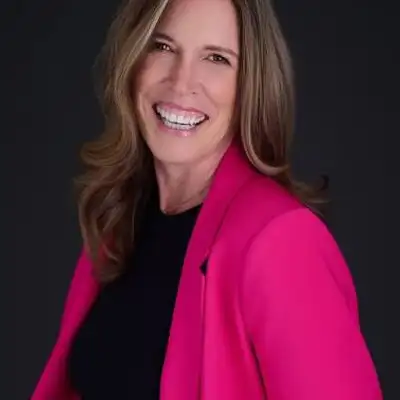
Chris Picciurro, CPA:And by the grace of god, sir grace of god, they're with us, so we love that. But who else is with us is a special guest today. Rebecca Jackson from Mainline Benefits. I had the pleasure of meeting Rebecca recently, through, some common, connections, and we, we're in the same group of people that we're meeting. And once I found out what she did and the knowledge she had and that she's very educationally focused, I had to I had to open up the briefcase to get her on the show.
Chris Picciurro, CPA:So, hopefully, but we are honored to have her. She's also a Middle Tennessee resident like myself, but but works with people in 15 different states. But welcome, Rebecca, to the Teaching Tax Sold Podcast. Thank you for joining us.
Rebecca Jackson:And thank you for having me. Glad to be here, and let's see if I can give you a little bit of idea what Medicare is going to look like for you someday.
Chris Picciurro, CPA:Well, I hope I'm around to get it. We've all been paying into it. Tell us before we jump into Medicare, just a little bit about yourself and what how you found yourself, you know, into getting into this field because, you know, when I was a kid, throwing the baseball around in the front yard, I wasn't thinking, gosh, I wanna look at tax returns and do tax planning. But how did you find yourself into this field?
Rebecca Jackson:Well, I didn't think about tax planning or Medicare either when I was out running across the dirt claws to jump on the tractor with my dad growing up in Southern Illinois. But I did find myself when my parents were getting aged and needing some help with their finances and caregiving. I moved them in with me here about five years ago. So I was a busy stay at home mom, homeschooled my five kids, and assisting as my husband traveled and did his work. I loved playing my role well.
Rebecca Jackson:He called me the CFO of the Jackson household, so hopefully I managed that well. But this was a new role for me as a caregiver of my parents. My mom had some medical issues and had dementia, and I noticed the bills coming in, and they weren't covered as well as I thought they would be with the medical insurance that we had. And so I started on this Medicare journey originally with my parents and found out that their needs could be met better with some plans. And I just hopped on board the wagon.
Rebecca Jackson:I just thought if I'm going to do it for my parents, I would love to help educate other people and bring peace of mind to them, helping them with their Medicare as well.
Chris Picciurro, CPA:Well, to taxes, right? A lot of people go and and one of our passions is tax planning. Right? And and and sometimes people just bring their documents to a tax preparer and accept whatever happens without planning and strategy. Where Medicare, they're I'm sure they're the vast majority of people enroll when they think they should enroll, but never go through that planning process or understand some of the tax and financial implications of enrolling.
Chris Picciurro, CPA:So if you've raised a whole basketball we're very confident you're going to be able to explain this to us. And so, yeah, can you tell us a little bit of what Medicare is just to start as a program?
Rebecca Jackson:Medicare is your insurance once you turn 65 and you don't have employer insurance anymore. And it's like an eightytwenty plan is what original Medicare is, where you are responsible for 20% and Medicare pays for 80%. Most Americans will earn the right to have Part A, which is your hospital. And you also have the ability to get Part B, which is your doctor's, once you turn 65, if you've paid enough into that or your spouse has paid enough into that over the years with your work.
Chris Picciurro, CPA:Gotcha. And so what a lot of people don't realize is that when you're an employee somewhere, you're actually putting into that program like you mentioned. When you're self employed Yeah. You're depending on your your profit of your business and your taxable income you're contributing. I've had a lot of people unfortunately take the elect S corp and not pay themselves on a W two at all and they were not compliant and then they realized they don't have any benefits.
Chris Picciurro, CPA:But let's talk about the positive. Can you enroll in Medicare before you're 65?
Rebecca Jackson:There are special circumstances, usually health related, that allows someone to have Medicare before the age of 65. The main one if you've qualified for disability for two years. After two years of disability, then you will qualify usually for Medicare as well.
Chris Picciurro, CPA:Awesome. So this is something that when you're six, just kind of in the timeframe, walking through the timeframe, at 65 you enroll. And can you kind of talk us through that decision? What if you have a married couple and one of them's 65 and one of them's 62?
Rebecca Jackson:That's a great question. So once you turn 65, even though you are a family or married, you are treated as an individual, as far as the government is concerned. So sometimes you can delay starting Medicare if your spouse or yourself, if you have a qualifying medical plan with your employer, then you can use that plan until you retire. And then once you retire, then you have what we call is your initial enrollment period. For other Americans though, when you turn 65, the three months before your 60 birthday, the month of your 60 birthday, and the three months after your 60 birthday is your initial enrollment period.
Rebecca Jackson:And that's when you go and sign on to ssa.gov, and you ask them to sign you up for your Medicare Part B plan.
Chris Picciurro, CPA:But there's plan you could do a little bit of planning, right, is what we're saying?
Rebecca Jackson:Yes. So when I'm working with my clients, I start them off at six months before actually, usually a year before when they turn 60 for I let them know, hey, you're going to get a lot I call it birthday confetti, a lot of mailings this year, the whole year, you turn 64, people really send out the mailings and the emails and everything, trying to convince someone turning 65 that they have the best plan and creates a lot of anxiety and panic for a lot of clients because of that. But age 64, I let my clients know, I'm here for you. Not only have I helped you with your insurance under the age of 65, your individual plan, I'm here for you when you turn 65. And so I sit down with them when they're, six months away and explain to them how to sign up for their plan B, or part part B.
Rebecca Jackson:Okay. That's what we call it. And so once they sign up for that and they get their red, white, and blue Medicare card with their Medicare number on it, then we sit down again about three months before their birthday and we pick the plan that they want to go with their original Medicare. And so when they turn 65, they already have something in place, and there's no worries about what their plan's going to look like at that point.
Chris Picciurro, CPA:Well, and that's something that I really didn't understand. And maybe you could explain it to me a little better. I guess my assumption a lot of people have is that you enroll in Medicare and you just enroll. Right? There are no options.
Chris Picciurro, CPA:And and you mentioned there are there are options. Right? There's different parts. You've already mentioned the hospitalization and the doctors. What parts of Medicare are available to an applicant?
Chris Picciurro, CPA:And how big of a role is their current medical insurance playing? Because, you know, let's say they're still working. Let's say they're a full time employee somewhere. They're covered on a group health insurance plan. Now there's another question.
Chris Picciurro, CPA:Do they have to enroll in Medicare, Or you mentioned they could potentially defer it.
Rebecca Jackson:So if you are still employed when you turn 65 and your employer plan meets the requirements of the government to be a full medical policy. And and included that in that is prescription drug coverage.
Chris Picciurro, CPA:Okay.
Rebecca Jackson:Because that is also a part of Medicare. We call that part d for Medicare. That's its own specific coverage. If you have all of those in your employer plan, then you can defer signing up for your Part plan. The one thing you do have to do, though, if you choose to stay on your employer plan, is you have to keep the documentation that you have a qual- if you have qualifying coverage for your plan and including that qualifying coverage for prescription drugs
Chris Picciurro, CPA:to
Rebecca Jackson:keep records of that. Then if you- you can also choose, even if you are on an employer plan, what I do is I look at the cost. I just sit down with a client and we look at this is what your employer plan is costing you right now. And the average Medicare plan with original Medicare because you pay for Part B. Part B right now is $2.00 $6 a month for most Americans.
Rebecca Jackson:The Irma is a separate subject, but most Americans pay $2.00 $6 a month for Part B. And then if you do a supplement plan on top of that at 65, it's around $130 $150 a month. So sometimes that's cheaper than what you're paying for your employer plan. And depending on your employer, they can pay towards that. They can pay towards that supplement and cover some of that cost for you as well.
Rebecca Jackson:So those are always something that I want to explore with my clients is what their employer looks like if they're retired or not, and then what the cost of that plan is.
Chris Picciurro, CPA:Correct. Right. It might make sense to go to Medicare even if you are covered. You know, there's a lot of thoughts there too. So and and, you know, provide making sure they keep the evidence because if they if you don't enroll in Medicare and you should've, is there a penalty for that?
Rebecca Jackson:There is. There's a lifetime penalty both for part B. So you have sixty two days, after losing a plan, losing a creditable plan once you turn 65 to get a Part D prescription plan. If you don't do that, then it's, I think it's around 5% a month that you don't have it, that you have to pay additional prescription drug coverage. And then you automatically, when you lose creditable coverage after 65, then you do have that initial enrollment period.
Rebecca Jackson:You do have a time to sign up. If you don't sign up within that time, then it's delayed until open enrollment the following year, and then you'll have that penalty the rest of your life for not signing up for Part B when you should have.
Chris Picciurro, CPA:Yeah. You don't wanna get on Santa's bad list there. That's for sure. Now, any other tips or advice, for people in that one to two years prior to enrollment? We're gonna we'll talk about Irma and and and payback potential well, that's more payback of social security.
Chris Picciurro, CPA:We'll we'll talk about Irma in in just a couple of minutes. But any other advice or pitfalls people run into? In other words, oh my gosh, I've got to enroll in Medicare in a month, and I should have done this stuff. What the what are the things that the pitfalls you see the most?
Rebecca Jackson:Some of the pitfalls are that people tend to use word-of-mouth. Hey, my neighbor, my fellow employer, or someone next door told me I should do this. Or someone at church told me I should do this. This is the best plan. And it's really individual for all people.
Rebecca Jackson:You can't just, you know, you may not have Someone may be on a fixed income, and so there may be a plan that's better for them. Someone may qualify for Medicaid, and so there's certain plans for those people. So it's not just everybody together in a community that would pick this one particular plan or do things this particular way. It's always very important to carefully look through where you are at, what your income is, what do the next three, five, ten years look like for you and your family? What's going to be affordable for you?
Rebecca Jackson:And so there's- or that it's expensive or that Medicare's free. I've heard that one before. Oh, I heard Medicare's free or all Medicare Advantage plans are free, so that's what I want. I don't have to pay for that. Or another misnomer is the cheapest Plan D prescription drug coverage.
Rebecca Jackson:The cheapest one is the best. That's not always true. Those plans have a high deductible. And if you have prescriptions that are expensive, then it might be better to get a plan that has a cost to it that doesn't have a deductible. And there's also with your prescription drug coverage, people say, well, I don't have any prescriptions.
Rebecca Jackson:Why do I need a Part D plan? If you don't sign up for one, you will have that penalty whenever you decide in three or five years if prescriptions. So I don't want anyone to go through that either.
Chris Picciurro, CPA:Most people probably have some type of prescription at that point, at that season. Not everyone, but
Rebecca Jackson:it it could be common. Right? You know, typical is, you know, blood pressure medication, high cholesterol medication. Those are very typical.
Ad Read:This podcast is brought to you by Legacy Lock. If you are new to estate planning or simply need to review your current plan, Legacy Lock makes it as easy as pie. Legacy Lock is a unique platform that enables you easily complete your attorney drafted documents conveniently from the comfort of your home or office. Your first step to this peace of mind is simply visiting teachingtaxflow.com/legacy.
Rebecca Jackson:The one other misnomer that a lot of people don't realize is that Medicare does not cover long term care. That is something to talk to with your financial advisor or to plan before you get to the point where you need that. Medicare only works so far into taking care of your doctor and hospital needs. And that's why I accent that when I talk about what Part A and what Part B cover hospital and doctors. It doesn't include skilled nursing for an extended period of time, or a nursing home or extended care, even at home.
Rebecca Jackson:You have to have doctors involved in that for it to even cover those, and it's a limited amount of time.
Chris Picciurro, CPA:And I'm gonna out myself as someone that doesn't know a lot about this topic and with this next question. So, hopefully, you don't if you do roll your eyes, hopefully, people are listening on Spotify and not on YouTube or or they're listening on one of the podcast players. But when you say a plan, are health insurance companies, are they the ones that offer these Medicare compliant plans like a Blue Cross or whatever? Or is the Medicare plan administered through the federal government? That's what I.
Rebecca Jackson:That's a great question. I think that's an A excellent lot of people assume that I work for Medicare and I do not work for Medicare. You have to call one-eight hundred Medicare to talk to somebody who works for Medicare or go to the Medicare office close to you. I am an agent or a broker. My responsibility is to my clients to make sure that they have what they need, and that may be a zero cost plan or a low cost plan and to educate them.
Rebecca Jackson:And so I am a business owner myself. So first, I want to make sure that's clear. Second of all, Medicare, original Medicare, which is Part A and B together, original Medicare is the government's eightytwenty plan. Again, Medicare will cover 80% of the costs when you go to the hospital or the doctor, and then you, the client, is responsible for the remaining 20%. This is where the plan is important.
Rebecca Jackson:If you have a major illness or hospitalization, that 20% could be astronomical. It could be millions of dollars if you don't have something to cover that original Medicare. There's no out of pocket max with original Medicare. So when I talk about a plan on top of that original Medicare, I'm putting an umbrella over that to cover that 20% so that it has a maximum out of pocket cost for my clients. So there are two ways to do that.
Rebecca Jackson:There's either a supplement or there's a Medicare Advantage plan. And Medicare Advantage plans are known as a gap coverage or Part C Medicare. And whether it's a supplement or an Advantage plan, those are all sold by private carriers such as Blue Cross, Humana, Cigna.
Chris Picciurro, CPA:Gotcha.
Rebecca Jackson:Those kinds of things.
Chris Picciurro, CPA:Okay. No, thank you so much. Okay, I feel better about myself. The last thing we want to touch on, yes, is this pesky Irma, right? And ultimately, even though Medicare is not a it's not like Medicaid or it's a need based program, The amount you pay for your Medicare premium can be adjusted upwards very significantly, by the way, if you're over a certain income threshold.
Chris Picciurro, CPA:And I believe there is a look back on your income. Can you can you touch on that just briefly?
Rebecca Jackson:Sure. So when Irma comes to visit Oh. You have done well with your income. IRRMA, all caps. You can Google it.
Rebecca Jackson:And it is what determines how much you pay for Medicare Part B if you're one of the lucky ones that has had a really great income. They look at the two years tax returns prior to you turning 65 or when you start your Medicare Part B. So it's two years of tax returns. And it also depends on whether you are married or single.
John Tripolsky:Right.
Rebecca Jackson:The maximum amount of income. So it's based off of your income, your average income from the previous two years. And if it is above a certain threshold, then it's also tiered again how much you will pay for your Medicare Part B depending on what that income level is, what tier you're in. So you can pay $600 a month for your Medicare Part B instead of $2.00 6.
Chris Picciurro, CPA:Absolutely. A married filing joint couple could pay that times too. I've you know, if they have a And single there are I know there are some exclusions to Irma, you know, if it's a one time event, but there you've got to apply separately to for that. But it's hard.
Rebecca Jackson:That's right. And you can if if there is a change, like if you did have a job loss or your spouse has, passed suddenly or you got married or those different things, that can change Irma. And you can you can ask to have that number reevaluated
Chris Picciurro, CPA:Mhmm.
Rebecca Jackson:To see if the they'll reduce the amount if you do have that kind of change.
Chris Picciurro, CPA:Well, Rebecca, thank you so much. This has been very helpful. I hope that our listeners and people watching understand that Medicare is not like a tax return, right? It's not something you just go apply for when you hit 65 without planning. It could be, but you might not like the results you get.
Chris Picciurro, CPA:And just like the tax world, when you hit 64, you're gonna get inundated with a ton of stuff. So a lot of people that know they need to do tax planning and strategy, but have never done it, they start scrolling too much TikTok and Instagram, and they find all these crazy things that don't apply to them but working with the right people, working with the right team, to make sure that you are compliant and that you're picking the proper plan and you're also it it is part of your tax and financial plan, your your insurance. So, it's a very important that people are living longer. I mean, a large chunk of our population is 65 and older at this point. So, this is something to to deeply consider and we truly appreciate you.
Chris Picciurro, CPA:Like I said, John and the team will put all your information in the show notes. If you have a question, there's no better person to reach out to than Rebecca in my opinion.
Rebecca Jackson:Well, thank you so much for having me, and I'm always here to answer more questions if you wanna go down that rabbit hole.
John Tripolsky:Let's do it. And, Chris, one thing that I do look forward to I mean, listening to this again, obviously, because this, I think, is one of those topics that somebody might have to listen to a few times to kinda get familiar with it. But, also, you got got about ten years on me. So when you're getting inundated by this stuff, I'm gonna be laughing hysterically in the background. But then, obviously, when it happens to me, you're gonna be, you know, sipping sweet tea, sitting on a rocking chair, watching old pickleball videos.
John Tripolsky:So it'll come back around. So the moral of that story, everybody, is, Chris, you nailed that one on the head when you said planning compliance is two things. Right? Again, going back to what I opened up here at the beginning of the show with is you might have started thinking, why am I listening to this on a tax related tax planning podcast? But as we kinda stitched in there a little bit, there is a lot that goes to it.
John Tripolsky:Rebecca, did a really good job to have hit in some milestones in people's careers or lives and just planning ahead knowing what you have to do. But, obviously, there's a lot more that goes to this, I assume. So it's not really a DIY thing even though, you know, we have CPA, Irma, DIY, all these acronyms. It's not one of them. Lean on somebody for any help you can.
John Tripolsky:And I'm gonna go back to some we've talked about a lot, and then I'm gonna be quiet. Remember this thing that we've talked about, even Chris in the book that you you drafted up to and and published, we talk about that personal board of directors. Rebecca, I think your knowledge, expertise, and the way that you approach this, you would be a perfect personal board of directors seat holder for somebody when it comes time that they need for something, you as it relates to Medicare. So empower yourself, everybody. Be sure to check out, defeatingtaxes.com.
John Tripolsky:Get you in that private Facebook group we have. Rebecca, we'll have you in there. And if anybody has any questions, they can even connect with you on there as well too. So check that out, everybody. Definitaxes.com.
John Tripolsky:Subscribe to the YouTube channel for all these, and be sure to hit that little bell that you see in the corner. I think it's probably right here. Actually, no. It might be on that side. Click that one because that way you get the notifications every week when we launch a new podcast so you're not missing anything.
John Tripolsky:So have a great week, everybody. We'll see you back
Disclosure:here again on the next episode of the Teaching Tax Flow podcast. The information in this podcast is educational and general in nature. It reflects the opinions of teaching tax flow and does not take into consideration the viewer's personal circumstances. It is not intended to be a substitute for individualized financial, legal, or tax advice. Consult the appropriate qualified professional prior to making any decisions.
Disclosure:Securities are offered and supervised through Cabin Securities Inc member, F I N R A S I P C. Investment advisory services are offered and supervised through Cabin Advisors LLC, an SEC registered investment advisor. Chris Picciurro is a registered representative of Cabin Securities and an investment advisor representative with Cabin Advisors LLC, Teaching Tax Flow is an independent entity and is not affiliated with Cabin Securities or Cabin Advisors.