Subscribe
Share
Share
Embed
The World of Higher Education is dedicated to exploring developments in higher education from a global perspective. Join host, Alex Usher of Higher Education Strategy Associates, as he speaks with new guests each week from different countries discussing developments in their regions.
Produced by Tiffany MacLennan and Samantha Pufek.
Alex Usher: Hi everyone, I'm Alex Usher, and this is the World of Higher Education podcast.
Colombia is one of the world's most interesting higher education systems. With a roughly equal mix of public and private provision, it has long had to contend with issues like quality assurance and student assistance. And as a developing country, it's always needed to balance the desire to expand its higher education system with the many competing demands on public funds.
Colombia's also in the midst of a very contentious election. Last weekend, just after this podcast was recorded, the left-wing candidate, Iván Cepeda, clearly positioned as the heir to the legacy of current President Gustavo Petro, came second in the first round of voting to a fiercely right-wing candidate, Abelardo de la Espriella. Petro's legacy is clearly under threat when the second round happens on June 21st.
That legacy, while mixed, has a lot going for it. Under President Petro, public funding of higher education increased substantially, and access and affordability have become central political priorities. Yet despite the influx of new money, many institutions remain under financial strain. Questions persist about how funding is allocated, and relation between the government and parts of the sector, particularly with private universities, have often been tense.
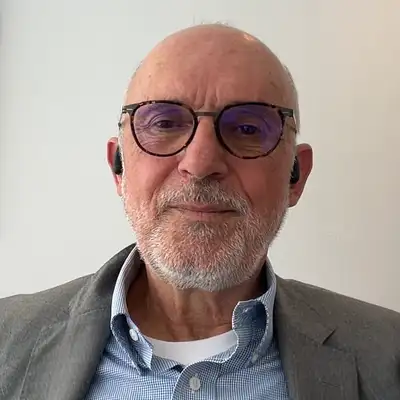
Returning to the show today to discuss all of this is Javier Botero. Javier is a former vice minister of higher education in Colombia and one of the country's most knowledgeable observers of higher education policy.
We talk about the strengths and weaknesses of Petro's reforms and what higher education might look like after this year's presidential election. But we also get into some details about some of the always interesting day-to-day policymaking in Colombia, including new policies around funding, entrance examinations, and the very odd controversy surrounding the leadership of the National University of Colombia.
It's an all-around great episode. And so, without further ado, let's hand things over to Javier.
Javier, thanks so much for joining us. I wanna start with the sort of the question that's you know, I guess it's been the overarching question for higher education in Colombia for the last few months, and that is, you have a government, Gustavo Petro, who says they've doubled the funding for higher education over the last three years, right? It was, 5 billion, now it's 11 billion. And there's more money in the system, but the Comptroller General says universities are a mess. Who's right?
Javier Botero: You know, I, I would say both of them are right. I mean, it is true that this government has put a lot of money into the state universities, and not only universities, but you know, the whole public or state higher education system. But you know, that hasn't really solved the problem because I would say that the main problem of the funding in Colombia is the way it is done, you know.
On one hand, this government and the new law, I don't know if you know that there is a new law. I mean, this it was changed, approved, I think, earlier this year, that changed the way that the state funds state higher education institutions. And again, it, gives more money, puts more money into the system, but in the same way.
What I mean is that, you know, the funding is mainly what we call inertial. I mean, the funding of each institution depends on the funding of that institution the previous year. So there are universities that you know, were created in the '90s or early 21st century, and they are getting very little money.
While the more traditional universities you know, like the National University, Universidad de Antioquia, de Valle and so on, they get much more money. So it is, it, you know, there is no equity in the way that the funding is done.
Alex Usher: So the funding formula is not student-based, and so as you've grown a lot recently, that's where the trouble is.
Javier Botero: Right. It not student-based and it is not-- I mean, it it doesn't have any performance indicator, you know? It is fully independent of what universities do. So I mean, the problem exists, and I think that it will keep going for many years until, you know, the, structure, the basis of the funding system is changed
Alex Usher: But it can't be that that's the whole story, 'cause of course some of the very old universities have been in financial trouble too. You mentioned Antioquia, and that's one that's had a lot of trouble in the last couple of years, right? So what's going on in those institutions?
Javier Botero: Yeah, that is true also. You know, and again, these universities have grown, some of them a lot, with the same, let's say, basic funding. And not only that, but there are some issues, you know, related, for example to the salaries of professors. You know, there is one measure taken in, in early 2000s that gives, you know, professor faculty, more salary.
You know, not one in a time extra salary, but I mean, it becomes permanent depending on publications and let's say some research and innovation results. Which is fine, you know, if it, if it were really well implemented. So I mean, there are some issues that are still there.
That, that... You are completely right.
Alex Usher: And I mean, so that's just the public institutions. One of the defining features I think of the Petro government has been repeated clashes with the private sector, which still educates, I think, almost half of students in Colombia. Most recently, there was an attempt to put a wealth tax, so they're taxing the assets of universities.
And I, my understanding is that the bill would've been very, very severe for some universities like Javeriana, the bigger and older institutions. But, so they tried taxing them, but then the courts said they couldn't. What happened there exactly?
Javier Botero: Yeah, that is true. And, uh, you know, there was a general, let's say for every type of, all type of organizations, not only education, but I mean all type of businesses uh, you know, and, and also individual persons, they have this wealth tax, and it included for the first time because it really existed for individuals it existed before.
But now for businesses it included the nonprofit organizations, which of course included then the private higher education institutions. But then this was you know, the, the association of universities and higher education institutions put a lawsuit on the higher courts and it was really the state council, the highest state council who overturned the measure for the nonprofit organizations, which include the private universities.
Alex Usher: And what drives the animus against private universities, do you think? I was at a meeting in Bogotá about a year ago, and I, it was barely concealed hostility between the privates and the, and the government people in the room. And I mean, I would understand it if you could replace the privates, but they're such a crucial part of the sector in Colombia.
So what's the strategy? where does the government think it can get to by I guess, with this kind of antagonism?
Javier Botero: Yeah. You know, I think it's a ideological point. I mean, the government and let's say the left in Colombia think that all the, you know, basic rights, like, like for example, education and health, should be offered by the state. I mean, that there shouldn't be any, anyone or, or any organization profiting for, for them. And that the state has a responsibility to offer those rights, you know, services and rights to everyone who wants it, and also for free, and without the involvement of the private sector that, you know, says the left, they profit from providing the service.
So they think that it should be, you know, be- being a basic right, it should be offered to everyone by the state
Alex Usher: I wanna move on to another issue. A couple months ago Daniel Rojas, the Minister of National Education, he was musing about ending admissions exams in Colombia, which is interesting because there's a, you know, exams are a very big part of any higher education system. Is he serious? Is this likely to happen?
And, and what would the system look like? How would it change if that were brought into place?
Javier Botero: Yeah. You know, let me, first just say that actually most Private universities, even the high quality ones, you know, they nowadays have no admission or entrance exam, and they haven't had them for many years. What they used to do is use the Saber 11, you know, this state evaluation for the whole... I mean, for everyone who gets a high school degree. And you know, there is an issue with that. Those exams are not designed as a entrance exam. You know, they, they are not really designed to evaluate the individuals, but, the system or parts of the system. And in, in state universities, many of them, not all of them, use-- I mean, they, they still have entrance exams.
And the point that the ministry is bringing is that that really brings a point on inequality. You know, I mean, those of course that who go to public schools or to, let's say, low quality schools are mainly the poor ones. And then if they don't have, you know, if they have to pass an entrance exam, you are putting a, an additional barrier for the poor, and which it is true that, you know, unfortunately, the quality of the students, let's say the level of the students, is very much related to income and to, you know, the, social level of the of the families.
So it is again you know, an issue mainly based on that, on trying to bring more equity into the system. Of course, that has a big problem that, I mean, they, they won't be able to, to implement that because then universities, you know, state universities will be, I mean, they cannot admit that many students anyhow.
But I mean, it's... What I'm trying to say is that it's not really a new issue, that many private universities still use that. You know, I mean, they don't have entrance exams. They use-- Some of them use the Saber 11, some of them don't use anything. And you know, there are, there are parts in the world, for example, Argentina, you know, it's, very famous for having an open university system. It's a public system. And what happens there, and, and that would happen here is that the entrance exam becomes, you know, the first year of the, of the university. You know, because very probably those students who are not qualified or have a low academic level will very probably, you know, end up dropping out the first year.
Alex Usher: I guess the other big story in Colombia these last few months has been the saga of the rectorship at the National University. So take us through what happened here. Ismael Peña was elected two years ago, but the, the students didn't like it, and the Petro government intervened and wouldn't seat him.
Now there's been a court case allowing him to come back, but the students went on strike. What's the story? Why don't students like him, and what was the role of the Petro government in all this?
Javier Botero: Yeah, that's really a very sad story. You know, the National University is really an icon in Colombia. I mean, it's, it's really, I would say the best and, and one of the biggest universities. And you know, what happened is the following. The process to select a rector in the university, in the National University, is that there is, open call and probably at the beginning there were something like six of eight candidates, and it does go to a poll among the students and professors, I mean, faculty and also administration.
And then the three that get the better, results in the poll, they go to the board, that actually elects the rector. And what happened is that the, this, the council, the board didn't elect the one that had had the, the highest results in the poll.
And that's, I mean, that's very often what happens. But the, the issue was that the minister of education, who actually presides the board, didn't sign and didn't let that person who was elected by the board to be the rector. So this guy, who was Ismael Peña, you know what he did? He, he went to a notary public, you know, to... I don't know what the word for posesionar is, you know, to sign the, you know, that he becomes the rector.
Alex Usher: Right, to sign, sign the necessary papers.
Javier Botero: Right. He did that and on a notary public, and then that was sued. It was to a judge, and the judge said that that was not valid. So the board elected a new rector, who was the one who had gotten the highest results in the polls.
And he was a rector for two years. But then, you know, Ismael Peña, of course also sued, and the higher court said that you know, that he should be the rector. So the other guy had to, to quit.
But again you know, Ismael Peña was not really signed as a rector because some legal issues. And now we have something in charge, you know, not proper rector in the university. Of course, the students played a role, but I would say that the main issue was that had never happened in Colombia, you know, that the Ministry of Education would not sign a rector as a rector someone who had been elected by the by the board.
Alex Usher: And how did the... So I understand students were very upset this time. How did things end? There was a strike, if I'm not mistaken, back in April. Yes,
Javier Botero: yes, there
Alex Usher: And, and how did it end? Did they just say, "Okay, we're, we're okay with Ismael Peña"?
Javier Botero: I mean, Ismael Peña is not rector now, you know, there is someone in charge. So it's still, you know, an unfinished business. And in any case, the, the period of the rector ends next year. So I mean,
Alex Usher: We get to do it all again in 2027.
Javier Botero: Right
Alex Usher: Okay, good stuff. We're gonna take a short break. We'll be right back
And we're back. So Javier, it's a, it's an election year. Uh, It's been four years since Gustavo Petro was elected. What do you think his legacy will be? You know, I mean, we've talked a little bit in this conversation already. He's put a lot of money in, he's put a fair bit of emphasis on higher education and on making higher education cheaper and more accessible, but some of the results have been questionable. How do you think Colombia will remember his record in higher education?
Javier Botero: You know, one side I think that the fact that, that there is this new law that changed, you know, the main articles of the old law about funding, I think is a big issue. That's something that has been tried for many times. But again, I mean, it wasn't, it wasn't done properly. I think that, I mean, much more work were needed, but that's a good point.
And another good point is that that I, I think it's also important is that this new law includes also the non-university part of the system, of the state system. There are many technical and technological schools uh, univer- institutions like, you know, community colleges and, and something of the sort, which had not the guaranteed funding.
And this new law include them, and I think that's fair. That's important for that part of the system that I think has to grow. The second I would say positive thing is that, I mean, it was really in the agenda, you know, higher education. Which is important.
But, you know, on the other side, I think there were some issues that are very, you know, damaging for the system. One is of course what we talked a little bit about with the private sector. For example, ICETEX, you know, ICETEX is the state institutions that offer loans, student loans. And its funding has been cut very, very much. And in, in some years recent years, it hasn't been even able to pay, to give the students what they already had, you know, just to continue the studies. So that, that's been a, a very bad issue.
I think another one is, you know, this position of, of, the president that the knowledge and experience and, and, you know, let's say the technical part of, of experience of a person is not so important. That it, it, you know, it's more important the ideology. So what we have seen is that, for example, the representatives of the president and the government, let's say in general, to these boards of higher education institutions are people who know very little about that and, you know, are more ideological and, and very busy with, with ideology.
And that is true also in, in many high rank, you know, positions in the state. Colombia has been working for many years on, on, on bringing, you know, well-prepared, well-experienced people, professionals to the state in general. And you know, this government, let's say, you know, puts that on the side and, and, and so you see, you know, in, in ministries, even ministers and vice ministers and the high rank positions, people who don't care that much about that and who don't have actually, you know, the preparation and experience and technical knowledge.
So that has brought, you know, a, a feeling in the country that it's not so important to, to have a good degree, a good job, good experience, but more, you know, on the ideological side. And I think that's, that has been very, very damaging you know, to the, to the state in general, to, to all the state institutions where the government has a, a high, of course, a stake.
Alex Usher: There was a press conference last Friday in Bogotá and President Petro was asked if he might become a university president after he left at his, his old institution Externado. And I thought it's interesting-- I mean, you know, he sort of said, well, I think he's k- he was kind of keeping his options open and saying, "Well, maybe that sounds kind of interesting."
But then he also said he'd been offered the presidency of universities in other countries, and specifically referenced the University of Granada in Spain. Do you believe that? I mean, and is it possible that he might end up as a university president somewhere?
Javier Botero: I don't know if you know what the University of Externado replied to the comment of the president.
Alex Usher: What did they say?
Javier Botero: They said, "Not even as a doorman." So I, I mean, it would, it would be hard to believe that the, you know, that the University of Granada would offer him the presidency, but, but I haven't heard anything about that.
Alex Usher: Interesting. Okay. And tell me what, what's-- So you have an election. The election is at the end of this month. It's, it's this weekend. Is that correct? It's, it's, it's close. The
Javier Botero: have two. Yeah, we two sets and the first one is Sunday.
Alex Usher: Has education and science and research, has that played much of a role in the election? Is that an area where the parties differ a lot or where they care to highlight their differences?
Javier Botero: You know, unfortunately not. And, and that's very sad because it is really a big issue, you know, education in general and higher education in particular. And uh, you know, of course, if you go through the, you know, the proposals of, each of the, of the, candidates, I mean, you see some word education, but in very general terms.
You know, you don't see some specific and deep, know, really thought measures that they want to... Or they propose. No, very, very little. You know, I would say that the one that has more on it is, is Sergio Fajardo. I mean, he's of course, you know, he was-- he's been a university professor and he's mathematician, a PhD, and I mean, he's a very good guy, but with very little probabilities to, to go
Alex Usher: I was gonna say he's not one of He's, he's a long way down in the polls, He's not,
Javier Botero: Very much. Let's say the three that are really on the top, which are Cepeda, De las Priega, and Paloma Valencia, I mean, you, you, you see very little, very, very little. And what you see is not let's say deep or really, you know, saying something. Uh, It's very, very weak, and that's, that's very sad.
Of course, you know, Colombia in th- these last years have many huge problems and, probably what they think is that they have to talk about those huge, you know, and, and very urgent problems like in health. You know, compared to education, health is, I mean, it's, it's really bad and, and, and it really needs strong measures or security, you know.
So that's what they've done. And really, you know, in general, even in those topics, you don't hear really something that I mean the things that, that should be said, you know, in, in a situation in, in which we are now.
Alex Usher: Yeah. And uh, my understanding is that Iván Cepeda is, is the leading candidate right now. Is he likely to win after, to be the president in, you know, come July?
Javier Botero: I would say, I mean, there is a high probability. It really depends on who comes second on Sunday, you know, because then, you know, in the middle of June we have the second round and we, you know, it's between the two that get the highest vote in, on Sunday. So it really depends on, on who gets there, you know?
Of course that's, I mean, very difficult to say, but I mean, for sure Ivan Cepeda will be in the second final round the presidency and, well, we'll see what happens in June.
Alex Usher: And so what do you think the new government you know, come July, what's that gonna look like? What are the, what are the possibilities for the higher education sector for the rest of 2026 and, and on for the next four years?
Javier Botero: I mean, again, it's, it's hard to say, but if, if Cepeda wins, I mean, he will, let's say deepen the, the measures that Petro has made in, in these four years. Cepeda is very, I mean, I would say even more state, you know, he thinks that the, all the services and the basic services have to be offered by the state.
So we, I mean, we would see very probably an even more, you know, even more attacking the private sector. And um, I mean, Cepeda is I would say, is more dogmatic, even more dogmatic on, you know, with the, the left of the '50s or '60s in South America.
Alex Usher: But on the other hand, if it's de la Espriella, I mean I've, you know, I've heard comparisons to Javier Milei in Argentina. Might we see a very right-wing government, a, a very libertarian kind of government in Colombia? And if so, what would that mean for higher education?
Javier Botero: I mean, it could be, but you know, th- that's an issue with de la Espriella, you know? No one really knows what he wants to do, you know, it's... I mean, he, his position is mainly on security and, well, yes, the private sector, too. But not again, not in enough depth, you know, to know what, he really thinks.
I wouldn't say that he, he's comparable to Milei, even though he, you know, he talks a lot about Milei and, and Salvador and even Trump and so on. But it's, it's hard to say, you know, because he doesn't... what he's done, his campaign has been based more in, you know, show business, like a show business, you know, like, he has fireworks and lights, and he dresses like a tiger and things like that. So it, it would be very hard to know.
Alex Usher: But no chainsaws like Milei.
Javier Botero: No, I don't think so. No, no.
Alex Usher: Javier Botero, thank you so much for being with us today.
Javier Botero: Thank you. My pleasure.
Alex Usher: It just remains for me to thank our excellent producers, Tiffany MacLennan and Sam Pufek, and you, our listeners and readers, for joining us today. If you have any questions or comments about today's episode or suggestions for future ones, don't hesitate to get into contact with us at podcast@higheredstrategy.com.
Join us next week when our guest will be me. Tiffany and I are switching places. Tiffany will be asking me about the year. It's our last episode of the season, and it's time to go through what the first half of 2026 looks like, has looked like, and what's in store for the rest of the year.
Bye for now.