Subscribe
Share
Share
Embed
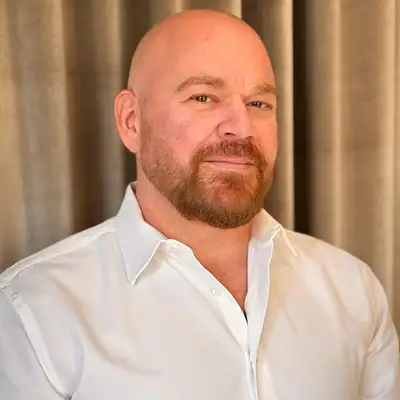
David Strickel examines consciousness, fear, judgment, and how humans orient themselves in a rapidly changing world.
His perspective is shaped by his ongoing relationship with Source consciousness known as the Stream.
These episodes provide context, inquiry, and reflection through conversation and lived experience.
The podcast exists to support clear thinking and sovereignty of mind during periods of uncertainty.
(00:00:01):
The Tya Podcast.
(00:00:03):
Discover the daily practice that makes spirituality actually work.
(00:00:07):
Going beyond law of attraction to turn struggle into prosperity and success into real happiness.
(00:00:14):
Tya is an advanced operating system for life and you're about to learn it right now.
(00:00:21):
We have to stop looking for external saviors.
(00:00:29):
And when you hear that, you may think, well, I don't do that.
(00:00:32):
Why would I want to listen to this episode?
(00:00:34):
I don't do that.
(00:00:37):
Have you really explored whether or not you're still doing that on some level,
(00:00:45):
even unconsciously?
(00:00:48):
Because I always say that spirituality is a big tent.
(00:00:54):
There's all sorts of
(00:00:56):
modalities and beliefs and philosophies and things out there being taught.
(00:01:03):
It all sort of gets lumped under this big umbrella.
(00:01:07):
I have long since moved through and released the need or even the curiosity for most of it.
(00:01:18):
Wherever you are in this process is fine.
(00:01:21):
I'm not saying you're not allowed to be there.
(00:01:24):
And I will never tell you what you're supposed to believe or not believe.
(00:01:27):
I'm not into that, but I have been on sort of a spiritual journey.
(00:01:36):
This, this podcast, which was originally called the stream of David podcast.
(00:01:40):
It's called the Tya podcast started back in 2017 and it started with me channeling.
(00:01:47):
It was the first time I ever channeled publicly ever.
(00:01:52):
I taught myself to channel locked in my car in the parking garage of my condo
(00:01:59):
building in San Francisco because I was too embarrassed for other people to hear
(00:02:04):
me.
(00:02:06):
I taught myself to speak this inner knowing that I had been receiving my whole life.
(00:02:12):
And I refer to that as channeling.
(00:02:15):
I think when we talk about channeling and this episode is not about that,
(00:02:19):
we just talked about that,
(00:02:20):
what a week or two ago.
(00:02:22):
When we talk about channeling, it definitely falls under the spirituality umbrella.
(00:02:29):
You are sharing something that you believe is beyond you.
(00:02:36):
Definitely, that was still part of my exploration of what you might call spirituality.
(00:02:43):
If you care to go way back, and people do,
(00:02:47):
I don't necessarily recommend it,
(00:02:49):
but there are people that have gone back to 2017 and they have listened to every
(00:02:55):
single episode of the stream of David podcast all the way through when we convert
(00:03:00):
it to the tie up podcast,
(00:03:02):
which was just in 2025 and they're getting up to date with it.
(00:03:07):
And I think that's fine.
(00:03:08):
It's an archive.
(00:03:09):
It's sort of an archive of the entire experience that I've had with all of these
(00:03:15):
things and how I have
(00:03:18):
applied them, explored them.
(00:03:21):
A lot of them I was never interested in.
(00:03:23):
I can tell you that we are generally a top one, 1.5% podcast.
(00:03:30):
We are certainly not getting numbers that Joe Rogan or anybody that I was getting
(00:03:33):
anywhere near that.
(00:03:34):
But if you're in the top 1%, you've got a decent-sized audience.
(00:03:39):
And I get requests for guest appearances on here multiple times every day.
(00:03:47):
Thankfully,
(00:03:49):
my general business email is not public,
(00:03:51):
so I have to go to a specific email address to see how many we get.
(00:03:55):
It's insane how many we get.
(00:03:59):
I never respond to any of them because I'm not interested in having somebody come
(00:04:03):
on here and share something that is not Taya.
(00:04:08):
You're listening to this because you're at least somewhat curious about what Taya is.
(00:04:13):
The stream of David was me sharing a stream of consciousness that I was tapping
(00:04:19):
into and that stream of consciousness absolutely delivered clarity.
(00:04:26):
And it delivered clarity about things that we have stress tested that have proven
(00:04:31):
to be accurate.
(00:04:33):
And if I ever come up with something and we stress test it and it's not true,
(00:04:37):
it's not accurate,
(00:04:38):
I will be the first to tell you about that.
(00:04:41):
So if you've listened to recent episodes,
(00:04:45):
you know that I'm no longer trance channeling,
(00:04:47):
meaning I'm no longer getting into that high meditative space on purpose.
(00:04:54):
to share that information in the same way with the same level of purity that I used
(00:05:00):
to and I'm not necessarily saying I'm never going to do that again but I just don't
(00:05:04):
feel called to do that anymore and one of the reasons that I'm not doing that is
(00:05:09):
because the last thing I ever intended and the last thing that I want now is to
(00:05:13):
create dependency on that because again I created Tya so that anyone who wants to
(00:05:24):
understand themselves on a very high level,
(00:05:29):
anyone that wants to rein in their emotions and recalibrate what they're focusing
(00:05:36):
on to make the changes in their lives that they are seeking to make,
(00:05:42):
whatever those are,
(00:05:44):
these tools have proven to do that.
(00:05:47):
We know now they work.
(00:05:48):
We have years of evidence now with people practicing this at the highest level.
(00:05:52):
We know this works for that.
(00:05:55):
And I have moved through talking about law of attraction.
(00:06:00):
Very early on,
(00:06:01):
I really stopped talking about law of attraction so much because I think it's so
(00:06:05):
misunderstood and misused and overused and really moved more into what I call the
(00:06:10):
universal process of creation,
(00:06:12):
which is more scientific.
(00:06:14):
I don't just mean what science is proving.
(00:06:16):
I'm not just referring to quantum physics.
(00:06:18):
I think there's a strong correlation there.
(00:06:21):
And I think the universal process of creation and quantum physics are moving closer
(00:06:25):
and closer together all the time.
(00:06:27):
But there's still a little bit of magic in that, that we're still not really sure what that is.
(00:06:33):
And I will tell you that magic may always be there because I identify that creative magic.
(00:06:42):
It's not magic, but it feels like magic sometimes.
(00:06:45):
when things just miraculously work out, even when you don't think they necessarily are.
(00:06:49):
But that creative magic, I call that source.
(00:06:54):
I don't believe that that is a deity.
(00:06:56):
I don't believe it has rules.
(00:06:58):
I don't believe it has direction in our lives.
(00:07:00):
That's all our ego discerning preference and choosing paths.
(00:07:04):
And the outcome that we generate is very much going to be a reflection of the
(00:07:09):
energy and attention and focus that we put into the path.
(00:07:13):
So I don't think there's anything out there telling us this is where you need to go
(00:07:16):
next and this is what you need to do.
(00:07:18):
I don't believe in guides.
(00:07:19):
I don't believe in angels.
(00:07:21):
I absolutely believe in that creative energy,
(00:07:23):
however,
(00:07:23):
and I believe that creative energy can reveal itself in ways that may make us
(00:07:28):
believe that that's what's present.
(00:07:32):
I've had experiences that probably should have killed me, especially as a teenager.
(00:07:35):
If you read my first book, I talk about all kinds of crazy shit that we did.
(00:07:40):
And I look back now, pushing 58, and think, God, I would never do that now.
(00:07:45):
But as a teenager, you feel invincible.
(00:07:47):
I did crazy things.
(00:07:49):
I should have died several times as a teenager with the things that I did,
(00:07:52):
even in my 20s with some of the things that I did.
(00:07:54):
But I didn't.
(00:07:56):
And I do feel like there was a protective energy around me that was looking out for me.
(00:08:02):
But was that not just the energy of creation,
(00:08:07):
the energy of well-being that I was simply allowing that we all have access to?
(00:08:12):
And was I aligned with it enough to survive some of the stupid things that I did?
(00:08:19):
That's where I am today in my belief patterns, in my belief system.
(00:08:24):
But there's a difference between belief system and operating system.
(00:08:30):
We talk about the Taya practice as more of a practice, a belief system.
(00:08:37):
You can call it spiritual if you want.
(00:08:39):
We're absolutely talking about energy creating things and focus creating things and
(00:08:44):
where you focus,
(00:08:46):
you are creating.
(00:08:48):
And the four pillars of the Taya practice,
(00:08:50):
which are appreciation,
(00:08:51):
source,
(00:08:52):
polarity,
(00:08:52):
and tension,
(00:08:53):
we created those four pillars so that we have this sort of guiding canon of what
(00:08:59):
Taya is and more importantly,
(00:09:01):
what it is not and shall never be.
(00:09:04):
And the reason I created that is because I realized that these four things really
(00:09:08):
are the four things that if we focus on those and apply those and continue to apply
(00:09:14):
them as a way of life,
(00:09:17):
then our lives get more interesting.
(00:09:22):
Things certainly get better.
(00:09:23):
We navigate better.
(00:09:25):
But I have yet to discover perfection.
(00:09:29):
And I will tell you,
(00:09:30):
and you've probably heard me say this a million times,
(00:09:32):
if you listen often,
(00:09:34):
I don't believe perfection exists because I know some of the coaches and the gurus
(00:09:38):
out there that sort of project that perfect image.
(00:09:42):
They've got the most dialed in physique and they're getting on the private jet and
(00:09:46):
they've got the hottest partner with them.
(00:09:48):
And they're talking about all the millions and billions that they're bringing in.
(00:09:52):
And
(00:09:55):
I believe a lot of those things are probably true for those folks,
(00:09:57):
but I also know enough about them to know that there's other areas where they
(00:10:00):
struggle and they suffer and they have crisis.
(00:10:02):
They have all sorts of problems to solve.
(00:10:04):
If you are wealthy enough,
(00:10:07):
successful enough that you are flying private,
(00:10:09):
well,
(00:10:10):
you know that that presents a whole other set of problems beyond flying commercial.
(00:10:16):
Is the experience better?
(00:10:18):
Yes, it's better.
(00:10:19):
But there are still,
(00:10:21):
there's a heightened level of responsibility with operating a jet and absolutely a
(00:10:26):
heightened level of responsibility of owning and operating a jet
(00:10:31):
If it's just the cost associated with,
(00:10:33):
with maintaining all of those things,
(00:10:34):
that's one thing,
(00:10:35):
but also just the management of it.
(00:10:37):
So anything that you do that looks or signals,
(00:10:41):
wow,
(00:10:42):
this person is really crushing it on the outside,
(00:10:44):
which is what I call the matrix,
(00:10:46):
you know,
(00:10:46):
the Instagram version of life very often.
(00:10:51):
You should also acknowledge all of the other things that come along with that and
(00:10:54):
just say that in my life,
(00:10:56):
I've decided that having this identity
(00:11:01):
is worth that much more challenge in my life.
(00:11:08):
And you've made a choice and that's fine,
(00:11:09):
but don't pretend like it doesn't come with challenge because it does.
(00:11:12):
Everything is going to take some sort of work, effort, focus.
(00:11:15):
It just is.
(00:11:16):
That's the way our universe works.
(00:11:18):
I know one of the reasons that I really got away from the law of attraction
(00:11:22):
teachings is because it was this mindset.
(00:11:24):
I kept hearing these questions over and over again in any law of attraction seminar or workshop
(00:11:30):
was always, how do I manifest with doing nothing?
(00:11:34):
How do I sit on my sofa and just manifest?
(00:11:36):
Well, of course you can make money sitting on your sofa.
(00:11:39):
We all know about passive income, but why the nothing?
(00:11:44):
Why does that have to be the doing nothing part?
(00:11:47):
Why does the doing nothing part have to be so important if you are trying to figure
(00:11:54):
out this conscious creation thing?
(00:11:57):
And again, there's no rules in what I teach.
(00:11:59):
So if that's your path, that's fine.
(00:12:01):
But I'm just challenging that idea a little bit because there is some sort of
(00:12:06):
underlying fear if you are wanting to figure out how to manifest with zero effort
(00:12:13):
all the time.
(00:12:15):
Because if you're wanting to do that,
(00:12:16):
the manifestation itself is going to require effort of focus,
(00:12:19):
if nothing else.
(00:12:22):
And we all know that quote-unquote passive income is
(00:12:25):
deserves your attention if it doesn't just downright require it or it's not going
(00:12:31):
to stabilize unless you're really,
(00:12:32):
really,
(00:12:32):
really dialed into the zone where you can just invest in something,
(00:12:35):
forget all about it.
(00:12:36):
I know that happens and it just pays you and pays you and pays you and you never
(00:12:39):
have to think about it again.
(00:12:40):
Energetically, you can get there.
(00:12:42):
But are you really there in your belief system is the question.
(00:12:46):
Because what you would like to believe and be able to believe and practice and what
(00:12:51):
you're actually up to speed with subconsciously are very often two different
(00:12:57):
things.
(00:12:59):
So we discover these things.
(00:13:01):
We get into this big tent of manifestation, law of attraction.
(00:13:04):
Spirituality is sort of the broader tent over all of that.
(00:13:07):
There's certainly factions of spirituality that would say that anything material is
(00:13:11):
wrong,
(00:13:13):
that you shouldn't be focused on that at all.
(00:13:14):
The law of attraction is something you shouldn't even be thinking about.
(00:13:17):
And there's just all these thoughts and ideas,
(00:13:20):
and it's all bundled together under one big umbrella,
(00:13:23):
and we call that spirituality.
(00:13:25):
And as we have...
(00:13:27):
by and large, stepped away from religion.
(00:13:31):
I am not aware of many people today that are practicing the brand of Christianity
(00:13:38):
that I was raised in.
(00:13:42):
I will tell you that my Christian upbringing is something that I would not go back
(00:13:46):
and change for anything.
(00:13:49):
I love that I had that available to me at that time in my life.
(00:13:54):
I believe it served me.
(00:13:56):
I believe it kept me grounded in a belief structure,
(00:14:01):
even if it was just the community and the thing to focus on that wasn't school,
(00:14:11):
that gave me some sort of identity and community and place to go and thing to do
(00:14:17):
other than mischief.
(00:14:21):
Because a lot of kids that grew up in a situation that I grew up in,
(00:14:25):
disconnected parents,
(00:14:26):
very disconnected parents,
(00:14:27):
mentally ill,
(00:14:28):
mother,
(00:14:29):
poverty,
(00:14:30):
they end up getting into trouble.
(00:14:34):
And I always managed to keep myself out of trouble.
(00:14:38):
And I think part of that church-going identity that was absolutely forced upon me
(00:14:43):
by my grandmother,
(00:14:44):
I see how that served me for that time.
(00:14:46):
But then I got to a place where I questioned it and I questioned it deeper and
(00:14:50):
there weren't satisfactory answers to my questions.
(00:14:53):
And then part of my own identity was inconsistent with what I was being told in
(00:14:58):
that religion and I stepped away from it.
(00:15:00):
And I was so turned off by it that I identified as an atheist for a little bit.
(00:15:04):
Not long, but for a little bit.
(00:15:06):
And I think a lot of people have followed that.
(00:15:09):
They are indoctrinated into a religion that...
(00:15:13):
is not consistent with who they are,
(00:15:15):
what they want,
(00:15:15):
and what they're believing as they get out into the world and discover other
(00:15:19):
things.
(00:15:20):
And maybe they move to other forms of religion or maybe they just move out of it completely.
(00:15:25):
And then they're out in that space that I like to call out in the wilderness.
(00:15:28):
But you're trying to figure out how life happens, what can give you a leg up.
(00:15:33):
what's the unfair advantage of you.
(00:15:34):
If you ever talk to marketing people,
(00:15:36):
they're always talking about,
(00:15:37):
you know,
(00:15:37):
signaling an unfair advantage is,
(00:15:39):
is,
(00:15:39):
is key because everyone wants an unfair advantage.
(00:15:42):
Everyone has an ego.
(00:15:43):
Everyone wants to live another day and have a little more.
(00:15:46):
And that's why our world operates the way that it does.
(00:15:48):
And of course there's, there's positives and negatives to that as well.
(00:15:52):
But this energetic thing that started out as new age spirituality,
(00:16:02):
of course there is an ego driven desire or need behind our exploration of that.
(00:16:10):
How can I find joy in a world that can seem chaotic?
(00:16:15):
How can I return myself to wellbeing even when the odds are stacked against me on paper?
(00:16:24):
And so if we're not going to go back to the rules and the dogma of religion,
(00:16:28):
then we're going to move into sometimes the exploration of something that might be
(00:16:33):
labeled spiritual.
(00:16:35):
And I believe that started out in the late 60s.
(00:16:41):
I know there were factions of that going on well before that,
(00:16:44):
but really the mainstream spirituality movement started happening in the 60s,
(00:16:49):
into the 70s.
(00:16:51):
It probably had a little bit of a regression in the 80s,
(00:16:53):
which were a little more about showing off and greed is good and all of that.
(00:16:57):
And then
(00:16:58):
you know that sort of gave way to the pendulum swinging the other direction sort of
(00:17:02):
the grunge culture back to kind of a hippie mindset that lasted for a minute until
(00:17:07):
all of my generation's hippies started understanding how much money could be made
(00:17:11):
in software development and things like that and you know certainly a lot of people
(00:17:15):
of my generation made billions of dollars and millions of dollars and decided hey
(00:17:20):
that grunge thing is long gone you know now we're capitalist because we found out
(00:17:24):
how to make that work so
(00:17:27):
For anyone struggling with any of that, the lure of energetic creation is very sexy.
(00:17:36):
It's very seductive.
(00:17:38):
And some of those folks that have done really,
(00:17:41):
really well will share that they understand that there's a bit of magic in their
(00:17:47):
success sometimes.
(00:17:49):
And we hear that and we really, really latch onto that.
(00:17:53):
And we double down and we just keep moving toward that.
(00:17:56):
How do we get better at manifesting?
(00:17:58):
How do we get better at mindset?
(00:18:01):
What is the success mindset?
(00:18:03):
What is the abundance mindset?
(00:18:07):
So I've been through all of that.
(00:18:09):
I have explored it.
(00:18:11):
I have tested it.
(00:18:14):
I have tested it personally.
(00:18:16):
And then when I tested enough personally and got enough evidence,
(00:18:20):
I started sharing what I had discovered.
(00:18:24):
And when enough people were interested in learning what I had discovered and
(00:18:28):
applied and worked and they started applying it and seeing it show up for them,
(00:18:35):
it became a thing.
(00:18:36):
And so I dedicated my life to this,
(00:18:40):
to creating this,
(00:18:41):
this practice,
(00:18:43):
which is more than just a practice.
(00:18:48):
Lately, we've called it an operating system.
(00:18:50):
In fact, in the book, the subtitle of the Taya book, an upgraded operating system for your life.
(00:18:59):
we're shifting that a little bit.
(00:19:00):
We're redoing the cover.
(00:19:01):
We're not redoing the interior because people seem to really love what the book says inside.
(00:19:05):
There's nothing more to add to that at this time,
(00:19:08):
but the way that we're sharing it,
(00:19:10):
we're changing.
(00:19:11):
So we're changing the cover because I am moving a little further away from
(00:19:16):
mainstream spirituality.
(00:19:19):
I have found that a lot of it
(00:19:22):
didn't really hold up under the stress test that we've done in the Thai Academy and
(00:19:29):
just in my own personal practice.
(00:19:31):
So we are allowing the elements that didn't really work so well to sort of fall away.
(00:19:38):
And we're taking the elements that worked and we're moving forward with it because
(00:19:42):
there's pieces of this that have really worked well.
(00:19:44):
And that's what Taya really is.
(00:19:45):
So I want the book now externally to match the energy and the level of
(00:19:54):
sophistication that's inside the book.
(00:19:57):
And I didn't put a whole lot of thought into the original cover.
(00:20:00):
So we're updating the cover.
(00:20:01):
I don't know when the new cover is going to be out.
(00:20:02):
If you're interested in the book, just get the book.
(00:20:04):
The interior is not going to change.
(00:20:06):
You know,
(00:20:06):
the price and the interior will be the same,
(00:20:09):
but the cover will change and it will shift.
(00:20:11):
So we're thinking about not changing the title,
(00:20:14):
but changing the subtitle to be a little more accurate about what it really is.
(00:20:19):
And so the too long for usefulness subtitle became an advanced operating system for
(00:20:29):
elite emotional mastery.
(00:20:31):
And then I even tagged on for a minute for the spiritually exhausted.
(00:20:38):
if I had to, that's not a good elevator pitch, is it?
(00:20:42):
That's a mouthful.
(00:20:43):
So obviously it's not going to be that,
(00:20:45):
but if I had to define today where Taya is,
(00:20:49):
what it is for someone just discovering us,
(00:20:51):
I would absolutely say it's an advanced operating system for life,
(00:20:57):
which is simple,
(00:20:58):
but to take it a little further,
(00:21:00):
well,
(00:21:00):
operating system,
(00:21:01):
what does that mean?
(00:21:01):
You know, where are you a computer?
(00:21:02):
What is that?
(00:21:03):
Okay.
(00:21:03):
I need to define it a little more.
(00:21:05):
Well,
(00:21:06):
What do those four pillars do?
(00:21:09):
Appreciation, source, polarity, and intention.
(00:21:12):
That gives us a canon to manage our emotional reaction to what we're experiencing 24-7.
(00:21:25):
That's the magic of Taya because Taya is created to give you the tools to
(00:21:33):
reorganize your subconscious.
(00:21:36):
And your subconscious mind, as you probably are aware, is your core operating system.
(00:21:42):
There are things that you respond to and react to and build beliefs upon that are
(00:21:48):
very much rooted deep in your emotional architecture,
(00:21:54):
your core operating system,
(00:21:56):
your subconscious mind.
(00:21:58):
And some of those things are so deeply rooted that we often feel like we just can't change them.
(00:22:05):
It's too late to change.
(00:22:07):
I've been this way for a long time.
(00:22:08):
I'm setting my ways.
(00:22:11):
But we are finding at the academy level that this isn't true because we've had
(00:22:15):
people over 70,
(00:22:18):
and they've been guests on here recently,
(00:22:21):
come in and shift core beliefs that they created in early childhood that they know
(00:22:27):
have been revealing themselves in unwanted ways over and over again in cycles for a
(00:22:32):
lifetime.
(00:22:34):
And we've seen that be solved in people over 70.
(00:22:40):
And yes,
(00:22:41):
it's been helpful to bring a psychologist into this and a scientist into this and
(00:22:44):
all of these people that we have that you hear from from time to time on here.
(00:22:48):
Yes, it's helpful to have that.
(00:22:50):
But what we boil down to is what works and what doesn't.
(00:22:56):
And those four pillars are all about emotion.
(00:23:01):
So the elevator pitch, yes, it's, it's an advanced operating system for life.
(00:23:05):
Absolutely.
(00:23:06):
It is the,
(00:23:07):
the folks that are practicing this are absolutely practicing or experiencing life
(00:23:13):
at an advanced level.
(00:23:15):
Are they crushing an Instagram style?
(00:23:18):
No, we're not even concerned about that.
(00:23:21):
Are we experiencing joy and clarity on a daily basis?
(00:23:26):
Yeah.
(00:23:27):
Yeah.
(00:23:29):
Are we leveraging our lower vibrational periods,
(00:23:32):
our spin outs when we're not in that high vibration,
(00:23:35):
joyful space and we're triggered by something or we're moving through a prolonged
(00:23:40):
lower vibrational period?
(00:23:41):
We call that a spin out.
(00:23:43):
instead of pretending like that doesn't exist,
(00:23:46):
as some spiritual practices may lead you to do,
(00:23:50):
or racing away from them because we don't want to be in low vibration.
(00:23:53):
That's terrible.
(00:23:54):
One of my big beefs with law of attraction teachings and manifestation work is all of this.
(00:23:59):
You've got to raise your vibration, raise your vibration, be in high vibration all the time.
(00:24:03):
Well, first of all, you can't.
(00:24:06):
And secondly, why the hell do you need to be in high vibration all the time?
(00:24:10):
Nobody can.
(00:24:11):
There's obviously a reason that low vibration exists.
(00:24:14):
Why don't we really look into what that's for?
(00:24:17):
And not only what it's for, let's use this practice to leverage that.
(00:24:23):
Your emotions are feedback.
(00:24:29):
Your emotions are a clear indicator of what you're experiencing in the moment,
(00:24:34):
what your core beliefs are.
(00:24:37):
Wow, I'm really triggered by that.
(00:24:38):
Why?
(00:24:40):
Wow,
(00:24:42):
that topic,
(00:24:42):
I just can't even think about it because it's just been so painful for me
(00:24:47):
throughout my lifetime that I have to avoid it.
(00:24:49):
Why?
(00:24:49):
I can't even watch the news anymore because I get so angry.
(00:24:59):
Well, then maybe there's something in there that you want to look at and work on.
(00:25:03):
Maybe there's some reorganizing of how you're viewing something.
(00:25:07):
Because the things that we demonize expand.
(00:25:13):
The things that we demonize in our lives reveal themselves in our life journey
(00:25:19):
again and again and again and again,
(00:25:21):
often in various ways.
(00:25:23):
You see patterns.
(00:25:27):
If you don't want those patterns, then what are you going to do about it?
(00:25:37):
It's very valuable, especially for people who are successful.
(00:25:47):
The reason I say this is because when you're successful in life,
(00:25:54):
the matrix,
(00:25:55):
the human collective belief system that we tend to operate on,
(00:26:02):
rewards us and tells us that we're doing everything correctly.
(00:26:11):
But then we get triggered.
(00:26:13):
Then our emotions come in and we feel like in some ways we can't control them.
(00:26:20):
And if you want a good example of this, I'll give you a very good, well-known example of this.
(00:26:25):
A couple of years ago,
(00:26:26):
I think it's two or three years ago now,
(00:26:29):
Will Smith,
(00:26:31):
my age,
(00:26:31):
I think he was born the same year I am,
(00:26:33):
very successful guy.
(00:26:39):
jumped on stage and slapped the shit out of Chris Rock over a joke at the Academy
(00:26:46):
Awards ceremony,
(00:26:47):
something that was being viewed all over the world by millions of people at a time
(00:26:51):
when he was nominated for the highest award and won it.
(00:26:59):
You're smart enough and talented enough,
(00:27:01):
I'm certain that he is,
(00:27:04):
to get there,
(00:27:07):
to be at the top of your game
(00:27:10):
bringing in that much income and accolades and,
(00:27:13):
and,
(00:27:13):
and from what I can tell everybody liked the guy,
(00:27:20):
certainly popular publicly.
(00:27:21):
I, I, you know, I don't pay attention to how many followers anybody has or any of that stuff.
(00:27:24):
And I don't really pay attention to social media much anymore,
(00:27:27):
period or celebrities for that matter.
(00:27:29):
But we all knew that this happened and gosh, you know, this guy at the top of his game,
(00:27:34):
so much money,
(00:27:35):
so much adoration,
(00:27:39):
and he's going to have that sort of emotional reaction,
(00:27:42):
which is rooted in so much more than just that joke in that moment.
(00:27:48):
That was an early childhood root that grew branches that created a massive trigger
(00:27:55):
that was maybe dormant inside him.
(00:27:56):
Maybe it revealed itself in other ways, probably, that we're not aware of.
(00:28:00):
But
(00:28:04):
And it was never addressed because for him in the matrix, you're crushing life.
(00:28:17):
You've got it all.
(00:28:23):
So where are we not optimized emotionally?
(00:28:31):
That's what I want to look at.
(00:28:35):
What are we reacting to in a way that makes us feel like we're not in control?
(00:28:46):
We know that when something is presented to us and creates this emotional reaction
(00:28:53):
that we feel like we don't have control over,
(00:28:57):
we are now able to be controlled by something or someone else.
(00:29:05):
And we know there's great power in that.
(00:29:08):
That's what the matrix is.
(00:29:12):
Here's something to be afraid of.
(00:29:14):
Now do what we want.
(00:29:17):
Whether it's behave the way that we tell you to behave,
(00:29:20):
live the way we tell you to live,
(00:29:23):
do what we tell you to do,
(00:29:24):
buy what we tell you to buy,
(00:29:27):
invest in what we tell you to invest in.
(00:29:31):
We know this.
(00:29:34):
And as smart as we are and as many boxes of success we can check off and feel good
(00:29:43):
about ourselves,
(00:29:46):
we all know that there's those few little things that are still there that we don't
(00:29:52):
want to think about,
(00:29:52):
we don't want to look at,
(00:29:53):
we don't want to examine.
(00:29:57):
We say, that's so long ago.
(00:29:58):
It doesn't matter.
(00:29:59):
It's in the past.
(00:30:00):
I've moved through it.
(00:30:01):
I'm over it.
(00:30:03):
I've forgiven.
(00:30:06):
I will tell you that the litmus test for Taya is forgiveness is lovely.
(00:30:16):
Wonderful.
(00:30:17):
You forgave.
(00:30:18):
Do authentically appreciate.
(00:30:23):
Not this fake spiritual gratitude.
(00:30:25):
Oh, I'm so grateful for everything.
(00:30:27):
Not that.
(00:30:27):
It's not that.
(00:30:29):
No.
(00:30:31):
Do you understand it so deeply that it no longer triggers you?
(00:30:35):
You no longer fear it.
(00:30:36):
You no longer judge it.
(00:30:41):
What's in your basement?
(00:30:43):
I talk about the vibrational basement.
(00:30:45):
What's down there?
(00:30:45):
What's really your deep psyche, your subconscious mind?
(00:30:48):
What's back there that you think you don't have to deal with anymore because it's been so long.
(00:30:57):
It was early childhood very often because this is what happens.
(00:31:01):
Your core operating system is established very early in life.
(00:31:06):
Any psychologist will say this.
(00:31:08):
Your core operating system.
(00:31:09):
That's why they want to go back to, tell me about your childhood.
(00:31:12):
Tell me about the earliest thing you can remember.
(00:31:14):
And that's why a lot of spiritual practices will say, heal the inner child.
(00:31:20):
But if you're not moving into full-blown, authentic appreciation of it, it's not detuned.
(00:31:31):
Healing isn't enough.
(00:31:34):
Healing is still a band-aid.
(00:31:35):
Healing is, I'm going to choose to get over this and try to forget about it.
(00:31:44):
Forgiveness is kind of that vibration too.
(00:31:45):
Forgiveness is still,
(00:31:47):
you did something wrong to me and I'm going to choose to let you off the hook and
(00:31:52):
get over it for my own sake,
(00:31:54):
usually.
(00:31:56):
And it's a good thing to do.
(00:31:59):
But it's just a stop on the path to completely detuning something.
(00:32:07):
And there are things that we do this naturally with, but this is what we do.
(00:32:13):
Appreciation for all things.
(00:32:15):
Well, how in the hell do you do that?
(00:32:17):
And it sounds so easy.
(00:32:21):
But are you really doing it?
(00:32:22):
Are you really practicing it?
(00:32:23):
Are you really aware of what you need to detune?
(00:32:27):
Those are the questions.
(00:32:29):
And if you're bouncing around through spirituality because you walked away from
(00:32:33):
religion,
(00:32:34):
which is very common,
(00:32:36):
then you're probably going to find a lot of dead ends because there's a lot of
(00:32:40):
those things that are lovely for a moment.
(00:32:44):
And then you realize there's nothing really here for me.
(00:32:51):
I was deep into a very specific channel that talked a lot about law of attraction.
(00:32:59):
And I loved it in the beginning.
(00:33:03):
In the beginning,
(00:33:04):
music to my ears,
(00:33:05):
it was exactly what I had had dropping into my mind since my teens,
(00:33:09):
probably even before that.
(00:33:11):
I always say my earliest recollection of something inside me saying,
(00:33:17):
you are worthy,
(00:33:18):
you can have this.
(00:33:20):
I think I had to be younger than six.
(00:33:25):
My father left when I was six,
(00:33:27):
and I remember a friend coming by our house in Texas City,
(00:33:31):
Texas on Princeton Place.
(00:33:33):
Go Google that.
(00:33:34):
You'll see what a dump that is now.
(00:33:37):
What an impoverished neighborhood I was living in.
(00:33:39):
It was a new neighborhood back then, but it was certainly not a wealthy neighborhood.
(00:33:42):
And so we didn't have money.
(00:33:44):
And some friend of my parents came by and she had a new Lincoln,
(00:33:50):
Mark,
(00:33:52):
I'm supposed to be the car guy,
(00:33:53):
I should know this,
(00:33:54):
Mark IV,
(00:33:54):
early 70s.
(00:33:58):
And it was silver.
(00:33:58):
It was all silver.
(00:34:00):
And it had like a silver leather interior.
(00:34:02):
It had all these shiny buttons.
(00:34:03):
My parents were looking at it.
(00:34:04):
I was looking at it.
(00:34:05):
It was the nicest car I'd ever seen.
(00:34:06):
It had a sunroof.
(00:34:07):
And I was so impressed by it and so taken.
(00:34:09):
I've been a car person my entire life because of that moment.
(00:34:12):
And as she drove away, I remember my parents saying, oh, you know, must be nice.
(00:34:16):
We'll never have that, that sort of attitude.
(00:34:19):
And I remember one of my first memories was something inside me was saying,
(00:34:24):
don't listen to them.
(00:34:26):
You can have anything that you want.
(00:34:29):
don't listen to them.
(00:34:30):
And I really leaned into that voice.
(00:34:35):
And so listening to this channel,
(00:34:41):
having already been told by a psychic that I was a channel and being really freaked
(00:34:44):
out by that,
(00:34:44):
I didn't want any part of that stuff.
(00:34:47):
But listening to this channel made it not so weird for me.
(00:34:51):
And so I really listened to them all the time.
(00:34:53):
And
(00:34:55):
It wasn't that they were telling me something that I didn't already know.
(00:34:58):
It was more the way it was explained helped me put some puzzle pieces together.
(00:35:04):
But then there was this sort of a wall that it hit,
(00:35:07):
and it stayed in that same space,
(00:35:09):
and it never moved beyond that space.
(00:35:12):
And it was that just think about what you want,
(00:35:15):
never think about what you don't want,
(00:35:17):
raise your vibration,
(00:35:19):
do all of this to get your vibe high,
(00:35:22):
and only look forward.
(00:35:24):
And I knew there was more than that.
(00:35:28):
I knew that I had things in my vibrational basement that I had to deal with.
(00:35:37):
I couldn't just do that.
(00:35:38):
So I moved on from that.
(00:35:43):
And then when I started teaching this and started sharing my own version of it and
(00:35:48):
saying,
(00:35:49):
hey,
(00:35:49):
there's more to this and here's what it is.
(00:35:50):
That's where the Stream of David started.
(00:35:53):
And that has evolved since then as well.
(00:35:56):
But I started meeting people that were into these other modalities and people would
(00:35:59):
say,
(00:35:59):
oh,
(00:35:59):
you should read about this or try that.
(00:36:02):
And I would dip my toe in it for a minute and then realize,
(00:36:06):
okay,
(00:36:07):
there's nothing really here of value for me.
(00:36:10):
It doesn't mean that there's not value for other people, but there's nothing really here.
(00:36:13):
So I can understand how somebody can be spiritually exhausted because there's just so much.
(00:36:20):
And the energy part is,
(00:36:22):
the creation part,
(00:36:23):
the quantum physics part,
(00:36:24):
the part science does align with,
(00:36:27):
I believe is true.
(00:36:29):
I know it's true because I've seen it reveal itself in my life and I've seen other
(00:36:32):
people adopt this and it shows up in their lives.
(00:36:36):
At the academy level, we don't graduate anybody until it's shown up and revealed itself.
(00:36:41):
They know it works.
(00:36:42):
That's why everybody that graduates is so thrilled with what they did.
(00:36:48):
That part is true and that part works.
(00:36:51):
Everything else is a tool to use to get you there if you choose to give it power.
(00:36:58):
The thing about Taya is,
(00:37:00):
yes,
(00:37:00):
there's tools that help you support those four pillars,
(00:37:03):
but it's never anything external from you.
(00:37:06):
It's all about you going inward,
(00:37:08):
inward,
(00:37:09):
inward,
(00:37:10):
and using these tools and this mindset and the exploration of it with other people
(00:37:15):
because that's very helpful for anyone.
(00:37:18):
I'm a very self-taught person,
(00:37:21):
very much so,
(00:37:22):
but there are elements of this that I needed to confer with others and learn from
(00:37:26):
others to be able to really get to where I am with it.
(00:37:30):
And I feel like I'm very advanced.
(00:37:31):
In fact, I know I'm very advanced with it at this point.
(00:37:37):
Being spiritually exhausted in a post-COVID world is very understandable because I
(00:37:42):
think a lot of people had to revisit spirituality to make sense of what was going
(00:37:46):
on during COVID.
(00:37:47):
That was a very odd time for us.
(00:37:51):
Then that gave way to a very odd time politically.
(00:37:56):
In fact, they were kind of coinciding if you think about it.
(00:38:01):
There was so much doomsday, and we're still in this ongoing doomsday scenario.
(00:38:08):
But what I have found in my many years of life is that doomsday never comes.
(00:38:11):
It's just a threat to keep us under control.
(00:38:14):
And the way that I manage doomsday is we're all going to die.
(00:38:23):
We are all going to depart the physical experience period.
(00:38:26):
What happens next is a belief that you choose,
(00:38:29):
but we know for a fact the physical experience is going to come to a conclusion.
(00:38:34):
The physical vehicle will be released.
(00:38:38):
Whether our consciousness moves on or not is completely up to you to define.
(00:38:42):
I believe that it does.
(00:38:43):
I can reason that it does,
(00:38:47):
but if we know we're all going to depart,
(00:38:52):
why are we bothering judging that,
(00:38:57):
fearing that?
(00:38:59):
Oh, because I don't want it to happen right now.
(00:39:04):
Why is there a right amount of time to be on this earth?
(00:39:11):
because our ego wants to experience another day?
(00:39:14):
Of course it does.
(00:39:15):
That's part of its functionality.
(00:39:19):
But obviously, we don't all have the same experience.
(00:39:26):
Some don't make it out of the womb.
(00:39:29):
Some depart in early childhood.
(00:39:31):
Some depart in early adulthood.
(00:39:36):
I'm amazed at how many people from my high school graduating class
(00:39:42):
men mostly, I guess statistically that stacks up, already gone.
(00:39:48):
I'm turning 58,
(00:39:49):
and there's a good handful of guys that I went to high school with that have
(00:39:52):
already died,
(00:39:53):
and that started in our 20s,
(00:39:55):
and another one just died this year.
(00:40:00):
So there's an ideal, there's a desire, there's a preference, but the concept of fearing death is
(00:40:14):
What if we just choose not to fear that?
(00:40:18):
I promise you my authentic belief right now,
(00:40:23):
my authentic vibe,
(00:40:26):
my foundational core mindset around this is I could die tomorrow and I've lived.
(00:40:38):
I've had the experience.
(00:40:39):
I've had an experience.
(00:40:41):
I've had a collection of experiences,
(00:40:44):
as we all have,
(00:40:46):
and I no longer label any of them as bad or should not be or damaging or any of
(00:40:52):
those things.
(00:40:54):
My life has not been perfection, nowhere near it.
(00:41:00):
I'm simply not going to fear death.
(00:41:03):
How freeing is that not to fear death at all?
(00:41:11):
How freeing is it to not have that threat hanging over?
(00:41:15):
And then here's the thing.
(00:41:19):
When you detune the fear and judgment around your own demise and then start
(00:41:26):
detuning the fear and judgment around the ripple effect of that,
(00:41:32):
your kids,
(00:41:32):
your family,
(00:41:33):
your friends,
(00:41:33):
your partner,
(00:41:34):
your husband,
(00:41:35):
your wife,
(00:41:36):
whomever,
(00:41:38):
because they're going to have their experience.
(00:41:41):
all of those people are going to experience loss and sadness and setbacks and challenges.
(00:41:46):
All of them are.
(00:41:48):
And it's only our ego that thinks that we're here to be the savior of other
(00:41:52):
people's experiences.
(00:41:57):
All of this channeling that I do that has brought so much clarity that has proven
(00:42:03):
to be accurate and effective by many of hundreds of other people,
(00:42:08):
thousands of other people really,
(00:42:11):
None of it has ever guided me to believe that I was here to be the savior of anyone else.
(00:42:19):
Does my ego have a preference for everyone to be happy and healthy and successful and abundant?
(00:42:24):
Of course.
(00:42:26):
That's good ego-driven stuff, right?
(00:42:28):
We want to live another day.
(00:42:30):
We want to have more fun.
(00:42:31):
We want to have more of the things that we enjoy, right?
(00:42:34):
Of course we do, but I'm able to categorize my ego in its proper place.
(00:42:43):
That's my ego.
(00:42:45):
I understand my ego's desire to have a joyful day,
(00:42:48):
to live in appreciation,
(00:42:50):
to laugh and have fun and experience all of the things that I prefer in life and
(00:42:54):
keep it going.
(00:42:55):
I know that's my ego.
(00:42:56):
That's great.
(00:42:57):
It's a great mechanism that we all have.
(00:43:00):
One of the things about spirituality that drives me crazy is these people that say
(00:43:03):
they have an ego death and they don't have an ego anymore.
(00:43:05):
I always think there's nothing more egotistical than thinking that you don't have
(00:43:08):
an ego anymore.
(00:43:12):
That's the ego portion of us,
(00:43:15):
but we don't have to make that our key driver of our operating system.
(00:43:20):
That other part of us that very much overshadowed in our current day reality part
(00:43:28):
of us that we're all rediscovering,
(00:43:30):
that part of us is not saying we're supposed to be the savior of other people.
(00:43:39):
When I observe something,
(00:43:41):
that other people are saying is tragic or should not be,
(00:43:45):
and we all have plenty of that fed to us all the time.
(00:43:47):
I don't even have to give you an example.
(00:43:48):
I'm sure you've already thought of one.
(00:43:51):
I have my mind trained now to,
(00:43:53):
instead of racing to an opinion,
(00:43:57):
which is what the matrix wants,
(00:43:59):
take a side,
(00:44:00):
be divided,
(00:44:00):
live in fear,
(00:44:01):
period.
(00:44:03):
I don't react that way.
(00:44:04):
And if I do, I want to explore that really quickly.
(00:44:07):
Oh, here's something new to explore.
(00:44:08):
Here's something to explore that triggered me a little bit.
(00:44:11):
What the hell's going on down there?
(00:44:12):
What can I work on?
(00:44:15):
But most of the time, it's not that.
(00:44:17):
Most of the time is, okay, here's the perspective from over here, and here's that perspective.
(00:44:22):
Here's what's going on.
(00:44:23):
I can see this very clearly now,
(00:44:24):
and I understand that anything that I'm observing,
(00:44:27):
there is an energy present that is consistent across all players,
(00:44:32):
even though they look like they're opposing.
(00:44:40):
That is a superpower.
(00:44:43):
I'm not being arrogant saying that because it's a superpower that I know we can all
(00:44:47):
adopt if we choose to.
(00:44:52):
It takes time and effort, absolutely.
(00:44:55):
This is not a place that I arrived at overnight.
(00:44:58):
Absolutely, I did not.
(00:44:59):
It takes time and effort and a desire to operate your life from a higher plane of
(00:45:07):
emotional intelligence to be able to process life that way.
(00:45:16):
So I don't mind calling it elite emotional mastery.
(00:45:20):
It doesn't mean I'm superior,
(00:45:21):
anybody superior that's doing this because part of it is understanding that
(00:45:25):
everyone's having their journey,
(00:45:27):
their experience.
(00:45:29):
And so the people that are heavily triggered, most of society, they're having their experience.
(00:45:36):
They're doing that.
(00:45:36):
I've been there.
(00:45:37):
I've done that.
(00:45:38):
I've been them.
(00:45:38):
I would be a hypocrite to say that they're wrong and shouldn't be doing that or
(00:45:42):
that I'm better than them.
(00:45:43):
I'm having a different experience.
(00:45:46):
That's part of the elite emotional mastery is understanding what we mean by elite.
(00:45:51):
It is rare, but it is something that's available to everybody.
(00:45:55):
Are we choosing the path?
(00:45:58):
I want to talk to the people and associate with the people that are choosing that path.
(00:46:04):
Those are interesting conversations.
(00:46:07):
They're stimulating to me.
(00:46:09):
I don't care what the real housewives of so-and-so are doing.
(00:46:12):
I've been there.
(00:46:13):
I've done that.
(00:46:13):
I've watched that.
(00:46:14):
I've done all of these things.
(00:46:16):
I've done all of those things.
(00:46:16):
It just doesn't interest me anymore.
(00:46:18):
I don't care what's happening in pop culture.
(00:46:20):
I'll talk about it a little bit.
(00:46:21):
It's interesting to a point,
(00:46:22):
but generally,
(00:46:24):
I really enjoy talking to people with this leading-edge mindset of,
(00:46:28):
wow,
(00:46:29):
Where could humanity go if we really did start solving things energetically and
(00:46:35):
efficiently instead of hammering away at something in fear and judgment,
(00:46:39):
noticing that it's not doing a damn thing?
(00:46:44):
That's what I like to talk about.
(00:46:47):
But if the idea of authentic appreciation of all things lights you up,
(00:46:55):
wow,
(00:46:55):
I want to be able to process things without being emotionally triggered.
(00:47:00):
I want to be able to respond to life when the shit hits the fan.
(00:47:06):
I open that email or that letter or get that news or that phone call or that text
(00:47:11):
and something unimaginable has happened or something that's potentially very scary
(00:47:17):
may be about to happen.
(00:47:22):
I not only want to be able to keep my shit together in that moment, but
(00:47:27):
I want to be able to just have the experience without fearing and judging it and it
(00:47:35):
really disrupting my energy.
(00:47:40):
I am better when my vibration is high.
(00:47:44):
We all are.
(00:47:46):
But you don't get there by falsely raising your vibration and trying to hold it
(00:47:51):
there all the time.
(00:47:53):
That's what a lot of other
(00:47:56):
teachers are teaching.
(00:47:58):
What happens when you do that is you get an inevitable crash because all of those
(00:48:04):
things that you ignore are building up momentum and they're building up pressure
(00:48:10):
and they're going to erupt at some point.
(00:48:13):
And you don't want that point to be when you need to have your wits about you most
(00:48:18):
in a crisis and
(00:48:22):
We all face crisis at least a few times in our lives in some way.
(00:48:28):
How are you showing up for yourself in those crisis moments?
(00:48:33):
If your ego is wanting you to show up for others, how are you able to do that?
(00:48:39):
Are you processing?
(00:48:41):
If you own a business or if you're running a big company or you have a lot of
(00:48:44):
responsibility,
(00:48:47):
are you terrified of something going wrong?
(00:48:53):
Or are you able to meet that calmly and navigate a massive challenge that you've
(00:49:00):
given a lot of power to,
(00:49:01):
that perhaps a lot of people give power to?
(00:49:05):
Are you able to navigate that calmly, which leads you to your own brand of wisdom?
(00:49:13):
You've got your wits about you because you're not freaking out.
(00:49:17):
You're not scared.
(00:49:20):
And by the way, this is also the thing that helps you take risks in life.
(00:49:26):
Can you step out and take that big risk?
(00:49:29):
Because failure isn't something that instills fear.
(00:49:36):
The concept of losing it all or backtracking or even plateauing.
(00:49:43):
Are you able to do that?
(00:49:47):
Are you able to reconcile that when something fails or doesn't work out,
(00:49:51):
that that's not the end of it?
(00:49:54):
That is just an indicator of where you are in your process of creation,
(00:49:58):
and you can move through that and forward,
(00:50:01):
even if you don't know how.
(00:50:05):
That's why emotional mastery is so important and so valuable.
(00:50:12):
Not many people will choose what
(00:50:15):
to explore at that level and that's why it's elite.
(00:50:22):
The way that you apply it and explore it is by choosing to adopt a system that
(00:50:31):
allows you to make this your new way of life for the rest of your days.
(00:50:38):
The system that you create with these tools is what gives you the power to shift
(00:50:45):
your emotional reaction.
(00:50:46):
You work on these things before you're in the crisis.
(00:50:50):
I promise you then when you are in the crisis,
(00:50:52):
they will show up for you because you've done the work.
(00:50:58):
The only way you're ever going to know if it works is when you stress test it in real time.
(00:51:06):
And no matter where you are on the scale of,
(00:51:09):
okay,
(00:51:09):
I reacted a lot better than I would not long ago,
(00:51:12):
or I reacted completely different than I would,
(00:51:14):
that's just where you are in your process.
(00:51:18):
That's good feedback.
(00:51:20):
Okay, you've got more work to do.
(00:51:23):
I don't think the work ever ends.
(00:51:24):
In fact, I love the work.
(00:51:26):
To do this operating system, you've got to love it.
(00:51:28):
You can't just install an operating system and forget about it.
(00:51:32):
How would our computers act today if we just installed an operating system and
(00:51:37):
never updated it,
(00:51:38):
upgraded it?
(00:51:39):
They're being stress tested all the time, right?
(00:51:41):
They're continually being upgraded and updated and then there's updates that don't
(00:51:45):
work or there's aspects that don't,
(00:51:47):
that need tweaks.
(00:51:49):
That's why I call this an operating system.
(00:51:51):
You've got to be ready for that to do this.
(00:51:53):
And most people simply aren't.
(00:51:55):
And that's okay.
(00:51:57):
That's okay.
(00:51:59):
So an advanced operating system for life that produces elite emotional mastery.
(00:52:08):
And very often it is for people who have already moved through and experienced
(00:52:13):
spirituality to the point where perhaps they're exhausted of it and they want to
(00:52:18):
know what of this really works,
(00:52:19):
if anything.
(00:52:21):
What can I apply and choose to give power to that I don't have to pretend doesn't exist?
(00:52:29):
I don't have to hide it.
(00:52:31):
I can talk to colleagues about it proudly.
(00:52:38):
As we've evolved at the academy level,
(00:52:41):
in the early days,
(00:52:42):
there were people showing up to do the work that would say,
(00:52:45):
I can't talk about this publicly.
(00:52:47):
Nobody that I know can know that I'm doing this.
(00:52:50):
And today it's very different.
(00:52:51):
The people that show up today say, I don't care what anybody thinks about this.
(00:52:53):
This works for me.
(00:52:54):
So I'm going to do it.
(00:52:55):
If somebody asks me, I'll tell them about it, but I'm not going to hide from it.
(00:52:59):
I'm not going to be ashamed of it.
(00:53:00):
You know, it shows how much we've evolved as a community in the Taya community.
(00:53:05):
Now that nobody is bothering to hide this or pretend like they're not doing it.
(00:53:10):
They're not necessarily out shouting it from the rooftops.
(00:53:12):
There's, you know, again, we're not preaching this because this isn't for most people.
(00:53:16):
Most people are nowhere near this in their journey.
(00:53:20):
They're not.
(00:53:21):
They're not ready for it.
(00:53:24):
They're still stuck a little bit in victimhood or a little bit in waiting for some
(00:53:28):
magical savior to come along or waiting for guidance from something external.
(00:53:33):
They're just not here yet in their journey.
(00:53:37):
And this has never been for that.
(00:53:40):
We don't need another one of those.
(00:53:42):
There's plenty of people out there doing that sort of work.
(00:53:45):
I've always been about what is the leading edge?
(00:53:47):
What's after that?
(00:53:48):
What's next?
(00:53:49):
We are evolutionary beings.
(00:53:51):
What's the forefront of thought?
(00:53:52):
That's where I want to be.
(00:53:56):
That's why we are always evolving.
(00:53:59):
The four pillars have worked now for years.
(00:54:02):
That has proven to be true, that those four things are canon and they work.
(00:54:05):
But how we think about it,
(00:54:06):
how we apply it,
(00:54:08):
how we're communicating it,
(00:54:10):
that's never going to stop evolving because we don't stop evolving.
(00:54:16):
Thanks for listening.
(00:54:18):
That's it for today.
(00:54:20):
Taya is a system of elite emotional mastery.
(00:54:23):
The work lives at TayaAcademy.com.
(00:54:26):
That's T-Y-A-Academy.com.
(00:54:29):
I'll leave it there.