Subscribe
Share
Share
Embed
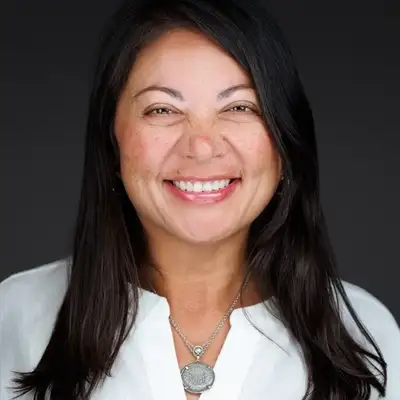
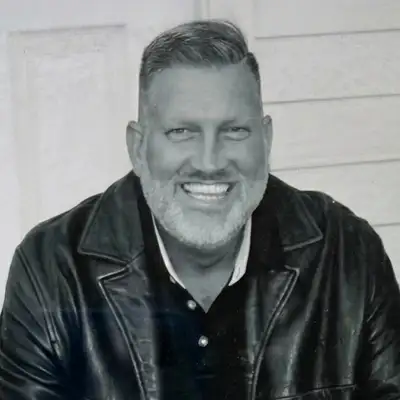
Between Two Doors is a unique exploration of the real estate world through the eyes of its most fascinating professionals. Hosted by Nate Carver, a seasoned mortgage expert, and proud veteran, this podcast dives deep into the personal journeys of realtors, offering listeners insider perspectives on the challenges, successes, and the little-known stories behind the sale signs.
From first-time buyers to seasoned investors, Between Two Doors provides valuable insights, tips, and tales that illuminate the real estate industry in a whole new light. Sponsored by Success Mortgage Partners, we're here to inspire, educate, and empower our listeners with stories of perseverance, innovation, and success.
Join Nate as he bridges the gap between real estate professionals and enthusiasts, exploring what it takes to thrive in this dynamic industry. Whether you're seeking advice, inspiration, or just a good story, "Between Two Doors" has a place for you.
What's the deal with insurance
in northwest Florida?
Hey, everybody,
I Nate your favorite mortgage guy.
On this episode of Between Two Doors.
We are talking to Jennifer.
She is an insurance agent with Truecordia
out of Niceville, Florida,
formerly Niceville Insurance Company.
They've had a name change.
Hey, I'm Nate Carver and welcome
to Between Two Doors.
Hey, Jennifer, how are you?
I'm great.
How are you?
I'm doing good.
We had a little winter, and.
Yeah, it's over.
I am so happy.
That is starting to warm up.
I was freezing.
Yeah, yeah. Me too.
And I'm not good for winter.
I wasn't made for it.
So tell us
a little bit of back, about you.
When did you get into insurance,
and how did you come about that?
I got an insurance in 2020.
I just got into it by chance, honestly.
We moved back into the area
of the Panhandle.
We lived in the keys for 15 years.
And we moved back here
is where my husband's family is from,
and it was actually where I was
first stationed back in the day.
I was in the Air Force.
And, a job came here at Niceville
Insurance, and I took it.
And here I am.
Well, you know, I'll tell everybody
you're my go to for insurance
in Northwest Florida.
Things
it's always about,
you know, it's about the policy
and the quality of policy
and the cost of it.
There's a lot of factors.
And, you know, I've been doing
for the years I've known you.
You know, you've been doing fantastic.
To full disclosure,
when I write a loan and not in Florida,
that's who I send it to.
And we're going to find out why.
So I truly appreciate it.
Yeah.
What do you for us
to learn a little different
and a little different.
I love the U.S.. I've been there.
I got a sailed there
one year, quite by accident.
Wasn't our destination,
but that's where we ended up.
Oh, that's ended up
staying there for a solid week.
Super cheap
when you bring your own hotel, you know.
Yeah. Yeah.
And, Gosh, it was it was, it was awesome.
The weather is fantastic.
It was it was great.
It was great.
Oh, yeah.
It's a lot.
You know, we were there for so long, and,
I always tell people
it's kind of like Groundhog Day
because it's the same every day.
Like,
the weather is always kind of the same.
And it's so small
when you're living there, you know.
Everybody loves a go car.
You know, everybody on the car
or a Vesper.
Yeah.
We didn't have a golf cart,
but we lived, I would say
25, 30 miles from Key West, so.
Oh, okay. We had to make the drive.
Yeah. Yeah.
Did you ever make it out of the drive
to Ortega?
Yes. Yeah, you taught me.
We used to go there on school trips
with my kids. Wow.
Yeah.
Yeah,
they got a seaplane that goes out there.
Yeah.
We stayed. Fun fact.
So that's if you're a history buff.
That's where Roger Mudd,
Roger Mudd, Doctor Mudd.
I remember. Yeah.
Connected to the Lincoln assassination.
He. Freedom.
Booth. John Wilkes booth.
So they tried him and
that's where they sentenced him?
Yeah.
Was to the Dry Tortugas prison.
And when I sailed there,
we spent the night.
I went over, was playing on the beach
or a storm kicked up a big storm,
and there was no way I could get
the dinghy back out to the sailboat,
nor did I want to.
The people on both the boats are in that
little cove are going all over the place.
Yeah.
And, so I ended up staying in the.
For the for.
In his jail cell because it was
the only one
that was really shielded from the wind.
That's spooky. Yeah.
I, I didn't sleep, I was afraid that
that hypothermia just was.
The head was a swimsuit,
and I'd been swimming all day,
and so it was raining sideways,
and, so I sat there
and I looked out the window and every
I could see them right
on the mast of all the boats out
in that little bay and that little harbor,
moving all over the place.
But the storm,
I was no better off than they were.
But I got to sleep, and I got to sleep in
Doctor Mudd's prison cell.
So I sat there.
I would sit there all night
until exhaustion.
Not sleeping, not sleeping.
And the next day, the sun came up.
It was gorgeous as you know.
Beautiful.
And, anyway, that's my connection to
Abraham Lincoln, and that's pretty cool.
I've had some friends
that have stayed out there
because they're, you know, Park
park rangers and stuff, and, Yeah,
they said it can be pretty spooky.
Yeah. Oh,
definitely.
Definitely. Like, you can see them.
So it's a great thing.
I'm glad if anybody know,
is this huge red brick octagon
and you can look down the hallways
in either direction and it just goes on.
It's massive.
And it's empty and it's haunted
and, Yeah. So.
Okay.
That's okay.
That's that. That's my.
Well, that's pretty cool.
Yeah.
So tell me why
this is the thing you love most
about what you do in the insurance world.
I think
it's just like looking at properties
and trying to find the right fit and
make sure people have the best coverage
and that they know
what they're getting into.
Just being in South Florida and North
Florida and a little bit of time
in the middle of Florida, I feel like
I know kind of the state in general.
So, it just it really it
I enjoy looking at different properties
and trying to figure out,
you know, how to best
get them covered and even to cover them
because sometimes and, you know,
in Florida,
it's not so easy, to get coverage.
That you
just right in the state of Florida
or you go.
We have
I have licenses and actually in Texas,
I've never really written over there,
but we are trying to branch out where,
we've applied for, Alabama and Georgia.
I think we have I already have Texas
and Louisiana, but, I haven't we've done
a little bit of Alabama, just like coastal
and kind of closer to here.
What? I have a branched out.
I have licenses in the other states, but
I haven't actually done them too much yet.
Right. Okay.
So I'm going to state to Florida.
Yeah. Florida.
Florida is my specialty right now. Yeah.
So way
first time homebuyers.
I love working with them.
Then a bunch of them, too.
And some of the cool
questions that they don't
necessarily know
or wouldn't, you know, wouldn't know that
they got their own lives to run.
Yeah.
At what point in the whole buying process
should
should buyers talk to an insurance agent?
I get a contract. I set up the line.
Yeah. About from there.
Right? Right. In the beginning.
Because you kind of
want to know your estimates.
Because depending on the home price range,
especially with your mortgage,
with your lenders,
you're kind of want to know where you're
where you're going to be.
Payment wise, if that's what you're,
you know, kind of worried
about a lot of people, especially
first time home buyers, I feel like
are worried about, you know,
how much the mortgage is going to be.
So right in the beginning, when you find
a house, it takes nothing for them to call
or find an insurance agent
and just get an estimate.
You know?
I think that's really important
because sometimes you would think
you look at a small house thing.
That's not going to be very much.
But depending on the age of the home,
you know, things that haven't been updated
in the home,
it can end up being quite pricey.
So it's really good to kind of
get out there in the very beginning
and try to get an estimate on it.
At least, you know, just a quick estimate.
So what can they expect
that would be covered
in that homeowner's policy.
So your traditional homeowner's
policy is going to be your dwelling
your coverage a your other structures,
your contents and your loss of use.
Those are kind of your big main four.
And then from there
you can add on separate coverages
depending on what you need for the house.
But those are the big four.
The biggest one with especially with
your lenders are replacement cost
on your dwelling
on your dwelling coverage.
So that has been a big one these days
because I feel like with Florida
they try to do like a depreciated costs
on your roof and stuff depending on age.
And I know lenders are kind of a
no no with that.
So, you just really need a really know
what you're getting into
when it comes to your coverage,
especially your dwelling contents.
Contents is a little bit more malleable,
because that's kind of what you think
you only like.
It's you're anything you can unplug
and kind of shake out of your house.
So, you know, you have a little more
say in what that number is.
But, yeah, that's just like the biggest.
Thing is that is is the contents.
Is that required to be insured?
With
primary home insurance like occupied,
like owner occupied homes?
A lot of them, a lot of standard home
insurance requires 25% of contents
coverage based off your dwelling off
your coverage of your dwelling coverage.
So a lot of them are
do have that picture the 25%.
There are certain companies
that sometimes will go lower.
And we're starting
to see a little more and more.
So it's good to ask
if you want to go lower than that.
Yeah.
And if you're doing it as a rental though,
you can you can put it down to zero.
There you go.
And I was going to say sometimes,
sometimes the,
the, the debt to income
ratio is just razor thin.
Yeah.
And you got two options either,
you know, we look at buying less house,
putting more down
or we're, we're looking at,
you know, our insurance,
it's got to cover,
but maybe we don't have to cover 100%.
Yeah. I mean, there's there's, you know.
If content.
Sorry, I didn't mean to interrupt you,
but I think the contents isn't like,
your priority.
Like, if you're really just price driven,
you can talk to the agent about taking
the replacement cost of contents off
if it's a, you know, owner occupied home.
Because that is a significant,
endorsement,
because, you know, it guarantees
that if you lost your contents,
they're going to give you
the exact amount of cost to buy it, right.
Then if you take that endorsement off
to where they're giving you
the depreciated cost of the TV
of the couch, you know,
it's a pretty significant endorsement.
So it can it can cut down in front of it.
Also. Good.
I think that's what's good.
What's not covered?
Like, what are you saying?
What's not covered? Like,
your land is not covered.
I think I was surprised by that.
Sometimes it's only structure.
So only. The structure.
Yeah.
So, like, most of the time,
your plants and stuff aren't covered.
Trees aren't covered
unless it falls on your house.
That's good to know. Let me. Yeah.
So destroys property.
You know, then I've been through the North
Texas or or North Florida are huge.
They are.
They are huge.
And so yeah, I'm going to go rolling in.
So if you lose one that's
not on the insurance, that's not covered.
But unless it damages property.
Then you got a different story. Okay.
And then you got a different story.
And then I think another big surprise
I think people are, shocked
about is pests.
So like, and here in North Florida,
the squirrels,
if they get into your house,
into the walls and stuff,
you know, a lot of people
call their insurance for damages on that.
And pests are not covered by home
insurance.
So squirrels, this crazy thing.
Squirrels in north west Florida
love well, yeah.
And they eat the LED facets on the
on your roof.
Yeah.
If they're made out of red, they will.
That's how they get them.
Yeah.
Is that is that a thing that's covered
if it's under.
If it's pests if you get in
pest related
it is not covered in your home insurance.
Wow. I didn't know that.
Yeah I can't believe they paid it.
I don't know how we have any proof left.
I mean.
That's why you see so many people
trying to get rid of, or, you know,
trying to find ways
to get them away from their house and.
Then the mouth or.
Yeah, I mean, I don't know how long
the squirrel lady lives
after eating a pound of leg.
I don't. Know, I don't know.
I think the ones around here
are superhuman. So.
Yeah. Yeah.
It's
specific to Northwest Florida.
Well, are there things that you're seeing
that are different
versus the rest of Florida, or is there
if someone is looking for insurance,
maybe they're considering
insurance as part of their overall costs
for housing.
Maybe if they're
is there other zones or areas
that they should really try to avoid
as far as you know, or are you seeing
where prices go up considerably?
Well, I think anything on the coast
is definitely going to be a little higher
because we don't have the market on.
It is smaller,
so there's a lot of companies,
you know, especially admitted companies,
standard Florida companies
that don't, have a lot of coastal areas
blocked off.
So you're limited to the amount of quote
you're going to get back
or amount of rates,
and they're typically a little higher.
So if you're looking for something
a little less
something
not as close to the water usually helps.
The newer the house, the better
the premium.
I mean, I think people have already seen
starting to see that the older
the house, it really a lot of times
just not matter.
Yeah.
Because they're just going to rate high
regardless.
So an old house by the water
is probably your worst bet price.
Okay.
How about it?
Is there anything like I always have
Interstate ten?
Anything north of Interstate
ten tends to be.
Very less expensive.
Yeah, very less expensive South of that.
And of course, closer
you can South Interstate ten.
You're getting closer and closer to.
Oh yeah, the Gulf of America.
Yeah.
The closer
the closer you get to that water.
Prices go up a little bit and that's,
you know, all around that's cost us.
Yeah. Yeah.
All over them. Yeah. All around
and even
matter for what side of the street.
Oh I know, I know, yeah.
Yeah. Tough luck. Right.
Well, let's say,
let's talk about wind and hurricanes.
Yeah. A few named storms out there.
In the past, what buyers
really need to know about those.
So your biggest thing is your deductibles,
your hurricane deductibles.
If you're with an admitted carrier
or one of the standard Florida carriers,
you typically have a separate wind
and hurricane deductible.
Your wind deductible is typically
the same as your all other payroll,
which default average in Florida
is usually around 2500.
And then your hurricane deductibles
about 2% of your coverage.
A if there is a name storm anywhere around
Florida, tropical hurricane,
everything will be tied to that
named storm.
So it will automatically go into that
hurricane deductible
most of the time anywhere.
If that storm is anywhere around Florida,
is. There is that so?
Is there a limit?
Let's say on the calendar,
if there's a named storm
that the insurance companies will wait to,
is there anything like that where they
they won't find
a new insurance policy
or they'll wait till.
Oh, yeah, they'll they'll put a
they'll put a close on all policies,
on all bindings.
Once a storm is in the Gulf, you can
pretty much shut all of Florida down.
Yeah. Same with the winning side.
Yeah. You know, and that's a no no
where
we're at in the lending process once.
Yeah. Once it's named we're stuck.
Yeah.
Well you can't get too far
without the inserted in the lending.
There's this. Right. Yeah.
To chainsaws
is going to help the neighbor out.
Exactly. And so then.
Yeah then we're, we're left
with, we've got to get a, a
confirmation
that the house is still there.
New appraisal.
Oh, yeah.
You know,
so there's, you know, it's kind of a reset
on the whole process,
but everybody's reset.
So it really,
you know, there's a plan.
We'll work through it.
We've have
We've all been there.
Yeah. Yeah.
I might go some other direction.
We've had plenty.
Yeah.
So are you.
We never,
I'll be buyers.
They'll come in and look at a house.
They'll know.
They'll find out the roof is, you know,
maybe it's got ten years left on it.
There's significant
savings to putting a new roof on there.
There is. Depending.
While the more updated the roof is
and you usually have more of the credits
are that are required to get,
you know, to get their the lesser premium.
So it's better to have an updated roof.
But a lot of companies,
even though they're trying to get away
from making it a 15 year roof,
they still require it.
And, you know,
so if you have anything over 15 years,
the same thing,
you're not going to get as many quotes
back.
You're not going to get
as many rates back.
So if you're within
the 15 year mark, though,
you probably are okay.
It's just yeah, depending on the company
you go with, once you hit that 15
mark, a lot of them
expect you to get a new roof.
So it's just the cost
that you're going to have after the fact.
But definitely
the more updated the houses,
the better you are going to get in credits
all the way around.
And with that,
you have a special little clip
called what is Hurricane Clip, right.
Is that the official.
Is that really the clip is hurricane clip
and it's a real it goes on the joints
in the joints in the roof framing.
Yeah. Right.
And so is that
I know that was made about some deals
and people run and go get that stuff done.
It is super easy to do when they're not
when you're putting a new roof on.
Yeah.
To put those in not so easy to do,
I guess whenever once that's done.
You know, going in after the fact
still cost you a few thousand dollars
and it's just an issue.
But you definitely want to when you're
looking at your homes with the roofs,
because most all the time
you're going to want to get
a wind mitigation
in the four point inspection.
When you're buying a house in Florida,
especially if it's an older home,
always the four point, the newer homes,
you don't need the four point as much.
It's just nice to know
what all is in the house,
you know, just so you don't
get any surprises in the other way.
But the wind mitigation, you're going
to want to look for those hurricane clips.
That is a big credit.
The longer nails, and the pattern
that it's
in, there is a larger credit for that too.
Secondary water resistance has been
getting a little bit more of a credit
than it has in the past, but
it's still not as big as the other two.
The Florida building code credit,
as long as it's over a 2003 roof,
you're going to get that.
So that's a large one also.
And then of course, hurricane protection,
which the only time
you're going to get
that hurricane protection credit
is if every opening in your house
is hurricane rated. So
not too many people
have that one as much as the other ones.
Is there the wind mitigation
or the four point inspection?
Our home that's
been here in implemented in Florida
for a while is that,
are you finding homes
that are like a large percentage of homes
that aren't protected
or don't have that upgrade, or is I'm
curious, is at some point you would think
all sterling, all new homes being built.
Oh, yeah. The code.
Oh yeah.
If it's a brand new home,
you don't need any inspections
because they're getting
all the county code credits.
They're getting everything because
everything in this area now is county code
wise, having to have opening protection,
all of the roof, everything.
So it gets it automatically.
It's usually your older homes
and you'd be surprised
people are still getting roofs put on
and just don't know to look for
you know, ask for the hurricane clips
and the longer nails and they're still
keeping the smaller nails and not paying.
And they're keeping the toenails, which is
what's outside of the hurricane clip.
That's not as, good of a credit.
And it's just not knowing that.
Yeah, they should put it on there.
And so, yeah, you're still getting
new roofs that don't have the credits.
And what if it does it?
It doesn't have the hurricane clips
the went for.
If it doesn't
then it's going to get rated without it.
And it's usually a pretty big it's job.
Yeah.
Yeah I've seen some the cost to do it.
I've seen the interest rate
or the interest rate.
I've seen the insurance policies.
The, the cost of
not doing it is significant.
But the cost to go in
and do the hurricane clips,
I was like this will pay for itself
in four months or 4 to 6 months.
And in the difference in your insurance
premium and there are like,
you know, there's a no brainer
just like do this, we get this done.
I think, you know, in that case,
in that specific case,
they were replacing the roof anyway.
And they're like, should we do this?
Part of the seller didn't want to do it,
but the buyer definitely want to do it.
Yeah, I can't tell you
what you can do on that one but I don't to
we do You're buying a new house
and then getting that roof replaced.
I would make sure that's all getting done.
Yeah, it was incredibly.
It was, it was
it was inexpensive to do that compared to.
It is way easier to add it
on to the replacement of a roof than it is
to go back after the fact and do it or not
have it at all.
Yeah.
All right.
So House being a brand new home buyer,
should a homeowner revisit,
their insurance policy.
I'd like to tell my customers
to look at it every year.
And only because we've seen in the past,
you know, not from right now.
Everything's
kind of steady and stable and plateauing.
So the increases haven't been too crazy
if you're in something.
But we've seen in the last few years
that it can be different
and it'll just jump up and go
crazy and companies leave.
So I really have everybody review
every year.
Just so you know what your prices are,
because a lot of times, especially,
customers that have their homes
escrowed, you know, because a lot of us
don't look at it,
you don't look at your renewals.
And then if they have their homes
as road, they're not finding out
that their insurance rates went up
until six months into the new policy,
because that's when the escrow
is actually being reviewed and caught up.
And so, you know, you know,
as you know now you're getting
a little bit of increase from back pay
and a little bit of increase
as a projection of what your next one is.
So if you have an eye on it
every year, you really have to know
what you're getting into.
You know, price wise,
how much it's gone up,
how much to expect it on, you know, the
lender side or the mortgage side to go up
and you're not,
you know, half way in the middle of a year
going, oh my goodness
I want to change my insurance
and how to do the whole refund
and all that stuff.
So I really encourage people
to renew it every year if they can.
All right.
Any, any life changes or home changes
that might trigger the homeowner
at that point to, to reach out to you.
Definitely.
Any upgrades, you know,
if you're putting a pool in
or if you're resurfacing your home,
like if you're going from like a wood
siding to a hardy
plank siding, Hardy flake
siding is a much better product,
and you get a little bit of credits
for that.
So any kind of anytime
you do an update to the home,
even if you don't know
if you get credits for it or whatnot, it's
always good to reach out to your agent,
just,
you know, having a pool, you want to make
sure you're covered for that pool
because, yeah,
you know, a lot of times
with a lot of companies
nowadays,
they don't really go up in coverage
unless the customer reaches out and says,
I want to increase it.
So, you know, I think a lot of people
are probably under-covered
that have been in a policy
setting for a long time.
So it's always good for any kind of
update or upgrade to kind of reach out.
Okay.
Briefing, I think we talked a little bit
about that.
You said about 15 years.
Out, 15 years for metal,
you can go about 30.
They've they've gone out
a little bit farther on that one.
So that's nice.
I find that concrete tile
is probably the hardest.
They're not looked at as long as metal.
They're about 25, 20, 25 years.
They're still kind of hard on them,
which is hard for all of Florida because
especially South
Florida and parts of North Florida,
they really like the concrete tile roof.
Yeah.
And you would think they
that having more longevity, but, metal
seems to be the one that kind of goes out
a little farther right now.
Do you know if there's a roof type
that has, like,
I don't know, the one and done
never happened?
No. Ever again. No.
I've seen concrete.
Reinforced concrete probably doesn't
get messed with the most, but that.
Yeah.
You know, yeah, I never know.
I always I love the idea
of having a tin roof, but I saw they were
somebody was advertising a 50 year roof
made out of tires, recycled tires.
Yeah. I've never I never.
Thought. That,
I think every everything has a guarantee.
That's why I, you know, a lot of customers
come off.
I got a 30 year guarantee on the shingle.
I'm like, well, I understand,
you know, on the shingle itself,
but when it comes to, you know, weather
and stuff in Florida, the insurance stuff.
Yeah, look at that.
I read that they are on
fire there in the sky.
Yeah.
It gets a.
We're down a little bit.
Yeah.
Yeah.
It has the they and all of that.
Do you see any anybody underinsured.
Is that pretty common or.
Yeah.
And and
I'll kind of touched on a little bit,
I feel like when you've been in a policy
for a long time, and if you don't review
your insurance and, you know,
the cost of stuff has obviously gone up
quite a bit the last 2 or 3 years.
So the cost of, you know, build
a house is not the same as it was a couple
years ago.
And if you don't actively call out
and try to,
you know, get your insurance increased,
a lot of times it's not where it quite
needs to be.
If you've had if you've been sitting
with it for a while,
your brand new homes that were
now insuring, yeah, they're getting more
of the today's prices,
when it comes to quotes and rates.
But yeah,
if you've been sitting in one for a while,
you definitely want to reach out
and just make sure.
Okay, let's talk about biggest
myths or mistakes
that you see, buyers
making when they're buying a home.
They're looking at insurance.
What are you seeing that you're like,
oh, I would do that.
You know.
I think the biggest pet
peeve for me is, really quotes.
So like,
if you go out and get an insurance
quote, especially from, you know,
kind of a broker type of agency like us,
we're all writing with the same people.
So if you're getting quoting someone else
and you got one of our quotes,
they're going to be exactly the same.
A lot of times
you really got to look at your
coverages, amounts
and what's been added endorsement wise.
And so if you're getting something
that's drastically different,
it's really nice if you get with the agent
that you were originally working with
or whoever you got an estimate from,
and really go through and find out why.
So you know what you're getting into.
Because a lot of people,
if they're coming in significantly lower
than what someone else is giving you, it's
because something was taken off
that you might have needed
or wanted and not, you know, been told.
Yeah, otherwise.
So I would think that's,
the biggest thing
when you're buying a home
is when you go out and get rates.
It's just to really look at,
you know, your different quotes
and what you're covered by
because we all kind of right
with the same name.
The Florida standard
carriers are the same all the way around.
So, yeah, that's kind of our biggest pet
peeve on this side.
Other surprises
with buying a home in Florida.
I mean, I think they think, you know,
when it comes to Florida premiums,
that it's the home insurance.
It's really just the wind coverage.
The wind coverage
is the brunt of your premium.
So like your typical home
insurance policy is probably similar
to what you get in other states
that cost, you know, very, very low.
But once you add that wind coverage,
that's your brunt.
So the higher
you put that deductible on that wind,
usually the lower you can bring it down.
Yeah.
And lenders you know,
lenders will work with borrowers on
how much you know the
you know the premium.
So they may
maybe maybe you have a higher deductible.
As the lender will want to see
cash reserve because you own
you might have a $50,000 deductible
I don't know.
Yeah, yeah.
If you don't have $50,000 in the bank,
some.
Yeah.
You know, and the lender's
not going to want you to get set
up, to be set up for failure.
Really. You know, I don't as a loan.
So I want to make sure we got
a great product that fits your budget.
And and that's why, you know, working with
you is on the insurance piece.
You know, that's just one of,
you know, you're part of the team.
Yeah. Team.
Team homeownership. Team. Eldership.
Well,
I tell everybody, when we have customers
that call in wanting to raise everything,
I'm always like, well,
you need to clear if you have a lender,
you need to clear that lender
before we make any changes, because, yeah,
they'll come back and find you.
Yeah.
You know, you want to make sure you're
well protected. So.
Yeah. Exactly.
The biggest myth about Florida insurance.
I don't really know of any myths.
I mean, it's it's high.
I mean, that's, you know,
I think that's the biggest one.
Everyone thinks when they come in here
is that Florida insurance is super high.
And it is it's the highest in the nation
when it comes to home auto,
pretty much all of it. So,
trying to think of something that was
what have you heard?
Have you heard anything?
I think.
Premiums. Will get into flood zones.
Oh, yeah. Flood zones.
Oh, you know, the flood
zone is not a myth,
but the one thing that is kind of thought
about with flood is usually the higher
you're like, I'm, I'm on high ground.
So that flood shouldn't be as expensive
as it is.
And in the past,
that made a big difference.
Yeah.
The FEMA has changed their flood rating
for the first time in like 30 to 40 years
a couple of years ago.
And so now distance to water
is actually very large contender.
Yeah. That's the one I've seen. Builders.
They're like,
oh, we're building it on a burden on more.
We've built up,
What it doesn't matter anymore.
It doesn't.
Yeah.
That that has changed.
And so it doesn't really.
The rest of the coast
has become a larger factor.
Yeah, yeah, yeah.
That's interesting.
Yeah.
That's the one I know of.
One thing
you wish every homeowner understood about,
my home for storm season.
I think the biggest thing
is just keeping your home cleared up.
So your trees.
We have a lot of people that start,
you know,
making sure you're looking at your trees
and which way they could fall.
And maybe, you know,
I won't say cut down trees,
but make sure it's all turned up and,
you know, not so close to your home
keeping you know, debris out of the yards
when a storm comes.
Just making sure you have shutters.
If you don't, you know,
you don't have that impact rating.
You want shutters in front of your doors
and windows just for things that fly.
Just being prepared for stuff like that
when it comes to your home
and securing it up
before you leave is a lot of times
if the storm's big enough,
you know we all take off,
but just you know, paying attention
to what you have around your house
when it comes to storm season,
just because anything becomes a missile
at that point.
Yeah, you're and you're,
you're you're talking about trees earlier,
your city, the county
and your electric company
or co-op will come and clear powerlines.
Oh, yeah.
Before the storm watch. Yep.
That way, you know, you don't have a limb
that falls over and wipes out your power.
Other crops.
They're great about picking up debris
before or after.
I mean, there's always.
I've been trying to work with you.
I feel like in these places where
we get the hurt, you get hit by hurricane.
So it's not that, you know,
you don't have it accessible to you.
It's just getting out there
and making sure it's all done.
All right, some closing questions.
Rapid fire, if you will.
One tip,
one tip for first time homebuyer.
One tip for first time homebuyer.
I would just say make sure you look into
estimates for home insurance.
I think that becomes the biggest surprise
that people don't think about
when it comes to buying a house.
Is you don't think about the price
of your home insurance.
And here in Florida,
that's kind of one thing,
especially in Florida,
you need to kind of pay attention to
because it's a little different river
market than it is in other states.
All right.
And one tip for a seasoned homeowner.
Keeping up with your renewals, making
sure your house is updated, keeping up
and watching your prices every year
so you know, you're not so surprised,
when things come to fruition.
And also making sure your home is covered.
There you go.
What's something you wish
any of them would ask you
when they're looking for insurance?
What's that thing you're like?
Oh, they didn't ask.
That's a good question.
I come up with them from time to.
Kind of think of what it is
that I wish people would ask.
I would say,
you know, maybe more of your endorsements,
like what you could have
that protects you outside of
just the dwelling and contents.
You know, there are a lot of things
you can add to your home when it comes to,
and it's things I may not know
because it may not be updated
somewhere
online is like screened enclosures.
Carports, pools,
just ongoing,
you know, home systems protection.
There's a lot of little things
we need to make sure that, you know,
is on your policy that we may not know
is on your policy unless we're, you know,
you give us the information
because it might have just been built or.
Yeah.
New to the, home that you're purchasing.
Also,
just a little things that are out there
that are outside of your,
you know, your actual
dwelling and contents that you might want
to have need more information on or,
you know, other coverage.
Okay.
Well, one last, last rapid fire,
best way to prepare for a hurricane.
Well, I think we were over there
a little bit, but it was.
Just make sure you're all picked up,
take all the debris out of the yard,
clean up your trees.
And you know, board up those windows
and leave.
And leave. Yes. Yeah. True. And it just,
you know, us Florida people or her dog.
Oh, no, I know, and I'm I'm just leaving.
We're not leaving
if it's not a three or above.
That's true.
And,
I stuck around for the last. Michael.
That was a while back, but,
I was like, oh, yeah.
And on one side of that storm,
it was perfect.
On the other side of that storm,
it was a disaster.
And it could have went either way
right there at the second.
So it sure got in. It often does.
And then we lived in the keys for Irma.
Same thing like. Yeah.
You know, like you just didn't know
until but we left.
Yeah.
Well now I don't have the
that was the last one.
After that I've, I leave I just leave it.
It's not the storm. It's the aftermath.
Oh it is you know.
Depending on
you know, if you get a hurricane
in September or October 1st, it's rare.
But if you did.
But whether it's kind of great, usually
when it's over open, it's not so bad.
Still have no power.
Yeah. No water.
Well, have no grocery stores.
And it's like months.
It's like months like that. Not just.
Yeah, a week. And a half.
Do you want to go with that? And I'm like,
not at all.
I just go somewhere else
and and skip all that.
Right.
So that's I say I'm,
I like to be a lot more easier.
Yeah.
And I think people think sometimes
they can just leave after the storm.
And you can
sometimes the roads are shot, you know.
Yeah.
That, you know, you didn't trim in
you're in the road.
So and they're, you'd tell you
if you're being not live in Florida
the trees are massive.
They are massive.
Well after Michael, all the trees
because we have a little,
I call it a beach shack and Saint
Joe Beach and.
Yeah, just the trees
all the way down there from Tyndall on a
they're just.
Yeah. Cut and sliced in half.
All the way up to Interstate ten.
Yeah, yeah, it's it's a
it was amazing what it did.
Yeah. Anyway. Yeah.
There you go.
That's my opinion usually, but it's.
Yeah. That's a good one.
It's the safest. It's the safest one.
Because if, you know, if nothing happens,
everything is good.
You just drive right back
and get back to your house. Yeah.
I mean,
I've been there when it's been a bad storm
and no power for a week, and it's hot.
It's miserable. It's it's. A home.
You know, now
that we're talking about storms, that's
another coverage
I think people don't think about is more.
Yeah. The mold and fungi.
I mean, it's not,
it's it's a it's an added endorsement too,
but typically it's about 10,000
like kind of per occurrence.
And you can go up to 2550.
But I have noticed like down
in South Florida when we couldn't
come back, a lot of the houses
got pretty much totaled because of mold.
Wow. And.
You know,
nobody could come back and I got, you
know, had some openings in the moisture.
So make sure you have
some mold coverage on there just in case.
Wow. Oh that's great advice.
Oh so how can someone connect with you
if they've got questions?
Will follow up with you.
More than welcome
to give me an email Jennifer Dot
Blackburn at two cordia.com.
And then my phone number
is (850) 279-6892.
I probably said that really fast.
But give me a shout.
I'm here.
Perfect.
And I'll put the links down below
wherever you're watching or listening,
to this podcast, Jennifer,
thank you for your help.
Me you. Know.
I grab my brain around this and I'm
not insurance expert, but I know some.
And, so I get the get this.
Every time I could help. Yeah.
This was fantastic.
If there's any changes
in the insurance world
that we think is noteworthy, let's hop on.
We'll do it.
We'll do a quick, Q&A on it and talk
about it, and, I'll do that out there.
And, that's all for this
episode of Between the Doors.
Jennifer, thank you.
And as always,
if you're looking to buy or sell
or refinance, my links down
below to I am a mortgage lender
and would love to help navigate that.
Build your clear mortgage plan.
I'll see you on the next episode.
Thank
you.