Subscribe
Share
Share
Embed
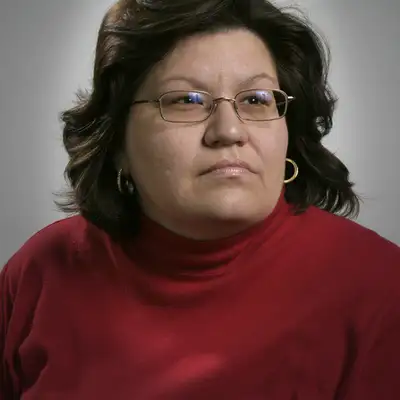
The Road To Your Name Podcast series grew out of a program started by Aboriginal Legal Services (ALS) in 2016 that helped people going through the justice system and their families to strengthen and deepen their cultural connections. Host, Lisa VanEvery, examines many aspects of Haudenosaunee culture and teachings with a wide range of guests.
Road To Your Name
Season 8, Episode 6
Guest: Warren Hill, Professional Lacrosse Player and Education Mentor
===
Intro:
Lisa: [00:00:00] Greetings everyone. Welcome to our Yoha:te ne kahsen:na, The Road to Your Name podcast, focusing on Haudenosaunee cultural topics recorded on Haudenosaunee territory.
These podcasts are produced by Aboriginal Legal Services with the technical assistance of True Seed Media. My name is Lisa VanEvery from the Mohawk Nation and the Wolf Clan. I'm the coordinator of the Yoha:te ne kahsen:na, The Road to Name program and the host of the podcast.
This is the Yoha:te ne kahsen:na: The Road to Your Name podcast series[00:01:00]
This episode of Yoha:te ne kahsen:na, The Road to Your Name podcast, we're being visited by Warren Hill. And w- if you don't know, Warren is, a professional lacrosse player and also works at, one of the organizations, educational organizations on the, at Six Nations, which he'll tell us all about. But we'll talk a little bit about, I guess in this episode we'll be talking lacrosse and education.
Warren: Yeah.
Lisa: Nice. Th- so welcome, Warren, to the podcast.
Warren: Oh, thank you for having me.
Lisa: Okay. the first question I guess, I wanna ask you is in Haudenosaunee communities, lacrosse [00:02:00] is so prominent, and, I guess boys pick it up very early, and how old were you when you first picked up a lacrosse stick?
Warren: Oh, geez, probably soon as I could walk. My brother... So I'm a twin, right? So-
yeah, probably as soon as we can walk. we didn't have, like you said, lacrosse is a predominant game here in, Six Nations, and I jokingly say, we probably didn't have a choice just being part of our family, right?
Grandfather, Cap Bomberry, Uncles Corey, Cam, Cousin Roger Stu, s- things like that. So it was a rite of passage for our family. But no, picked it up probably as soon as we could walk, and we were playing organized lacrosse around three years old, just... Again, it's the norm around here.
Yeah.
Lisa: Yeah. So you grew up with a lacrosse stick, and you probably can't even remember a time you didn't have a lacrosse stick playing lacr- lacrosse. No,
Warren: [00:03:00] no. I think, yeah, I've been fortunate enough to be playing every summer since I can remember, and, year round for probably the last 10, 15 years now.
Lisa: So as you grew up in the game, you've, you've played with different teams and, prof- And when did you go professional?
Warren; So I, a little bit about my journey, I, I went professional in 2016.
So I attended, out of, high school I ended up going to Toronto at The Hill Academy to finish my high school. that led me to Onondaga Community College, where some of our young men are at today. Was fortunate enough to get an opportunity to, play, continue playing at Syracuse University.
And when I was done with that, the next step was, the next thing I wanted to do was play professionally, and so that all came about in, 2016, so it's been year round, around that, time.
Lisa. [00:04:00] So have you always, since you started playing, have you always been a goaltender, which you are now? Or did you play, other positions?
Warren: I, I played out. I, got into goaltending, it was fairly early, but at the same time, I played out just like everybody else, and I, fell in love with the position when I was about seven, eight, nine years old, because our team didn't have a goalie, so I offered to, I think it was my turn to go in net, and I just never, looked back.
I liked it. Lot less running, right? Yeah. no, I loved it from there, and then since then I've always just been the goalie.
Yeah,
Lisa. yeah.
what kind of skills do you need, different kind of skills do you need to be a goalie than to when you're not a goalie?
Warren: I think we like to say, goaltending is, 80% mental, 20% physical.
you ha- gotta be able to obviously pass and catch, play that, and then, work on your reaction, things like [00:05:00] that. But the whole lacrosse, especially goaltending, has taught me a lot in the sense of things are gonna happen that aren't gonna go your way, in the sense of goals happen. You're gonna get scored on and stuff like that.
But it's all about refocusing and worrying about the next shot that's coming, right? And that's taught me a lot about patience, teamwork, and also just that you're relied on. you have a responsibility in there, and to embrace it.
Lisa: And lacrosse is, probably the fastest game, right?
Than all the sports. How do you... th- that ball's coming at you Yeah. Fast. Yeah. And you have to keep your eye on where it is, 'cause it's going around so fast. so is there any, training you do for that?
Warren: definitely just watch the game and just stay focused. Again, saying about the mental side of things, 'cause again, early [00:06:00] on, being a little kid, I was wondering what was going on in the stands, or-
maybe there was a fly or a bug seen on the ground, and next thing someone's shooting at you, you're not paying attention, right? But again, to anticipate things and watch where that ball is, seeing who's coming on the floor, who has the ball, things of that nature. And I think it's just, getting older and learning the game, and I think that I also, Not necessarily pride in myself, but like probably a lot of parents can attest or other lacrosse players or kids out there, like when you went to a lacrosse game, you were told to watch the game.
Not that they wouldn't let us run around, but I remember being taught that younger age, like when you come to the game, sit down and watch. Yeah. And I really appreciate my parents, m- whoever took me, uncles, grandparents, stuff like you're sitting down and watching, but that's where I found I learned the most.
Yeah. Especially being goalie, it's kinda hard to [00:07:00] practice on your own, but luckily I had a twin brother, so we would shoot around and stuff. But I think just by watching and even now, so like we get started next weekend, but I'm gonna be watching the different games going on this weekend. tomorrow night actually they start their first game, and we actually play them, Oshawa Fire Wolves.
So they play tomorrow against Toronto, and we play them next week. So I'm gonna be watching that game, tendencies, stuff like that, what situations, how do they react to sit- certain situations, stuff like that. So-
the best thing I can do is watch. Yeah.
Lisa: Yeah, w- is there a big difference between, before you got to be a, professional and now that you are a professional?
is there a huge difference, other than the skill of the- Yeah ... players. they're better, right?
Warren: Yeah. I would say that was the biggest jump is, [00:08:00] is, the skill level like you said. It's a lot faster, guys shoot harder. It's more, the game is a little bit more smarter, but also I think just maturing is the biggest thing.
when you're younger, mom and dad were taking you to games, getting you out of bed, telling you to get here and do this. But now that being an adult, trying to juggle different responsibilities. So like a typical week is go to work, we have practice midweek, and then when we're flying out, especially going to these different places, especially stateside, Canada, gotta get to your airport, know how to navigate an airport, what's your gate, you get an itinerary, where you're supposed to be, and figuring that stuff out on your own, trial by fire so to speak.
But luckily we've had a lot of, great leadership and guys, like those, that mentorship, right? Like when you got older teammates that have been around for a bit. So it definitely teaches you to, grow up, mature, and how to be professional, and I think those things also [00:09:00] trans- translate into the workplace.
Lisa: And, can you tell us some of the teams you've played on over the years?
Warren: Yeah. So the, the three main teams that I've played for, two really, is I, I got my start with the Georgia Swarm in 2016, was with them for a couple of years, which turned into me spending a season in Rochester, and our team end up moving to Halifax, relocation.
So I've been with Rochester since 20- or- Excuse me, Halifax since 2019.
So I've been fortunate enough to stay stick- stay put with the same team for so long. And, it's made things, easier for me. Yeah.
Lisa: Halifax is a long way from Six Nations.
Warren: Yeah.
Lisa: So you must do a lot of traveling.
Warren: yeah. And, we play an 18-game schedule, half are home, half are away, visited Halifax quite a bit, and it's almost become a second, home to me- especially in the [00:10:00] wintertime, so getting familiar with the city and the people there. And, it's almost like clockwork, but it's fun, and, I enjoy it.
And like you said- traveling to different places, so definitely don't take it the g- for granted to go to Vancouver or San Diego for a weekend, get out of this cold weather for a bit. Yeah. Go down south. Ve- there's a team in Las Vegas, so that was fun. So definitely don't take it for granted.
Lisa: And so do you think the sport of lacrosse is growing globally?
Warren: I believe so, and it's really cool to see, and obviously there's talks of the Olympics. it is gonna be in the Olympics. There's talks of potentially Haudenosaunee Nationals participating. But, no, it's great to see, and the level of lacrosse has grown exponentially since, I first started playing internationally.
So I think my first international tournament, I was about 15, 16 years old, and there might've been eight teams there. The traditional eight teams, your US, [00:11:00] Canada, Haudenosaunee, England, Australia. And now, this last World Games I participated at in 2023 or 2000 and thr- '23, excuse me, there was about 50 countries participating.
And not only is there more countries participating, but the skill level is definitely catching up to the rest of the, traditional countries. and prime example of that was, we were in Alabama in- 2022, and we end up getting beat by Japan. And that was a real kind of, eye-opener. this is Yeah.
we gotta step it up here, right? Yeah. So but no, it's- it's good to see. It's good for the sport, and it creates that parity. So it's, Lacrosse is definitely flourishing, and it doesn't show any signs of slowing down.
Lisa: that's good news. And so with all these countries now, getting involved in lacrosse- are they educated on the origins of the [00:12:00] game?
Warren: Yeah, for the mo- for the most part, I believe they are, and it is a- a big topic, and it's... they really respect the values of the game. And I think even when we pr- play other countries or... We'll have get-togethers. So we've had dinners with, Team New Zealand, Team Peru, and especially those countries that have their own indigenous populations, we share stories or we share beliefs, values, things like that.
So I remember we were in Denver in 2018? '14. 2014, and we were, fortunate enough to, be in- shown, the haka, like what the All Blacks do and their traditional kind of, dance there. And then the guys, Lyle and- Lyle Thompson, Jerome Thompson, Kiddo Hill, guys that are a little bit more, knowledgeable of our ways, they performed or sang songs for them and showed them a couple things.
And I think when we [00:13:00] had, Peru again, we met with Peru, and they have indigenous population, and they gifted us some things. And, we were able to supply them with traditional wooden sticks. Oh. So it's- it's a definitely a give and take. And I know when Haudenosaunee roll into these different na- international tournaments that it's, There, the other countries really take advantage of our team in the sense of getting information.
They wanna learn more about the game and the values, and it's something that's preached worldwide. And for as far as I can see, like I said, no country takes that for granted.
Yeah, and it's also like when you're out there in the world playing lacrosse and knowing that, the Haudenosaunee, the game o- originated with the Haudenosaunee.
It's just such a... It's a responsibility, of course, to carry that.
Lisa: Yeah.
But, it's nice that you can share that knowledge-
Warren: Yeah ...
Lisa: with the world.
Warren: Yeah. And to us, obviously, [00:14:00] it's more than a game. Yeah. It's not just a sport. It's not just a pastime like a baseball or football, as you will. this game has its purposes, and we, preach that.
Or they're, these other countries, I'll say these other countries because they're new to it, that, they're taught that history lesson, and they really appreciate it and understand that this game is, to be respected, and what you give into it, you get out of it, right? So- no, it's been really great to see.
Lisa: And what's their reaction to seeing, a, an actual wooden lacrosse stick?
Warren: it's funny you say that. Yeah. It's almost treated like gold. And again, not that we take, for granted, our stick makers or when we get wooden sticks, but if I go and break my stick, I can call, like I, mentioned before we talked here, my, my in-laws are from Akwesasne.
Lisa: Yeah.
Warren: And I kinda got a hookup up there. So if I break my wooden lacrosse stick, I like using [00:15:00] theirs. So I could just give 'em a call, and they'll have one down to me in a week or so that they have in their shop. But to them, it's a luxury to have one because they don't have stick makers throughout the world.
for example, our first tournament, someone, when I was younger, I think it was Team Australia, a player on their team was using a wooden lacrosse stick 'cause you can in these international events. And it almost turning into a bidding war between- ... individual guys from these different countries, and I think he ended up parting ways with his for, over $1,000.
Lisa: Wow.
Warren: Yeah. Wow. But it's, But yeah, that's how a commodity it is, and they do respect it, and it's something that they cherish. And it's cool to see that it's, again, it, your lacrosse stick, especially in our ways, right? it's not- just a toy or an accessory. So taught, "Pick up your stick.
Don't leave it outside in the rain," or- Yeah ... "You gotta take care of it," and things of that nature. And- [00:16:00] These guys that do get it, they do treat it like, sometimes call it what it is, like it'll turn into a wall piece or something they throw in their office, but they do treasure it. That's why, like- Yeah
maybe they're hesitant to use it all the time, but they take care of it and- Yeah ... knowing where that history comes from, right? So it's very cool to see.
Lisa: Yeah. and if they only knew the work that goes into making a wooden lacrosse
stick.
Warren: Exactly ...
Lisa: still
to this day.
Warren: Yeah, exactly. And unfortunately, just because of the times and games change, unfortunately, wooden lacrosse stick makers has kinda gone by the wayside just because, call it what it is, they're not really allowed in today's game in certain leagues and stuff, so a lot of it's the plastic sticks- Yeah
with the metal shafts and stuff. But those guys that still make lacrosse sticks, like I said, the, my in-laws, for example, they run the, Mohawk Lacrosse, Aanoosraani, and [00:17:00] they're on back order year-round because there is such a high, demand for these sticks, but they're one of only a few that can make the, or that continue to make 'em, know how to make 'em, and people still want them.
Lisa: Yeah. And we still have a few lacrosse, stick makers here in the community.
Warren: Yeah.
Lisa: Yeah. That as well. I don't know if they're mass producing or anything - Yeah, and- But, everyone's unique.
Warren: Exactly. Exactly. It's, and that's the same thing like we talked, like it's, not one opposed to those plastic sticks.
It's not one shoe f- one size fits all. It's all about personal preference and- Yeah ... how you like, and that's what makes the wooden stick different, the weight of it, the balance of it, the shape, the- Yeah ... the scoop of the head, even the materials into how it's netted. Yeah. So you find what you like.
Like I said, I have a, I had, my first stick was a, Willie Logan. Oh, yeah? He made my first wooden lacrosse stick down on Six Line [00:18:00] there, and unfortunately, when he passed, that, the stick-making went with him, so- I had to look for a new stick, and I end up kind of liking the ones from Akwesasne, and that's who I've been with since.
and that was probably, 13, 14. That's wh- who I was with. And then you got some guys around here, Bo Henhawk makes sticks- Yeah ... and a lot of guys like his sticks.
I know there's a new guy. his name, I want to say Jack Johnson. He puts a lot of effort and stuff into sticks he makes.
Some guys like them. And then there's this fella, Onondaga, Elf- Elfie Jock, who a lot of guys liked his sticks, and same thing. Since he was getting older, he wasn't able to make as many sticks, so that was becoming a rarity to get one. it was a big deal if you could get one made by him. So that's what makes, these traditional s- stick makers, rock stars, and, we do appreciate their craft.
Lisa: And my maternal, Or my paternal [00:19:00] great-grandfather made sticks.
Warren: Oh, really?
Lisa: Herb Martin.
Warren: Okay.
Lisa: And, I've been looking for one of his sticks for a while now.
Warren: Yeah.
Lisa: Yeah, I haven't found one yet. But
Warren: it's, but it's funny, too, right? I know I have a buddy that's starting to, restore sticks.
I think his, his name's Marshall Pauls. I see him, on social media, and I think he goes, yard sale, garage sale hunting, 'cause you'll find, like you'll see them- Yes ... and you never really think about it- Yeah ... and you take a look at, oh, heck, this is a, made this stick. Yeah. And he refurbishes them and brings them back to life, so to speak.
Lisa: Yeah, 'cause they are made of wood. Yeah. They're living, th- they're living things.
Warren: Yeah, and it is a part of history, right? Yeah.
Lisa: Yeah. Part of history. Yeah, and I remember when we were young, we would take school trips to go see Enos Williams make, lacrosse sticks.
Warren: Yeah.
Lisa: Yeah. He was always, teaching the kids what he did, right?
Yeah. Yeah. yeah, so that, we have such [00:20:00] a wealthy history of lacrosse here. Yeah. Everything's lacrosse.
Warren: Yeah. So yeah, and I like to, describe it as, you go down in Texas or see in the movies, it's, Texas high school football down south in the States here, but here in, Six Nations, h- it's lacrosse.
Yeah, it's lacrosse all the time, every minute.
Warren: Yeah.
Lisa: so you're just starting your season with the, Thunderbirds.
Warren: Yep.
Lisa: So that's gonna, that's gonna be exciting.
Warren: Yeah.
Lisa: and you probably won trophies over the years. what trophies have you won with teams over the years?
Warren: So I've been fortunate enough to, be a part of the Six Nations Chiefs, the, local Senior A lacrosse team down here, and, been fortunate enough to be a part of that team, and we've actually won three of the, Three Mann Cups recently.
we three-peated, so three national championships, which is awesome experience, [00:21:00] and hopefully get to do it again, but that's been a highlight so far in my career.
Lisa: nice. and you visited a, countries, different countries. Which one have you, not visited that you're looking forward to visit maybe?
Warren: So I'm hoping to still... I'm getting older now, and the younger guys are catching up- Yeah ... but I would still hope to finish out my career. My plan is, if it goes well, is, the next world championships is gonna be held in Japan in a couple years, so- that's one that's been on my bucket list for a while, so that'd be a cool place to go visit.
Lisa: Oh, yeah? And which country did you really enjoy when you visited?
Warren: the country that I enjoyed was, I've only been to two across the water, and it was Finland- so Europe, kinda Scandinavia, and, Israel.
Lisa: Oh, wow.
Warren: And both were unique and obviously a lot of history, different things.
It was cool to experience that, but I'll take Finland 'cause Israel was way too hot. We went there in the [00:22:00] summertime. Oh, yeah. So I'll take Finland, little bit more north, little bit more, little bit more, cool down.
Lisa: Yeah. And you have a son.
Warren: Yeah.
Lisa: and how old's your son? I
Warren: actually have two sons.
Lisa: Oh, two sons.
Warren: Yep, two sons. my oldest is six, and my youngest is two.
Lisa: So they probably already have lacrosse sticks in their hands.
Warren: yes. my, oldest, he's been playing, organized lacrosse for the last couple years, and my, two-year-old, he's starting to pick up the stick at home and wants to throw around- and he's getting more into it. So it's, it's the circle of life down here, right? Yeah. So yeah, it's really cool to see them getting into it.
Lisa: Are they-
Oh,
sorry. You have to repeat that. No problem. Clap, clap. so it's nice to see them, enjoying, lacrosse like you did at that age.
Warren: no, when the game's getting, too serious- Yeah ... or [00:23:00] maybe putting too much pressure on ourselves and things aren't going, and it's fun that when you watch these little guys play, like I was helping out coach them, and you realize, this game is meant to be fun, right?
Yeah. And to see those little guys just play for fun, they're not worried about the crowd in the stands, they're not worried about external motives or-
Lisa: Yeah ...
Warren: again, they're not worried about if they're getting paid- ... or anything like that, right? That maybe as you get older, things you worry about being professional.
They're just out there to have fun, be with their buddies, live in the moment, and so-
Lisa: Yeah ...
Warren: that brings me back, and I appreciate, those little guys' perspective.
Lisa: Yeah. Yeah, that would be really great to see, after seeing the adult business side of it-
Warren: Yeah, exactly ... for a while. Back to its roots, right?
just having fun, seeing the kids laugh and, going out there trying their hardest. They just wanna score, have fun, and they're not... Even, too, they're not worried, they're just, peanuts, under seven, and they're not worried [00:24:00] about necessarily winning or losing. They just, they're just out there to play-
have fun. Yeah.
Lisa: Yeah. and really, they probably feel that it's in their, blood, this game.
Yeah.
they have that connection at such an early age.
Warren: Yeah. I shouldn't say they're not worried about, winning or losing, 'cause you do see that competitiveness- ... switch on with them. Yeah. on the floor, so I'm a coach, right? So on the bench, you'll see them giggling, and their attention spans. They're little guys, right? But they'll be talking about other things, trying to make each other laugh, but as soon as they get on the floor, they're gung ho- ... and they let out all that little aggression and- Yeah
like you said, it's kinda like in their blood. they know what to do when they're out there- at a young age, so it's really cool to see.
Lisa: So your sons, are they leaning towards goaltending or that's- ... too early to say?
Warren: my oldest kinda. He wants to try. He's tried it a few times, and I know, I'm gonna let him decide what- Yeah
he wants to. It's [00:25:00] always there, so he's at that age where I just let him figure out what he wants to do, right? it's- Yeah ... not that serious, and if he wants to play out, he can play out. If he wants to play goalie, he can play goalie. But obviously, just like with any other parent, like whatever he wants to do, I'll support.
And my youngest though is, he's very physical. So I don't think he'll ever get in a cage. No, he just wants to score goals at home. Oh, yeah?
Lisa: Yeah. Oh. with lacrosse, we're al- we're gonna talk about education as well. Yeah. So you have a f- you have a nine to fiver.
Warren: yes.
Lisa: So tell us about that, what you do in the community.
Warren: So I work at On- Ongwehonwe Skills and Trade Centre, and I am the student mentor. So what my job is, I kinda describe it as being the between the students and the school itself. a lot of times students just need someone to talk to, and sometimes it's not easy talking to, [00:26:00] instructors or, different admin or school admin people.
It can be intimidating, right? So I try to make myself as a, accessible as possible and inviting, 'cause I do understand what it was like to go through post-secondary. And a little bit about me, out of high school I went to McMaster down the road, and it was a culture shock to be in a class- Yeah
as in a classroom, a big classroom with 300 other students, and unfortunately I didn't do well. I also wasn't ready, like mature-wise. Like it was a lot of Do this homework, write these papers in your face. it was a big step, big change of pace. I wasn't ready for it, wasn't mature enough for it, and it led me to just procrastinate and to just to put it off.
And- Yeah ... it took that experience for me to move on in my educational journey, and that's what I understand here, especially when you got different life events going on. [00:27:00] and that's what I like to expl- explain to our students, like life happens and I understand it. And I think I've also had different, stops in my, like my professional career, my work career at different, like social work stuff.
So at Ogwadeni:deo I was started off as just a research person from a summer job to I was helping out with our volunteers and also helping navigate or at least leave some of the child welfare stuff that they were doing, just extra set of hands. So learned a lot from there, different trainings, different, social trainings and things like that.
And then moving on to, Ganohkwasra and being a part of the, youth lodge and, doing that sort of work with our youth and again, getting more experience, more training on the mental health side of things in which dipped into the different, addiction side of things- and traumas and things like that.
And [00:28:00] then learning more about residential school. So I didn't go to school for social work, so to speak. I was a communications and rhetorical studies major, but learning all these different life lessons and trainings and experiences along the way has definitely opened my eyes to things. So realizing that a lot of our students are like onions in the sense of, you gotta peel away to get at the source of the problem.
So that's a thing that we like to pride ourself, student services here at our school is if someone's struggling in class or they're not showing up, there's probably more to the surface than or more than what's just on the surface- Yeah ... in the sense of this person's choosing not to come.
Yeah. And it's easy for someone to say "Oh, they don't care," or whatever. But what my job is and what I take pride in is figuring out what's going on, and it's up to them if they want to be open and share, right? But if they are willing to open [00:29:00] and, open up to us, I'm willing to work with them. So maybe- someone's has to work because being in school, like they got mouths to feed at home, and so I try to figure out what options are there to, help them out that way. Or maybe someone just needs to vent talk. They going through something at home that they don't feel they have anyone to talk to.
By no means am I a counselor, but everyone just needs an ear sometimes, and, especially coming from someone maybe that doesn't know them too personally, right?
Like I can give- at least my opinion from the outsider looking in. Things like that. I know in the past even something little as transportation, if a student in the past, couple students actually, like they want to be here, but they had no means of getting here. And like right now in the wintertime, like it's getting...
Someone that lives down on Fifth Line, we're in the heart of Ashwaagan here. In the summertimes a little, might be [00:30:00] a little easier for them to walk here, might take them a bit, but they'll get here. But come snow time, no one wants to be walking on that, so I'll go and get them-
and bring them to class and do things like that.
Yeah, so a lot of it is just trying to help out the student, whatever they're going through, the best that I can. And if I can't directly help them, I can at least look at, different community agencies in Six Nations and hopefully point them in the right direction.
Lisa: Yeah. And trying to be creative to help them get to that finish line.
Warren: Exactly. Yeah. Exactly. And we want everyone to be here to be successful, right? And, that's our goal. So it's any way that we can make life for them a little bit easier, that's all we're trying to do.
Lisa: So how many programs does OSTTC run now at the, Ashwaagan organization?
Warren: So right now we're in our fall term, and we have, beginner welding going on right now.
We have accounting essentials. [00:31:00] we also have our employment readiness program, and those students right now are just, gone off to their placement. So it's to help those students be job ready. And then in between we have different kinds of workshops or, skills, so like training programs so to speak.
So we've have driver's ed for our young people. We've had, construction safety programs where guys can get their WHMIS, working at heights, heavy machine operators, things like that. And then in between infusing culture back into it, we infuse culture into our programs, and we do different kind of crafts or, teaching.
So coming up right now is, like ribbon skirt making or toddler outfits, like ribbon shirts and stuff like that. So a bunch of different things, and it definitely keeps us busy.
Oh, yeah. and it's great that, you have, culture into the programming, because if our people go off [00:32:00] to, to school at different places off the territory, they're not gonna get that.
No, exactly. They're not gonna get that. And I think the biggest culture shock for me, call it what it is like when you go off to these off reserve or to bigger schools and stuff- I felt, this was just my experience, and I'm sure I'm not the only one, but I kinda felt like just a number- Yeah ... if that makes sense.
out of 300 kids, I doubt your professor or your teacher's gonna learn everybody's names- Yeah ... so to speak, and then you're kinda just going through the motions or you're going through that system. And so here we pride ourselves on being more interpersonal, so right now we have 30 to 40 students in our program enrolled right now.
And it might take a little while, but we do learn everybody's na- learn everybody's name, where they're from, and, a little bit more about them. We try to be engaging 'cause call it what it is, it's tough to sit in a classroom every day n- nine to three. So again, another [00:33:00] part of my role is to make, life here a little bit more enjoyable, so we will have different student activities.
I know, whether that's... And student engagement activities like trivia day, or we had Hallowe- pumpkin carving contest, things like that. Or-
just little things, to- get the students to interact with one another. you guys can have a little bit of fun here, right?
Lisa: Yeah. So what about, you doing some lacrosse, workshops for the students?
And-
Are you gonna be doing that in the future?
Warren: Oh, we've had that in the past. Again, another buddy of mine that works here, he's the, programs assistant, is, Lane Smith, who's a, another lacrosse player from here. And so something that we'll throw into, again, maybe into programming or if it's wanted is, a lacrosse lesson.
So we'll go through the history and show them different lacrosse sticks, and we'll show, what the game, where it came from. And where it is today, so to speak. [00:34:00] Yeah. And we'll do different things like that, and I know we run summer camps, and they'll do, a trade summer camp for our teenage youth.
And call it what it is, come lunchtime or break time, they just wanna play lacrosse, so that's where we get our sticks out and join them, Yeah. It's been a lot of fun.
Lisa: Yeah. and even in our cultural program that, we do in the community, Yoha:te ne kahsen:na, The Road To Your Name program, we've done, workshops in, the history of lacrosse, the spirituality of lacrosse, and, we've also done, lacrosse netting.
WarrenL. Oh, nice
Lisa: stick netting workshops. Nice. And I have to say that lacing a lacrosse stick is the hardest thing. Oh.
Warren: Yeah. It definitely takes a lot of practice, and it's funny you say that. one story I have is, again, saying that, mentioning that we were in a lacrosse family, my uncles used to string our sticks for us when we were little.
But by the time, again, [00:35:00] we turned about 10, 11 years old, that's when they said, "No, yous gotta learn how to do it." And "Show us?" "Nope. Figure it out." done enough for yous." but I'm thankful for that, 'cause, sometimes guys, even adults, guys or adult men, don't know how to string a lacrosse stick, and they rely on someone else.
So I'm th- grateful for being told to figure it out because now if my stick breaks or if I get a new stick, I know what I like, I know how to throw it in there, and- Yeah ... away we go.
Lisa: Yeah. And it's not an easy thing to do.
Warren: Oh, no. It takes a lot of practice. Yeah. It takes a lot of practice, but it's, it's a good, skill to have.
Lisa: Yeah, for sure. And I think in the, historically in the '40s and '50s, they used to have the women do the, lacrosse stick lacing bees. Like they would have quilting bees.
Warren: Oh, really? Yeah.
Lisa: Yeah. '
Warren: Cause I remember- Yeah ... seeing in those old videos, yeah, like they would, [00:36:00] whoever was making the frames, then you would see women, yeah, stringing- Yeah
the sticks, so that's really cool.
Lisa: Yeah. you have, quite the full life. You're very busy.
Warren: Yeah, it's definitely, But it's a good busy. I enjoy it.
Lisa: Yeah.
Warren: Yeah.
Lisa: So good luck with your, season.
Warren: Thank you.
Lisa: And, and also with your students.
Warren: Oh, thank you.
Lisa: Yeah. Yeah, and the work that you're doing here.
So we've been talking with Warren Hill at the Yoha:te ne kahsen:na, The Road To Your Name podcast today, and, we've learned a lot about lacrosse and education. So Nya:weh, Warren, for being here.
Warren: Yo, thank you for having me.
Lisa: Ona kiwa:hi.
Extro:
Lisa: Nya:weh. Thank you for listening to this episode of the Yoha:te ne kahsen:na: The Road to Your Name podcast, which has been produced by Aboriginal Legal Services and hosted by me, Lisa [00:37:00] VanEvery. There are 10 podcast episodes in each season. Let's meet again on the next episode. If you would like to learn more about our organization, Aboriginal Legal Services, and the programs and services we provide, please visit us at our website, www.aboriginallegal.ca
And if you feel inclined and would like to make a donation, you can click on the word Donate located at the top of the homepage of our website. You can also visit us on Facebook at Road to Your Name. This has been the Yoha:te ne kahsen:na: The Road to Your Name Podcast.