Subscribe
Share
Share
Embed

Are you looking for proven ideas to increase your influence, hire and develop an excellent staff, build a stronger culture, lead meaningful change, and form a strong foundation for learning and leadership success? This is the podcast for you.
Whether you're a leader who seeks to refine your command of core educational strategies, learn new management techniques from those who have used them at some of the world's largest corporations, gain fresh perspectives on personal development or student success from practitioners across fields, or a little bit of everything, you'll find powerful content on The Authority.
Join co-hosts Lindsey Cannon and Natasha Nurse as they interview the prominent education authors you already admire, up-and-coming voices, and experts from the worlds of business, personal development, and beyond — including Wall Street Journal, USA Today, and Amazon bestsellers — to take a deep dive into their wealth of practical insights.
Ross Romano: [00:00:00] Welcome in everyone. You are listening once again to the Authority Podcast here on the Be Podcast Network. Thanks as always for joining us. Really happy to have you here for a conversation today about that critical topic of educator wellness, something we've talked about here from time to time.
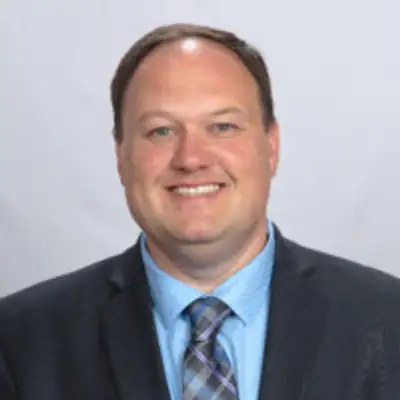
Great time to revisit it. With our guests today, dive into some new angles of how leaders can really create, build, and sustain the vision of wellness. My guests are Bill Barnes and Aaron Layman. Bill is the superintendent for the Howard County Public School System in Maryland. He was a recipient of the Presidential award for excellence in mathematics and science teacher.
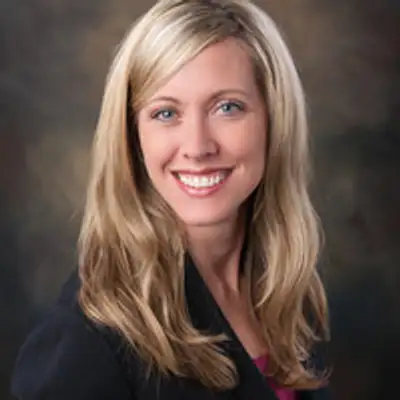
And is served on the Board of Directors [00:01:00] for the National Council of Supervisors of Mathematics. Erin currently serves as an associate professor for the University of South Dakota. She's an author, leader, and facilitator advocating for leading instructional improvement. Their book is called Leading Educator Wellness: Six Critical Actions to Support All Staff. Bill and Erin, welcome to the show.
Bill Barnes: Hey, good afternoon. How you doing Ross? Good to be here.
Erin Lehmann: And thanks for having us.
Ross Romano: Yeah, doing well. Great to have you both here. I think there's a lot to discuss here and really looking forward to your insights. We'd love to start here. Around, I kind of, it's almost skipping to the end a little bit but I think it's kind what we're building toward, thinking about the. The tangible challenges that school leaders education leaders and districts are facing right now, attrition, shortages, effectiveness of course, like all these various things that wellness certainly [00:02:00] can be a component of addressing those, but I'm really interested in your view on what are.
Some of the factors that wellness addresses, like those tangible pieces, how impactful can it really be towards those? And kind of yeah, defining that a little bit as we get started. I guess Bill, we'll start with you on this one then Erin. I'm sure she'll have a lot to add.
Bill Barnes: Yeah. So, education and being an educator has always been a challenging profession, and probably every generation says. It's never been harder than it is right now, but I think that certainly applies here. The, it's not the core root of the job hasn't changed all that much. We're still here receiving children.
Parents are sending us the best they have. And the kids come in ready to learn. But the external pressures have ratcheted up quite a bit both from a student standpoint, students and their personal devices. There's lots of noise in their world. Certainly the pandemic. Rocked everybody's world and from an educator standpoint they find [00:03:00] themselves sometimes in the cross hairs of political agendas.
They see themselves as victims of soc weaponization of social media. It's just, it feels like a really intense situation. So they come to work having experienced all the same. Things that we're grappling with as a community, as a nation, and then they have to perform in a fishbowl.
And so we started seeing some indicators of how wellness was impacting. You know, our staff in terms of attendance rates and staff attendance started to slip. Not just student attendance. We have chronic absenteeism challenge both for the little ones and the big ones. We started looking at increased healthcare rise in healthcare costs.
Not just but disproportionately. So we were both using our staff were using more. Resources. And so our costs were increasing and just the way people, our staff were presenting and the feedback we were getting in terms of increased workload burnout, there's just a lot of inputs on educators.
So, pre pandemic, it's started to catch our eye, but right now a focus on improving [00:04:00] educator wellness. And we define educators as all staff that work in a school district that who, and it's all 9,000 of ours. Working in service to students, whether they're a custodian teacher, administrator, superintendent we, now, it's an essential focus area.
If we don't focus on keeping our staff well, they can't possibly best serve our students and we're gonna lose 'em to, to other, they're just gonna, they're just gonna start leaving. We, last one I'll say is we started to see people who were vesting for full retirement at 30 years retiring.
On that 30 year in one day mark, instead of having in our district, many, many teachers were working into 35, 38, 40, 45 years, but people are just leaving. And that's that's a large portion of our workforce walking out of the door. So Aaron, did you have any
Erin Lehmann: You hit everything that we, I think, mentioned in the book and that big one. And of the misalignment of those responsibilities and what educators are actually doing. I think what is, when Bill and I got together and started thinking about what this [00:05:00] book is going to look like, these kept coming up over and over again.
And then I think maybe our editor Bill gave us that book triage Your School by that Christopher Jensen. And that was so powerful because that segued into. The work that we're doing now, because he was saying like those poorly designed operations they will create that persistent work related stress and that will actually lead to burnout.
And we're like, this is what we have to do. We have to look at the systems approach to this versus just looking at maybe the singular lens of educator wellness. We need to look at the entire system.
(ad here)
Ross Romano: Is there anything in your work on the book or you know, the different resources you referenced that, or even just from your direct experience that you feel like either. Confirmed or conflicted with the conventional wisdom, what's commonly discussed or understood to be [00:06:00] so about wellness, the factors affecting it, all of that, Aaron.
Erin Lehmann: I think one of the things is that people think that they have to take care of their own wellness themselves, which they do. They've got to make that decision first and foremost. But if there's not a. System that's supportive of that. I'm gonna err on the side of, let's not focus on that. And when Bill and I first started brainstorming, you should see our brainstorms actually, I don't want anybody to see these brainstorms, but we kept going back to our own leadership and the people that have worked for us, and it is that empathetic leader of how can we take care of the people who are taking care of our students?
Because if we do this well and right, and we do this over and over again. They're not going to want to leave us because we've created a system where they thrive because we need the people in front of the students healthy.
Ross Romano: Yeah.
Bill Barnes: And I started seeing talk about conventional wisdom. I mean, we would we like every. District that I've [00:07:00] worked in or have friends that work in we had all of the pretty typical episodic events. There might be a spa week or there might be a wellness day or, but it wasn't anything that was sustained.
And so, I knew that we had. I've gone over the breach when we would go into rooms and we would talk about and try, I, I'd use the phrase, self-care or urging people to engage and practice self-care and the dirty looks or the comments or the sneers or the tears. Emerge because people had just become fatigued with that advice.
And it just felt like we were telling them to do one more thing on their own. And you know, in our leaders, in our, from a leadership standpoint, they were looking at us and they're like, yeah, right. When have you built a system or structure that permits us to do that? We're on the clock 24 7.
And so we we were at risk in our district, at losing our people without really trying to step back and understand what, what was going on.
Erin Lehmann: The other thing, bill, that you bring up, 'cause we, you and I did some research and looked into this quite a bit, is there's be, there's [00:08:00] a lot of resources helping students right now and there are people checking in with the teachers right now like. But then that was the other missing piece is like, who's checking in with these leaders?
And we found that there is not one, actually a lot of research out there in terms of people checking in on the leaders. And so when you do ask these leaders, how are you doing? And they're like, what do you want out of this? What do you need from me? They don't, I didn't think that a lot of the leaders that we talked to initially thought that it was like, no, we really are.
Curious about your own wellbeing?
Ross Romano: Yeah and you right that. The leader or you start with leader wellness first and right at it. That's the beginning point. Why did you choose to go in that direction? And within that, is there a particular message that you're wanting to send to school and district leaders by having that as the starting.
Bill Barnes: Yeah I'd say that, when you, if we're gonna take a systems approach to wellness, you're really gonna have to we're gonna need leaders to kind of [00:09:00] understand it. Spearhead it's not, wellness is not native to our sort of educational leadership training. Our path. If you were a health or physical education teacher, you probably have some content shops in this space.
If you're a counselor or a social worker in our district you have some chops. But most. Content leaders and traditional people we're hiring don't have those chops, and so, taking a systems approach, investing in our leaders making sure they have the confidence and the content is a, is our, is really actually where we're beginning in Howard County, building up capacity of those at school level.
Teacher reps, leader reps. So the lead we wanted to invest in leaders. We were leaders looking for something and we couldn't find something. And we're encouraged by some, by our colleagues to, to put kind of journal what we were working on. And then try to codify it what we were setting out to do.
And so that's how the book emerged. But you know, we need our leaders to be present in this work. I need people to want to be leaders. People look at what our leaders do, and teachers are saying, I don't want any [00:10:00] part of that. Our pull of aspiring leaders for assistant principals and principals is drained this time of year.
And so I hold my breath that we can get to the next big hiring season. You know, so that, that's part of the. My motivation.
Erin Lehmann: And the other
Bill Barnes: you have some other things?
Erin Lehmann: Ross, that you bring up a good point because Bill and I actually had this chapter at the end of the book. And then we thought, okay, we have to rewrite this whole thing and the whole narrative because it will be really hard to lead the work if you yourself do not believe in the work.
Ross Romano: Yeah. Yeah. I mean, I guess it leads to a question of can wellness be taught or can one be taught to believe in the concept of. Prioritizing wellness for oneself and the things that means, and we'll talk about the dimensions and how wellness is defined. But I do think for a lot of people of any role, but particularly let's say [00:11:00] it's a leader who has gone so many years into their career and their professional experience and has not.
Understood the norm or expectation to be a particular state of wellbeing. How is that reprogrammed to start with? Right. And 'cause it would be quite difficult I would think, for there to be any type of vision that is implemented at scale. If. The central hub of that the leader is not able to live it even if they are interested in it for staff, colleagues, et cetera.
Right. That it really requires a belief that it's for everybody. I guess Bill.
Bill Barnes: Yeah. And I think that's we really early on it's, take care of yourself because I think it, our colleagues, Tim Ka, old Tina Bruen, write elegantly an unregulated adult, can't support an unregulated child. And you know, Aaron Extrapolates that and a un unregulated [00:12:00] leader leader can't support an unregulated adult or a child, you know?
And so, we need our leaders to both be confident, understand it's not in any of these dimensions of wellness. I mean, neither of us succeed in all of them all the time. And so you have to grapple. There's a little bit of imposter syndrome we set out and you say, Hey, I've struggled with food in my whole life.
Like, so how am I gonna go and talk to people about food choices when I that's been a difficult. You know, routine for me to maintain. And yet as a leader, I need to understand how we define it, how we lay it down, or how it's been defined or laid down. And then quickly build up community so that I can both lead the work and get the tactical part done, laid out.
But also, I need to be part of the community and I need staff to see me as a leader working on the work too, and not in a hierarchical positional authority space, but hey, this is all of our work. And it is not, I'm not better at it, worse at it. Nobody's winning here in every space probably.
So let's, we're gonna need each other. [00:13:00] We need to create community. And so, if it's gonna work, we kind of, kind of execute on that. Let be clear about it. This isn't one more thing for leaders to do. We're gonna lay it we can lay it down on typical structures, like in school improvement plans, district plans, but it doesn't present that way.
We have to quickly break down those structures and get, and be part of community as leaders. So it's. It. I'm as curious you are, Ross, how it goes to scale. 'cause we've seen it in really small spaces and we've seen it work for a minute and then stop working because it was person dependent. Or a staff member dependent in a school.
Usually every school has one or two people really jazzed up about this. But can it be the leader and what's the leader's role that's really clearly defined that's gonna be important.
Erin Lehmann: Well, and there's some research saying if you've got this, almost 60% of educators, I identify with this exhaustion and career burnout. If you're in this leader position, and I remember when I would have like. 30, 40, 50 applicants for one position, and then now it's like four. And I went, oh my gosh.
This [00:14:00] is, I mean, they're seeing this as a reality. And so that is an excellent point. Like, sometimes people aren't gonna change or believe in the work, but they're seeing who they're getting so they know that ripple effect is true. It's accurate. Teachers are wanting to burn or to burn out. Teachers are wanting to retire earlier.
I mean, it's scary. So if we don't have educators, then who do we have?
Ross Romano: Yeah. Yeah, I mean there's of course all of the, as the leader, I'm quote, right, all of the people that the leader is responsible for within the organization. And the various ways in which the culture, the practice of wellness, culture of wellbeing directly affects. Staff, faculty, students, et cetera.
But also, I mean, not to heap another thing on the leader's shoulders, but there is an element of the sus sustainability of the profession, right? And then the [00:15:00] ways in which, when there's not some consistent buy-in into these practices, the reinvigoration the healthy. You know, culture within schools and within the education profession that there's gonna be a self perpetuating cycle where it's not going to be inviting to those new educators coming in.
And as you're getting into, okay, that's one of the direct effects of we can't afford this attrition, is because there's not another person to come in and take job. And when it is, it's. Someone who doesn't necessarily have the experience or the proven effectiveness. But the profession can be a, a poor representation of itself, I guess to right to that young student who's thinking about what should I major in, what should I go into?
Or. Even the person who starts their career in education and quickly exits out that they're often probably coming into it with [00:16:00] already the assumption of it being. All of those difficult things, overwhelming the burnout, the any of the positives being almost spoken of in a language that it's like a a, a service opportunity versus a professional role.
And then it's like, yeah. And so, and I'm sure you've each been in education long enough to have seen. Those trends, like you mentioned, it used to be 40 to 50 people trying to get a job. Now it's maybe a few if we're lucky. I guess all of that to say what is obligation and the opportunity of folks in leadership roles within education to surface this topic to their peers, right?
And look at it across. The system to say like, we all really need to get with this because this is what we're looking at down the road. We all have these things that we're dealing with in our organizations today, and we're trying to [00:17:00] make a difference in that, but it's only gonna make it worse for each of us, right?
As there's whatever. You know, the county is, Baltimore County is up the road. Right? And if they have a shortage and you have a shortage and then you have an opening, you're both competing, right? And it's like everybody is struggling. 'cause we all we really all need to be getting better together or else we're really not gonna be able to fulfill our mission here of educating kids over the long term.
Erin Lehmann: You bring up
Bill Barnes: I think, yeah.
Erin Lehmann: I'm gonna just pop in real quick because you said, and this is something that Bill and I had, and I think we kept it at the top of one of our pages just because we're like, we cannot forget this. When we created and developed this framework, we said, we do not wanna add more to the plates of these school leaders, of these district leaders, because that's what happens all the time.
People keep adding, but you'll never take anything off. And so we thought, what is it something that they already do and most of them do sometimes well and [00:18:00] right, sometimes not so much. What framework can we adapt or adopt to kind of encompass what. What we envision. And so you brought up like obligation and an opportunity.
The obligation most districts and schools have to do is some sort of like school improvement planning process, whether it be attendance, it might be culture, it might be mathematics, it might be literacy, whatever it is in terms of district and or school leadership. And we thought, ah. Let's do that because schools and districts are used to this format, used to looking at, okay, let's conduct this needs assessment and see really what the priorities are.
So how can we maybe incorporate it so we're not doubling the workload for educators, but really I would say integrating wellness into that improvement plan. So it's just part of the culture.
Ross Romano: Yeah.
Bill Barnes: And I think so structurally finding a home, but I think that it's 'cause it. You hit the part that I wanted to hit Aaron. It's really important for us to give leaders space [00:19:00] and grace and teachers space and grace and all of our employees to we gotta acknowledge what's happened and where we sit and that nothing's wrong with them for feeling these ways and that things have intensified.
This is a different job. And certainly those that have been around for 30 years like I have, it's a very, it's. There. It feels it looks the same. I can identify I recognize that it's familiar, but the pressures are very different. And so recognition, acknowledgement of this has gone a long way.
Prioritizing it, putting it in our strategic plan in Howard County is the top priority. It has been important. People have appreciated it, but the only appreciated it if you start putting some actions behind it. And we do have to one of our themes this year is really. Focus and concentration. So that means that if we're going to get better at a thing, we may just be staying mediocre or bad at other things because we can't do it all.
And giving permission to kind of, kind of engage in conversations and help us understand what we have to do legally and what we might [00:20:00] stop doing, and then be really disciplined about some of those protocols or habits that have formed. Because email's 24 7, but it shouldn't be. And when somebody sees an email come from me, if it's three in the morning.
You know, I'm sending an unintentional message that, oh, the expect superintendent wants us to meet, we should be working around the clock. That's not it. That's just when I happen to be up and send the email. So maybe I've gotta schedule my send or just write it down or save the draft. And what kind of practices, small and large can we engage in that really start to value and honor people's time because otherwise you end up, and I saw this 30 years ago as a new teacher, and I'm like, I don't wanna be one of those you, you end up with martyrs.
And people that are in service of children, but are really raging about the profession. And then we are we are not good carriers of our own story, you know? And when I would hear teachers back then say to, to our students, you can do anything you want. Just I wouldn't go into education or I'd never let my child be an educator.
That just, that speaks to sort of, [00:21:00] this, the outcome of a lot of pressures. And so how do we name it, own it, work through it so that those stories change. And then people can start encouraging their own children to wanna be in education and turn the corner a little bit. So, yeah.
Erin Lehmann: And value when teachers educators are making the right choices. And I'll give you an example. I was working with a school and it was a very novice new teacher. We would work on these learning goal. Was that she needed to help improve her. I would just say her craft. And she's like, well, Erin, I love your list, but I'm not doing it all because I show up at seven 30 based on my contract.
I leave at four and I don't take a bag home with me and I never will. And I went. Oh my gosh. Listen to these boundaries. I was actually, I didn't even have words. I was in awe. But it helped me be a better coach because I went, okay, she has set the boundaries for her health, her wellbeing. How can we as leaders really work around that?
And we did. Here's your one goal, one small. Like instructional goal. What are your [00:22:00] thoughts? Oh, I can totally do this. I can completely integrate it. So I love those stories too, of validating and naming and celebrating. I think we have a whole section in there about celebrate what you see when it is done well and right, because at first I was shocked, wait, no, you gotta bring a bag home.
Every educator brings a bag home. I didn't ever, I still bring a bag home like.
Ross Romano: Yeah. Well that, I mean, that leads to like with communicating the vision and doing so. Authentically demonstrating authentic commitment to what that is. Right. In the case of of the educator you just mentioned, it's like how do we make sure what's on paper?
Erin Lehmann: Yeah.
Ross Romano: what's in practice are the same, because I'm sure on paper it says your work hours are seven 30 to four o'clock, and you know, but, and, but then there's the unwritten expectation of like, well, it's just part of it, right?
You have to do this and. Within reason. And every now and then there's exceptions on a certain day or whatever, but the [00:23:00] fact that it really shouldn't be that noteworthy when somebody's saying, oh, I'm doing things according to what the job is and what the role is and that, that shouldn't have to feel like.
I need to be that firm in setting that boundary for myself when that is what my job is. But that just one example. But when you're the leader, right, and also like coupling it with the authenticity of like what wellness means and doesn't mean because it means I would say, tell me if this is off, but.
You know, supporting the various factors of wellbeing that enable those educators to maintain and sustain a high standard of performance, right, high standards in their work. It doesn't mean. It's just a free for all. Okay. You can just disappear at lunchtime, not come back or whatever. Right.
But it, so it, then, I'm sure there's cases where a first [00:24:00] attempt kind of goes a little bit more in that direction that it, well, it just means being looser and not really having a lot of parameters, taking it easy. It might almost feel like, I'm sure there's cases where, it almost feels like the leverage is in that direction in places that are really struggling with you know, recruitment, hiring, retention, et cetera.
But how do you. Really think about those factors of like, what does authentic mean in here? What is my community, my staff, faculty? Like, what are the things that matter to them, and how do I authentically demonstrate our commitment to that, that we're seeing that through? But that is in support of, not in lieu of the high standard that we hold for ourselves here in, in our in our community.
Bill Barnes: Yeah, so I, I think that, yeah I love the word authentic there because this is not the kind of endeavor that's gonna be we've always need to customize our professional learning and differentiate it. We don't always do it because if you're doing if you're doing [00:25:00] things at scale and you're warehousing and you're trying to get, you have limited resource to the district level or to school level.
You just fall into some bad habits. We don't differentiate. We don't always practice what we preach at the professional learning level, and yet if we don't differentiate here, we're just gonna turn people off because it's not every as you said, not everybody's. Needs and wellness are the same thing.
And you know, defining that or anchoring in those dimensions of physical, social, emotional and so forth. Like, I think anchoring in that creates the spaces that people can dig in. If we anchor in those routines that move in and can old define I think people can find a space to latch into and find some people that are also wanting to grow in those spaces.
So. I think this journey is gonna inevitably lead to that. It is gonna teach us something about true differentiation of adult learning and I. Or if we don't, I think I won't even start it in my district if we're not committed to that. 'cause it just won't, it won't succeed. We're not gonna, Hey, this month is we're gonna be focused this quarter is physical wellness this quarter and everybody's going to ram [00:26:00] down and we're gonna talk about sleep and food and movement.
And it just, this isn't that kind of thing. This is a very personal journey there. We're gonna have to really focus on for auten authenticity. Setting strong norms, taking time to explain the why, really helping people understand that you know, it's, it we're in, its this together that we don't know everything yet, that we're gonna learn together.
Our community will expand it's knowledge base. That's at least how we're setting out to do it. We're to go slow to go fast, as is a phrase we use a lot, but sometimes you just go slow to go slow. We wanna we don't wanna rush it and mess this up because, people are willing to ride along.
They're willing for us to change some things. You described the wellness. We had wellness days where we gave half days to teacher just go, do what you gotta do. Staff, school staff, just go, we don't even need to know. Just do it. And it didn't really improve what people were saying about their job. It wasn't.
At the measurement level and effective. So I bought back some half of that last week. We had [00:27:00] one and we filled it instead with professional learning for part of it, saying, look, wellness is also getting better at your job. And we can improve your, how you feel about your work by leveling you up or helping you level up.
And so people are willing to walk alongside this journey until, but they're skeptical, right? Because there's a lot of personal I'm having to be vulnerable as an educator. In letting you know how I might not be. Well, and that's, and yet they, I say that and they're telling us that in very direct and aggressive ways.
Some people on the other side of it. So you've already told us we're not well, we're saying we're not. Well, are you willing to join a community and give it a run? So authenticity is gonna be critical as we do this work.
(ad here)
Ross Romano: Differentiation piece is important, right? I mean, for some people, the thing that allows them to recharge is that little bit of time off, and that's how they do it. Other people, that's just more time for them to think about how much they hate their job. You know, for one educator, the thing that really helps them feel like.
Centered and having [00:28:00] control is those boundaries around hours. And what I do for somebody else, that's not the thing at all. They're like, I prefer to take it home 'cause I can do an hour of work later at night and then I'm getting a head start on the next day. And if that's the only thing that we're focused on and like the school just says it's this one size fits all, this is what everybody should do, then it's gonna make it even worse for that person who's saying that is the opposite of what I need.
Bill Barnes: Right on.
Erin Lehmann: our professional learning chapter. Actually we brought in some Hanover research because we wanted people to see like differentiation does matter. Like you approach the execution almost like as a tier one, tier two, tier three, what do these educators need? Because that was the other thing, like you may think one thing, but that's why we're so I would say.
Purposeful and if you don't have this vision, if you don't provide, conduct a needs assessment, you don't really know what's going on. Then you're shoot shooting from the hip. Like I think everybody needs back massages, which [00:29:00] maybe they do, but maybe they don't whatever it is. But if you don't know, and that's the other thing too, is like what can we make and create for these leaders so they don't have to do it themselves?
Because the other thing that we wanted and to come out is. When the vision is being created, it should not be done alone or in isolation or a silo. And so creating this really strong team that everybody has a role, everybody has a strength that they bring to this team because Bill and I, we are strong educators and we are strong leaders, but my goodness, I might not be the best person that should counsel somebody.
So we've gotta bring in the strengths of all of the people around us. And so I think that was a piece that. That we really tried to bring into the book, but whew, it was kind of tricky.
Ross Romano: Yeah. Let's talk about that, that needs assessment. I mean within it, how do you measure what the current state of things is? And then how do you go about [00:30:00] evaluating and assessing what your needs are, where the needs are how you might address them. Aaron?
Erin Lehmann: Well, I would say don't use your thoughts and opinions as a leader because you'll have a lot of people really upset with you. But that's really, this is the time to engage all the staff members. This is when you're taking that qualitative and the quantitative data. Bill and I, we have some surveys that we've created out.
We want some inner the interviews. We want the focus groups because we should spend time on this needs assessment because maybe the district has a different vision, sometimes even than a building because we know that buildings sometimes do have different personalities. And so while yes, you might look at this from the district lens, then also pair it down so it actually is meaningful to the people that are right next to you.
And so. That. I mean, we tried to incorporate a ton of examples of the qualitative, quantitative ways that you can gather this data, analyze this data so you can actually create next [00:31:00] steps, goals, action plans.
Bill Barnes: Yeah there's not really, for some defensible or tried and true sort of, and you know, there are different surveys and different things, but nothing that quite was personalized enough. And so we wanted leaders to have a starting point. So there are some really pre some tools that they can use or they can riff off of or they can customize with their team.
We don't. Take away all the adult learning that can happen as their team starts to grow and wonder together. 'cause at the root of this, the question is like, how well is your school or district, like how and how would we even go about defining that? And there is real power in letting the adults that are experiencing and having all the feels and the emotions that go with the work, really unpack that and what do they think?
Would be the benefit. And how does their, how do their thoughts and experiences then reconcile with research and other resources? So I think we've done a nice job of getting people some tools they can get off the ground with, but it would one of the challenges was how do you give [00:32:00] leaders enough that it's not, so pick it up and put it down.
That we skip over all the the engagement parts, engagement's essential. And and especially at the front end of this is really just kind of understanding and giving the educators you serve an opportunity to define the metrics that they think, Hey, what if we answer, how would we answer this question with great joy and say that we are a wealth school in three years, five years?
And let's define those metrics together. So, yeah, we get thank. Yeah. Aaron, I think you hit on that. We got some starter, starter stuff, but then count on, lean on your staff a little bit to give them the space.
Ross Romano: I mean, you referenced the metrics and you write in the book about smart wellness goals. And, folks have probably heard about smart goals, but you can certainly fill in the details there. But I mean, it's so interesting that you're applying the framework to the wellness. I mean, and important mean to have the specific measurable achieve the parameters for defining like what [00:33:00] are the elements that we're focusing on and how can we define whether we are actually moving them in the domains because, a skeptic or a just somebody who's been around and has seen the seen initiatives maybe fall short, might say, well, it, yeah, it all sounds good, but it is too intangible and too indefinable and ultimately subjective. Right. And I think what you're trying to get at is saying.
After you have gone through that needs assessment, after you've defined what's really happening in our school community, what are the areas that we need to work on that you can then align some specific goals around those and the things that you want to move.
Bill Barnes: Yeah, and I think that self-monitoring, I mean, it's gonna happen at the individual level and at the school level. And critics would be right in that way. And then we'd offer too that I, we mentioned that we let off with some of the metrics we've been [00:34:00] tracking. That are indicators of an absence of full wellness in our districts, whether it's people coming to work, how they come to work dis student discipline data, adult discipline data, and you know, healthcare costs.
Like those are still some hard metrics we can track and we should track. As we go down and schools should pay attention to those things too and really unpack to understand it. And yet, like leaving that space, some of that gray space, that's the soft research space. 'cause hey, we just wanna get better.
How are we gonna keep score? Let's agree on how we're gonna keep score and see if we're meeting our own expectations, like that's gonna be an important part of this too.
Erin Lehmann: It's gonna help you understand the why and the how.
Ross Romano: Yeah. Who, or you know, what people or experiences have you learned from? If it's. Lessons that you learned from somebody who was doing something that you said, I want to do it differently. You don't have to say who they are, but but I'm sure that has influenced your interest in the [00:35:00] topic your investigation of it, your work to, to build out the book and to start initiatives.
That there have pe been people in your careers that. You picked things up from, or you just kind of saw it, it gave you a, an understanding of the importance of this and and what can and can't be possible. Aaron, we'll start with you on that.
Erin Lehmann: Well, I think there's two parts of this. I don't think this would've ever happened without Tim and Tina's book, the Educator Wellness book, because that Bill and I went to a training and we were just blown away because we're like, this is just inherently, we thought what leaders do to help their. The teachers and you know, the educators that worked for them, and we were surprised to find out.
I would say that there's a lot of stories of that, of examples of maybe it not happening as much, and so. I, we give, I give, and I know Bill does too, but, and Tina, a bunch of the credit for like, okay. They [00:36:00] had the framework CR created with the dimension so we can build off of that because we ourselves have had great leaders.
I mean, I have a traveling husband and I had at the time three little kids and if they were sick or if anything was happening and you're a teacher in the classroom. I'm like, how in the world am I gonna navigate this? How am I gonna leave? Because I am the math teacher and math teachers cannot leave the classroom.
And, but I had a very supportive school leader, you need to leave right now. We've got this covered. Don't worry about it. And having somebody just put your needs first and foremost, was a great feeling. Just like, oh my gosh, I don't have to like, worry about my own coverage because I wasn't another building, or I had to, oh, you can't find a sub.
I don't know what to tell you. We don't want that for our teachers and our educators. We want to be like, you need to take care of your family, your needs. Do it by all means. So
Bill Barnes: and I think
Erin Lehmann: I have a lot of examples like that, [00:37:00] but How many do you want, Ross?
Bill Barnes: Yeah, there's a, yeah. Another whole podcast worth the yeah, and I think for me, Tina and Tim, like we literally said to them that you should this would be great, but we're educational leaders. How's this look at scale? And because that's what we're going to, 'cause Aaron and I were grappling with what does this look at scale?
And they're like, well, that's something, maybe you should explore that and think about writing a book about that. So that's the origin story of this book. But so they've had a profound influence in the work they do is important. Locally, I think the thing that slowed me down was a chief academic officer in our district and I provided leadership to, a, a department of student wellbeing and program innovation. But the student wellbeing part we were I gotta work closely with a crisis team and a, and that crisis team was dynamic. We'd have different people come on and off of it, but we had some tried and true leaders and when you're responding to a student crisis or a staff crisis and that team has to be deployed.
It's sobering. It's the it's usually at the end of some fail attempts of proactive support. [00:38:00] But what struck me about that team was not only were they grounded in research and evidence-based practice, but they just really would impress upon me as their leader. Like, this doesn't change unless we systemically think differently, and we're not gonna get the kinds of outcomes.
Through a spa day or a a jeans Friday or whatever the flavor of the month episodic thing is. Those are all fun and we're gonna keep doing it, but that can't be the foundation of your effort. You have to, we have to think about this the way the crisis team thinks and that seed.
Was planted and then we had COVID, and then it became a really necessary thing on the other side of it to really explore and think about how we might do that so that the various members of that crisis team and those that have led that work in our district that it's a really phenomenal team that is, shows up just when we need a when there's a loss of life or so something significant.
But the thinking they put behind, it's what really inspired me to look differently at wellness.
Ross Romano: I [00:39:00] mean, I mean, I really like the fact that you both, like, descriptions are all within the context of. What makes it challenging? I mean, I, like, I surface this with every topic we talk about here because if you're just going down topics that are covered in a book, it's all going to sound good most of the time.
It can also sound easy and it'll sound like, okay, great. And with wellness and wellbeing in particular, there's just, there's a lot of really good ideas that. When you really reflect on it, you would say, well, yeah, but this is never gonna happen, right? Like, maybe one person can read this and put some of these things into place, but really like trying to actually create a culture around it.
There's something just missing because it's not accounting for. The environmental factors that make that so difficult that are in inhospitable, right, organism for some of the [00:40:00] things we wanna do. And we are working against that. And if we're not addressing it directly and really thinking about it and really learning the lessons from what has not worked and being very.
Honest about that and saying, look, like this thing, we tried, we thought it was gonna be great. It was okay, but it really wasn't. It wasn't the thing, or it was just we had, we just had the wrong idea. We didn't ask the right questions. We, I. Tried and hopefully we communicated about that. Hopefully we're continuing to try to build together, right?
So there is acknowledgement of the fact that this is a priority and that the efforts are happening, but also we're being honest about the fact that we don't think it's solved yet.
Bill Barnes: I think that's right. I mean, it it's we have to model that in every part of the job. We should be modeling that kind of thing. You know, I said it doesn't make you a bad leader that you set out to do something and it didn't work. But it might be an indicator of [00:41:00] poor leadership if you're not learning from it, if you're not pivoting, if you're not you know, just growing through it.
We gotta be bold if I want bold, but not reckless. Leaders in my district. I need to give them space to try and fail and then get up and learn from it, move forward and and yet we don't. It's not always how we walk forward. It's how we intend to walk forward, how it's, how we're gonna have to walk forward with this topic.
And, you know. And there's no sense in pretending. It's easy. It's not easy. If it were easy we'd be doing it. It's no, there's no sense pretending it's not of value or it's their a teacher's problem. Hey, when I was your age, I did, there's no sense in adopting that kind of mentality. We just have to let people know, we're not sure which of these things is gonna work well because any decision that's made at the district level.
Will be a great or poor decision based on how you're situated or you know, on, on a continuum. So we're not gonna bat a thousand on everything that's tried, and we're certainly not when it comes to somebody's wellness gonna make but I think you, we've had some [00:42:00] success in identifying wellness representatives.
We call 'em wellness reps at school level, people that have taken on the work. And they've been, we've built community around them. We're starting to build their capacity as we start to introduce this idea with our designated leaders. Everybody knows it's a priority and yet there are no dollars behind it yet.
There's not an office division and there's no structure that supports that. It's important yet and it's hard to go, well we're gonna build up this, and yet we gotta cut a hundred other program positions. Like it's just not. We're not situated right now. It's just gonna be difficult. So we gotta be honest about it and and sort of, and we're gonna, we're gonna have to be, we're gonna have to be a learning system in this way.
Truly.
Erin Lehmann: Oh, and that was where I was going to just add. Onto what you said. Because Bill, if the school leader, the district leader is not reflective in, and if they don't want authentic answers, 'cause you brought that up before that, then they're not gonna change. Like you can hope and pray and wish and nothing is going to [00:43:00] change.
So that is something that. We really would encourage is for the school and the district leader to be in classrooms and talking to teachers, because if you don't have any data, if it's working or not, because you're not around, you'll never know. So be visible, be present, be vulnerable. I mean. Do exactly what Bill was saying.
If things don't work, it doesn't work. This is the same thing as teaching. You have a flop lesson, you reflect on it. What made it flopped? Take away maybe one positive, we hope, but then don't think that you have to figure this out alone. Work with your team to develop, to think, to be proactive and not just say, well, we tried it once and now it's one and done.
Because that is what we don't want to happen. That's why we ended with that monitoring, like really take a good look at what's happening. What's going on? And then what are the proactive things that you can do? Celebrate when you see something done well and right. Listen, like authentically, listen to the people [00:44:00] around you because they're going to be, they're gonna have some truth serum.
You're going to hear it, and that's what you want. Embrace that because you cannot learn, you cannot be a learning, growing organization if you are not reflective and open to what you hear.
Ross Romano: Yeah. So for those listening to this, whenever they happen to be. Listening whatever tomorrow is for you out there. What are one or two practical actions these leaders can take tomorrow to just begin the process of embedding wellness into their school systems of. Trying something or getting the ball rolling.
Whether they have given this much thought in the past or not or not felt successful. Right. What's a good starting point? What's something that's practical and actionable?
Erin Lehmann: I have two things. One take care of your own wellbeing. I think first and foremost. Find out what you need as an educator and then take care of it, whether it [00:45:00] be on the physical, the mental, the emotional, the social side, whatever it is, set your own goals and make little action steps so you can be successful.
The other step that I would really encourage school leaders is ask. Ask what other people want and need, because I think by having these conversations, you're going to start hearing that. People do want this work. People, anytime I present on educator wellness or educ leading educator wellness, I cannot tell you how many people just come up to me afterwards and say, but how do I get started?
What do I need to do? And I said, listen. Listen to the people around you because they're telling you, and then don't think you have to do the work alone, because it is a lot for one person to do. So a little just. Just listen, take good notes, get a good group of people around you who are also, I would say believe in the work as well.
Bill Barnes: I mean, you're I won't be, I'll try not to be too redundant, but I think they're close cousins. What I'm gonna share, I think a little [00:46:00] time self-reflecting on, in, in what ways are, what is the evidence of wellness in your building? Like if you're getting feedback and you're people are feeling, disenfranchised, there's low morale. What are those indicators that give you evidence that maybe a focus on wellness is important? Really taking a minute to understand what your perspectives are, what other influence or biases may be influencing the way you're thinking about it. And then that first, and then quickly, then expand out and find your tribe.
Like find people that will be with you in this work and name it and say, look. This is unacceptable, like that. We continue to come to work, we volunteer to be here. We all choose, we all have choices, and we're here together. Let's not just succumb to our current realities. How can we take, have some agency over the, let's name it first and and then they can work.
We got a whole book worth of activities and stuff they can engage in. But let's name it and let's find the people that are really see it the way you might see it as a leader, as a need. And then start [00:47:00] there. Because if you start out trying to make the plan writing goals and objectives and laying on top of your school improvement, you're gonna miss the important part, which is developing a clear understanding of where you want to go and making sure that everybody's that you're with them, not that they're with you.
Make sure you're with them and what their needs are as you move forward.
Ross Romano: Excellent. Well, listeners, the book is Leading Educator Wellness. You can find it from Solution Tree or wherever you get your books. You can also, if you have not already, you. Can please subscribe to the authority if you enjoyed this interview. If you've been enjoying our episodes recently, you'll get them in your your feed there every week.
We available wherever you listen. You can also visit the podcast network to learn about all of our shows. So check all of that out. Aaron and Bill, wanna thank you again for being here.
Erin Lehmann: We appreciate you having us. Yes, is great